Office Dry Erase Boards
Whether you're brainstorming ideas, organizing your schedule, or collaborating with colleagues, office dry erase boards are a must-have for any productive workspace. These versatile and functional tools allow you to jot down notes, sketch diagrams, and keep track of important information in a convenient and erasable format. With various sizes and designs to choose from, finding the perfect dry erase board to suit your needs is a breeze. Enhance your productivity and create a clutter-free environment with our wide selection of office dry erase boards. Also check out our selection of Office Desks With Drawers for even more great options!
Sort

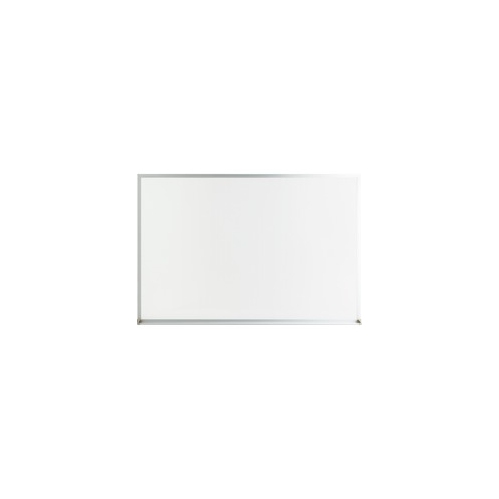
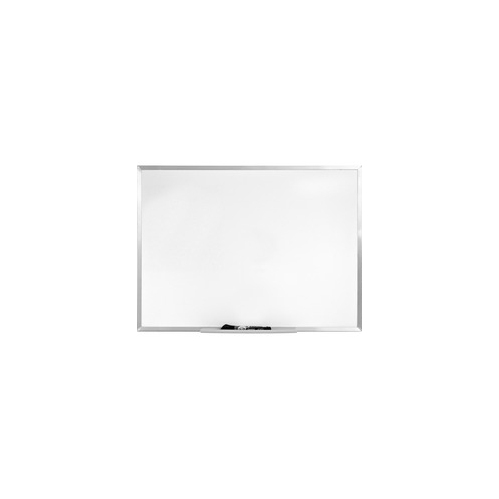
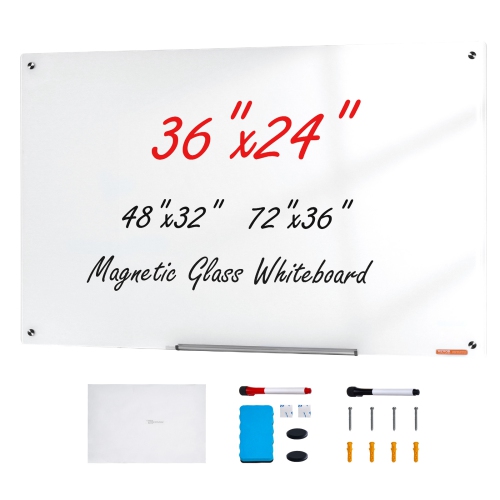
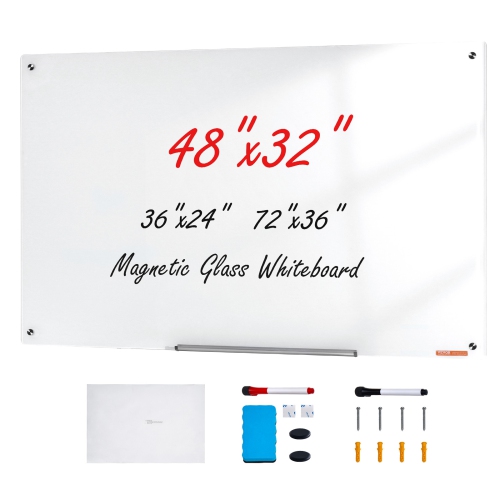

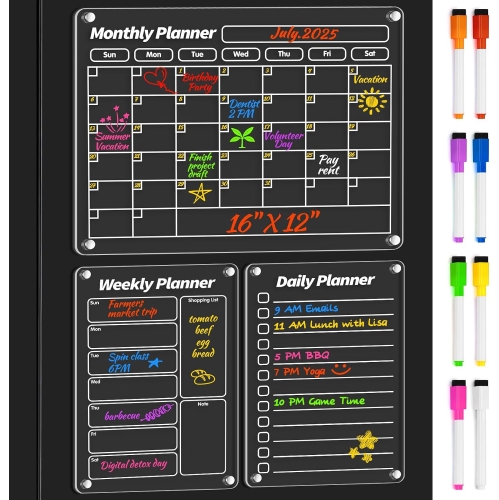
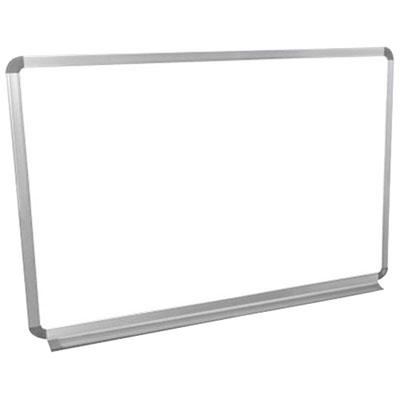

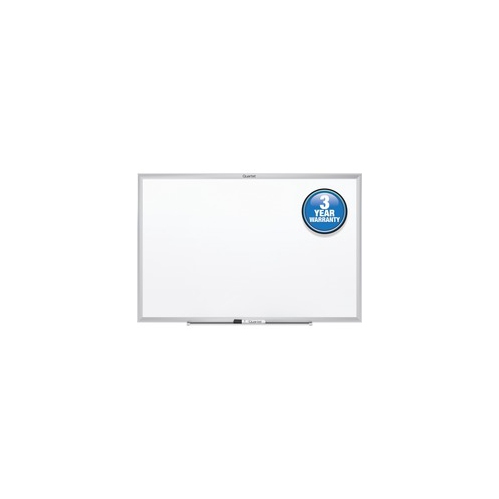
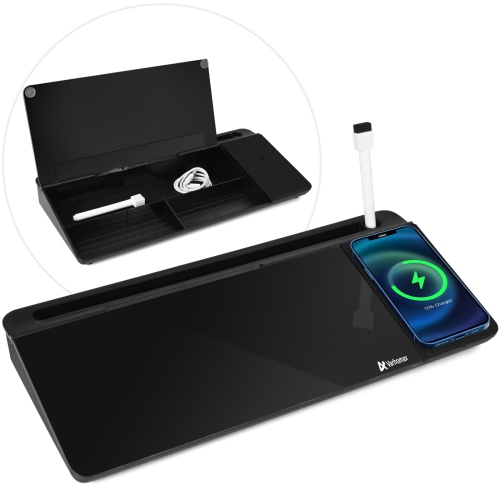
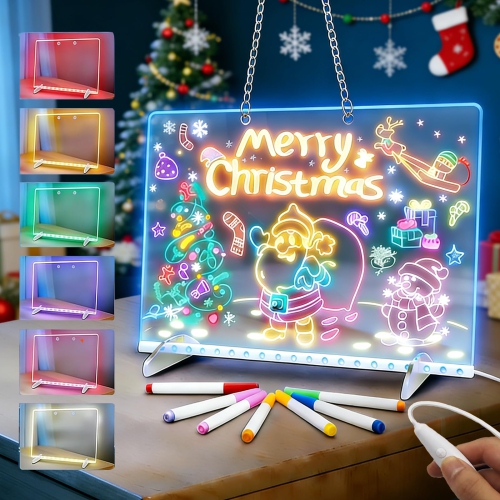
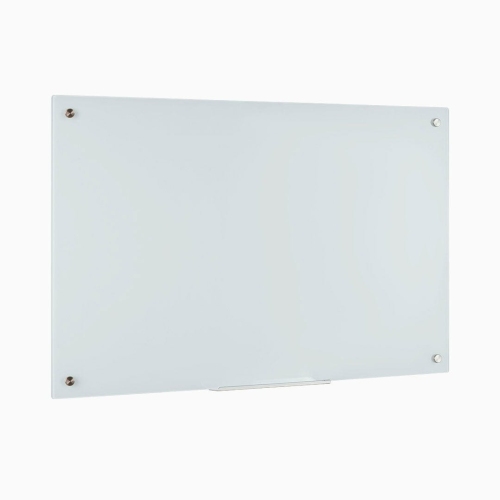
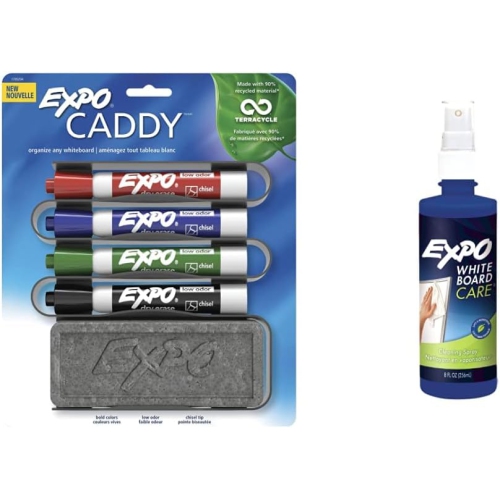
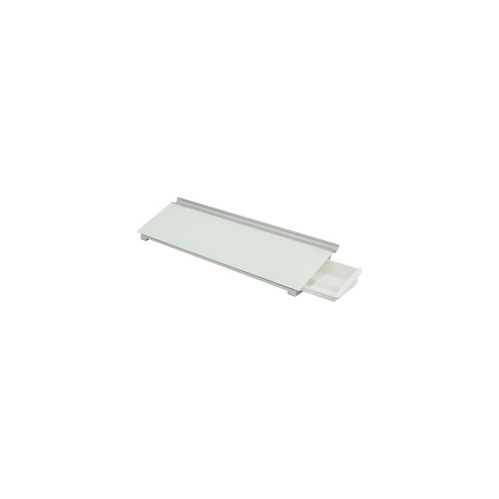

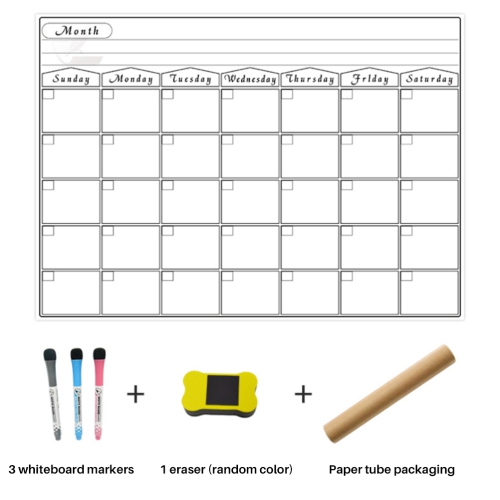
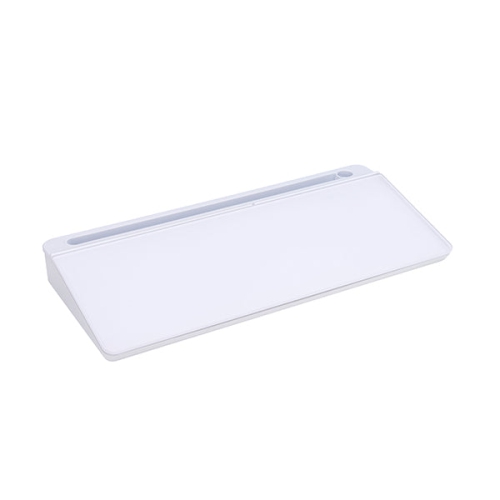
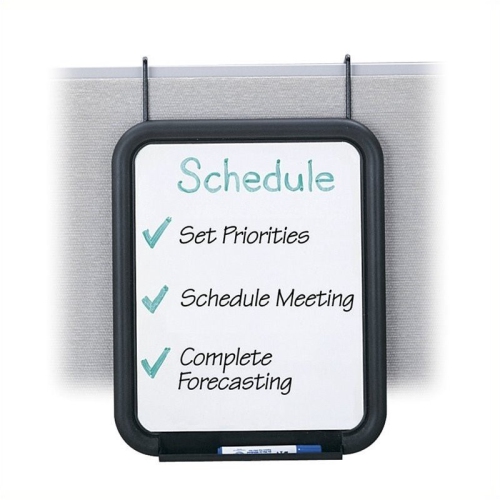
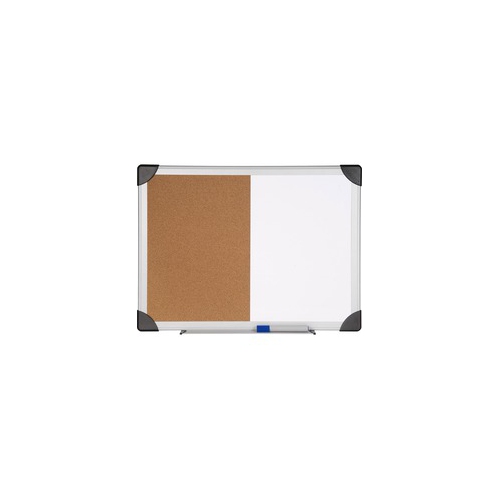
Shared plans that stay visible as work changes
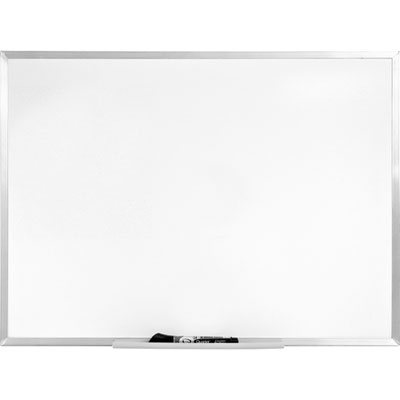
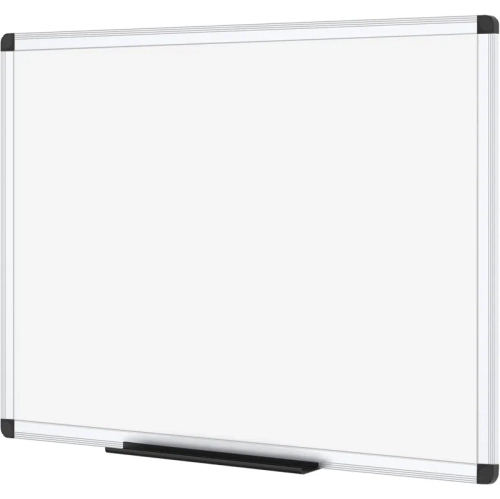
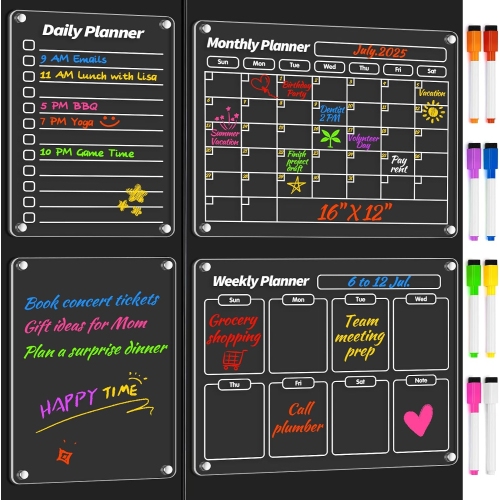
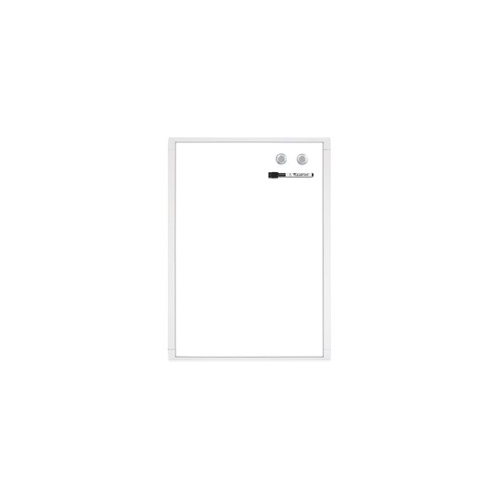
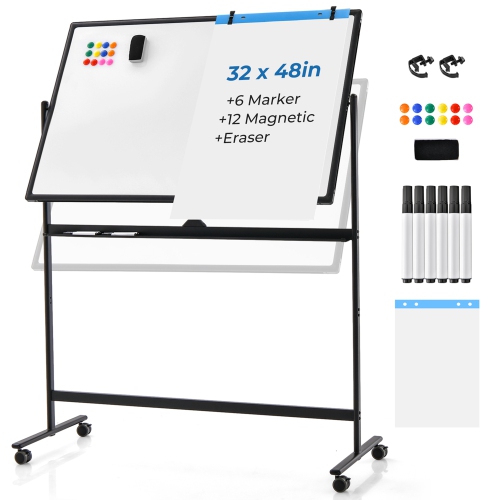
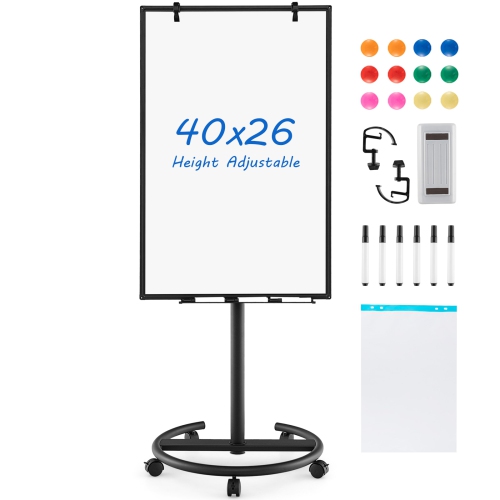
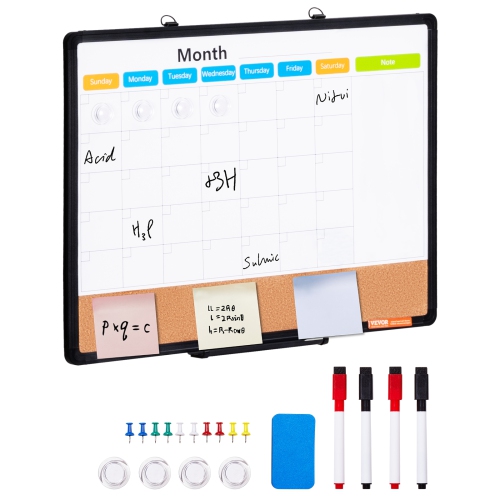
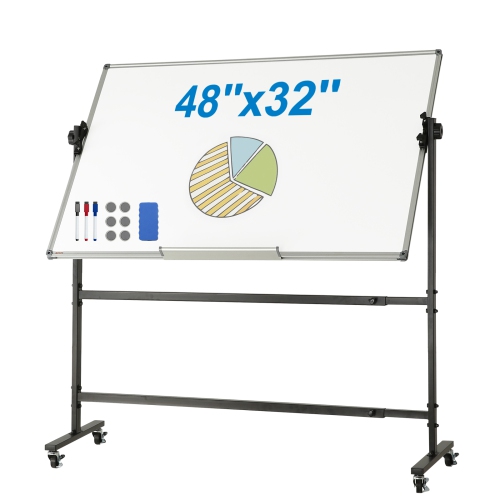
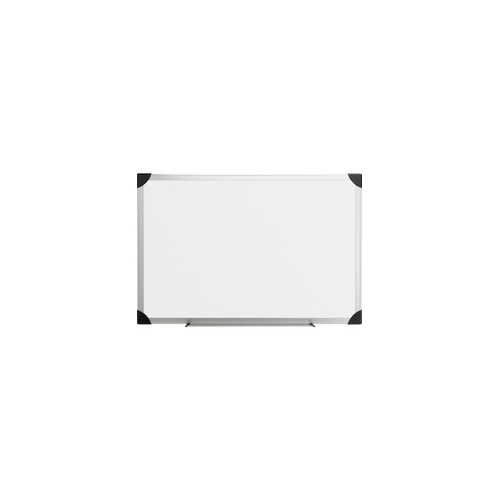
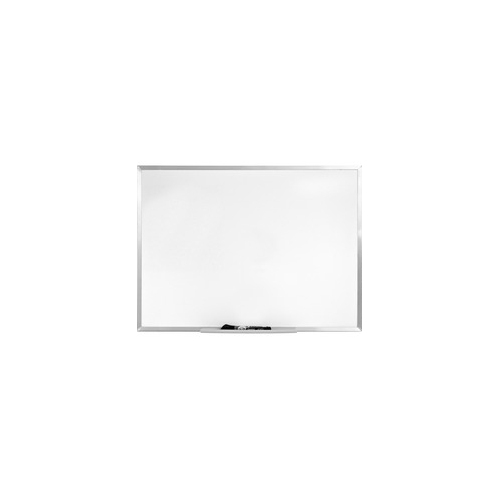
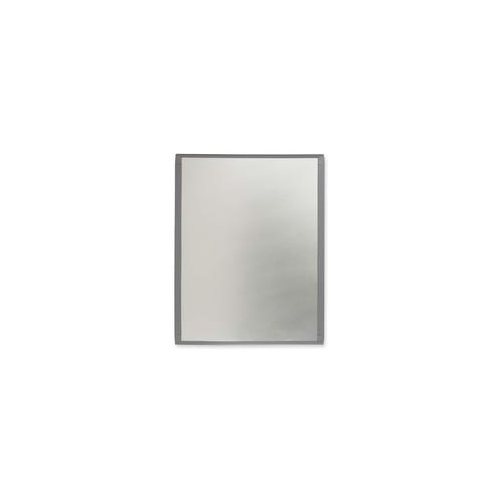
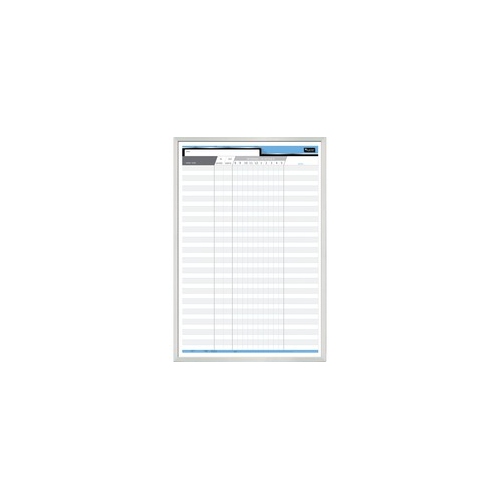
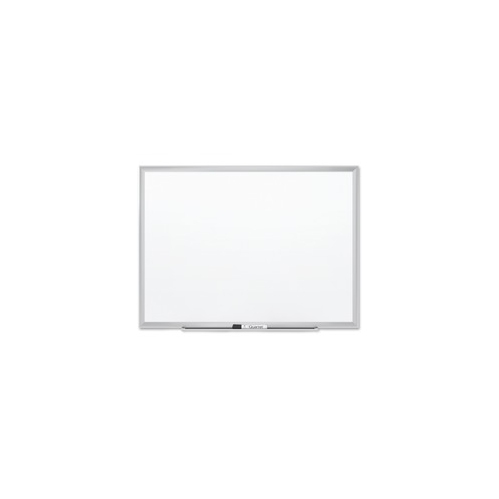
Office dry erase boards give teams a shared place to turn conversations into visible plans, whether that means sketching a project timeline, assigning tasks during a morning meeting, or keeping important deadlines beside a desk. Unlike notes tucked into a notebook, a whiteboard keeps information in view and leaves room for changes as work progresses. A compact desktop board suits reminders, call notes, and a short daily task list, while a larger wall-mounted board gives a group space to map out ideas without crowding the writing. In meeting rooms, generous writing space helps separate discussion points from decisions and next steps. In a home office, a smaller board near the monitor can keep priorities visible without taking over the room. Shared workspaces may benefit from a dedicated schedule board, while training rooms often need a clear, open surface for diagrams and explanations. The broader selection of dry erase boards includes formats suited to personal planning, team coordination, and presentations. The most useful size depends on both the information being displayed and the distance from which it needs to be read. A board used for quick notes within arm’s reach has different requirements from one that colleagues need to read across a conference table. Measure the intended wall area, leaving room for the frame, marker tray, nearby switches, and furniture beneath it. Writing height matters as much as overall dimensions: regularly used sections should be easy to reach for the people using the board, including seated users where needed. Horizontal layouts often suit timelines and side-by-side project columns, while vertical layouts can work well for lists in narrow spaces. Before settling on a placement, consider the view from the seats people actually use. A board hidden behind an open door or partly blocked by a tall cabinet will be less useful than one with clear sightlines and comfortable access.
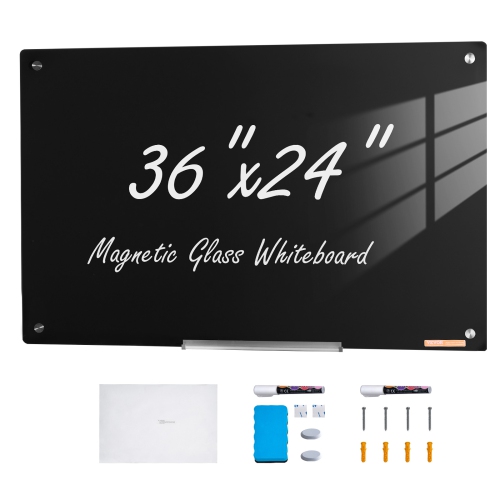
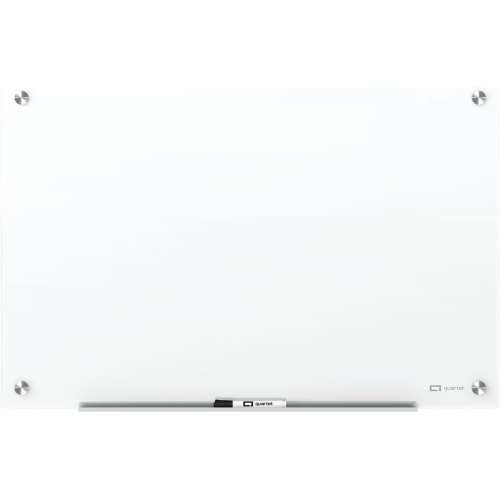
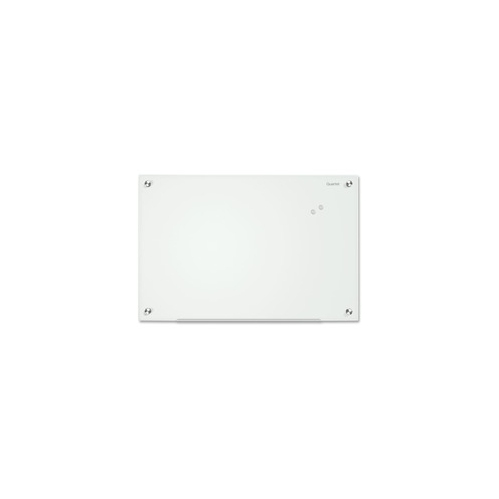
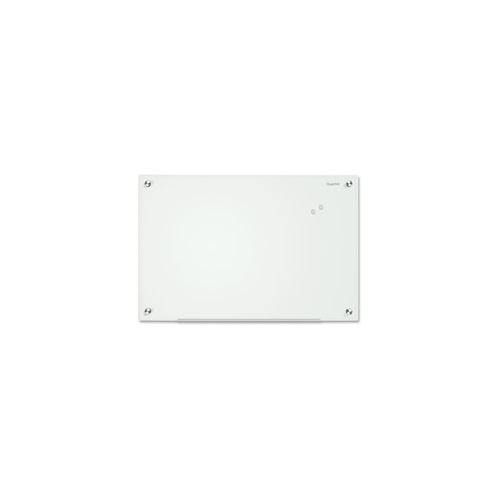
Surface material affects how an office whiteboard feels to write on, how easily it wipes clean, and how well it stands up to repeated use. Melamine boards generally suit light or occasional writing, such as a personal reminder list that changes a few times during the workday. Their surfaces need regular care because marker residue can become harder to remove when left in place, and wear may make faint traces more noticeable over time. Painted or coated steel boards can support routine office use and are often magnetic, although the coating and its durability vary by construction. Porcelain-enamel steel boards are well suited to frequent writing and erasing, with a hard surface that typically offers strong resistance to staining and scratching under normal use. Glass dry erase boards provide a smooth, non-porous writing surface and a clean-lined appearance that can blend into a reception area or meeting room. Tempered glass is commonly used for these boards, but edges still need protection from knocks, and the mounting requirements deserve close attention. Glass is not inherently magnetic; magnetic glass boards use a suitable backing and may require stronger magnets than a conventional steel whiteboard. Similarly, not every whiteboard accepts magnets, so that feature should be confirmed if the board will also hold printed schedules, reference sheets, or meeting handouts. A magnetic surface is especially practical when handwritten updates need to sit beside documents that change less often. Surface colour and marker contrast also influence readability. Dark lettering on a light surface usually gives notes a clear outline, while some coloured or clear glass surfaces need compatible markers chosen for visibility against the background. Frames contribute to both appearance and everyday handling: metal frames offer a straightforward office finish, while rounded corners can be useful near busy walkways. Frameless designs create a more minimal look, though their exposed edges and mounting hardware still need adequate clearance. For a heavily used team board, easy cleaning and dependable construction often matter more than decorative details.
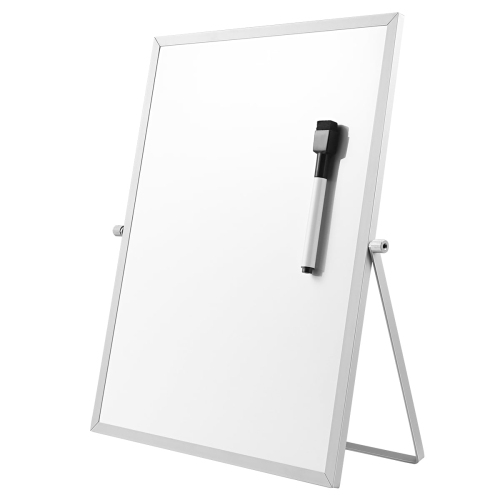
Mounting style determines how a dry erase board fits into the working day. Wall-mounted boards keep floor space clear and provide a consistent location for information that people need to check regularly. Secure installation depends on the board’s weight, the wall construction, and hardware appropriate to both; supplied fixings may not suit every wall type. Larger boards can require more than one person to position safely, and glass boards should be installed exactly as directed by their manufacturer. Mobile boards offer flexibility when a room serves several purposes or teams meet in different areas. A stable base, lockable castors, and enough clearance to move through doorways are practical considerations, particularly where chairs and cables already compete for space. Double-sided designs can separate ongoing plans from meeting notes, while rotating boards need room to turn and a secure mechanism to hold the surface in position. Desktop boards keep small reminders close at hand, but their footprint should leave space for a keyboard, mouse, and paperwork. Accessories help keep any format ready to use: a reachable marker tray reduces searching, a suitable eraser makes quick changes easier, and compatible cleaning supplies help maintain a clear surface. Use markers labelled for dry erase surfaces and follow the board manufacturer’s care instructions rather than assuming every cleaner is suitable. Erase notes that are no longer needed, clean away remaining residue as directed, and avoid abrasive pads that can damage the finish. Ghosting, the faint outline left after erasing, can reflect residue, surface wear, or ink left on the board for extended periods. Keeping erasers clean helps prevent old ink from being spread back across fresh writing. For shared boards, a simple layout with labelled sections for priorities, owners, and deadlines makes updates easier to follow. Colour can distinguish projects or responsibilities, but written labels keep the meaning clear to everyone. Photographing a completed discussion before clearing the surface can preserve useful decisions, subject to workplace information policies. With a suitable format and consistent care, an office dry erase board becomes a practical part of everyday communication rather than another surface crowded with forgotten notes.
Surface material affects how an office whiteboard feels to write on, how easily it wipes clean, and how well it stands up to repeated use. Melamine boards generally suit light or occasional writing, such as a personal reminder list that changes a few times during the workday. Their surfaces need regular care because marker residue can become harder to remove when left in place, and wear may make faint traces more noticeable over time. Painted or coated steel boards can support routine office use and are often magnetic, although the coating and its durability vary by construction. Porcelain-enamel steel boards are well suited to frequent writing and erasing, with a hard surface that typically offers strong resistance to staining and scratching under normal use. Glass dry erase boards provide a smooth, non-porous writing surface and a clean-lined appearance that can blend into a reception area or meeting room. Tempered glass is commonly used for these boards, but edges still need protection from knocks, and the mounting requirements deserve close attention. Glass is not inherently magnetic; magnetic glass boards use a suitable backing and may require stronger magnets than a conventional steel whiteboard. Similarly, not every whiteboard accepts magnets, so that feature should be confirmed if the board will also hold printed schedules, reference sheets, or meeting handouts. A magnetic surface is especially practical when handwritten updates need to sit beside documents that change less often. Surface colour and marker contrast also influence readability. Dark lettering on a light surface usually gives notes a clear outline, while some coloured or clear glass surfaces need compatible markers chosen for visibility against the background. Frames contribute to both appearance and everyday handling: metal frames offer a straightforward office finish, while rounded corners can be useful near busy walkways. Frameless designs create a more minimal look, though their exposed edges and mounting hardware still need adequate clearance. For a heavily used team board, easy cleaning and dependable construction often matter more than decorative details.
Mounting style determines how a dry erase board fits into the working day. Wall-mounted boards keep floor space clear and provide a consistent location for information that people need to check regularly. Secure installation depends on the board’s weight, the wall construction, and hardware appropriate to both; supplied fixings may not suit every wall type. Larger boards can require more than one person to position safely, and glass boards should be installed exactly as directed by their manufacturer. Mobile boards offer flexibility when a room serves several purposes or teams meet in different areas. A stable base, lockable castors, and enough clearance to move through doorways are practical considerations, particularly where chairs and cables already compete for space. Double-sided designs can separate ongoing plans from meeting notes, while rotating boards need room to turn and a secure mechanism to hold the surface in position. Desktop boards keep small reminders close at hand, but their footprint should leave space for a keyboard, mouse, and paperwork. Accessories help keep any format ready to use: a reachable marker tray reduces searching, a suitable eraser makes quick changes easier, and compatible cleaning supplies help maintain a clear surface. Use markers labelled for dry erase surfaces and follow the board manufacturer’s care instructions rather than assuming every cleaner is suitable. Erase notes that are no longer needed, clean away remaining residue as directed, and avoid abrasive pads that can damage the finish. Ghosting, the faint outline left after erasing, can reflect residue, surface wear, or ink left on the board for extended periods. Keeping erasers clean helps prevent old ink from being spread back across fresh writing. For shared boards, a simple layout with labelled sections for priorities, owners, and deadlines makes updates easier to follow. Colour can distinguish projects or responsibilities, but written labels keep the meaning clear to everyone. Photographing a completed discussion before clearing the surface can preserve useful decisions, subject to workplace information policies. With a suitable format and consistent care, an office dry erase board becomes a practical part of everyday communication rather than another surface crowded with forgotten notes.
Top selling and popular products
-
 Your price for this item is $175.99
 -
 Your price for this item is $54.99
 -
 Your price for this item is $35.65
 -
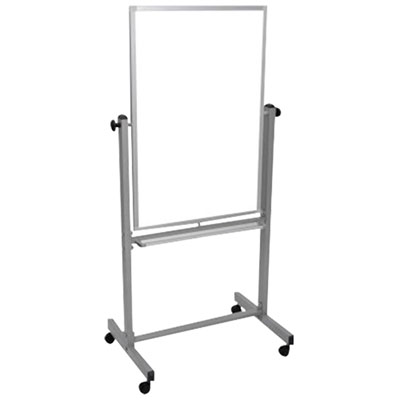 Your price for this item is $359.99
 -
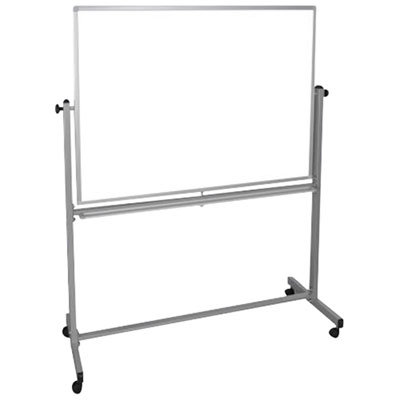 Your price for this item is $429.99
 -
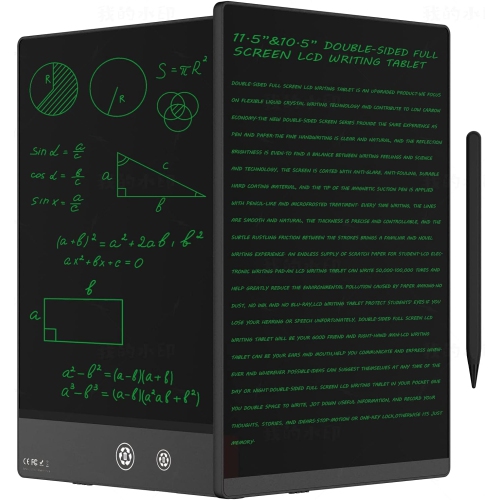 Your price for this item is $30.28
 -
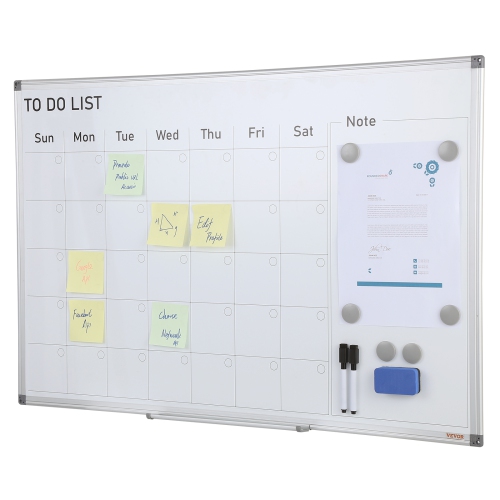 Your price for this item is $51.99
 -
 Your price for this item is $229.99
Discover more categories related to Office Dry Erase Boards
Top Collections:
Pokemon Centers, Kindle Devices, Best Budget Office Chairs, Apple iPhones 16, Best Laptops for Writers, iPhone 15 Apple, Canon G7X Cameras, Refurbished Apple Laptops, Alarm Clock, Motorola Razr Phones
Some products may be subject to Environmental Handling Fees
(EHF) depending on your province.
Learn more about EHFs.