Office Organization Products
Stay productive and keep your workspace clutter-free with our extensive selection of office organization products. From desk organizers to file cabinets, we have everything you need to create an efficient and stylish office setup. Whether you're working from home or in a professional setting, our range of storage solutions will help you stay organized and focused.
Sort

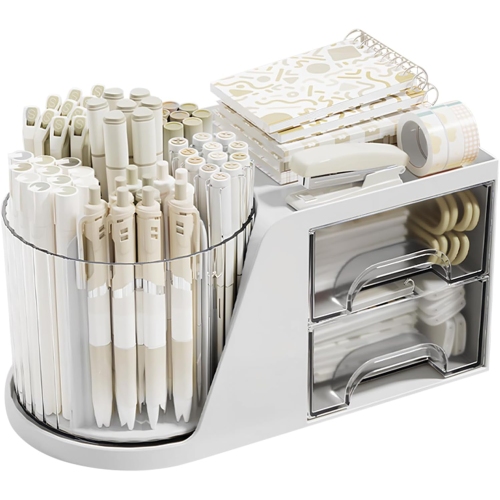
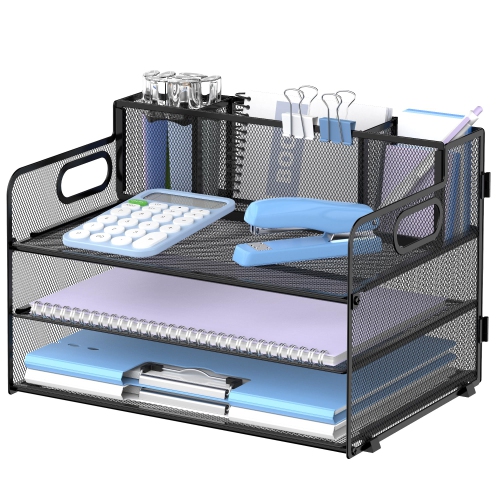
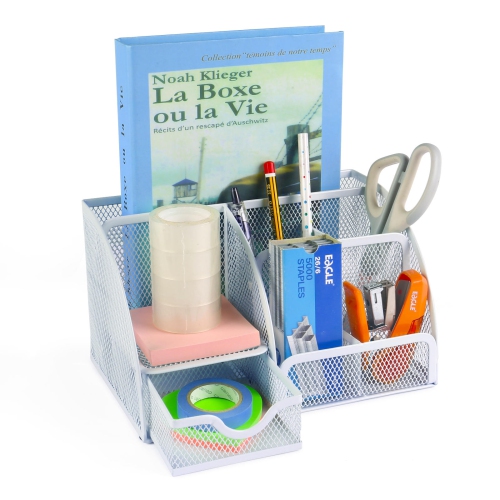
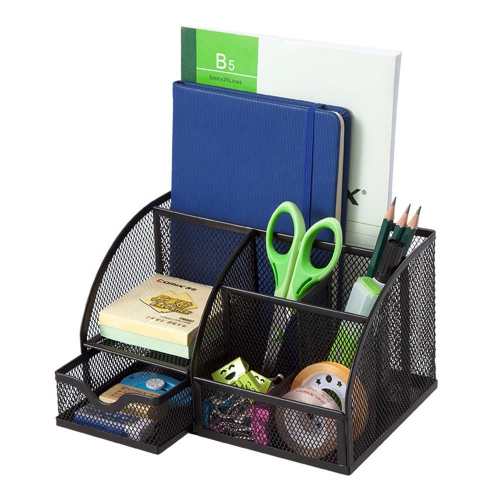
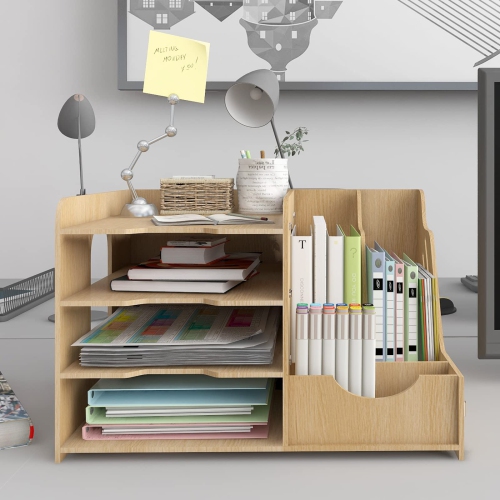
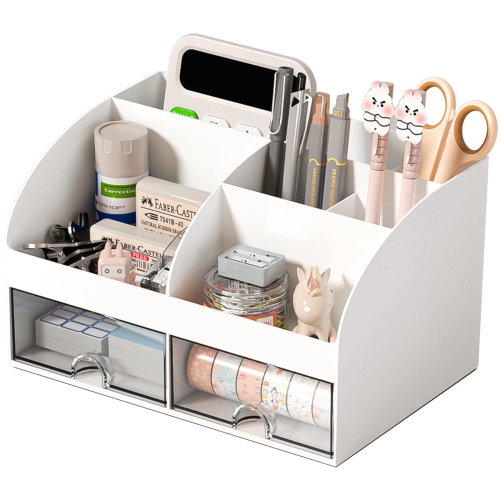
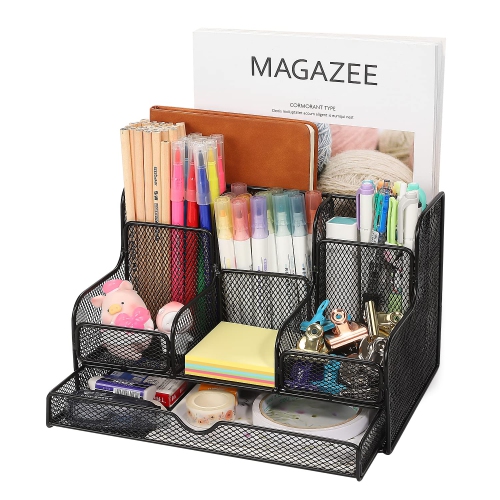
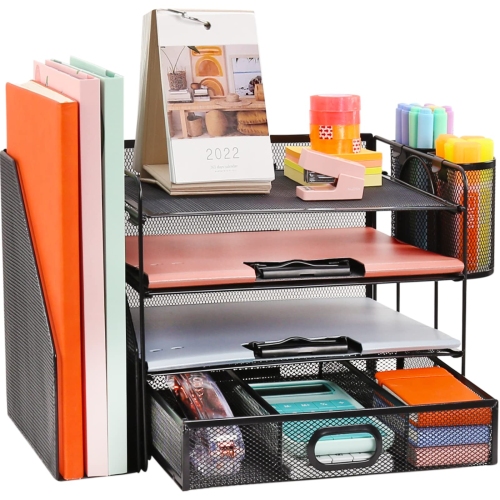
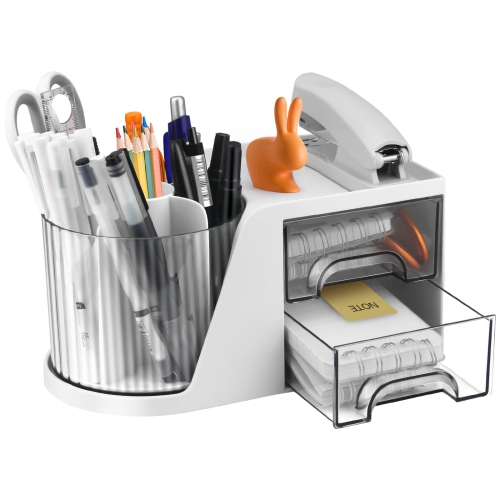

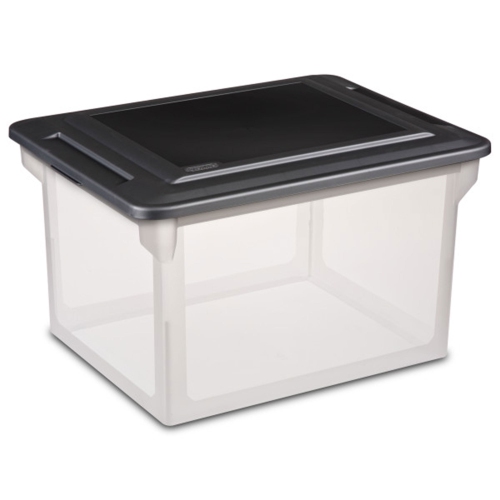

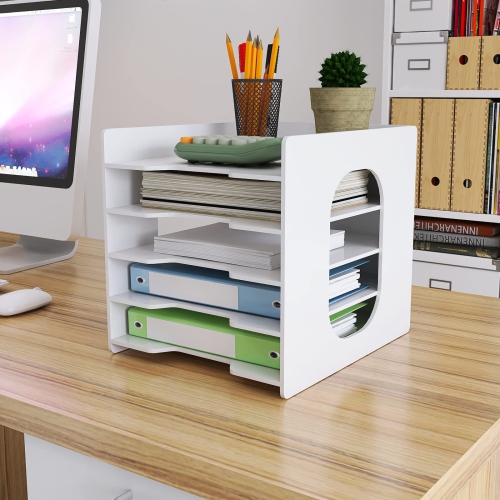
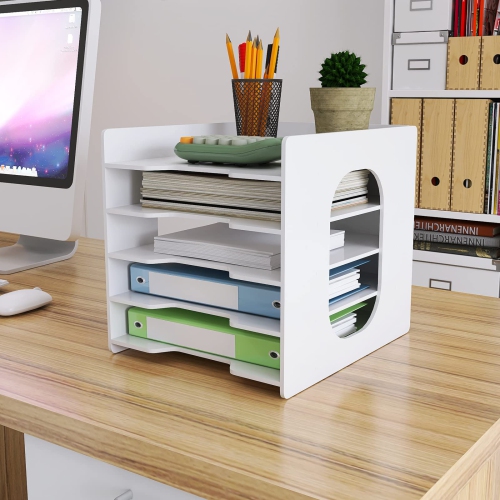
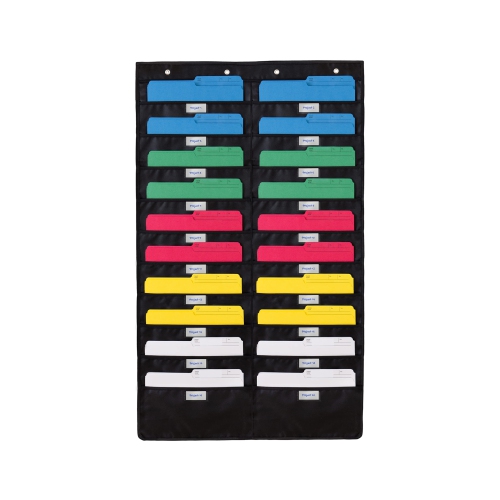
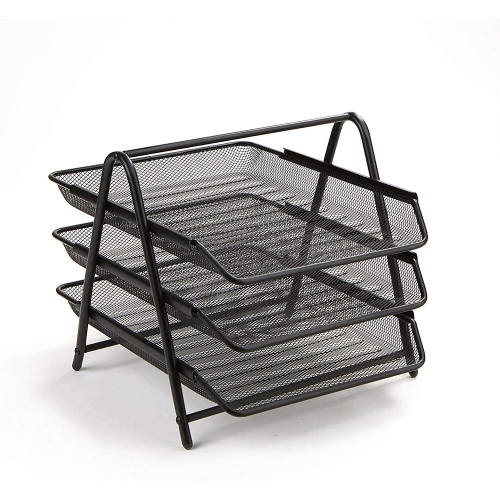
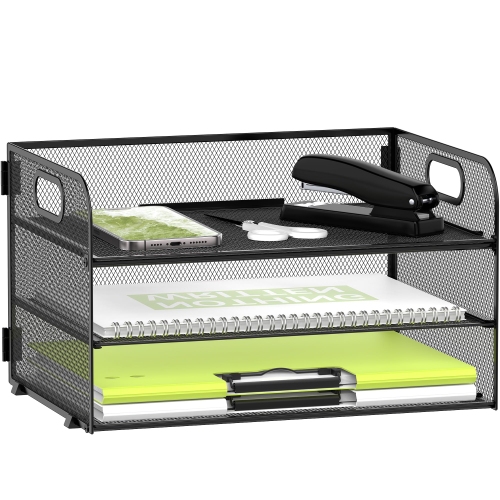
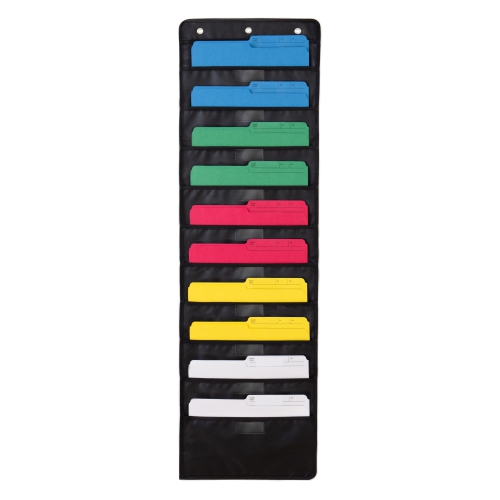




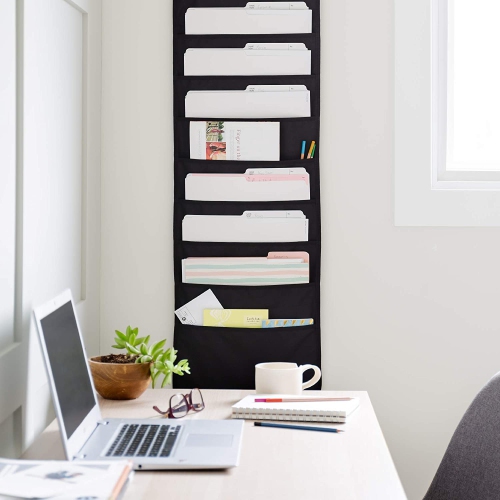

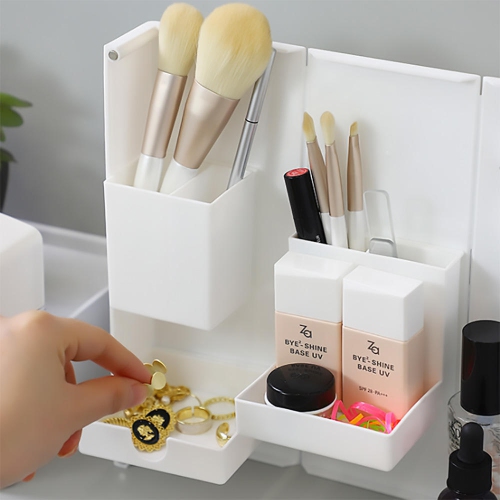


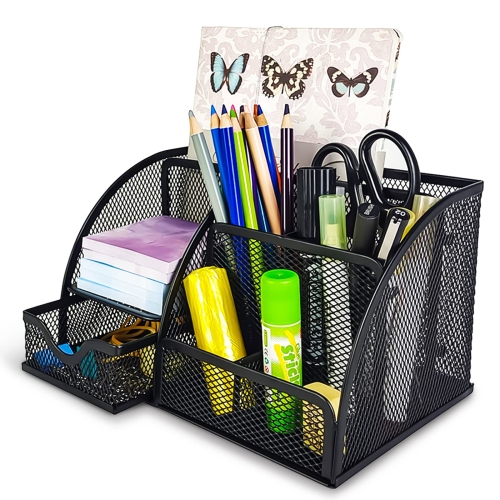
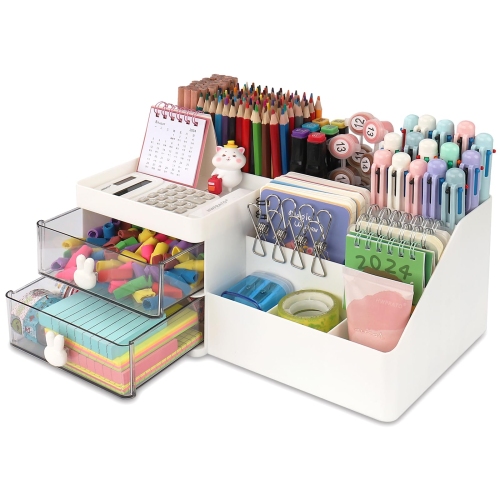
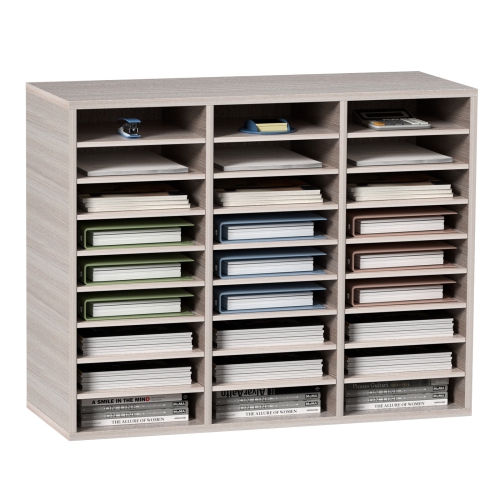
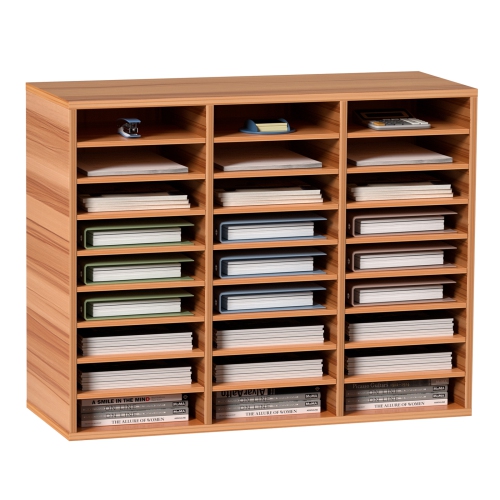
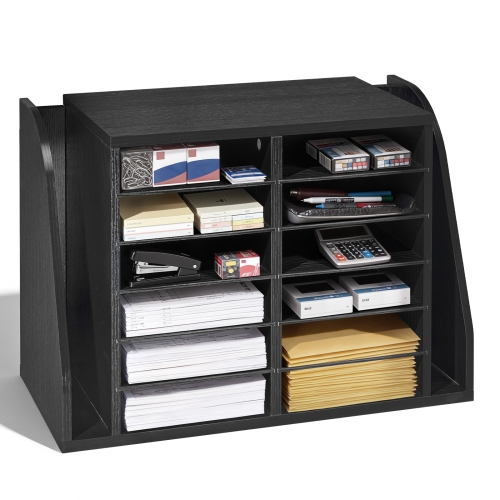
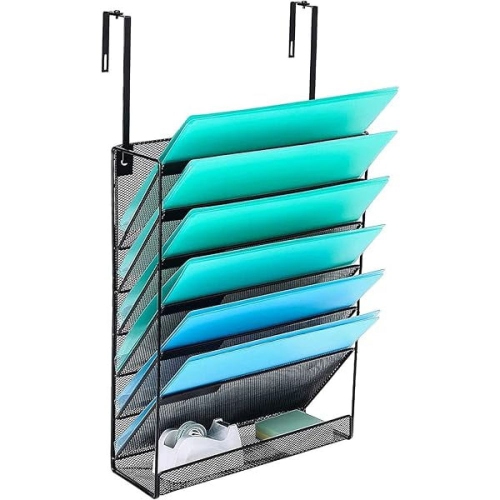

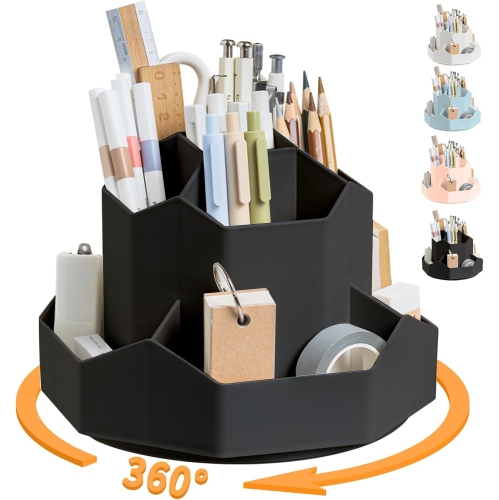

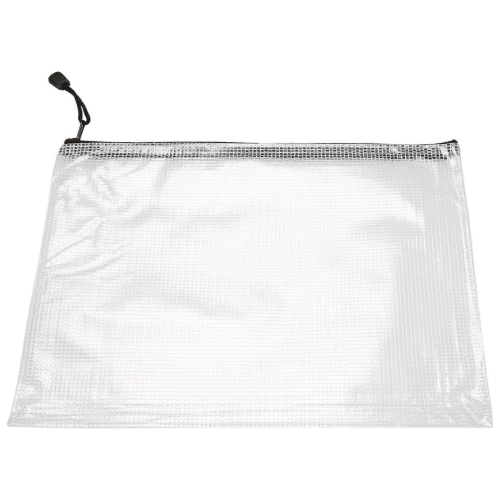

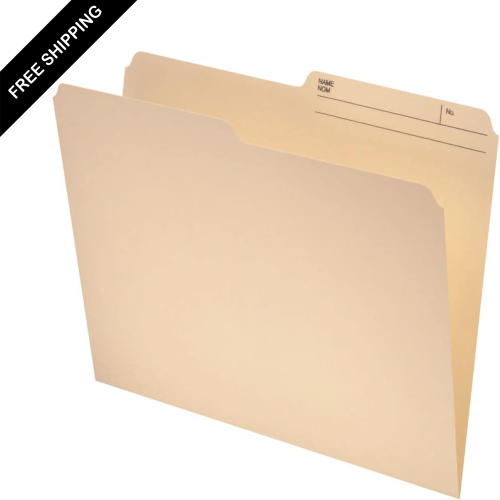
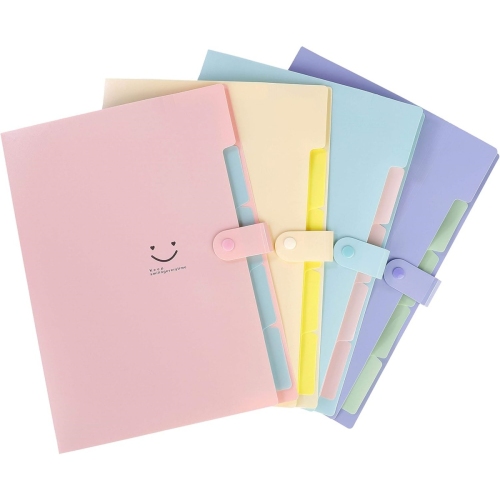
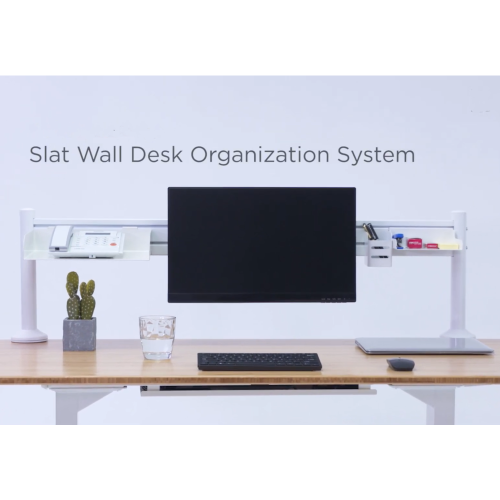


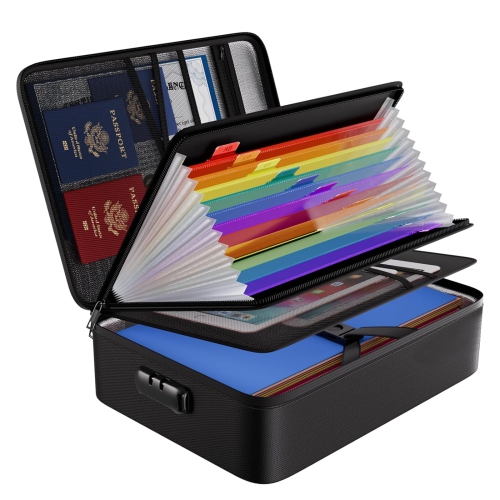

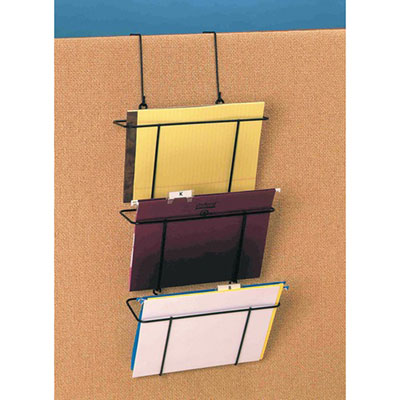
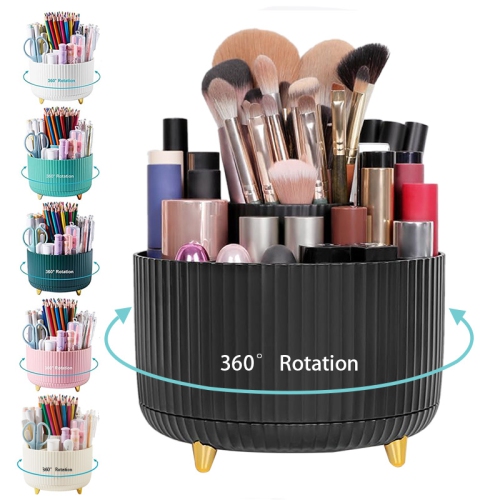
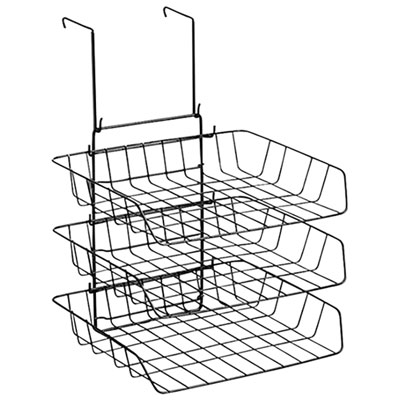
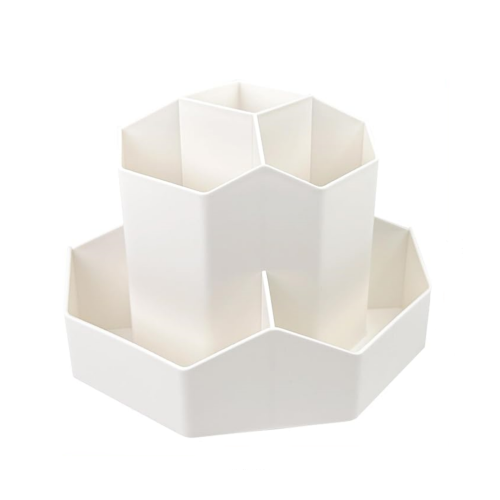
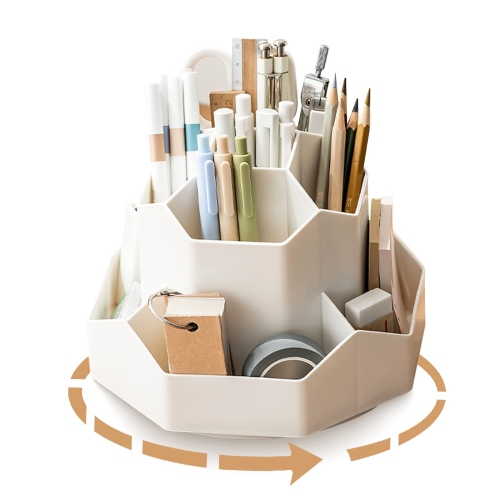


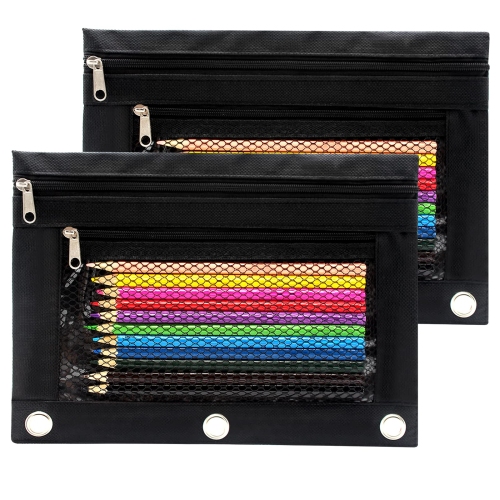



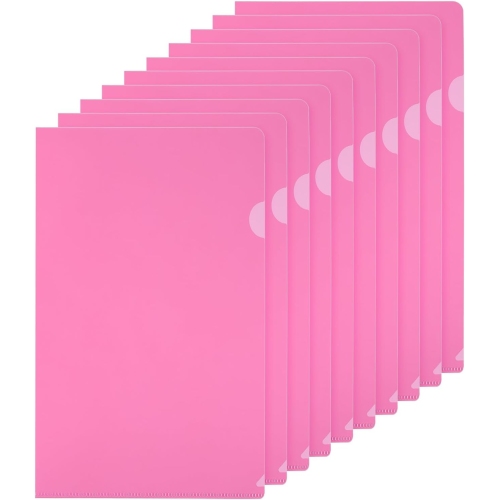
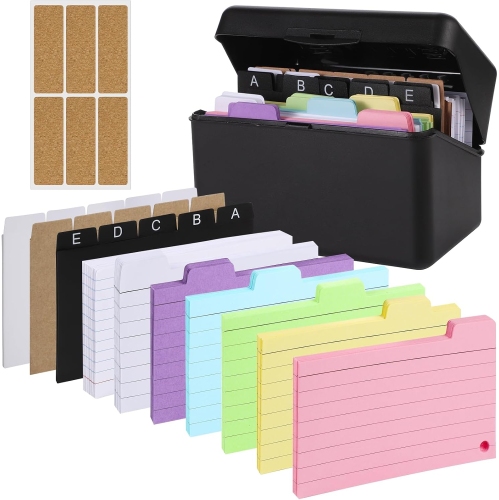

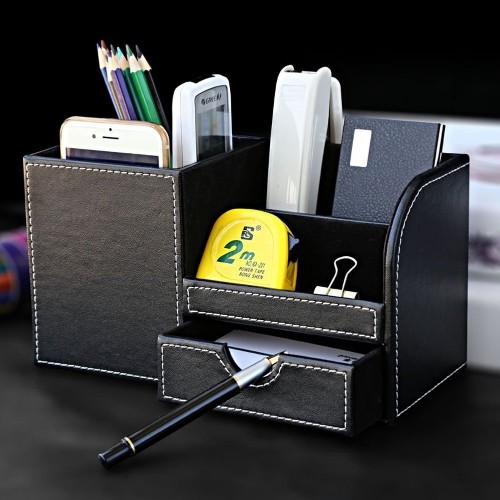
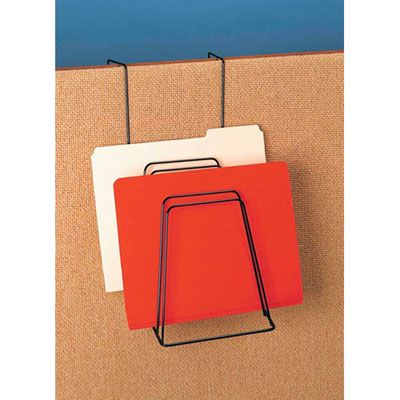





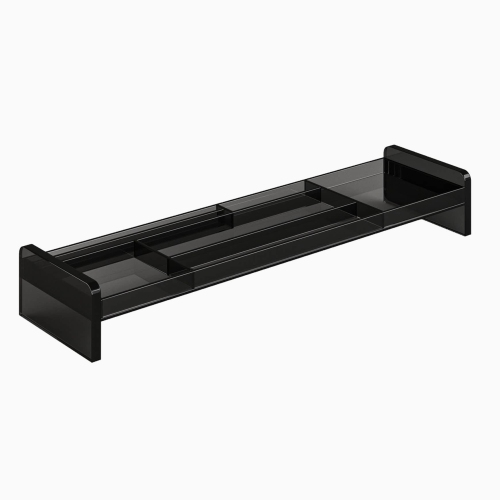


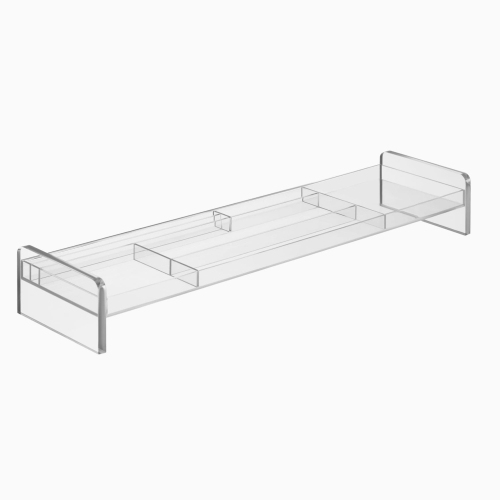
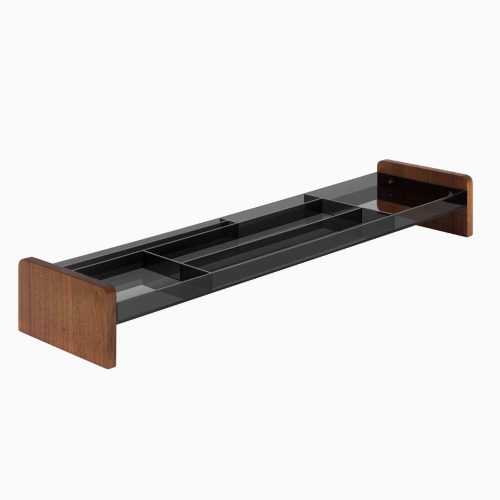
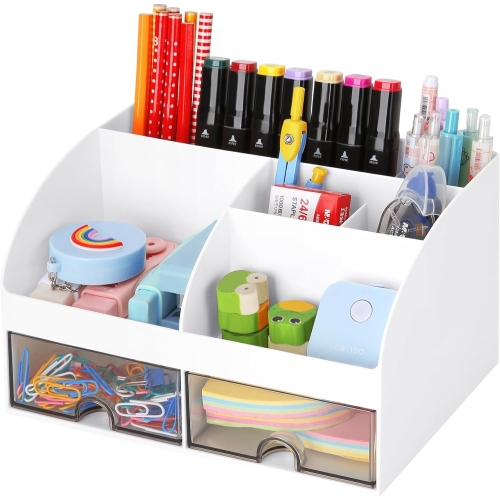


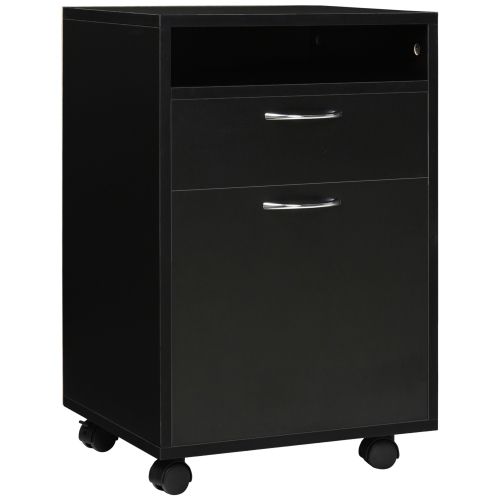
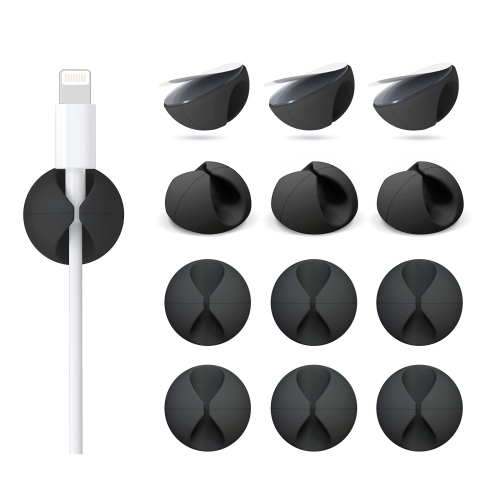
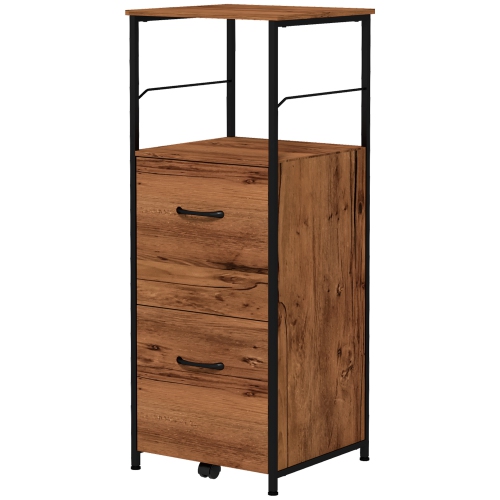
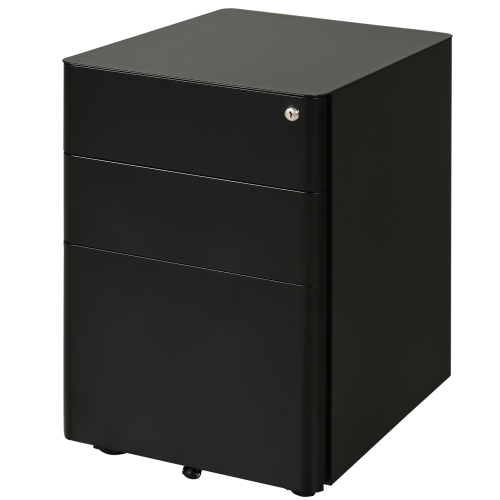

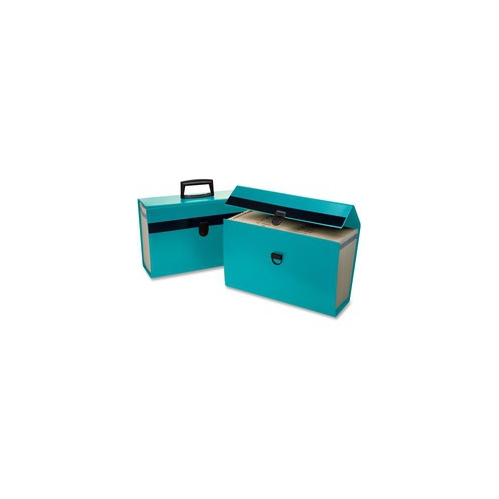
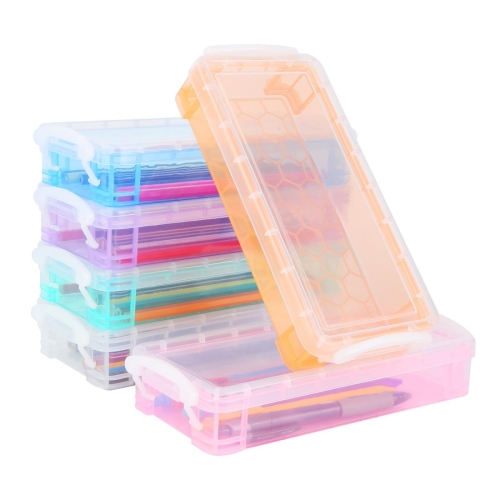

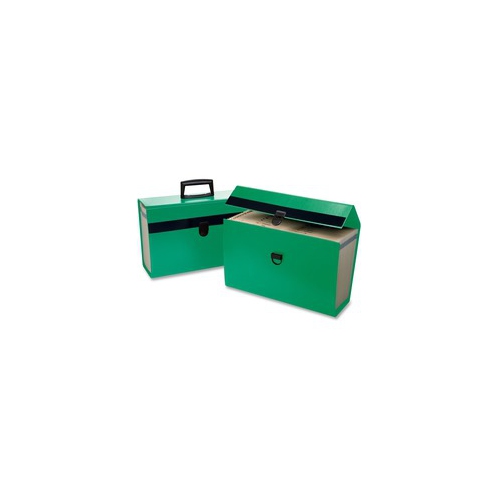
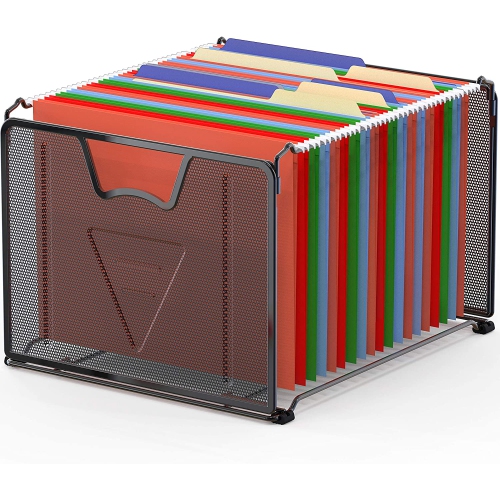
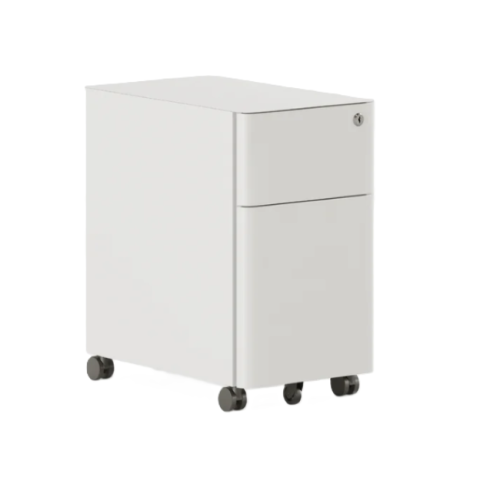
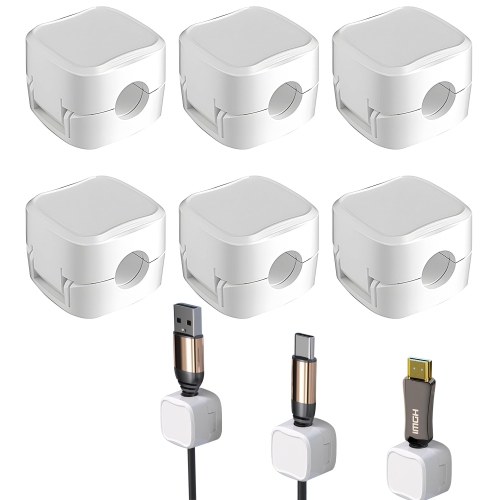
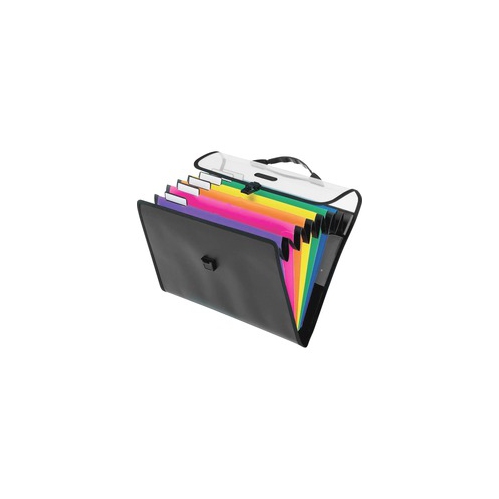

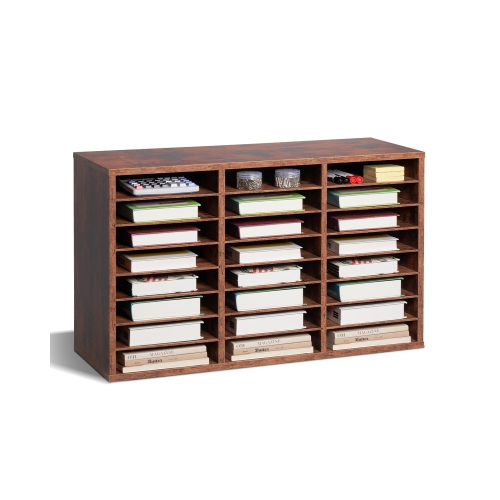

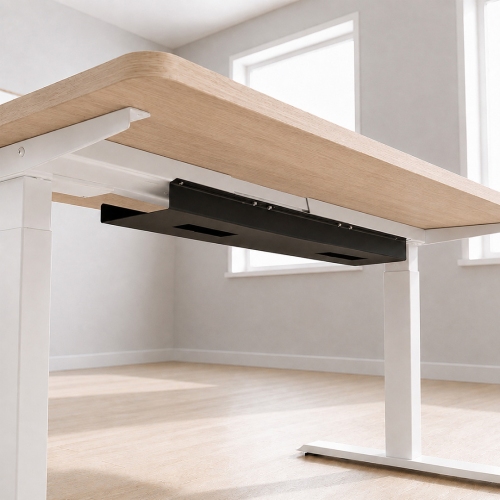
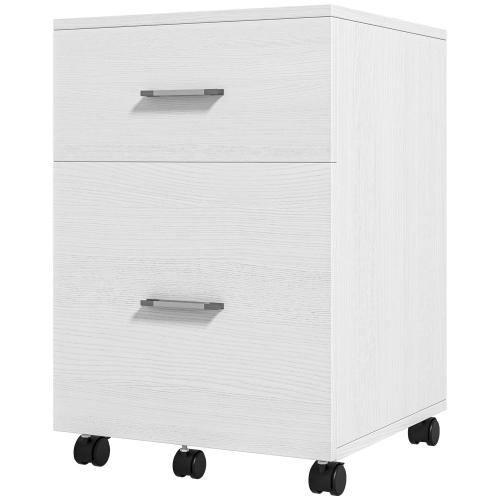
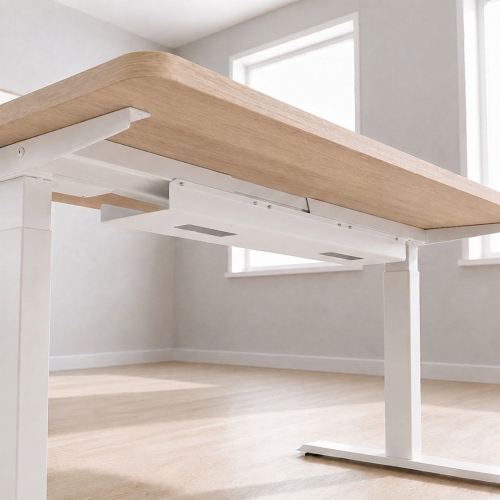
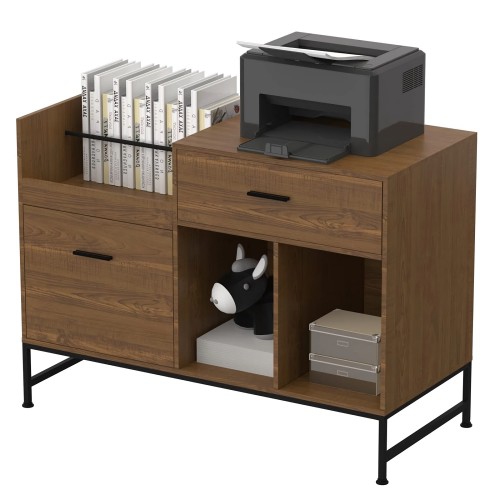
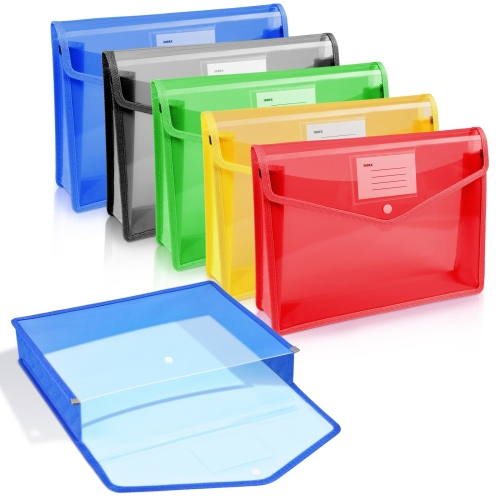
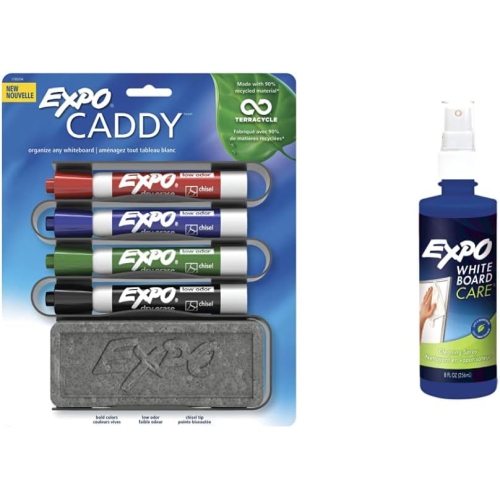
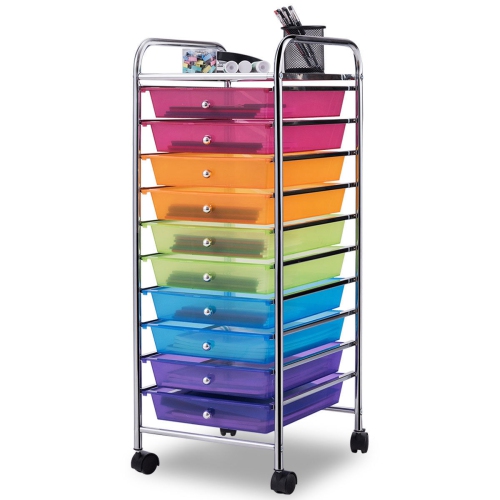
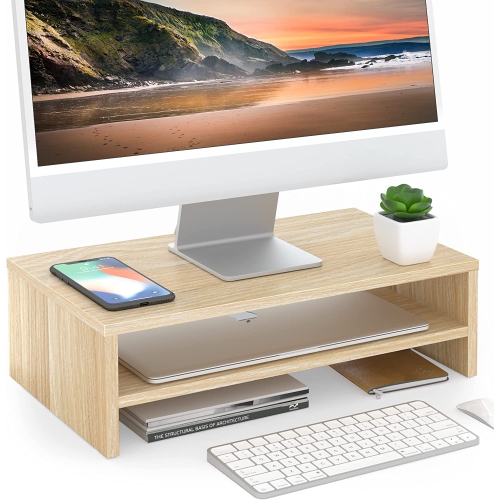
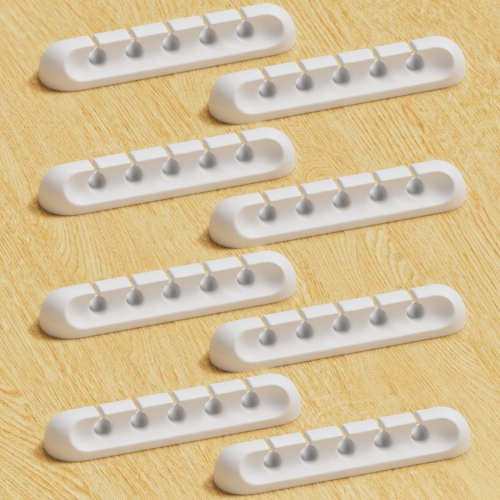

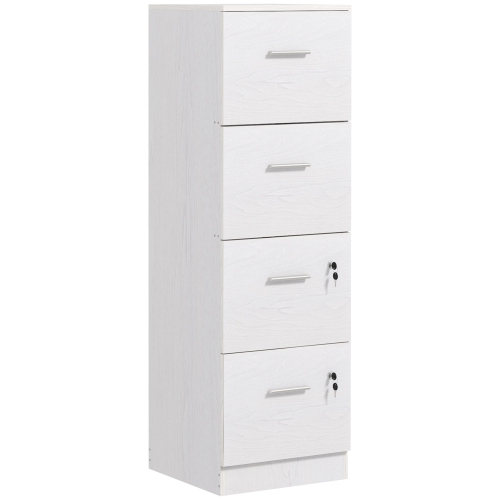
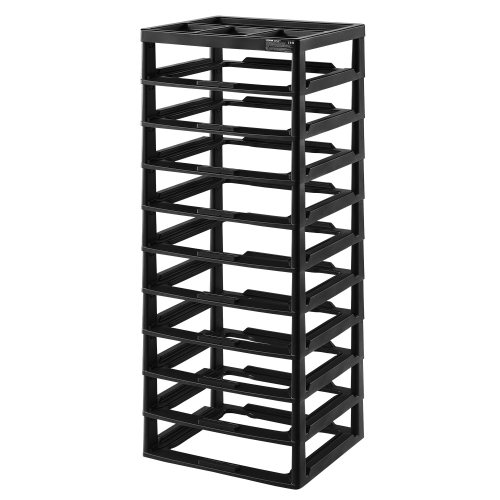

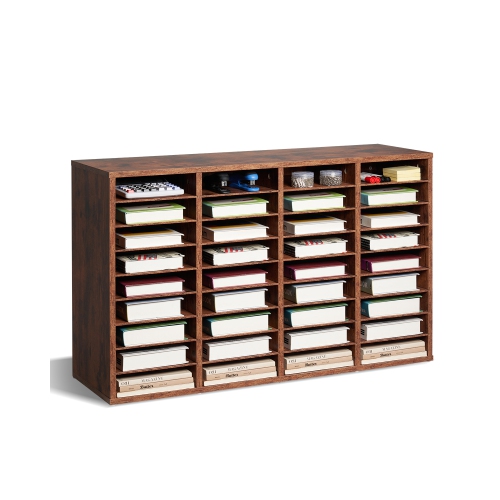







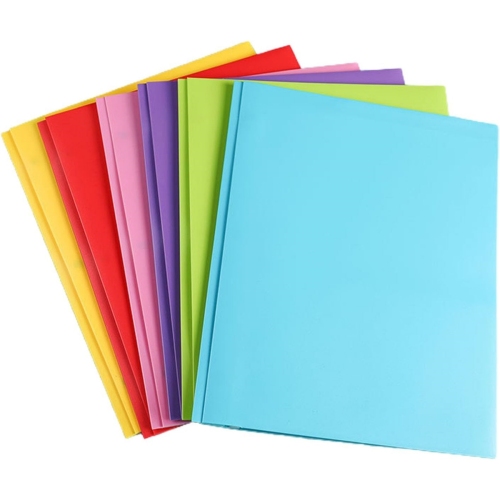
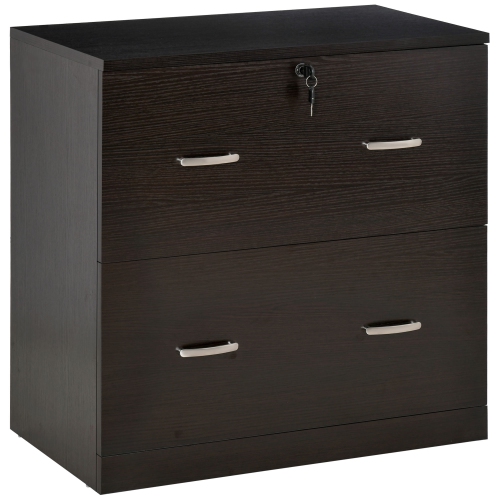
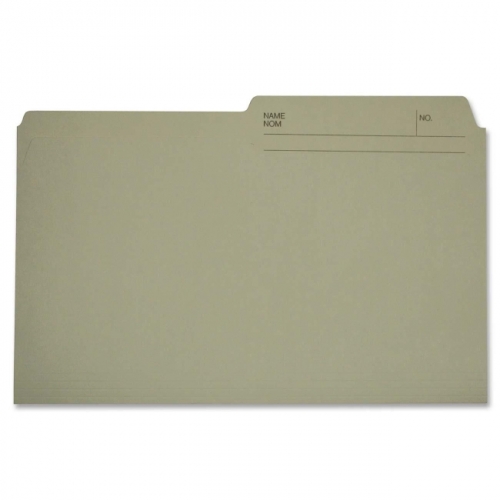
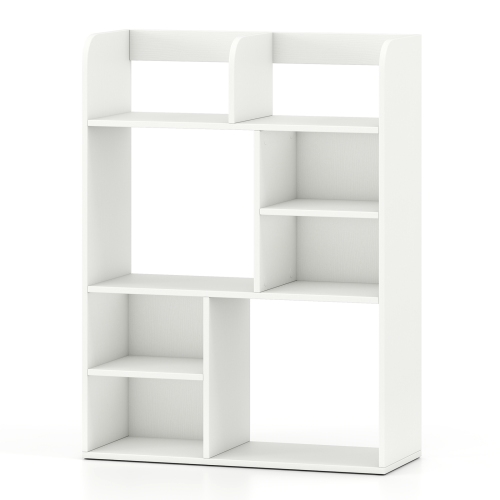
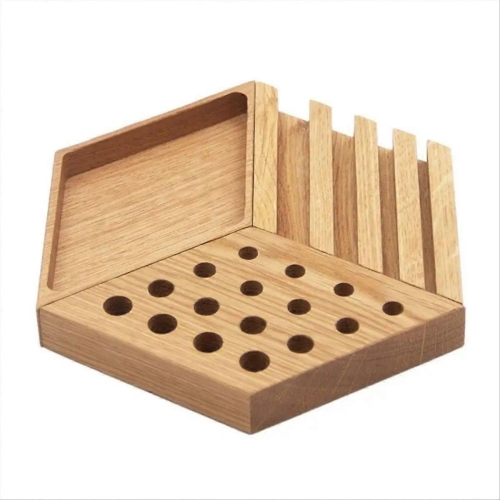
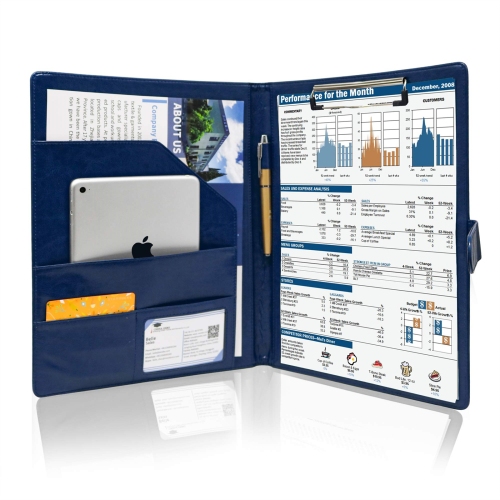
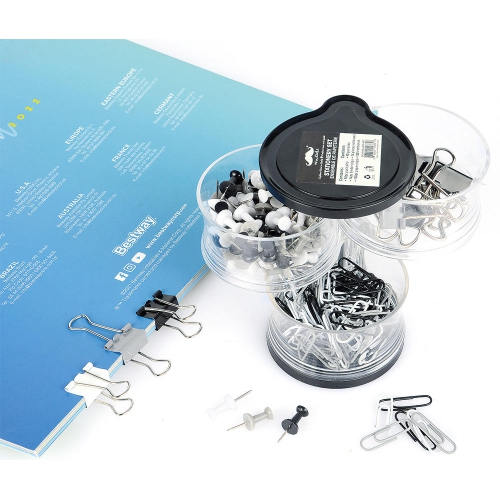
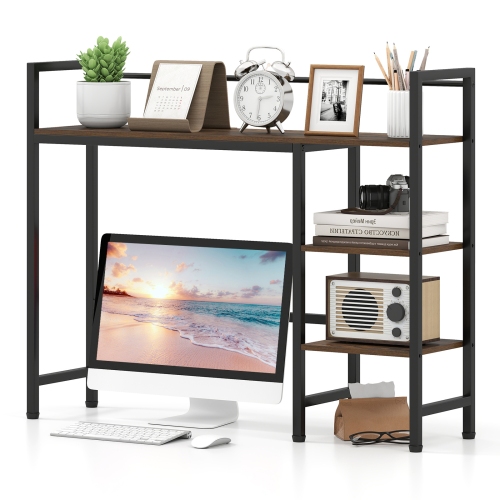
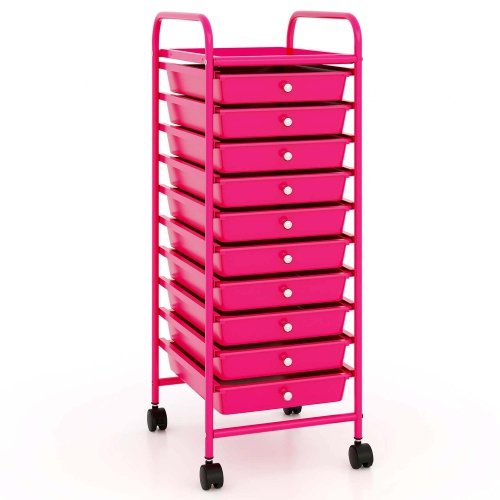
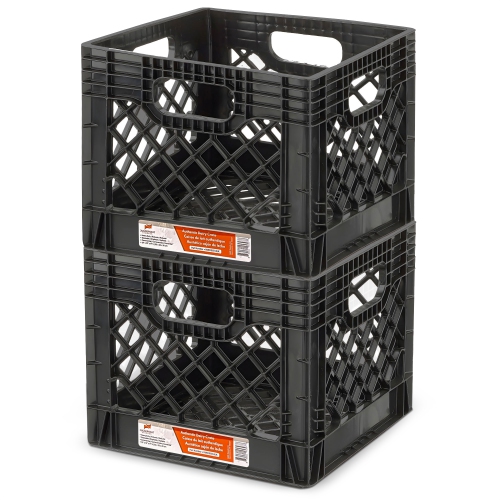
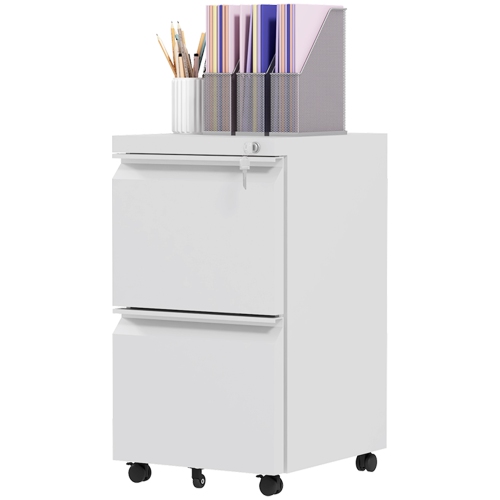
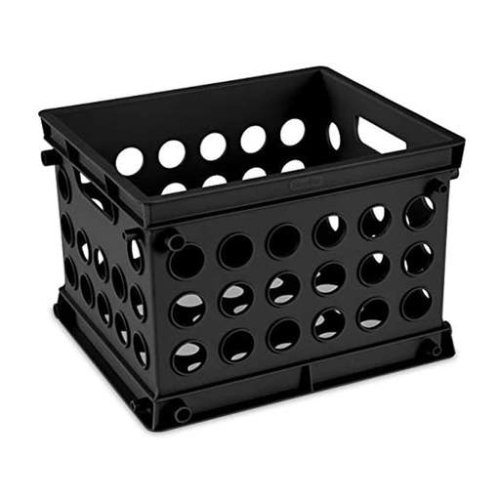

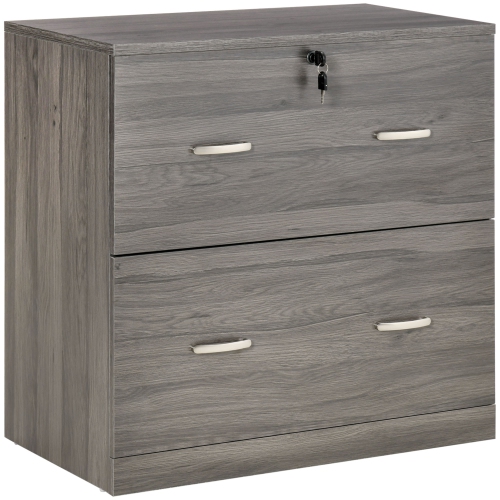
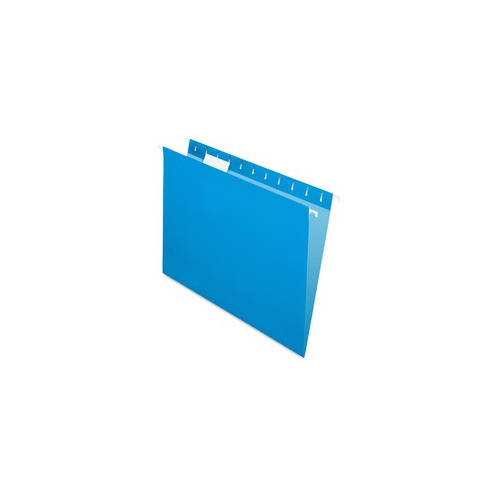
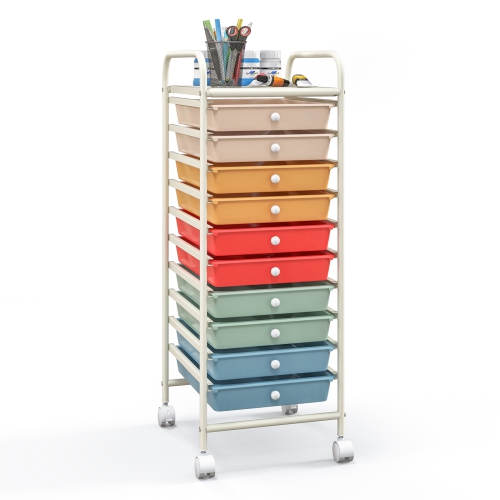
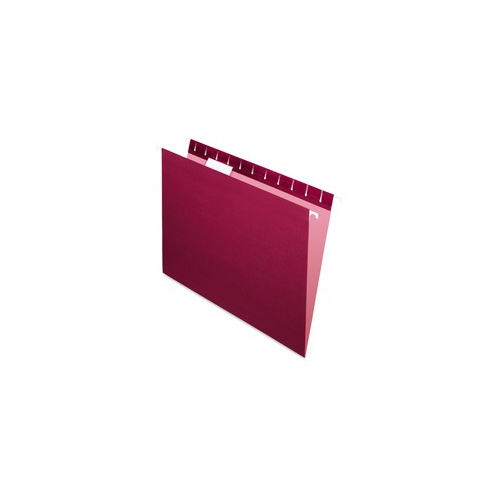

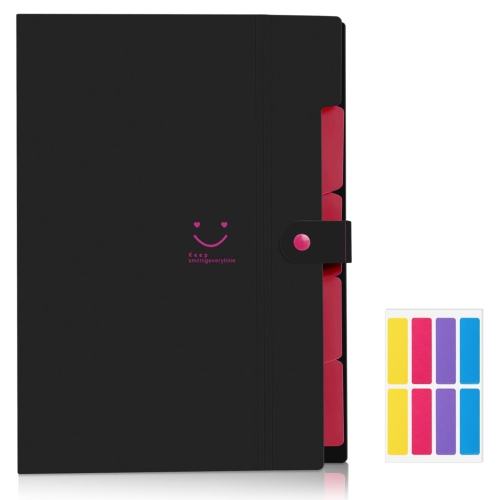
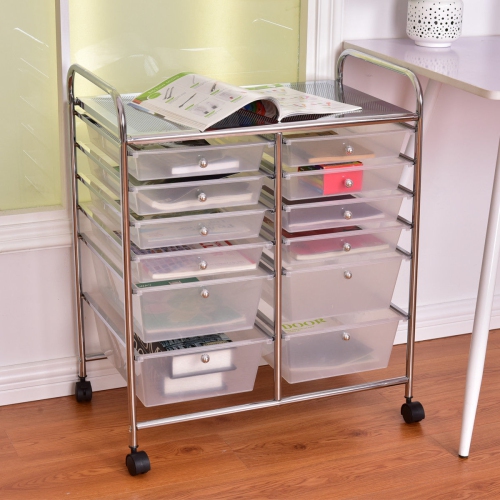
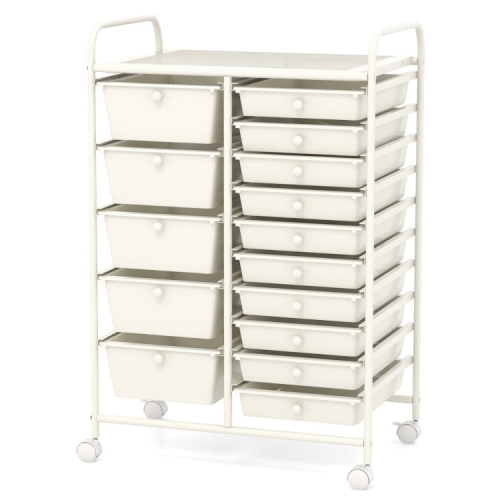


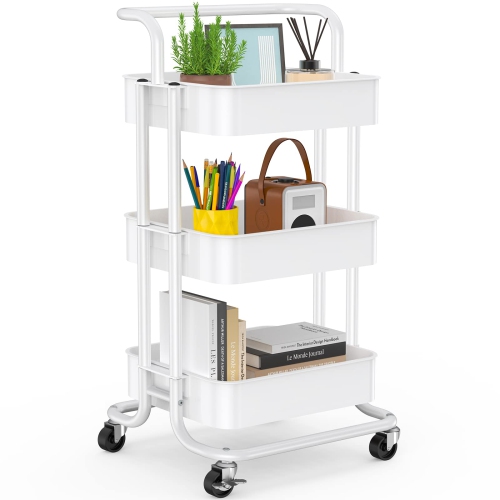

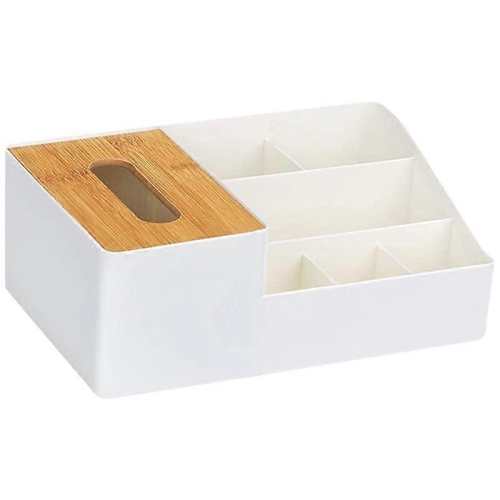
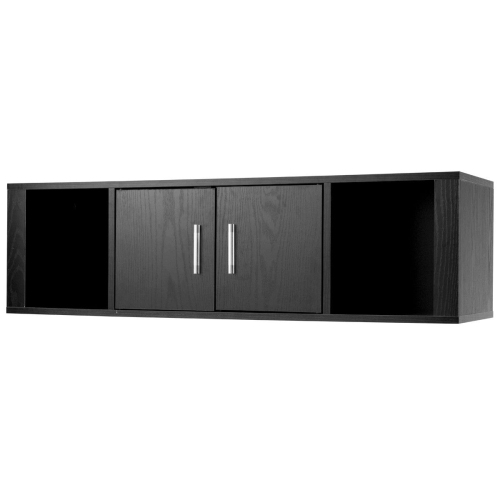

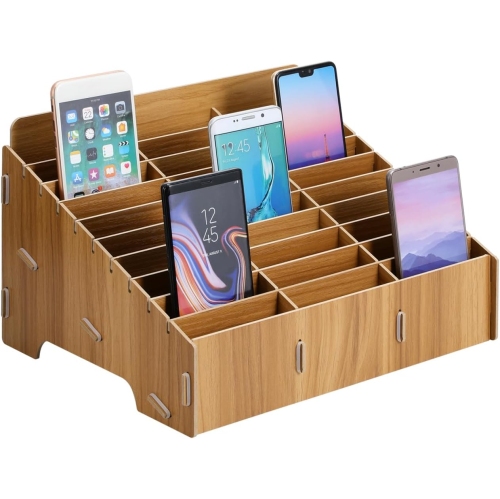
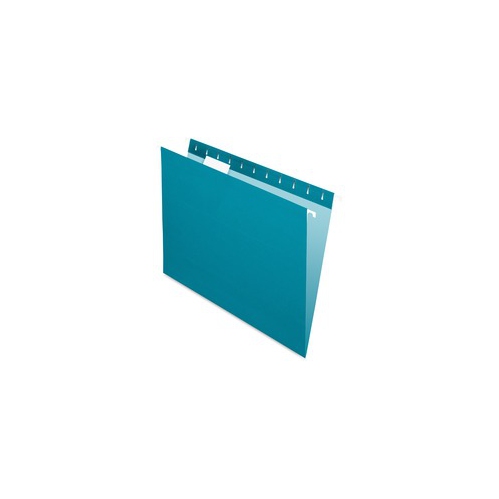
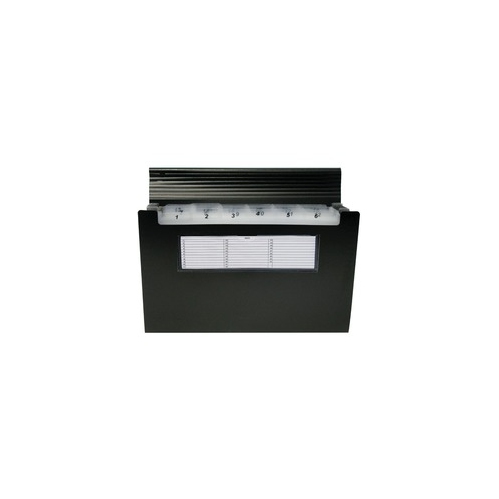

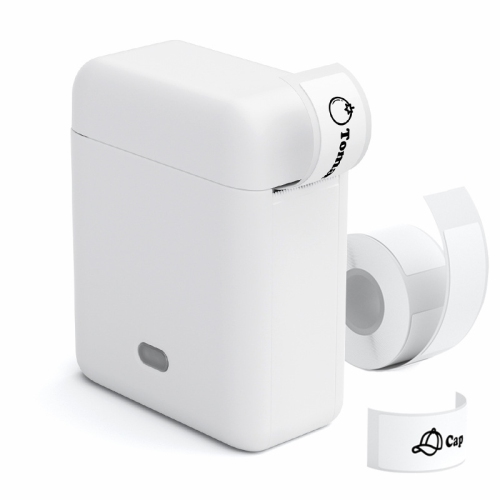

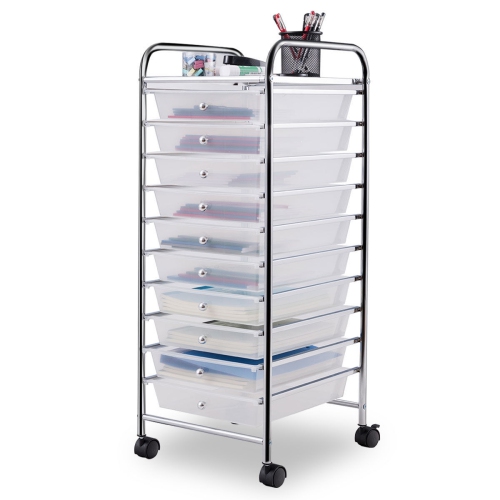
Desk storage that fits the way you work
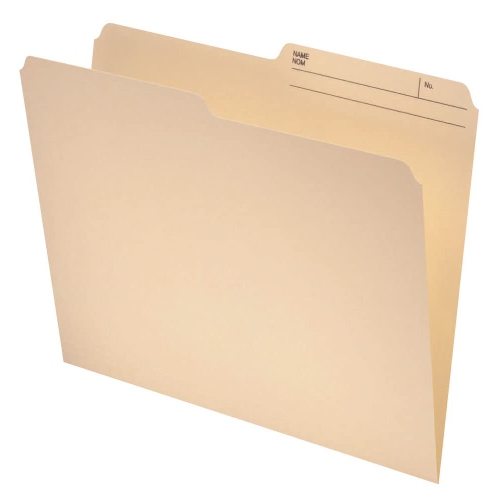
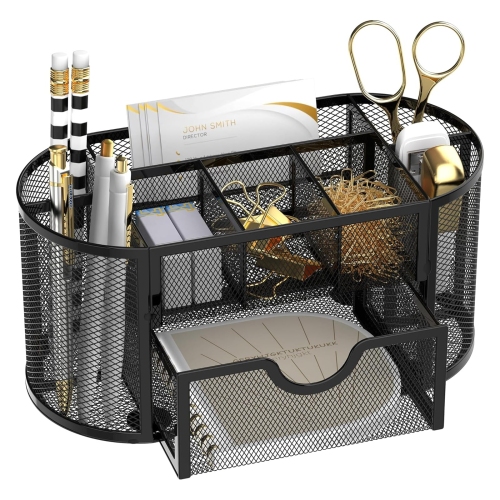
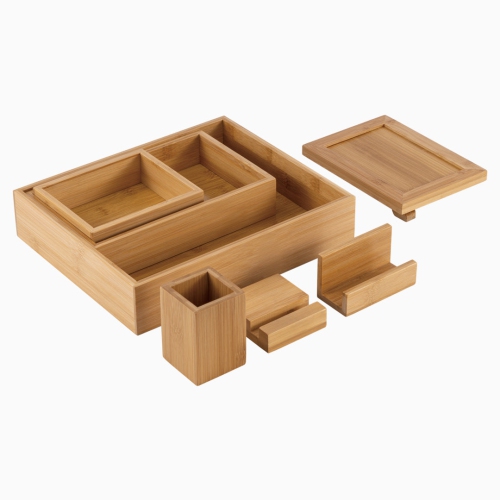
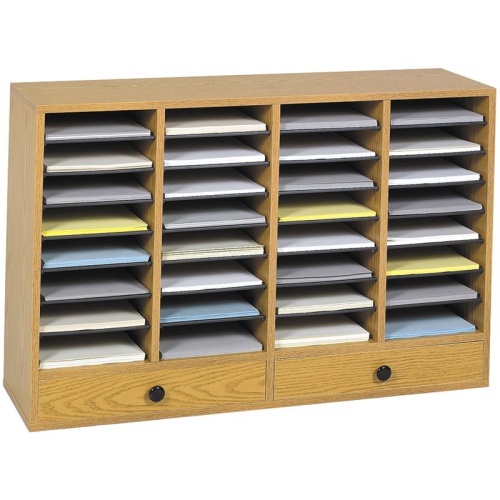
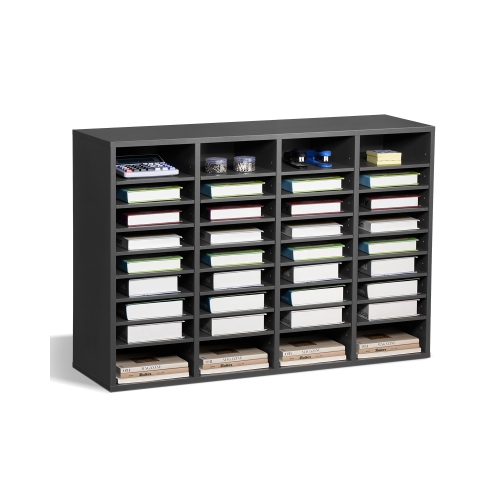
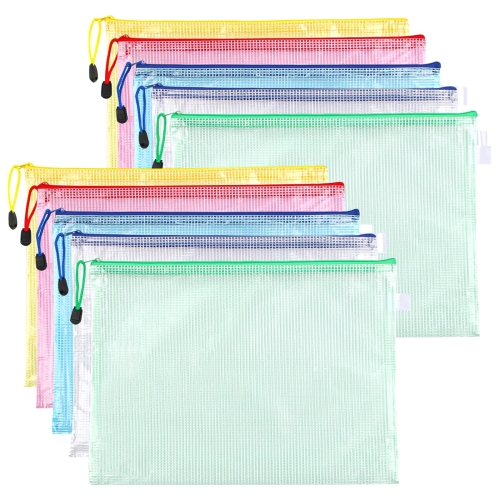
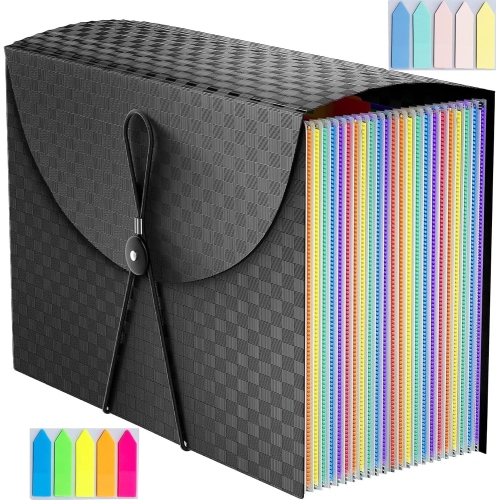
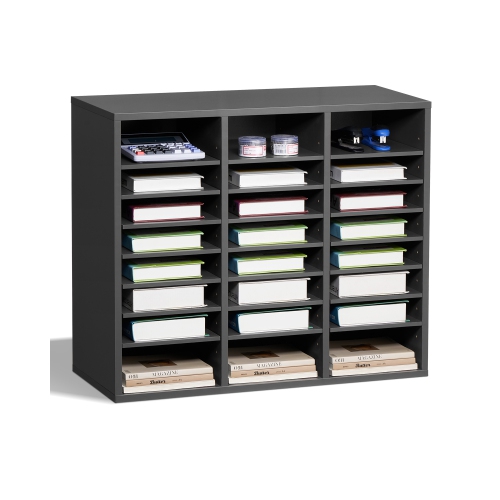
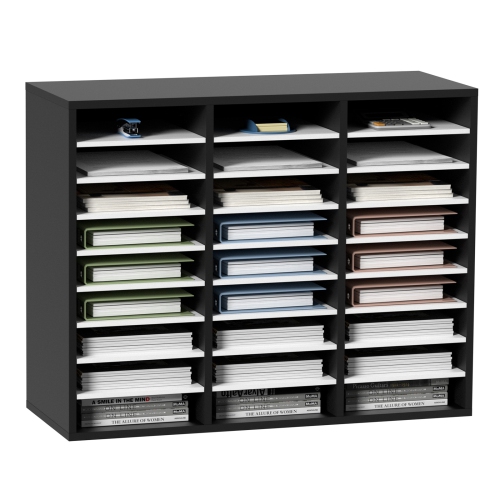
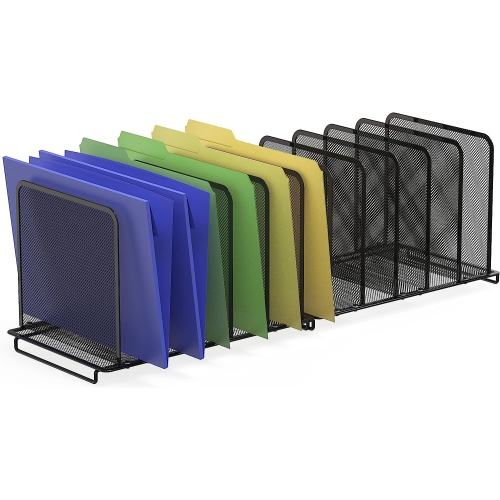
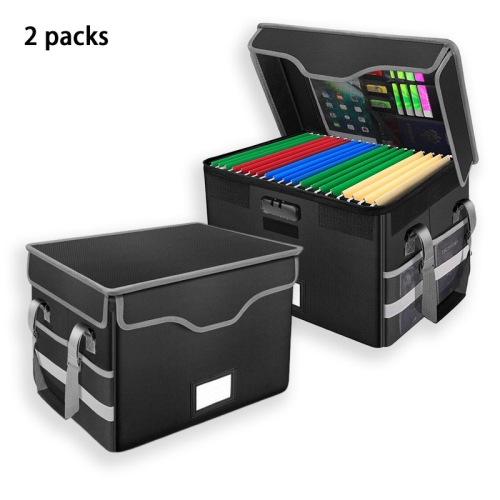
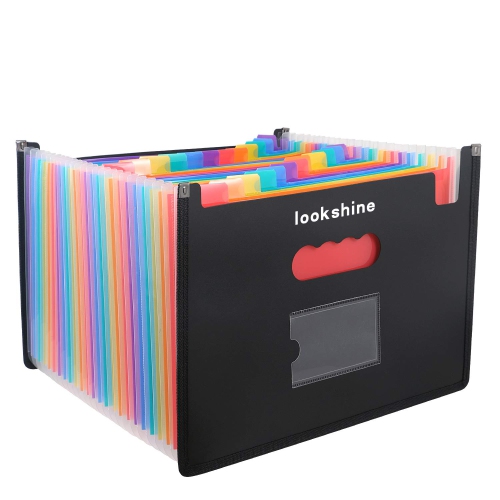
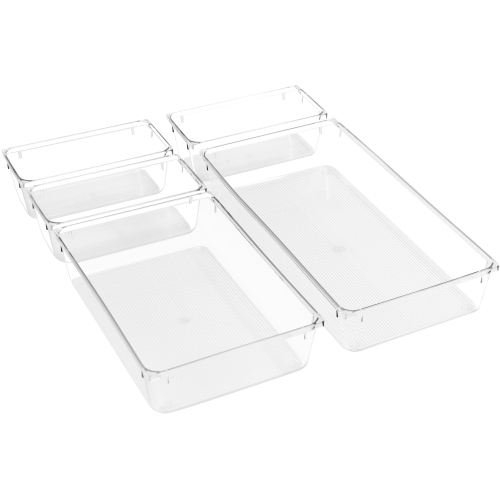
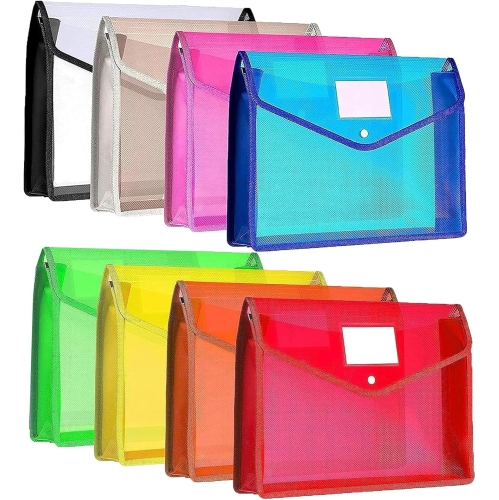
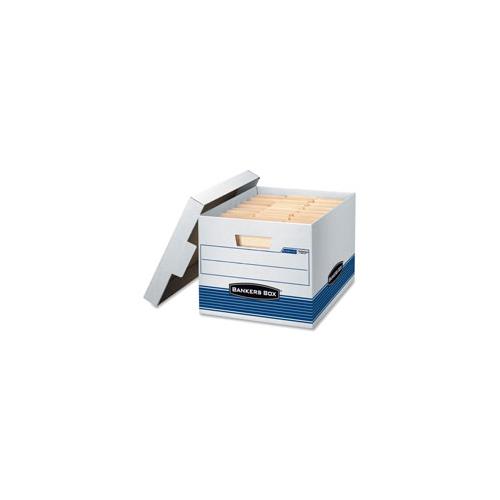
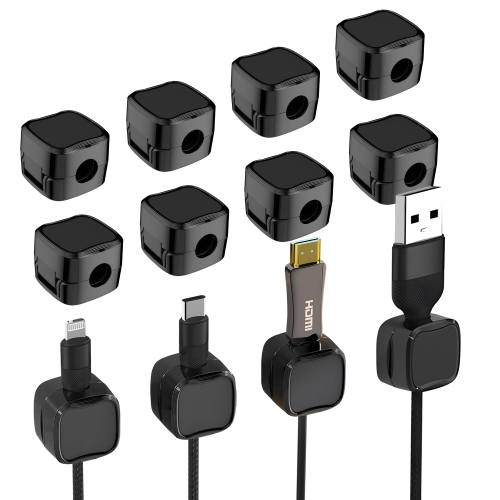
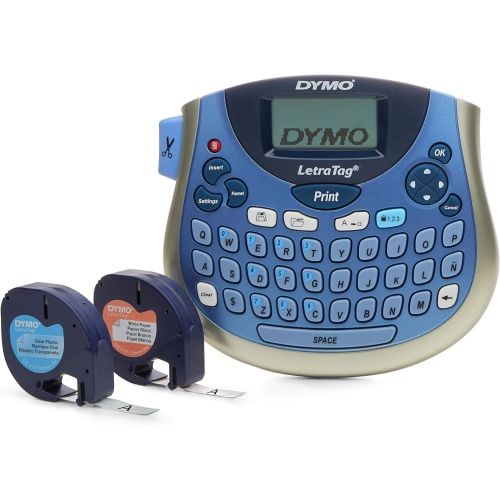
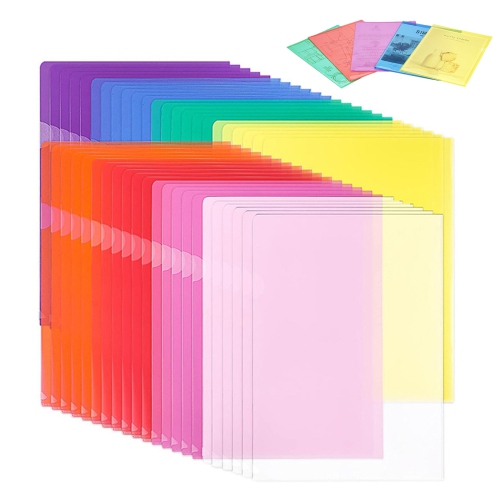
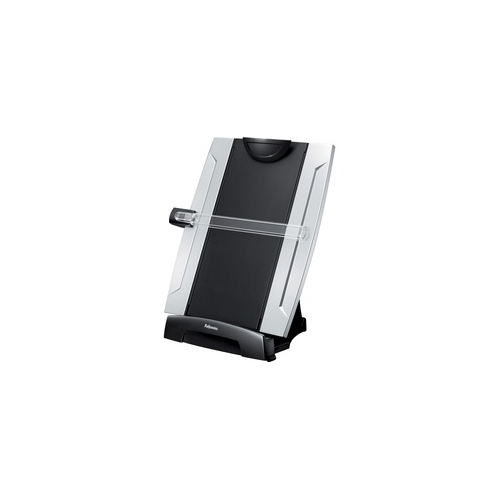
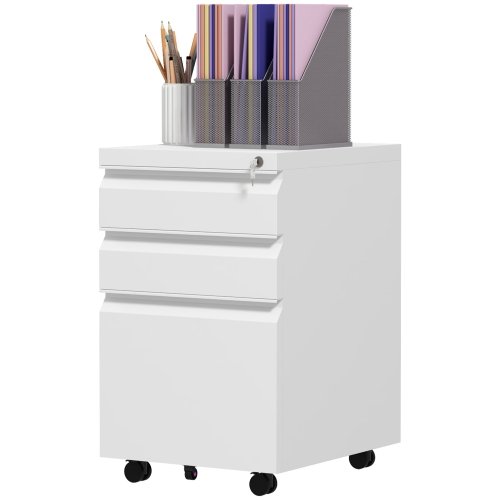
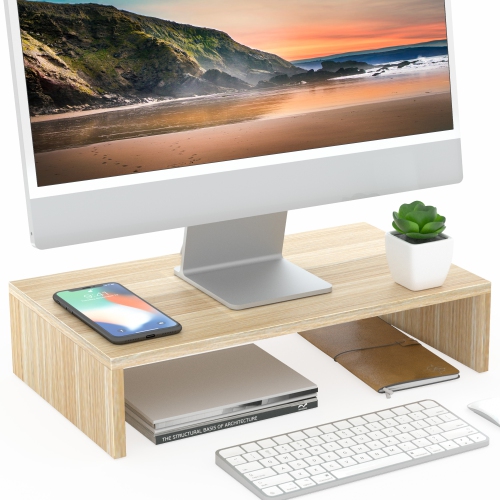
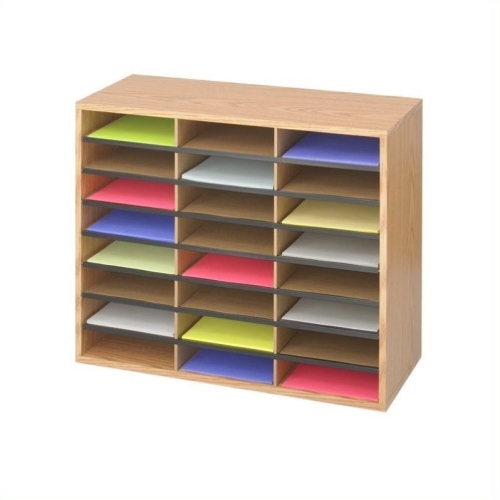
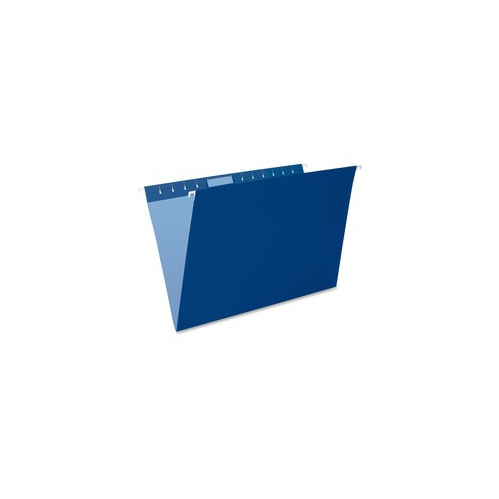
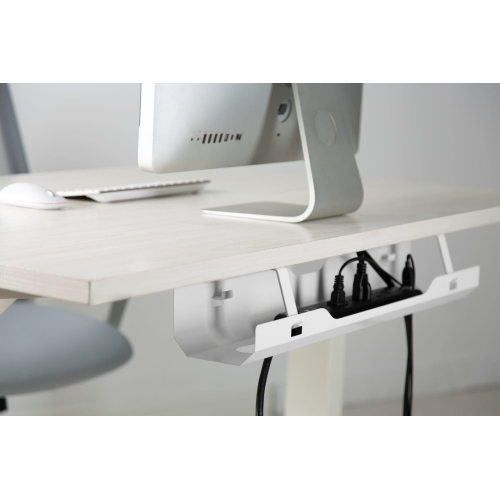
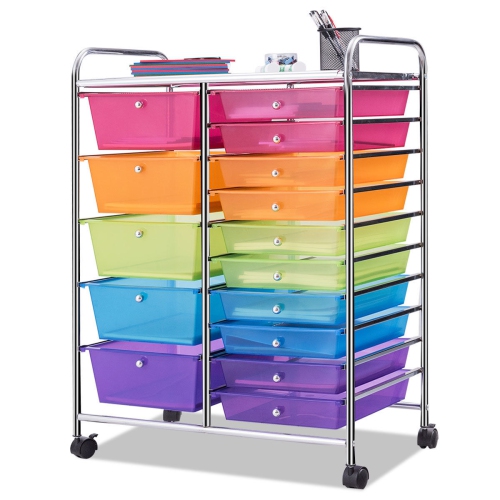
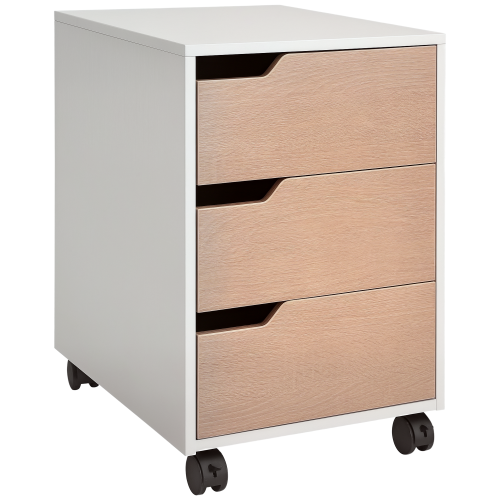
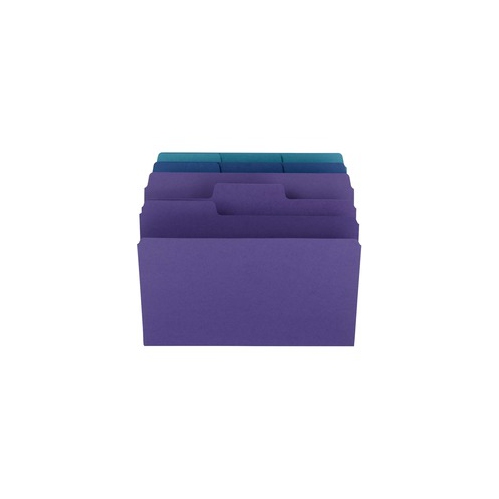
Office organization products give paperwork, stationery, cables, and everyday work supplies a defined place, helping a desk function as a workspace rather than a catch-all surface. The main types include desktop organizers, paper trays, file sorters, drawer dividers, storage boxes, shelving, and cable management accessories. Each serves a different purpose: open compartments keep frequently used supplies within reach, vertical slots separate active folders, and enclosed storage holds materials that do not need to stay visible. A useful arrangement reflects the work that happens at the desk. Someone handling invoices may need clearly separated spaces for incoming documents, pending approvals, and completed records, while a student may need room for notebooks, writing supplies, and charging cords. For a shared household desk, separate compartments can keep school forms from becoming mixed with work notes or personal mail. A range of office organizers can support these different routines without requiring every supply to sit on the desktop. Low-profile storage can fit beneath a monitor shelf, while upright organizers use desk depth to hold folders without spreading them across the work surface. Open trays suit documents that move through several stages during the day; closed boxes are better suited to reference materials used less often. Visibility matters as much as capacity. A shallow compartment makes a small paper clip easy to spot, whereas a deep container may hold more but leave smaller contents buried at the bottom. Labels and distinct sections make shared storage easier to understand, particularly when several people return supplies to the same place. The goal is not necessarily an empty desk. It is a surface with enough clear space to write, use a keyboard, or open a folder, with the necessary tools close by. When storage matches the actual contents and the frequency of use, tidying up at the end of a task becomes a matter of returning things to familiar places.
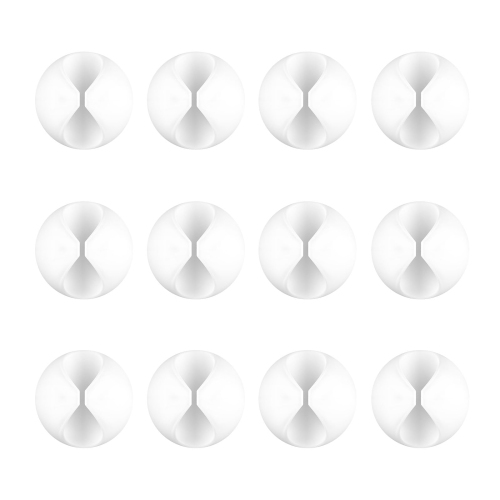
Fit is an important consideration for office storage because the space inside a drawer or beside a monitor is often smaller than it first appears. Exterior dimensions determine whether an organizer fits the furniture, while interior dimensions determine what it can hold. Drawer storage needs clearance beneath the drawer opening, including room for the supplies inside, and should not interfere with slides or closing mechanisms. Adjustable dividers can accommodate changing combinations of stationery, though their adjustment range still needs to match the drawer. Paper storage deserves similar attention: letter-size documents measure 8.5 by 11 inches, while legal-size documents measure 8.5 by 14 inches, and folders or tabs may require extra clearance. A sorter intended for loose sheets may not comfortably accommodate a thick project folder. For desktop storage, height can affect access to outlets, monitor controls, or nearby shelves, and a deep organizer can reduce the space available for a keyboard and mouse. Vertical storage makes use of height, but tall compartments work best when their contents remain easy to see and retrieve. Stackable designs can bring related materials together, provided the components are compatible and the base remains stable under the intended load. Wall-mounted storage can free up desk space, with suitability depending on the wall construction, mounting hardware, and stated weight limits. Cable organization has its own fit requirements. A channel needs enough room for the number and thickness of cords passing through it, while a cable sleeve should accommodate connectors if they must pass through an opening. Cords also need enough slack for a laptop to move or a height-adjustable desk to rise without pulling on connections. In a compact home office, these details help prevent storage from creating a new obstacle. In a larger workspace, they help keep supplies accessible rather than scattered across distant shelves. Modular arrangements are useful when tasks change, allowing sections to be rearranged without replacing the entire setup.
Materials influence how office organization products look, feel, wear, and respond to everyday care. Metal mesh offers visibility and allows dust to be noticed easily, while solid metal can provide a more enclosed appearance and a sturdy feel. Smooth edges, secure joints, and a sound finish matter on surfaces that hands and folders brush against repeatedly. Plastic organizers are often lightweight and straightforward to wipe clean; clear versions reveal their contents, while opaque designs give mixed supplies a more uniform appearance. Wood and wood-based finishes bring texture to a desk, though cleaning methods and tolerance for moisture vary with the construction and coating. Fabric-covered storage offers a softer appearance and can suit lighter supplies, but seams, handles, and the rigidity of the base affect how well it handles repeated lifting. Paperboard storage can suit documents and occasional-use materials when kept dry and loaded within its intended capacity. Durability is not only a matter of material. Drawer stops, reinforced corners, stable feet, and well-supported shelves can all influence how storage performs through frequent use. Non-slip pads may help keep a desktop organizer from shifting, although their suitability depends on the desk finish. Care is generally simplest when compartments are easy to empty and surfaces are accessible for dusting or wiping according to the manufacturer's directions. Paperwork should be removed before cleaning nearby surfaces with moisture, and organizers should be dry before documents are returned. Appearance also has a practical role: a consistent colour palette can make a shared room feel less crowded, while contrasting folders or labels can distinguish projects at a glance. For remote workers, teachers, students, and anyone managing household records, the most useful storage supports familiar habits rather than adding extra steps. Office organization accessories can also make a thoughtful gift for someone starting a new role or setting up a study space, particularly when the size, style, and intended use suit the recipient's desk. A well-matched arrangement leaves room for the work itself, from spreading out reference notes to signing a form without first clearing a pile.
Top selling and popular products
-
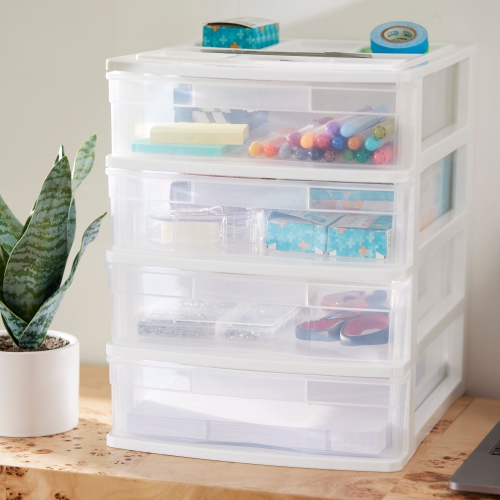 Your price for this item is $143.99
-
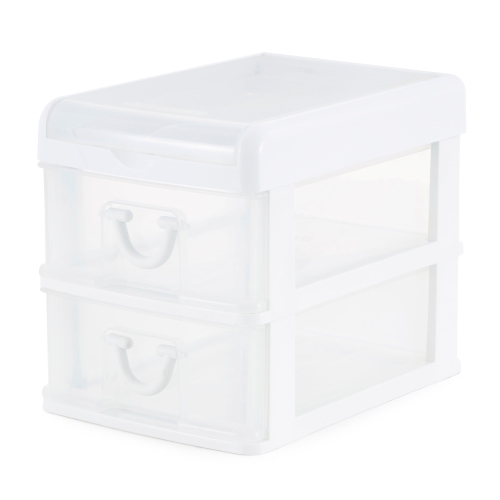 Your price for this item is $56.99
-
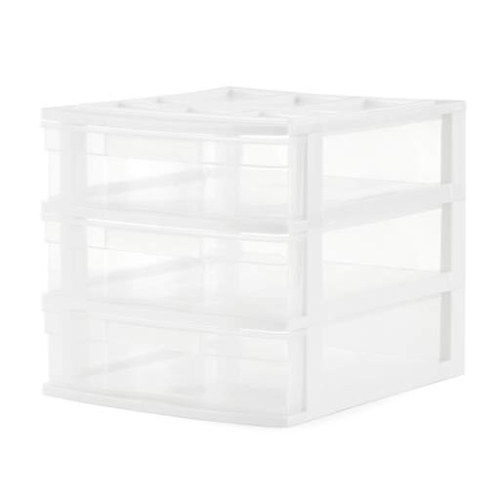 Your price for this item is $61.99
-
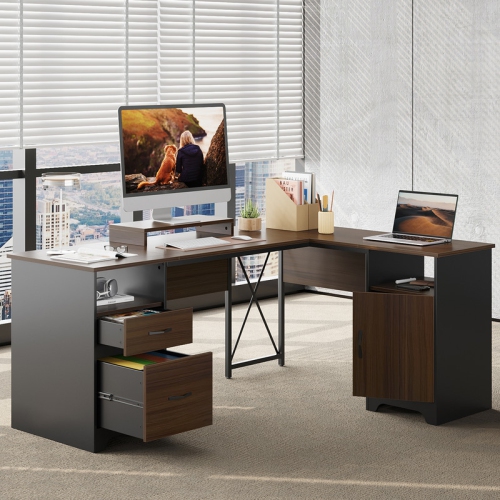 Your price for this item is $309.99
-
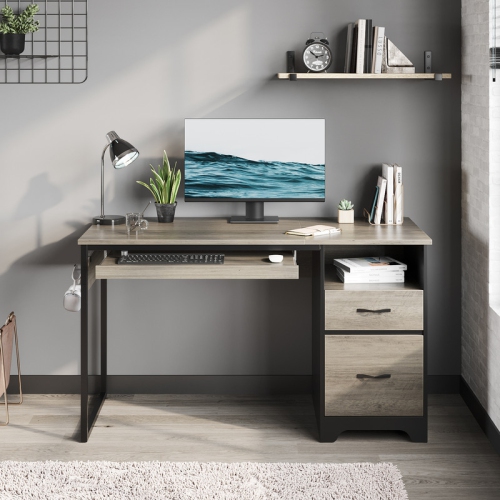 Your price for this item is $259.99
-
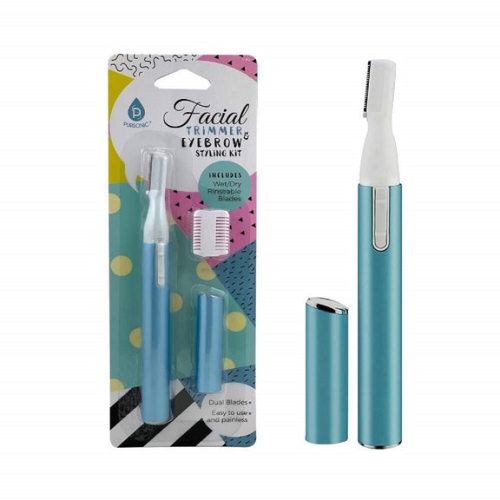 Your price for this item is $19.99
-
 Your price for this item is $745
-
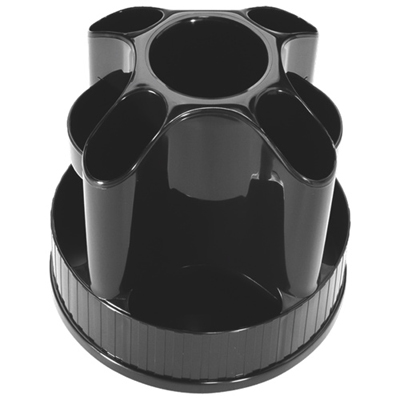 Your price for this item is $47.99
Discover more categories related to Office Organization Products
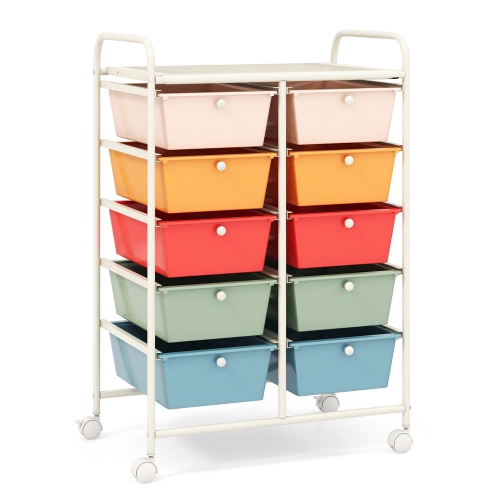
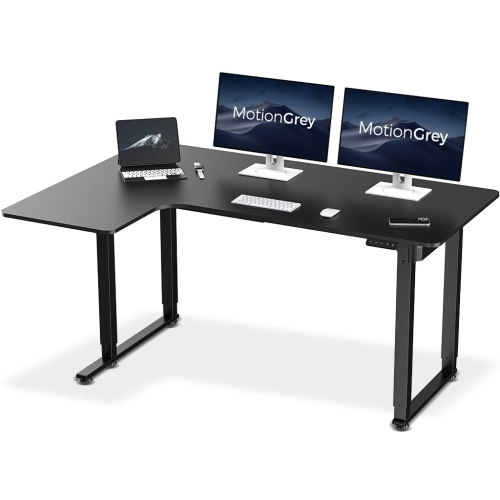
Top Collections:
Pokemon Centers, Kindle Devices, Best Budget Office Chairs, Canon G7X Cameras, Apple iPhones 16, Samsung Galaxy Phones, Refurbished Apple Laptops, Laptops for Students, iPhone 15 Apple, Budget Smartphones
Some products may be subject to Environmental Handling Fees
(EHF) depending on your province.
Learn more about EHFs.