Office Mailboxes
Organize your office space efficiently with our selection of office mailboxes. Keep your incoming and outgoing mail sorted and secure with a variety of styles and sizes to suit your needs. Whether you need a wall-mounted mailbox for individual offices or a larger unit for shared spaces, we have options to help streamline your mail handling process. Stay organized and ensure important documents reach their intended recipients with our range of durable and functional office mailboxes.
Sort
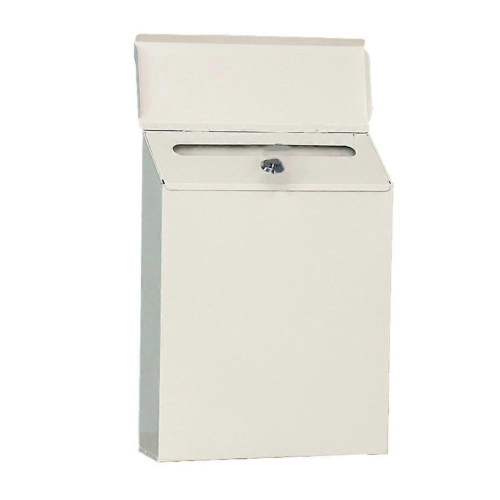
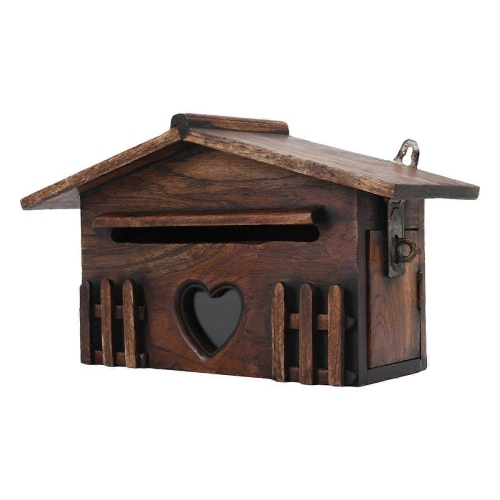
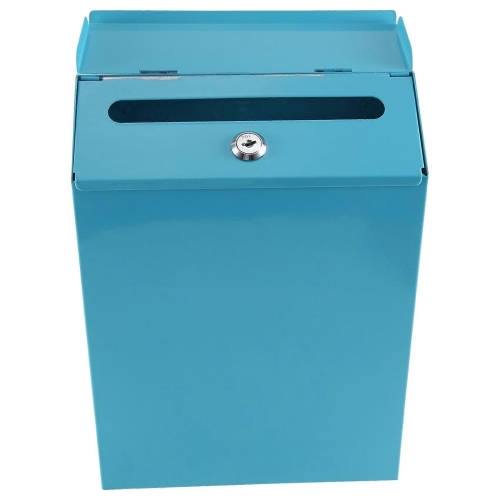
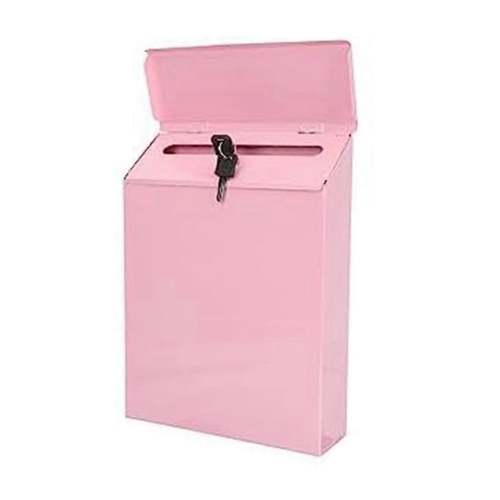
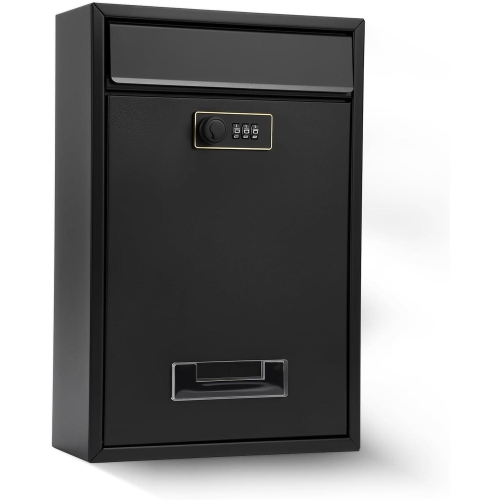
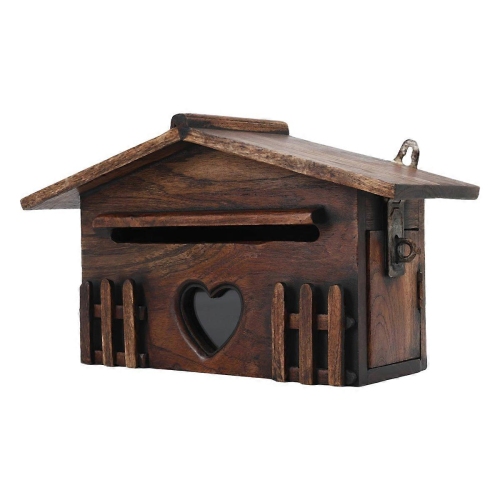
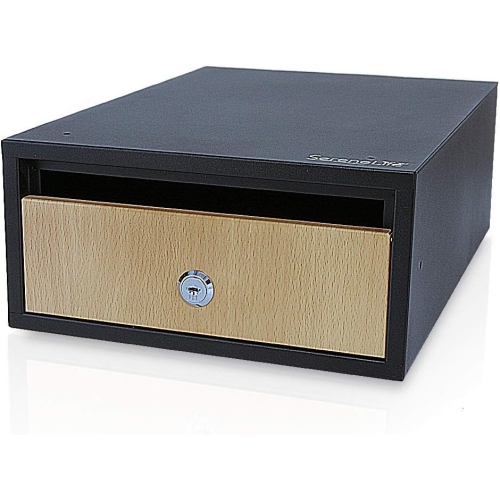
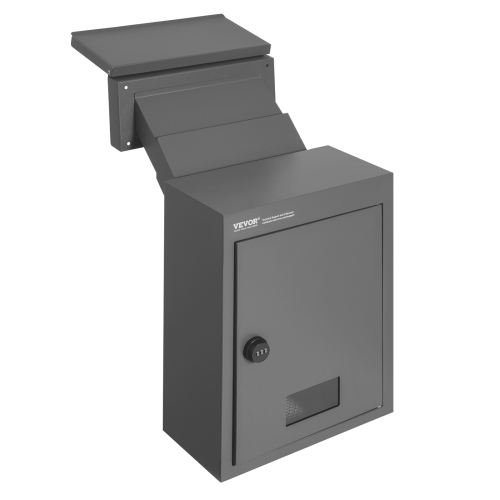
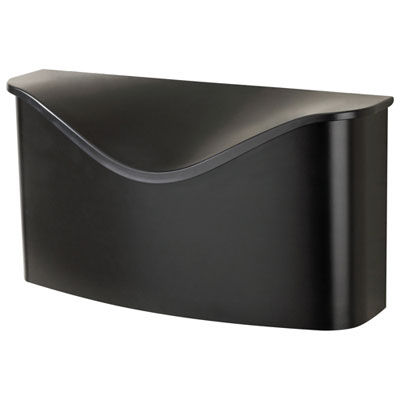

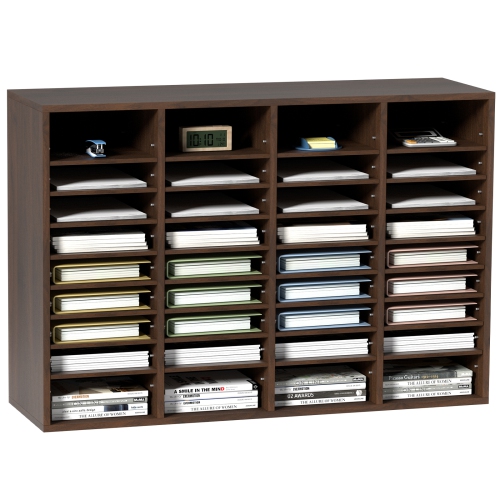
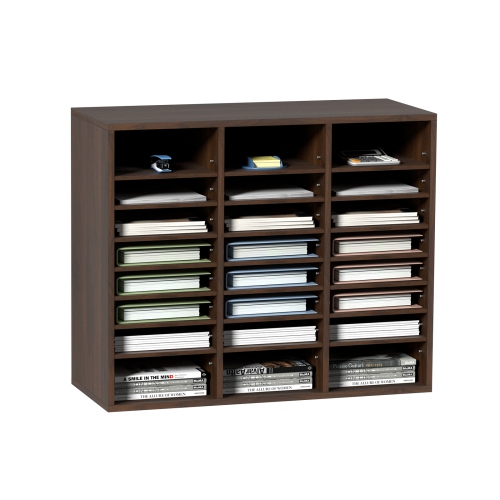
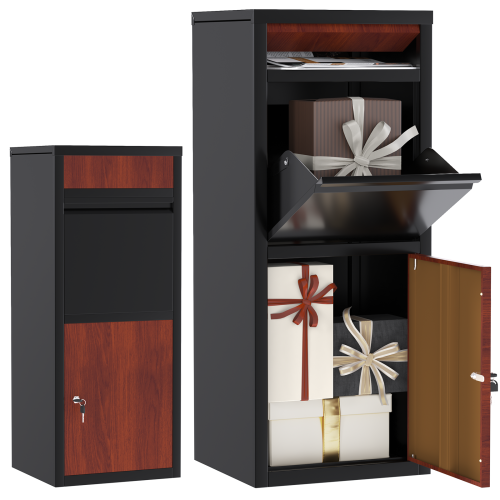
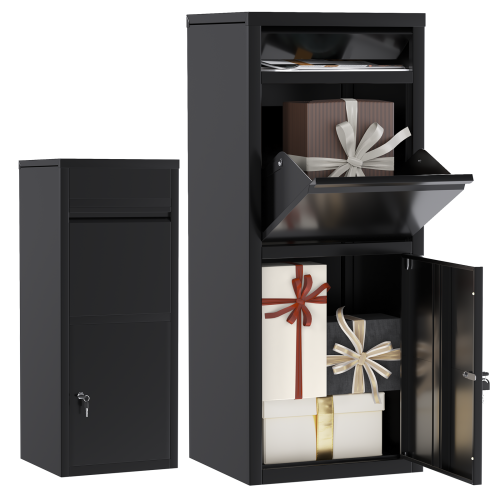
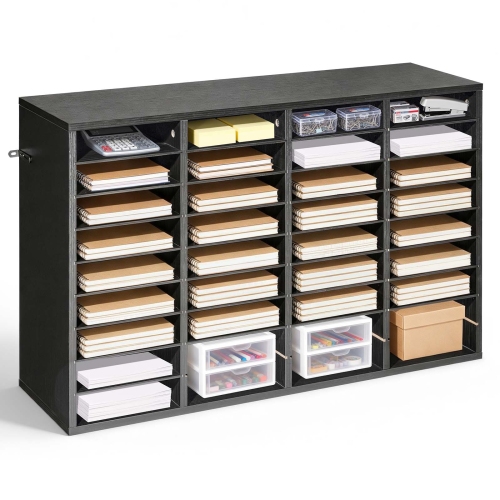
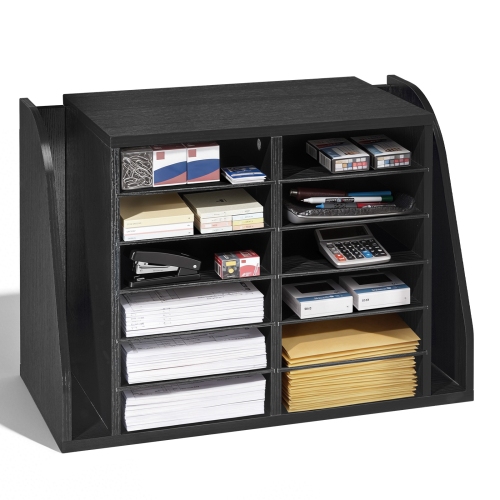
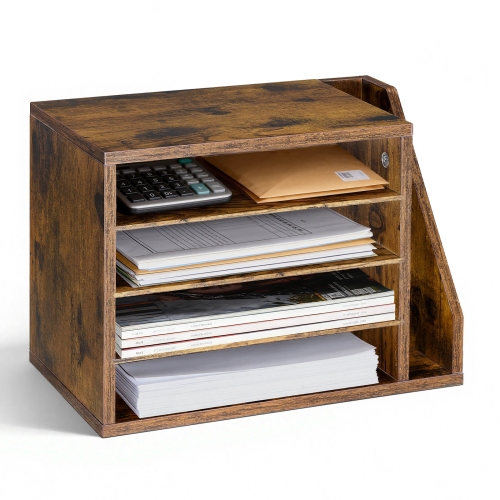

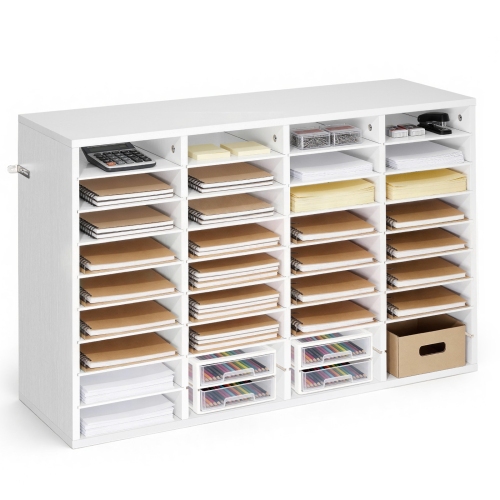
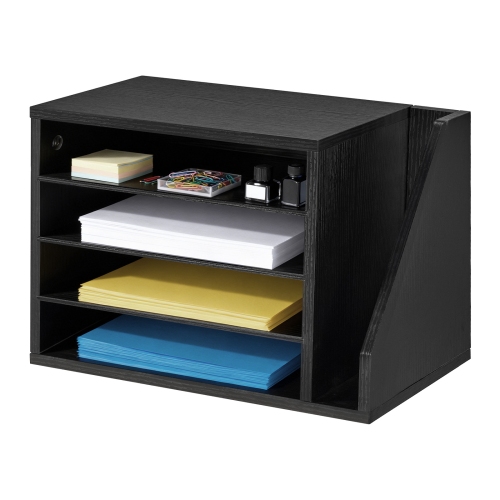
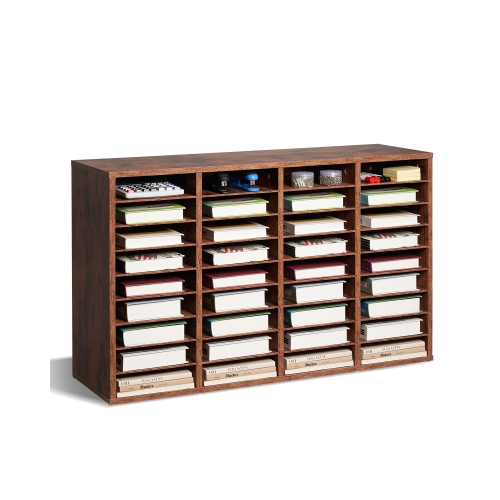
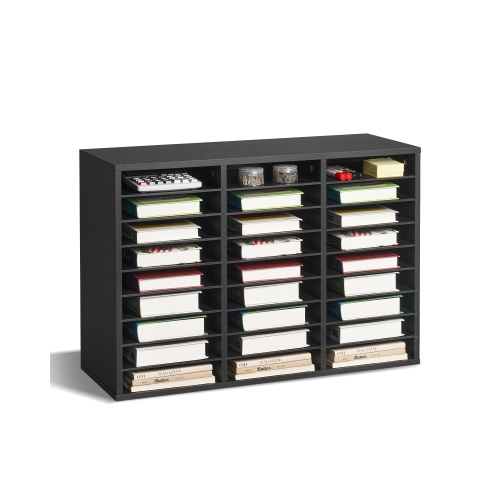
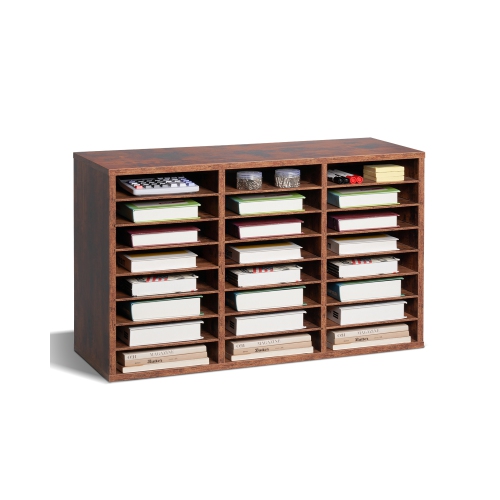
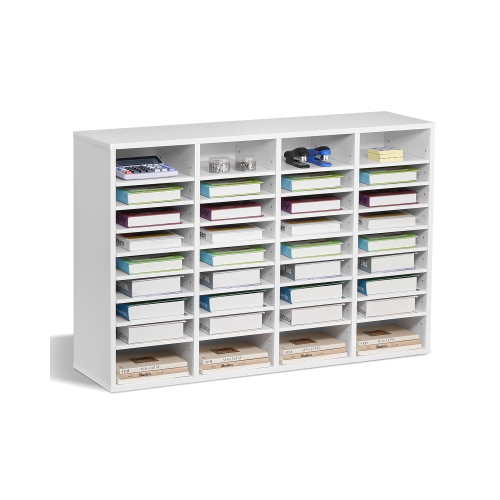
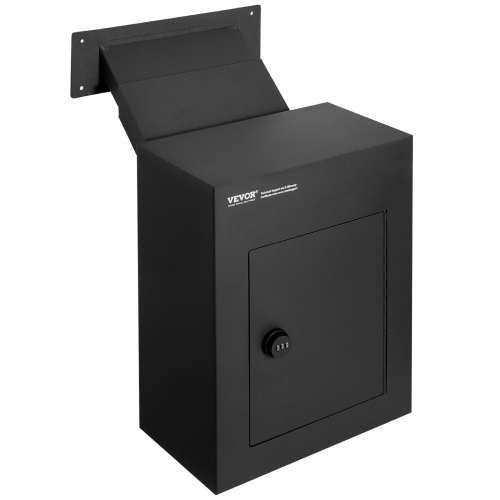
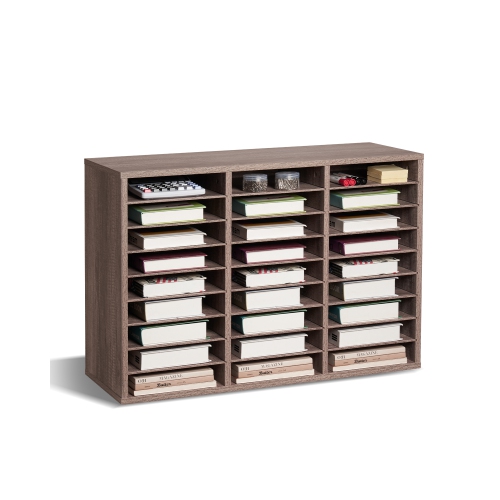
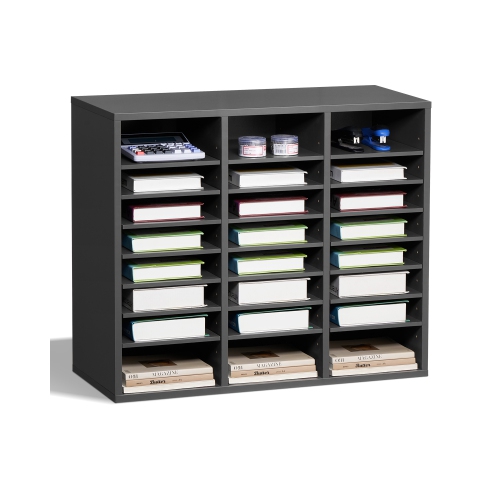
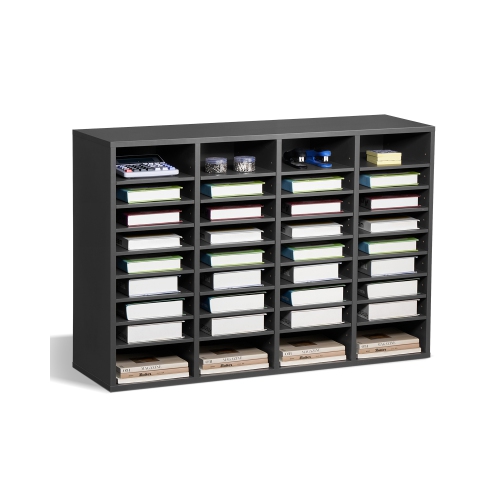
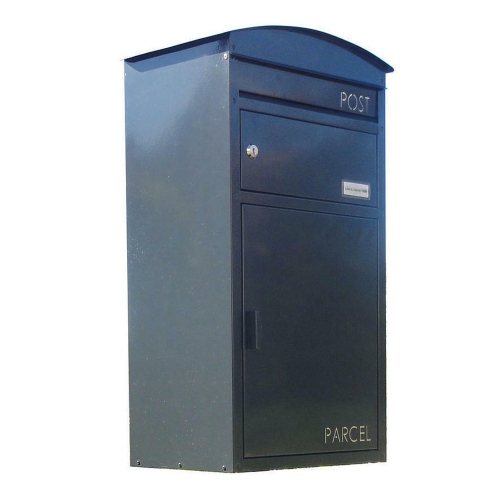
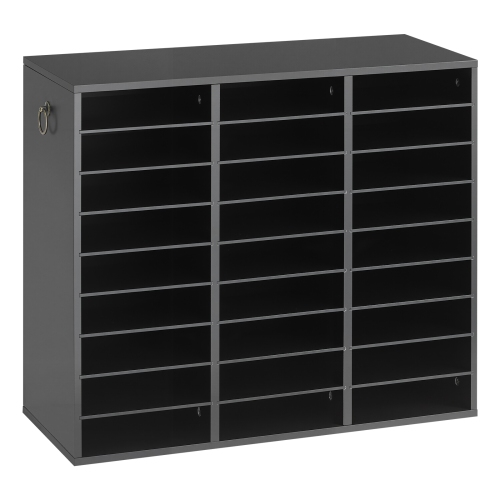
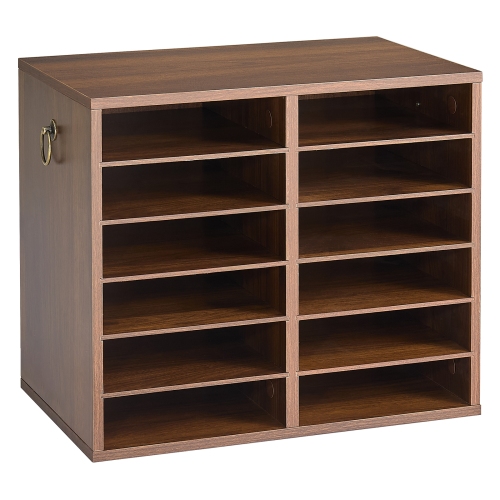

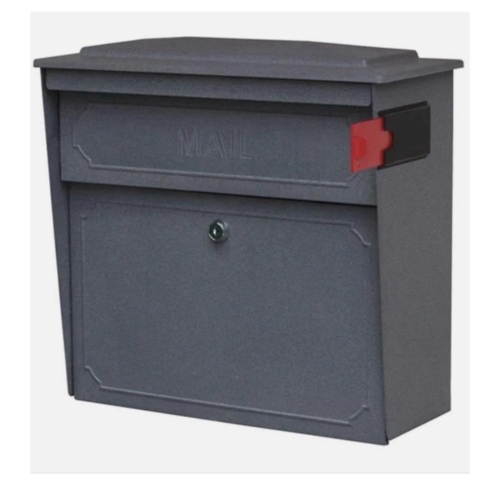
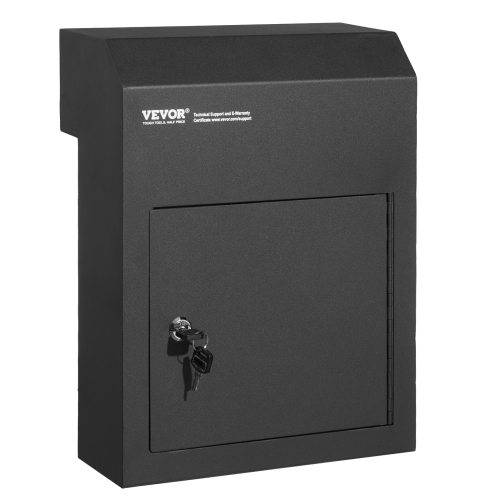
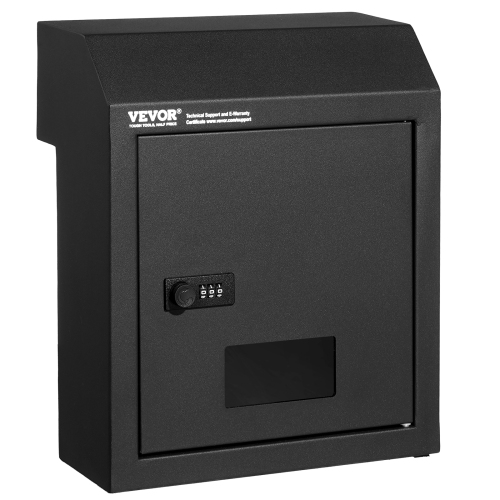
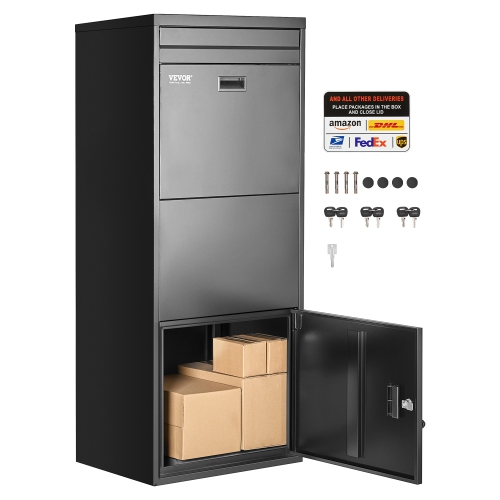
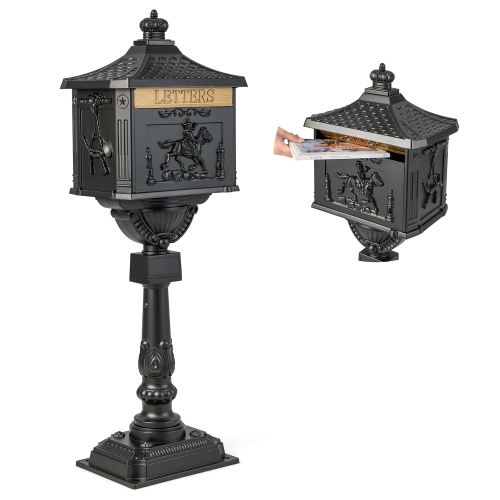
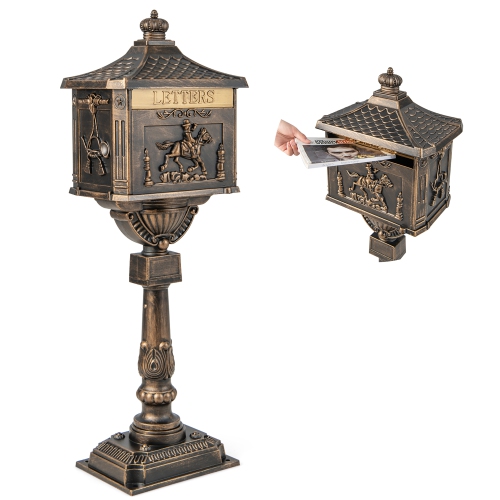
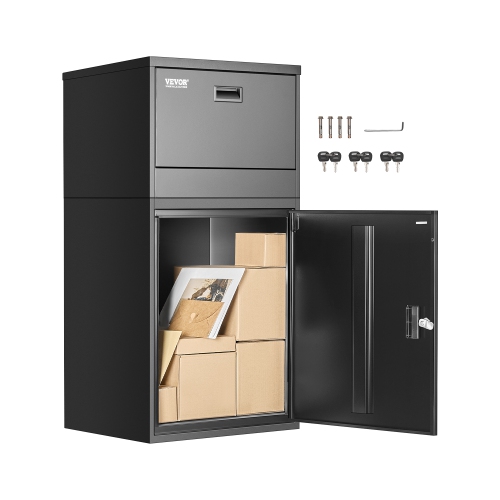
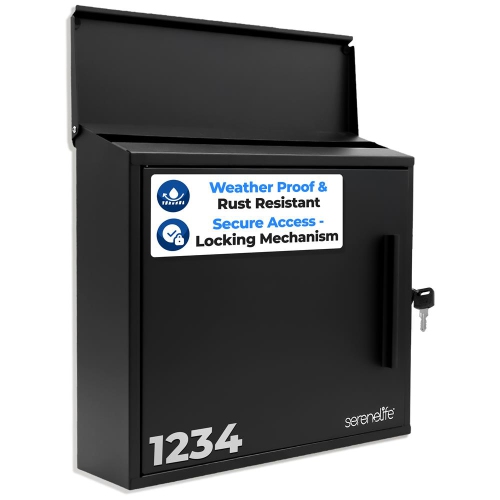
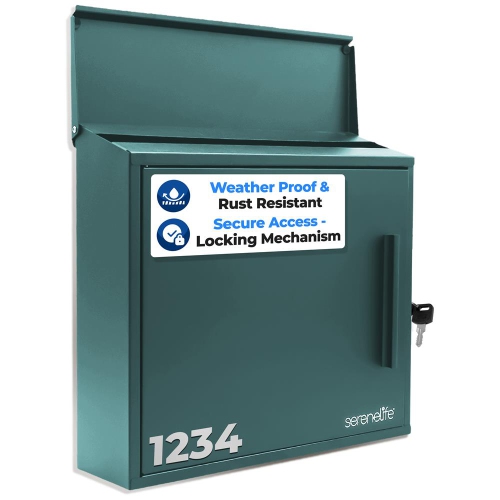
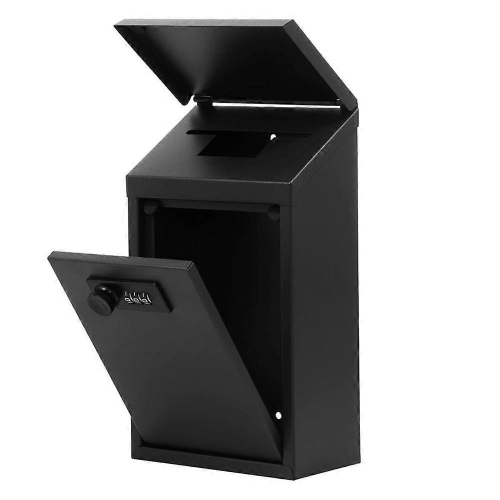
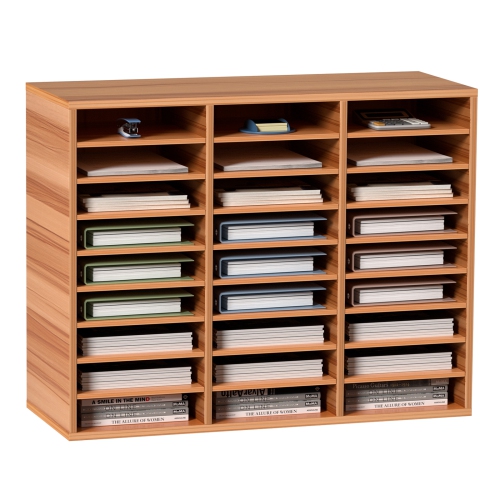
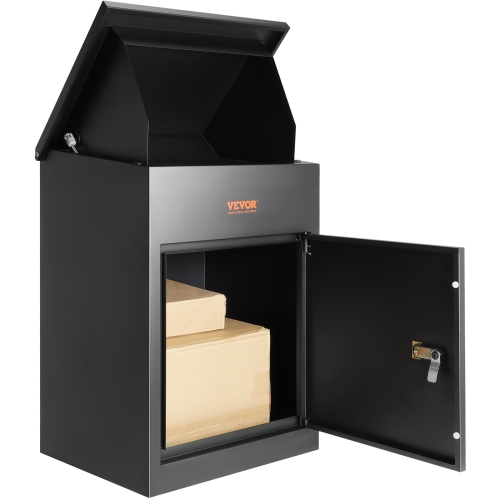

Organized mail distribution with options for added privacy
Office mailboxes help bring order to the steady flow of envelopes, forms, invoices, parcels, keys and other documents that move through a workplace. Rather than leaving correspondence in loose piles or on crowded reception desks, an organized mailbox system gives each person, department or purpose a clear destination. In a small office, a compact staff mailbox unit can separate incoming mail for each employee, while a larger workplace may benefit from a multi-compartment sorter that supports several teams, shifts or locations. Open cubbies make it easy to see whether a message has been delivered, making them useful for interoffice notices, completed paperwork, assignments, reports and daily handouts. They are especially practical in schools, clinics, community organizations, studios, warehouses and shared workspaces where people may not sit at the same desk every day. A receptionist can sort correspondence before the morning rush, a manager can distribute documents without interrupting meetings, and employees can collect their items when their schedules allow. For more sensitive material, a locking compartment or a secure drop box provides an added layer of privacy. These units can be used for confidential forms, payment envelopes, suggestion cards, keys or outgoing documents that should not be left in an open tray. A narrow mail slot helps limit access to the contents, while a sturdy lock and concealed hinges can make the box more suitable for handling valuable or sensitive items. When choosing office mailboxes, begin by considering what will be placed inside, who needs access and how frequently the compartments will be emptied. A system intended for lightweight envelopes may have different capacity needs from one used for folders, courier paperwork or thicker document packets. Measuring the available wall, counter or cabinet space is also important, particularly in reception areas and narrow corridors where every surface is shared. Think about the direction of traffic as well: a front-loading unit may be convenient for staff, while a drop box positioned near an entrance can allow visitors or employees to submit items without entering a restricted area.
Office mailboxes generally fall into several useful categories, each suited to a different workflow. Interoffice staff mailboxes and literature sorters are designed for regular distribution. Their open compartments allow quick visual checks and can be labelled by employee name, department, room number, project or delivery route. Desktop units work well beside a receptionist or office administrator, while wall-mounted sorters can keep paperwork off work surfaces and create a consistent location for every recipient. A collection or interoffice drop box is better suited to outgoing mail, internal submissions and documents that need to be gathered before processing. These boxes commonly feature a slim opening that helps discourage casual removal, and they can be placed near a copy room, mailroom, front desk or staff exit. Secure lockboxes serve a different purpose by protecting contents until an authorized person retrieves them. They may be considered for cheques, cash deposits, building keys, confidential employee feedback, ballots or other materials that require controlled access. Look for a construction and locking style that matches the level of security required, along with a design that can be mounted firmly to a wall or other stable surface. Commercial or vertical wall mailboxes are intended for buildings where multiple offices, suites or businesses share a central delivery area. Their individual compartments help keep incoming external mail separated, and numbered or labelled doors can make distribution more efficient for property managers and tenants. For offices that receive postal deliveries directly, check the box dimensions, door clearance and installation requirements before selecting a setup. Consider whether the system will be installed indoors, in a covered lobby or in an area exposed to changing conditions. Indoor office mailboxes can focus primarily on sorting and access, whereas a mailbox intended for an exterior location may need features suited to outdoor placement. For a broader selection designed for outside use, explore Outdoor Mailboxes. Also review how each compartment opens, whether labels can be replaced, and how easily the unit can be cleaned and maintained. Small details such as smooth edges, readable labels, quiet doors and a logical numbering sequence can make a noticeable difference when a mailbox is used dozens of times each day.
A well-planned office mailbox setup can support better privacy, fewer misplaced documents and a calmer daily routine, especially as teams grow or work patterns change. Businesses with hybrid schedules may assign compartments by department rather than permanent desk, giving employees a dependable place to find printed material when they come into the office. A shared workspace might use labelled slots for members, visitors or project teams, while a reception area could combine open sorting compartments with a locked collection box for documents that require follow-up. In a school or training environment, individual slots can hold notices, worksheets and completed work without filling teachers’ desks. Medical and professional offices can use secure compartments to direct forms and correspondence to the appropriate staff while helping limit visibility in public areas. A mailbox system can also be useful in a home office that handles customer paperwork, household bills or documents for several family members, particularly when a dedicated filing area is not available. To make the arrangement easy to use, choose labels that can be read from a natural standing distance and keep names, room numbers or departments consistent throughout the space. If the unit will serve many people, leave enough capacity for days when mail volumes increase and avoid placing it where doors, furniture or equipment block access. Mounting height matters as well; compartments should be comfortable to reach, and frequently used drop slots should be positioned where users can approach them safely. During the cooler months, when offices may see heavier administrative routines and more time spent indoors, an efficient sorting station can help keep desks clear and important paperwork moving. The same practical organization remains valuable as the weather warms, when staff schedules, deliveries and visitors may become less predictable. Whether the goal is to distribute internal mail, collect outgoing documents, protect sensitive materials or manage delivery for several occupants, the right office mailbox should fit the space, the volume and the level of access required. Examine compartment size, mounting method, lock style, visibility, labelling options and overall construction together to create a setup that feels natural to use from the first delivery onward.
Office mailboxes generally fall into several useful categories, each suited to a different workflow. Interoffice staff mailboxes and literature sorters are designed for regular distribution. Their open compartments allow quick visual checks and can be labelled by employee name, department, room number, project or delivery route. Desktop units work well beside a receptionist or office administrator, while wall-mounted sorters can keep paperwork off work surfaces and create a consistent location for every recipient. A collection or interoffice drop box is better suited to outgoing mail, internal submissions and documents that need to be gathered before processing. These boxes commonly feature a slim opening that helps discourage casual removal, and they can be placed near a copy room, mailroom, front desk or staff exit. Secure lockboxes serve a different purpose by protecting contents until an authorized person retrieves them. They may be considered for cheques, cash deposits, building keys, confidential employee feedback, ballots or other materials that require controlled access. Look for a construction and locking style that matches the level of security required, along with a design that can be mounted firmly to a wall or other stable surface. Commercial or vertical wall mailboxes are intended for buildings where multiple offices, suites or businesses share a central delivery area. Their individual compartments help keep incoming external mail separated, and numbered or labelled doors can make distribution more efficient for property managers and tenants. For offices that receive postal deliveries directly, check the box dimensions, door clearance and installation requirements before selecting a setup. Consider whether the system will be installed indoors, in a covered lobby or in an area exposed to changing conditions. Indoor office mailboxes can focus primarily on sorting and access, whereas a mailbox intended for an exterior location may need features suited to outdoor placement. For a broader selection designed for outside use, explore Outdoor Mailboxes. Also review how each compartment opens, whether labels can be replaced, and how easily the unit can be cleaned and maintained. Small details such as smooth edges, readable labels, quiet doors and a logical numbering sequence can make a noticeable difference when a mailbox is used dozens of times each day.
A well-planned office mailbox setup can support better privacy, fewer misplaced documents and a calmer daily routine, especially as teams grow or work patterns change. Businesses with hybrid schedules may assign compartments by department rather than permanent desk, giving employees a dependable place to find printed material when they come into the office. A shared workspace might use labelled slots for members, visitors or project teams, while a reception area could combine open sorting compartments with a locked collection box for documents that require follow-up. In a school or training environment, individual slots can hold notices, worksheets and completed work without filling teachers’ desks. Medical and professional offices can use secure compartments to direct forms and correspondence to the appropriate staff while helping limit visibility in public areas. A mailbox system can also be useful in a home office that handles customer paperwork, household bills or documents for several family members, particularly when a dedicated filing area is not available. To make the arrangement easy to use, choose labels that can be read from a natural standing distance and keep names, room numbers or departments consistent throughout the space. If the unit will serve many people, leave enough capacity for days when mail volumes increase and avoid placing it where doors, furniture or equipment block access. Mounting height matters as well; compartments should be comfortable to reach, and frequently used drop slots should be positioned where users can approach them safely. During the cooler months, when offices may see heavier administrative routines and more time spent indoors, an efficient sorting station can help keep desks clear and important paperwork moving. The same practical organization remains valuable as the weather warms, when staff schedules, deliveries and visitors may become less predictable. Whether the goal is to distribute internal mail, collect outgoing documents, protect sensitive materials or manage delivery for several occupants, the right office mailbox should fit the space, the volume and the level of access required. Examine compartment size, mounting method, lock style, visibility, labelling options and overall construction together to create a setup that feels natural to use from the first delivery onward.
Top selling and popular products
-
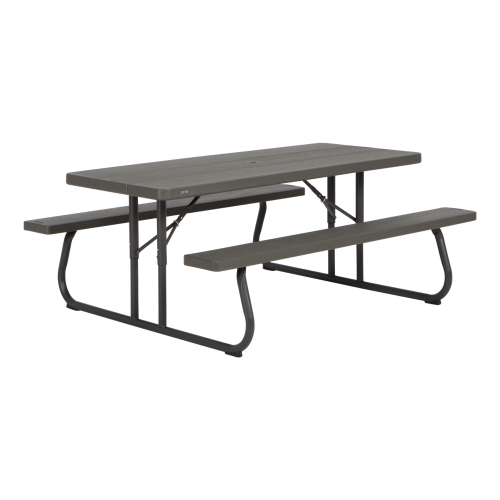 Your price for this item is $369.99
 -
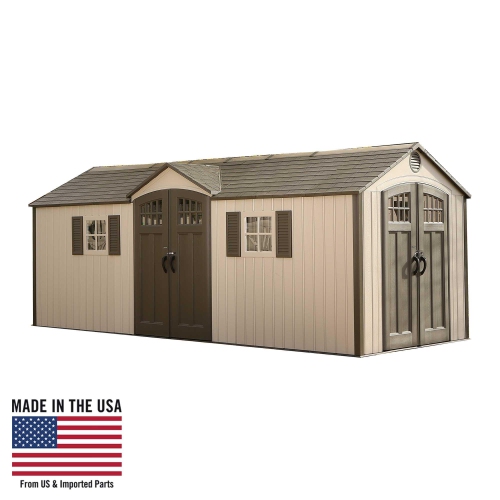 Your price for this item is $5599.99
 -
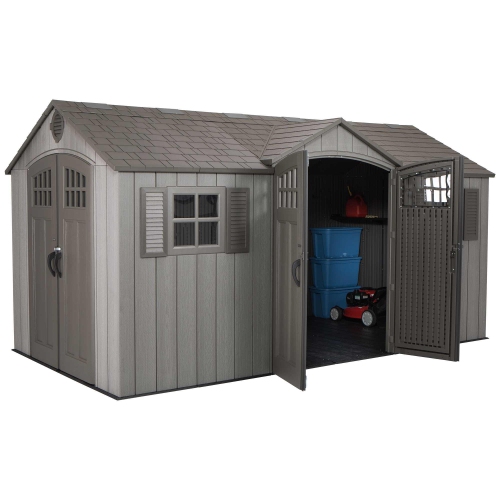 Your price for this item is $4269.99
 -
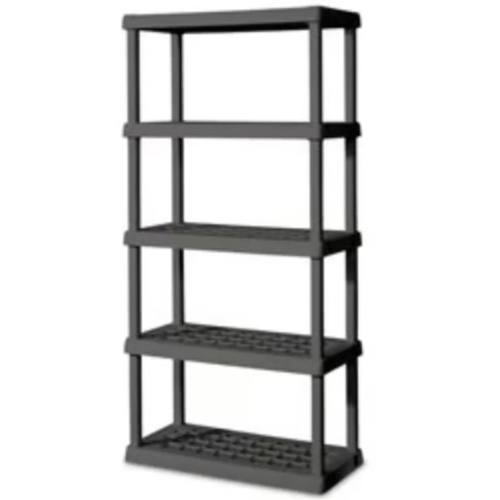 Your price for this item is $558.99
 -
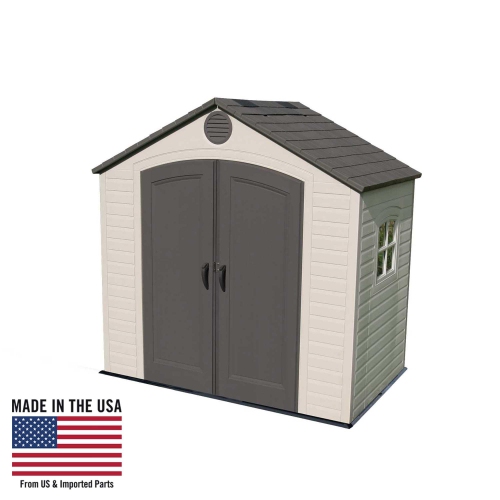 Your price for this item is $2399.99
 -
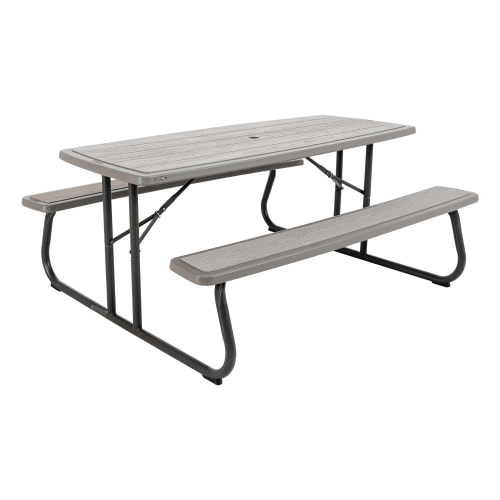 Your price for this item is $369.99
 -
 Your price for this item is $2148.99
 -
 Your price for this item is $5589.99
Discover more categories related to Office Mailboxes
Top Collections:
Pokemon Centers, Kindle Devices, Best Budget Office Chairs, Canon G7X Cameras, Apple iPhones 16, Samsung Galaxy Phones, Refurbished Apple Laptops, Laptops for Students, iPhone 15 Apple, Budget Smartphones
Some products may be subject to Environmental Handling Fees
(EHF) depending on your province.
Learn more about EHFs.