Office File Boxes
Keep your workspace organized and clutter-free with the right office file boxes. Designed to help you store documents, paperwork, and important files efficiently, these storage solutions make it easy to keep everything in its place. Whether you're managing records at home or in a professional setting, office file boxes offer a practical way to streamline your filing system and enhance productivity. Explore a variety of sizes and designs to find the perfect fit for your organizational needs.
Sort



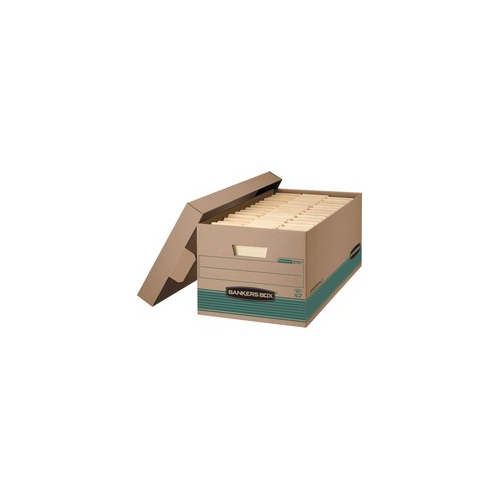
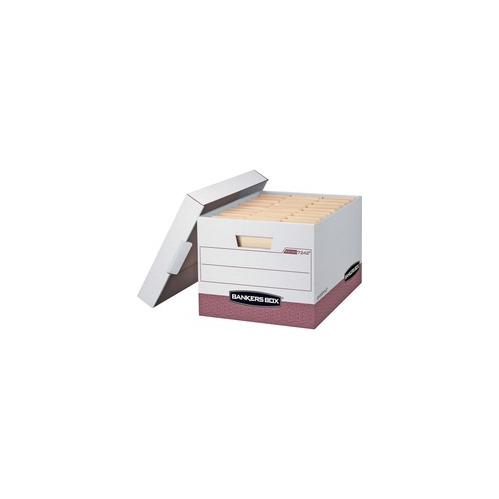
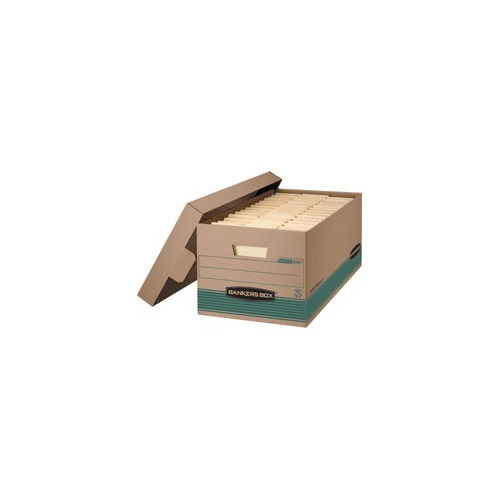
Paperwork storage that fits how you use your files
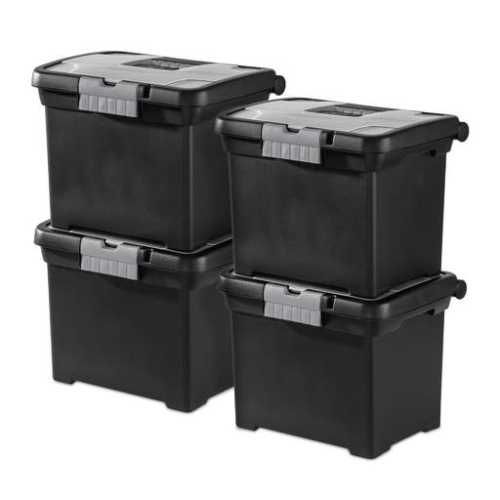
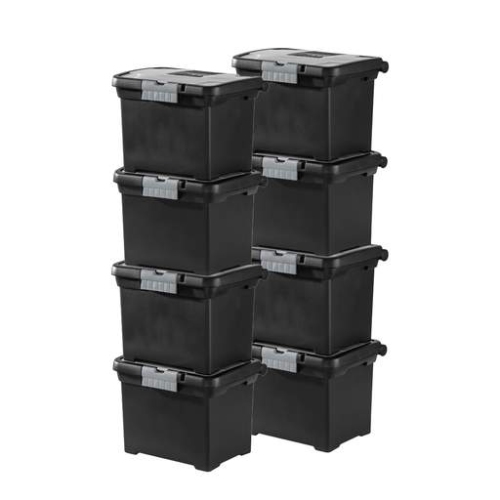
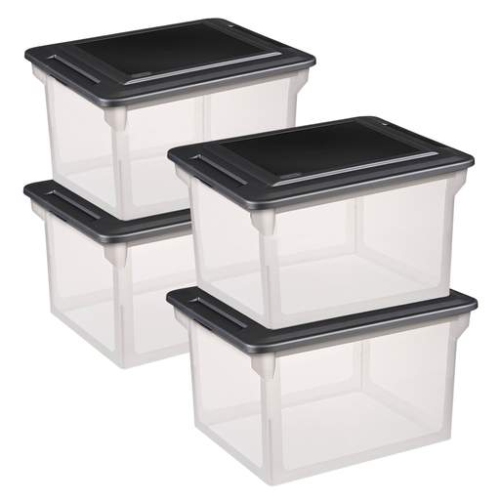
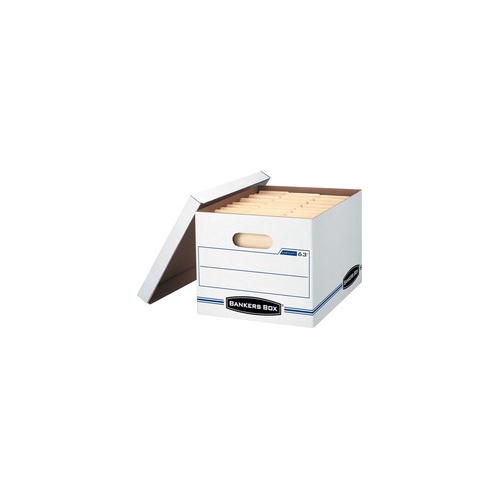
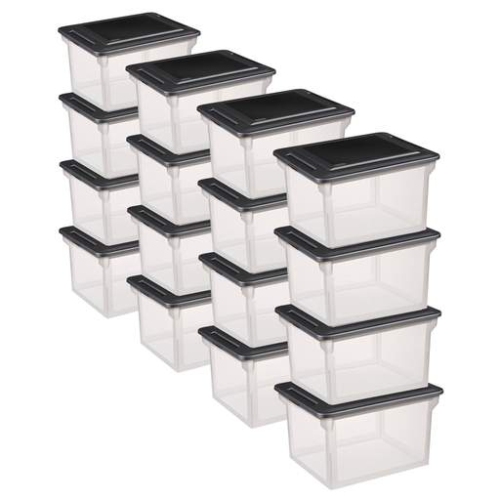
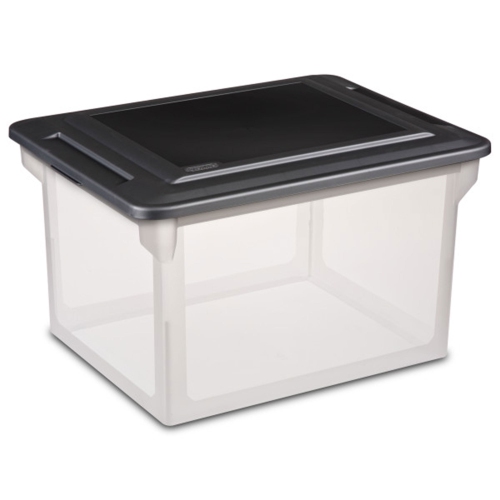
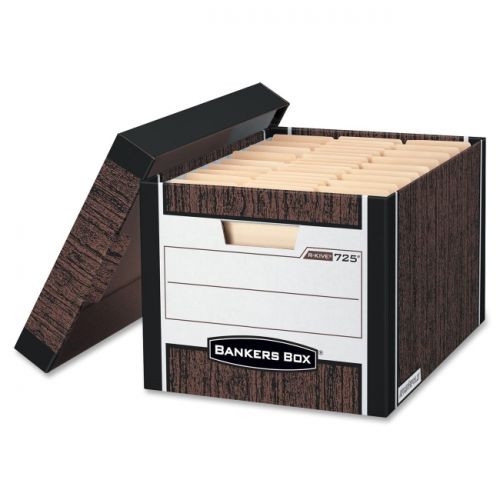
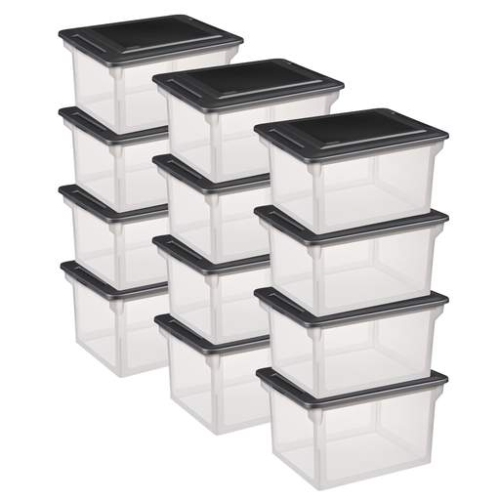
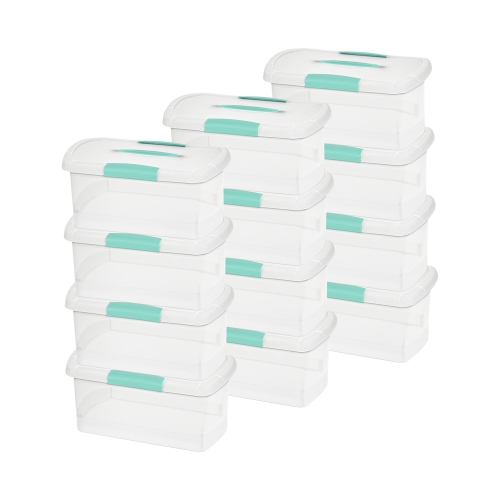
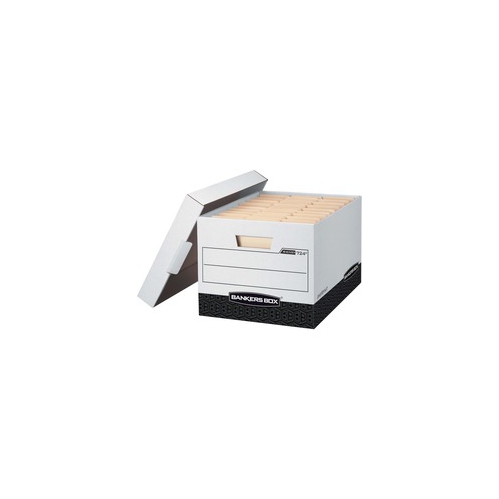
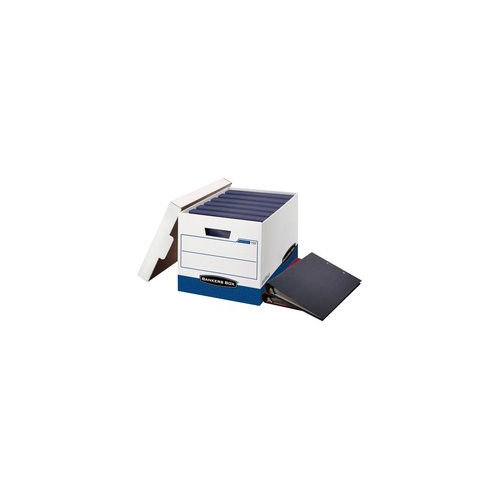
Office file boxes keep paper documents together, protected from everyday dust, and easier to find when a drawer or desktop starts to fill up. They suit everything from household bills and property records to client folders, employee paperwork, and completed project files. The main differences are material, folder compatibility, access, and how much handling the box is designed to withstand. Corrugated cardboard file boxes are lightweight containers commonly used for archived paperwork that stays on a shelf between occasional retrievals. Reinforced bases, layered sidewalls, and well-formed handholds can make a noticeable difference when a box is filled with dense paper files. Plastic file boxes offer a wipeable surface and a more rigid structure for documents accessed regularly or carried between workspaces. Some designs have fitted lids that help keep dust and incidental splashes away, although a plastic body alone does not make a container waterproof. Metal file boxes provide a firm outer shell and may suit frequently handled records or settings where a sturdier container is useful. Fabric-covered and collapsible designs can blend into a home office, with rigidity depending on their internal panels and base construction. A bookkeeper storing completed accounts has different needs from a consultant carrying active client folders, so intended use matters as much as appearance. For shelf storage, a stable shape and a clearly visible label area are particularly useful. For daily work, easy access and comfortable carrying handles tend to matter more. A box holding loose papers also serves a different purpose from one designed to support hanging folders. Looking at those distinctions helps keep storage practical: archived files can remain grouped and undisturbed, while working documents stay close enough to retrieve without unpacking an entire container. In a shared office, matching box formats can also make shelves easier to navigate, especially when several people need to locate the same records.
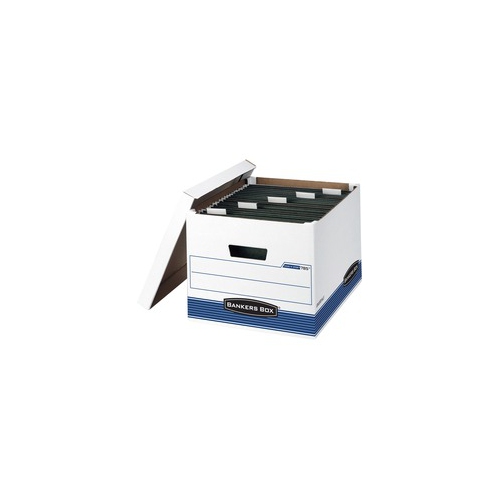
Folder fit is central to how well office file boxes work. Letter paper measures 8.5 by 11 inches, while legal paper measures 8.5 by 14 inches, but folders, hanging tabs, and dividers require additional clearance beyond the sheets themselves. A box described as suitable for letter-size documents may not accommodate legal folders, and designs that accept both formats may use different folder orientations or adjustable supports. Internal dimensions are therefore more useful for checking document fit than exterior measurements alone. Hanging-file boxes need rails or ledges that support the folder hooks securely, with enough space above them for tabs to remain readable without being crushed by the lid. Boxes intended for standard folders may rely instead on dividers or closely grouped contents to keep paperwork upright. A little spare room makes folders easier to lift out; excessive empty space can let them slump or slide during transport. Exterior dimensions matter just as much when the destination is a bookcase, cabinet, or narrow office shelf. There needs to be room to grip the handles and remove the lid, not simply enough space for the closed box. Lift-off lids allow broad access to the contents, while hinged lids remain attached during repeated opening. Latches can help keep a lid closed when a box is carried, and a comfortable top handle can be useful for lighter loads. Paper becomes heavy quickly, so a compact box may be more manageable than a larger container packed to its full capacity. Any stated load capacity should cover the intended use, and stacking limits should be checked separately from carrying limits. A closed lid does not necessarily mean a box is designed to support another full box. Lockable designs may add a basic barrier against casual access, but sensitive business or personal records can still require a locked cabinet or other appropriate security measures. Rolling formats can ease movement across a level floor, though stairs, thresholds, and lifting into a vehicle still affect how practical they are.
A useful filing system gives each office file box a clear role. Household records might be separated into housing, insurance, education, and vehicle documents, while a small business might group files by client, project, or financial year. Labels on the front or short end help identify contents when boxes are lined up on a shelf, and matching the label position across containers makes scanning easier. A short contents list inside the lid can locate a particular folder without exposing private details on the outside. Colour can provide another visual cue, although written labels remain helpful when several people share the storage area. For a workspace that also needs room for stationery, notebooks, or desk accessories, Office Storage Boxes can complement document-focused filing without mixing small supplies into paper records. Keeping those uses separate helps prevent a missing pen or loose cable from turning a neatly arranged file box into a catch-all. Care depends on the material and construction. Cardboard boxes generally benefit from dry indoor storage, sound shelving, and careful handling around the handholds. Plastic and coated metal surfaces can usually be wiped with a soft cloth, following the care directions and allowing the container to dry before papers go back inside. Abrasive cleaners may scratch surfaces or damage finishes. For fabric-covered boxes, the cleaning method depends on both the outer covering and any internal board inserts, which may not tolerate soaking. Heavy boxes belong on stable, accessible shelves rather than high overhead, and damaged bases or distorted lids are signs that a container may no longer support its contents properly. Even a sturdy file box works best when it is not overfilled: folders should lift out without tearing, lids should close without pressure, and handles should remain easy to grasp. These everyday details help office file boxes stay useful through repeated access, office moves, and longer periods of record storage.
Top selling and popular products
-
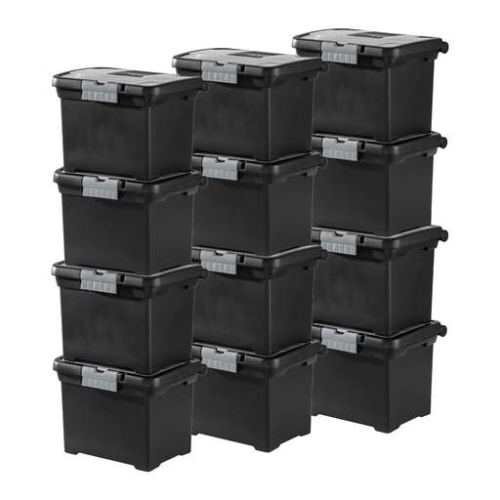 Your price for this item is $524.99
-
 Your price for this item is $462.99
-
 Your price for this item is $313.99
-
 Your price for this item is $159.99
-
 Your price for this item is $12.99
-
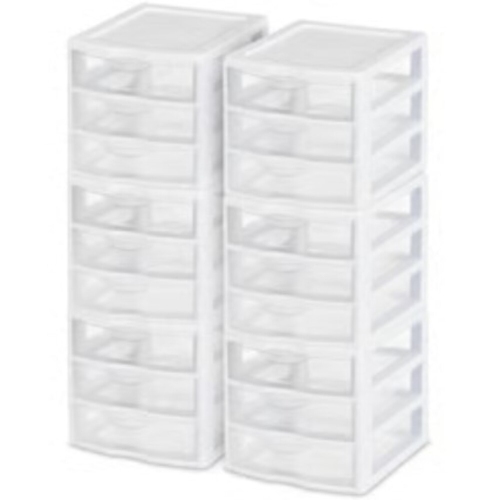 Your price for this item is $118.99
-
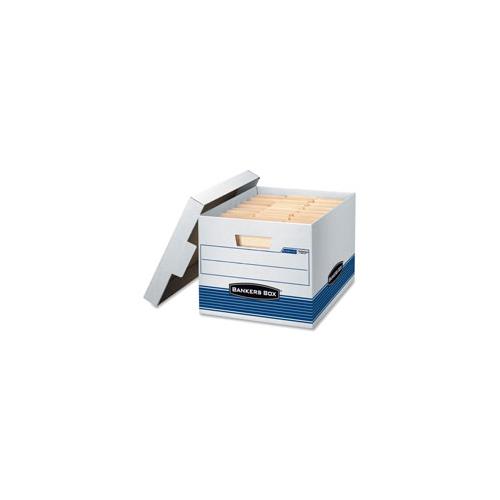 Your price for this item is $10.99
-
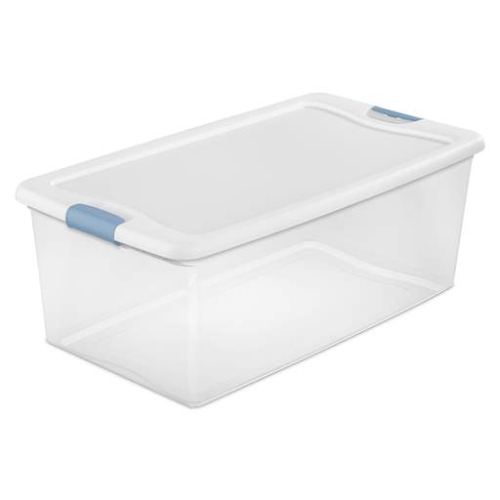 Your price for this item is $1644.99
Discover more categories related to Office File Boxes
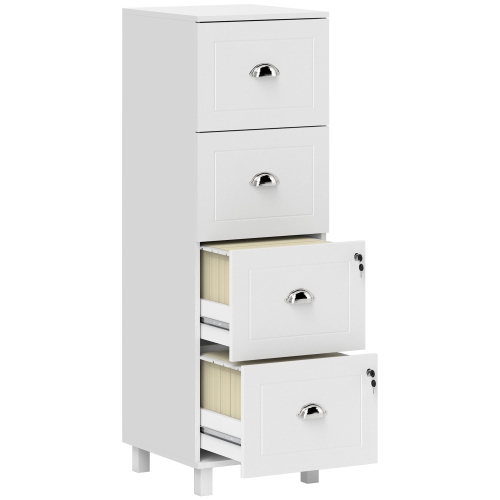
Top Collections:
Best Black Friday Deals This Year, Best Black Friday Deals On Electronics, Kindle Devices, Dyson Airwrap, Best Cameras for Sports Photography, Best Budget Office Chairs, Canon G7X Cameras, PS5 Pro Consoles, Best Black Friday Deals On Apple Products, XBOX One S Consoles
Some products may be subject to Environmental Handling Fees
(EHF) depending on your province.
Learn more about EHFs.