Organization for Paperwork
Organization for Paperwork is essential for maintaining a tidy and efficient workspace at home or in the office. The right solutions can help you keep important documents, bills, and forms neatly sorted and easy to find whenever you need them. Explore a wide variety of options designed to streamline your filing system, reduce clutter, and support productivity. Whether you're managing household records or business files, discover practical tools to make Organization for Paperwork simple and stress-free.
Sort
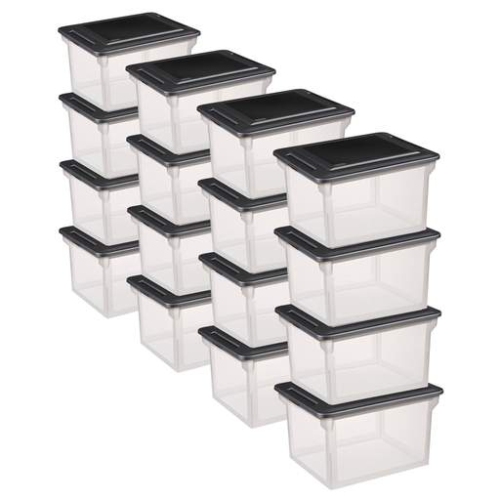
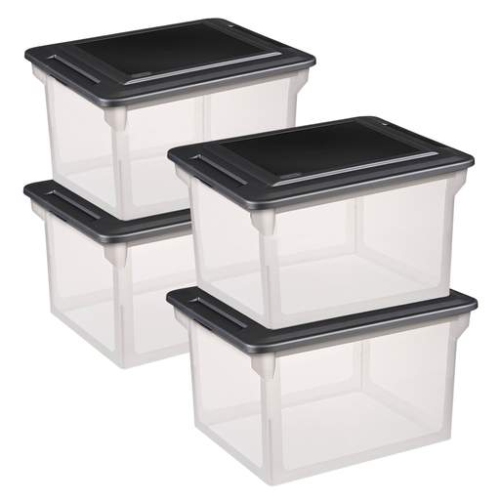
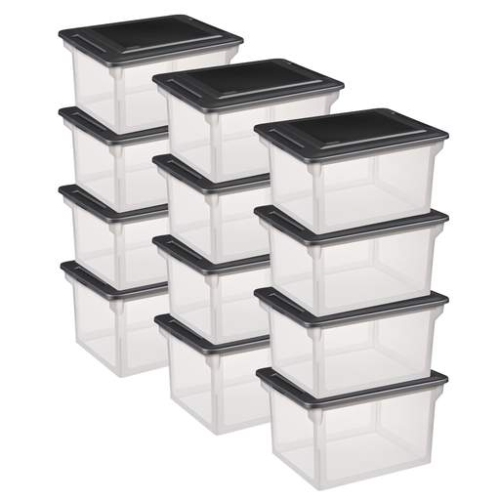
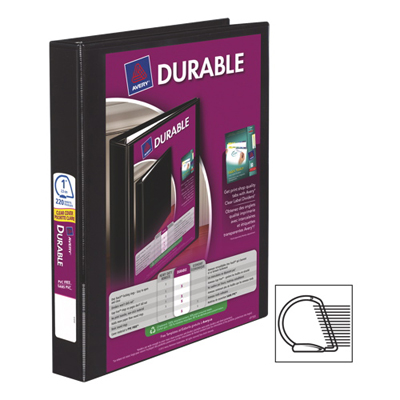

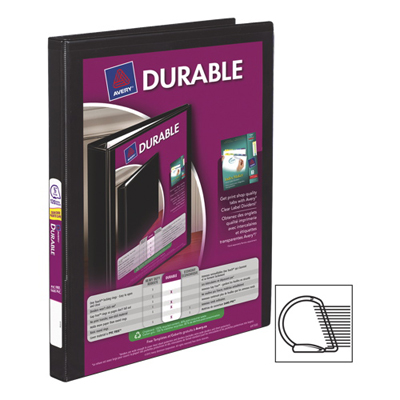
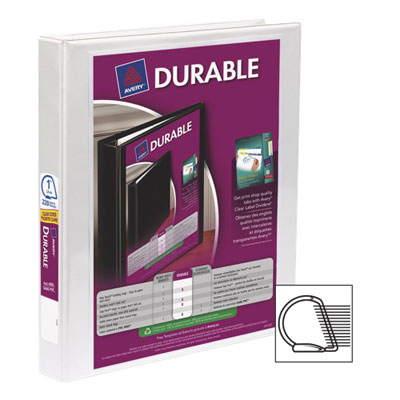
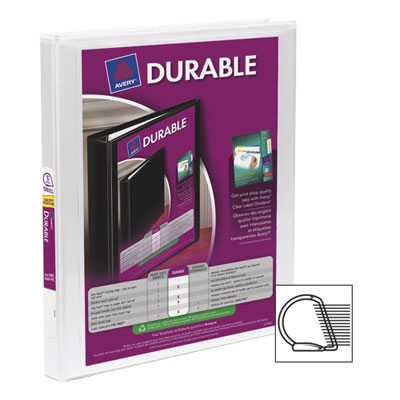
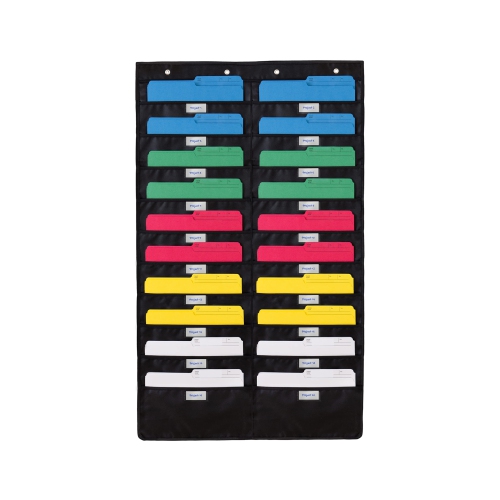
A clear destination for every document that arrives
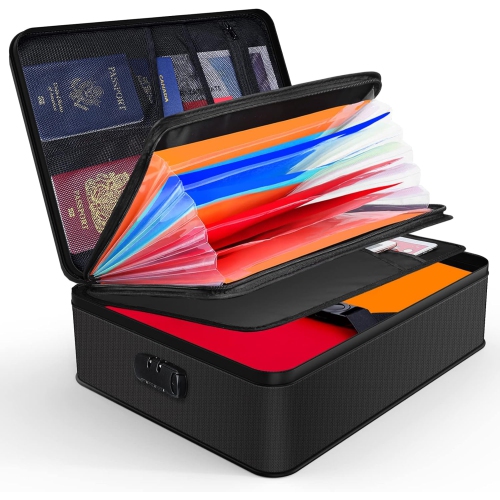
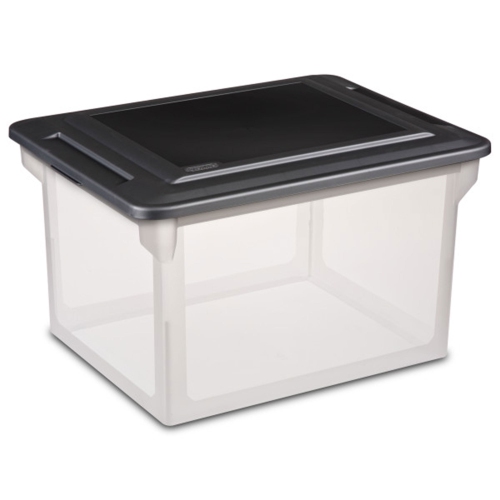
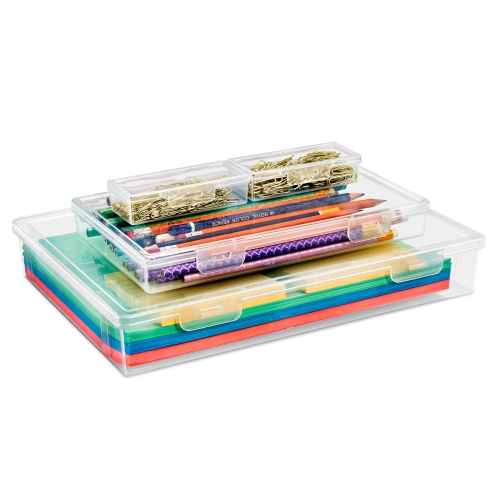
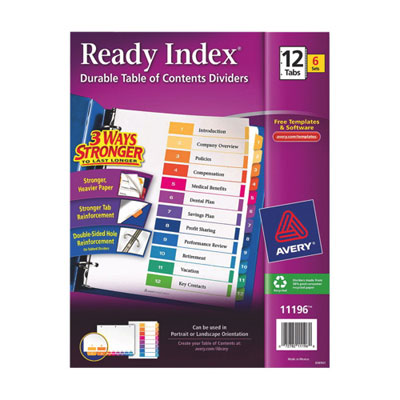
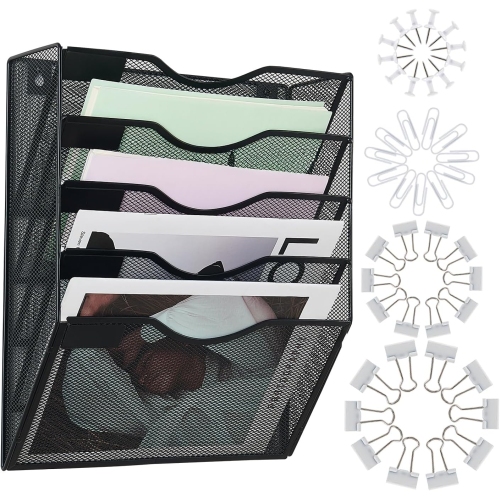
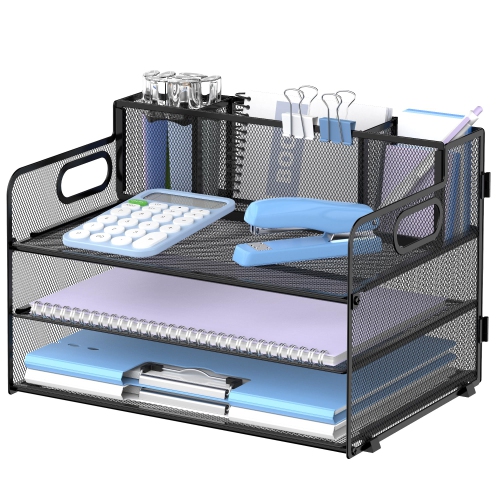
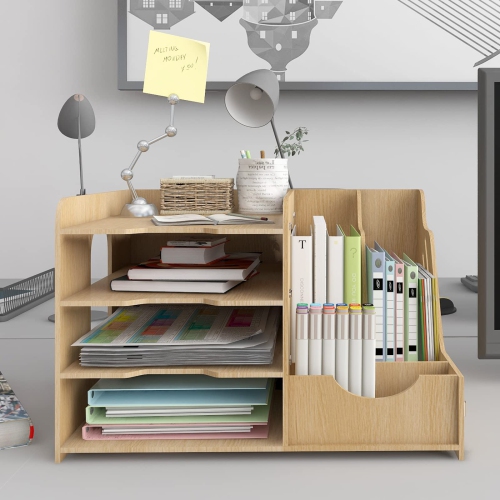
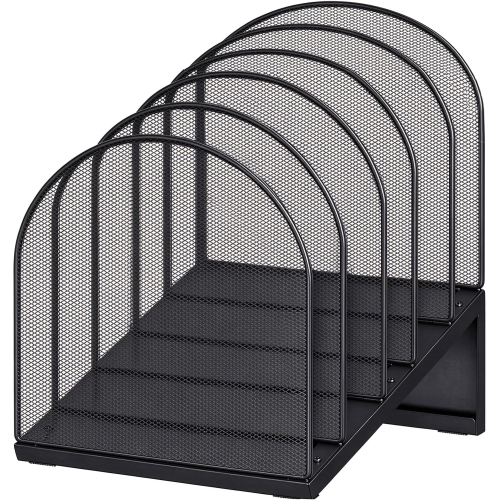
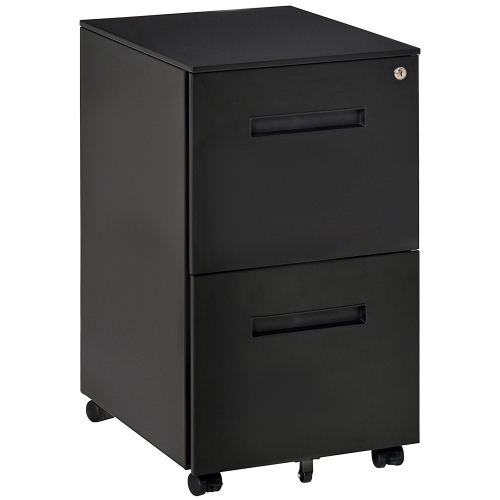
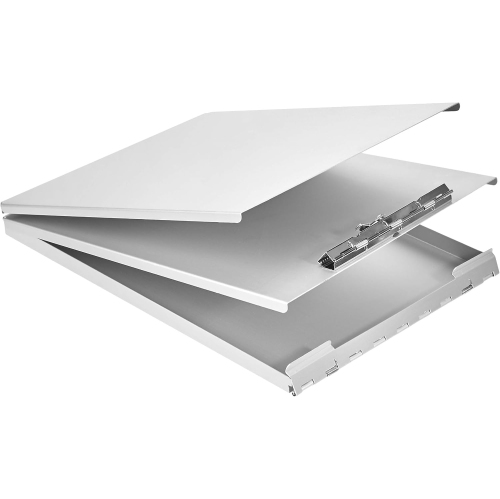
Paperwork organization brings incoming documents into one central place and gives each sheet a clear destination: action, waiting, reference, archive, or disposal. The right storage makes those categories easy to see and use, whether the paperwork comes from a busy household, a home office, or a shared workspace. Document trays, file folders, desktop sorters, binders, and filing cabinets serve different parts of that routine. An open tray suits papers that need attention soon, such as a form awaiting a signature or an invoice to be checked. A labelled folder keeps related documents together, while enclosed storage gives longer-term paperwork a place away from the everyday work surface. Separating active papers from completed records helps prevent a paid bill from getting mixed into the next batch of incoming mail. It also makes practical differences easier to spot: a school permission slip has a different destination from an appliance warranty, even if both arrive on the same day. For households, useful groupings might include health documents, school correspondence, home maintenance, and financial records. In a work setting, project names, client files, and administrative tasks often provide more useful divisions. The best arrangement follows how the papers will be retrieved rather than how they happened to arrive. Clearly visible labels and consistent folder placement reduce the need to search through every sheet to find one detail. Colour can add another layer of recognition, especially when several people use the same storage, but written labels keep the meaning clear. A compact organizer beside the usual mail drop can give incoming envelopes a defined landing place instead of letting them spread across a kitchen counter. At a desk, vertical file storage can keep frequently used folders upright and accessible without taking over the space needed for a keyboard or notebook. These everyday uses make paperwork storage less about hiding a pile and more about keeping important information within reach.
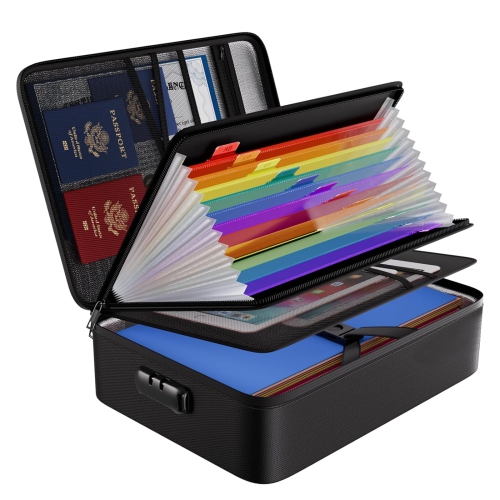
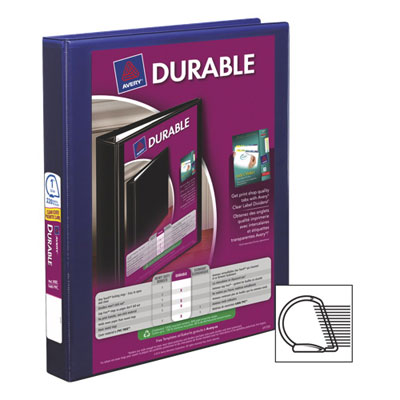
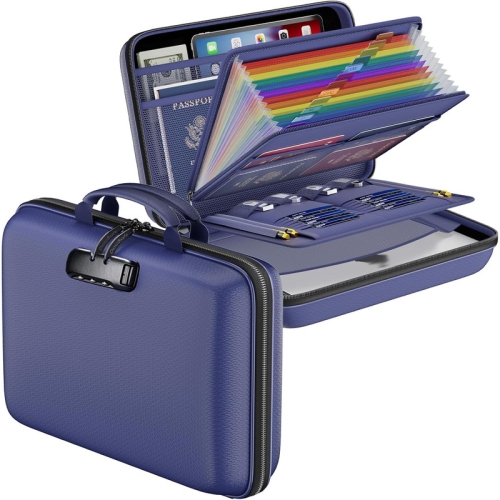
Size, construction, and handling matter as much as the number of compartments. Letter-size documents typically measure 8.5 by 11 inches, while legal-size sheets measure 8.5 by 14 inches; folders, pockets, and drawers need enough room for the format being stored. A legal document folded into a smaller folder may become awkward to read or copy later. For hanging files, the drawer rails and folders need compatible dimensions, and a drawer that holds loose folders is not necessarily equipped for hanging ones. Binders suit documents that benefit from a fixed sequence, such as training materials, household reference notes, or project paperwork. Their capacity depends on ring size and sheet thickness, with dividers and protective sleeves taking up additional room. Expanding files suit groups of documents that need separate sections in one portable container, though overfilling can put pressure on closures and make individual pages harder to remove. Paperboard folders are lightweight and easy to label, while plastic folders can be useful where repeated handling or occasional splashes are a concern. Neither material should be assumed to protect contents from a spill unless the storage is designed for that purpose. Metal storage can suit heavier use, and wood or wood-look organizers may fit naturally into a furnished home office. Smooth drawer movement, secure joints, and neatly finished edges are worth considering for storage that will be opened repeatedly. When choosing Office Papers for printed forms or correspondence, matching the sheet size to the filing supplies helps keep the finished documents flat and easy to handle. Care is generally straightforward: dust exposed surfaces, follow the material’s cleaning directions, and avoid putting damp papers into enclosed storage. For documents intended to be kept for years, acid-free folders and sleeves identified as suitable for archival use deserve closer attention. Heat and direct sunlight can affect paper and printed information, particularly thermal-paper receipts, so storage away from those conditions can help preserve legibility.
The fit within a room determines whether an organizer becomes part of a dependable routine or another obstacle. A desktop unit should leave enough space to work comfortably, with compartments positioned so labels remain readable from the usual sitting or standing position. Storage intended for a shelf needs to fit both the shelf depth and the opening above it; a handle or projecting tab can make a difference in a tight space. Under-desk cabinets require clearance for knees, chair movement, and fully opened drawers. Portable files should be manageable when filled, not just when empty, especially for someone carrying documents between home and work or to appointments. Handles, closures, and the way papers are supported all influence how comfortably that load travels. For shared storage, a simple layout with clearly assigned sections makes it easier for family members or colleagues to return documents to the same place. Someone managing school forms and appointment letters may need quick-access compartments, while a small business owner may need deeper storage for invoices, contracts, and completed project files. Students can use divided storage to keep course handouts separate, and caregivers may find a portable document file useful for keeping appointment paperwork together. Privacy is another consideration when papers contain personal, medical, or financial information. A lockable drawer can limit casual access, but a lock alone does not mean a cabinet provides protection against fire or water. Those features need to be assessed separately. Capacity also benefits from a little breathing room: tightly packed folders are difficult to browse, and crowded drawers make returning a document more cumbersome. A modest amount of spare space accommodates new paperwork without forcing unrelated categories together. Keeping a small action section near the point where mail is opened, with less frequently used records stored elsewhere, can support a brief daily review without covering the whole desk. Well-fitted paperwork storage gives documents a predictable home and makes the details needed for everyday decisions easier to find.
Top selling and popular products
-
 Your price for this item is $698.99
-
 Your price for this item is $859.99
-
 Your price for this item is $1197.99
-
 Your price for this item is $299.99
-
 Your price for this item is $573.99
-
 Your price for this item is $253.99
-
 Your price for this item is $178.99
-
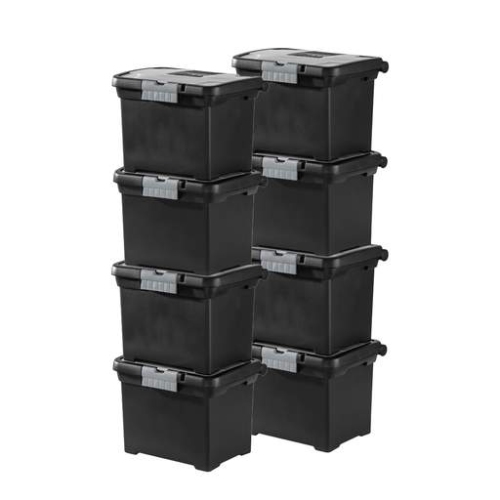 Your price for this item is $348.99
Discover more categories related to Organization for Paperwork

Top Collections:
Best Black Friday Deals This Year, Best Black Friday Deals On Electronics, Kindle Devices, Dyson Airwrap, Best Cameras for Sports Photography, Best Budget Office Chairs, Canon G7X Cameras, PS5 Pro Consoles, Best Black Friday Deals On Apple Products, XBOX One S Consoles
Some products may be subject to Environmental Handling Fees
(EHF) depending on your province.
Learn more about EHFs.