Organizers for Teachers
Organizers for Teachers help create efficient and inspiring classroom environments by keeping supplies, lesson plans, and paperwork neatly arranged. Discover a wide selection designed to support daily routines and simplify classroom management. With the right organizational tools, teachers can maximize productivity and focus more on what matters most: teaching and engaging students. Explore options that make it easy to maintain order and stay prepared throughout the school year with Organizers for Teachers.
Sort
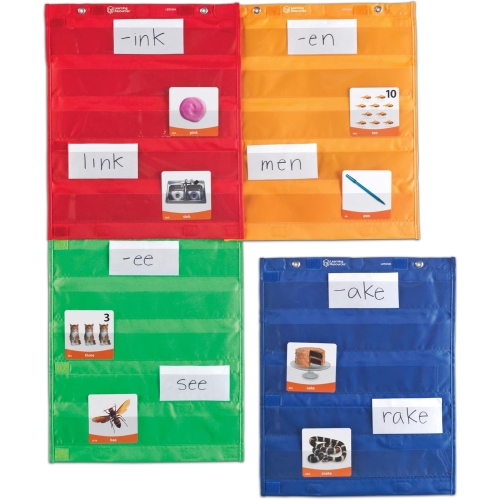
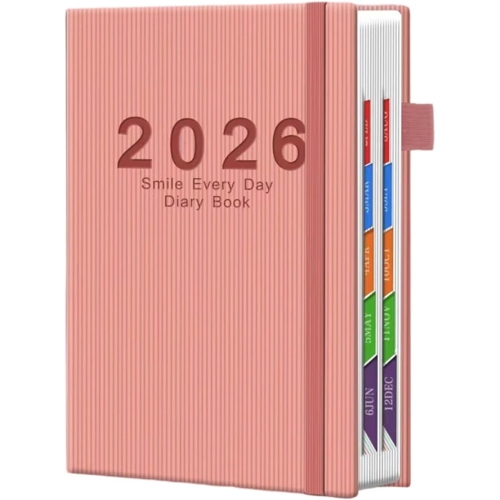
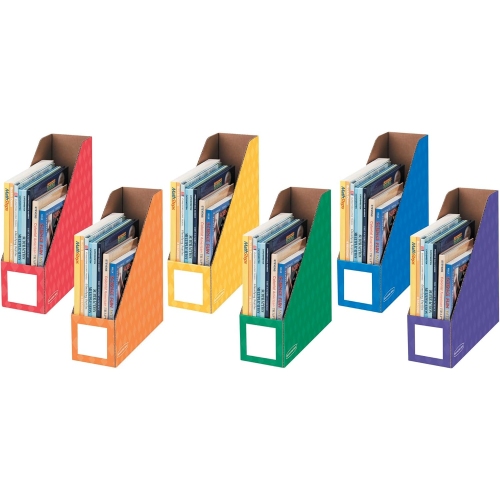
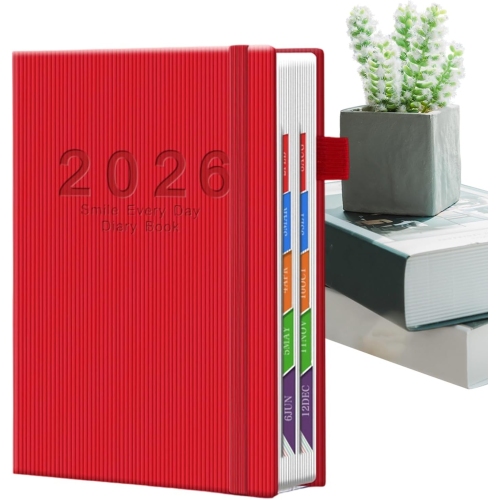
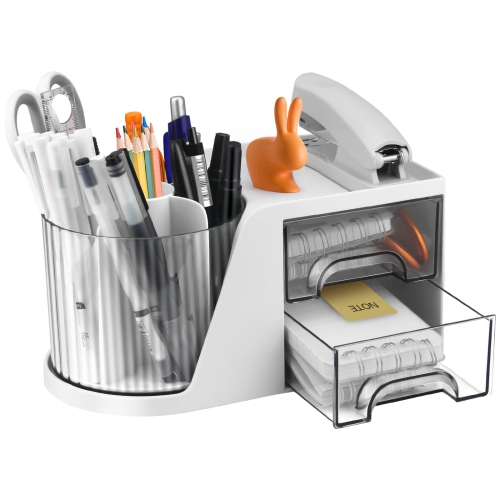
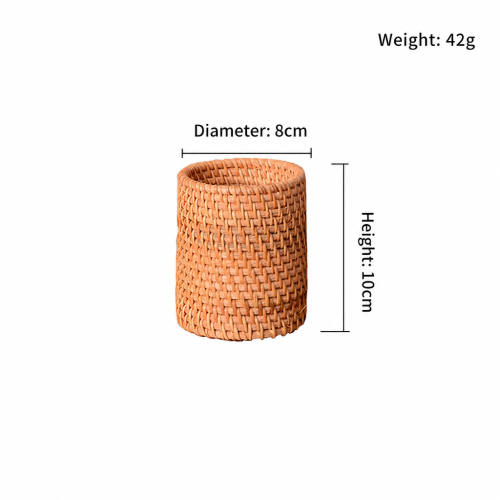
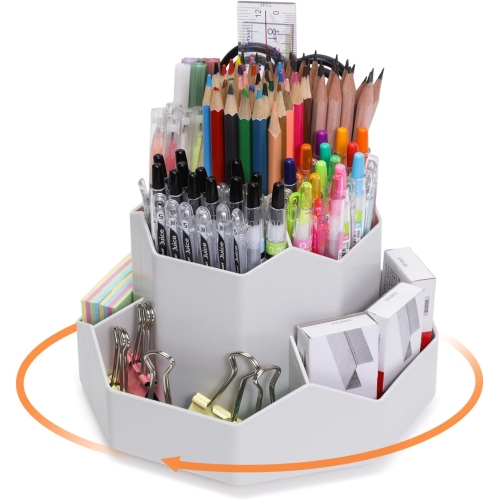
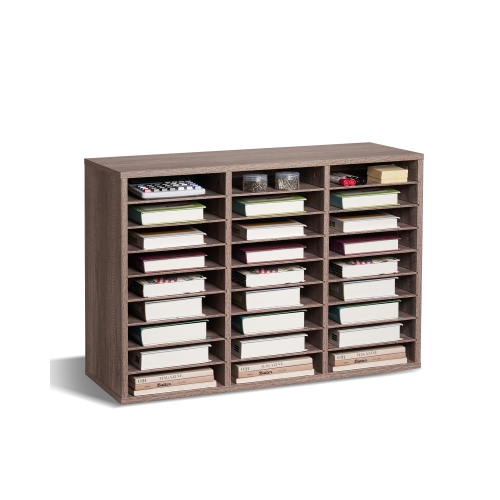
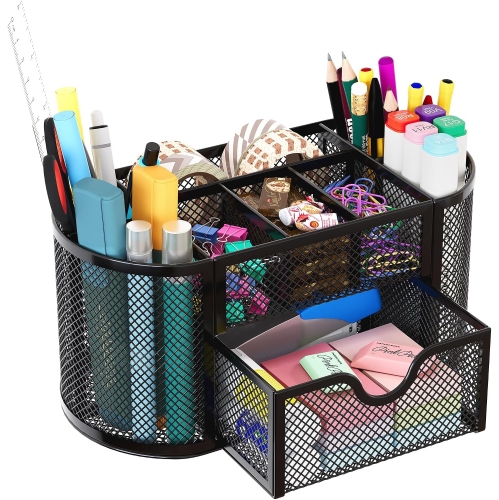
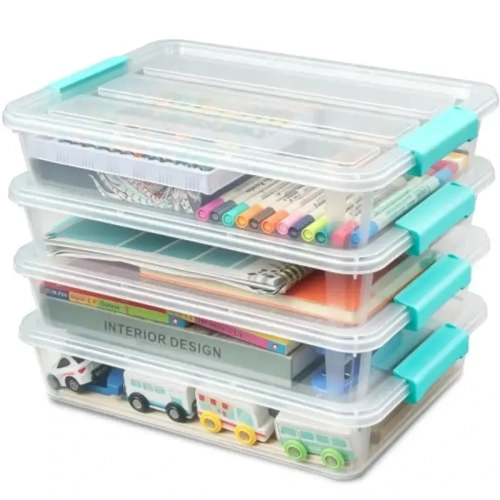
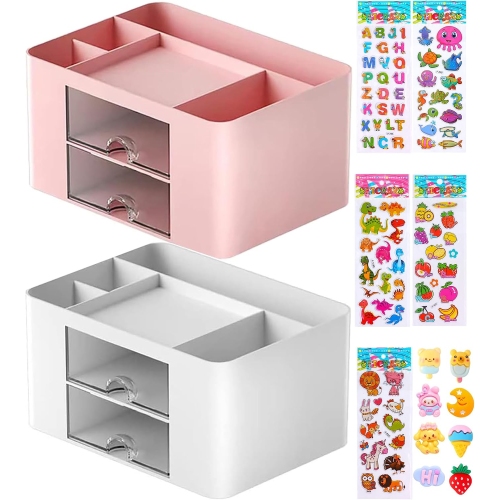
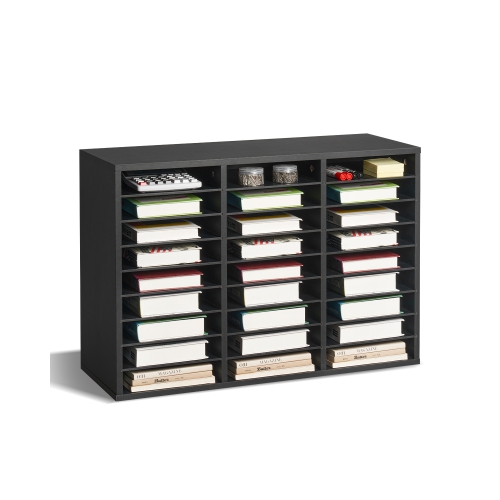
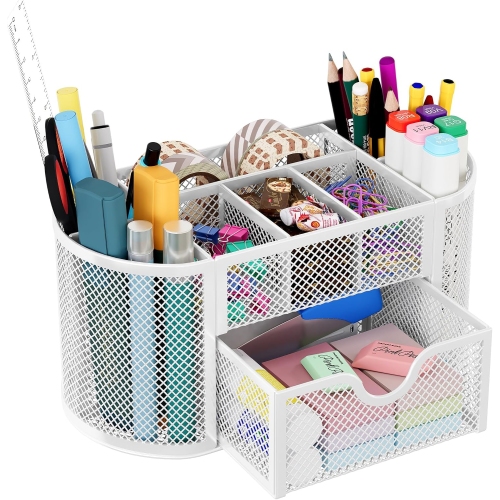
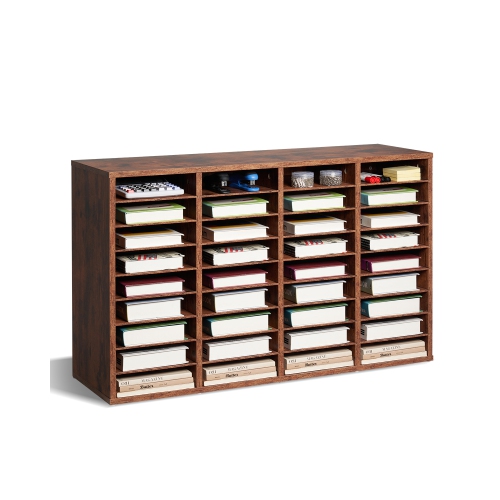
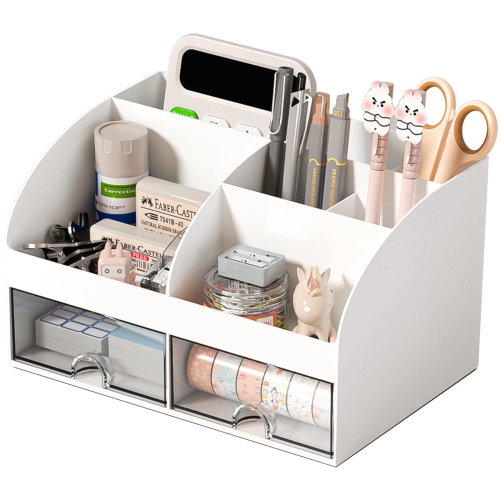
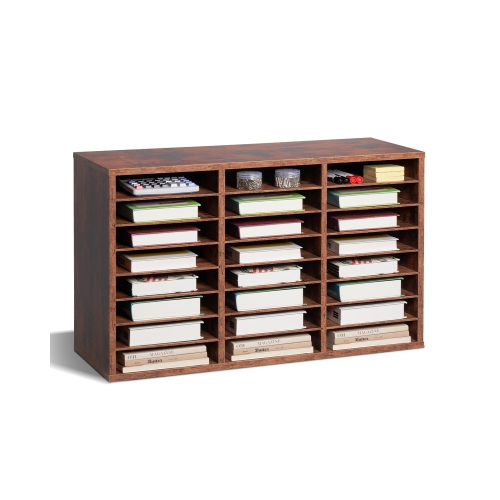
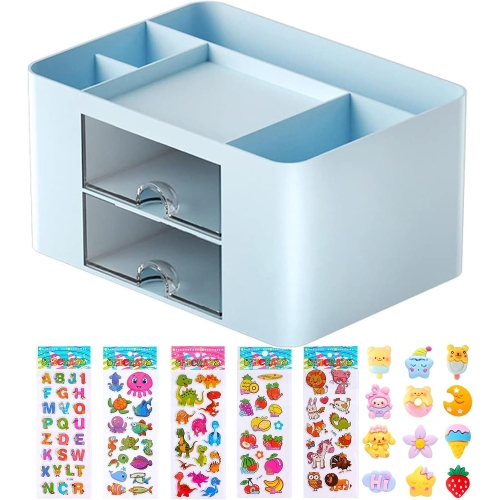
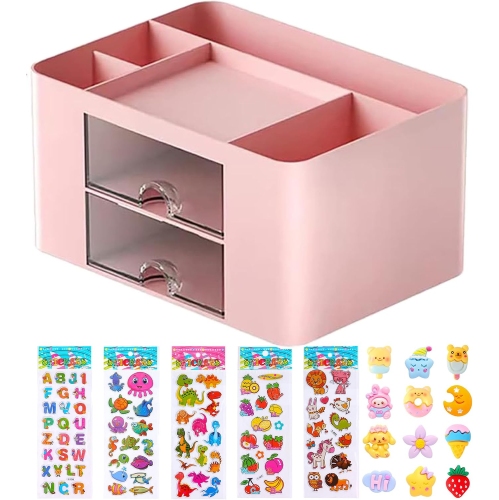
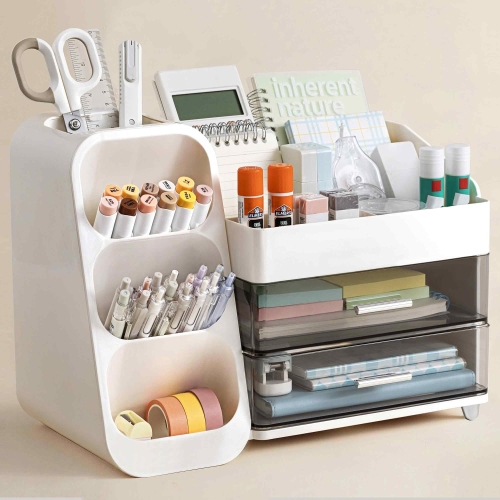
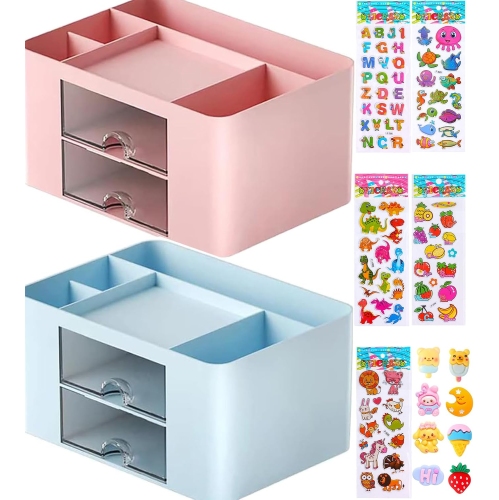
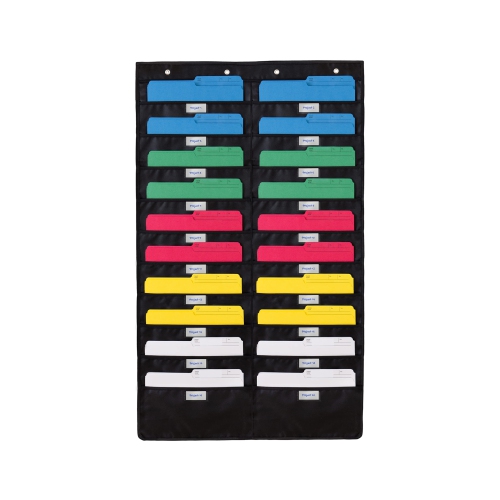
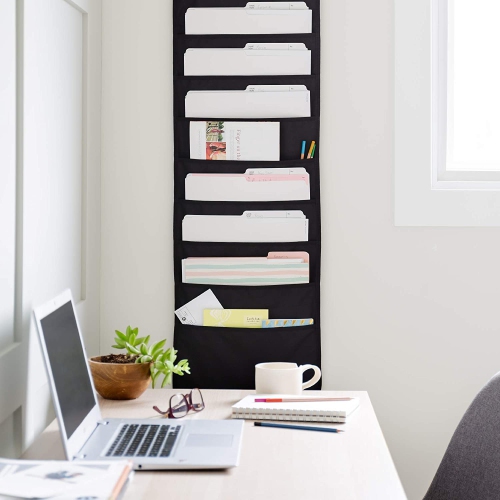
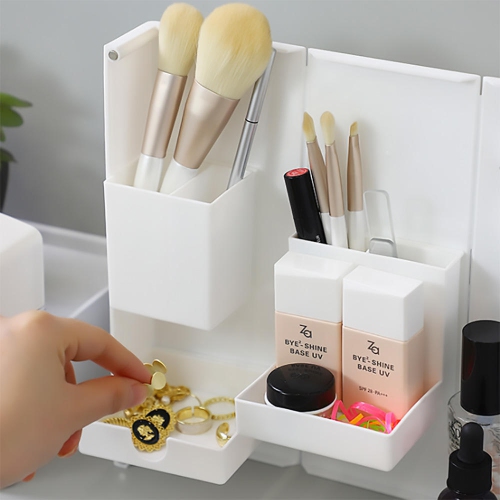
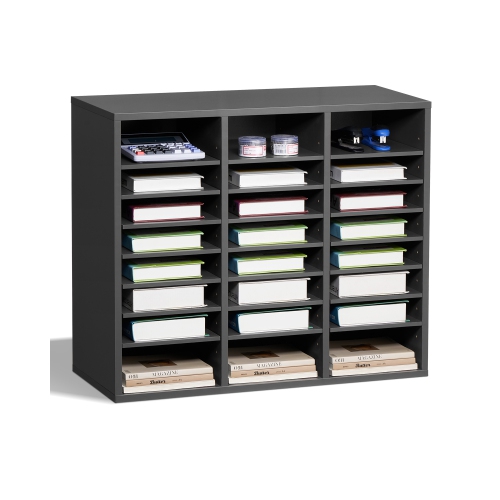
Classroom storage that keeps marking separate from handouts
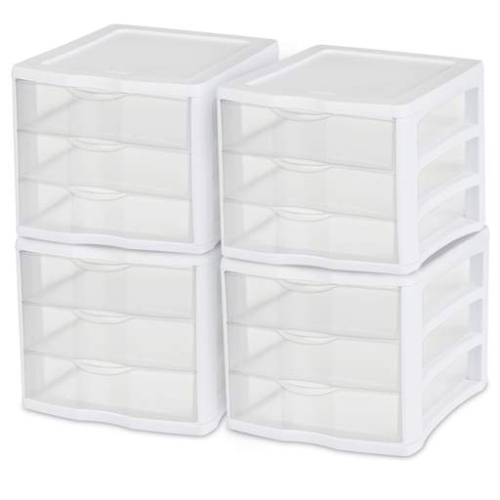
Organizers for teachers give lesson materials, paperwork, and everyday supplies a clear place to land, helping busy classrooms feel more manageable between lessons. A teacher’s work surface often serves several purposes in a single day: preparing an activity, reviewing assignments, meeting with a colleague, and setting out resources for the next group. Storage that separates these tasks can keep an unfinished stack of marking from mingling with handouts ready to distribute. Paper trays, divided compartments, and upright filing spaces each support a different kind of access, whether materials need to stay flat, stand within easy reach, or remain grouped by class. For printed worksheets and student folders, interior dimensions matter as much as the overall footprint; a compartment that holds loose sheets may feel cramped once folders or thicker packages are added. Small supplies benefit from shallow sections where the contents remain visible rather than disappearing beneath a pile of unrelated materials. Larger compartments can accommodate teaching resources that do not fit neatly into a standard drawer. The most useful arrangement reflects the way a teacher actually works, with frequently handled materials close by and less-used resources stored farther from the main work surface. A clear division between incoming assignments, work awaiting review, and completed papers can make a busy desktop easier to read at a glance. Colour can support that structure, especially when the same colour consistently represents a class, subject, or stage of a task. Neutral finishes can be equally practical in shared offices or classrooms where wall displays already provide plenty of visual detail. Labels add another layer of clarity, allowing a colleague or occasional teacher to locate materials without opening every drawer. Together, these details help storage become part of a familiar routine rather than another task to maintain. Even a compact setup can create useful boundaries between personal teaching supplies, shared classroom resources, and papers that need attention before the end of the day.
Materials and construction affect how an organizer feels in daily use, how much handling it tolerates, and how easily it can be cleaned. Smooth plastic surfaces are often straightforward to wipe, while transparent sections make contents visible without opening a drawer or lifting a lid. Metal mesh offers visibility through the sides and a structured feel, although very small supplies may need a separate compartment to prevent them from slipping through openings. Wood and wood-based finishes can suit a staff office or a quieter reading area, with surface care depending on the finish and the manufacturer’s directions. Fabric storage adds a softer texture and can be convenient for lightweight materials, but cleaning requirements vary, particularly where inserts or reinforced panels are involved. Across materials, rounded edges, secure handles, and drawers that move smoothly are practical details in a space used throughout the day. Fit involves more than checking whether an organizer will sit on a shelf. Drawer clearance, access to handles, and room to remove a full folder all influence how comfortable it is to use. On a desktop, storage should leave enough open space for writing, using a keyboard, or spreading out a set of lesson notes. Inside a cabinet, shelf height and depth determine whether compartments remain accessible or become awkward to reach. Vertical storage can make good use of a narrow footprint, provided the structure is stable and used within its stated load limits. Heavier contents belong lower down, and wall-mounted storage needs suitable mounting hardware and a secure attachment appropriate to the surface. Portable storage has its own considerations: handles should feel comfortable when loaded, contents should stay contained during movement, and any wheels or locking mechanisms should suit the intended floor and use. Durability also shows up in smaller details, such as reinforced corners, firmly attached dividers, and label holders that withstand repeated changes. Care instructions remain important, since a cleaner suitable for one finish may damage another.
Different teaching roles call for different balances of visibility, portability, and privacy. In an elementary classroom, shared supplies may need easy-to-recognize labels and compartments that support students returning materials independently. In a secondary classroom, separating resources by course or class period can help prevent similar-looking handouts from getting mixed together. Art, music, learning support, and library staff may need flexible compartments for materials with varied shapes rather than a layout designed only around paper. Teachers who move between rooms benefit from a system that keeps the next lesson together and reduces the need to repack loose supplies at every stop. Tutors and educators working from a home office may prefer compact storage that can be closed or moved aside when the work surface has another purpose. The value of Organization Tools for Teachers often becomes clearest during transitions, when there are only a few minutes to return one activity and prepare the next. A designated place for ready-to-use materials can make that handover simpler, while a separate section for incomplete work keeps it from being filed away too soon. Visibility is helpful for shared resources, but student information and confidential paperwork require an appropriate private storage arrangement rather than an open tray in a busy room. Ease of reach matters too, especially when storage is used from a seated position or accessed repeatedly throughout the day. Organizers can also make thoughtful gifts for a newly qualified teacher, a teaching assistant, or an educator setting up a different workspace. A useful gift reflects the recipient’s available space, preferred materials, and existing routines rather than assuming that a larger organizer is always better. Flexible dividers, clear labelling space, and a manageable footprint can leave room for personal preferences. Whether supporting one teacher’s desk or a shared preparation area, well-matched storage gives everyday materials a dependable home without making the setup unnecessarily complicated.
Top selling and popular products
-
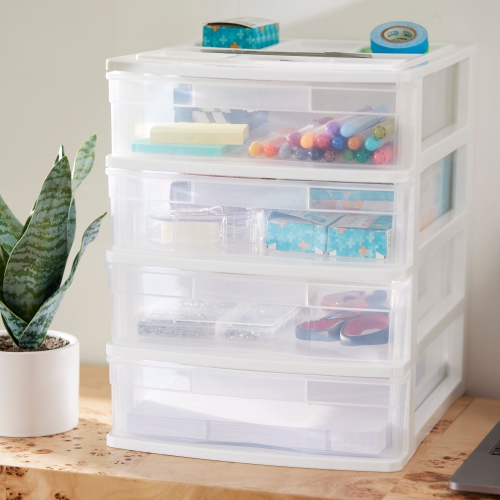 Your price for this item is $171.99
-
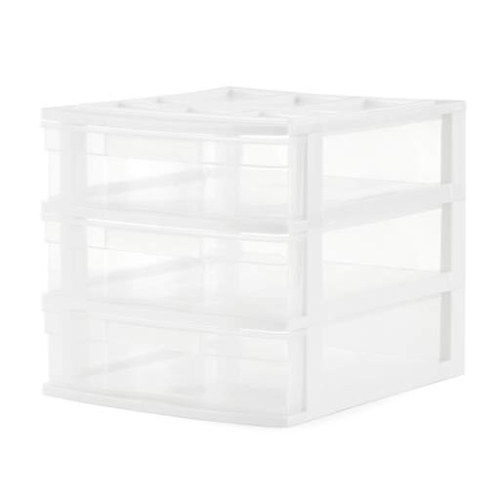 Your price for this item is $78.99
-
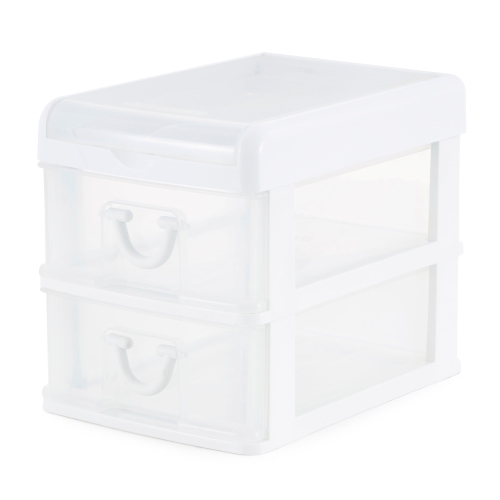 Your price for this item is $77.99
-
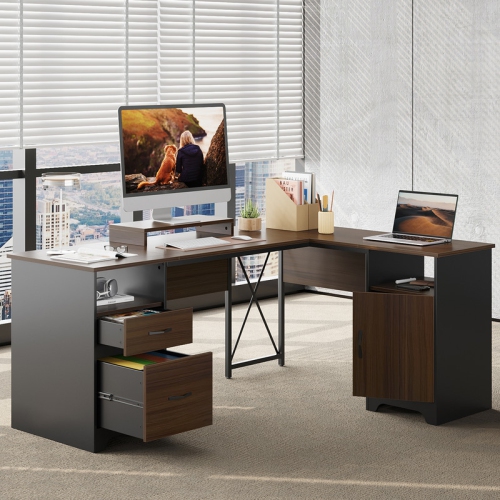 Your price for this item is $309.99
-
 Your price for this item is $19.99
-
 Your price for this item is $129.99
-
 Your price for this item is $47.99
-
 Your price for this item is $24.38
Discover more categories related to Organizers for Teachers

Top Collections:
Best Black Friday Deals This Year, Best Black Friday Deals On Electronics, Kindle Devices, Dyson Airwrap, Best Cameras for Sports Photography, Best Budget Office Chairs, Canon G7X Cameras, PS5 Pro Consoles, Best Black Friday Deals On Apple Products, XBOX One S Consoles
Some products may be subject to Environmental Handling Fees
(EHF) depending on your province.
Learn more about EHFs.