Packaging Tape
Discover the essential tool for securing your packages with ease and confidence. Packaging tape is a versatile solution for all your sealing needs, whether you're preparing shipments, organizing storage, or tackling home improvement projects. Designed to provide strong adhesion and durability, it ensures that your boxes and parcels stay intact during transit. Explore a range of options that cater to various applications, from heavy-duty tasks to everyday use. With packaging tape, you can streamline your packing process and ensure peace of mind knowing your items are well protected.
Sort
Why a secure box seal takes more than strength
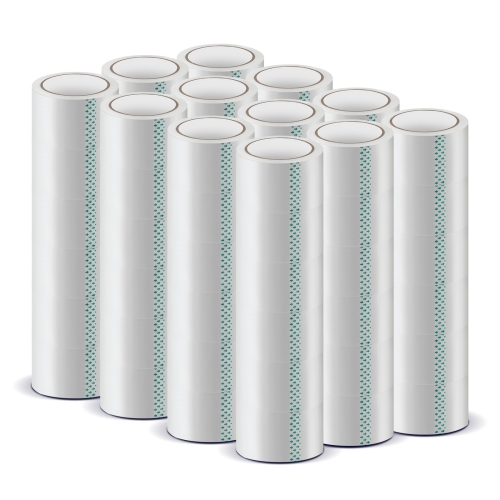
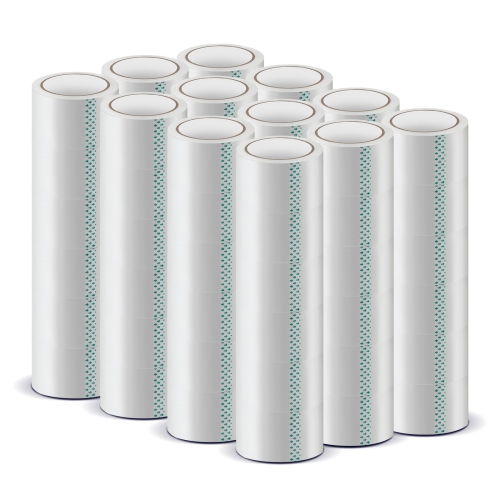
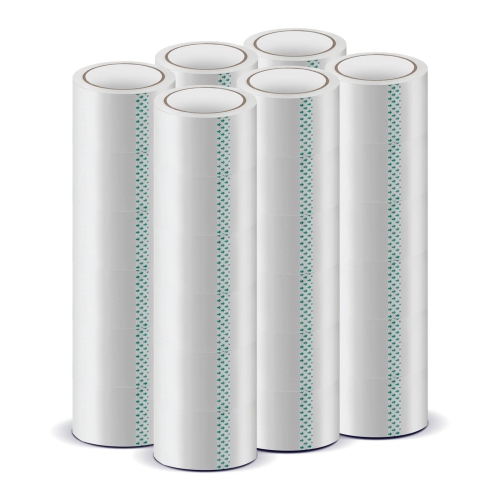
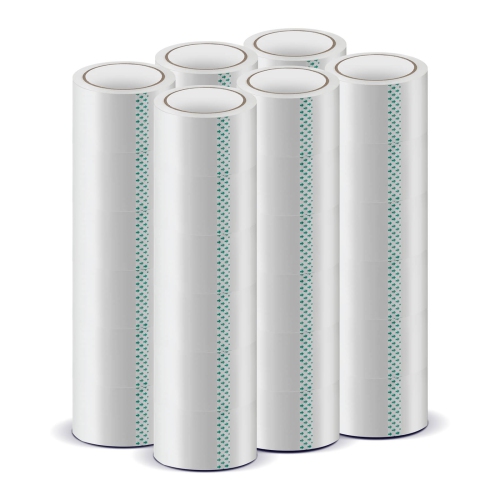
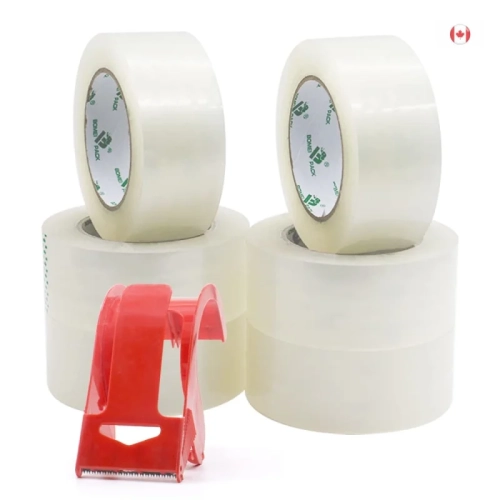
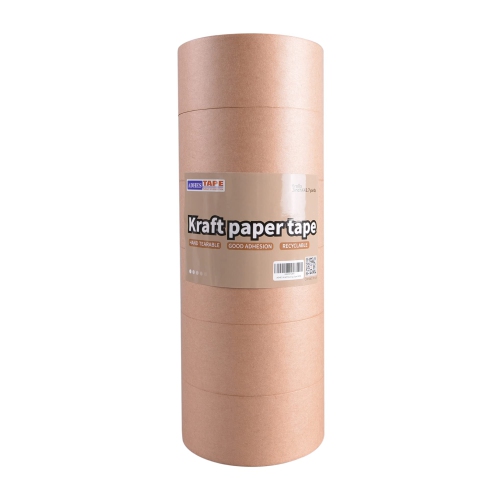
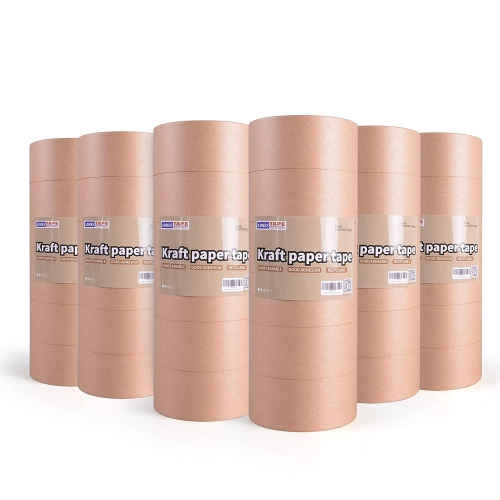
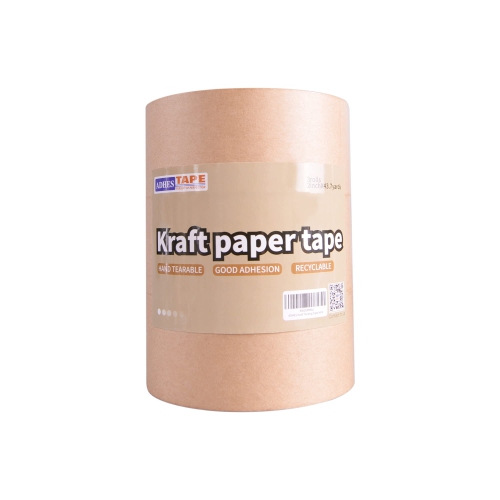
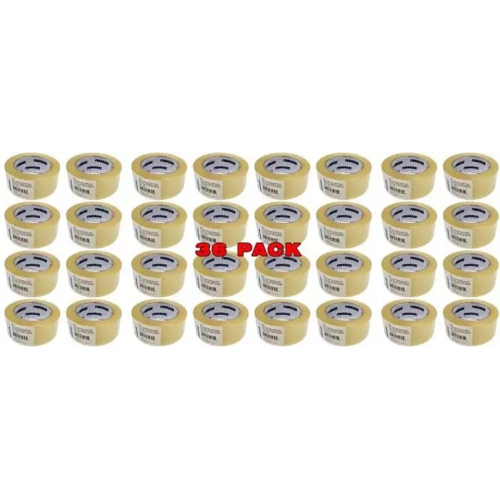
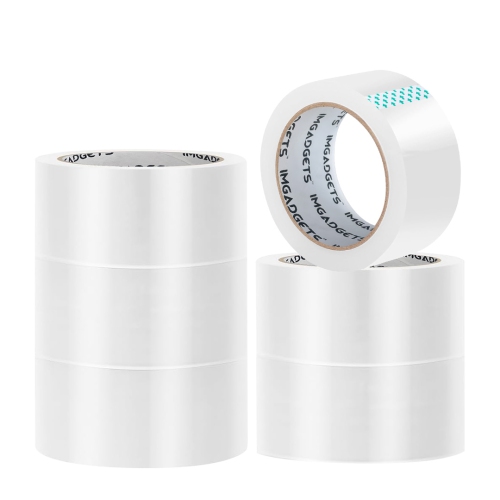
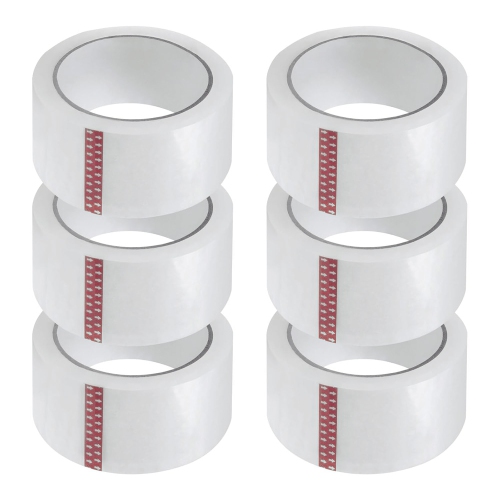
Packaging tape is designed to seal cartons, secure box flaps, and help parcels stay closed through handling, moving, and storage. Unlike ordinary stationery tape, it typically has a wider backing and an adhesive suited to corrugated cardboard, making it a practical choice for everything from a small return parcel to a stack of moving boxes. The main types include clear or tan plastic packing tape, paper packaging tape, and reinforced tape for applications that need added strength. Clear tape leaves box markings visible, while tan tape blends with many plain cardboard cartons for a tidy finish. Paper tape provides a writable surface on some varieties, although compatibility with pens and markers depends on its coating. Plastic packaging tape commonly uses a polypropylene backing, which is light, flexible, and able to follow the contours of a properly closed carton. Its performance also depends on the adhesive: acrylic formulations are often chosen for lasting clarity and storage applications, while hot-melt formulations commonly offer strong initial tack for routine carton sealing. Neither description guarantees suitability for every box, so the stated surface compatibility and intended use matter more than appearance alone. For a household sending occasional parcels, general-purpose packing tape may provide the right balance of handling and holding power. A small business preparing customer orders may place greater value on consistent unwinding, reliable adhesion, and rolls that work smoothly with a dispenser. Moving boxes filled with books or kitchenware put different demands on a seal than cartons holding cushions or folded clothing. In those situations, stronger tape can help, but the carton must also be rated for its contents. Packaging tape is part of a complete packing arrangement rather than a substitute for sound cardboard, suitable cushioning, or a sensible box weight. A well-matched tape keeps the closure neat and secure without making the parcel unnecessarily difficult to handle.
Width, roll length, thickness, and dispenser fit all influence how packaging tape works in everyday use. A width of approximately 48 mm is common for carton sealing because it gives useful coverage on both sides of a centre seam. Wider tape can provide more contact area, but it still needs a compatible applicator and a flat surface to bond properly. Roll length indicates how much tape is supplied, not how strong it is; a longer roll may mean fewer changes during a packing session, provided it fits the dispenser. Thickness is often expressed in mils, with one mil equal to one thousandth of an inch. General-purpose tapes may measure around 2.0 to 2.2 mil, while some heavier-duty options measure around 2.6 mil or more. Those figures are useful comparisons, not universal weight limits. Total thickness can include both the backing and adhesive, and a thicker tape is not automatically the best choice for every carton. Backing strength, adhesive performance, box surface, and application pressure all contribute to the finished seal. Reinforced paper tape contains fibres that help resist tearing and can suit demanding shipping tasks when matched to the application. Some paper packaging tapes are water-activated, meaning their adhesive needs moistening before application; others are pressure-sensitive and adhere when pressed into place. Water-activated tape generally requires a suitable moistening dispenser or another application method specified by its manufacturer. For conventional plastic rolls, dispenser compatibility involves both tape width and core diameter, as well as clearance for the full roll. A handheld tape gun can make repeated carton sealing smoother, while a compact dispenser may be easier to keep in a drawer for occasional parcels. Adjustable tension helps control how freely a roll unwinds, and a comfortable handle matters when several boxes need sealing in one sitting. Low-noise unwinding can also be useful in a shared office or home workspace. Beyond carton sealing, Office Tapes covers related adhesive needs such as everyday paper fastening and desk tasks, where a narrower format may be more appropriate.
A reliable seal starts with the condition of the carton and the way the tape meets its surface. Clean, dry cardboard gives adhesive a better contact surface than dusty, greasy, or heavily worn flaps. Boxes reused for another shipment deserve particular attention because torn outer layers, old adhesive, and thick overlaps of previous tape can interfere with a fresh closure. Flaps should meet without being forced together by the tape; an overfilled carton keeps pulling against its seal, while an underfilled box may collapse unless its contents are supported with suitable packing material. For many standard cartons, a continuous strip along the centre seam, extending onto the adjoining faces, provides the basic closure. An H-shaped seal adds tape across the edge seams where the flaps meet the sides, helping secure both the top and bottom of the box. Firm, even pressure along the tape improves contact, especially at corners where a loose section can catch during handling. Stretching plastic tape tightly across a gap can leave the closure under strain rather than improving it. The same attention applies to presentation: straight strips and smoothly pressed ends create a cleaner parcel than several short, wrinkled patches. Clear tape may leave printing readable, but shiny tape over a barcode can create glare, so shipping labels are best attached according to the carrier’s requirements. Packaging tape is intended for suitable packing surfaces, not direct application to furniture finishes, screens, photographs, or other delicate belongings, where removal could leave residue or damage. Those objects need protective wrapping before the outer package is sealed. Between uses, keeping rolls clean, dry, and away from direct sunlight helps preserve their usability; protecting exposed edges from dust also prevents debris from reaching the adhesive. A dispenser keeps the end accessible and reduces repeated handling of the sticky side. Cutting blades should remain guarded when not in use and kept away from children. Whether the task is sending a care package, organizing household storage, or preparing regular business shipments, packaging tape works best when its material, strength, and format suit the carton and the journey ahead.
Width, roll length, thickness, and dispenser fit all influence how packaging tape works in everyday use. A width of approximately 48 mm is common for carton sealing because it gives useful coverage on both sides of a centre seam. Wider tape can provide more contact area, but it still needs a compatible applicator and a flat surface to bond properly. Roll length indicates how much tape is supplied, not how strong it is; a longer roll may mean fewer changes during a packing session, provided it fits the dispenser. Thickness is often expressed in mils, with one mil equal to one thousandth of an inch. General-purpose tapes may measure around 2.0 to 2.2 mil, while some heavier-duty options measure around 2.6 mil or more. Those figures are useful comparisons, not universal weight limits. Total thickness can include both the backing and adhesive, and a thicker tape is not automatically the best choice for every carton. Backing strength, adhesive performance, box surface, and application pressure all contribute to the finished seal. Reinforced paper tape contains fibres that help resist tearing and can suit demanding shipping tasks when matched to the application. Some paper packaging tapes are water-activated, meaning their adhesive needs moistening before application; others are pressure-sensitive and adhere when pressed into place. Water-activated tape generally requires a suitable moistening dispenser or another application method specified by its manufacturer. For conventional plastic rolls, dispenser compatibility involves both tape width and core diameter, as well as clearance for the full roll. A handheld tape gun can make repeated carton sealing smoother, while a compact dispenser may be easier to keep in a drawer for occasional parcels. Adjustable tension helps control how freely a roll unwinds, and a comfortable handle matters when several boxes need sealing in one sitting. Low-noise unwinding can also be useful in a shared office or home workspace. Beyond carton sealing, Office Tapes covers related adhesive needs such as everyday paper fastening and desk tasks, where a narrower format may be more appropriate.
A reliable seal starts with the condition of the carton and the way the tape meets its surface. Clean, dry cardboard gives adhesive a better contact surface than dusty, greasy, or heavily worn flaps. Boxes reused for another shipment deserve particular attention because torn outer layers, old adhesive, and thick overlaps of previous tape can interfere with a fresh closure. Flaps should meet without being forced together by the tape; an overfilled carton keeps pulling against its seal, while an underfilled box may collapse unless its contents are supported with suitable packing material. For many standard cartons, a continuous strip along the centre seam, extending onto the adjoining faces, provides the basic closure. An H-shaped seal adds tape across the edge seams where the flaps meet the sides, helping secure both the top and bottom of the box. Firm, even pressure along the tape improves contact, especially at corners where a loose section can catch during handling. Stretching plastic tape tightly across a gap can leave the closure under strain rather than improving it. The same attention applies to presentation: straight strips and smoothly pressed ends create a cleaner parcel than several short, wrinkled patches. Clear tape may leave printing readable, but shiny tape over a barcode can create glare, so shipping labels are best attached according to the carrier’s requirements. Packaging tape is intended for suitable packing surfaces, not direct application to furniture finishes, screens, photographs, or other delicate belongings, where removal could leave residue or damage. Those objects need protective wrapping before the outer package is sealed. Between uses, keeping rolls clean, dry, and away from direct sunlight helps preserve their usability; protecting exposed edges from dust also prevents debris from reaching the adhesive. A dispenser keeps the end accessible and reduces repeated handling of the sticky side. Cutting blades should remain guarded when not in use and kept away from children. Whether the task is sending a care package, organizing household storage, or preparing regular business shipments, packaging tape works best when its material, strength, and format suit the carton and the journey ahead.
Top selling and popular products
-
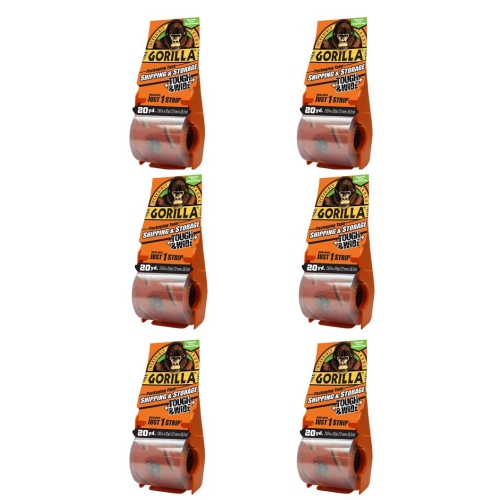 Your price for this item is $75.02
 -
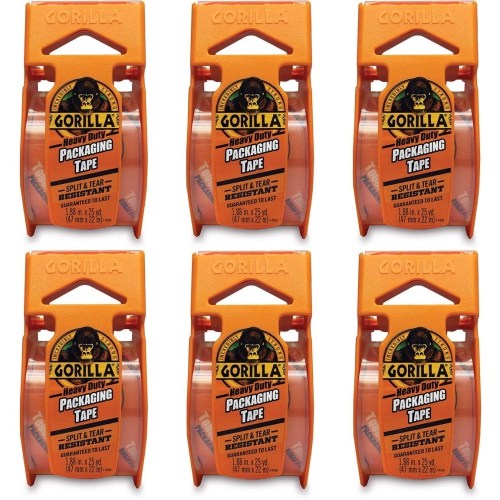 Your price for this item is $84.54
 -
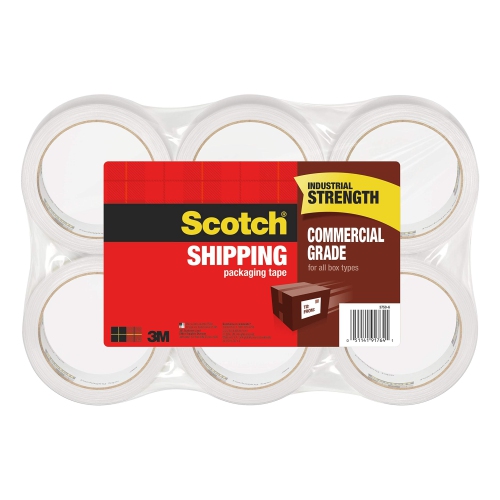 Your price for this item is $85.03
 -
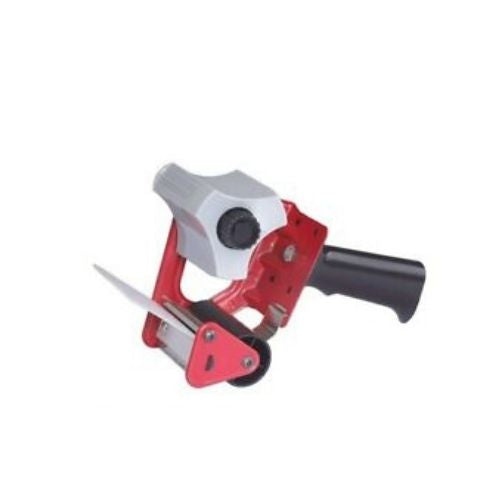 Your price for this item is $82
 -
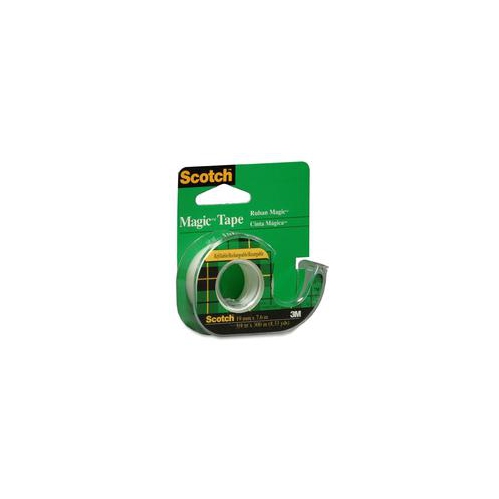 Your price for this item is $2.99
 -
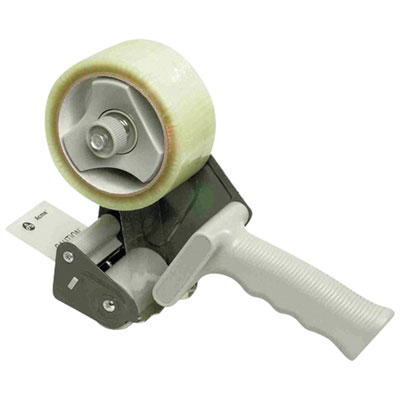 Your price for this item is $13.99
 -
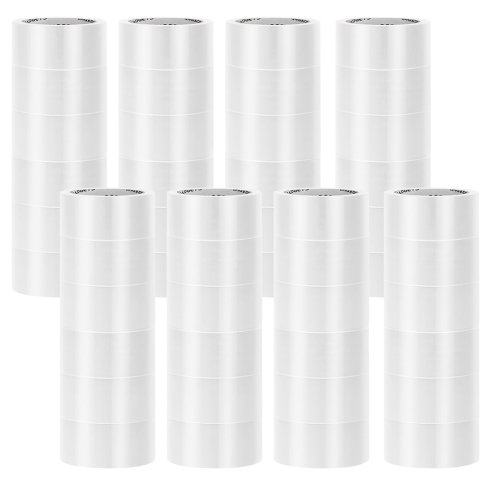 Your price for this item is $84.97
 -
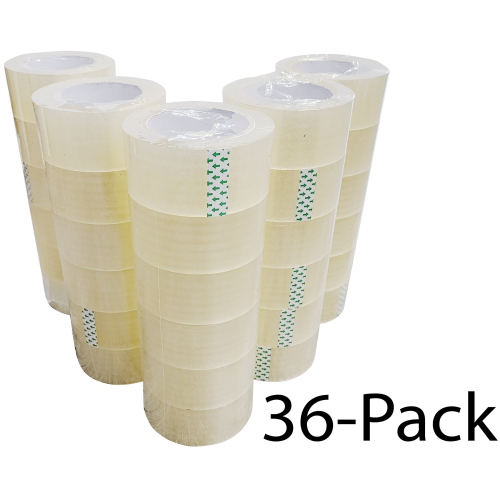 Your price for this item is $99
Discover more categories related to Packaging Tape
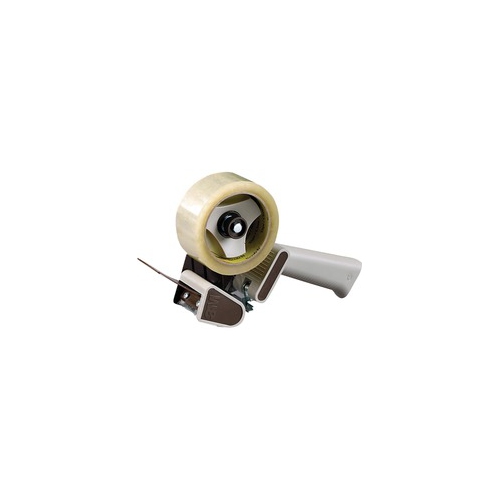
Top Collections:
Pokemon Centers, Kindle Devices, Best Budget Office Chairs, Apple iPhones 16, Canon G7X Cameras, iPhone 15 Apple, Alarm Clock, Refurbished Apple Laptops, Flip Phones, Best Laptops for Writers
Some products may be subject to Environmental Handling Fees
(EHF) depending on your province.
Learn more about EHFs.