Packing Tape Dispensers
Packing Tape Dispenser solutions make sealing boxes and organizing packages quick and efficient, whether you're preparing for a move, shipping items, or tackling everyday storage needs. With a Packing Tape Dispenser, you can streamline your packing process and keep your workspace tidy. Explore a variety of options designed to help you handle packaging tasks with ease and confidence.
Sort
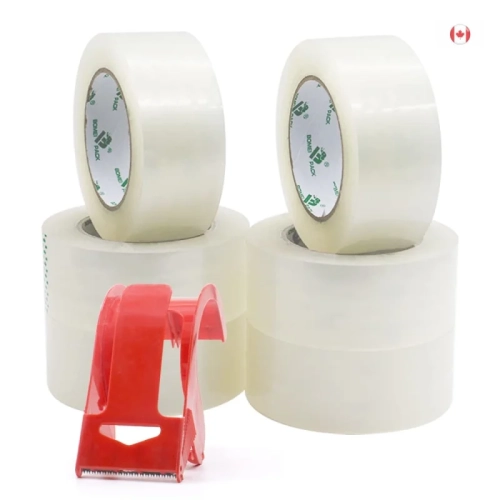
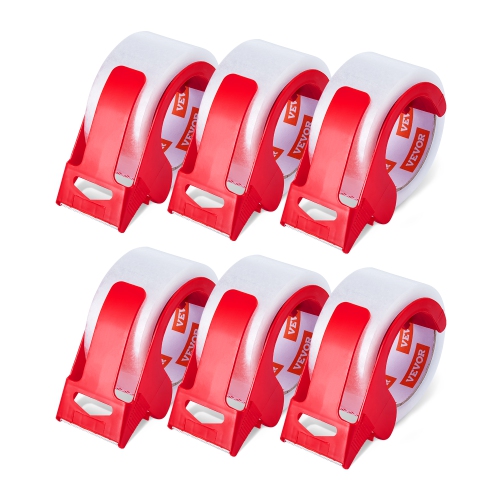
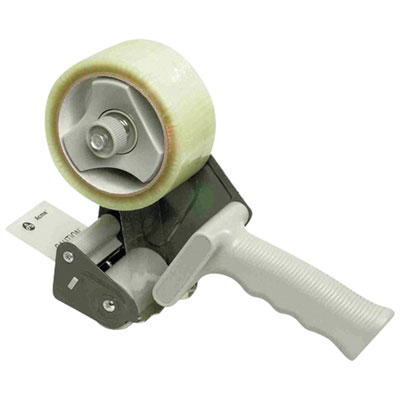
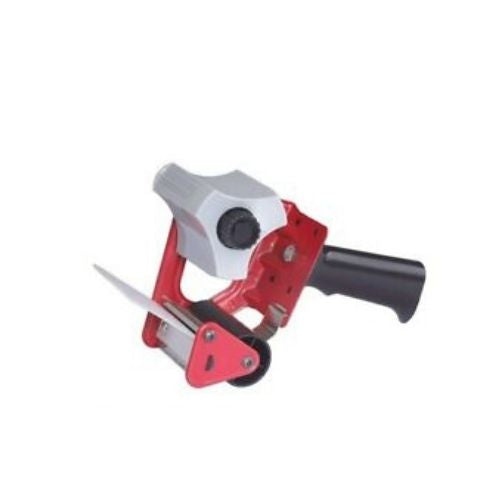
Easier box sealing without searching for scissors
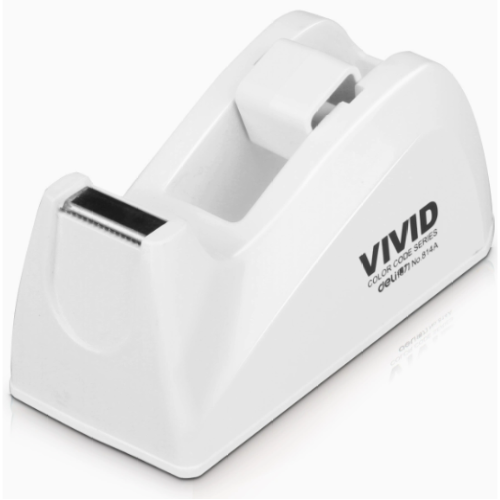
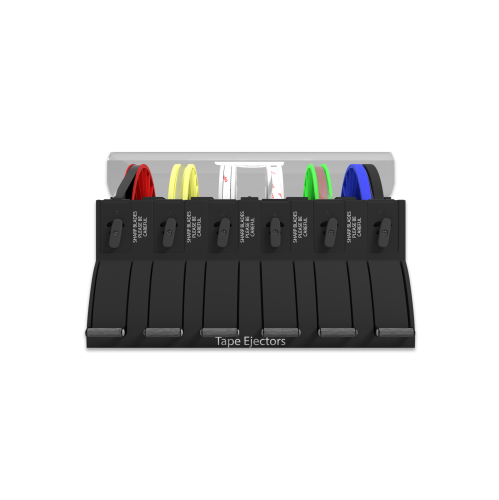
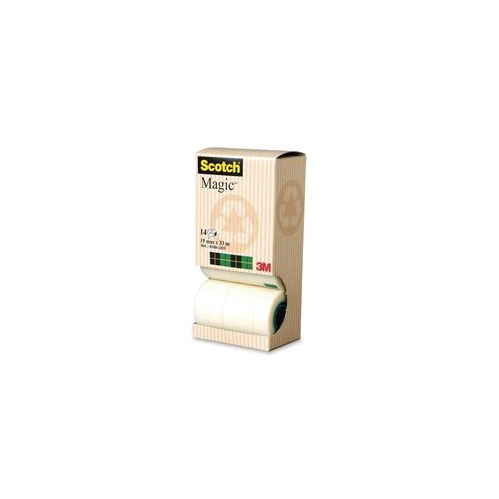
Packing tape dispensers hold a roll of box-sealing tape, feed it across a surface, and cut it to length, helping make packing and shipping more manageable. They are useful wherever cardboard boxes need a neat, secure closure, from a kitchen table covered with moving supplies to a dedicated parcel station in a small business. A dispenser keeps the tape roll and cutting edge together, reducing the need to search for scissors or pick at a tape end that has stuck back onto the roll. Handheld packing tape dispensers, often called tape guns, usually have a handle below the roll and a roller that presses the tape against the carton as the tool moves along a seam. This design suits larger boxes and repeated sealing tasks, particularly when the carton stays on a work surface while the dispenser travels over it. Compact handheld designs take up less space in a cupboard or moving kit and can be practical for occasional parcels. Desktop packing tape dispensers keep the roll in one place and let the user pull off separate lengths, which can suit smaller packages or work that involves switching between wrapping, labelling, and sealing. A weighted base or secure mounting arrangement can help limit movement during use, although the support needed depends on the design and the pull of the tape. These tools serve home movers, online sellers, office teams, teachers packing classroom supplies, and anyone putting household belongings into storage. During the cooler months, they can also make it easier to prepare parcels indoors before carrying them out for shipping. The most suitable format depends less on the size of the household or business than on the task itself: sealing several large cartons calls for a different grip and working motion than preparing an occasional small parcel. A comfortable dispenser gives the tape a predictable path from the roll to the box, keeping attention on the contents and the closure rather than a tangled strip of adhesive.
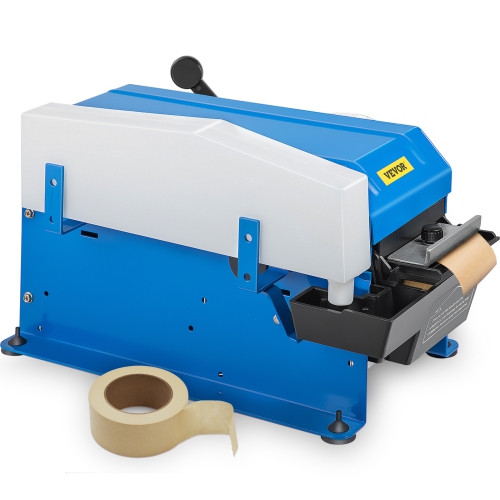
Fit matters because packing tape dispensers are not universally compatible with every roll. Tape width, core diameter, and maximum outside roll diameter all affect whether a roll will sit properly and turn freely. A dispenser made for 2-inch tape should not be assumed to accept a 3-inch roll, and a large core does not necessarily mean there is room for a longer roll with a greater outside diameter. Matching the dispenser specifications to the tape already used at home or at a packing station helps avoid a roll that rubs against the frame, shifts sideways, or cannot be fitted at all. The tape material matters, too. Clear and brown plastic carton-sealing tapes are common choices for standard handheld dispensers, while water-activated paper tape needs equipment designed to moisten its adhesive. Reinforced tapes may also require a compatible feeding and cutting mechanism rather than a standard tape gun. Beyond compatibility, the frame, handle, roller, and brake influence how the tool feels during use. Plastic housings can keep weight down for occasional packing, while metal frames can provide rigidity for frequent handling. Neither material alone determines durability; the strength of the roll holder, blade assembly, and moving parts also matters. An adjustable brake controls resistance as the tape unwinds, helping limit excess feed without making the roll unnecessarily difficult to pull. A smooth roller helps press the adhesive onto the carton, while a pressing flap, where fitted, helps smooth the tape as it is applied. Handle shape is especially noticeable over a long packing session: a grip that feels balanced with a full roll can be easier to control than one that puts too much weight ahead of the hand. For repeated carton sealing, Heavy Duty Tape Dispensers are a related option to consider, with attention to frame construction, roll support, and serviceable parts. Blade guards and retracting cutting edges, where included, are worth noting as well, since the cutting teeth remain a sharp working component even on a compact tool.
Everyday performance depends on the combination of dispenser, tape, carton, and working conditions. A well-controlled tape gun can lay a straight strip, but it cannot make unsuitable adhesive hold reliably on a dusty, damp, or badly damaged box. Clean, dry carton surfaces give packing tape a better chance to bond, and firm contact along the seam helps prevent loose sections that can catch during handling. Cold cartons brought in from a garage may need time indoors before sealing, depending on the tape’s stated application temperature. For a moving day, the dispenser may pass between rooms as books, cookware, and bedding are packed; a manageable weight and straightforward roll change can matter more than extra features. At a small shipping station, where cartons are sealed throughout the day, consistent tension and easy access to replacement cutting parts may carry more weight. Heavier contents also call for suitable cartons and tape rather than relying on the dispenser alone to produce a stronger package. Keeping the tool in good condition is generally a matter of preventing adhesive build-up and protecting the parts that guide and cut the tape. Dust and sticky residue on the roller can interfere with smooth feeding, while a dirty or worn cutting edge may leave ragged ends or require extra force. Cleaning should follow the manufacturer’s directions, particularly around plastic parts and coated surfaces, and fingers should stay clear of exposed teeth when removing a roll or handling the tool. Where replacement blades or rollers are supported, compatible parts can help maintain consistent operation without replacing the entire dispenser. Storage also makes a difference: a dry drawer, shelf, or packing-supply tote helps protect the tool from moisture and keeps the cutting edge away from loose household belongings. Tape rolls should be stored according to their own temperature and humidity requirements. With the right fit and routine care, a packing tape dispenser becomes a practical part of the packing setup, ready for anything from a single return parcel to a room full of clearly labelled moving boxes.
Fit matters because packing tape dispensers are not universally compatible with every roll. Tape width, core diameter, and maximum outside roll diameter all affect whether a roll will sit properly and turn freely. A dispenser made for 2-inch tape should not be assumed to accept a 3-inch roll, and a large core does not necessarily mean there is room for a longer roll with a greater outside diameter. Matching the dispenser specifications to the tape already used at home or at a packing station helps avoid a roll that rubs against the frame, shifts sideways, or cannot be fitted at all. The tape material matters, too. Clear and brown plastic carton-sealing tapes are common choices for standard handheld dispensers, while water-activated paper tape needs equipment designed to moisten its adhesive. Reinforced tapes may also require a compatible feeding and cutting mechanism rather than a standard tape gun. Beyond compatibility, the frame, handle, roller, and brake influence how the tool feels during use. Plastic housings can keep weight down for occasional packing, while metal frames can provide rigidity for frequent handling. Neither material alone determines durability; the strength of the roll holder, blade assembly, and moving parts also matters. An adjustable brake controls resistance as the tape unwinds, helping limit excess feed without making the roll unnecessarily difficult to pull. A smooth roller helps press the adhesive onto the carton, while a pressing flap, where fitted, helps smooth the tape as it is applied. Handle shape is especially noticeable over a long packing session: a grip that feels balanced with a full roll can be easier to control than one that puts too much weight ahead of the hand. For repeated carton sealing, Heavy Duty Tape Dispensers are a related option to consider, with attention to frame construction, roll support, and serviceable parts. Blade guards and retracting cutting edges, where included, are worth noting as well, since the cutting teeth remain a sharp working component even on a compact tool.
Everyday performance depends on the combination of dispenser, tape, carton, and working conditions. A well-controlled tape gun can lay a straight strip, but it cannot make unsuitable adhesive hold reliably on a dusty, damp, or badly damaged box. Clean, dry carton surfaces give packing tape a better chance to bond, and firm contact along the seam helps prevent loose sections that can catch during handling. Cold cartons brought in from a garage may need time indoors before sealing, depending on the tape’s stated application temperature. For a moving day, the dispenser may pass between rooms as books, cookware, and bedding are packed; a manageable weight and straightforward roll change can matter more than extra features. At a small shipping station, where cartons are sealed throughout the day, consistent tension and easy access to replacement cutting parts may carry more weight. Heavier contents also call for suitable cartons and tape rather than relying on the dispenser alone to produce a stronger package. Keeping the tool in good condition is generally a matter of preventing adhesive build-up and protecting the parts that guide and cut the tape. Dust and sticky residue on the roller can interfere with smooth feeding, while a dirty or worn cutting edge may leave ragged ends or require extra force. Cleaning should follow the manufacturer’s directions, particularly around plastic parts and coated surfaces, and fingers should stay clear of exposed teeth when removing a roll or handling the tool. Where replacement blades or rollers are supported, compatible parts can help maintain consistent operation without replacing the entire dispenser. Storage also makes a difference: a dry drawer, shelf, or packing-supply tote helps protect the tool from moisture and keeps the cutting edge away from loose household belongings. Tape rolls should be stored according to their own temperature and humidity requirements. With the right fit and routine care, a packing tape dispenser becomes a practical part of the packing setup, ready for anything from a single return parcel to a room full of clearly labelled moving boxes.
Top selling and popular products
-
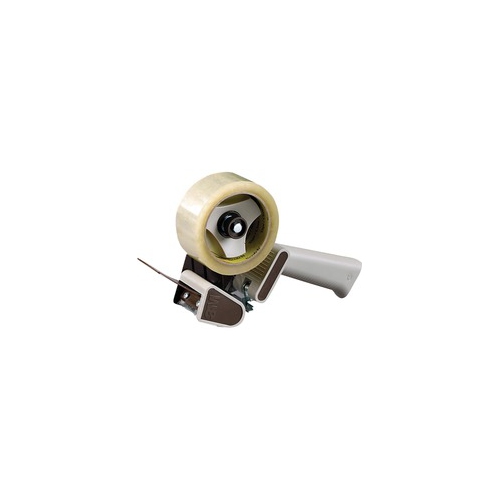 Your price for this item is $53.99
 -
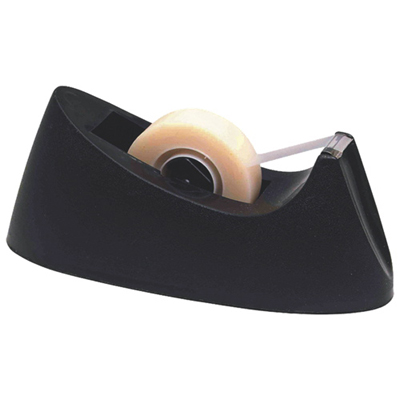 Your price for this item is $10.99
 -
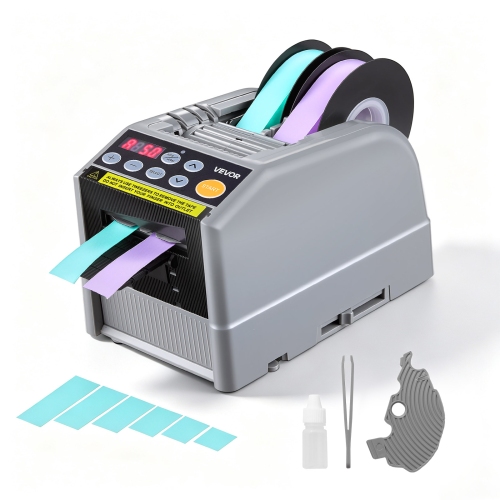 Your price for this item is $96.99
 -
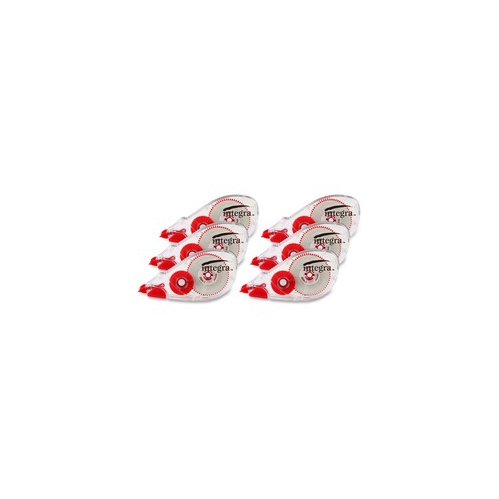 Your price for this item is $10.99
 -
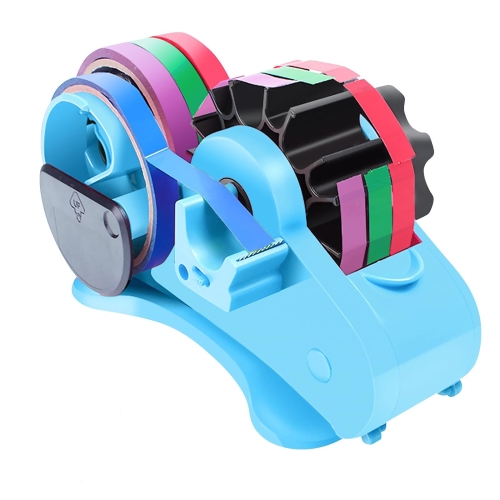 Your price for this item is $31.08
 -
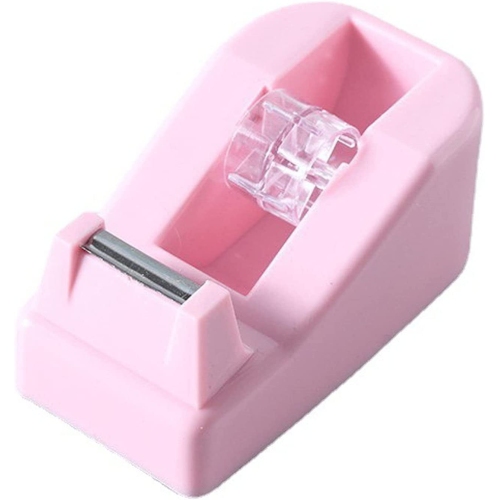 Your price for this item is $20.6
 -
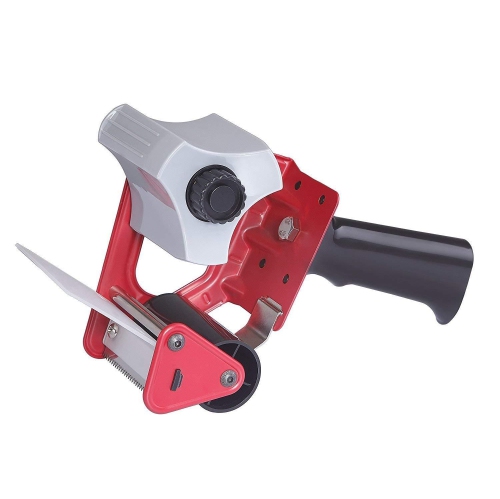 Your price for this item is $21.17
 -
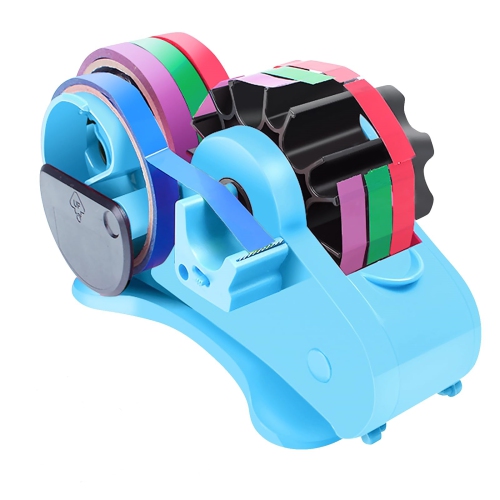 Your price for this item is $45.72
Discover more categories related to Packing Tape Dispensers
Top Collections:
Pokemon Centers, Kindle Devices, Best Budget Office Chairs, Apple iPhones 16, Canon G7X Cameras, iPhone 15 Apple, Alarm Clock, Refurbished Apple Laptops, Flip Phones, Best Laptops for Writers
Some products may be subject to Environmental Handling Fees
(EHF) depending on your province.
Learn more about EHFs.