Padded Mailers
When it comes to shipping delicate items, protecting them from damage is of utmost importance. That's where padded mailers come in. These versatile packaging solutions provide an extra layer of cushioning to safeguard your goods during transit. Whether you're sending out fragile electronics, valuable documents, or even small gifts, padded mailers offer a reliable and cost-effective way to ensure that your items arrive safely at their destination. Discover a wide range of sizes and materials to suit your specific shipping needs. With padded mailers, you can have peace of mind knowing that your packages are well-protected throughout their journey.
Sort


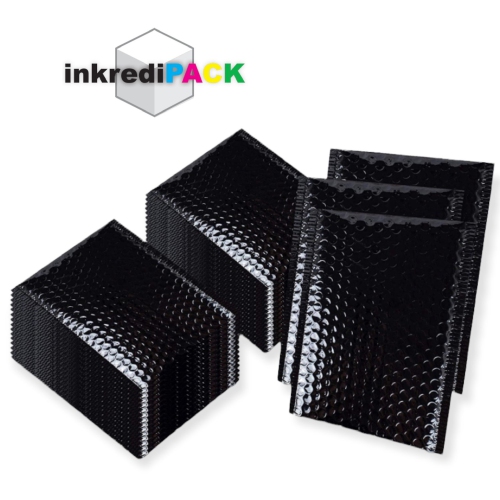
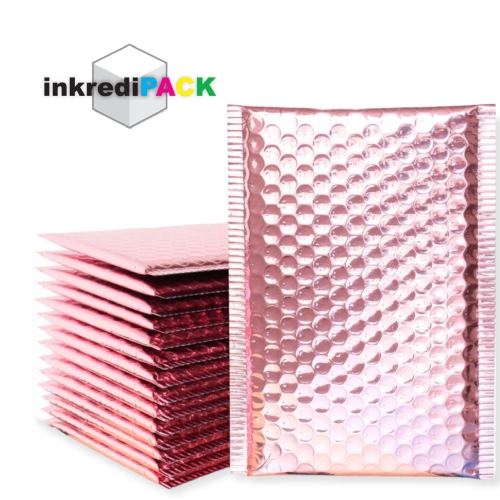
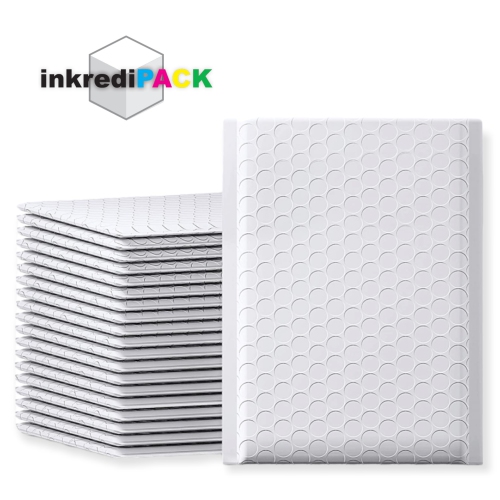
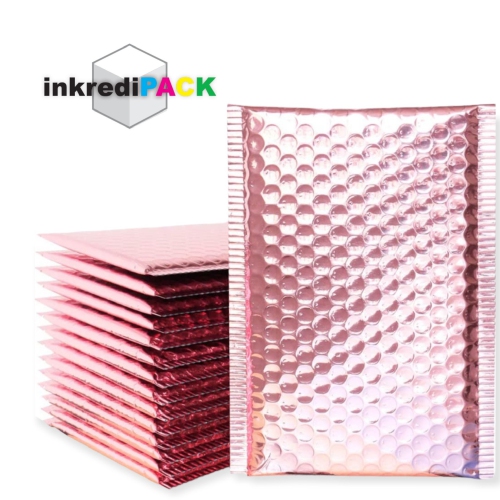

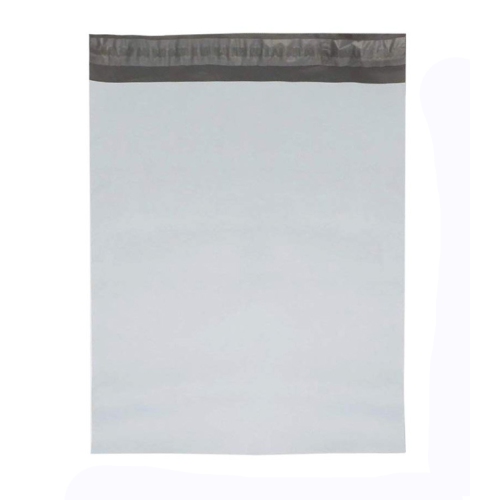
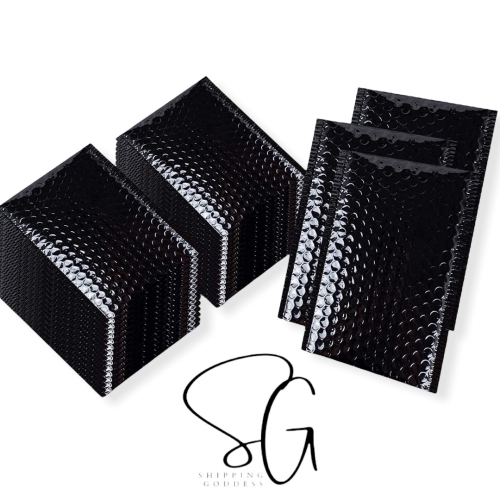
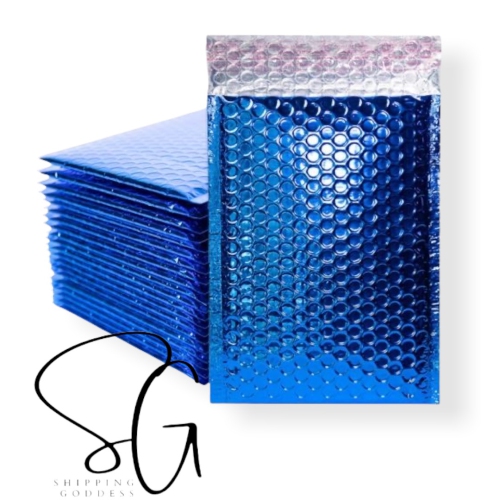
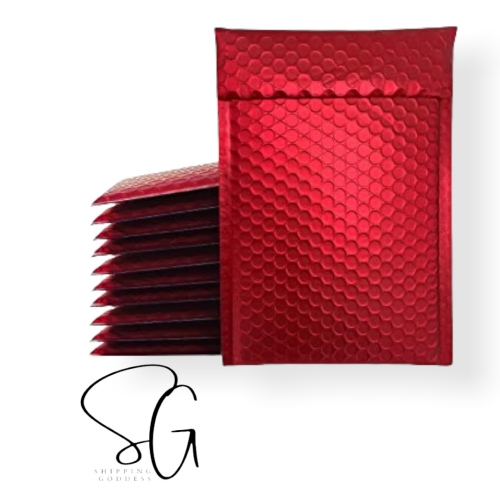
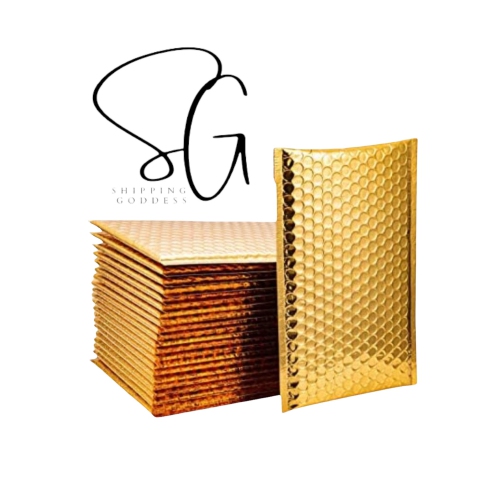
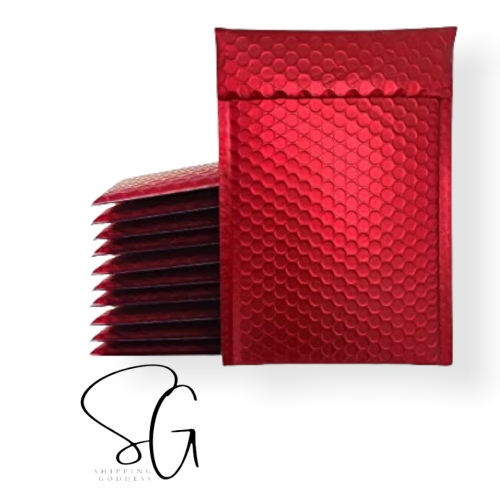
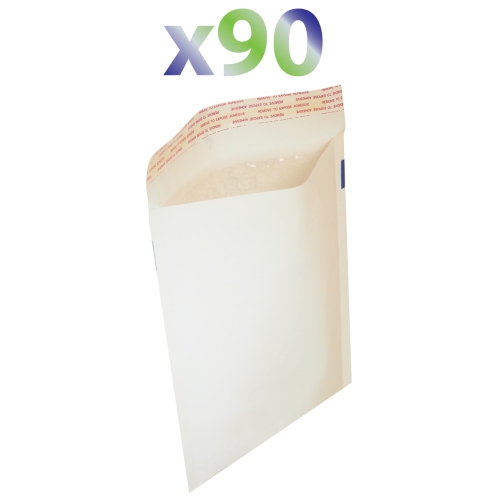
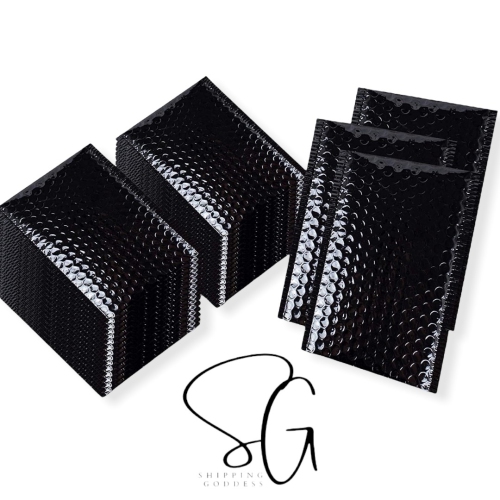
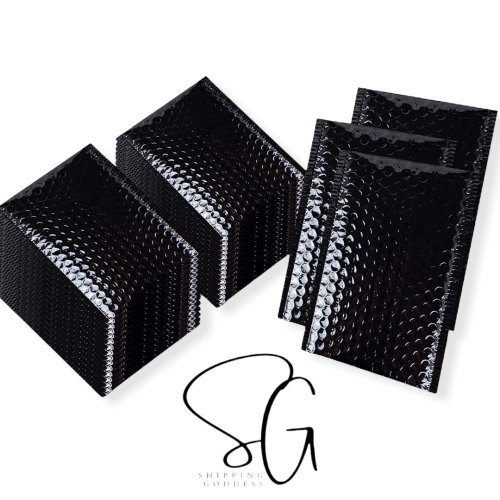
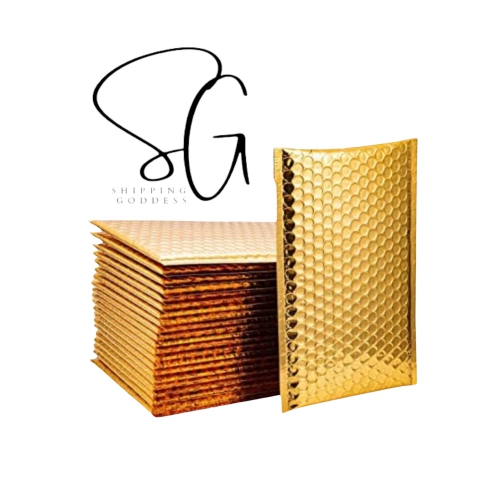
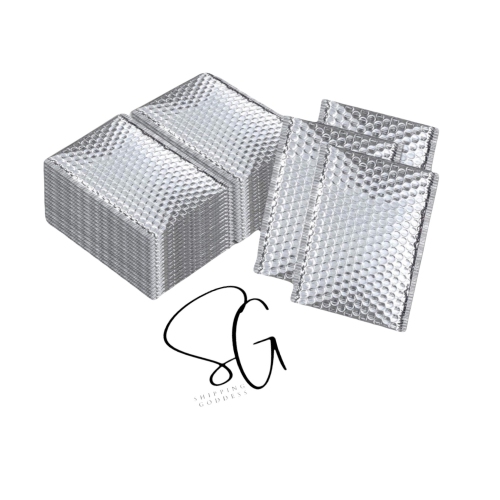
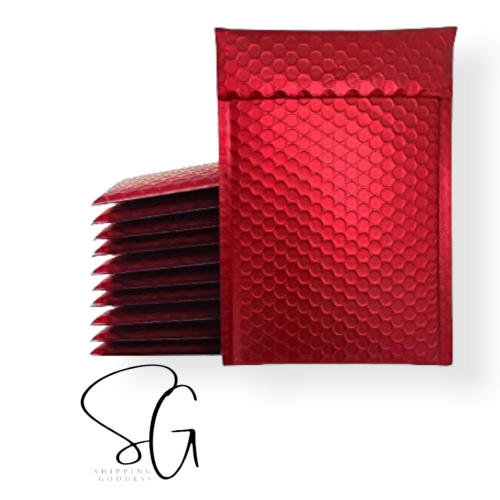
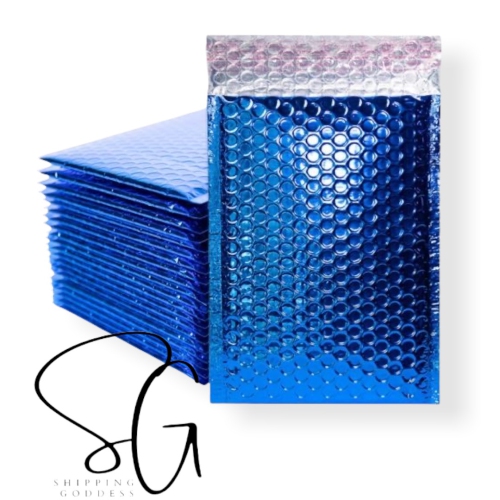
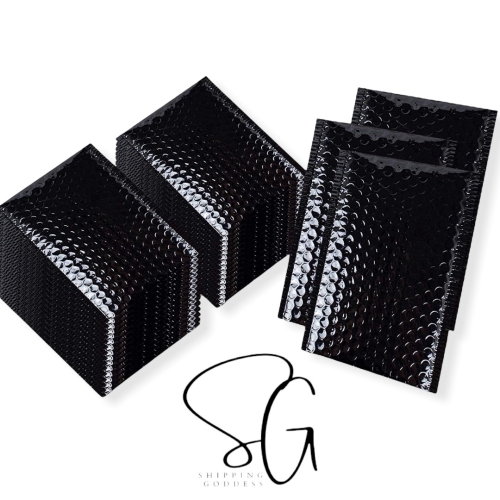
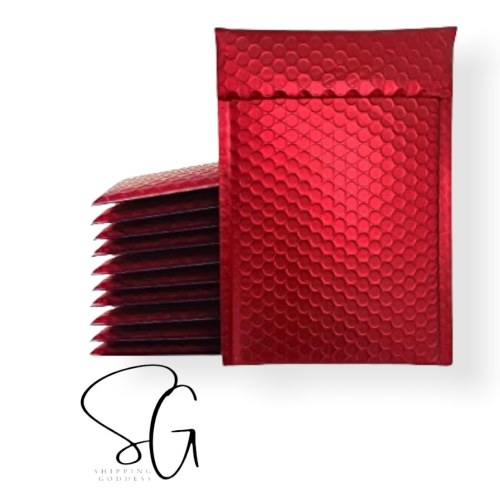
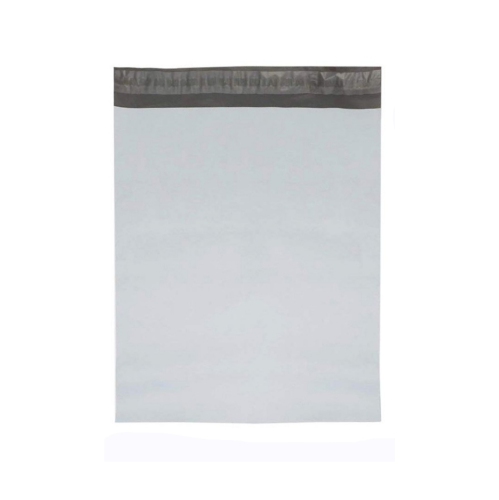
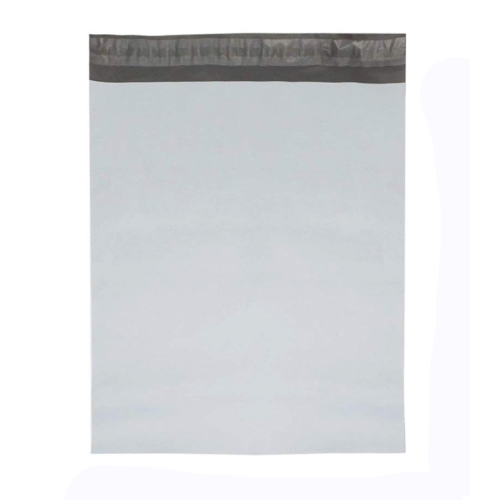
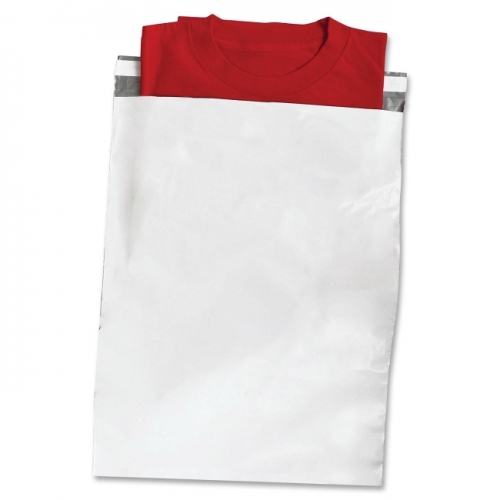
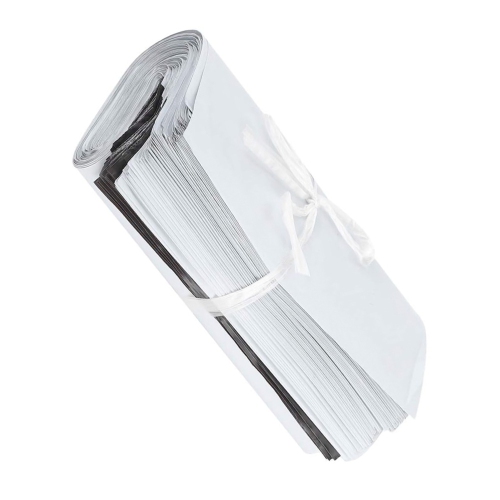
Light cushioning for small shipments without box bulk
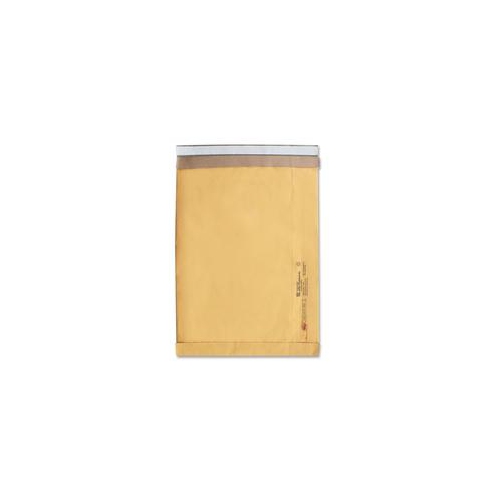
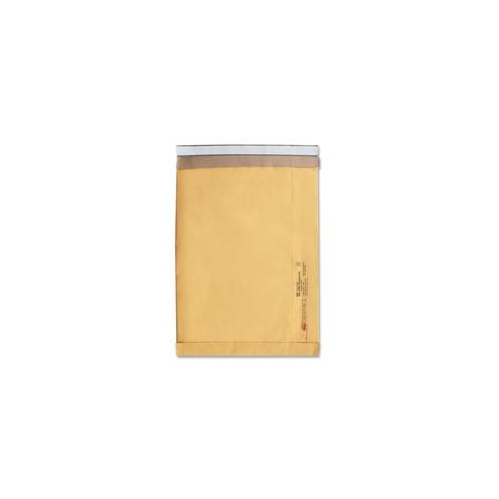
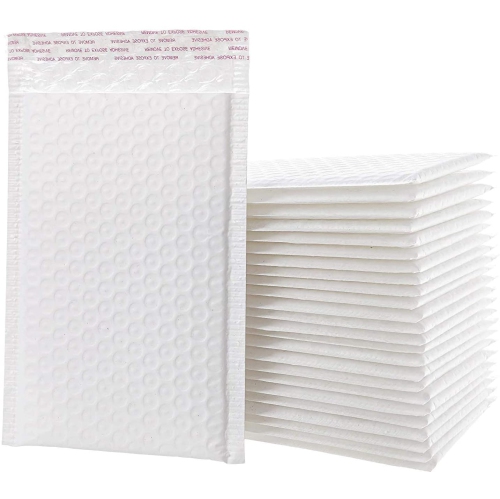
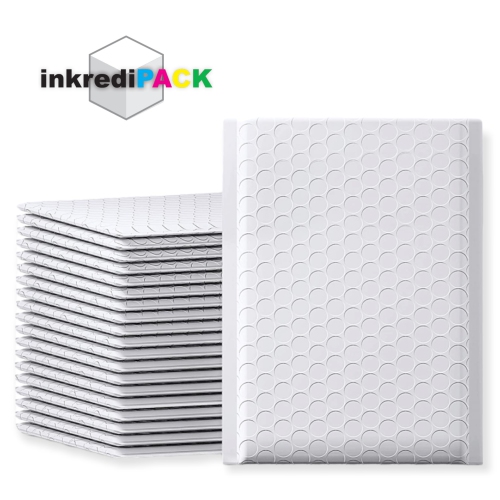
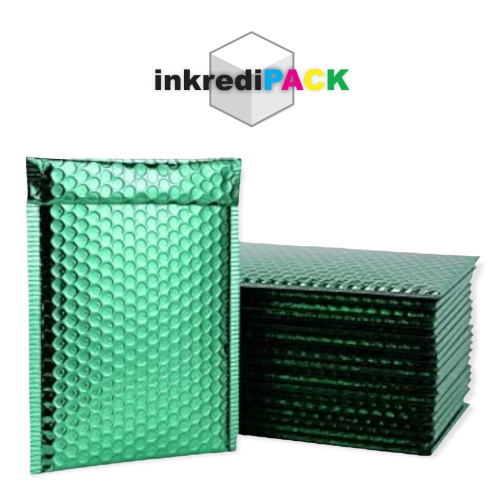
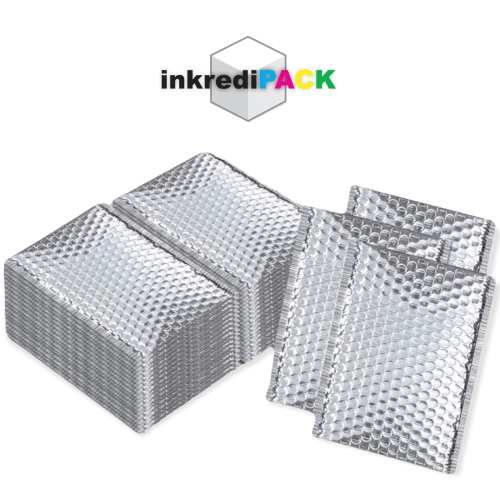
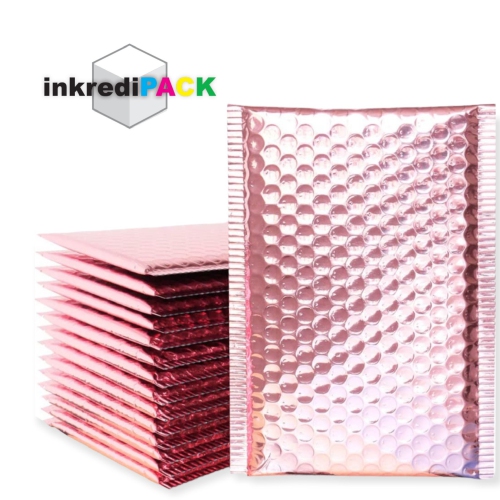
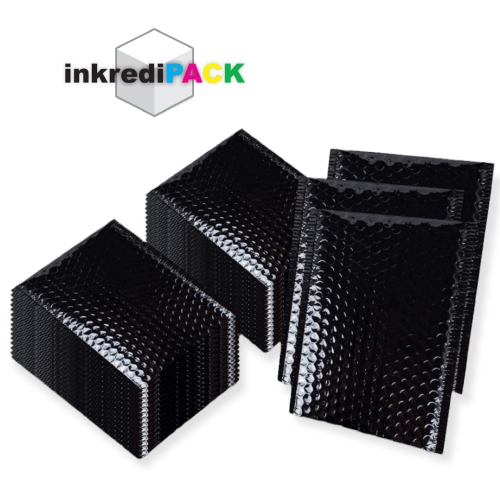
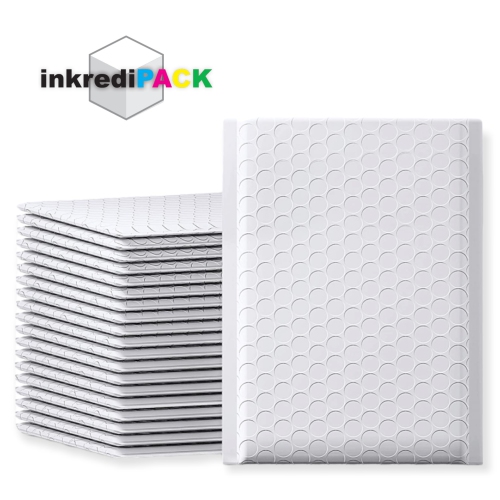
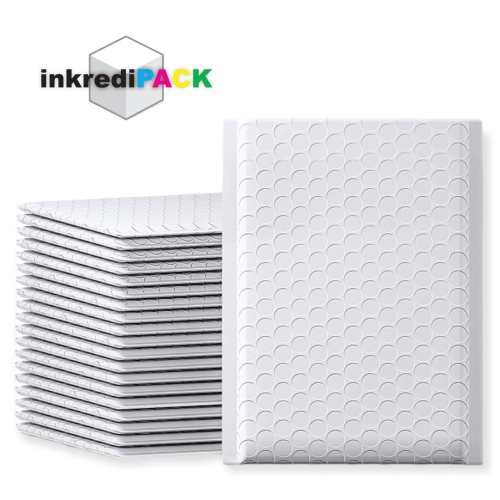
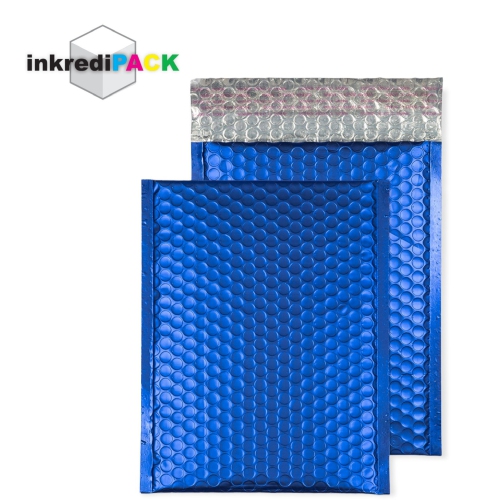
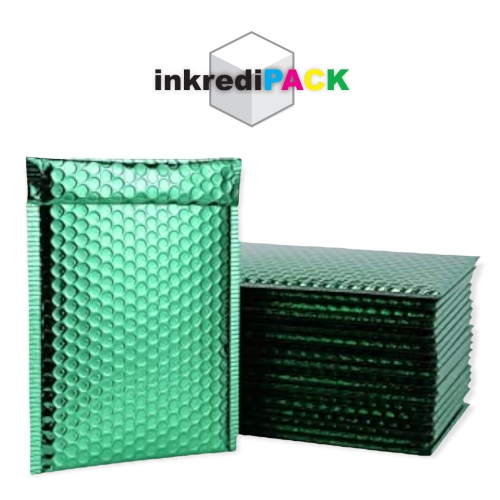
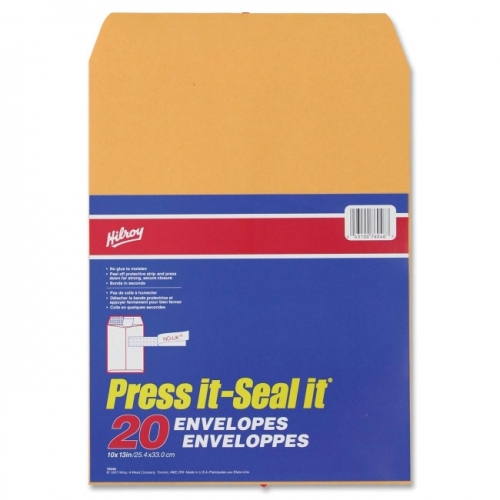
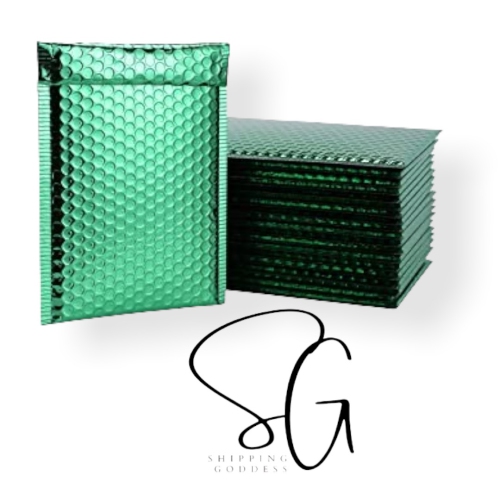
Padded mailers are protective shipping envelopes with a cushioned interior that helps buffer contents against light bumps, rubbing, and everyday handling in transit. Unlike a plain envelope, a padded mailer combines an outer shell with a layer of bubble cushioning, foam, or paper fibre, giving smaller goods some protection without the bulk of a shipping box. They are commonly used for sending compact accessories, soft goods, printed materials, and other relatively flat contents that do not need rigid packaging. The construction makes a meaningful difference to how the envelope performs. Kraft paper exteriors offer a familiar, easy-to-label surface, while plastic film exteriors help resist moisture and tearing. Inside, air-filled bubbles provide lightweight cushioning, paper fibre creates a denser padded layer, and foam can help keep delicate finishes from rubbing against the outer envelope. Each material has its limits: a moisture-resistant shell does not necessarily make the entire package waterproof, and a cushioned lining does not stop contents from bending or being crushed under heavier parcels. For that reason, padded shipping envelopes are generally better suited to goods that can tolerate some pressure than to glass, brittle components, or anything with exposed corners that could break through the packaging. A small business sending customer orders, an office mailing materials between locations, or someone posting a modest gift can all benefit from a package that is straightforward to fill, close, and address. For a gift, the mailer serves as the protective outer layer rather than a substitute for presentation wrapping inside. Keeping the contents neatly wrapped also helps prevent them from shifting or catching on the lining during removal. The most useful choice is not always the thickest envelope; it is the one whose outer material, cushioning, and shape match the contents and the handling they are likely to encounter. A flexible textile and a thin booklet, for example, place different demands on the same padded envelope, even when their length and width are similar.
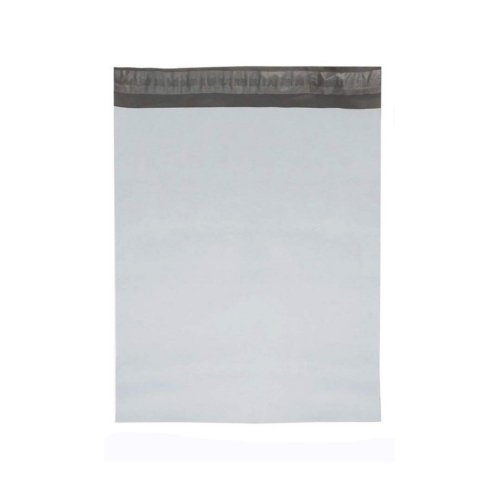
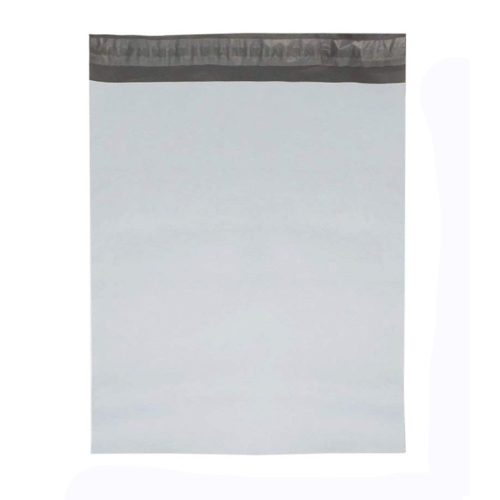
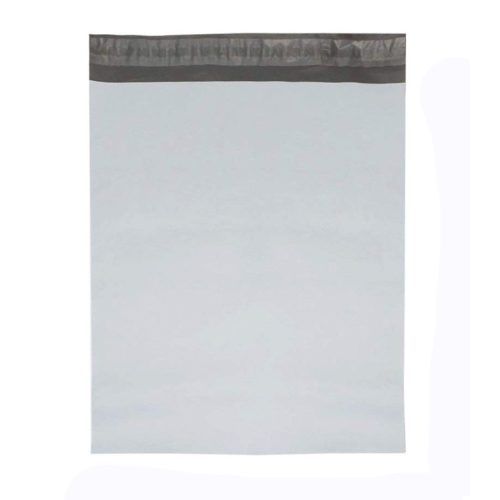
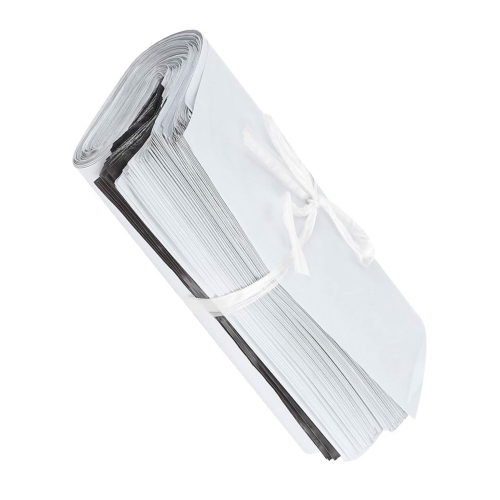
Size and fit are central to how well a padded mailer works. Listed measurements may describe the outside dimensions rather than the usable interior, and seams, padding, and the closure flap can reduce the space available for packing. Length and width alone do not tell the whole story: adding thickness draws the front and back panels around the contents, leaving less room at the sides and opening. A mailer that looks generous when empty may be difficult to close around a thicker bundle. Allowing enough space for the contents to slide in without force helps protect both the lining and the seams, while leaving the flap clear makes it easier to form a complete seal. Too much extra space can also be unhelpful, since contents may slide from end to end and strike the edges during transit. For a thin object that must stay flat, a suitable stiffening insert may help, provided it fits comfortably and does not create sharp pressure points; anything that cannot tolerate bending usually calls for more rigid packaging. Closures deserve just as much attention as dimensions. Peel-and-seal strips are convenient for routine packing, but the adhesive needs clean, dry contact surfaces and firm pressure across the flap. Dust, overfilling, or a fold trapped beneath the seal can leave gaps. Some designs have a second adhesive strip for a return journey, though a mailer should only be used again if its shell, padding, and seams remain sound. When comparing padded envelopes with Poly Mailer Envelopes, the main distinction is cushioning: an unpadded poly envelope provides a flexible outer covering, while a padded version adds an interior layer to soften minor impacts. That distinction matters when a soft garment needs a secure wrapper but a small accessory also needs protection from rubbing and light knocks. Neither format automatically replaces a box, and the packed thickness and shape should be checked against the chosen carrier’s requirements rather than judged by the envelope’s appearance alone.
Durability depends on the whole package, from the outer face to the corners and sealed edges. A tough exterior is useful, but a strained seam or a poorly bonded flap can still become the weak point once the parcel is moving through sorting equipment. Smooth contents tend to sit more comfortably inside flexible mailers than objects with pointed ends, rough edges, or protruding parts. Covering those areas with an appropriate protective layer can reduce punctures, although goods with significant weight or sharp projections may need a sturdier container altogether. Electronics require particular care: ordinary bubble padding should not be assumed to provide protection against static electricity, so sensitive components may need suitable antistatic packaging as well as physical cushioning. For everyday packing, a clear work surface helps keep grit away from delicate finishes and prevents scraps from getting caught in the adhesive. Place the shipping label on a smooth, broad section of the envelope, keeping barcodes flat and away from folds, seams, and the closure. Paper shells may accept handwriting readily, while some plastic surfaces need a compatible label or marker to keep address details legible. During the cooler months, parcels can move between warm indoor spaces, chilly vehicles, and damp doorsteps, making a securely closed, moisture-resistant outer layer useful without removing the need for extra protection around moisture-sensitive contents. Before use, store empty mailers flat in a clean, dry place, away from direct heat and sunlight that could affect the film or adhesive. Avoid loading heavy supplies on top of bubble-lined envelopes, as prolonged pressure may flatten their cushioning. Inspect each envelope for split edges, punctures, flattened padding, or lifting seals before packing, especially if it has been handled or stored for some time. For occasional senders, a well-matched envelope keeps a small parcel tidy and manageable; for frequent packing, consistent dimensions and dependable closures make the process easier to repeat. Across both uses, the goal is a snug, unstrained package with enough cushioning for the contents and a readable label on the outside.
Size and fit are central to how well a padded mailer works. Listed measurements may describe the outside dimensions rather than the usable interior, and seams, padding, and the closure flap can reduce the space available for packing. Length and width alone do not tell the whole story: adding thickness draws the front and back panels around the contents, leaving less room at the sides and opening. A mailer that looks generous when empty may be difficult to close around a thicker bundle. Allowing enough space for the contents to slide in without force helps protect both the lining and the seams, while leaving the flap clear makes it easier to form a complete seal. Too much extra space can also be unhelpful, since contents may slide from end to end and strike the edges during transit. For a thin object that must stay flat, a suitable stiffening insert may help, provided it fits comfortably and does not create sharp pressure points; anything that cannot tolerate bending usually calls for more rigid packaging. Closures deserve just as much attention as dimensions. Peel-and-seal strips are convenient for routine packing, but the adhesive needs clean, dry contact surfaces and firm pressure across the flap. Dust, overfilling, or a fold trapped beneath the seal can leave gaps. Some designs have a second adhesive strip for a return journey, though a mailer should only be used again if its shell, padding, and seams remain sound. When comparing padded envelopes with Poly Mailer Envelopes, the main distinction is cushioning: an unpadded poly envelope provides a flexible outer covering, while a padded version adds an interior layer to soften minor impacts. That distinction matters when a soft garment needs a secure wrapper but a small accessory also needs protection from rubbing and light knocks. Neither format automatically replaces a box, and the packed thickness and shape should be checked against the chosen carrier’s requirements rather than judged by the envelope’s appearance alone.
Durability depends on the whole package, from the outer face to the corners and sealed edges. A tough exterior is useful, but a strained seam or a poorly bonded flap can still become the weak point once the parcel is moving through sorting equipment. Smooth contents tend to sit more comfortably inside flexible mailers than objects with pointed ends, rough edges, or protruding parts. Covering those areas with an appropriate protective layer can reduce punctures, although goods with significant weight or sharp projections may need a sturdier container altogether. Electronics require particular care: ordinary bubble padding should not be assumed to provide protection against static electricity, so sensitive components may need suitable antistatic packaging as well as physical cushioning. For everyday packing, a clear work surface helps keep grit away from delicate finishes and prevents scraps from getting caught in the adhesive. Place the shipping label on a smooth, broad section of the envelope, keeping barcodes flat and away from folds, seams, and the closure. Paper shells may accept handwriting readily, while some plastic surfaces need a compatible label or marker to keep address details legible. During the cooler months, parcels can move between warm indoor spaces, chilly vehicles, and damp doorsteps, making a securely closed, moisture-resistant outer layer useful without removing the need for extra protection around moisture-sensitive contents. Before use, store empty mailers flat in a clean, dry place, away from direct heat and sunlight that could affect the film or adhesive. Avoid loading heavy supplies on top of bubble-lined envelopes, as prolonged pressure may flatten their cushioning. Inspect each envelope for split edges, punctures, flattened padding, or lifting seals before packing, especially if it has been handled or stored for some time. For occasional senders, a well-matched envelope keeps a small parcel tidy and manageable; for frequent packing, consistent dimensions and dependable closures make the process easier to repeat. Across both uses, the goal is a snug, unstrained package with enough cushioning for the contents and a readable label on the outside.
Top selling and popular products
-
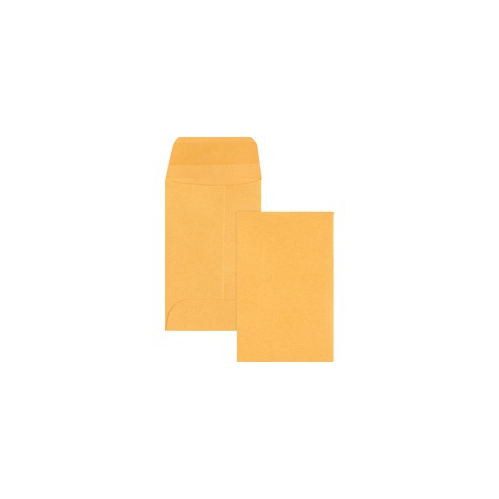 Your price for this item is $23.99
 -
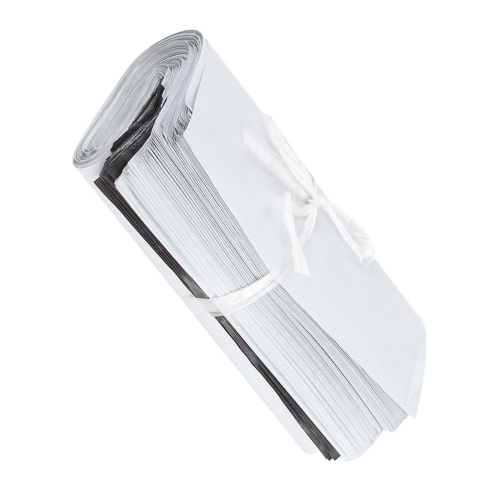 Your price for this item is $14.99
 -
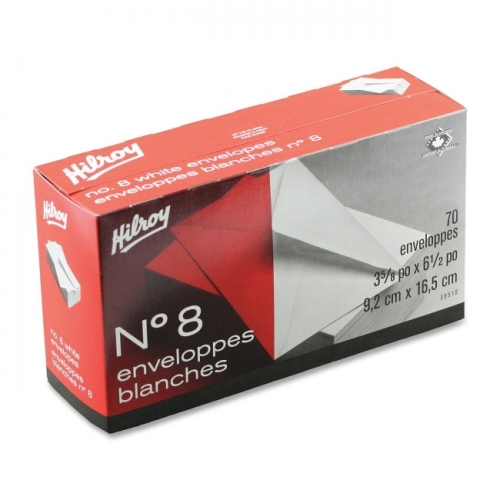 Your price for this item is $3.99
 -
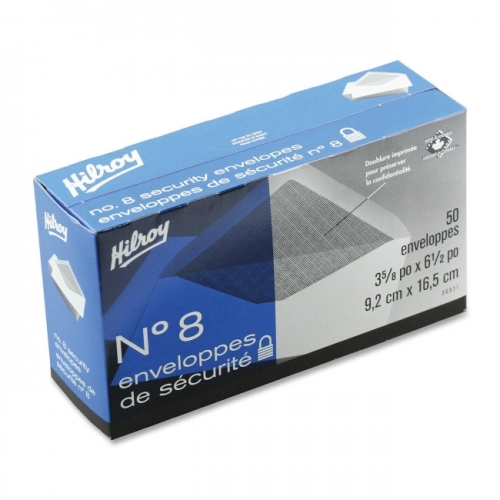 Your price for this item is $3.99
 -
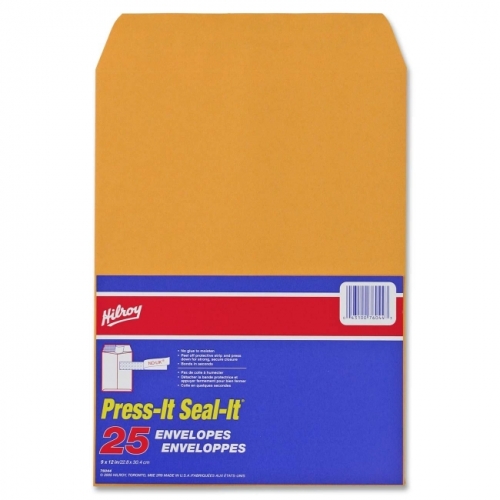 Your price for this item is $6.99
 -
 Your price for this item is $6.99
 -
 Your price for this item is $3.99
 -
 Your price for this item is $20.99
Discover more categories related to Padded Mailers

Top Collections:
Pokemon Centers, Kindle Devices, Best Budget Office Chairs, Apple iPhones 16, Canon G7X Cameras, iPhone 15 Apple, Alarm Clock, Refurbished Apple Laptops, Flip Phones, Best Laptops for Writers
Some products may be subject to Environmental Handling Fees
(EHF) depending on your province.
Learn more about EHFs.