Shipping Mailers
Whether you're a small business owner looking to ship products to your customers or an individual who frequently sends packages to loved ones, having reliable shipping mailers is essential. At Best Buy, we understand the importance of finding the perfect mailers that provide optimal protection for your items during transit. Our wide selection of shipping mailers offers various sizes and materials to accommodate different needs. From padded envelopes to corrugated boxes, you can trust that our collection will help keep your shipments secure and arrive at their destination in excellent condition.
Sort

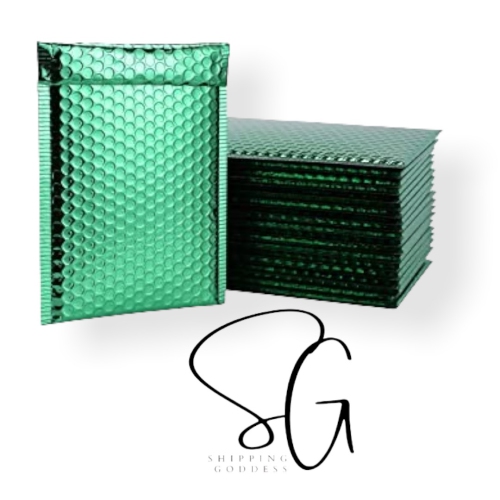
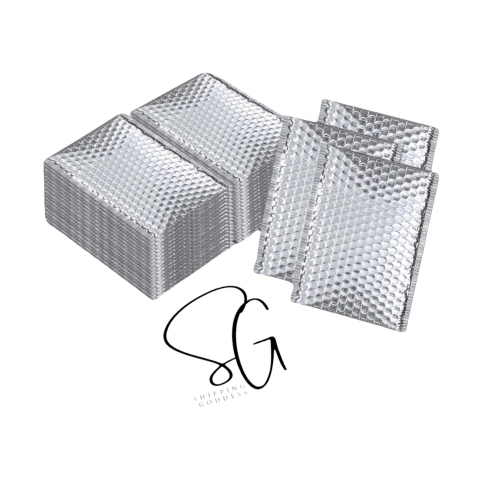
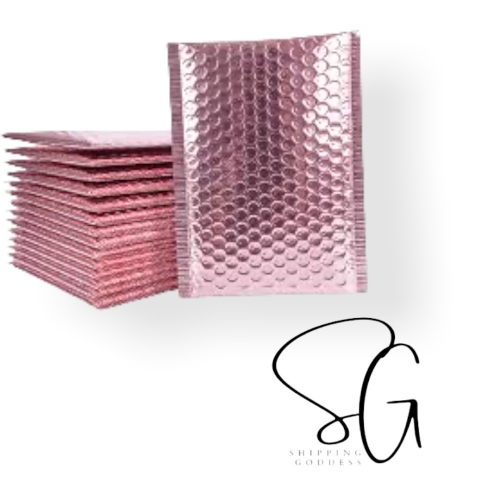



















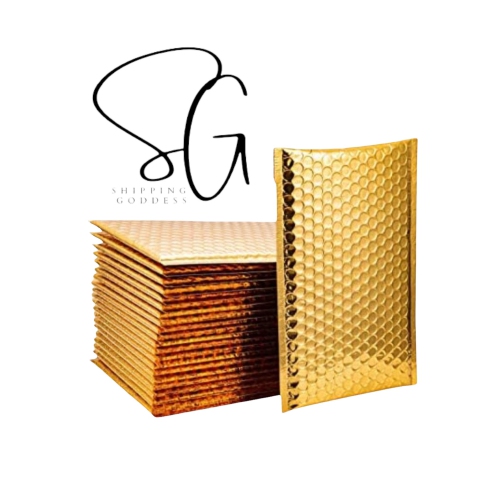

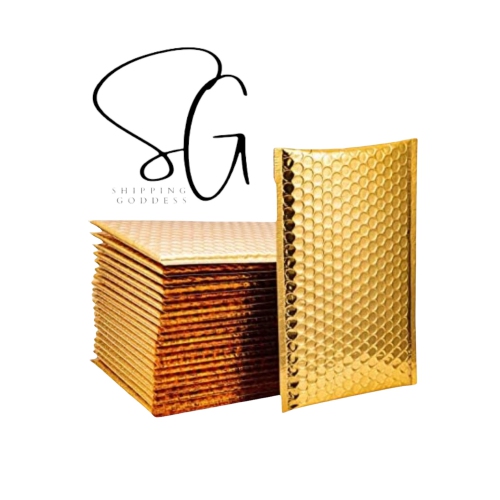

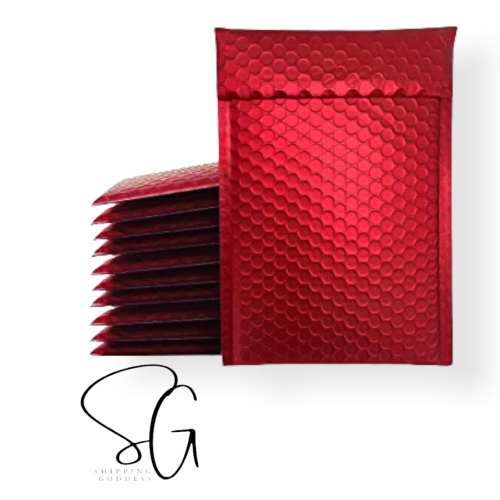


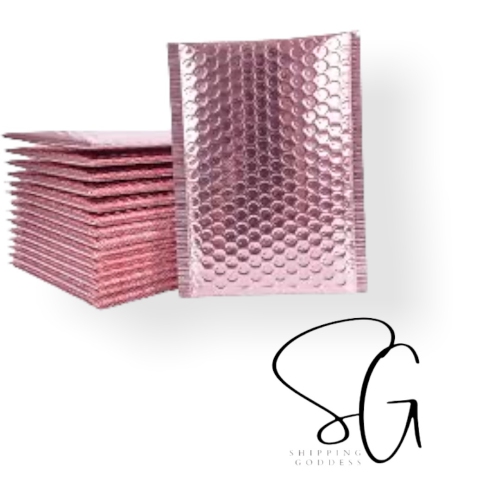




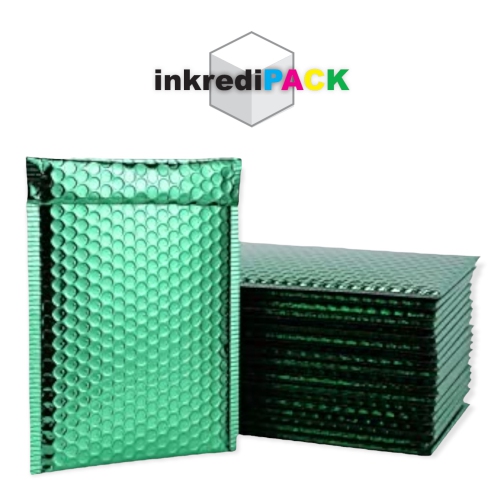
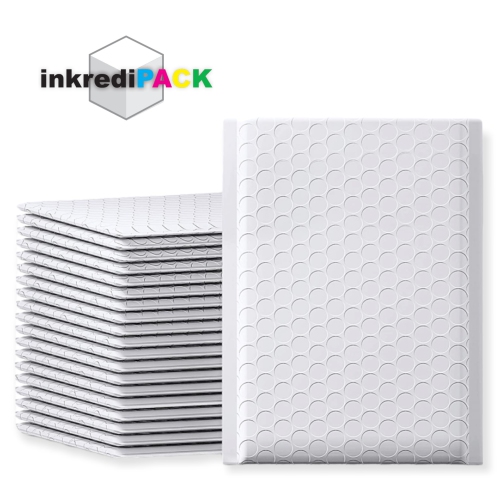
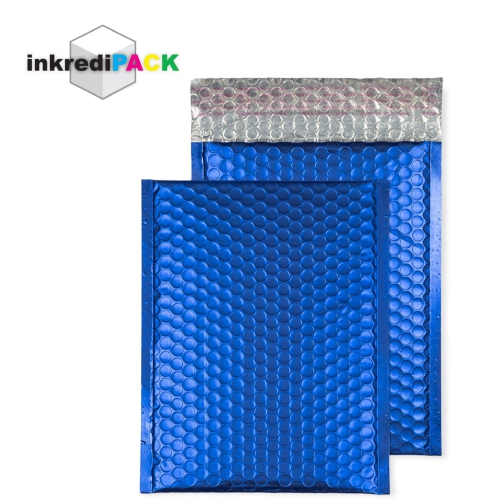
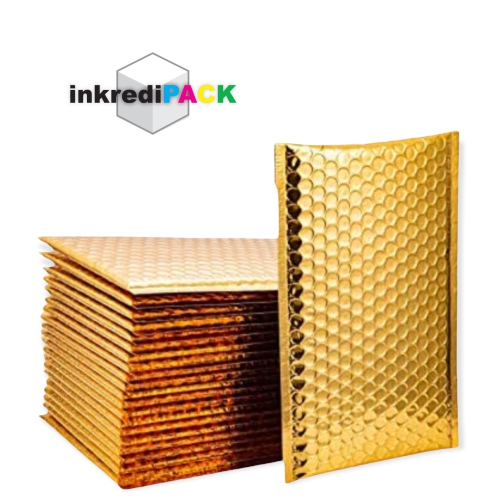















Why soft goods and flat documents need different protection
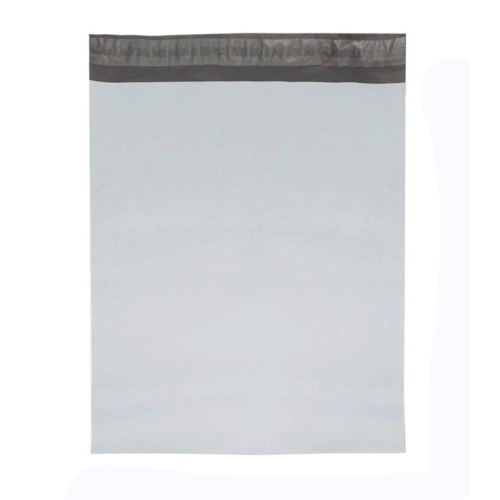
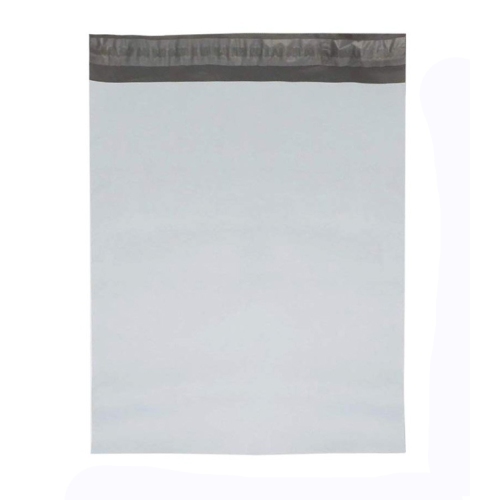
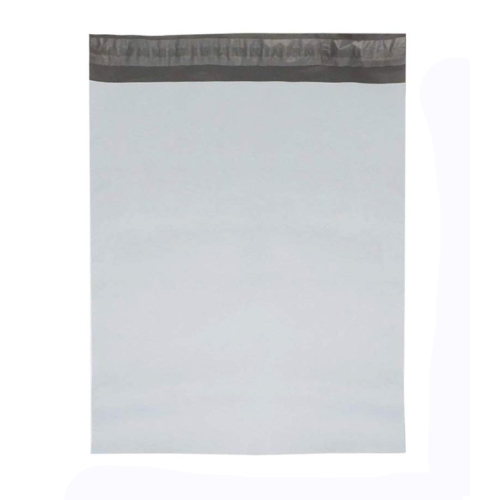
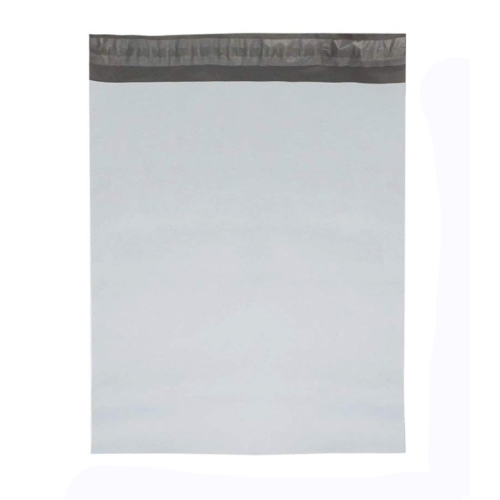
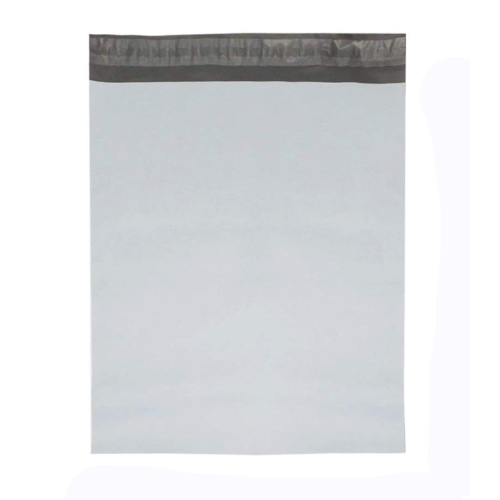
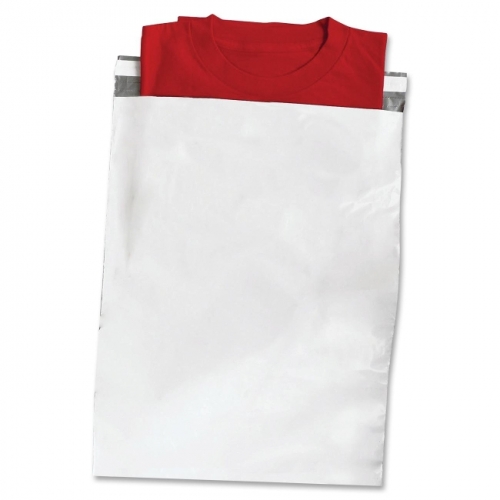
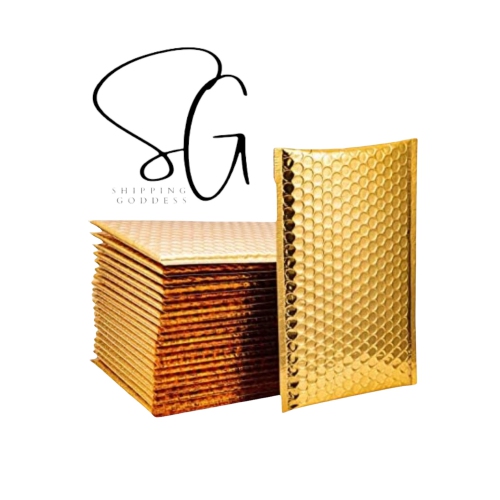
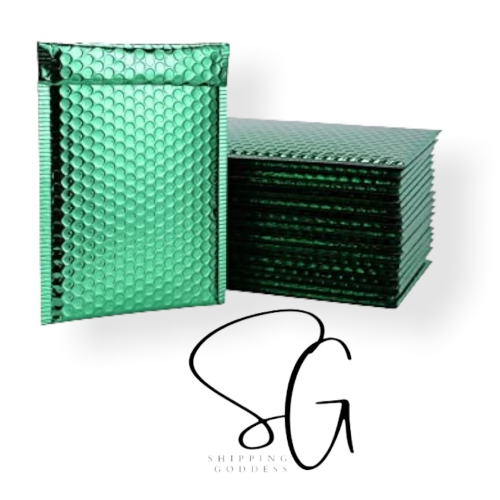
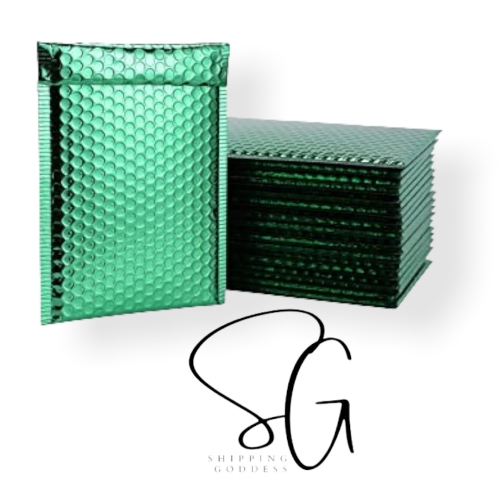
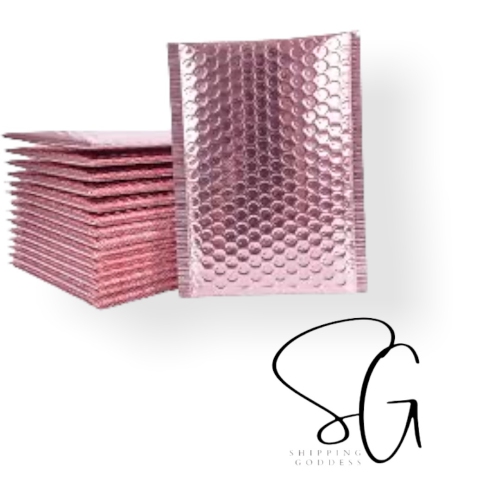
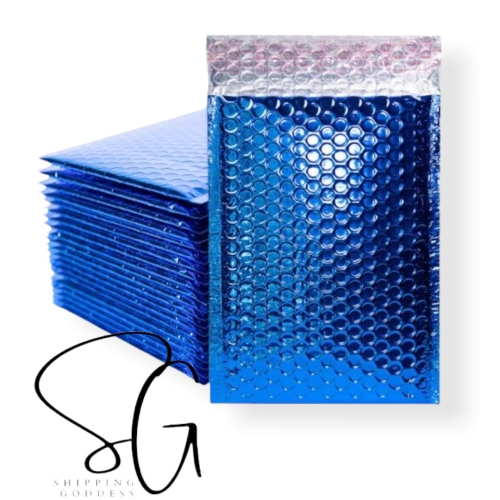
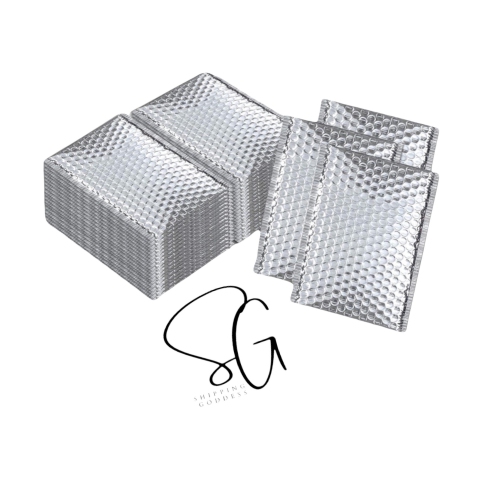
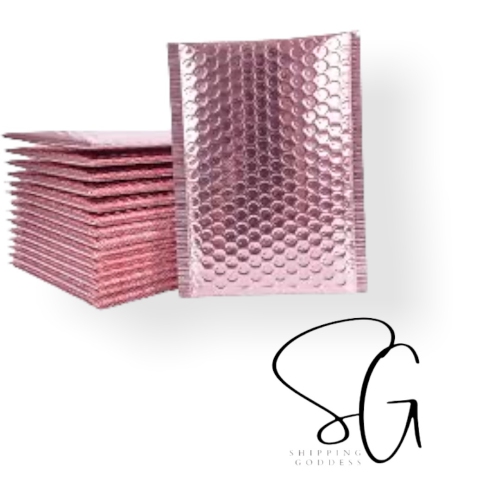
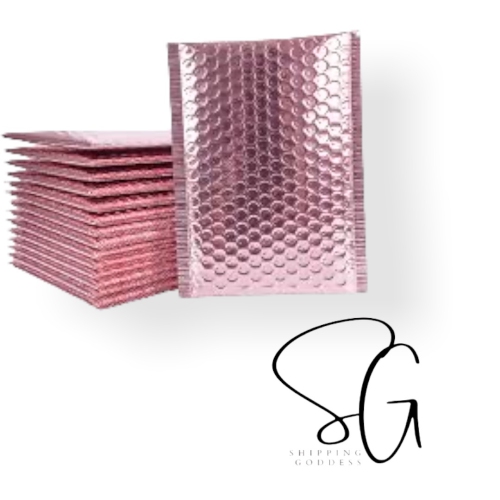
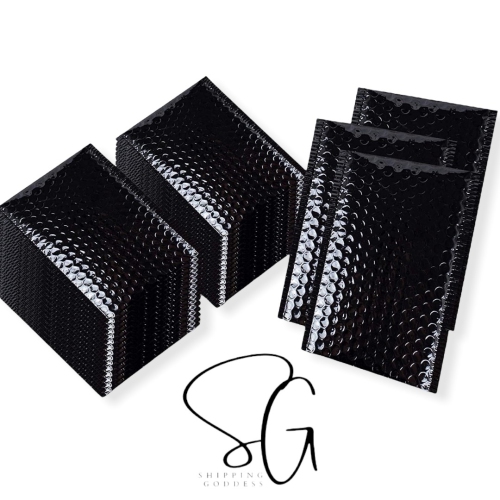
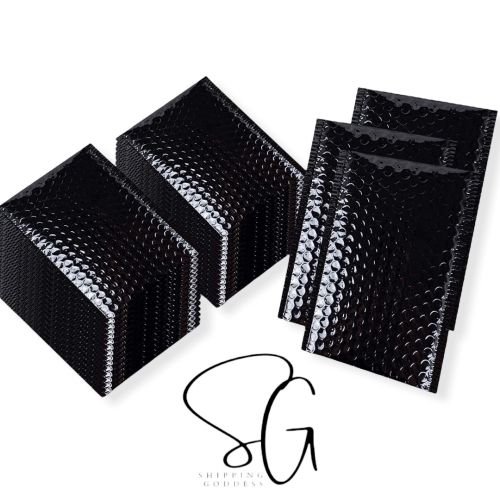
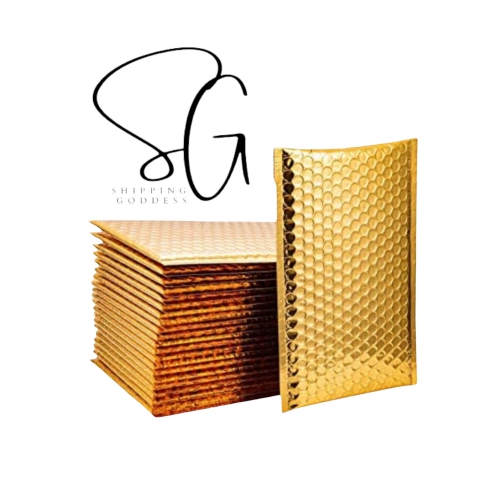
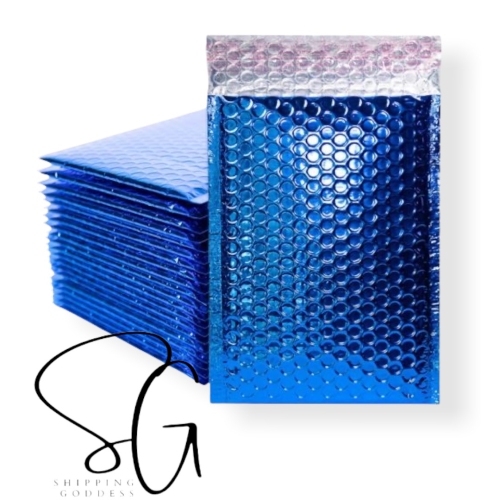
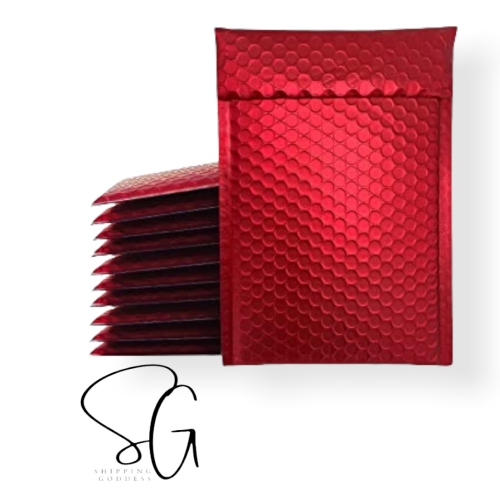
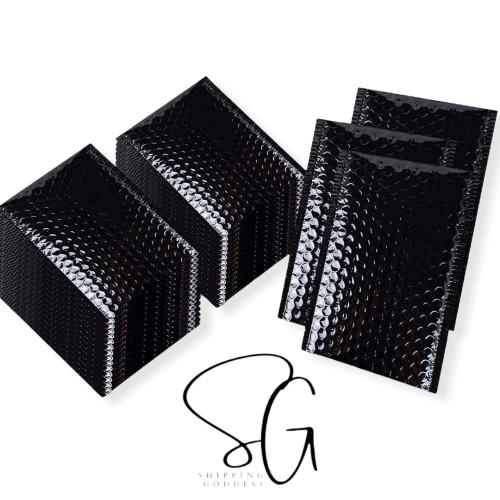
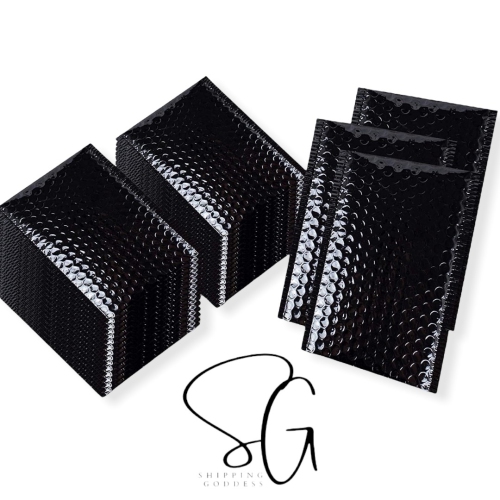
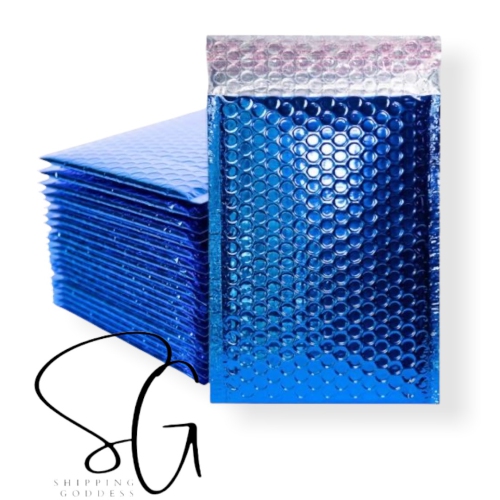
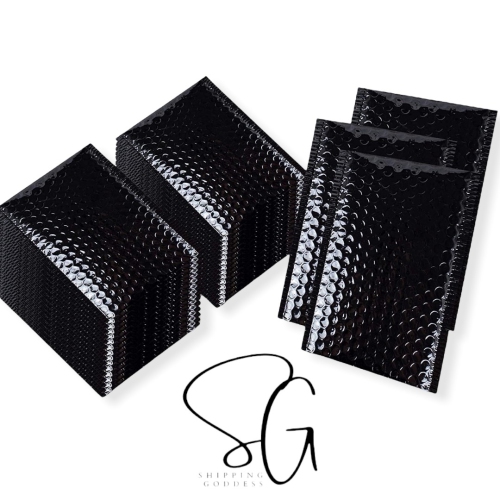
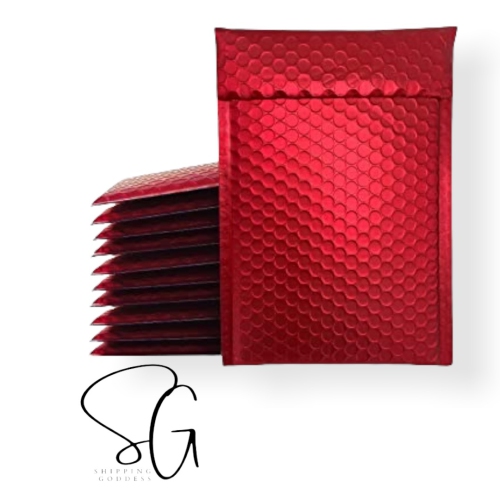
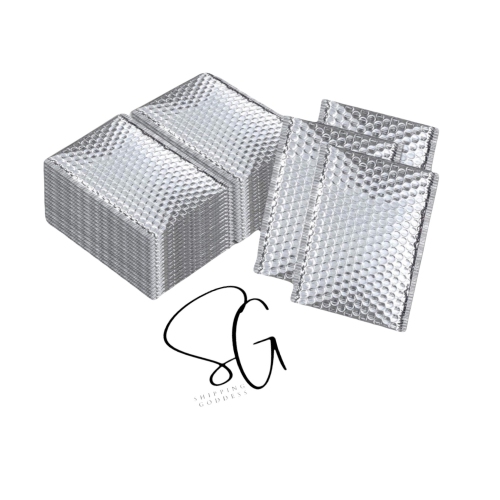
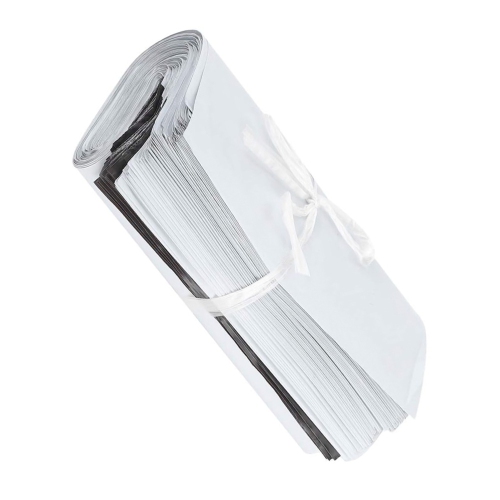
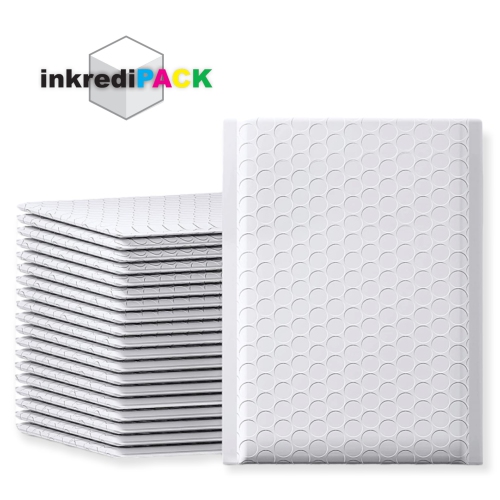
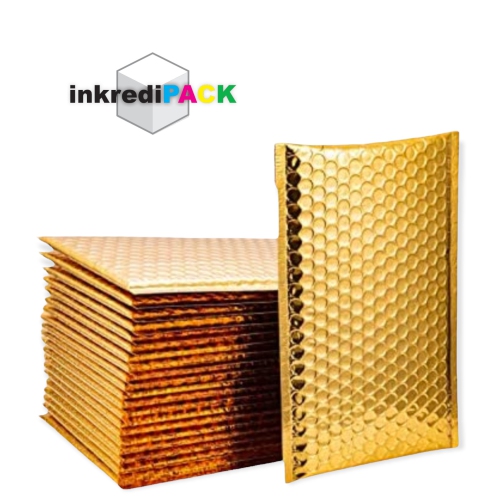
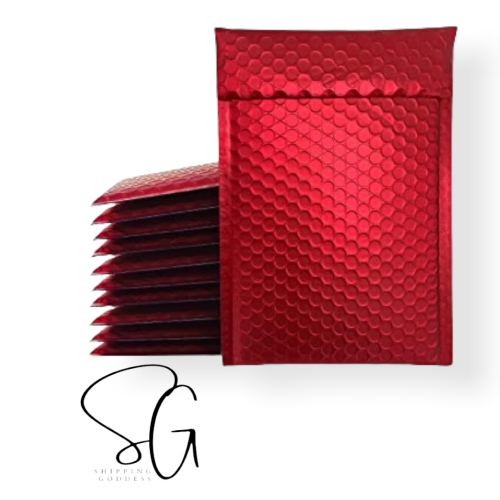
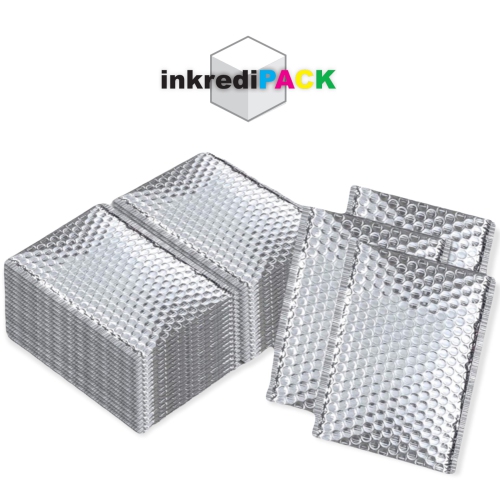
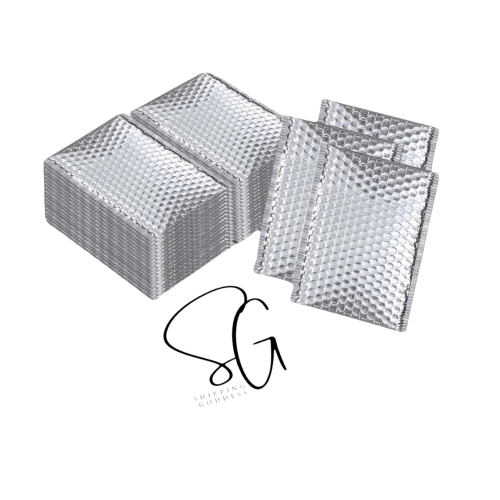
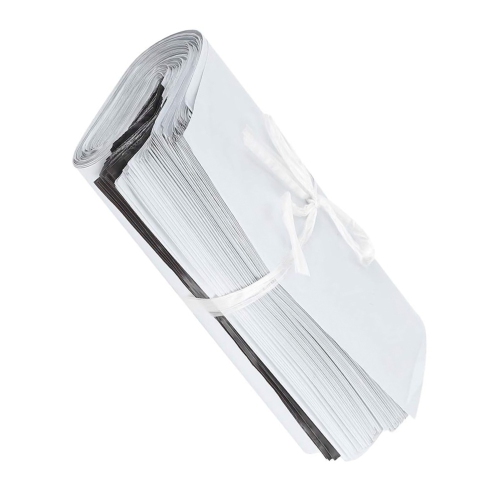
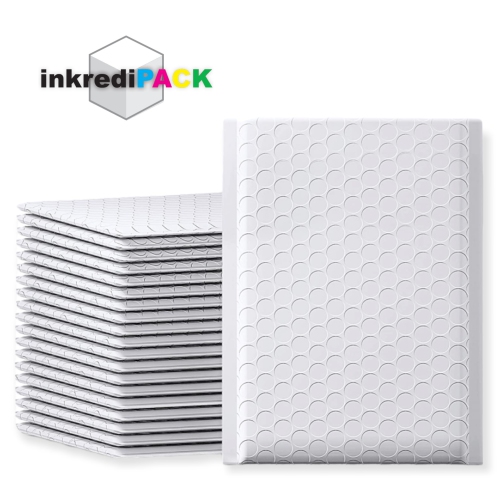
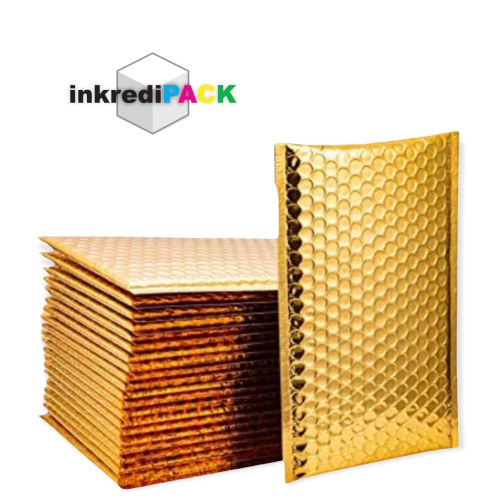
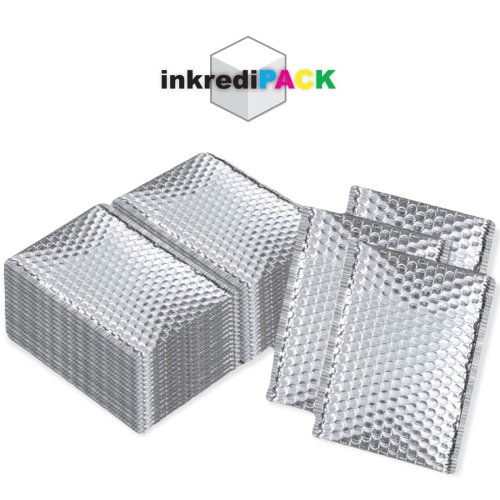
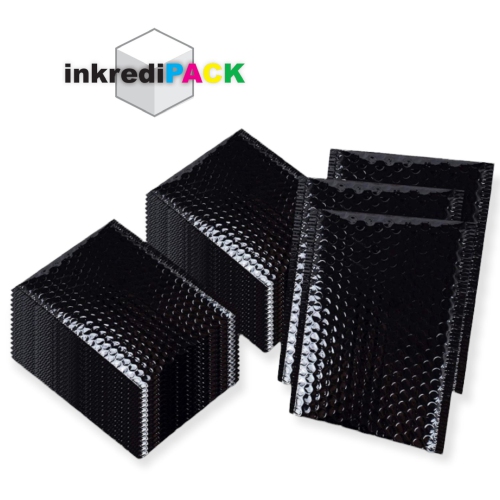
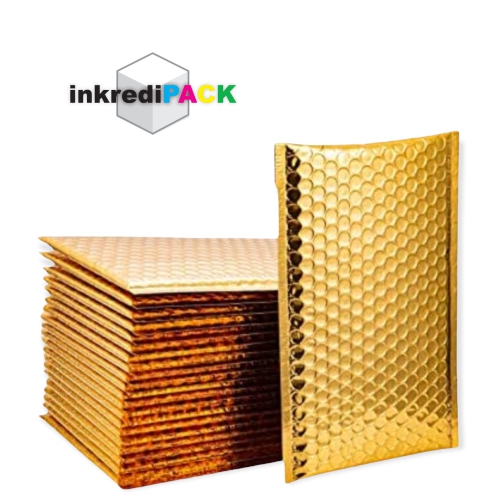
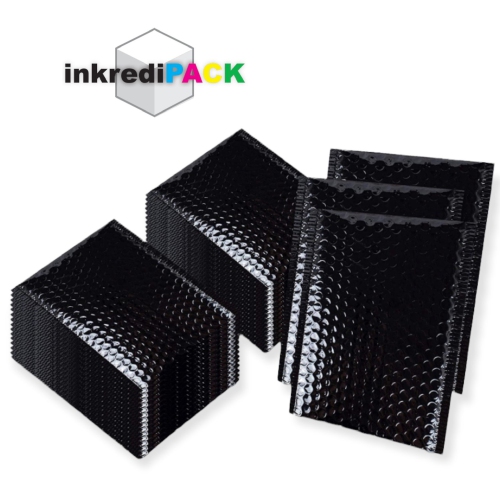
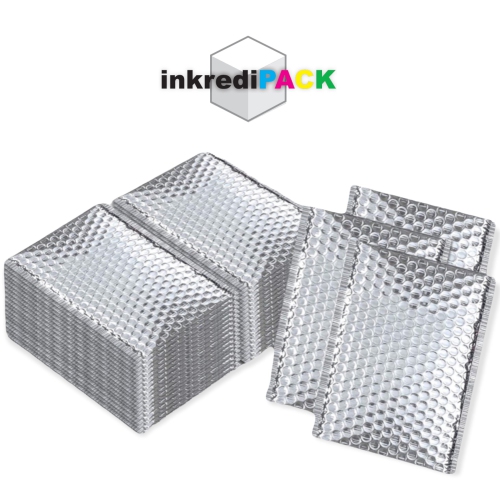
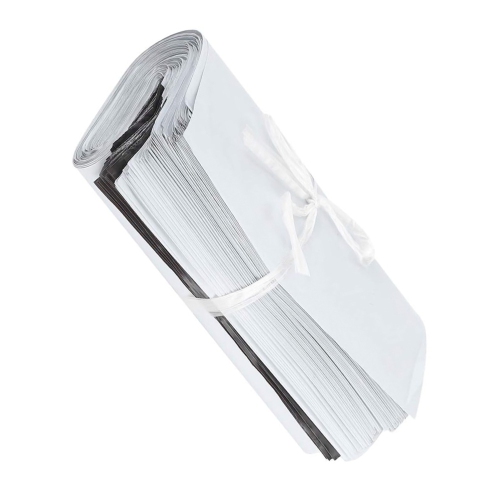
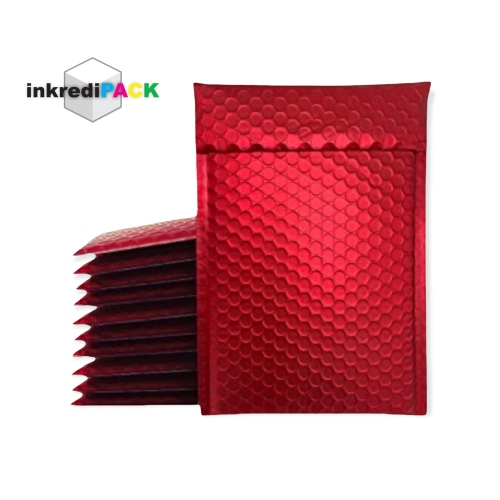
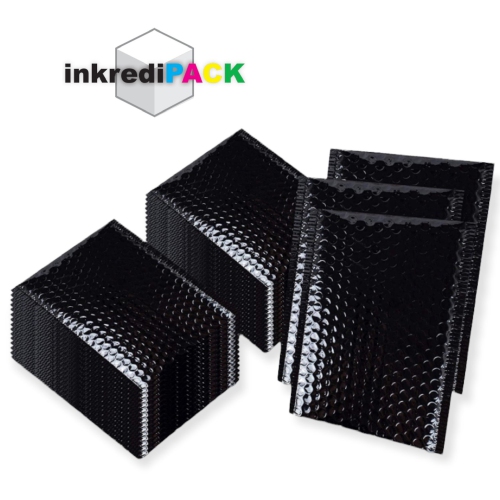
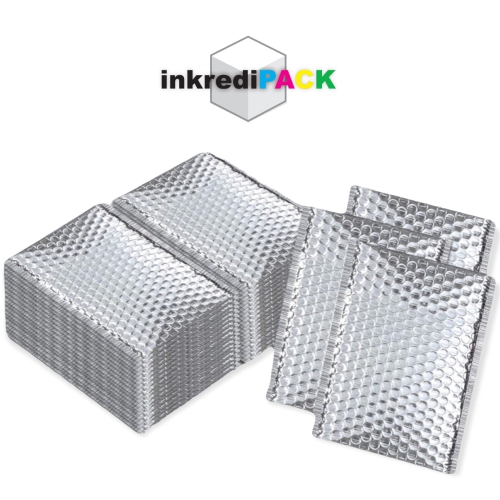
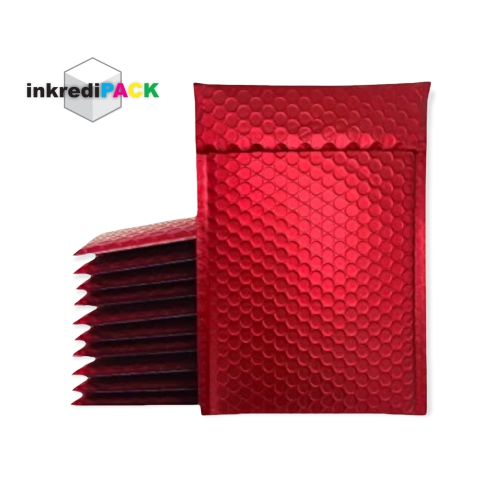
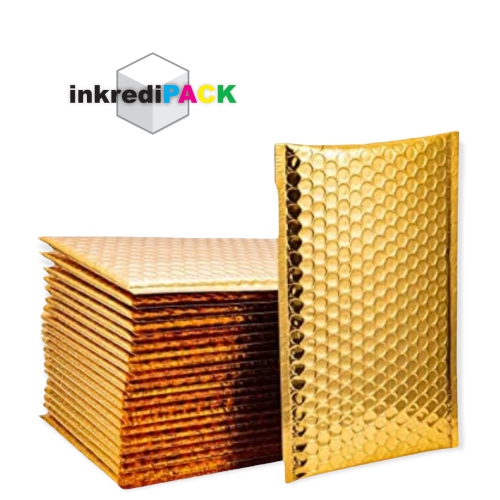
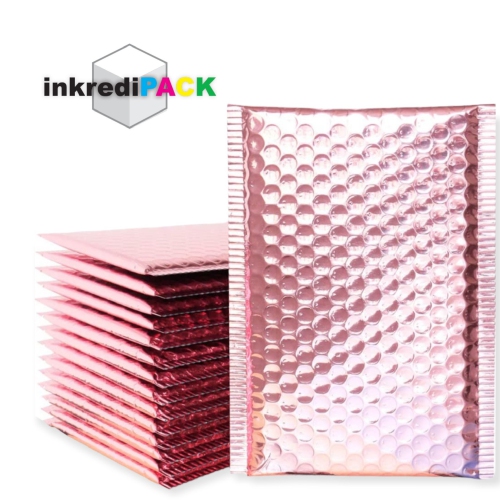
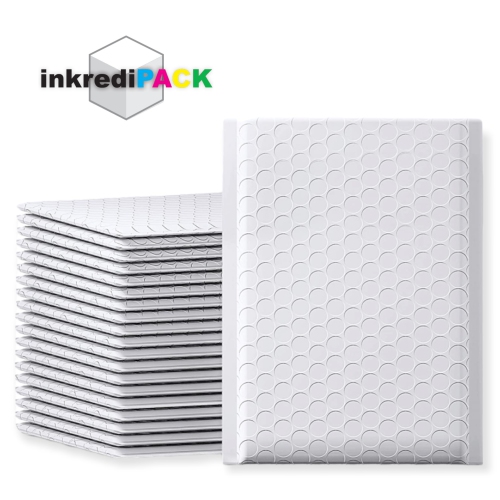
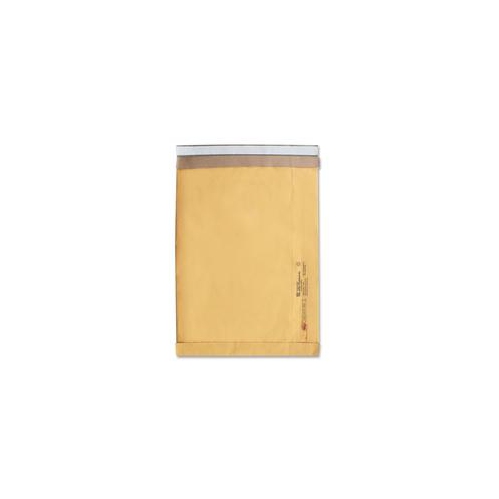
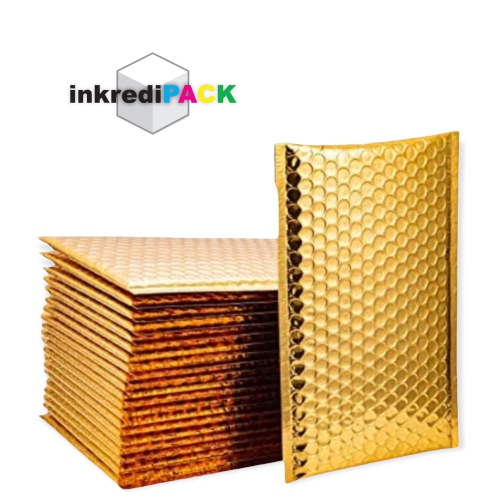
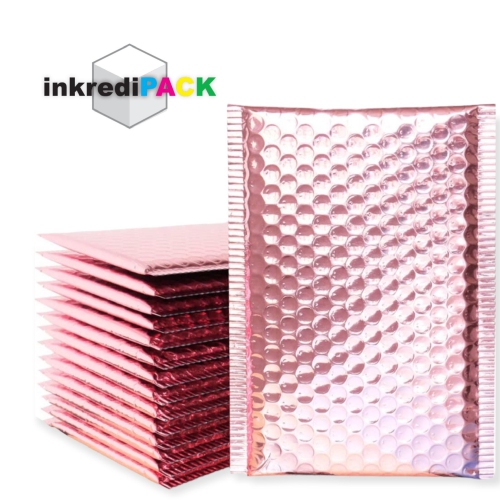
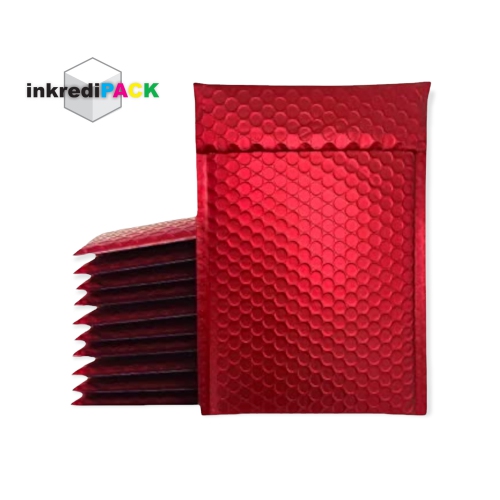
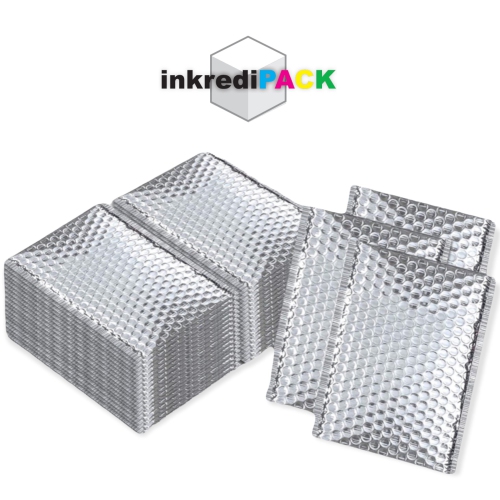
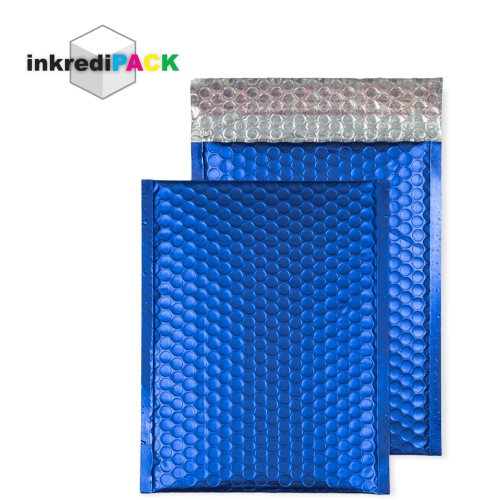
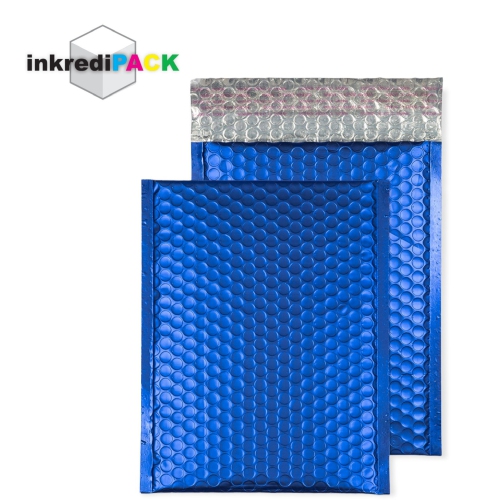
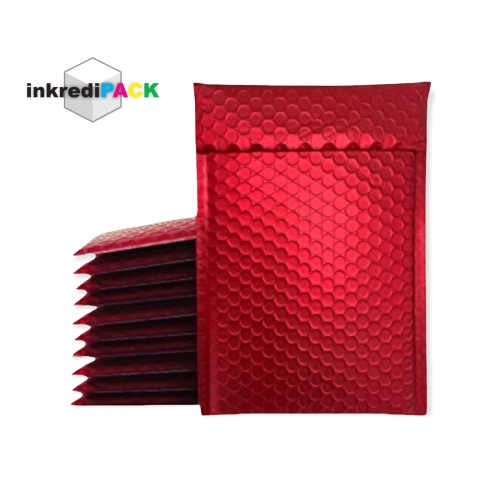
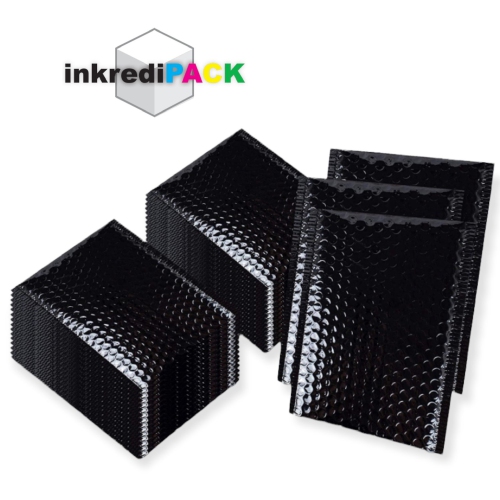
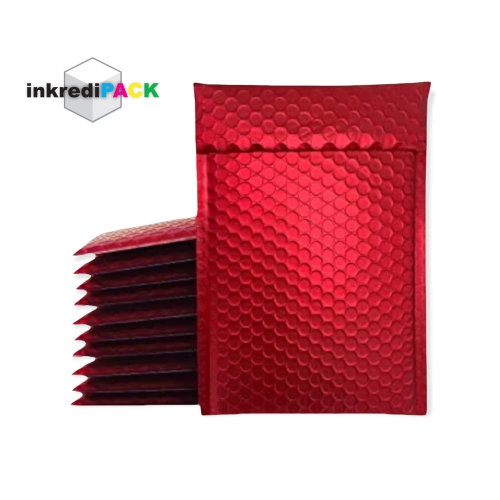
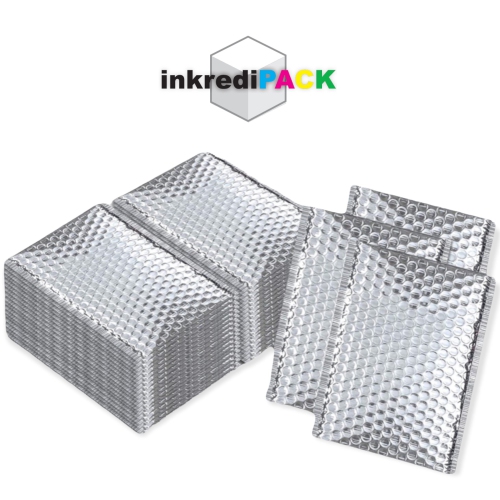
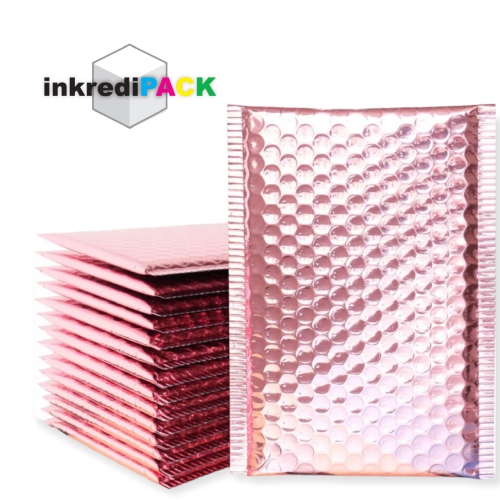
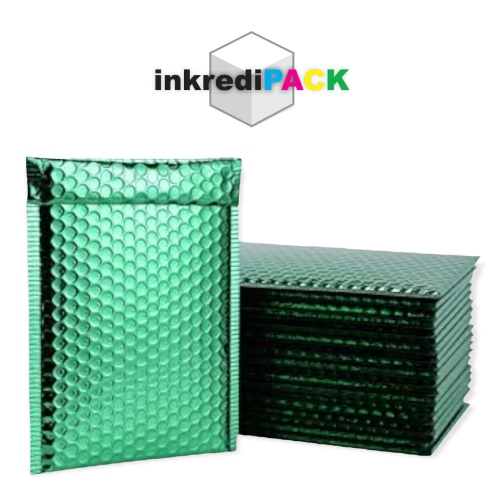
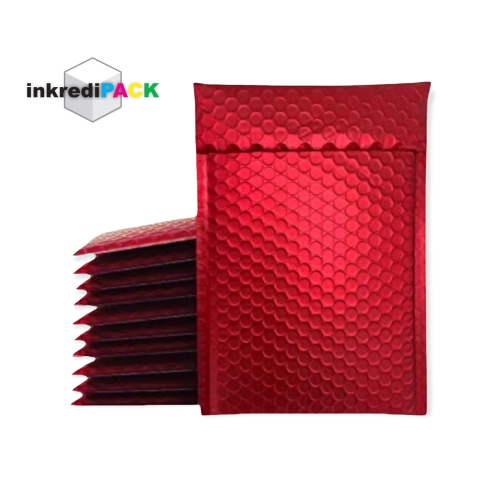
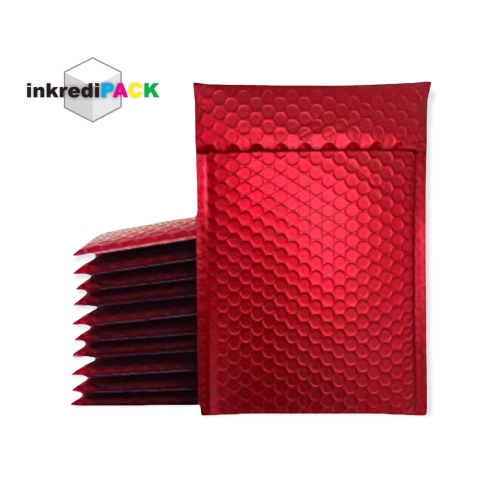
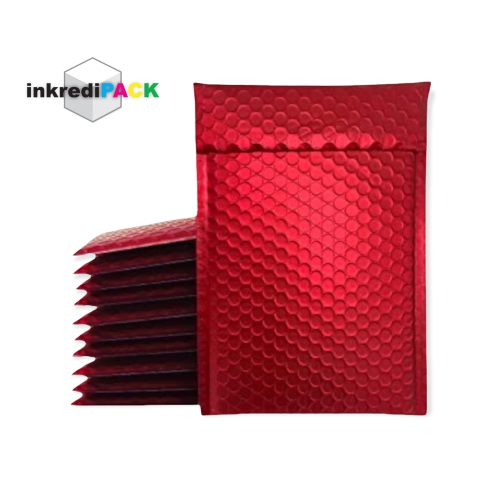
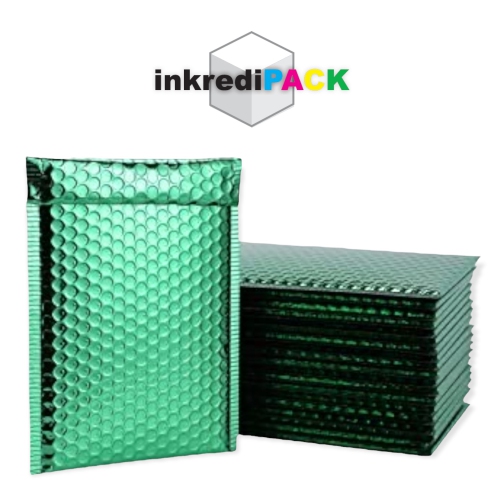
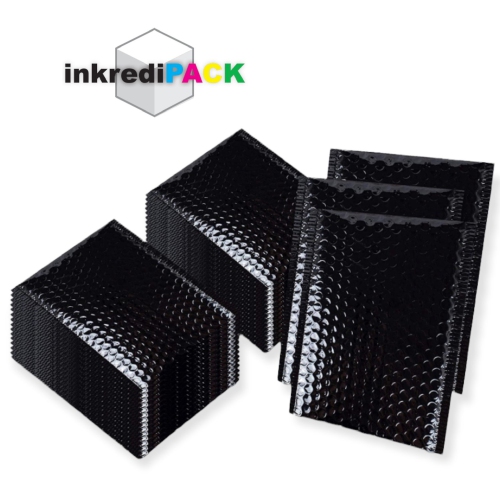
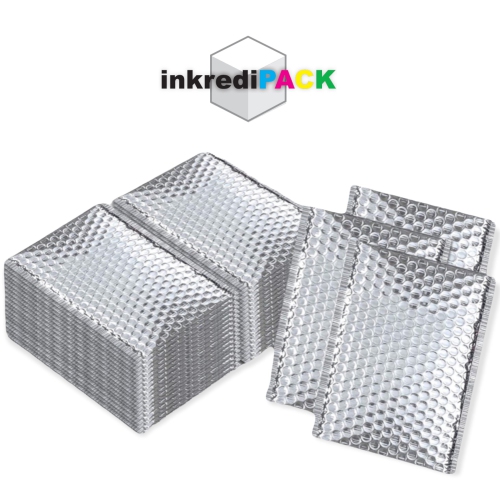
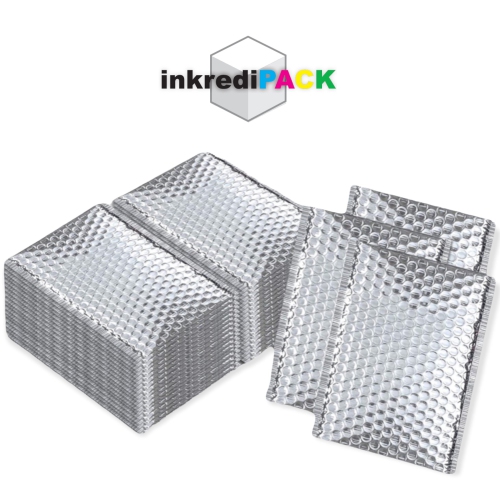
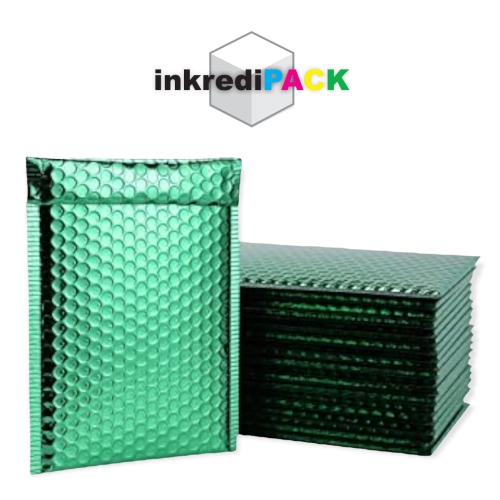
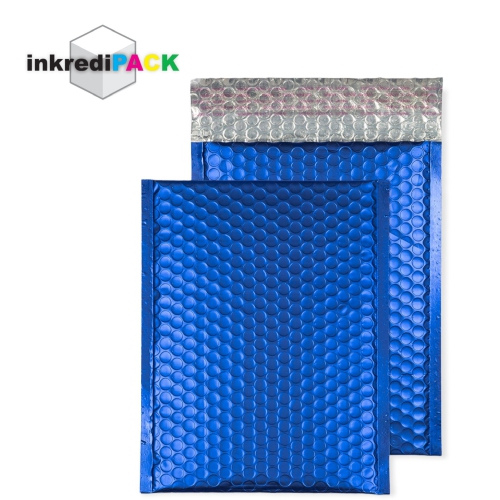
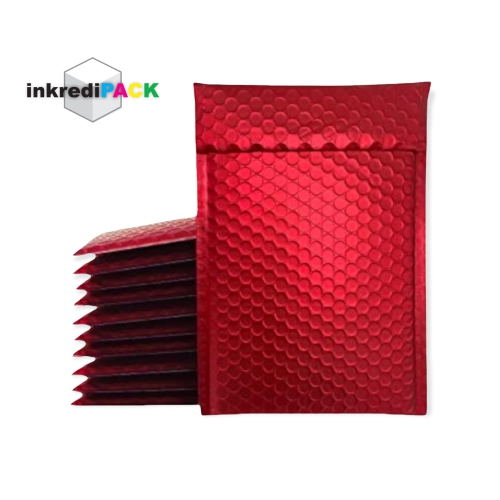
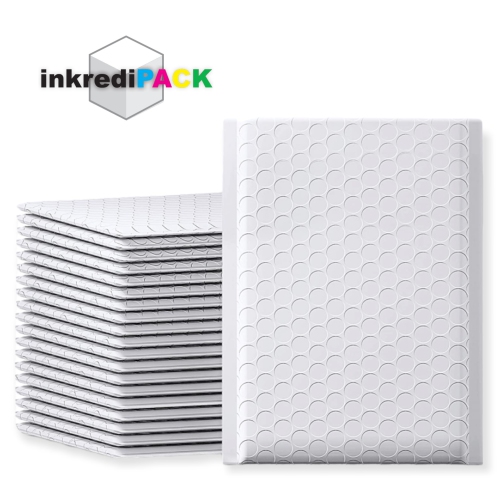
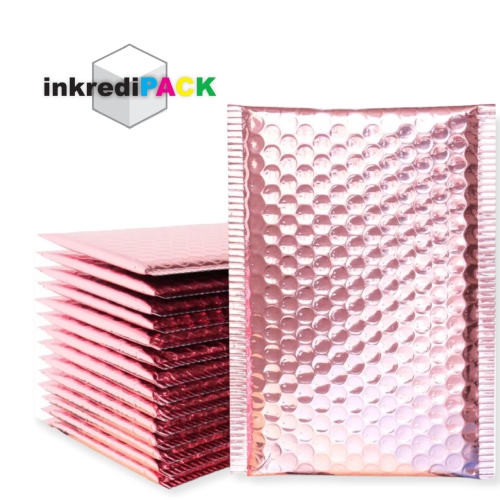
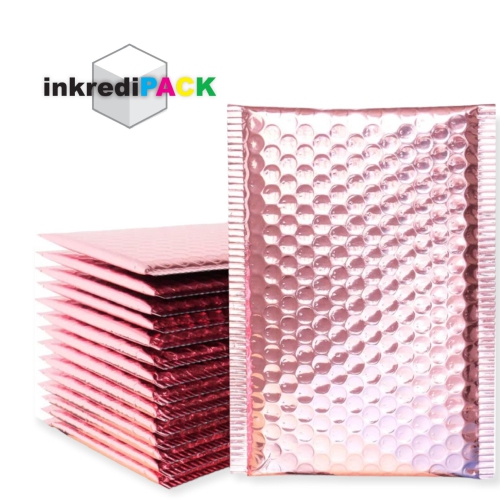
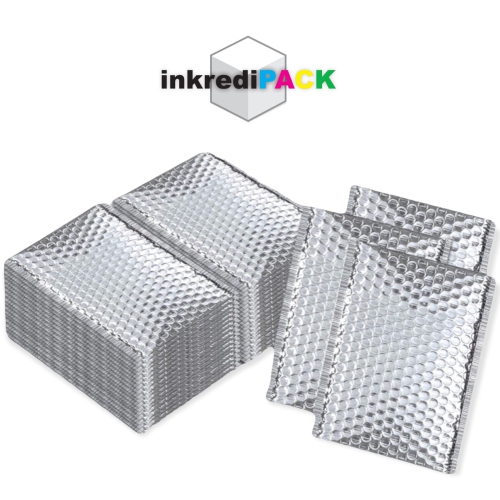
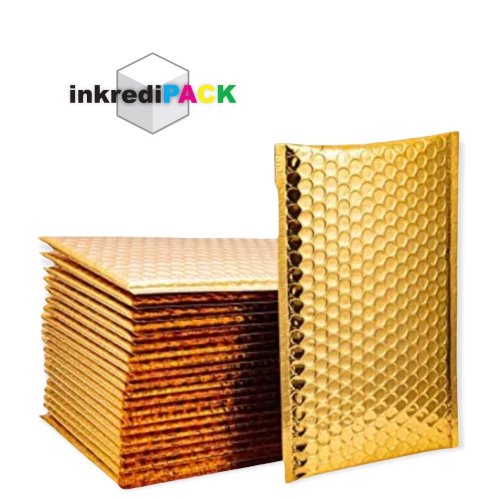
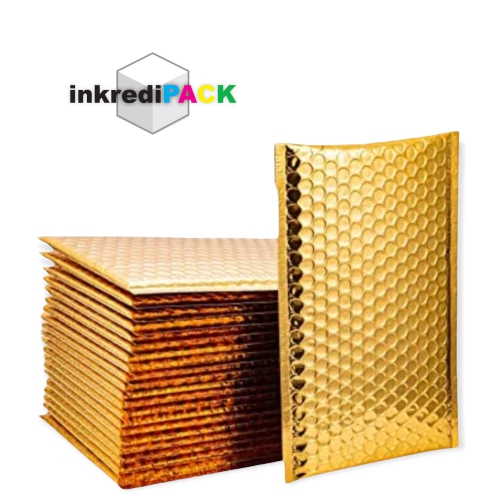
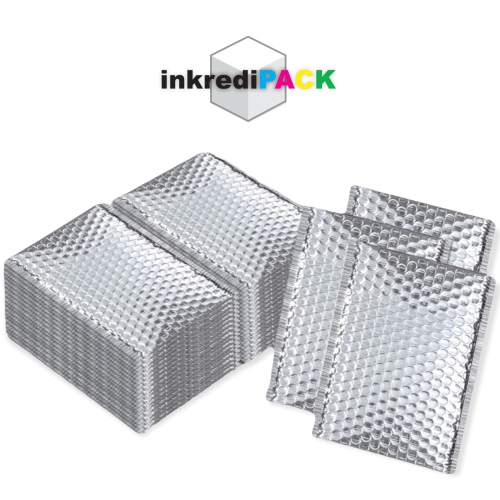
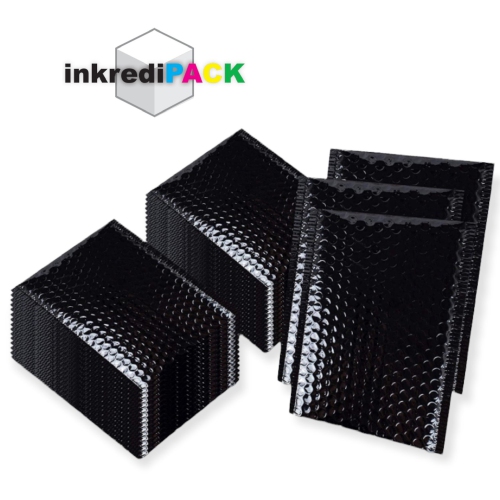
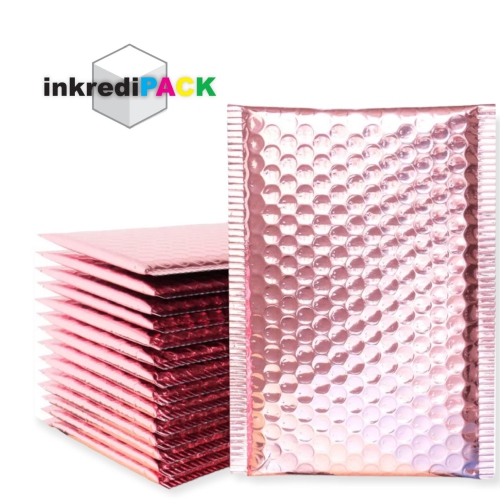
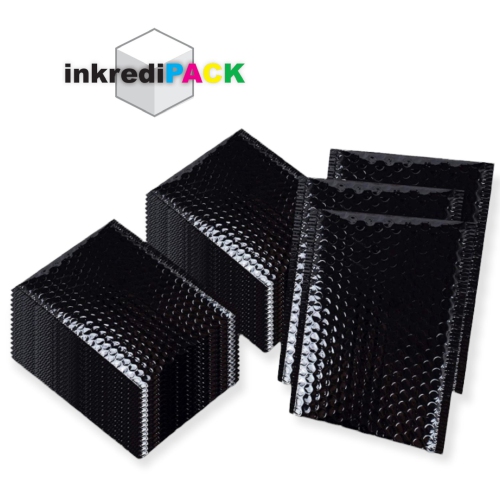
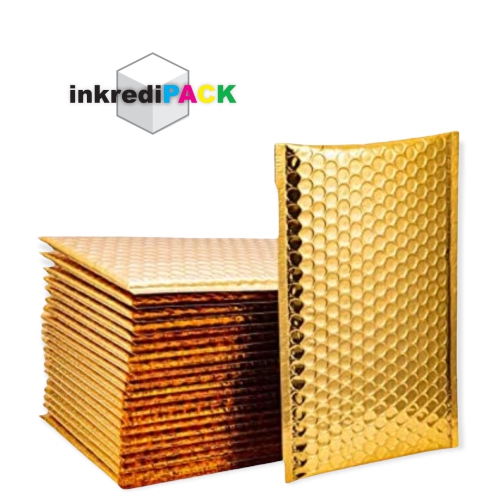
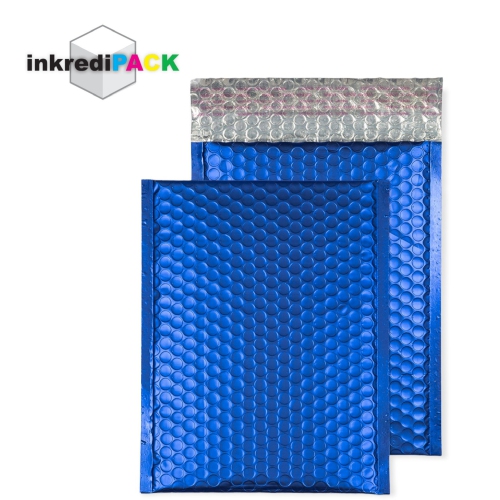
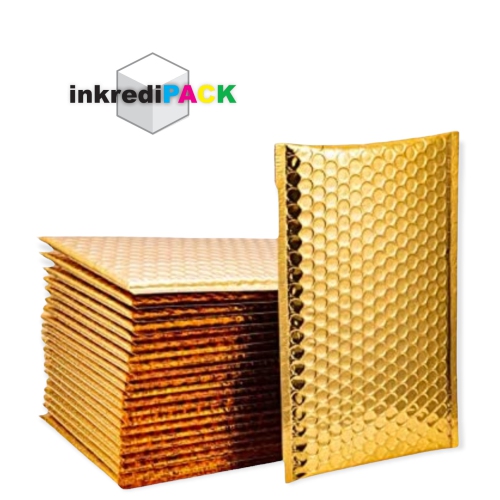
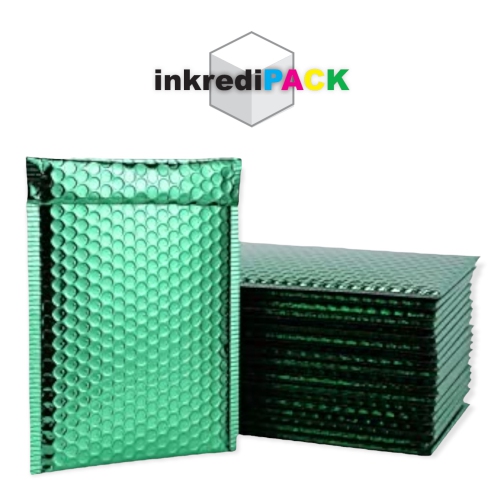
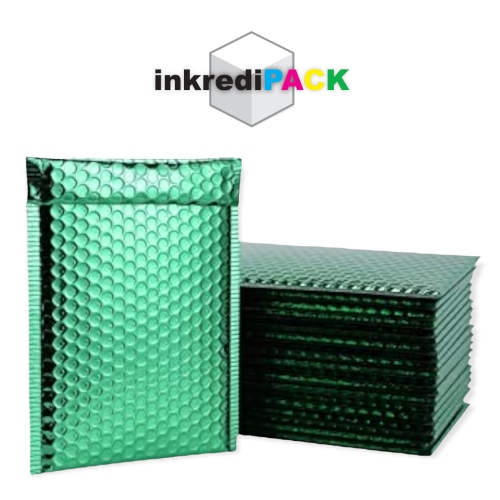
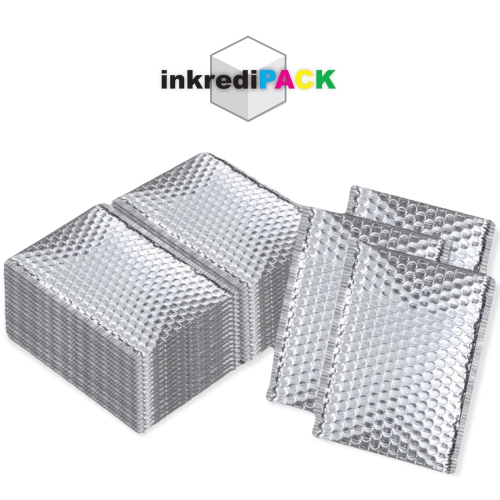
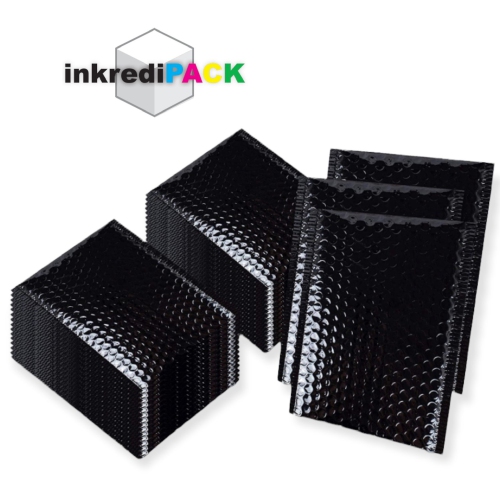
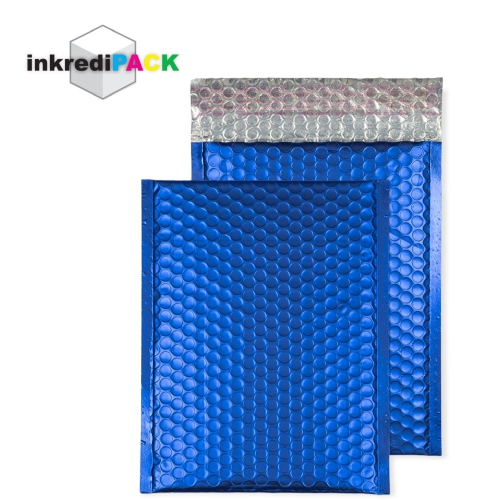
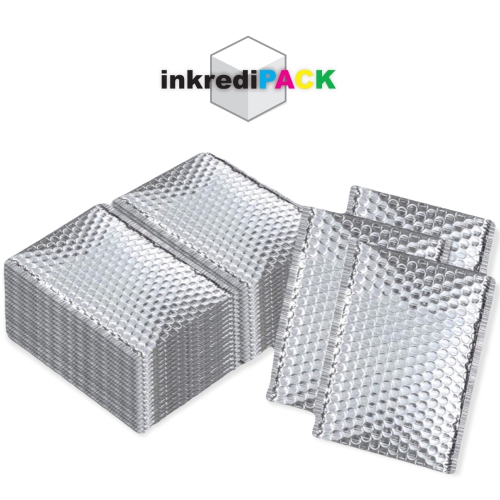
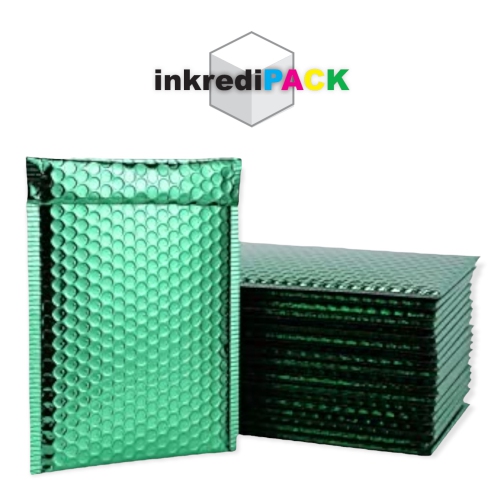
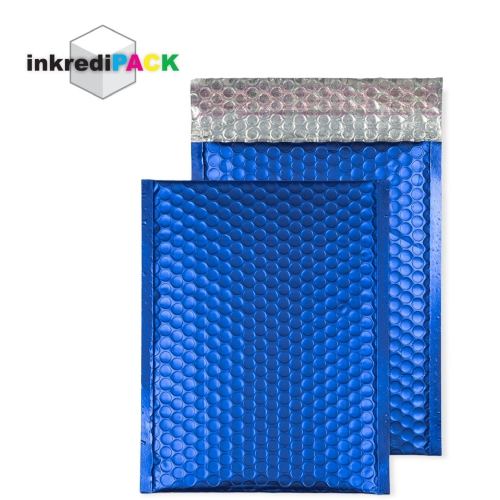
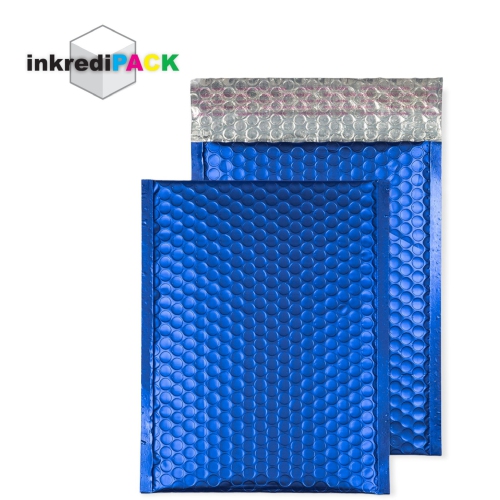
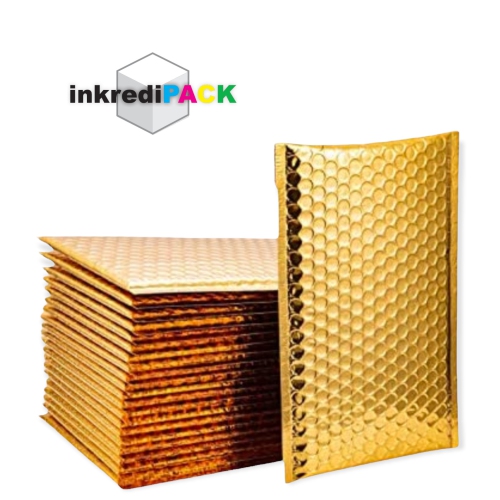
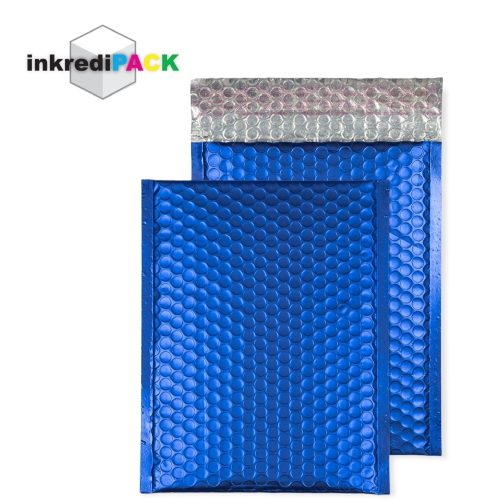
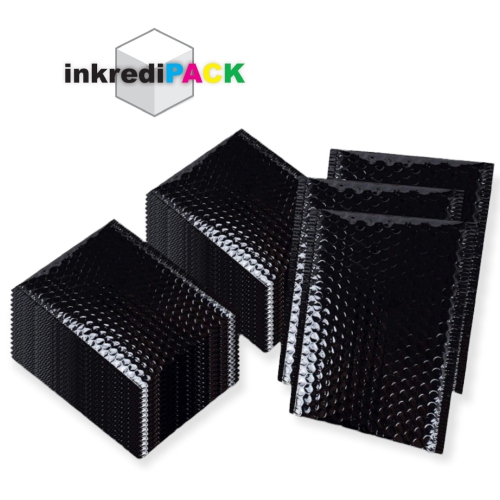
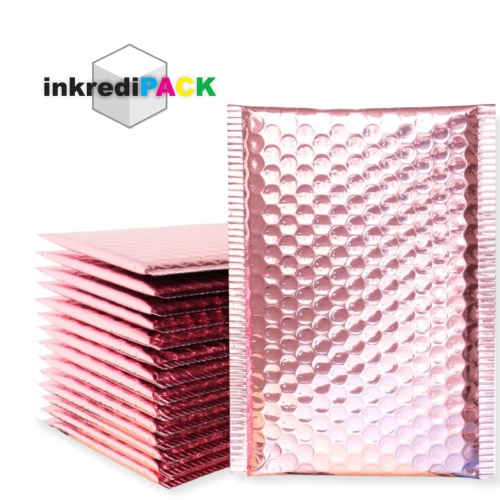
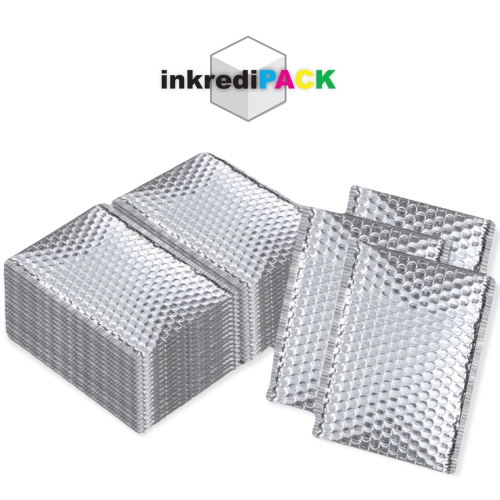
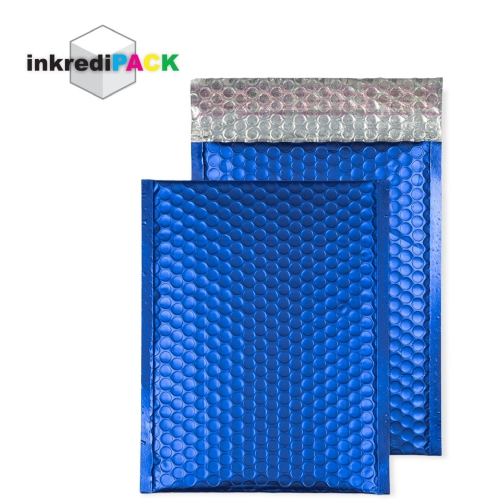
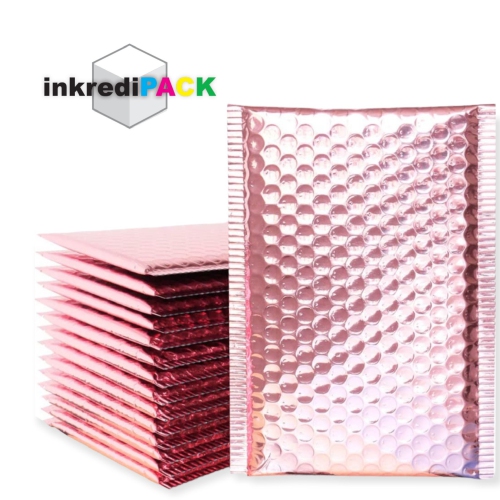
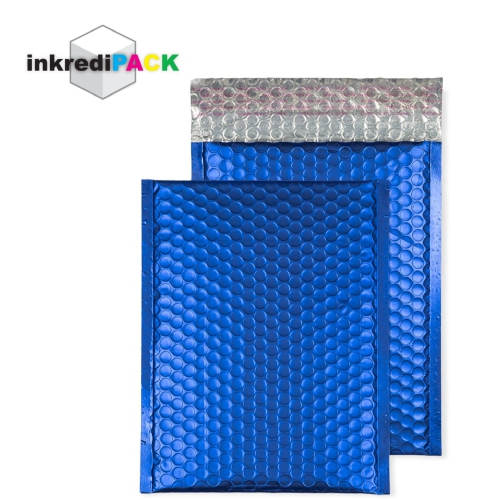
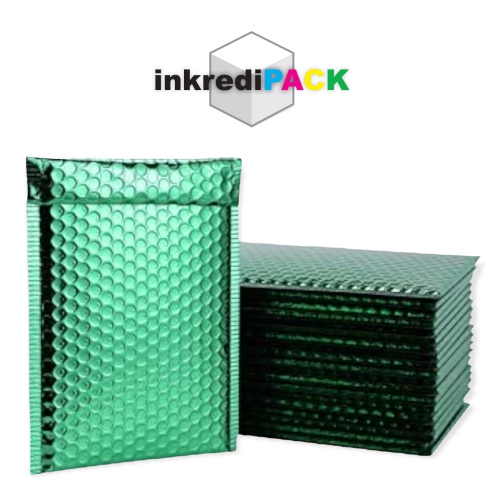
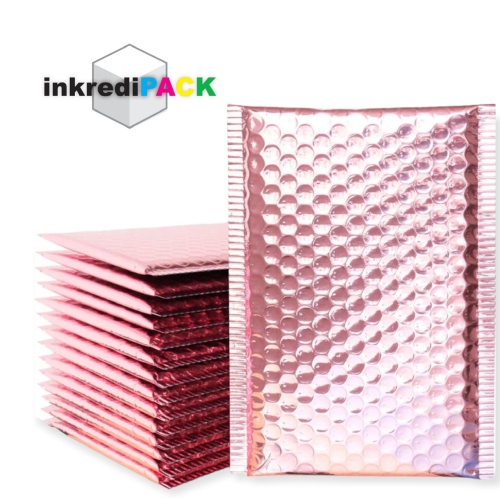
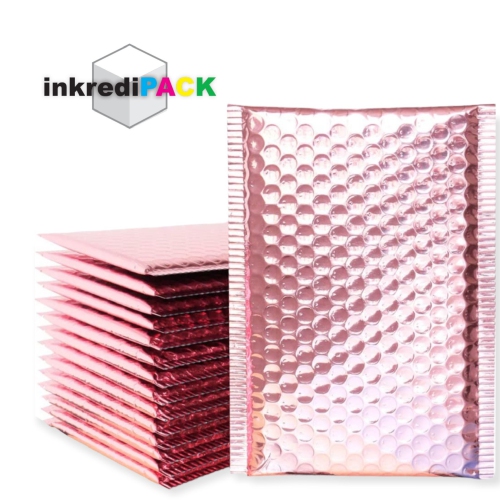
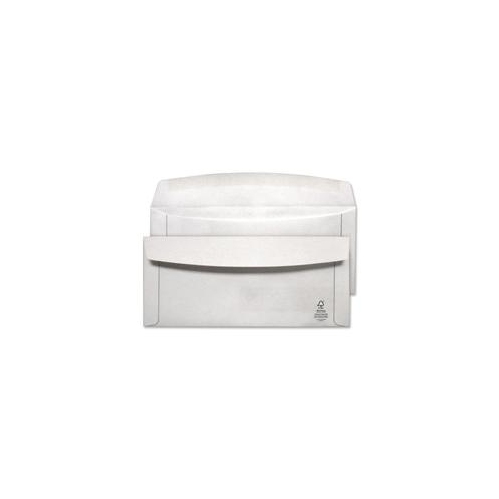
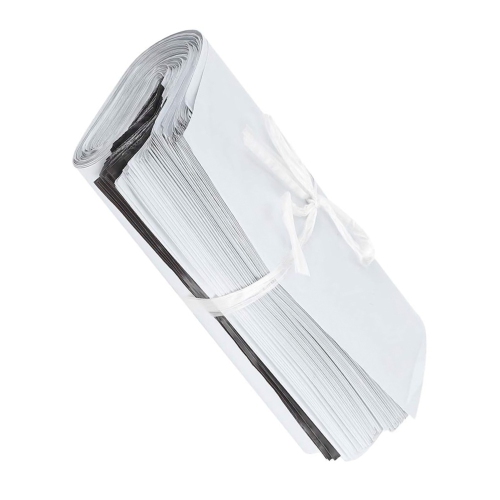
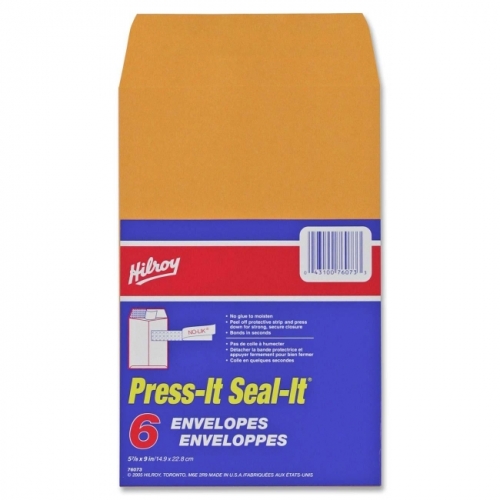
Shipping mailers are protective envelopes and flexible mailing bags designed to hold goods or documents while keeping parcels compact and straightforward to label. Their construction ranges from lightweight plastic film to cushioned paper envelopes and stiff paperboard sleeves, with each format suited to different contents. Poly mailers are commonly used for clothing, fabric accessories, and other soft goods that do not need a rigid outer shell. The flexible material wraps closely around the contents, while its resistance to moisture and tearing helps protect against everyday handling. That resistance does not make every poly mailer waterproof, particularly at seams and closures. Bubble mailers add a layer of air-filled cushioning inside an envelope, helping reduce scuffs and minor knocks around small, lightweight contents. They can be useful for accessories and compact goods that benefit from padding, although cushioning alone does not provide the crush protection of a sturdy box. Padded mailers may also use paper-based cushioning, so the outer surface does not always reveal what is inside. Kraft mailers have a paper exterior and can suit correspondence, booklets, and other contents that need an enclosed wrapper rather than substantial impact protection. Unpadded kraft envelopes provide little cushioning, while padded versions offer a different level of protection. Rigid mailers use heavier paperboard to help flat contents retain their shape, making them useful for photographs, certificates, art prints, and presentation materials. Their stiffness helps limit bending, but they are not a substitute for packaging designed to withstand heavy compression. For valuable, delicate, or unusually shaped contents, a mailer may serve as an outer covering around additional protective packaging rather than as the complete solution. The most useful distinction is between a mailer that simply contains something, one that cushions it, and one that supports its shape. Matching those functions to the contents makes the differences between shipping bags, padded envelopes, and rigid document mailers easier to assess.
Size and construction determine how well a shipping mailer performs once it is filled. Usable interior dimensions matter more than the overall outside measurements, especially with padded envelopes, where the cushioning takes up part of the space. A mailer that looks large enough when empty can become a tight fit around a thick booklet or a folded garment. Some extra room is needed for the contents to slide inside without forcing the seams, and the closure must reach its intended sealing area without stretching. Excess space can also be inconvenient: loose contents may shift, and a long empty section can fold over or interfere with a smooth label surface. Gusseted mailers have expandable sides or bottoms that accommodate depth more naturally than a flat envelope, while a flat format keeps thin contents neatly contained. Durability depends on several features working together, including material thickness, seam strength, edge construction, and the quality of the closure. A thicker outer layer can resist punctures better than a very thin one, but sharp corners still need their own protection. Wrapped edges or an inner sleeve can help prevent a small component from rubbing directly against the mailer during handling. Peel-and-seal closures offer a convenient adhesive strip, while other formats may need a separate fastening method. A secure seal should sit against a clean, unobstructed surface rather than catch on fabric, loose paper, or packing material. Certain designs include a tear strip for easier opening, and some have a second adhesive strip intended for a return shipment; those features vary by construction. Smooth outer surfaces are useful for shipping labels, provided the label adhesive is compatible with the material. Labels belong on a broad, flat area rather than across a folded edge or an opening strip, where creasing or removal could make details difficult to read. The finished parcel should keep the recipient’s address and any required barcode clearly visible, with older labels removed or fully covered if packaging is being reused.
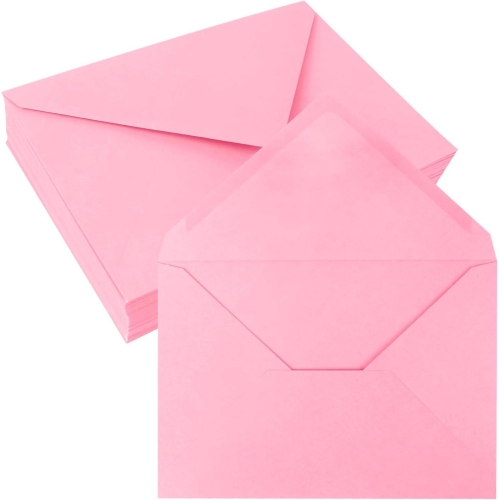
Shipping mailers fit a wide range of everyday packing routines, from a home office sending paperwork to a small business preparing customer orders. Online sellers often benefit from having a few practical sizes that correspond to the shapes they send most frequently, rather than using one oversized envelope for everything. A folded fabric accessory needs different protection from a signed certificate, even when both fit within similar outside dimensions. Artists and photographers may prefer rigid support and an inner sleeve to keep surfaces from rubbing, while a business sending a booklet may need enough depth to avoid compressing its spine. For everyday office correspondence and customer shipments, Business Mailers offers a related category to explore. Households can also use mailing envelopes for returns, personal documents, or small gifts sent to friends and family. A decorative gift envelope can sit inside a plain outer mailer, keeping the presentation separate from the shipping label and adhesive closure. Clear or opaque materials serve different purposes: an opaque exterior keeps the contents out of view, while a clear format may require an additional inner covering for privacy. Mailers are generally simple to store, but their condition before use matters. Keeping them flat, clean, and dry helps prevent bent corners, damaged padding, and adhesive strips contaminated by dust. Heavy objects resting on a stack can deform rigid sleeves or compress cushioning, so a dedicated shelf or drawer is often more practical than a crowded packing bin. Packaging that has already been used deserves a close look at its seams, closure, and outer surface before another shipment; an envelope that still looks tidy may have stretched edges or weakened padding. Carrier rules also matter because parcel dimensions, thickness, labelling, and permitted contents can affect whether a packed mailer is suitable for the intended service. For fragile electronics, liquids, or contents with special handling requirements, the outer envelope is only one part of the packaging decision. A well-matched shipping mailer combines appropriate support, a reliable closure, and a clean exterior without adding unnecessary bulk to an everyday parcel.
Top selling and popular products
-
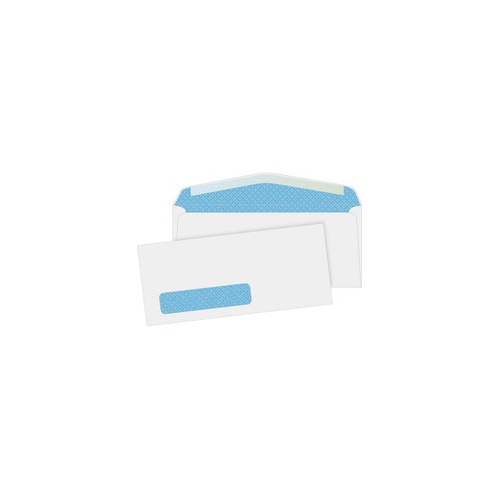 Your price for this item is $28.99
-
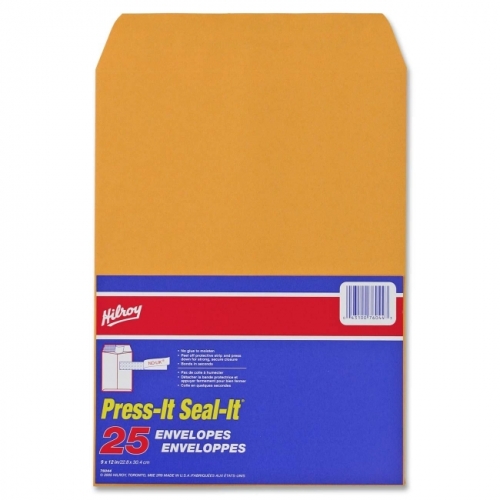 Your price for this item is $6.99
-
 Your price for this item is $35.99
-
 Your price for this item is $26.99
-
 Your price for this item is $2.99
-
 Your price for this item is $25.88
-
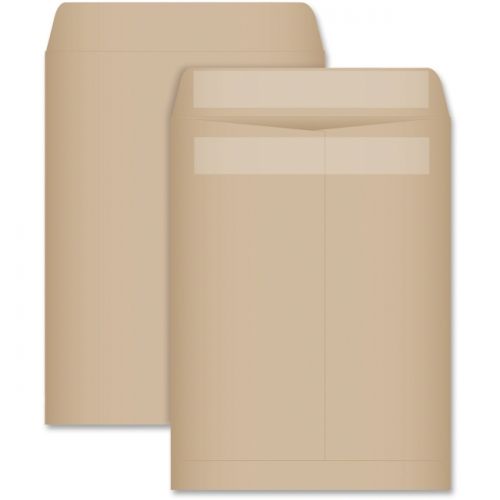 Your price for this item is $30.99
-
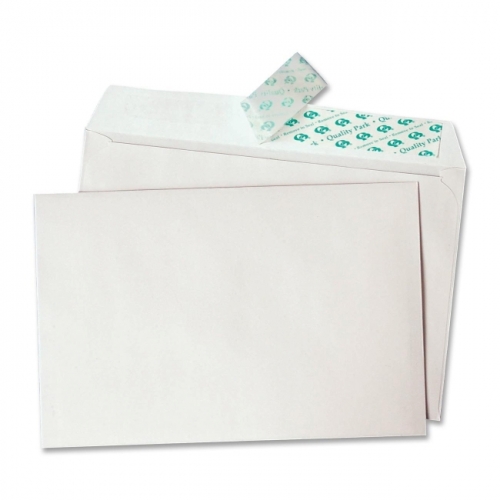 Your price for this item is $22.99
Discover more categories related to Shipping Mailers
Top Collections:
Best Black Friday Deals This Year, Best Black Friday Deals On Electronics, Kindle Devices, Pokemon Centers, Best Black Friday Deals On Apple Products, Best Cameras for Sports Photography, Dyson Airwrap, Pokémon 30th Celebration Cards, Apple iPhone 17 Pro, Canon G7X Cameras
Some products may be subject to Environmental Handling Fees
(EHF) depending on your province.
Learn more about EHFs.