Paper Notebooks
Looking to jot down your thoughts, ideas, or to-do lists? Look no further than our collection of paper notebooks. Whether you prefer a classic ruled notebook, a stylish leather-bound journal, or a compact pocket-sized notepad, we have the perfect option for all your note-taking needs. With a wide range of sizes, designs, and paper types to choose from, you can find the ideal notebook to suit your personal style and preferences. Explore our selection of paper notebooks and discover the joy of putting pen to paper in this digital age.
Sort
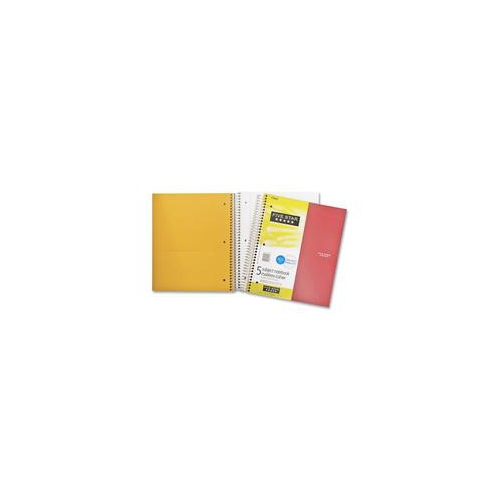
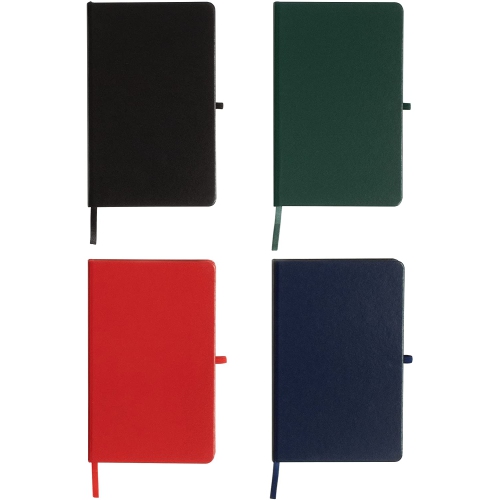
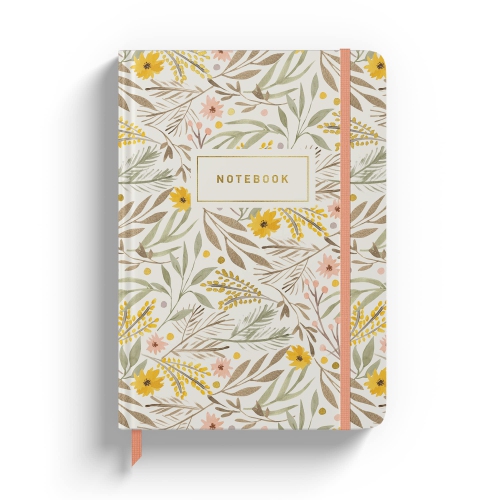
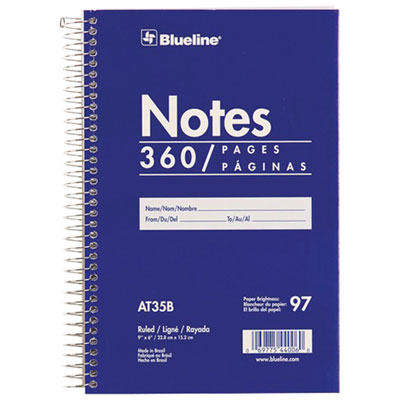
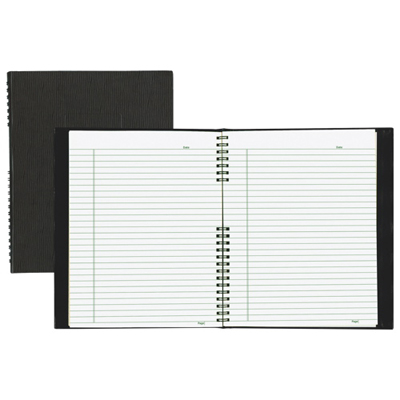
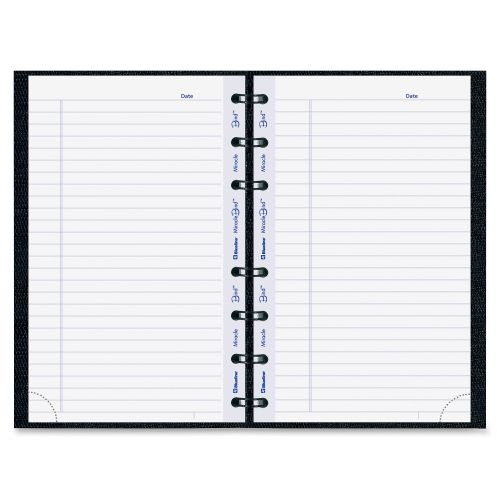
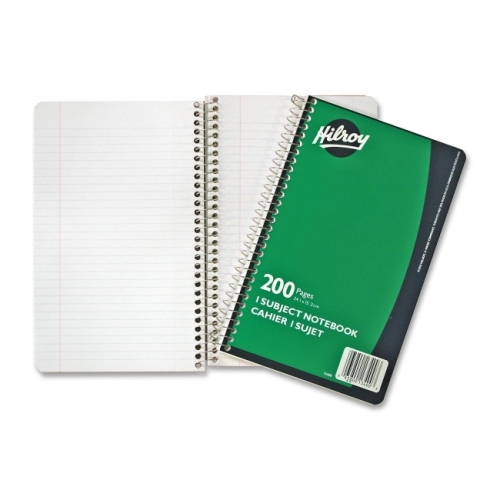
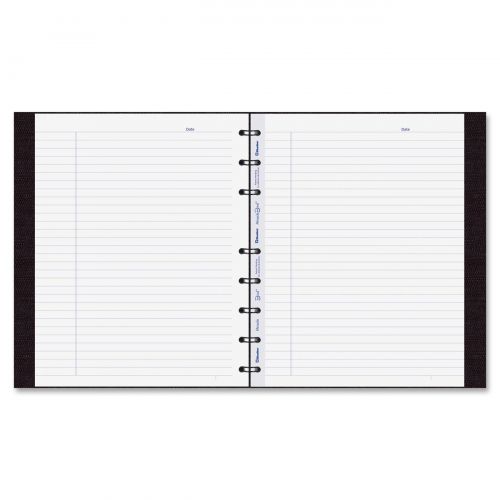
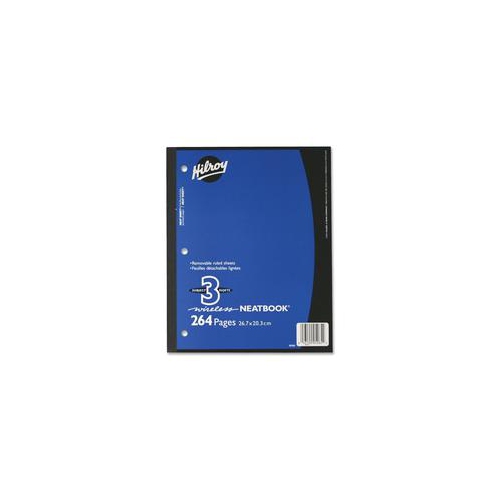
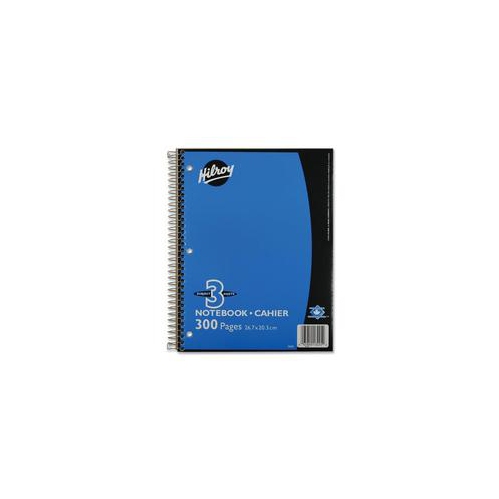
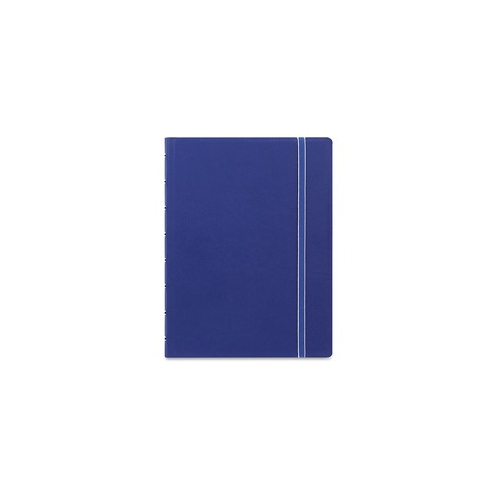
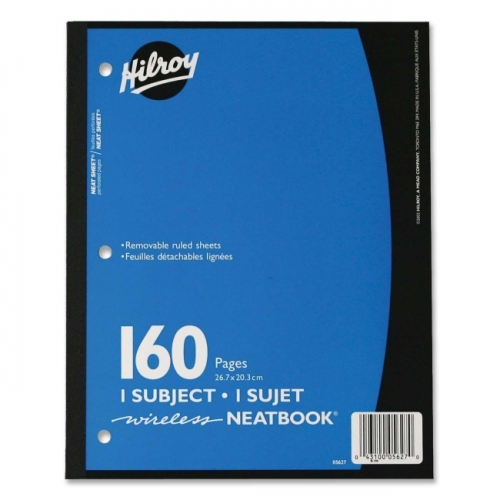
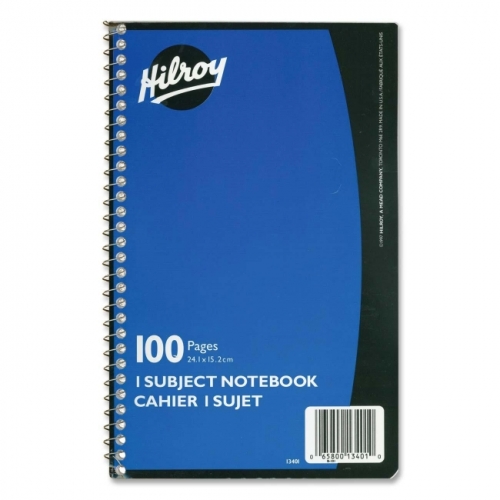
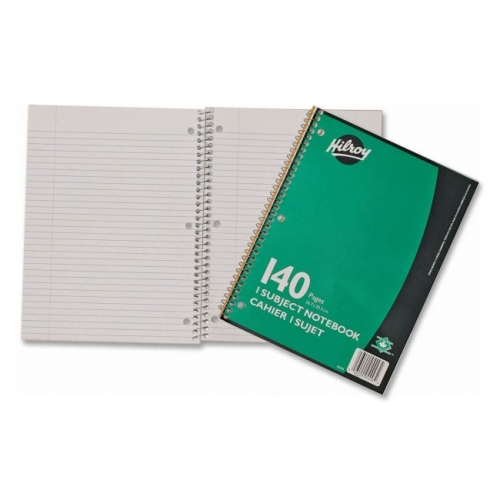
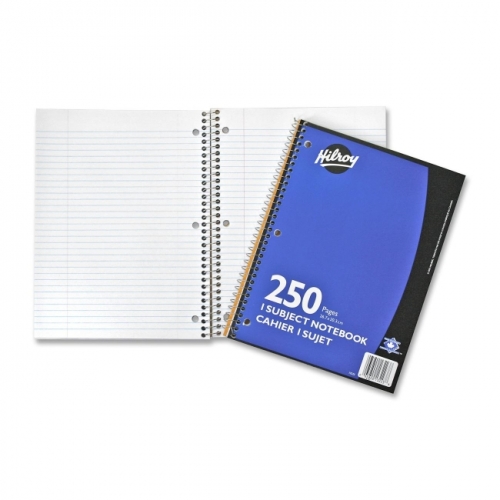
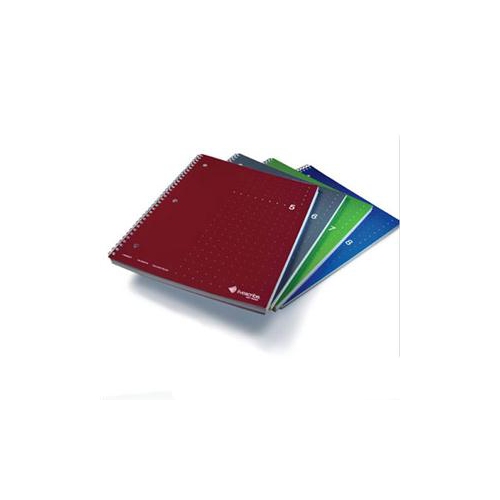
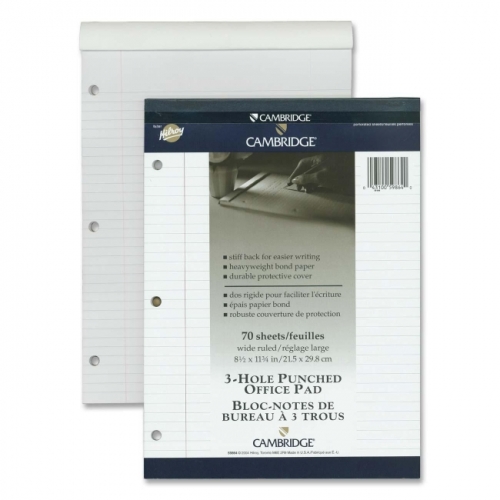

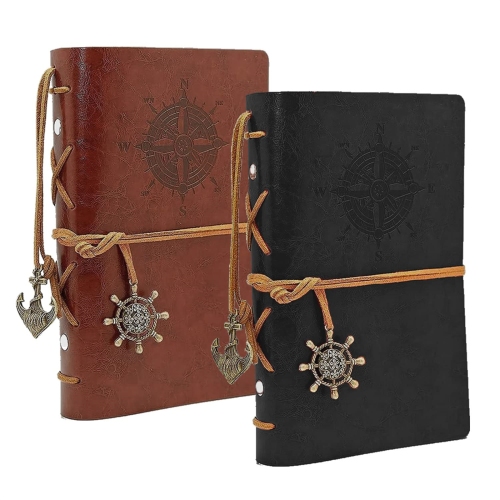
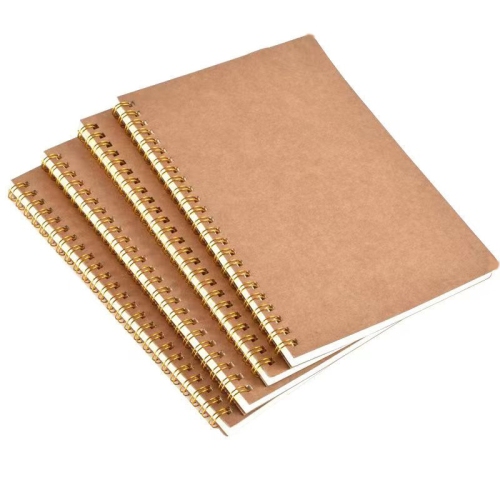
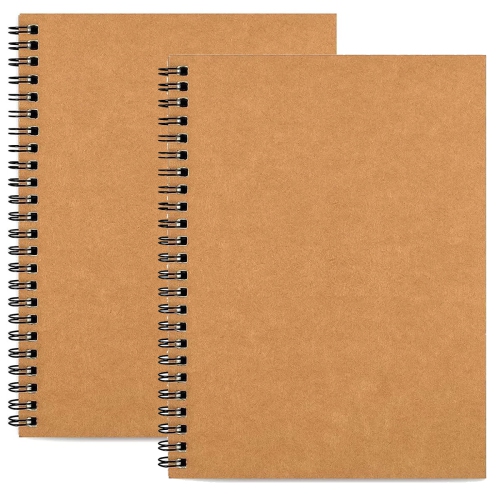

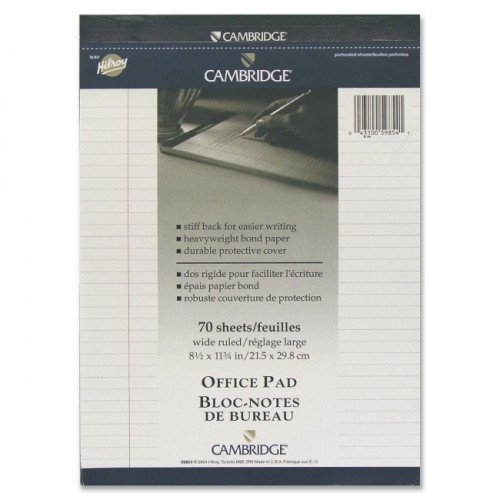
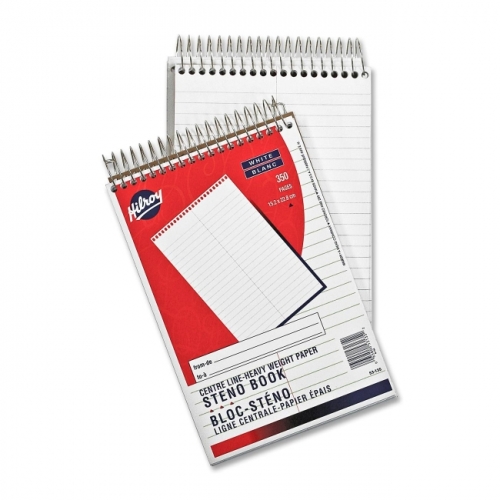
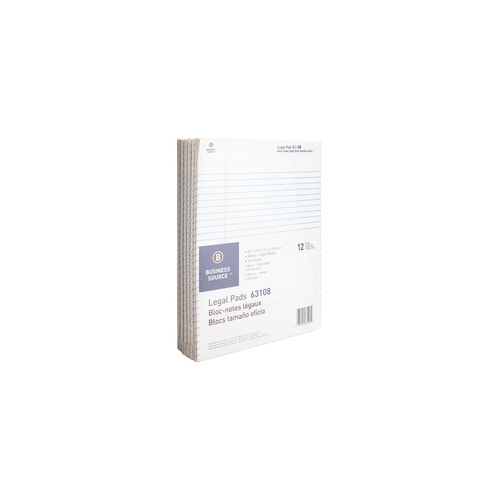
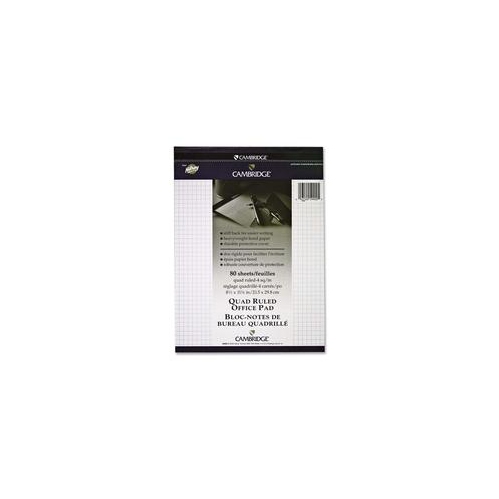
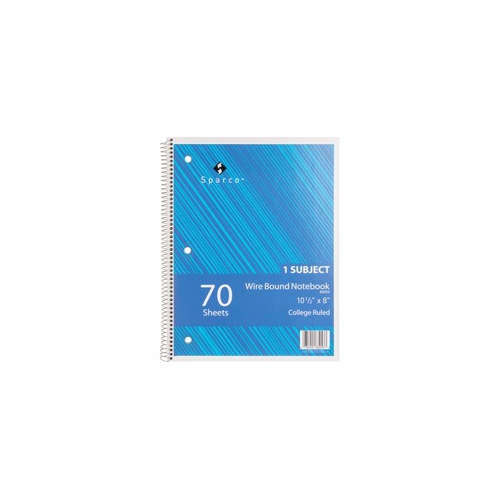
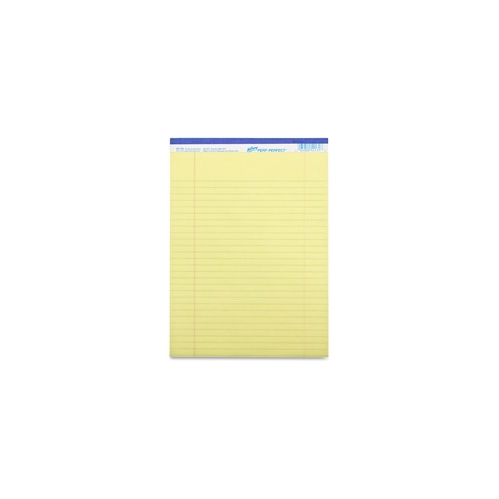

A dependable place for ideas and everyday plans
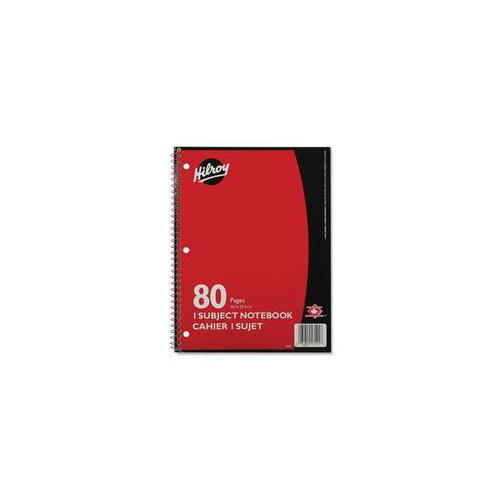
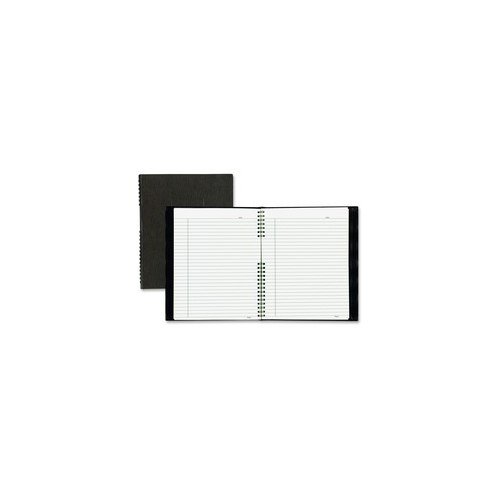
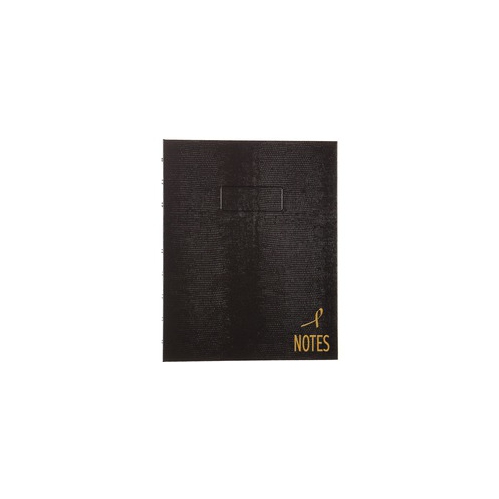
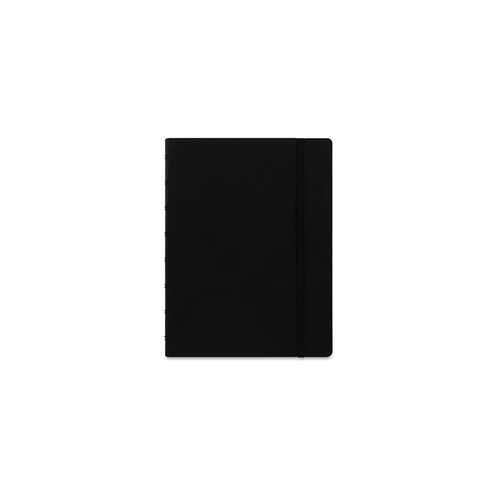
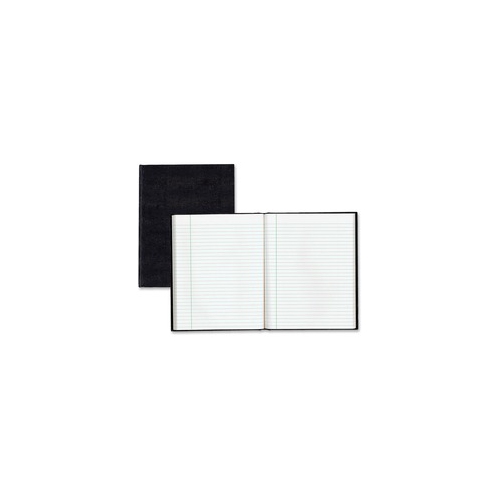
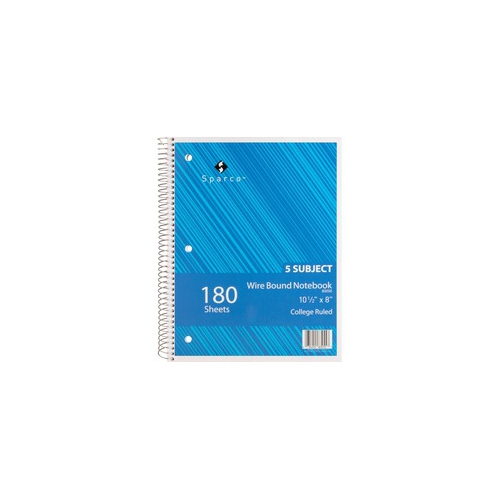
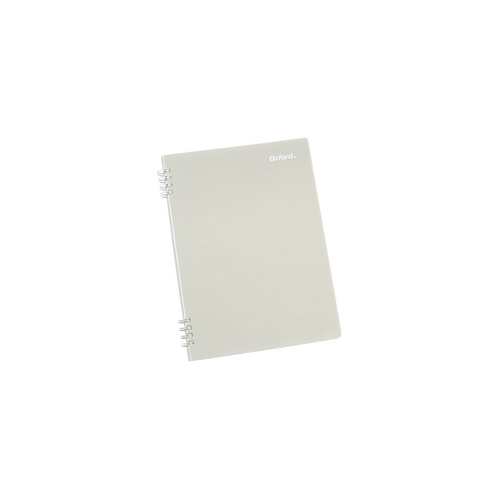
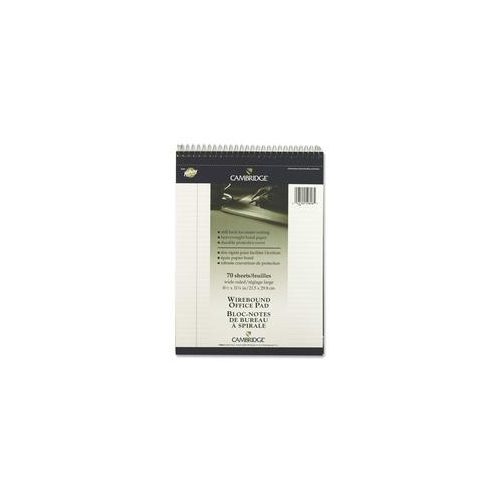
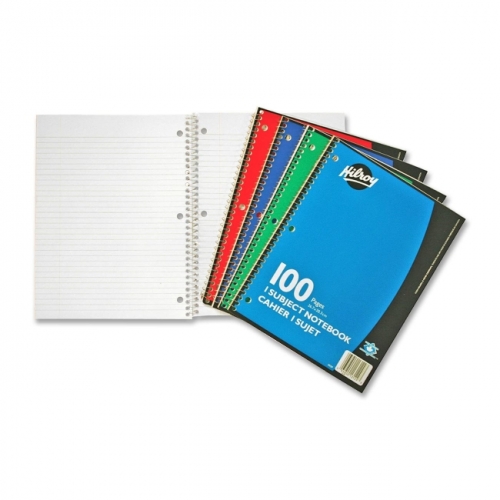
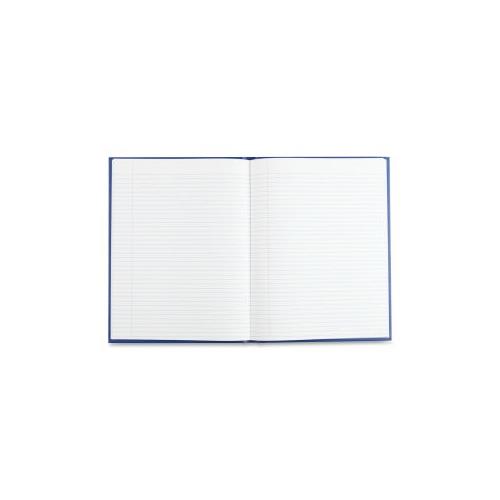
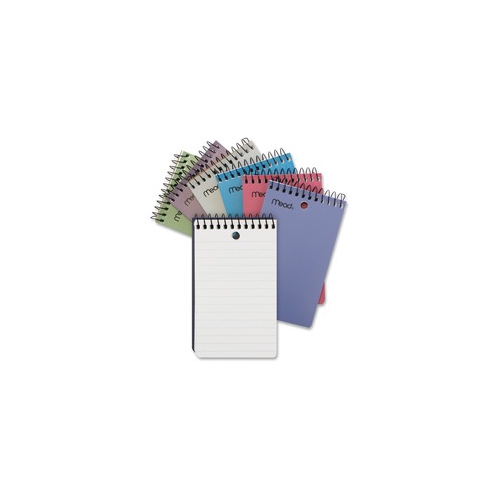
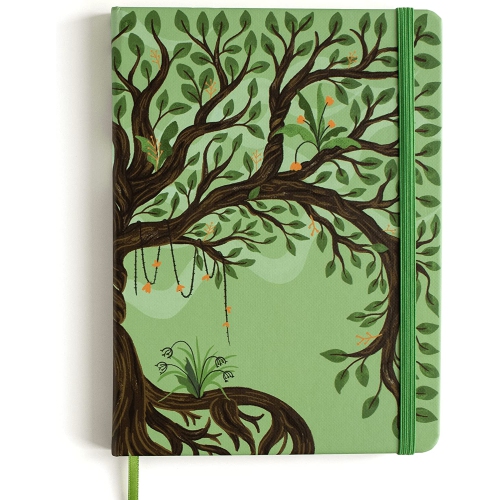
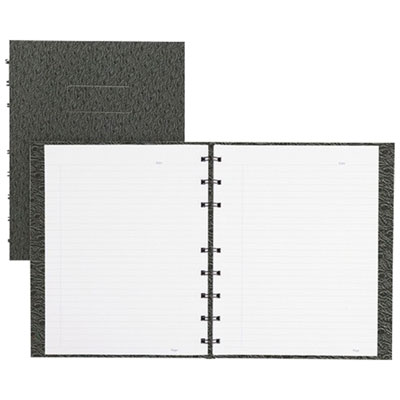
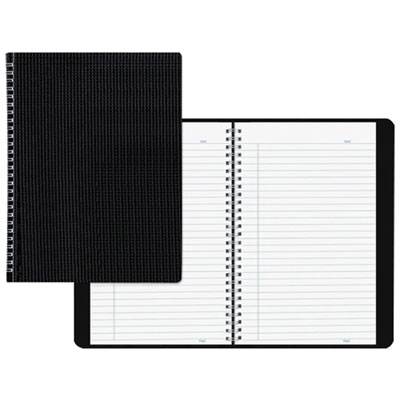
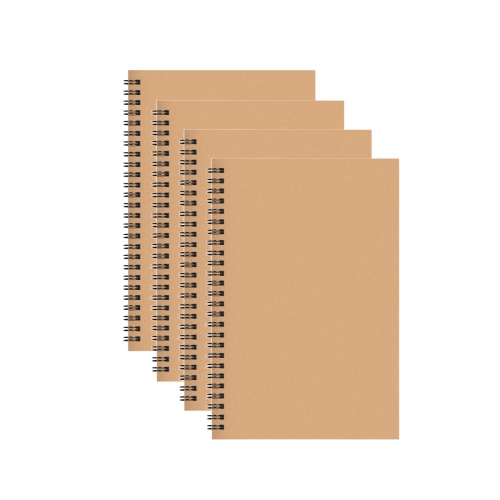
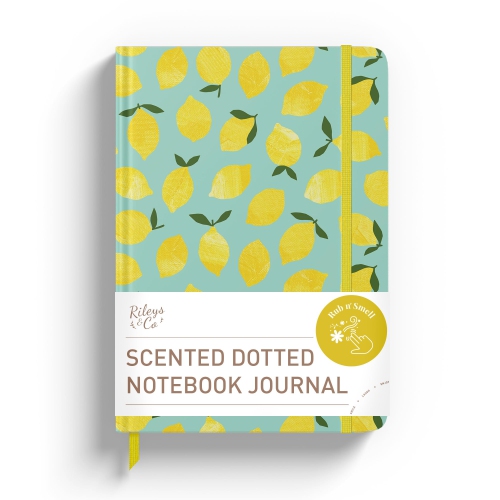
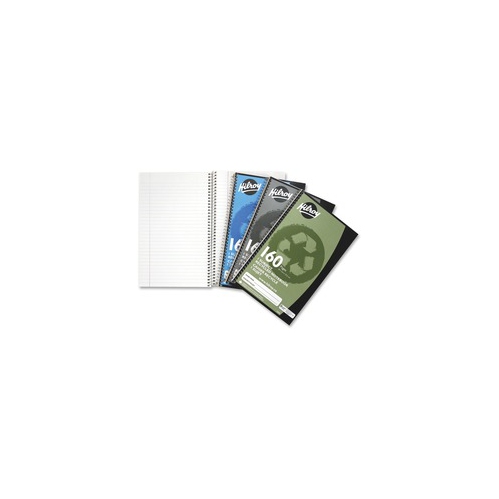
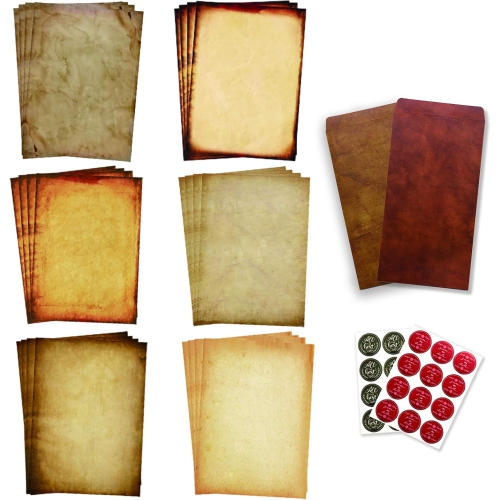
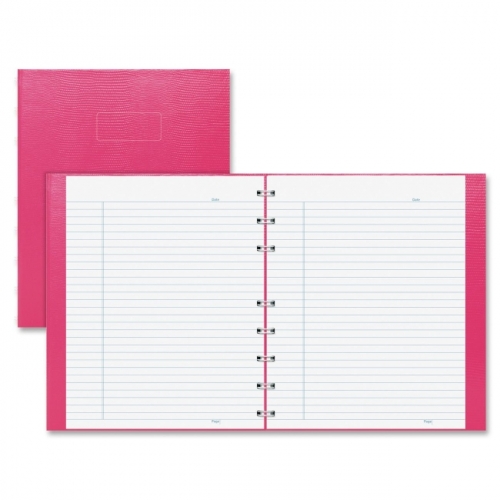
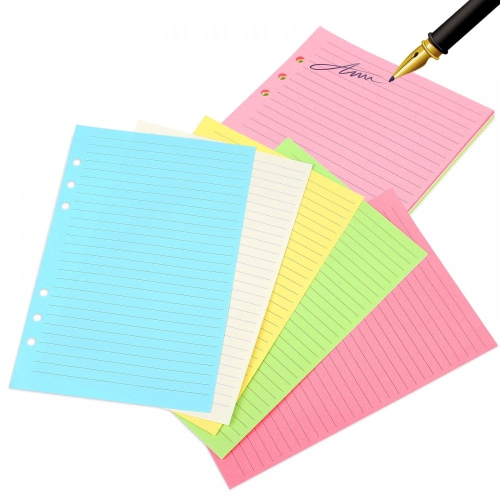
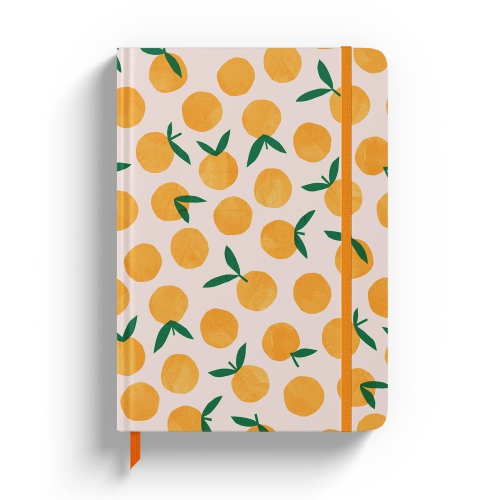
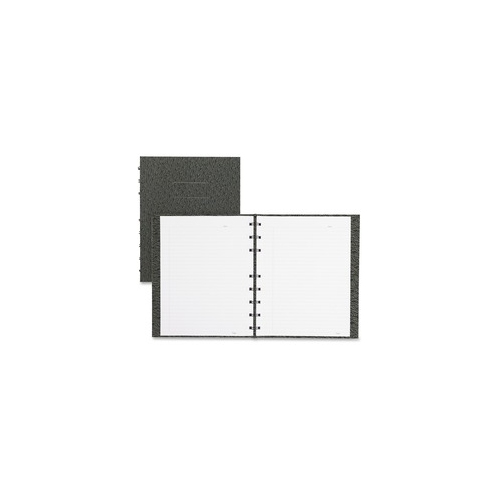
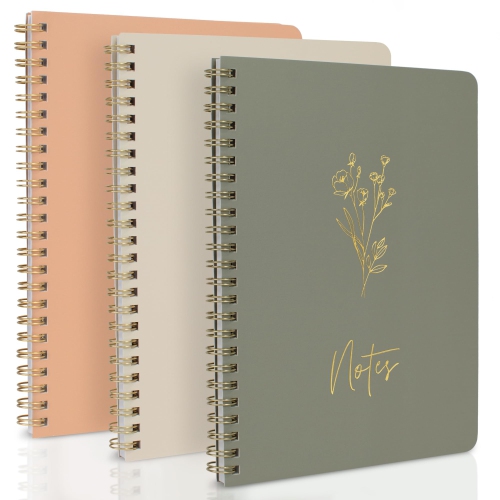
Paper notebooks remain a dependable choice for capturing ideas, organizing responsibilities, and keeping important information close at hand. Unlike a note stored on a phone or computer, a notebook creates a simple, visible place for thoughts to develop from the first line to the last page. They are useful at a desk, in a classroom, beside the kitchen calendar, or tucked into a bag for commutes and appointments. Students can use them for lecture notes, homework, vocabulary, calculations, and study plans, while professionals may choose one for meeting notes, project details, daily priorities, or quick sketches during a conversation. At home, a notebook can become a place for grocery lists, recipes, reading notes, household reminders, travel planning, or personal reflections. During the warmer seasons, a lightweight notebook fits easily into a tote for outdoor observations, café writing, or day trips; as the weather cools, it can sit beside a favourite chair as a convenient place to record plans, thoughts, and lists. Paper notebooks also make practical gifts for students, new employees, teachers, writers, artists, or anyone who enjoys a more deliberate way to stay organized. A simple notebook can be paired with pens, pencils, page markers, or a desk accessory to create a useful gift for a birthday, graduation, housewarming, or back-to-school occasion. When choosing a notebook, consider how and where it will be used first. A compact size is easy to carry and works well for short notes, while a larger format offers more room for diagrams, detailed writing, calendars, and creative layouts. Binding is another important consideration: spiral or coil-bound notebooks can often lie flat and may make it easier to turn pages quickly, while stitched or glued bindings create a more traditional writing experience. For a sturdier option that can handle frequent handling, explore Hardcover Notebooks, which can provide added structure for everyday writing, journaling, or long-term reference.
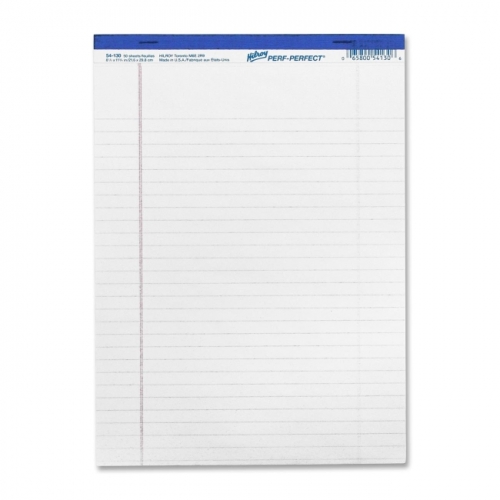
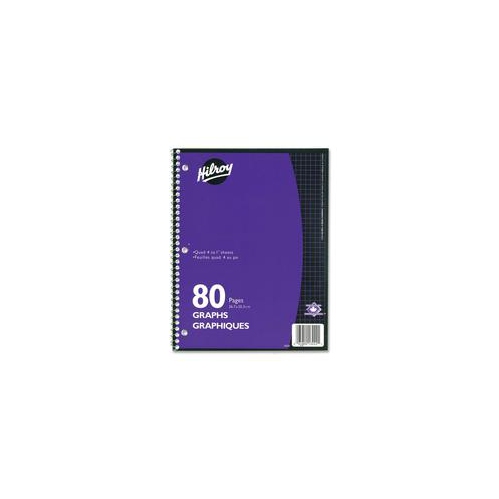
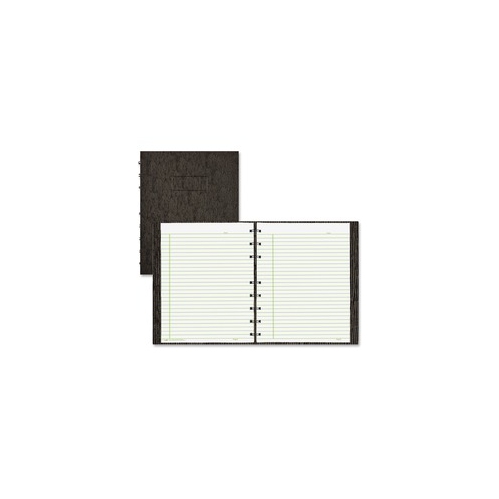
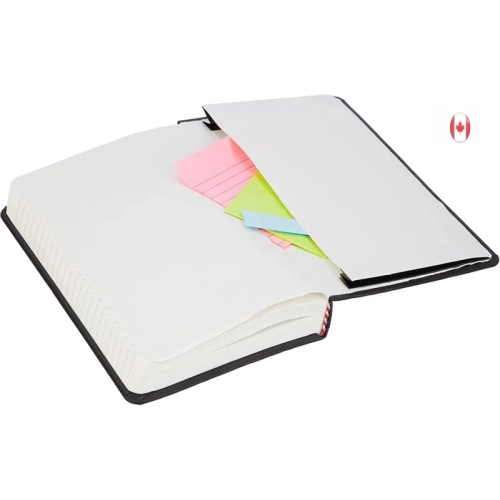
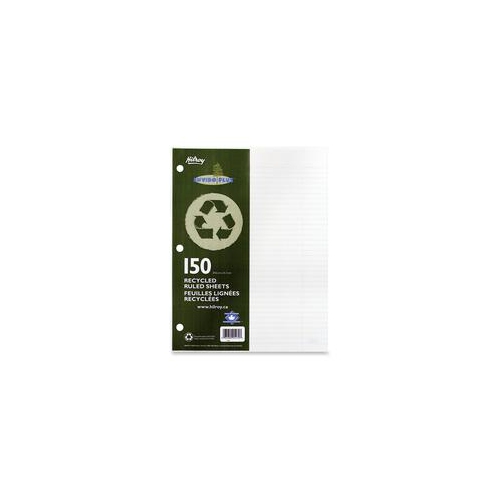
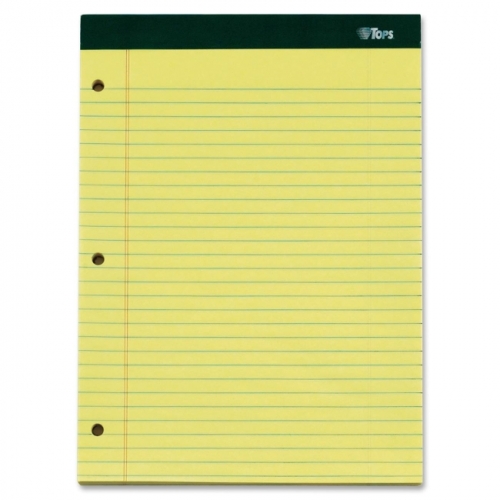
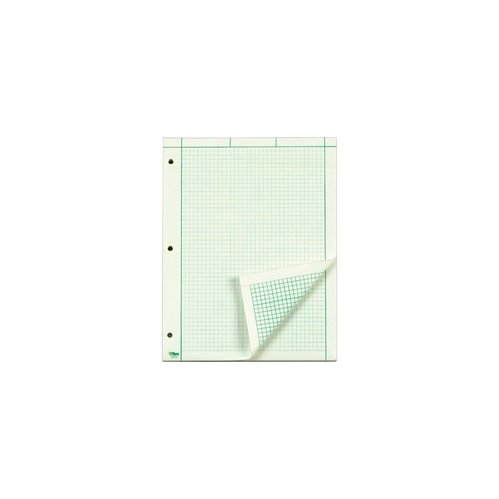
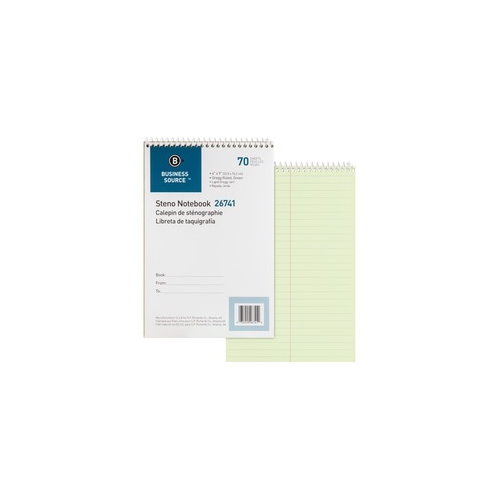
The paper layout should match the kind of work you expect to do. Lined pages are the most versatile choice for standard writing, lists, class notes, journaling, and correspondence, with wider ruling often more comfortable for younger writers or anyone who prefers generous spacing. Narrow ruling can make better use of each page when recording detailed notes or fitting more information into a compact notebook. Grid paper, sometimes called graph paper, supports calculations, tables, charts, floor plans, lettering, and precise diagrams. It can also be useful for bullet journaling because the small squares help align headings, trackers, and lists without requiring a printed template. Dot-grid pages offer similar structure with a lighter visual presence, making them suitable for planning, habit tracking, calendars, hand lettering, sketching, and organized free-form notes. Blank pages leave the greatest room for creativity and are well suited to drawing, mind maps, storyboarding, diagrams, and mixed writing-and-sketching projects. Some notebooks combine formats, placing lined, grid, or blank pages in separate sections for people whose work changes from one entry to the next. Page count matters as well: a slim notebook is convenient for a single course, short project, or daily carry, while a thicker notebook can hold months of journal entries or serve as a central work planner. Consider paper weight and surface texture if the writing instrument is important to you. Ballpoint pens, gel pens, pencils, and coloured pencils generally work across a broad range of paper, while liquid ink, brush pens, and fountain pens may perform best on smoother, more substantial pages designed to reduce feathering and show-through. If you write on both sides of each sheet, look for paper that provides a clean surface on the reverse. Features such as numbered pages, an index, perforated sheets, an elastic closure, a ribbon marker, an inner pocket, or a pen loop can make a notebook more convenient, particularly when it is used as a long-term journal or reference book. A notebook with a flexible cover may be comfortable to carry in a crowded bag, whereas a firm cover can provide a steadier writing surface when there is no desk nearby.
A well-chosen paper notebook can support a routine without making it feel complicated. Many people begin the day by writing three priorities, recording an appointment, or clearing small reminders from their mind before work and school begin. Others keep a notebook beside the bed for late-night ideas, use one to track creative practice, or dedicate separate pages to recipes, financial notes, packing lists, and personal goals. Writers may appreciate several notebooks for different projects, with one reserved for observations and another for drafting scenes or collecting phrases. Artists can use blank or lightly structured pages to experiment with thumbnails, shading, composition, and visual references. Families may keep a shared notebook near the entrance for messages, errands, and reminders, while travellers can use a compact notebook to record addresses, schedules, sketches, and memories that are easy to revisit after returning home. Paper also provides a satisfying record of progress: a page covered in handwriting, corrections, diagrams, and small checkmarks shows how an idea moved forward. For gifting, think about the recipient’s habits rather than choosing only by appearance. A student may benefit from durable binding and generous page counts, a planner may prefer dot-grid or lined pages, and an illustrator may need blank paper with enough room for larger drawings. Someone who enjoys careful handwriting may value smooth pages and a refined cover, while a busy household may need an affordable multipack for different rooms and activities. Size, ruling, binding, paper weight, cover durability, and carrying comfort all influence how often a notebook will be used. Selecting those details thoughtfully helps ensure the notebook becomes part of an everyday routine rather than remaining unused in a drawer.
The paper layout should match the kind of work you expect to do. Lined pages are the most versatile choice for standard writing, lists, class notes, journaling, and correspondence, with wider ruling often more comfortable for younger writers or anyone who prefers generous spacing. Narrow ruling can make better use of each page when recording detailed notes or fitting more information into a compact notebook. Grid paper, sometimes called graph paper, supports calculations, tables, charts, floor plans, lettering, and precise diagrams. It can also be useful for bullet journaling because the small squares help align headings, trackers, and lists without requiring a printed template. Dot-grid pages offer similar structure with a lighter visual presence, making them suitable for planning, habit tracking, calendars, hand lettering, sketching, and organized free-form notes. Blank pages leave the greatest room for creativity and are well suited to drawing, mind maps, storyboarding, diagrams, and mixed writing-and-sketching projects. Some notebooks combine formats, placing lined, grid, or blank pages in separate sections for people whose work changes from one entry to the next. Page count matters as well: a slim notebook is convenient for a single course, short project, or daily carry, while a thicker notebook can hold months of journal entries or serve as a central work planner. Consider paper weight and surface texture if the writing instrument is important to you. Ballpoint pens, gel pens, pencils, and coloured pencils generally work across a broad range of paper, while liquid ink, brush pens, and fountain pens may perform best on smoother, more substantial pages designed to reduce feathering and show-through. If you write on both sides of each sheet, look for paper that provides a clean surface on the reverse. Features such as numbered pages, an index, perforated sheets, an elastic closure, a ribbon marker, an inner pocket, or a pen loop can make a notebook more convenient, particularly when it is used as a long-term journal or reference book. A notebook with a flexible cover may be comfortable to carry in a crowded bag, whereas a firm cover can provide a steadier writing surface when there is no desk nearby.
A well-chosen paper notebook can support a routine without making it feel complicated. Many people begin the day by writing three priorities, recording an appointment, or clearing small reminders from their mind before work and school begin. Others keep a notebook beside the bed for late-night ideas, use one to track creative practice, or dedicate separate pages to recipes, financial notes, packing lists, and personal goals. Writers may appreciate several notebooks for different projects, with one reserved for observations and another for drafting scenes or collecting phrases. Artists can use blank or lightly structured pages to experiment with thumbnails, shading, composition, and visual references. Families may keep a shared notebook near the entrance for messages, errands, and reminders, while travellers can use a compact notebook to record addresses, schedules, sketches, and memories that are easy to revisit after returning home. Paper also provides a satisfying record of progress: a page covered in handwriting, corrections, diagrams, and small checkmarks shows how an idea moved forward. For gifting, think about the recipient’s habits rather than choosing only by appearance. A student may benefit from durable binding and generous page counts, a planner may prefer dot-grid or lined pages, and an illustrator may need blank paper with enough room for larger drawings. Someone who enjoys careful handwriting may value smooth pages and a refined cover, while a busy household may need an affordable multipack for different rooms and activities. Size, ruling, binding, paper weight, cover durability, and carrying comfort all influence how often a notebook will be used. Selecting those details thoughtfully helps ensure the notebook becomes part of an everyday routine rather than remaining unused in a drawer.
Top selling and popular products
-
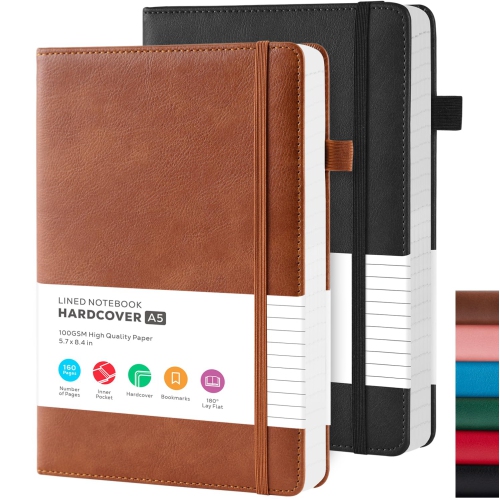 Your price for this item is $44.99
 -
 Your price for this item is $29.99
 -
 Your price for this item is $2.99
 -
 Your price for this item is $7.99
 -
 Your price for this item is $3.99
 -
 Your price for this item is $46.99
 -
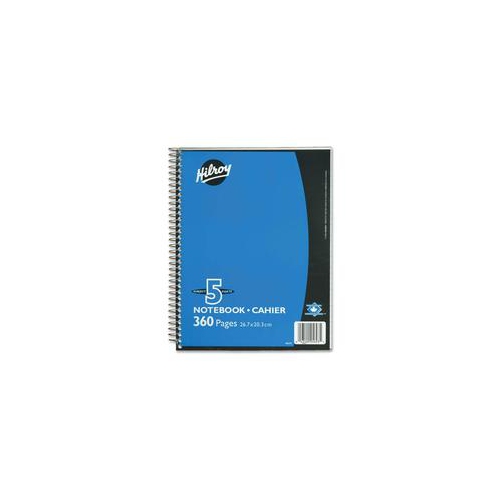 Your price for this item is $9.99
 -
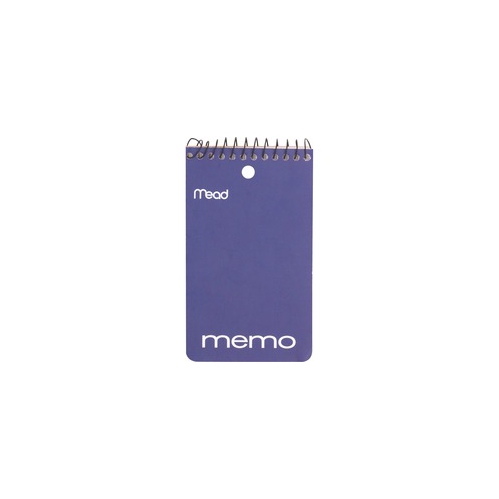 Your price for this item is $1.99
Discover more categories related to Paper Notebooks
Top Collections:
Pokemon Centers, Kindle Devices, Best Budget Office Chairs, Apple iPhones 16, Best Laptops for Writers, iPhone 15 Apple, Canon G7X Cameras, Refurbished Apple Laptops, Alarm Clock, Motorola Razr Phones
Some products may be subject to Environmental Handling Fees
(EHF) depending on your province.
Learn more about EHFs.