Office Notebooks
Looking for notebooks to keep you organized and productive in the office? Look no further! Our collection of office notebooks offers a wide range of options to suit every professional's needs. Whether you're jotting down important meeting notes, brainstorming ideas, or simply keeping track of your daily tasks, our selection of office notebooks has got you covered. With various sizes, styles, and features available, finding the ideal notebook to enhance your workday has never been easier.
Sort
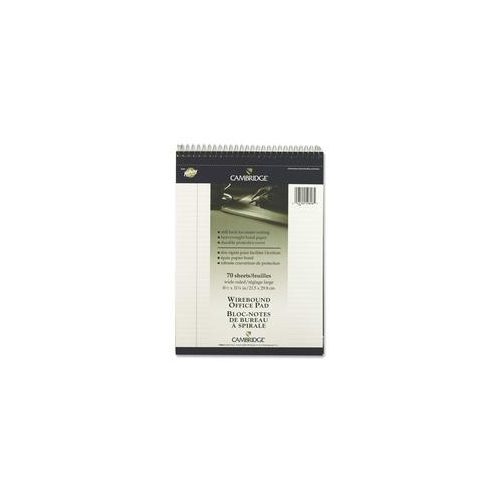
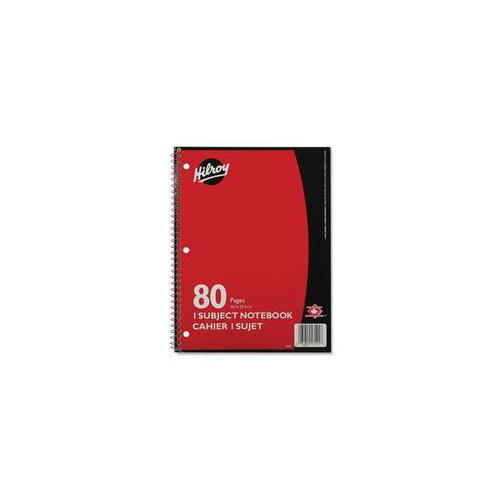
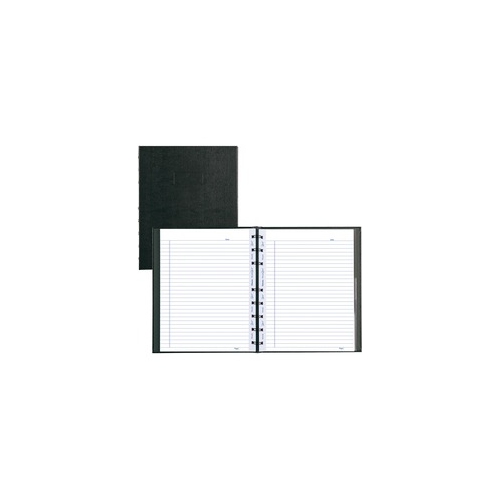
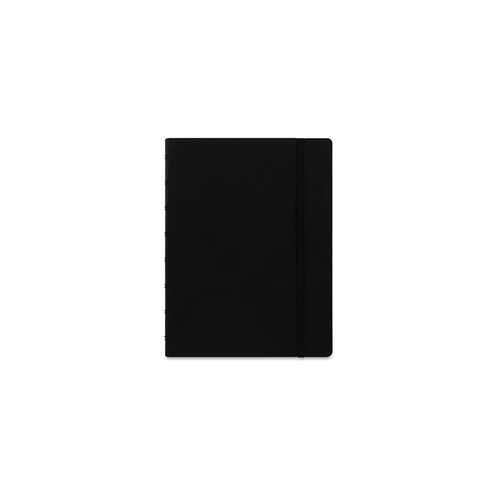
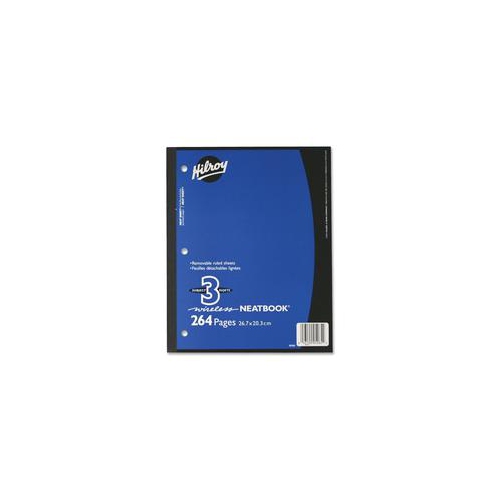
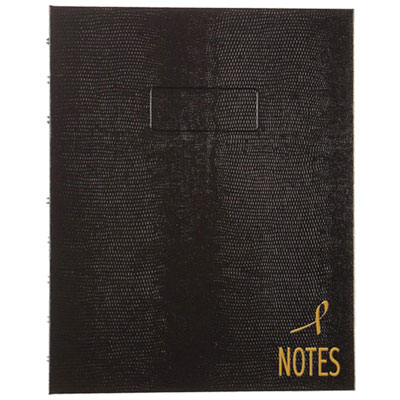
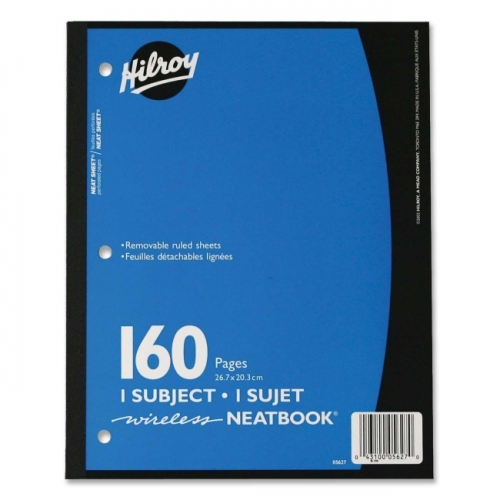
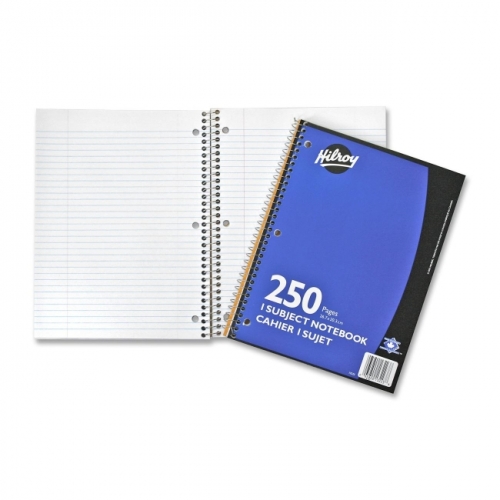
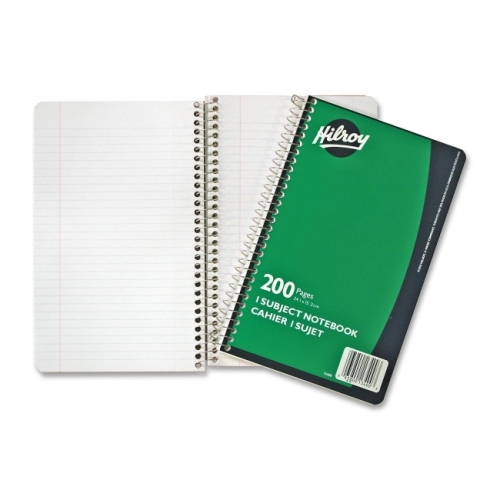
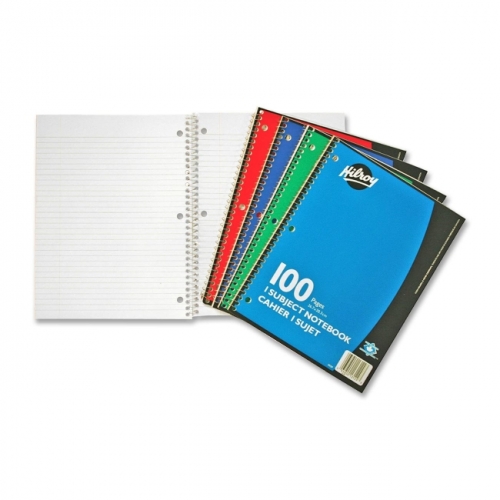
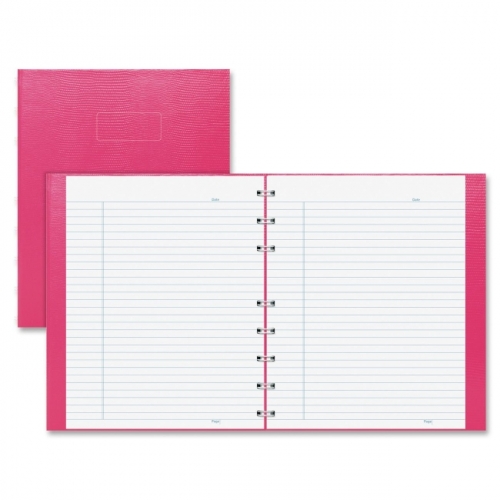
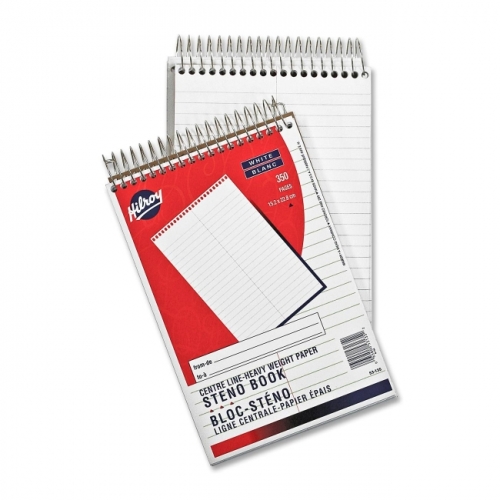

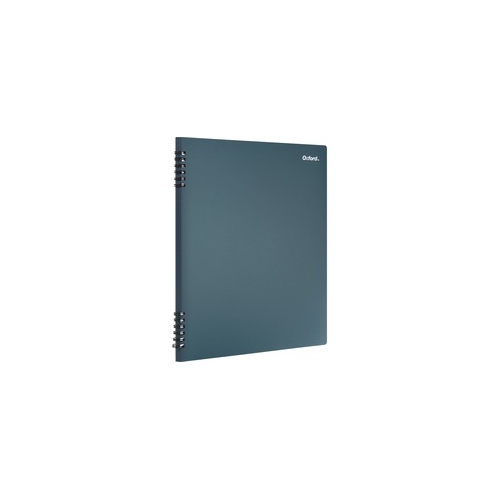
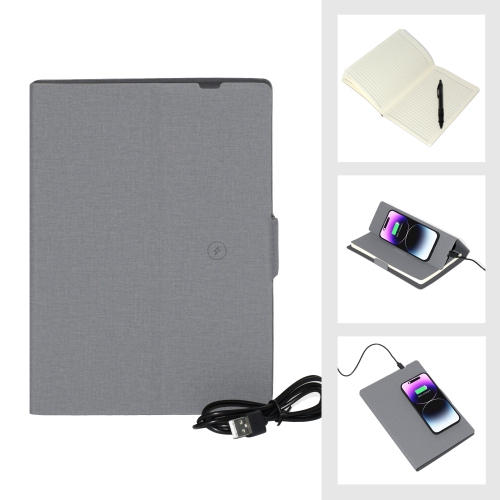
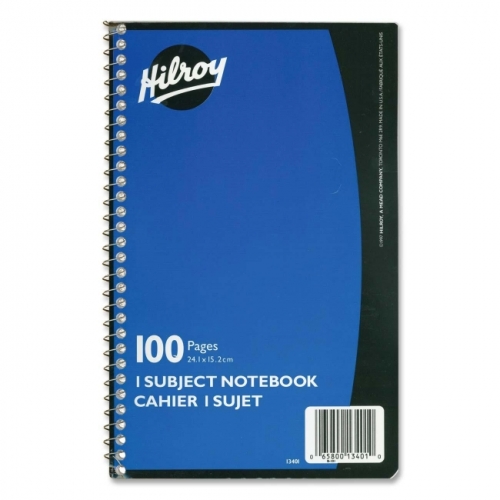
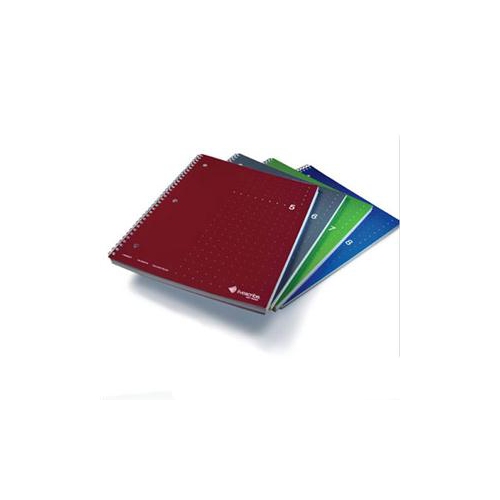
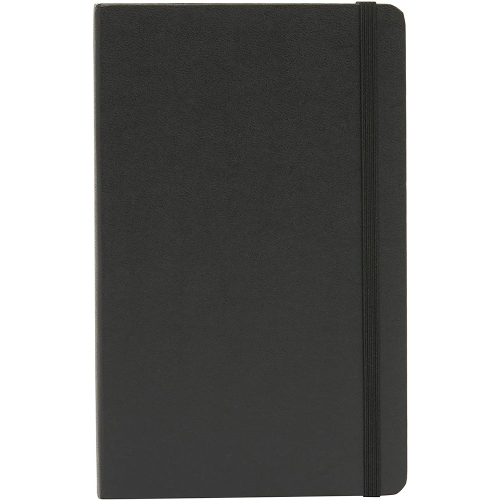





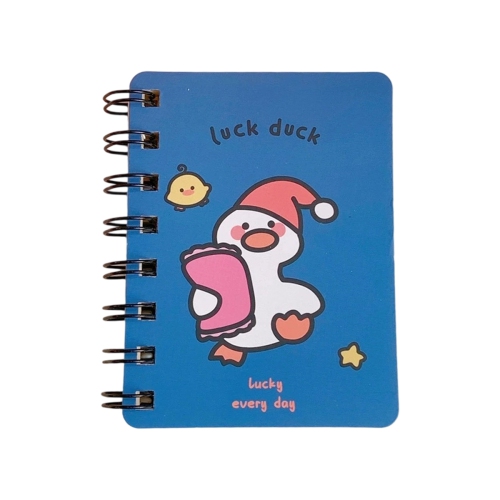
Page formats that fit the way you work
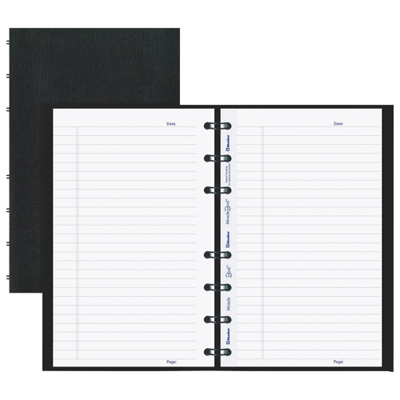
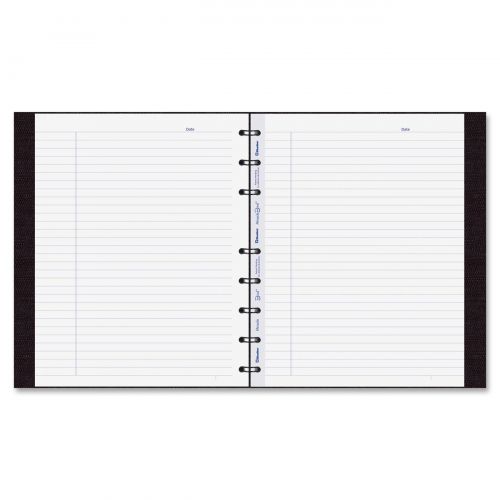
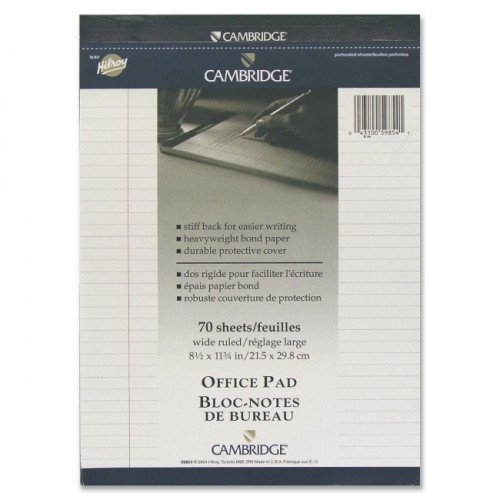
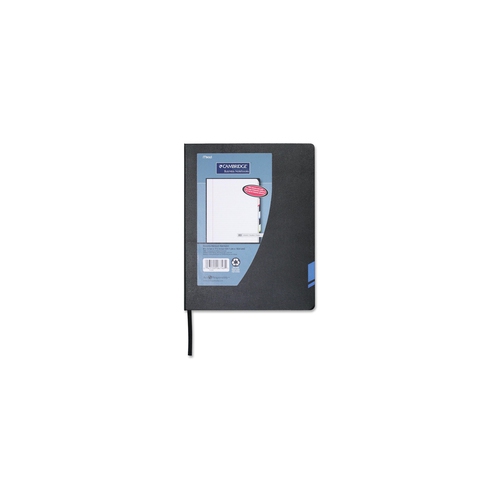
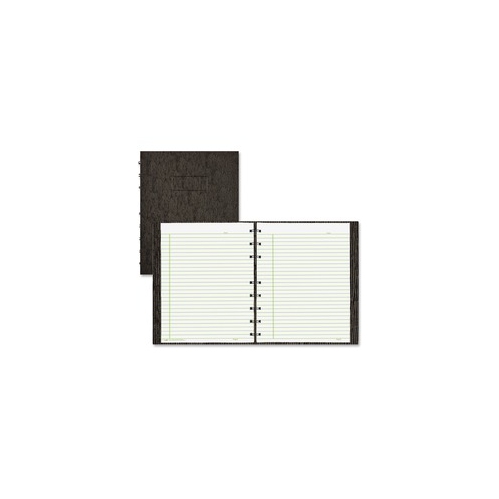
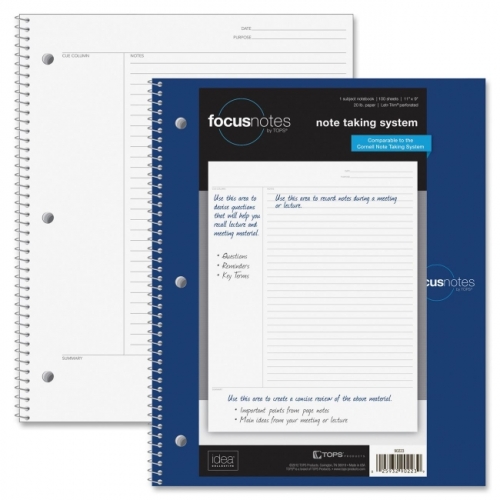
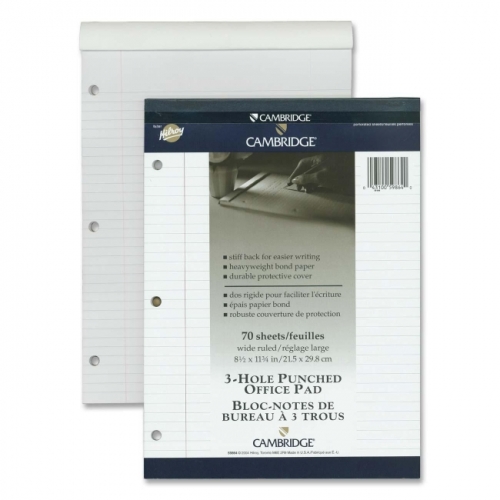
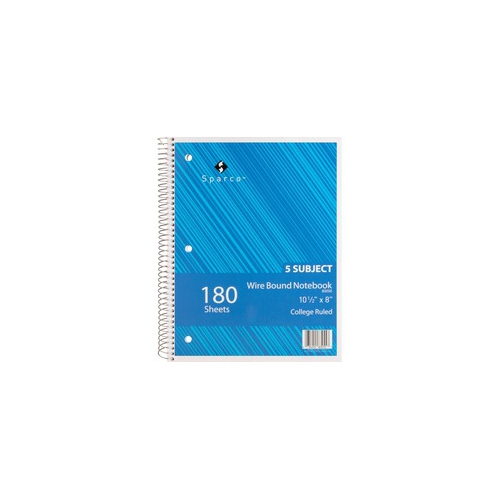
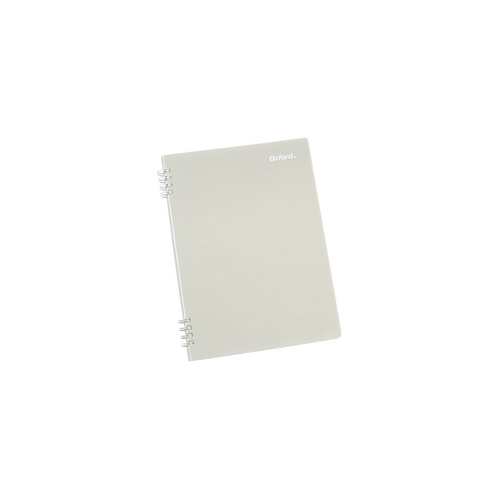
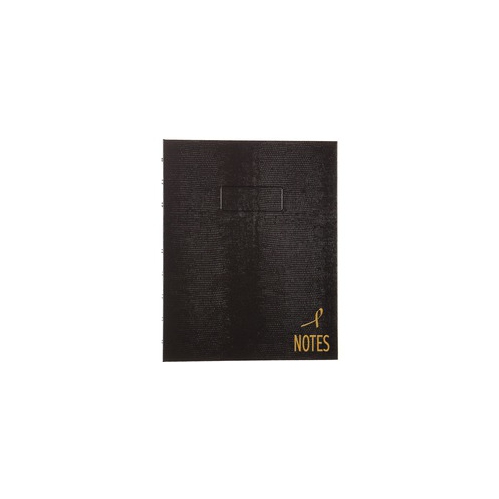
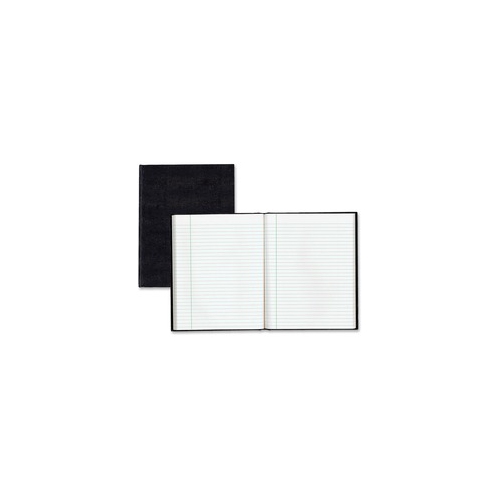
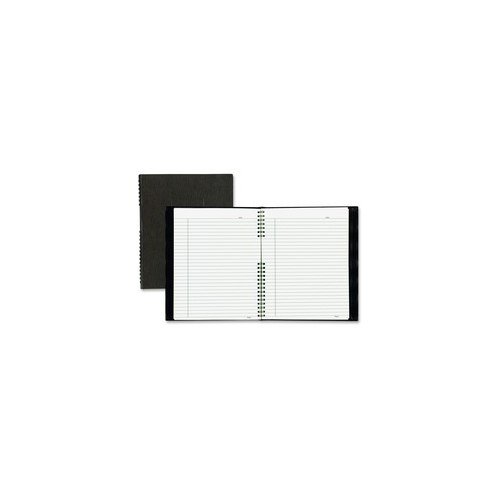
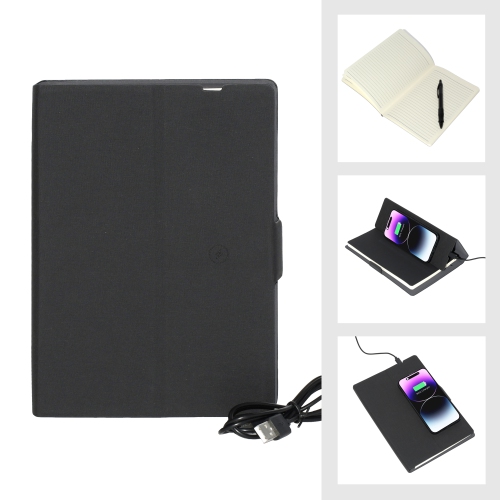
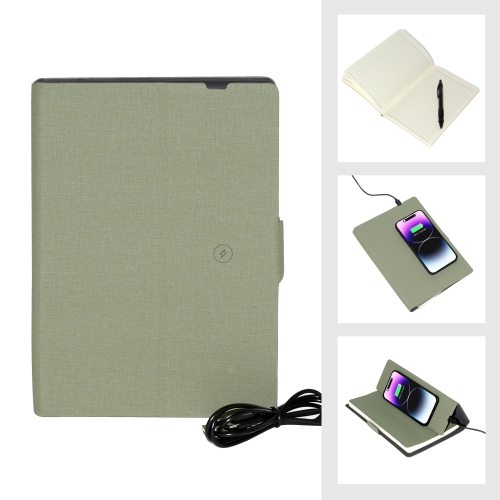
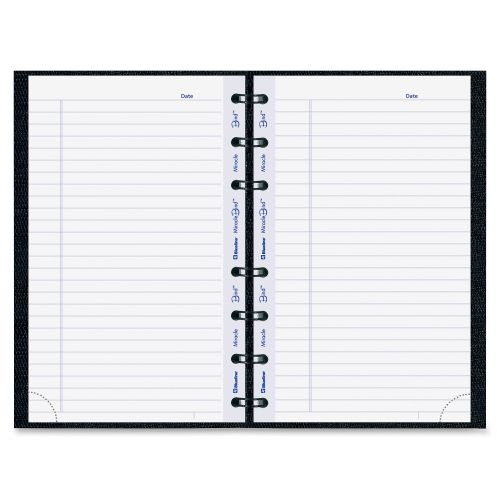
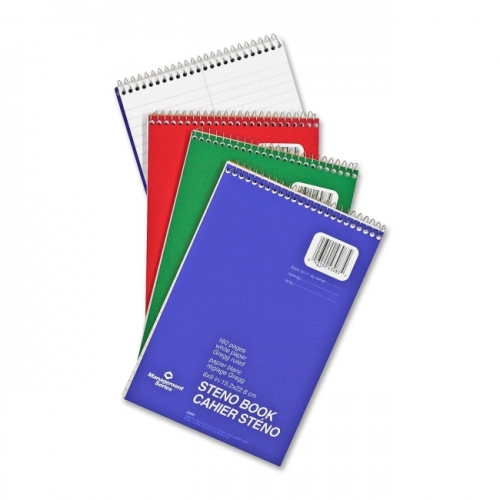
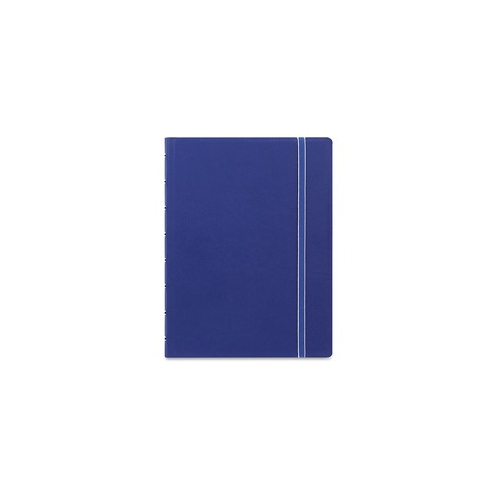
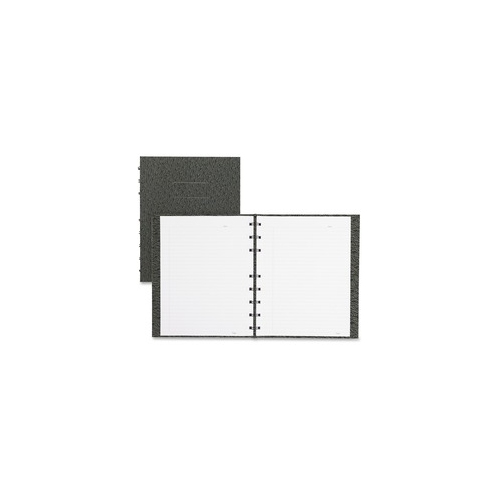
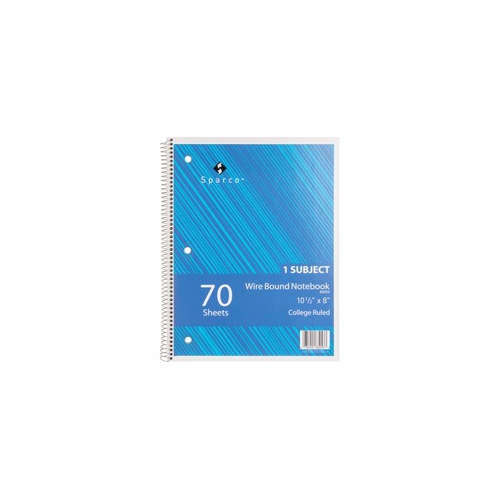
Office notebooks are paper notebooks used for meeting notes, task lists, project planning, and everyday workplace writing. They give passing ideas and important details a place to land, whether that means capturing a client’s comments during a call or outlining the next steps before a team meeting ends. A useful notebook fits both the work and the way its owner takes notes. Ruled pages bring structure to written summaries, while squared paper suits tables, calculations, and quick layouts. Dotted pages offer a lighter framework for checklists, diagrams, and flexible planning, and blank pages leave room for sketches and visual thinking. Page size makes a noticeable difference in daily use. An A4 or letter-sized notebook provides space for detailed minutes, broad diagrams, and notes that need generous margins. An A5 notebook takes up less room beside a keyboard and slips more easily into a work bag, making it practical for moving between desks, meeting rooms, and home offices. Smaller formats suit brief reminders and observations made away from a desk, though they can feel restrictive when a discussion runs long. Page count matters alongside size: a thicker notebook can keep a lengthy project together, while a slimmer one is lighter to carry and easier to dedicate to a single subject. For someone juggling several responsibilities, separate notebooks can distinguish client work from internal planning without mixing unrelated details. A single notebook with clear dates and headings may be a better fit for someone who prefers a continuous account of the working day. The broader Notebooks for Notes theme also suits general writing needs that extend beyond formal office tasks, from training sessions to personal reminders. Across these uses, the most practical format is one that leaves enough space to write comfortably without becoming a burden to carry.
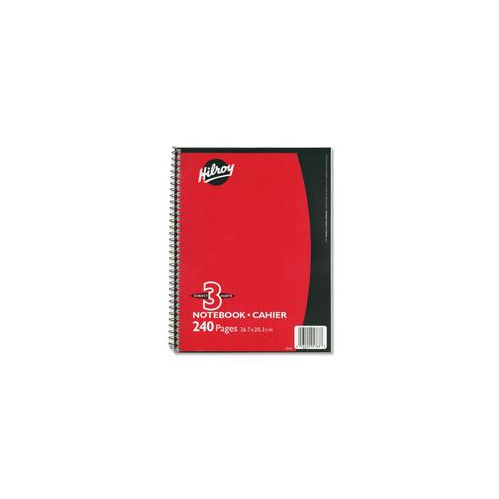
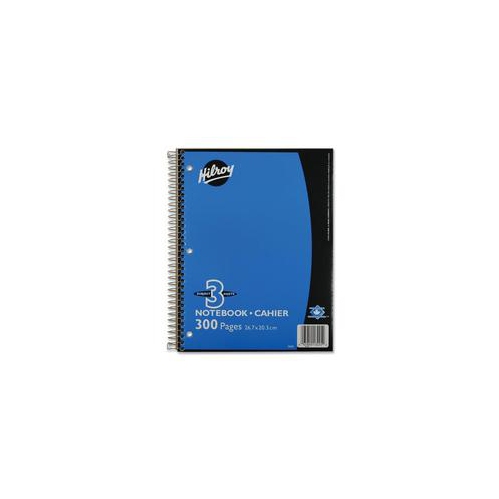
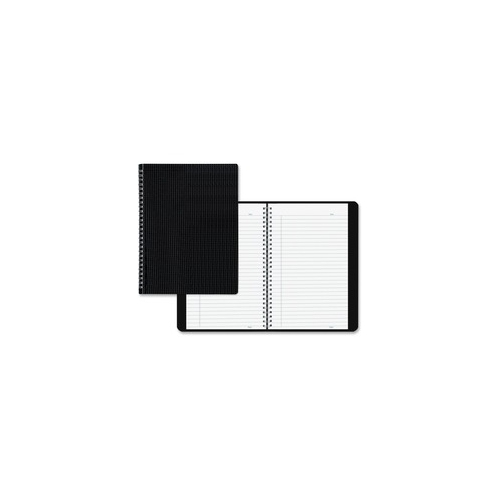
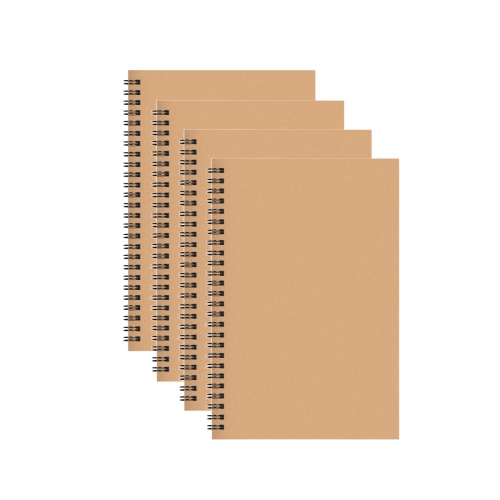
Binding, cover construction, and paper quality shape how an office notebook feels after weeks of regular use. Spiral bindings often allow the cover to fold back, which is helpful when writing on a crowded desk or a small meeting-room table. Twin-wire bindings can offer easy page turning and a flat writing surface, although exposed wire may catch on loose fabric or become bent inside an overfilled bag. Sewn bindings keep pages gathered into a book-like format and can withstand repeated opening, with the ability to lie flat depending on the construction. Glued bindings vary in flexibility, so their suitability depends on whether the notebook will mostly stay open on a desk or be carried and handled throughout the day. Hard covers provide a firmer backing for writing away from a table and help shield page corners during travel. Flexible card covers reduce bulk, while plastic covers can resist light surface splashes; neither a sturdy cover nor a coated finish makes the paper inside waterproof. Fabric and faux-leather finishes offer different textures and appearances, with care requirements that depend on the material. Inside the notebook, paper weight is commonly expressed in grams per square metre, or gsm. Higher-weight paper often feels more substantial, but weight alone does not determine whether ink will spread, show through, or bleed onto the next page. Surface finish, opacity, and the pen being used all contribute. Ballpoint writing generally makes fewer demands on paper than wetter inks, while fountain pens and some markers benefit from paper designed to handle them. Anyone who writes on both sides of a sheet will appreciate good opacity, especially when reviewing closely spaced notes. A smooth surface can help a pen glide, whereas a little texture may feel more comfortable with pencil. Line spacing is equally personal: narrow ruling accommodates compact handwriting, while wider ruling gives larger lettering and quick handwritten notes more breathing room. A comfortable notebook balances these details rather than relying on one specification.
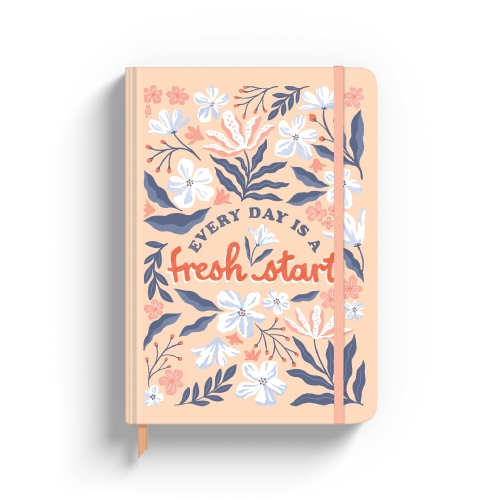
Small functional details often make the greatest difference once a notebook becomes part of a daily routine. Perforated sheets are useful for handing over a task list or separating a draft from permanent notes, provided the tear line leaves the remaining pages secure. Punched sheets can move into a binder when the hole pattern matches, helping connect handwritten work with printed documents. Subject dividers create boundaries between projects, while numbered pages and an index make it easier to find a decision made several meetings earlier. A ribbon marker opens directly to the latest entry; an elastic closure helps keep a notebook shut in transit. An inside pocket can hold a few loose slips, though overfilling it may strain the cover or binding. These features serve different working habits. An administrator may need a dependable place for messages and follow-ups, a project coordinator may prefer room for timelines and changing priorities, and a designer may want pages that accommodate both words and rough sketches. Students entering a placement, colleagues starting a new role, and people setting up a home office may also appreciate a thoughtfully chosen notebook as a practical gift. A restrained cover and an adaptable page layout are sensible choices when the recipient’s writing preferences are unknown. For regular care, keeping notebooks away from drinks, damp surfaces, and prolonged direct sunlight helps protect both covers and written contents. Surface marks on suitable covers may lift with a soft, barely damp cloth, following any material-specific care directions and keeping moisture away from page edges. Carrying a notebook in a separate bag compartment limits rubbing and bent corners, while avoiding excessive pressure on the spine helps preserve its shape. For work that includes private information, physical storage deserves as much attention as page layout: a closed drawer or secure cabinet is more appropriate than an unattended shared desk. With a suitable size, comfortable paper, and construction matched to its intended use, an office notebook can remain a straightforward, reliable place for the details that keep work moving.
Binding, cover construction, and paper quality shape how an office notebook feels after weeks of regular use. Spiral bindings often allow the cover to fold back, which is helpful when writing on a crowded desk or a small meeting-room table. Twin-wire bindings can offer easy page turning and a flat writing surface, although exposed wire may catch on loose fabric or become bent inside an overfilled bag. Sewn bindings keep pages gathered into a book-like format and can withstand repeated opening, with the ability to lie flat depending on the construction. Glued bindings vary in flexibility, so their suitability depends on whether the notebook will mostly stay open on a desk or be carried and handled throughout the day. Hard covers provide a firmer backing for writing away from a table and help shield page corners during travel. Flexible card covers reduce bulk, while plastic covers can resist light surface splashes; neither a sturdy cover nor a coated finish makes the paper inside waterproof. Fabric and faux-leather finishes offer different textures and appearances, with care requirements that depend on the material. Inside the notebook, paper weight is commonly expressed in grams per square metre, or gsm. Higher-weight paper often feels more substantial, but weight alone does not determine whether ink will spread, show through, or bleed onto the next page. Surface finish, opacity, and the pen being used all contribute. Ballpoint writing generally makes fewer demands on paper than wetter inks, while fountain pens and some markers benefit from paper designed to handle them. Anyone who writes on both sides of a sheet will appreciate good opacity, especially when reviewing closely spaced notes. A smooth surface can help a pen glide, whereas a little texture may feel more comfortable with pencil. Line spacing is equally personal: narrow ruling accommodates compact handwriting, while wider ruling gives larger lettering and quick handwritten notes more breathing room. A comfortable notebook balances these details rather than relying on one specification.
Small functional details often make the greatest difference once a notebook becomes part of a daily routine. Perforated sheets are useful for handing over a task list or separating a draft from permanent notes, provided the tear line leaves the remaining pages secure. Punched sheets can move into a binder when the hole pattern matches, helping connect handwritten work with printed documents. Subject dividers create boundaries between projects, while numbered pages and an index make it easier to find a decision made several meetings earlier. A ribbon marker opens directly to the latest entry; an elastic closure helps keep a notebook shut in transit. An inside pocket can hold a few loose slips, though overfilling it may strain the cover or binding. These features serve different working habits. An administrator may need a dependable place for messages and follow-ups, a project coordinator may prefer room for timelines and changing priorities, and a designer may want pages that accommodate both words and rough sketches. Students entering a placement, colleagues starting a new role, and people setting up a home office may also appreciate a thoughtfully chosen notebook as a practical gift. A restrained cover and an adaptable page layout are sensible choices when the recipient’s writing preferences are unknown. For regular care, keeping notebooks away from drinks, damp surfaces, and prolonged direct sunlight helps protect both covers and written contents. Surface marks on suitable covers may lift with a soft, barely damp cloth, following any material-specific care directions and keeping moisture away from page edges. Carrying a notebook in a separate bag compartment limits rubbing and bent corners, while avoiding excessive pressure on the spine helps preserve its shape. For work that includes private information, physical storage deserves as much attention as page layout: a closed drawer or secure cabinet is more appropriate than an unattended shared desk. With a suitable size, comfortable paper, and construction matched to its intended use, an office notebook can remain a straightforward, reliable place for the details that keep work moving.
Top selling and popular products
-
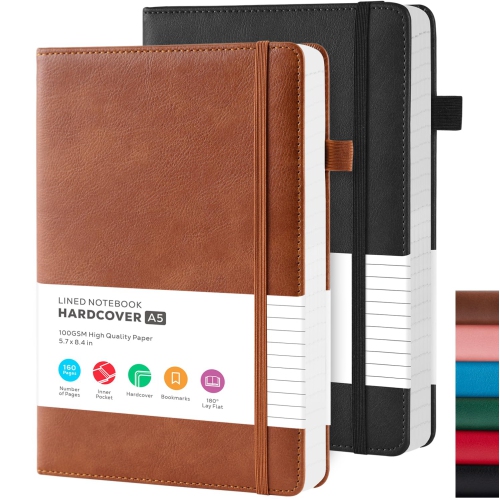 Your price for this item is $44.99
 -
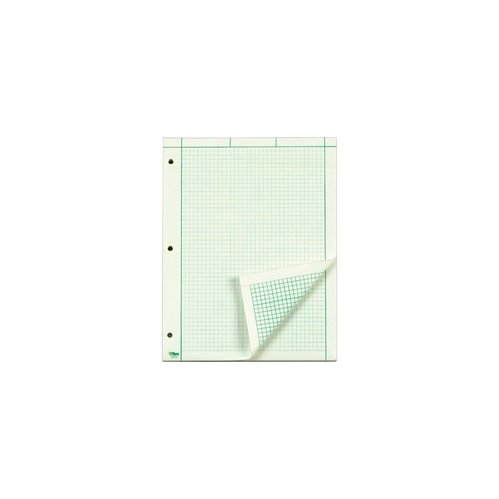 Your price for this item is $29.99
 -
 Your price for this item is $7.99
 -
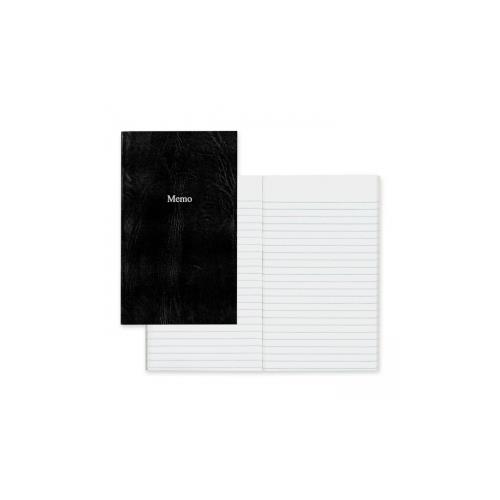 Your price for this item is $3.99
 -
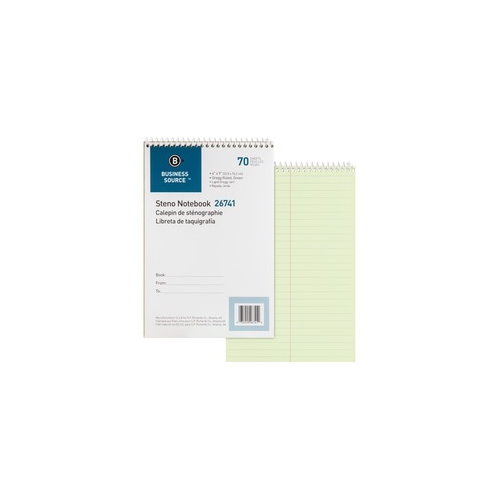 Your price for this item is $2.99
 -
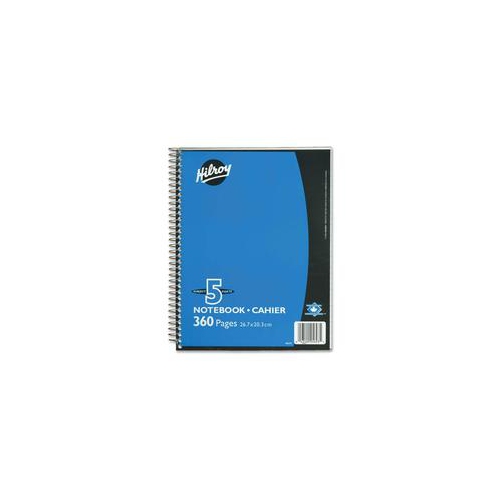 Your price for this item is $9.99
 -
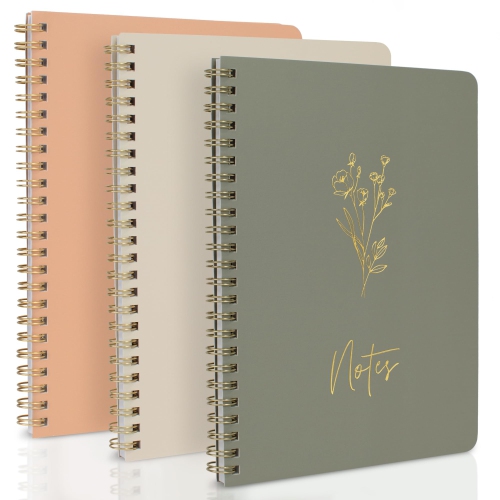 Your price for this item is $46.99
 -
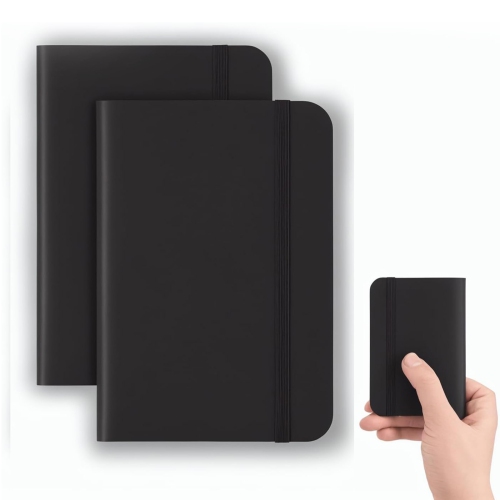 Your price for this item is $18.99
Discover more categories related to Office Notebooks
Top Collections:
Pokemon Centers, Budget 4K TVs, Best Budget Office Chairs, Kindle Devices, Canon G7X Cameras, Apple iPhones 16, iPhone 15 Apple, Laptops for Business Work, Xiaomi Phones, Flip Phones
Some products may be subject to Environmental Handling Fees
(EHF) depending on your province.
Learn more about EHFs.