Plastic Dividers
Organizing your space has never been easier with our wide selection of plastic dividers. Whether you're looking to tidy up your office, create separate compartments in your drawers, or keep your belongings neatly arranged in your closet, these versatile dividers are here to help. Made from durable and lightweight materials, these plastic dividers are designed to withstand everyday use while providing a practical solution to decluttering.
Sort

![CROSLEY : Vinyl Dividers - Ac1054A-Wh - [Electronics] In White](https://multimedia.bbycastatic.ca/multimedia/products/500x500/193/19384/19384298.jpeg)
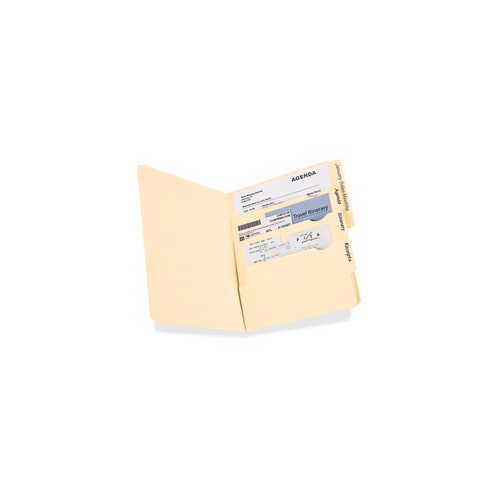
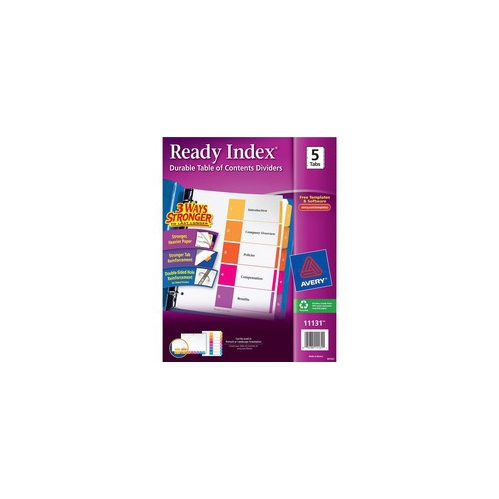
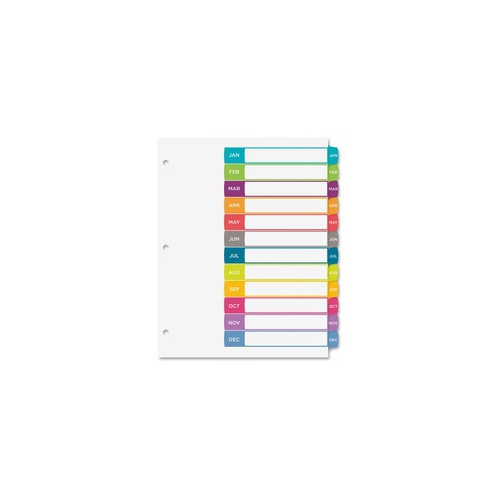
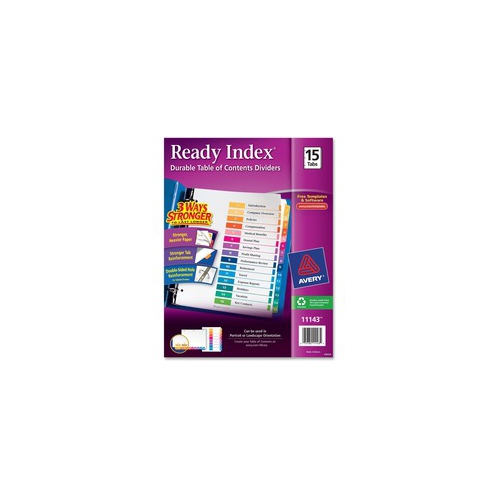
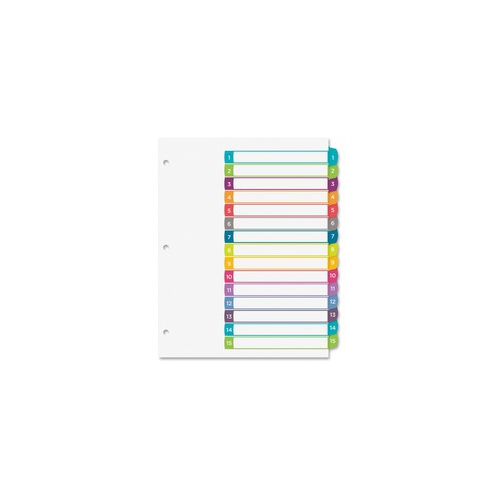
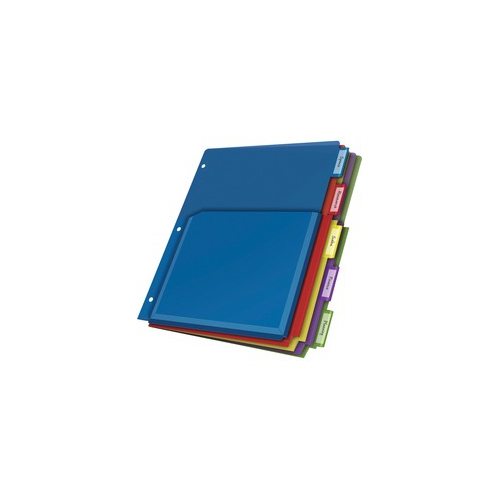
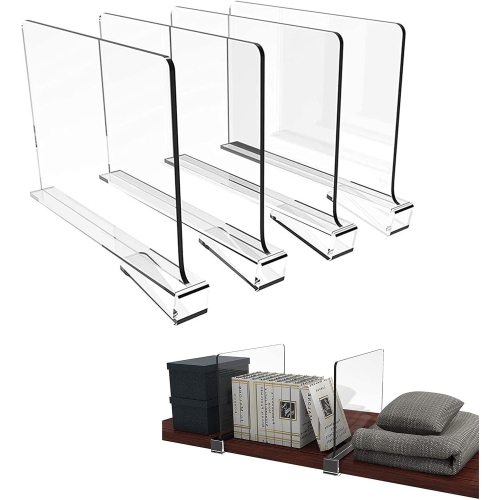
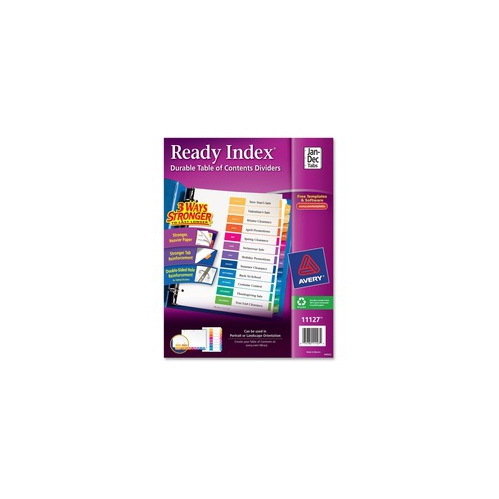
Organized sections for school, work, and home paperwork
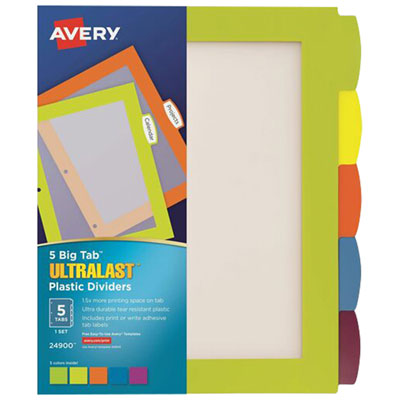
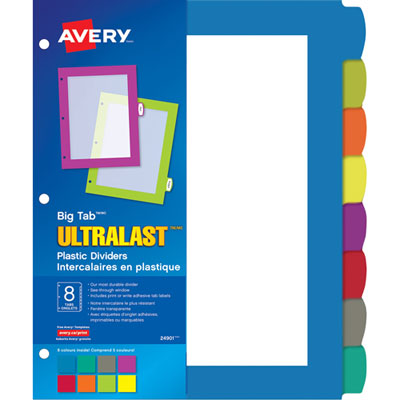
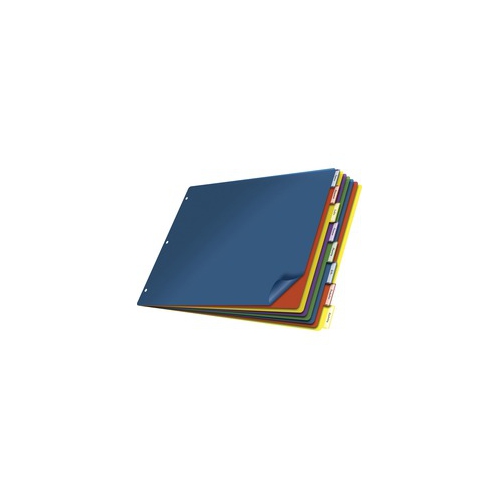
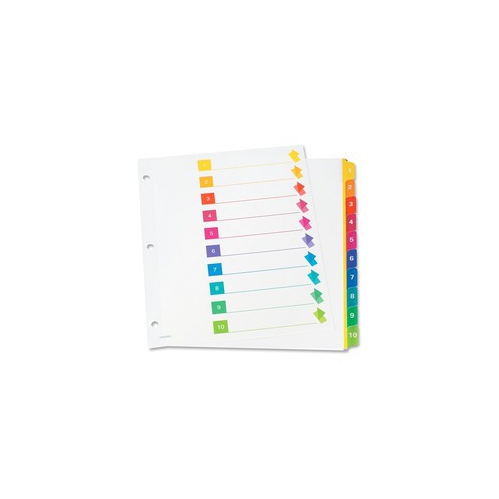
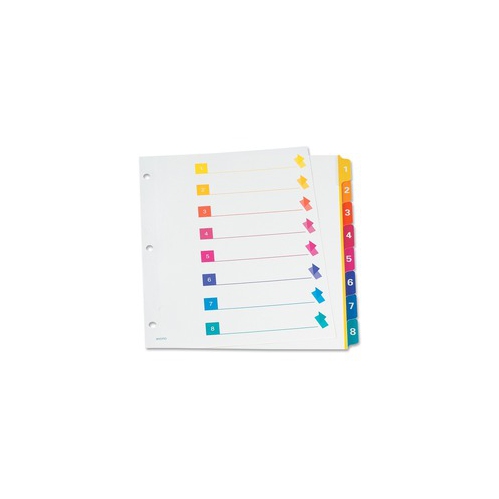
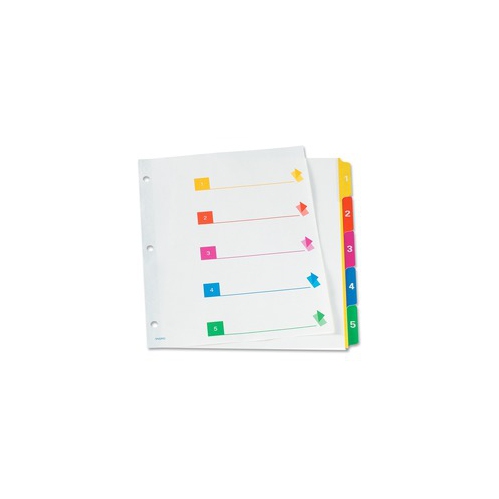
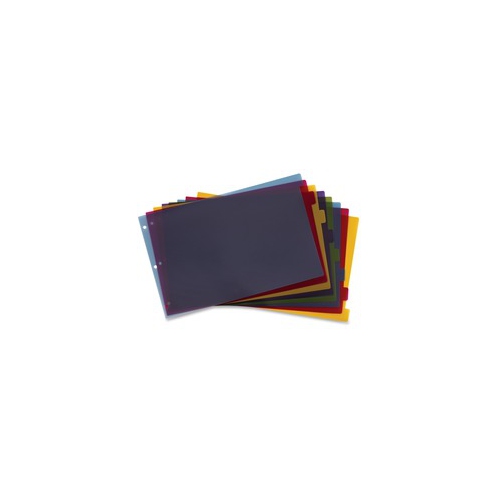
Plastic dividers are a practical way to bring order to binders, folders, and other ring-bound filing systems used at home, school, or work. Made from flexible plastic such as polypropylene, they are designed to handle frequent page turning while helping protect the contents of a binder from bent corners, spills, and everyday handling. Unlike loose sheets that can quickly become mixed together, dividers create clear sections for subjects, projects, clients, recipes, receipts, schedules, or household records. They are especially useful for students assembling notes throughout the school year, teachers organizing lesson materials, and families keeping important documents together in one easy-to-find place. In a home office, a set of dividers can separate invoices, warranties, tax paperwork, reference pages, and upcoming tasks without requiring several separate binders. They can also help bring a little calm to a busy desk: a quick glance at the tabs shows where everything belongs, while the durable plastic surface makes it easy to move sections around as priorities change. During the cooler months, when indoor routines often include more studying, planning, and paperwork, well-organized binders can make those small daily tasks feel much more manageable.
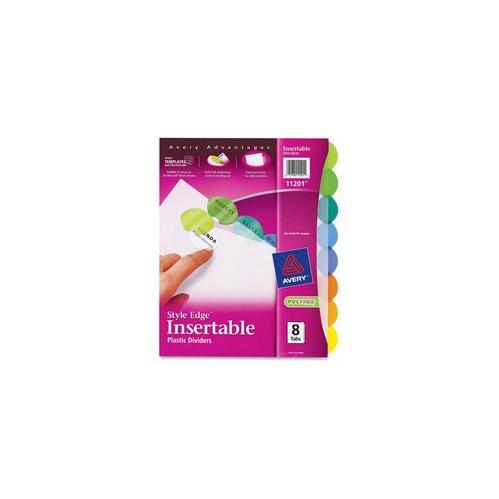
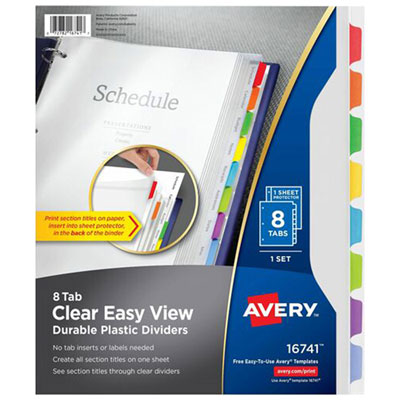
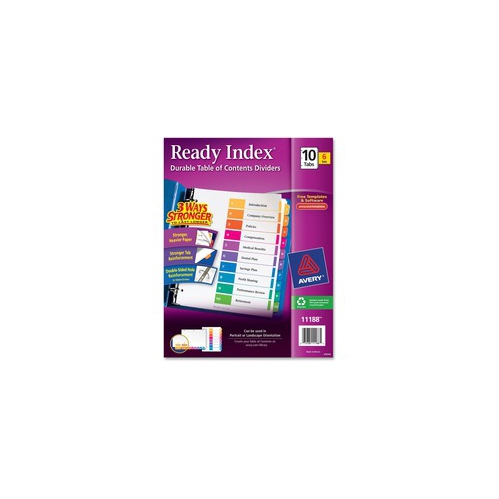
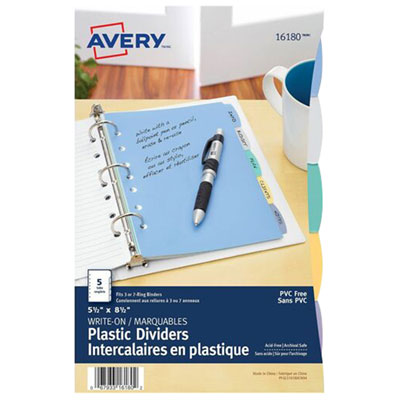
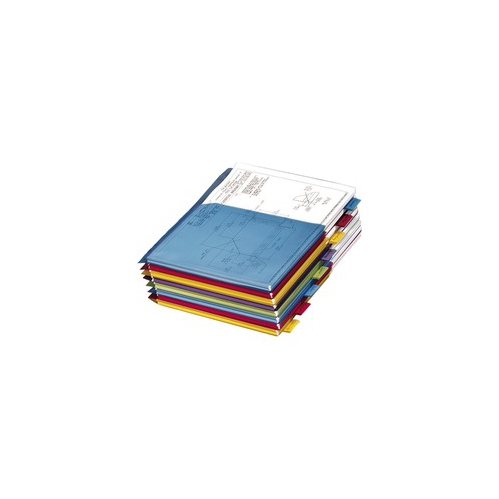
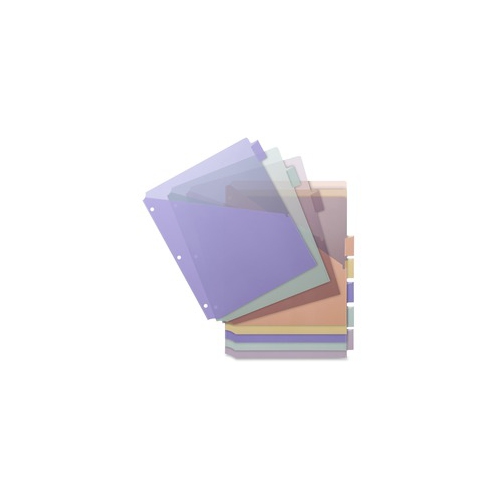
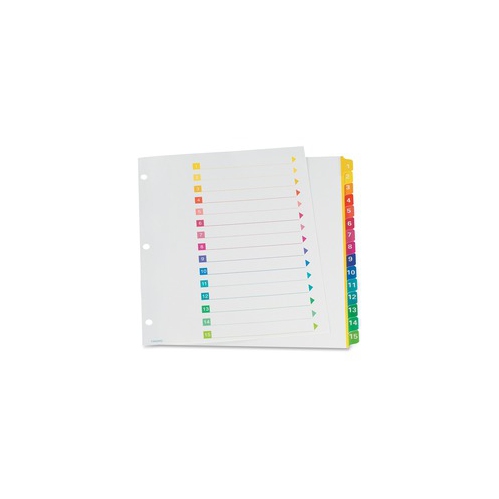
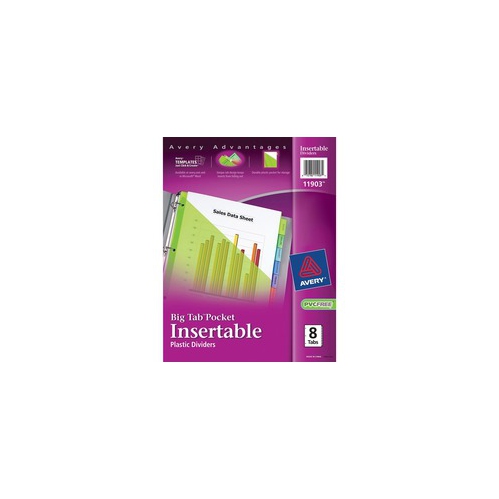
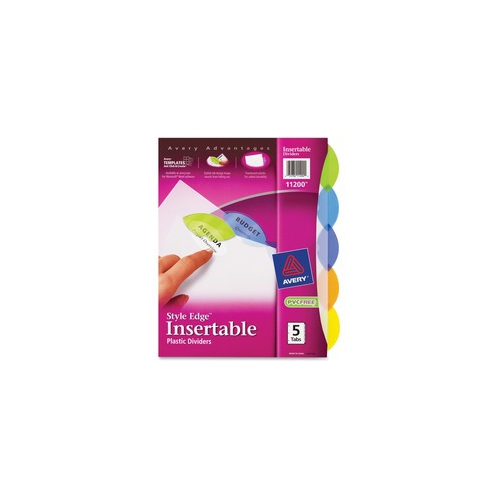
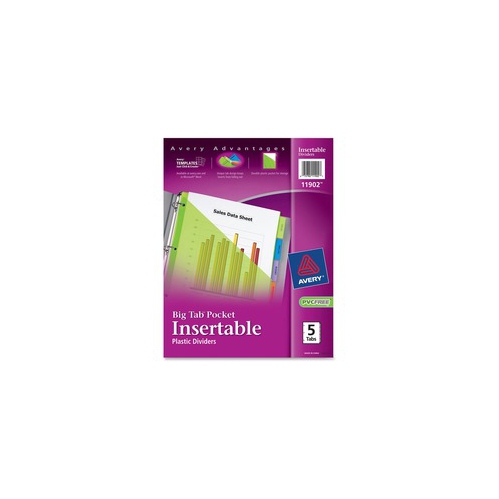
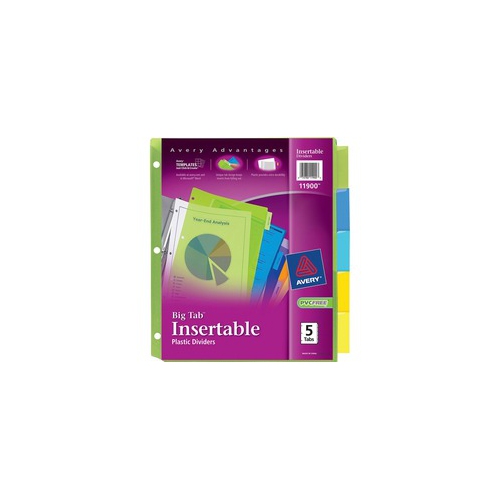
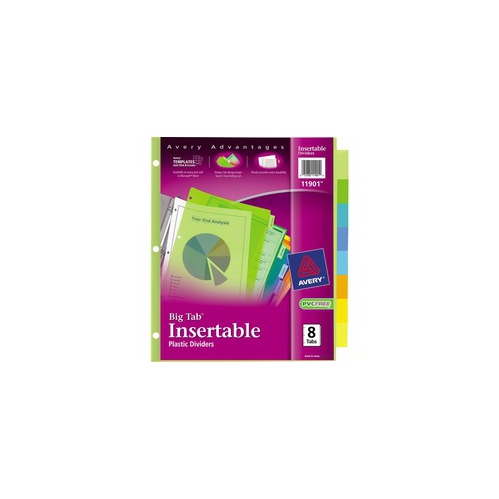
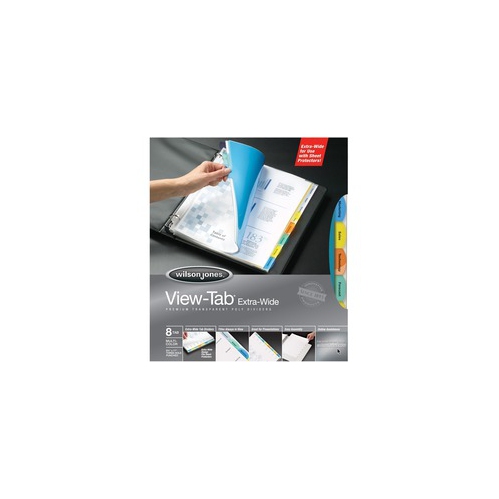
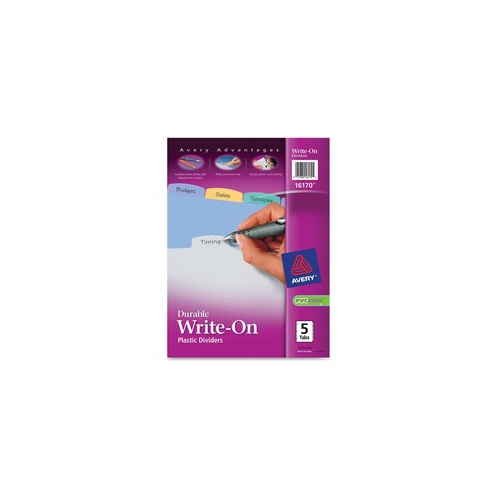
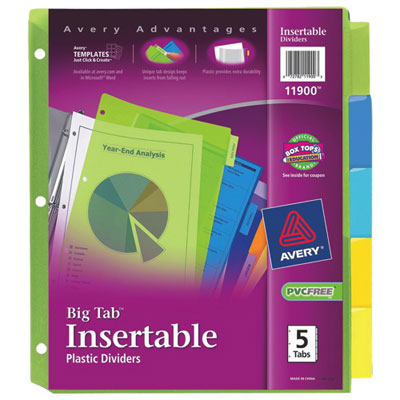
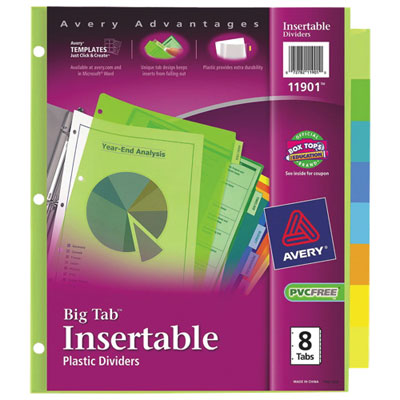
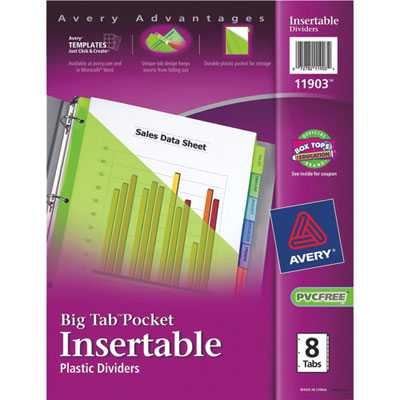
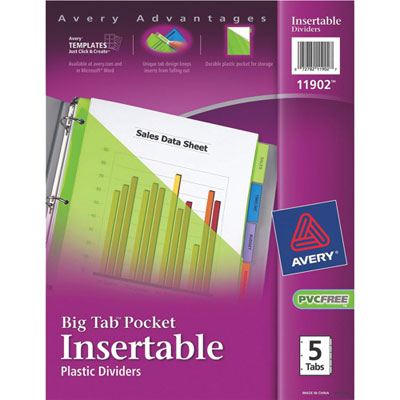
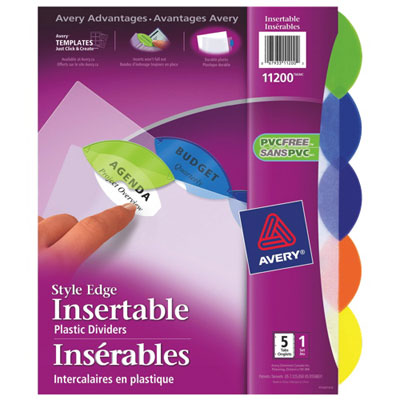
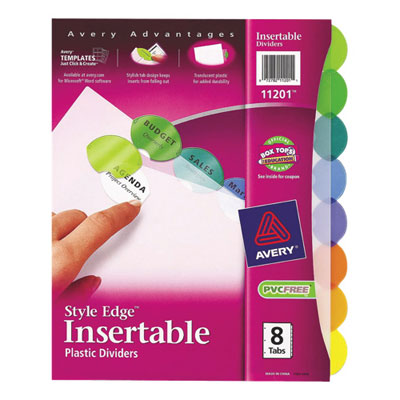
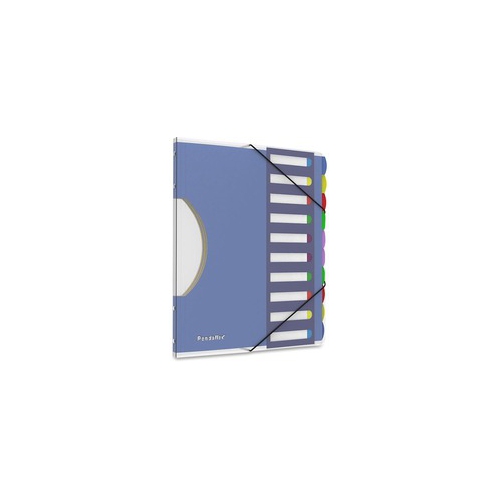
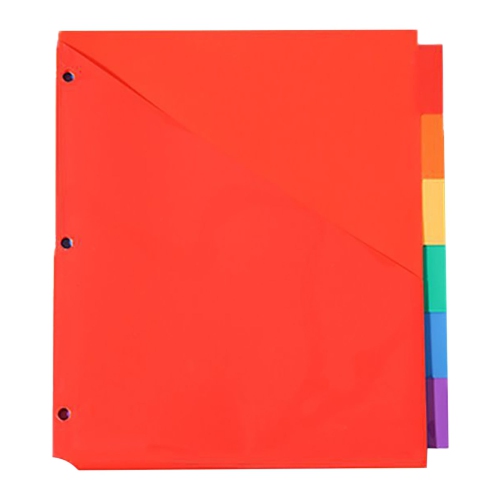
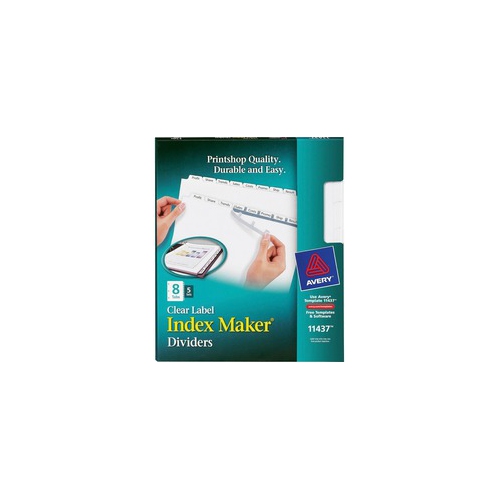
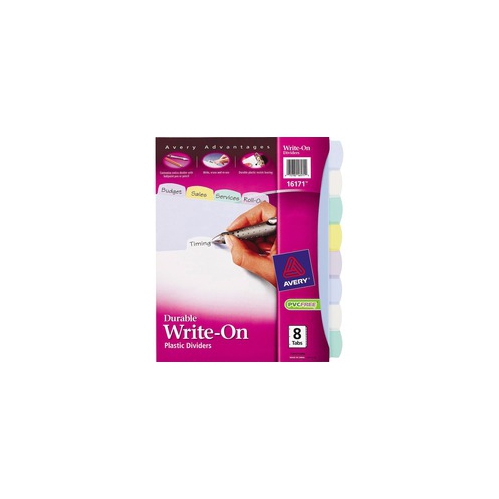
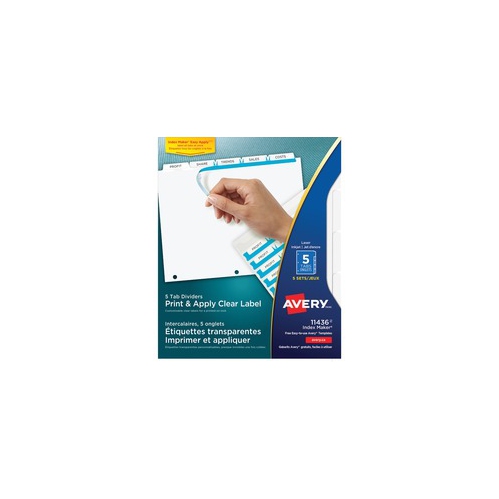
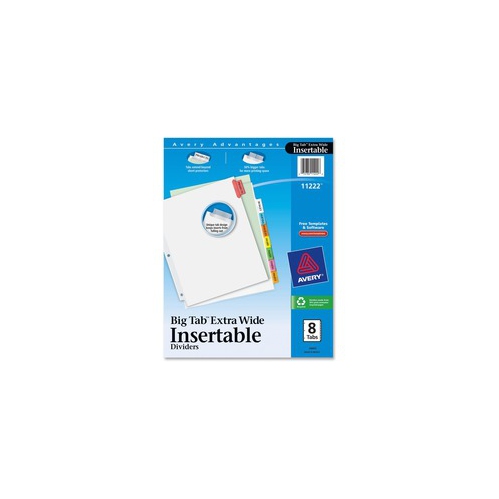
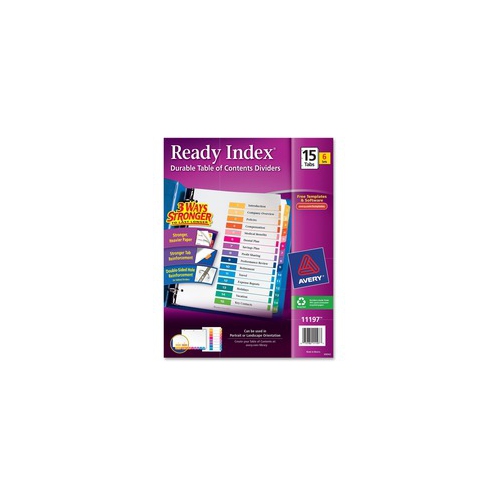
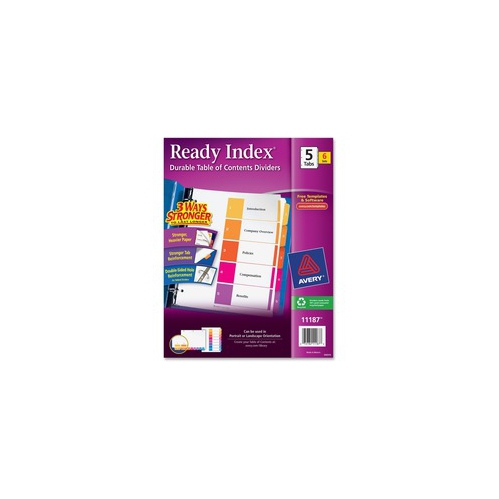
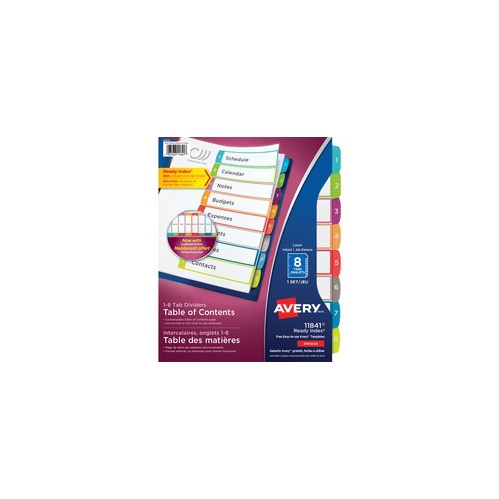
The number and style of tabs are among the most important details to consider. A smaller set may be suitable for a short project or a basic school binder, while five-tab, eight-tab, or larger sets are useful for extensive notes, multi-part assignments, or shared household records. Look closely at the tab design as well. Fixed tabs are ready to use and provide a straightforward way to label each section, while write-on tabs allow labels to be changed as your filing system evolves. Insertable tabs provide a separate label area, often with more room for printing or handwritten descriptions, and can be convenient when several people need to read the contents quickly. Label space matters more than it may seem; narrow tabs are fine for short headings such as “Math” or “Bills,” but wider tabs are helpful for longer names, dates, project numbers, or recurring categories. Plastic dividers with reinforced ring holes are a sensible choice for binders that will be opened often, especially in classrooms, shared offices, and student backpacks. It is also worth checking the hole spacing to make sure the dividers match the binder you plan to use. Some styles include pockets, which are particularly helpful for storing permission forms, handouts, receipts, flash cards, or loose pages that have not yet been filed. A pocket can turn a simple divider into a useful landing place for papers that might otherwise end up folded inside the front cover or left on a countertop. When comparing options, consider the binder size, the number of sections required, the amount of writing space on each tab, and whether you prefer a simple flat divider or a more flexible filing solution such as Foldable Dividers for storage and organization beyond a standard ring binder.
Plastic dividers can suit many different users, making them a thoughtful and useful addition to a back-to-school supply collection, a home-office refresh, or a practical gift for someone beginning a new course, job, or personal project. A university student might use them to keep lecture notes, lab information, reading lists, and assignment instructions separated within one binder. A parent could organize school calendars, activity schedules, medical information, and childcare contacts in clearly marked sections. At work, dividers help separate meeting notes, active projects, training documents, and reference materials, making it easier to carry a complete set of information from one room to another. They are also useful for hobbies: a cook can sort recipes by type, a crafter can file patterns and supply lists, and a traveller can keep reservations, packing lists, maps, and confirmations together. For a binder that travels frequently, choose sturdy plastic with smooth edges and secure tabs that will not catch easily on pages or in a bag. For a binder that stays on a shelf, a pocketed style may offer the greatest flexibility for collecting loose paperwork. Prices commonly range from about $1 to $9 CAD, with the final cost influenced by the number of tabs, the thickness of the plastic, the inclusion of pockets, and features such as write-and-erase surfaces or insertable labels. Thinking about how the dividers will be handled, labelled, and stored can help narrow the selection to a set that feels natural to use. The best option is one that gives every section a clear home and remains easy to update when a new class, client, project, recipe, or household responsibility comes along.
The number and style of tabs are among the most important details to consider. A smaller set may be suitable for a short project or a basic school binder, while five-tab, eight-tab, or larger sets are useful for extensive notes, multi-part assignments, or shared household records. Look closely at the tab design as well. Fixed tabs are ready to use and provide a straightforward way to label each section, while write-on tabs allow labels to be changed as your filing system evolves. Insertable tabs provide a separate label area, often with more room for printing or handwritten descriptions, and can be convenient when several people need to read the contents quickly. Label space matters more than it may seem; narrow tabs are fine for short headings such as “Math” or “Bills,” but wider tabs are helpful for longer names, dates, project numbers, or recurring categories. Plastic dividers with reinforced ring holes are a sensible choice for binders that will be opened often, especially in classrooms, shared offices, and student backpacks. It is also worth checking the hole spacing to make sure the dividers match the binder you plan to use. Some styles include pockets, which are particularly helpful for storing permission forms, handouts, receipts, flash cards, or loose pages that have not yet been filed. A pocket can turn a simple divider into a useful landing place for papers that might otherwise end up folded inside the front cover or left on a countertop. When comparing options, consider the binder size, the number of sections required, the amount of writing space on each tab, and whether you prefer a simple flat divider or a more flexible filing solution such as Foldable Dividers for storage and organization beyond a standard ring binder.
Plastic dividers can suit many different users, making them a thoughtful and useful addition to a back-to-school supply collection, a home-office refresh, or a practical gift for someone beginning a new course, job, or personal project. A university student might use them to keep lecture notes, lab information, reading lists, and assignment instructions separated within one binder. A parent could organize school calendars, activity schedules, medical information, and childcare contacts in clearly marked sections. At work, dividers help separate meeting notes, active projects, training documents, and reference materials, making it easier to carry a complete set of information from one room to another. They are also useful for hobbies: a cook can sort recipes by type, a crafter can file patterns and supply lists, and a traveller can keep reservations, packing lists, maps, and confirmations together. For a binder that travels frequently, choose sturdy plastic with smooth edges and secure tabs that will not catch easily on pages or in a bag. For a binder that stays on a shelf, a pocketed style may offer the greatest flexibility for collecting loose paperwork. Prices commonly range from about $1 to $9 CAD, with the final cost influenced by the number of tabs, the thickness of the plastic, the inclusion of pockets, and features such as write-and-erase surfaces or insertable labels. Thinking about how the dividers will be handled, labelled, and stored can help narrow the selection to a set that feels natural to use. The best option is one that gives every section a clear home and remains easy to update when a new class, client, project, recipe, or household responsibility comes along.
Top selling and popular products
-
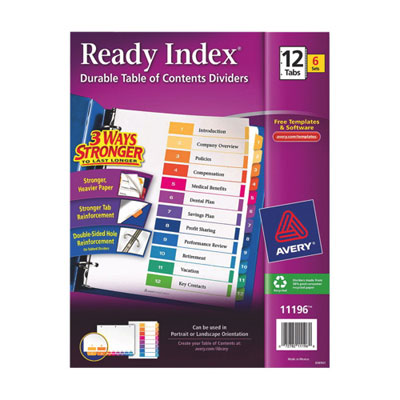 Your price for this item is $29.99
 -
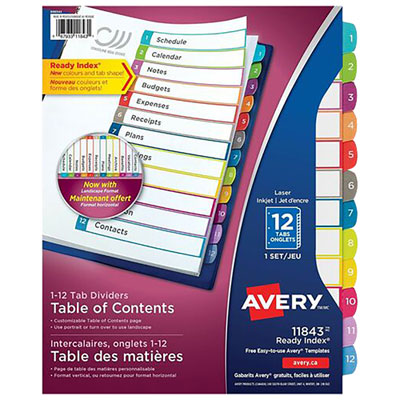 Your price for this item is $4.99
 -
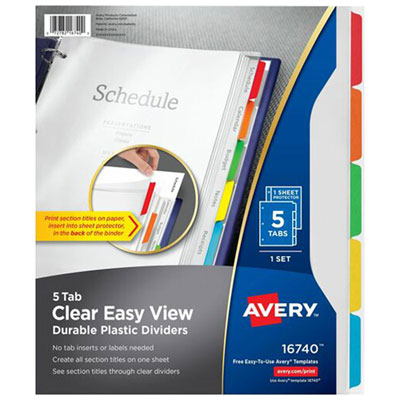 Your price for this item is $4.99
 -
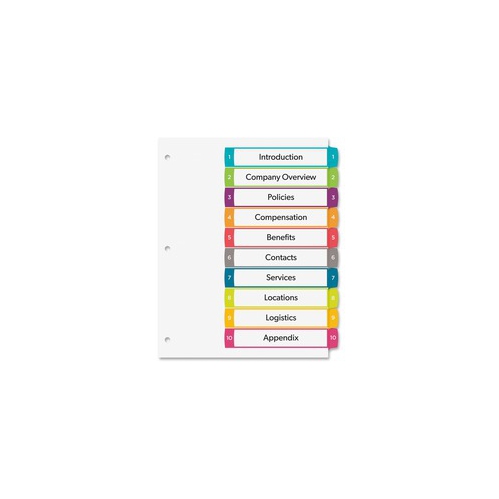 Your price for this item is $4.99
 -
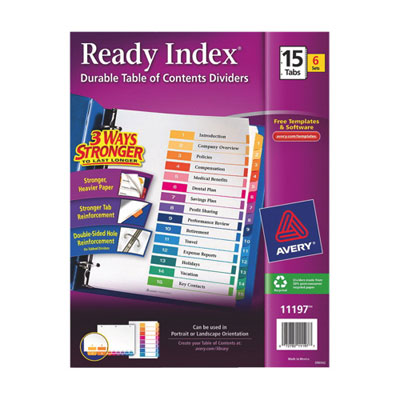 Your price for this item is $36.99
 -
 Your price for this item is $33.99
 -
 Your price for this item is $12.99
 -
 Your price for this item is $3.99
Discover more categories related to Plastic Dividers
Top Collections:
Pokemon Centers, Kindle Devices, Best Budget Office Chairs, Apple iPhones 16, Best Laptops for Writers, iPhone 15 Apple, Canon G7X Cameras, Refurbished Apple Laptops, Alarm Clock, Motorola Razr Phones
Some products may be subject to Environmental Handling Fees
(EHF) depending on your province.
Learn more about EHFs.