Foldable Dividers
Maximize your space and enhance organization with versatile foldable dividers, perfect for any room in your home or office. These practical solutions offer a stylish way to create distinct areas without the need for permanent fixtures. Whether you're looking to separate a shared bedroom, add privacy to an open-plan living area, or simply want to keep your workspace tidy, foldable dividers provide the flexibility and convenience you need. Explore a range of designs and materials that seamlessly blend with your existing decor while offering the adaptability to change as your needs evolve.
Sort
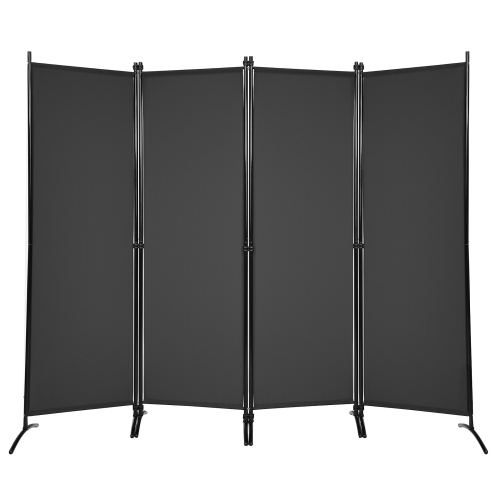
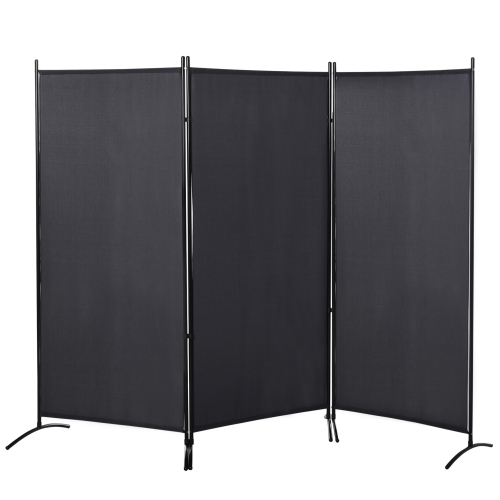
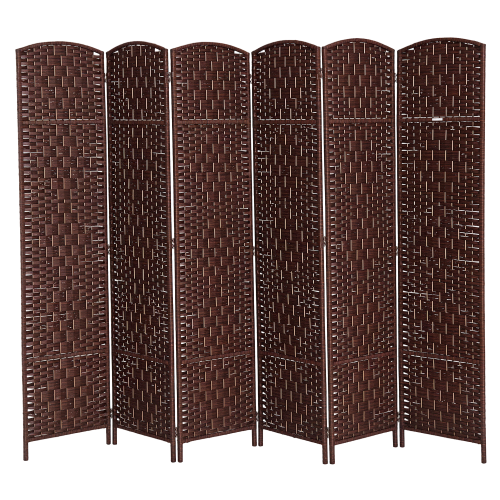
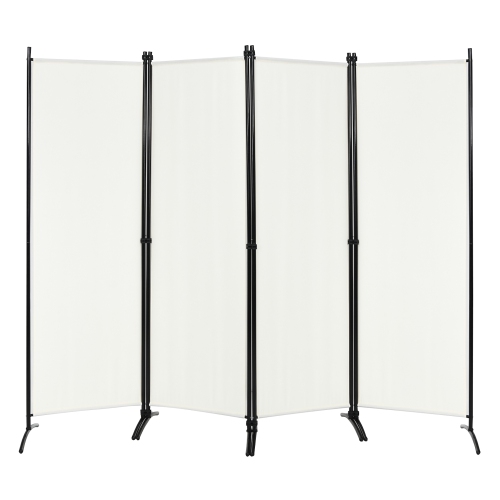
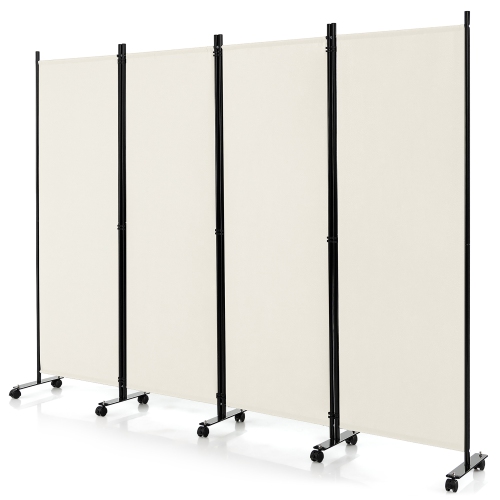
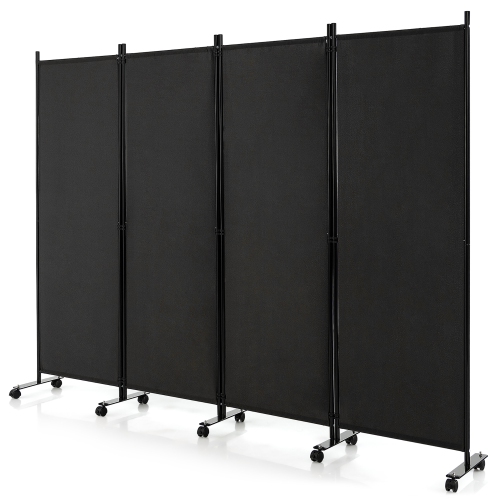
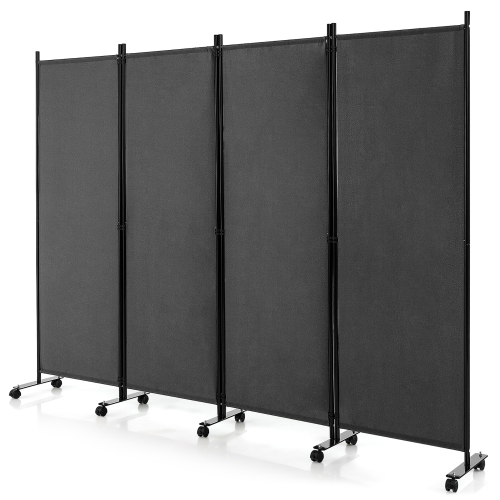
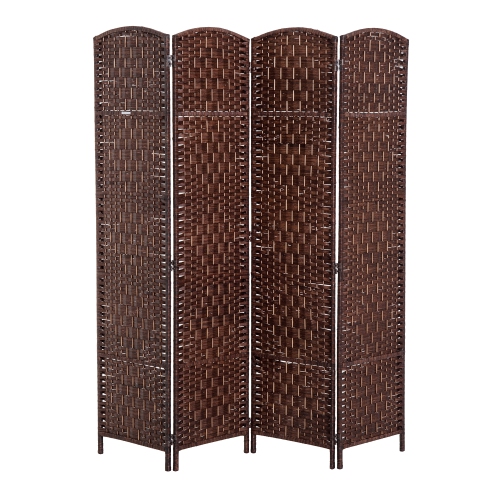
Flexible privacy for changing spaces, work areas and guests
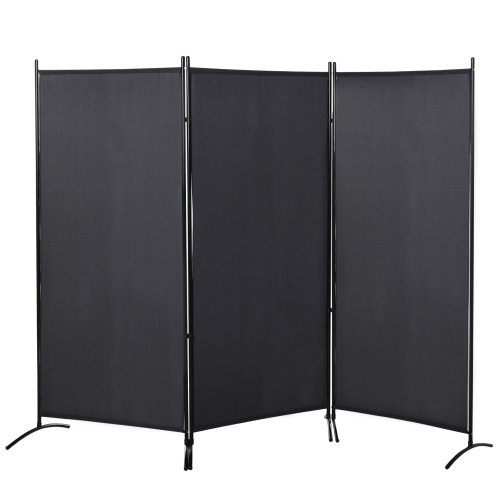
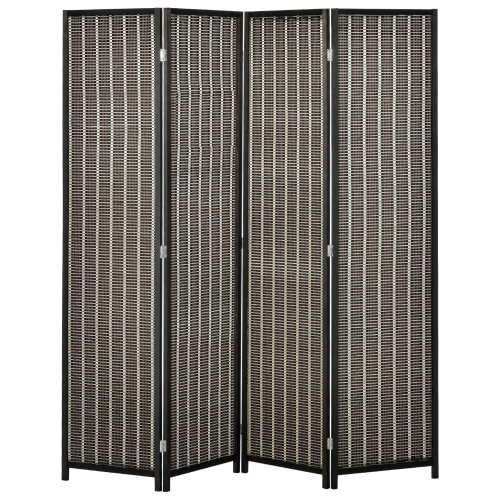
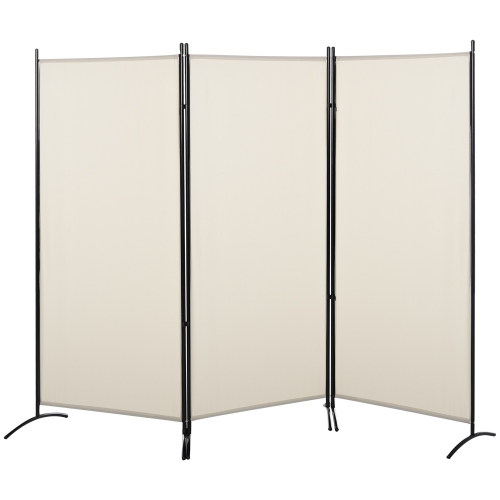
Foldable dividers, also called folding privacy screens or room partitions, offer a practical way to change the layout of a room without making a permanent alteration. Their hinged panels can be opened to create a visual boundary, angled to fit around furniture, or folded flat for storage when the space needs to return to its usual arrangement. They are useful in homes, apartments, offices, studios, classrooms, clinics, dressing areas and shared living spaces where a little separation can make a noticeable difference. A divider can create a quiet corner for reading, establish a temporary home office, conceal storage or laundry areas, or give overnight guests a more private place to change and relax. In an open-concept room, it can help distinguish a work zone from a dining or living area without blocking the entire space. During the cooler months, it may also help make a large room feel more defined and comfortable, while lighter panels can be positioned to create separation without making a room feel closed in as the weather warms. These products can also be useful for people moving into a first apartment, furnishing a residence with shared rooms, setting up a home studio or refreshing a workspace. When choosing a foldable divider, start by considering the room’s dimensions, the amount of privacy needed and how often the screen will be moved. A three-panel design may suit a compact corner or a narrow workstation, while a four-, five- or six-panel model can span a wider area. More panels generally provide greater coverage, but they may also require more floor space when opened and additional room for folding and storing. Measure the intended area carefully, including the space needed to angle the panels securely rather than placing them in a perfectly straight line. Angled panels create a broader, more stable footprint and can help the divider stand on its own, especially on smooth floors.
Material and panel design have a significant effect on the appearance, weight and level of privacy a divider provides. Fabric or polyester panels are often lightweight and easy to reposition, making them a convenient choice for bedrooms, temporary workspaces and multipurpose rooms. Some fabric coverings can be wiped clean or removed for care, which is helpful in busy homes, shared offices and creative spaces. Wood, wood-look and louvered panels offer a more substantial appearance and can complement traditional, contemporary or cottage-inspired décor. Solid-looking panels are well suited to hiding visual clutter or creating a stronger sense of separation, while louvered designs can allow some light and airflow to pass through. Shoji-style screens, with a lattice pattern and translucent covering, filter light gently and create a softer boundary. They can be especially attractive near a window, where daylight passes through the panels and brightens the surrounding room without removing the feeling of privacy. Consider the colour and pattern as well as the material, since a divider is usually visible from both sides and can become a prominent part of the room. Neutral tones tend to blend easily with existing furniture, while a distinctive finish can define a reading nook, dressing area or creative workspace. Panel hinges are another important consideration. Dual-way hinges allow the sections to fold in either direction, giving you more flexibility when fitting a screen around a desk, bed, sofa or shelving unit. Check that the hinges move smoothly and that the panels can be folded flat enough for the storage area available. Many portable screens become considerably narrower when folded, allowing them to be stored beside a wardrobe, behind a door or in a closet. Weight is worth balancing carefully: a lighter divider is easier to carry from room to room, while a heavier construction may feel steadier when positioned in a busy area. Look for a base and panel arrangement that sits securely on the floor, and avoid placing any freestanding screen where it could obstruct a doorway, stairway or frequently used walkway.
The best use for a foldable divider depends on the people sharing the space and the type of separation they need. A remote worker may use one behind a desk to create a more focused backdrop for video calls, while a student can use one to mark off a study area in a bedroom or shared living room. Families may place a screen near an entryway to hide shoes, bags and outdoor equipment, or use one to give a guest a little privacy in a multifunctional room. In a bedroom, a divider can separate a dressing area from the sleeping space, helping clothing and accessories stay out of sight while keeping everything within easy reach. In a studio apartment, it can distinguish the bed from the rest of the room without the cost or permanence of construction. Fitness instructors, artists, photographers and service providers may also use folding partitions to create temporary changing areas or divide a larger room for appointments and activities. These screens can make thoughtful housewarming or first-home gifts for someone who is furnishing a compact space, sharing accommodation or building a home office. For people who need a more rigid organizational solution for shelves, bins or work surfaces, related options such as Plastic Dividers may suit a different type of separation. Before purchasing, check the fully opened width, folded dimensions, panel height, materials, hinge construction and care instructions. Think about whether the screen needs to block the view completely or simply define an area, and whether filtered light and airflow are important. Also consider where it will be placed when not in use, since a divider that fits the room beautifully but cannot be stored conveniently may become difficult to live with. With the right panel count, finish and configuration, a foldable divider can turn an open area into a collection of purposeful spaces while remaining easy to adjust as routines, furniture and household needs change.
Material and panel design have a significant effect on the appearance, weight and level of privacy a divider provides. Fabric or polyester panels are often lightweight and easy to reposition, making them a convenient choice for bedrooms, temporary workspaces and multipurpose rooms. Some fabric coverings can be wiped clean or removed for care, which is helpful in busy homes, shared offices and creative spaces. Wood, wood-look and louvered panels offer a more substantial appearance and can complement traditional, contemporary or cottage-inspired décor. Solid-looking panels are well suited to hiding visual clutter or creating a stronger sense of separation, while louvered designs can allow some light and airflow to pass through. Shoji-style screens, with a lattice pattern and translucent covering, filter light gently and create a softer boundary. They can be especially attractive near a window, where daylight passes through the panels and brightens the surrounding room without removing the feeling of privacy. Consider the colour and pattern as well as the material, since a divider is usually visible from both sides and can become a prominent part of the room. Neutral tones tend to blend easily with existing furniture, while a distinctive finish can define a reading nook, dressing area or creative workspace. Panel hinges are another important consideration. Dual-way hinges allow the sections to fold in either direction, giving you more flexibility when fitting a screen around a desk, bed, sofa or shelving unit. Check that the hinges move smoothly and that the panels can be folded flat enough for the storage area available. Many portable screens become considerably narrower when folded, allowing them to be stored beside a wardrobe, behind a door or in a closet. Weight is worth balancing carefully: a lighter divider is easier to carry from room to room, while a heavier construction may feel steadier when positioned in a busy area. Look for a base and panel arrangement that sits securely on the floor, and avoid placing any freestanding screen where it could obstruct a doorway, stairway or frequently used walkway.
The best use for a foldable divider depends on the people sharing the space and the type of separation they need. A remote worker may use one behind a desk to create a more focused backdrop for video calls, while a student can use one to mark off a study area in a bedroom or shared living room. Families may place a screen near an entryway to hide shoes, bags and outdoor equipment, or use one to give a guest a little privacy in a multifunctional room. In a bedroom, a divider can separate a dressing area from the sleeping space, helping clothing and accessories stay out of sight while keeping everything within easy reach. In a studio apartment, it can distinguish the bed from the rest of the room without the cost or permanence of construction. Fitness instructors, artists, photographers and service providers may also use folding partitions to create temporary changing areas or divide a larger room for appointments and activities. These screens can make thoughtful housewarming or first-home gifts for someone who is furnishing a compact space, sharing accommodation or building a home office. For people who need a more rigid organizational solution for shelves, bins or work surfaces, related options such as Plastic Dividers may suit a different type of separation. Before purchasing, check the fully opened width, folded dimensions, panel height, materials, hinge construction and care instructions. Think about whether the screen needs to block the view completely or simply define an area, and whether filtered light and airflow are important. Also consider where it will be placed when not in use, since a divider that fits the room beautifully but cannot be stored conveniently may become difficult to live with. With the right panel count, finish and configuration, a foldable divider can turn an open area into a collection of purposeful spaces while remaining easy to adjust as routines, furniture and household needs change.
Top selling and popular products
-
 Your price for this item is $80.99
 -
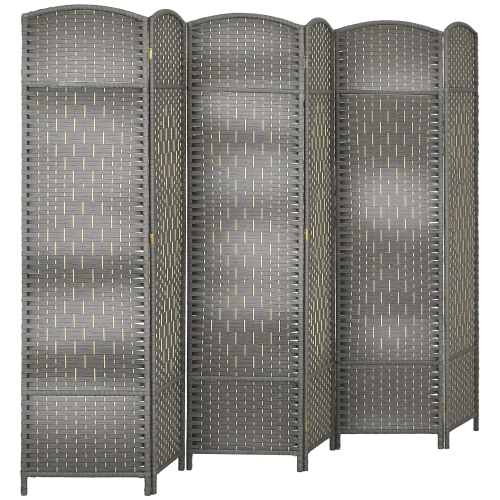 Your price for this item is $154.99
 -
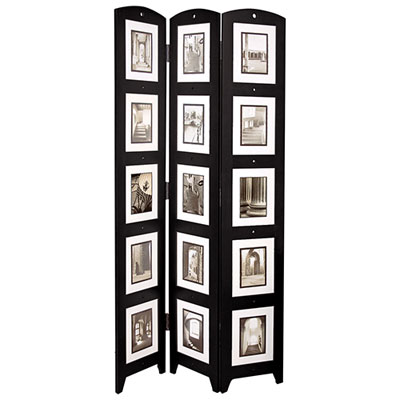 Your price for this item is $179.98
 -
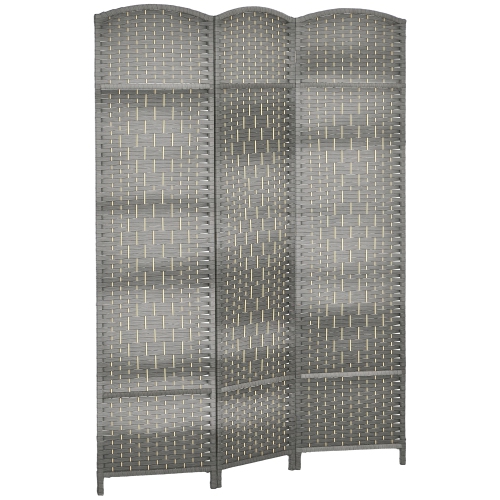 Your price for this item is $94.99
 -
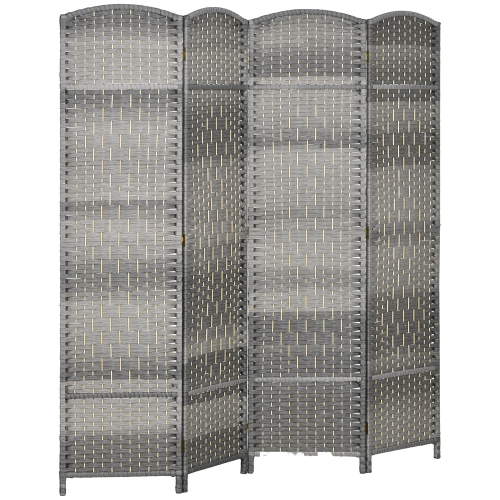 Your price for this item is $106.69
 -
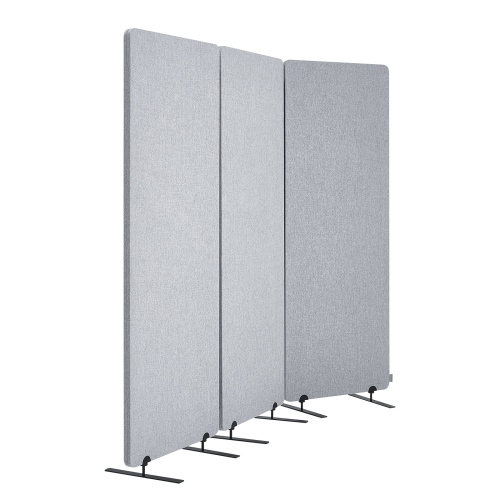 Your price for this item is $589.99
 -
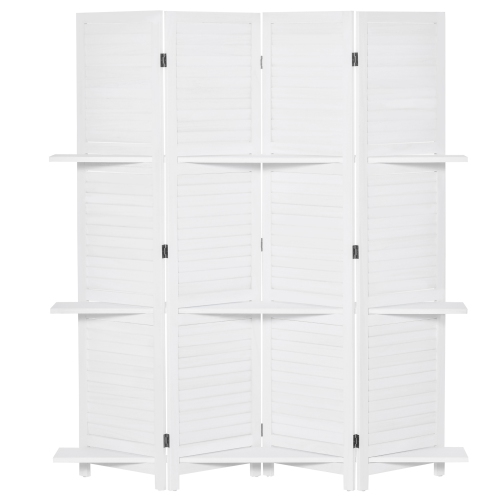 Your price for this item is $156.99
 -
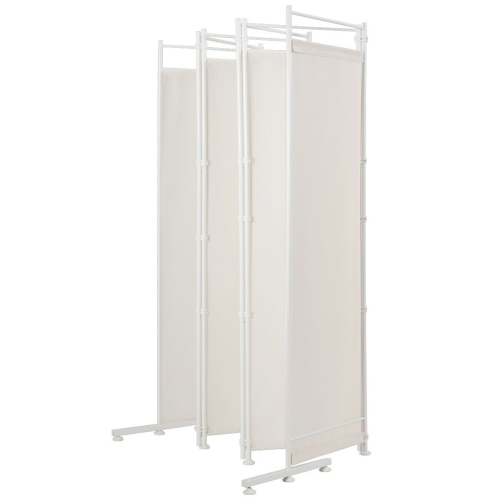 Your price for this item is $236.99
Discover more categories related to Foldable Dividers
Top Collections:
Pokemon Centers, Best Cameras for Sports Photography, Kindle Devices, Samsung Galaxy Phones, Canon G7X Cameras, Pokémon 30th Celebration Cards, Refurbished Apple Laptops, iPhone 15 Apple, Laptops for Students, Budget Smartphones
Some products may be subject to Environmental Handling Fees
(EHF) depending on your province.
Learn more about EHFs.