Poly Mailers
Poly mailers are the unsung heroes of shipping and mailing, offering a lightweight and durable solution for sending packages with ease. Their sleek design not only saves on postage costs but also ensures that your items arrive in great condition, thanks to their water-resistant and tear-proof properties. Whether you're a small business owner managing your e-commerce shipments or someone looking to send gifts to loved ones, poly mailers provide a versatile and efficient option. Available in a variety of sizes and styles, these mailing essentials cater to all your packaging needs while adding a touch of professionalism to every delivery.
Sort


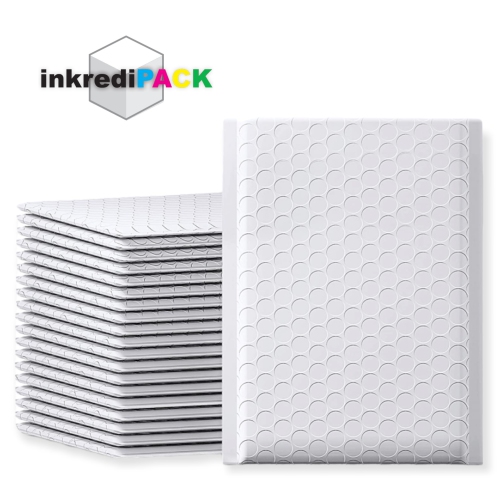
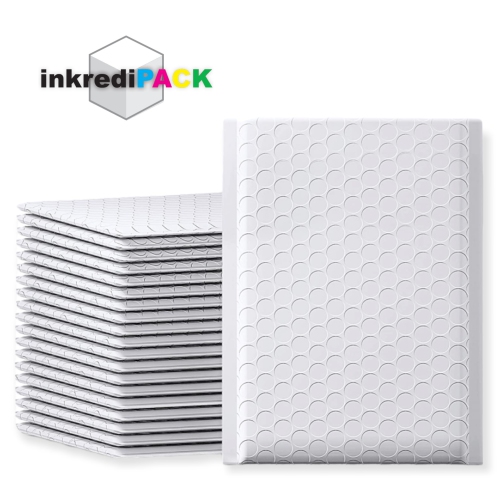
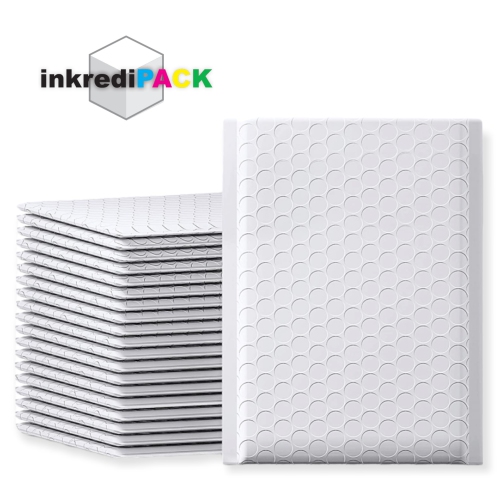
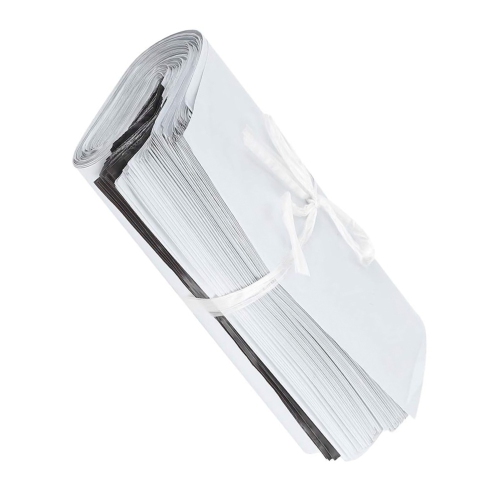
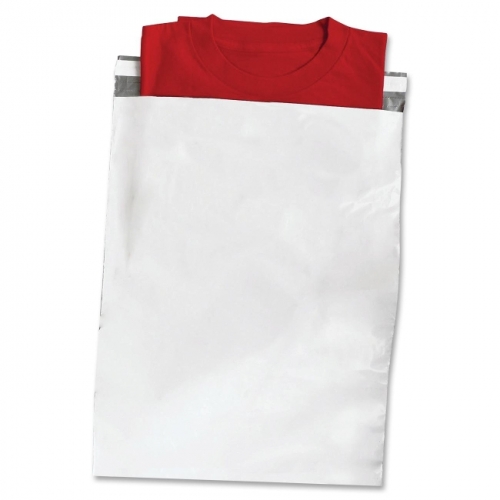

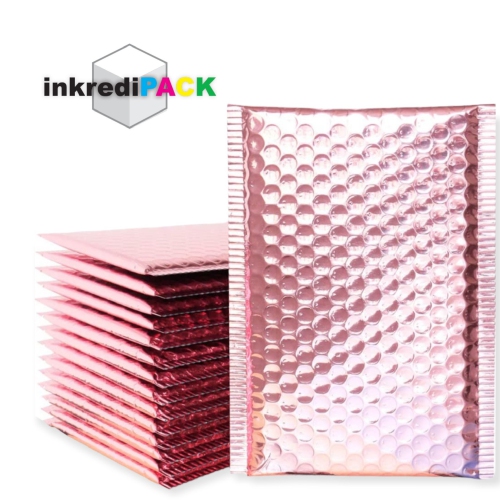

Why soft goods suit lightweight shipping bags
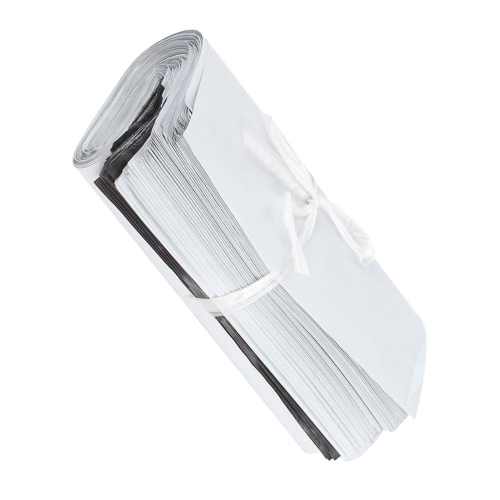
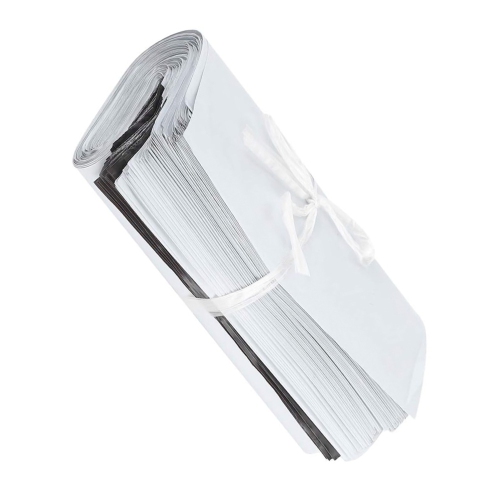
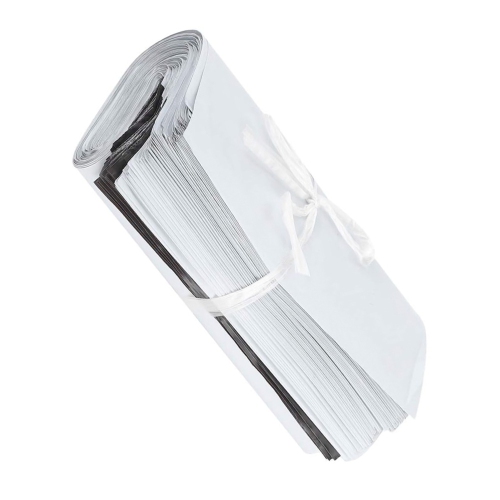
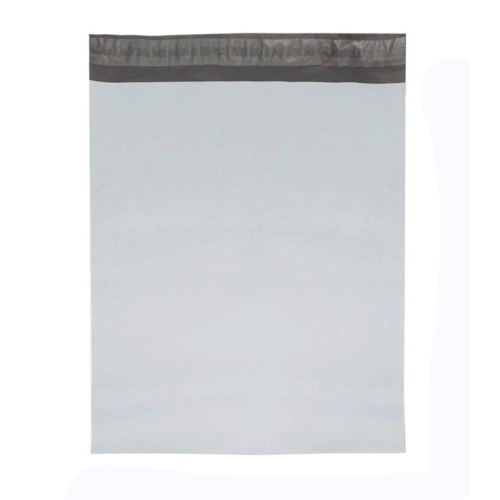
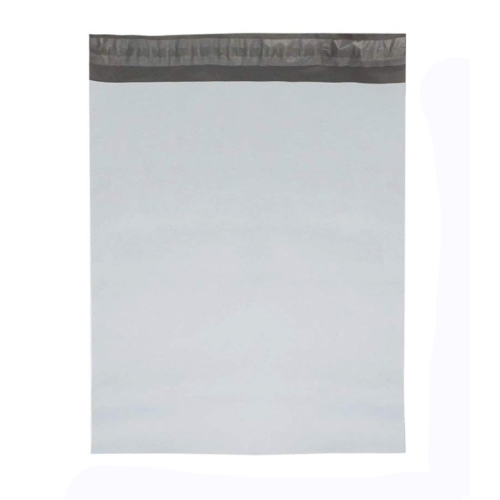
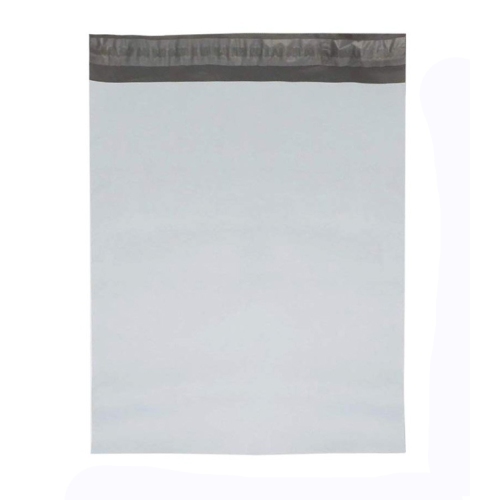
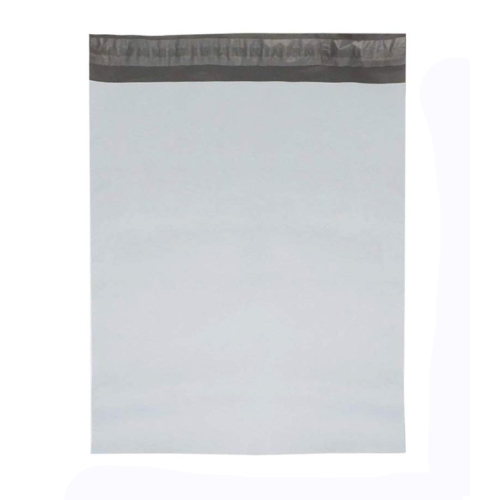
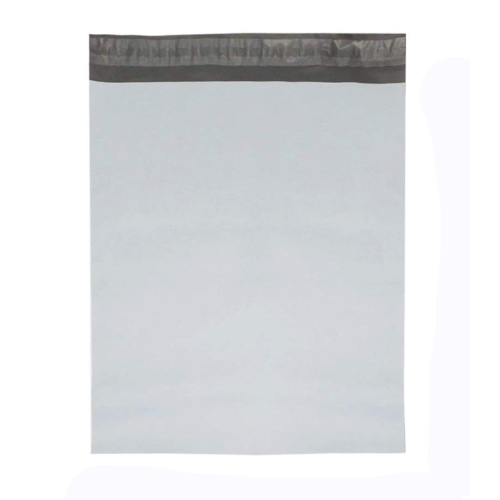
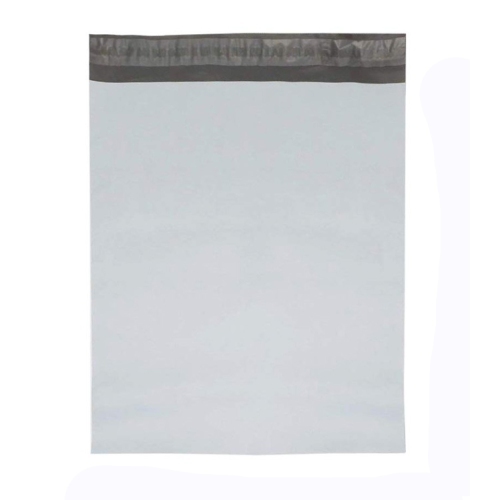
Poly mailers are lightweight, flexible plastic shipping bags used to send non-fragile goods such as clothing, fabric accessories and other soft items. Typically made from polyethylene, they provide a water-resistant outer layer without the rigid structure of a shipping box. Their close-fitting shape suits a folded shirt, a soft scarf or a bundle of fabric, helping keep the contents together while leaving a smooth surface for a delivery label. Standard poly mailers are unpadded, so their main role is to contain and cover an order rather than cushion it against impacts. That distinction matters when choosing packaging: something that bends safely or already has suitable inner protection is generally a better match than something with exposed corners, delicate components or a breakable surface. Books and other firm, flat contents may need reinforcement to protect their edges and prevent movement, while fragile goods generally require more structured packaging and appropriate cushioning. The film itself can vary in thickness, flexibility and opacity. A thicker film may offer greater resistance to tearing, although the strength of the seams, the closure and the shape of the contents also influence how well a mailer holds up. An opaque construction helps conceal what is inside, which can be useful for online orders, resale shipments and personal parcels. A light-coloured exterior may be paired with a darker inner layer to improve coverage, but privacy depends on the actual construction rather than the outside colour alone. Compared with a rigid carton, an unused poly mailer takes up little room in a drawer or packing station, making this format practical for home-based sellers and businesses handling soft goods. The bag can conform around its contents, but it should not be stretched tightly enough to put pressure on the seams. For a neatly folded garment, a comfortable fit leaves the parcel compact without turning every edge or fold into a stress point.
Size and closure details make a noticeable difference to how a poly mailer performs. Listed dimensions do not always describe the same usable space: the sealing flap may be measured separately, and seams can reduce the room inside. A bag that appears wide enough when empty can become too narrow once a thick folded garment fills it, because some of that width wraps around the contents. Allowing space for both thickness and a clean closure helps avoid strained corners, wrinkled sealing strips and an awkwardly bulging parcel. At the other extreme, an oversized bag can leave loose film that catches during handling or makes the label harder to keep flat. Bundled contents benefit from being arranged into a stable shape, with any inner wrapping included when assessing the fit. Many poly mailers use a peel-and-seal adhesive strip that closes against the film once its protective liner is removed. The adhesive area works best when it meets a clean, dry surface without fabric, dust or folds interrupting the bond. Some designs have a second adhesive strip intended for a return shipment, while others have a tear strip to make opening easier. These features serve different purposes: an opening strip does not necessarily mean the bag can be sealed again, and a standard single-use closure should not be assumed to support a return journey. A securely bonded flap can make opening apparent, but no flexible shipping bag should be treated as tamper-proof. Label placement is another practical consideration, especially for anyone preparing several orders at once. A broad, smooth section of the mailer gives the address and barcode a readable position, away from seams, folds and the opening flap. Labels need to adhere properly to the plastic surface, and handwritten details require an ink suited to that material. For a small business packing several similar orders, keeping the label visible and the closure unobstructed makes it easier to check each parcel before dispatch. A home sender benefits from those same details when preparing a clothing return or sending a soft gift to someone across the country.
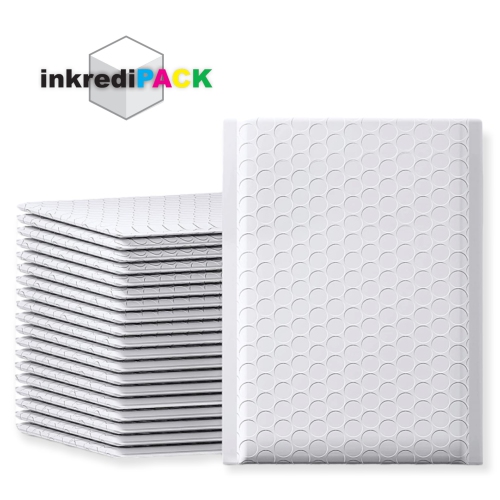
Durability is best understood in terms of the whole parcel, not just the bag’s thickness. A soft textile presents a different challenge from a zipper pull, a buckle or a sharp packaging edge pressing against the film from inside. Covering protruding parts and keeping firm corners from bearing directly on the outer bag can reduce the chance of punctures. Poly mailers resist splashes and incidental moisture, but they are not waterproof containers: the opening, seams, punctures and quality of the seal all affect protection. Contents should be dry before packing, and anything requiring reliable moisture control needs suitable additional protection. Unused bags are easiest to work with when stored flat in a clean, dry place, away from sharp tools and conditions that could affect the film or adhesive. Keeping the adhesive liner in place until packing also helps preserve a clean sealing surface. For sellers, these small handling details support a more consistent presentation, whether the parcel contains a neatly folded garment or a coordinated set of textile accessories. Colour and finish can contribute to that presentation, from a plain exterior with a clear address label to a brighter bag that gives a personal shipment a more distinctive appearance. For a colourful option with a cushioning layer, pink bubble mailers combine a mailing envelope format with a padded interior, although suitability still depends on the contents and the level of protection required. Padding can help protect surfaces, but it does not provide the crush resistance of a sturdy box. Poly mailers remain particularly useful where flexible coverage, straightforward sealing and compact storage are the priorities. Online clothing sellers, craft businesses, resale shippers and people mailing soft gifts can all benefit from matching the bag’s dimensions, film strength and closure to the parcel. The result is packaging that feels tidy and purposeful, with enough room to close properly and an outer surface ready for clear delivery information.
Top selling and popular products
-
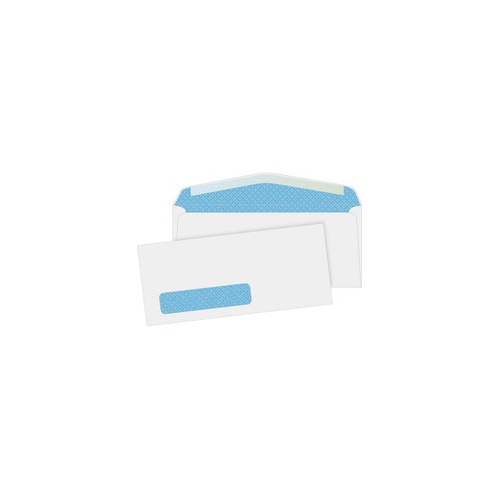 Your price for this item is $28.99
-
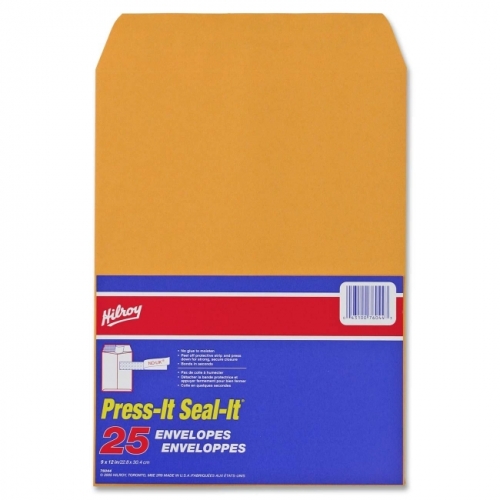 Your price for this item is $6.99
-
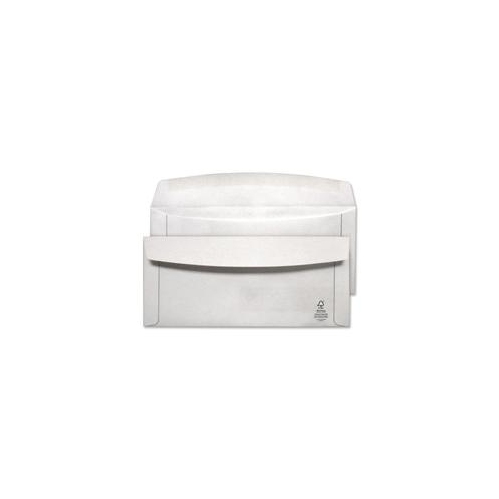 Your price for this item is $35.99
-
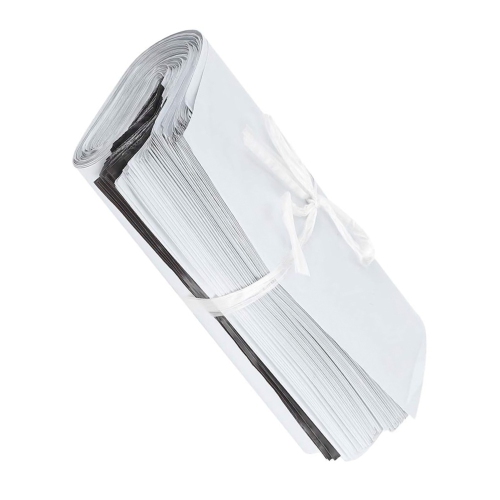 Your price for this item is $26.99
-
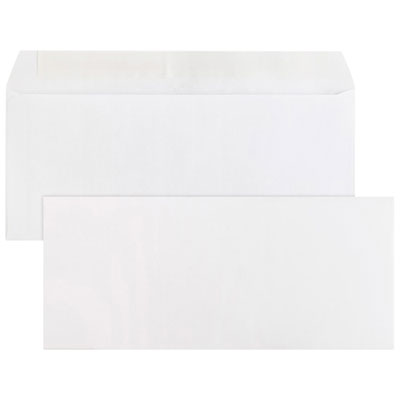 Your price for this item is $28.99
-
 Your price for this item is $26.99
-
 Your price for this item is $28.99
-
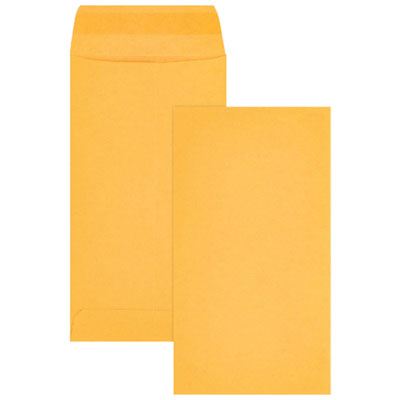 Your price for this item is $39.99
Discover more categories related to Poly Mailers

Top Collections:
Best Black Friday Deals This Year, Best Black Friday Deals On Electronics, Kindle Devices, Best Black Friday Deals On Apple Products, Best Budget Office Chairs, Best Cameras for Sports Photography, Dyson Airwrap, Canon G7X Cameras, Best Laptops for Writers, Samsung Galaxy Phones
Some products may be subject to Environmental Handling Fees
(EHF) depending on your province.
Learn more about EHFs.