Poly Pocket Folders
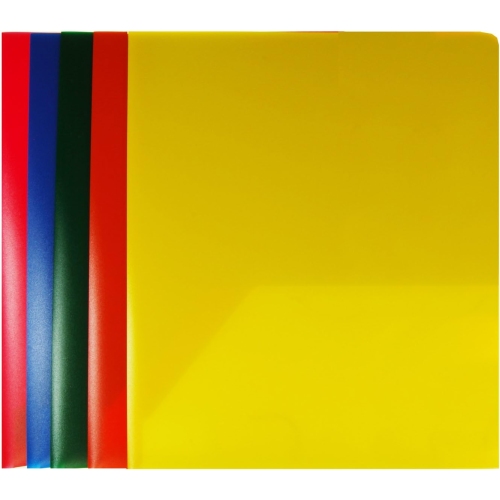
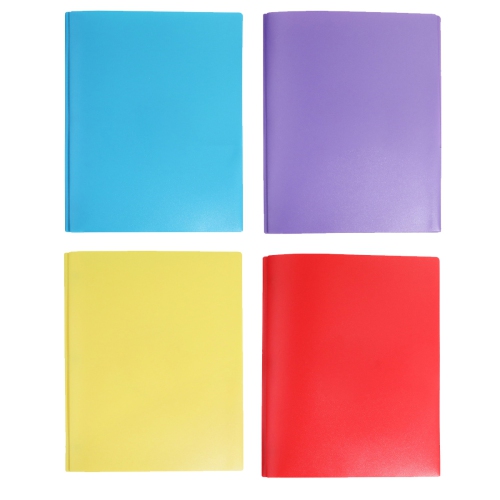
Stay organized and stylish with these poly pocket folders. These versatile folders are perfect for keeping your documents, notes, and important papers all in one place. Whether you're a student looking to stay on top of your coursework or a professional wanting to keep your work materials organized, these poly pocket folders offer the ideal solution. With their durable construction and multiple pockets, these folders provide ample space to store and access your essentials with ease.
Sort
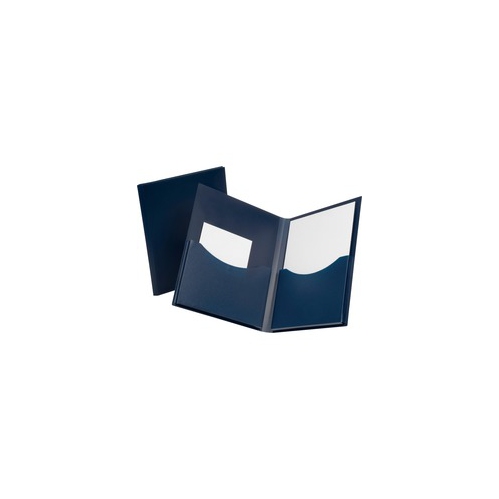
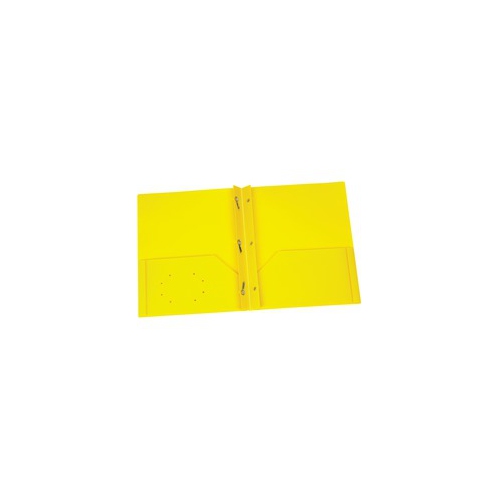
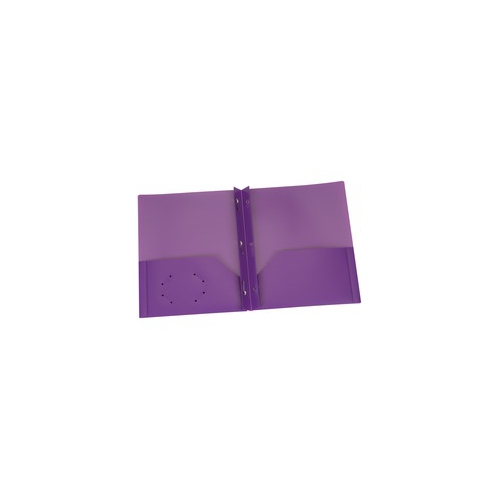
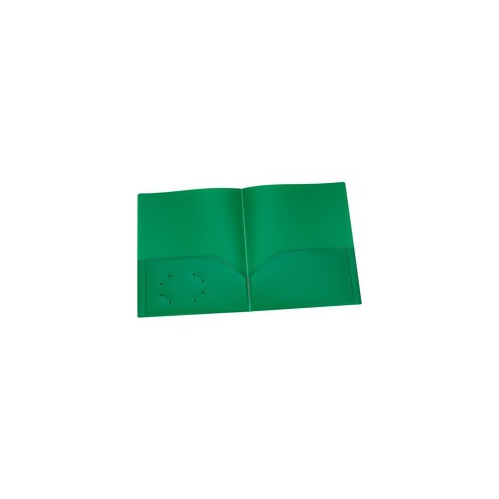
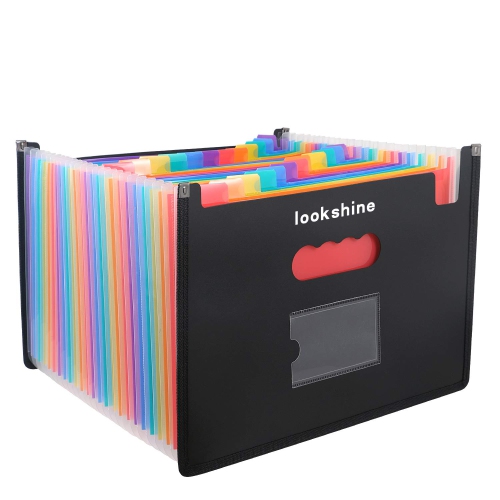
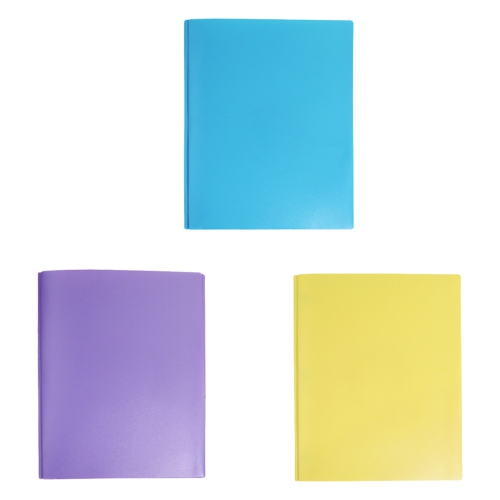
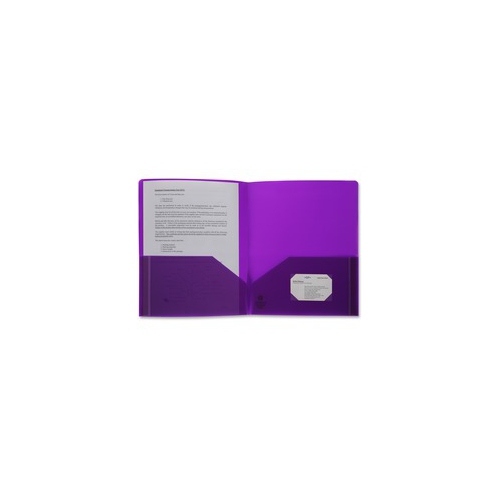
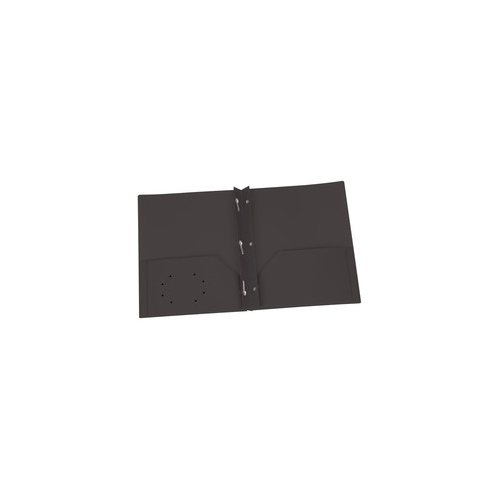
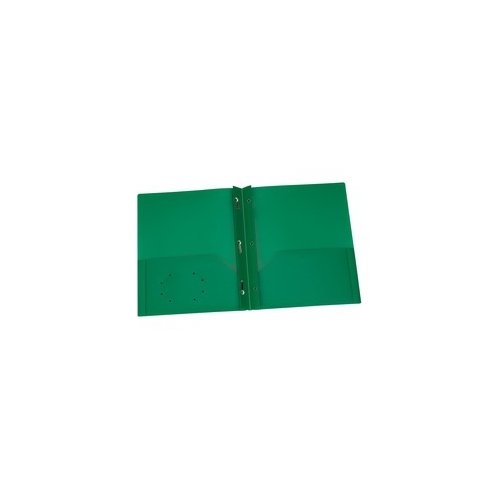
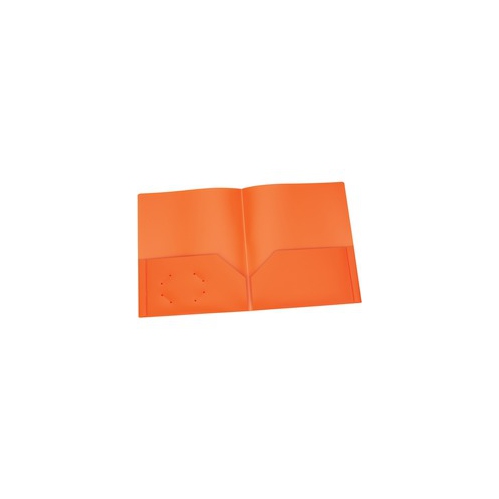
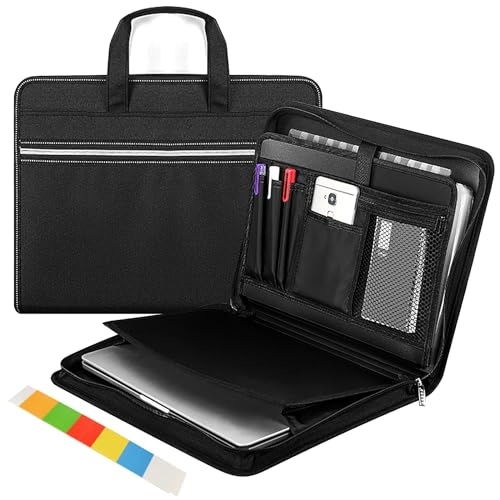
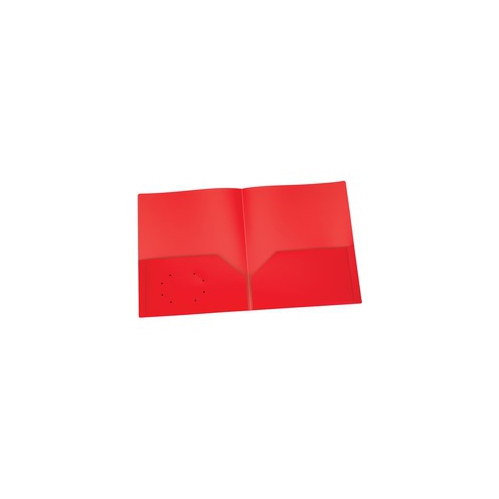


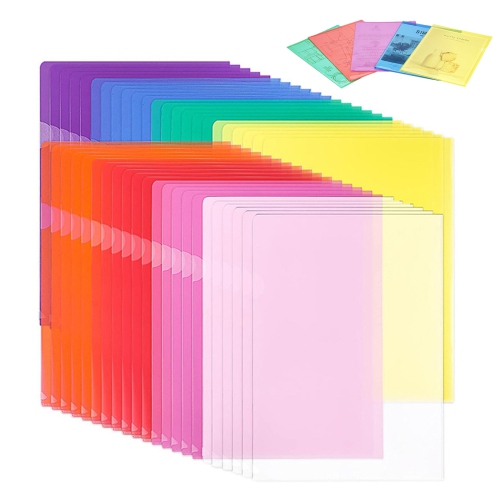

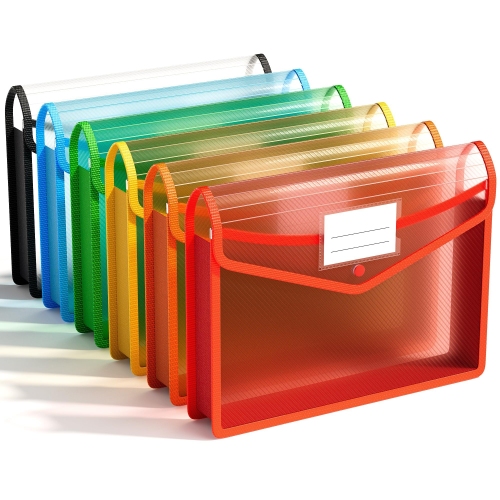
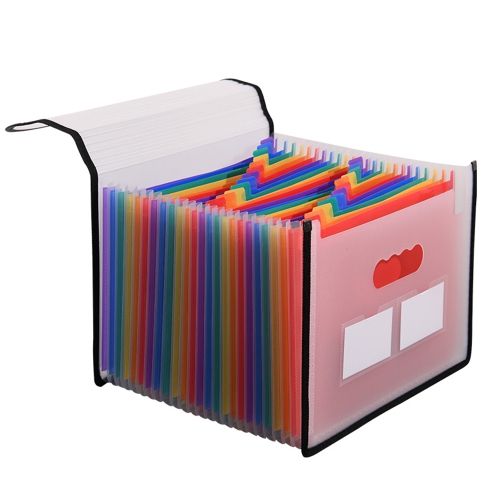
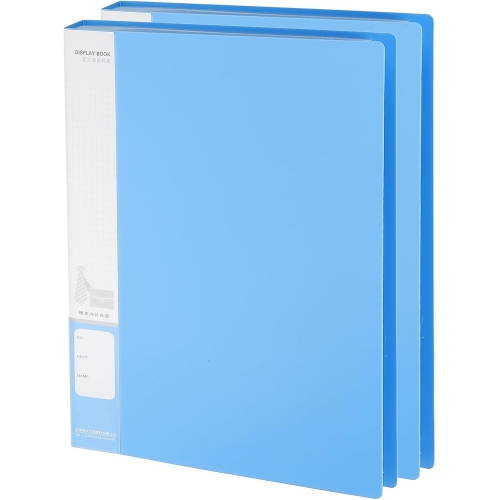
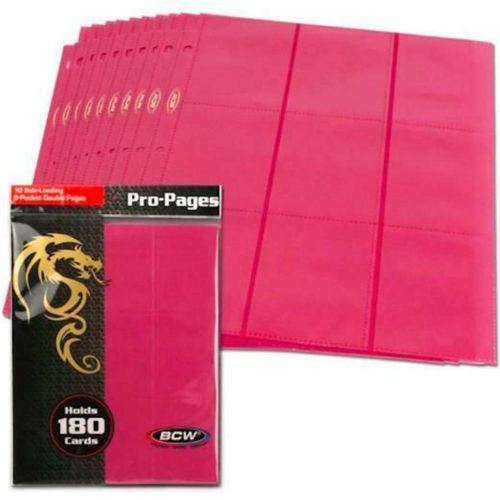
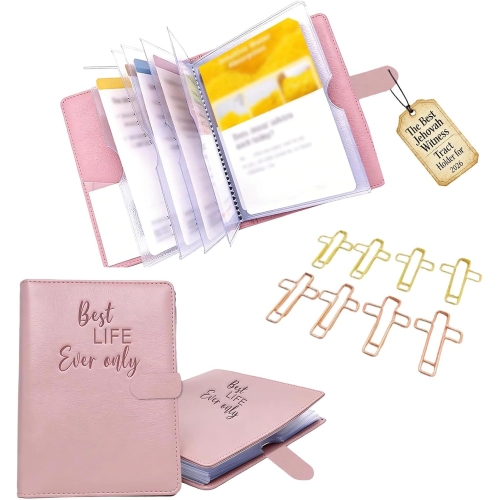
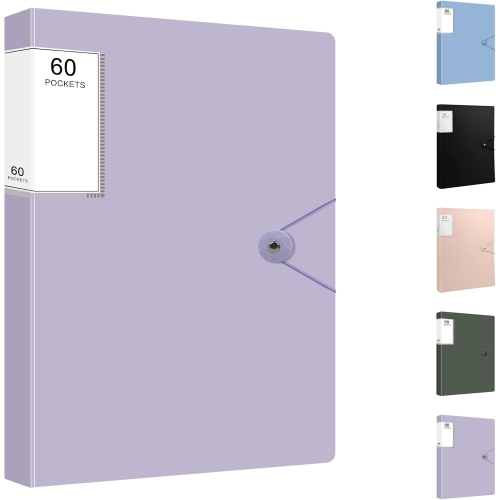
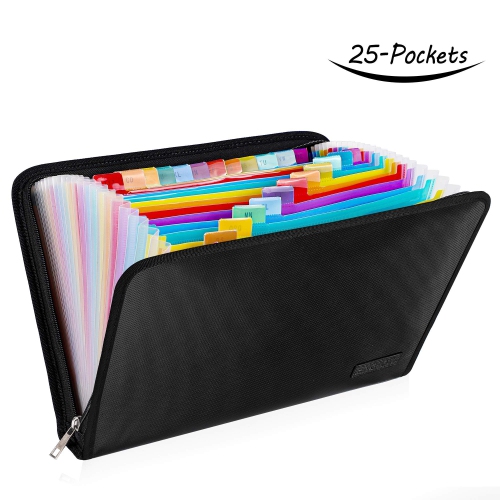
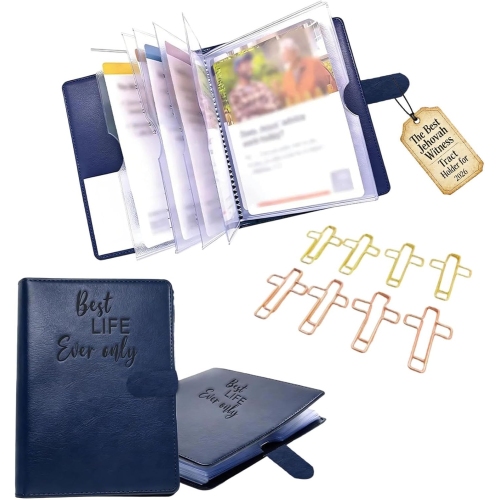
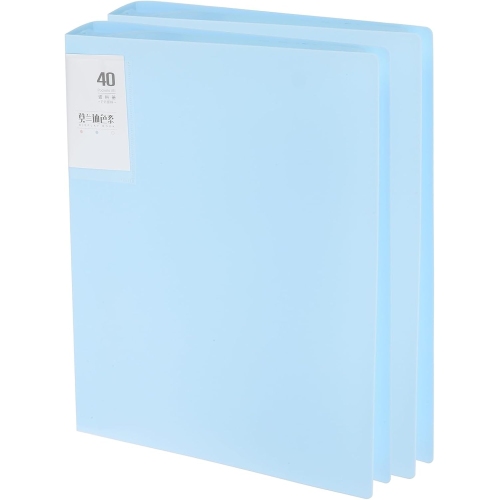
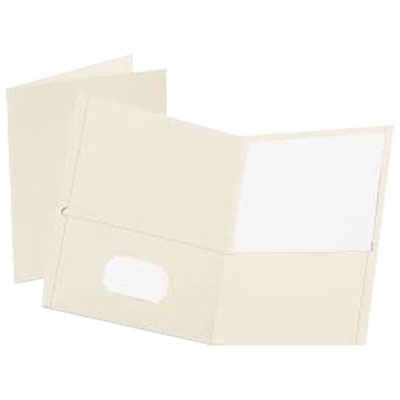
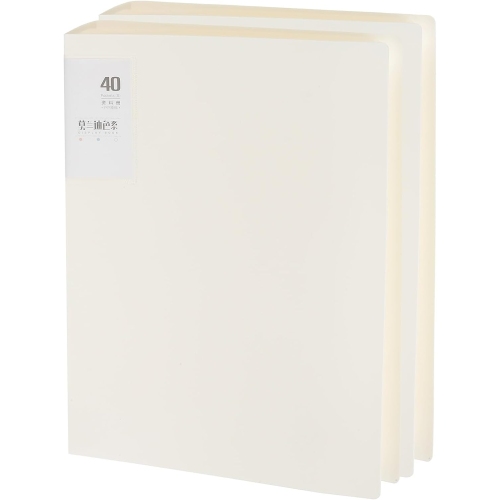
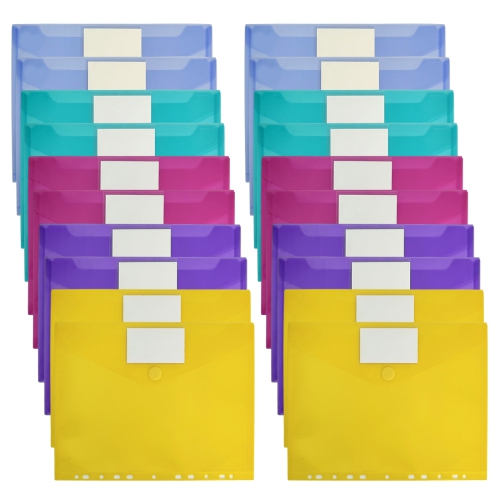

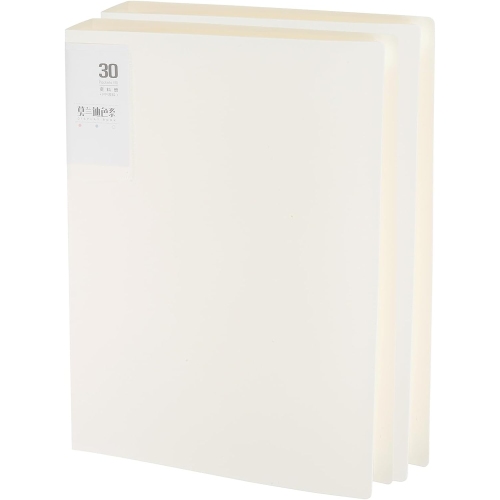
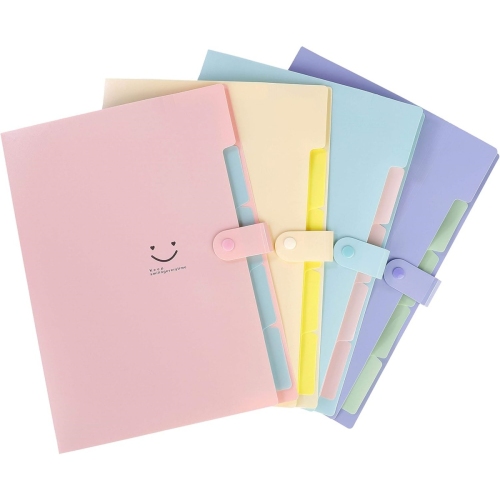





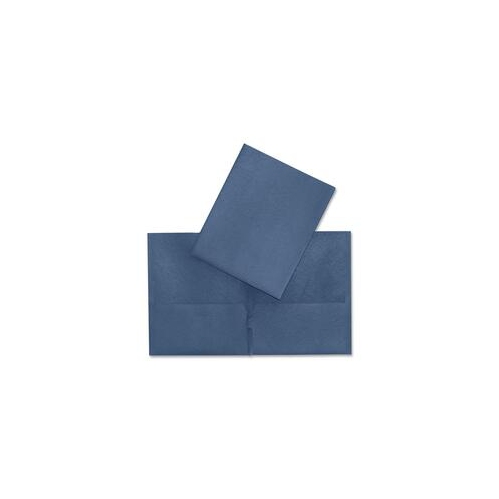

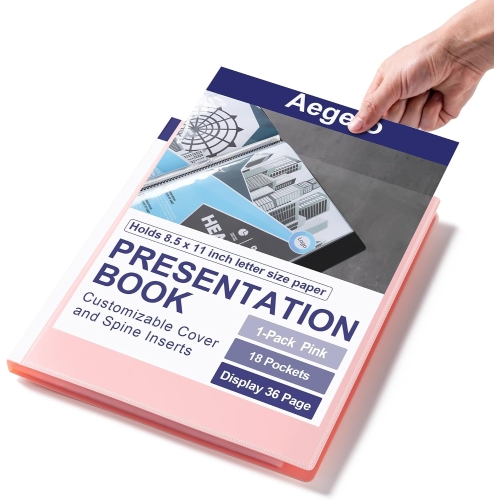
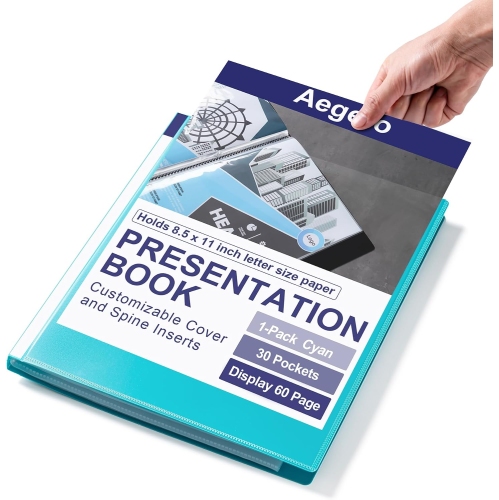
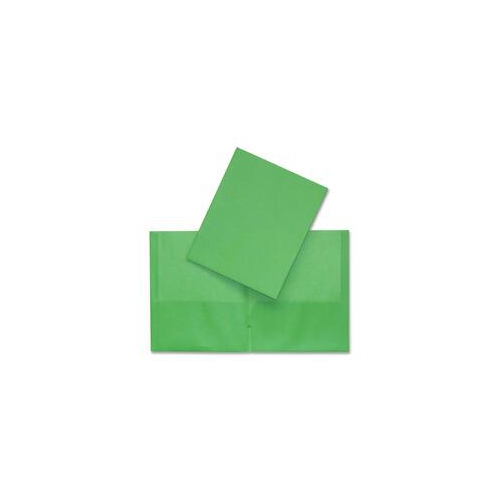
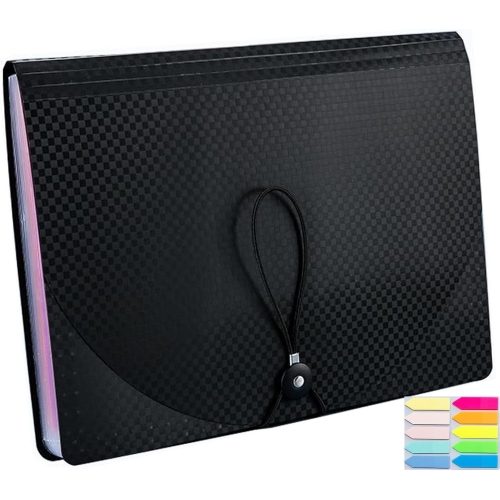
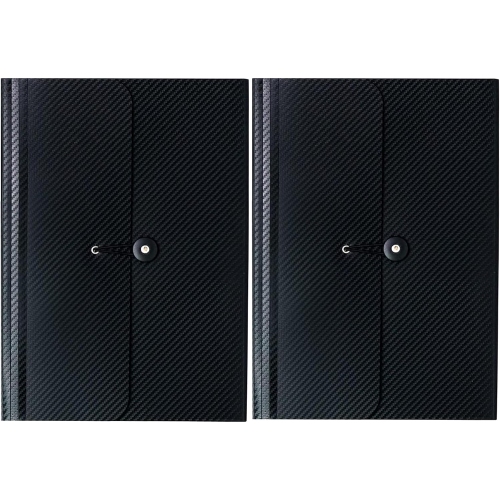
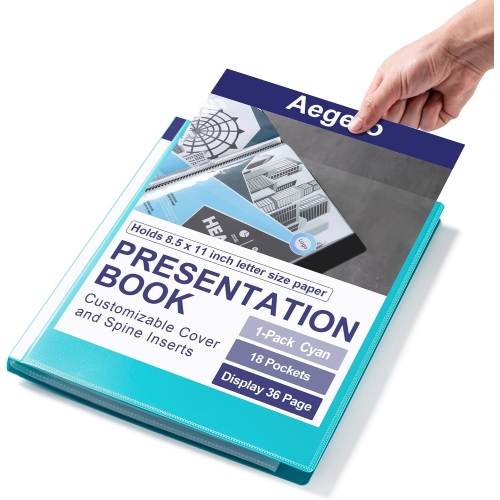
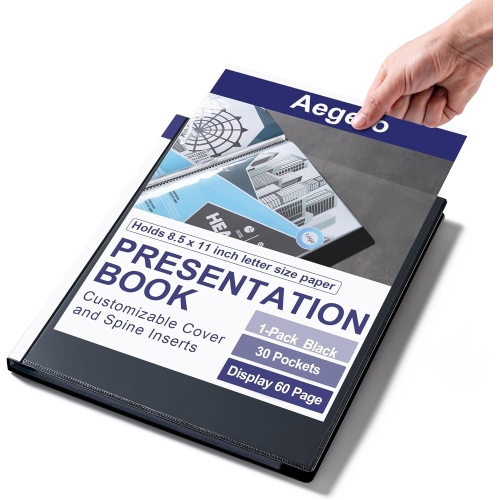
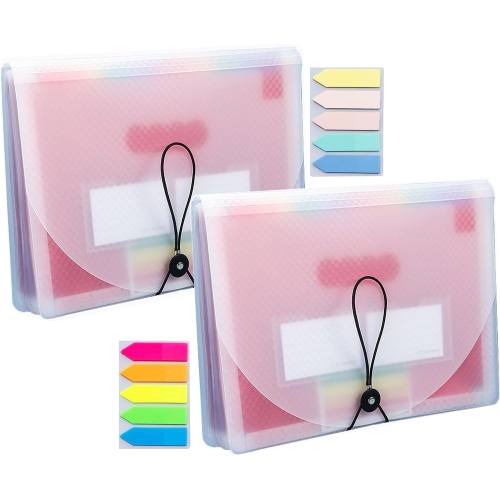
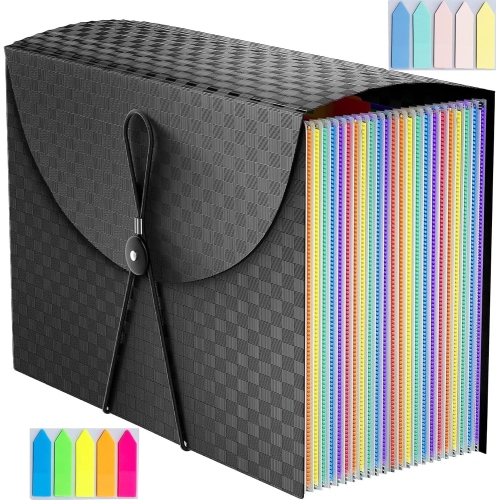
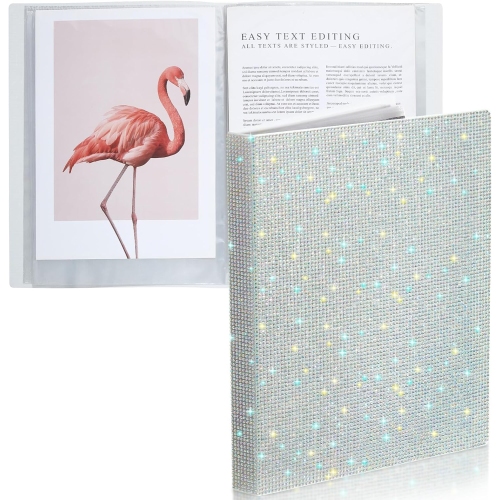
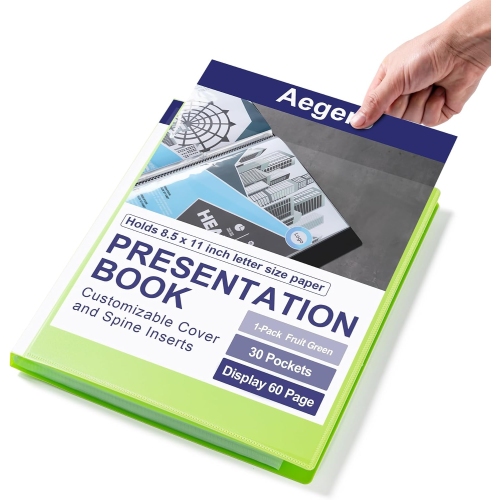
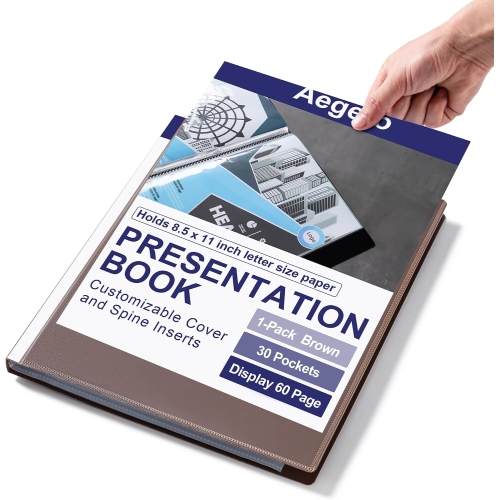
Durable protection for papers on the move
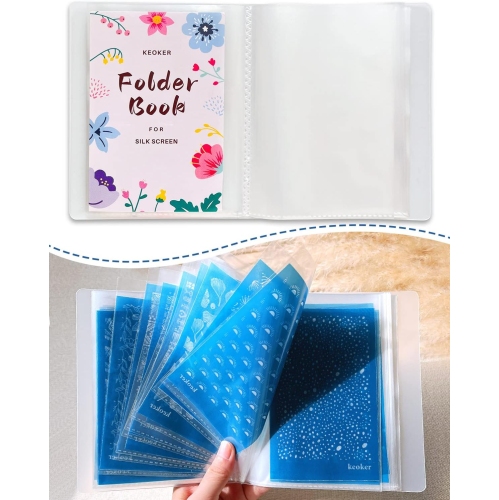
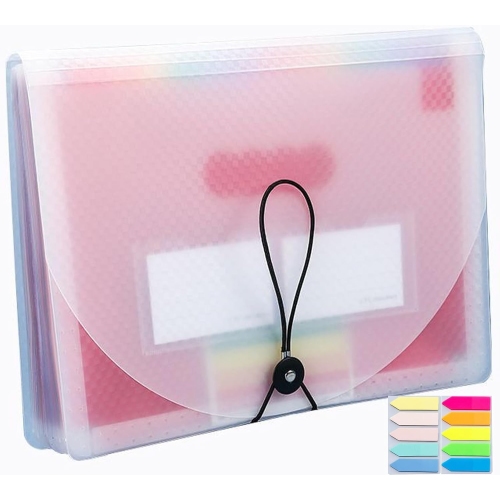
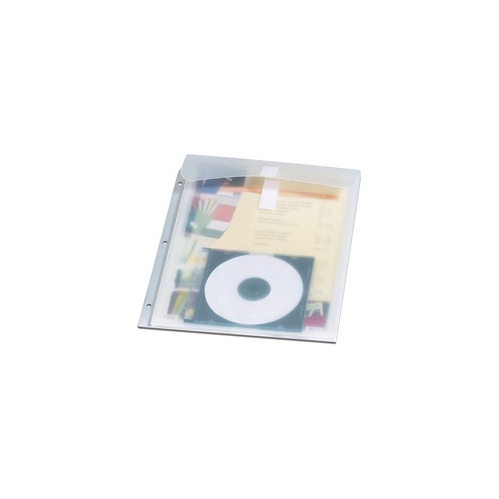
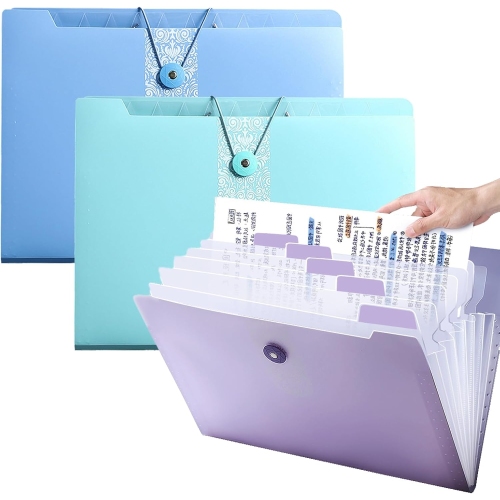
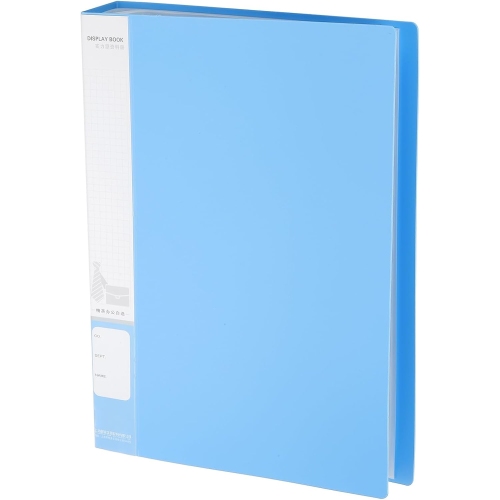
Poly pocket folders keep loose papers together in a lightweight cover that stands up to regular handling. The word poly generally refers to polypropylene, a flexible plastic used for its durability and resistance to moisture. Unlike a paper folder, a poly folder is less likely to soften after a small splash or develop worn, fuzzy edges from repeated trips between a desk and a backpack. Interior pockets hold documents without requiring holes, making this format useful for worksheets, signed forms, meeting notes, and reference pages that need to remain intact. A student can keep unfinished assignments separate from completed work, while an office worker can carry an agenda and supporting documents into a meeting without bringing a full binder. The material has enough flexibility to slip into many bags and briefcases, though its firmness varies with the thickness and construction. A thinner cover bends easily around other contents; a firmer cover provides more support for papers carried between locations. Smooth, textured, clear, and opaque finishes serve different purposes, from displaying a cover sheet to keeping the contents out of casual view. Clear plastic makes documents easier to identify, but it does not provide the same visual privacy as an opaque cover. Poly is water-resistant rather than a guarantee of waterproof protection: open edges and pockets still allow liquid to reach the paper inside. That distinction matters when a folder shares space with a drink bottle or sits near a busy work surface. The folder provides a practical barrier against everyday handling and minor splashes, not a sealed storage system. For documents that are frequently removed, reviewed, and returned, an open-pocket format also avoids the extra steps of opening rings or sliding each sheet into a separate sleeve. It works particularly well when papers need to stay grouped but remain easy to hand over individually, such as at a parent-teacher meeting, a client appointment, or a group project discussion.
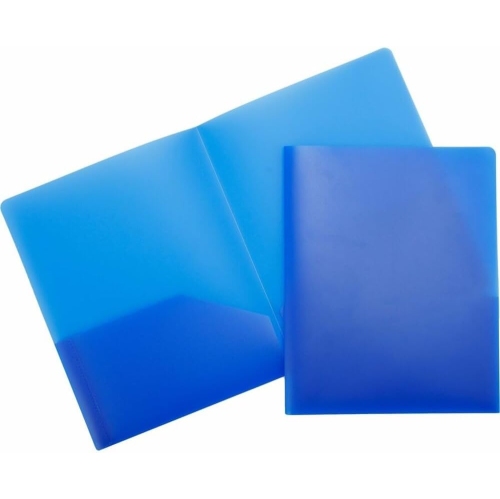
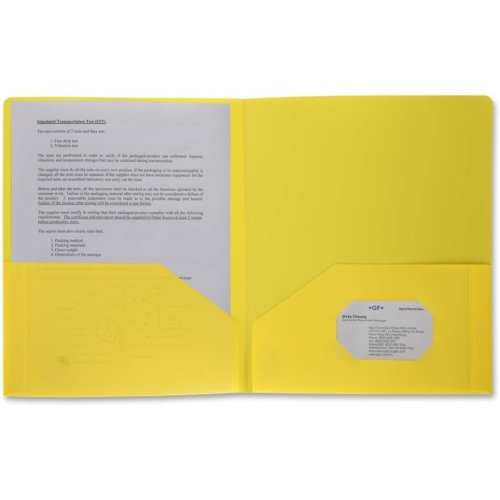
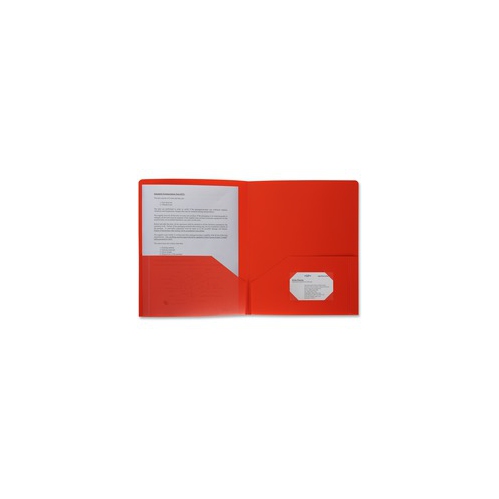
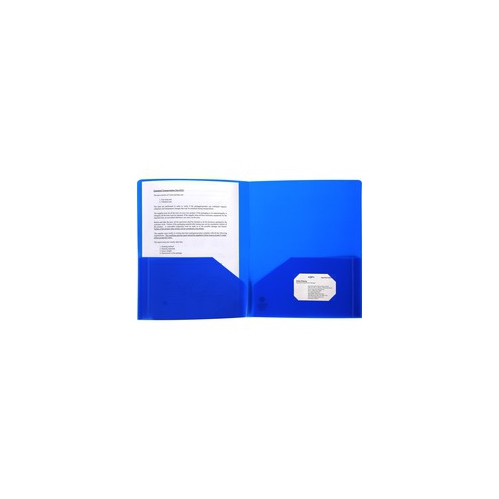
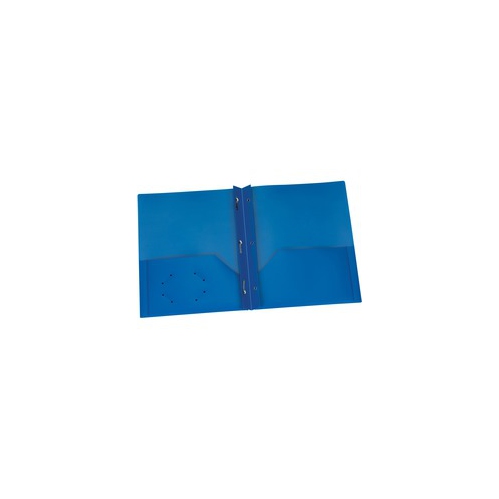
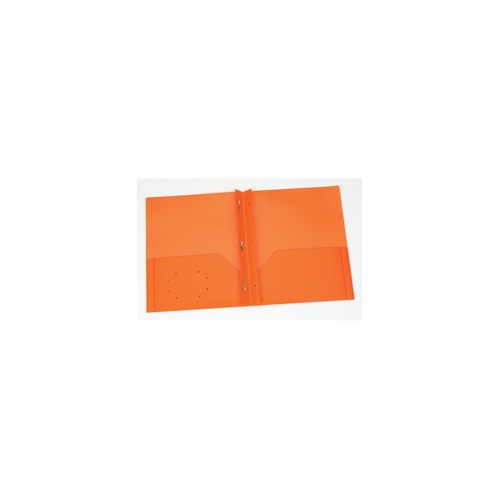
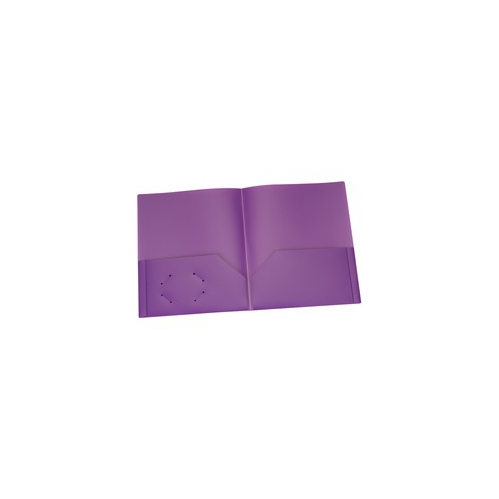
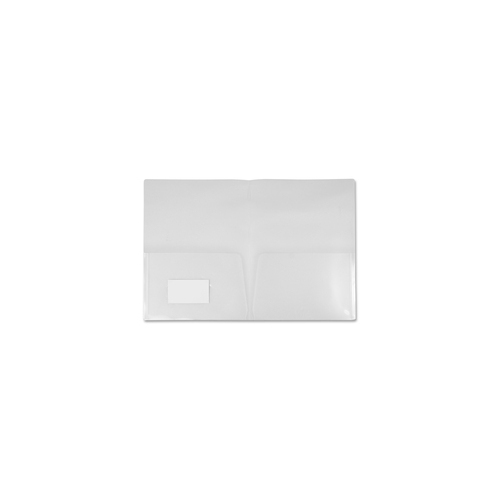
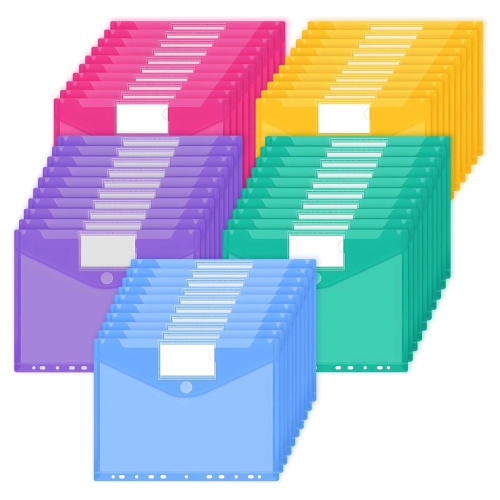
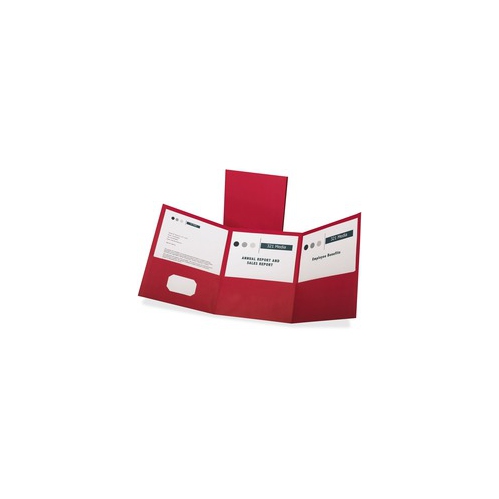
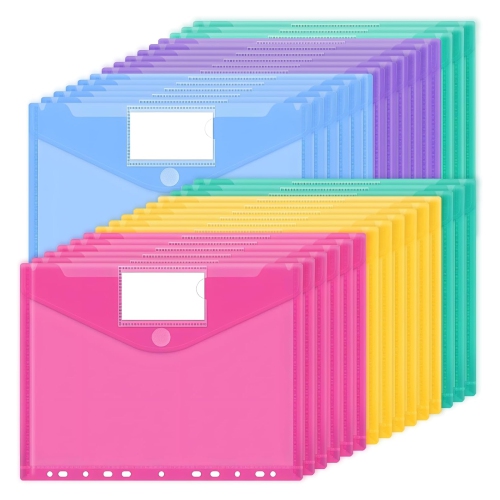
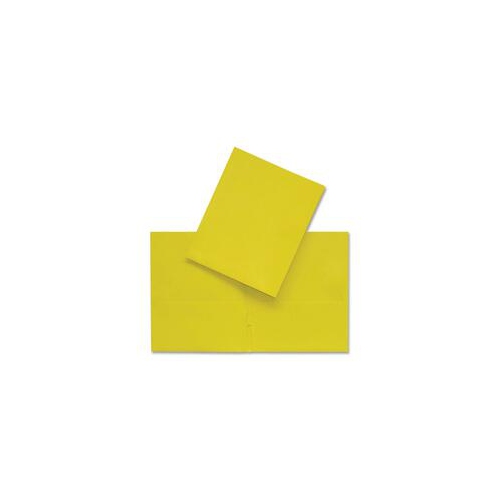
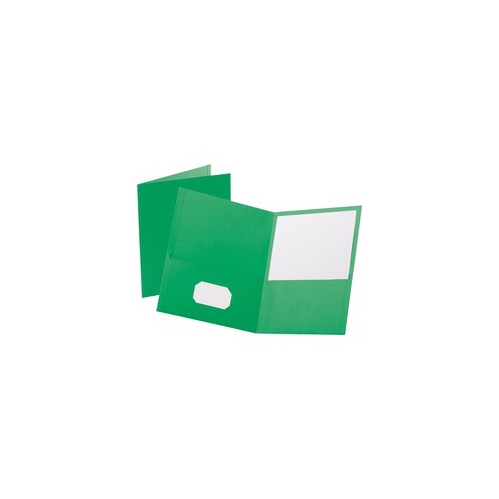
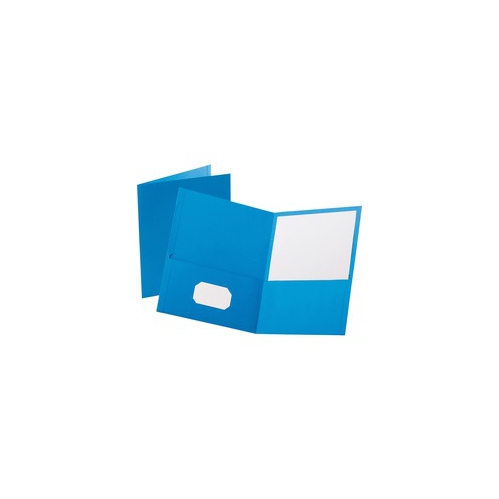
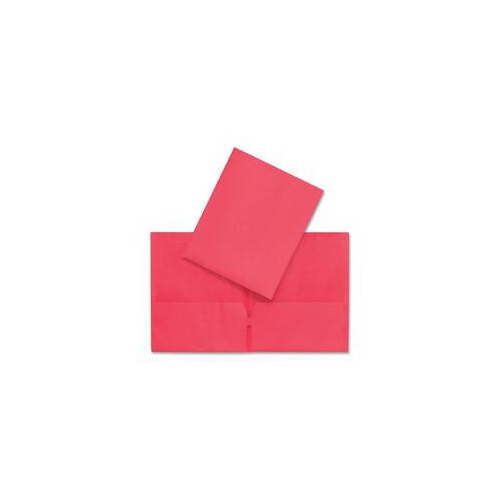
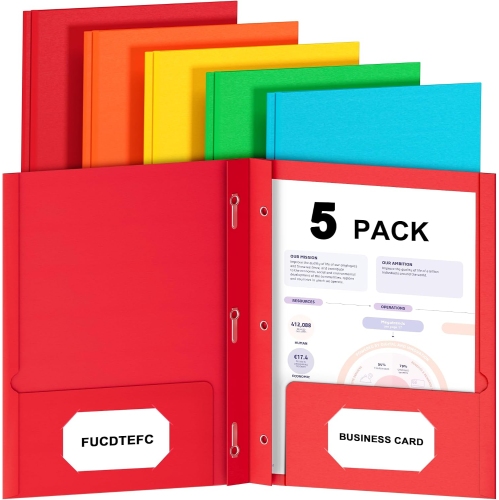
Pocket layout, paper size, and fastening style determine how a poly folder works in daily use. The familiar layout of Twin Pocket Folders creates separate spaces on the inside front and back covers, making it easy to divide two types of paperwork. One pocket might hold forms that need a signature, with the other reserved for copies to keep. For a presentation, the same arrangement can separate a main handout from supporting information. Poly describes the folder material, while twin pocket describes its interior layout; both terms can apply to the same folder. Pockets alone suit loose sheets that need to be moved around, while designs with three-prong fasteners can also secure punched pages along the centre fold. That combination is useful for a report with a fixed sequence and extra handouts that do not belong in the bound section. Fasteners need to match the hole pattern of the paper, and they should close neatly so that protruding metal does not catch neighbouring sheets. Some folders also have holes intended for placement in a ring binder, which is a different feature from prongs that hold papers inside the folder itself. Letter-size formats are intended for standard 8.5 by 11-inch sheets, but overall folder dimensions matter as well. A cover must extend beyond the paper edges to offer useful protection, and it still needs to fit comfortably inside a backpack compartment, desk tray, or briefcase. Legal-size papers, oversized artwork, and folded brochures may need a different format rather than being squeezed into a letter-size folder. Capacity also depends on pocket depth, material thickness, and spine construction. An overfilled pocket can bow outward, make the folder difficult to close, and place strain on seams. A modest stack that sits below the pocket opening is easier to retrieve and less likely to spill when the folder is opened. Small details, including a business card slot or a writable label area, can make a folder more useful for presentations, shared paperwork, or clearly identified school subjects.
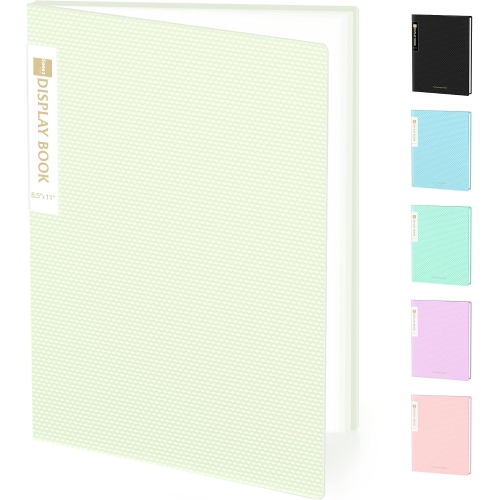
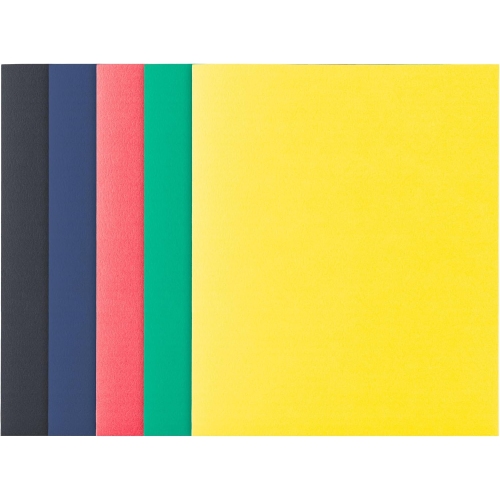
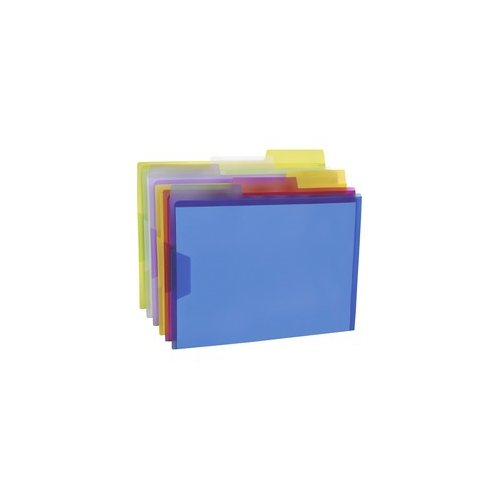
Colour and finish can turn a collection of similar-looking folders into an understandable filing system. Different colours can distinguish school subjects, clients, household records, or stages of a project, while a clear cover allows a labelled first page to identify the contents. Labels remain helpful even with colour coding, especially when several people use the same filing arrangement or when colours are difficult to distinguish. A simple subject name on the front is often easier to recognize than a folder filled with unrelated papers. At home, separate folders can hold appliance instructions, appointment paperwork, and documents awaiting a reply. In a classroom, they can support take-home reading, permission forms, or a small collection of work for a particular assignment. For workshops and training sessions, a folder gives participants a place to keep schedules, notes, and handouts together as they move between activities. These uses benefit from covers that open comfortably and pockets that allow papers to slide in without catching their corners. Durability depends on more than the plastic alone: pocket seams, folded edges, fastener attachments, and the stress placed on the spine all affect how well a folder holds up. Carrying it upright in a suitably sized compartment helps prevent the cover from being crushed beneath heavier belongings. Care is generally straightforward, with a soft, lightly dampened cloth suitable for wiping many poly surfaces; any supplied care directions take priority. Strong cleaners and abrasive pads can damage finishes or remove printed markings. The folder should be dry before papers are returned, since moisture trapped against a sheet can cause wrinkling or smudging. Pens, markers, and adhesive labels also behave differently on smooth plastic, so a compatible label or designated writing area gives a more dependable result than assuming any ink will stay put. Kept within a comfortable capacity and given a clearly defined purpose, poly pocket folders provide an uncomplicated way to carry, separate, and protect everyday paperwork without the bulk of a larger filing system.
Top selling and popular products
-
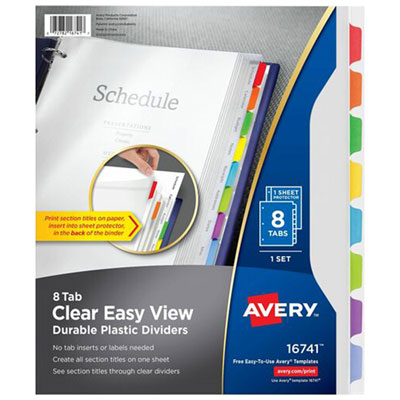 Your price for this item is $6.99
-
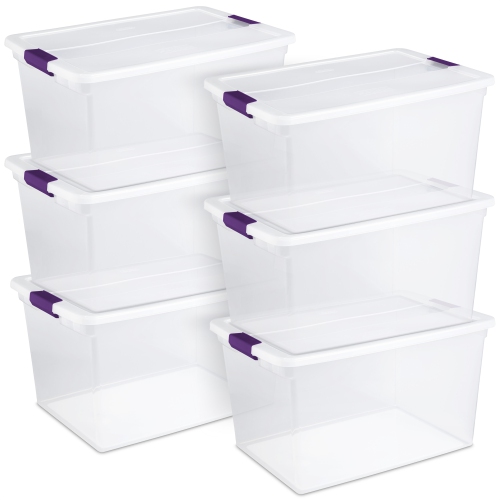 Your price for this item is $292.99
-
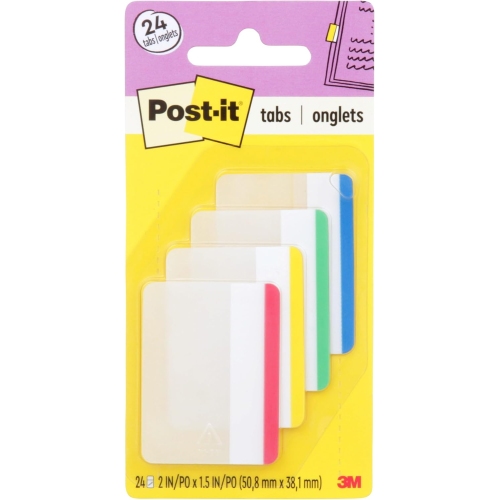 Your price for this item is $7.37
-
 Your price for this item is $417.99
-
 Your price for this item is $165.33
-
 Your price for this item is $4.99
-
 Your price for this item is $144.99
-
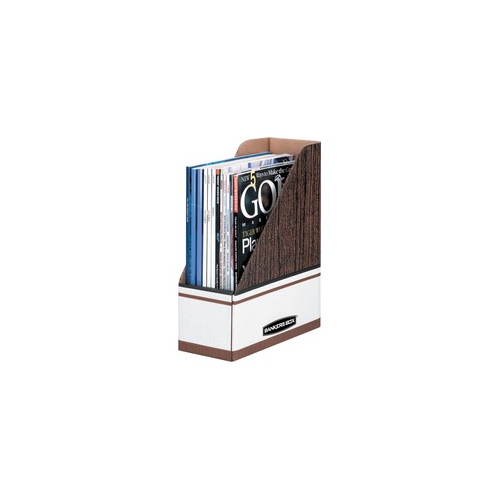 Your price for this item is $4.99
Discover more categories related to Poly Pocket Folders
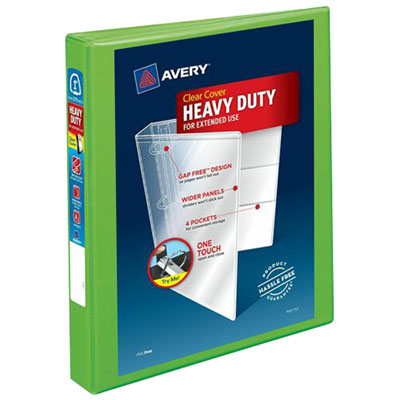
Top Collections:
Best Black Friday Deals This Year, Best Black Friday Deals On Electronics, Kindle Devices, Dyson Airwrap, Best Cameras for Sports Photography, Best Budget Office Chairs, Canon G7X Cameras, PS5 Pro Consoles, Best Black Friday Deals On Apple Products, XBOX One S Consoles
Some products may be subject to Environmental Handling Fees
(EHF) depending on your province.
Learn more about EHFs.