Portable Communication Devices
Looking for the perfect portable communication device to keep you connected on the go? Look no further! Best Buy Canada has a wide selection of cutting-edge devices that will help you stay in touch with friends, family, and colleagues wherever you are. Whether you need a smartphone for seamless multitasking, a tablet for entertainment on the move, or a smartwatch to keep up with notifications at a glance, we have just what you're looking for. Our collection of portable communication devices offers the latest features and technologies to ensure that you're always connected and never miss a beat. With options to suit every budget and lifestyle, finding your ideal device has never been easier. Explore our range today and discover the power of staying connected wherever life takes you.
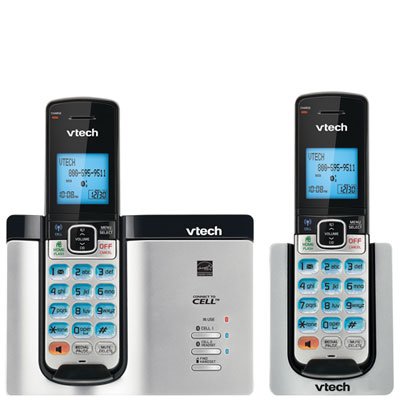
Portable Communication Devices
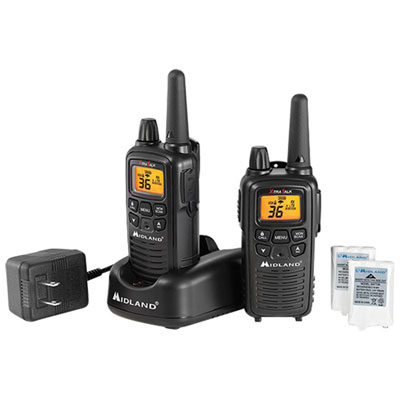
The communication method is one of the most important differences between portable devices. Cellular devices rely on a compatible mobile network and may be ideal for regular calls, messaging, internet access, and location-based services in populated areas. Wi-Fi communication can be convenient at home or in public spaces, though the device will need access to a suitable wireless network. Two-way radios communicate directly over radio frequencies, so they can be useful when a group is nearby and wants simple, immediate contact without exchanging phone numbers. Actual range can vary significantly depending on terrain, buildings, trees, weather, interference, and local conditions; the distance printed on packaging is generally measured in open, unobstructed areas. Satellite messengers are designed for situations where cellular service may be unavailable. Depending on the device and service plan, they can support text messages, location sharing, tracking, weather information, and emergency SOS communication through satellite networks. A clear view of the sky is often important, and sending messages may take longer in dense forests, deep valleys, or around tall structures. Satellite phones provide voice communication through satellite connections and are intended for people who may need direct calling far beyond terrestrial network coverage. They can be valuable for remote travel, field operations, emergency preparedness, and marine or backcountry use, although service availability, activation requirements, and subscription costs should be reviewed before purchase. Handheld amateur radios, commonly called ham radios, can support longer-distance communication and a broad range of radio functions, but operating them legally requires the appropriate Canadian certification and an understanding of applicable radio rules. For any device used during an emergency, communication should be considered one part of a wider plan that may also include extra power, important contact details, navigation tools, and knowledge of the area.
Portable communication devices can serve many different people and make thoughtful gifts when the features match the recipient’s routines. A student may appreciate a tablet for video calls, group messages, research, and keeping in touch while living away from home. A family member who travels regularly may value a smartphone with dependable battery performance, clear audio, and easy access to maps and messaging. Two-way radios can be a practical gift for families who spend time at campsites, cottages, ski areas, parks, or large outdoor venues, particularly when children and adults need a straightforward way to check in. They can also help during cooler months when a group is spread across a property, a trail, or a recreational area and gloves make typing on a touchscreen inconvenient. For hikers, paddlers, hunters, backcountry travellers, and remote workers, a satellite messenger may offer added confidence when a route extends beyond reliable cellular coverage. Look for features such as two-way messaging, location sharing, tracking intervals, weather information, SOS support, water resistance, and the associated service plan. Battery performance matters for every type of portable communicator, especially during long days outdoors or travel through areas with limited access to power. Consider whether the device uses replaceable batteries, USB charging, a charging dock, or a portable power bank, and check how standby time differs from active use. A rugged build, readable display, physical controls, and simple menus can be more valuable than a long list of advanced functions when communication needs to be fast and dependable. It is also worth checking compatibility with networks, accessories, operating systems, radio frequencies, and subscription services before making a choice. The best fit is a device that suits the user’s environment and communication habits, whether that means sending a quick message from a busy commute, coordinating a group at a campsite, joining a video call from a hotel, or sharing an emergency location from a remote trail.
Top selling and popular products
-
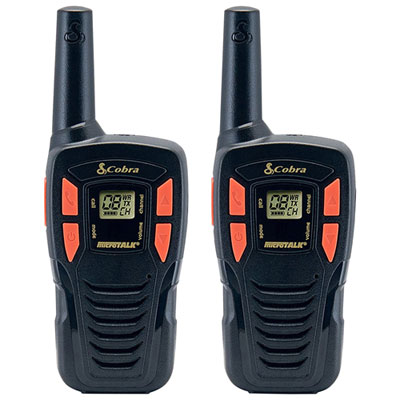 Your price for this item is $69.99
 -
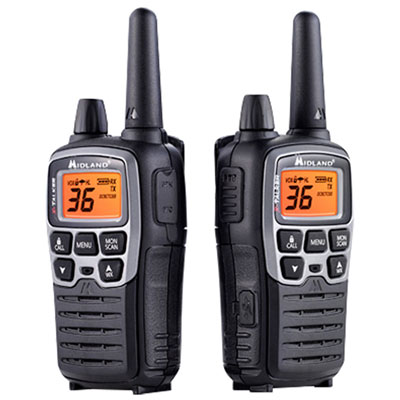 Your price for this item is $139.99
 -
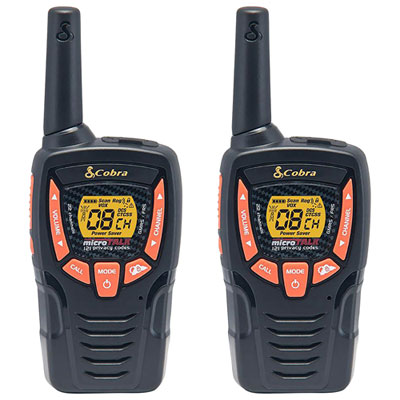 Your price for this item is $89.99
 -
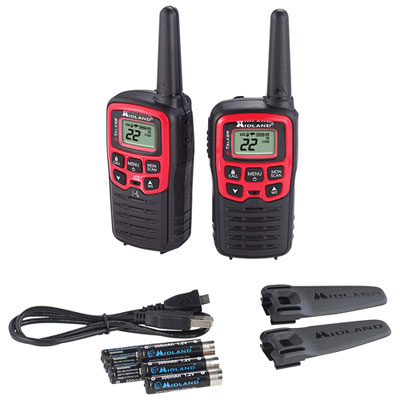 Your price for this item is $89.99
 -
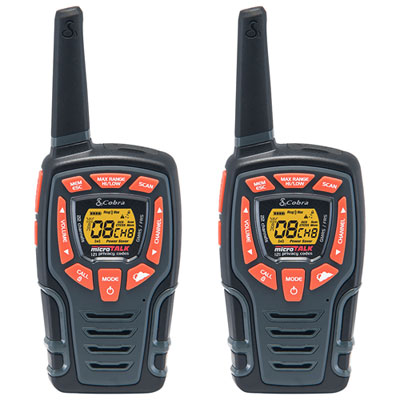 Your price for this item is $129.99
 -
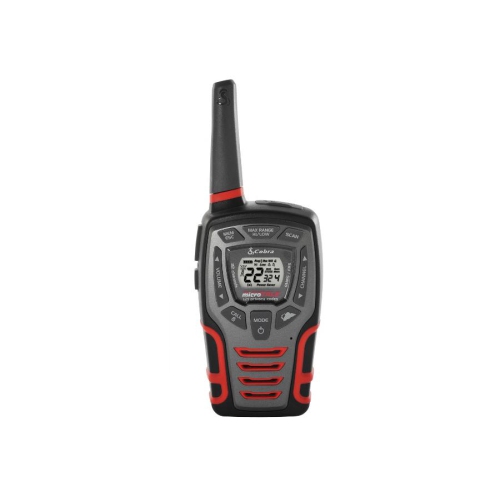 Your price for this item is $134.85
 -
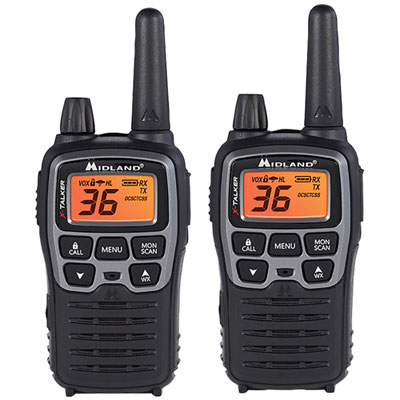 Your price for this item is $179.99
 -
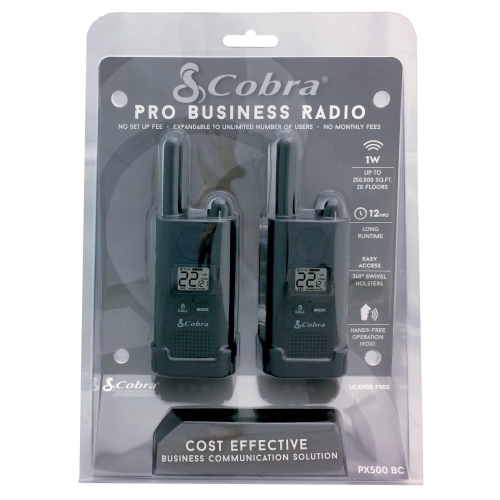 Your price for this item is $57.25