Professional Organizers
Organize your space with our selection of professional organizers designed to streamline your home or office. From stylish storage solutions to versatile shelving units, these organizers are crafted to maximize efficiency and minimize clutter in any room. Whether you're looking to tidy up your workspace, declutter your living areas, or optimize your closet space, our range of professional organizers offers practical and aesthetically pleasing options to suit your needs. Say goodbye to chaos and hello to a more organized and harmonious environment with our collection of professional organizers.
Sort



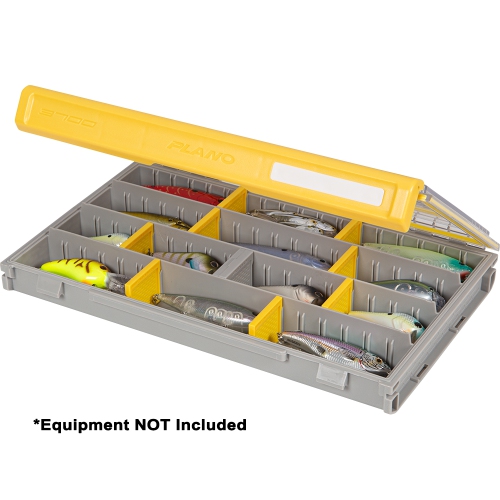
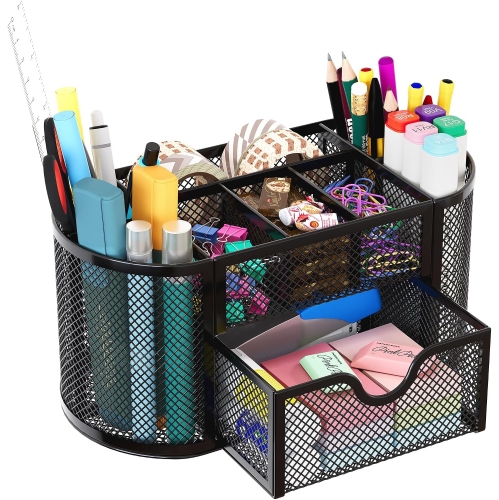

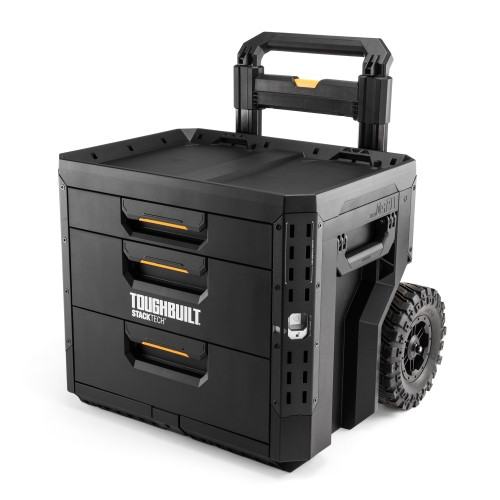
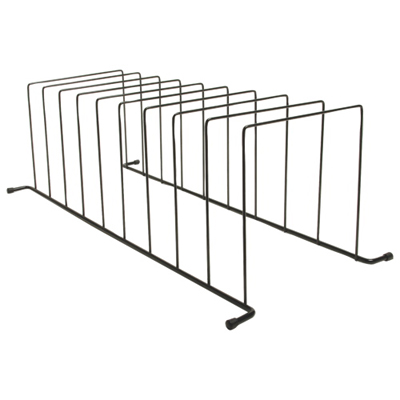
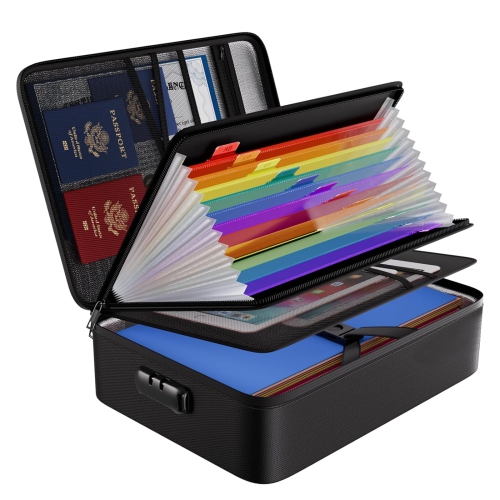
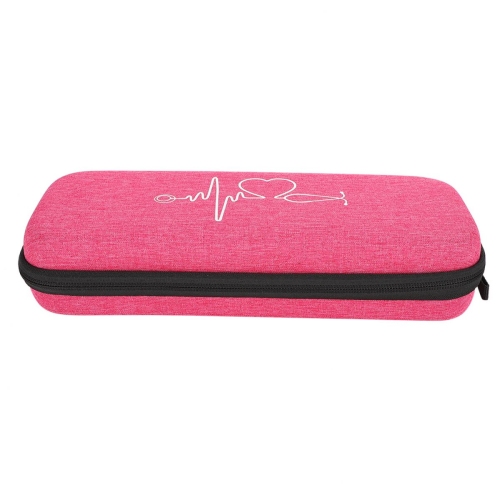
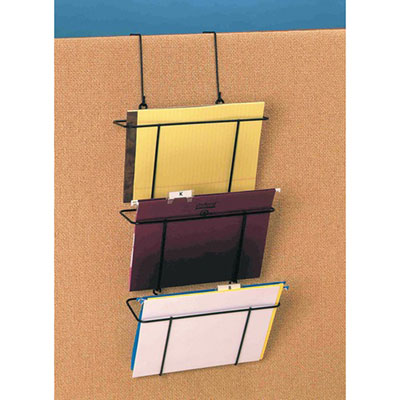
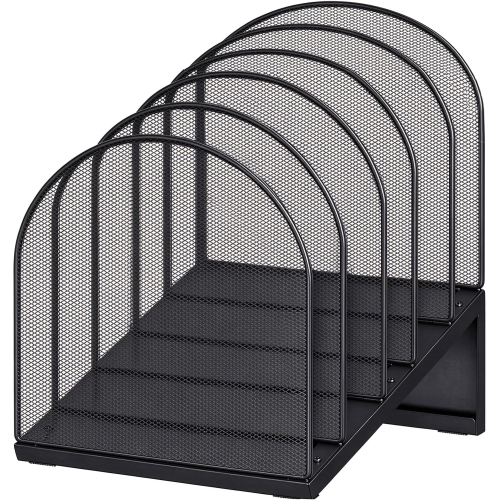

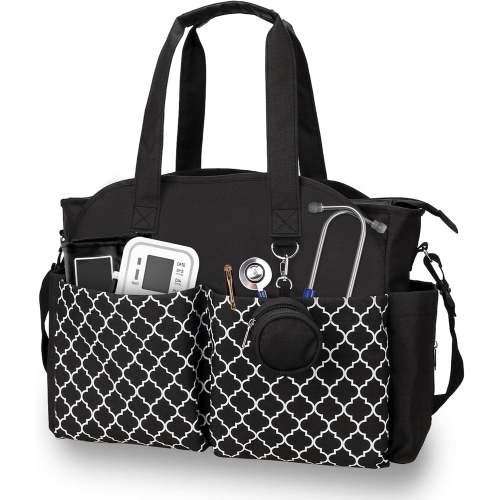
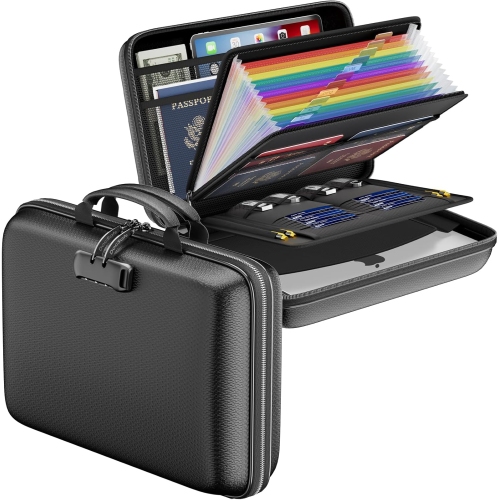
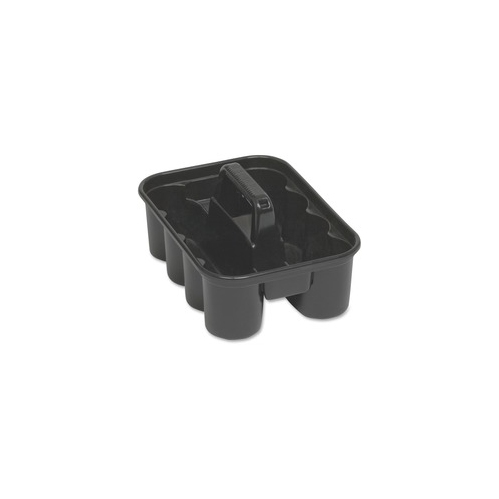
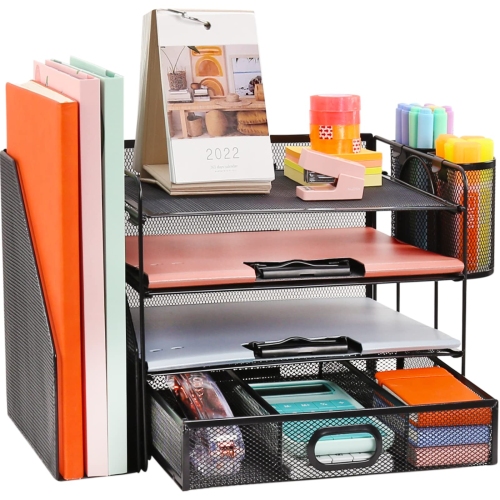
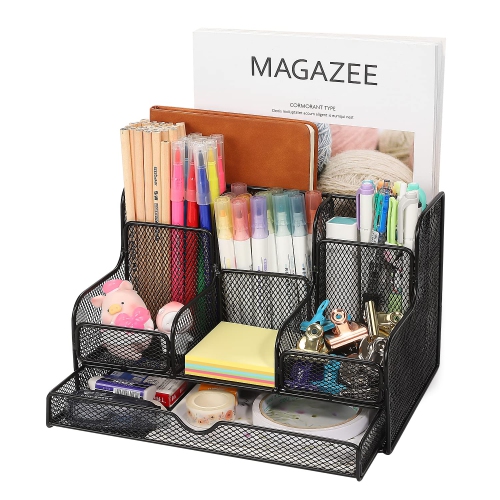
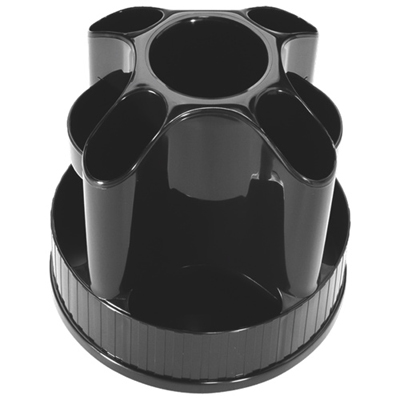

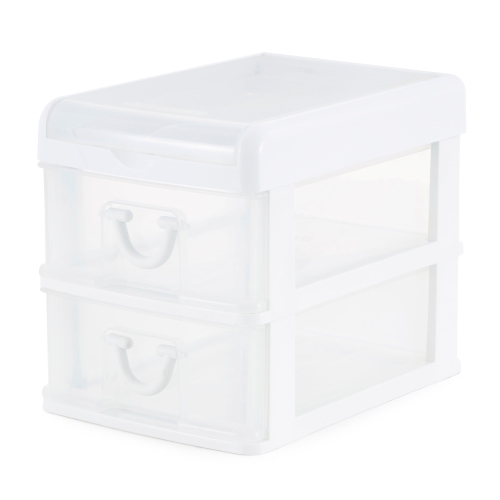
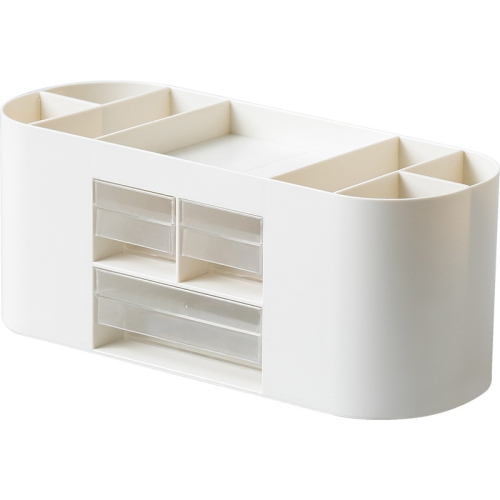

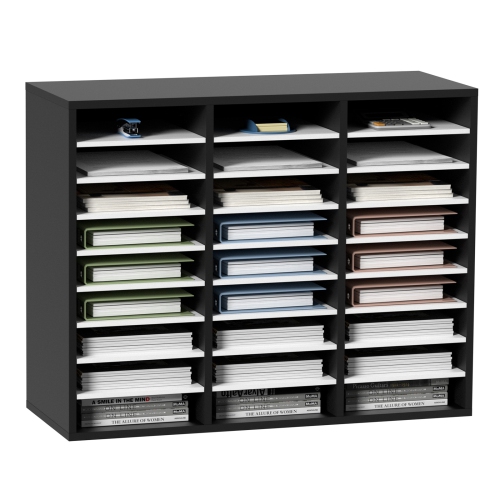

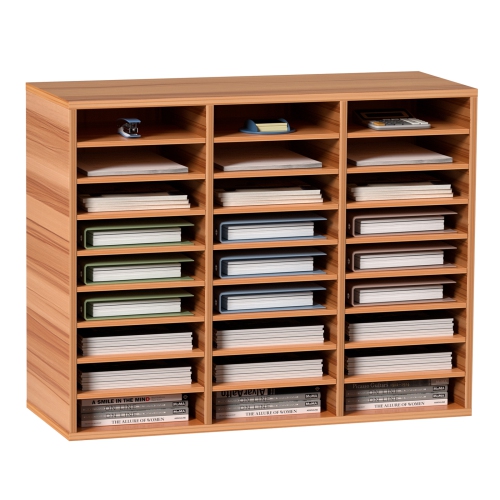
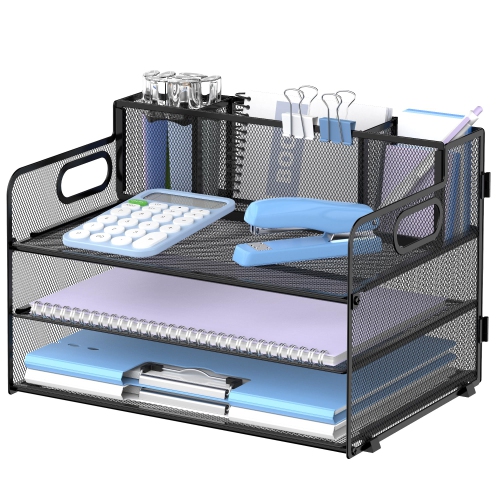
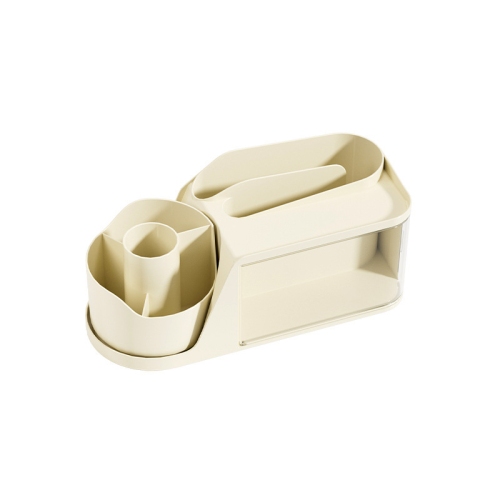
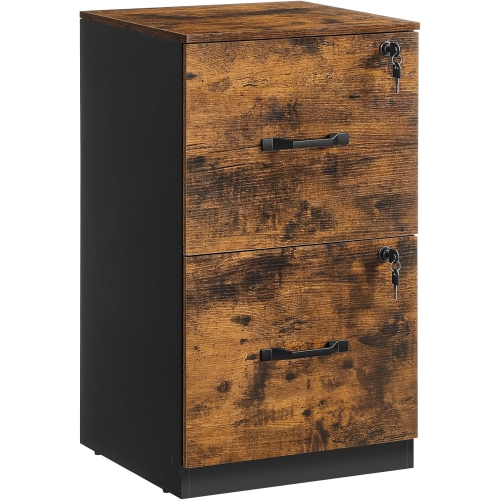
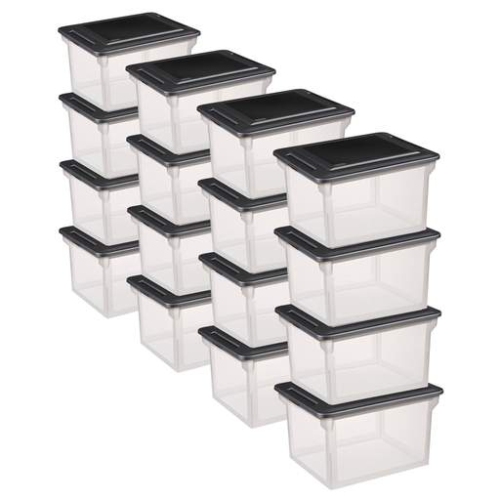
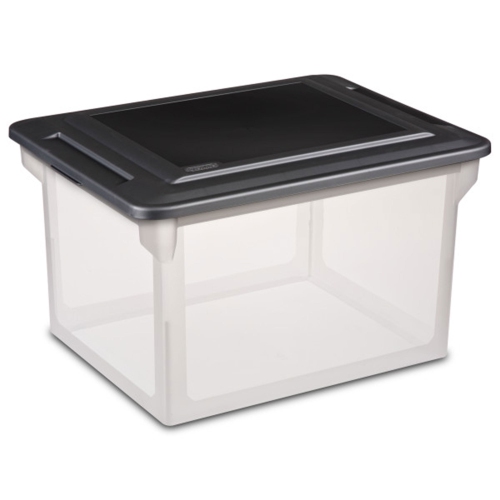


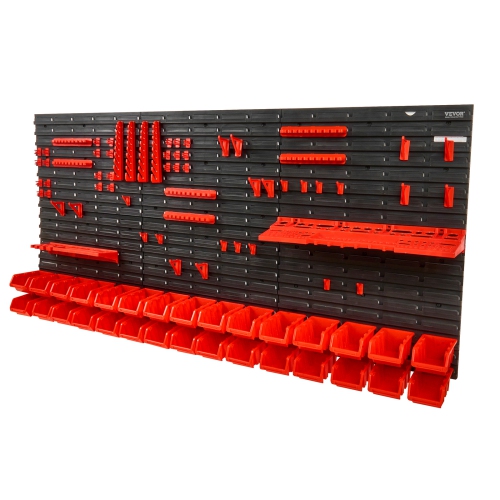


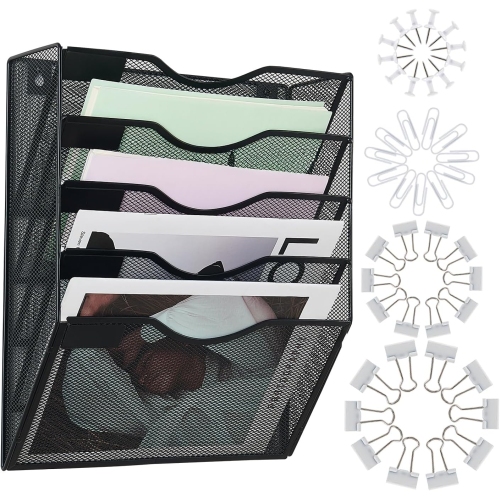

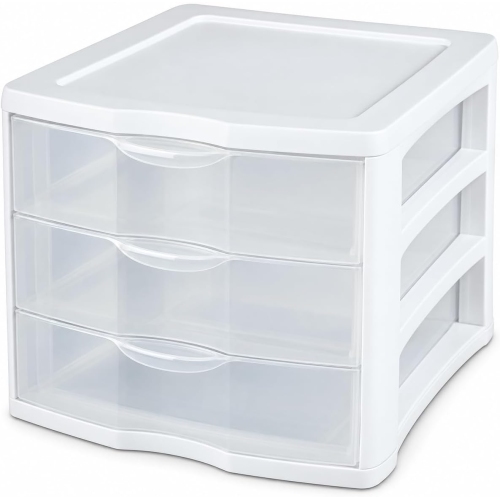
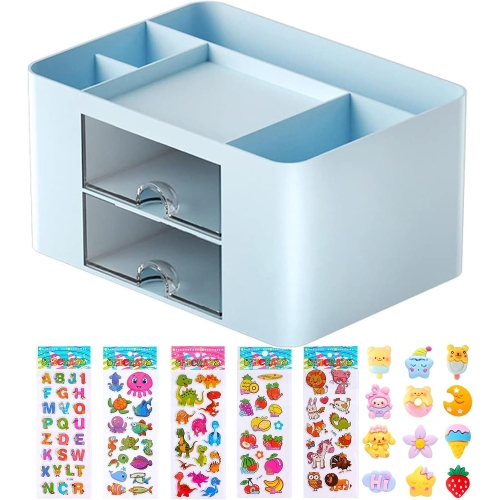
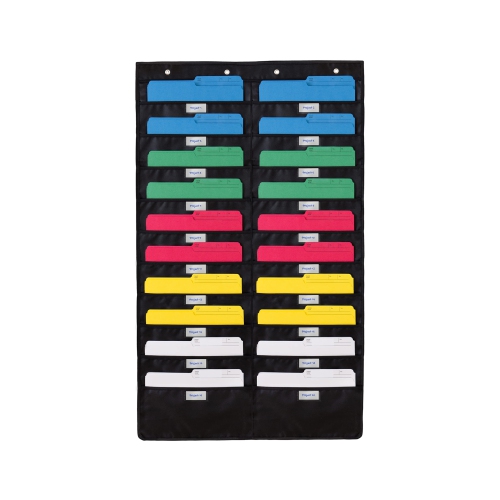

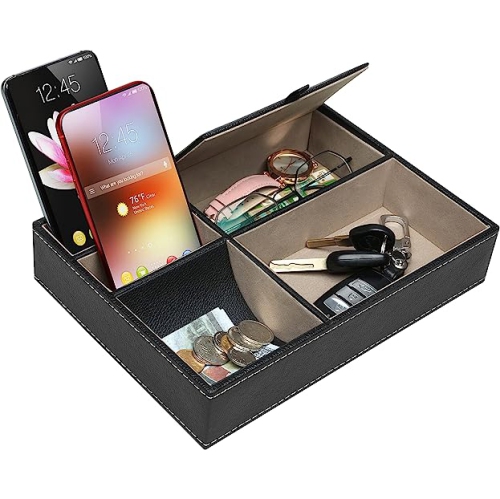
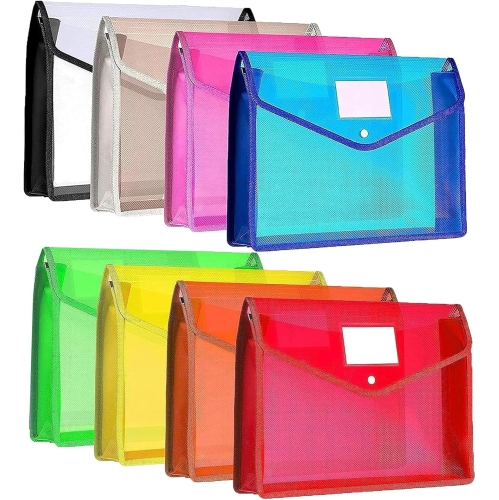
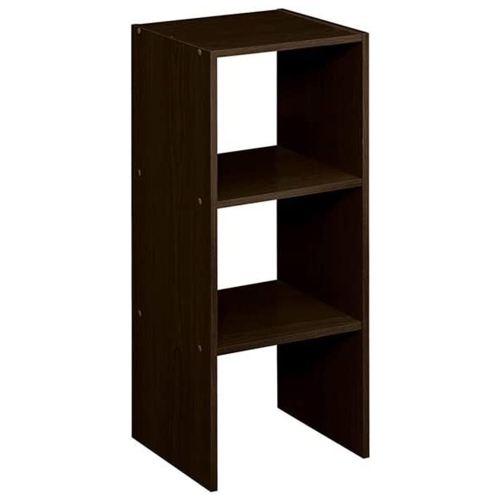
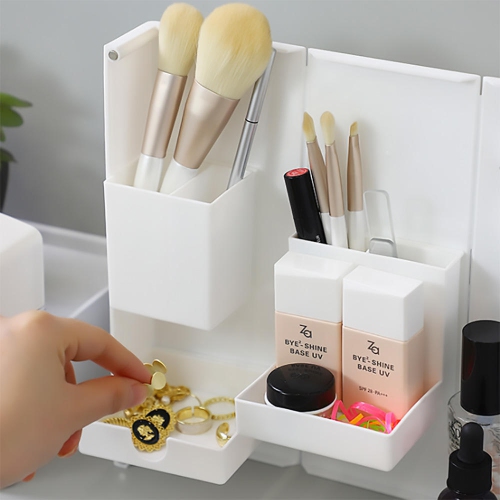
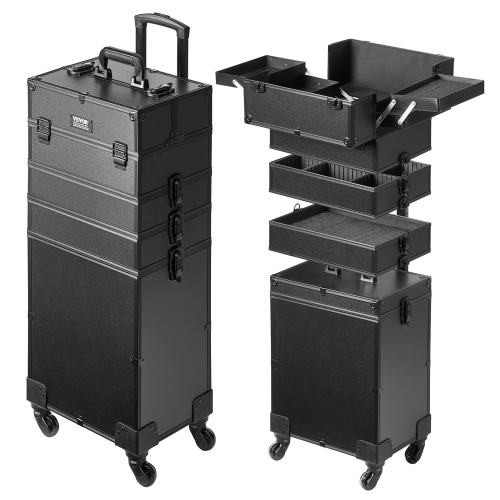
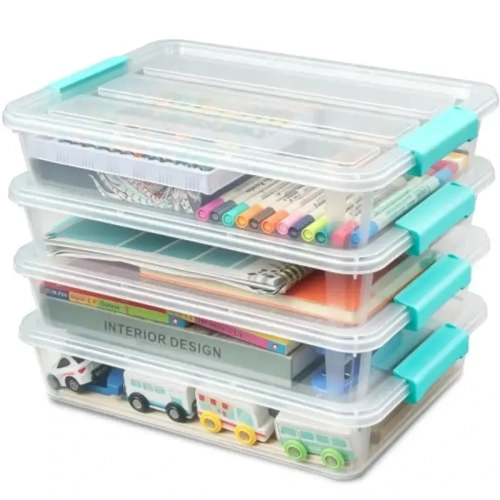
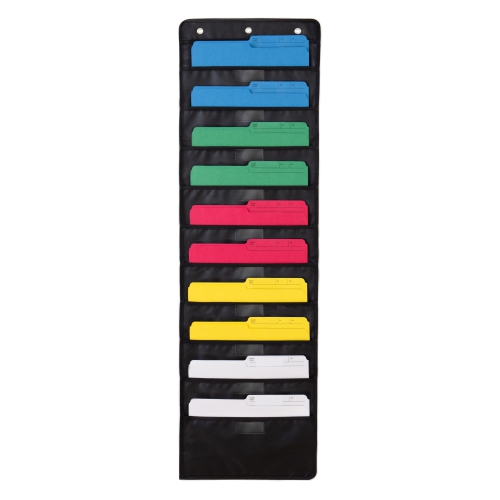
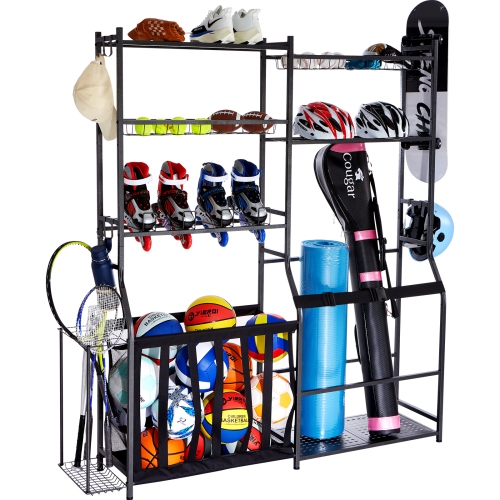
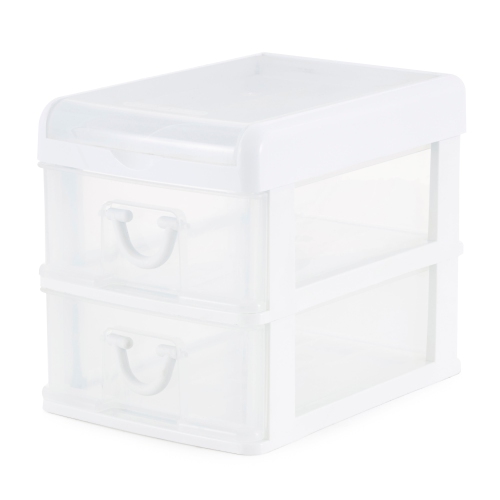
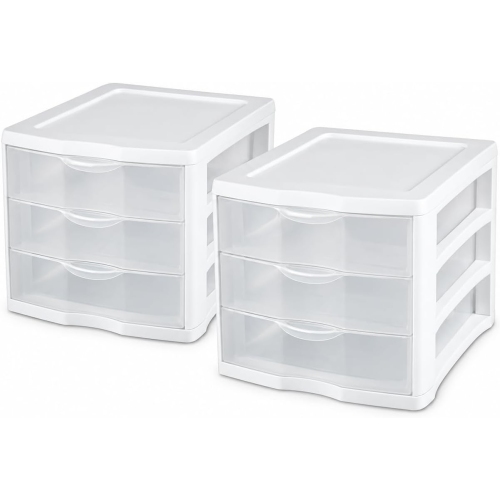
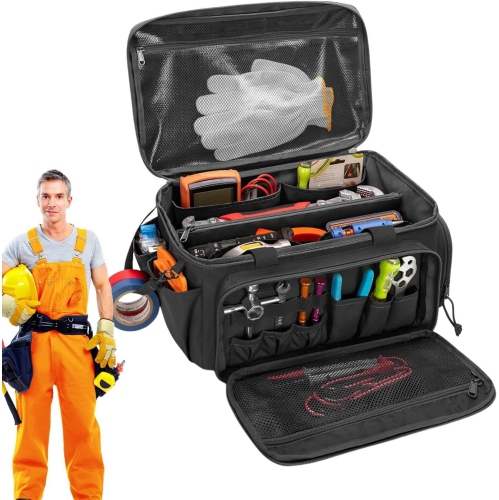
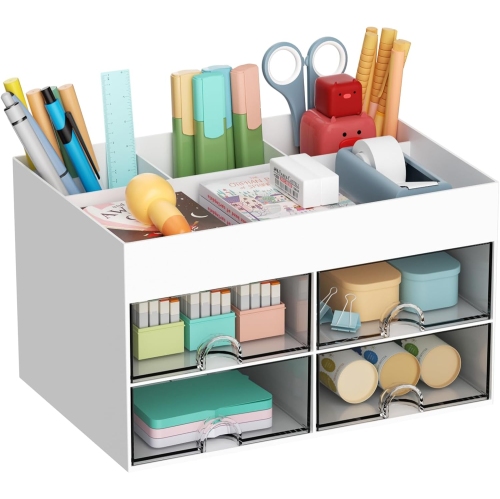
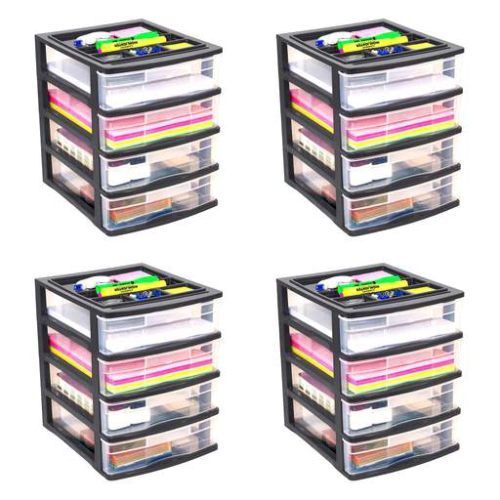
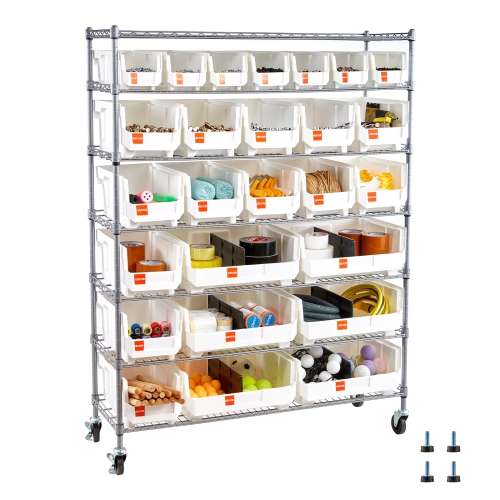
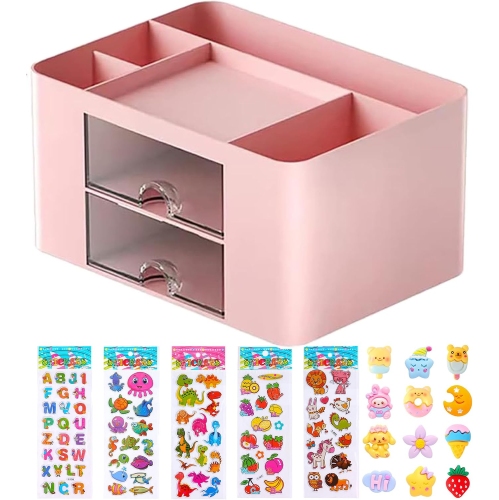
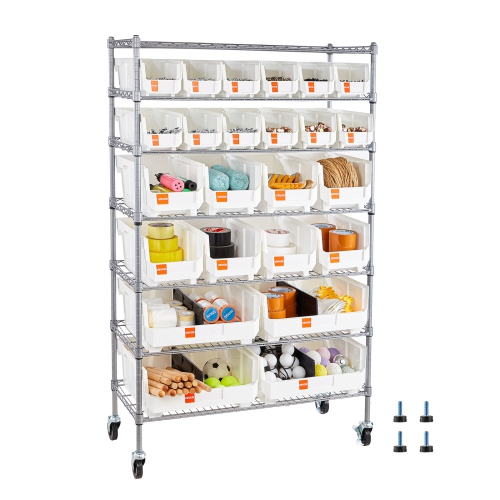

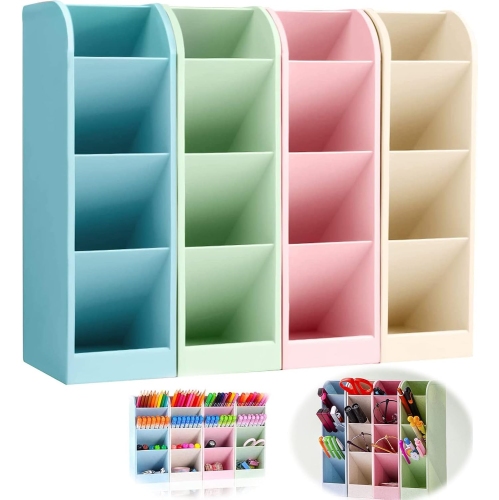
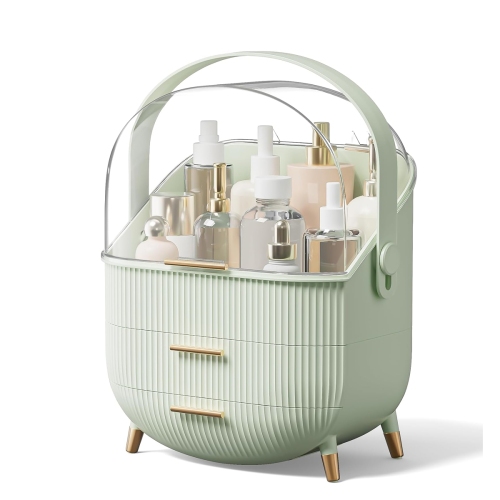

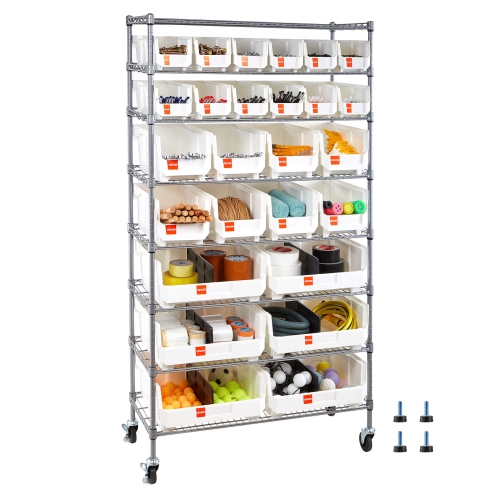
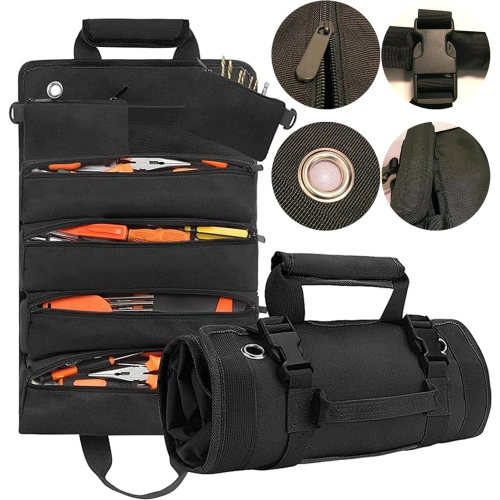
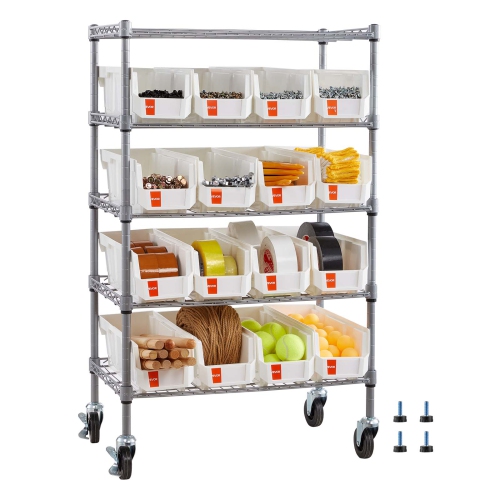
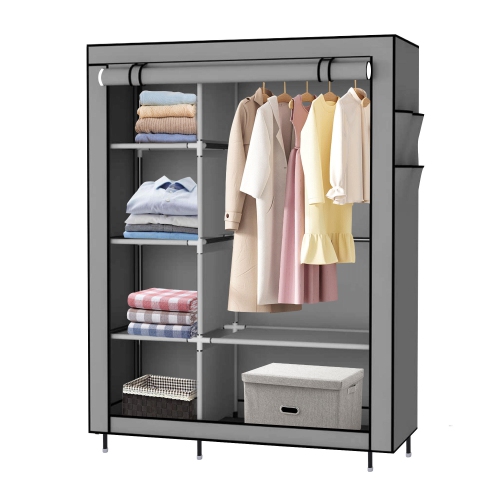
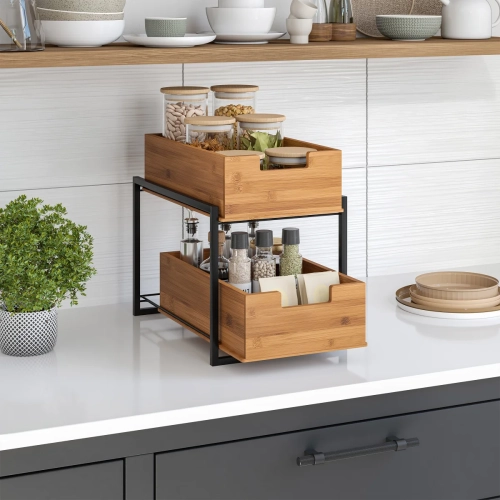
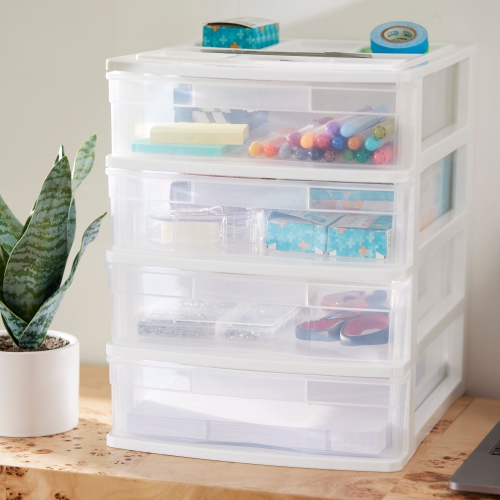
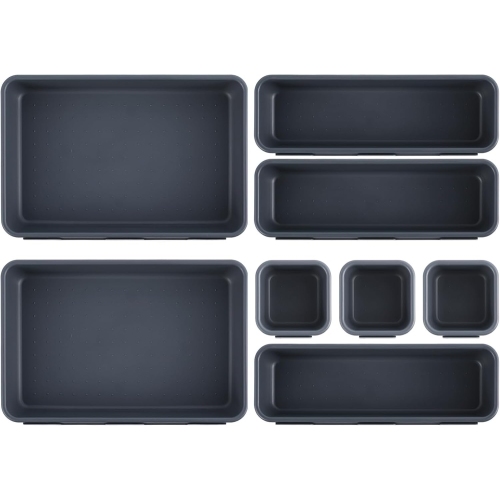
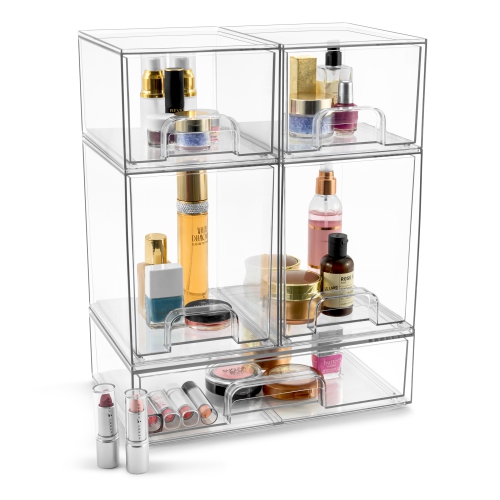
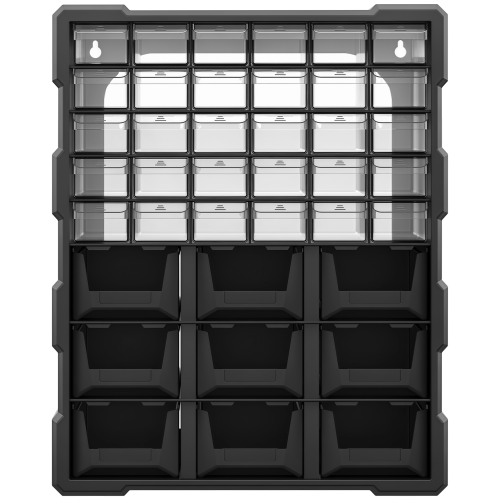
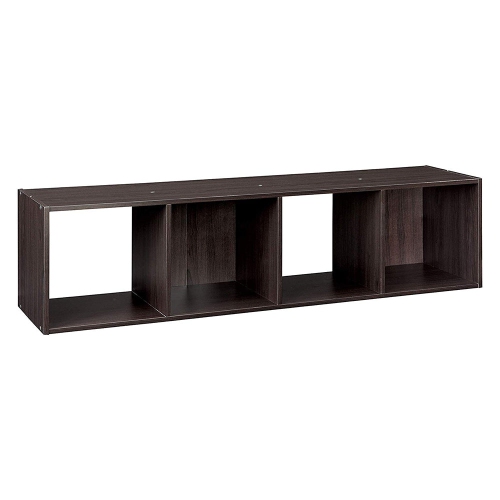

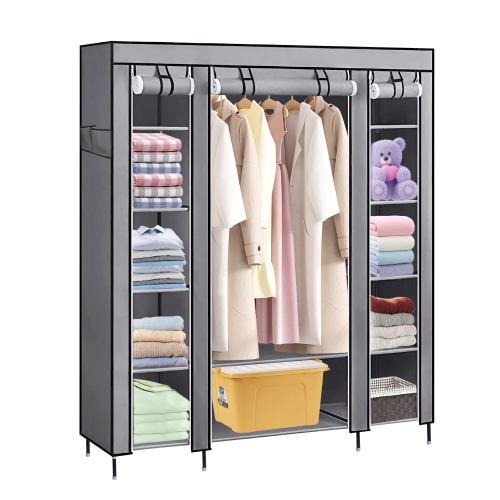
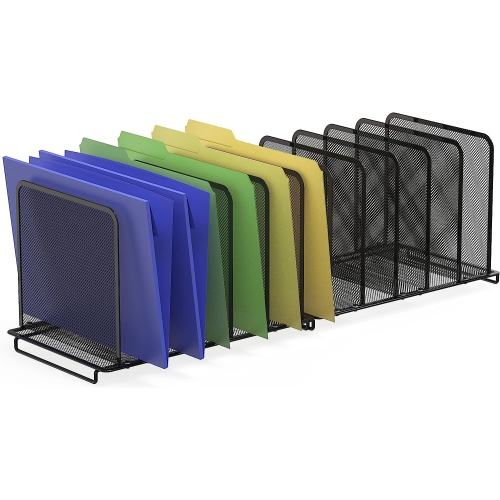
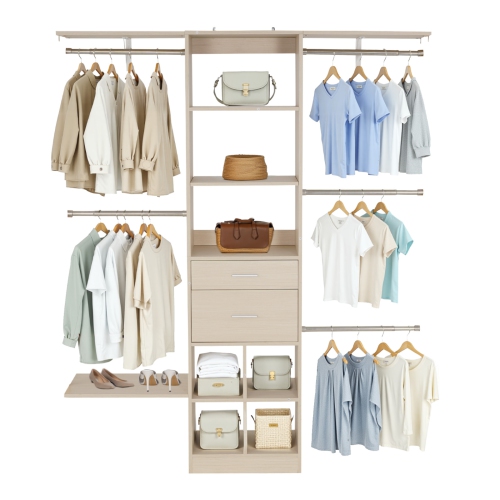
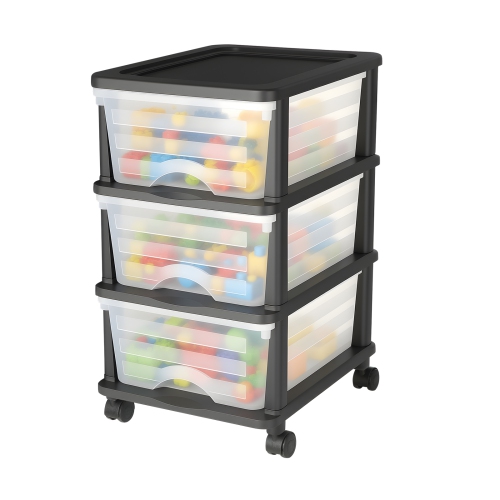
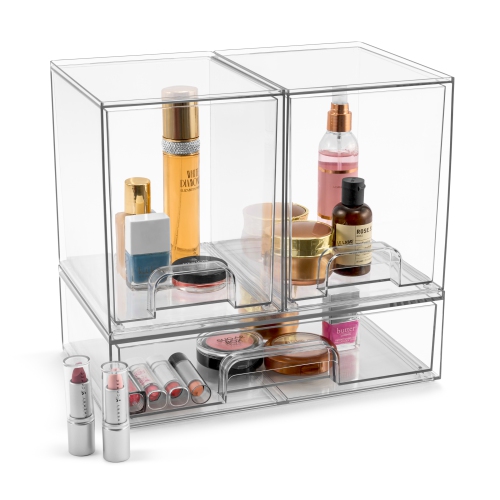


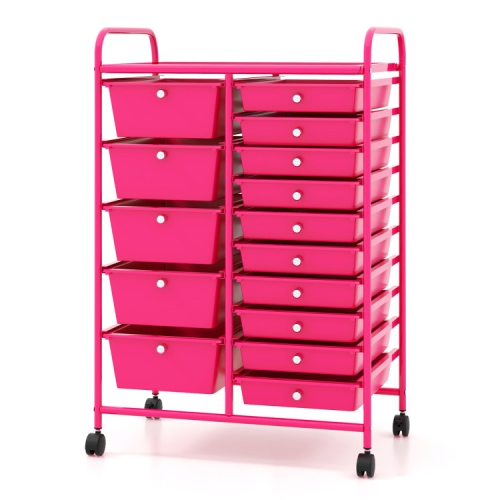
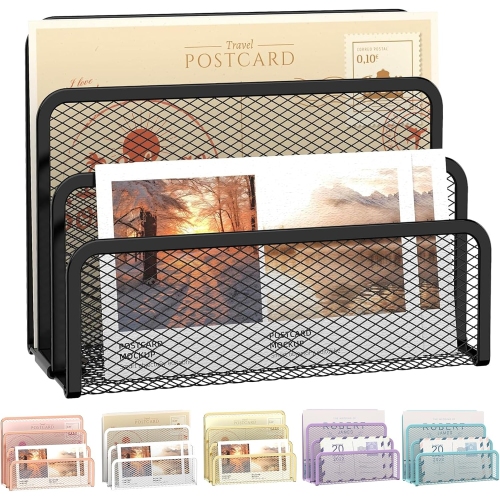
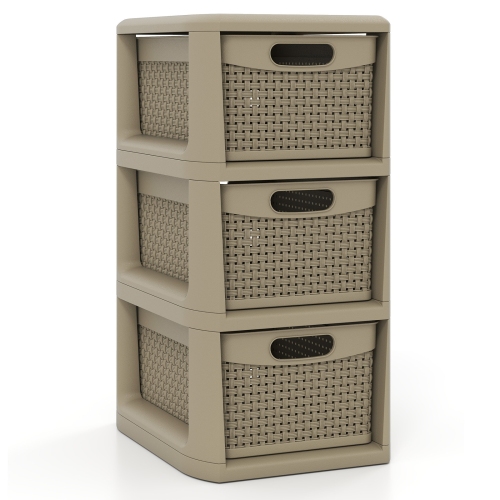
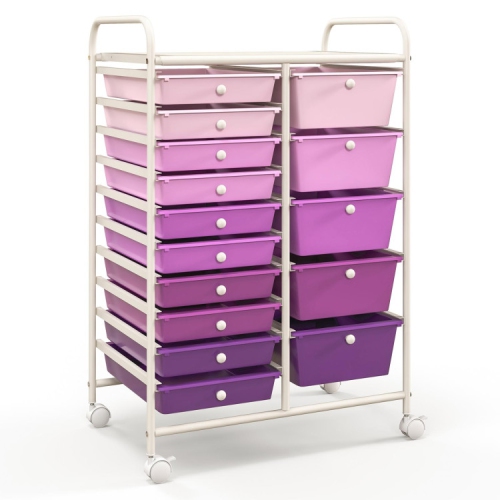
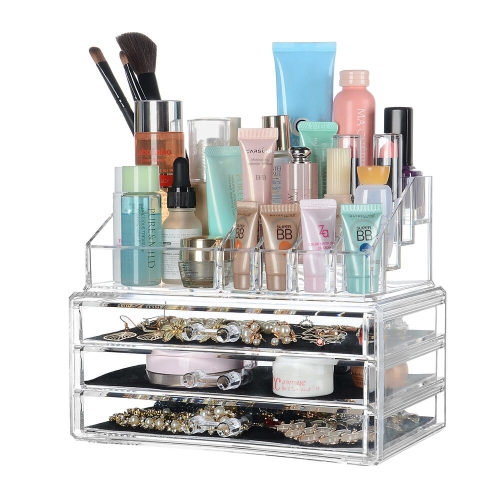

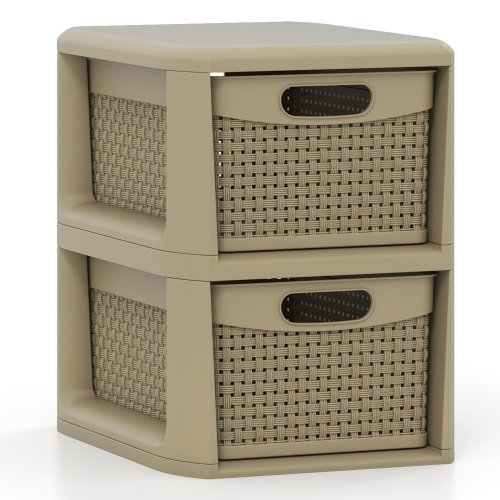
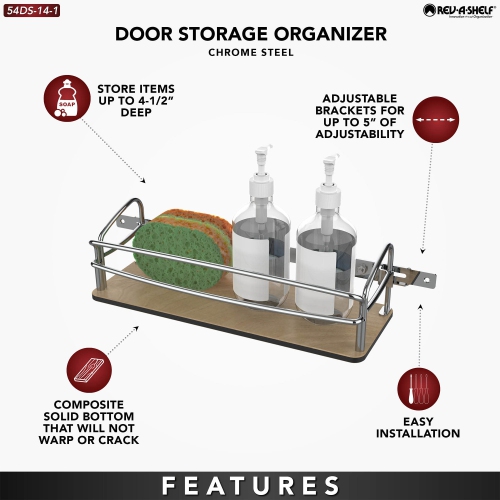
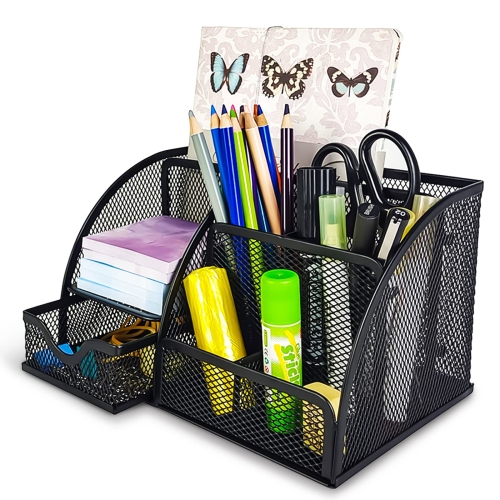
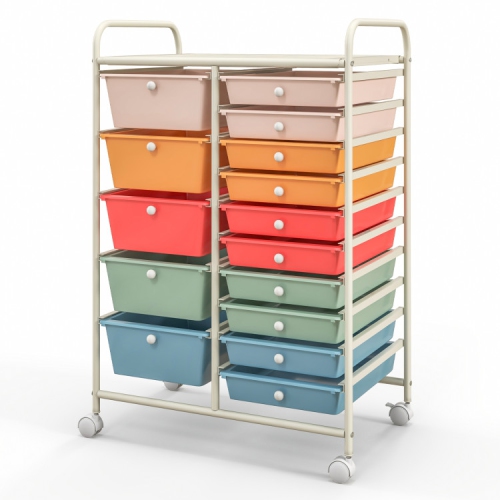
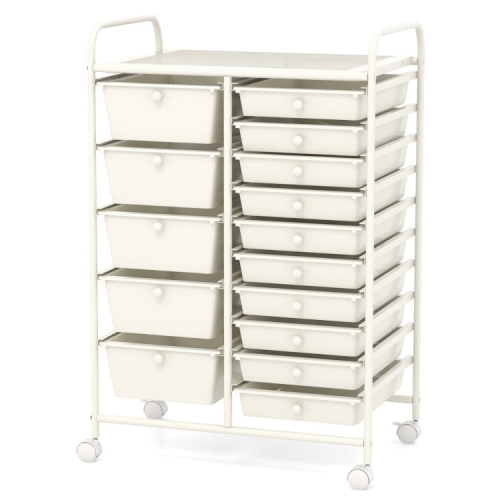
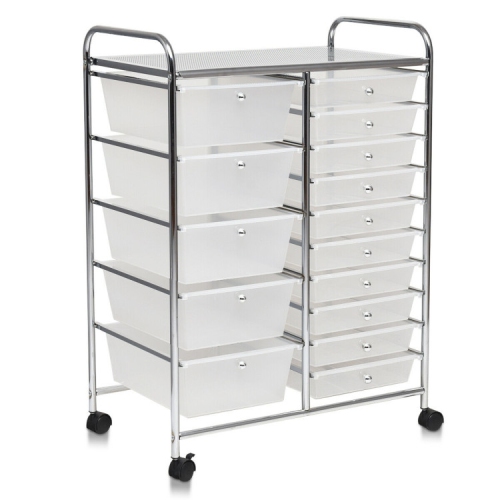
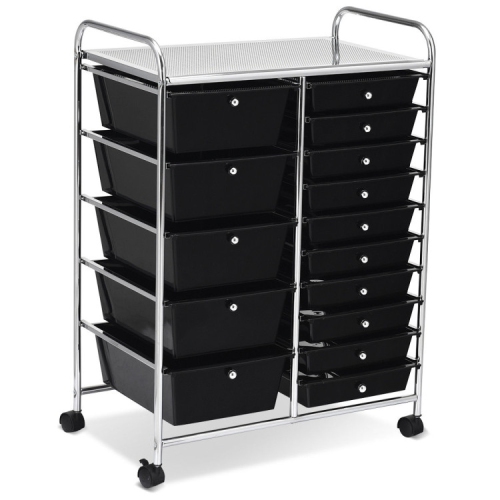
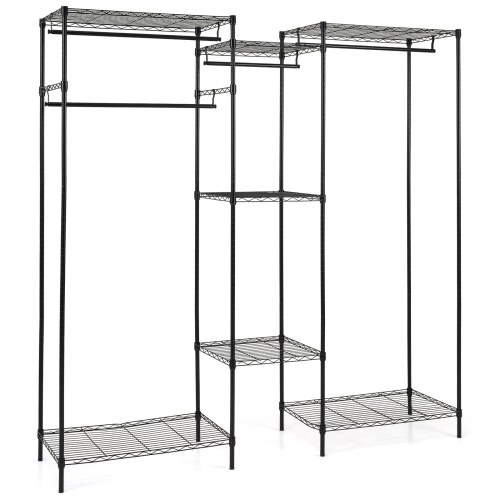


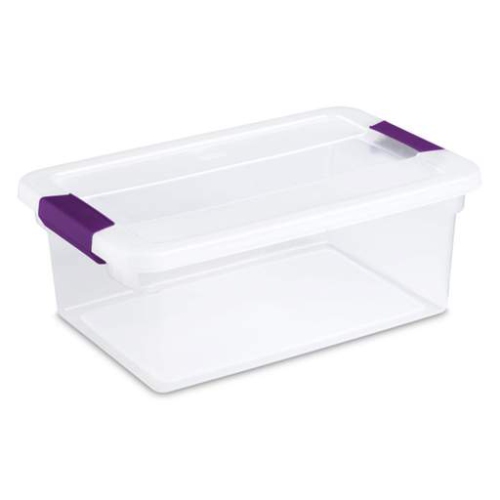
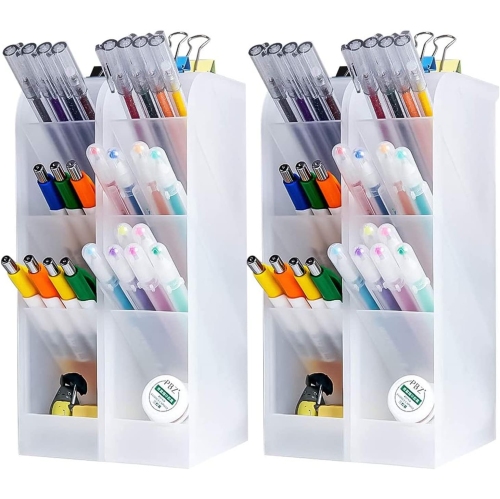
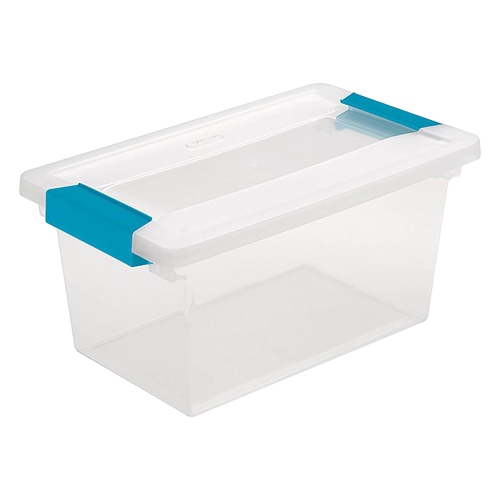
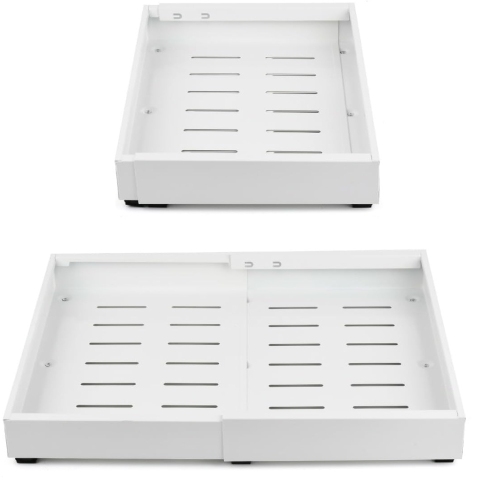
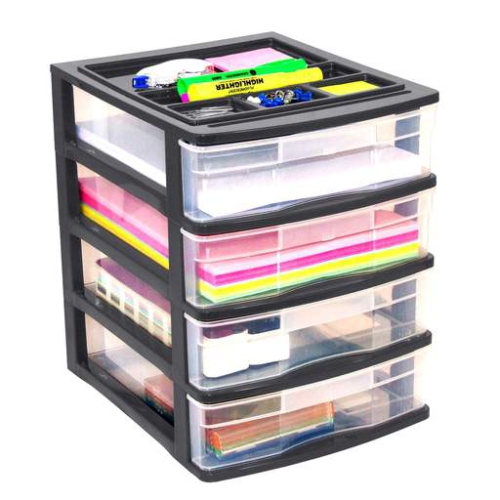
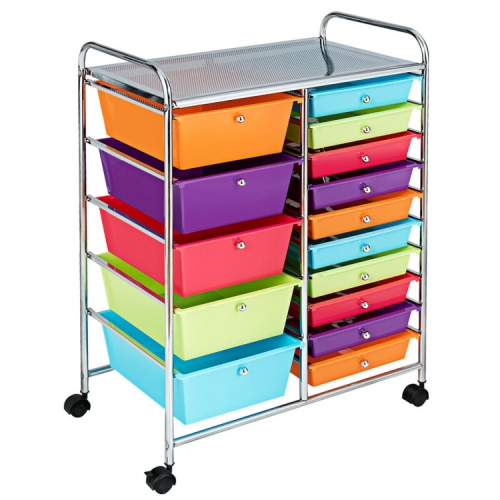
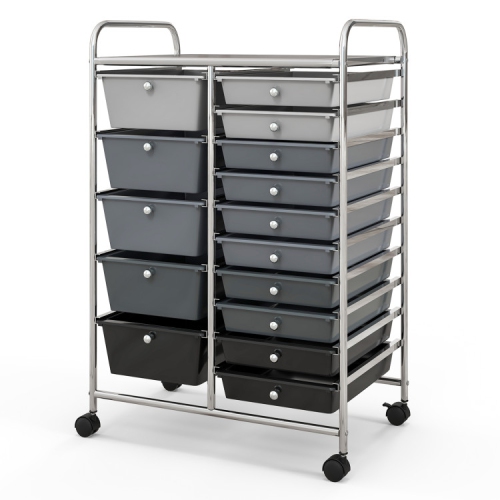


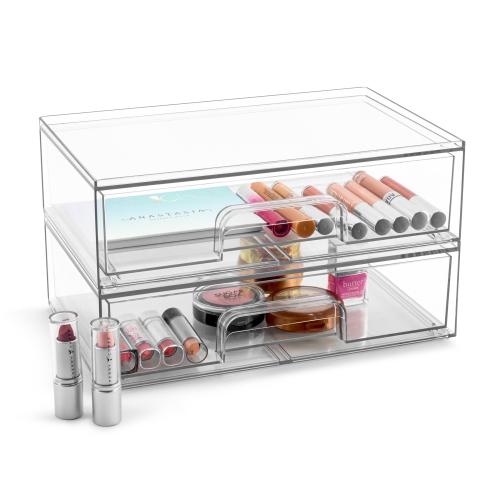

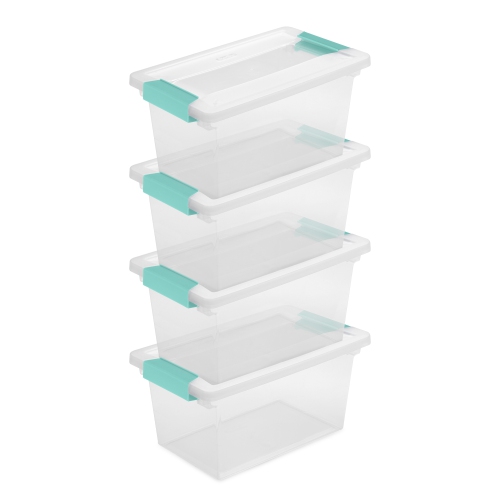

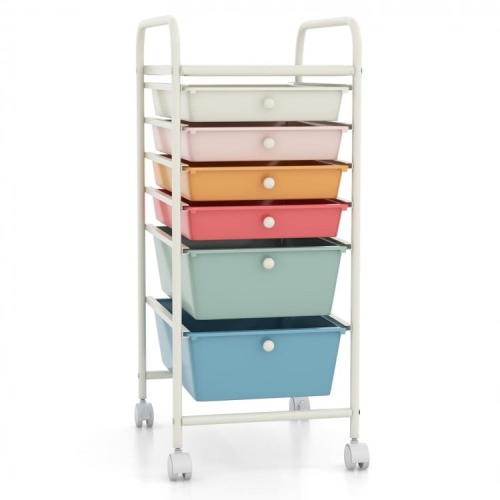

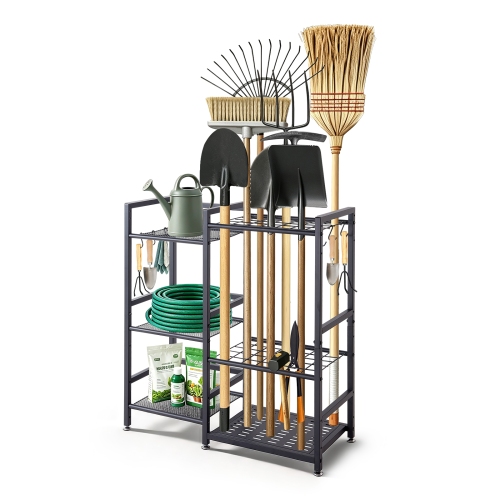
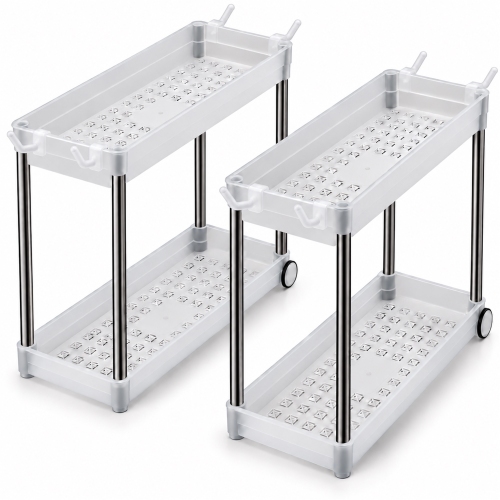
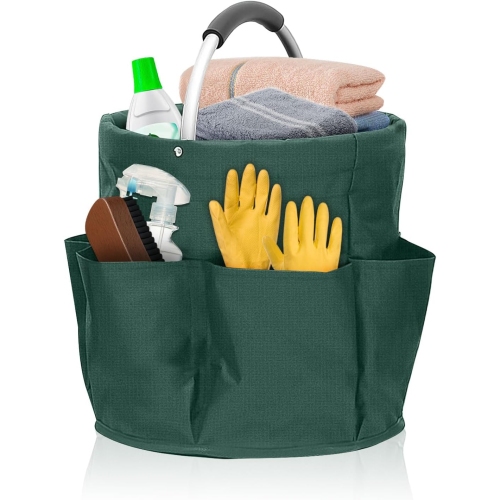
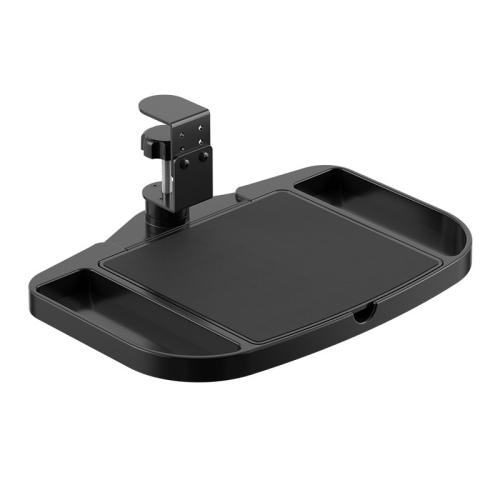

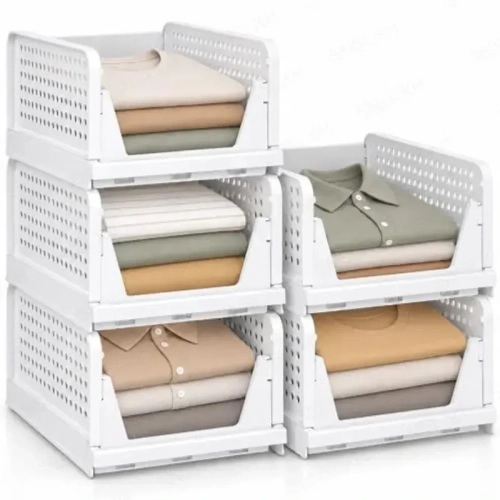
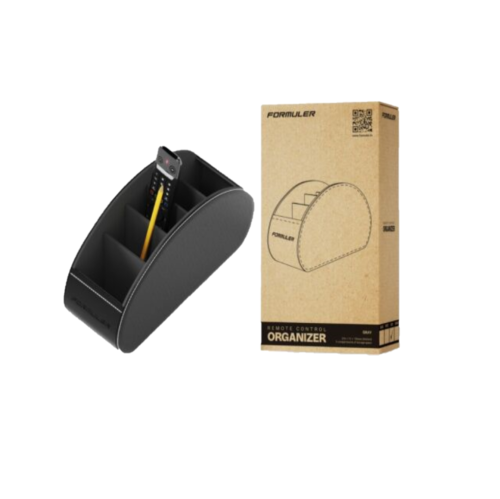
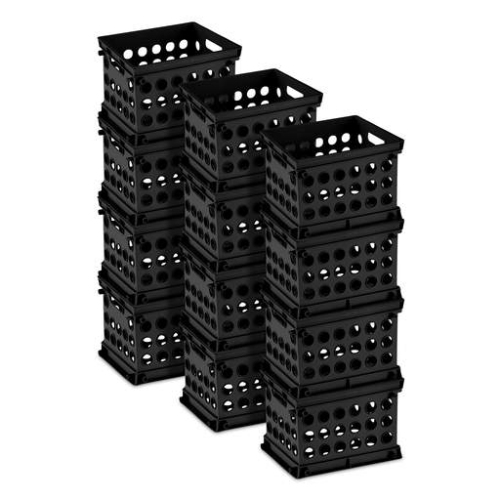

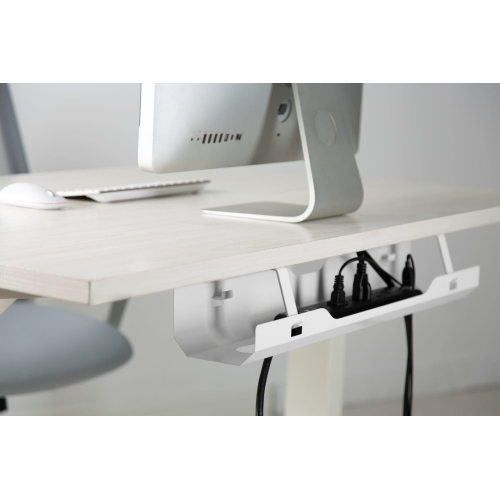

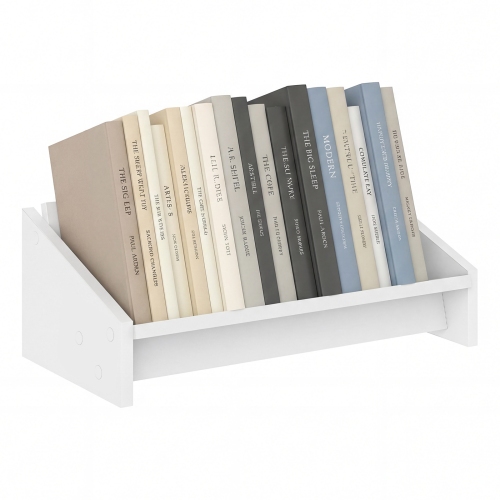
Organizing systems built around how you actually live
Professional organizers help individuals, households, and businesses sort belongings, reduce clutter, and establish practical systems for managing physical spaces, paperwork, and digital information. Their work combines hands-on organizing with decision-making support, making it easier to find what is needed and put things away after use. Unlike routine cleaning, which focuses on removing dirt and maintaining surfaces, professional organizing addresses what belongs in a space, where it should go, and how that arrangement fits everyday habits. A kitchen counter covered with mail, a closet that makes getting dressed difficult, or a home office with several unfinished filing systems can each call for a different approach. Organizing services typically begin with a conversation about the space, the challenges it presents, and the people who use it. From there, the work can include sorting possessions into clear categories, identifying duplicates, separating belongings intended for donation or disposal, and assigning accessible places for what remains. Decisions about personal belongings stay with the client; an organizer provides structure and perspective rather than treating every possession as something to remove. A useful result is not necessarily a bare shelf or a perfectly matched display. It is an arrangement that makes sense to the person opening the cupboard, reaching for a document, or putting away laundry. For a busy household, that might mean shared storage with clearly defined sections. For someone living alone, it might mean keeping frequently used belongings within easy reach and simplifying the number of steps in a daily task. Professional organizing can suit renters, homeowners, students, parents, and people whose work or caregiving responsibilities leave little time for sorting. The emphasis is on a workable routine, not a particular decorating style or an expectation that every room must look the same. Some projects focus on a single trouble spot, while others connect several rooms so belongings no longer drift between temporary piles. Both approaches can be useful when the scope reflects the household’s priorities and capacity to maintain the changes.
Moving, downsizing, combining households, and settling an estate are common reasons to seek professional organizing support. These projects involve more than fitting possessions into a smaller space: they also require decisions about daily needs, sentimental belongings, household responsibilities, and the effort involved in a transition. Before a move, an organizer can help distinguish what should travel to the next home from what no longer serves a purpose. During unpacking, the focus can shift to establishing functional rooms rather than simply emptying boxes into the nearest cupboard. For someone downsizing, planning around the layout and storage capacity of the next home helps give those decisions a concrete frame of reference. A collection that once occupied an entire room may need a more selective display, while frequently used belongings may deserve the most accessible storage. Family photographs, inherited possessions, and personal records often need a slower pace than everyday household clutter. Respectful support leaves room for that difference without making assumptions about what another person should value. Older adults and people with mobility limitations may benefit from arrangements that reduce bending, lifting, or reaching overhead, with attention to clear walkways and comfortable access. People who experience ADHD or ongoing difficulty with organization may prefer visible categories, fewer sorting steps, and routines linked to habits they already have. An organizer’s relevant experience matters here, and organizing support is distinct from clinical assessment or mental health treatment. Where clutter presents serious safety concerns, work may require coordination with qualified specialists rather than a standard organizing session alone. The agreed scope also matters for practical tasks: organizing, packing, transporting donations, removing unwanted belongings, and cleaning are separate activities that should not be assumed to be part of the same service. Clear expectations about responsibilities, decision-making, and the pace of work help make a personal transition more manageable, particularly when several family members are involved.
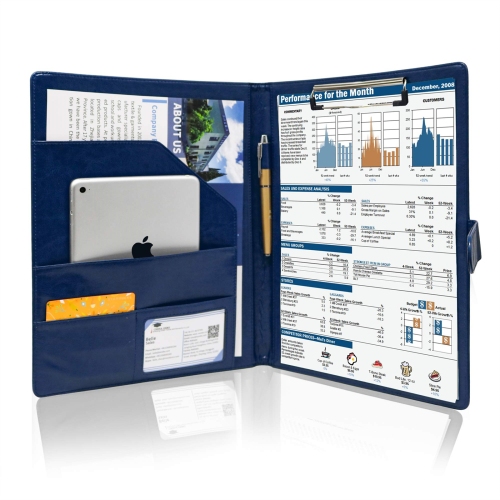
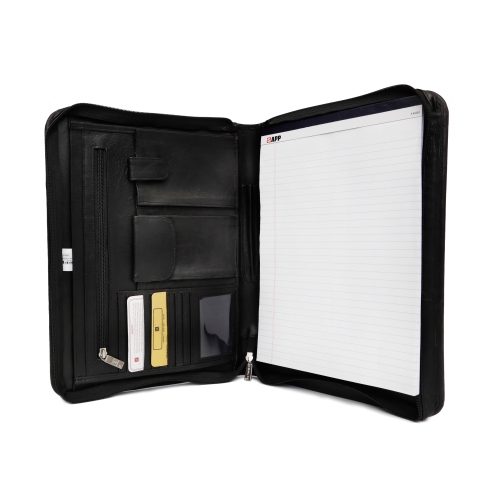
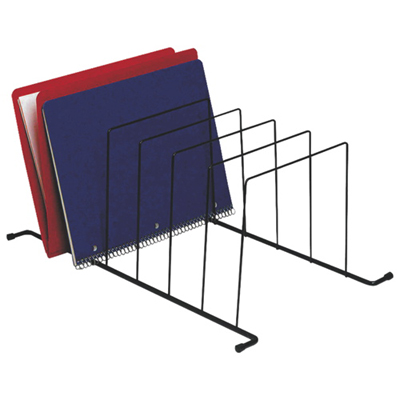
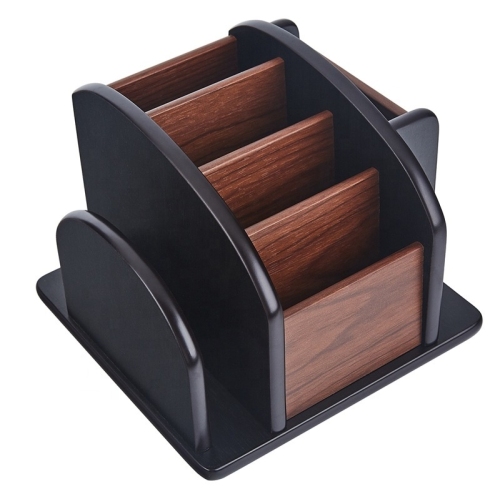
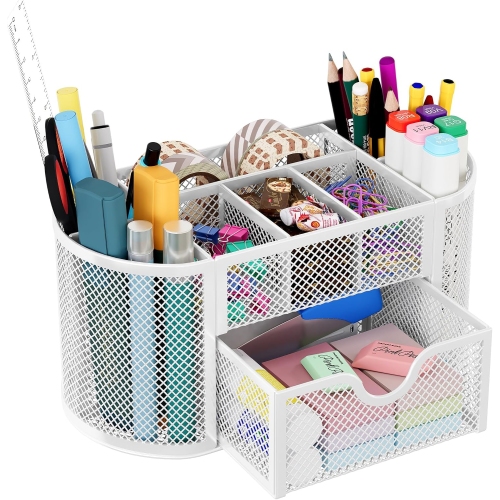
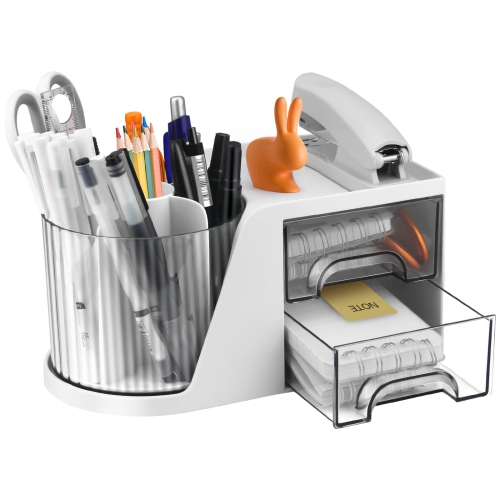
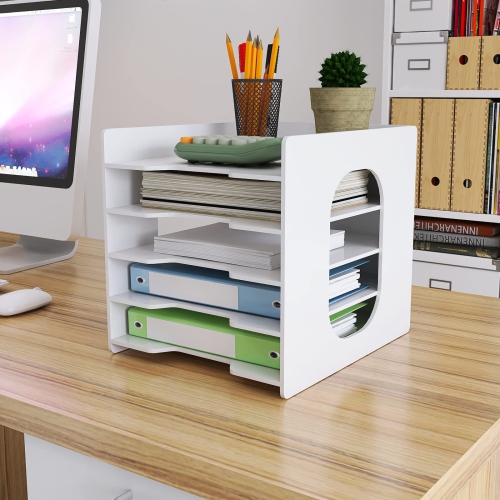
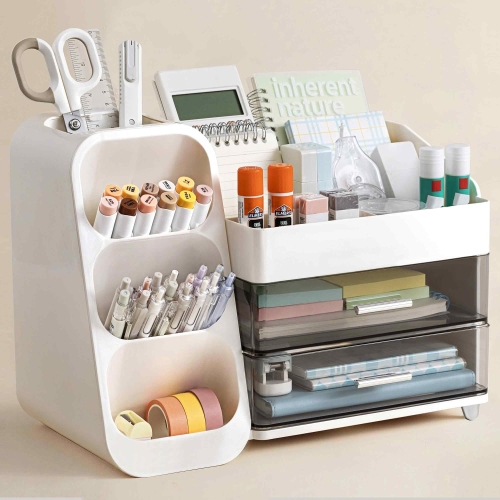
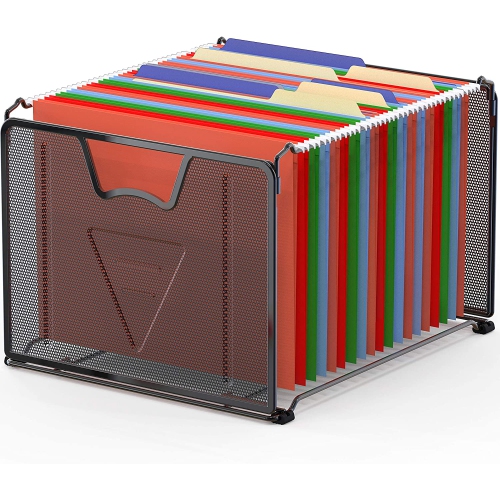
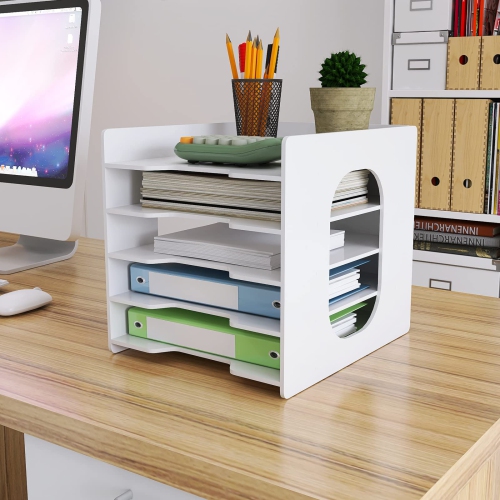
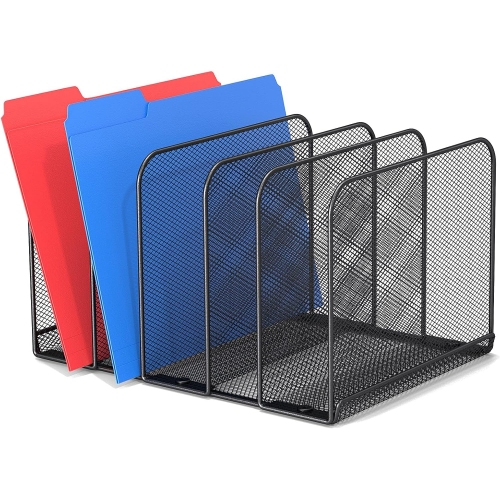
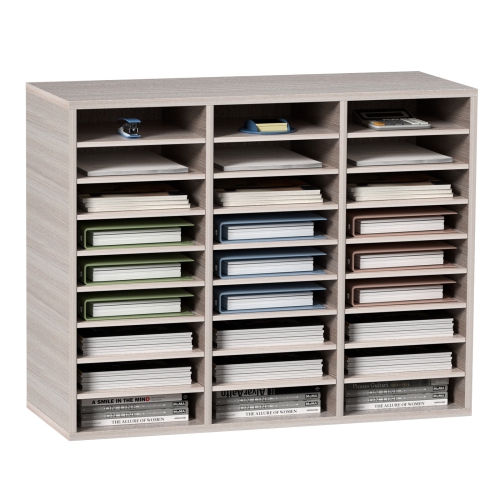
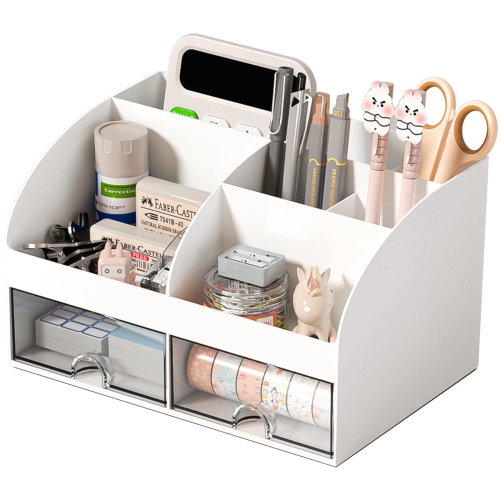
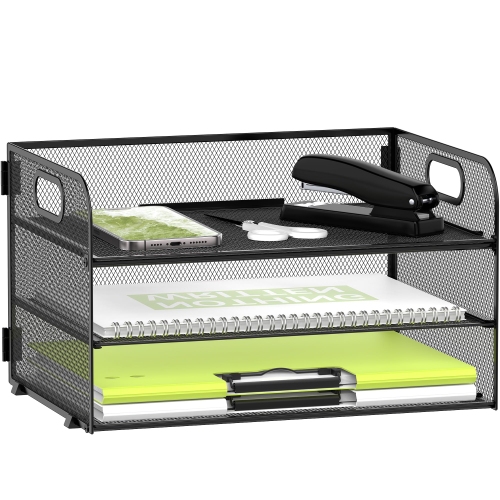
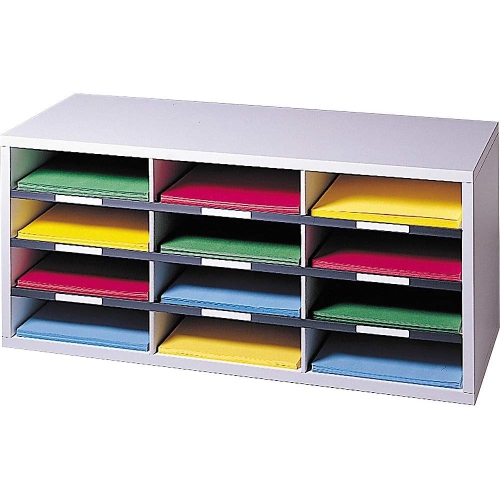
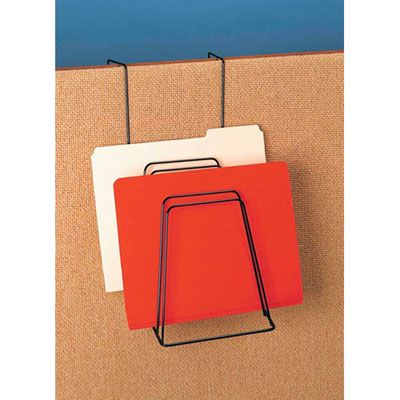
Professional organizers also support home offices and workplaces where scattered information can interrupt an otherwise straightforward day. A missing receipt, several versions of the same document, or a shared storage area without clear ownership can create repeated searches and unnecessary interruptions. Office organizing focuses on how information and materials move through the working day: what needs immediate attention, what belongs in an active project, and what should be filed for later reference. Physical storage and Office Organizers can support that structure, but their usefulness depends on the workflow they serve. A neatly arranged desk does little to resolve an unclear filing process, just as a detailed filing system can become difficult to maintain if its categories are too complicated. Digital organizing applies similar principles to folders, file names, email, and shared documents. Consistent naming and an agreed location for completed work can make information easier to retrieve, especially when more than one person needs access. Any changes to business records should respect workplace policies, access permissions, and applicable retention requirements; an organizing session is not a substitute for legal, accounting, or information-security advice. Confidentiality is equally important in household projects, where financial records, identification, and personal correspondence may be involved. A clear understanding of document handling, access to devices, and permission for photographs helps protect privacy throughout the work. Relevant training, experience with comparable projects, communication style, and a written description of the work are useful considerations when assessing professional organizing services. The working relationship should allow clients to explain their preferences, pause difficult decisions, and understand how the proposed system will function after a session ends. Some people prefer to work alongside an organizer throughout the process, while others want help with defined tasks and periodic decisions. Either arrangement benefits from a realistic scope and a clear handover. The lasting value of professional organizing lies in making ordinary tasks easier to repeat, with places and processes that remain understandable once the hands-on support is finished.
Top selling and popular products
-
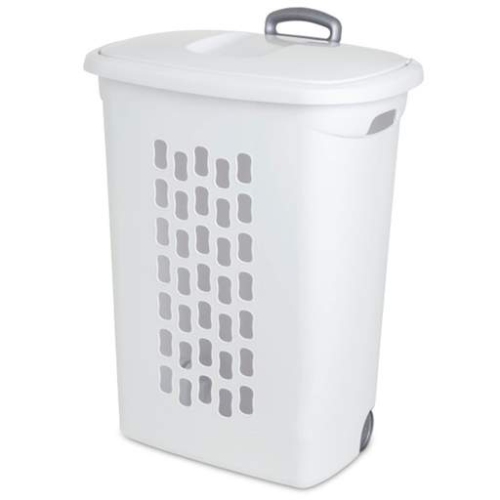 Your price for this item is $698.99
-
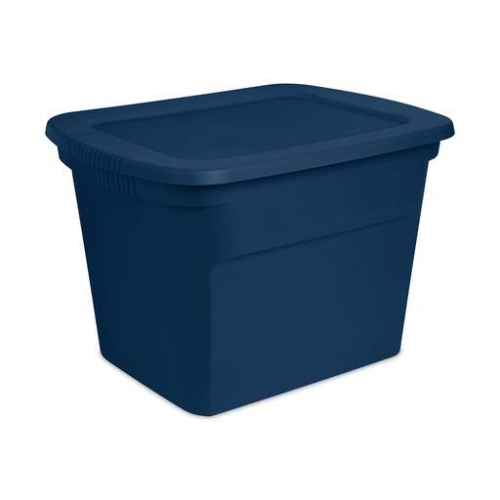 Your price for this item is $1146.99
-
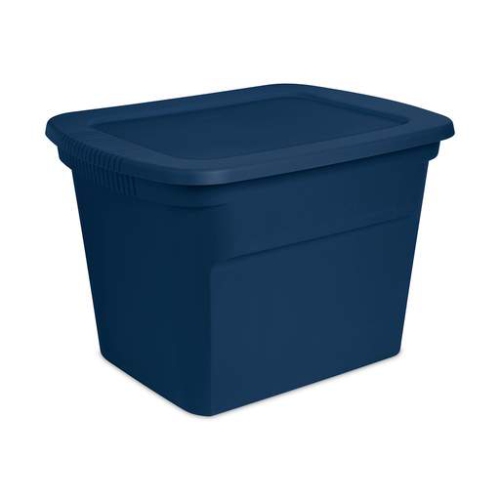 Your price for this item is $859.99
-
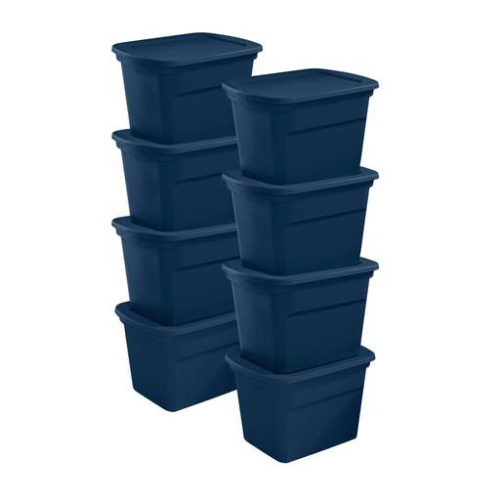 Your price for this item is $296.99
-
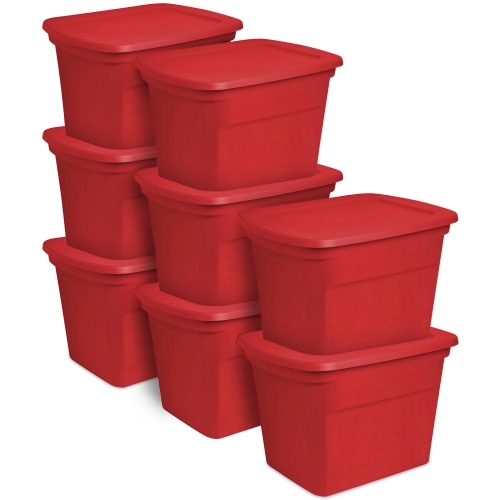 Your price for this item is $244.99
-
 Your price for this item is $573.99
-
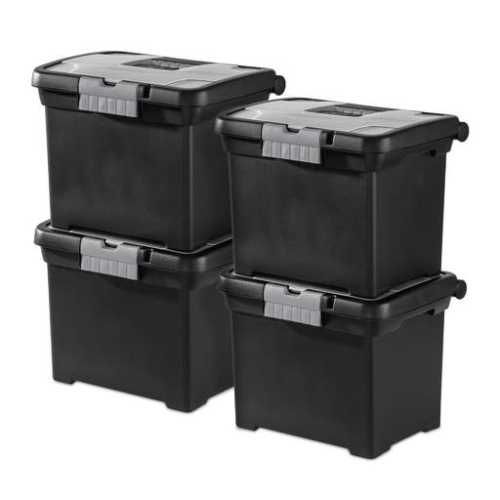 Your price for this item is $178.99
-
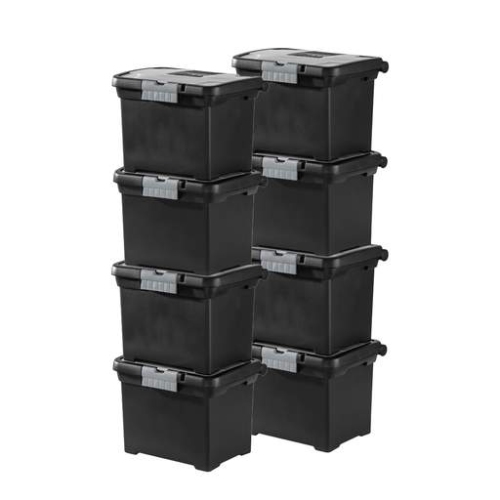 Your price for this item is $348.99
Discover more categories related to Professional Organizers
Top Collections:
Best Black Friday Deals This Year, Best Black Friday Deals On Electronics, Kindle Devices, Pokemon Centers, Best Black Friday Deals On Apple Products, Best Cameras for Sports Photography, Dyson Airwrap, Pokémon 30th Celebration Cards, Apple iPhone 17 Pro, Canon G7X Cameras
Some products may be subject to Environmental Handling Fees
(EHF) depending on your province.
Learn more about EHFs.