Quilted Pouch
Elevate your accessory game with a quilted pouch, the perfect blend of style and functionality. Whether you're organizing your essentials for a day out or adding a touch of elegance to your travel gear, these versatile pouches offer a chic solution. Crafted with attention to detail and available in an array of colors and patterns, quilted pouches are designed to complement any outfit while keeping your belongings secure. Ideal for carrying cosmetics, tech gadgets, or everyday necessities, they make organizing on-the-go effortlessly fashionable. Discover how a quilted pouch can become your new favorite accessory, combining practicality with timeless appeal.
Sort
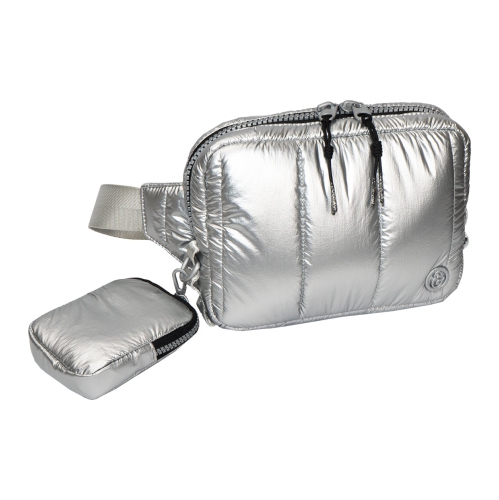
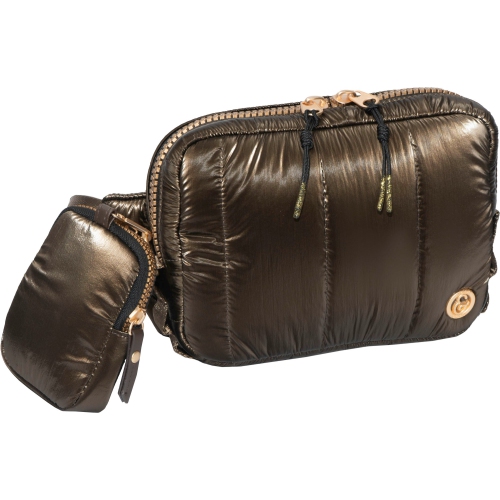
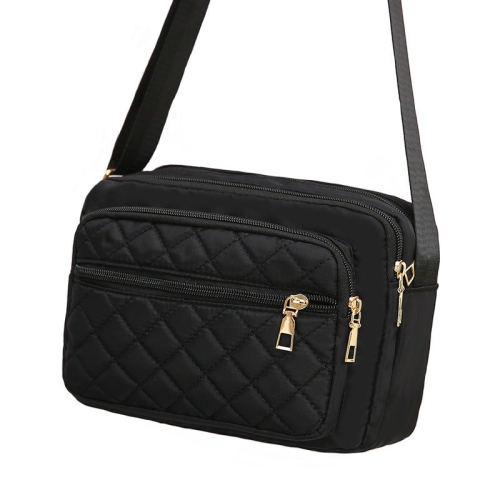
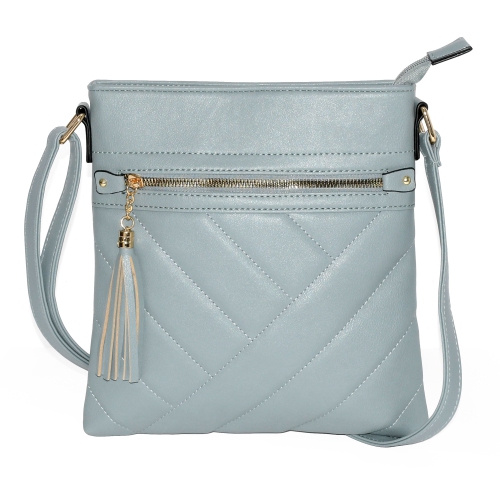
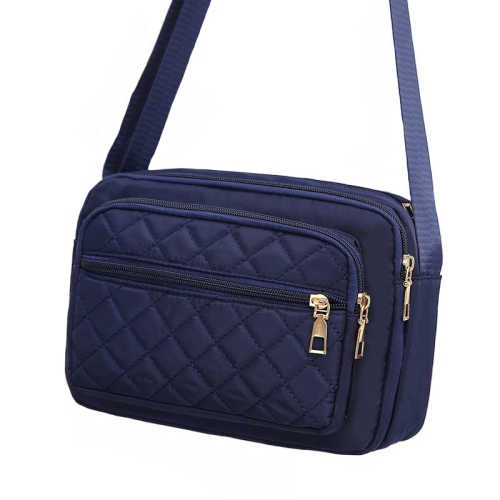
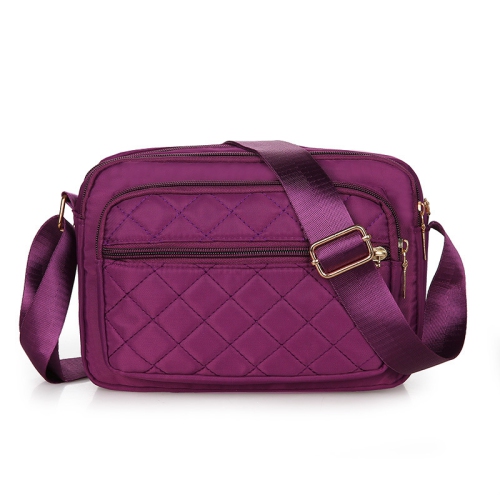
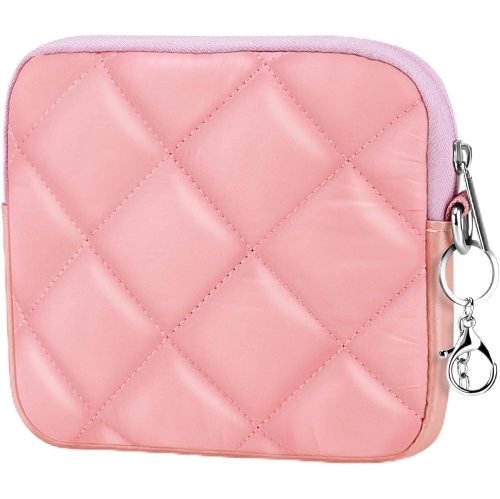
Soft texture meets practical storage for small essentials
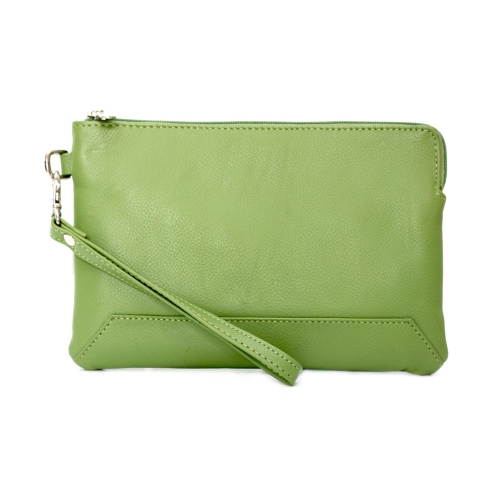
A quilted pouch brings soft texture and practical organization to the small essentials that tend to disappear inside a larger bag. Its stitched surface usually joins an outer fabric to a layer of batting or padding, creating the raised diamonds, channels, squares, or curved patterns associated with quilting. That construction gives the pouch a cushioned feel and can help it hold its shape, although the amount of structure varies with the fabric, filling, and lining. Some designs fold easily into a handbag or backpack, while others have a wider base that lets them sit upright on a desk or bathroom counter. The appeal is as much about everyday convenience as appearance: lip balm, a compact mirror, and a few hair accessories can stay together instead of settling at the bottom of a tote. A pouch can also keep pens away from loose papers or gather small travel essentials in one easy-to-move package. Cotton offers a familiar woven texture and lends itself to prints and detailed stitching; nylon and polyester can provide a smoother surface that is often easier to wipe, depending on the finish. Velvet adds a plush feel, while coated fabrics and leather-look materials offer a different balance of texture, structure, and care needs. A fabric’s appearance alone does not establish how it handles spills, so water resistance should come from the stated material properties rather than the quilted pattern. Colour and stitching also influence how a pouch works within a daily routine. A bright exterior is easier to spot inside a dark bag, while a light lining makes tiny contents more visible. Darker fabrics and busy patterns may disguise minor marks, but the lining still needs regular attention. For someone who changes bags frequently, a thoughtfully sized pouch makes that switch simpler: the essentials move together, with less chance of leaving a frequently used accessory behind.
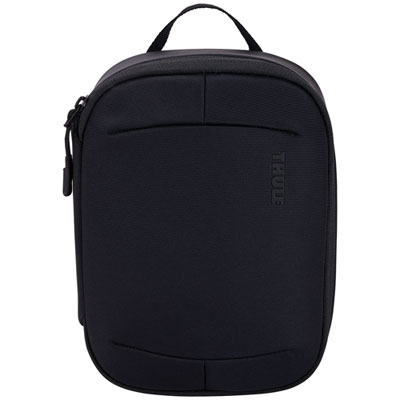
Size and shape matter more than a pouch’s apparent capacity in a photograph. Exterior measurements include seams, padding, and any tapered corners, so usable interior space can be smaller than expected. A slim rectangular shape suits a few flat essentials, whereas a gusseted pouch offers more room for objects with depth. The opening deserves equal attention: a long zipper that extends down the sides can make contents easier to see, while a narrow opening may make a roomy pouch awkward to reach into. For a particular purpose, compare the interior dimensions with the longest or bulkiest object that needs to fit, leaving room to close the pouch without pulling the seams tight. Makeup brushes, for example, need enough length to avoid bent bristles, and a charger needs enough depth that its plug does not press hard against the zipper. A single open compartment is flexible and easy to fill, but small internal pockets or dividers can prevent tiny accessories from getting buried. Someone carrying several cables and adapters may also find a Tech Pouch useful for comparing layouts designed around those essentials. Quilted padding may soften light contact between contents, but it should not be treated as a substitute for a protective case designed for a fragile device. Closure details make a difference during daily use, too. A zipper helps contain small objects, while a flap or drawstring offers a different style of access and may leave gaps. Larger zipper pulls can be easier to grasp, and a wrist loop provides a convenient hold when moving between rooms or carrying a few essentials on their own. A loop is not necessarily intended to bear a heavy load, however. The most comfortable fit is one that slides into its usual bag without bulging, leaves space for other belongings, and opens easily without needing to empty the surrounding compartment.
Durability in a quilted pouch depends on more than fabric thickness. Even stitching, neatly finished seams, a securely attached lining, and reinforcement around handles or loops all contribute to how well it stands up to repeated use. Quilting stitches help keep the layers together, but loose threads can catch on keys, jewellery, or other sharp edges. Keeping pointed objects covered and avoiding an overfilled pouch reduces strain on both the fabric and closure. Care requirements vary considerably: some fabric pouches can be washed according to their care labels, while others need spot cleaning because of their padding, trim, coating, or structure. A removable or wipeable lining can be especially practical for cosmetics and toiletries, although a wipeable surface is not necessarily leakproof. Liquids are better carried in securely closed containers, with an additional sealed bag where needed. Powder residue and pen marks are easier to manage when checked regularly rather than allowed to build up. Emptying the pouch, gently removing crumbs or loose debris, and following the recommended cleaning method help keep both the lining and zipper area tidy. Any cleaned pouch should dry thoroughly before it is refilled; leaving damp fabric closed can lead to odours. Beyond care, the right design depends on the person using it. A student might appreciate space for stationery, a commuter may want a compact home for everyday accessories, and someone who enjoys sewing or crafting could use separate pouches for small supplies, with needles and blades kept in suitable protective holders. As a gift, a quilted pouch offers room for personal taste without requiring clothing sizes. A recipient’s preferred colours, favourite patterns, usual bag size, and daily habits provide useful cues. An understated design can feel appropriate for a work bag, while expressive stitching or a playful print adds personality to a travel tote. Whether it stays on a dressing table or moves between bags, a well-matched pouch gives small belongings a defined place and makes them easier to find, carry, and put away.
Size and shape matter more than a pouch’s apparent capacity in a photograph. Exterior measurements include seams, padding, and any tapered corners, so usable interior space can be smaller than expected. A slim rectangular shape suits a few flat essentials, whereas a gusseted pouch offers more room for objects with depth. The opening deserves equal attention: a long zipper that extends down the sides can make contents easier to see, while a narrow opening may make a roomy pouch awkward to reach into. For a particular purpose, compare the interior dimensions with the longest or bulkiest object that needs to fit, leaving room to close the pouch without pulling the seams tight. Makeup brushes, for example, need enough length to avoid bent bristles, and a charger needs enough depth that its plug does not press hard against the zipper. A single open compartment is flexible and easy to fill, but small internal pockets or dividers can prevent tiny accessories from getting buried. Someone carrying several cables and adapters may also find a Tech Pouch useful for comparing layouts designed around those essentials. Quilted padding may soften light contact between contents, but it should not be treated as a substitute for a protective case designed for a fragile device. Closure details make a difference during daily use, too. A zipper helps contain small objects, while a flap or drawstring offers a different style of access and may leave gaps. Larger zipper pulls can be easier to grasp, and a wrist loop provides a convenient hold when moving between rooms or carrying a few essentials on their own. A loop is not necessarily intended to bear a heavy load, however. The most comfortable fit is one that slides into its usual bag without bulging, leaves space for other belongings, and opens easily without needing to empty the surrounding compartment.
Durability in a quilted pouch depends on more than fabric thickness. Even stitching, neatly finished seams, a securely attached lining, and reinforcement around handles or loops all contribute to how well it stands up to repeated use. Quilting stitches help keep the layers together, but loose threads can catch on keys, jewellery, or other sharp edges. Keeping pointed objects covered and avoiding an overfilled pouch reduces strain on both the fabric and closure. Care requirements vary considerably: some fabric pouches can be washed according to their care labels, while others need spot cleaning because of their padding, trim, coating, or structure. A removable or wipeable lining can be especially practical for cosmetics and toiletries, although a wipeable surface is not necessarily leakproof. Liquids are better carried in securely closed containers, with an additional sealed bag where needed. Powder residue and pen marks are easier to manage when checked regularly rather than allowed to build up. Emptying the pouch, gently removing crumbs or loose debris, and following the recommended cleaning method help keep both the lining and zipper area tidy. Any cleaned pouch should dry thoroughly before it is refilled; leaving damp fabric closed can lead to odours. Beyond care, the right design depends on the person using it. A student might appreciate space for stationery, a commuter may want a compact home for everyday accessories, and someone who enjoys sewing or crafting could use separate pouches for small supplies, with needles and blades kept in suitable protective holders. As a gift, a quilted pouch offers room for personal taste without requiring clothing sizes. A recipient’s preferred colours, favourite patterns, usual bag size, and daily habits provide useful cues. An understated design can feel appropriate for a work bag, while expressive stitching or a playful print adds personality to a travel tote. Whether it stays on a dressing table or moves between bags, a well-matched pouch gives small belongings a defined place and makes them easier to find, carry, and put away.
Top selling and popular products
-
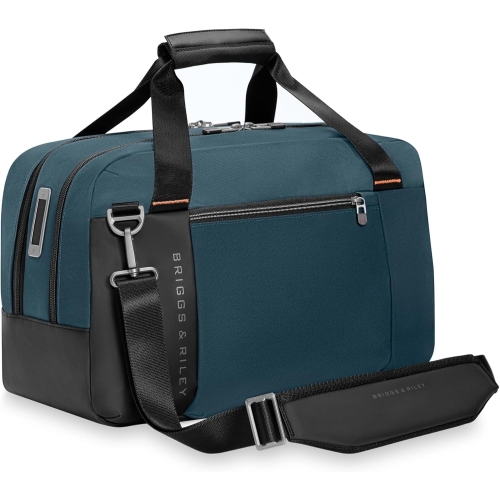 Your price for this item is $616.55
 -
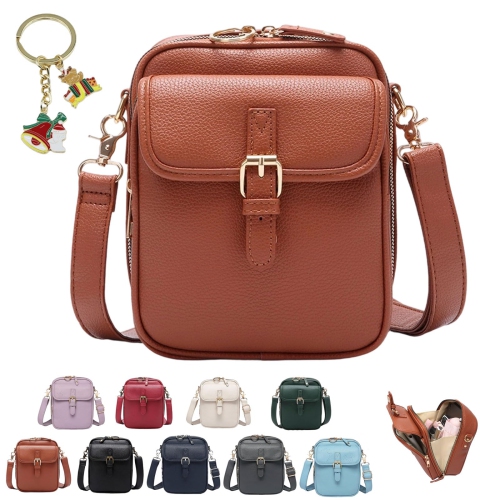 Your price for this item is $52.99
 -
 Your price for this item is $24.68
 -
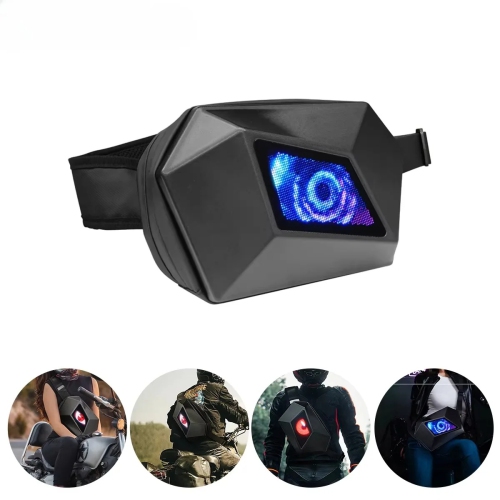 Your price for this item is $147.99
 -
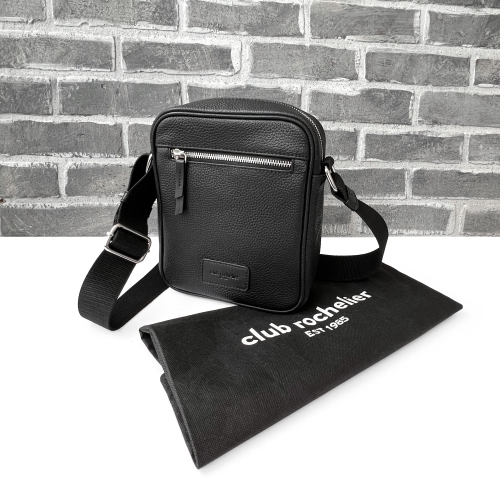 Your price for this item is $75
 -
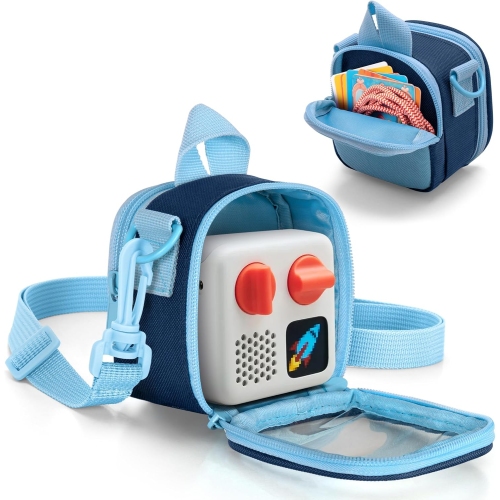 Your price for this item is $32.97
 -
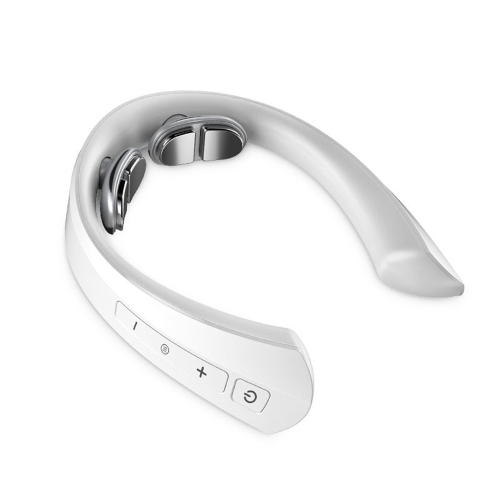 Your price for this item is $93.99
 -
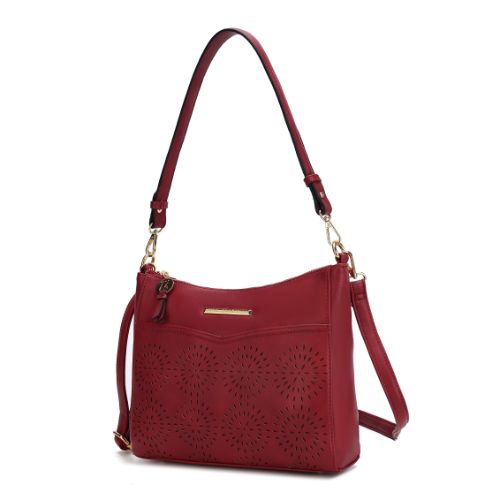 Your price for this item is $69.4
Discover more categories related to Quilted Pouch
Top Collections:
Pokemon Centers, Kindle Devices, Best Budget Office Chairs, Apple iPhones 16, Best Laptops for Writers, iPhone 15 Apple, Canon G7X Cameras, Refurbished Apple Laptops, Alarm Clock, Motorola Razr Phones
Some products may be subject to Environmental Handling Fees
(EHF) depending on your province.
Learn more about EHFs.