Record Organizers
Keep your vinyl collection neatly organized with our selection of record organizers. Whether you're a casual listener or a serious collector, having a designated space to store and display your records is essential to preserving their quality and longevity. Browse through a variety of options to find the perfect record organizer that suits your style and needs. From sleek modern designs to vintage-inspired classics, we have everything you need to keep your favorite records in order and easily accessible.
Sort
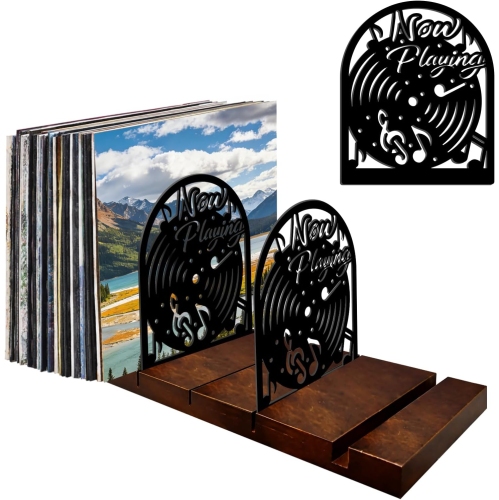
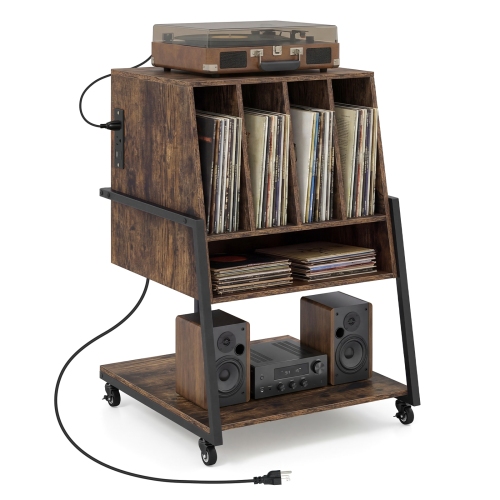
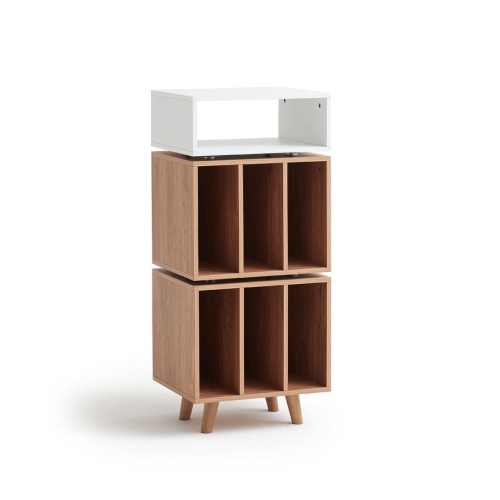
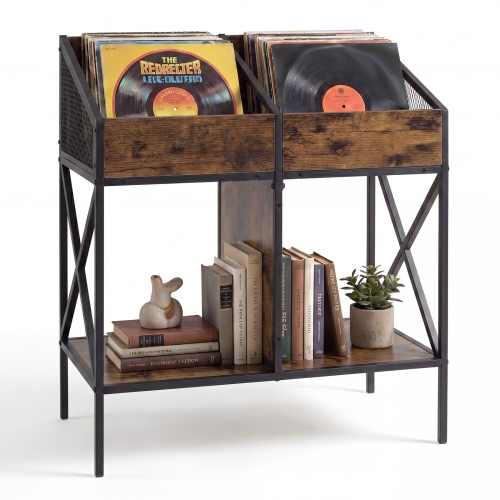
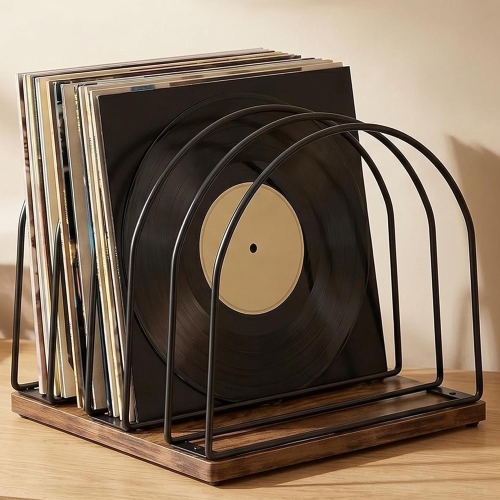
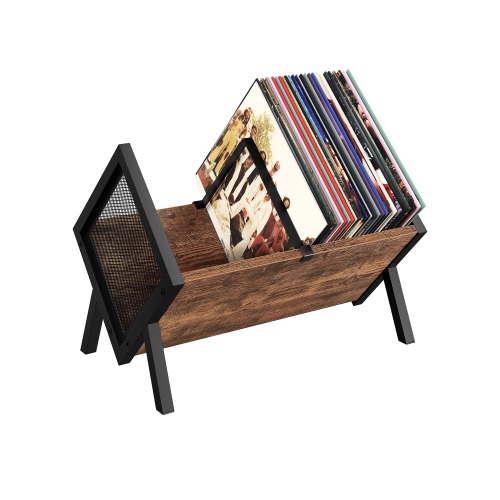
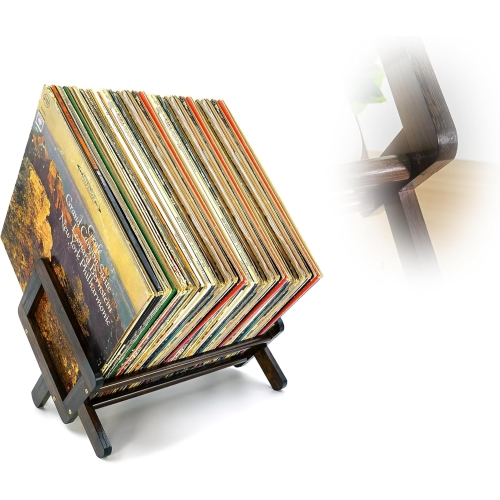
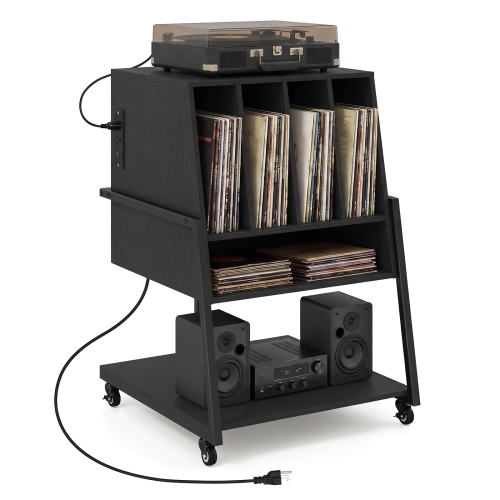
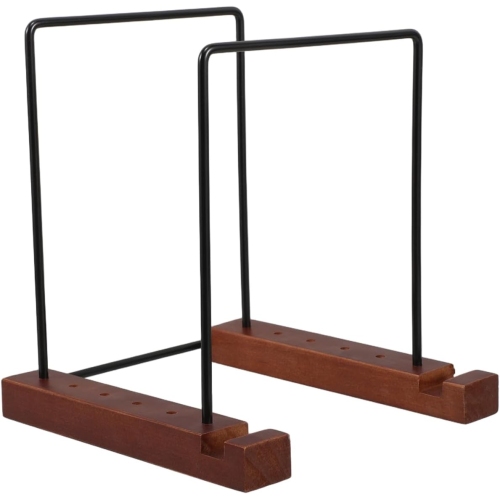
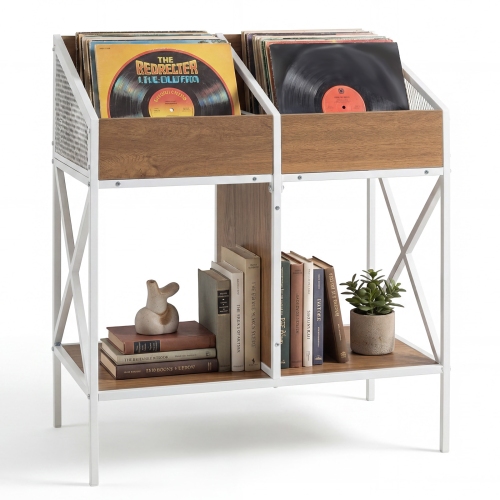
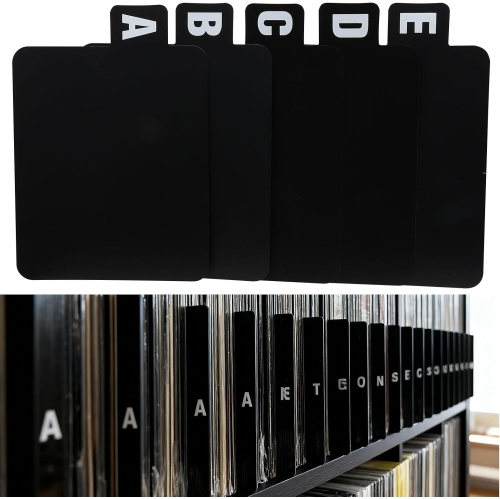
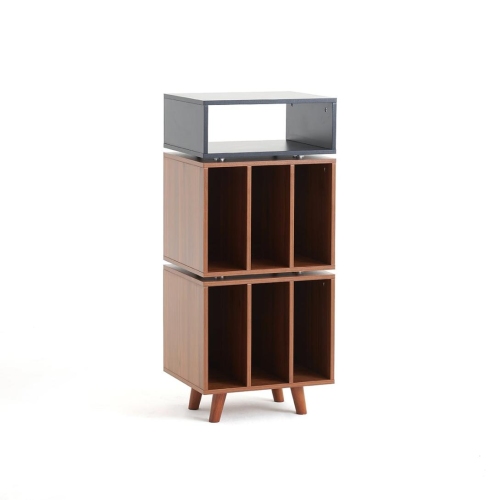
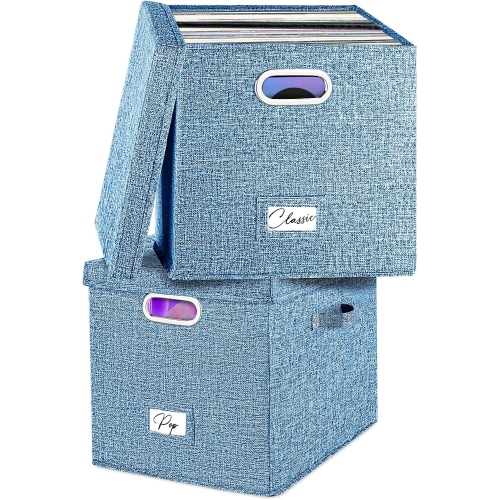
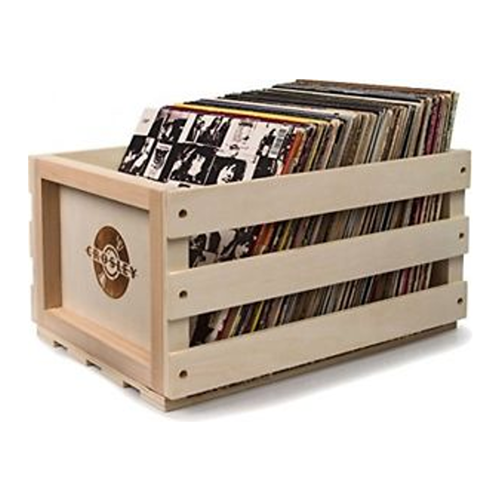
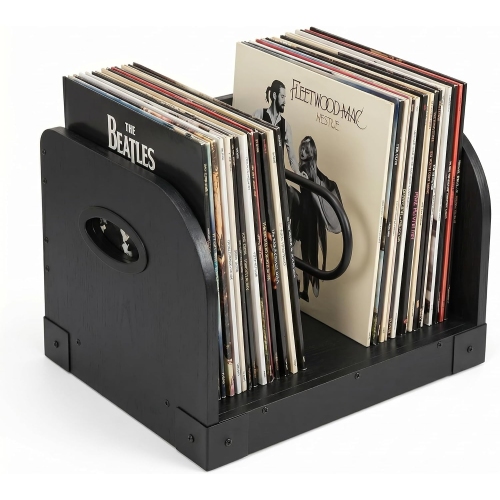
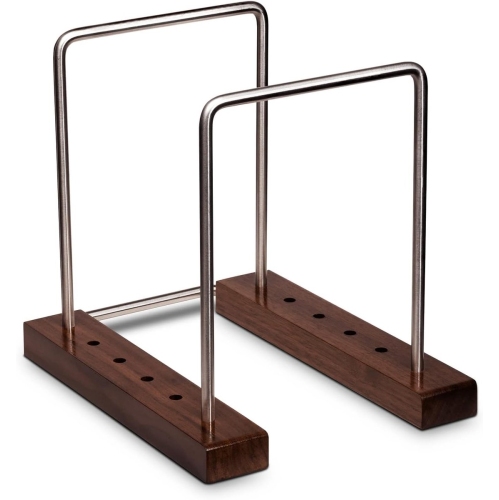
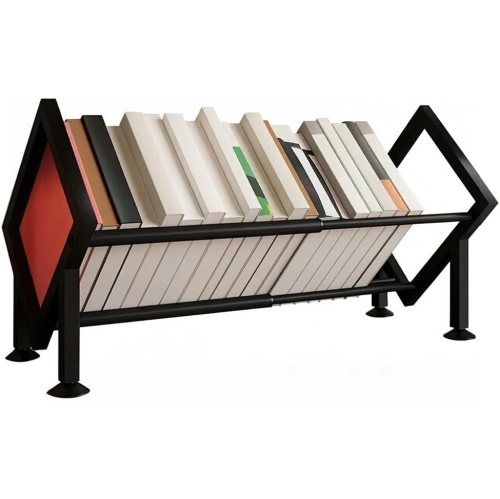
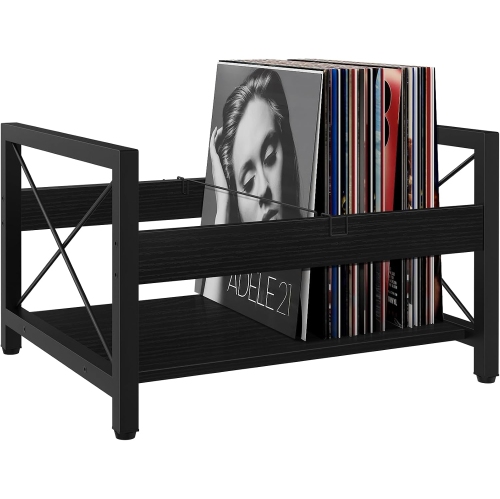
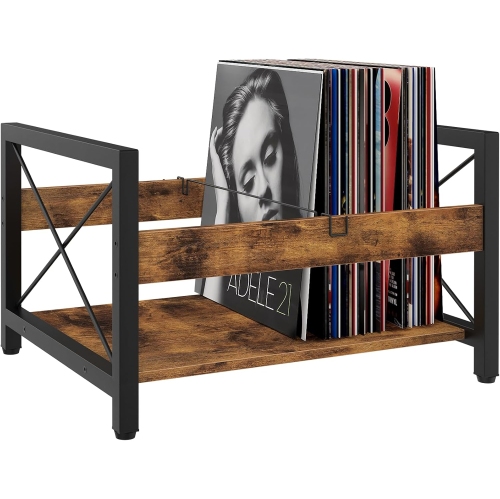
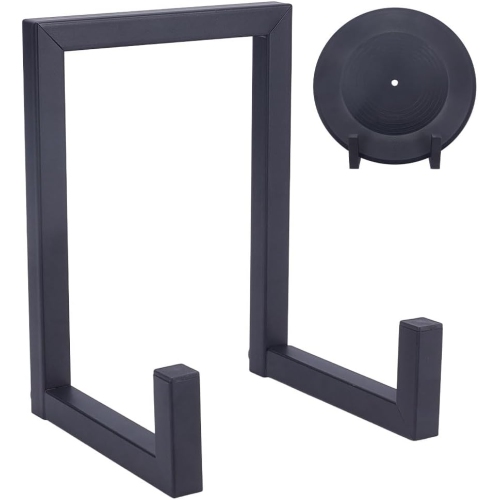
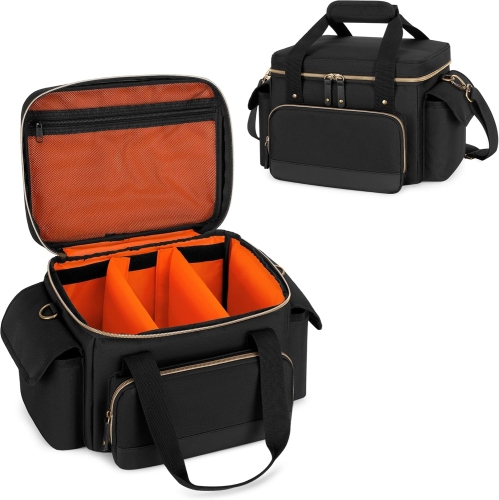
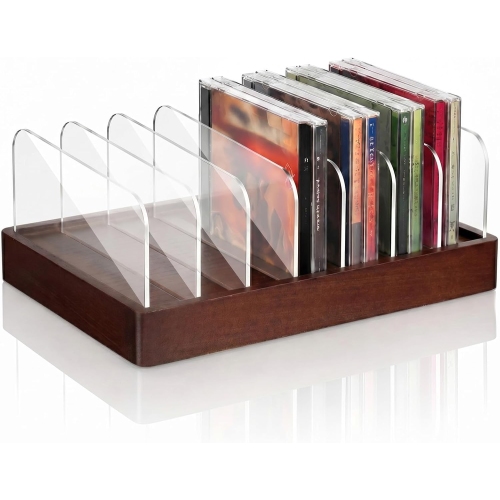
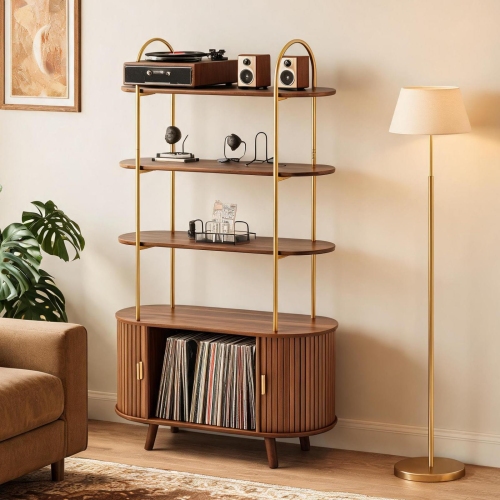
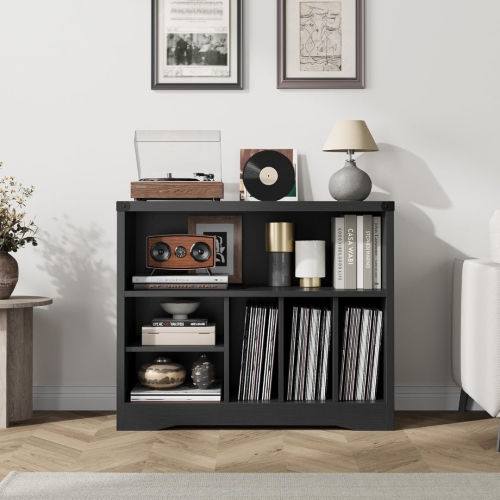
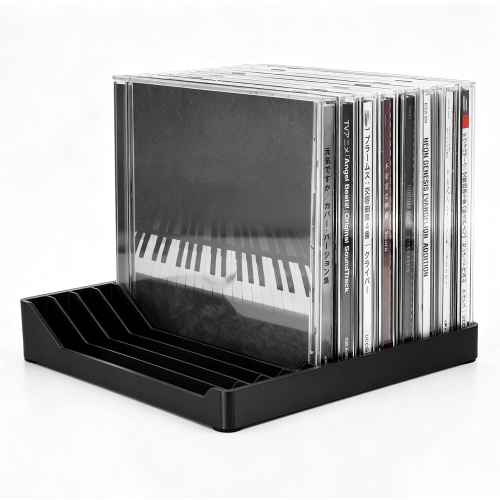
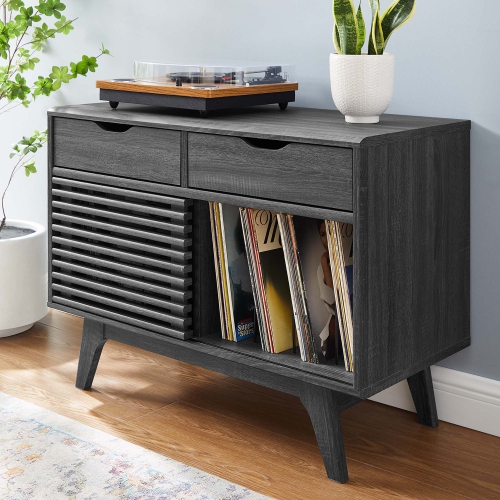
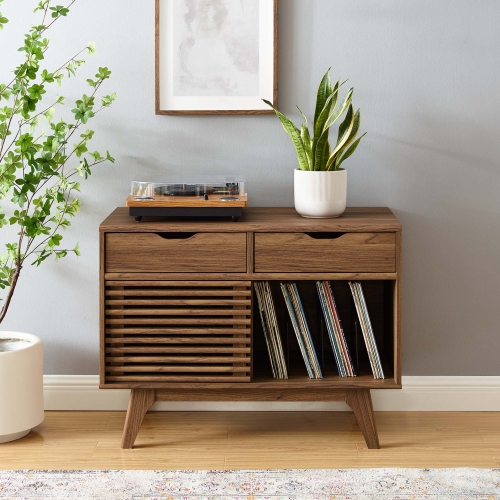
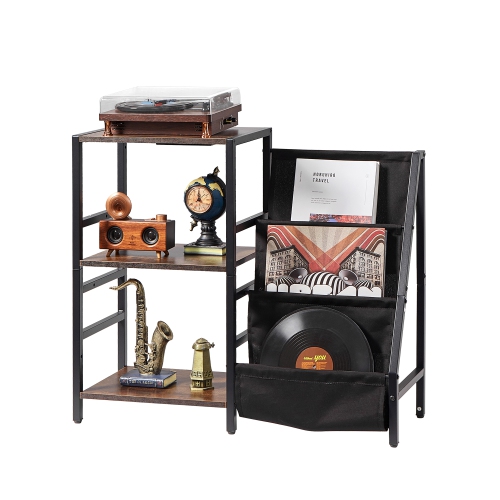

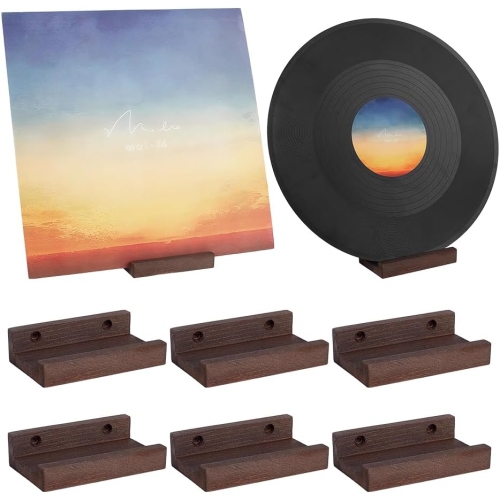
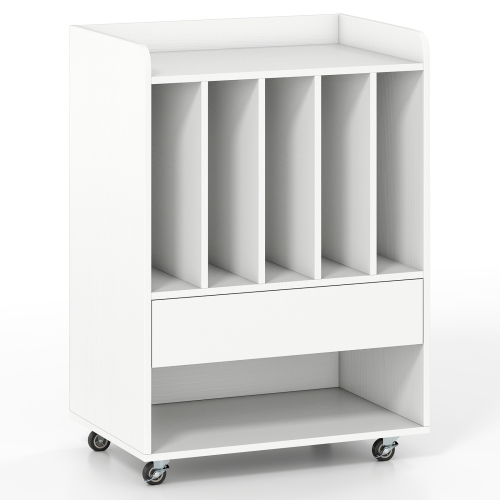
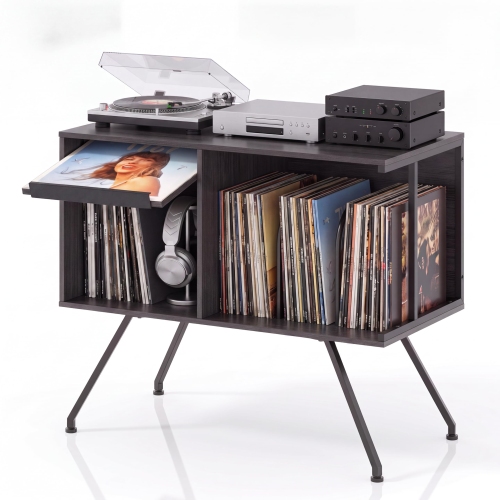
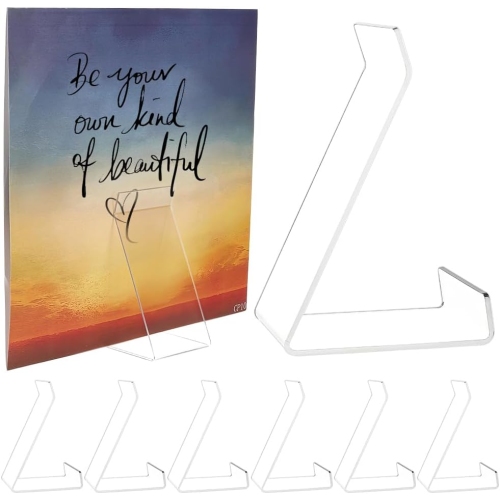
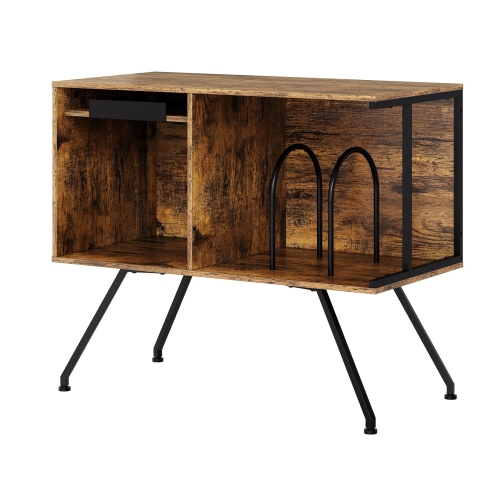
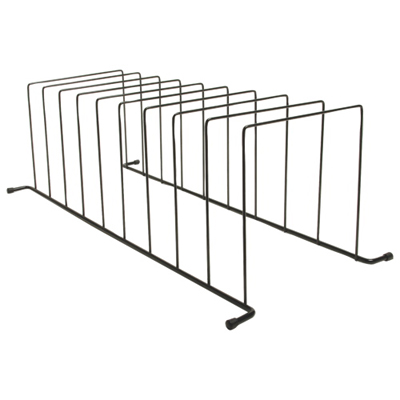
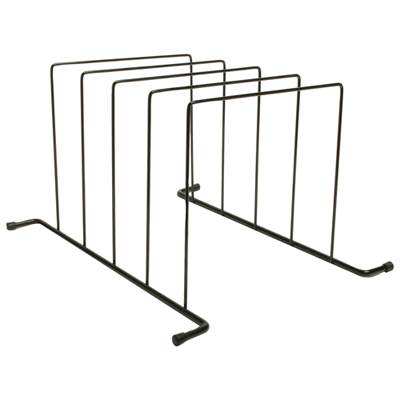

Vinyl storage that fits the way you listen
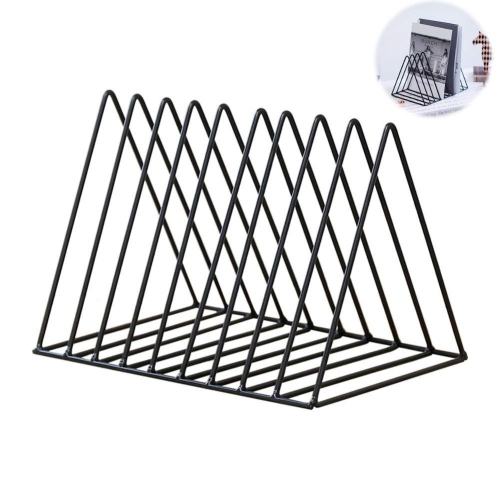
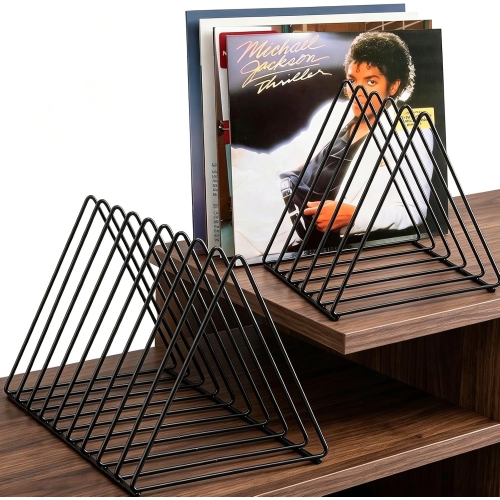
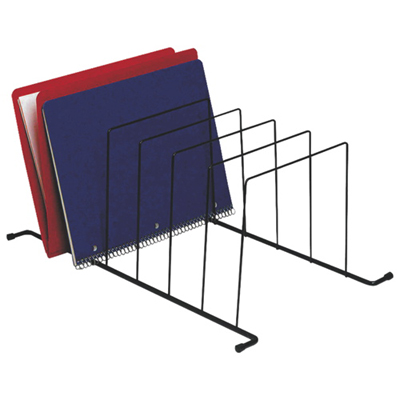
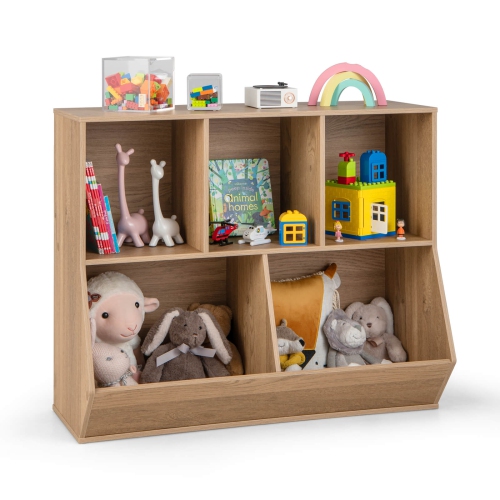
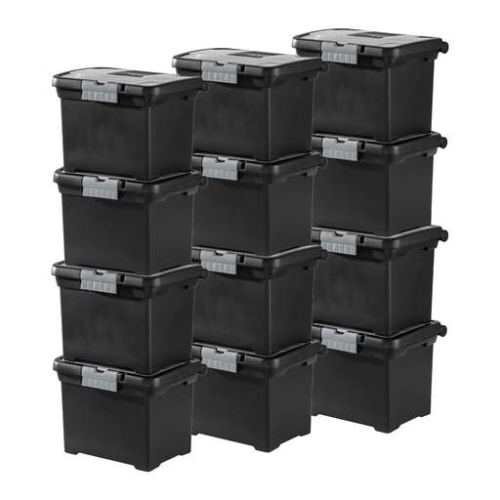
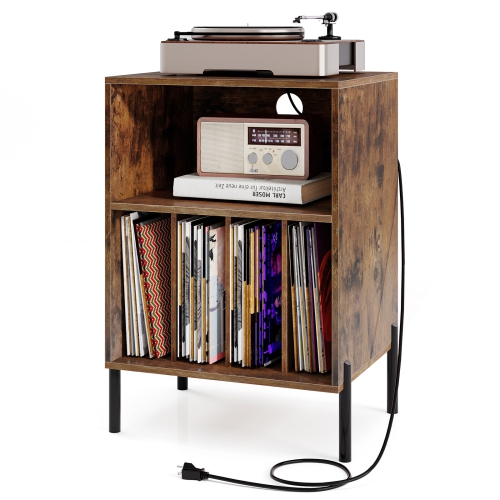
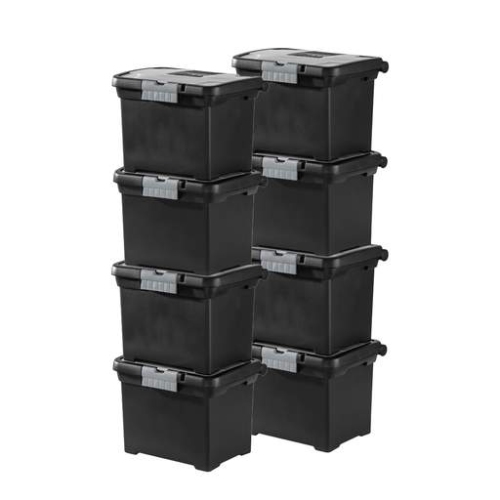
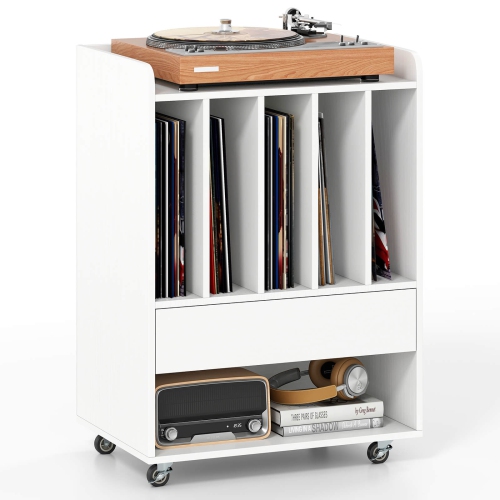
Record organizers are racks, boxes, shelving units, and furniture designed to keep vinyl records upright, supported, and easy to browse. They give albums a dedicated home, whether a collection consists of a few favourite releases beside a turntable or several shelves of carefully sorted LPs. Common formats include compact wire racks, folding storage boxes, open crates, modular cubes, and larger media consoles. Each suits a different listening space and way of handling records. An open rack makes a small rotation of albums easy to reach, while a box offers more coverage for sleeves between listening sessions. Modular compartments can separate genres or artists without turning an entire wall into one continuous row. A media console combines record storage with a surface for audio equipment, helping define a listening area in a living room, den, or home office. Front-facing designs put cover artwork on view and allow browsing from front to back; spine-facing shelves make efficient use of space and suit collections organized alphabetically. Neither arrangement needs to hold every album in the same way. A small browsing section can sit alongside deeper storage for records played less often. The most useful format depends on how the collection is enjoyed: an album selected during a quiet evening, a stack pulled out for friends, or reference recordings kept close to a musician’s workspace. Storage capacity deserves some flexibility because jacket thickness varies. Double albums, gatefold sleeves, boxed sets, and protective outer sleeves take up more room than a single record in a slim jacket. A stated record count is therefore best understood alongside the organizer’s actual dimensions and the mix of albums it will hold. Leaving enough room to slide a sleeve out comfortably makes browsing easier and reduces the temptation to tug at its top edge. For a growing collection, separate compartments also make it possible to expand an arrangement while keeping familiar categories intact.
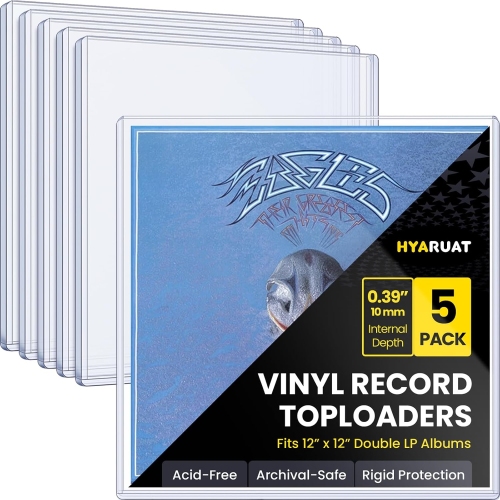
Fit matters as much as capacity, particularly when an organizer needs to accommodate both full-size LPs and smaller singles. Twelve-inch records need clearance for their jackets and any outer sleeves, not just the discs themselves. Seven-inch singles may benefit from a smaller compartment or an insert that prevents them from disappearing among taller albums. Interior height, usable depth, shelf openings, and the space required to lift a record out all affect everyday access. In a low console, a shelf can be deep enough yet still feel awkward if the opening leaves little room for a hand. Materials influence the look, weight, and upkeep of the storage. Solid wood brings visible grain and a furniture-like presence, while engineered wood can provide a consistent finish that coordinates with desks or cabinets. Metal frames often have a lighter visual profile, especially in open racks, although smooth contact points are important wherever sleeves rest against the frame. Fabric-covered boxes can suit storage within larger shelving units, with their rigidity depending on the supporting panels and base. For any material, a flat, supportive bottom and stable sides matter more than appearance alone. Vinyl becomes heavy in quantity, so shelf load limits, joinery, handles, and the strength of the base deserve attention. A carry box should be manageable when filled rather than judged only by how easily it lifts when empty. Records are generally best stored vertically with enough support to prevent a pronounced lean, rather than stacked flat under the weight of other albums. Dividers can help support a partly filled section without compressing the sleeves. Keeping storage away from direct sunlight, heating vents, and damp areas helps protect both records and jackets. Routine care is usually straightforward: remove dust with a soft cloth, follow the material’s cleaning directions, and avoid leaving moisture on wood, fabric, or metal surfaces. Smooth shelf edges and clean interiors also help prevent unnecessary scuffs when albums are returned to their places.
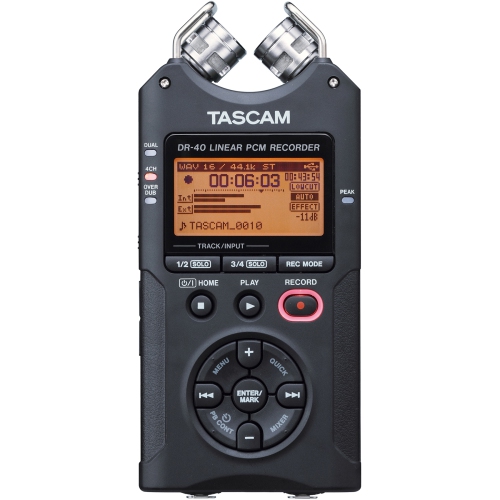
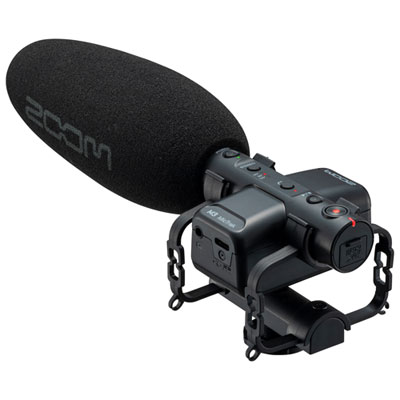
A record organizer works best when it fits the habits of the people using it, not simply the dimensions of a room. Someone who plays a handful of albums repeatedly may appreciate a compact rack within reach of the listening chair, while a shared household may find labelled sections useful for keeping different collections distinct. Broad categories such as jazz, soundtracks, or recently played albums can be easier to maintain than an elaborate filing system. For a collector who remembers sleeve artwork more readily than artist names, front-facing browsing can make choosing music feel more natural. In a small apartment, storage that uses vertical space can preserve floor area, provided the unit is stable and secured as directed by its manufacturer. Where a turntable shares furniture with the collection, the top surface needs adequate depth, appropriate weight support, and clearance for opening the dust cover. Cables should have a clear route, and amplifiers or other components need the ventilation specified for them. A firm, level surface helps the turntable perform as intended; separate equipment support may be useful where handling records causes the furniture to move. Musicians who enjoy listening closely to recorded performances may also use Professional Recorders to capture rehearsals or musical ideas, alongside a physical collection kept for listening and reference. As a gift, record storage can be a thoughtful choice for a new vinyl listener, a long-time collector, or someone setting up a dedicated music corner. The recipient’s available space, sleeve sizes, preferred browsing style, and existing furniture finishes are more useful clues than collection size alone. A restrained frame can let colourful album art stand out, while enclosed storage creates a quieter visual effect when music shares space with books and everyday belongings. The result is a collection that remains accessible without dominating the room, with favourite albums easy to find, return, and enjoy again.
Top selling and popular products
-
 Your price for this item is $698.99
-
 Your price for this item is $1146.99
-
 Your price for this item is $859.99
-
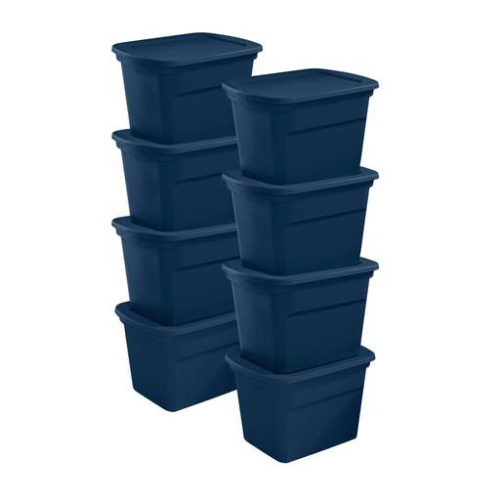 Your price for this item is $296.99
-
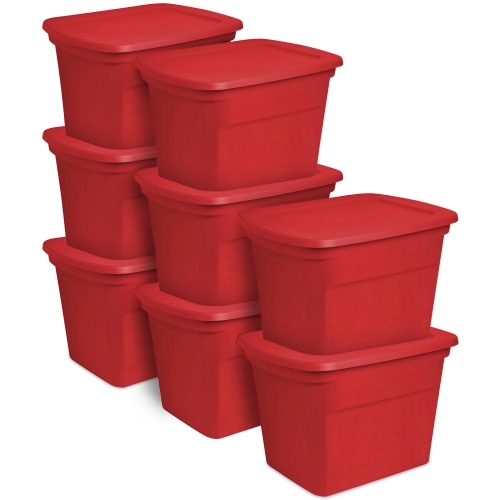 Your price for this item is $244.99
-
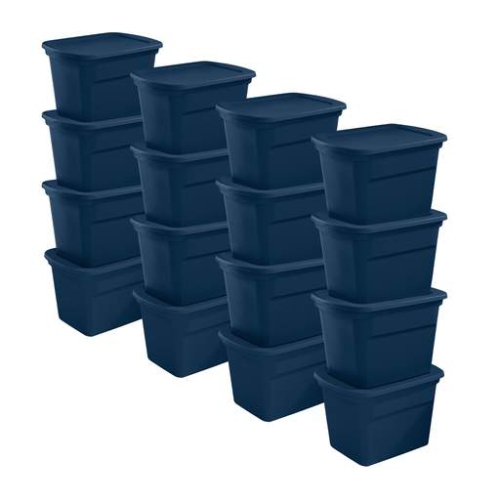 Your price for this item is $573.99
-
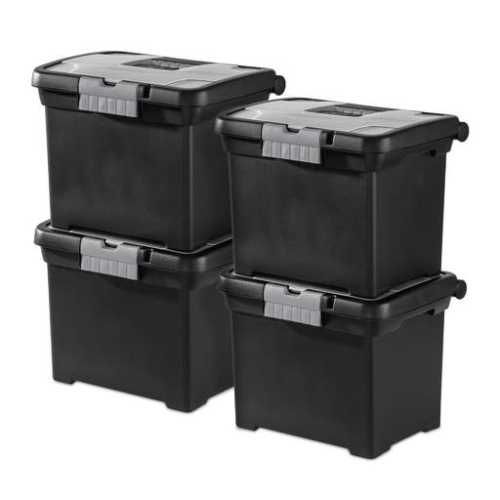 Your price for this item is $178.99
-
 Your price for this item is $348.99
Discover more categories related to Record Organizers
Top Collections:
Best Black Friday Deals This Year, Best Black Friday Deals On Electronics, Kindle Devices, Pokemon Centers, Best Black Friday Deals On Apple Products, Best Cameras for Sports Photography, Dyson Airwrap, Pokémon 30th Celebration Cards, Apple iPhone 17 Pro, Canon G7X Cameras
Some products may be subject to Environmental Handling Fees
(EHF) depending on your province.
Learn more about EHFs.