Red Binders
Organize your documents in style with our vibrant selection of red binders, perfect for adding a pop of color to your workspace. Whether you're sorting papers for school, work, or personal projects, these binders offer a practical and eye-catching solution. Designed to keep your materials secure and easily accessible, red binders are an essential addition to any office or study area. Explore the variety of sizes and styles available to find the ideal binder that suits your needs and makes organizing a breeze.
Sort
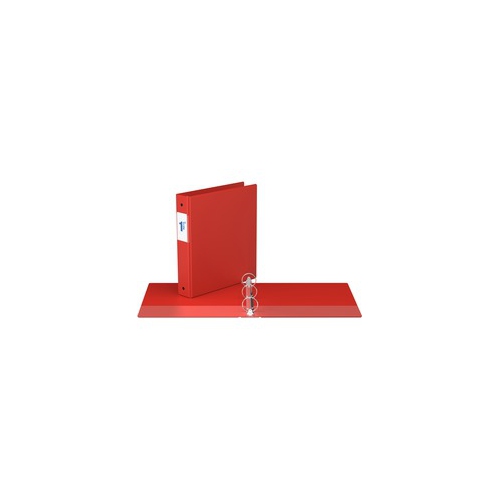
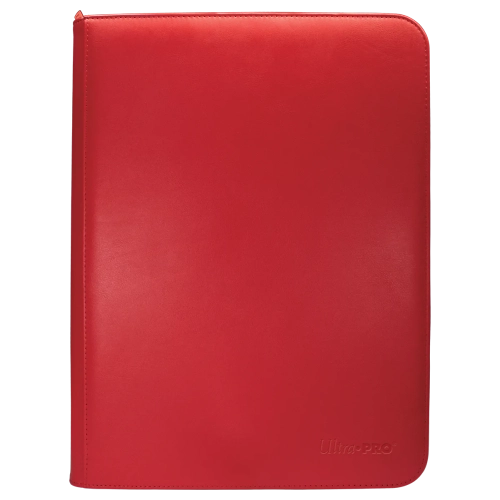
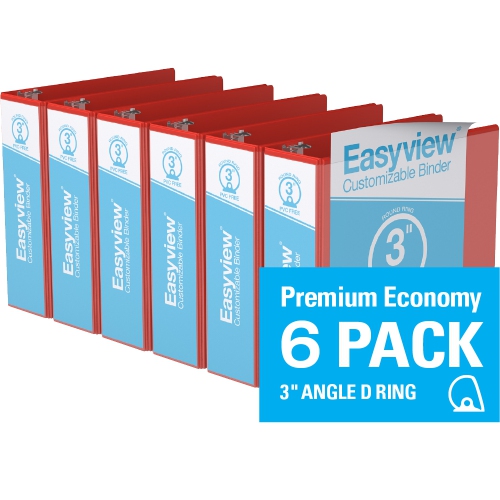

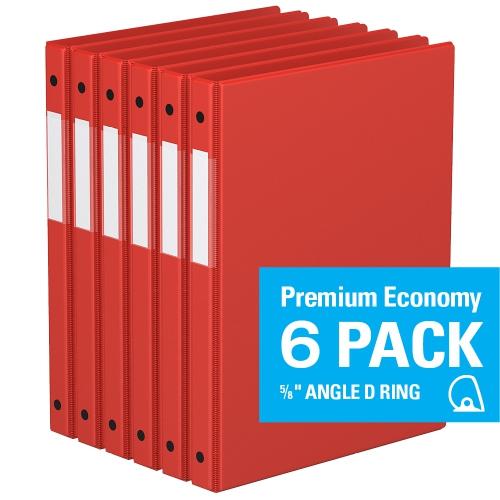
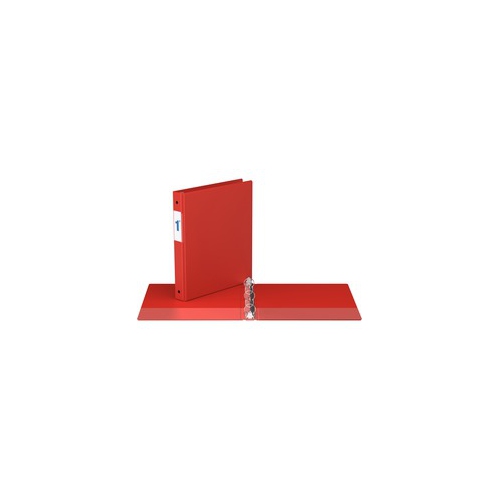
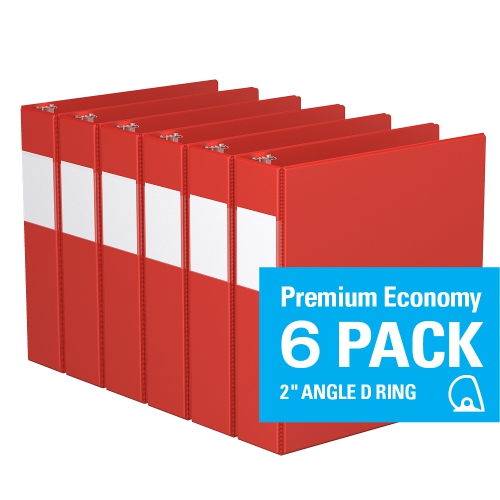
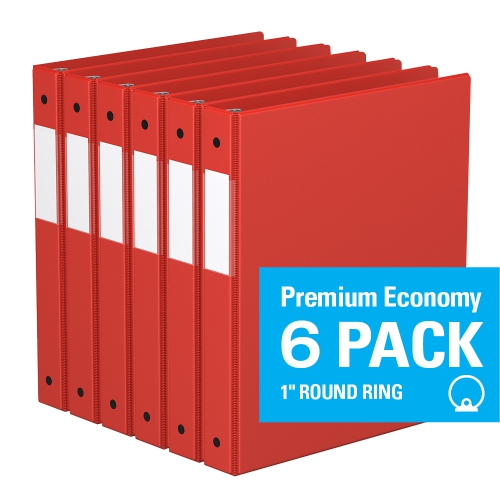
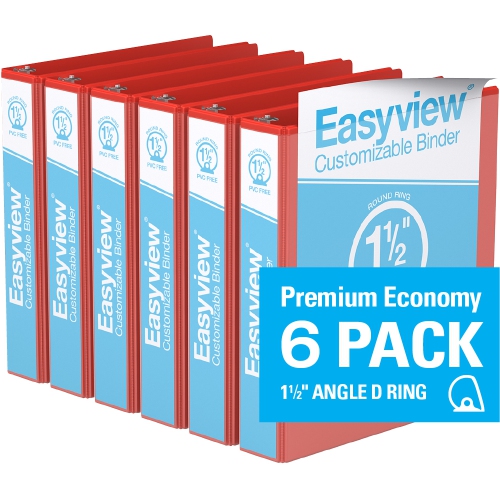
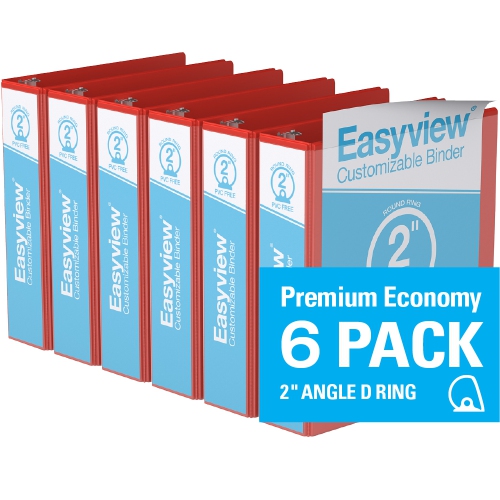
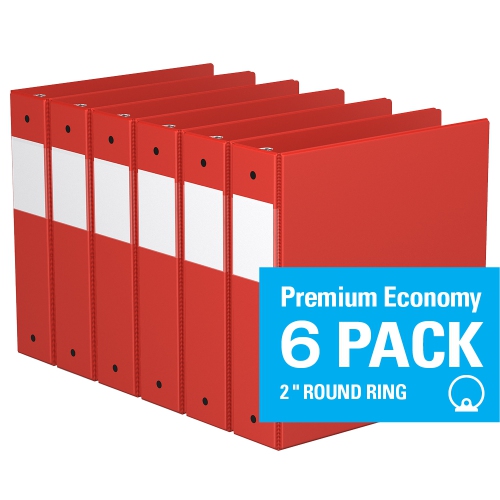
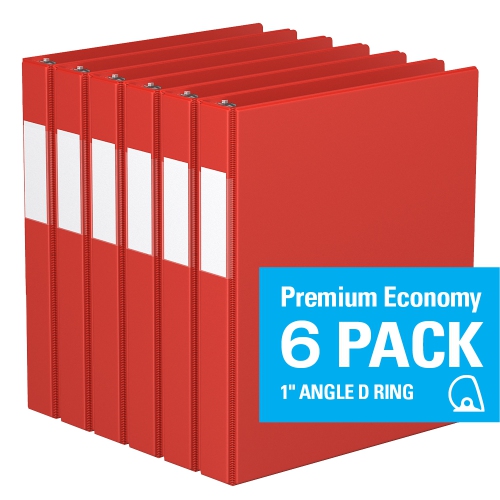
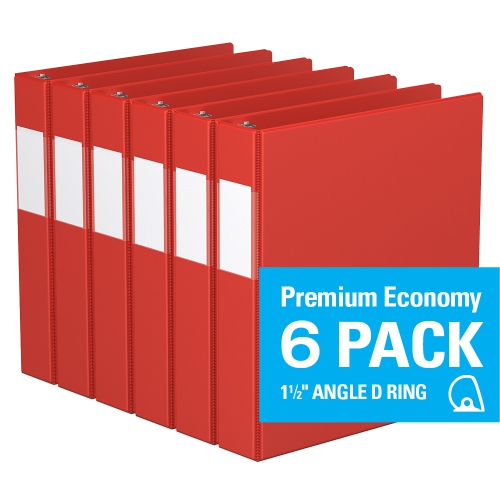
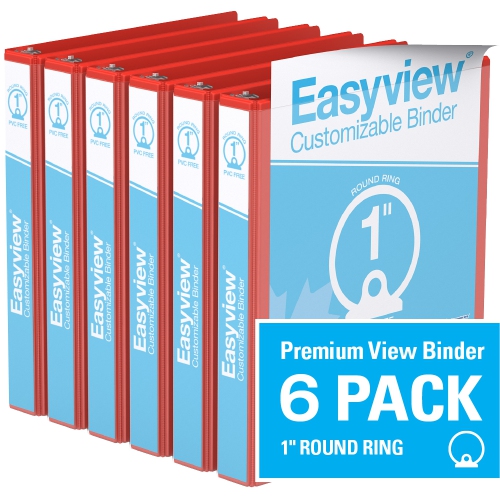
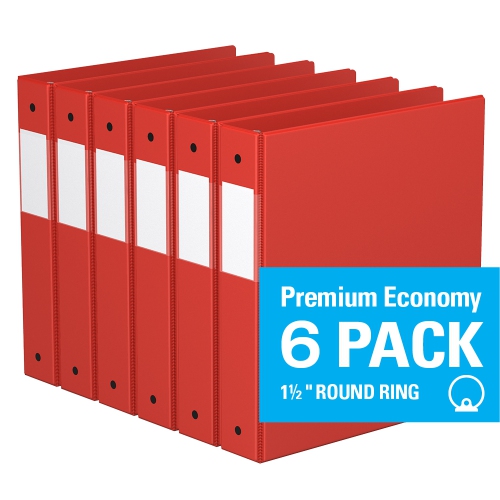
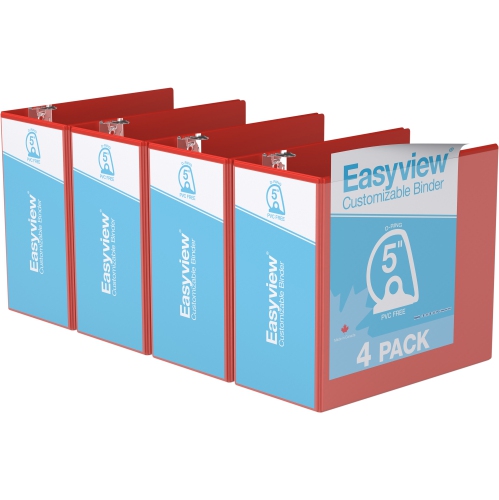
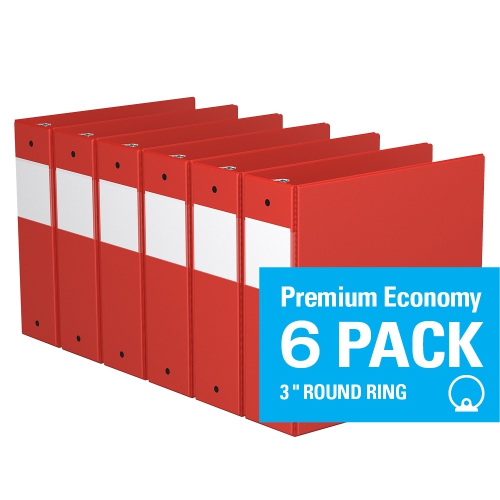
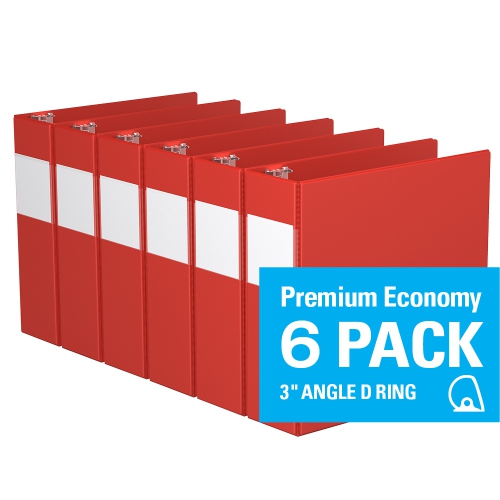
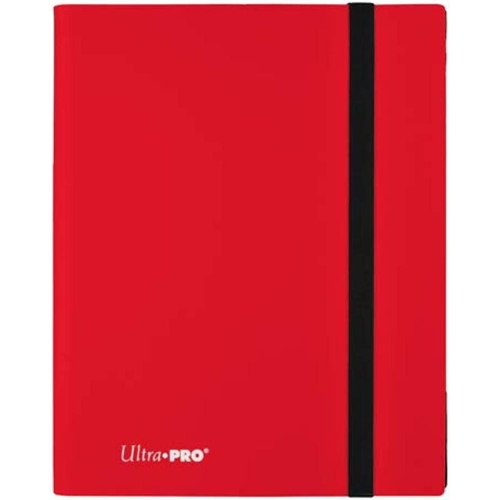
Colour-coded filing with flexible sizes and cover styles
Red binders are practical three-ring office and school supplies for keeping paper documents together, easy to identify and ready to reference. Their bold colour makes them especially useful when a filing system relies on visual organization: red can mark a particular subject, project, department, client, grade level or priority category at a glance. They can hold class notes, printed reports, meeting materials, forms, invoices, recipes, training documents and other loose pages that might otherwise become scattered across a desk or packed into an overfilled drawer. Students may use red binders to separate coursework or keep a complete set of notes for a demanding class, while teachers, tutors and parents can use them for lesson materials, activity sheets and school paperwork. At home, a red binder can gather appliance instructions, renovation records, insurance information or household schedules in one easy-to-spot place. In an office, it can help organize project briefs, presentation handouts, policy documents and frequently consulted reference pages. The strong cover colour also makes a useful choice for shared workspaces, where several people need to return documents to the correct location without sorting through identical black or white binders. During the warmer part of the year and into the cooler months, red binders can support changing routines, from preparing school supplies and refreshing a home office to organizing seasonal activities and end-of-year records.
When choosing among red binders, start with the amount and type of paper they need to hold. A compact 0.5-inch binder is well suited to a thin collection of notes, forms or handouts, while 1-inch and 1.5-inch sizes offer more room for everyday school and office use. Larger 2-inch, 3-inch or wider binders are better for substantial reports, archived paperwork and reference collections, although a very full binder may become heavy to carry. Capacity varies according to paper thickness, hole spacing and the shape of the rings, so it is helpful to leave a little room for adding pages rather than filling the cover to its limit. Round rings are a familiar choice for light or occasional use, while slant rings and D-rings generally offer a flatter writing surface and can hold a larger stack of pages. D-rings also allow pages to sit more evenly from front to back, which can be convenient when a binder is used for a growing project. Check that the binder uses standard three-hole spacing if it will hold conventional letter-size paper, dividers, sheet protectors or punched presentation materials. Cover construction is another important consideration. A simple non-view cover provides a straightforward option for routine filing, whereas a view binder has clear pockets on the front, back or spine for inserting a title page, category label or updated project name. Spine pockets are particularly useful on a shelf because they make a collection easy to identify without removing each binder. For documents that will be handled frequently, look for secure ring mechanisms, reinforced edges and a cover that opens smoothly and lies flat. If the binder will travel between home, school and work, a manageable size and firm closure can make it easier to carry without pages slipping out.
Red binders can also make thoughtful, useful gifts for students, new employees, teachers, home organizers or anyone beginning a new project. A student might use one to build a revision file, with tabbed sections for lessons, assignments and study sheets; a new employee could use one for training notes, workplace procedures and meeting information. Families may find them helpful for keeping children’s artwork, activity schedules and school communications together, while hobbyists can create binders for craft patterns, travel planning, sports statistics or collections of printed instructions. Colour coding becomes even more effective when several binders are used together, allowing each subject or person to have a consistent place. For a coordinated filing system, a red binder can sit alongside other colours such as Pink Binders, with each shade assigned to a different type of document. Clear labels, alphabetical dividers and dated sections can make the contents easier to maintain over time, and pockets inside the covers are convenient for loose receipts, permission forms or pages waiting to be filed. Before adding a red binder to a supply list, consider where it will be stored, how often it will be opened and whether its contents will grow. A slim binder may be ideal for a portable collection, while a durable, higher-capacity design can serve as a dependable reference file on a desk or bookshelf. Choosing the appropriate ring size, capacity, cover style and labelling features helps create an orderly system that remains useful through changing school terms, work projects and household routines.
When choosing among red binders, start with the amount and type of paper they need to hold. A compact 0.5-inch binder is well suited to a thin collection of notes, forms or handouts, while 1-inch and 1.5-inch sizes offer more room for everyday school and office use. Larger 2-inch, 3-inch or wider binders are better for substantial reports, archived paperwork and reference collections, although a very full binder may become heavy to carry. Capacity varies according to paper thickness, hole spacing and the shape of the rings, so it is helpful to leave a little room for adding pages rather than filling the cover to its limit. Round rings are a familiar choice for light or occasional use, while slant rings and D-rings generally offer a flatter writing surface and can hold a larger stack of pages. D-rings also allow pages to sit more evenly from front to back, which can be convenient when a binder is used for a growing project. Check that the binder uses standard three-hole spacing if it will hold conventional letter-size paper, dividers, sheet protectors or punched presentation materials. Cover construction is another important consideration. A simple non-view cover provides a straightforward option for routine filing, whereas a view binder has clear pockets on the front, back or spine for inserting a title page, category label or updated project name. Spine pockets are particularly useful on a shelf because they make a collection easy to identify without removing each binder. For documents that will be handled frequently, look for secure ring mechanisms, reinforced edges and a cover that opens smoothly and lies flat. If the binder will travel between home, school and work, a manageable size and firm closure can make it easier to carry without pages slipping out.
Red binders can also make thoughtful, useful gifts for students, new employees, teachers, home organizers or anyone beginning a new project. A student might use one to build a revision file, with tabbed sections for lessons, assignments and study sheets; a new employee could use one for training notes, workplace procedures and meeting information. Families may find them helpful for keeping children’s artwork, activity schedules and school communications together, while hobbyists can create binders for craft patterns, travel planning, sports statistics or collections of printed instructions. Colour coding becomes even more effective when several binders are used together, allowing each subject or person to have a consistent place. For a coordinated filing system, a red binder can sit alongside other colours such as Pink Binders, with each shade assigned to a different type of document. Clear labels, alphabetical dividers and dated sections can make the contents easier to maintain over time, and pockets inside the covers are convenient for loose receipts, permission forms or pages waiting to be filed. Before adding a red binder to a supply list, consider where it will be stored, how often it will be opened and whether its contents will grow. A slim binder may be ideal for a portable collection, while a durable, higher-capacity design can serve as a dependable reference file on a desk or bookshelf. Choosing the appropriate ring size, capacity, cover style and labelling features helps create an orderly system that remains useful through changing school terms, work projects and household routines.
Top selling and popular products
-
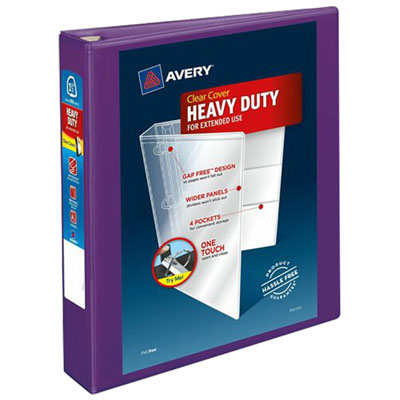 Your price for this item is $11.99
 -
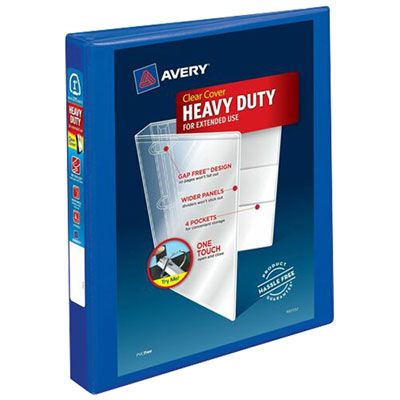 Your price for this item is $17.99
 -
 Your price for this item is $9.99
 -
 Your price for this item is $13.99
 -
 Your price for this item is $14.99
 -
 Your price for this item is $9.99
 -
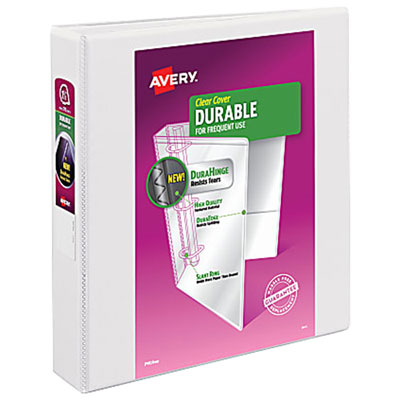 Your price for this item is $12.99
 -
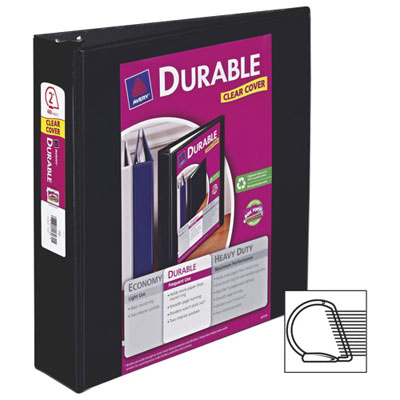 Your price for this item is $10.99
Discover more categories related to Red Binders
Top Collections:
Pokemon Centers, Kindle Devices, Best Budget Office Chairs, Apple iPhones 16, Best Laptops for Writers, iPhone 15 Apple, Canon G7X Cameras, Refurbished Apple Laptops, Alarm Clock, Motorola Razr Phones
Some products may be subject to Environmental Handling Fees
(EHF) depending on your province.
Learn more about EHFs.