Rolling Cart
Organize and transport your belongings with ease using a versatile rolling cart. Perfect for home, office, or on-the-go use, these carts offer convenience and functionality in one compact package. With sturdy wheels and a durable frame, you can effortlessly move heavy items from one place to another without straining yourself. Whether you need extra storage in the kitchen, a mobile workstation in your office, or a portable solution for shopping trips, a rolling cart is a practical addition to simplify your daily tasks.
Sort
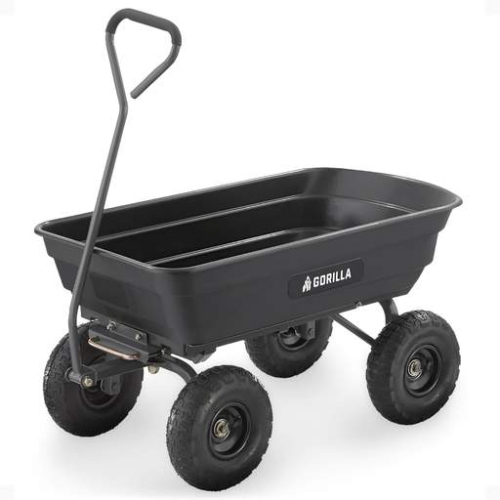
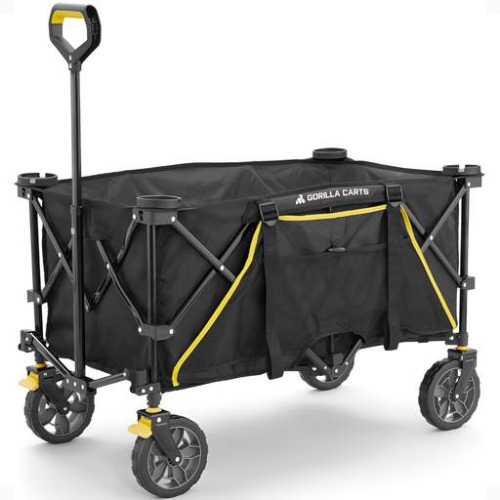
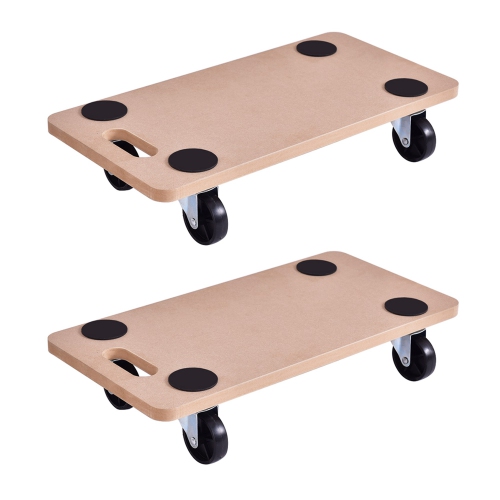
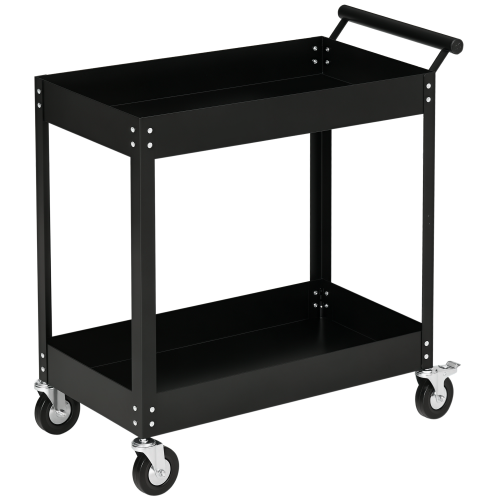
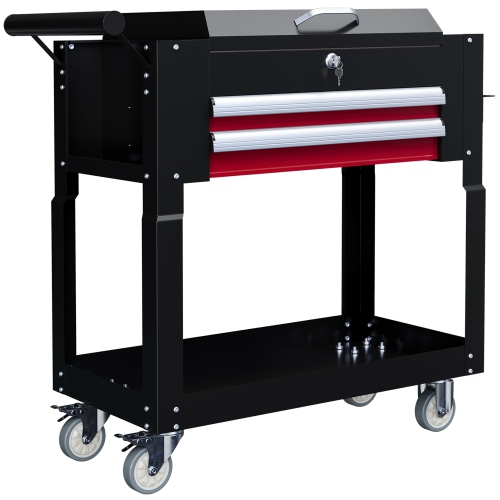

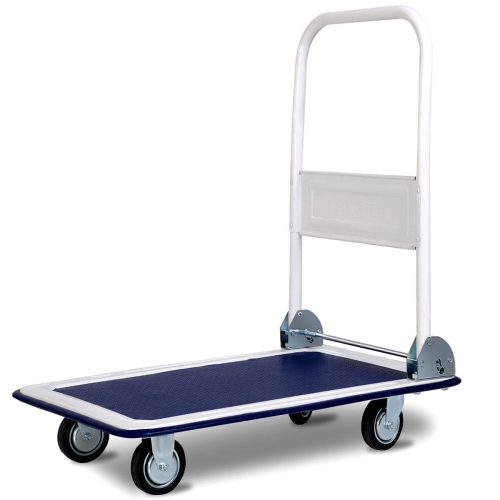
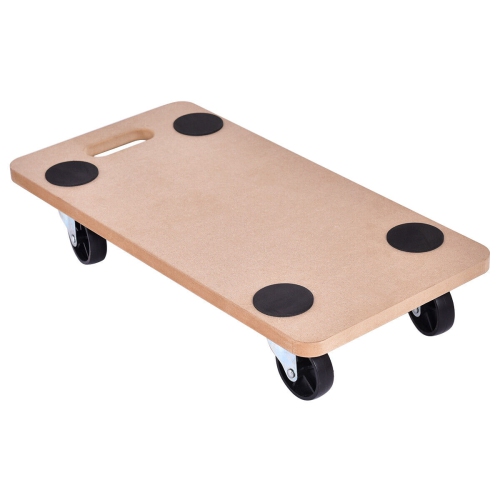
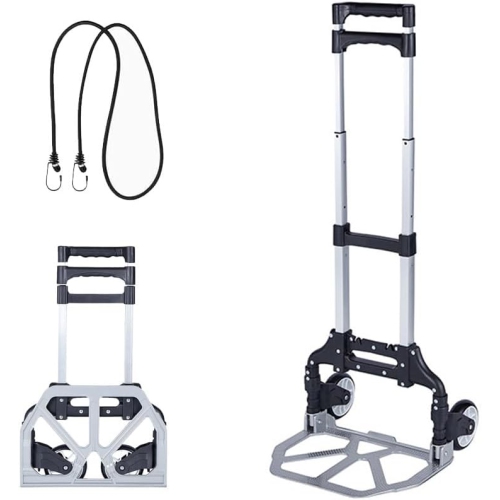
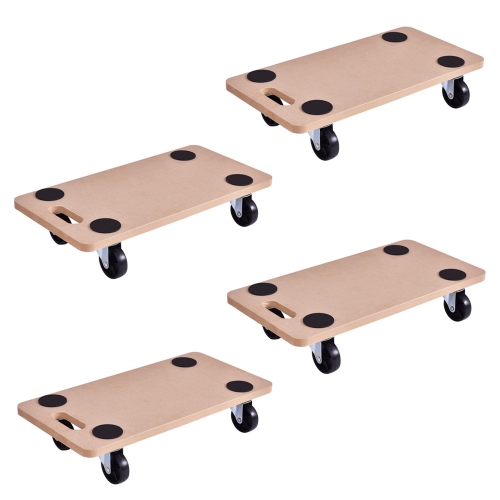
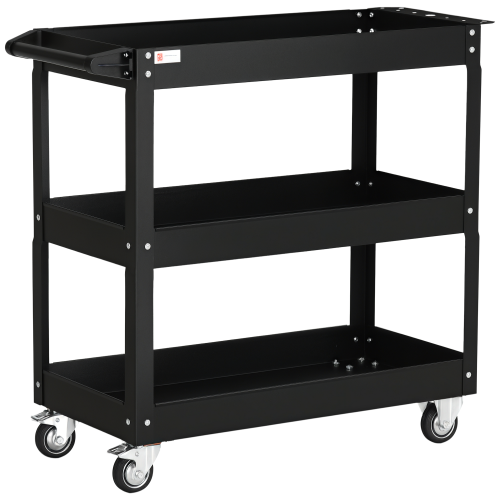
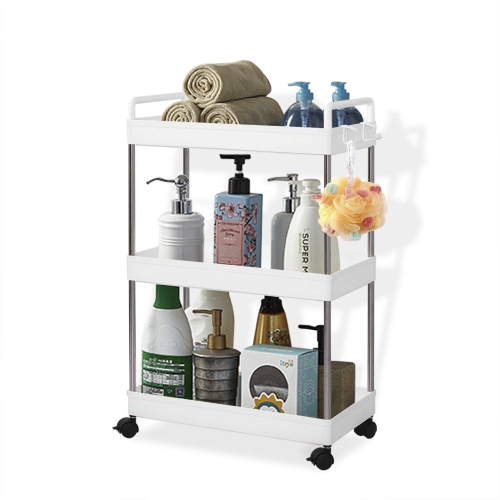
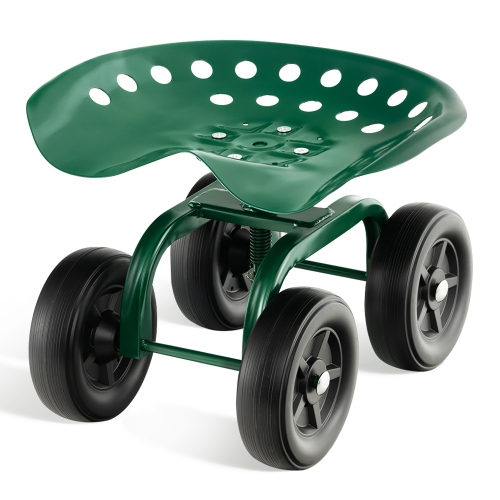
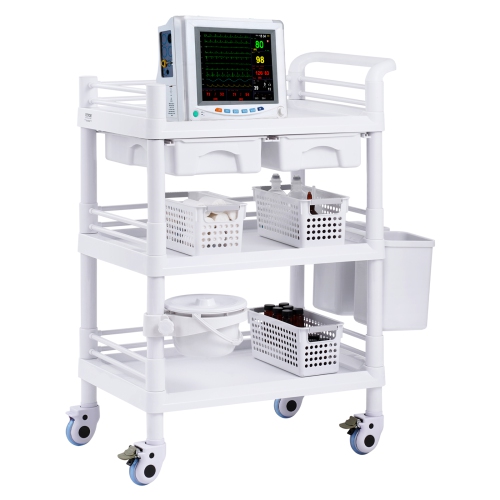

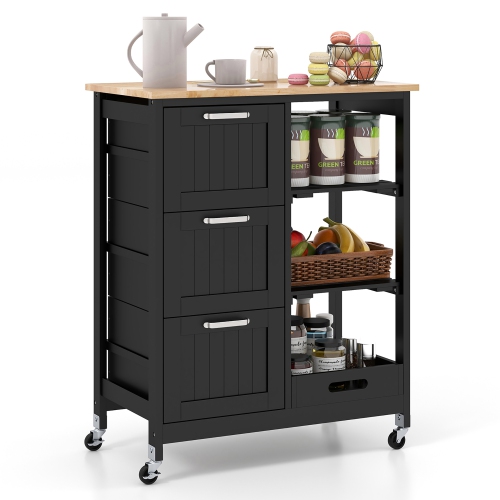
Flexible storage that moves wherever your projects take you
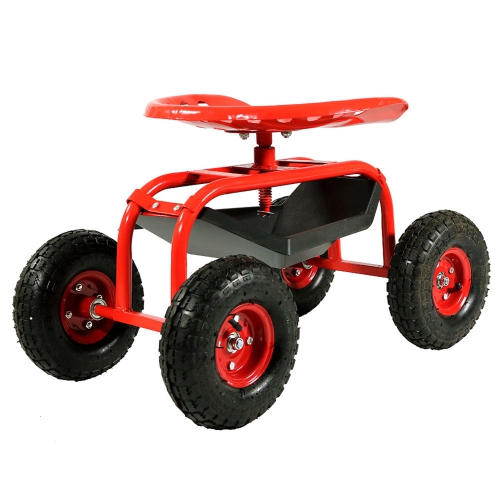
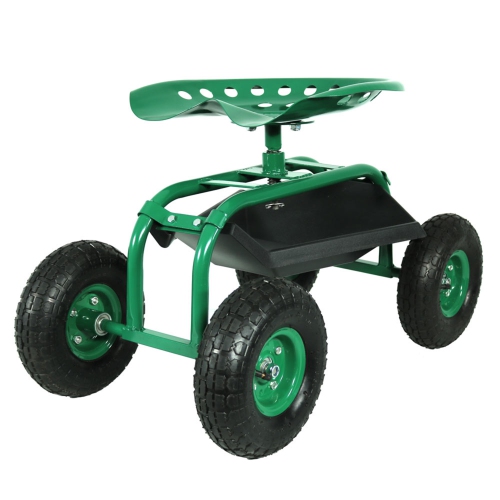
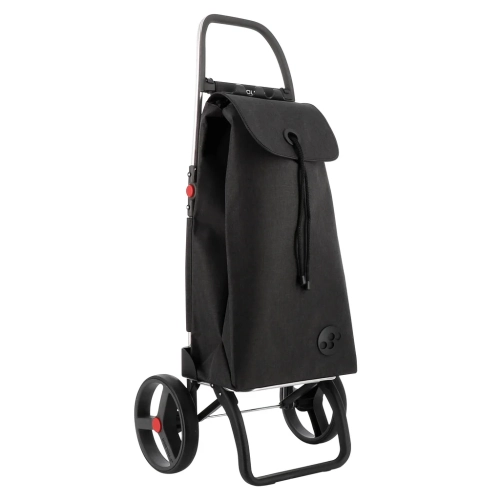
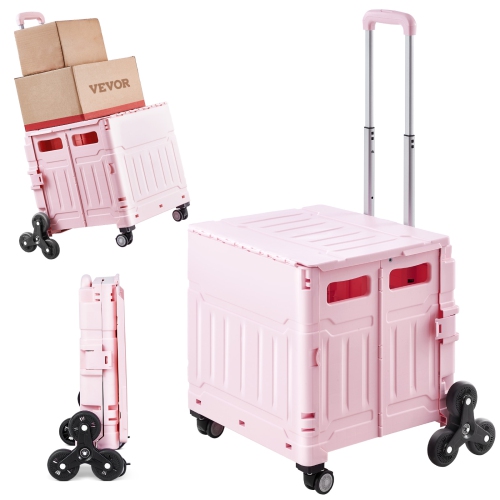
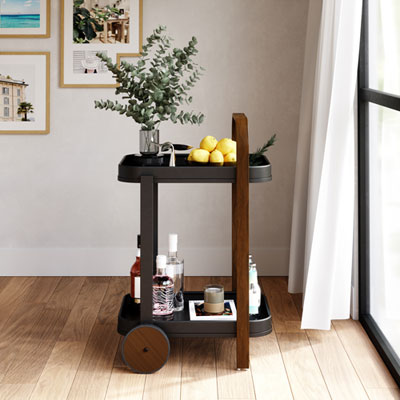
A rolling cart is a mobile storage unit with shelves, baskets, drawers, or a work surface mounted on wheels, making it useful for organizing supplies and moving them between spaces. Unlike a fixed cabinet, it can sit beside a desk during the day, move closer to a project in progress, and tuck out of the way when the room needs to serve another purpose. That flexibility suits apartments, shared homes, busy kitchens, craft rooms, and home offices where every bit of usable floor space matters. A narrow rolling storage cart can make practical use of the gap beside a counter or vanity, while a wider utility cart offers room for larger supplies and a more substantial top surface. Open shelves keep everyday essentials visible, baskets help contain loose objects, and drawers provide separation for smaller supplies that might otherwise collect on a countertop. In a kitchen, a cart might hold dry pantry goods, folded tea towels, and serving pieces; in a workspace, it can bring notebooks, paper, and project materials within reach without crowding the desk. For hobbies such as sewing, painting, or model building, mobile storage keeps the materials for an unfinished project together rather than scattered across a dining table. During the cooler months, a cart near a reading chair can hold books, yarn, and other quiet-time essentials, then move aside when guests arrive. Students, renters, families, and anyone working with a multipurpose room may appreciate that ability to rearrange storage without installing permanent fixtures. A rolling cart can also be a thoughtful housewarming gift when its dimensions and purpose suit the recipient’s home. Where the main need is hanging garments rather than storing supplies on shelves, Rolling Racks offer a different storage format. The distinction comes down to what needs a home: folded linens, craft materials, and office supplies generally benefit from contained, horizontal storage, while clothing on hangers needs open vertical clearance.
The materials and construction of a rolling cart influence its weight, appearance, care requirements, and suitability for everyday use. Steel frames can provide a firm structure for utility storage, although the cart’s stated load capacity matters more than material alone. Powder-coated finishes offer a smooth, finished surface, but chips and scratches deserve attention, particularly where the cart may encounter moisture. Stainless steel is often used for easy-to-wipe surfaces, though it still needs regular cleaning and drying to limit marks. Plastic carts are generally lightweight and straightforward to wipe down, making them useful for modest loads and supplies that occasionally spill. Wood and wood-look surfaces can blend comfortably with living room or dining room furniture, but their care needs depend on the finish and underlying material; standing water can damage some surfaces or cause edges to swell. Shelf design makes a difference, too. A solid shelf supports small containers evenly and helps contain minor spills, while wire or mesh shelves allow airflow but may need a suitable liner for objects with narrow bases. Raised edges and deeper baskets help keep loose contents contained during movement, without replacing the need to arrange everything securely. Fit involves more than finding a cart that slides into an empty corner. Overall width should include handles and any projecting hardware, and the route between rooms needs enough clearance for the cart to pass comfortably. Shelf spacing determines whether tall bottles, upright folders, or stacked bins will fit without awkward tilting. The top surface should also sit at a useful height for the intended task, whether that means reaching supplies from a chair or setting down folded laundry while standing. For a cart intended to hold an appliance, the surface dimensions, load rating, ventilation clearance, and appliance manufacturer’s placement requirements all matter. A storage cart is not automatically a suitable operating surface for equipment that produces heat, vibration, or steam.
Wheels are central to how a rolling utility cart feels in daily use, particularly when it travels beyond one room. Small castors may move easily across a smooth, level floor yet struggle with thick carpet, tile joints, or raised doorway thresholds. Larger wheels can make some transitions easier, while wheel material affects noise, grip, and compatibility with flooring. Even wheels described as non-marking need to stay clean, since trapped grit can scratch a finished floor. Swivelling castors help a cart turn in confined spaces, and a well-positioned handle offers a controlled place to push without pulling on a shelf or basket. Locking castors help limit unwanted movement while supplies are being loaded or accessed; depending on the mechanism, a lock may stop the wheel from rolling without stopping it from swivelling. Locks do not make a cart safe to climb on or turn it into a support for someone standing up. Stability also depends on sensible loading. Heavier contents belong on lower shelves, lighter supplies can sit higher, and the manufacturer’s limits apply both to individual shelves and to the cart as a whole. Tall, narrow carts require particular care around uneven surfaces, children, and pets, since an uneven or top-heavy load can increase the chance of tipping. For shared spaces, clearly separated baskets or trays make it easier for everyone to return supplies to the same place, whether the cart holds homework materials or the tools for a weekend project. Routine care is usually simple but worth keeping up with: wipe spills promptly, use cleaning products suited to the finish, clear hair and threads from wheel assemblies, and check fasteners for looseness according to the manufacturer’s instructions. Bathroom and laundry use calls for attention to dampness, while garage use may require greater load capacity and wheels suited to rougher floors. With the right proportions, accessible storage, and dependable movement, a rolling cart can keep everyday routines organized while leaving a room free to change throughout the day.
The materials and construction of a rolling cart influence its weight, appearance, care requirements, and suitability for everyday use. Steel frames can provide a firm structure for utility storage, although the cart’s stated load capacity matters more than material alone. Powder-coated finishes offer a smooth, finished surface, but chips and scratches deserve attention, particularly where the cart may encounter moisture. Stainless steel is often used for easy-to-wipe surfaces, though it still needs regular cleaning and drying to limit marks. Plastic carts are generally lightweight and straightforward to wipe down, making them useful for modest loads and supplies that occasionally spill. Wood and wood-look surfaces can blend comfortably with living room or dining room furniture, but their care needs depend on the finish and underlying material; standing water can damage some surfaces or cause edges to swell. Shelf design makes a difference, too. A solid shelf supports small containers evenly and helps contain minor spills, while wire or mesh shelves allow airflow but may need a suitable liner for objects with narrow bases. Raised edges and deeper baskets help keep loose contents contained during movement, without replacing the need to arrange everything securely. Fit involves more than finding a cart that slides into an empty corner. Overall width should include handles and any projecting hardware, and the route between rooms needs enough clearance for the cart to pass comfortably. Shelf spacing determines whether tall bottles, upright folders, or stacked bins will fit without awkward tilting. The top surface should also sit at a useful height for the intended task, whether that means reaching supplies from a chair or setting down folded laundry while standing. For a cart intended to hold an appliance, the surface dimensions, load rating, ventilation clearance, and appliance manufacturer’s placement requirements all matter. A storage cart is not automatically a suitable operating surface for equipment that produces heat, vibration, or steam.
Wheels are central to how a rolling utility cart feels in daily use, particularly when it travels beyond one room. Small castors may move easily across a smooth, level floor yet struggle with thick carpet, tile joints, or raised doorway thresholds. Larger wheels can make some transitions easier, while wheel material affects noise, grip, and compatibility with flooring. Even wheels described as non-marking need to stay clean, since trapped grit can scratch a finished floor. Swivelling castors help a cart turn in confined spaces, and a well-positioned handle offers a controlled place to push without pulling on a shelf or basket. Locking castors help limit unwanted movement while supplies are being loaded or accessed; depending on the mechanism, a lock may stop the wheel from rolling without stopping it from swivelling. Locks do not make a cart safe to climb on or turn it into a support for someone standing up. Stability also depends on sensible loading. Heavier contents belong on lower shelves, lighter supplies can sit higher, and the manufacturer’s limits apply both to individual shelves and to the cart as a whole. Tall, narrow carts require particular care around uneven surfaces, children, and pets, since an uneven or top-heavy load can increase the chance of tipping. For shared spaces, clearly separated baskets or trays make it easier for everyone to return supplies to the same place, whether the cart holds homework materials or the tools for a weekend project. Routine care is usually simple but worth keeping up with: wipe spills promptly, use cleaning products suited to the finish, clear hair and threads from wheel assemblies, and check fasteners for looseness according to the manufacturer’s instructions. Bathroom and laundry use calls for attention to dampness, while garage use may require greater load capacity and wheels suited to rougher floors. With the right proportions, accessible storage, and dependable movement, a rolling cart can keep everyday routines organized while leaving a room free to change throughout the day.
Top selling and popular products
-
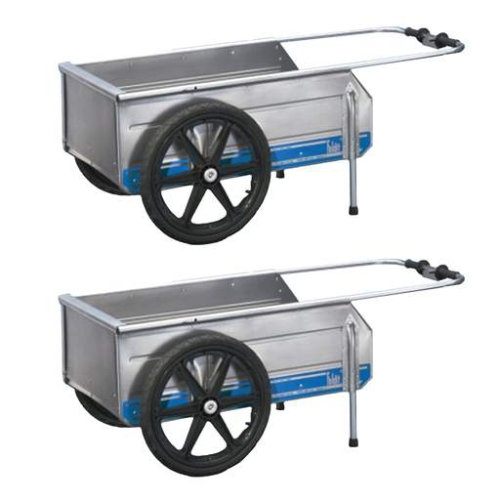 Your price for this item is $1405.99
 -
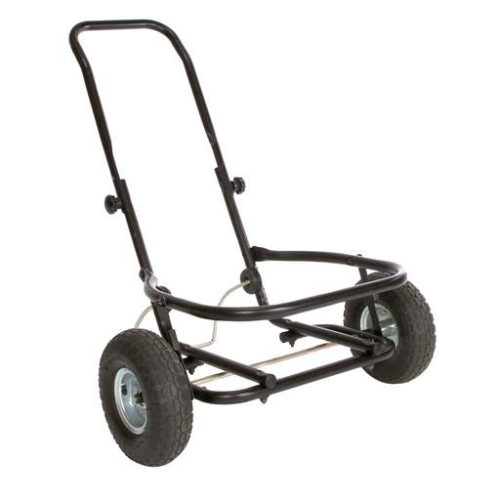 Your price for this item is $228.99
 -
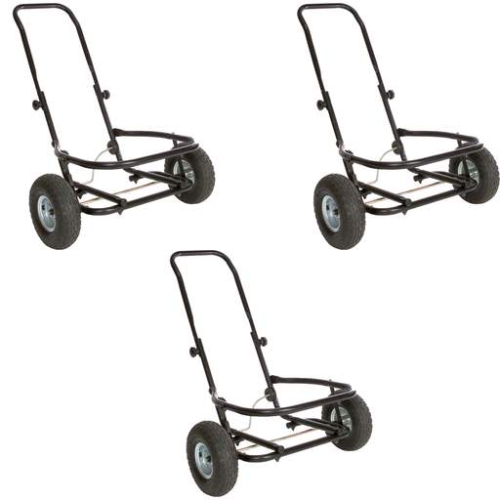 Your price for this item is $691.99
 -
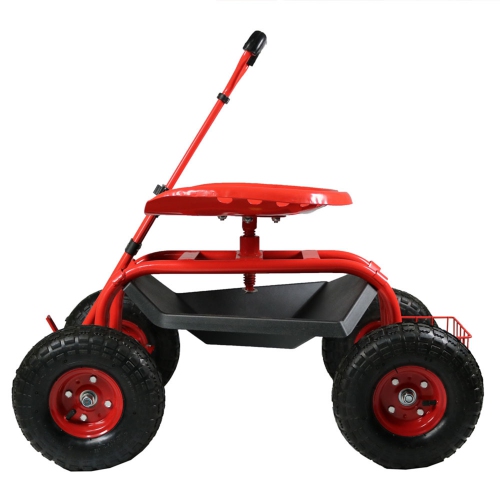 Your price for this item is $247.35
 -
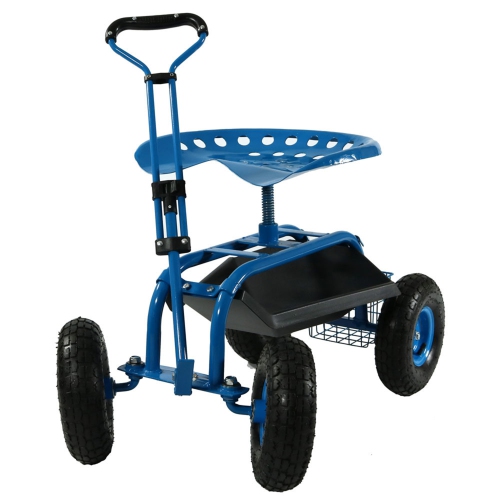 Your price for this item is $247.35
 -
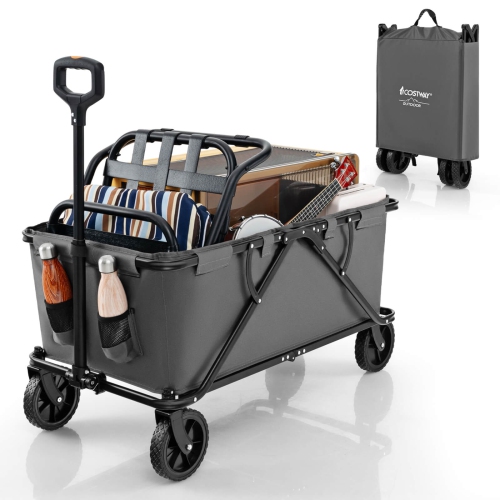 Your price for this item is $177.99
 -
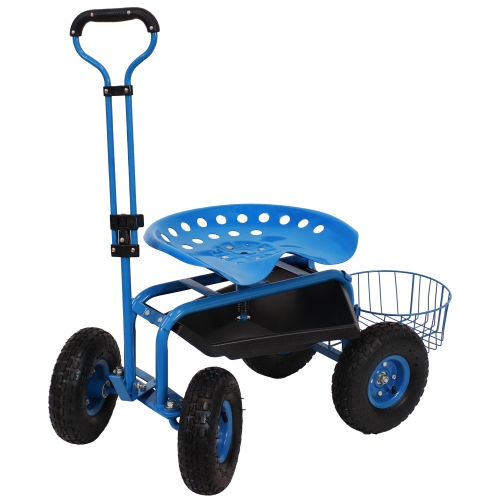 Your price for this item is $261.95
 -
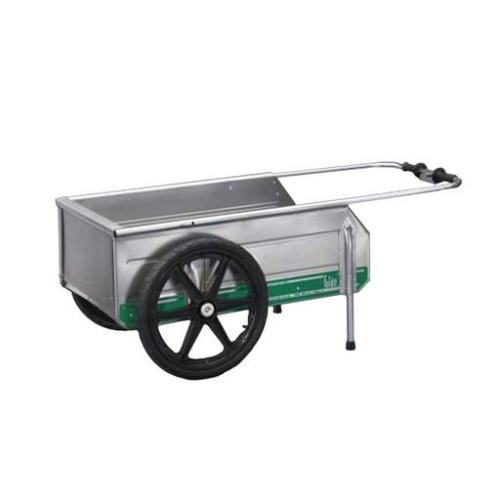 Your price for this item is $700.99
Discover more categories related to Rolling Cart
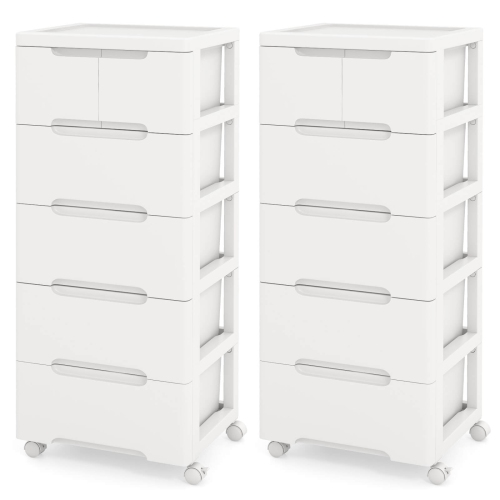
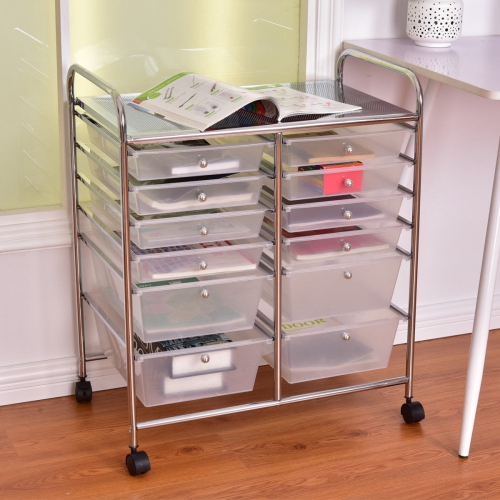

Top Collections:
Pokemon Centers, Kindle Devices, Best Budget Office Chairs, Apple iPhones 16, Best Laptops for Writers, iPhone 15 Apple, Canon G7X Cameras, Refurbished Apple Laptops, Alarm Clock, Motorola Razr Phones
Some products may be subject to Environmental Handling Fees
(EHF) depending on your province.
Learn more about EHFs.