Rolling Craft Carts
Organize your crafting supplies with ease and efficiency using rolling craft carts. Perfect for storing everything from paper and pens to sewing materials and paints, these versatile carts are designed to keep your workspace tidy and clutter-free. With sturdy construction and convenient mobility, rolling craft carts are a must-have addition to any crafter's studio or creative space. Explore our selection of rolling craft carts to find the perfect solution for your organizational needs.
Sort
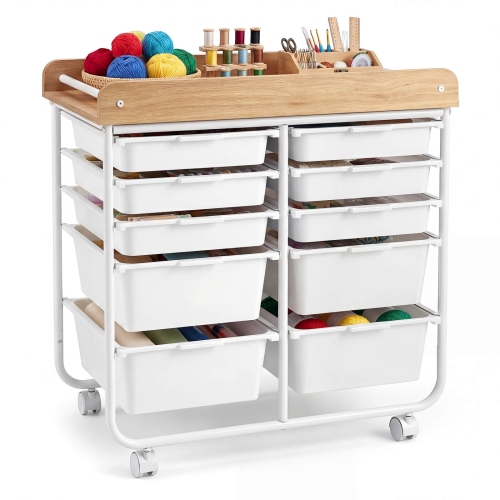
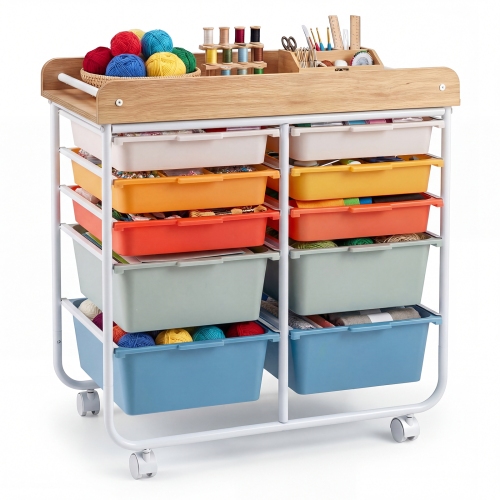
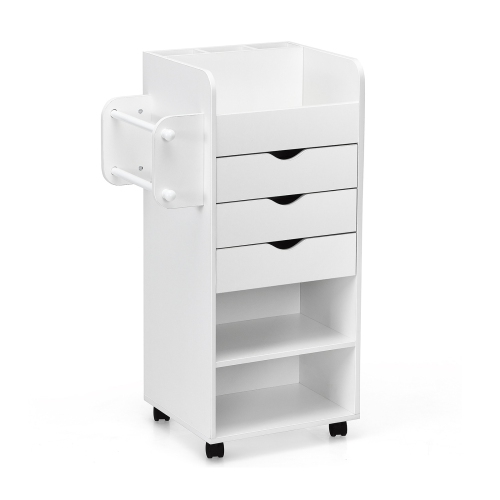
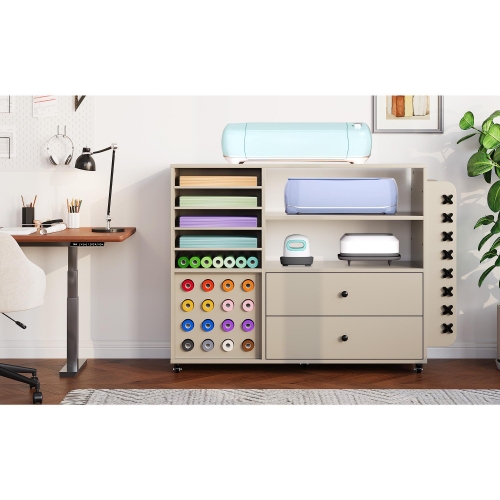
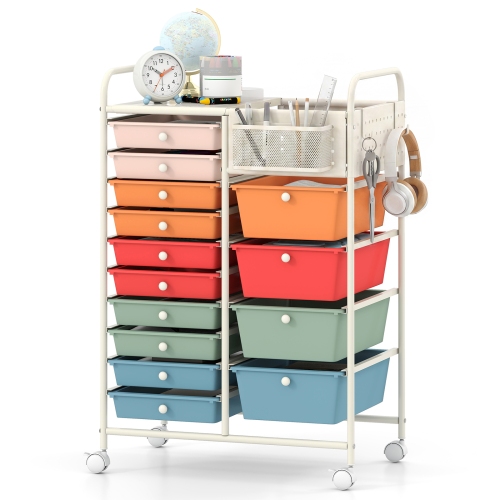
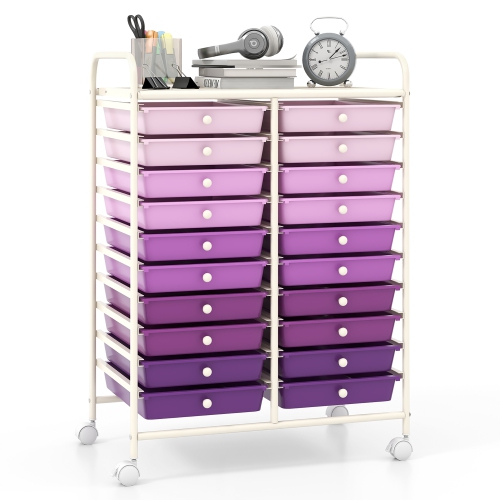
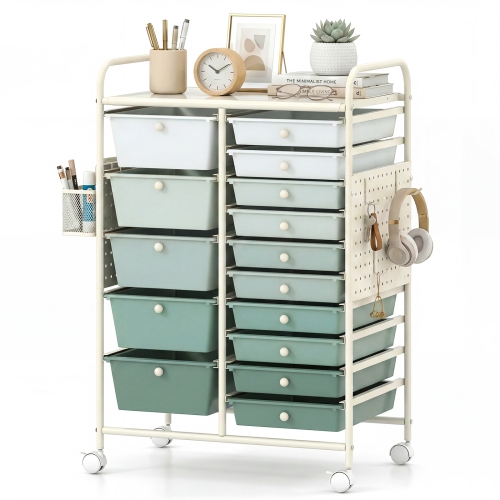
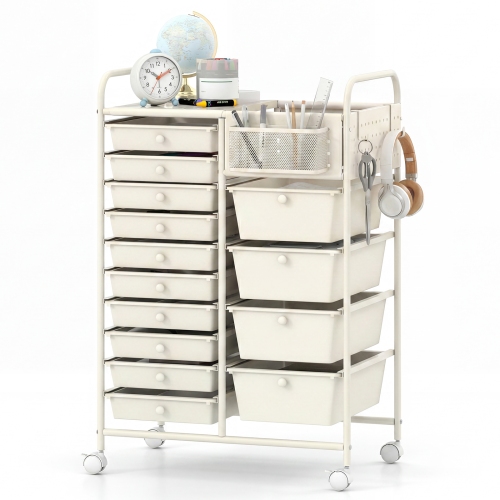
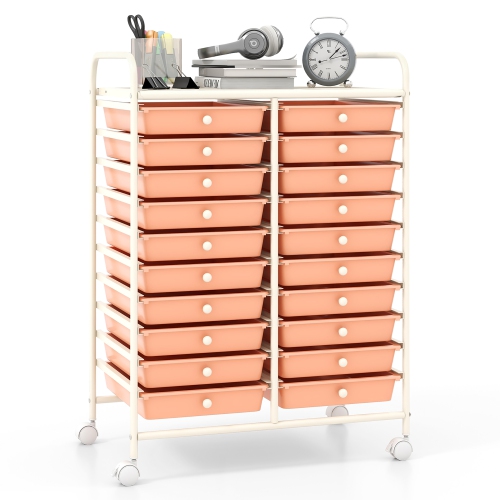
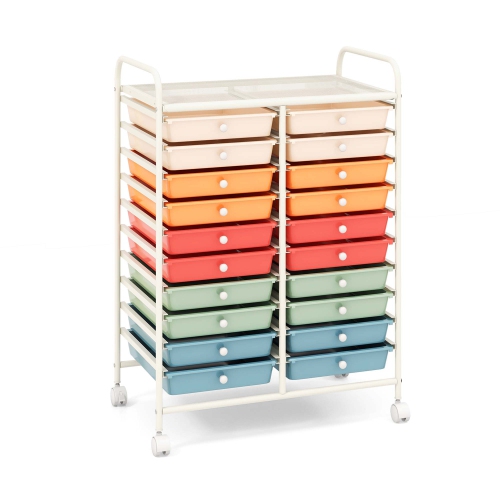
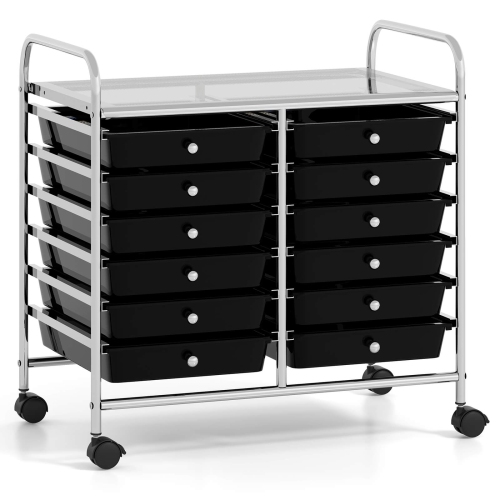
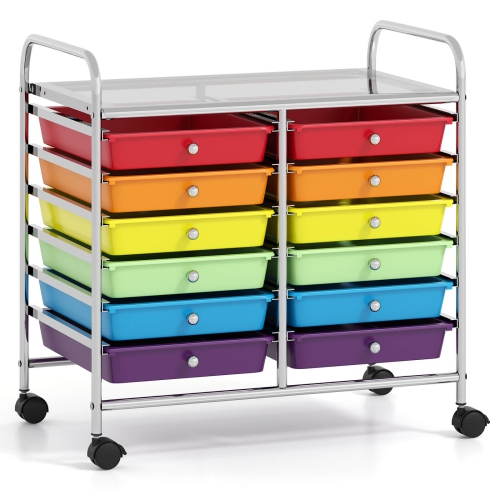
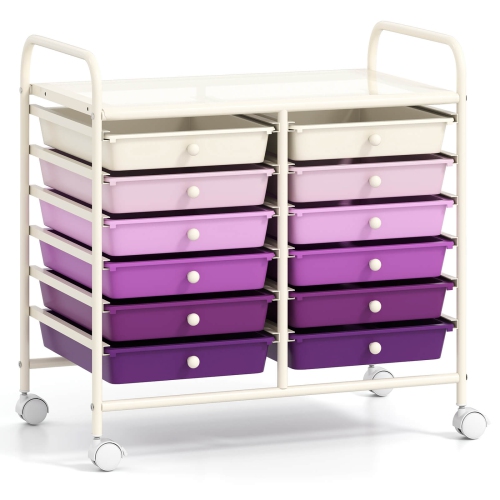
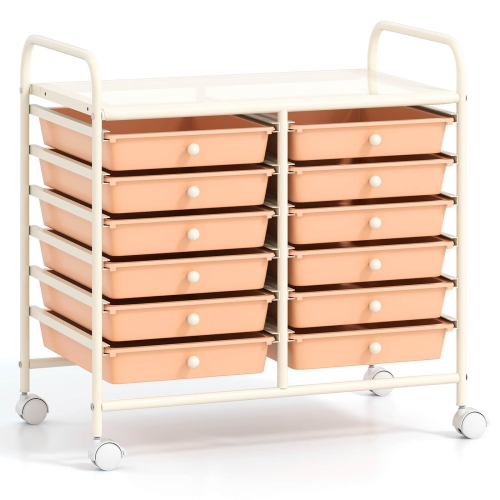
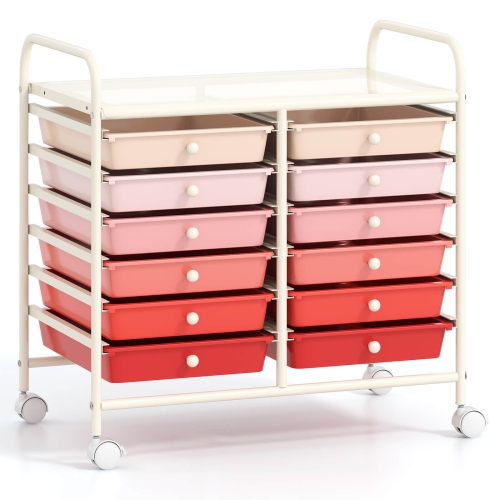
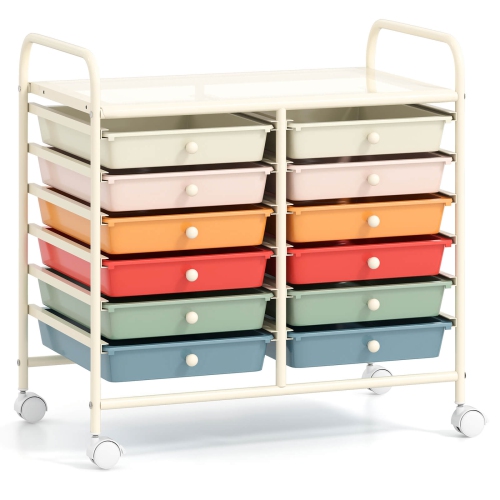
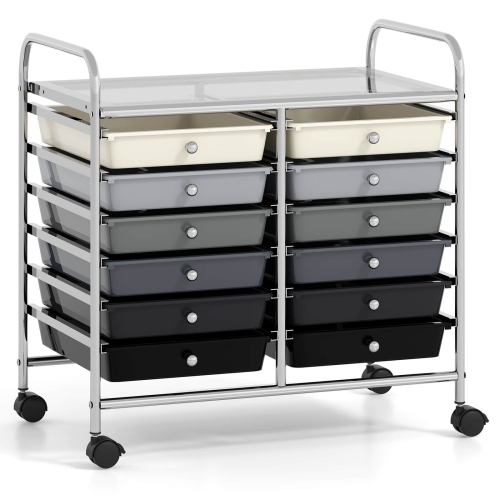
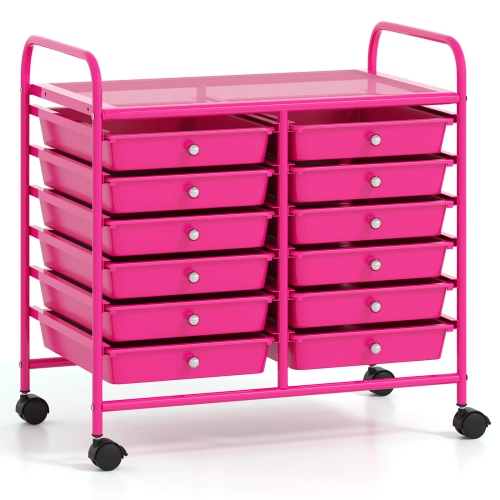
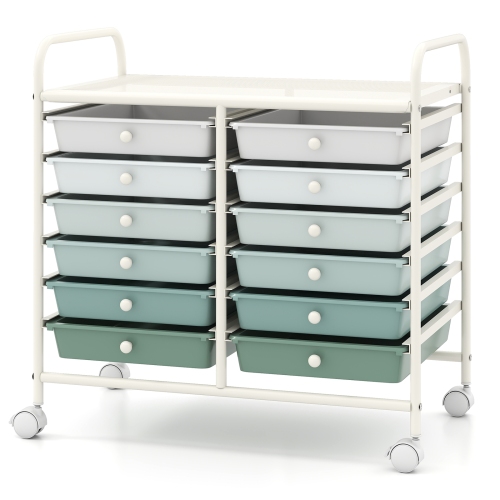
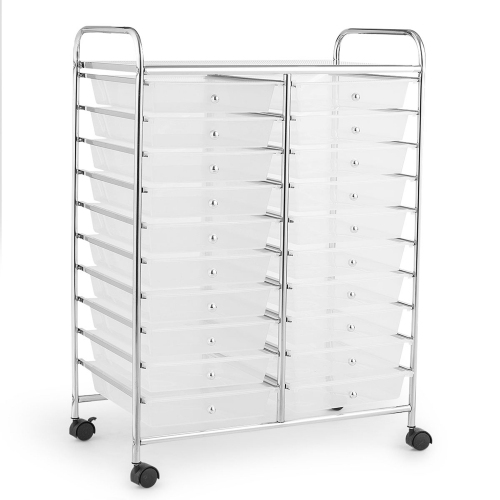
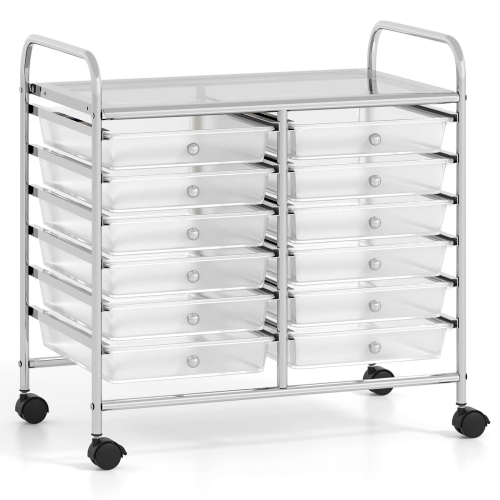
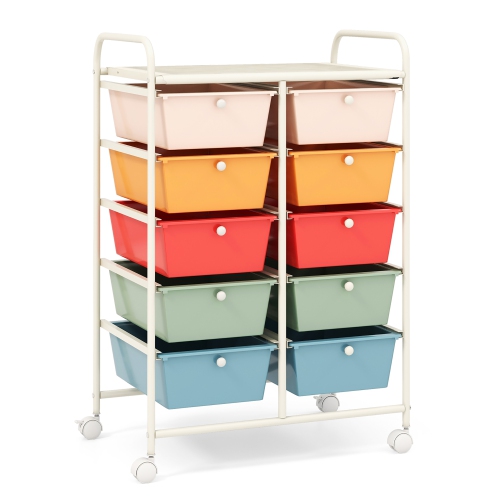
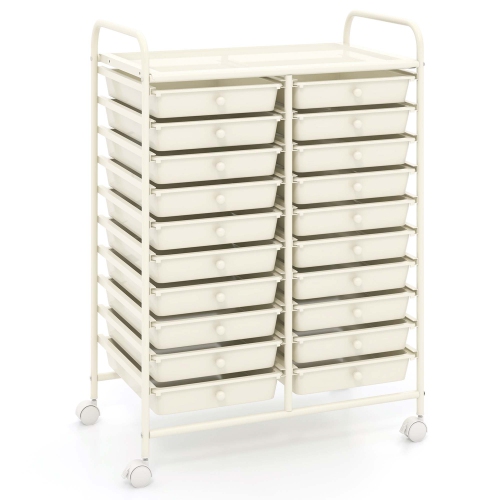
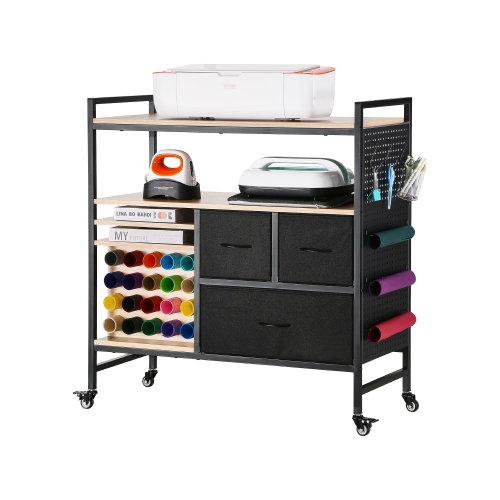
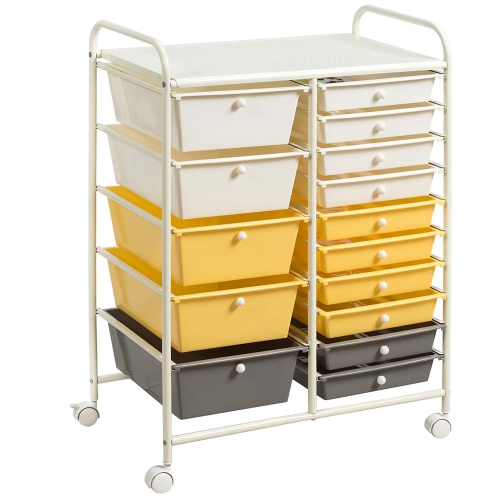
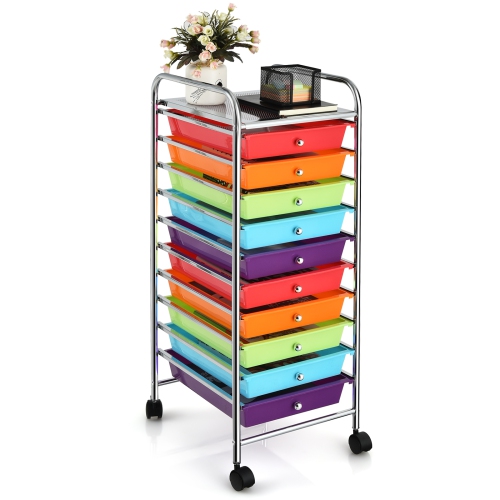
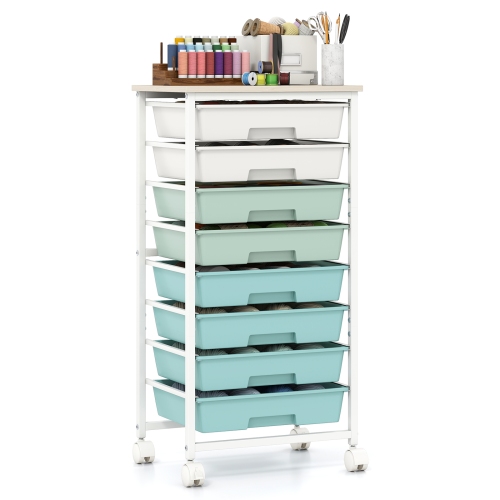
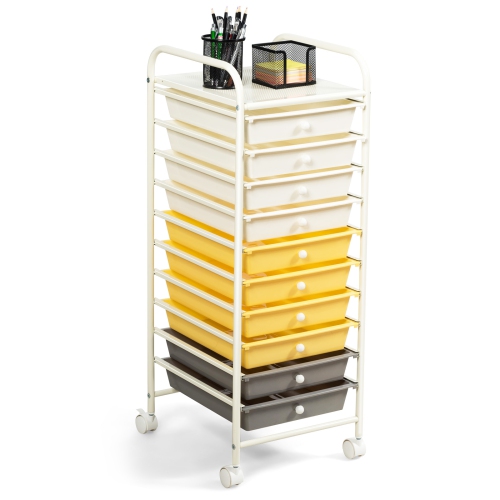
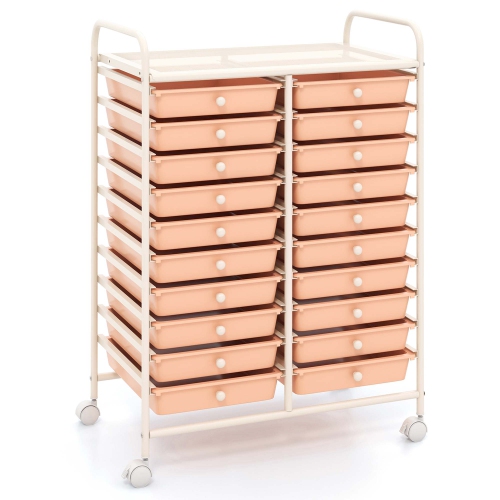
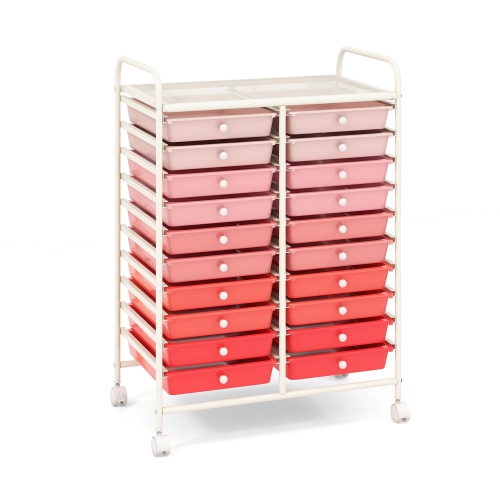
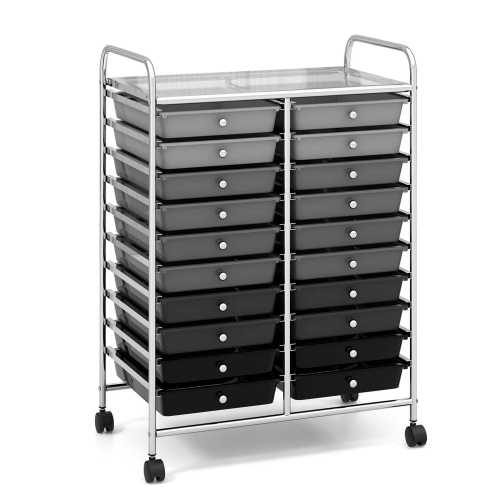
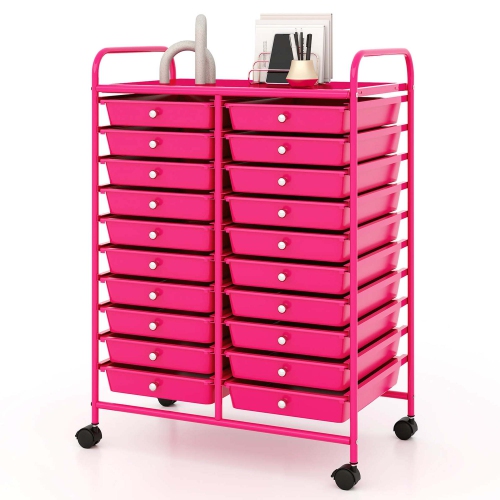
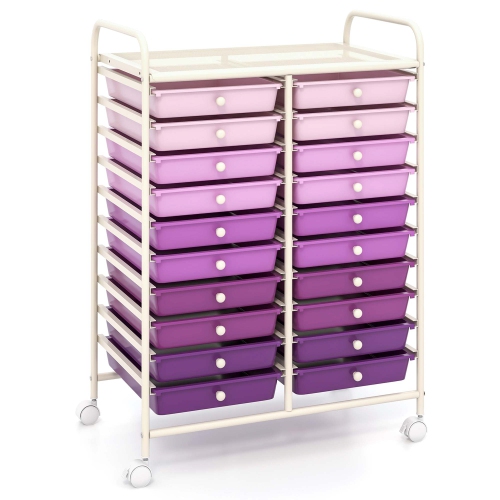
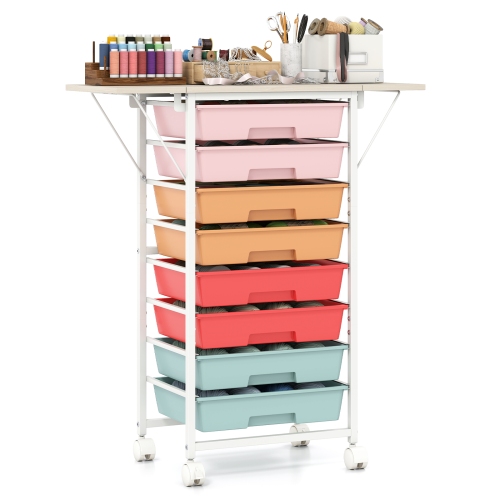
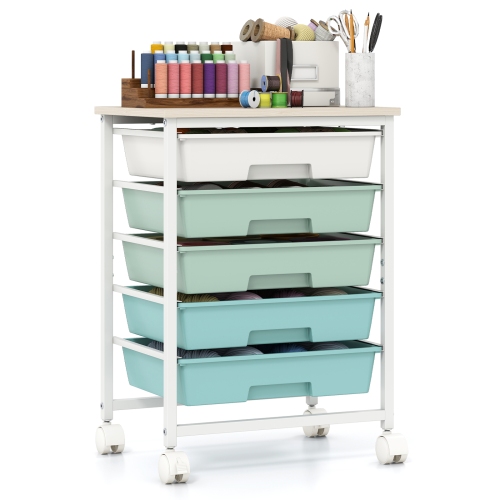
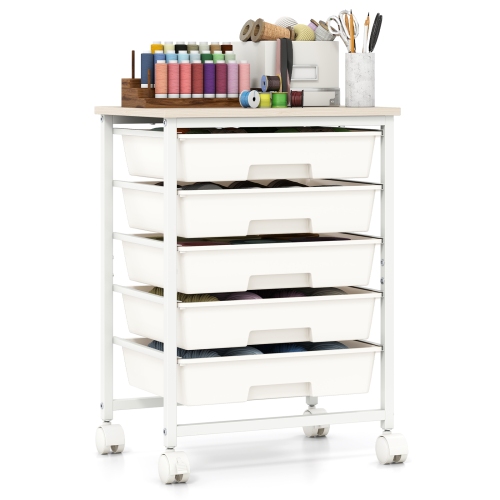
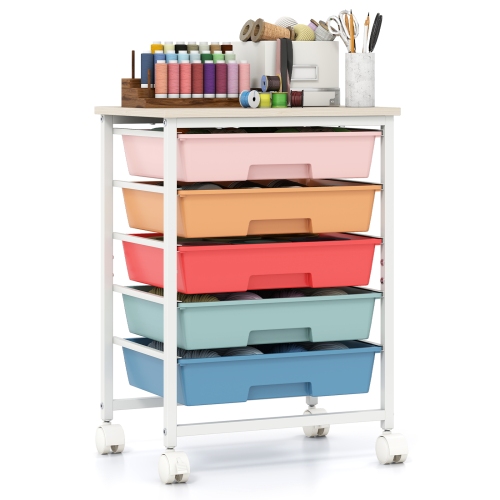
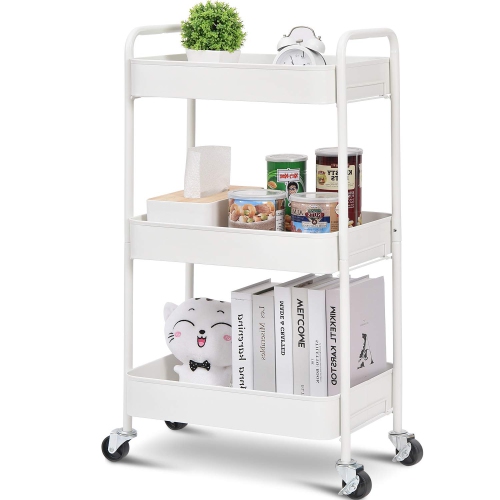
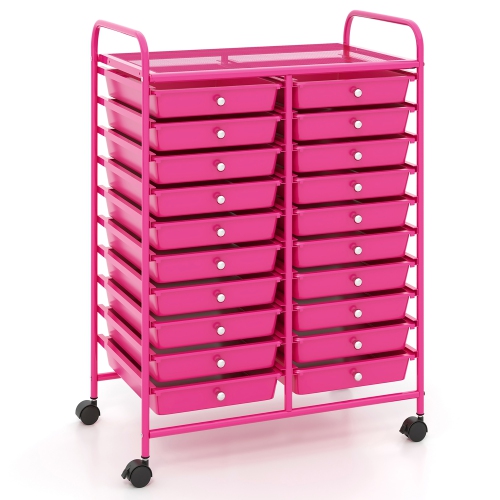
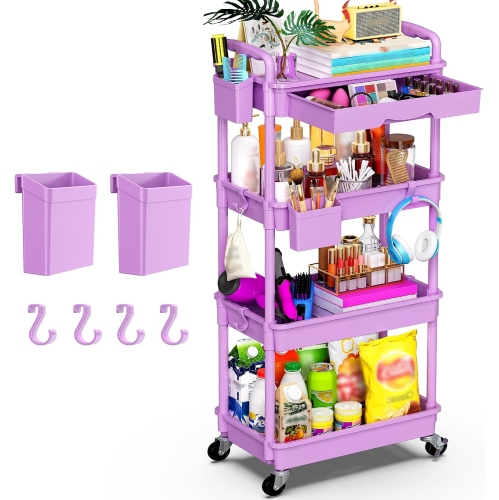
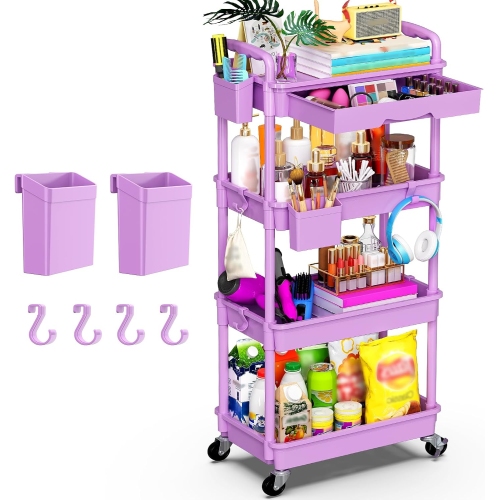
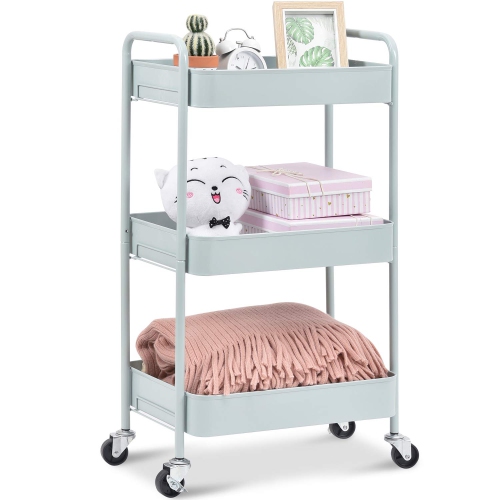
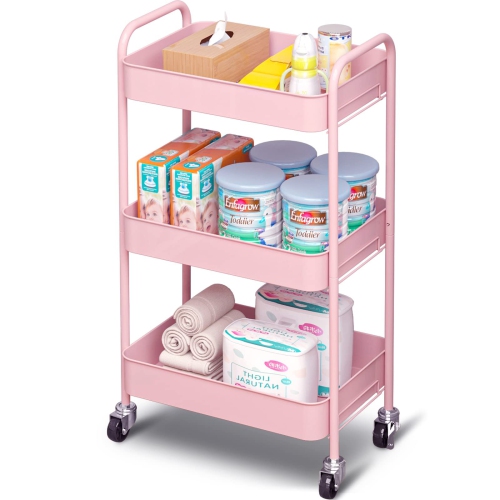
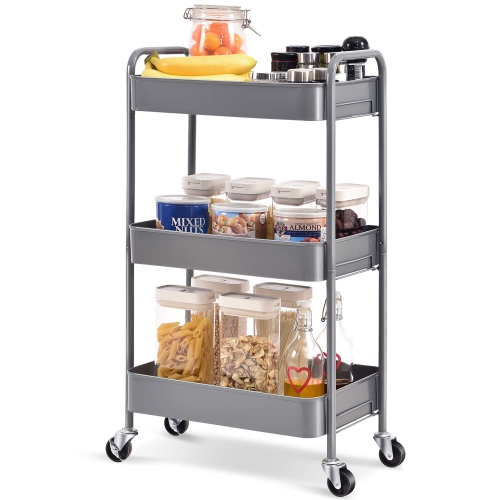
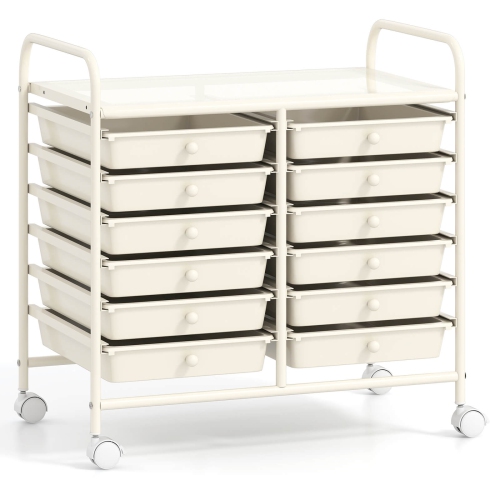
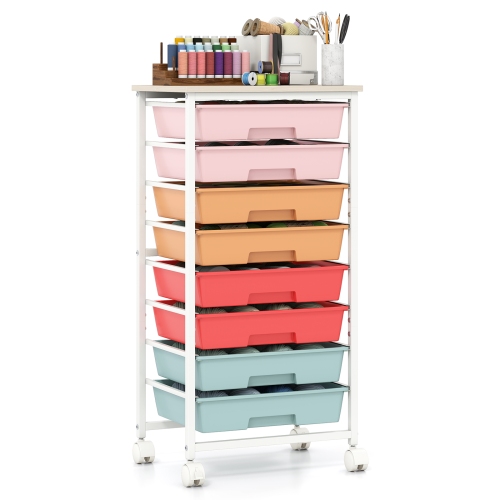
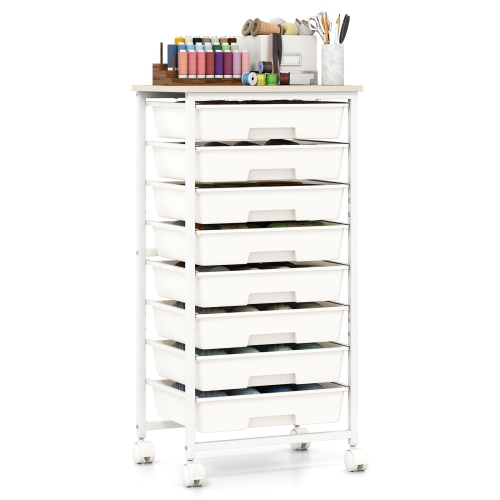
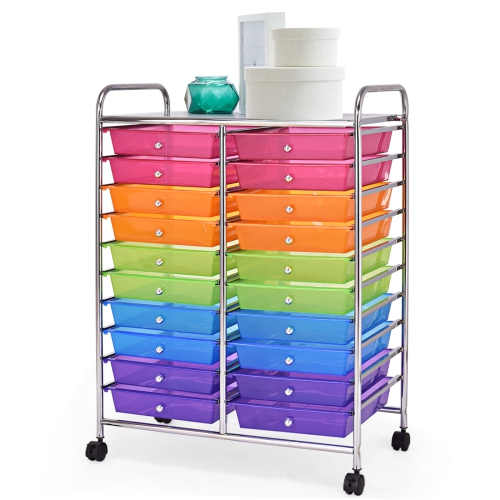
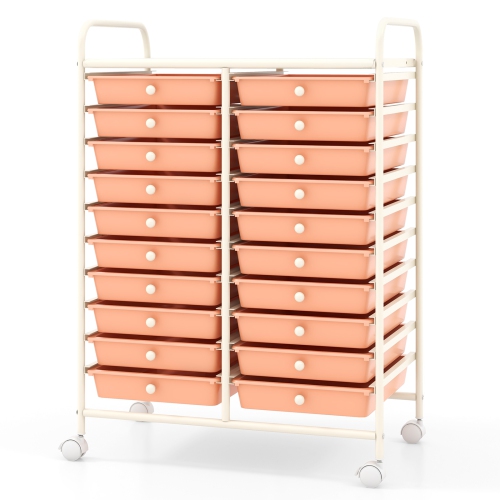
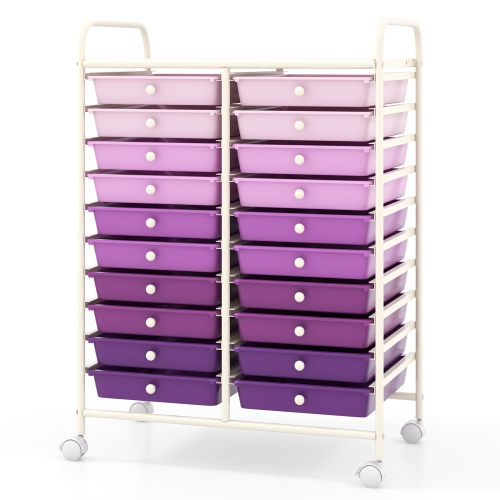
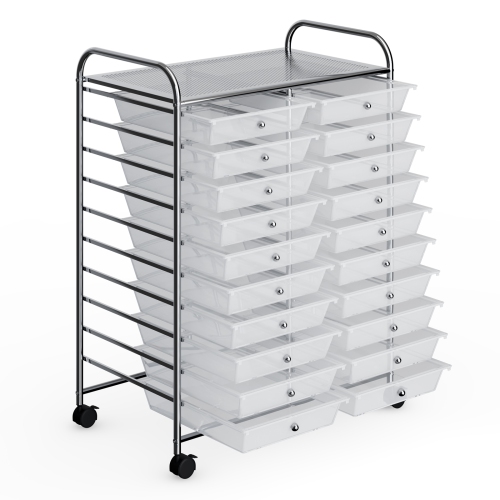
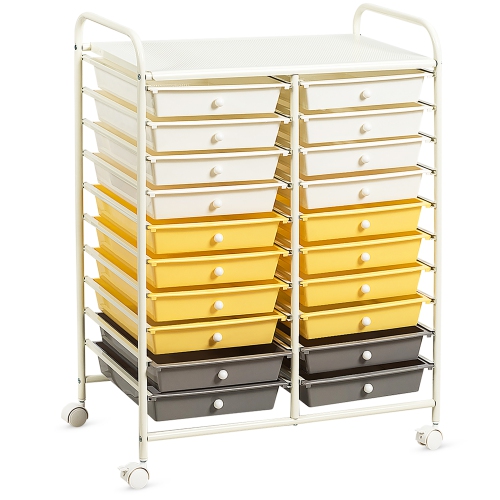
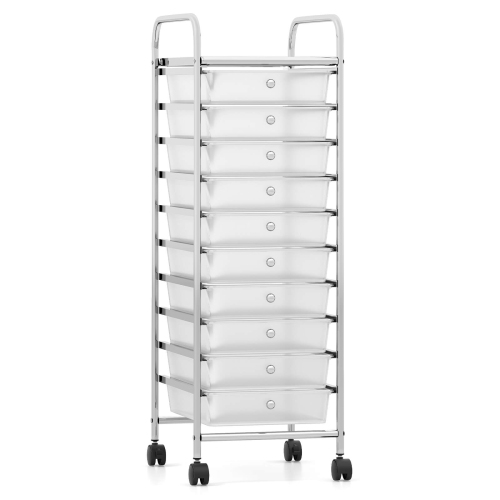
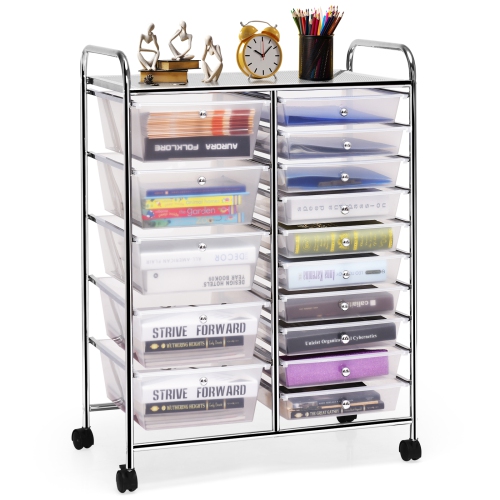
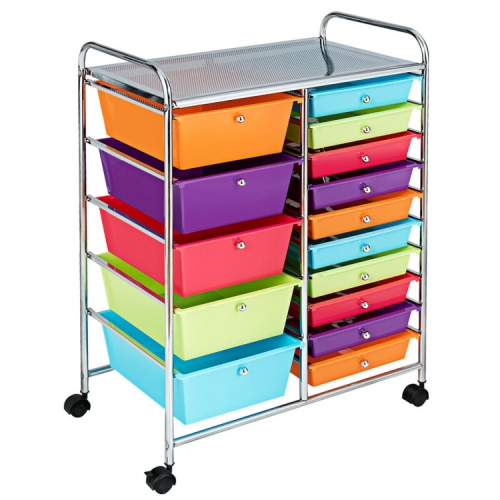
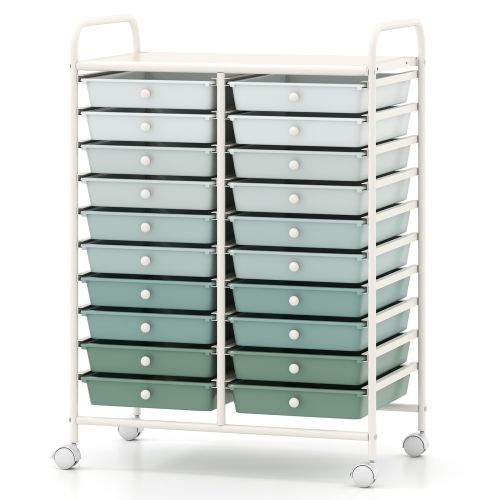
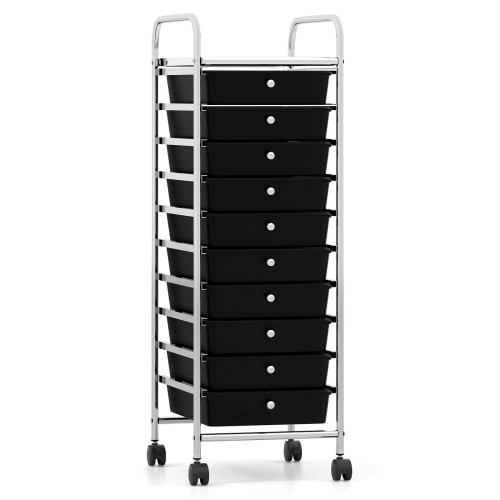
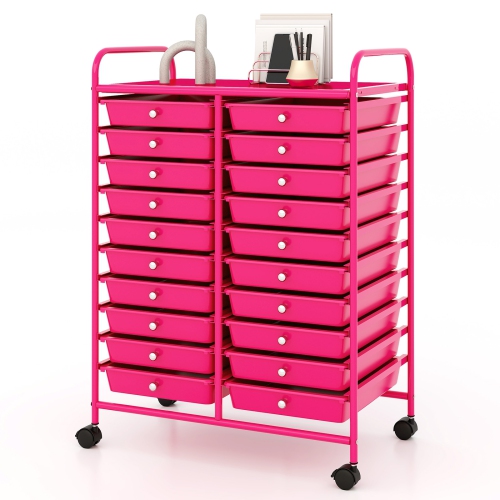
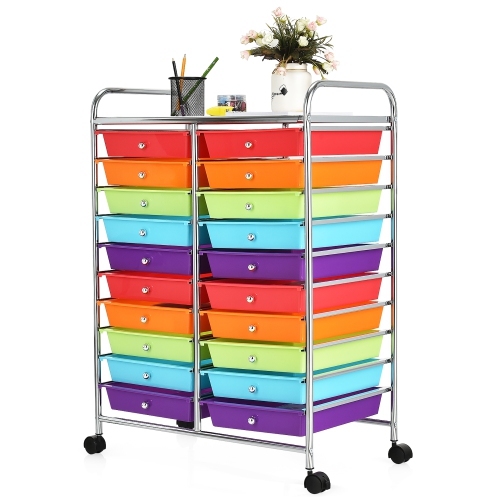
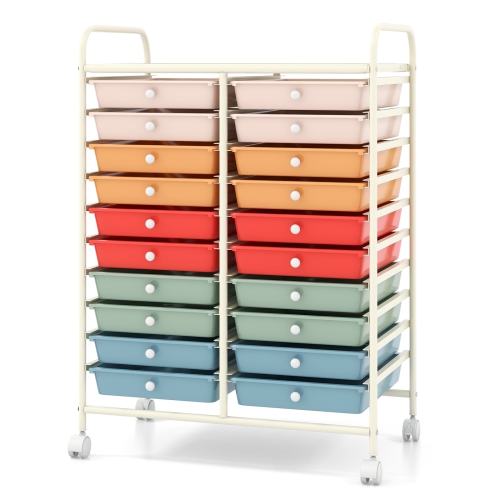
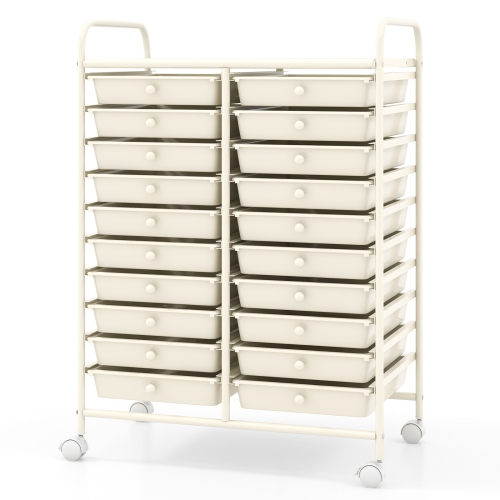
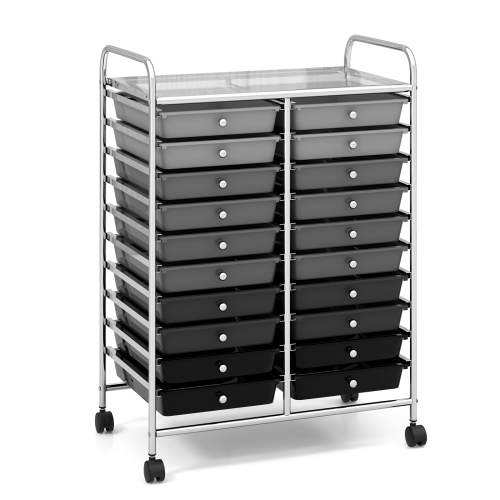
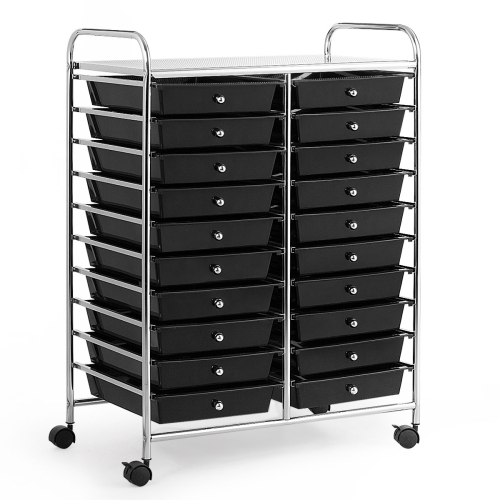
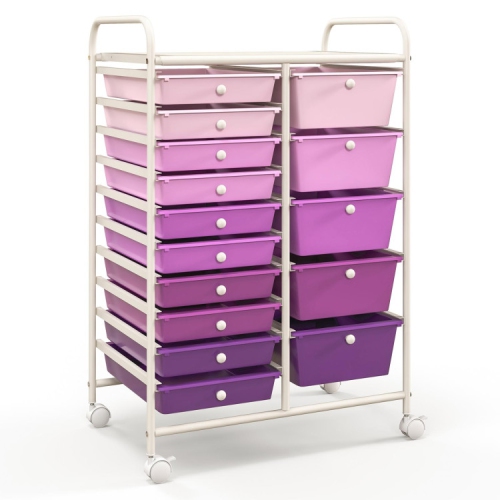
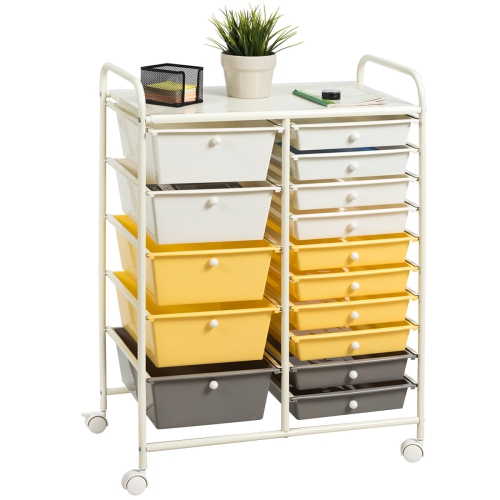
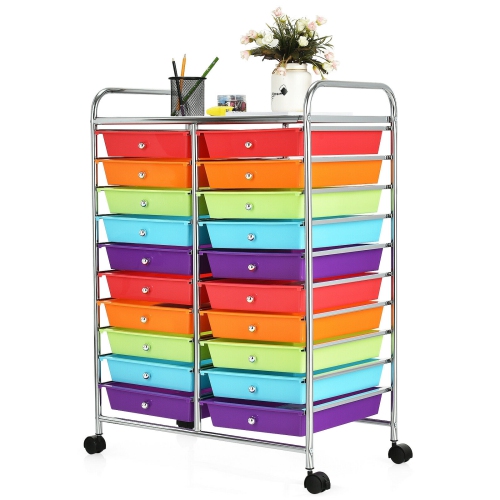
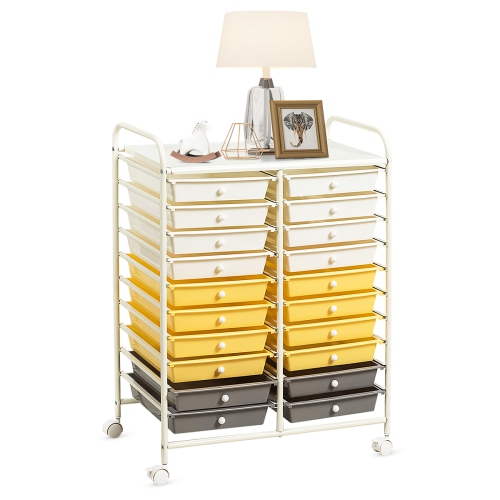
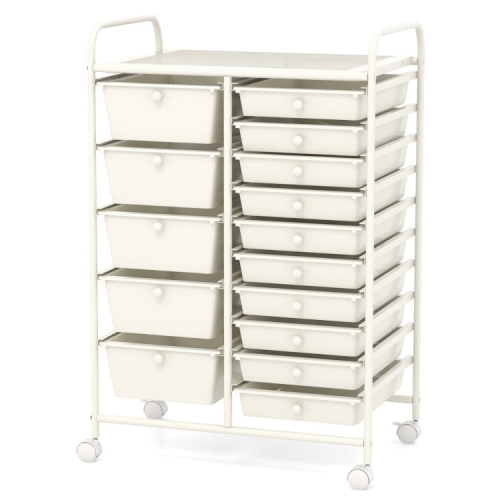
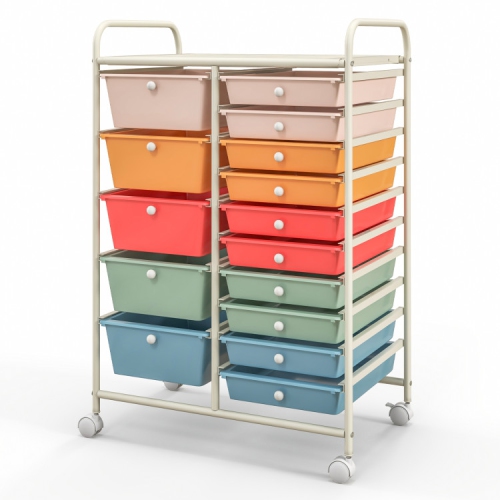
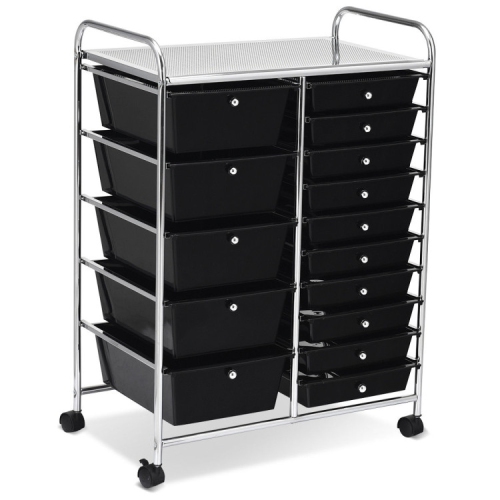
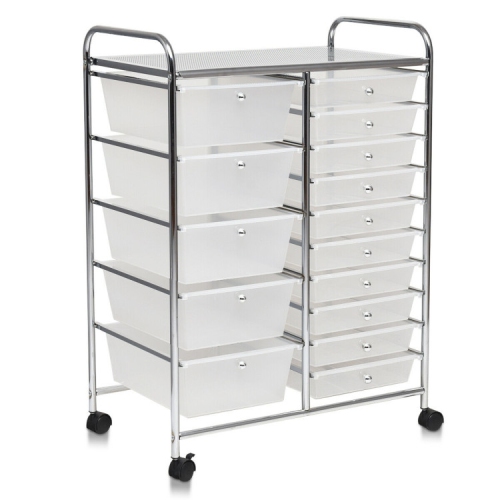
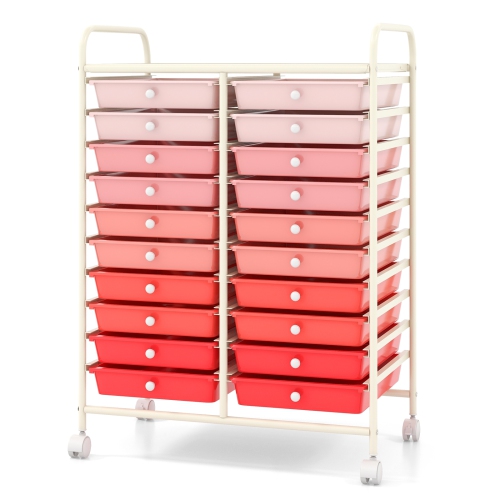
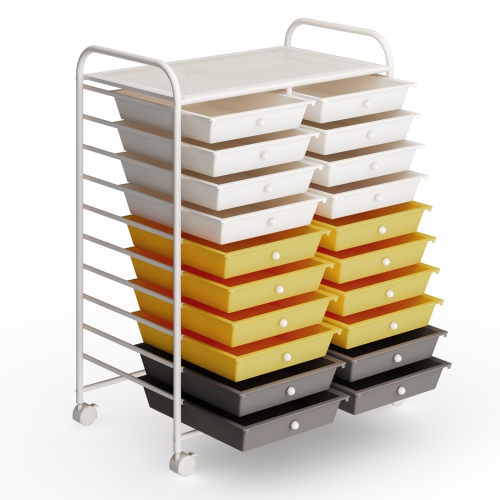
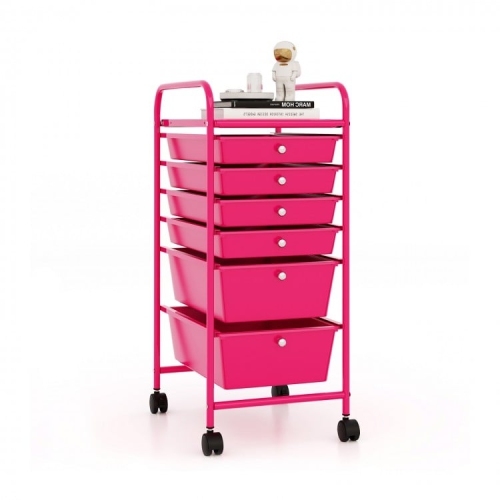
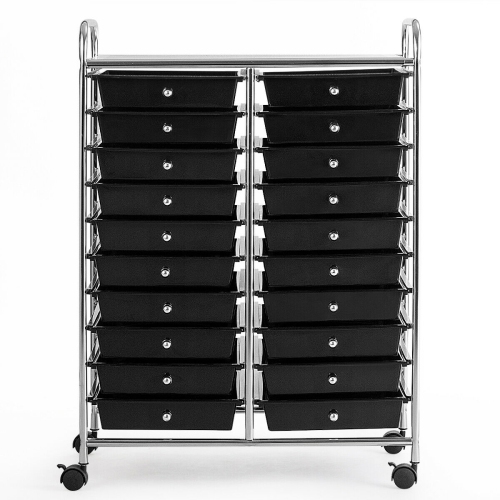

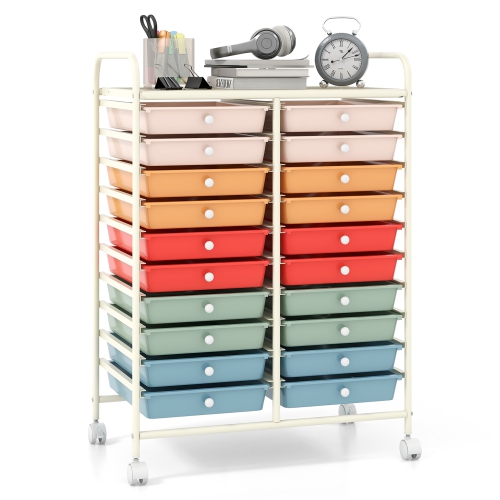
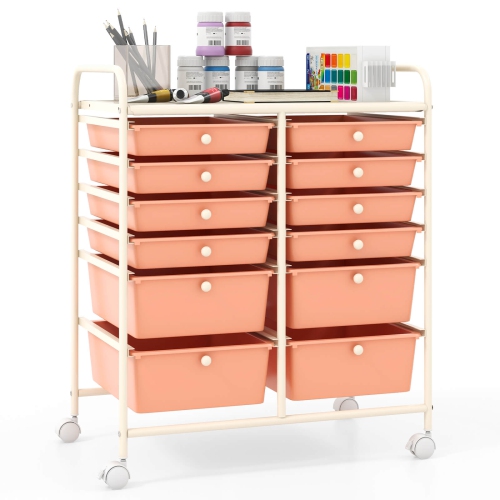
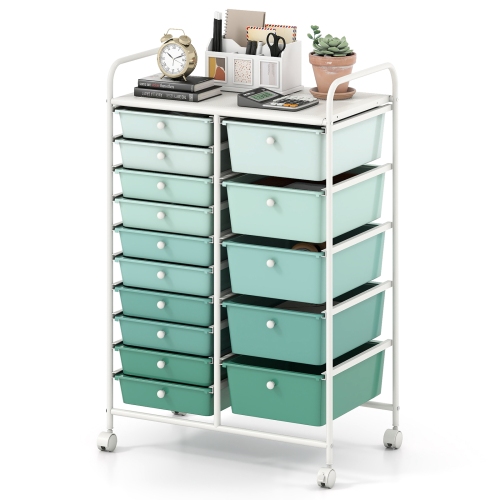
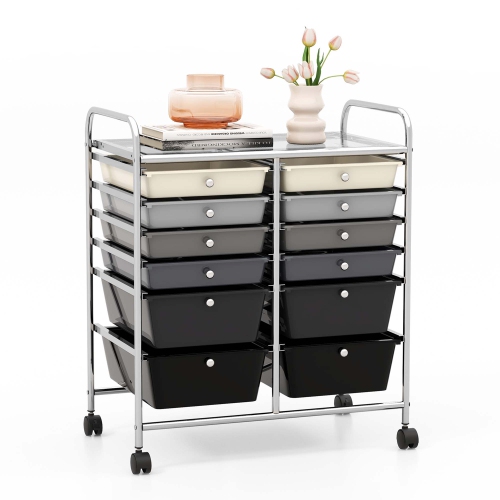
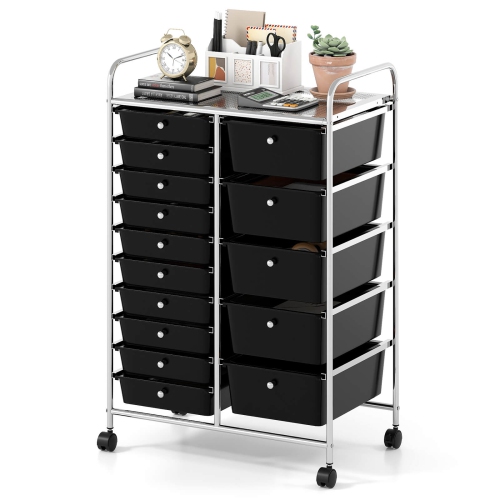
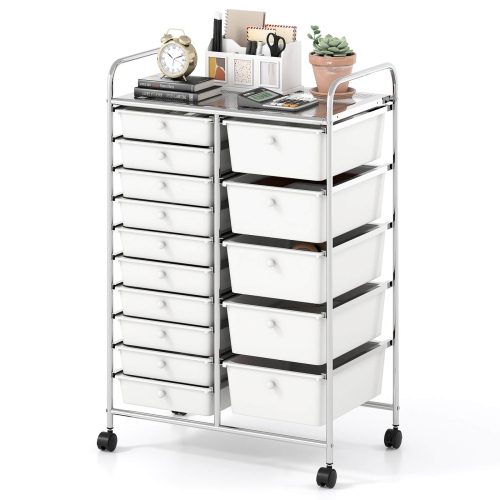
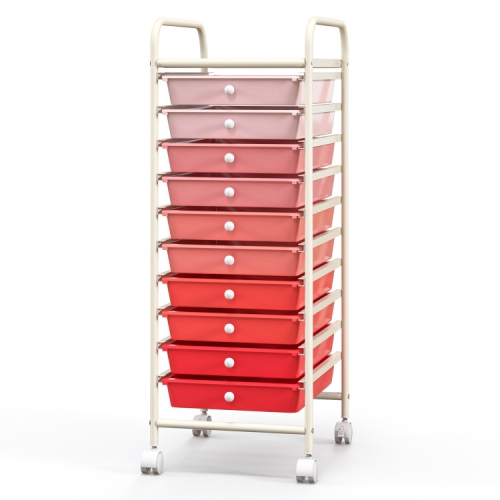
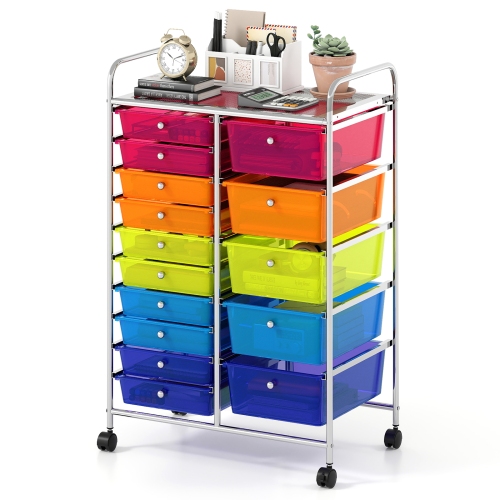
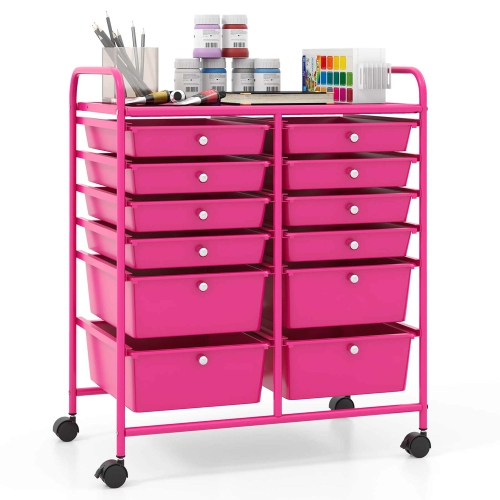
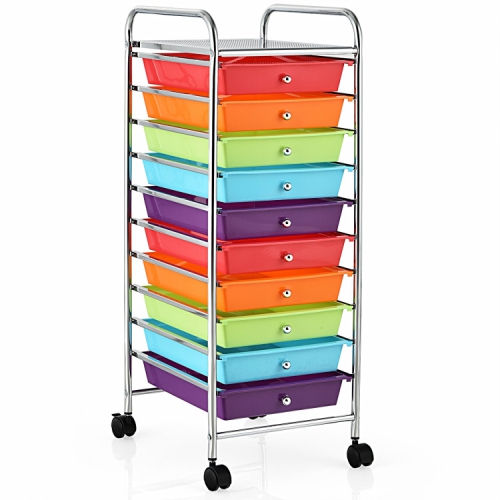
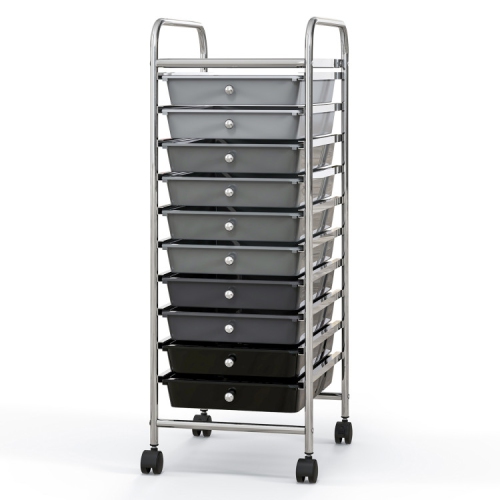
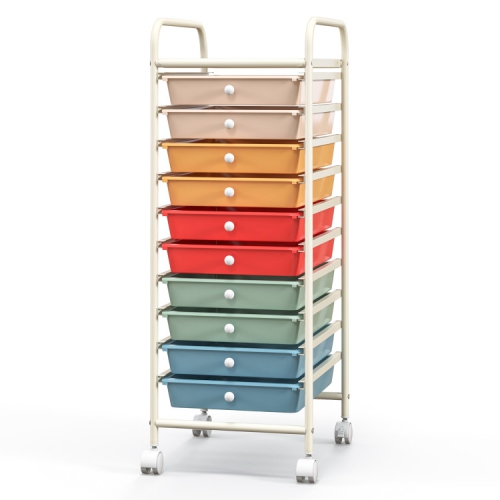
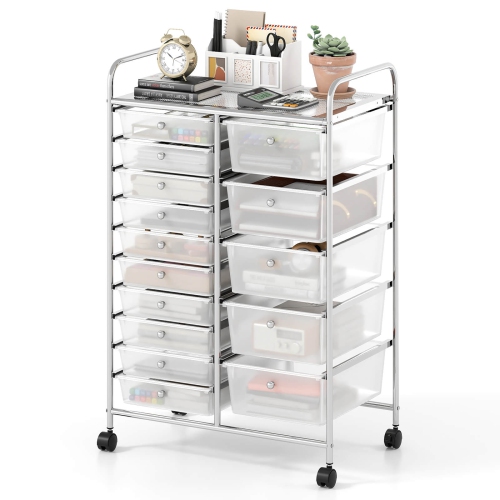
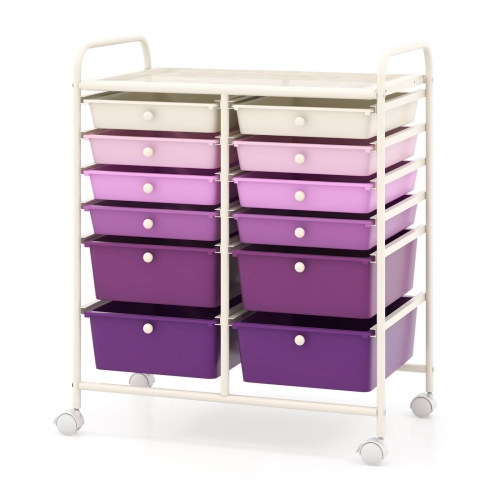
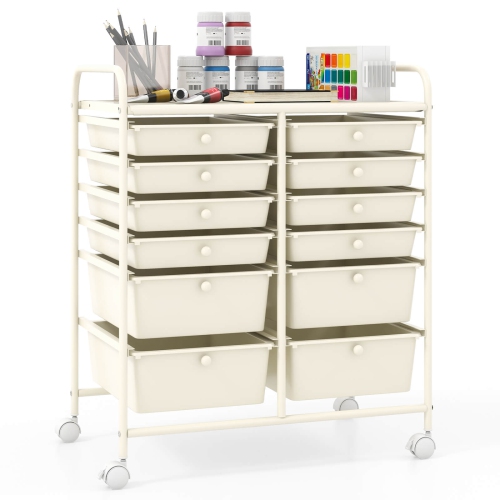
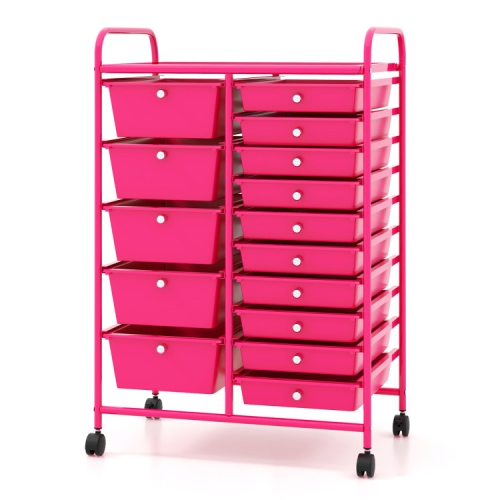
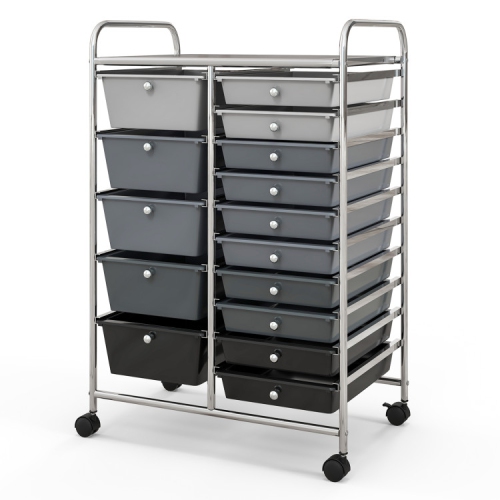

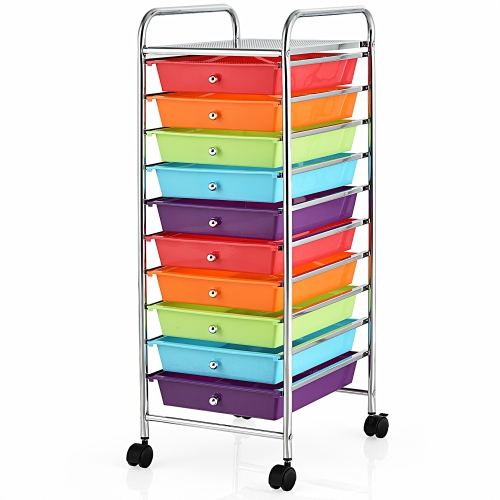
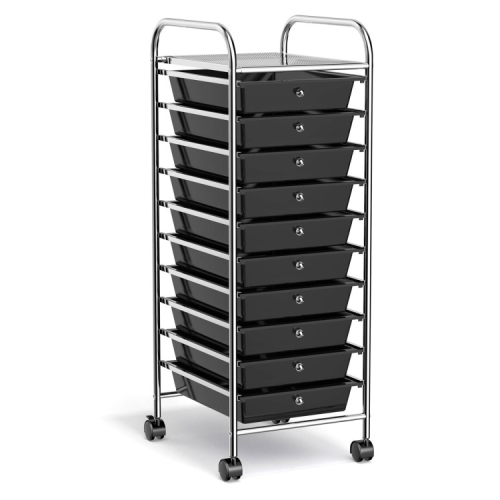
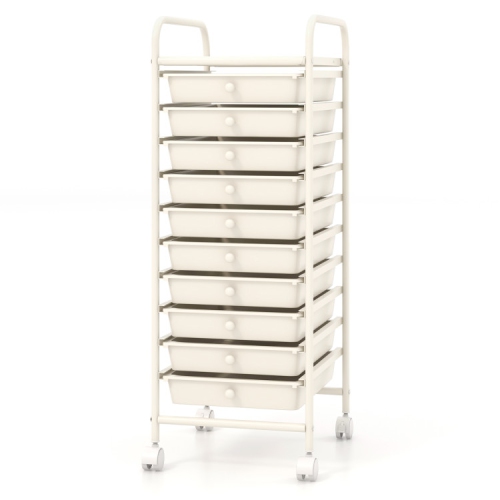

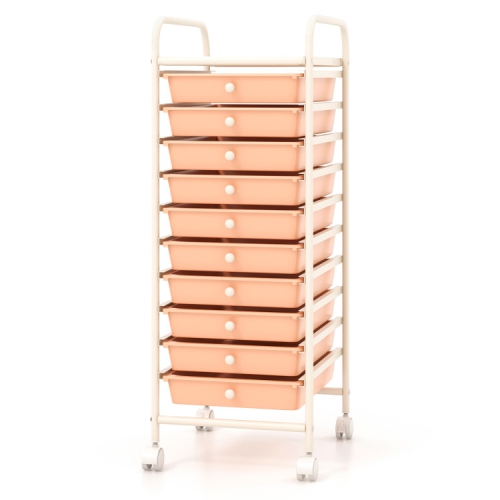
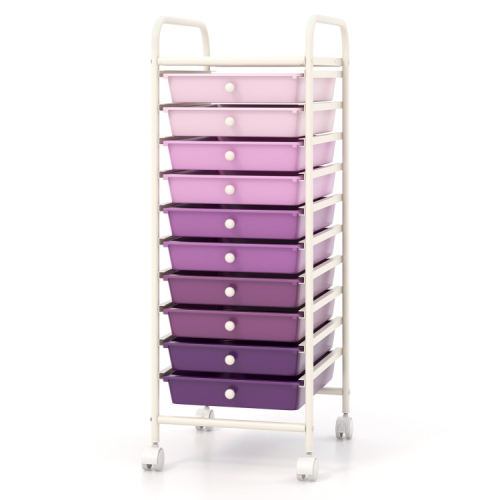
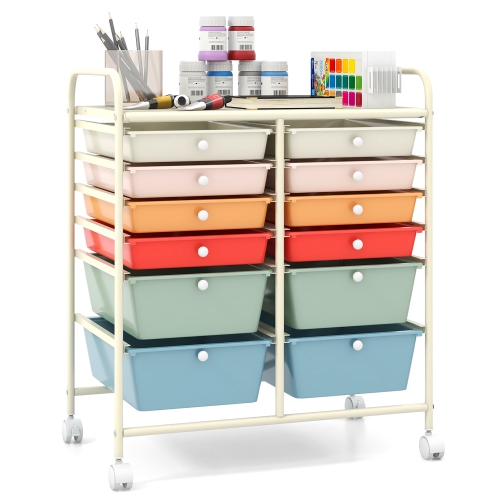
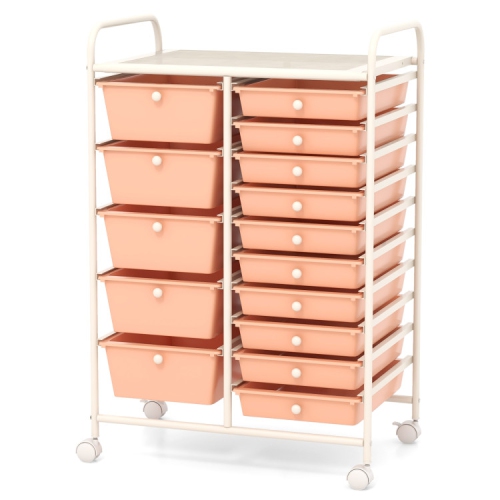
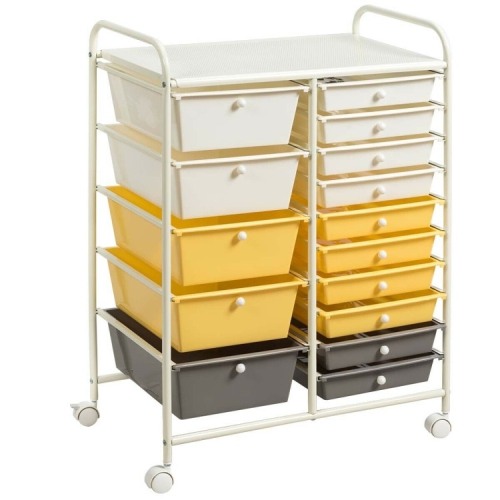
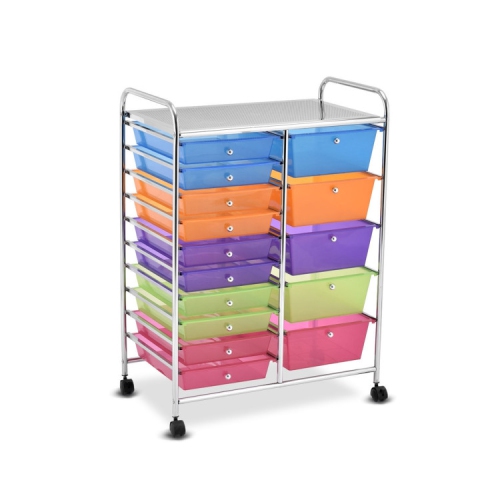
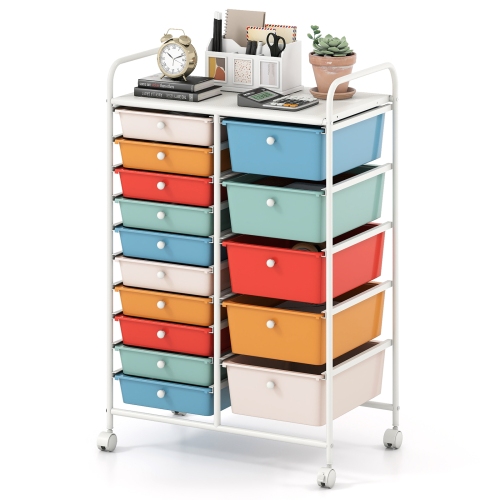
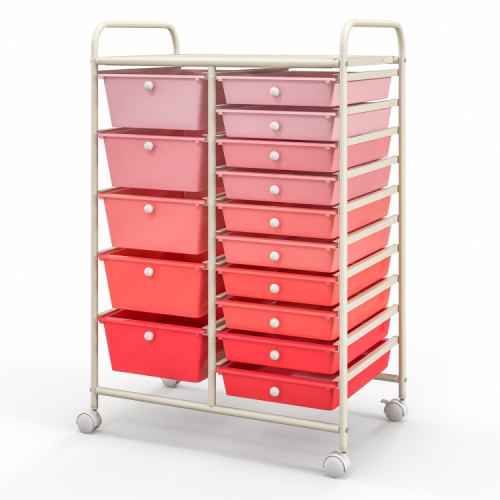
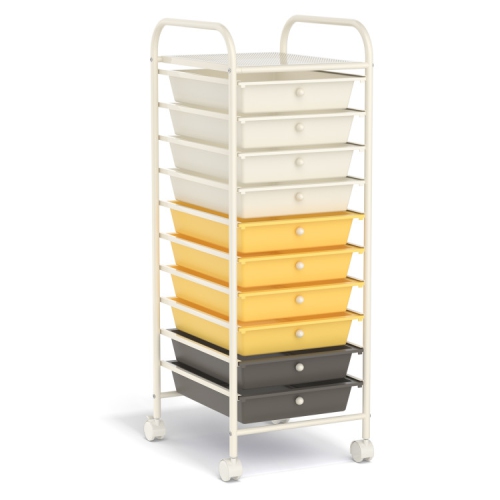
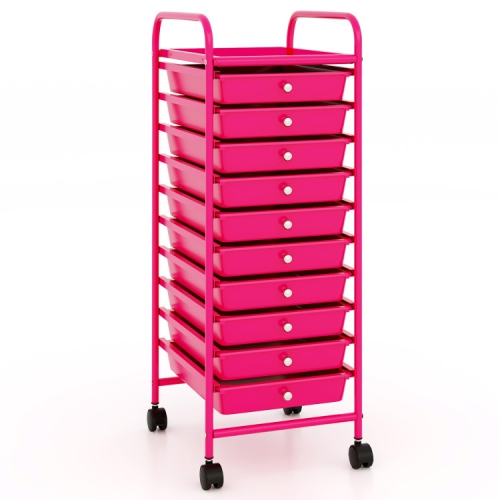
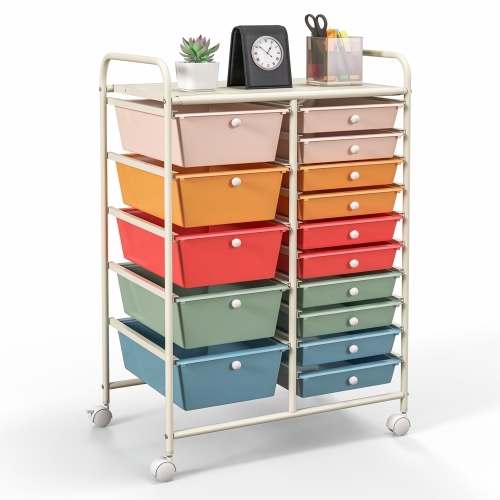
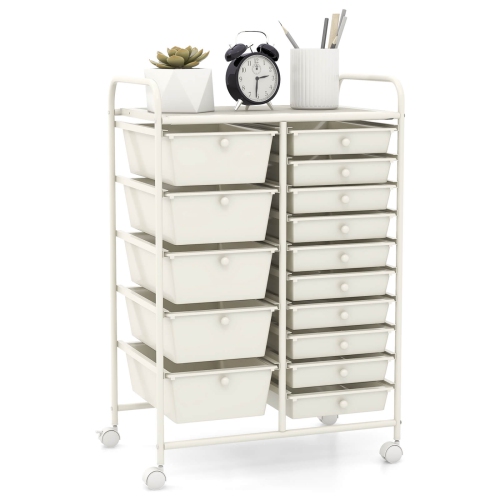
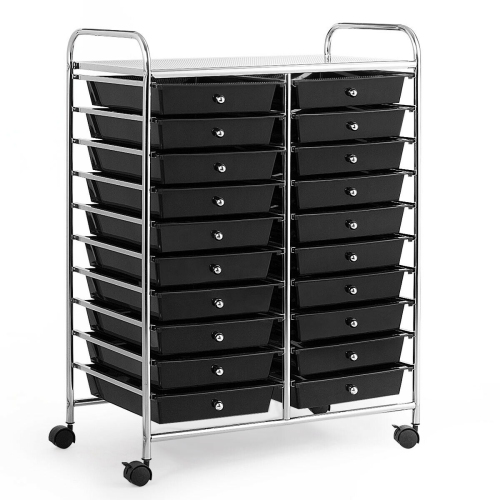
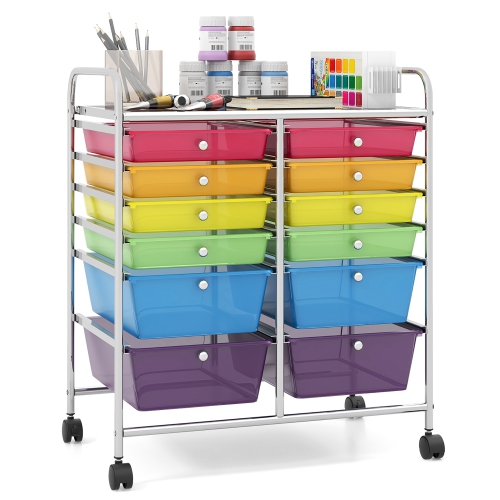
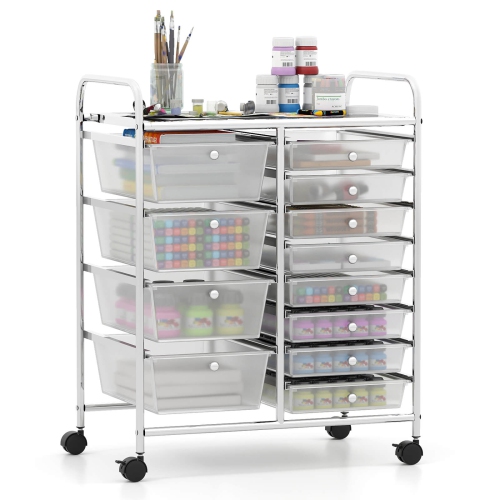
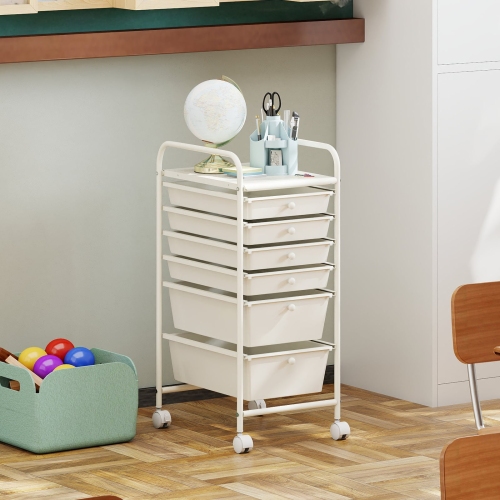
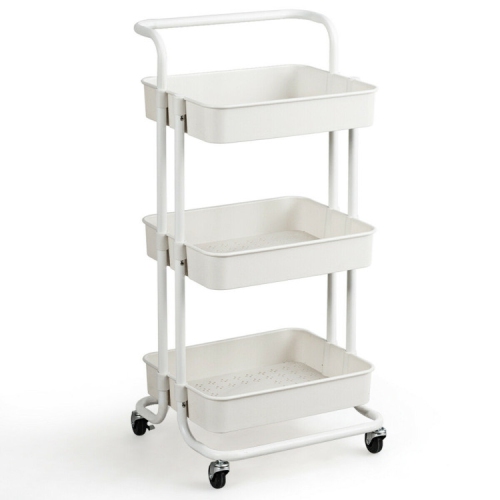
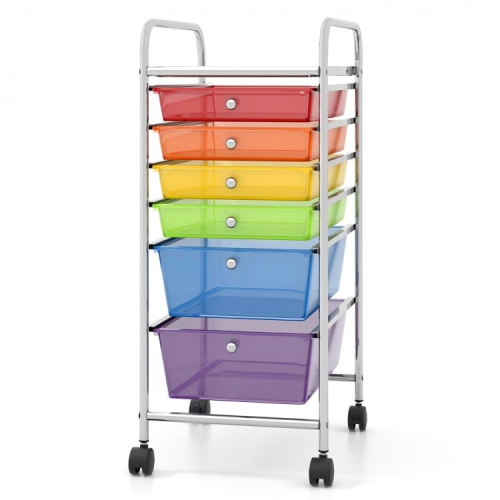
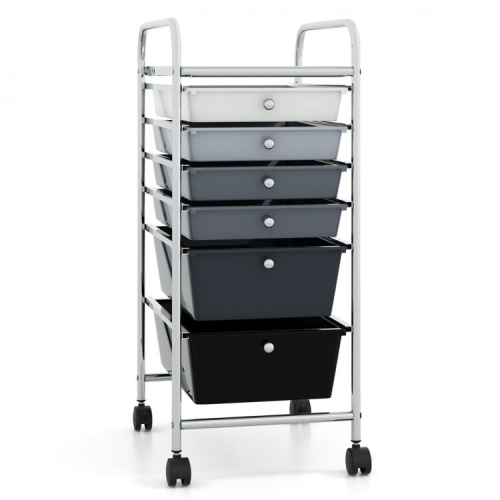
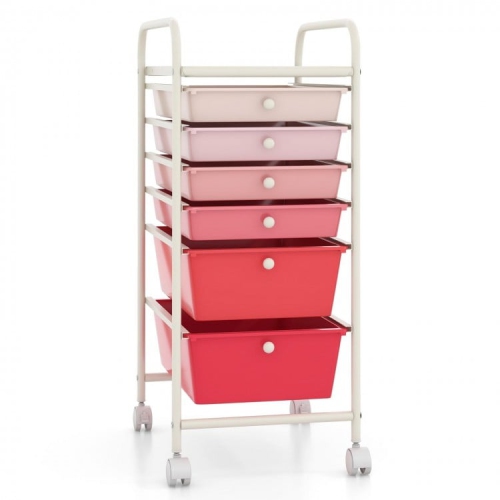
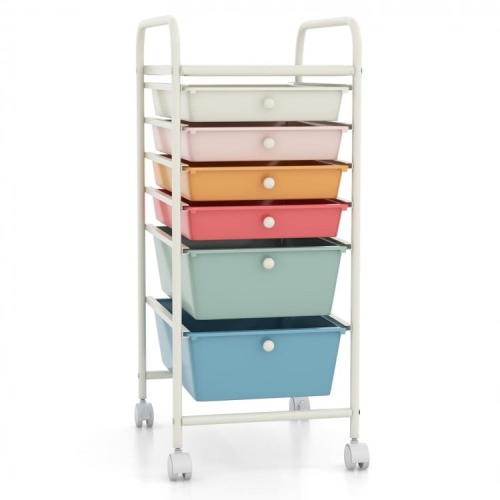
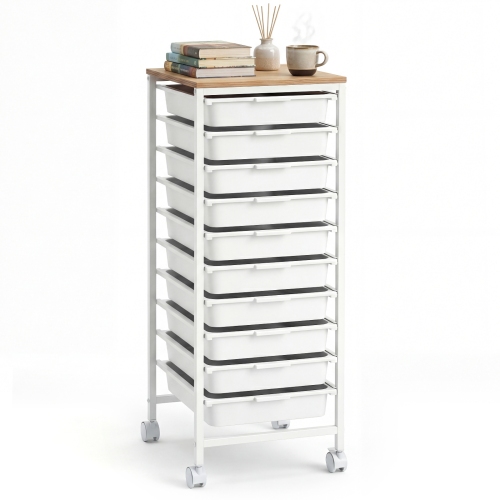
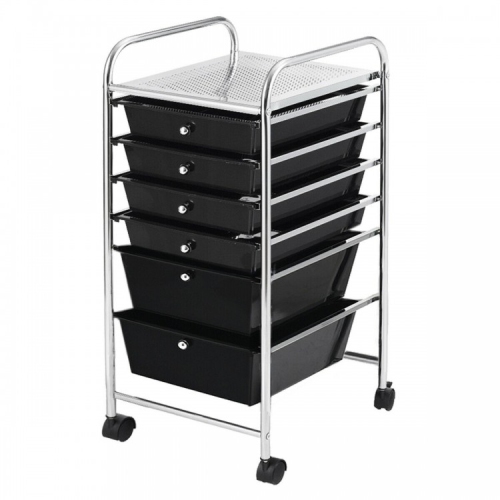
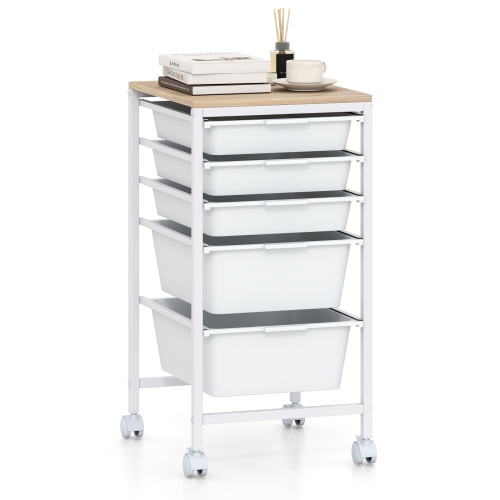
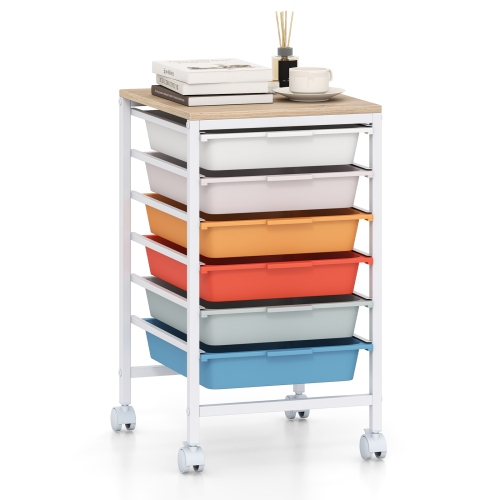
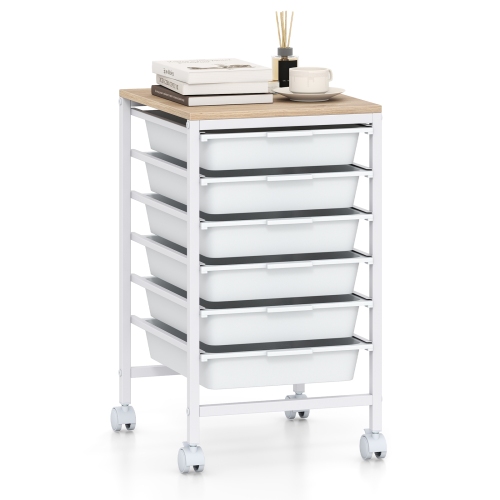
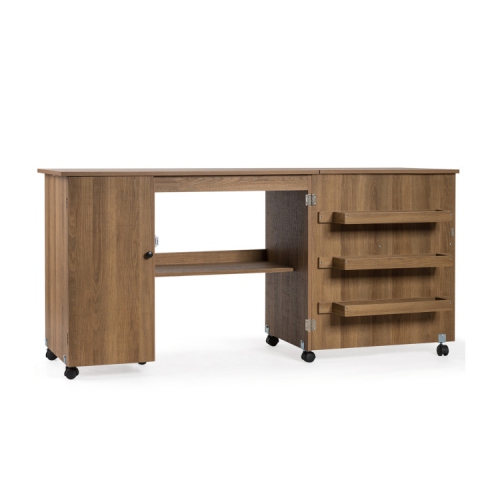
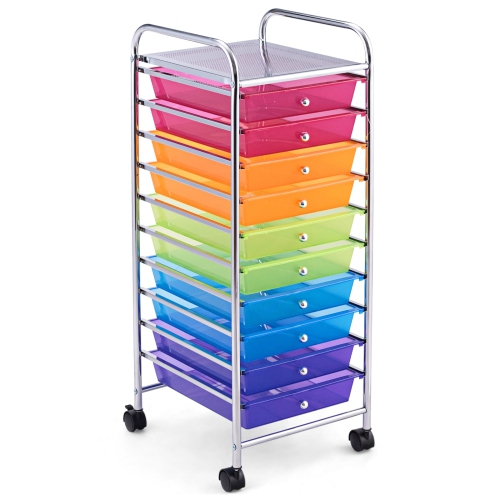
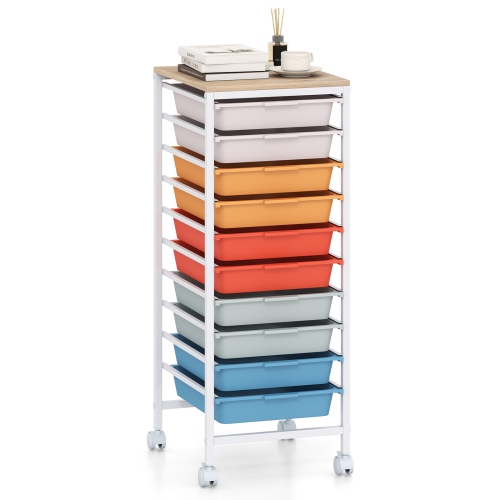
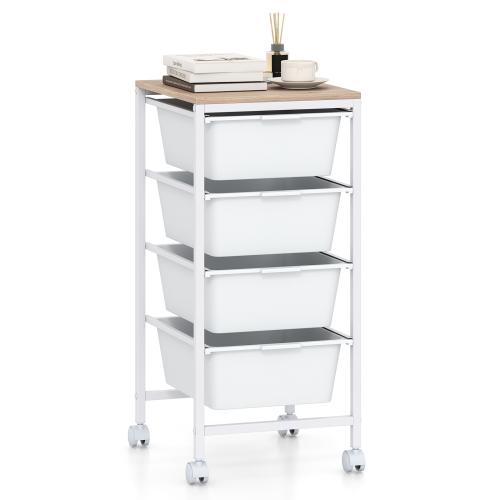
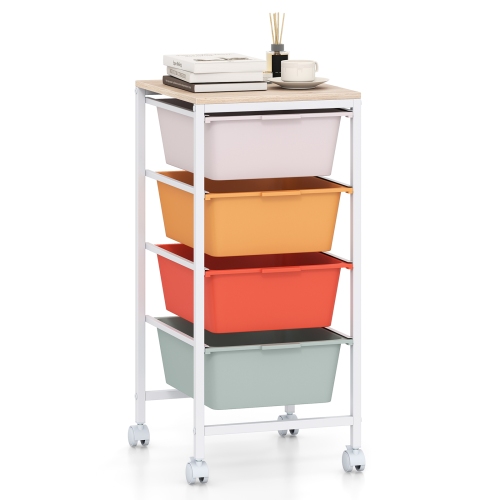
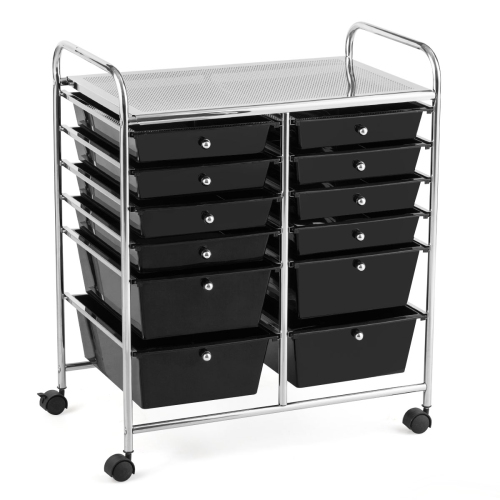
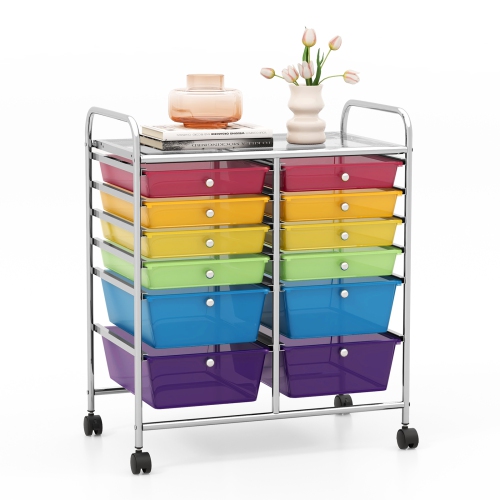
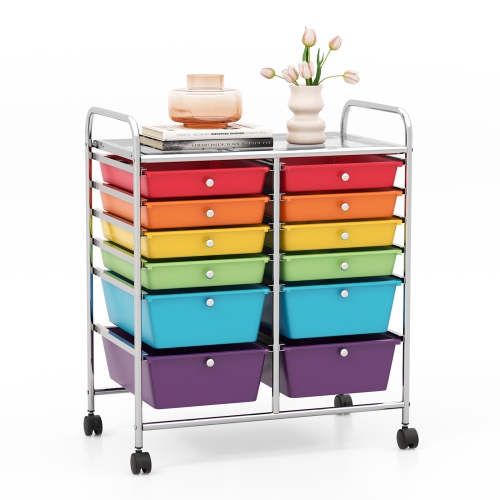
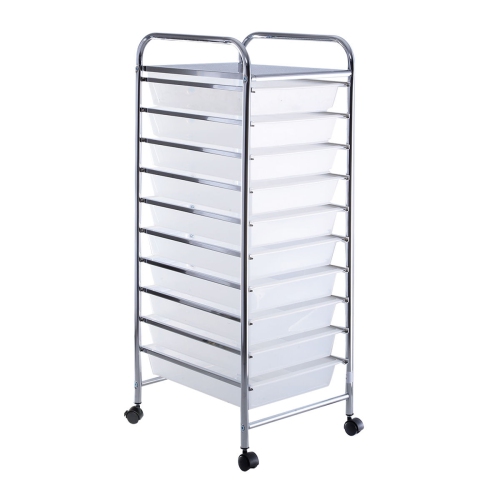
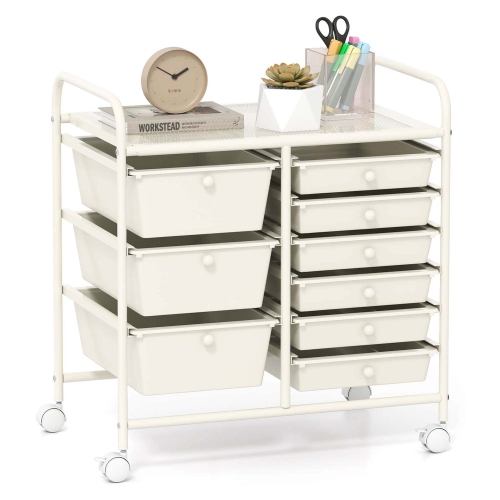
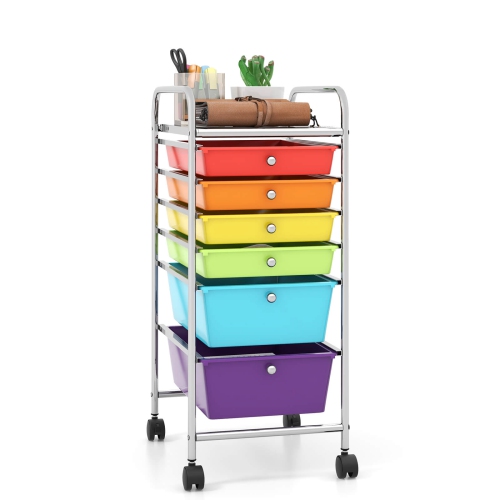
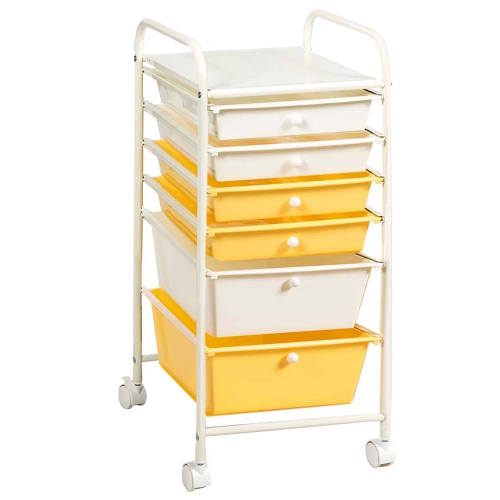
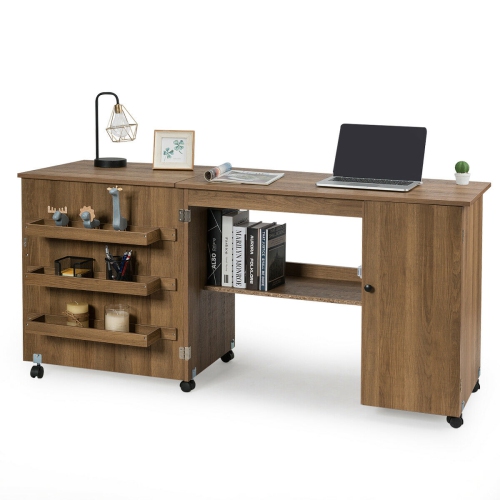
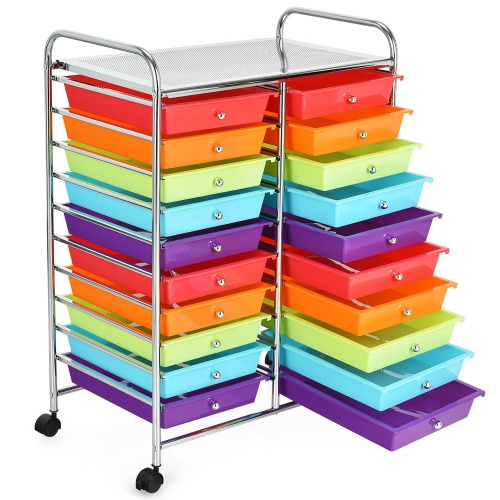
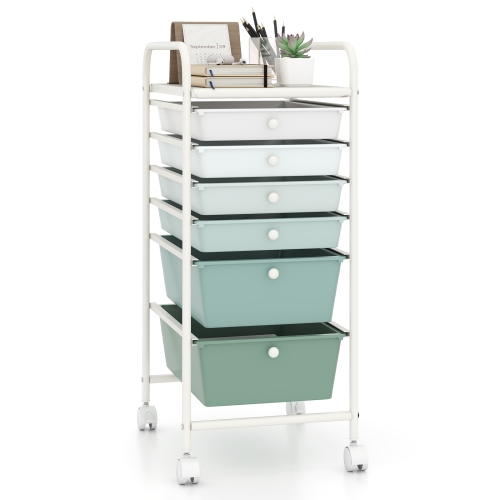
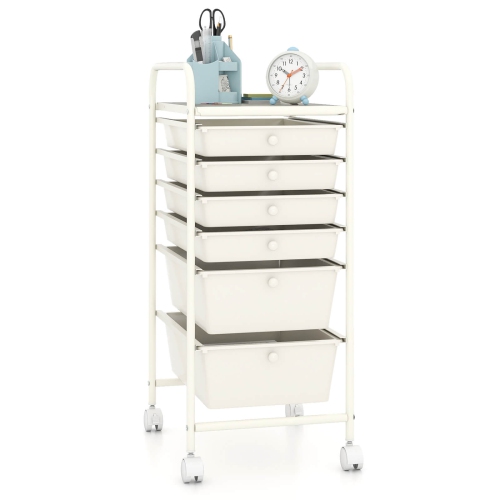
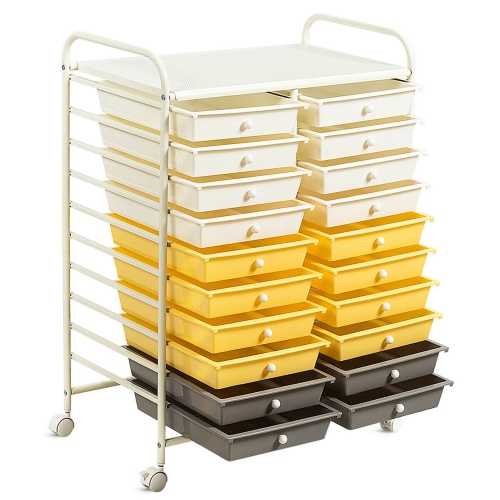
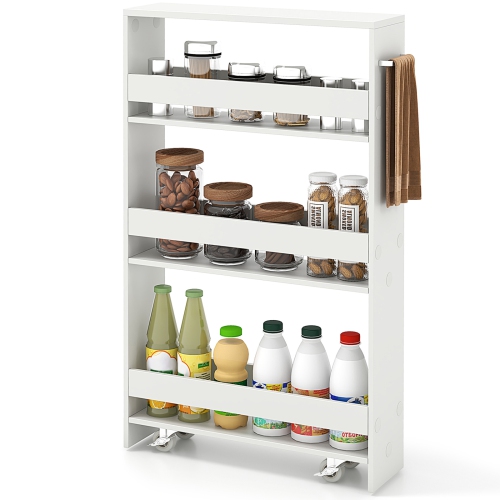
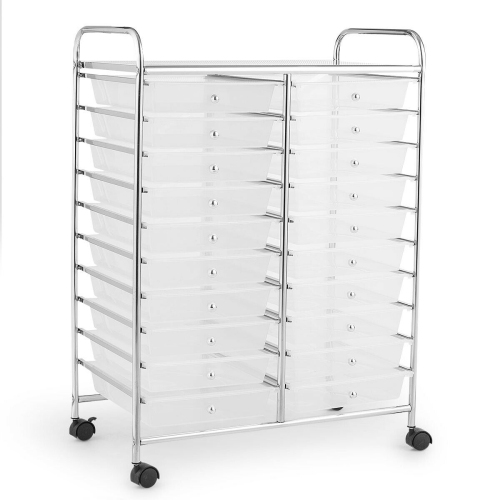
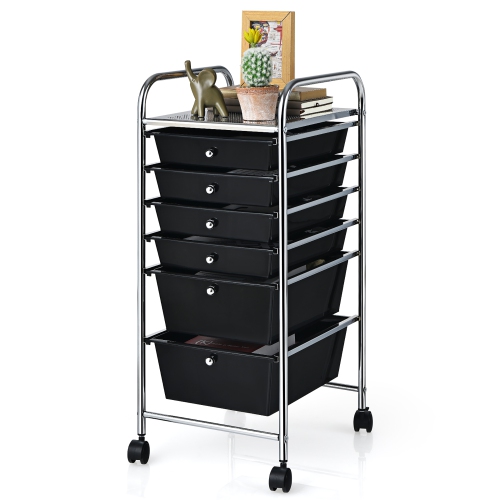
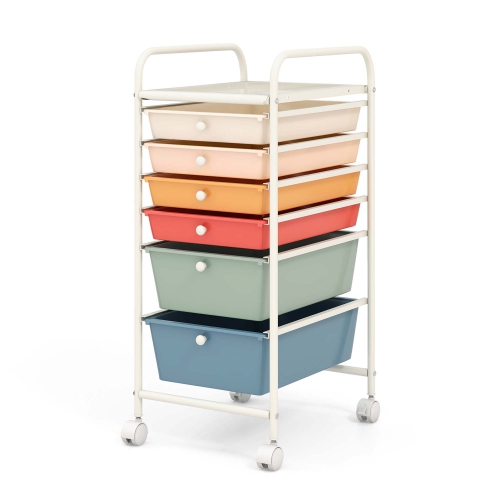
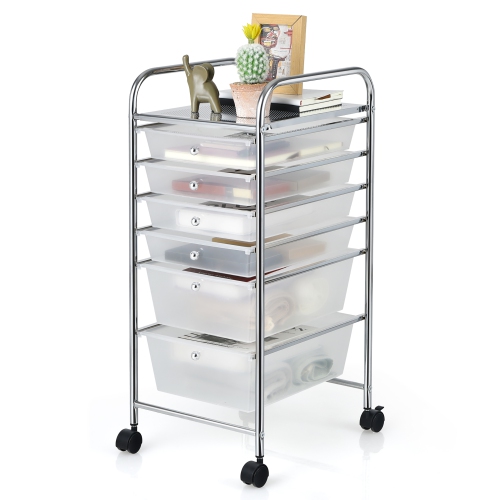
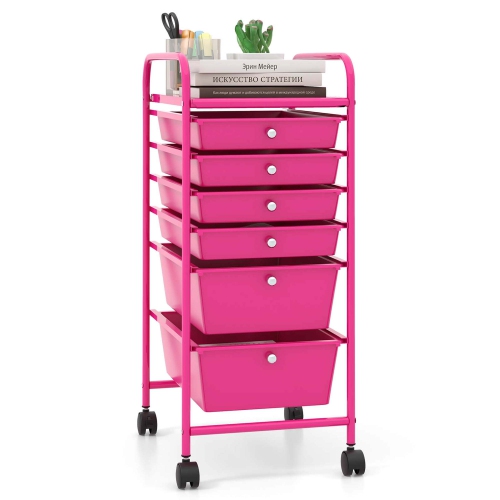
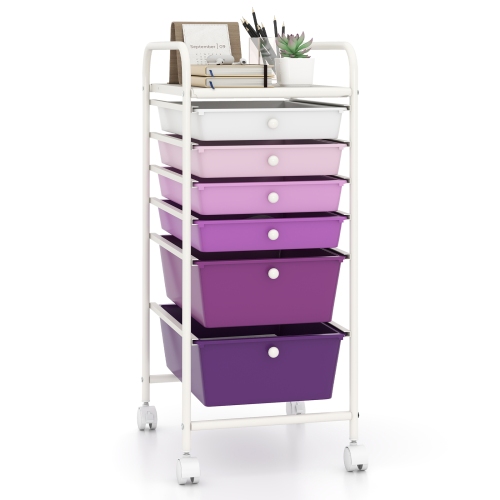
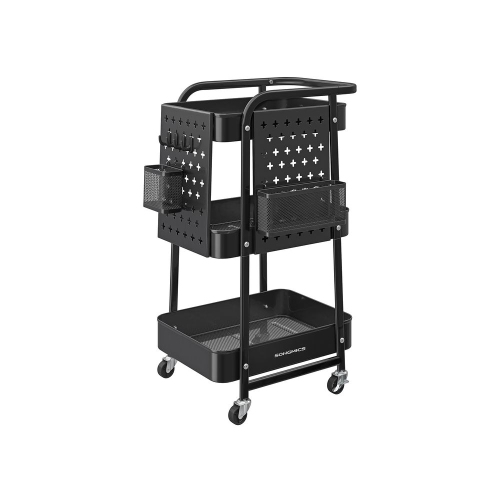
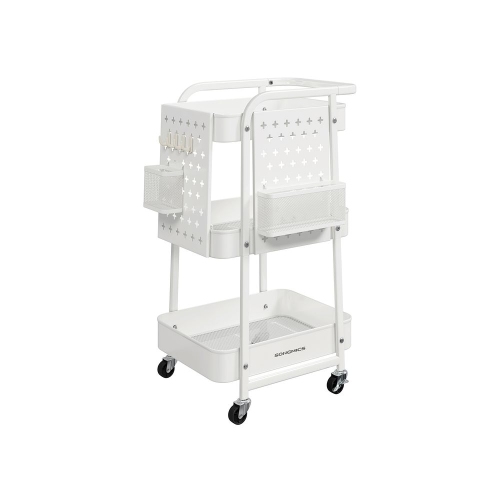
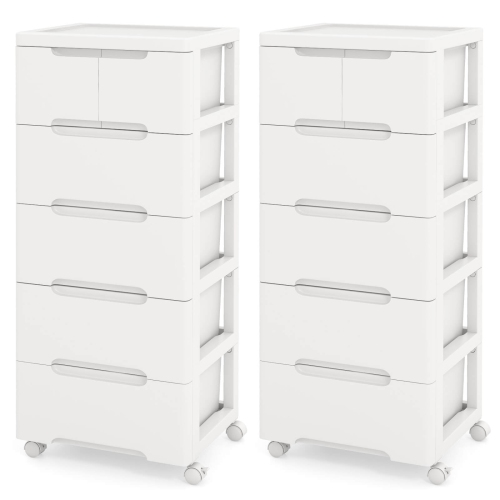
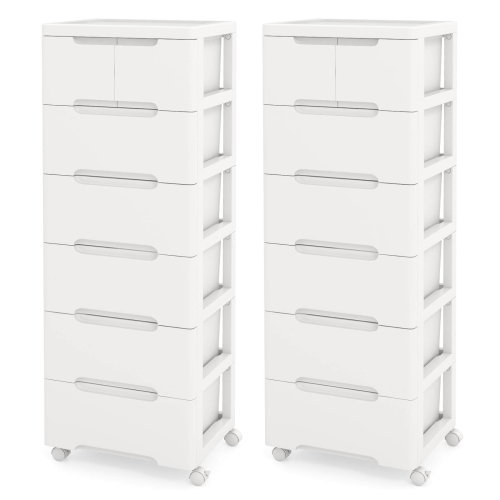

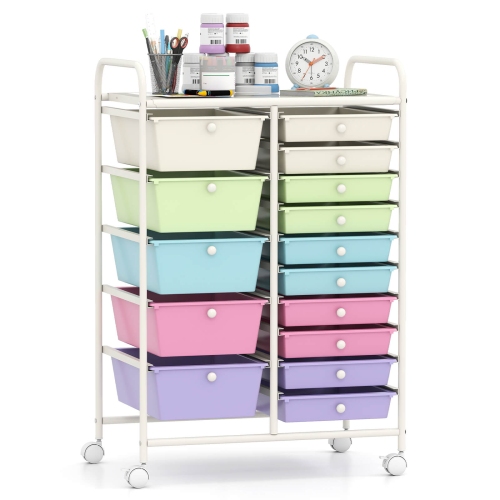
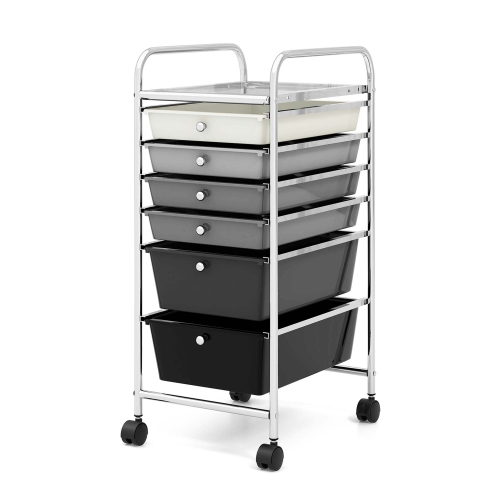
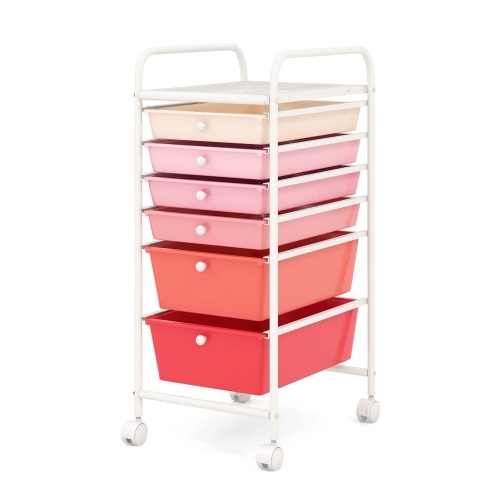
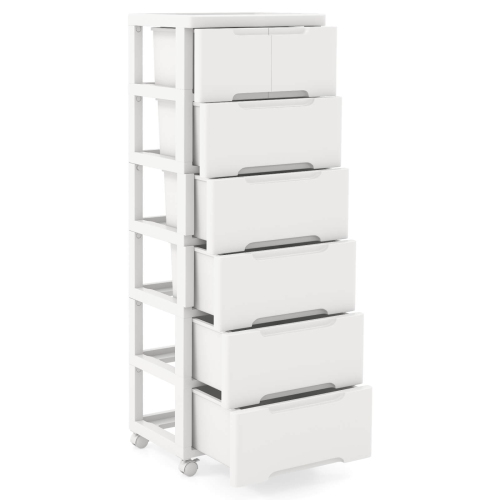
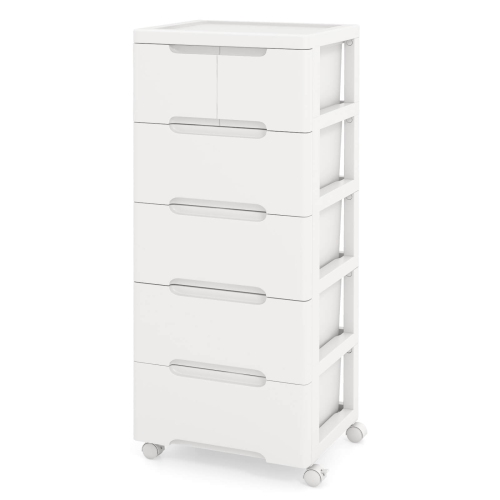
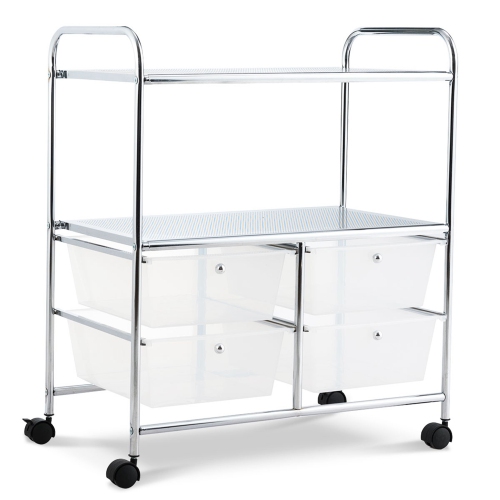
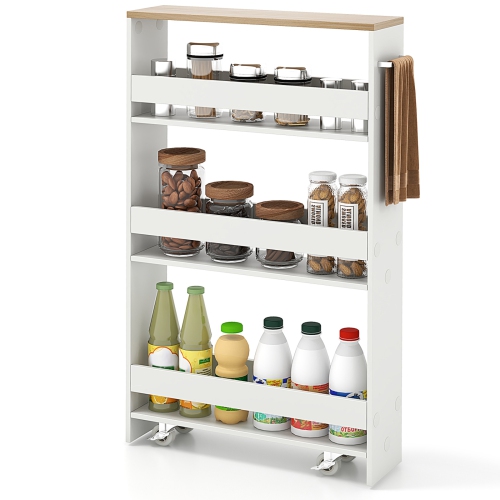
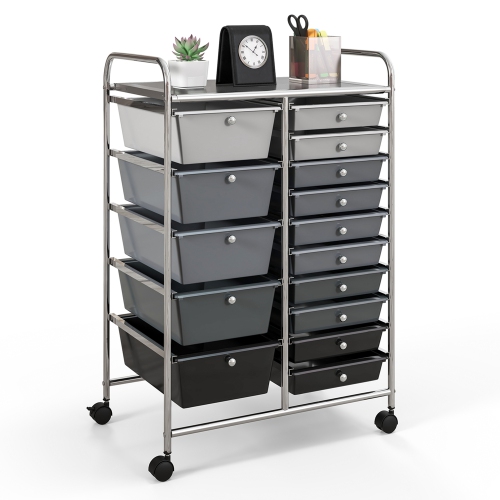
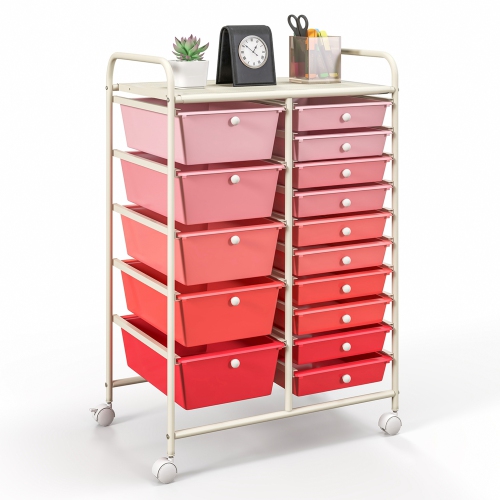
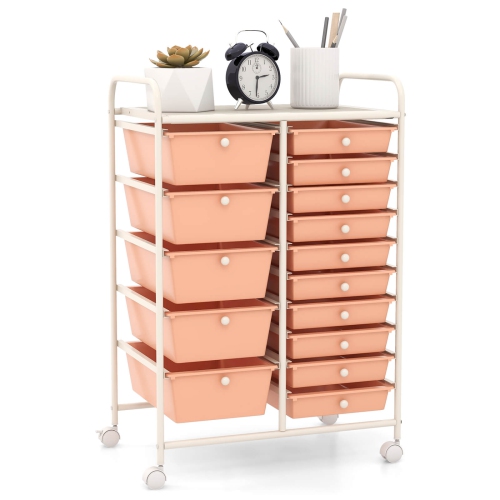
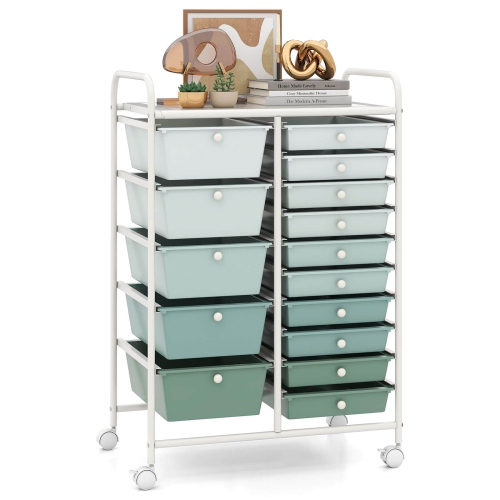
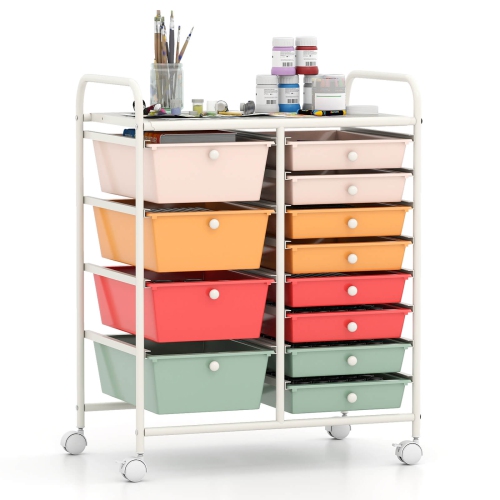
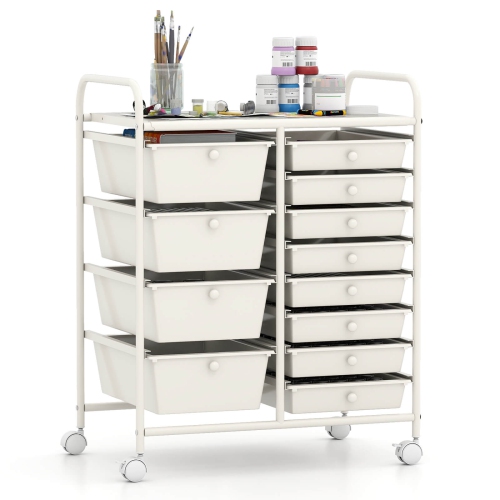
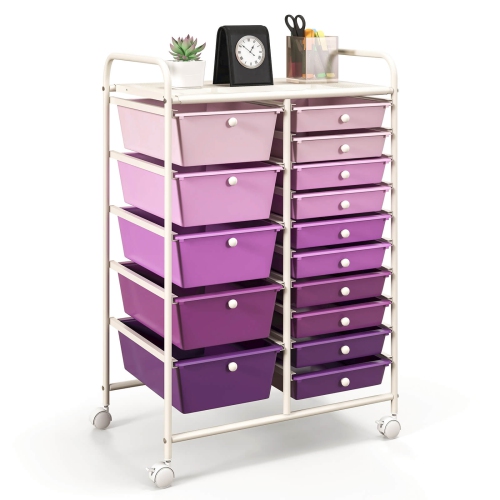
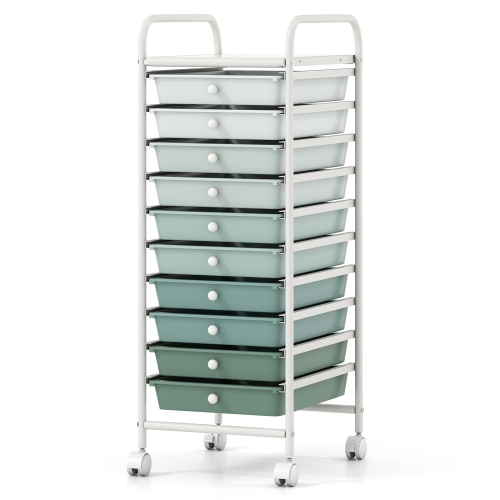
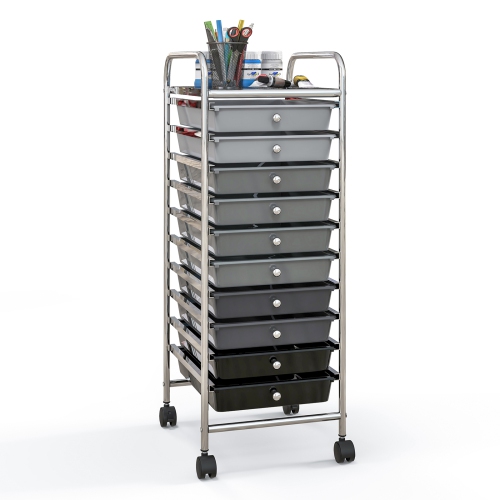
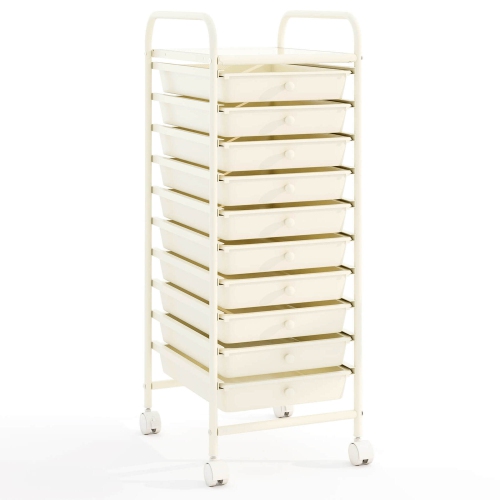
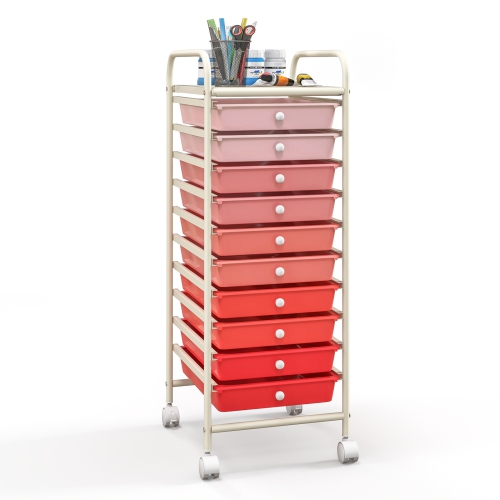
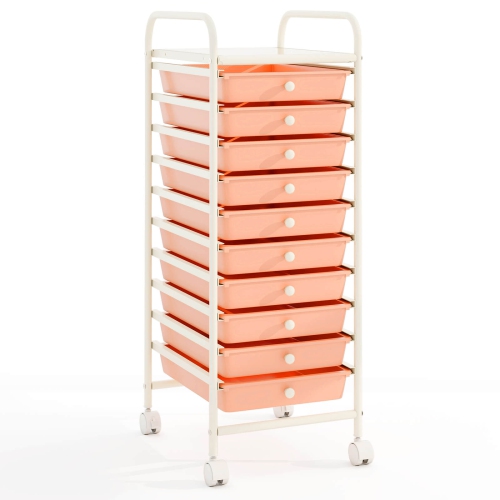
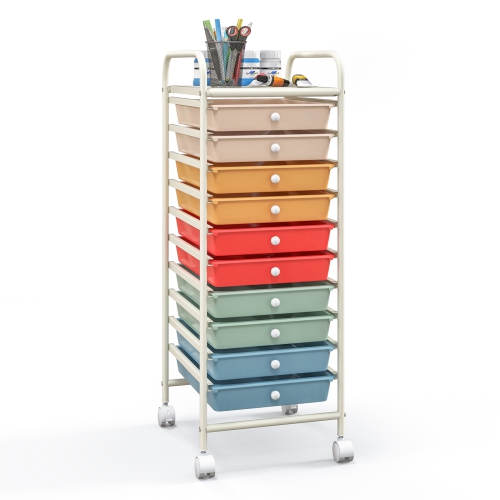
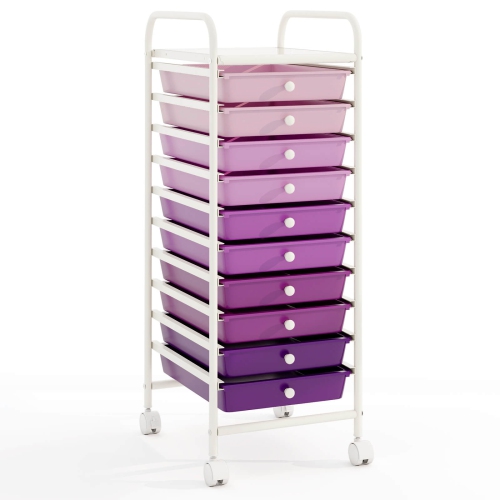
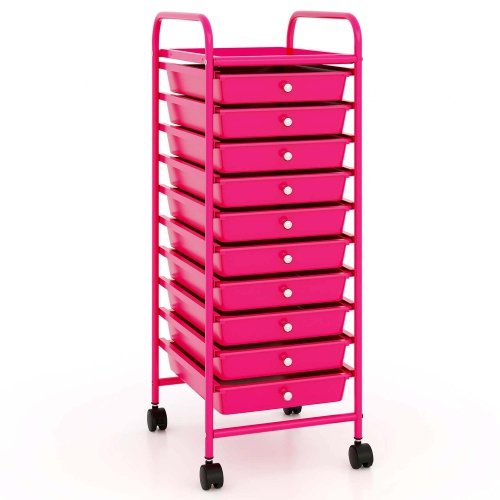
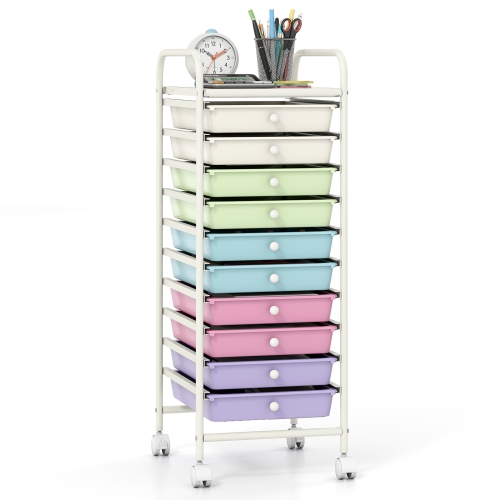

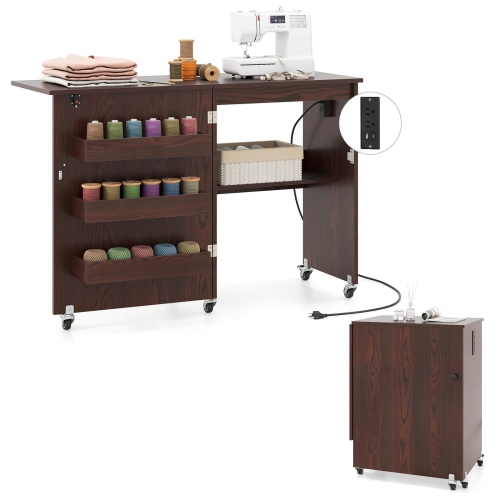
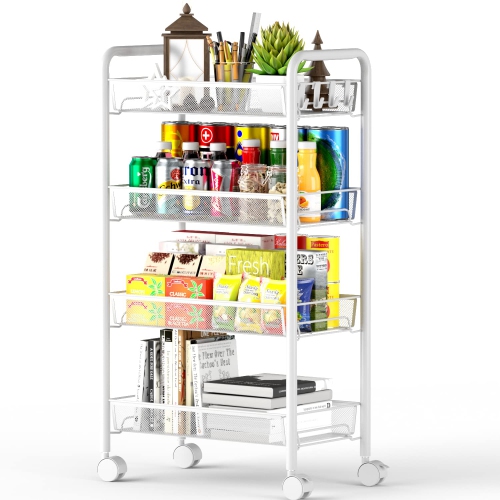
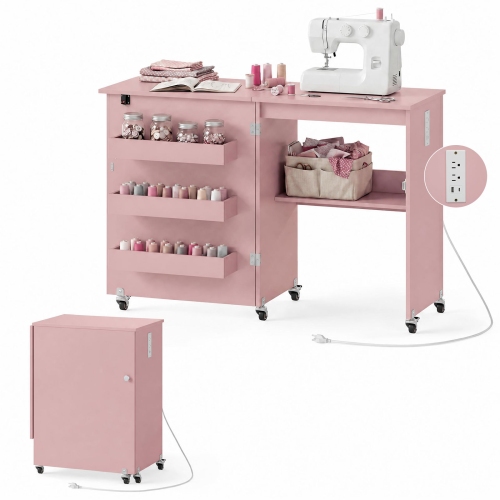
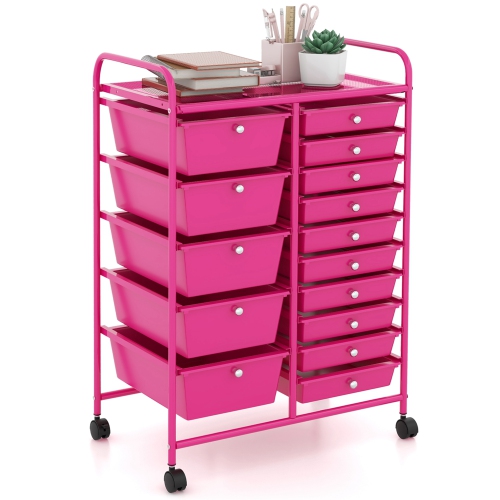
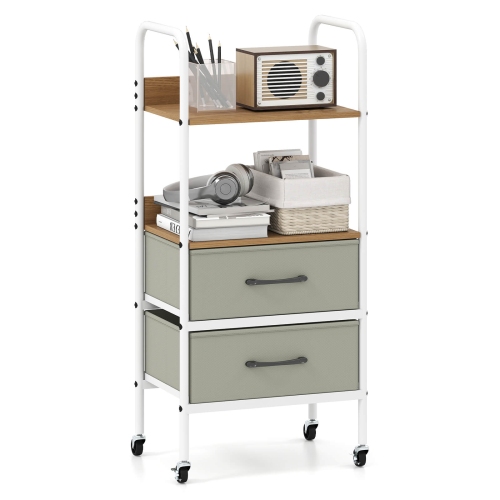
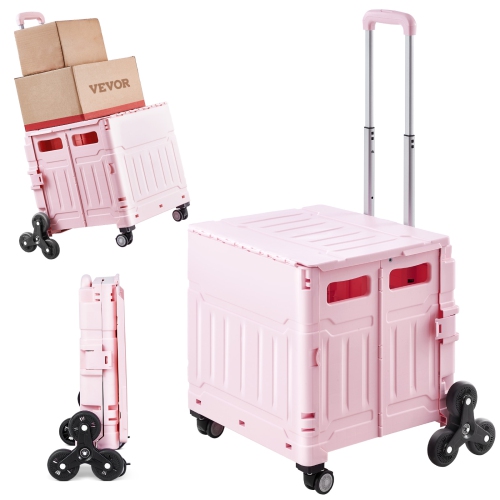
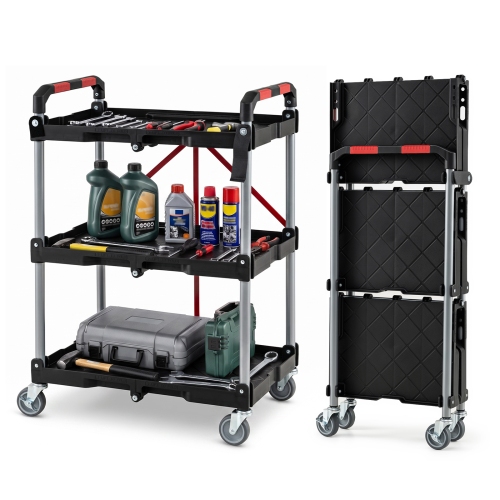
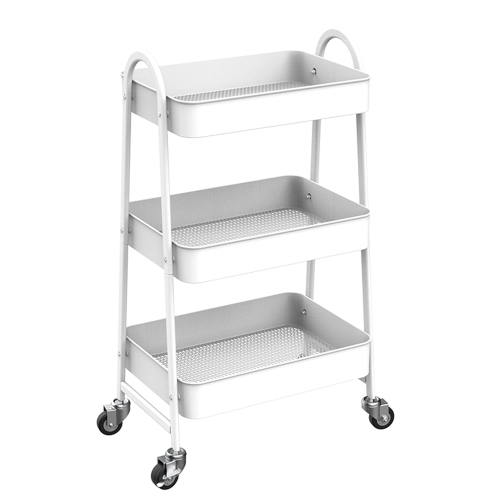
Room for creativity without a permanent craft station
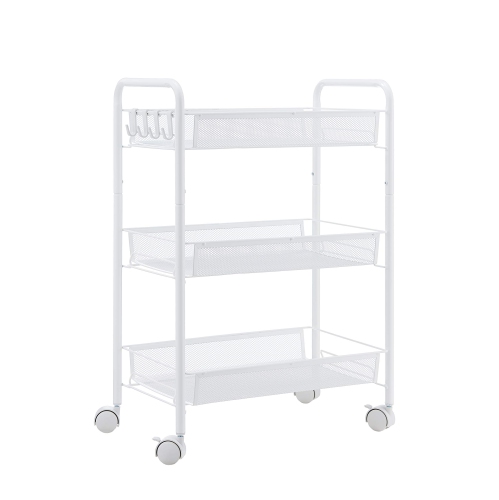
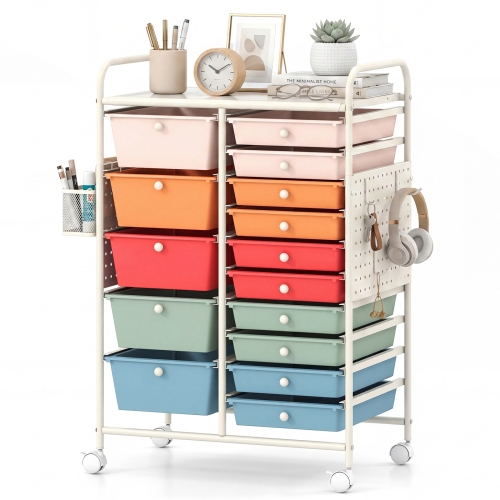
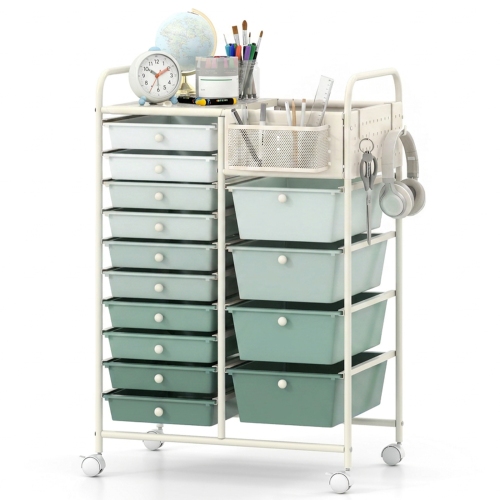
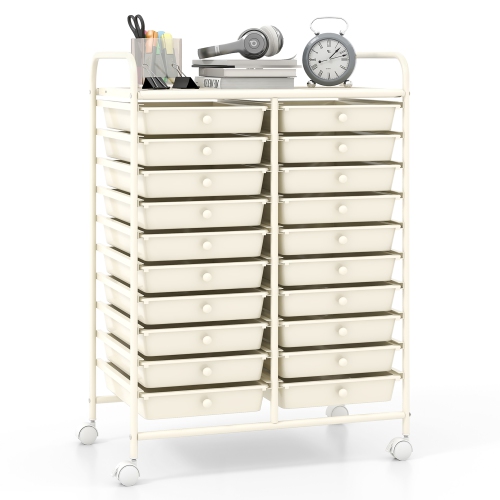
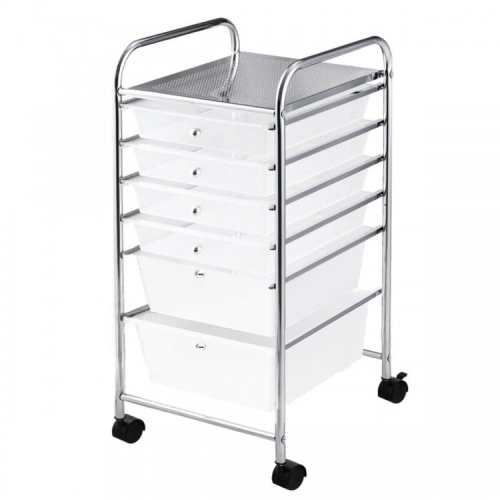
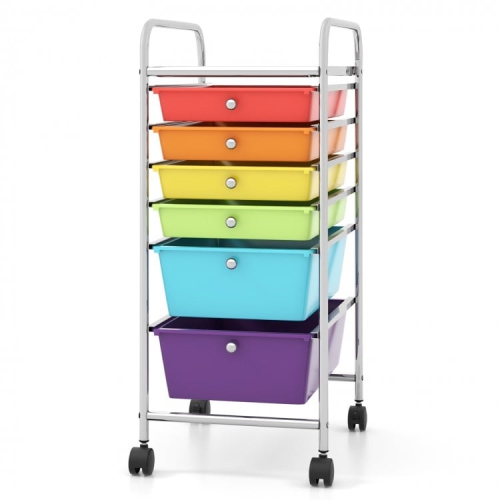
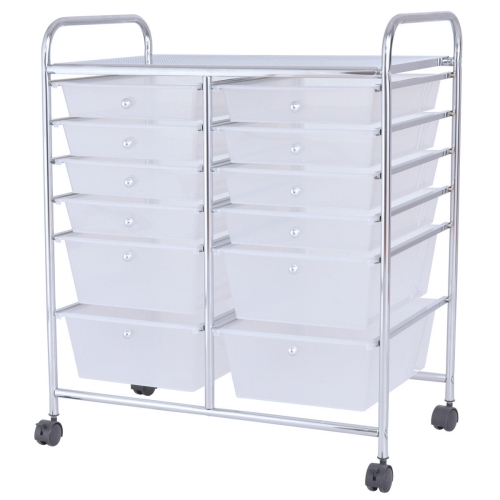
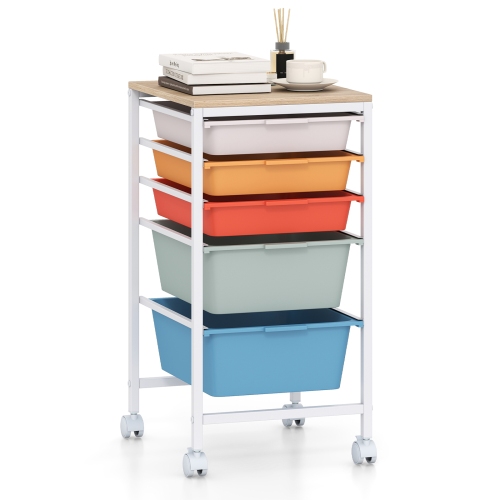
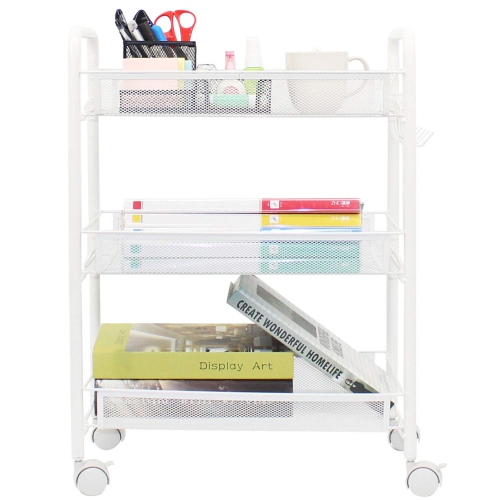
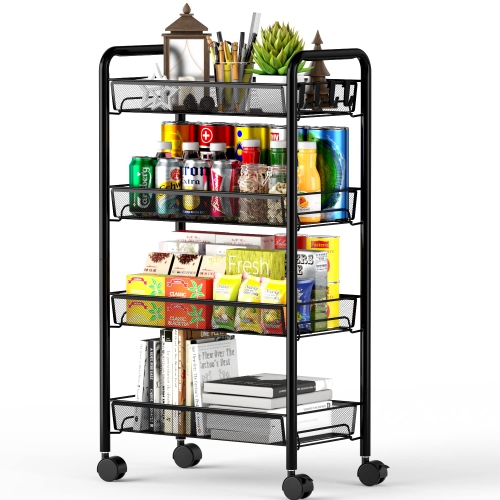
Rolling craft carts are mobile storage units that keep art materials, sewing supplies, paper, and small tools organized within easy reach of a work area. Their combination of shelves, trays, or drawers and wheeled bases makes them useful wherever a permanent craft station is not practical. A cart can sit beside a sewing table, move between a storage corner and a dining table, or keep painting supplies together in a shared studio. For someone who clears away a project before the next meal, having materials grouped on one movable unit reduces the need to carry several separate containers. Open tiers make frequently used supplies visible, while drawers help separate smaller pieces and keep loose contents contained. Raised tray edges help prevent containers from sliding off during movement, although small beads, pins, and findings still need their own securely closed compartments. Deep baskets can accommodate yarn or taller bottles; shallower trays make it easier to see ink pads, thread spools, and other supplies that might disappear at the bottom of a large bin. Shelf spacing matters as much as the number of tiers, particularly when storing upright brushes, adhesive bottles, or stacks of paper. Some cart designs include pegboards, hanging cups, hooks, or holders for rolled materials, adding storage along the sides without using the main shelves. These features are especially useful when the same few tools need to stay close at hand. A paper crafter might keep cardstock flat in a drawer, scissors in a side cup, and an active project on the top tier. A knitter may prefer a broad basket for yarn with a separate compartment for needles and notions. Teachers, students, hobbyists, and people who sell handmade work can all benefit from this kind of portable organization, with the most suitable layout depending on the size, shape, and quantity of the supplies being stored. Keeping one tray dedicated to an unfinished project also makes it easier to pause work without mixing its materials into the rest of the collection.
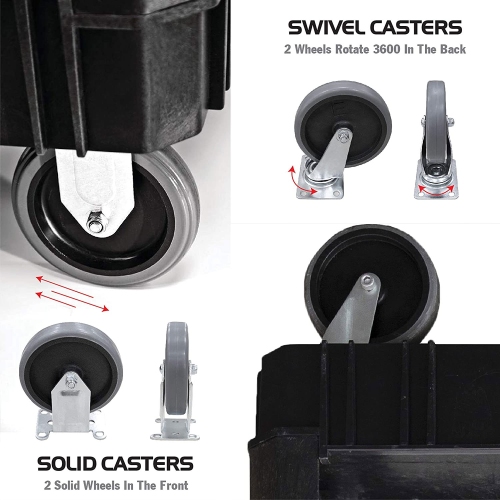
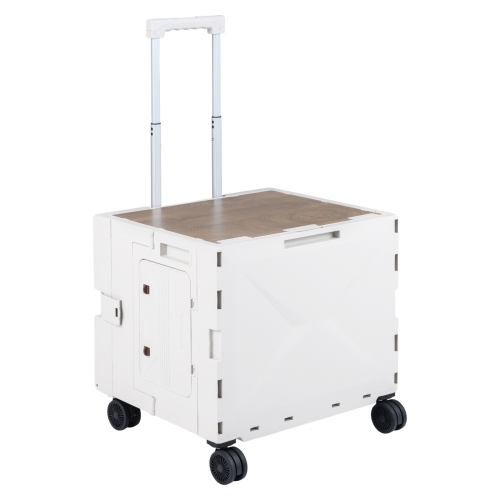
The fit of a rolling craft cart includes its overall footprint, usable storage dimensions, and the clearance needed to move it comfortably. A narrow frame may tuck beside a desk, but handles, side baskets, and projecting hooks can make the assembled unit wider than expected. Drawer depth and shelf height determine whether larger paper formats, storage boxes, or equipment will actually fit, while the height of the top surface affects how comfortably supplies can be reached from a seated position. A cart intended to park under a table needs enough clearance for its full assembled height, including anything left on top. Wheel design is another important consideration: swivel casters help with turns around furniture, and wheel locks help limit movement when the cart is parked. Locks do not replace a stable frame or make every cart suitable as a workbench. Small wheels may catch at doorway transitions or move less easily across thick rugs, so the route between storage and the work area matters. Load ratings should be checked for both the complete cart and individual shelves or drawers, especially when storing dense materials or placing a crafting machine on top. Heavier supplies generally belong on lower levels, with weight distributed evenly rather than concentrated along one edge. Materials also influence how a cart handles everyday use. Metal frames can provide a firm structure, while plastic trays and drawers offer lightweight storage with surfaces that are often straightforward to wipe clean. Wood or wood-based tops can provide a convenient landing area, but their finishes may need protection from moisture, pigments, and adhesives. Mesh shelves allow visibility from several angles, though narrow tools and small components require containers rather than being placed directly on the mesh. Solid shelves offer more continuous support for bottles and bins. Where a cart includes a fold-out surface, the extension needs sufficient room and must be used within its stated load limits. A protective mat can help shield a suitable worktop from marks, but cutting, heat tools, and other demanding tasks require a surface specifically appropriate for that activity.
An organized rolling craft cart works best when its arrangement follows the way projects actually unfold. Supplies used together can share a tray or drawer, while occasional tools can occupy less accessible storage. Clear containers make small components easy to identify; labelled opaque bins can give a shared room a tidier appearance while keeping categories distinct. A little open space is useful for setting down materials during a project, rather than filling every tier so tightly that nothing can be removed without rearranging the rest. For households with children or pets, sharp tools, small parts, and adhesives need appropriate secure storage; an open cart is not a substitute for a locked cabinet. Moving the cart slowly, closing drawers before transport, and removing unstable objects from the top help keep the setup manageable. Regular care is usually simple but should follow the materials and manufacturer’s instructions. Dust and paper scraps can collect in drawer corners, while thread and fibres may wind around caster axles and interfere with movement. Spills are easier to address before they dry, using a cleaning method suitable for the affected finish. Checking fasteners and wheel attachments periodically can also help maintain a firm, comfortable feel in use. Appearance matters when craft storage shares space with a living room, office, or bedroom. A restrained finish can sit quietly beside existing furniture, while a brighter colour can make a dedicated creative area feel more personal. For a neutral option that coordinates with many desks and shelving units, Black Rolling Carts offer another way to consider storage by finish. As a gift, a craft cart can be a practical choice for someone setting up a creative space, provided its dimensions and compartments suit their supplies. The lasting value comes from a layout that makes materials easier to find, projects easier to put away, and a favourite workspace easier to use.
Top selling and popular products
-
 Your price for this item is $369.99
-
 Your price for this item is $2249
-
 Your price for this item is $5999.99
-
 Your price for this item is $5999.99
-
 Your price for this item is $4499.99
-
 Your price for this item is $629.99
-
 Your price for this item is $369.99
-
 Your price for this item is $119.99
Discover more categories related to Rolling Craft Carts
Top Collections:
Best Black Friday Deals This Year, Best Black Friday Deals On Electronics, Kindle Devices, Dyson Airwrap, Best Cameras for Sports Photography, Best Budget Office Chairs, Canon G7X Cameras, PS5 Pro Consoles, Best Black Friday Deals On Apple Products, XBOX One S Consoles
Some products may be subject to Environmental Handling Fees
(EHF) depending on your province.
Learn more about EHFs.