Schedule Boards
Stay organized and keep track of your important tasks with schedule boards. Ideal for home, office, or classroom use, these versatile tools help you manage your time efficiently and stay on top of your daily activities. Whether you need a space to jot down appointments, plan projects, or coordinate family schedules, schedule boards offer a practical solution to streamline your day-to-day routines. Choose from a variety of sizes, styles, and designs to find the perfect fit for your organizational needs.
Sort
One central view for changing plans and responsibilities
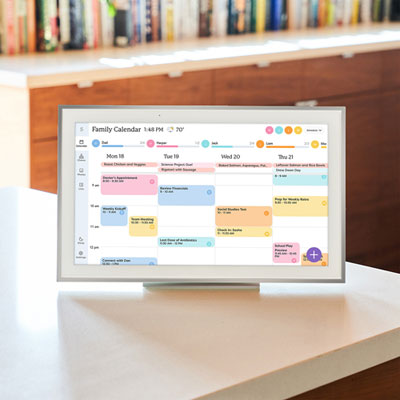
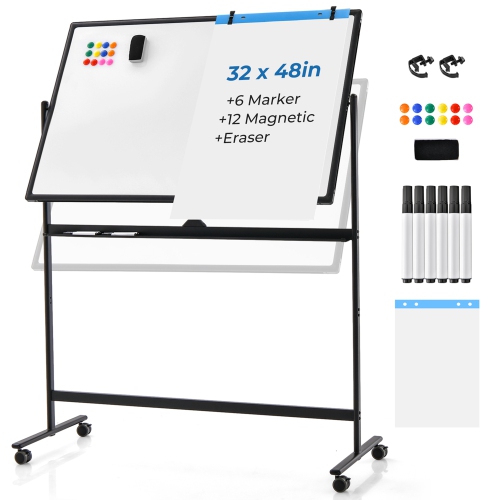
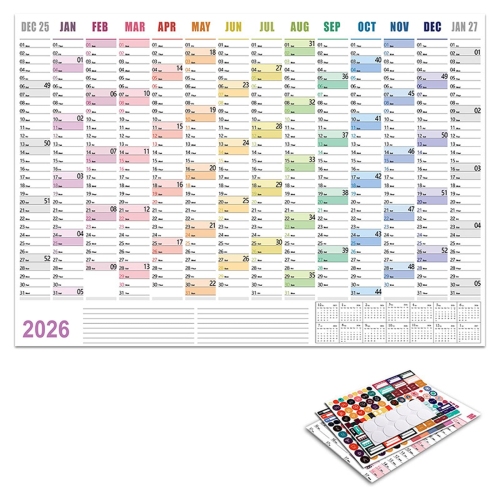
Schedule boards are practical visual planning tools for keeping appointments, tasks, shifts, routines, and shared responsibilities easy to see. Instead of relying on scattered notes, messages, or memory, a well-organized board places important information in one central location where it can be reviewed at a glance and updated as plans change. Families may use a weekly or monthly schedule board to coordinate school activities, work hours, appointments, meal plans, errands, and household tasks. In a busy home, the right layout can make the difference between a calm morning and a rush to remember who needs to be where. A board near the kitchen, entryway, or family command centre can show the day’s priorities as people leave for work, school, practices, or appointments. For more detailed booking information, Appointment Calendars can also be useful when the main need is tracking scheduled visits and time-specific commitments. In workplaces, schedule boards help teams organize staff availability, shifts, meetings, deadlines, and project stages. They can be useful in offices, classrooms, studios, workshops, clinics, service areas, and other shared spaces where several people need the same information. A simple grid can make overlapping shifts easier to identify, while a task-based layout can show what has been completed, what is underway, and what still requires attention. When choosing a schedule board, start by considering who will use it, how often the information changes, and how much detail needs to be displayed at once. A compact board may suit a student desk, home office, or refrigerator, while a larger wall-mounted format may be more appropriate for a staff room, classroom, or busy household. Think about viewing distance as well: information should be large enough to read comfortably from the usual standing or seated position without overcrowding the available space.
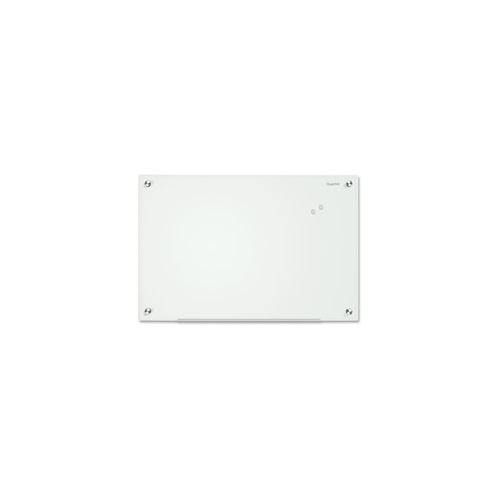
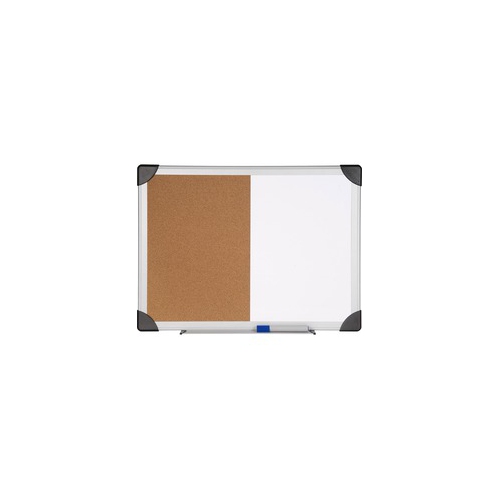
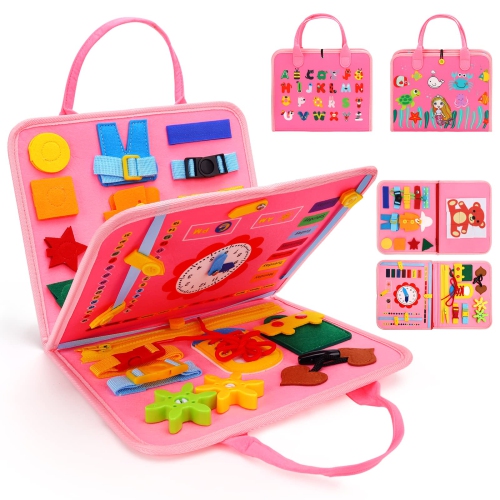
Different schedule board formats support different planning habits. Magnetic whiteboards are flexible choices for homes, schools, and workplaces because writing can be changed quickly and magnetic markers, cards, or notes can be moved between days, people, or stages. They work well for plans that shift frequently, such as rotating staff coverage, changing chores, delivery windows, or project assignments. Dry-erase surfaces are especially convenient when the board is updated every day, although it is worth considering marker storage and whether the surface provides enough room for clear headings and legible notes. Grid-style boards are helpful for weekly and monthly planning because they divide time into recognizable sections, making it easier to compare commitments and spot conflicts. Some people prefer a weekly layout for immediate priorities, while others need a broader monthly view for deadlines, travel, school events, or recurring obligations. Staff and shift schedulers often use columns for employees, departments, or roles and rows for dates or time blocks. Production and maintenance trackers may organize information by equipment, work order, department, or workflow stage, helping teams see which tasks are waiting, active, paused, or finished. For a more contemporary appearance, acrylic and glass boards can provide a clean presentation suited to offices, studios, meeting areas, and modern home workspaces. Their smooth surfaces can be easy to wipe clean, and their visual simplicity can help a schedule blend with the surrounding décor. Digital and printable options may appeal to users who want customizable templates, electronic updates, or the ability to create a fresh layout for different planning needs. A digital format can be helpful when information must be shared remotely, while a printable schedule can suit temporary projects, travel planning, classroom activities, or household routines. Picture and text-based routine boards are another useful category, particularly for children, learners, caregivers, and anyone who benefits from seeing each step in a familiar sequence. A morning routine might show waking up, getting dressed, eating breakfast, brushing teeth, and leaving home; an evening routine could guide homework, tidying, bathing, reading, and bedtime. Visual cues can make transitions feel more predictable and give users a clear sense of progress throughout the day.
When comparing schedule boards, pay close attention to the layout, writing surface, mounting method, visibility, and included accessories. A board with a fixed grid is convenient for recurring planning, while a blank or lightly structured surface offers more freedom for project notes, custom categories, and changing routines. Consider whether information will be written directly on the surface, attached with magnets, printed on cards, or entered through a digital interface. If several people will contribute, an easy-to-edit system with clearly marked sections can prevent overlapping notes and make ownership of each task obvious. For a shared office or classroom, readability and durability may matter most, particularly when the board will be used throughout the day by many people. At home, appearance and placement may be equally important; a board that fits naturally beside the calendar, near the front door, or above a desk is more likely to become part of the daily routine. It can also make a thoughtful and practical gift for a student moving into a new home, a parent balancing school and activities, a manager coordinating a team, or anyone preparing a workspace during the cooler months. A schedule board is most effective when it reflects the way its users actually plan. Use short labels, consistent colours, familiar symbols, and clear time blocks rather than filling every space with unnecessary detail. Leave room for changes, notes, and unexpected commitments, since real schedules rarely stay perfectly still. Whether it is used to coordinate a household, organize employee shifts, map out maintenance work, guide a child through daily routines, or keep personal goals visible, a schedule board helps turn plans into an understandable visual system that can be checked, adjusted, and shared.
Different schedule board formats support different planning habits. Magnetic whiteboards are flexible choices for homes, schools, and workplaces because writing can be changed quickly and magnetic markers, cards, or notes can be moved between days, people, or stages. They work well for plans that shift frequently, such as rotating staff coverage, changing chores, delivery windows, or project assignments. Dry-erase surfaces are especially convenient when the board is updated every day, although it is worth considering marker storage and whether the surface provides enough room for clear headings and legible notes. Grid-style boards are helpful for weekly and monthly planning because they divide time into recognizable sections, making it easier to compare commitments and spot conflicts. Some people prefer a weekly layout for immediate priorities, while others need a broader monthly view for deadlines, travel, school events, or recurring obligations. Staff and shift schedulers often use columns for employees, departments, or roles and rows for dates or time blocks. Production and maintenance trackers may organize information by equipment, work order, department, or workflow stage, helping teams see which tasks are waiting, active, paused, or finished. For a more contemporary appearance, acrylic and glass boards can provide a clean presentation suited to offices, studios, meeting areas, and modern home workspaces. Their smooth surfaces can be easy to wipe clean, and their visual simplicity can help a schedule blend with the surrounding décor. Digital and printable options may appeal to users who want customizable templates, electronic updates, or the ability to create a fresh layout for different planning needs. A digital format can be helpful when information must be shared remotely, while a printable schedule can suit temporary projects, travel planning, classroom activities, or household routines. Picture and text-based routine boards are another useful category, particularly for children, learners, caregivers, and anyone who benefits from seeing each step in a familiar sequence. A morning routine might show waking up, getting dressed, eating breakfast, brushing teeth, and leaving home; an evening routine could guide homework, tidying, bathing, reading, and bedtime. Visual cues can make transitions feel more predictable and give users a clear sense of progress throughout the day.
When comparing schedule boards, pay close attention to the layout, writing surface, mounting method, visibility, and included accessories. A board with a fixed grid is convenient for recurring planning, while a blank or lightly structured surface offers more freedom for project notes, custom categories, and changing routines. Consider whether information will be written directly on the surface, attached with magnets, printed on cards, or entered through a digital interface. If several people will contribute, an easy-to-edit system with clearly marked sections can prevent overlapping notes and make ownership of each task obvious. For a shared office or classroom, readability and durability may matter most, particularly when the board will be used throughout the day by many people. At home, appearance and placement may be equally important; a board that fits naturally beside the calendar, near the front door, or above a desk is more likely to become part of the daily routine. It can also make a thoughtful and practical gift for a student moving into a new home, a parent balancing school and activities, a manager coordinating a team, or anyone preparing a workspace during the cooler months. A schedule board is most effective when it reflects the way its users actually plan. Use short labels, consistent colours, familiar symbols, and clear time blocks rather than filling every space with unnecessary detail. Leave room for changes, notes, and unexpected commitments, since real schedules rarely stay perfectly still. Whether it is used to coordinate a household, organize employee shifts, map out maintenance work, guide a child through daily routines, or keep personal goals visible, a schedule board helps turn plans into an understandable visual system that can be checked, adjusted, and shared.
Top selling and popular products
-
 Your price for this item is $175.99
 -
 Your price for this item is $54.99
 -
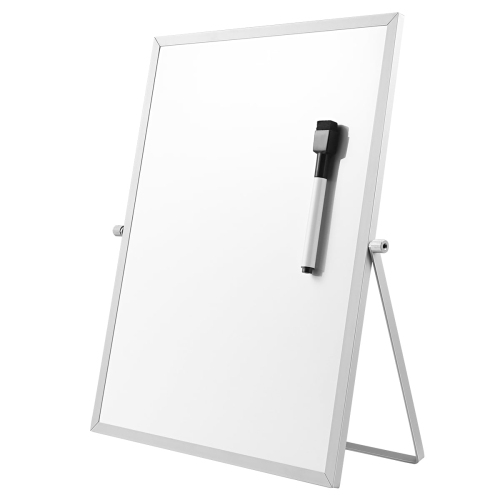 Your price for this item is $35.65
 -
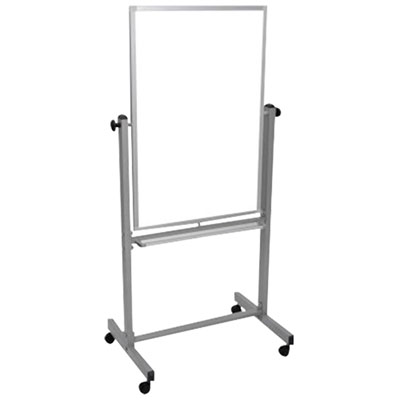 Your price for this item is $359.99
 -
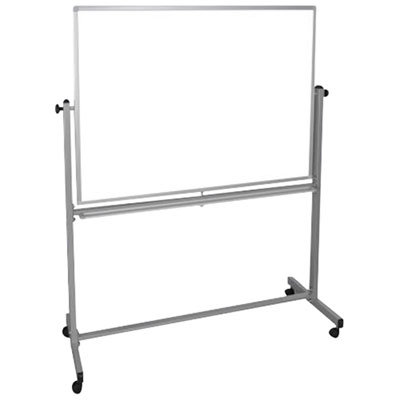 Your price for this item is $429.99
 -
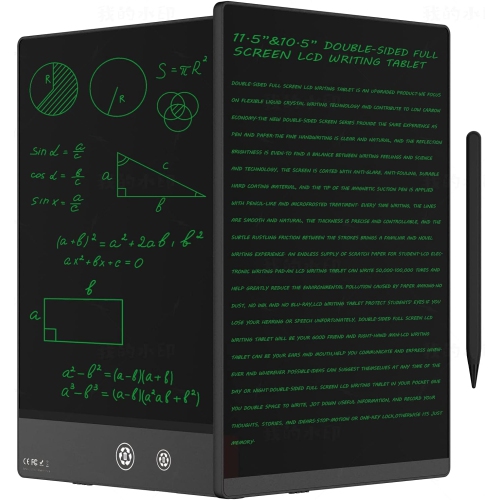 Your price for this item is $30.28
 -
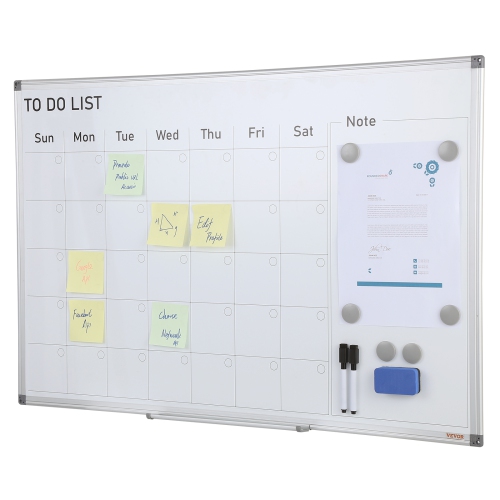 Your price for this item is $51.99
 -
 Your price for this item is $229.99
Discover more categories related to Schedule Boards

Top Collections:
Pokemon Centers, Kindle Devices, Best Budget Office Chairs, Apple iPhones 16, Best Laptops for Writers, iPhone 15 Apple, Canon G7X Cameras, Refurbished Apple Laptops, Alarm Clock, Motorola Razr Phones
Some products may be subject to Environmental Handling Fees
(EHF) depending on your province.
Learn more about EHFs.