Activity Boards
Unlock a world of imagination and learning with activity boards, the perfect companions for curious minds. These versatile tools are designed to engage children through interactive play, fostering creativity, fine motor skills, and problem-solving abilities. Whether you're looking to spark your child's interest in numbers, letters, or sensory exploration, activity boards offer endless opportunities for hands-on discovery. Ideal for home or on-the-go fun, they provide an engaging way for little ones to learn and grow while having a blast. Explore a variety of options that cater to different interests and developmental stages, ensuring there's something special for every child.
Sort
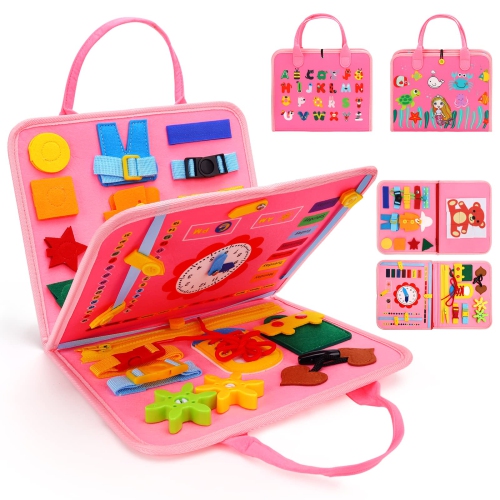
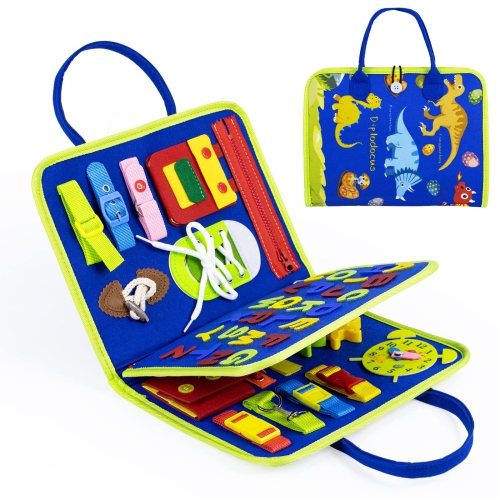
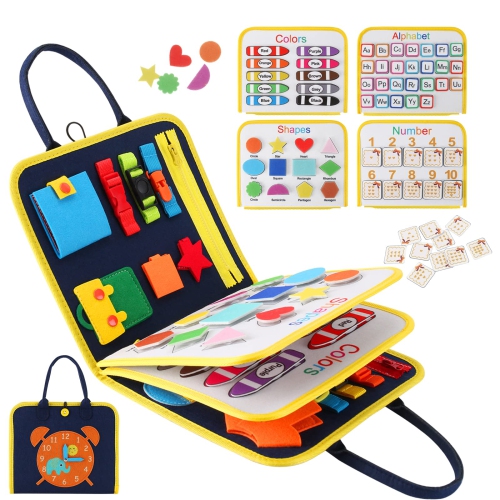
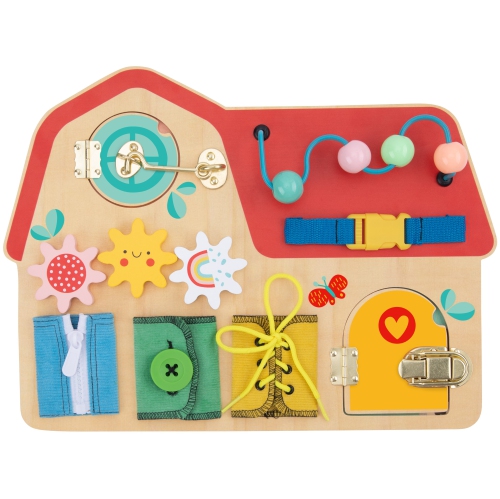


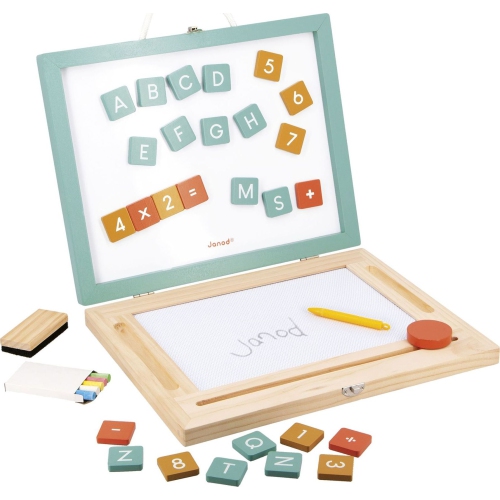

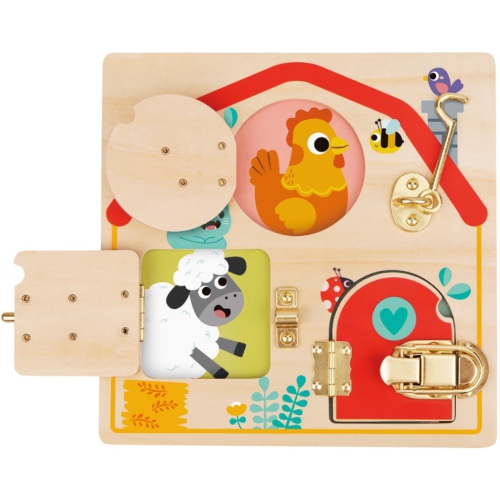
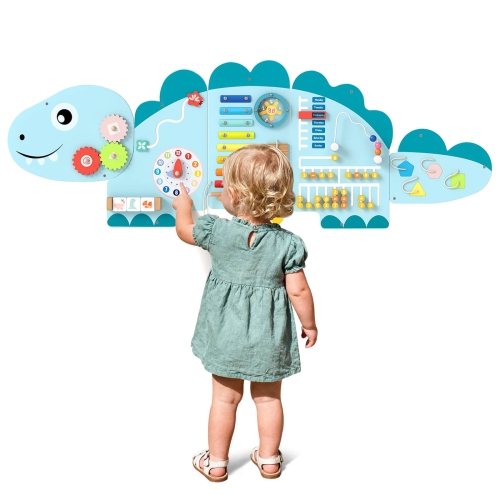
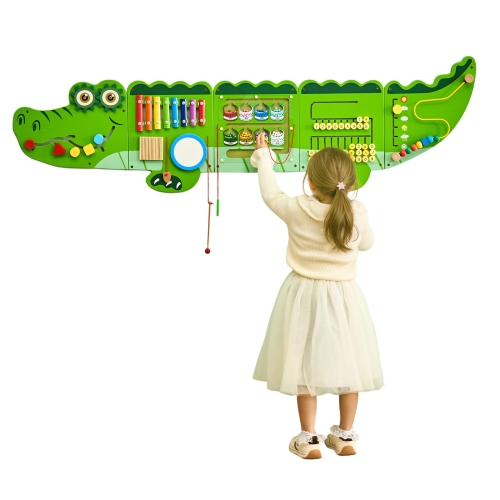
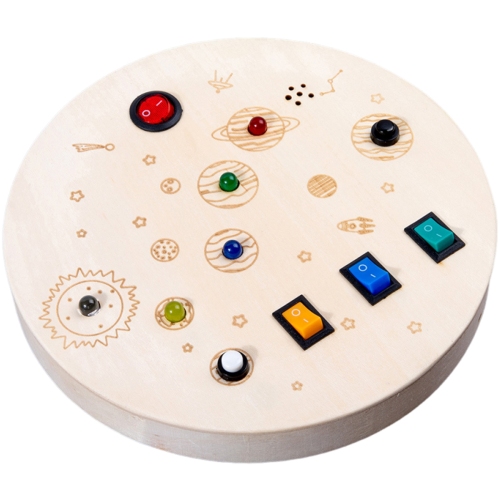
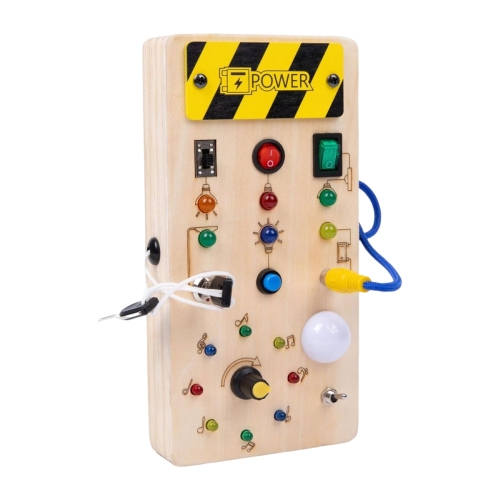
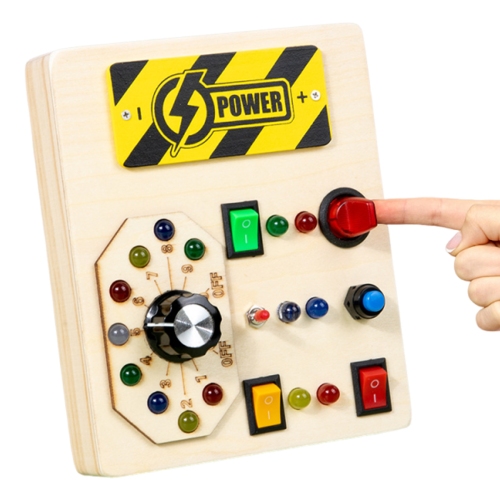


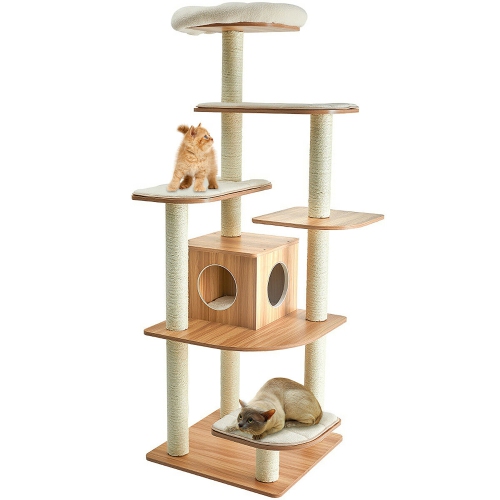
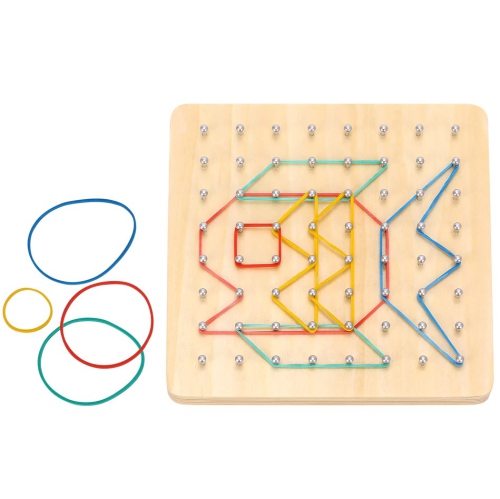
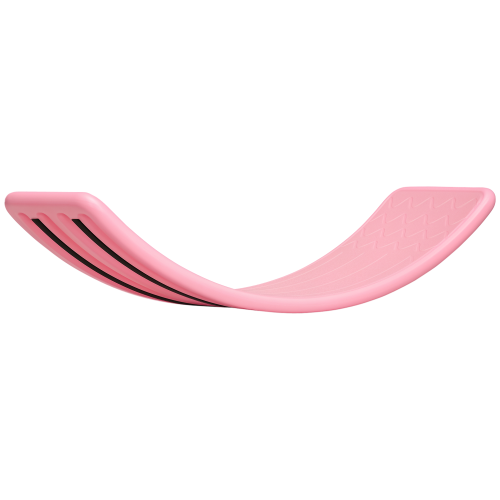
Little hands practise everyday skills through screen-free play
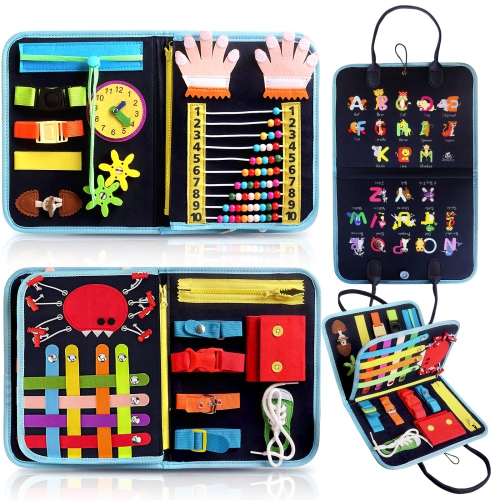
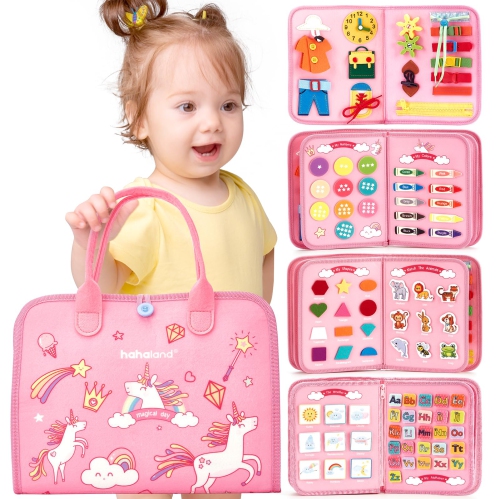
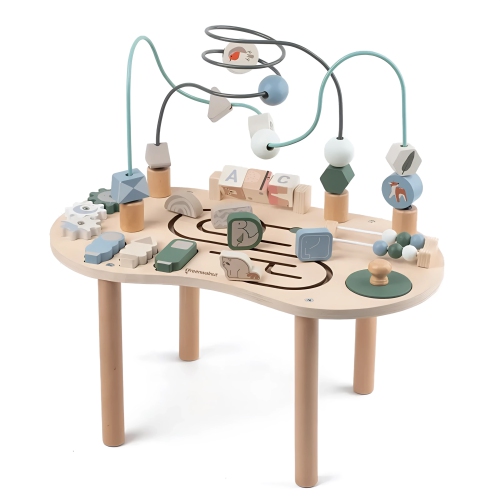
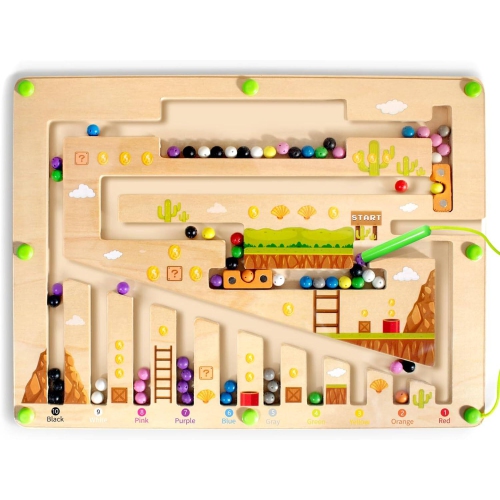
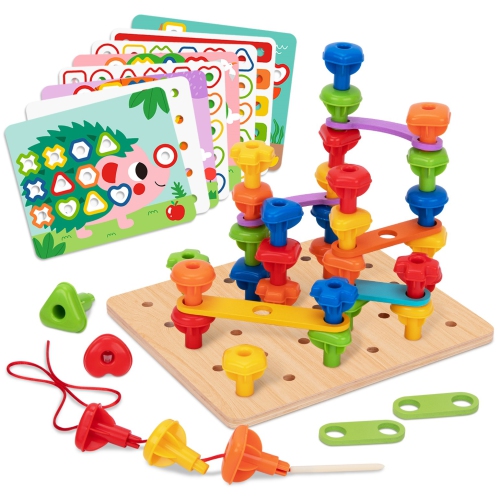
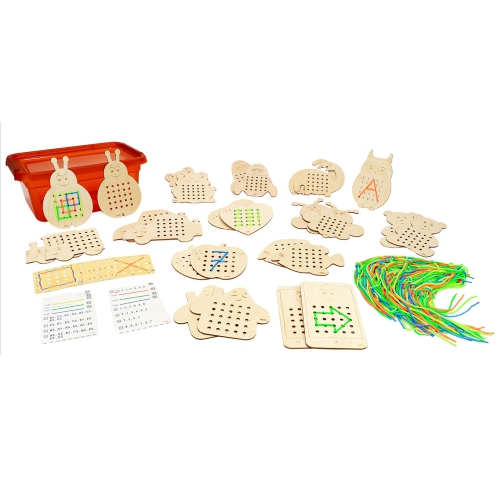
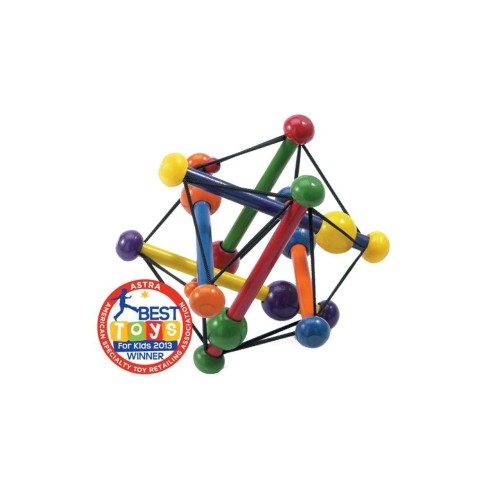
Activity boards, also called busy boards, are hands-on play products that bring together moving parts, textures, and everyday-style fastenings for children to explore. Turning a knob, sliding a latch, or guiding a shape along a track gives small hands something purposeful to do without a screen. These repeated movements can support fine motor practice, hand-eye coordination, and early problem-solving as children discover how different actions produce different results. Part of the appeal is how familiar the activities feel: a child who is fascinated by the zipper on a jacket may enjoy having a similar fastening to practise at their own pace. There is room for both focused play and shared conversation, whether a child spends several minutes working on one buckle or asks an adult to name colours and describe what moves. Activity boards come in several formats, including soft fabric or felt designs, rigid tabletop boards, and larger wall-mounted activity panels. Some concentrate on dressing skills, while others offer rotating gears, sliding pieces, textured surfaces, or simple matching activities. The best fit depends less on the number of features than on whether those features suit the child’s age, interests, and developing abilities. A younger child may be drawn to large, easy-to-grasp pieces and straightforward movements, while an older preschooler may enjoy lacing, fastening, and sequences that involve more than one step. Always use the manufacturer’s age rating rather than appearance alone to judge suitability, particularly when a board has detachable pieces or more intricate mechanisms. For families looking for screen-free play, an activity board can become a familiar choice during a quiet morning, an afternoon indoors, or the small stretch of time between getting dressed and heading out. During the cooler months, that kind of compact, repeatable play can be especially welcome when more of the day takes place inside. A board does not need to keep a child occupied for hours to be useful; a few satisfying attempts at a new movement can be worthwhile in themselves.
When choosing an activity board, start with where it will be used and how comfortably the child can reach and operate its features. A portable fabric board may be easier to pack for visits with family or to bring out while waiting for an appointment. Look at its folded dimensions, weight, closure, and whether the activities remain attached during use. A carry handle is convenient for an adult, but the overall size still matters if the board needs to fit into an already full bag. Tabletop designs need a stable base and a comfortable position on the intended surface; a board that shifts with every tug can turn an enjoyable task into a frustrating one. Wall-mounted panels offer a more permanent play area, but they require suitable wall space, secure installation, and placement at a height that matches the intended users. Follow the mounting instructions and check fittings as directed. Materials influence both the feel of the activities and the care involved. Smooth wood offers a firm surface for mounted mechanisms, plastic may allow for wipe-clean care where specified, and fabric can provide a softer, more flexible format. Check the cleaning directions rather than assuming every board can be washed or treated with the same cleaning products. Closely spaced parts, stitched pockets, and textured sections can take more time to clean than broad, flat surfaces. Inspect edges, seams, fasteners, and moving pieces regularly, and stop using a board if parts loosen or damage exposes a hazard. Small detachable components, cords, magnets, and batteries deserve particular attention wherever they are present, especially in households with younger siblings. Adult supervision remains important, even when a child is playing confidently. Sound is another practical consideration: clicking switches and rattling pieces may be appealing in a playroom but less suitable beside someone resting or working. For quieter shared spaces, focus on tactile activities without electronic sounds, while remembering that even manual mechanisms may make noise.
Activity boards can suit toddlers and preschoolers at different stages, provided the individual product is age-appropriate, and they can also be useful additions to supervised early learning settings. At home, the value often lies in letting a child repeat an everyday action without the pressure of completing a real task. Getting a coat zipped before leaving the house can feel urgent; practising a similar movement during play gives everyone more breathing room. An adult can demonstrate slowly, hold the material steady, and then let the child take over rather than finishing the task for them. Familiar words such as “open”, “closed”, “over”, and “under” can become part of the conversation, alongside counting pieces or noticing which direction a gear turns. Children vary in the textures, sounds, and levels of resistance they enjoy, so a less crowded board with a few engaging features may be a better match than one covered in activities. These products are play tools, not a promise of particular developmental outcomes or a substitute for individual professional advice. For grandparents, relatives, and friends choosing a gift, it helps to know the child’s age, what they already enjoy manipulating, and how much storage or wall space the family has. A portable format may suit a household that frequently visits relatives, while a larger panel calls for a conversation before gifting. In a classroom or childcare setting, consider ease of cleaning, durability, supervision, and whether the manufacturer identifies the product as suitable for shared use. Clear separation between children’s play equipment and adult planning supplies also keeps a shared room practical; Office Boards serve a different purpose for household schedules, staff notes, or workspace planning. For the activity board itself, easy access and simple storage help make it part of an ordinary day. The most useful choice is one that fits the available space, invites comfortable hands-on exploration, and offers challenges the child wants to return to.
When choosing an activity board, start with where it will be used and how comfortably the child can reach and operate its features. A portable fabric board may be easier to pack for visits with family or to bring out while waiting for an appointment. Look at its folded dimensions, weight, closure, and whether the activities remain attached during use. A carry handle is convenient for an adult, but the overall size still matters if the board needs to fit into an already full bag. Tabletop designs need a stable base and a comfortable position on the intended surface; a board that shifts with every tug can turn an enjoyable task into a frustrating one. Wall-mounted panels offer a more permanent play area, but they require suitable wall space, secure installation, and placement at a height that matches the intended users. Follow the mounting instructions and check fittings as directed. Materials influence both the feel of the activities and the care involved. Smooth wood offers a firm surface for mounted mechanisms, plastic may allow for wipe-clean care where specified, and fabric can provide a softer, more flexible format. Check the cleaning directions rather than assuming every board can be washed or treated with the same cleaning products. Closely spaced parts, stitched pockets, and textured sections can take more time to clean than broad, flat surfaces. Inspect edges, seams, fasteners, and moving pieces regularly, and stop using a board if parts loosen or damage exposes a hazard. Small detachable components, cords, magnets, and batteries deserve particular attention wherever they are present, especially in households with younger siblings. Adult supervision remains important, even when a child is playing confidently. Sound is another practical consideration: clicking switches and rattling pieces may be appealing in a playroom but less suitable beside someone resting or working. For quieter shared spaces, focus on tactile activities without electronic sounds, while remembering that even manual mechanisms may make noise.
Activity boards can suit toddlers and preschoolers at different stages, provided the individual product is age-appropriate, and they can also be useful additions to supervised early learning settings. At home, the value often lies in letting a child repeat an everyday action without the pressure of completing a real task. Getting a coat zipped before leaving the house can feel urgent; practising a similar movement during play gives everyone more breathing room. An adult can demonstrate slowly, hold the material steady, and then let the child take over rather than finishing the task for them. Familiar words such as “open”, “closed”, “over”, and “under” can become part of the conversation, alongside counting pieces or noticing which direction a gear turns. Children vary in the textures, sounds, and levels of resistance they enjoy, so a less crowded board with a few engaging features may be a better match than one covered in activities. These products are play tools, not a promise of particular developmental outcomes or a substitute for individual professional advice. For grandparents, relatives, and friends choosing a gift, it helps to know the child’s age, what they already enjoy manipulating, and how much storage or wall space the family has. A portable format may suit a household that frequently visits relatives, while a larger panel calls for a conversation before gifting. In a classroom or childcare setting, consider ease of cleaning, durability, supervision, and whether the manufacturer identifies the product as suitable for shared use. Clear separation between children’s play equipment and adult planning supplies also keeps a shared room practical; Office Boards serve a different purpose for household schedules, staff notes, or workspace planning. For the activity board itself, easy access and simple storage help make it part of an ordinary day. The most useful choice is one that fits the available space, invites comfortable hands-on exploration, and offers challenges the child wants to return to.
Top selling and popular products
-
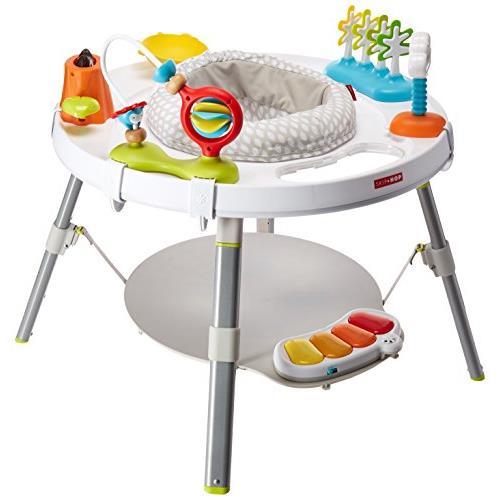 Your price for this item is $299.13
 -
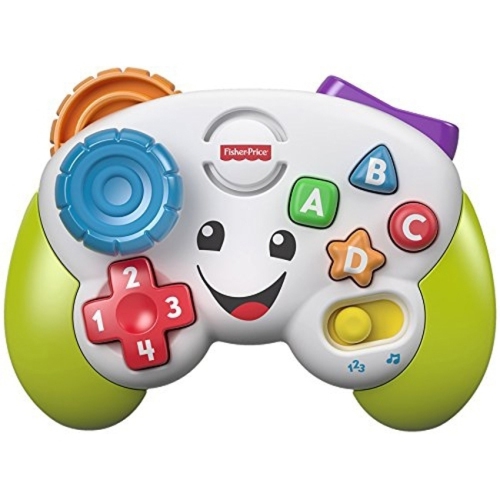 Your price for this item is $24.28
 -
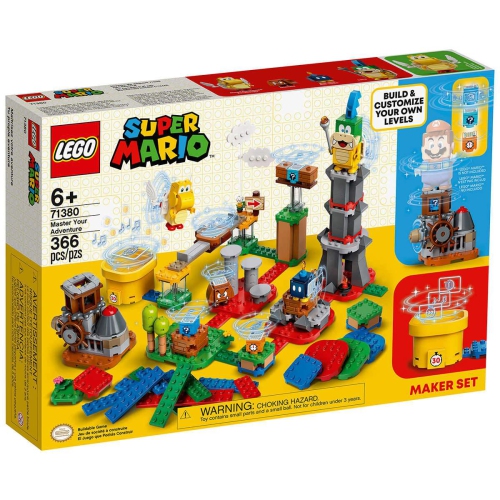 Your price for this item is $103.27
 -
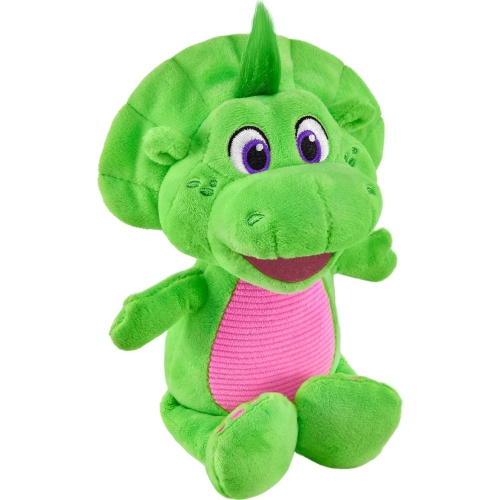 Your price for this item is $17.24
 -
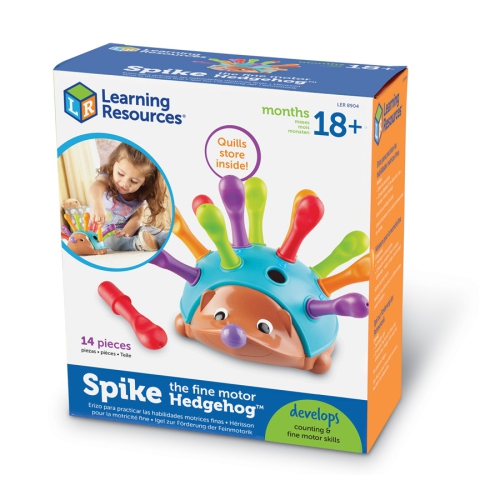 Your price for this item is $56.13
 -
 Your price for this item is $29.99
 -
 Your price for this item is $19.99
 -
 Your price for this item is $39.99
Discover more categories related to Activity Boards

Top Collections:
Pokemon Centers, Kindle Devices, Best Budget Office Chairs, Apple iPhones 16, Best Laptops for Writers, iPhone 15 Apple, Canon G7X Cameras, Refurbished Apple Laptops, Alarm Clock, Motorola Razr Phones
Some products may be subject to Environmental Handling Fees
(EHF) depending on your province.
Learn more about EHFs.