School Project Art Supplies
School Project Art Supplies make it easy to bring creativity and imagination to every assignment. Whether you’re preparing for a science fair, crafting a poster, or working on a group presentation, the right supplies help students express their ideas with confidence. Explore a wide variety of options designed to support projects for all ages and skill levels. Find everything you need to complete your next school project with ease and style.
Sort


Why maps and collages ask different things of paper
School project art supplies include materials for drawing, colouring, painting, lettering, collage and assembly. The materials that make sense for a project depend on what the student needs to show, how much space the finished work can take up and whether it will be handed in flat, displayed upright or passed around the classroom. A neighbourhood map, for example, benefits from a surface that takes crisp lines and leaves enough room for street names without crowding the drawing. A collage that shows the layers of a forest has different demands: the backing needs to stay flat as pieces are attached, and the sections need to be distinct enough for someone to follow the labels from bottom to top. Smooth paper suits small lettering and fine details, while a textured surface can give broad areas of colour more depth. Heavier paper or card can offer more support for overlapping layers, though added thickness can make folds and joins bulkier. For work that uses wet colour, the surface matters as much as the colour itself. Thin paper can ripple as it dries, and a slick finish can make some materials difficult to apply evenly. Testing a small area on an offcut can show whether a line feathers, a pale colour reads clearly against the background or an attachment leaves a visible mark. The scale of the display makes a difference, too. Tiny lettering might look tidy at a desk but disappear when a project goes up at the front of the classroom. Leaving a little space between captions and illustrations helps both stand out. When an assignment specifies dimensions or calls for a particular technique, those details are a better starting point than the number of colours or finishes in an assortment. A short comic, a labelled diagram and a model with movable parts can all use art materials well without needing the same range of supplies.
The fit between the supplies and the student matters just as much as the fit between the materials and the assignment. Younger students often do well with drawing and colouring materials that are comfortable to hold and easy to control across a large area. Older students working on a diagram or a set of small illustrations may care more about consistent lines, subtle shading and enough contrast to distinguish one section from another. Age guidance and classroom rules are especially relevant when a project involves cutting, joining or small loose pieces. Washable materials can make cleanup easier for shared work at a kitchen countertop, but washable does not mean every mark will come out of every fabric or surface. Care directions can clarify what is suitable for the space and what needs protection before work begins. A project’s durability matters most at the points that get handled: the corners of a display, the folds in a booklet and the joins on a model. A freestanding display may stay upright on a desktop yet flex on the trip to school, loosening a decoration attached near an edge. Keeping heavier layers away from folds and giving wet work enough time to dry before packing can help the project arrive looking the way it did at home. Flat work is less likely to pick up creases when stored level, and raised pieces are better kept away from anything that could press on them. Care also extends to materials left over after a project. Closing containers as directed, cleaning reusable applicators before residue dries and storing clean paper flat can make the difference between supplies that are ready for the next assignment and supplies that leave streaks or curled edges. At a shared work surface, keeping clean materials apart from damp work also gives each student room to continue without smudging a classmate’s piece.
School project art supplies support more than art assignments. Colour can help distinguish routes on a geography display, set apart stages in a science diagram or show changes over time on a history timeline. A consistent visual treatment is especially useful in group work. When four students illustrate different parts of the same process, a shared approach to lettering, spacing and colour can make the finished display easier to read without making each contribution look identical. For a take-home assignment, a compact assortment can be enough when the work involves sketching and lettering at a small table; a project spread across several panels may call for larger surfaces and more room for drying and assembly. Families choosing materials for siblings may find it useful to separate frequently shared supplies from those that need closer supervision. Teachers planning an activity for several groups can consider how easily the materials can be divided, how much setup each group needs and whether unfinished work can be stored between classes. For classroom projects that involve larger groups or repeated use, Supplies for Art Teachers is a related collection. Art materials can also be a practical gift for a student who already likes drawing stories, making collages or building models. An assortment that suits a familiar interest is more likely to get used than one chosen simply for variety, and it leaves room for the student to decide what to make. For an assigned project, the purpose of the work is the clearest test of what belongs. In a science display, colour can carry meaning by showing which labels belong to which parts. In a reading response, a simple illustration with room for a caption can draw attention to a detail the student noticed in the story. A finish that photographs well may matter for work submitted as an image, while a piece meant to be handled needs neat joins and layers that stay put. In each case, the materials work best when they make the student’s ideas easier to see and understand.
Top selling and popular products
-
 Your price for this item is $7.19
-
 Your price for this item is $1.99
-
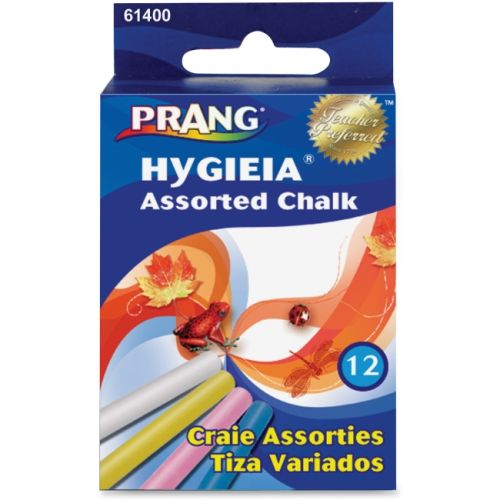 Your price for this item is $2.99
-
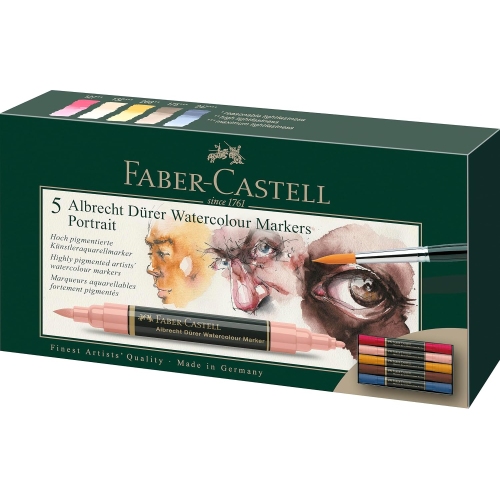 Your price for this item is $24.99
-
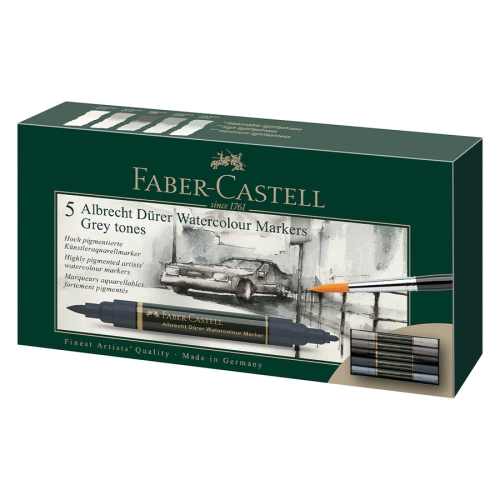 Your price for this item is $22.99
-
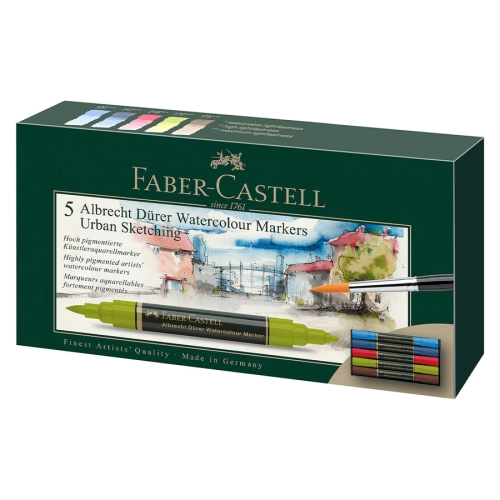 Your price for this item is $26.99
-
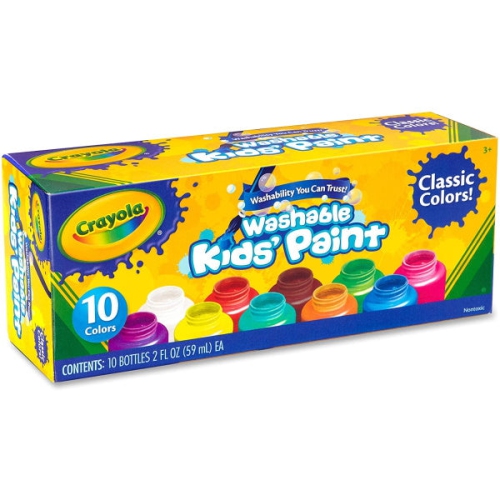 Your price for this item is $47.99
-
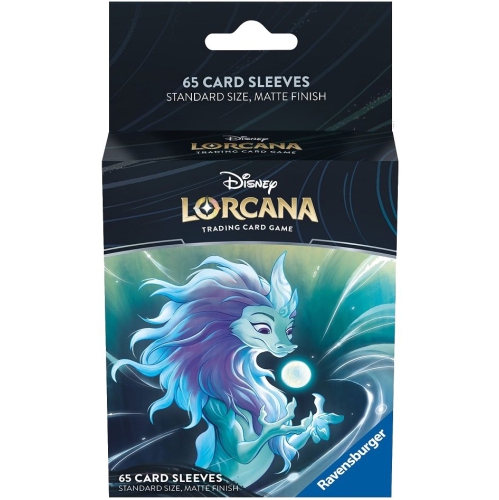 Your price for this item is $25.95
Discover more categories related to School Project Art Supplies
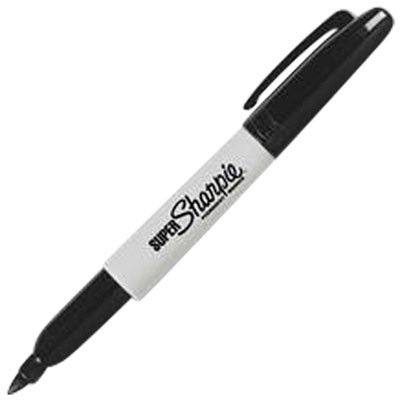
Top Collections:
Best Black Friday Deals This Year, Best Black Friday Deals On Electronics, Kindle Devices, Dyson Airwrap, Best Cameras for Sports Photography, Best Budget Office Chairs, Canon G7X Cameras, PS5 Pro Consoles, Best Black Friday Deals On Apple Products, XBOX One S Consoles
Some products may be subject to Environmental Handling Fees
(EHF) depending on your province.
Learn more about EHFs.