Self-Adhesive Envelopes
Looking for a convenient way to securely send documents or protect important paperwork? Our collection of self-adhesive envelopes is here to make your life easier. Whether you're mailing invoices, contracts, or personal letters, these envelopes are designed to provide a hassle-free solution. With their easy-to-use self-sealing feature, you can say goodbye to the tedious task of licking envelopes and hello to a more efficient mailing process. Explore our wide range of self-adhesive envelopes and find the perfect fit for your needs.
Sort
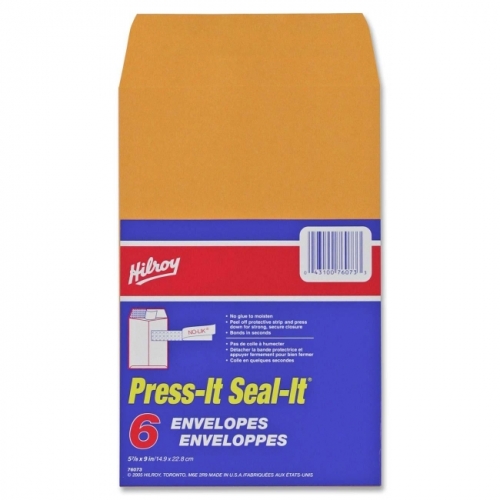
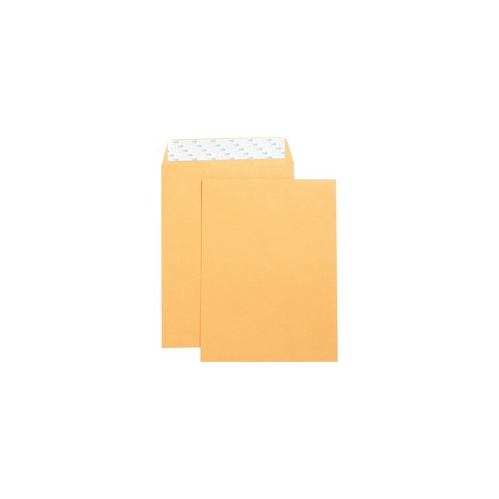
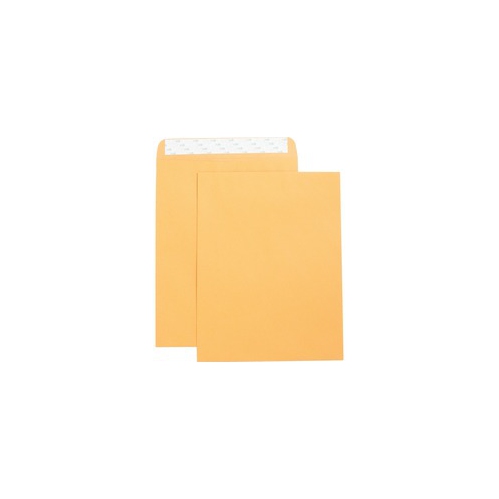
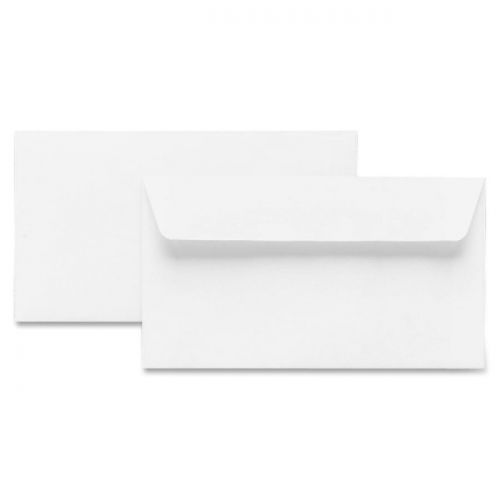
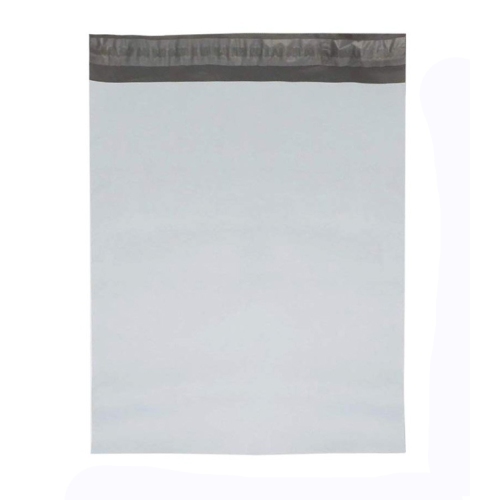
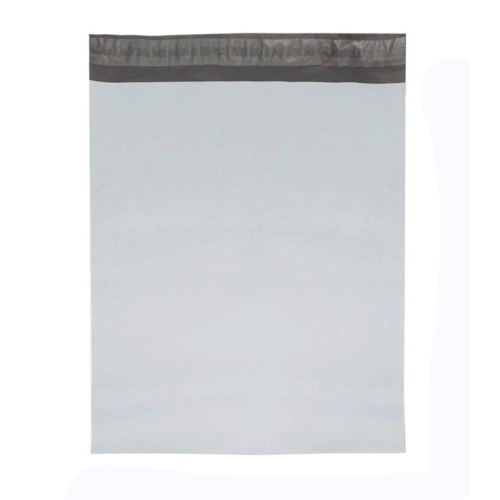
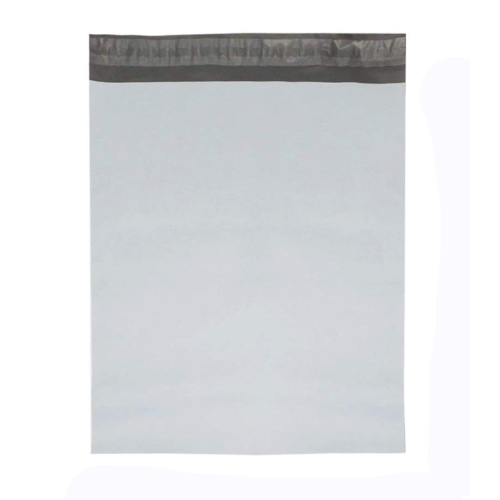
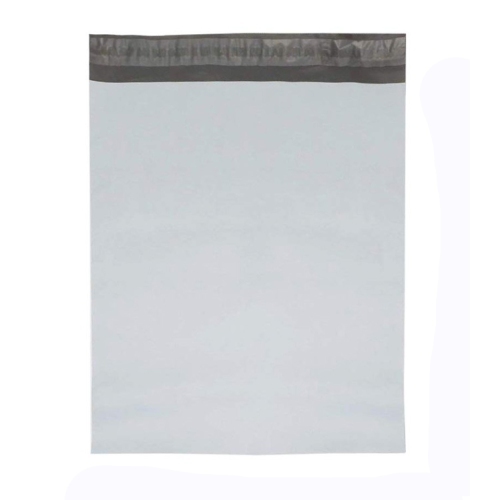
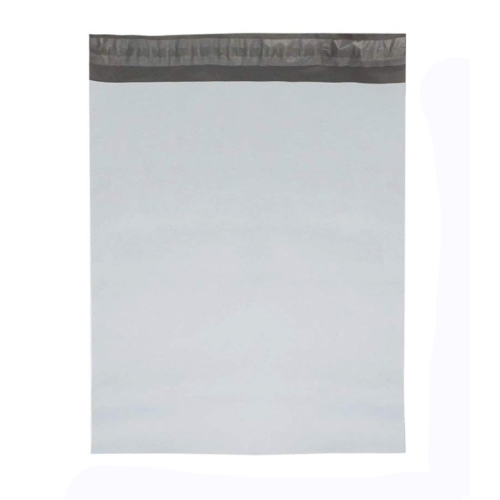
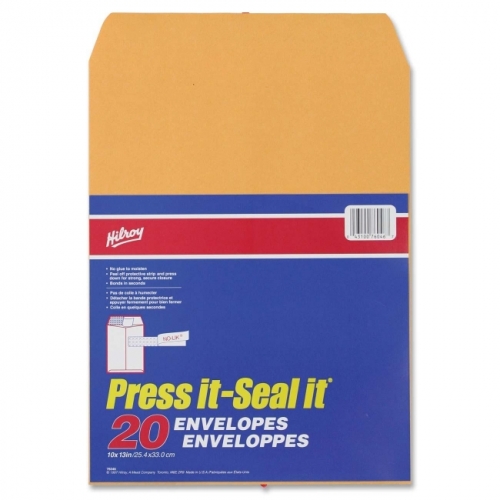
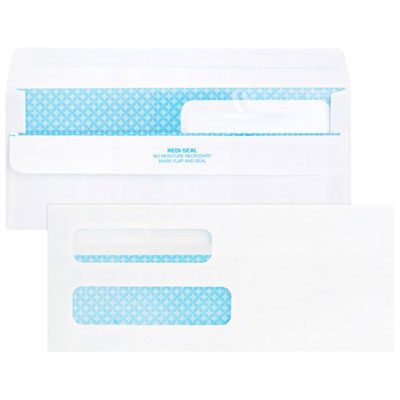
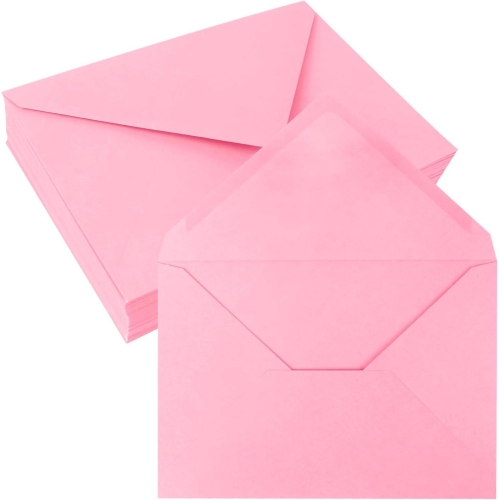
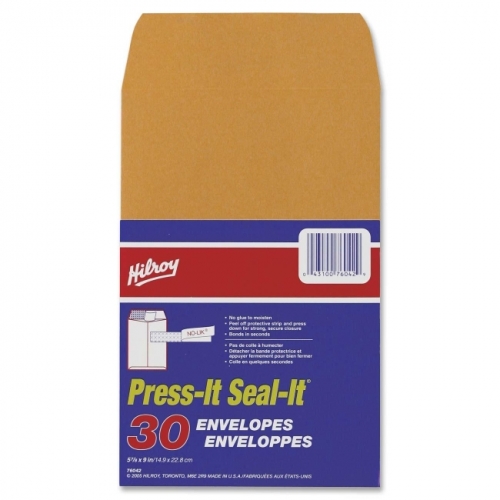
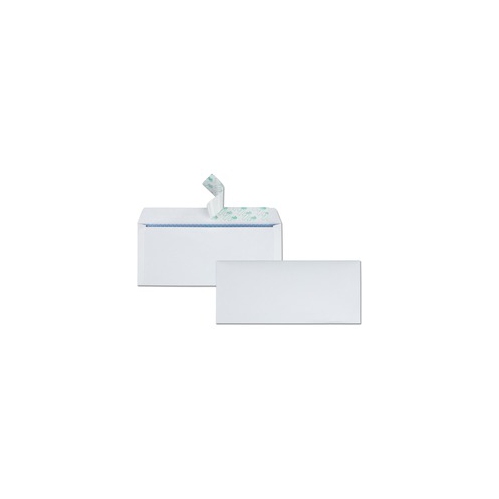
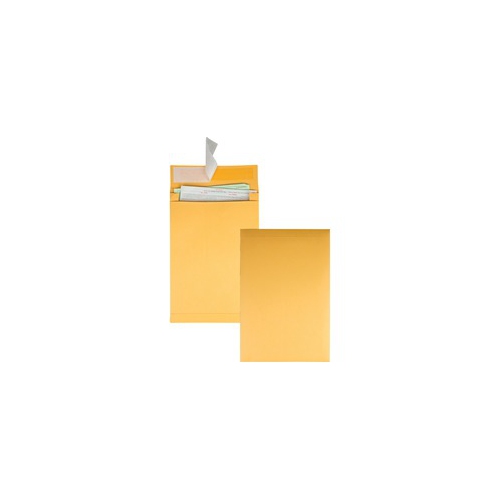
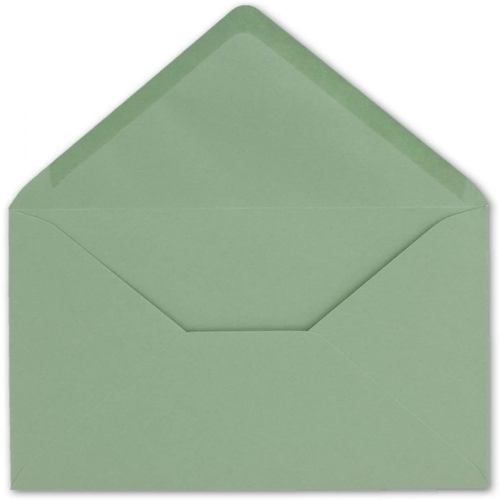

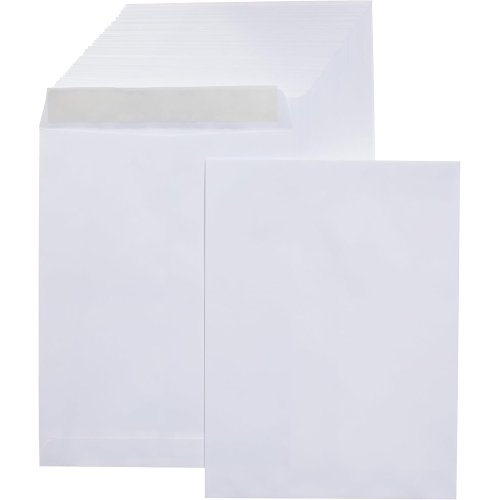
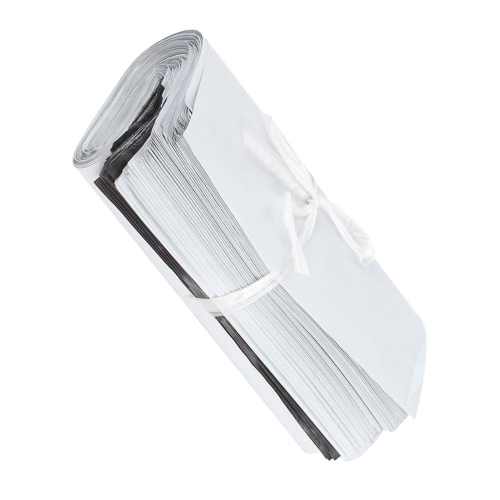
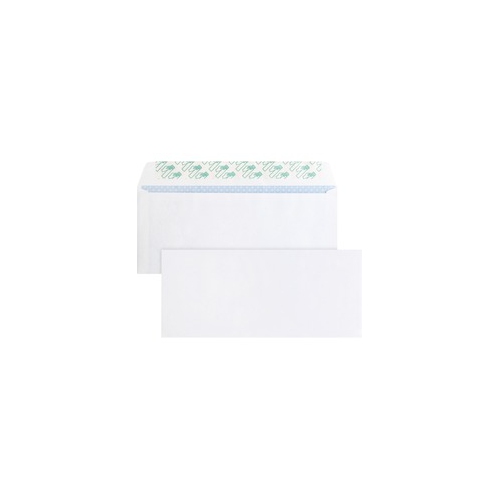
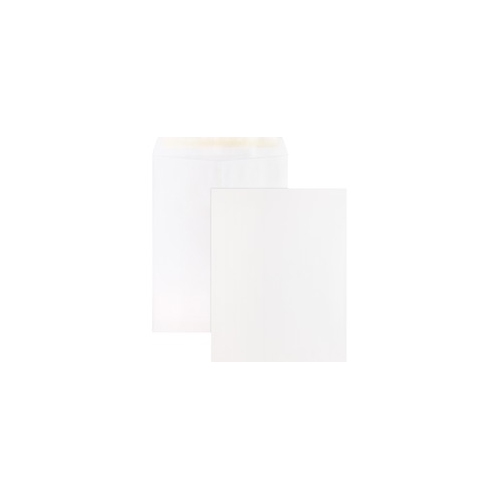
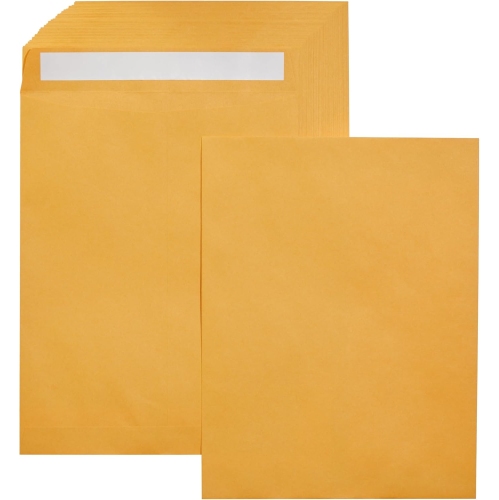
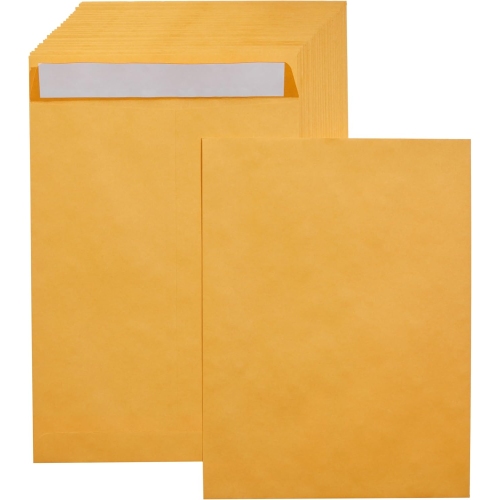
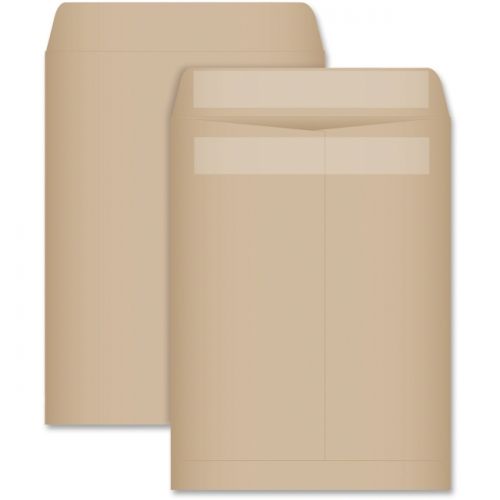
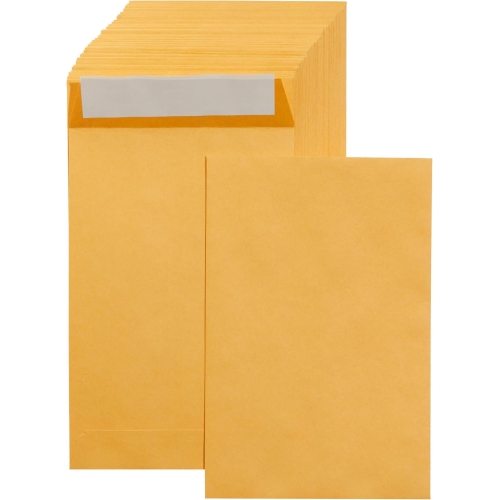
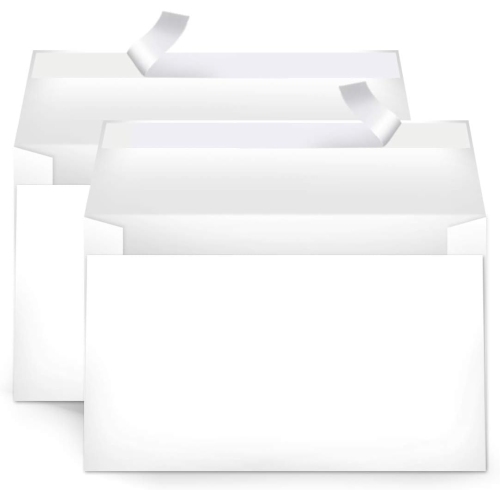
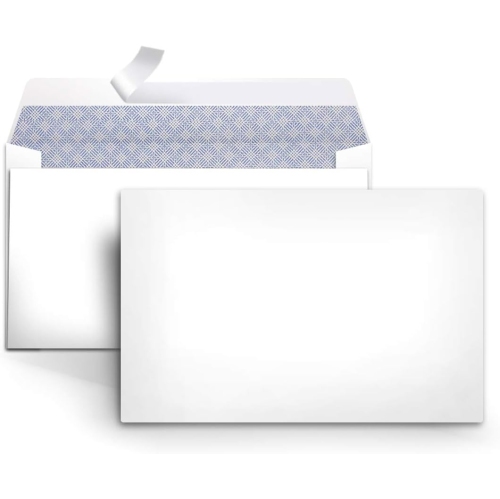
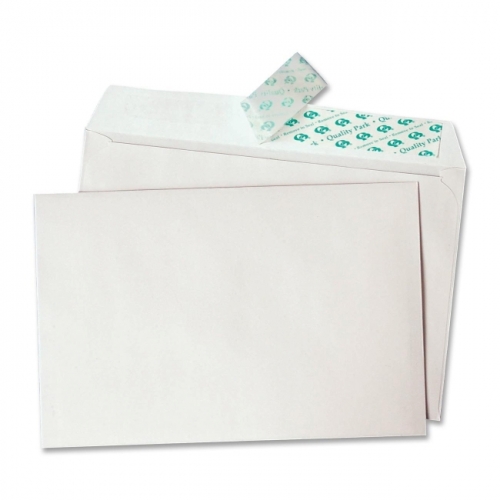
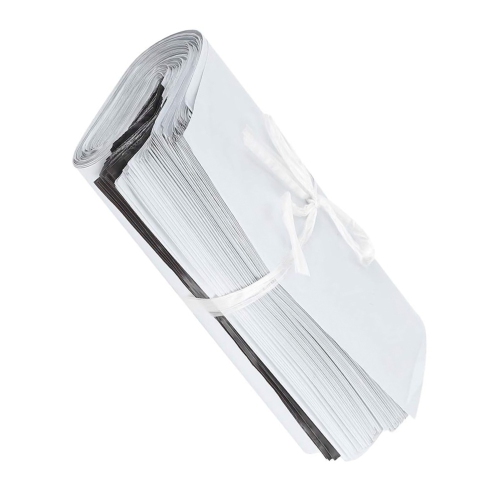
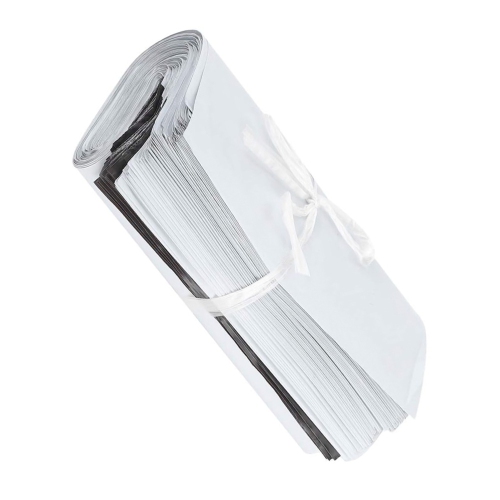
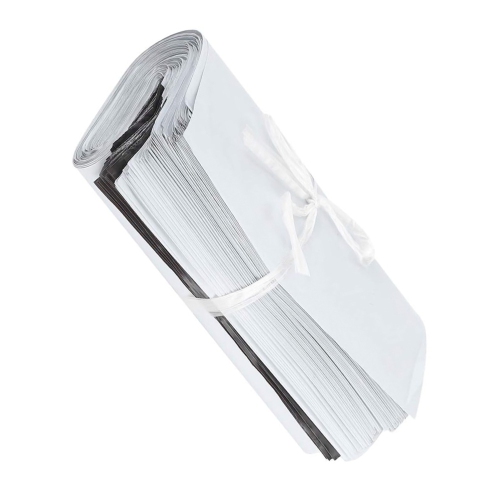
Everyday mail sealed without moistening the flap
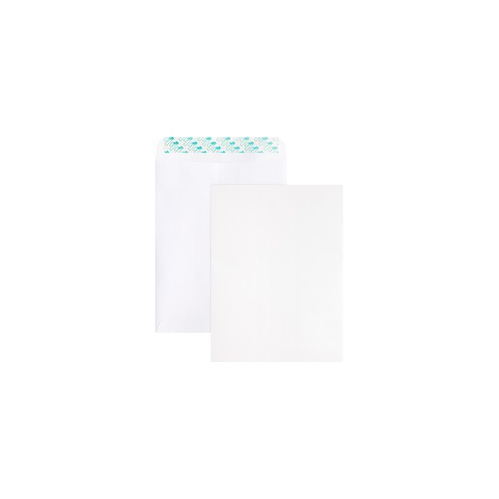
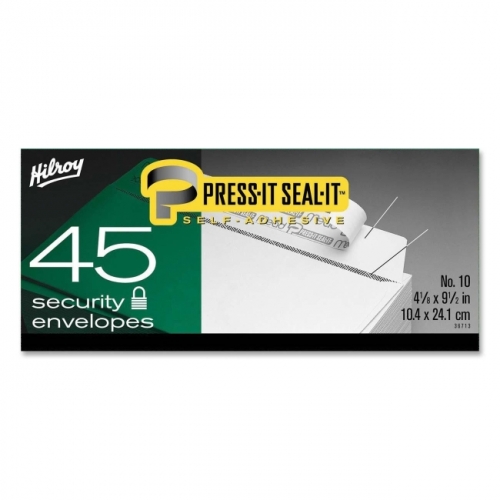
Self-adhesive envelopes provide a convenient way to enclose letters, forms, cards, and other paper documents without moistening the flap. Many use a peel-and-seal closure: a removable liner covers the adhesive until the envelope is ready to close. After the liner is peeled away, the flap folds down and bonds to the envelope when pressed firmly into place. Other self-sealing designs use adhesive surfaces that meet when the flap closes, so the closure description matters when choosing a format. Both approaches simplify everyday correspondence, whether that means sending an invoice from a home office, returning a signed form, or preparing a batch of appointment reminders. Size is one of the most useful starting points because the envelope needs to accommodate the contents without excessive folding or pressure on its seams. A standard No. 10 business envelope measures approximately 4 1/8 inches by 9 1/2 inches and commonly holds letter-size paper folded into thirds. This familiar shape suits business letters, statements, and many routine administrative documents. Larger formats serve a different purpose: a 9-inch by 12-inch envelope can accommodate standard 8 1/2-inch by 11-inch sheets without folding, while a 6-inch by 9-inch format may suit folded documents, smaller inserts, or photographs with suitable protection. Catalogue envelopes generally open along a short edge, whereas booklet envelopes generally open along a long edge, which can make inserting a stack of papers easier. The stated dimensions are a starting point rather than a guarantee of fit, since seams, lining, and the thickness of the contents affect usable space. A few sheets of paper may slide comfortably into an envelope that becomes cramped when a brochure or backing card is added. For certificates, presentation materials, or documents that need to arrive looking neat, allowing a little clearance helps prevent bent corners and makes the envelope easier to fill and close.
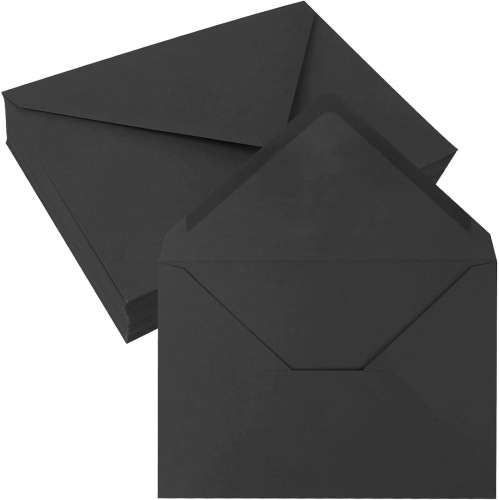
The material and construction of a self-adhesive envelope influence how it feels, how well it conceals its contents, and how it stands up to handling. Smooth white paper creates a familiar business appearance and provides a clear background for printed addresses, handwritten details, or mailing labels. Kraft paper has a more utilitarian look and is often used for larger document envelopes, though strength depends on paper weight and construction rather than colour alone. Heavier paper can offer greater resistance to tearing and show-through, while lighter paper may be sufficient for a short letter or a simple reply form. For correspondence containing personal details, a security-tinted interior adds an important layer of visual screening. Its printed pattern makes enclosed text harder to read through the paper, particularly when compared with an untinted envelope of similar weight. That tint is not a lock or a guarantee of confidentiality; it helps obscure the contents while the envelope remains closed. Window envelopes are useful when the recipient’s address is already printed on the enclosed document, reducing the need to write or label the address separately. A single window commonly displays the recipient’s details, while a double-window layout can also show the sender’s address. Window placement needs to match the document layout and folding pattern, with enough margin to keep the full address visible if the paper shifts inside. A quick test with a sample sheet can reveal whether an address sits too low, a fold crosses the window, or unrelated information shows through. For personal correspondence, an opaque, windowless envelope offers more freedom for handwritten addressing and keeps the presentation uncluttered. Cards and invitations also benefit from a close size match: too much empty space allows movement, while an overly tight fit can catch decorative edges. Photographs and papers that must remain flat may need a protective sleeve or stiff backing, since a paper envelope alone offers limited resistance to bending.
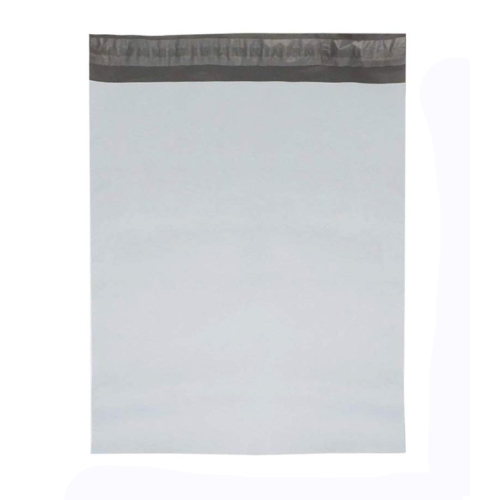
A dependable closure starts with an envelope that is filled comfortably and a flap that can lie flat against its intended sealing area. With peel-and-seal designs, leaving the liner in place until the contents have been checked keeps the adhesive protected during preparation. Once the liner is removed, pressing evenly across the full width of the flap helps the adhesive make contact, especially near the corners where a hurried seal can leave small gaps. Papers should sit below the fold rather than crowding the opening, and dust or loose fibres should be kept away from the adhesive surface. Overfilling can pull on the flap and side seams, so a larger format is often more suitable than forcing a thick stack into a standard letter envelope. Many self-adhesive closures are intended for a single use; opening and resealing may damage the paper or weaken the bond. A strong seal can help keep contents enclosed through routine handling, but it should not be treated as proof that an envelope cannot be opened. Self-adhesive designs belong to the broader category of Sealable Envelopes, with the particular convenience of closing without water or a separate moistening step. For regular mailing tasks, a practical routine is to insert the documents, confirm the recipient details, check the fit, and seal only after the contents are complete. At a reception desk, that might mean matching each reminder to its address before closing; at home, it might mean confirming that every signed page is included in a returned application. Store unused envelopes flat in their original packaging or a clean drawer, away from spills, dampness, and direct sunlight, and avoid crushing the flaps beneath heavy supplies. Adhesive performance can vary with age and storage, so checking an older envelope before sending important paperwork is worthwhile. Clear addressing, secure contents, and a format suited to the document all contribute to a tidy result. Envelope dimensions, thickness, and weight can also affect postal requirements, making it sensible to confirm the mailing rules for the completed envelope rather than judging by its appearance alone.
Top selling and popular products
-
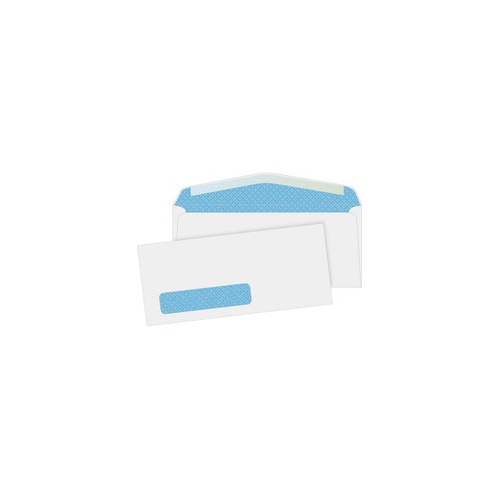 Your price for this item is $28.99
-
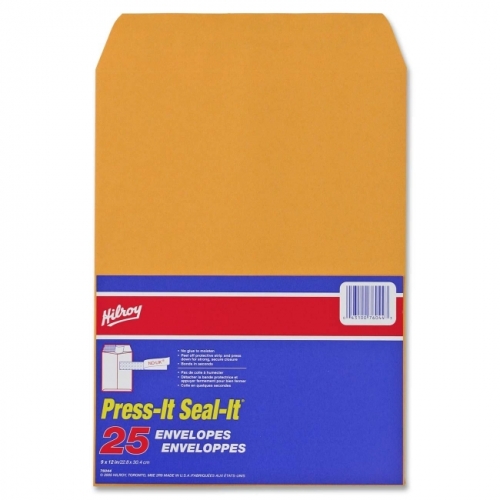 Your price for this item is $6.99
-
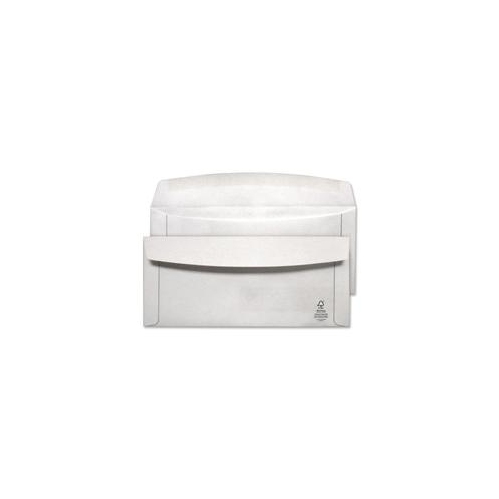 Your price for this item is $35.99
-
 Your price for this item is $26.99
-
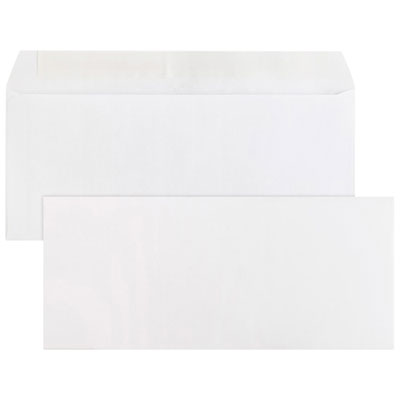 Your price for this item is $28.99
-
 Your price for this item is $26.99
-
 Your price for this item is $28.99
-
 Your price for this item is $39.99
Discover more categories related to Self-Adhesive Envelopes
Top Collections:
Best Black Friday Deals This Year, Best Black Friday Deals On Electronics, Kindle Devices, Best Black Friday Deals On Apple Products, Best Budget Office Chairs, Best Cameras for Sports Photography, Dyson Airwrap, Canon G7X Cameras, Best Laptops for Writers, Samsung Galaxy Phones
Some products may be subject to Environmental Handling Fees
(EHF) depending on your province.
Learn more about EHFs.