Shredder Machines
Our selection of shredder machines offers a convenient solution to help you maintain your organization and protect your confidential information. Whether you're in need of a compact shredder for personal use or a heavy-duty one for your office, we have a variety of options to suit your needs. Explore our range of shredder machines designed to provide efficiency, security, and peace of mind for all your shredding tasks.
Sort
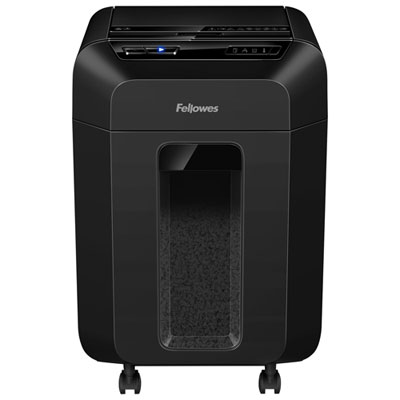
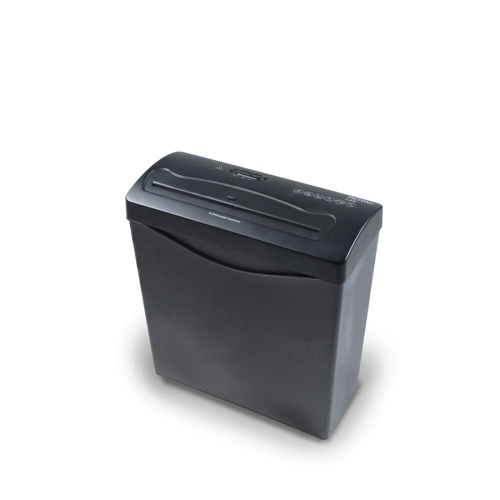





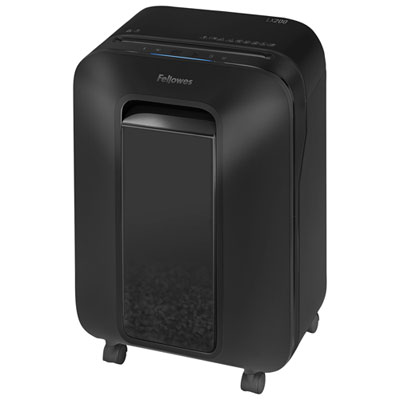
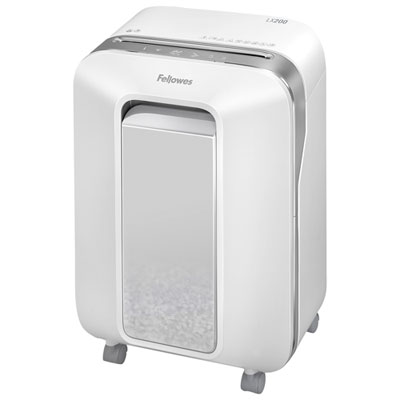
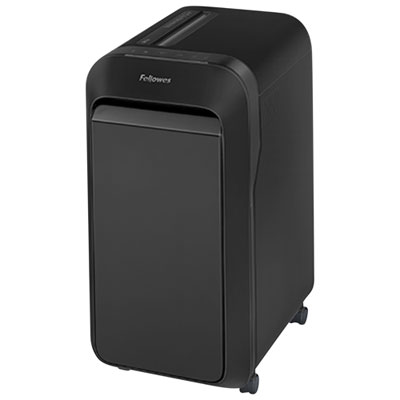

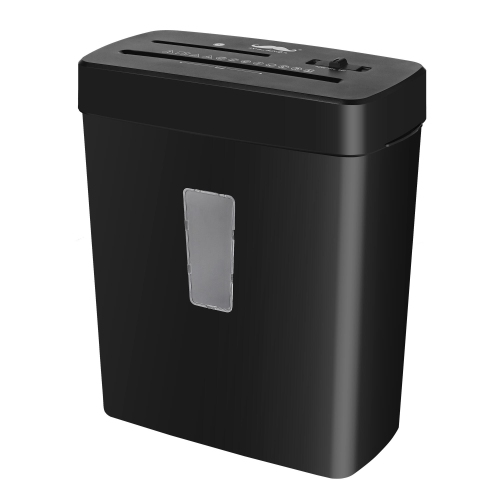
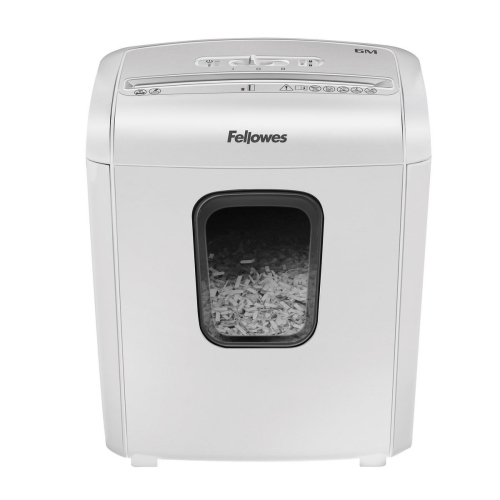
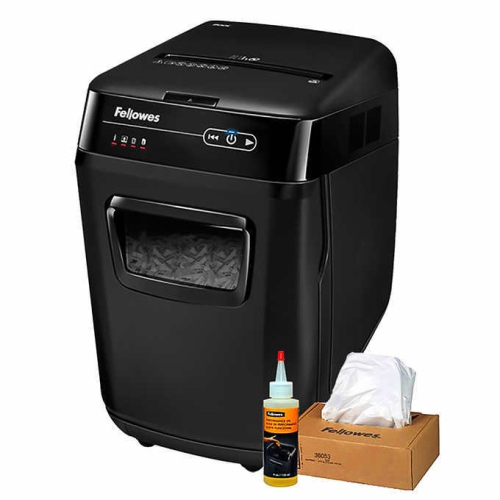
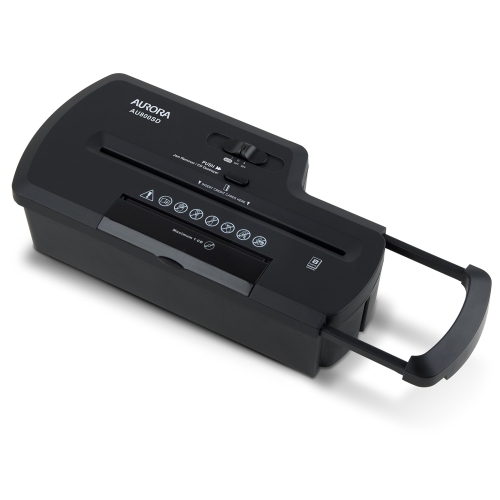
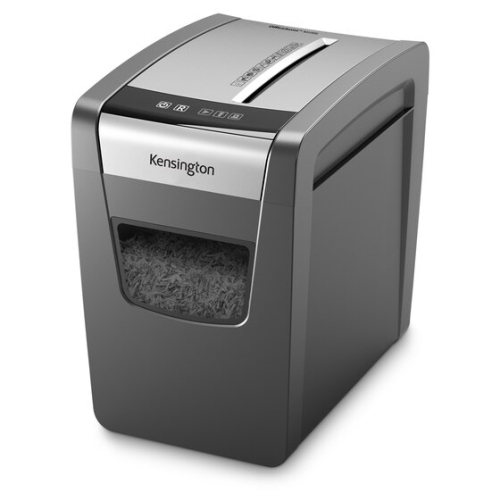

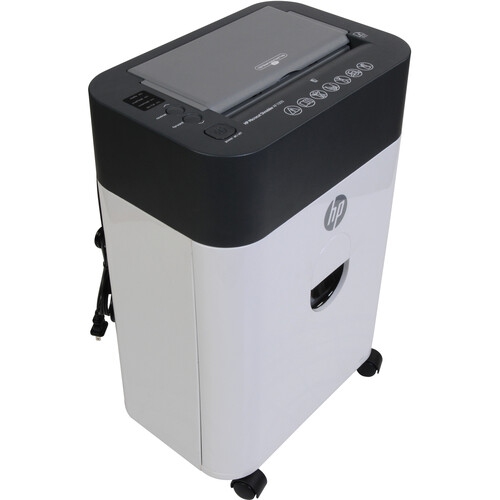
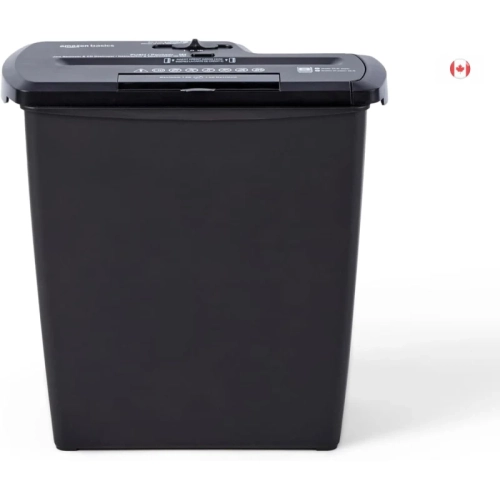
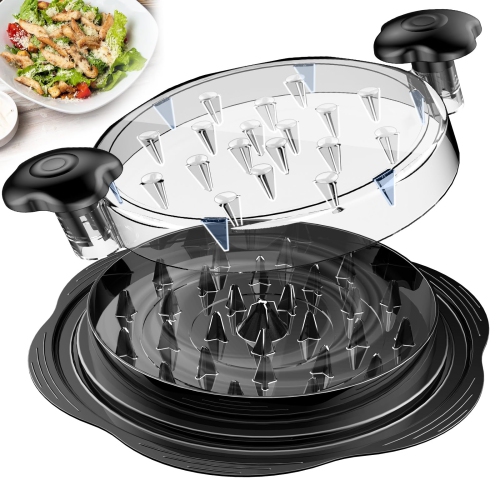

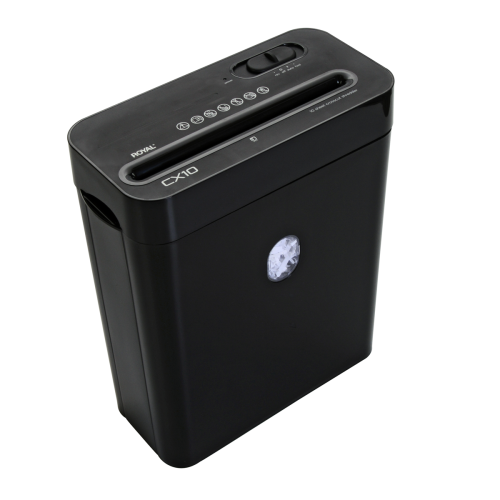
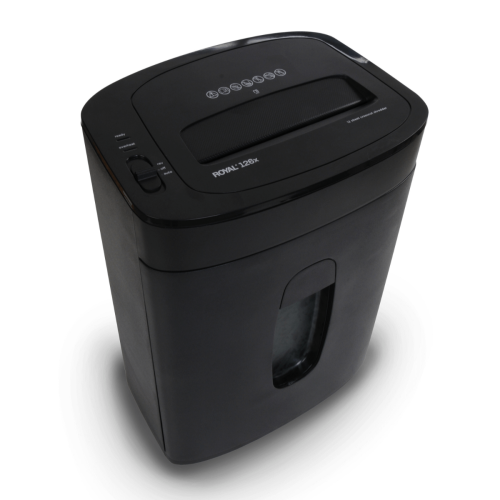
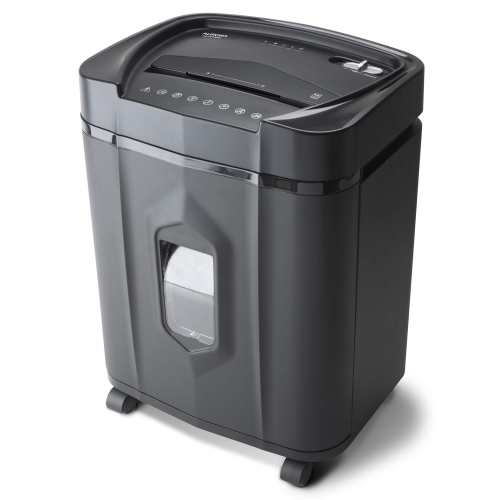
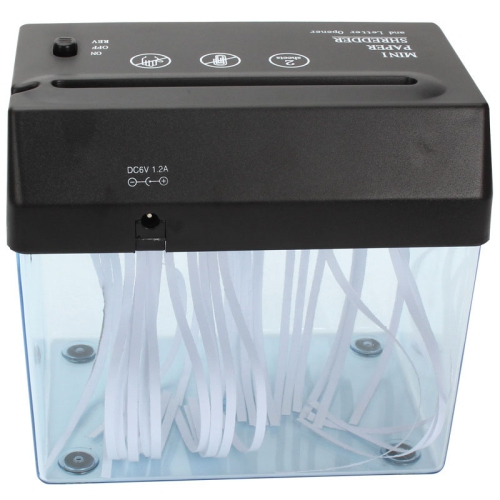
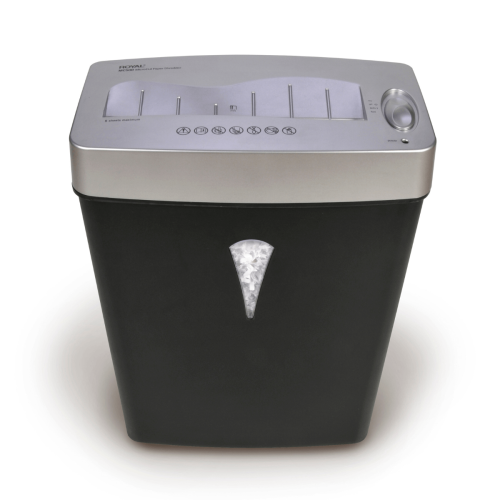

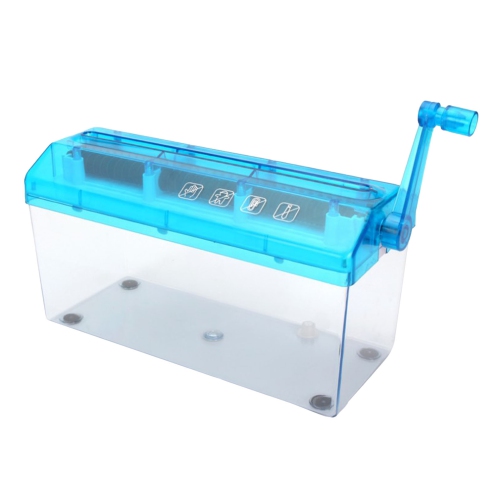
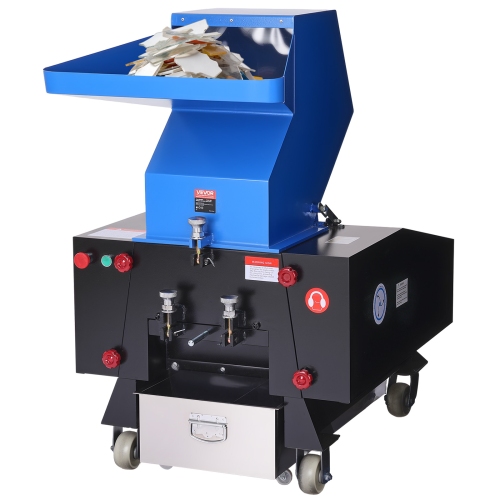

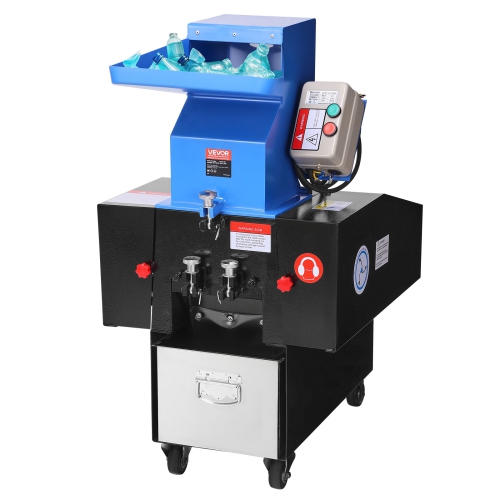
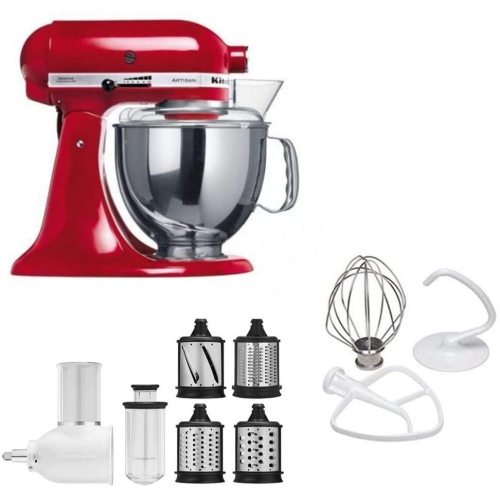
Cutting styles and capacities for everyday and office paperwork
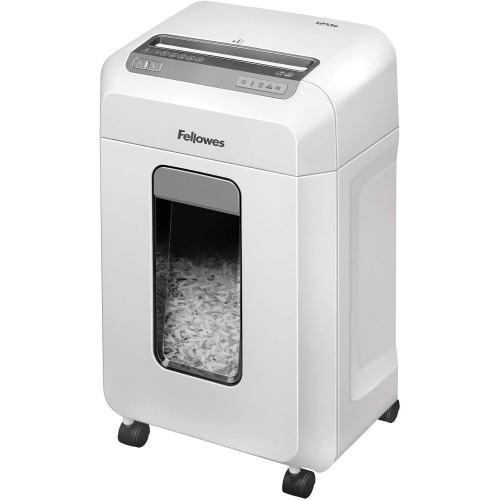
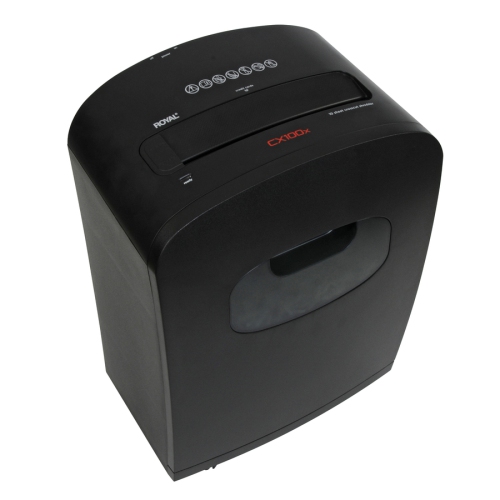
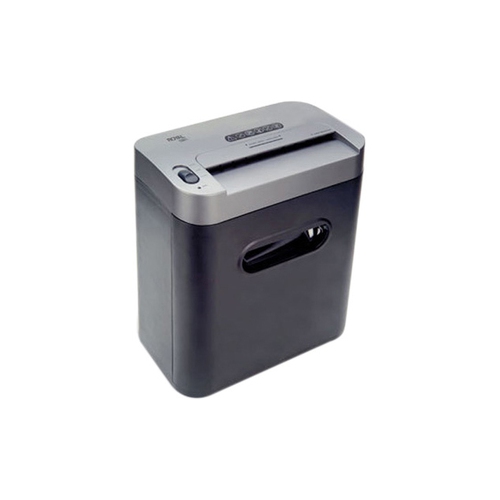
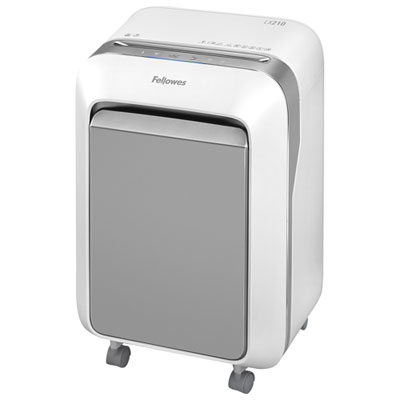
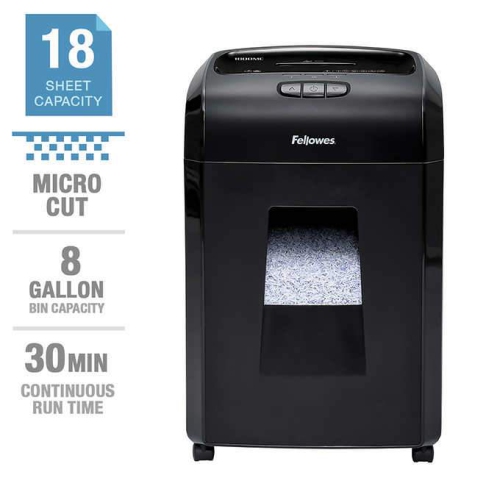
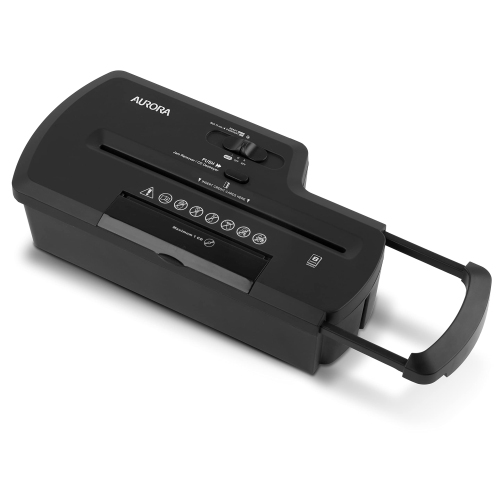
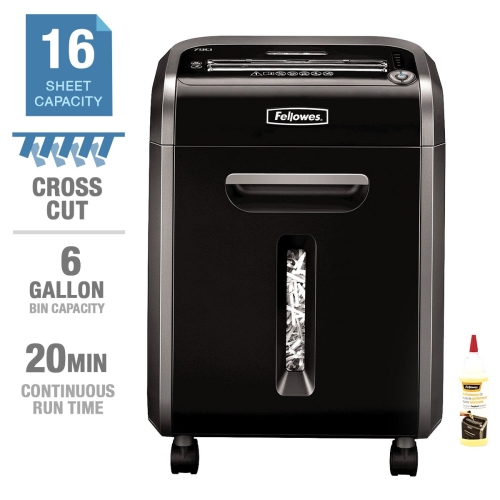
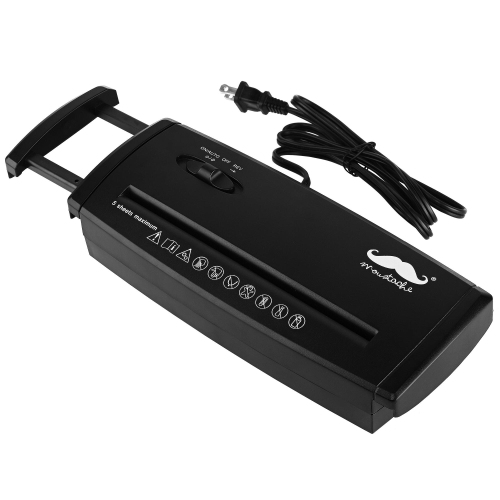
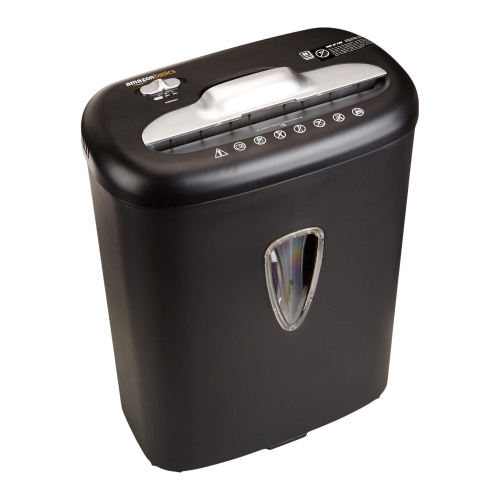
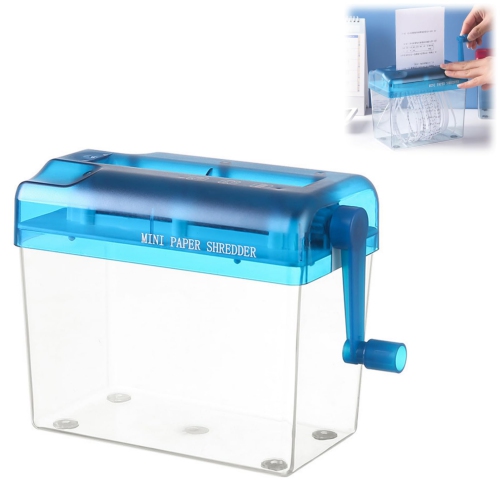
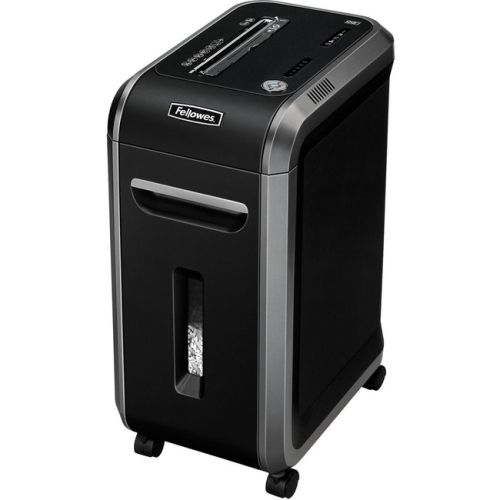
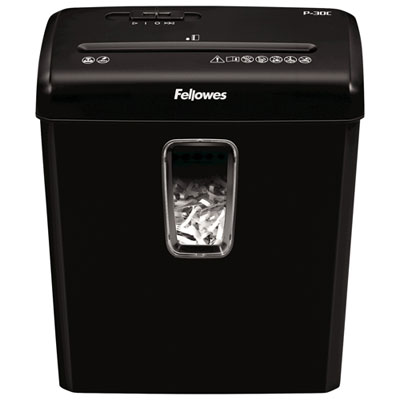
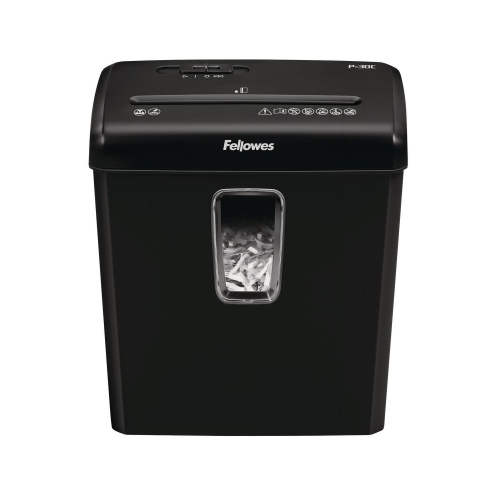
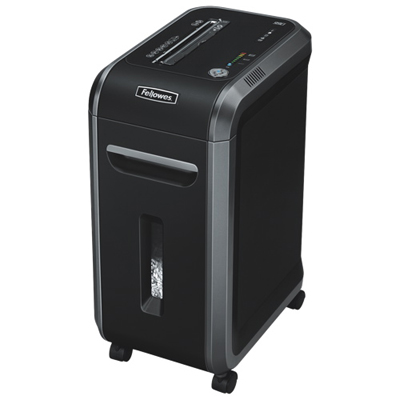
Shredder machines provide a practical way to manage paper documents and other approved materials at home, in a small office, or in a busy workplace. For most personal and professional needs, the term refers to an electric document shredder that cuts paper into narrow strips or small particles before it is collected in a waste bin. Compact desk-side models are suited to occasional paperwork, while larger machines can handle several users, longer operating periods, and higher volumes. Common uses include disposing of old statements, invoices, receipts, printed drafts, mailing labels, shipping documents, appointment records, and notes that contain personal or business information. They can also be useful during a home office reorganization, a move, or a records cleanout, when a stack of outdated paperwork can quickly become difficult to manage. When selecting from a range of shredder machines, begin by considering how often the machine will be used and how much paper it will process in a typical session. A model that accepts around 6 to 10 sheets at a time may be well suited to everyday household tasks or a personal workstation, while a 12-sheet or higher-capacity machine can make a noticeable difference in a shared office. Sheet capacity is generally based on standard paper and may change when documents are folded, damp, stapled, or printed on heavier stock, so leaving a little room below the maximum rating can help the machine run more smoothly. The run time is another important specification. Some machines are intended for short bursts followed by a cooling period, while continuous-run models can operate for longer stretches before needing a rest. If several people will be using one machine throughout the day, look for a larger bin, longer duty cycle, and clear overload or overheating protection. A pull-out bin or lift-off head can make emptying less awkward, particularly when the shredder is positioned under a desk or beside a filing cabinet. Casters may also be helpful when the unit needs to move between workstations.
The cutting style affects both the level of privacy and the amount of space the shredded paper occupies. Strip-cut machines turn sheets into long, narrow pieces and can be suitable for routine paperwork that does not contain highly sensitive details. Cross-cut machines divide paper in two directions, creating smaller pieces and offering a higher level of document security for household records, workplace files, and personal correspondence. Micro-cut machines produce even finer particles and are often selected for highly confidential information, including financial documents, identification details, employment records, and client paperwork. Security ratings such as P-4 can provide a useful point of comparison when reviewing document shredders, with higher levels generally indicating smaller cut particles. It is also worth checking whether a machine accepts staples, paper clips, credit cards, or other materials, and whether those items need to be removed first. Capabilities vary, and feeding unapproved materials can cause jams or damage the cutting mechanism. A reverse function is helpful when a page enters at an angle, while automatic start and stop operation allows the shredder to begin when paper is detected and stop when the feed is clear. Noise level may matter in a home office, reception area, library, or shared workspace, especially when calls, studying, or concentration are part of the surrounding routine. A transparent or visible bin can show when emptying is needed, and a full-bin indicator can reduce interruptions during larger jobs. For routine care, keep paper feeds free of dust and scraps, follow the manufacturer’s recommended lubrication schedule, and avoid exceeding the stated sheet capacity. Place the machine on a stable, dry surface with enough clearance around the vents, and allow it to cool when the duty cycle requires a pause. For a straightforward starting point for household and small-office needs, browse Shredders for Home Office and compare capacity, cut type, operating time, and bin size side by side.
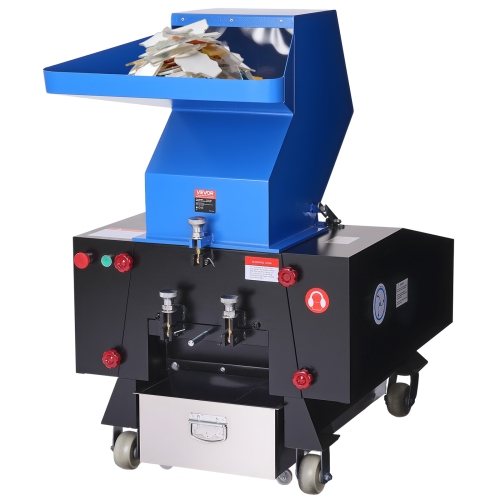
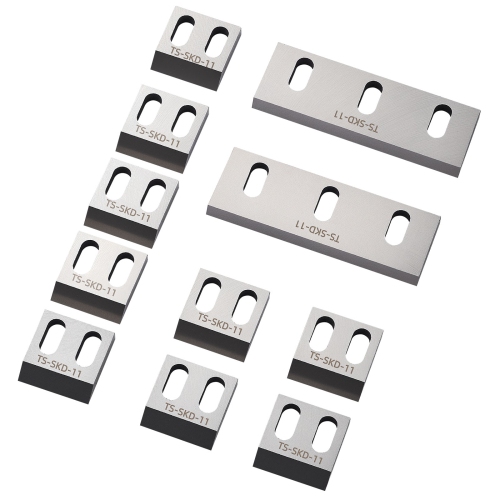
Shredder machines can suit a wide range of users, from someone working at a compact desk in a condo to a family sorting years of paperwork in a spare room. They can be especially useful for people who receive regular bills and statements, manage a home-based business, handle client information, or prefer to keep paperwork under control instead of letting it gather in a drawer. A university student may use a small shredder for marked assignments, outdated applications, and documents containing an address or student number. A parent may keep one near the family filing area for forms, labels, and paperwork that has outlived its purpose. In a small office, a shared cross-cut machine can give employees a convenient place to dispose of routine confidential documents without carrying loose pages from room to room. These machines can also make thoughtful gifts for someone setting up a first apartment, building a home office, starting a business, or preparing a more organized workspace during the cooler months. For heavier commercial requirements, shredder machines are available in substantially larger formats designed for manufacturing operations, processing facilities, and high-volume document or material handling. These systems may use powerful motors, wide feeds, multiple cutting shafts, conveyors, safety interlocks, and specialized controls, with the appropriate configuration depending on the material, throughput, available floor space, and operating environment. They are very different from personal document shredders and should be evaluated through capacity, power requirements, installation needs, maintenance access, and workplace safety features rather than appearance alone. Whether the intended use is a few sheets beside a home printer or continuous processing in a commercial setting, the most suitable machine balances cutting performance with convenient operation. Paying attention to security level, sheet capacity, duty cycle, feed opening, bin design, noise, mobility, and accepted materials makes it easier to choose a shredder machine that fits naturally into daily routines and remains dependable as paperwork demands change.
The cutting style affects both the level of privacy and the amount of space the shredded paper occupies. Strip-cut machines turn sheets into long, narrow pieces and can be suitable for routine paperwork that does not contain highly sensitive details. Cross-cut machines divide paper in two directions, creating smaller pieces and offering a higher level of document security for household records, workplace files, and personal correspondence. Micro-cut machines produce even finer particles and are often selected for highly confidential information, including financial documents, identification details, employment records, and client paperwork. Security ratings such as P-4 can provide a useful point of comparison when reviewing document shredders, with higher levels generally indicating smaller cut particles. It is also worth checking whether a machine accepts staples, paper clips, credit cards, or other materials, and whether those items need to be removed first. Capabilities vary, and feeding unapproved materials can cause jams or damage the cutting mechanism. A reverse function is helpful when a page enters at an angle, while automatic start and stop operation allows the shredder to begin when paper is detected and stop when the feed is clear. Noise level may matter in a home office, reception area, library, or shared workspace, especially when calls, studying, or concentration are part of the surrounding routine. A transparent or visible bin can show when emptying is needed, and a full-bin indicator can reduce interruptions during larger jobs. For routine care, keep paper feeds free of dust and scraps, follow the manufacturer’s recommended lubrication schedule, and avoid exceeding the stated sheet capacity. Place the machine on a stable, dry surface with enough clearance around the vents, and allow it to cool when the duty cycle requires a pause. For a straightforward starting point for household and small-office needs, browse Shredders for Home Office and compare capacity, cut type, operating time, and bin size side by side.
Shredder machines can suit a wide range of users, from someone working at a compact desk in a condo to a family sorting years of paperwork in a spare room. They can be especially useful for people who receive regular bills and statements, manage a home-based business, handle client information, or prefer to keep paperwork under control instead of letting it gather in a drawer. A university student may use a small shredder for marked assignments, outdated applications, and documents containing an address or student number. A parent may keep one near the family filing area for forms, labels, and paperwork that has outlived its purpose. In a small office, a shared cross-cut machine can give employees a convenient place to dispose of routine confidential documents without carrying loose pages from room to room. These machines can also make thoughtful gifts for someone setting up a first apartment, building a home office, starting a business, or preparing a more organized workspace during the cooler months. For heavier commercial requirements, shredder machines are available in substantially larger formats designed for manufacturing operations, processing facilities, and high-volume document or material handling. These systems may use powerful motors, wide feeds, multiple cutting shafts, conveyors, safety interlocks, and specialized controls, with the appropriate configuration depending on the material, throughput, available floor space, and operating environment. They are very different from personal document shredders and should be evaluated through capacity, power requirements, installation needs, maintenance access, and workplace safety features rather than appearance alone. Whether the intended use is a few sheets beside a home printer or continuous processing in a commercial setting, the most suitable machine balances cutting performance with convenient operation. Paying attention to security level, sheet capacity, duty cycle, feed opening, bin design, noise, mobility, and accepted materials makes it easier to choose a shredder machine that fits naturally into daily routines and remains dependable as paperwork demands change.
Top selling and popular products
-
 Your price for this item is $49.99
 -
 Your price for this item is $79.99
 -
 Your price for this item is $385.51
 -
 Your price for this item is $518.44
 -
 Your price for this item is $72.97
 -
 Your price for this item is $139.99
 -
 Your price for this item is $189.99
 -
 Your price for this item is $430.99
Discover more categories related to Shredder Machines
Top Collections:
Pokemon Centers, Kindle Devices, Best Budget Office Chairs, Apple iPhones 16, Best Laptops for Writers, iPhone 15 Apple, Canon G7X Cameras, Refurbished Apple Laptops, Alarm Clock, Motorola Razr Phones
Some products may be subject to Environmental Handling Fees
(EHF) depending on your province.
Learn more about EHFs.