Shredders for Home Office
Shredders for home office are essential tools for keeping your workspace organized and secure. Whether you’re managing personal paperwork, sorting through old files, or disposing of sensitive documents, having the right shredder at your side can make all the difference. Explore a wide selection of shredders designed to fit seamlessly into your home office setup, offering reliable performance for everyday document disposal needs. Find the perfect solution to help maintain privacy and streamline your workflow with shredders for home office.
Sort
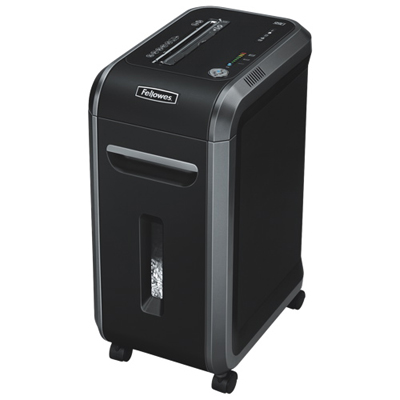

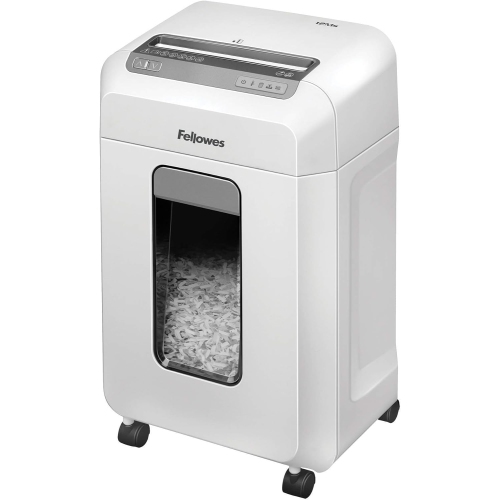

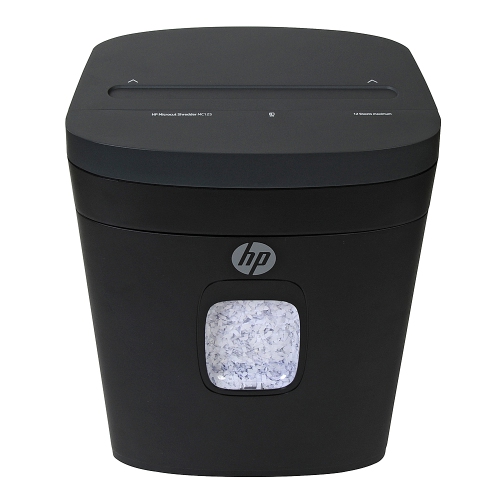
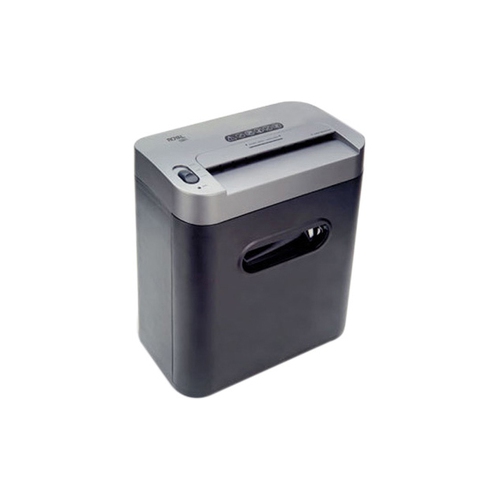
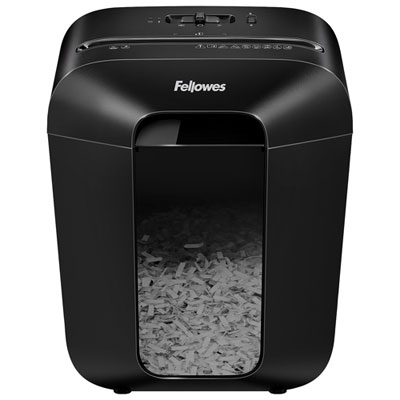
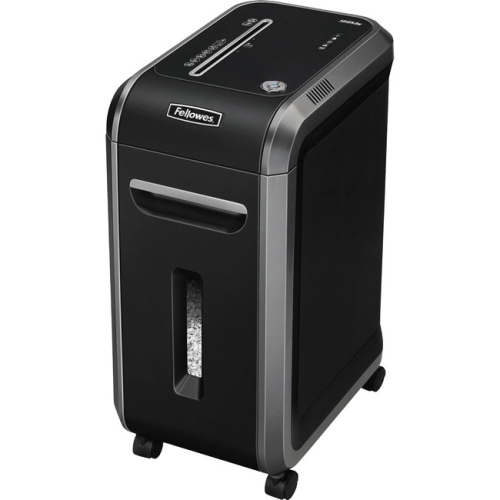

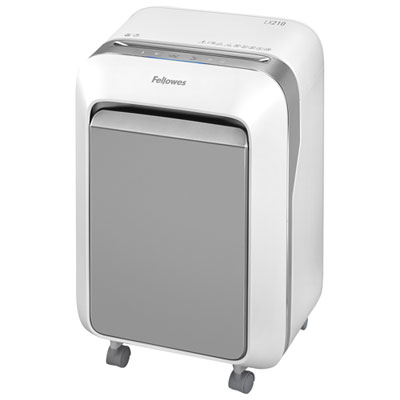
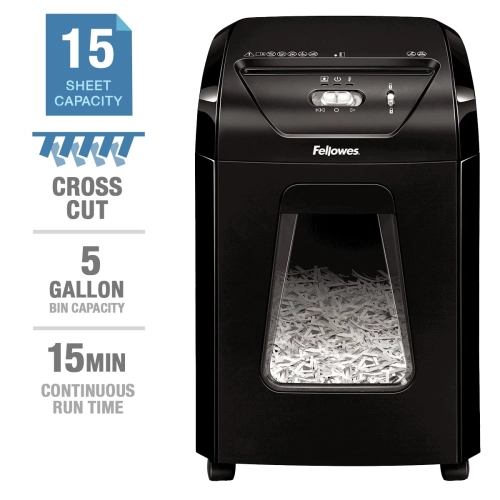

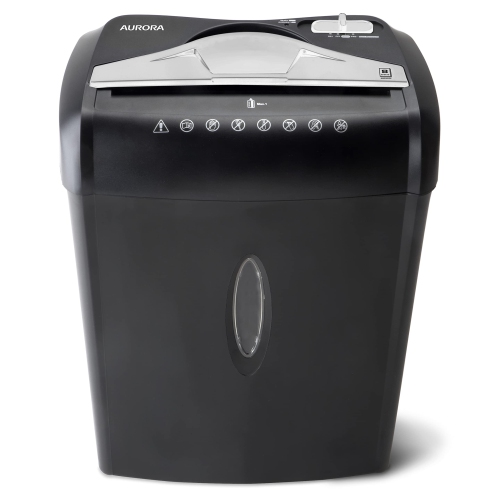

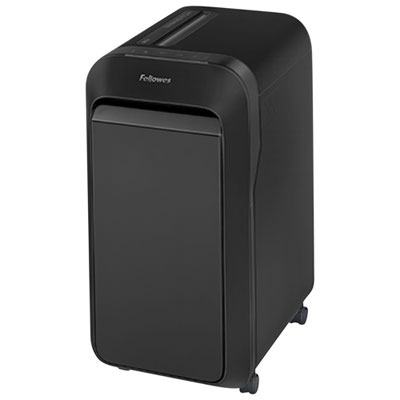
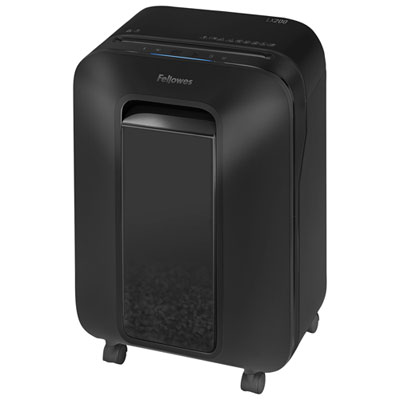
Sensitive paperwork deserves more than a quick tear
Home office shredders make sensitive paperwork harder to read once it is no longer needed, helping keep personal and work-related information out of an ordinary wastebasket. Bank statements, expired account notices, old shipping labels and printed drafts can carry names, addresses, signatures or financial details that deserve more care than a quick tear down the middle. For households managing both business documents and everyday paperwork, Home Office Shredders support a practical routine for disposing of these materials without allowing a pile of confidential pages to build up beside the printer. Their intended use varies from occasional household shredding to regular document disposal for remote workers, freelancers and small business owners. The cut style is an important distinction. Strip-cut shredders produce long, narrow pieces and generally offer less protection against reconstruction than finer-cut designs. Cross-cut shredders cut paper in two directions, creating smaller pieces, while micro-cut designs typically reduce it to finer particles. Terminology alone does not tell the whole story: the stated particle dimensions and paper security rating provide a more useful basis for comparing how thoroughly a machine cuts. Documents containing detailed financial information or confidential client notes may call for a finer cut than routine paperwork with limited identifying information. Even finely shredded paper still needs appropriate handling and disposal, particularly where workplace policies apply. Shredding also belongs at the end of a document’s useful life, not simply at the end of a busy day. Tax documents, contracts, warranties and other important records may need to be retained in their original form or kept for a required period. A separate place for papers awaiting review helps prevent an original receipt or signed agreement from slipping into the feed slot with unwanted mail. In a shared home office, that distinction is especially useful when several people use the same desk, printer and filing area.
A shredder’s sheet capacity, running time and bin size shape how comfortably it fits into everyday work. Sheet capacity describes the maximum number of sheets the machine is rated to accept at once under specified conditions; thicker paper, folded pages and mixed materials can reduce the practical amount. A handful of envelopes and folded statements is not equivalent to the same number of flat sheets. For someone disposing of a few pages after paying bills, a compact machine with a short operating cycle may be sufficient. A person clearing accumulated files has a different workload, making the permitted continuous run time and required cooling period just as relevant as the number printed beside the feed opening. A higher sheet rating does not necessarily mean a shredder can operate longer without a pause. Auto-feed designs can reduce the need to insert small batches by hand, although their tray limits and accepted paper conditions still matter. Feed width is another everyday consideration: an opening suited to standard letter-size paper is convenient for common household documents, while oversized pages may need preparation consistent with the machine’s instructions. Bin capacity influences how often work stops for emptying, but the bin’s design affects convenience too. A pull-out drawer can be easier to manage beneath a desk than a container with a cutting head that must be lifted off each time. A viewing window or bin-full indicator helps show when shredded material is approaching the limit. Dimensions should account for more than the shredder’s footprint, including room to open the bin, reach the controls and insert paper without an awkward bend. Operating sound also matters in a room used for calls or shared with another person. Noise levels vary, and sound can carry through a hard floor or a lightweight desk. Automatic start and stop, reverse operation and jam-detection features can make regular use smoother, but none replaces feeding suitable materials within the stated limits.
Construction and care influence how well a home office shredder stands up to repeated use. Many designs combine a moulded plastic housing with metal cutting components, with weight, handle placement and bin construction affecting how the machine feels during emptying or repositioning. A sturdy container that slides back into place cleanly is useful when document disposal is part of a daily routine. Castors can make a larger shredder easier to move between a filing cabinet and a desk, while a stable base is important wherever the machine operates. Floor-standing models need a level, dry location with ventilation clearance; compact designs should only sit on a desktop or work surface when their size, weight and instructions allow it. Material compatibility deserves close attention because paper shredders do not all accept the same things. Some can handle staples or specified payment cards, while others are intended for paper only. Paper clips, adhesive labels, padded envelopes, laminated sheets and other materials should not be assumed suitable. Separate slots or collection areas, where included, may have their own operating limits. Keeping unsupported materials out of the cutters helps prevent jams and unnecessary wear. Lubrication requirements also vary: approved shredder oil or lubricating sheets should be used only as directed, rather than substituting household oils or sprays. Emptying the bin before it becomes tightly packed can help keep shredded material from backing up around the cutting area. For cleaning or clearing a blockage, disconnecting power and following the manufacturer’s procedure is safer than reaching into the opening. Long hair, loose sleeves, jewellery, children and pets should remain clear of the feed slot, including on machines with safety sensors or control locks. Thermal protection and automatic shutdown can help protect a motor, but repeated interruptions may indicate that the workload exceeds the machine’s duty cycle. With a suitable capacity and a convenient position near the paperwork it serves, a shredder can become a straightforward part of keeping a home office organized rather than another task left until the desk is covered.
Top selling and popular products
-
 Your price for this item is $39.99
-
 Your price for this item is $79.99
-
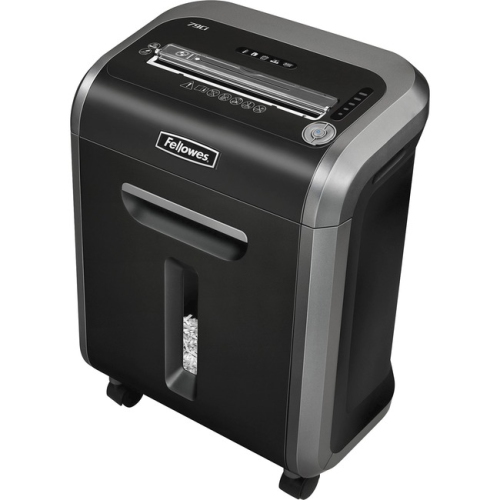 Your price for this item is $395.83
-
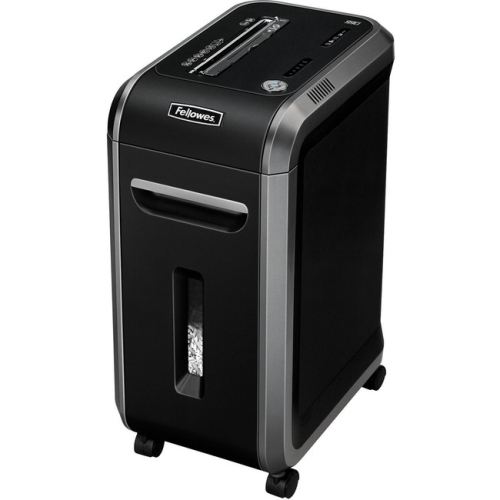 Your price for this item is $532.33
-
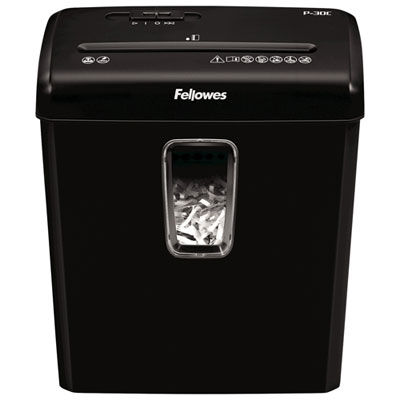 Your price for this item is $72.97
-
 Your price for this item is $189.99
-
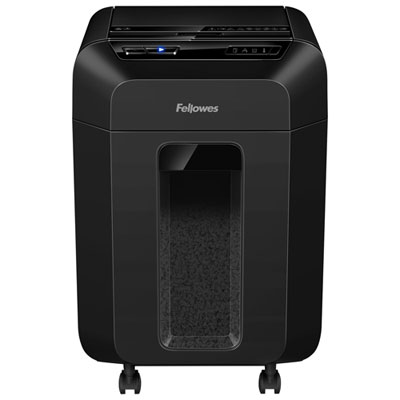 Your price for this item is $269.97
-
 Your price for this item is $86.68
Discover more categories related to Shredders for Home Office
Top Collections:
Best Black Friday Deals This Year, Best Black Friday Deals On Electronics, Kindle Devices, Pokemon Centers, Best Black Friday Deals On Apple Products, Best Cameras for Sports Photography, Dyson Airwrap, Pokémon 30th Celebration Cards, Apple iPhone 17 Pro, Canon G7X Cameras
Some products may be subject to Environmental Handling Fees
(EHF) depending on your province.
Learn more about EHFs.