Silver Oxide Watch Batteries
Silver Oxide Watch Batteries deliver reliable power for a wide range of timepieces, ensuring your watch keeps accurate time day after day. Perfect for both digital and analog models, these batteries are designed to fit seamlessly into most standard watches. Whether you need a replacement battery or want to keep a spare on hand, explore the selection of Silver Oxide Watch Batteries to find the right fit for your needs. Enjoy long-lasting performance and keep your favorite watches running smoothly.
Sort
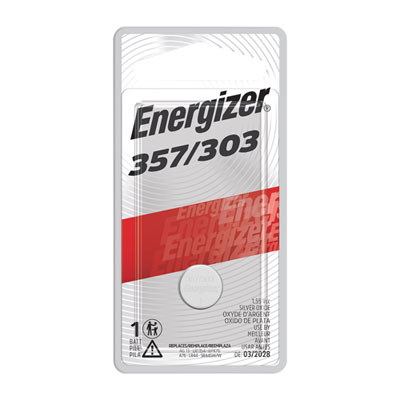
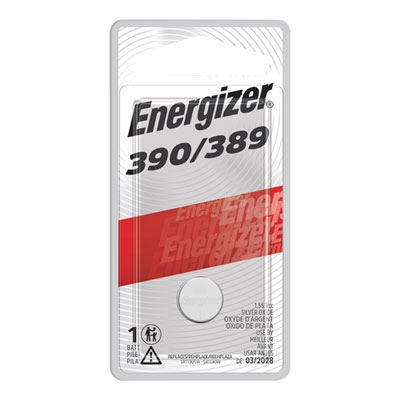
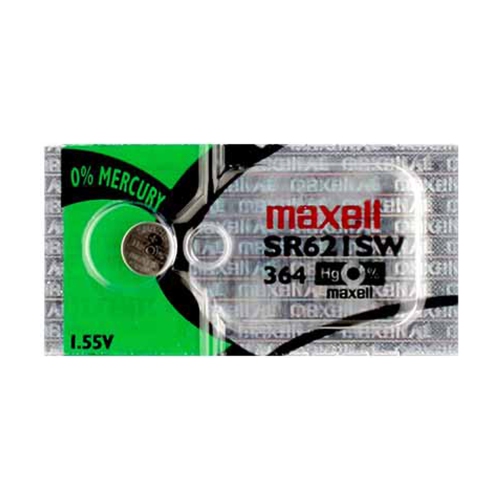


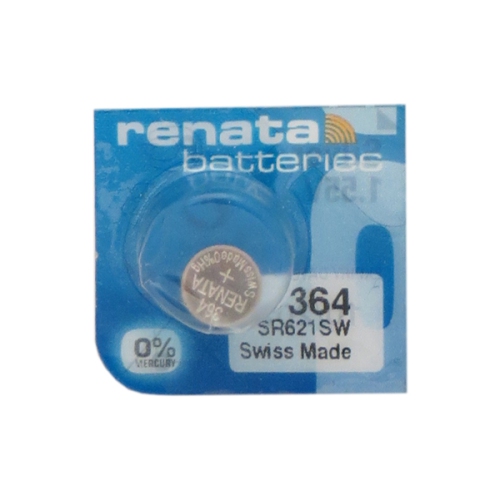
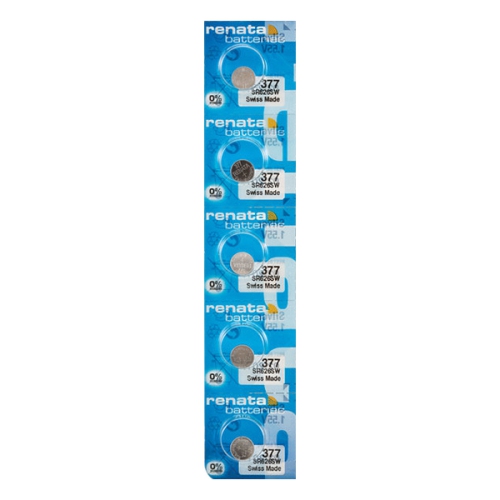
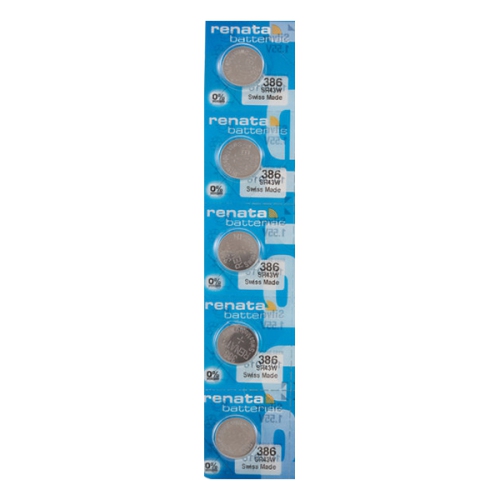

Steady power for watches starts with the right fit
Silver oxide watch batteries are compact, non-rechargeable button cells that power many quartz wristwatches with a nominal output of 1.55 volts. Their defining advantage is a relatively steady voltage through much of their usable life, giving a compatible watch movement a consistent source of power until the cell approaches depletion. Inside the small metal casing, silver oxide and zinc form the active materials, while a sealed construction keeps the electrolyte contained. This chemistry offers high energy density for its size, making it well suited to the shallow battery compartments found behind slim watch case backs. For a simple analogue watch worn at the office, a dress watch brought out for special occasions, or an everyday timepiece with a date display, that compact format allows useful battery capacity without adding bulk to the design. Service life depends on the cell size, the movement’s power requirements, and how often additional functions operate. Some compatible watches can run for two to five years between replacements, although this is not a guarantee for every watch or battery. Lighting, alarms, and other powered features can shorten that interval considerably. Compared with similarly sized alkaline button cells, silver oxide cells generally offer greater capacity and a flatter discharge curve, rather than a voltage that declines more noticeably during use. The practical benefit is dependable power in a device designed for this chemistry, not an automatic improvement in a watch’s accuracy. Timekeeping still depends on the movement and its condition. Silver oxide batteries also retain their charge well during proper storage, which can be useful for people who maintain several watches and keep a suitable spare. Their small size can make different cells look almost identical, but appearance alone does not establish compatibility. Chemistry, dimensions, and the required discharge characteristics all matter when matching a replacement to a particular timepiece.
Fit is especially important with silver oxide watch batteries because a fraction of a millimetre can affect how a cell sits beneath its retaining clip or against the electrical contacts. The diameter and thickness must match the watch’s specification: a thinner cell may not make reliable contact, while a thicker one can place pressure on the movement or prevent the case back from closing correctly. The marking on the existing battery is a useful starting point, provided the previous replacement was correct, and the watch manufacturer’s documentation offers a stronger reference when there is any uncertainty. Battery numbering systems differ between manufacturers, so an equivalent should be verified through a reliable cross-reference rather than chosen because its number looks similar. Matching the physical size alone is not enough. A lithium coin cell, an alkaline button cell, and a silver oxide cell can have different electrical characteristics even when their shapes appear alike. Within silver oxide watch batteries, low-drain designs are commonly associated with movements that draw a small, steady current, while high-drain designs suit compatible watches with greater or intermittent power demands. Some cells are designed to serve both types of application, but the movement’s stated requirements remain the deciding factor. This distinction matters for a watch that quietly moves two hands throughout the day versus one that also sounds an alarm or illuminates a display. The broader Oxide Button Batteries category may also be relevant for compatible compact devices, although each device needs its own size and chemistry match. For someone maintaining a collection, choosing replacements by the requirements of each watch is more reliable than assuming one button-cell size will serve them all. The same principle applies to an inherited timepiece or a watch being prepared as a gift: a correctly matched battery supports its intended operation without putting unnecessary pressure on delicate internal parts.
Care and handling influence both the replacement process and the condition of the watch afterward. A silver oxide battery’s metal casing is durable enough for its intended enclosed use, but it is not designed to be crushed, punctured, recharged, or forced into a tight compartment. Clean, dry handling helps keep the cell and contact surfaces free of residue, and correct polarity is essential for operation. Loose batteries should not be carried with keys, coins, or other metal objects that could bridge their terminals. Keeping unused cells in their original packaging, away from moisture and direct sunlight, helps protect their surfaces and makes their markings easier to identify later. For households with several watches, retaining the labelled packaging also avoids the frustration of sorting nearly identical loose cells when a timepiece stops. Although well-made silver oxide cells are designed to resist leakage, no battery is entirely leak-proof. A depleted cell should not be left inside a watch indefinitely, particularly when the watch has sentimental value or may remain unworn for a long period. Visible corrosion or residue in the compartment calls for professional attention rather than simply fitting another battery. A replacement also involves more than the cell itself when a watch has a tightly fitted case back, a retaining screw, or a water-resistance gasket. Opening the case can disturb that seal, and closing it again does not by itself confirm that the original water resistance has been restored. A qualified watch technician can check the gasket and advise on appropriate testing, making professional fitting a sensible choice for watches worn while swimming or for delicate, valuable timepieces. Some movements also require a reset after replacement, according to their service instructions. Finally, button-cell safety matters wherever batteries are handled or stored. New and used cells must be kept out of reach of children and pets, since swallowing a button battery can cause serious internal injury. Suspected ingestion requires immediate emergency medical attention. Secure storage and prompt removal of depleted cells help make these small power sources practical companions to everyday watch ownership.
Fit is especially important with silver oxide watch batteries because a fraction of a millimetre can affect how a cell sits beneath its retaining clip or against the electrical contacts. The diameter and thickness must match the watch’s specification: a thinner cell may not make reliable contact, while a thicker one can place pressure on the movement or prevent the case back from closing correctly. The marking on the existing battery is a useful starting point, provided the previous replacement was correct, and the watch manufacturer’s documentation offers a stronger reference when there is any uncertainty. Battery numbering systems differ between manufacturers, so an equivalent should be verified through a reliable cross-reference rather than chosen because its number looks similar. Matching the physical size alone is not enough. A lithium coin cell, an alkaline button cell, and a silver oxide cell can have different electrical characteristics even when their shapes appear alike. Within silver oxide watch batteries, low-drain designs are commonly associated with movements that draw a small, steady current, while high-drain designs suit compatible watches with greater or intermittent power demands. Some cells are designed to serve both types of application, but the movement’s stated requirements remain the deciding factor. This distinction matters for a watch that quietly moves two hands throughout the day versus one that also sounds an alarm or illuminates a display. The broader Oxide Button Batteries category may also be relevant for compatible compact devices, although each device needs its own size and chemistry match. For someone maintaining a collection, choosing replacements by the requirements of each watch is more reliable than assuming one button-cell size will serve them all. The same principle applies to an inherited timepiece or a watch being prepared as a gift: a correctly matched battery supports its intended operation without putting unnecessary pressure on delicate internal parts.
Care and handling influence both the replacement process and the condition of the watch afterward. A silver oxide battery’s metal casing is durable enough for its intended enclosed use, but it is not designed to be crushed, punctured, recharged, or forced into a tight compartment. Clean, dry handling helps keep the cell and contact surfaces free of residue, and correct polarity is essential for operation. Loose batteries should not be carried with keys, coins, or other metal objects that could bridge their terminals. Keeping unused cells in their original packaging, away from moisture and direct sunlight, helps protect their surfaces and makes their markings easier to identify later. For households with several watches, retaining the labelled packaging also avoids the frustration of sorting nearly identical loose cells when a timepiece stops. Although well-made silver oxide cells are designed to resist leakage, no battery is entirely leak-proof. A depleted cell should not be left inside a watch indefinitely, particularly when the watch has sentimental value or may remain unworn for a long period. Visible corrosion or residue in the compartment calls for professional attention rather than simply fitting another battery. A replacement also involves more than the cell itself when a watch has a tightly fitted case back, a retaining screw, or a water-resistance gasket. Opening the case can disturb that seal, and closing it again does not by itself confirm that the original water resistance has been restored. A qualified watch technician can check the gasket and advise on appropriate testing, making professional fitting a sensible choice for watches worn while swimming or for delicate, valuable timepieces. Some movements also require a reset after replacement, according to their service instructions. Finally, button-cell safety matters wherever batteries are handled or stored. New and used cells must be kept out of reach of children and pets, since swallowing a button battery can cause serious internal injury. Suspected ingestion requires immediate emergency medical attention. Secure storage and prompt removal of depleted cells help make these small power sources practical companions to everyday watch ownership.
Top selling and popular products
-
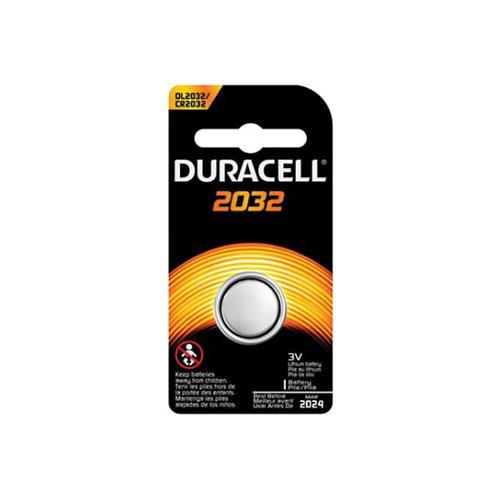 Your price for this item is $25.97
 -
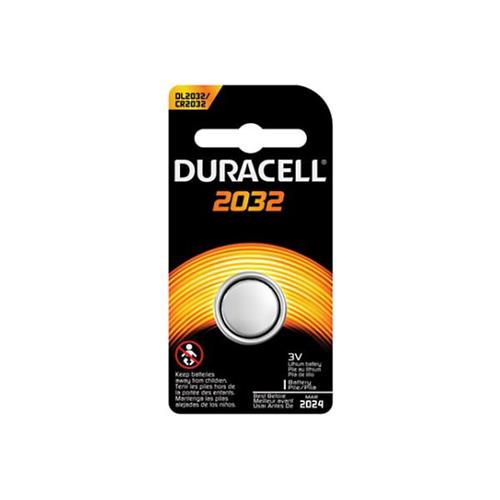 Your price for this item is $45.97
 -
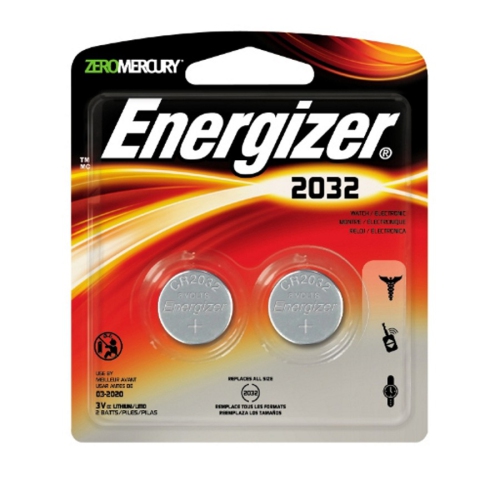 Your price for this item is $9.99
 -
 Your price for this item is $10.99
 -
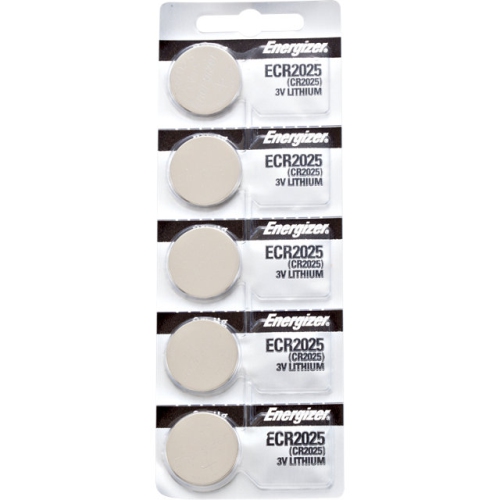 Your price for this item is $6.99
 -
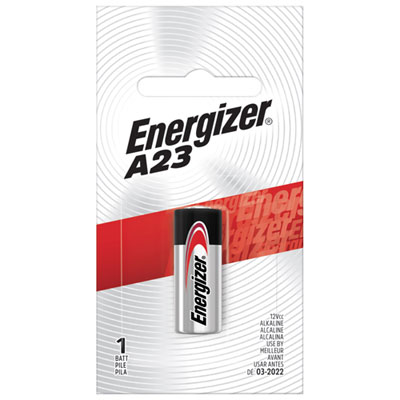 Your price for this item is $6.97
 -
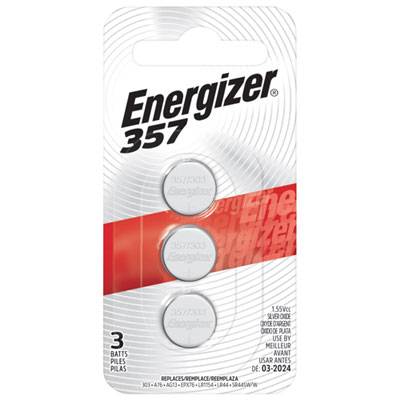 Your price for this item is $12.99
 -
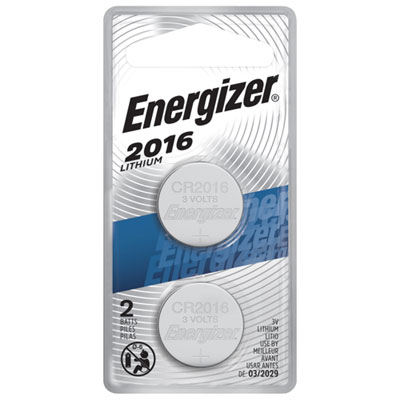 Your price for this item is $10.99
Discover more categories related to Silver Oxide Watch Batteries
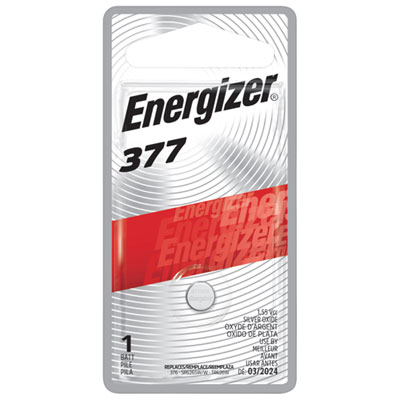
Top Collections:
Pokemon Centers, Kindle Devices, Best Budget Office Chairs, Apple iPhones 16, Best Laptops for Writers, iPhone 15 Apple, Canon G7X Cameras, Refurbished Apple Laptops, Alarm Clock, Motorola Razr Phones
Some products may be subject to Environmental Handling Fees
(EHF) depending on your province.
Learn more about EHFs.