Silver Oxide Batteries
Looking for reliable power sources to keep your devices running smoothly? Look no further than our selection of Silver Oxide Batteries. These high-performance batteries are designed to deliver long-lasting power and exceptional performance, making them perfect for a wide range of electronic devices. Whether you need batteries for your watches, Calculators, toys, or other small electronics, our collection of Silver Oxide Batteries has got you covered. With their impressive shelf life and consistent power output, you can trust these batteries to provide the energy you need, whenever you need it. Explore our range today and discover the perfect Silver Oxide Batteries for your devices.
Sort
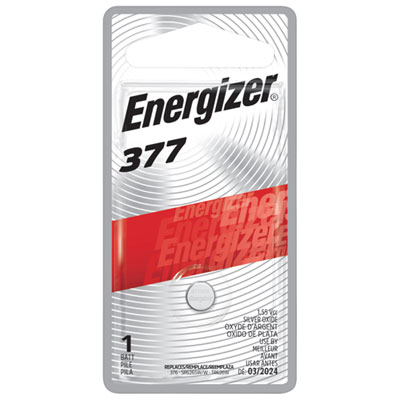
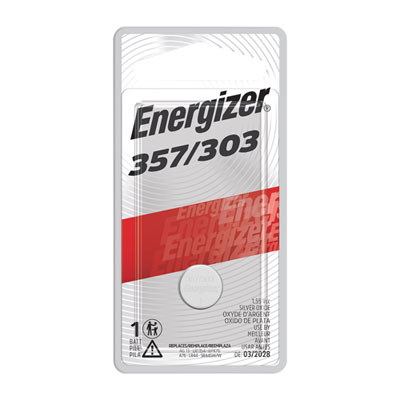
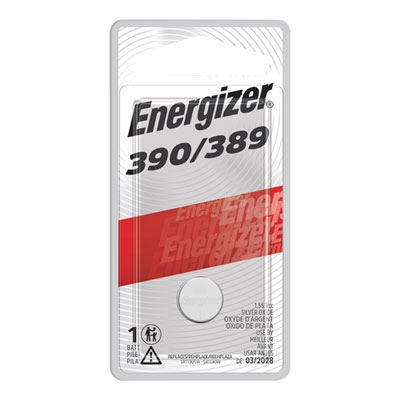
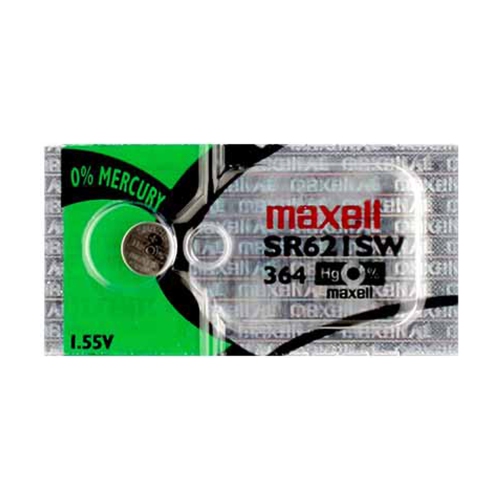
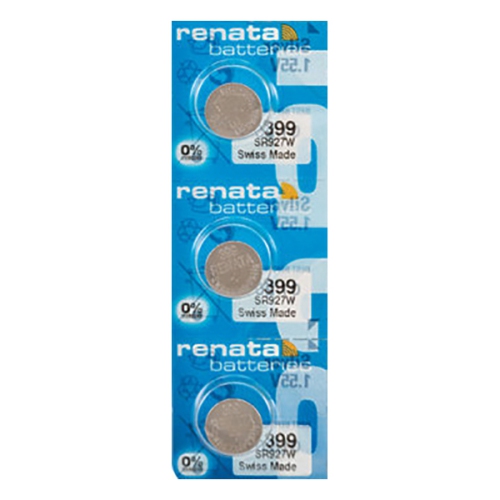

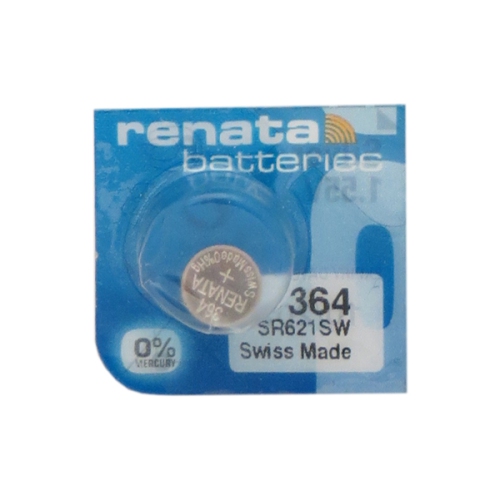
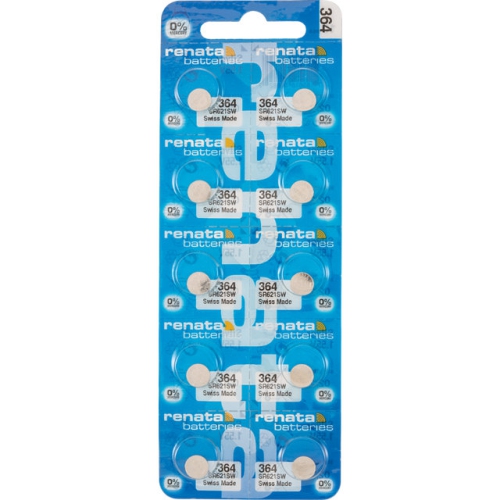
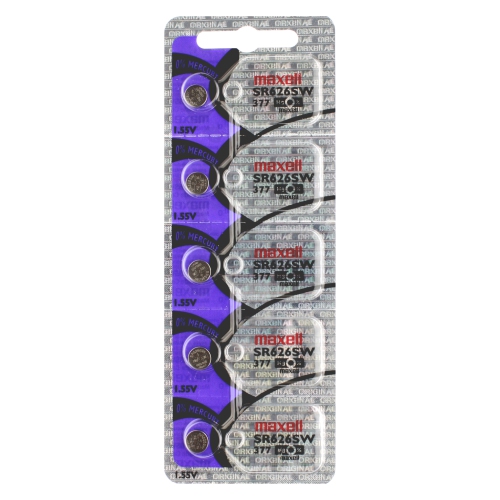
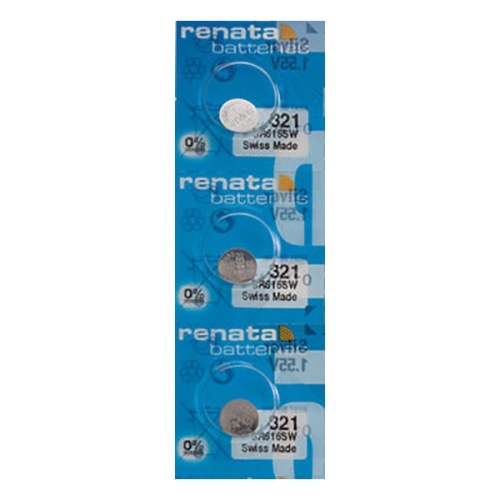
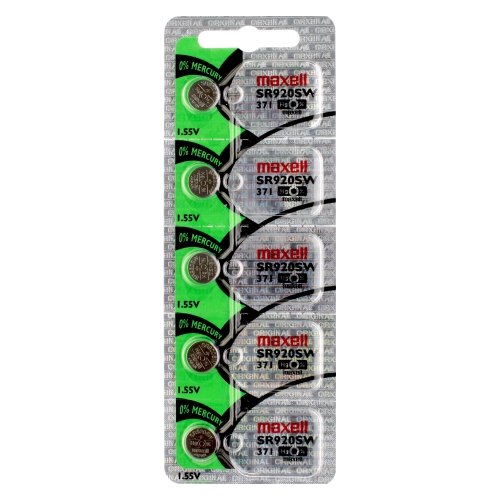
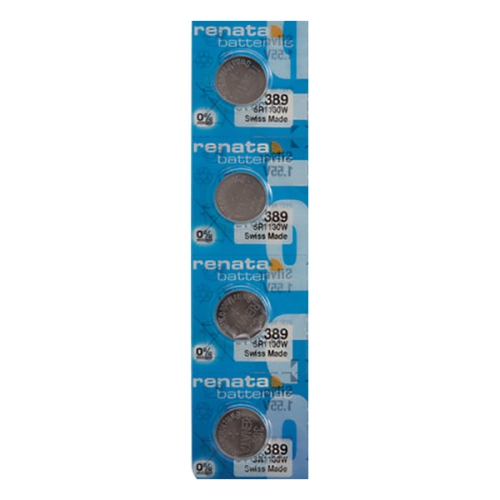
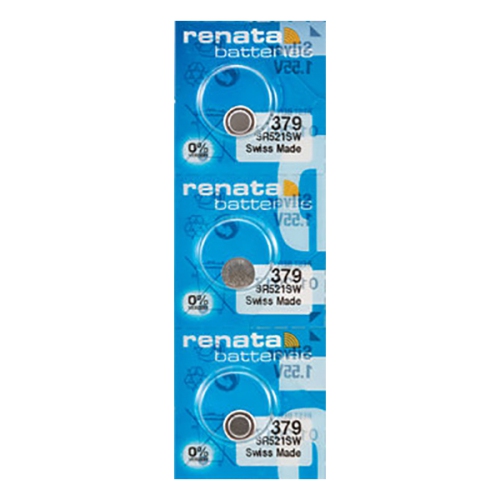
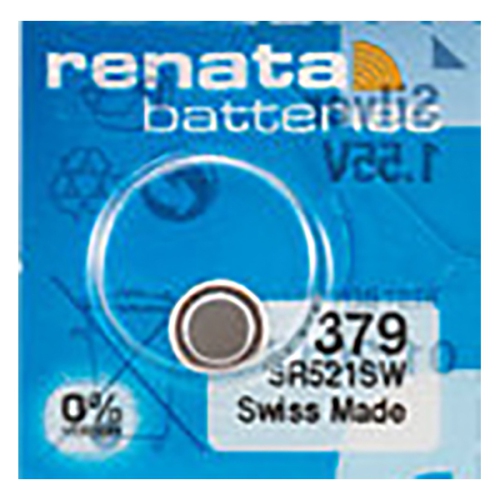
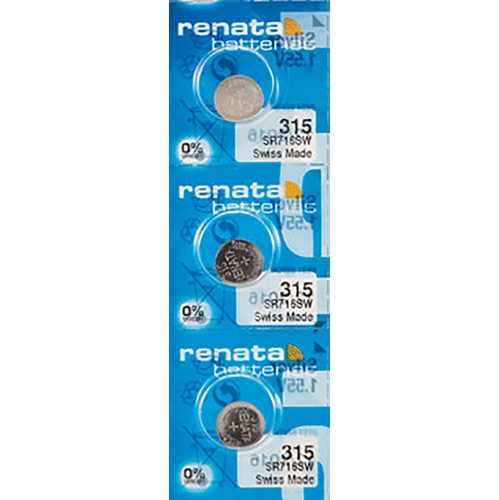

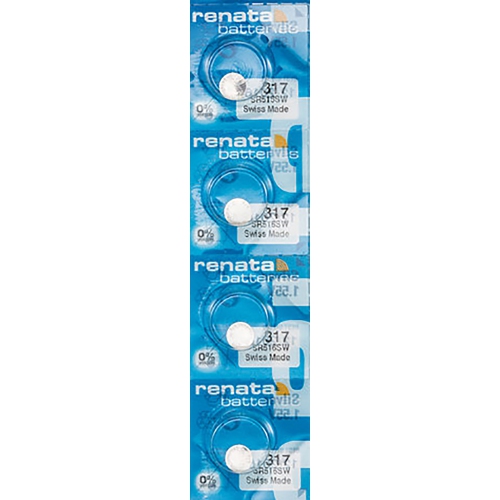
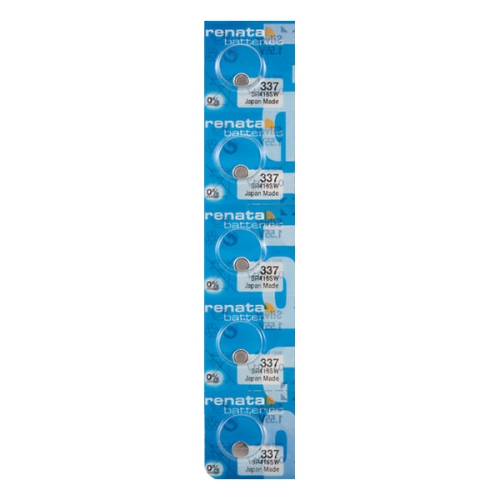
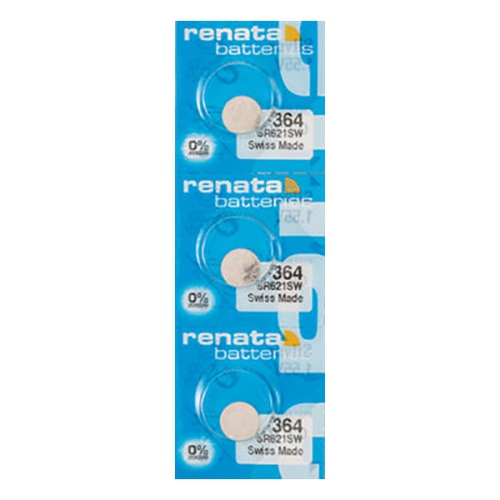
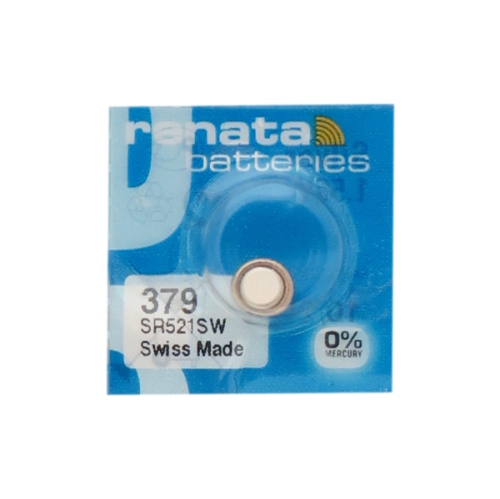
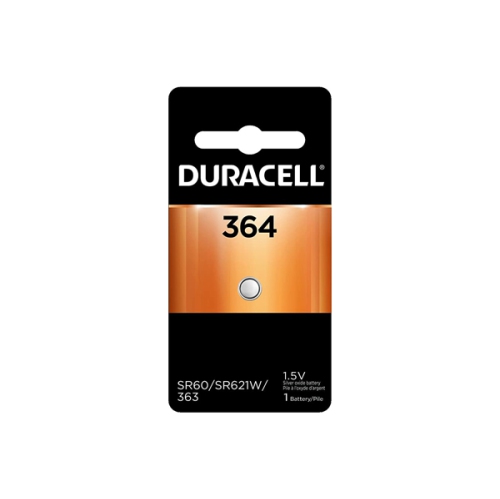
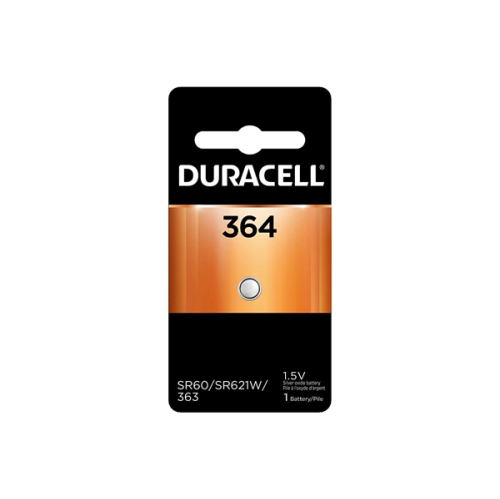
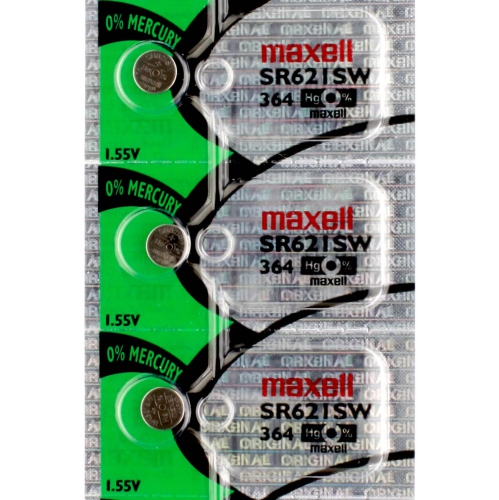
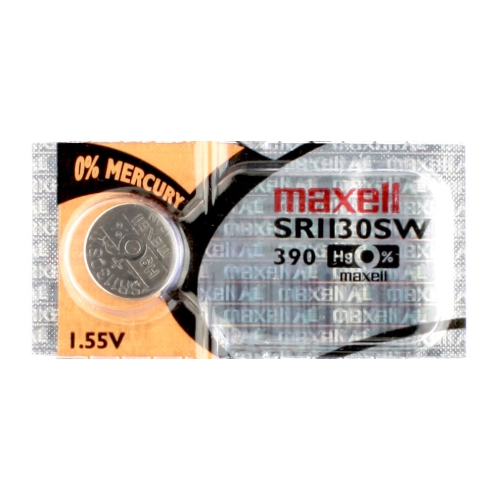
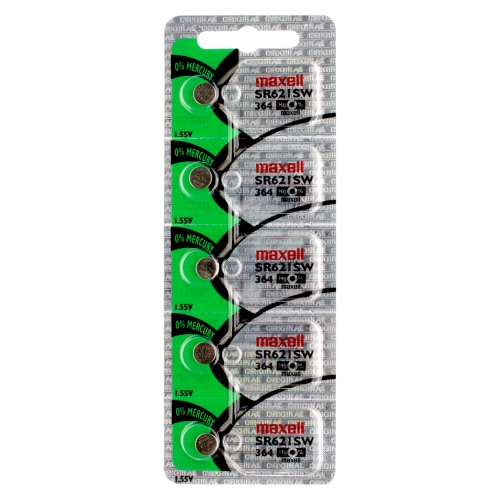
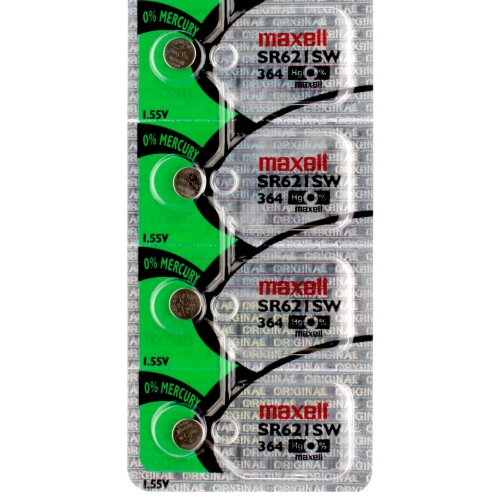

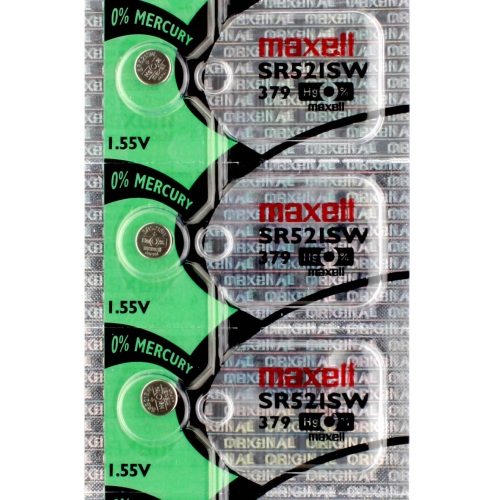
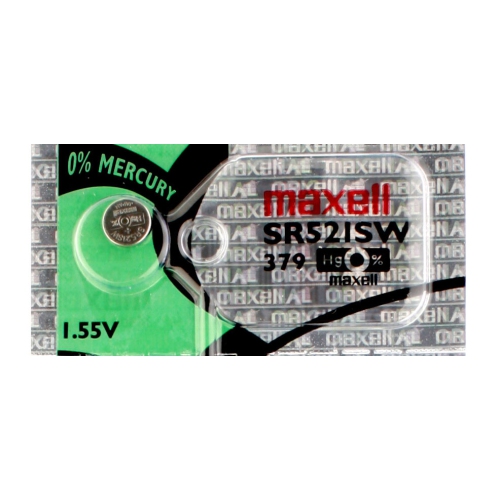
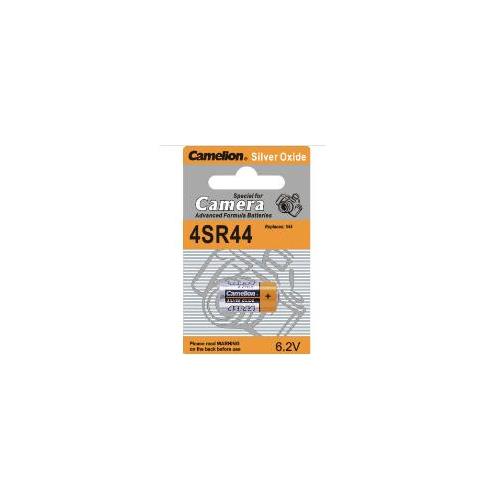
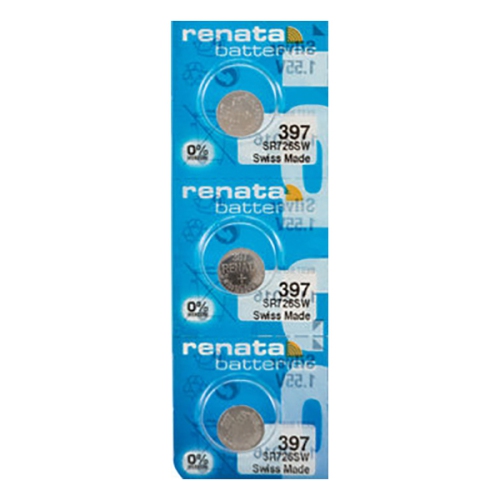
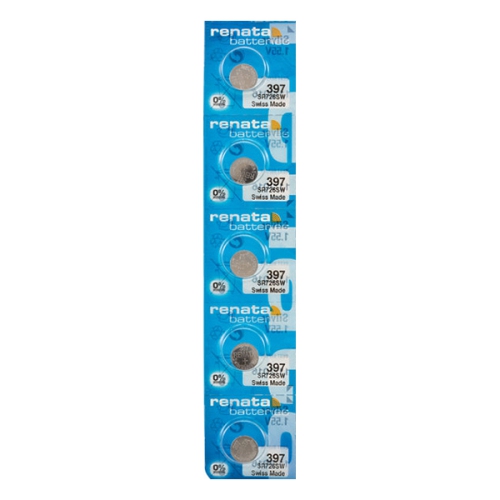
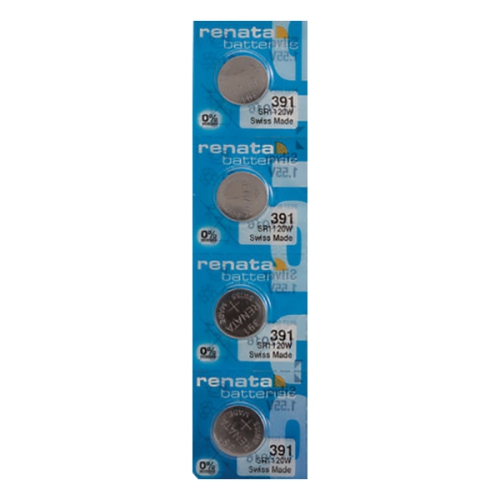
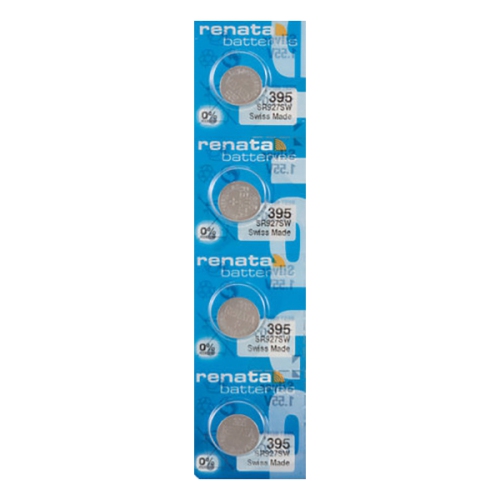
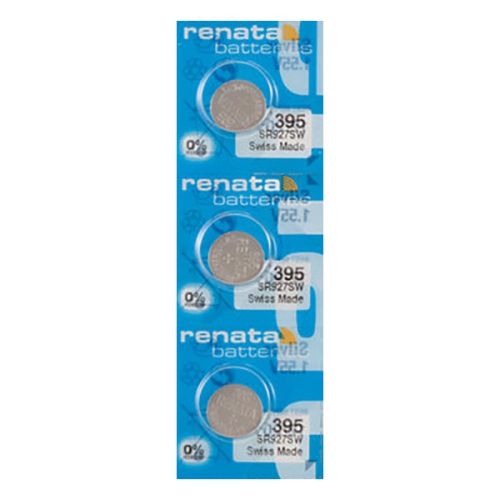
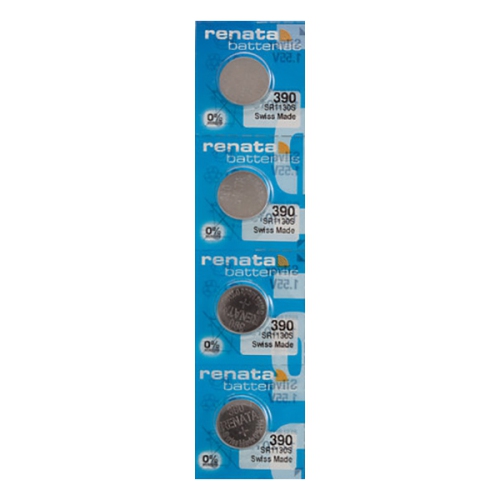
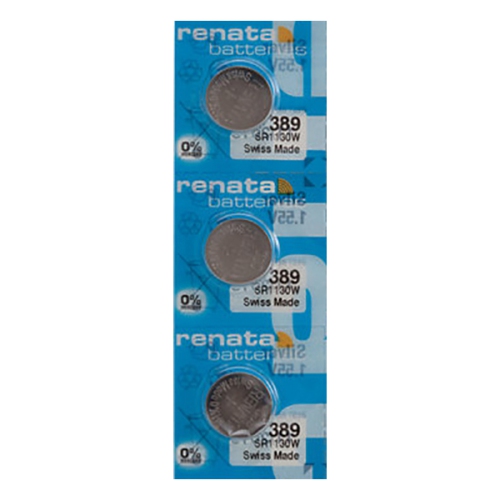
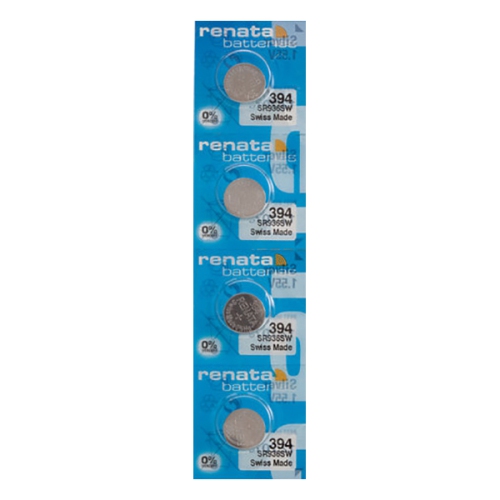
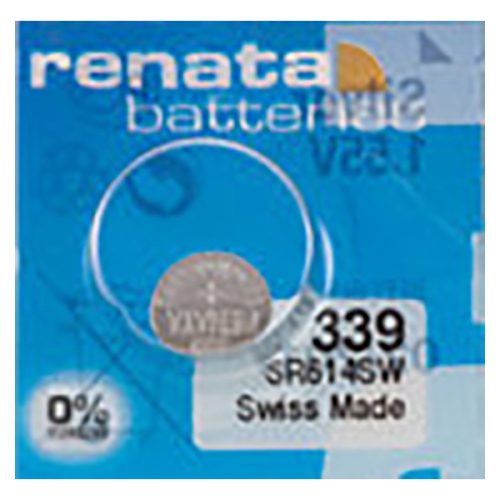
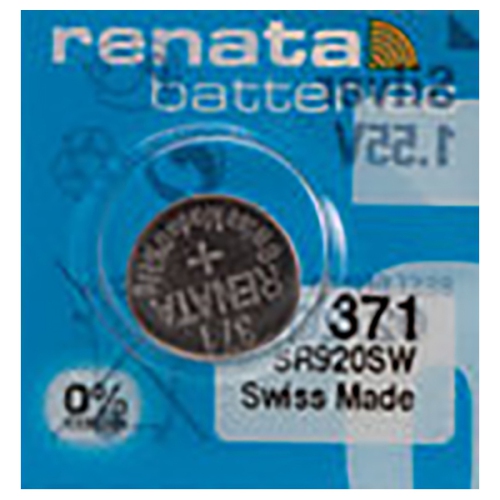
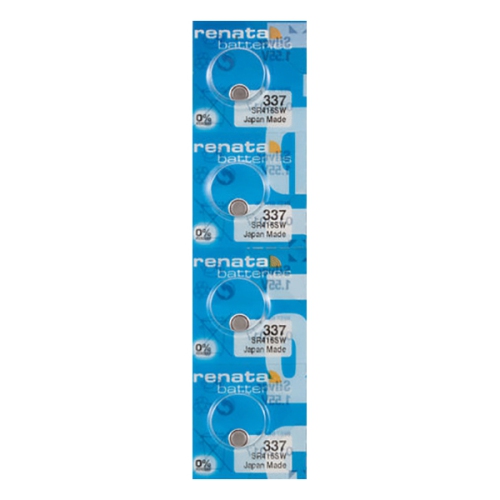

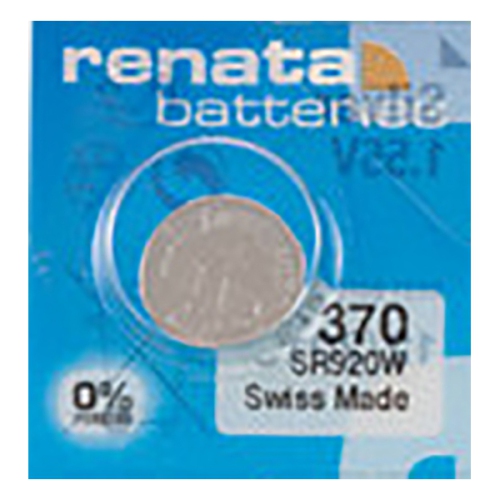
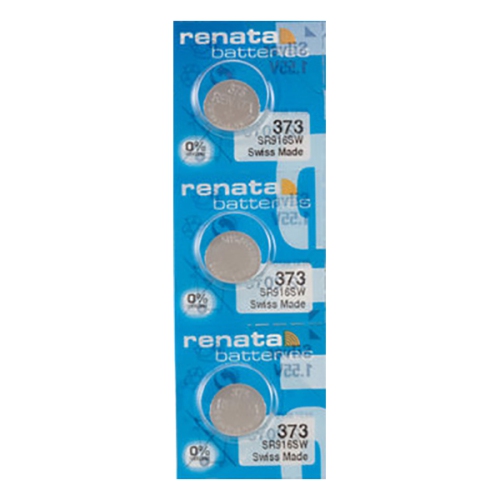
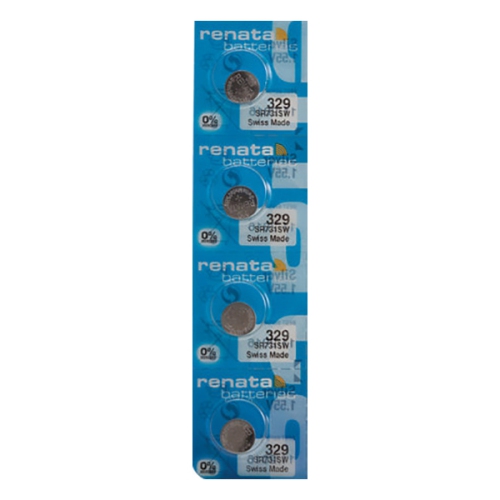
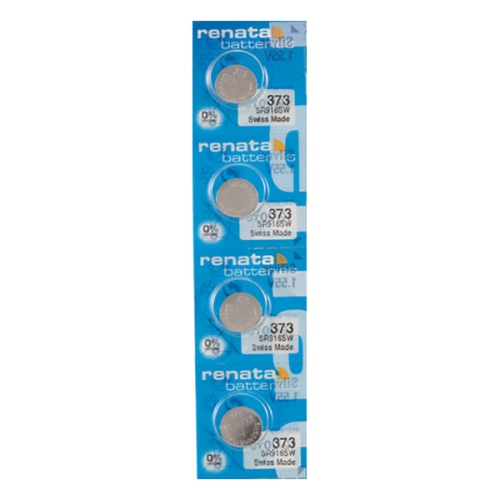
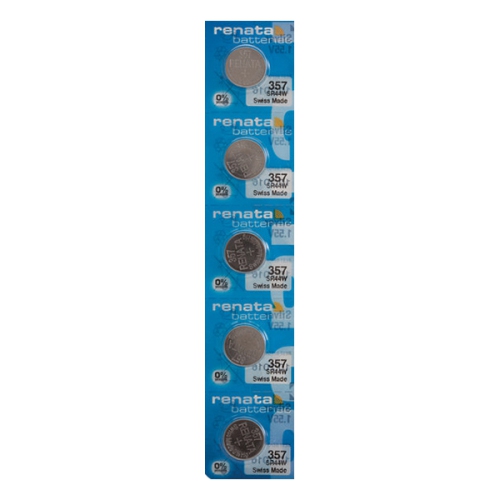
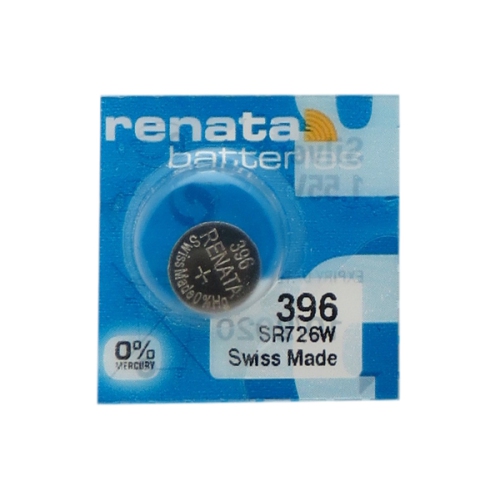
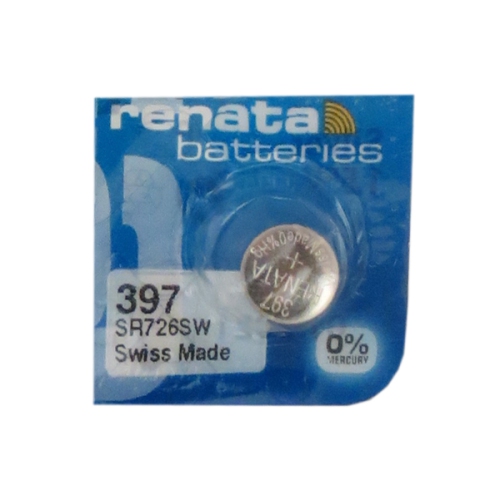
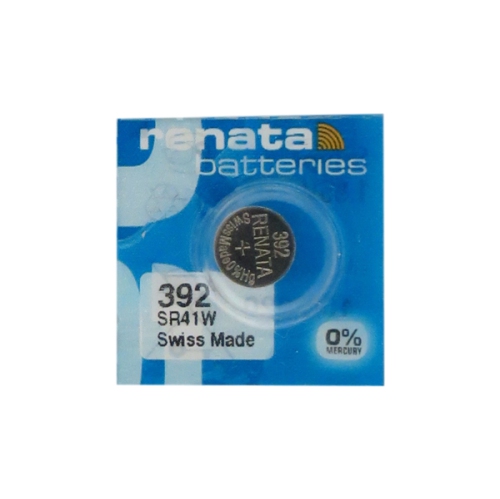
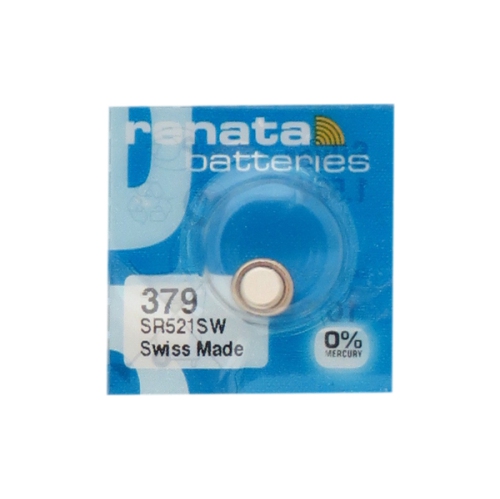
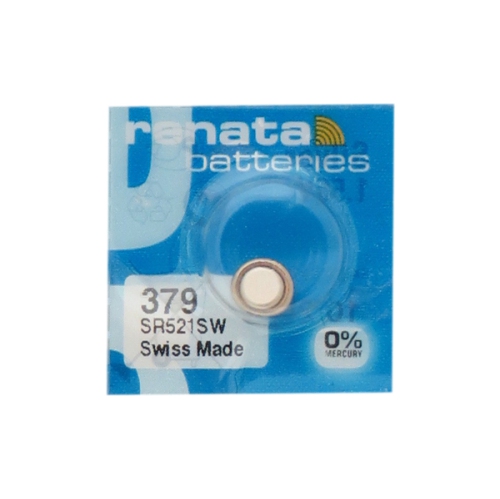
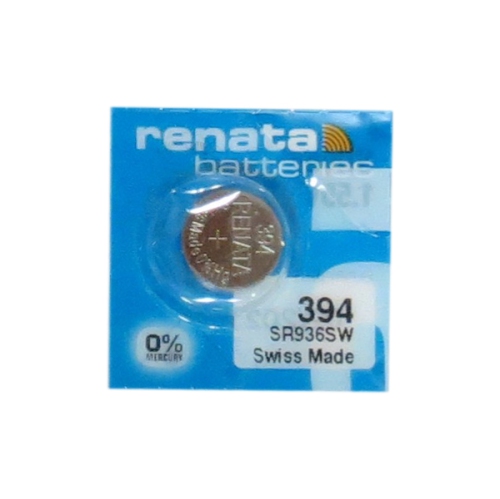
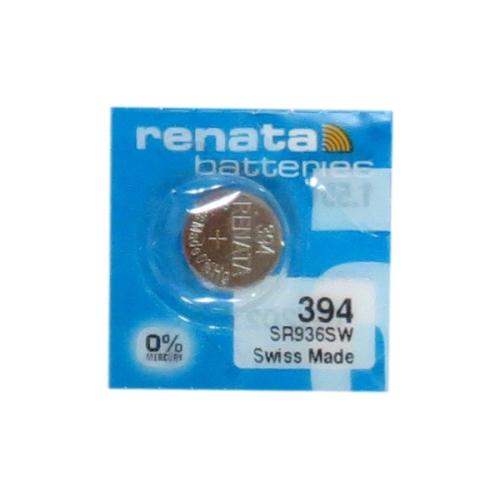
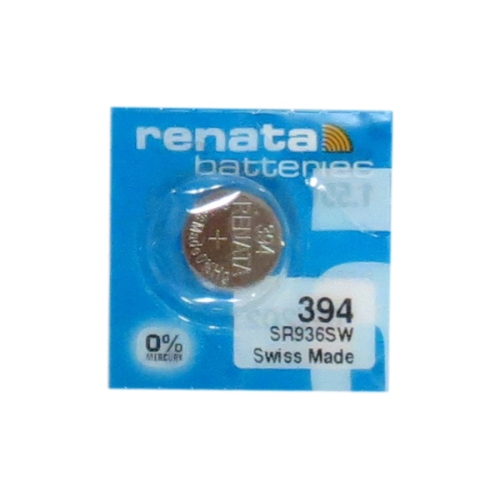
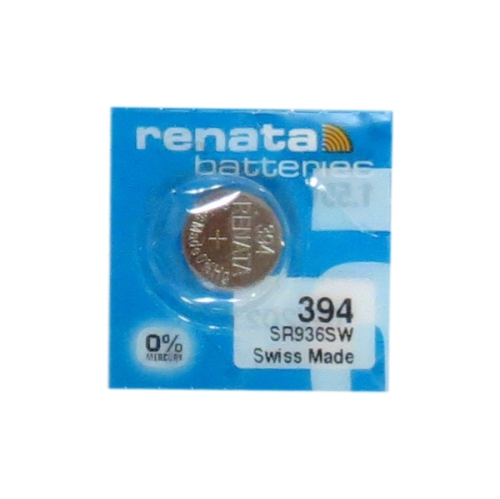
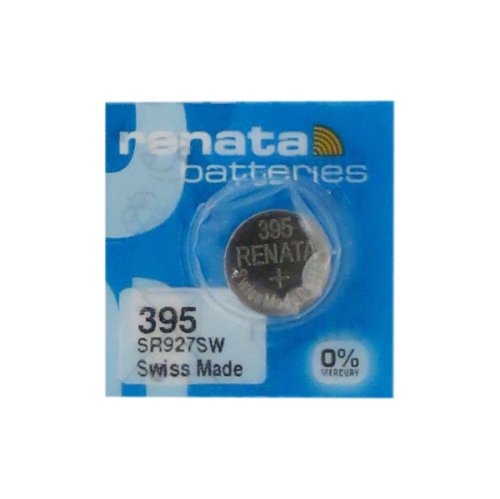
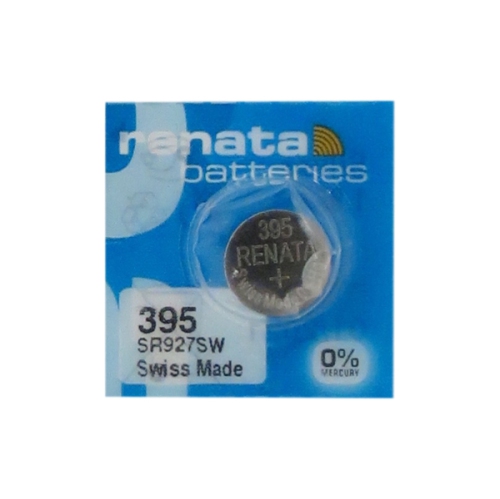
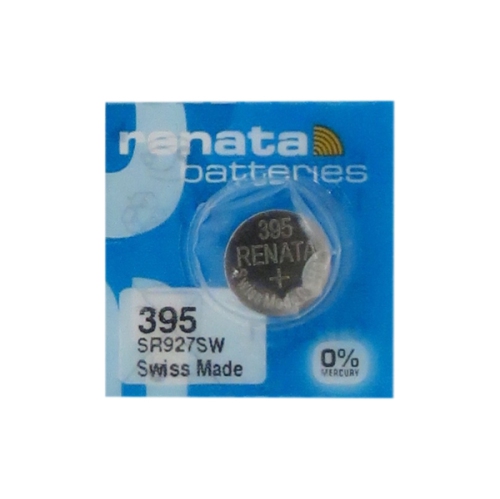
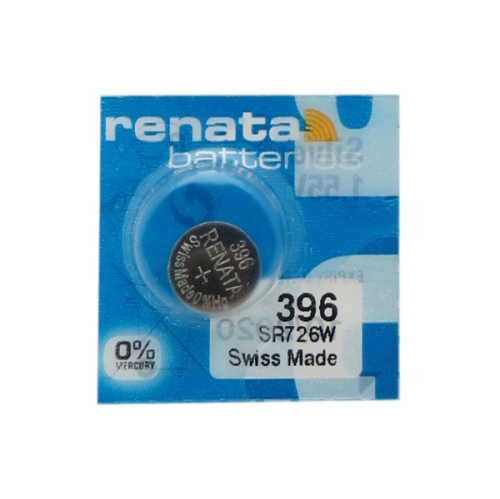
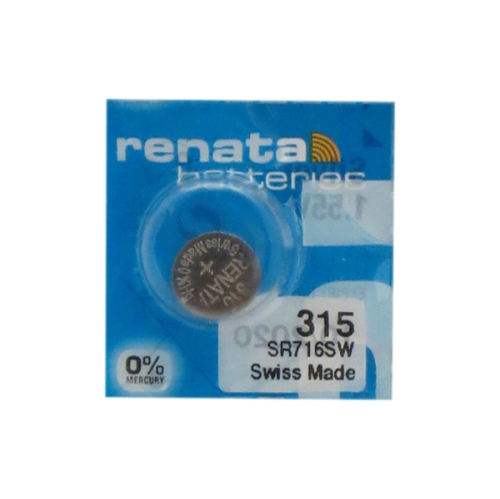
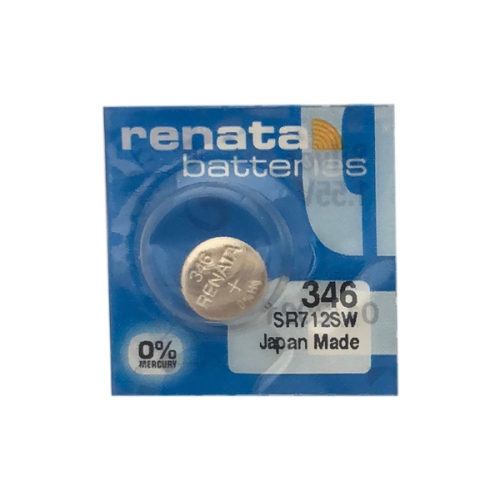
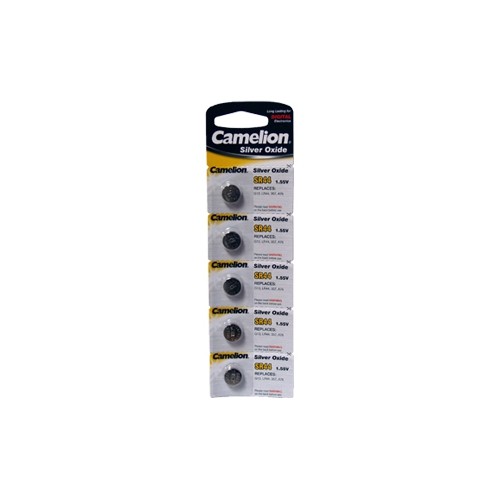

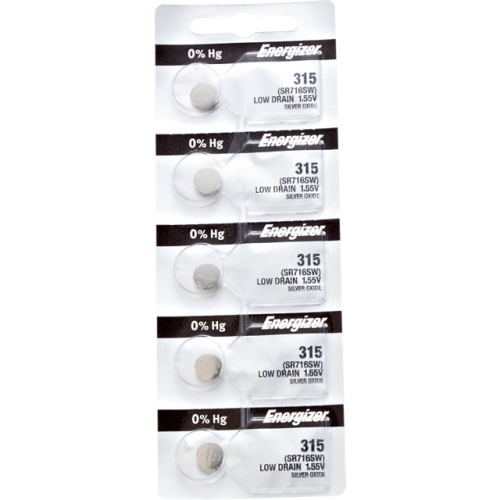
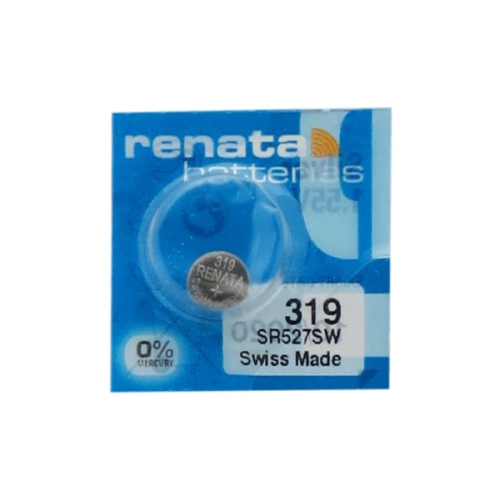
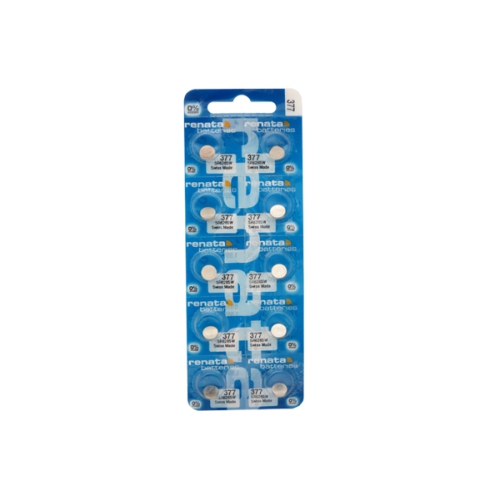
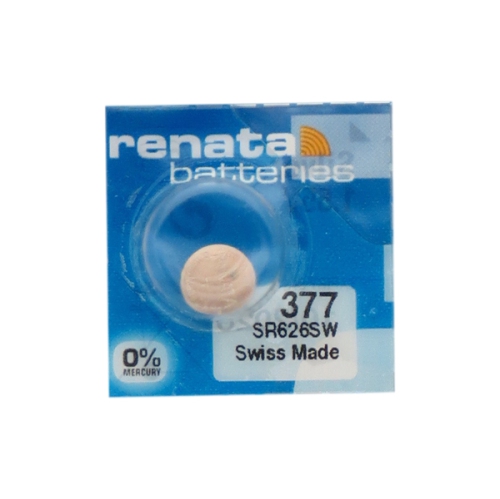
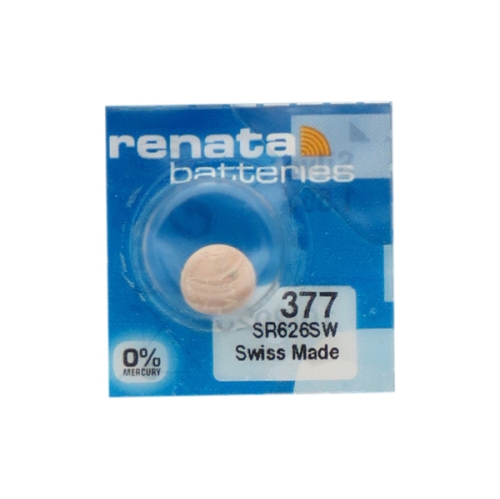
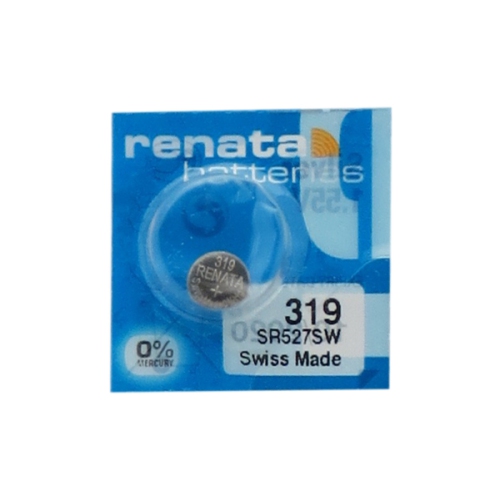
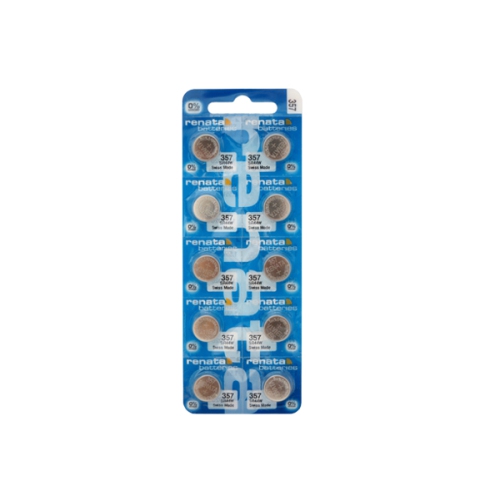
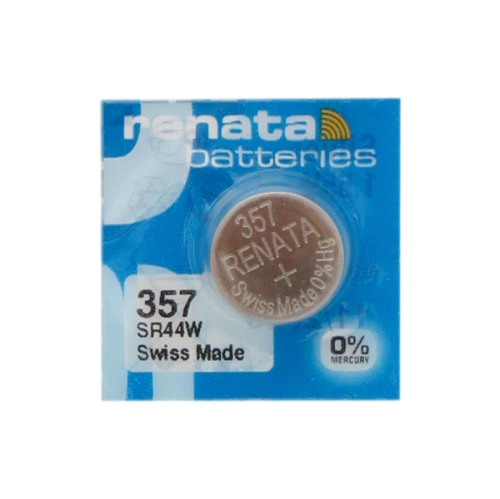
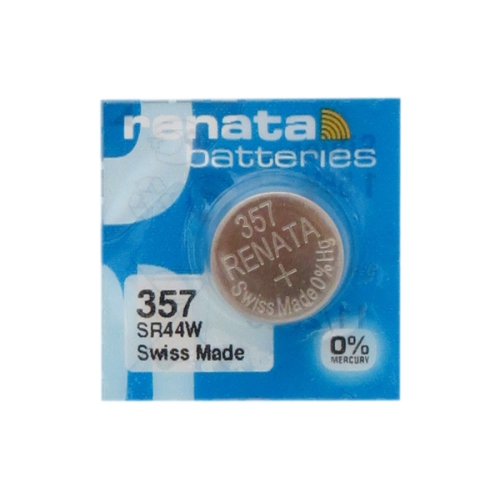
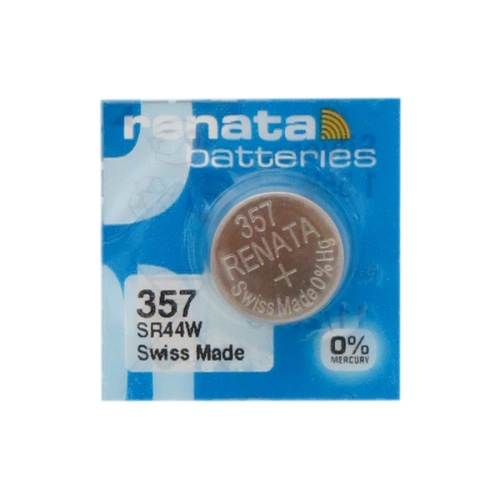

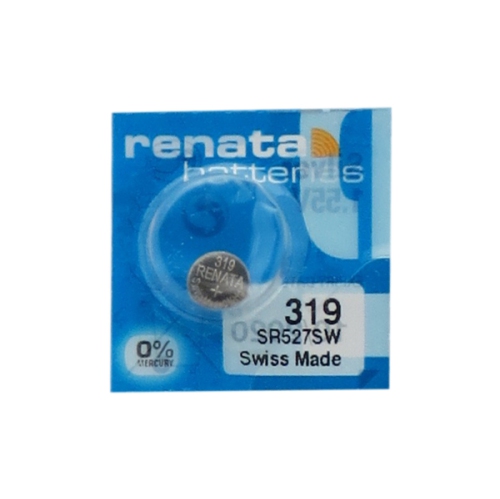
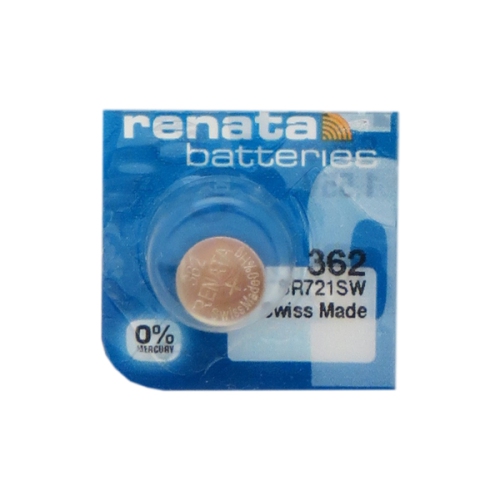
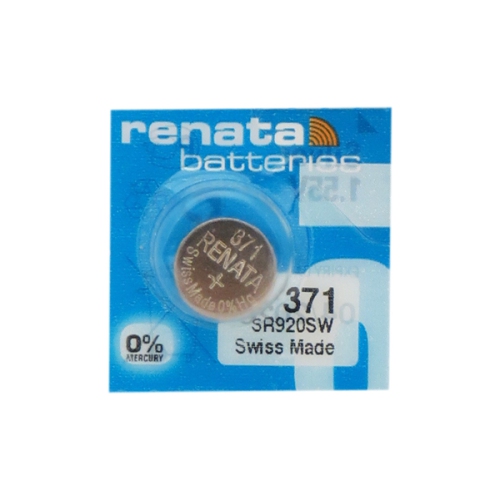
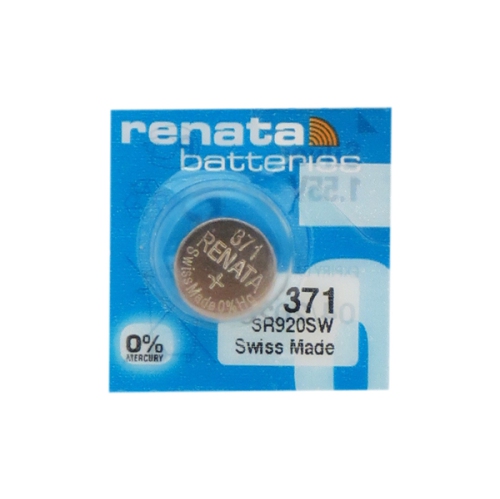
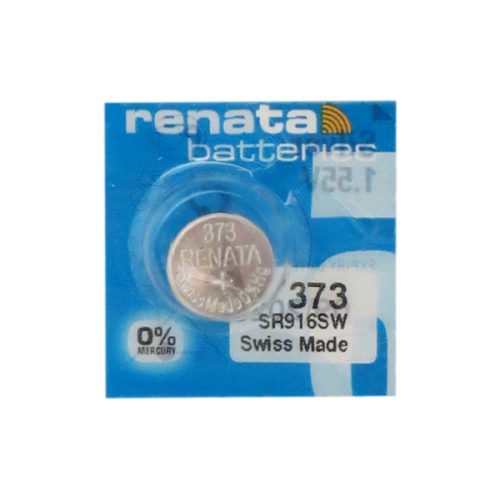
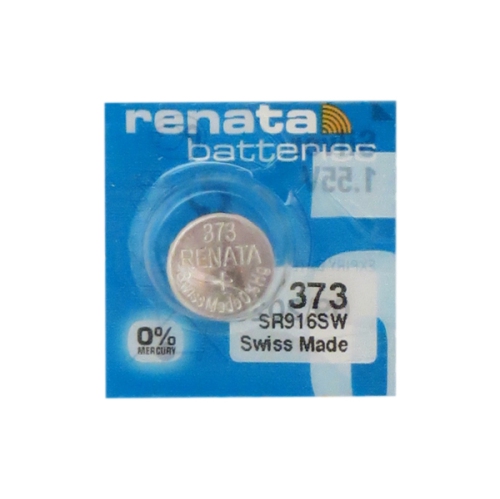
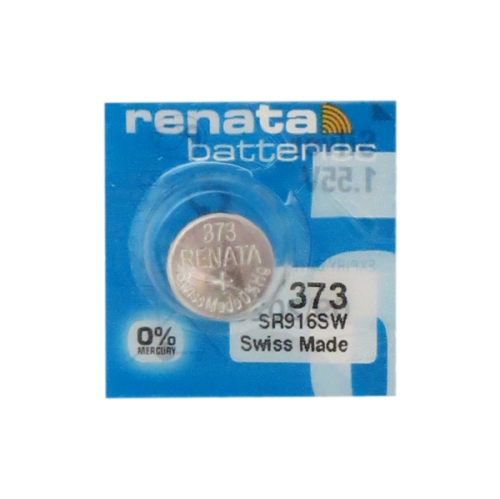
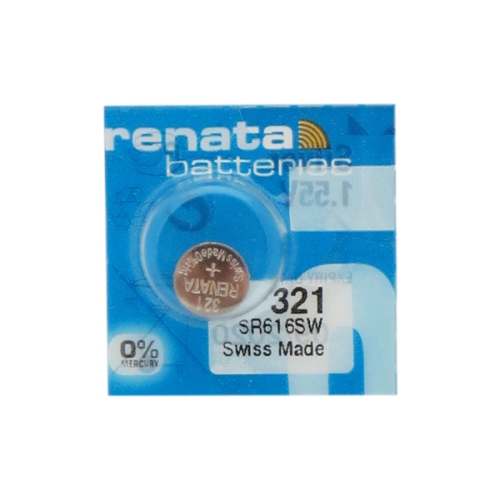
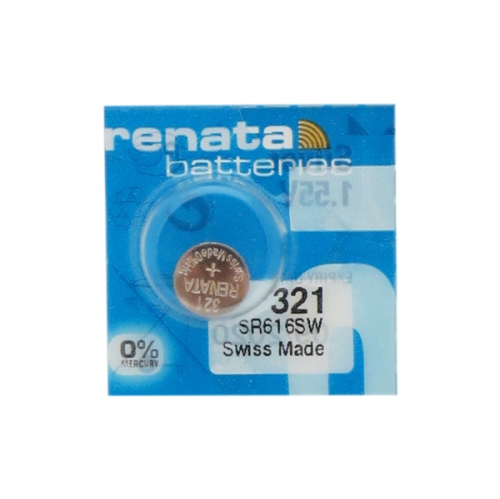
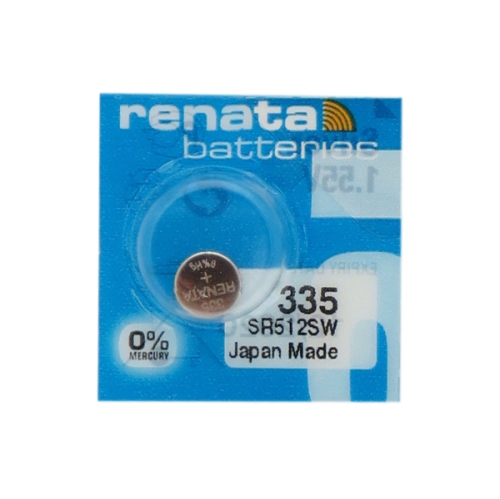

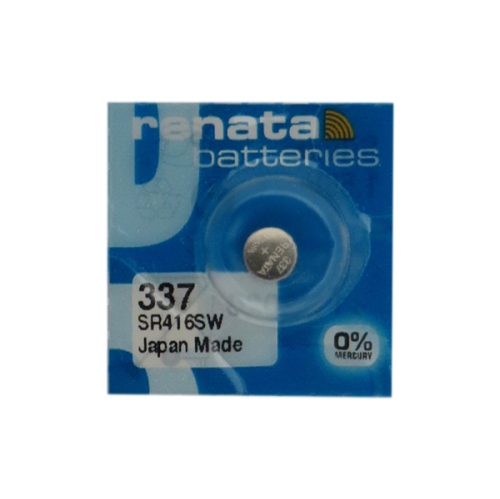
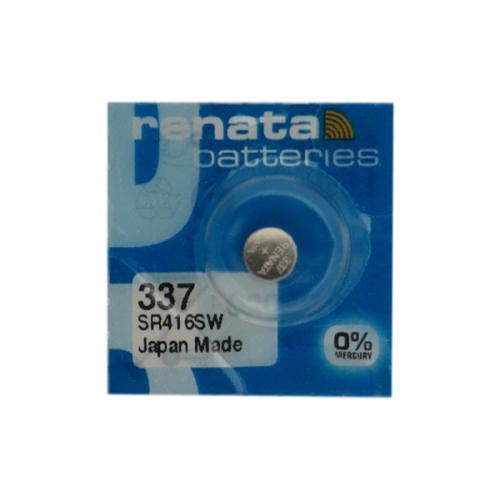
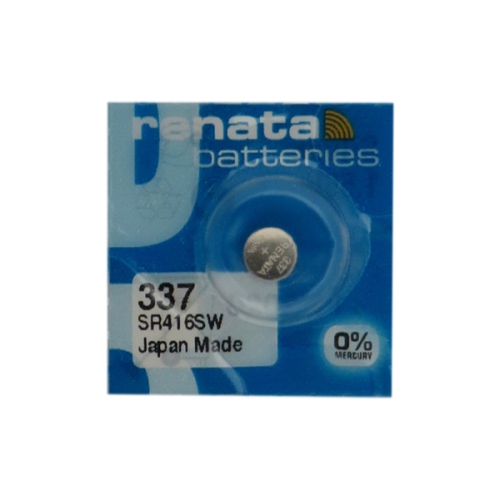
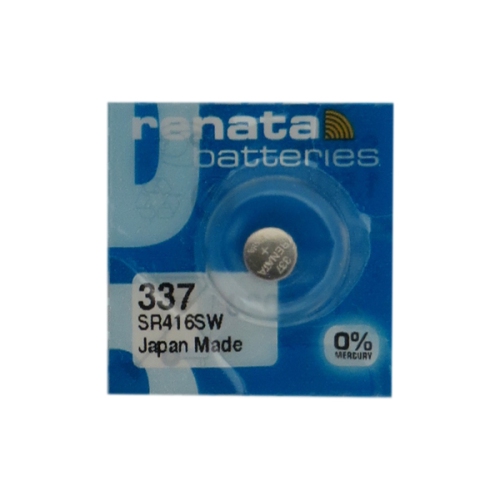
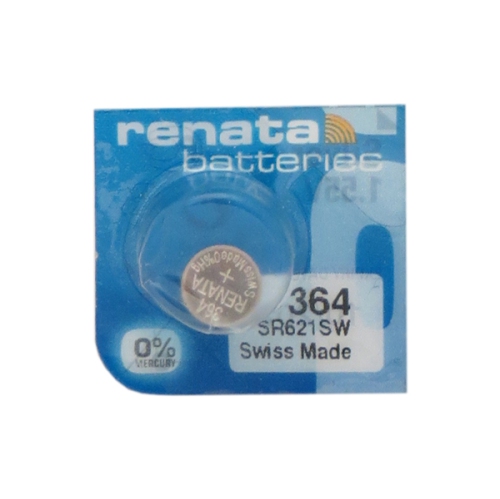
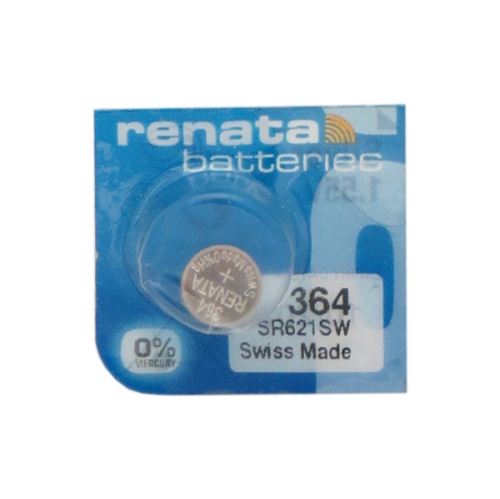
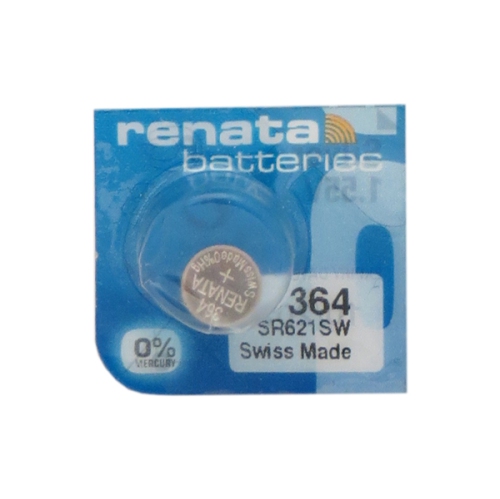
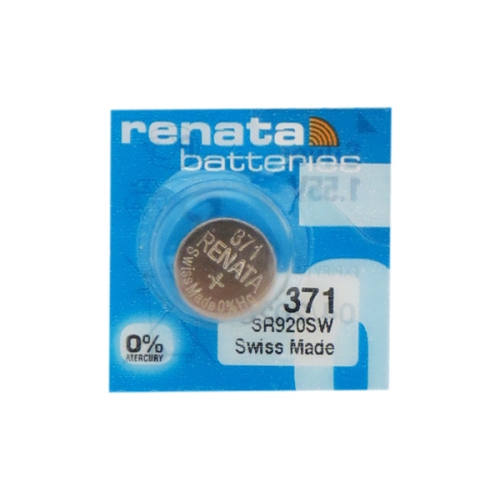
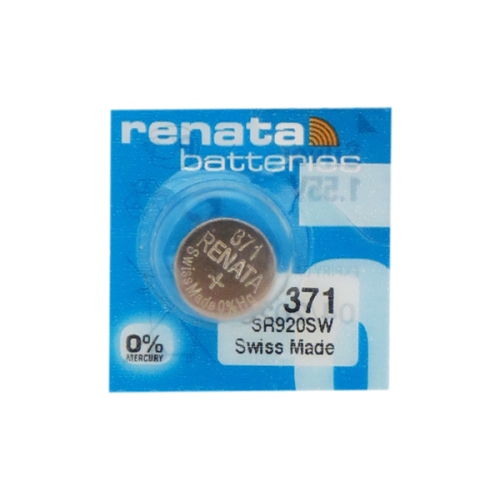
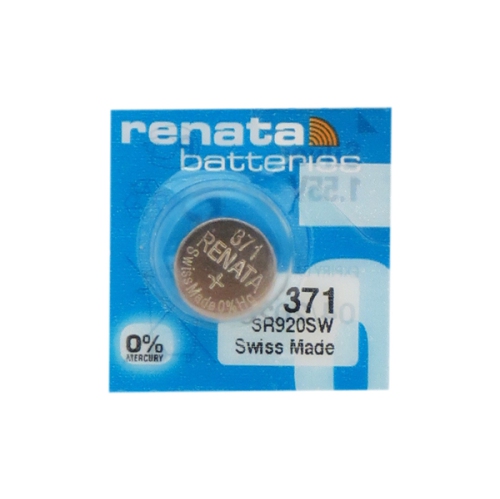
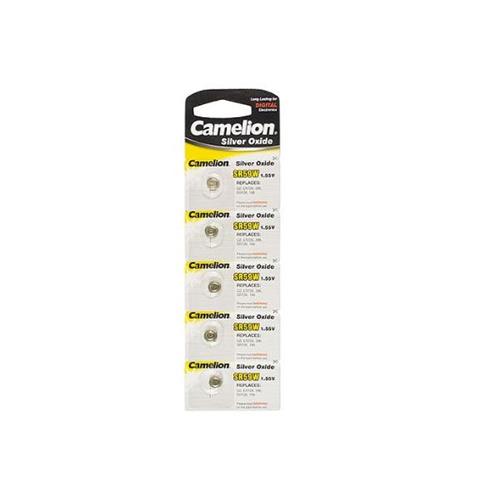
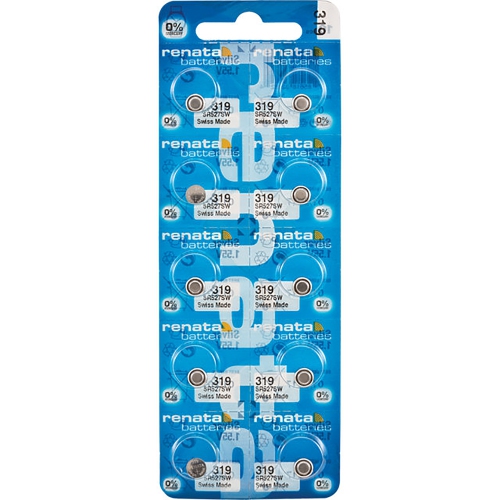
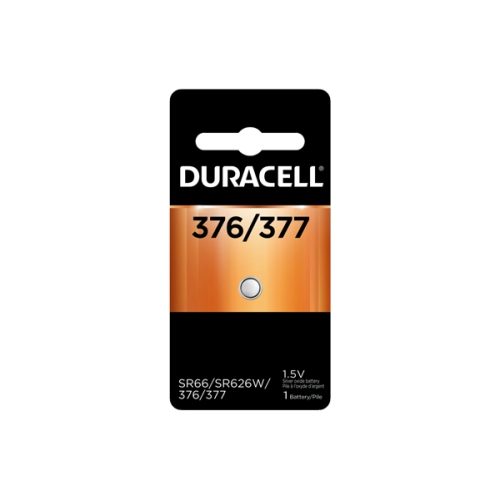


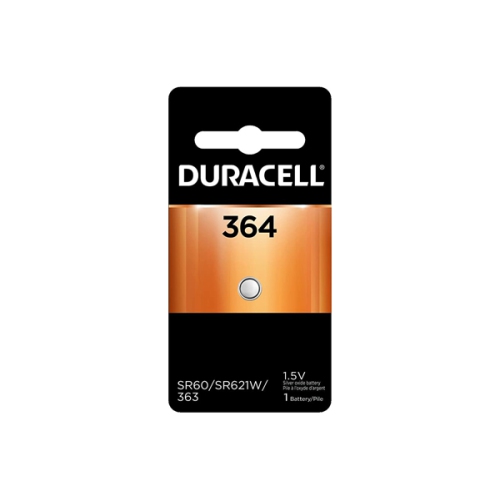
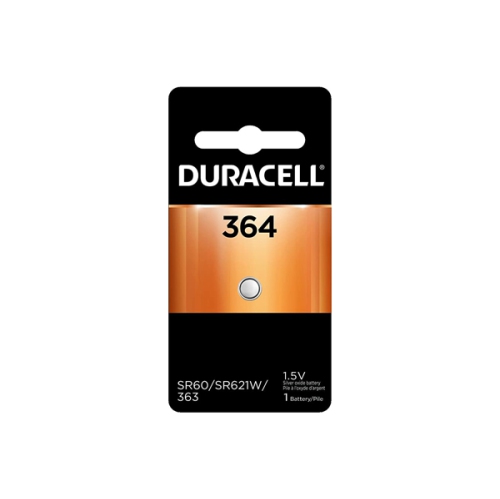
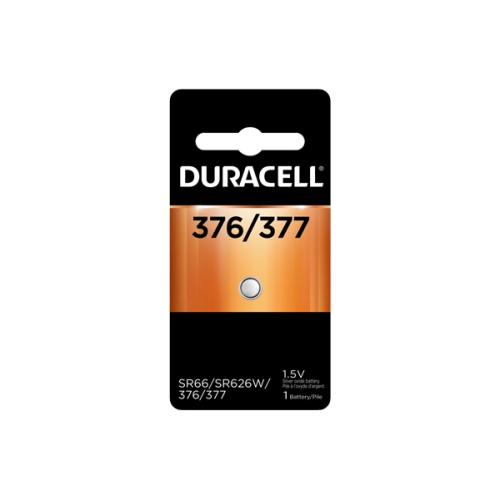

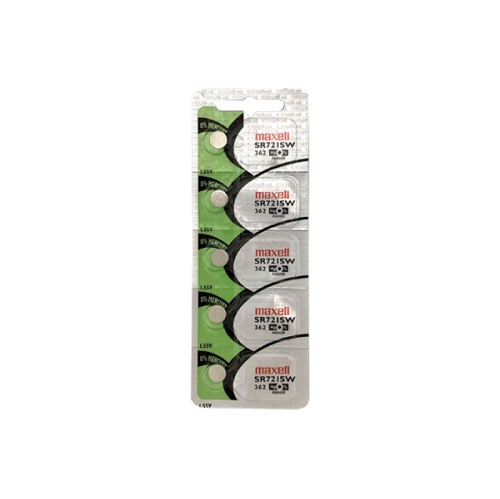
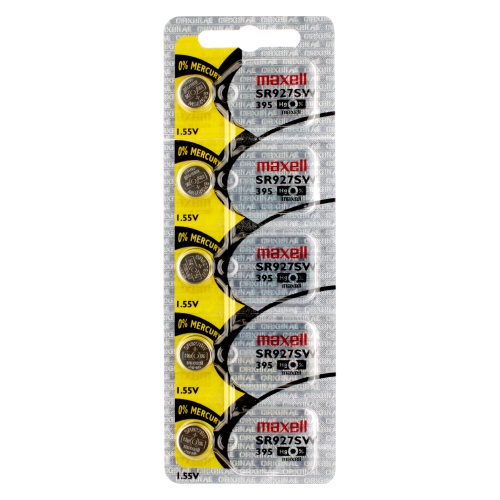
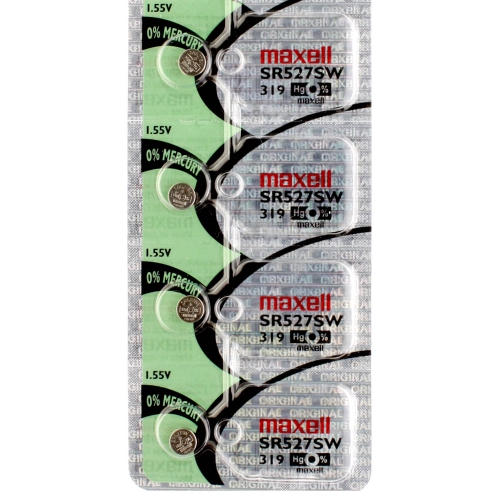
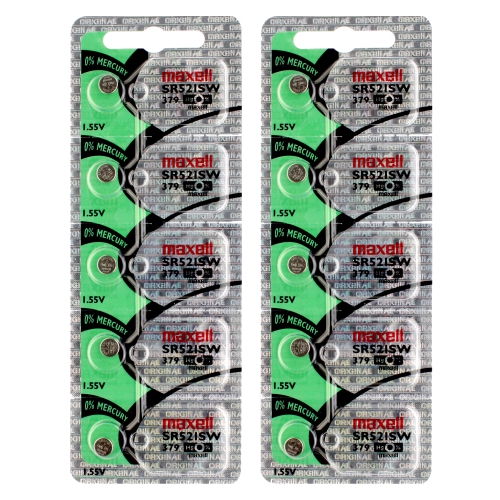
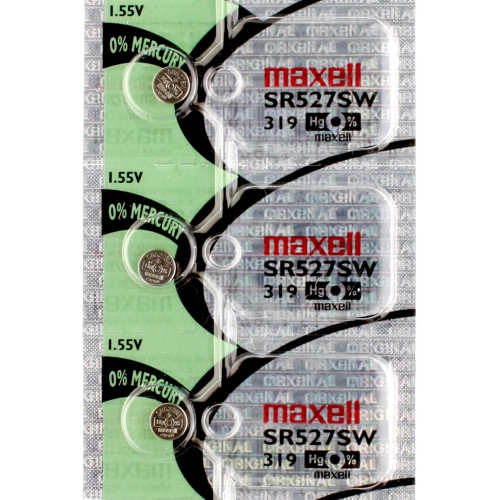
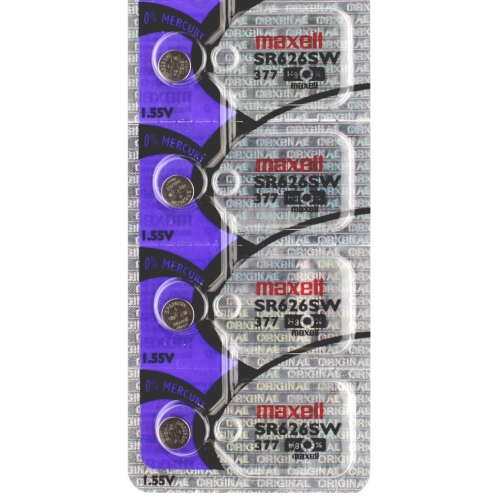
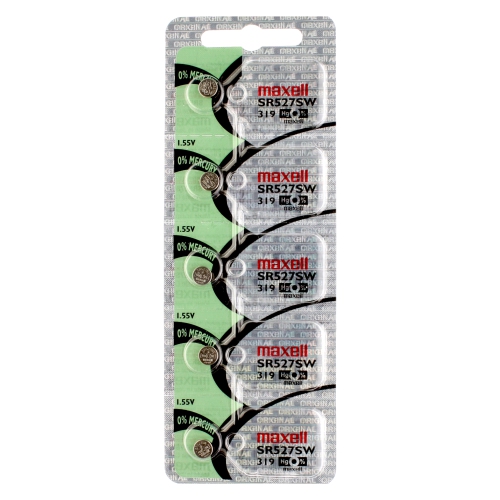
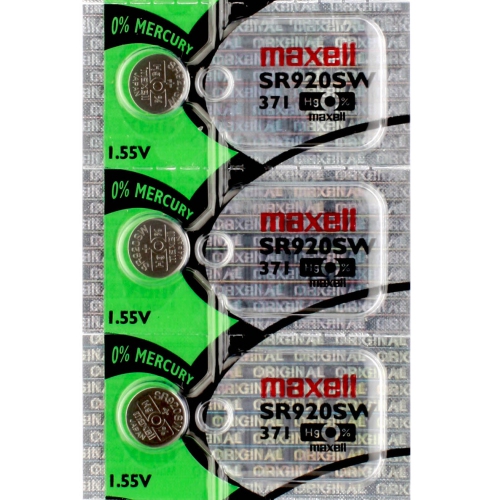
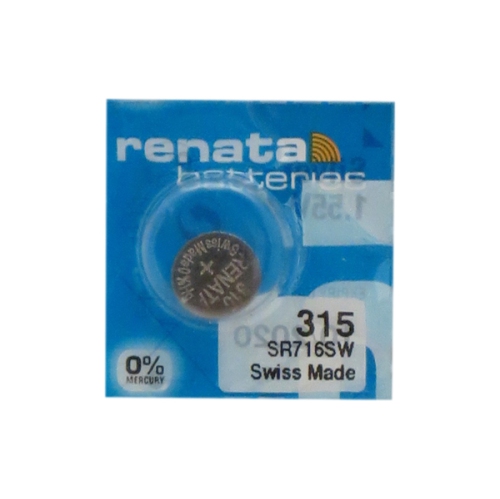
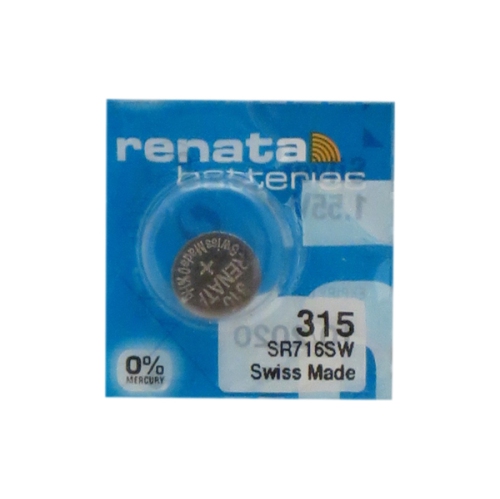
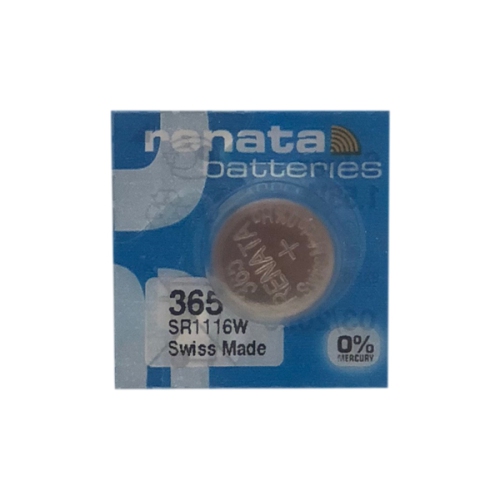
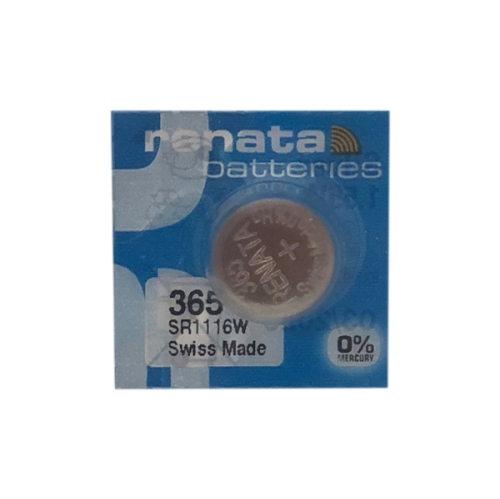
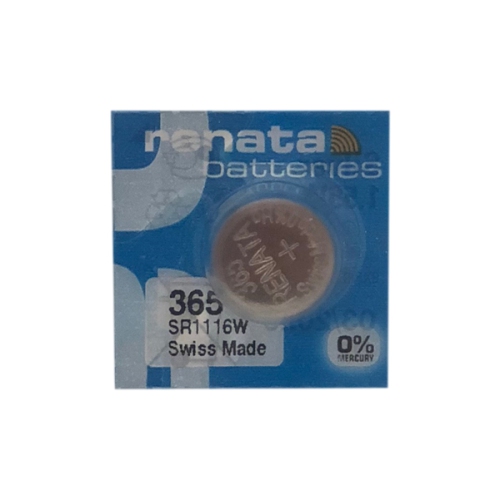
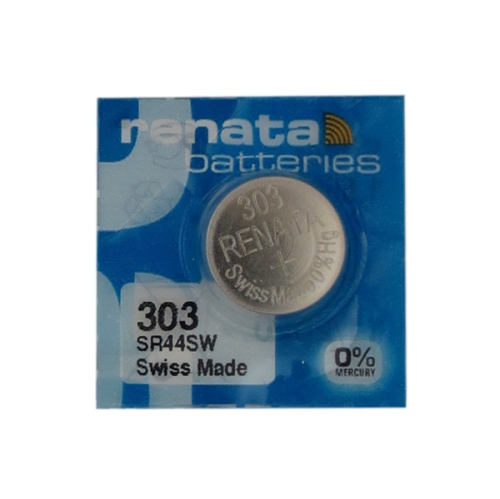
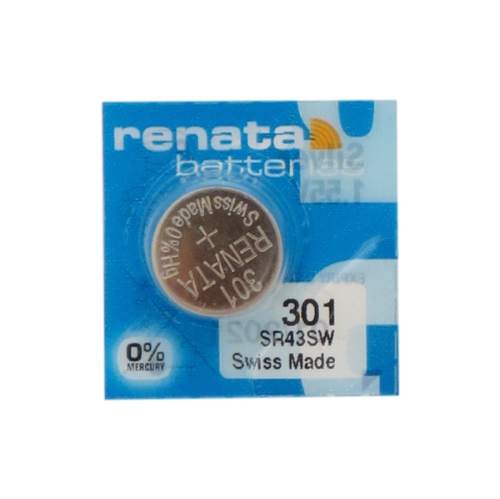
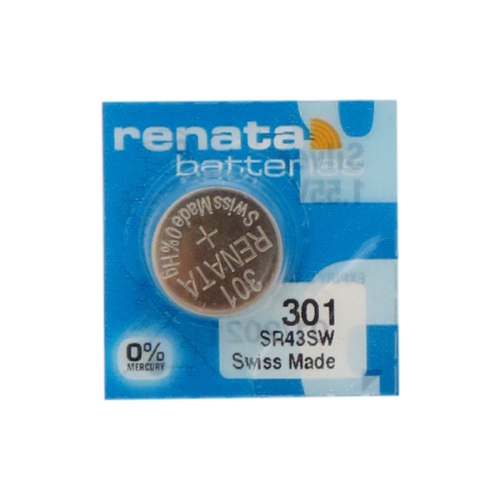
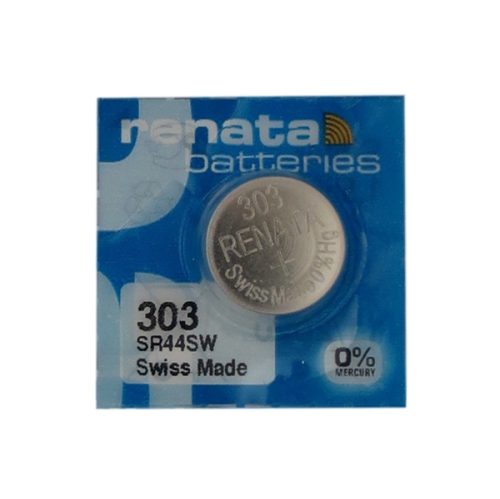
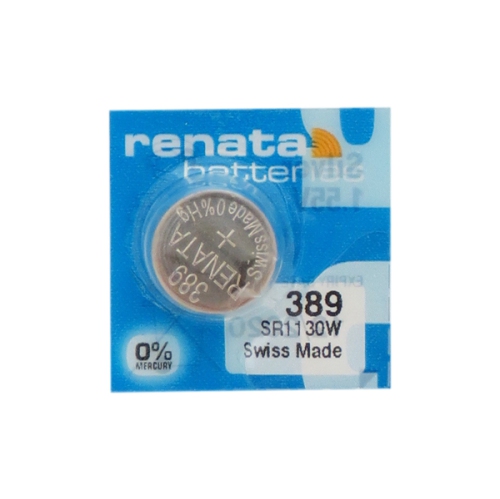
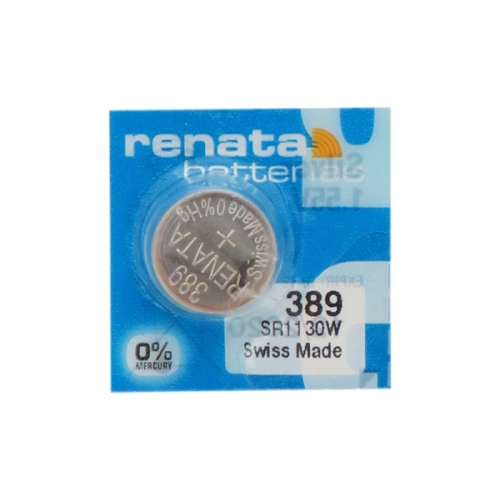
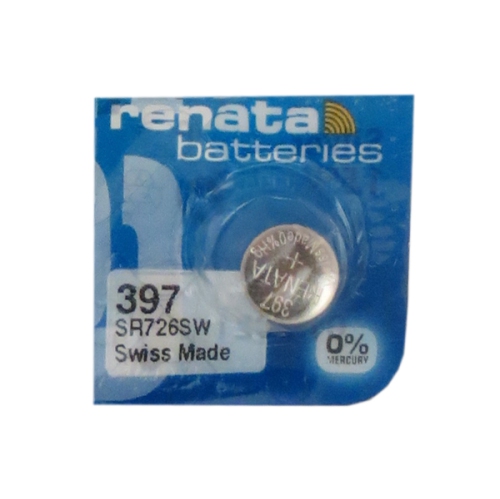
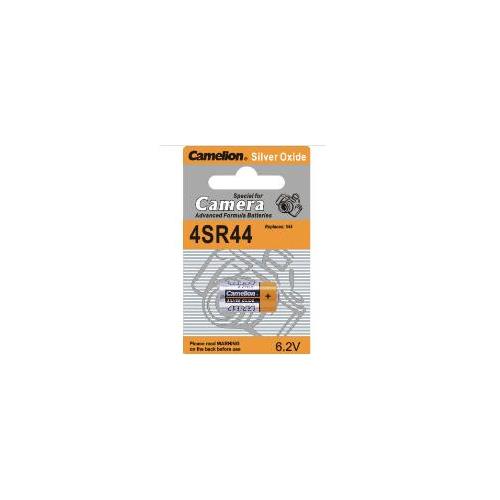
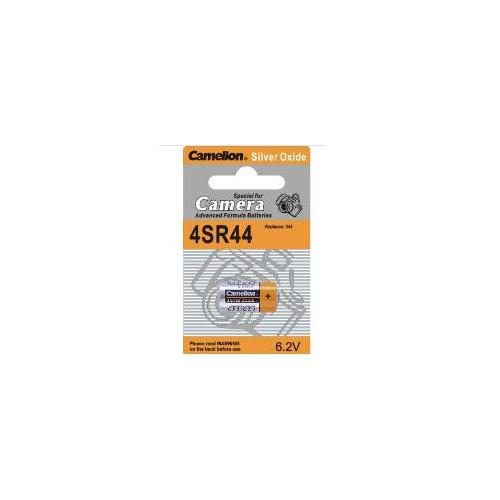
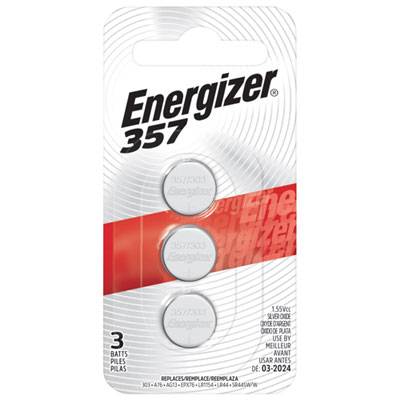
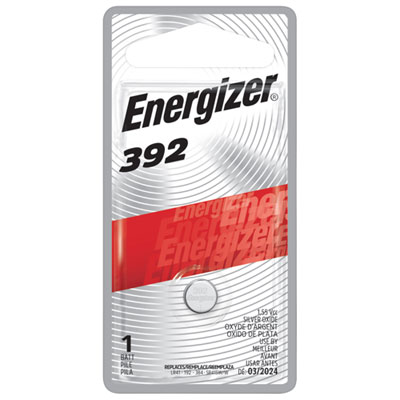
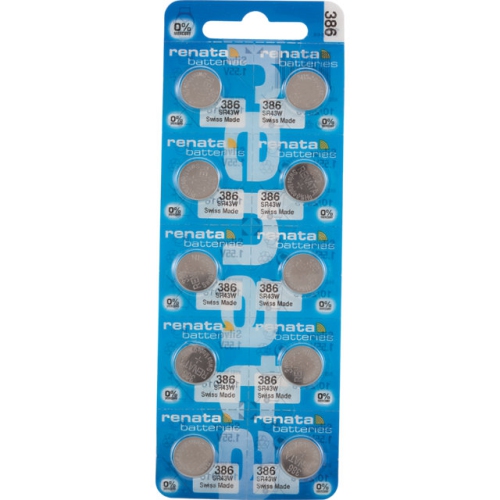
Steady voltage in a button cell built for small devices
Silver oxide batteries are compact, non-rechargeable button cells used in small electronic devices that need dependable power in a limited space. A typical silver oxide cell has a nominal voltage of 1.55 volts and maintains a relatively steady voltage through much of its useful life. That stable output makes this battery chemistry well suited to compatible quartz watches, calculators, digital thermometers, and certain small measuring instruments. Inside the metal casing, a silver oxide positive electrode and a zinc negative electrode work with an alkaline electrolyte to produce electrical energy. The result is a small power source with high energy density for its size, allowing a slim watch case or pocket-sized instrument to operate without a bulky battery compartment. Compared with an alkaline button cell of equivalent dimensions, a silver oxide battery generally provides a flatter discharge curve, meaning its voltage declines less gradually during normal use before falling near the end of its life. This can matter in equipment designed to depend on consistent voltage rather than tolerate a steadily weakening supply. Actual running time still varies with battery capacity, device design, and how often features such as lights, alarms, or displays are used. A basic analogue watch and a compact instrument with frequent audible alerts can place very different demands on cells of similar size. Silver oxide batteries also have relatively low self-discharge, so they can retain useful capacity while stored in their original packaging. Some are rated for storage periods of around four to five years, although the stated shelf life and expiry date on the package are more useful than a general estimate. For everyday users, watch enthusiasts, and people who maintain small household electronics, these batteries offer a practical combination of compact dimensions and steady electrical output. Their value lies in matching the needs of the device: a tiny cell can be an excellent power source when its chemistry, dimensions, and electrical characteristics are the right fit.
Fit involves more than choosing a battery that looks like the one being replaced. Button cells can differ by only a fraction of a millimetre in height or diameter, yet those differences affect whether the battery sits securely against the contacts and allows the compartment to close properly. The identifying code on the original cell, together with the device manual, provides the best starting point for matching a replacement. Because manufacturers may use different naming systems for equivalent sizes, a verified cross-reference is more dependable than a visual comparison. Diameter, thickness, nominal voltage, chemistry, and intended discharge characteristics all deserve attention. A cell that drops neatly into a holder is not necessarily electrically suitable, and a battery that is slightly too thick can put pressure on the retaining clip or cover. Silver oxide and alkaline button cells sometimes share dimensions, but that does not make them interchangeable in every application. Lithium coin cells are another distinct battery type and commonly supply a higher voltage; they should not be substituted simply because their shape appears similar. Within silver oxide batteries, some designs are intended for a small, continuous electrical demand, while others support higher or intermittent demands from functions such as alarms or illumination. A watch with simple hands may have different requirements from one with additional electronic features, even when the cases are similar in size. For shoppers comparing related formats, Oxide Button Batteries provides another place to explore the category while keeping the device’s required specifications in view. Packaging quantities are worth considering in relation to actual use: someone maintaining several compatible devices may have different needs from someone replacing a single watch battery. A larger quantity is useful only when the cells are likely to be used within their marked shelf life. For medical devices in particular, the manufacturer’s specified battery type should take priority, since a physically similar cell may not provide the performance the equipment requires.
Careful handling helps preserve both the battery and the device it powers. The metal casing is designed to contain the cell’s internal materials, but it should not be crushed, punctured, bent, or forced into a tight holder. Silver oxide button cells are primary batteries, which means they are intended for single use and must not be recharged. During replacement, the positive and negative markings on the battery and compartment determine the correct orientation; assuming that every device accepts a cell the same way can lead to poor contact or incorrect installation. Clean, dry hands and suitable non-conductive tools help keep the surfaces free of residue and reduce the chance of accidentally connecting the terminals. A scratched contact, displaced retaining spring, or cover that will not sit flush is a reason to pause rather than press harder. Watches with sealed cases deserve particular care because opening the back can disturb a gasket. Professional battery replacement and seal testing may be appropriate when maintaining water resistance matters, especially for a watch worn while swimming. For storage, original packaging keeps cells separated and makes their identification and expiry information easier to retain. Loose batteries should not be carried with keys, coins, or other metal objects that could bridge their terminals. An exhausted cell is best removed promptly, and a device being put away for an extended period may also need its battery removed, following the manufacturer’s instructions. Although well-made cells are designed to resist leakage, no button battery should be left unattended in a forgotten device indefinitely. Small size also brings an important household safety consideration: both new and used button cells must be kept out of reach of children and pets. A swallowed button battery can cause severe internal injury, so suspected swallowing requires immediate medical attention. Used cells belong in an appropriate battery collection programme, with any terminal-protection requirements followed. With accurate matching, secure installation, and sensible handling, silver oxide batteries support the small devices that quietly handle everyday tasks, from keeping time on a familiar wristwatch to powering a compatible household measuring instrument.
Fit involves more than choosing a battery that looks like the one being replaced. Button cells can differ by only a fraction of a millimetre in height or diameter, yet those differences affect whether the battery sits securely against the contacts and allows the compartment to close properly. The identifying code on the original cell, together with the device manual, provides the best starting point for matching a replacement. Because manufacturers may use different naming systems for equivalent sizes, a verified cross-reference is more dependable than a visual comparison. Diameter, thickness, nominal voltage, chemistry, and intended discharge characteristics all deserve attention. A cell that drops neatly into a holder is not necessarily electrically suitable, and a battery that is slightly too thick can put pressure on the retaining clip or cover. Silver oxide and alkaline button cells sometimes share dimensions, but that does not make them interchangeable in every application. Lithium coin cells are another distinct battery type and commonly supply a higher voltage; they should not be substituted simply because their shape appears similar. Within silver oxide batteries, some designs are intended for a small, continuous electrical demand, while others support higher or intermittent demands from functions such as alarms or illumination. A watch with simple hands may have different requirements from one with additional electronic features, even when the cases are similar in size. For shoppers comparing related formats, Oxide Button Batteries provides another place to explore the category while keeping the device’s required specifications in view. Packaging quantities are worth considering in relation to actual use: someone maintaining several compatible devices may have different needs from someone replacing a single watch battery. A larger quantity is useful only when the cells are likely to be used within their marked shelf life. For medical devices in particular, the manufacturer’s specified battery type should take priority, since a physically similar cell may not provide the performance the equipment requires.
Careful handling helps preserve both the battery and the device it powers. The metal casing is designed to contain the cell’s internal materials, but it should not be crushed, punctured, bent, or forced into a tight holder. Silver oxide button cells are primary batteries, which means they are intended for single use and must not be recharged. During replacement, the positive and negative markings on the battery and compartment determine the correct orientation; assuming that every device accepts a cell the same way can lead to poor contact or incorrect installation. Clean, dry hands and suitable non-conductive tools help keep the surfaces free of residue and reduce the chance of accidentally connecting the terminals. A scratched contact, displaced retaining spring, or cover that will not sit flush is a reason to pause rather than press harder. Watches with sealed cases deserve particular care because opening the back can disturb a gasket. Professional battery replacement and seal testing may be appropriate when maintaining water resistance matters, especially for a watch worn while swimming. For storage, original packaging keeps cells separated and makes their identification and expiry information easier to retain. Loose batteries should not be carried with keys, coins, or other metal objects that could bridge their terminals. An exhausted cell is best removed promptly, and a device being put away for an extended period may also need its battery removed, following the manufacturer’s instructions. Although well-made cells are designed to resist leakage, no button battery should be left unattended in a forgotten device indefinitely. Small size also brings an important household safety consideration: both new and used button cells must be kept out of reach of children and pets. A swallowed button battery can cause severe internal injury, so suspected swallowing requires immediate medical attention. Used cells belong in an appropriate battery collection programme, with any terminal-protection requirements followed. With accurate matching, secure installation, and sensible handling, silver oxide batteries support the small devices that quietly handle everyday tasks, from keeping time on a familiar wristwatch to powering a compatible household measuring instrument.
Top selling and popular products
-
 Your price for this item is $72.97
 -
 Your price for this item is $24.99
 -
 Your price for this item is $26.74
 -
 Your price for this item is $22.97
 -
 Your price for this item is $11.99
 -
 Your price for this item is $6.99
 -
 Your price for this item is $4.89
 -
 Your price for this item is $13.99
Discover more categories related to Silver Oxide Batteries
Top Collections:
Pokemon Centers, Kindle Devices, Best Budget Office Chairs, Apple iPhones 16, Best Laptops for Writers, iPhone 15 Apple, Canon G7X Cameras, Refurbished Apple Laptops, Alarm Clock, Motorola Razr Phones
Some products may be subject to Environmental Handling Fees
(EHF) depending on your province.
Learn more about EHFs.