Small Business Cash Registers
Small business cash registers are essential tools for streamlining transactions, keeping sales organized, and supporting day-to-day operations. Whether you’re running a bustling café, a boutique shop, or a local service business, the right cash register can help create a smooth checkout experience for both staff and customers. Explore a wide selection of small business cash registers designed to fit various business needs and spaces, making it easy to find the ideal solution for your unique setup.
Sort



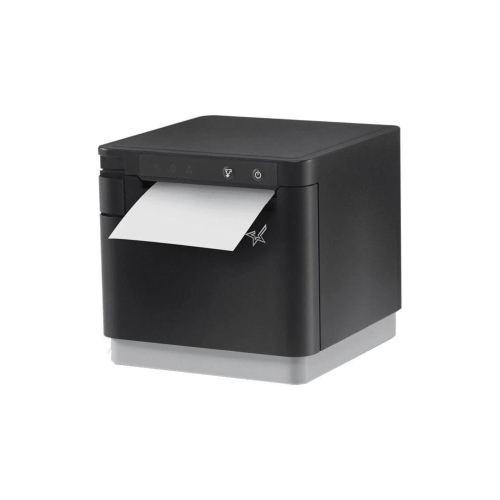
The register features that support smoother daily checkout
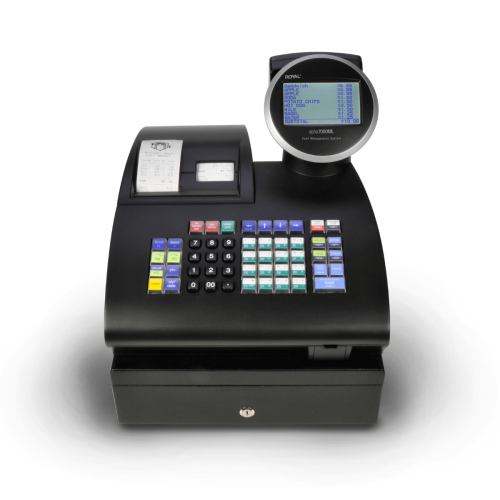
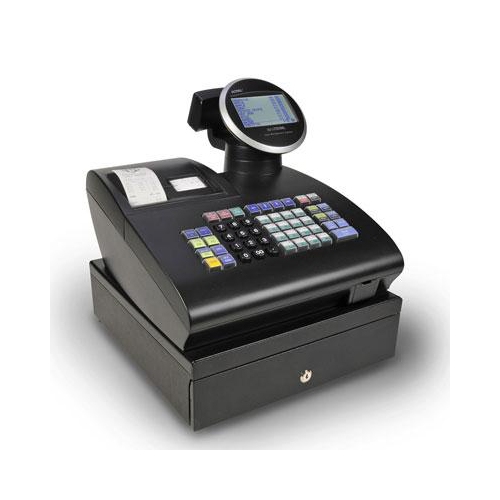
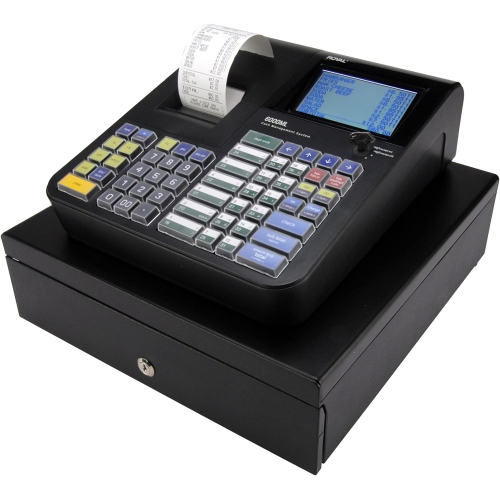
Small business cash registers provide a straightforward way to accept cash, print receipts and keep daily sales organized without the complexity of a full point-of-sale system. They can be a practical fit for convenience stores, market stalls, salons, repair counters, independent boutiques, cafés, seasonal shops and other businesses that need dependable checkout equipment in a compact footprint. A traditional electronic cash register typically combines a cash drawer, keypad, display and built-in receipt printer, giving staff a familiar process for entering sales and balancing the till. Entry-level models for small businesses often range from approximately $205 to $600, with the final price shaped by memory capacity, department and price look-up limits, clerk access, display configuration, reporting tools and printer features. A simpler register may be well suited to a low-volume shop with a smaller selection of products, while a busier operation may benefit from more departments, more price look-ups and expanded reporting. For businesses comparing options, Royal Cash Registers can be a useful place to explore register formats and features intended for everyday commercial use. Consider how many transactions take place during a typical shift, how often prices change and whether several employees will share the till. Choosing equipment that matches the pace and layout of the business can help create a checkout area that feels organized during a quiet afternoon and remains manageable when a line forms at the counter.
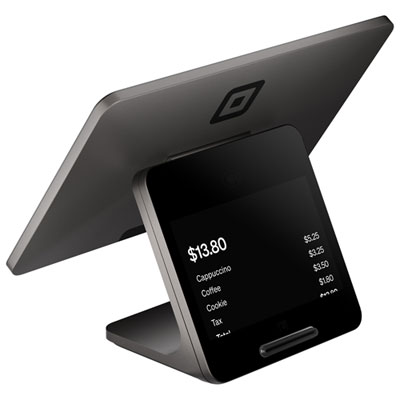
One of the first specifications to review is the number of departments and price look-ups, often called PLUs. Departments group sales into broad categories such as beverages, clothing, services or household goods, while PLUs allow staff to quickly identify individual items and prices. A register with around 24 departments and approximately 2,000 PLUs may cover the needs of a smaller retailer with a focused inventory or a business that enters prices manually for many transactions. Operations with a wider assortment may prefer models offering hundreds of departments and several thousand PLUs, particularly when products have distinct prices, tax treatments or sales categories. Clerk IDs can also be important when more than one person uses the register. Separate sign-ins help identify sales by employee and can make end-of-day reconciliation easier, while a larger number of clerk profiles provides flexibility as staffing changes during busy periods or cooler months. Display design deserves attention as well. A clear operator screen can make item entry and totals easier to read, and a customer-facing display lets shoppers view prices and the running total at the counter. This added visibility is useful in a boutique, café or service business where customers may want to confirm charges before payment. Some cash registers include an SD card slot or similar reporting support, allowing sales information to be transferred for review and record keeping. Businesses that rely on regular bookkeeping should check which reports are available, how information is saved and whether the register’s format fits their existing accounting routine.
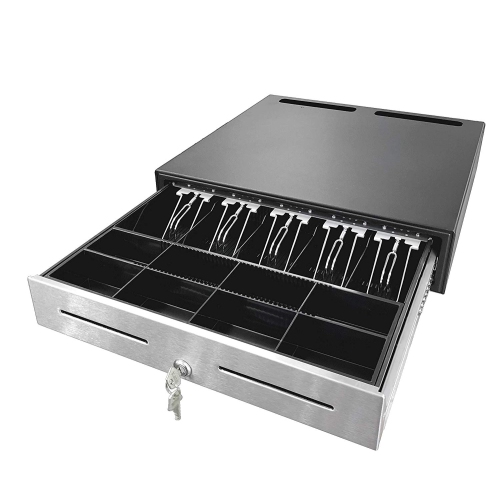
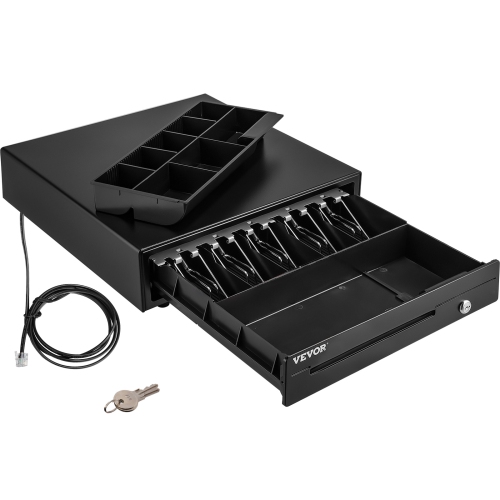
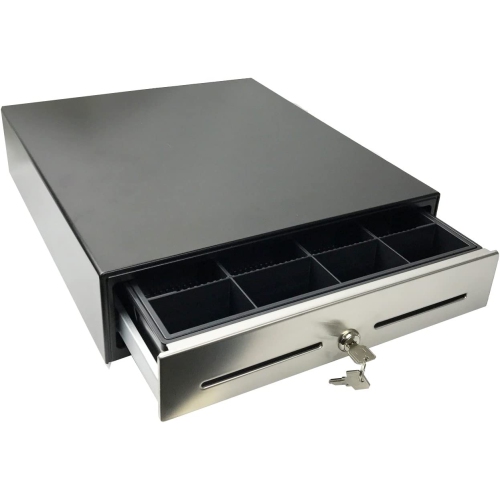
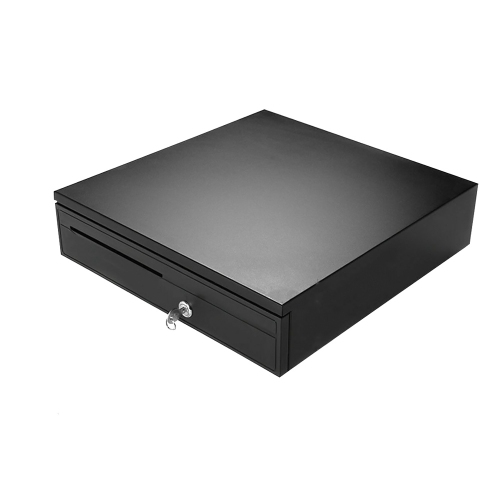
Printer type can affect the daily experience more than expected, especially at a busy checkout. Thermal receipt printers are generally quieter and faster than older ink ribbon designs, and they use thermal paper rolls rather than replacement ink cartridges. Before choosing a register, confirm the required paper size and keep spare rolls available so a full queue is not interrupted by an empty printer. Some models include a single printer for customer receipts, while others use dual thermal printers to produce receipts and maintain a running electronic journal at the same time. That second record can be helpful for reviewing transactions, checking totals or resolving discrepancies, although businesses should still follow their own record-retention and privacy practices. Also look at the cash drawer layout, including the number of bill and coin compartments, since a drawer that suits the local currency can make opening and closing shifts more efficient. A secure key lock, sturdy keys and an easy-to-read screen are useful details for businesses where several employees share equipment. Cash registers are usually purchased for operational use rather than as gifts, but they can be a thoughtful practical choice for someone opening a small shop, taking over a family business or expanding from occasional markets into a permanent retail space. The best choice is one that supports the way the business actually sells: basic cash handling for a simple counter, or greater capacity and reporting for a varied inventory and a larger team. By comparing transaction volume, product count, printer design, employee access and reporting needs together, small business owners can select a cash register that feels natural to use every day and remains useful as their checkout routine develops.
One of the first specifications to review is the number of departments and price look-ups, often called PLUs. Departments group sales into broad categories such as beverages, clothing, services or household goods, while PLUs allow staff to quickly identify individual items and prices. A register with around 24 departments and approximately 2,000 PLUs may cover the needs of a smaller retailer with a focused inventory or a business that enters prices manually for many transactions. Operations with a wider assortment may prefer models offering hundreds of departments and several thousand PLUs, particularly when products have distinct prices, tax treatments or sales categories. Clerk IDs can also be important when more than one person uses the register. Separate sign-ins help identify sales by employee and can make end-of-day reconciliation easier, while a larger number of clerk profiles provides flexibility as staffing changes during busy periods or cooler months. Display design deserves attention as well. A clear operator screen can make item entry and totals easier to read, and a customer-facing display lets shoppers view prices and the running total at the counter. This added visibility is useful in a boutique, café or service business where customers may want to confirm charges before payment. Some cash registers include an SD card slot or similar reporting support, allowing sales information to be transferred for review and record keeping. Businesses that rely on regular bookkeeping should check which reports are available, how information is saved and whether the register’s format fits their existing accounting routine.
Printer type can affect the daily experience more than expected, especially at a busy checkout. Thermal receipt printers are generally quieter and faster than older ink ribbon designs, and they use thermal paper rolls rather than replacement ink cartridges. Before choosing a register, confirm the required paper size and keep spare rolls available so a full queue is not interrupted by an empty printer. Some models include a single printer for customer receipts, while others use dual thermal printers to produce receipts and maintain a running electronic journal at the same time. That second record can be helpful for reviewing transactions, checking totals or resolving discrepancies, although businesses should still follow their own record-retention and privacy practices. Also look at the cash drawer layout, including the number of bill and coin compartments, since a drawer that suits the local currency can make opening and closing shifts more efficient. A secure key lock, sturdy keys and an easy-to-read screen are useful details for businesses where several employees share equipment. Cash registers are usually purchased for operational use rather than as gifts, but they can be a thoughtful practical choice for someone opening a small shop, taking over a family business or expanding from occasional markets into a permanent retail space. The best choice is one that supports the way the business actually sells: basic cash handling for a simple counter, or greater capacity and reporting for a varied inventory and a larger team. By comparing transaction volume, product count, printer design, employee access and reporting needs together, small business owners can select a cash register that feels natural to use every day and remains useful as their checkout routine develops.
Top selling and popular products
-
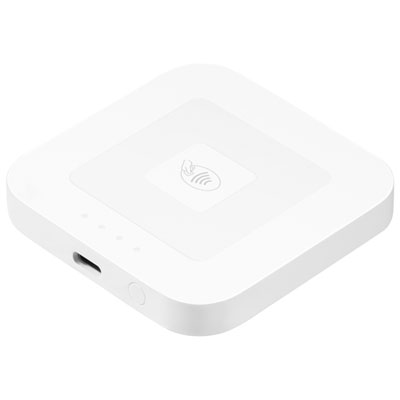 Your price for this item is $54.98
 -
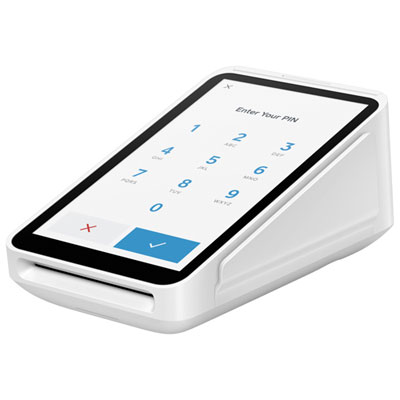 Your price for this item is $299.98
 -
 Your price for this item is $4.99
 -
 Your price for this item is $19.95
 -
 Your price for this item is $217.98
 -
 Your price for this item is $68.47
 -
 Your price for this item is $14.95
 -
 Your price for this item is $3.99
Discover more categories related to Small Business Cash Registers
Top Collections:
Pokemon Centers, Kindle Devices, Best Budget Office Chairs, Apple iPhones 16, Best Laptops for Writers, iPhone 15 Apple, Canon G7X Cameras, Refurbished Apple Laptops, Alarm Clock, Motorola Razr Phones
Some products may be subject to Environmental Handling Fees
(EHF) depending on your province.
Learn more about EHFs.