Staplers for Student Assignments
Staplers for student assignments are essential tools for keeping schoolwork organized and neat. Whether preparing homework, reports, or group projects, having the right stapler ensures pages stay securely fastened together. Choose from a range of options designed to meet the needs of students at every grade level, making it easy to manage assignments and keep paperwork in order. Find staplers for student assignments that help streamline your study routine and support academic success.
Sort







Why paper capacity matters as much as portability
For everyday student assignments, a desktop stapler rated for around 20 to 25 sheets is a practical match for essays, worksheets, and short reports. Many standard desktop designs use 1/4-inch staples, although the required staple size and rated sheet capacity depend on the stapler. That combination suits familiar school tasks: attaching a marking rubric to an essay, keeping a science lab report together, or fastening several pages of calculations before handing them in. A staple keeps loose sheets connected without adding the bulk of a folder, making it easier to turn pages and keep an assignment in order. Staplers for student assignments generally fall into two useful groups: desktop designs that stay in a study space and compact designs that travel between classes. A full-strip desktop stapler holds a longer strip of staples than a comparable half-strip design, reducing how often it needs refilling during repeated use. Its larger base also provides a steady surface when fastening a stack of paper on a desk. Compact and mini staplers take up less room in a pencil case, backpack pocket, or small desk drawer, which can be helpful when a student prints an assignment on campus or assembles a worksheet packet before class. The trade-off is often a smaller staple supply and lower sheet capacity, so portability and paper volume deserve equal attention. A short reflection paper and a substantial research report place different demands on the same tool. For students who mostly submit work online but occasionally need a printed copy, a compact stapler may cover those less frequent tasks. Students who regularly handle printed readings, handwritten exercises, and multi-page assignments may find a full-size desktop design more comfortable for repeated use. In a family study area, a shared stapler can serve several students, while a personal one keeps an essential tool close to a particular desk or school bag.
Materials, shape, and handling make a noticeable difference when a stapler becomes part of a daily study routine. A metal stapling mechanism provides the working structure, while the outer body may be metal, plastic, or a combination of both. A lightweight housing can be convenient for carrying, whereas a more substantial desktop body can feel steadier when pressing through a thicker stack. A non-slip base helps the stapler stay in place on a smooth work surface and can help protect the surface beneath it. The shape of the upper handle matters too: a broad pressing area gives the hand more room, and a reduced-effort mechanism can make repeated stapling less demanding. Compact size alone does not guarantee comfortable handling, especially for someone with larger hands or limited grip strength. The best physical fit depends on how the stapler will be held, where it will sit, and how often it will be used. Paper capacity also needs a little context. Manufacturers generally rate capacity using a specified paper weight, so a stack of heavy paper, card covers, or mixed materials may reach the stapler’s limit with fewer sheets than a stack of ordinary printer paper. Longer staple legs are not automatically suitable for a standard stapler; the mechanism must support the specified staple type and size. For thicker coursework packets, a higher-capacity design may be more appropriate than repeatedly forcing a smaller tool. Stapling depth, sometimes called throat depth, determines how far from the paper’s edge a staple can be placed. A conventional desktop stapler is well suited to corner fastening, while a long-reach design serves a different purpose, such as placing staples along the fold of a booklet. These distinctions matter for students assembling project booklets, presentation handouts, or bound sets of notes. Where offered, a flat-clinch mechanism bends staple legs flatter against the back of the paper, which can reduce the raised edge when several stapled assignments are stacked together.
Everyday convenience often comes down to the details noticed between assignments rather than during a single use. A clearly accessible loading channel makes refilling more straightforward, while a staple indicator can make it easier to spot when the supply is running low. Some staplers have built-in staple storage or an integrated remover, useful features when desk space is limited. A separate staple remover can also be helpful when a page needs replacing after printing or a teacher requests a different page order. Removing the fastener carefully helps avoid tearing the corner of the assignment, particularly with thin paper or a small stack. Consistent fastening starts with pages aligned neatly and a stack that stays within the tool’s rated capacity. A staple placed far enough from the edge to hold securely, without covering text or feedback space, keeps the finished assignment easy to read. If a teacher or instructor specifies a fastening method or location, that requirement takes precedence over personal preference. Care is usually simple: keep the stapler dry, wipe the exterior with a soft cloth, and clear loose paper scraps from accessible areas according to the manufacturer’s directions. A jam should be addressed using the recommended clearing procedure rather than extra pressure on the handle. For younger students, adult supervision and a design suited to their handling abilities are important because the staple exit and closing mechanism can pinch fingers. A closed stapler is also better protected when carried in a separate backpack compartment instead of loose among cables and other supplies. Within the broader Office Staplers category, student needs centre on dependable fastening, manageable size, and compatibility with ordinary school paperwork. A stapler can also be a useful addition to a practical study-supply gift for a student setting up a first independent workspace. Whether it stays beside a printer or travels to class, a well-matched design helps keep printed work assembled and ready to hand in.
Top selling and popular products
-
 Your price for this item is $103.99
-
 Your price for this item is $118.99
-
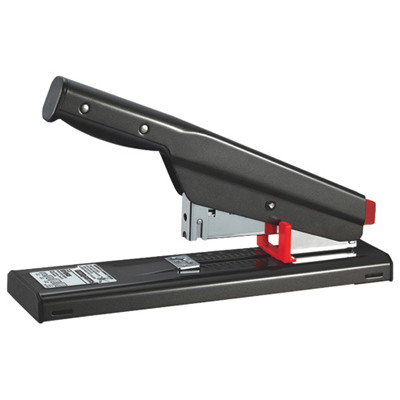 Your price for this item is $44.99
-
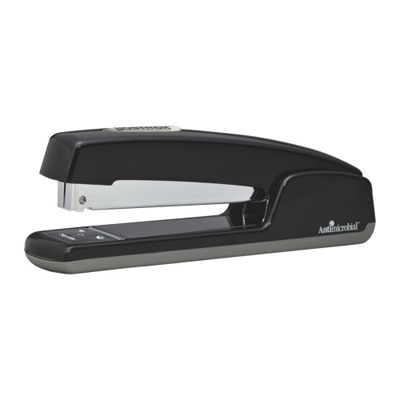 Your price for this item is $19.99
-
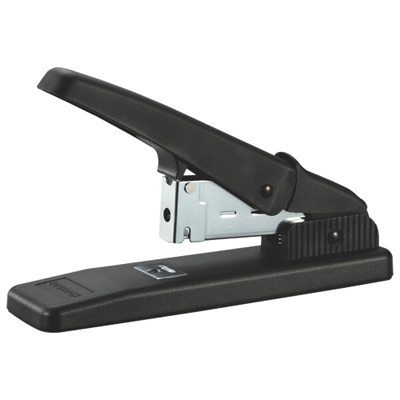 Your price for this item is $57.99
-
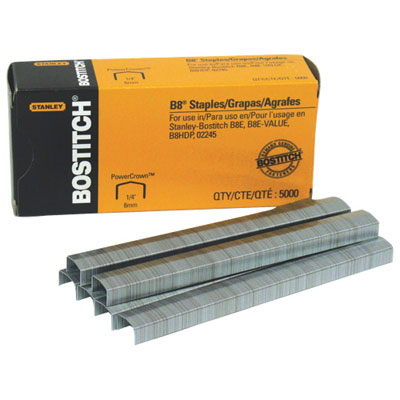 Your price for this item is $6.99
-
 Your price for this item is $69.99
-
 Your price for this item is $23.99
Discover more categories related to Staplers for Student Assignments
Top Collections:
Best Black Friday Deals This Year, Best Black Friday Deals On Electronics, Kindle Devices, Dyson Airwrap, Best Cameras for Sports Photography, Best Budget Office Chairs, Canon G7X Cameras, PS5 Pro Consoles, Best Black Friday Deals On Apple Products, XBOX One S Consoles
Some products may be subject to Environmental Handling Fees
(EHF) depending on your province.
Learn more about EHFs.