Staples Laminating
Staples Laminating offers a convenient way to protect and preserve important documents, photos, and projects at home, school, or the office. Whether you’re looking to create professional presentations or keep cherished memories safe, Staples Laminating provides reliable solutions for a variety of needs. Explore a range of options designed to help you achieve crisp, long-lasting results every time.
Sort
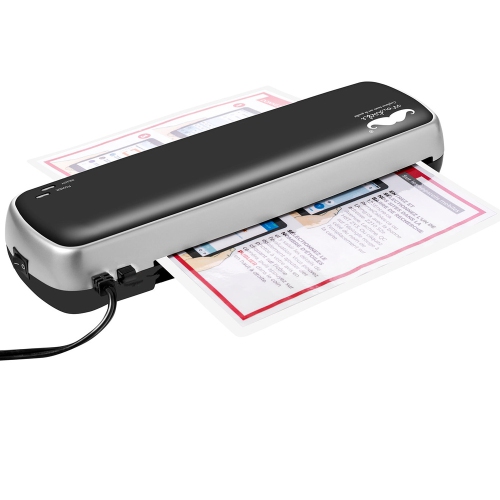
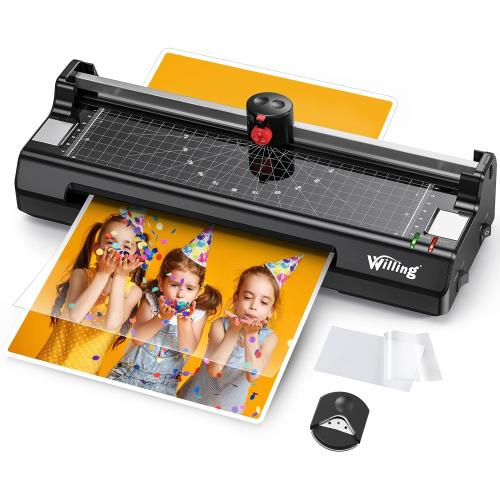
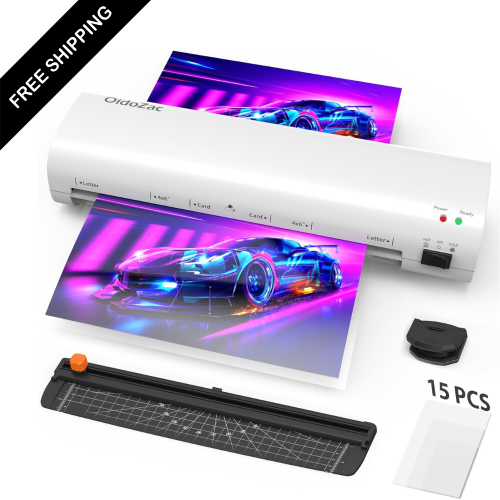
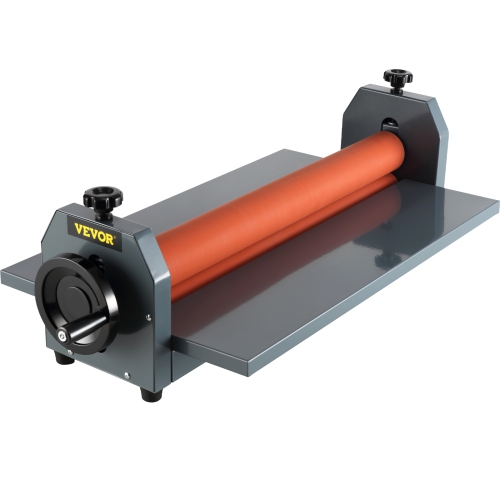
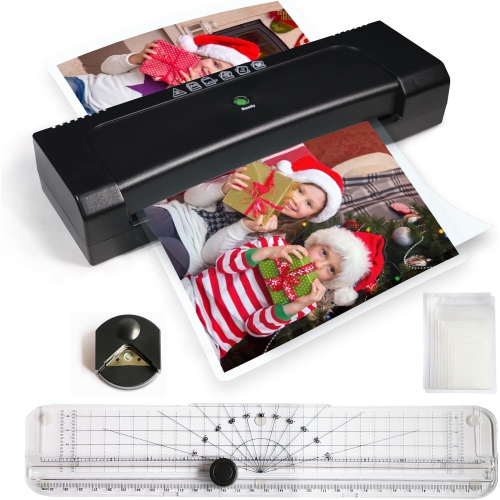
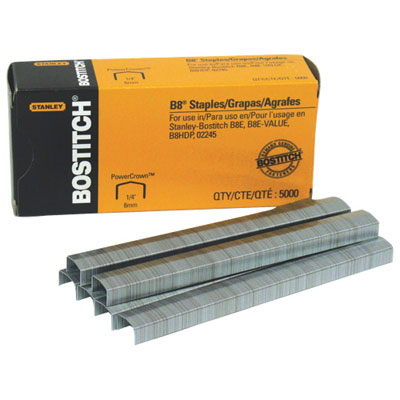
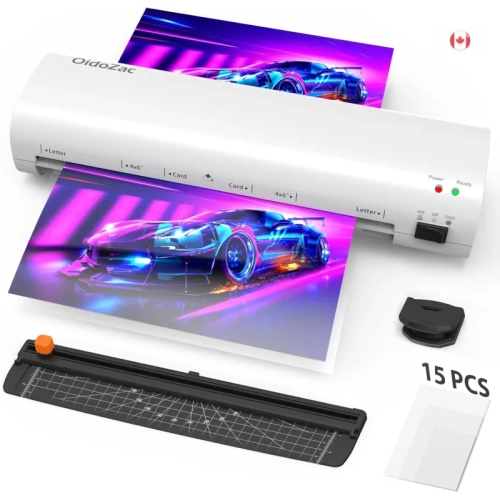
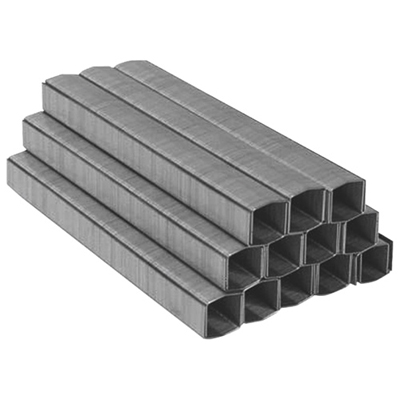
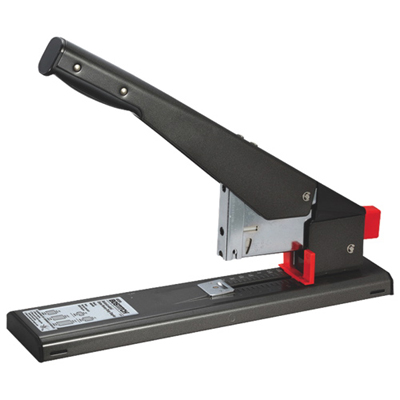
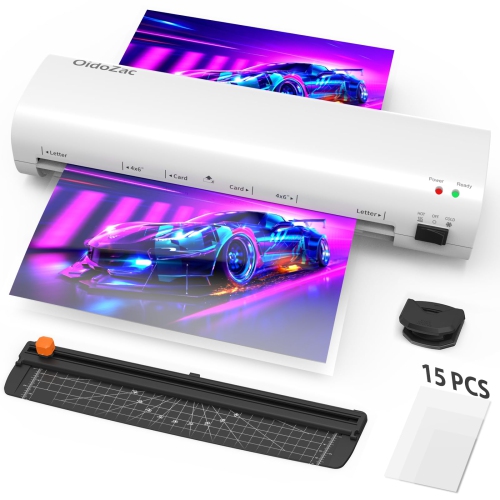
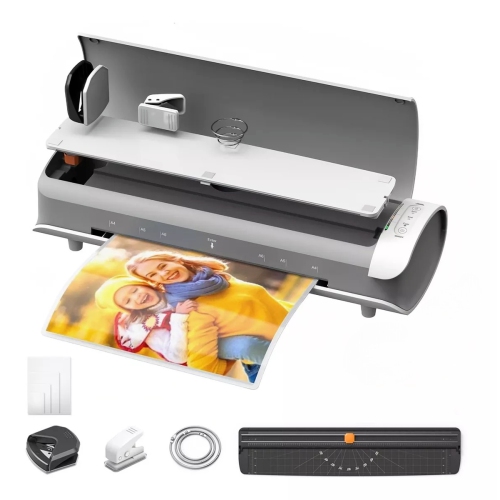
A tougher finish for documents used every day
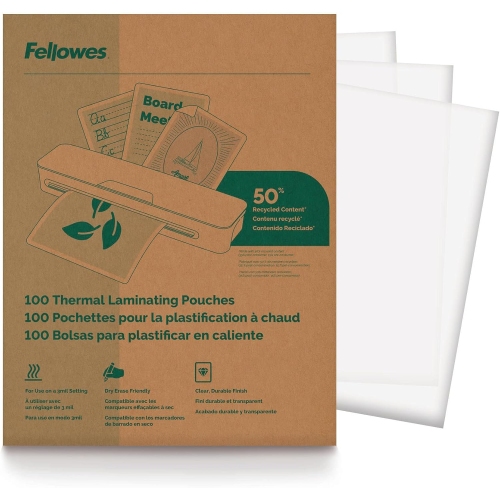
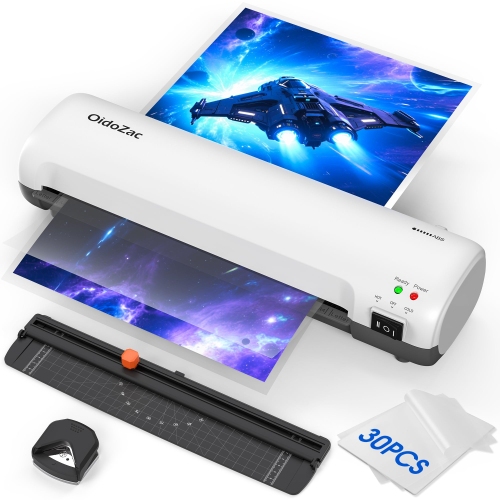
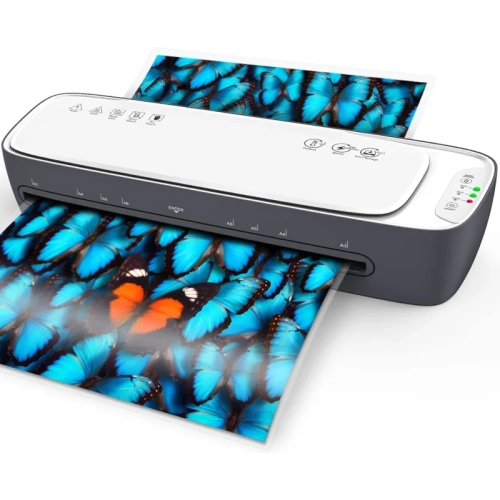
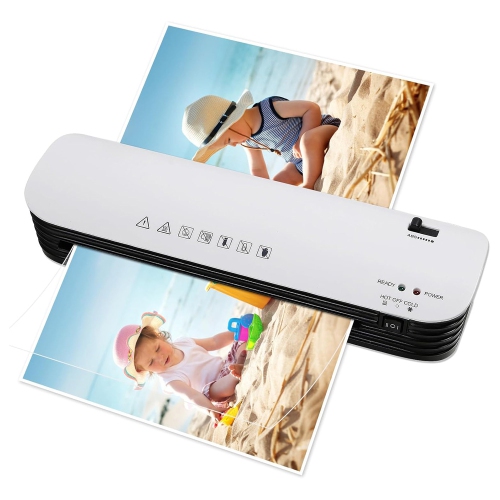
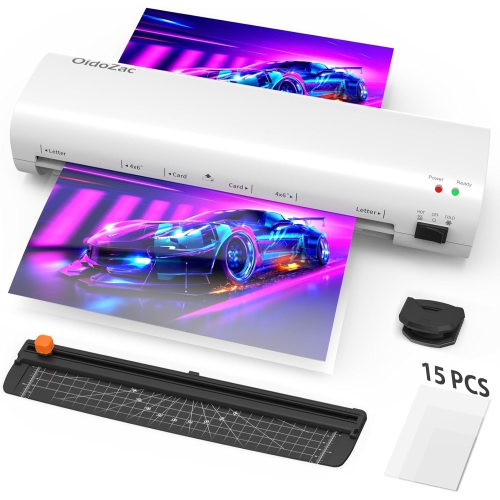
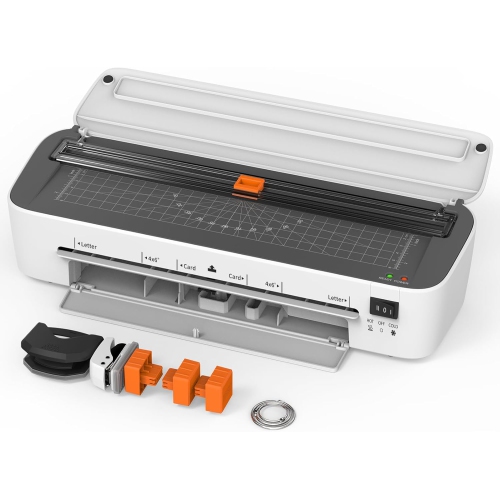
Laminating supplies give frequently handled paper a tougher outer layer, helping everyday documents stand up to fingerprints, splashes, creases, and repeated use. A laminated classroom activity sheet can pass between several groups of students, while a clearly printed reception sign keeps its tidy appearance through daily handling. At home, the same approach suits reusable checklists, recipe cards, drawer labels, and schedules that need to stay legible rather than disappear into a pile of loose paper. The main components are straightforward: a laminator applies a protective covering, and compatible pouches or film provide the clear surface around the document. Thermal pouches use heat-activated adhesive, while self-adhesive options can cover suitable materials without a heated machine. The right combination depends on the size and type of paper, how often it will be handled, and whether the finished piece should remain flexible or feel more rigid. For shoppers organizing a workspace, laminating supplies fit naturally alongside the broader office essentials found on the Staples page. Teachers, administrative staff, small business owners, and busy households can all put these materials to practical use. A shared task chart benefits from a surface that can be wiped clean, while instructions kept beside a craft table gain protection from frequent handling. Laminating can also make handmade learning materials feel more finished, especially when matching cards or visual schedules need a consistent shape and a smooth surface. It is best suited to documents whose content is settled, since an ordinary laminated sheet cannot simply be opened to replace the paper inside. Copies are usually a better choice than irreplaceable originals, particularly for certificates, keepsakes, or official records that may need to remain unaltered. That distinction keeps lamination focused on its strongest role: making useful printed materials easier to handle, display, and reuse.
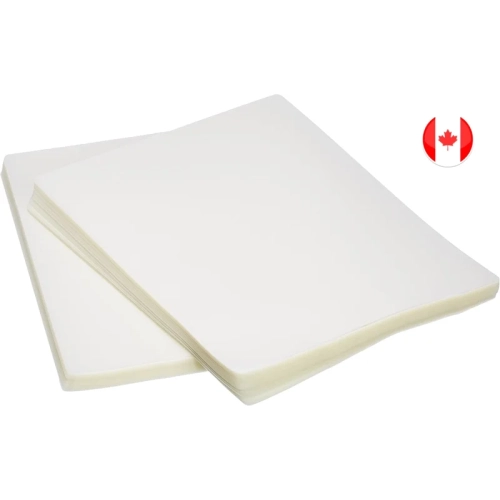
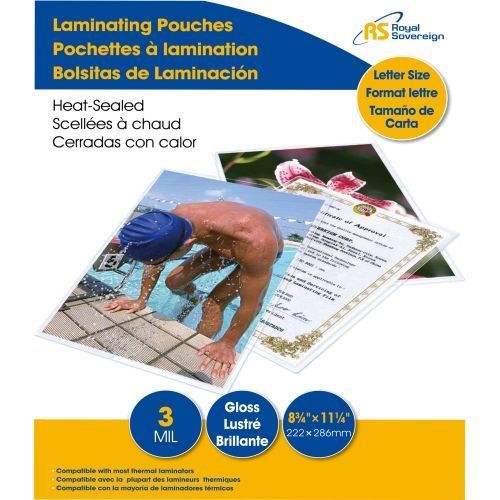
Size compatibility is one of the most important differences among laminating supplies. The machine’s entry width needs to accommodate the pouch, not just the document inside it, and the pouch should leave the sealing border specified by its manufacturer. Letter-size worksheets, small identification cards, and larger notices place different demands on a machine, so the dimensions of the finished project matter as much as the paper format. Pouch thickness also affects the result. It is commonly expressed in mil, a unit equal to one thousandth of an inch, and the laminator must support the chosen thickness. Thinner pouches generally produce a more flexible finish suitable for pages that will be filed or carried, while thicker options add firmness to signs, reference cards, and materials handled repeatedly. A thicker pouch is not automatically the better fit; paper weight, machine limits, and the intended use all play a part. Clear gloss finishes can give printed colours a crisp appearance, though reflections may make text harder to read under overhead lighting. Matte finishes reduce glare and offer a more subdued look, which can be useful for notices viewed from different angles. Where writing and wiping are part of the plan, compatibility with the intended marker matters, since not every surface releases ink cleanly. A small test on a spare piece can reveal staining before a whole set of activity sheets is prepared. Thermal lamination works well for many ordinary paper documents, but heat-sensitive prints, certain photographs, and specially coated materials may require another method. Pressure-sensitive coverings can be useful when heat is unsuitable, although their adhesive still needs to be compatible with the material. These differences are especially relevant for mixed projects: a stack of plain-paper checklists and a collection of photo-based labels may look similar on a desk but need different treatment to achieve a clean, lasting finish. The document and covering should work together without obscuring fine print or important visual details.
For regular use, a laminator’s handling features can be just as important as its finished results. Warm-up time affects how quickly a short task can begin, while feed speed and permitted operating duration matter more when preparing a full classroom set or a batch of workplace notices. A machine intended for occasional home tasks may have different operating limits from one designed for longer sessions. Clear ready indicators, straightforward thickness settings, and a release or reverse function can make routine work easier, especially when several people share the equipment. Enough flat space in front of and behind the laminator helps a pouch enter straight and exit without bending against a wall or falling over a desk edge. Paper clips and metal staples need to be removed before processing, and paper should be clean, dry, and positioned according to the pouch instructions. Fresh ink or damp adhesive can affect the finish, so allowing printed or assembled materials to dry fully is worthwhile. After thermal processing, letting the finished sheet cool flat helps it settle before handling or trimming. Keeping the required sealed border intact is important: cutting too close to the paper can open a path for moisture and encourage the layers to separate. Rounded corners can make frequently handled cards more comfortable, provided trimming does not compromise that border. Care is usually simple, with a soft cloth and a cleaning method approved for the covering, rather than abrasive scrubbing or strong solvents. Laminated paper is more resistant to everyday wear, but it should not be treated as fully waterproof, suitable for prolonged outdoor exposure, or protected against fading unless the materials are specifically rated for those conditions. Nor does an ordinary sealed pouch make a document archival. For its intended everyday uses, though, lamination offers a practical balance of clarity, structure, and protection. A neatly finished reference sheet beside a shared printer, a wipe-clean chore chart on a cupboard, or a set of reading cards in a teaching kit can stay useful through many rounds of handling without needing to be printed again after every small spill or crease.
Top selling and popular products
-
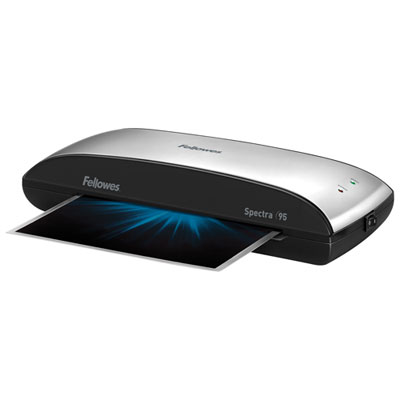 Your price for this item is $63.99
-
 Your price for this item is $34.99
-
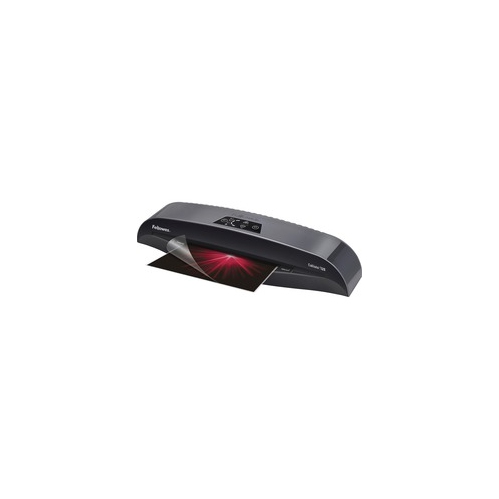 Your price for this item is $200.99
-
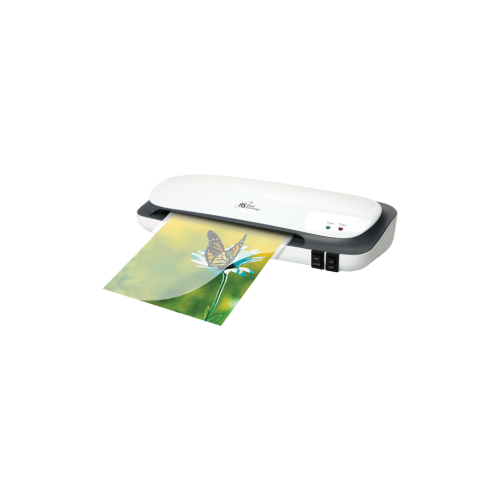 Your price for this item is $49.85
-
 Your price for this item is $299
-
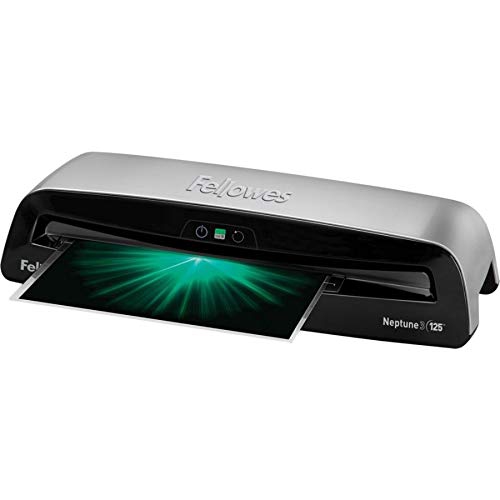 Your price for this item is $646.68
-
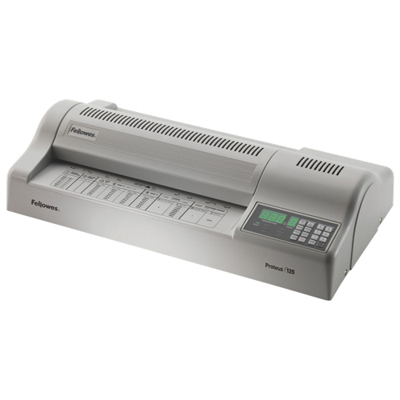 Your price for this item is $1525.99
-
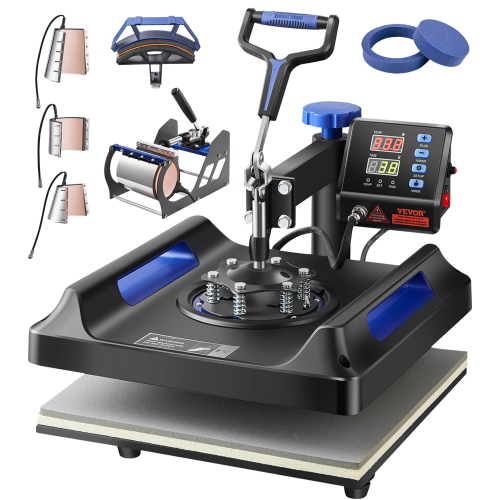 Your price for this item is $317.99
Discover more categories related to Staples Laminating
Top Collections:
Pokemon Centers, Best Cameras for Sports Photography, Kindle Devices, Samsung Galaxy Phones, Canon G7X Cameras, Pokémon 30th Celebration Cards, Refurbished Apple Laptops, iPhone 15 Apple, Laptops for Students, Budget Smartphones
Some products may be subject to Environmental Handling Fees
(EHF) depending on your province.
Learn more about EHFs.