Stationery Gifts
Find the perfect stationery gifts to delight any recipient on any occasion. From elegant notebooks to stylish pens and everything in between, our curated selection of stationery products offers a variety of options to suit every taste and preference. Whether you're shopping for a student, a colleague, or a friend who loves to stay organized in style, our collection of stationery gifts is sure to inspire creativity and productivity. Browse through our range of high-quality items that are both practical and aesthetically pleasing, making them ideal for gifting or treating yourself to something special.
Sort

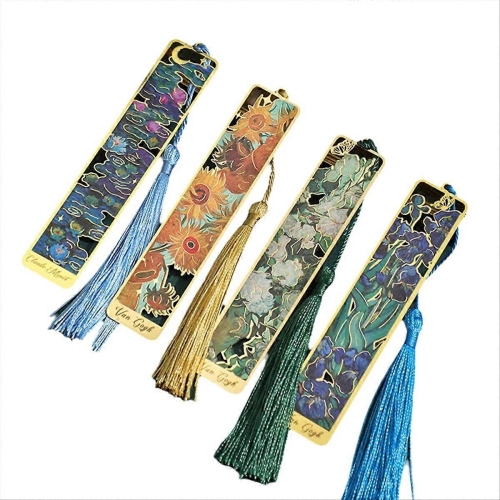


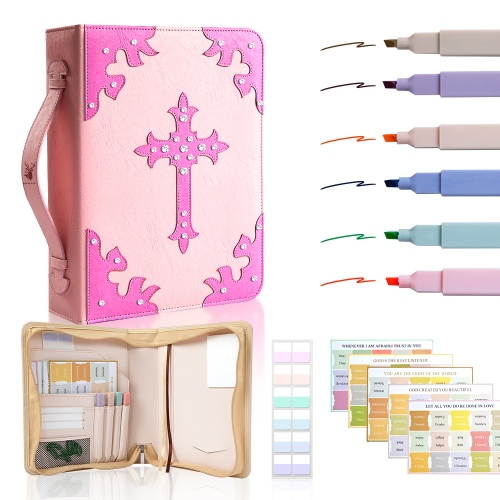

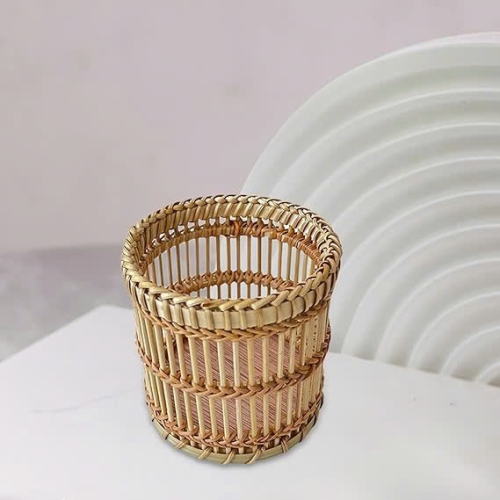

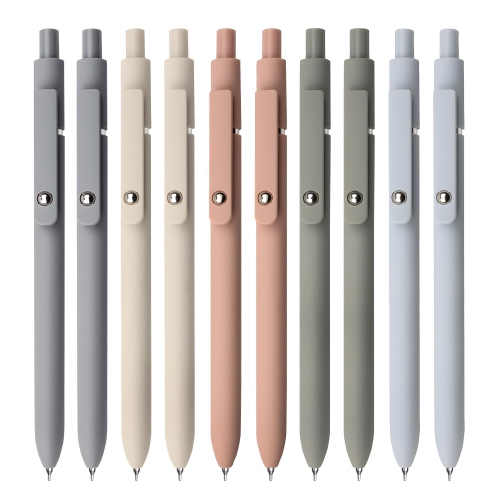
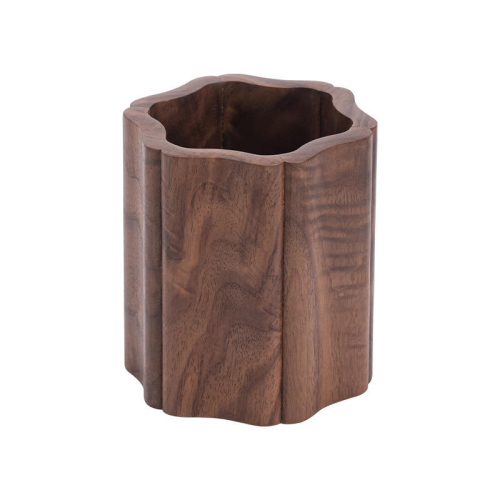

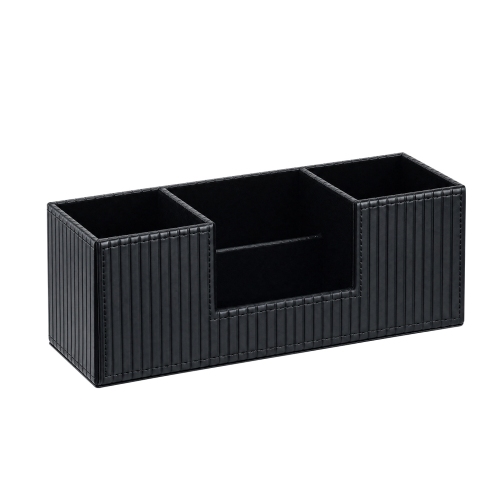

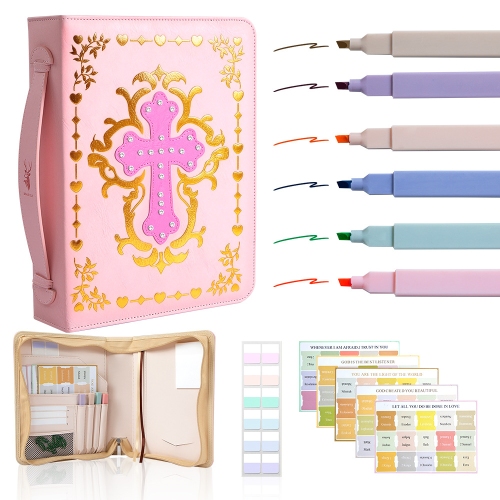
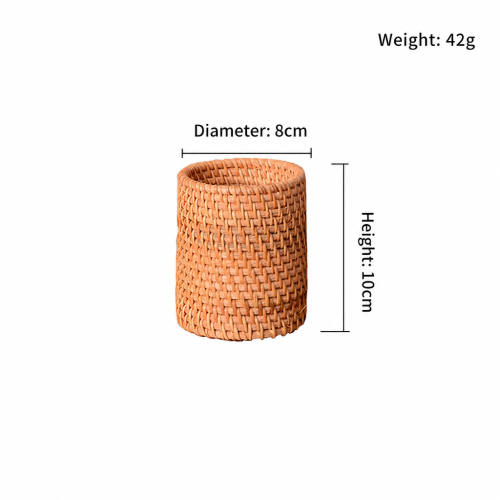
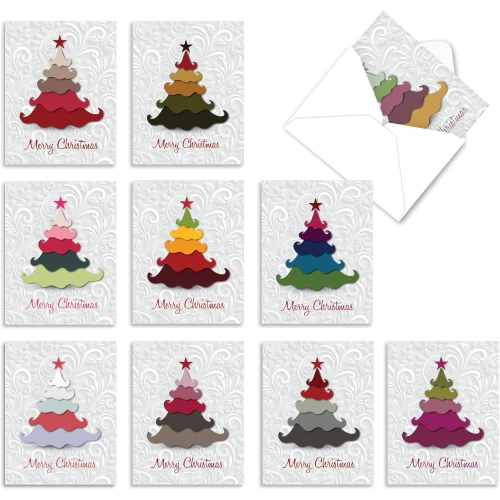
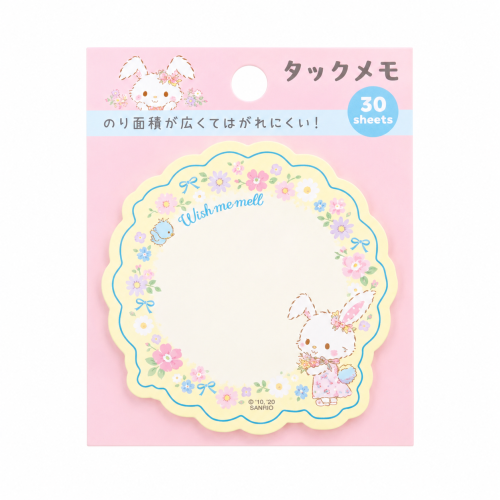


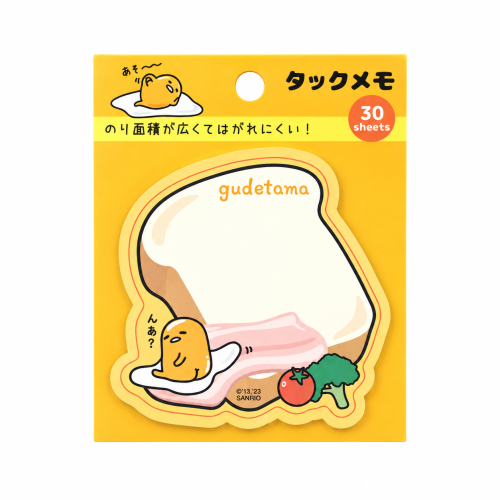

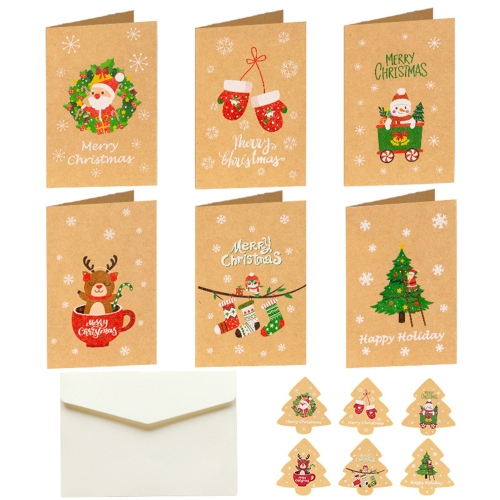

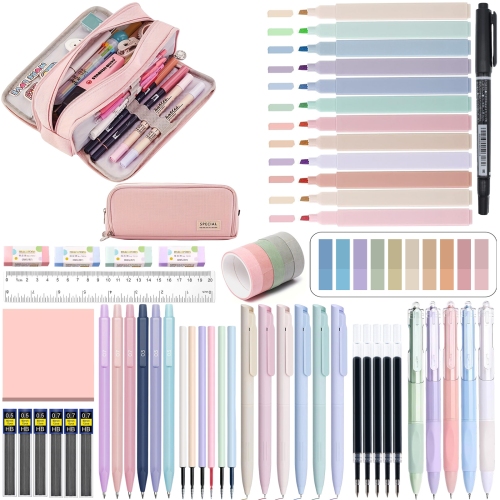
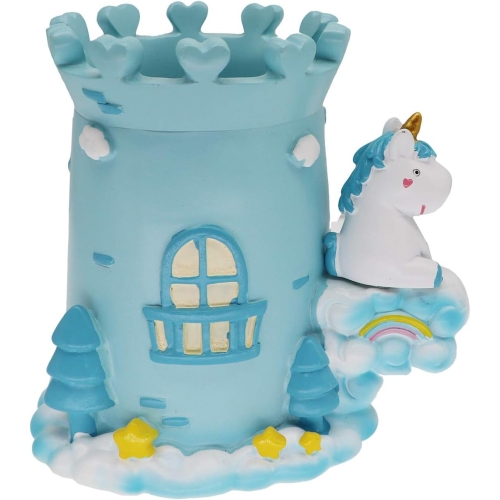
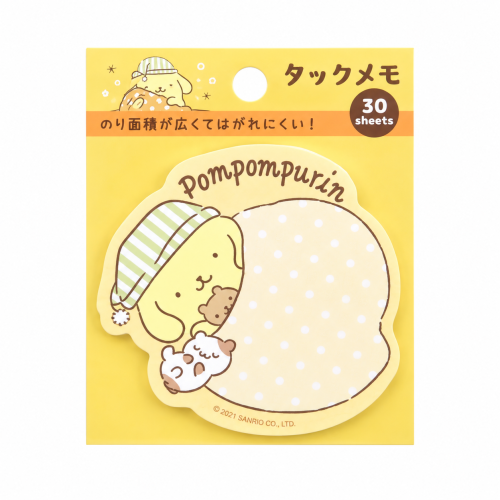
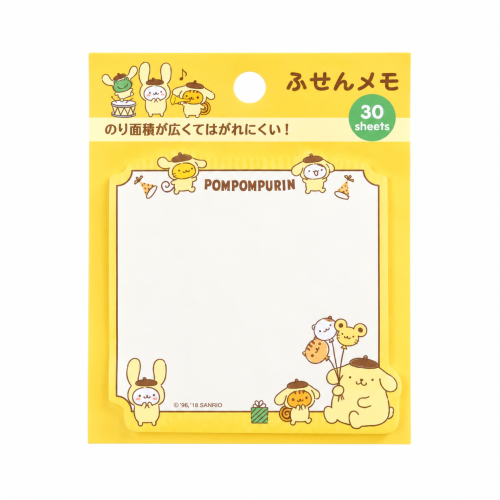
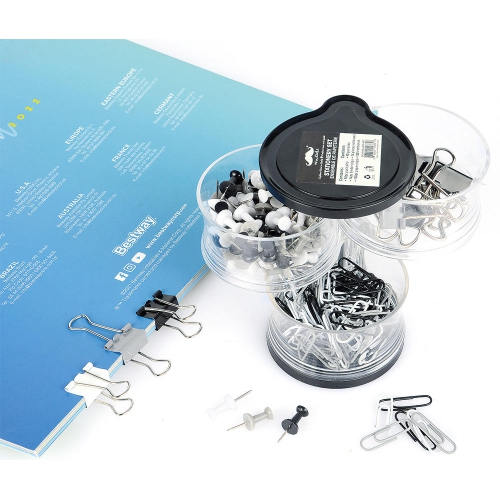
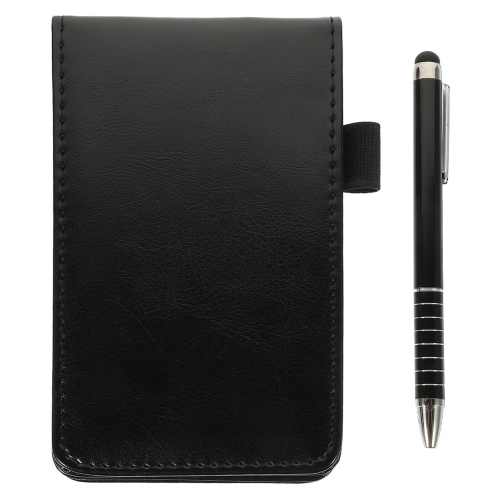

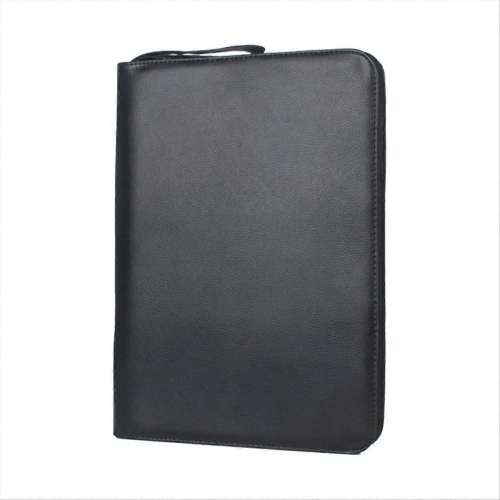

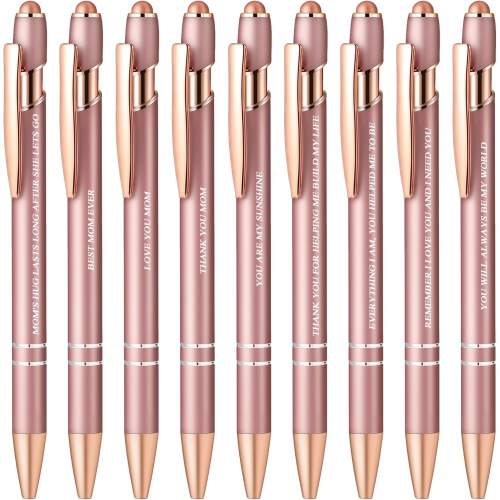
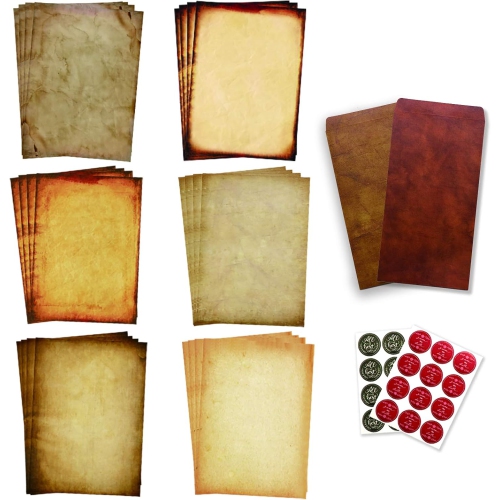
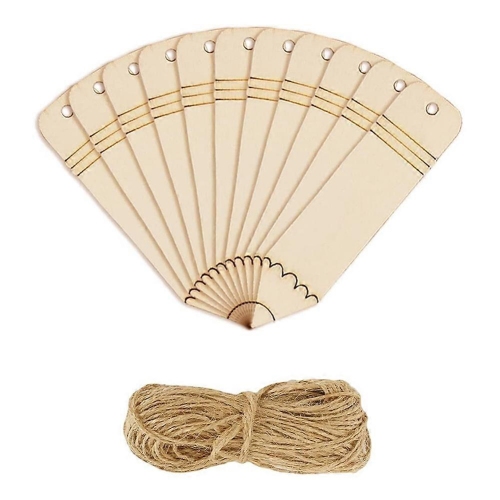
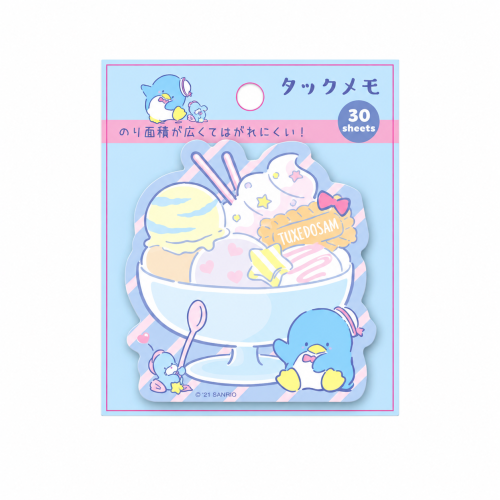
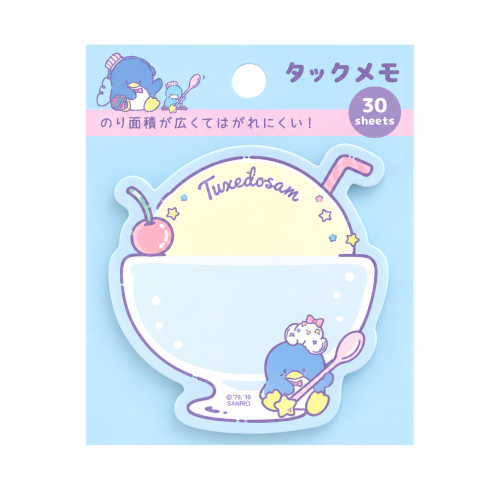
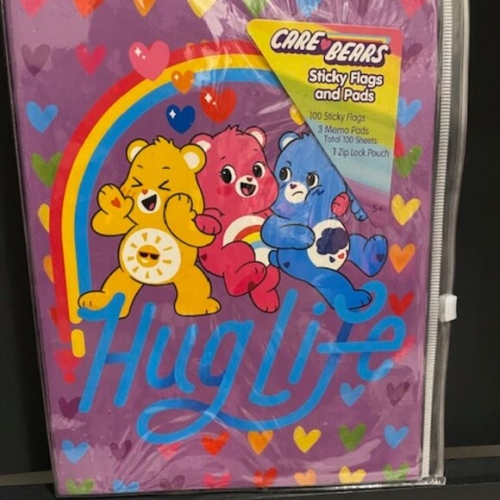

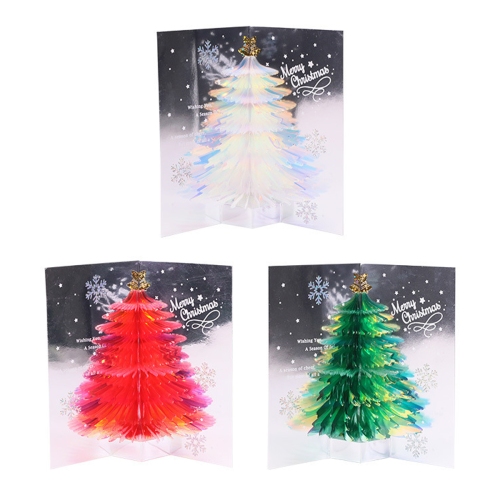

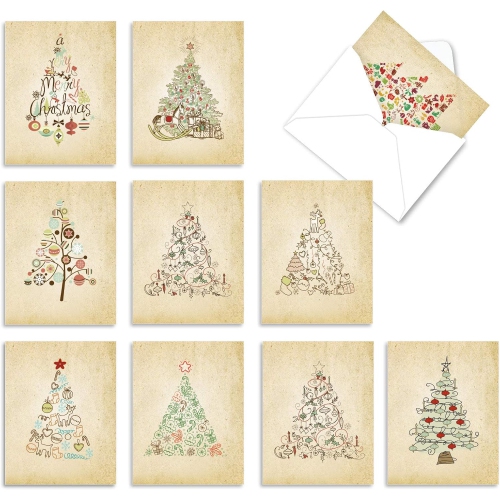


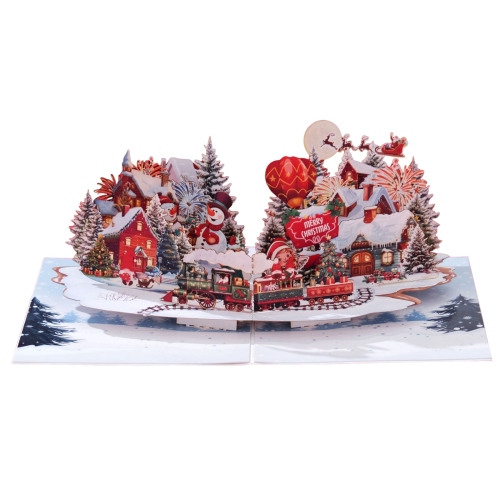




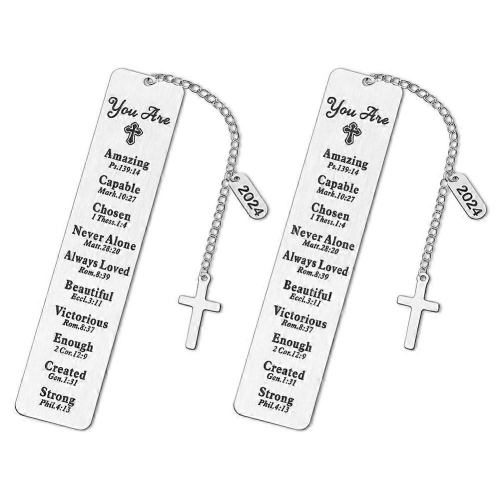


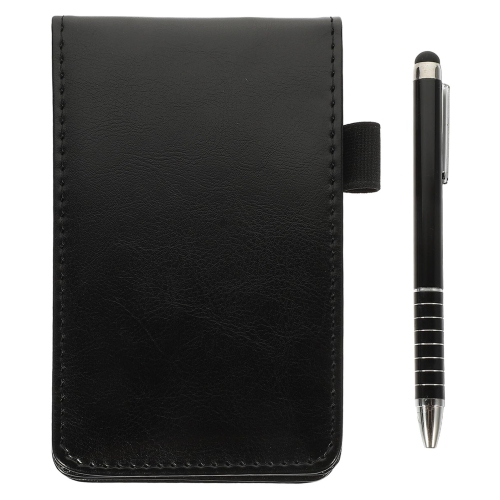


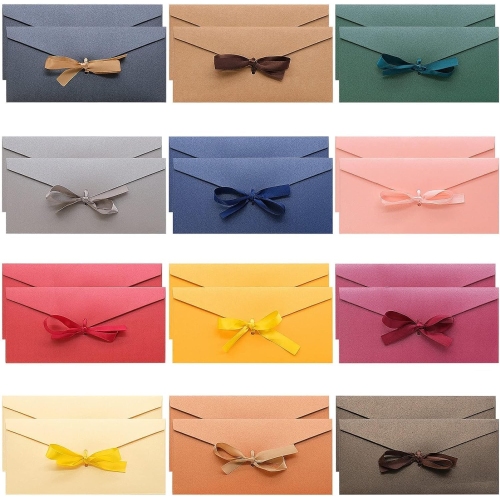


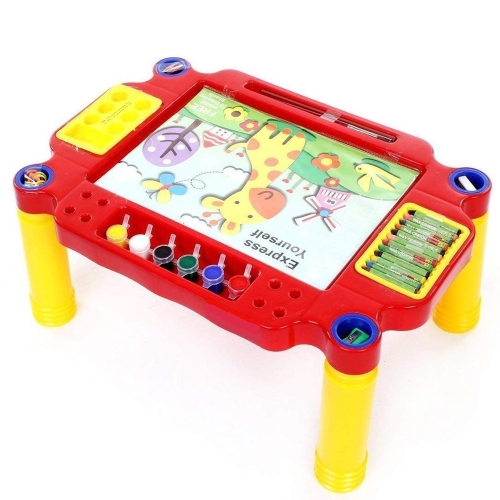

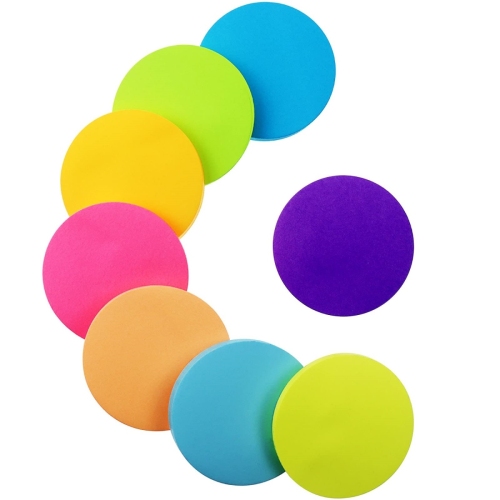
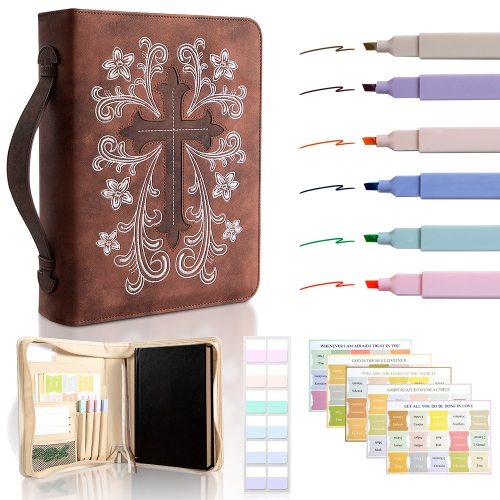


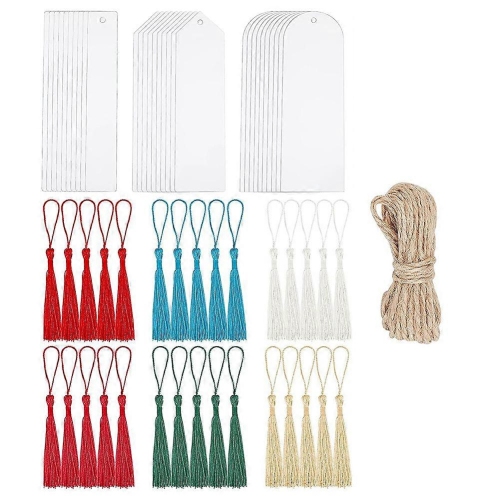
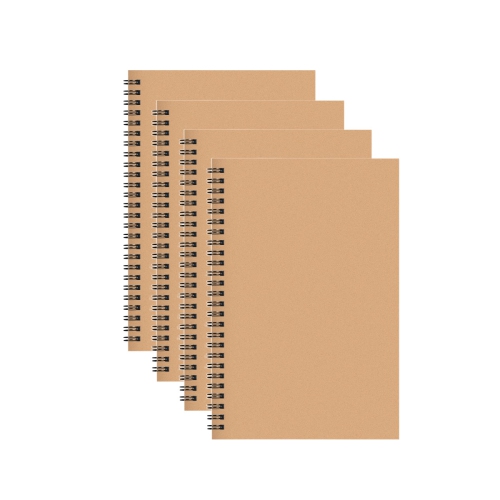
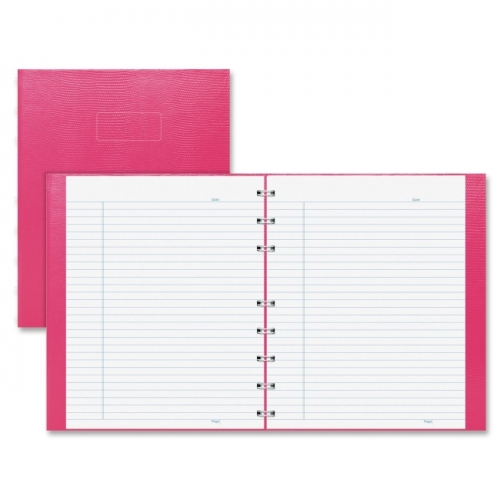
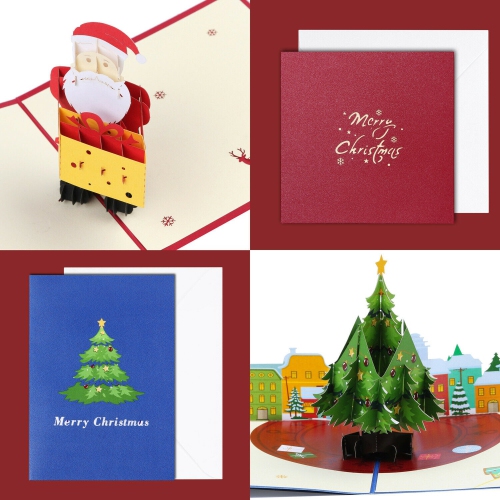

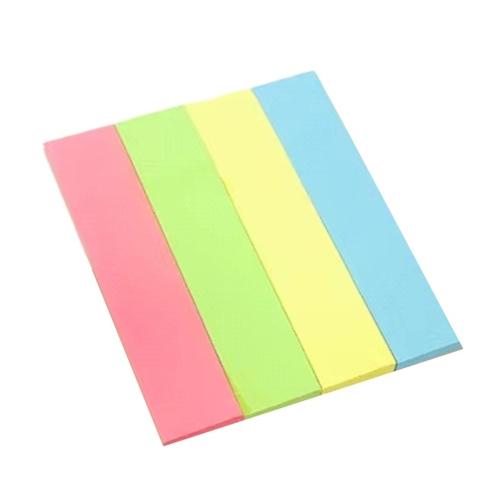

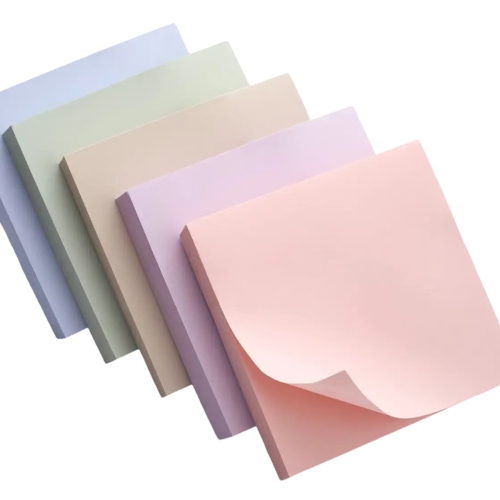


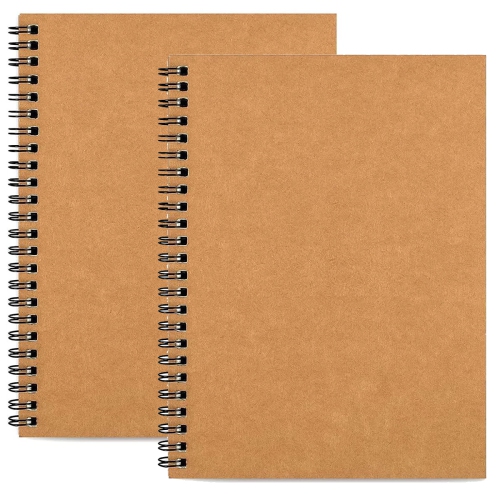
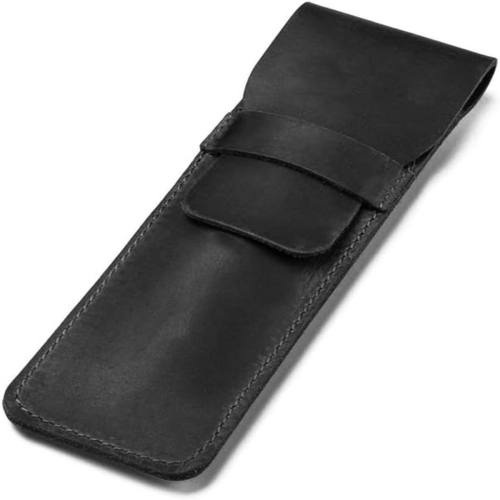

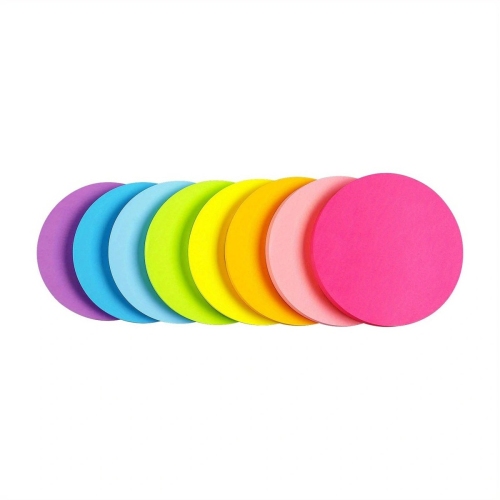


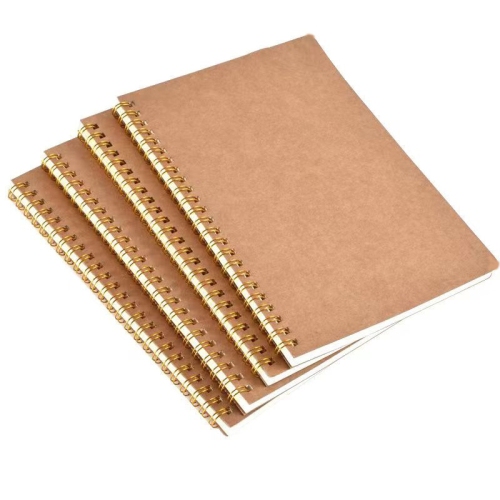


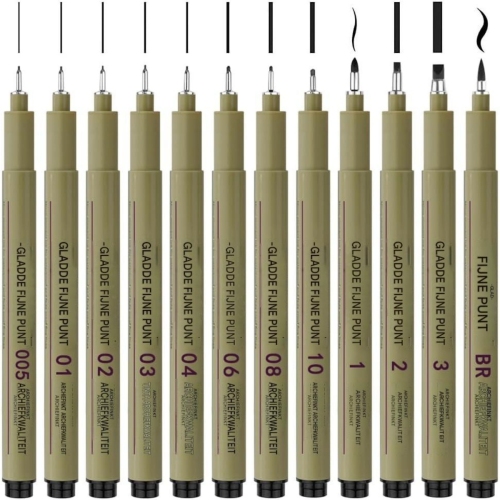

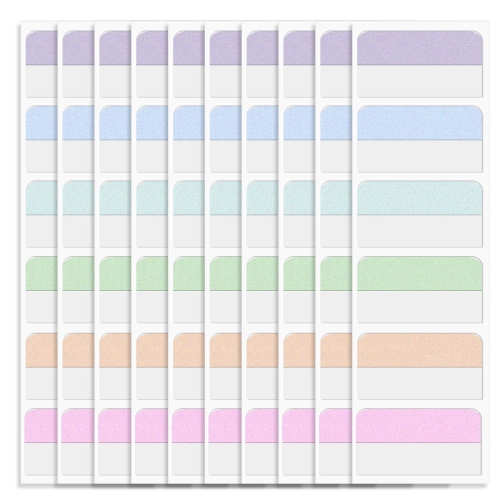
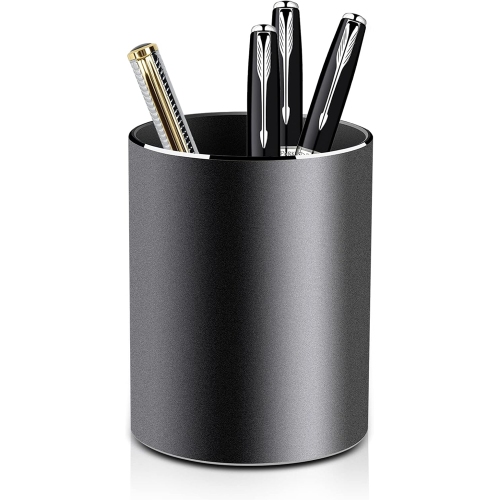
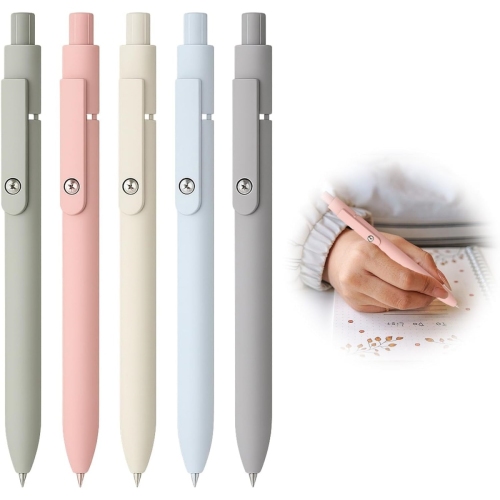




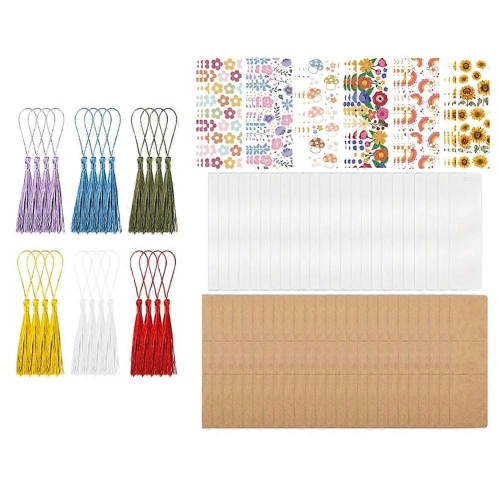




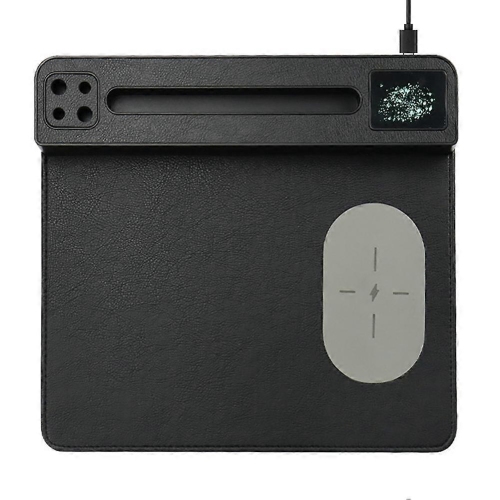

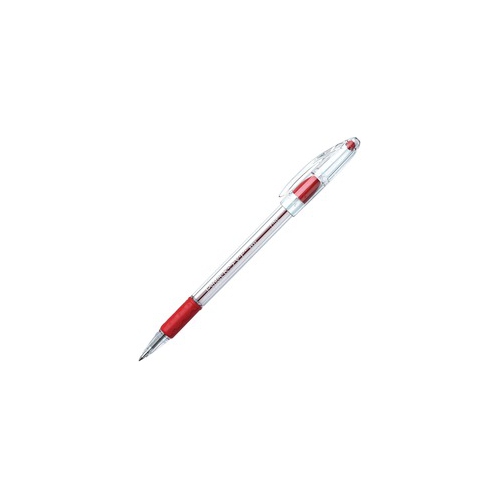

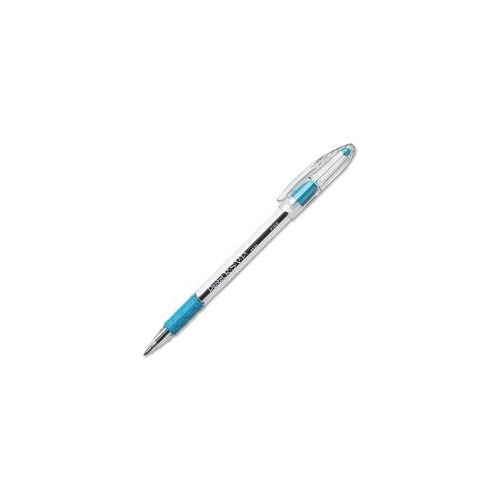






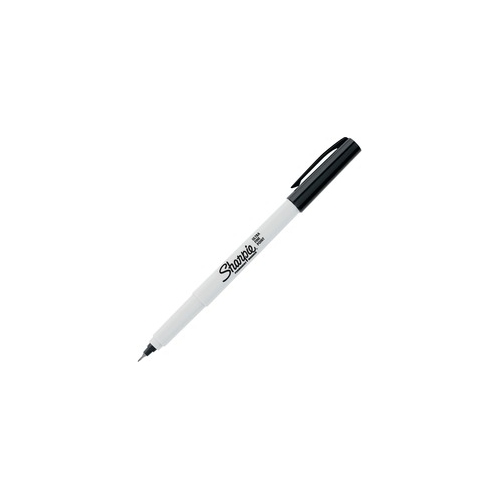


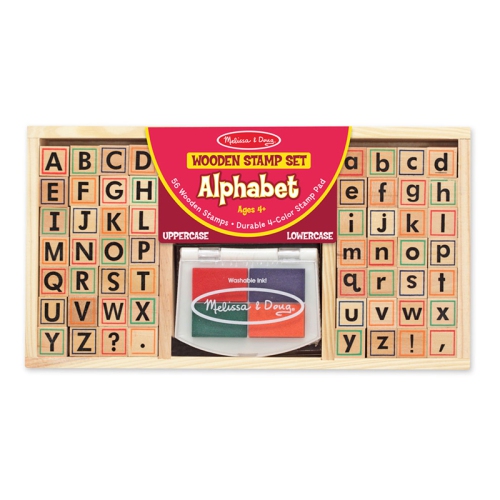


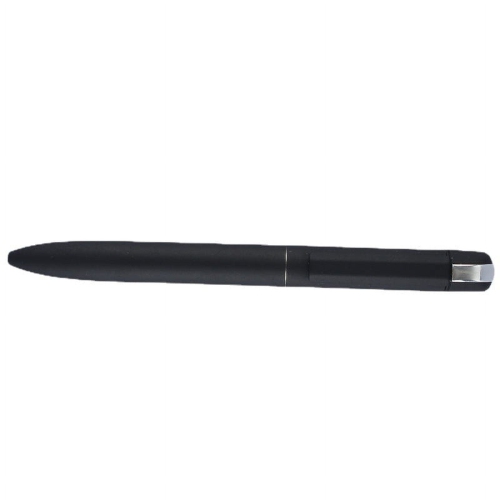

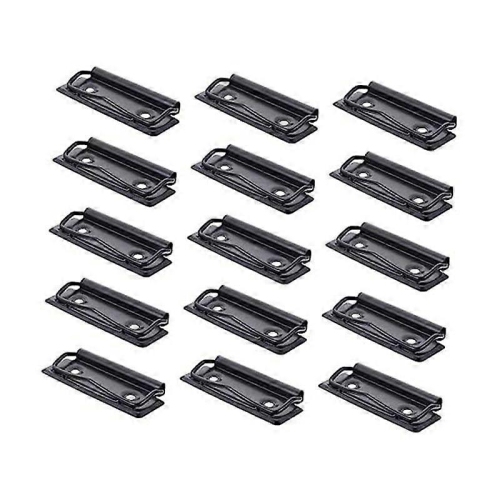
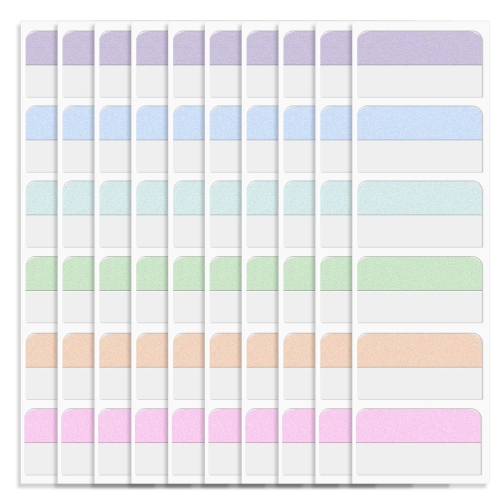


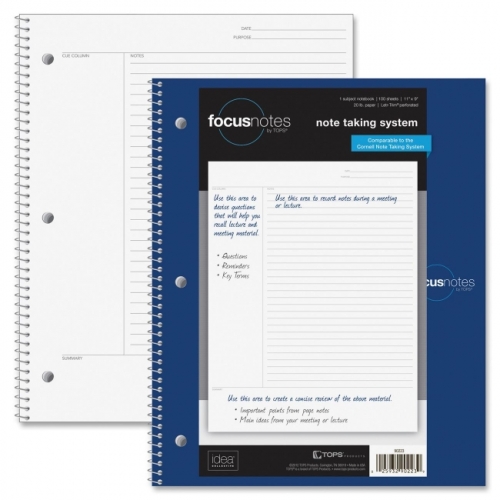



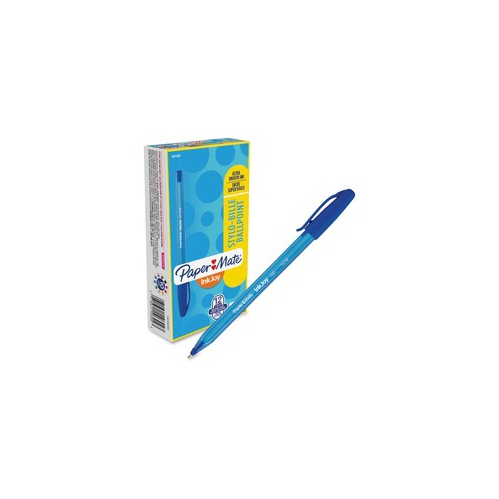


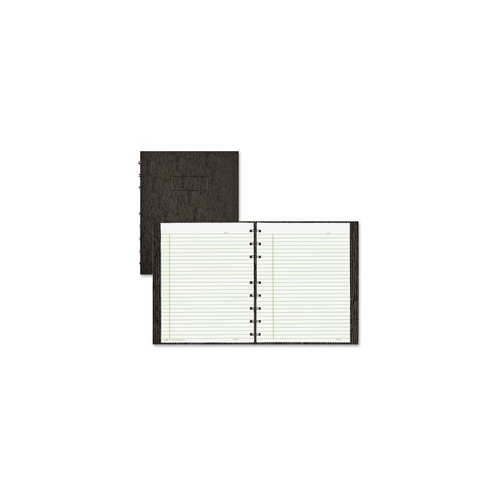


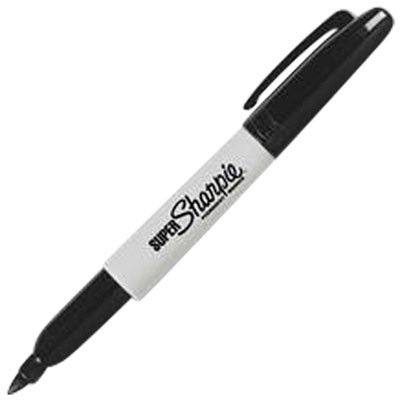


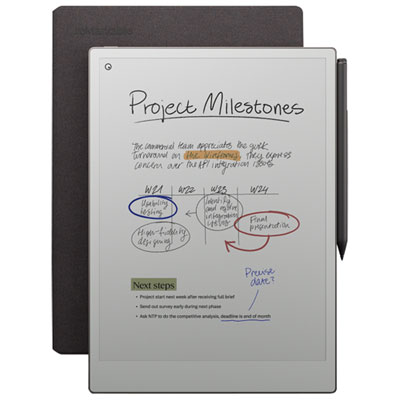


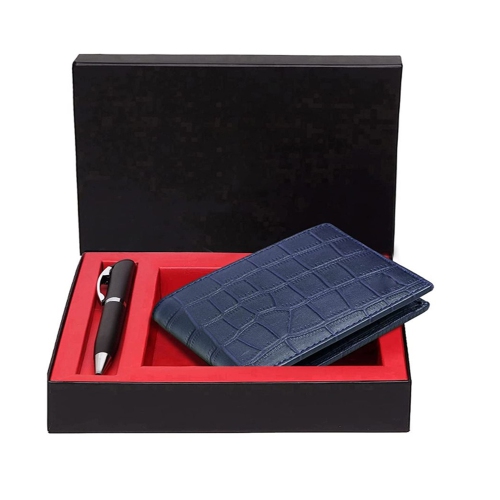
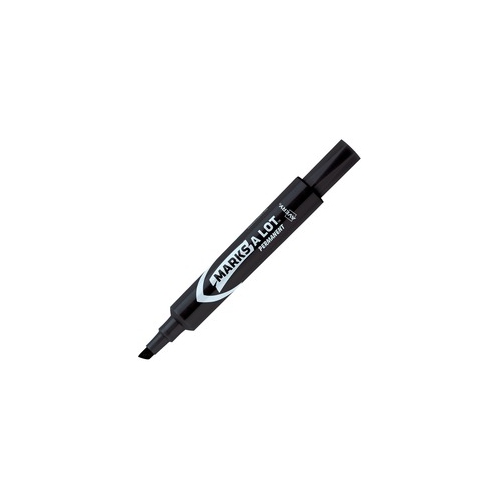


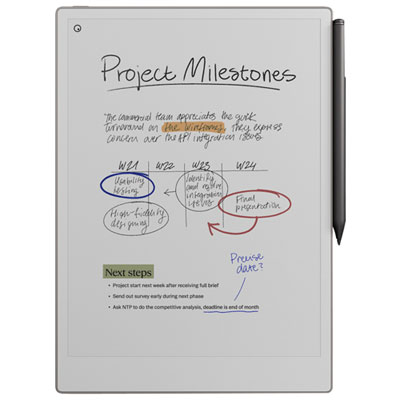
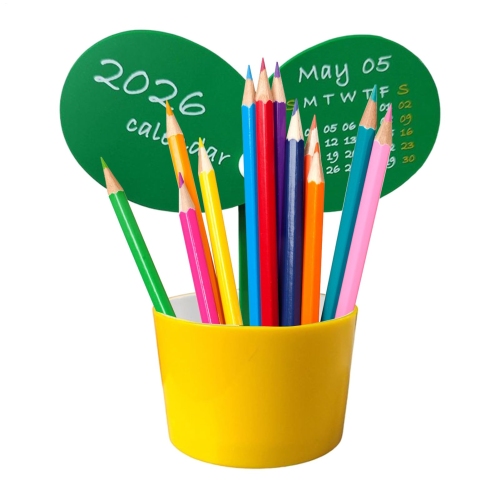
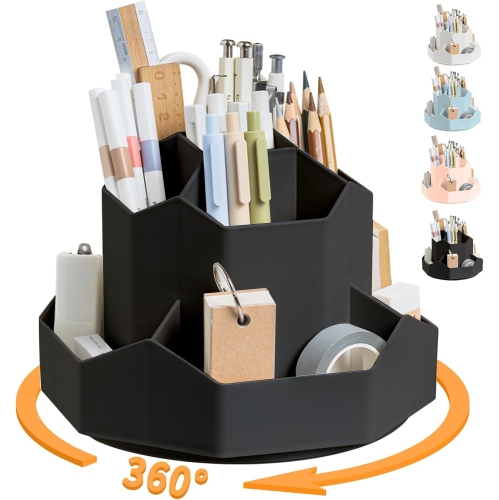
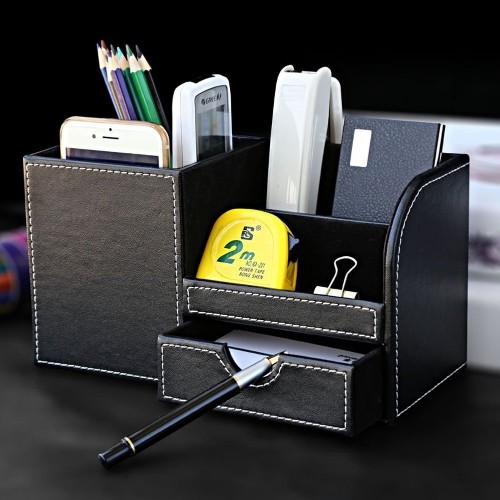


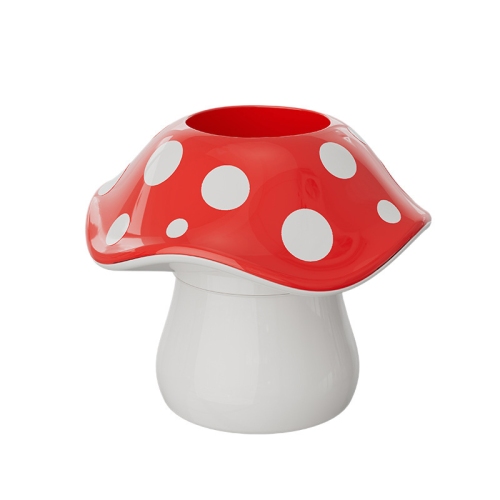

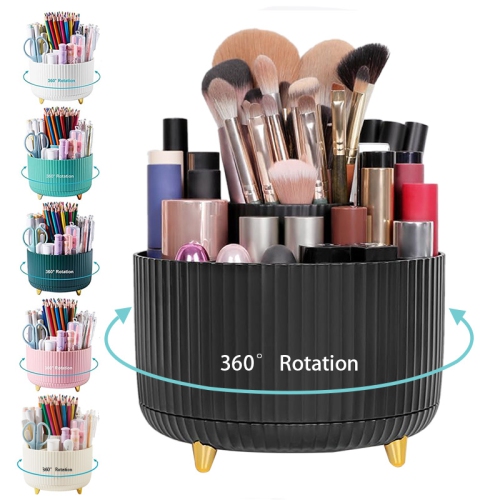
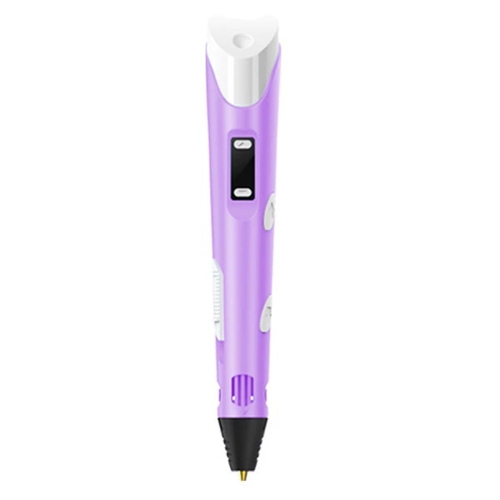
Paper and pens that feel personal without an inscription
Stationery gifts bring together writing, planning, correspondence, and creative expression in forms that feel personal without needing a custom inscription. The appeal can be as simple as a smooth page, a comfortable pen, or a set of colours that makes everyday notes more inviting. Common categories include coordinated stationery sets, notebooks and journals, writing instruments, planners, letter-writing supplies, and small desk accessories. Each suits a different kind of routine: a student may appreciate space for class notes and colour-coded reminders, while someone starting a new role may enjoy a notebook that moves easily between a desk and a meeting room. For a friend who sends handwritten messages, thoughtfully matched paper and envelopes can feel more fitting than a dated planner. Stationery gift sets often pair complementary supplies around a shared palette or purpose, creating a cohesive presentation while keeping the contents useful. Soft pastels, bright illustrations, restrained neutrals, and textured covers offer different ways to reflect the recipient’s taste. A playful design can make a homework desk feel more welcoming, while a simple clothbound cover can sit comfortably beside a laptop in a shared office. The strongest connection is usually to something the recipient already enjoys, whether that means keeping a reading journal, sketching during a train journey, or writing a few lines at the end of the day. Birthdays, graduations, teacher appreciation, and the start of a new job are all natural occasions for stationery gifts. During the cooler months, paper-based hobbies also lend themselves to quiet afternoons indoors, from practising handwriting to gathering family recipes in one place. A gift does not need a large assortment to feel complete; a few compatible supplies with a clear purpose can be more satisfying than a collection of extras that rarely leave the drawer. That balance of personal style and everyday function gives stationery a place among gifts for both close friends and people whose tastes are less familiar.
Paper and notebook construction shape how stationery feels in use, often more than the cover design alone. Smooth paper lets a pen glide with little resistance, while a lightly textured surface gives pencils more grip and can add character to a handwritten note. Paper weight is useful context, but thickness alone does not determine whether ink will feather or show through; surface treatment, absorbency, and the type of ink also matter. Someone who writes on both sides of a page may particularly value opacity, while a person who sketches with wet media needs paper intended for that use rather than an ordinary writing pad. The broader range of Stationery Papers supports different activities, including everyday correspondence, creative layouts, and handwritten invitations. Within notebooks, ruled pages provide structure for long passages, dot grids offer subtle reference points for lists and diagrams, and blank pages leave room for drawings and less structured thoughts. Page size should fit the recipient’s habits: a compact format travels easily in a bag, while a larger page gives spacious handwriting, project notes, and mind maps room to spread out. Bindings affect comfort as well. Spiral-bound pages can fold back on themselves in a small workspace, though exposed coils may catch on loose fabric in a bag. Some sewn bindings open relatively flat, making it easier to write near the centre without holding the page down. Firm covers provide support away from a desk and help protect page corners, while flexible covers tend to be lighter and easier to tuck into a crowded tote. Cloth, leather, synthetic coverings, and coated card each have a distinct feel and different care needs. Dry storage and protection from spilled drinks help preserve both paper and covers; any cleaning should follow the material’s care directions. For planners, the layout matters as much as durability. Weekly spreads suit an overview of appointments, daily pages leave room for detailed schedules, and undated layouts allow breaks without leaving a run of unused dates.
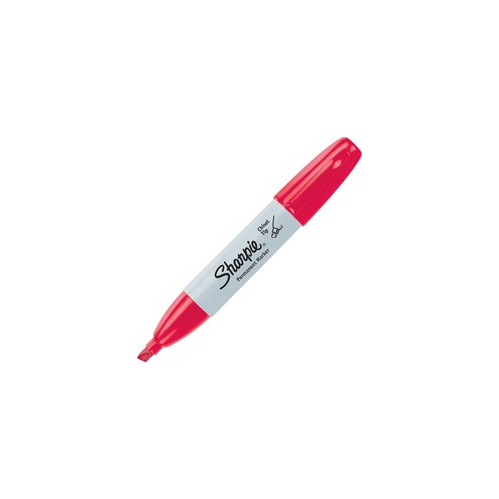
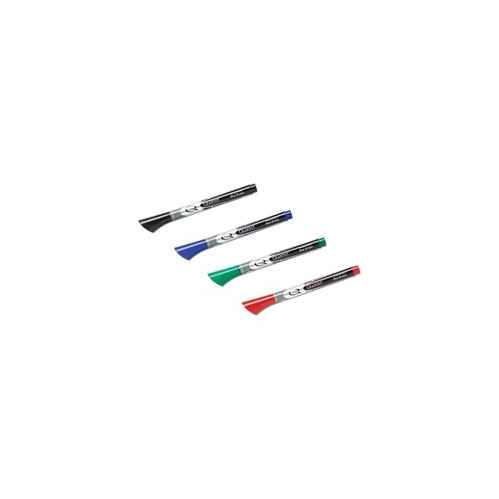
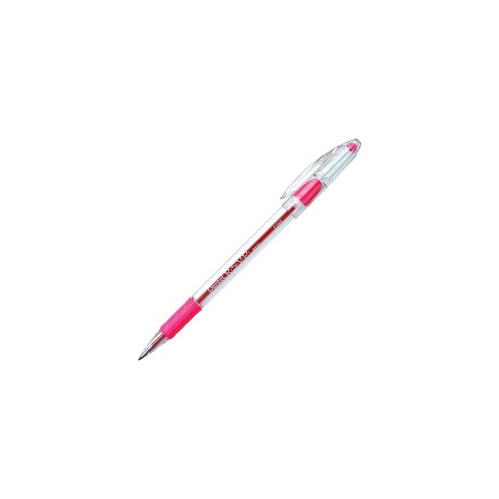
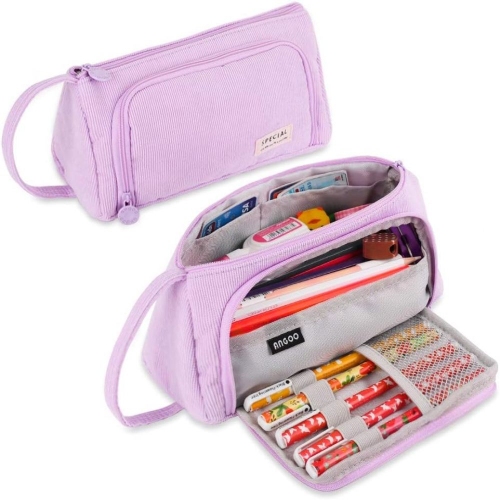
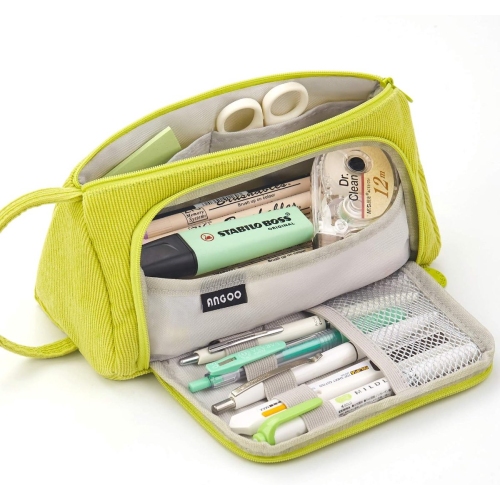
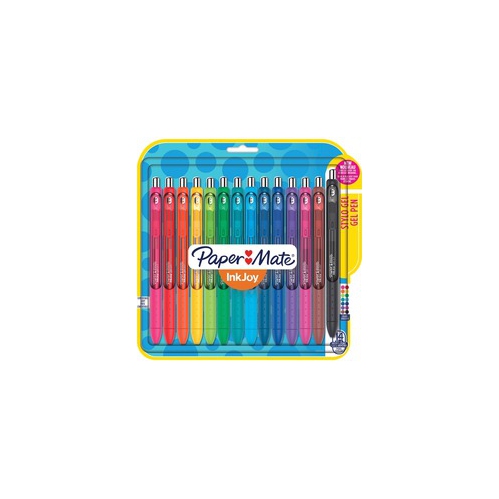
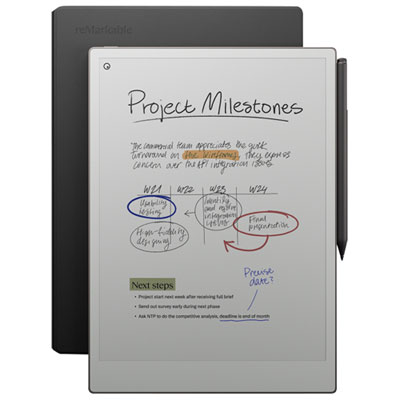
Writing instruments and finishing accessories add another layer of fit, especially for someone who spends long stretches taking notes or enjoys lettering as a hobby. A pen’s barrel width, balance, and grip can influence comfort, so a substantial metal body is not automatically preferable to a lighter one. Ballpoint ink generally suits practical, everyday writing, while gel ink often produces a more saturated line; drying time varies with the ink and paper combination. Fountain pens offer a different writing feel and can appeal to people who enjoy the ritual of handwriting, but they also call for compatible ink and occasional cleaning according to the maker’s directions. Left-handed writers, and anyone who moves a hand quickly across fresh notes, may find fast-drying ink particularly helpful. Fine points suit small handwriting and tight planner spaces, while broader tips can make headings and greeting-card messages more expressive. For pencil users, softer graphite usually creates a darker mark and smudges more readily, whereas harder grades tend to leave lighter lines. Colouring and lettering supplies bring their own considerations: marker ink can pass through ordinary pages, and brush tips respond differently from firm writing points. Matching the tool to its intended surface helps make a gift enjoyable from the first use. Accessories can support that same sense of purpose without overwhelming it. A pencil case keeps loose caps and sharp points away from bag linings, page markers make frequently used sections easier to find, and paper clips hold related notes together without a permanent binding. Washi tape and stickers can add colour to journal pages or distinguish sections in a planner, though their adhesion and removability vary by surface. For children, age suitability and small components deserve attention, particularly with sharp tools or detachable caps. Everyday care is usually straightforward: cap pens after use, keep supplies away from excessive heat, and protect nibs and tips during travel. Refillable formats also need correctly matched cartridges, leads, or ink to remain convenient over time. Whether the recipient is building a study routine, maintaining a busy household calendar, or saving handwritten memories, well-matched stationery makes familiar tasks feel a little more considered and personal.
Top selling and popular products
-
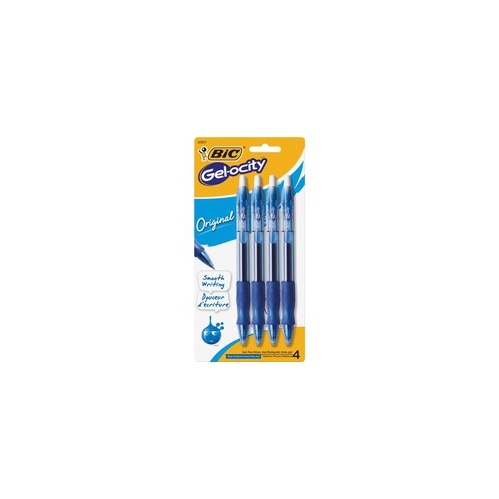 Your price for this item is $6.99
-
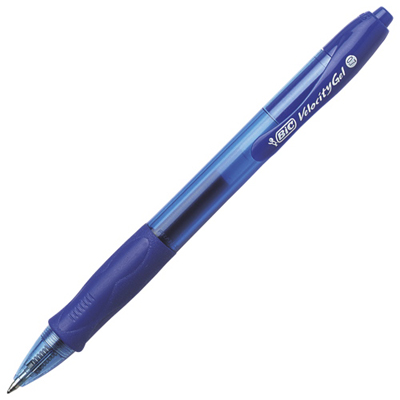 Your price for this item is $23.99
-
 Your price for this item is $16.99
-
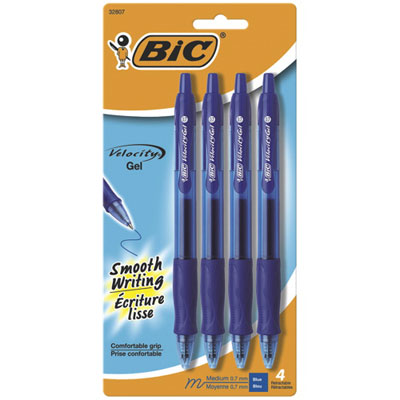 Your price for this item is $10.99
-
 Your price for this item is $16.99
-
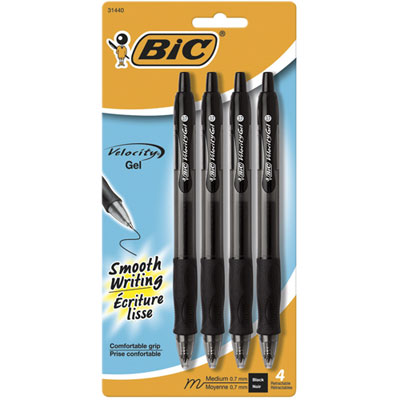 Your price for this item is $10.99
-
 Your price for this item is $23.99
-
 Your price for this item is $38.99
Discover more categories related to Stationery Gifts
Top Collections:
Pokemon Centers, Kindle Devices, Best Cameras for Sports Photography, Pokémon 30th Celebration Cards, Apple iPhones 16, Canon G7X Cameras, iPhone 15 Apple, Flip Phones, Samsung Galaxy Phones, Alarm Clock
Some products may be subject to Environmental Handling Fees
(EHF) depending on your province.
Learn more about EHFs.