Storage Binders
Organize your important documents and keep them easily accessible with our wide selection of storage binders. Whether you're looking to tidy up your home office, streamline your paperwork at work, or store important records securely, our range of storage binders has got you covered. From sleek and professional options for business use to colorful and fun designs for school projects, we have the perfect binder to suit your needs. With various sizes, materials, and styles available, you can find the ideal storage solution that combines functionality, durability, and style all in one. Say goodbye to scattered papers and hello to a neatly organized space with our collection of storage binders.
Sort






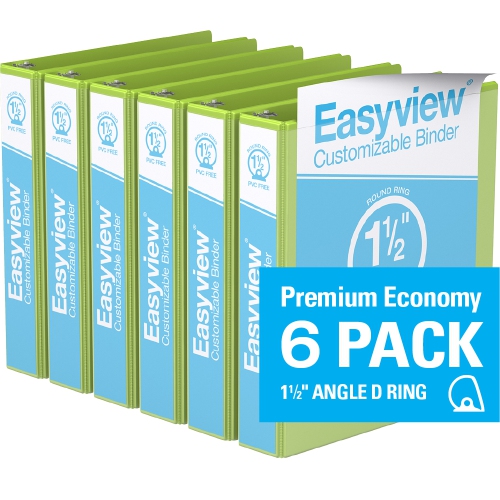
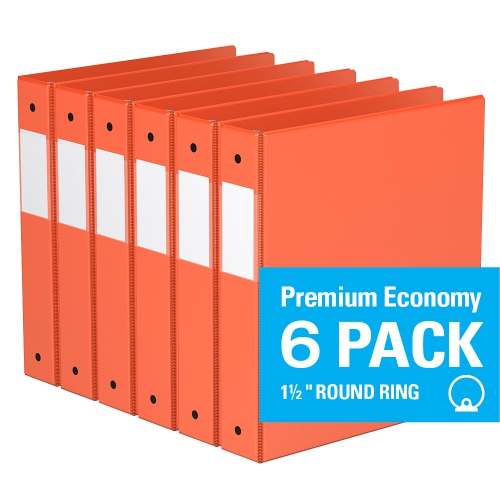
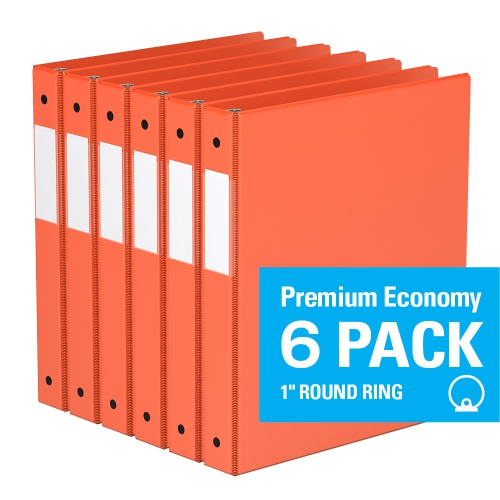
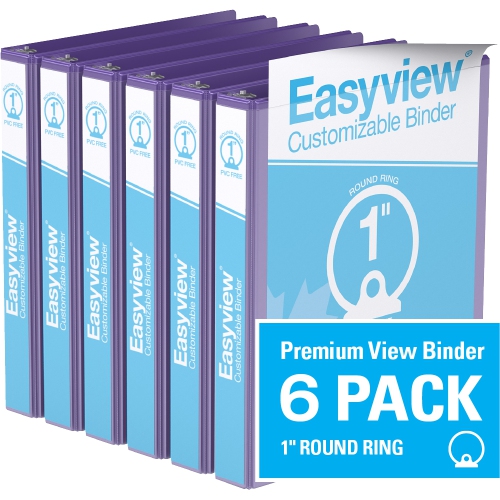



Why page fit matters beyond the binder spine
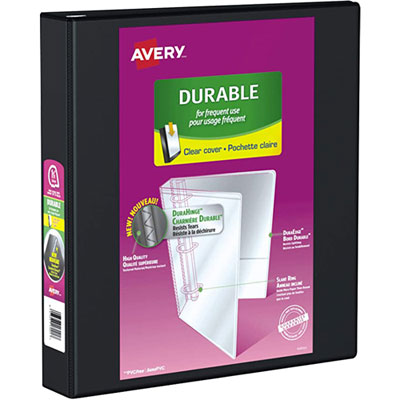
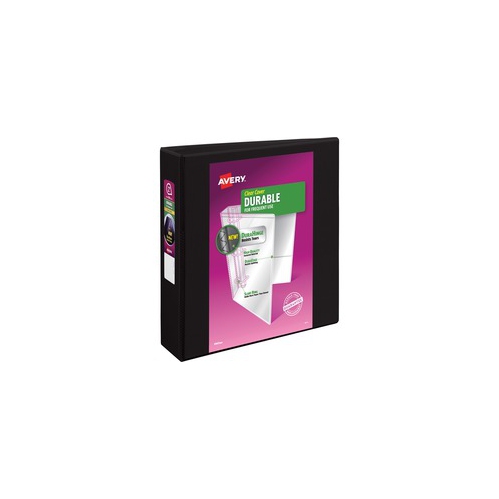
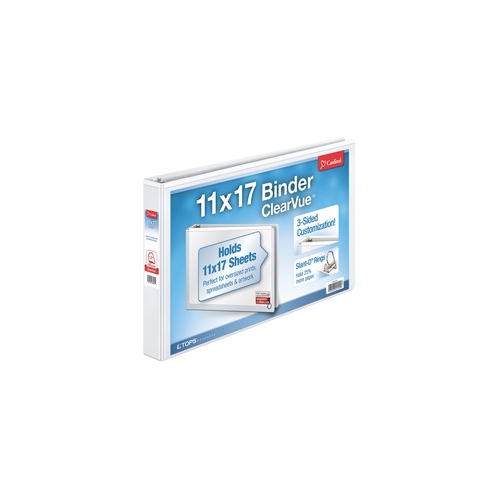
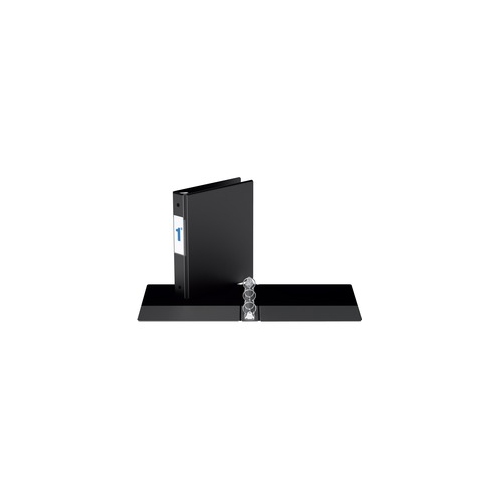
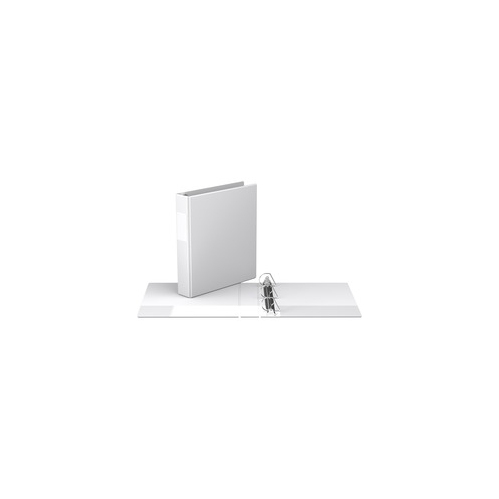
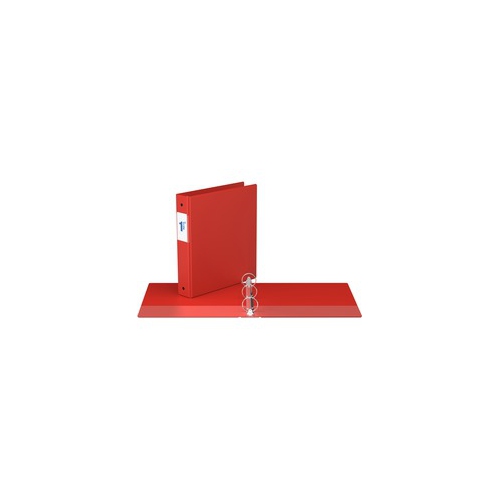
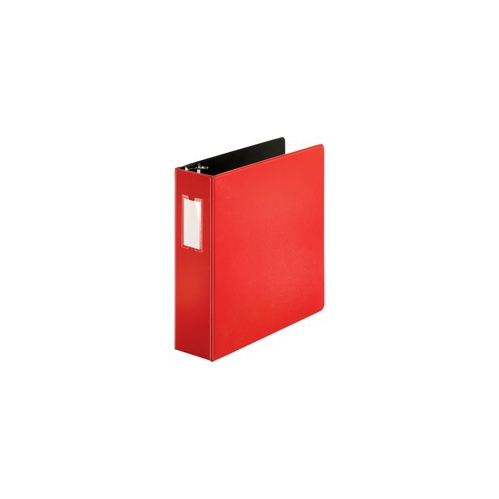
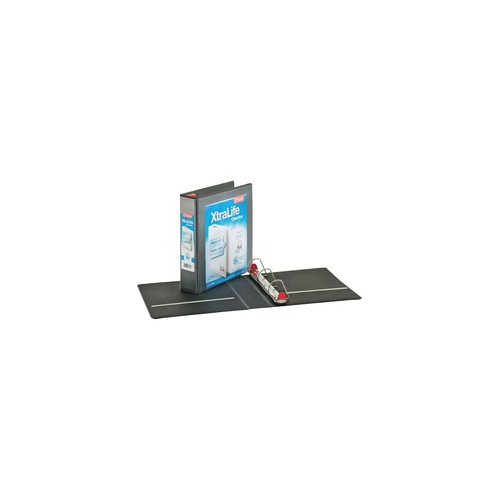
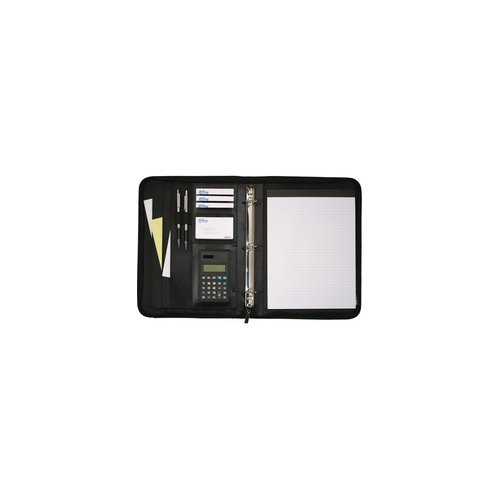
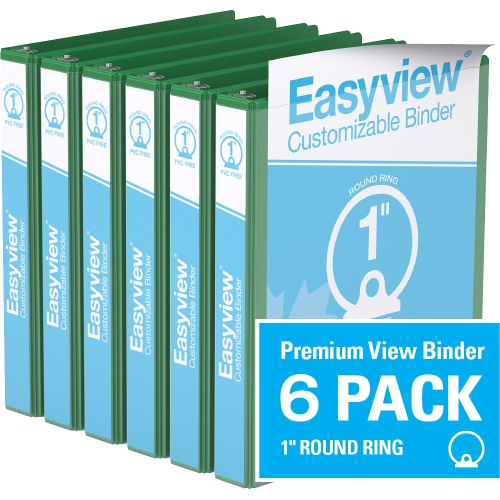
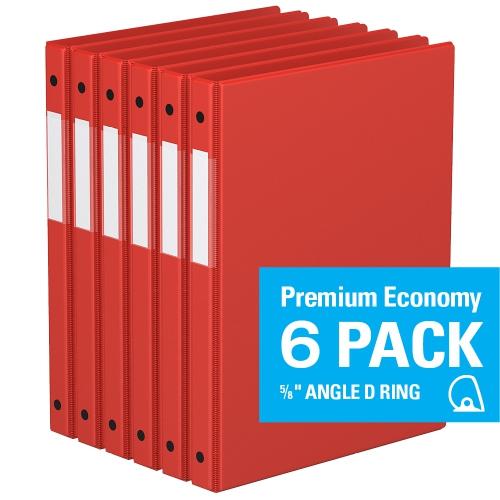
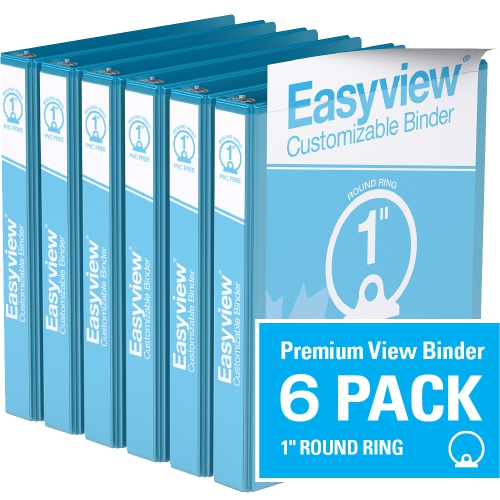
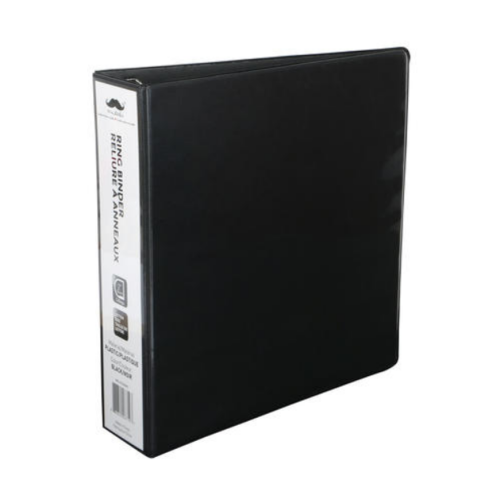
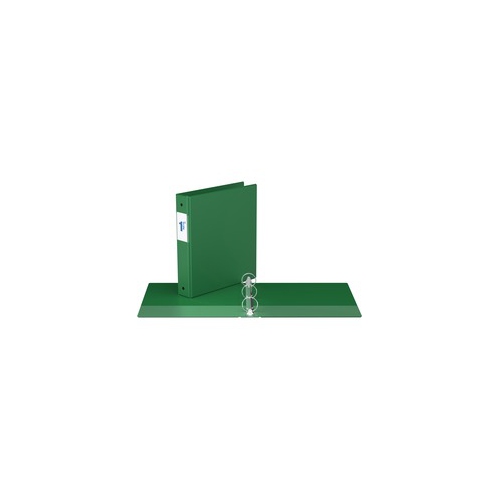
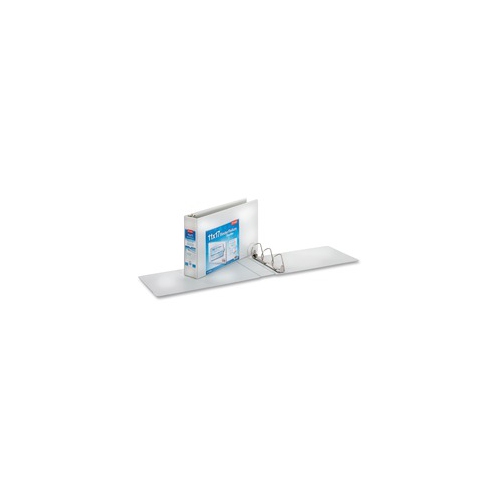
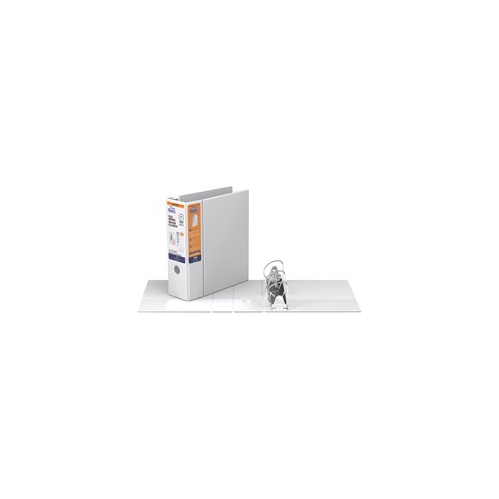
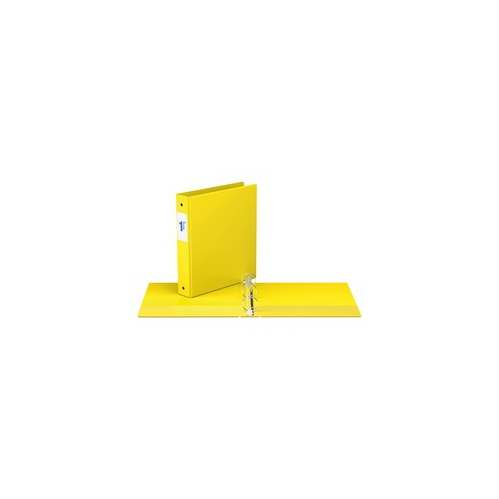
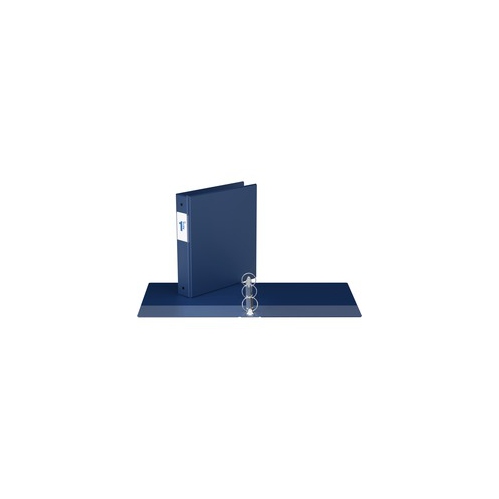
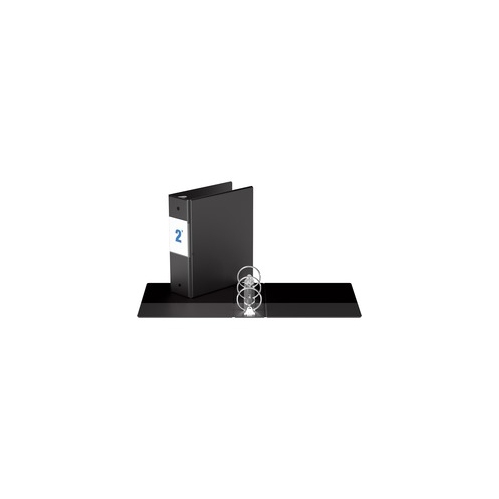
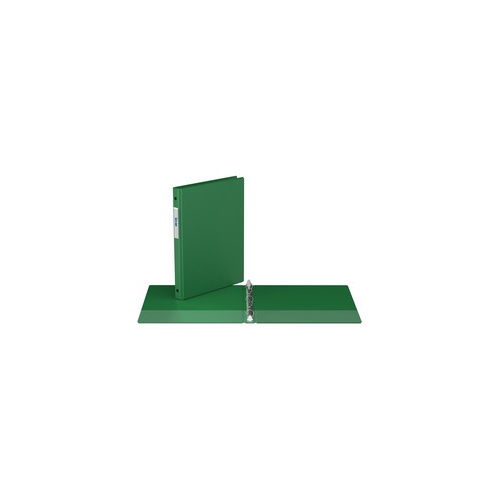
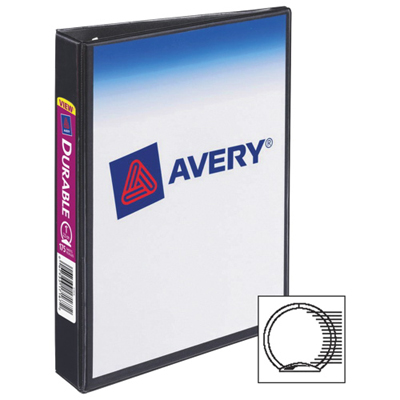
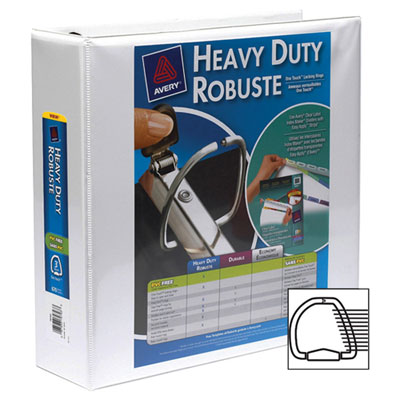
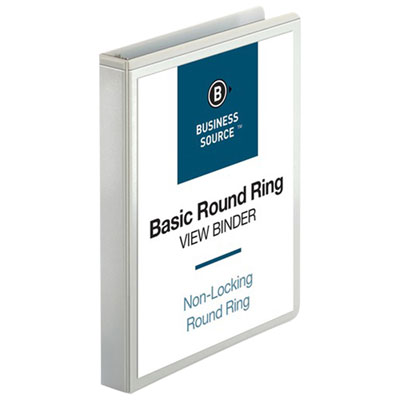
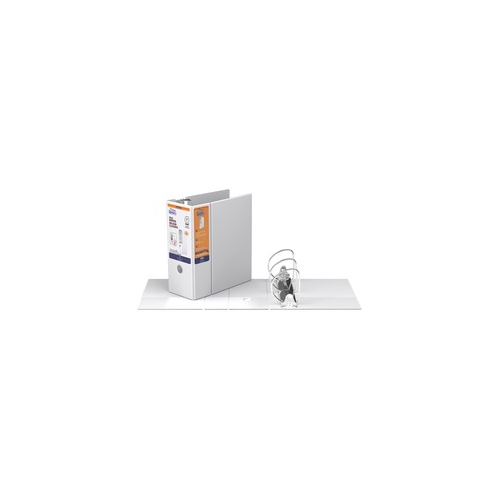
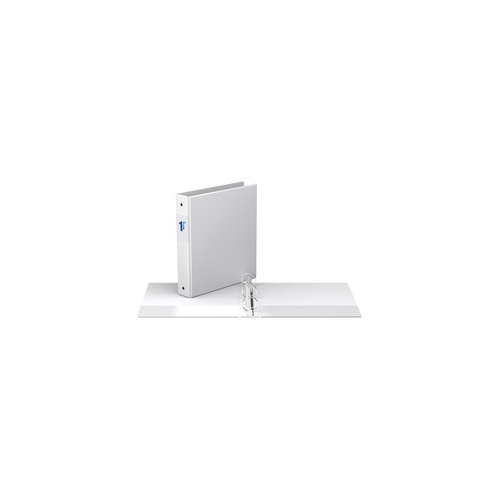
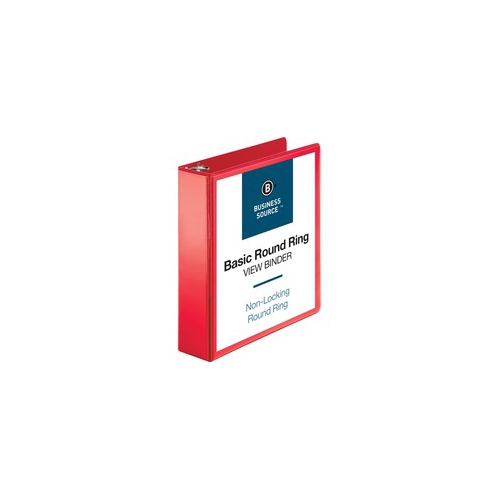
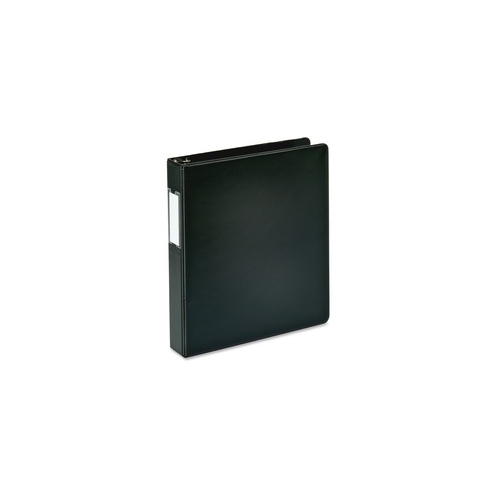
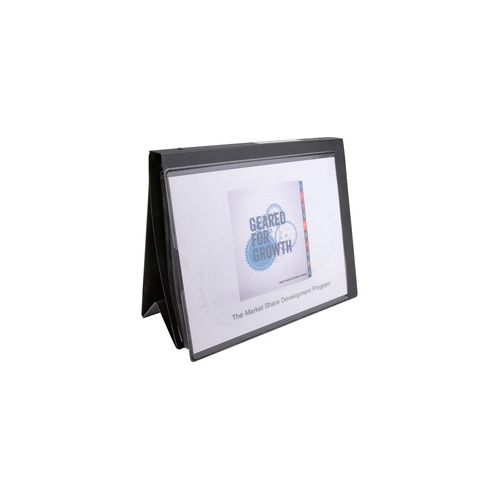
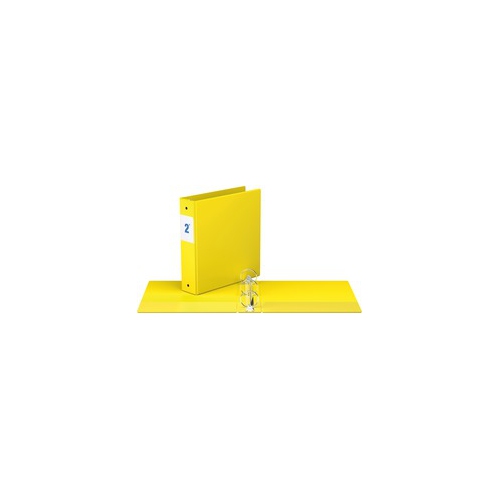
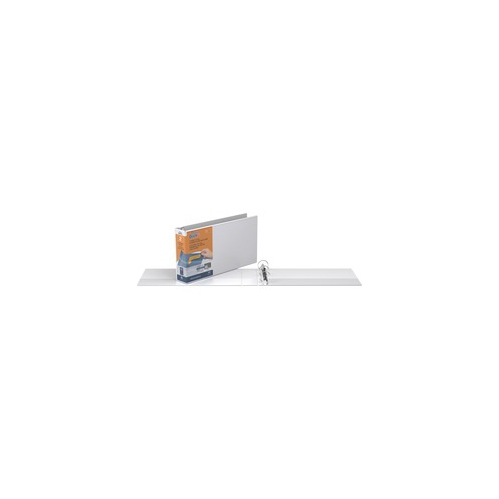
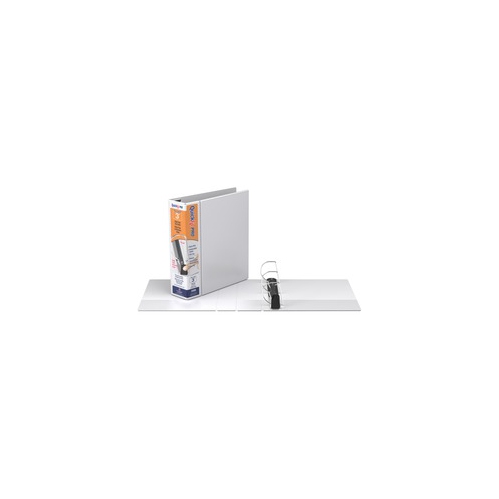
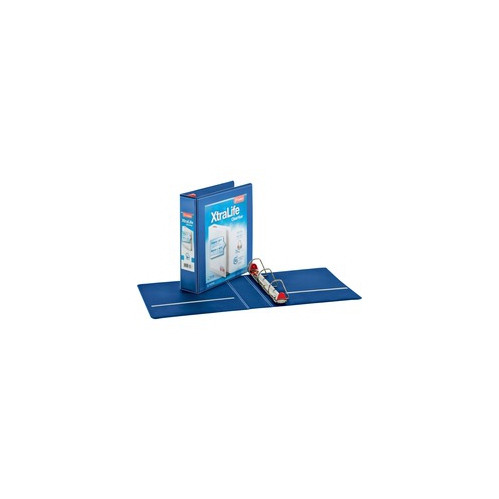
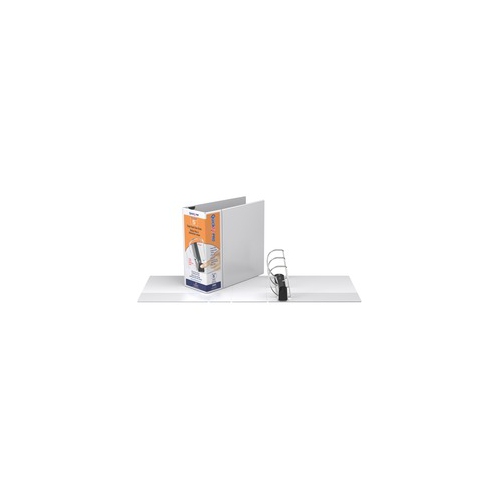
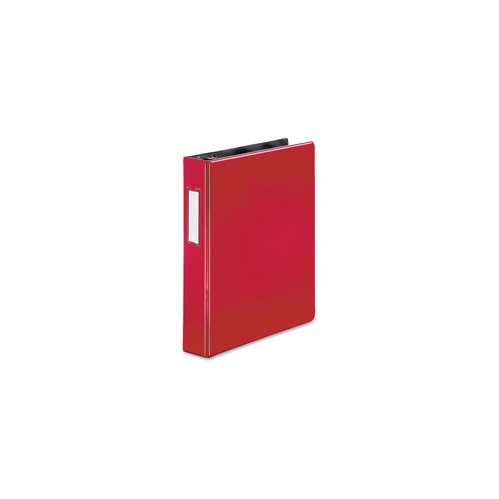
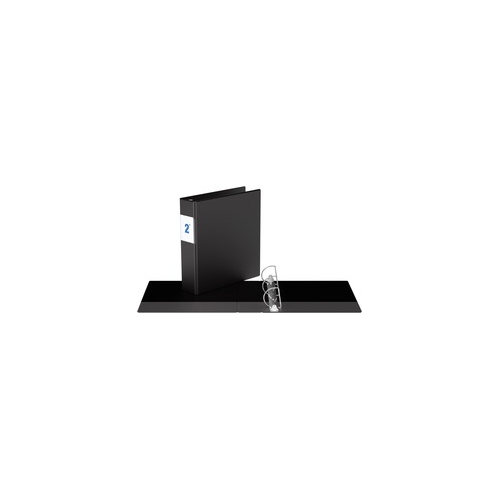
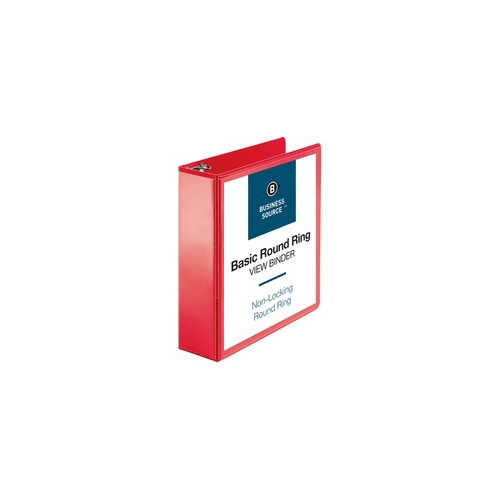
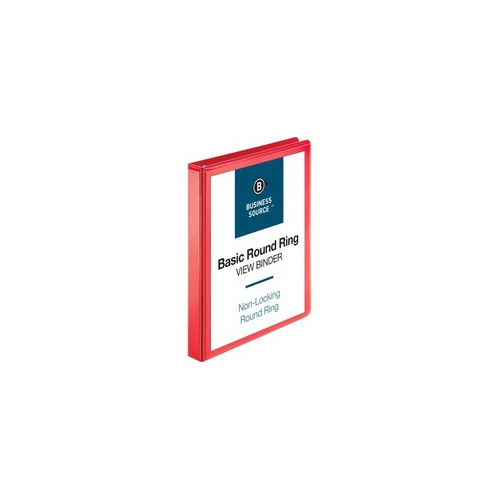
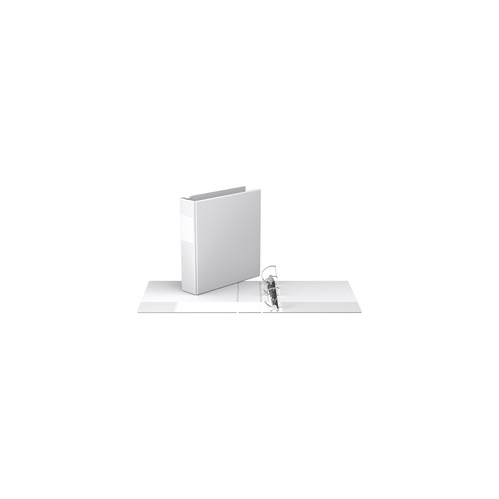
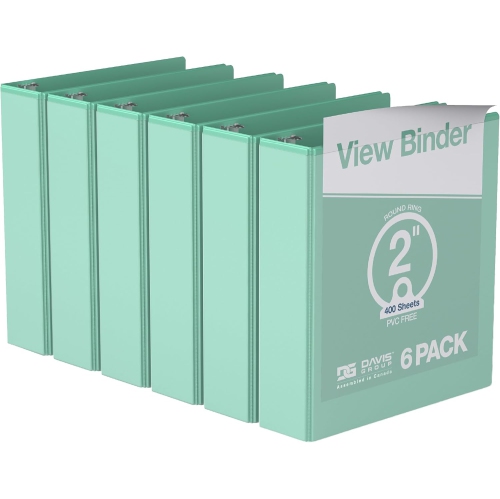
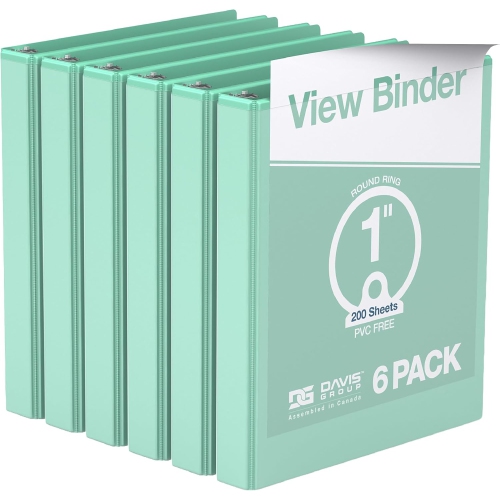
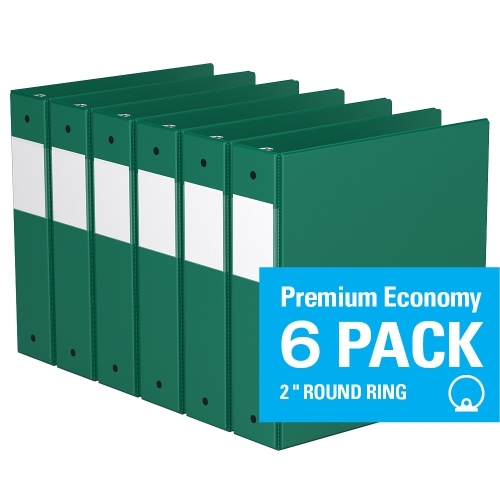
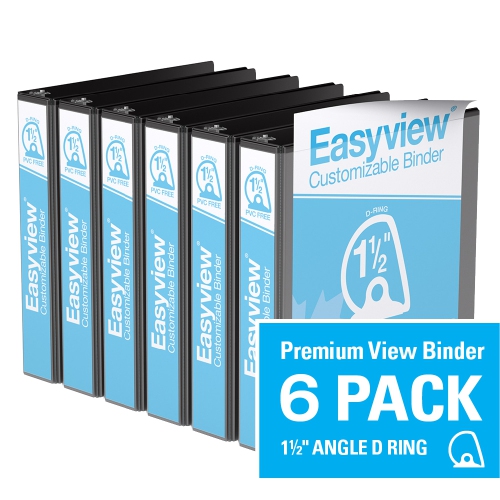
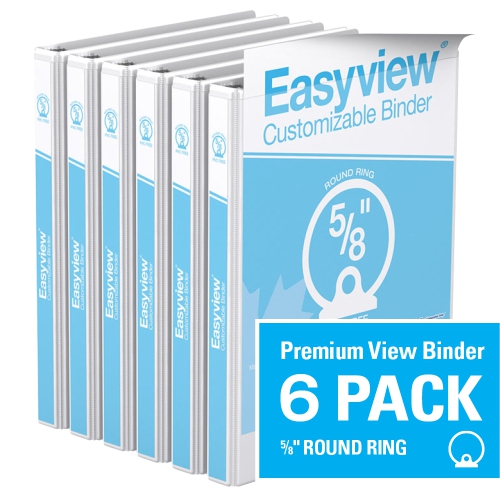
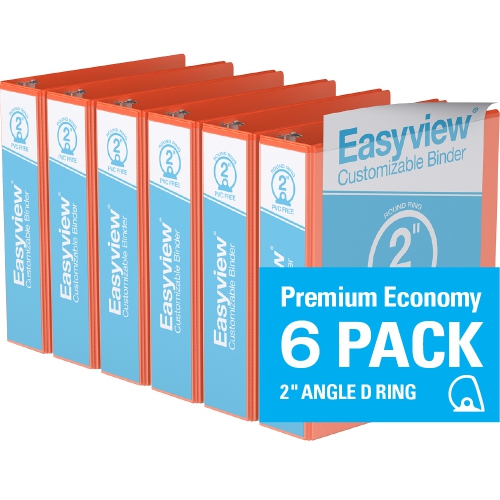
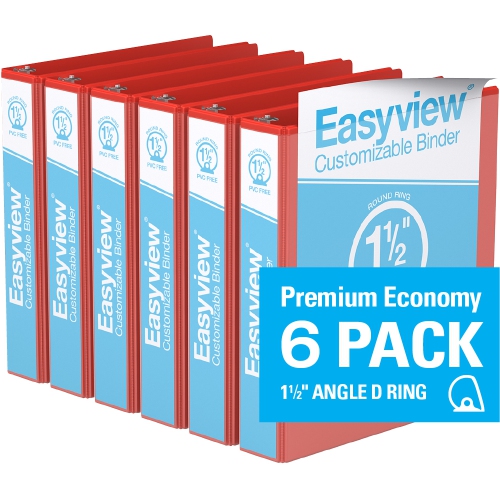
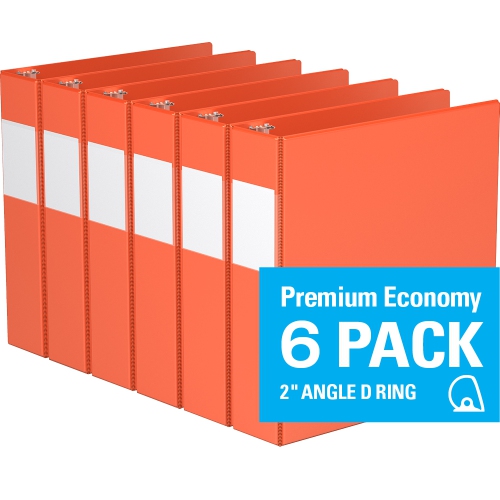
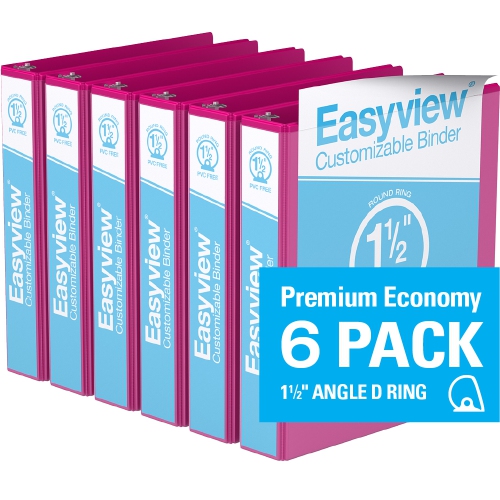
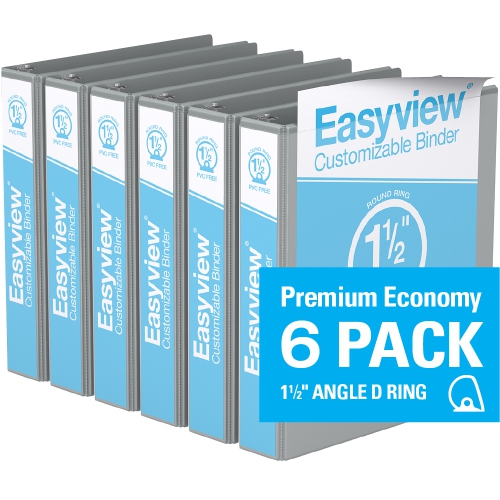
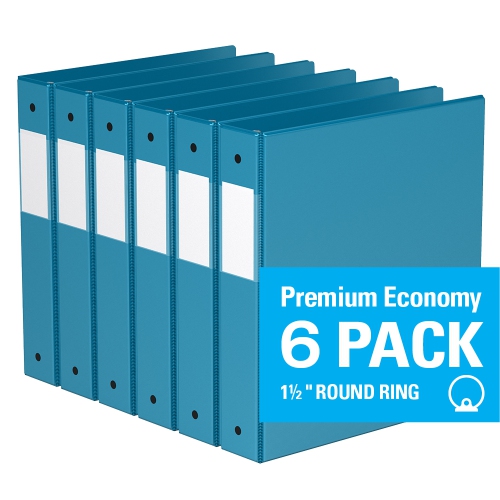
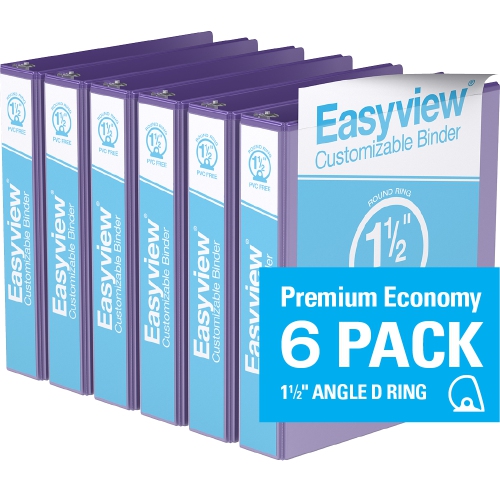
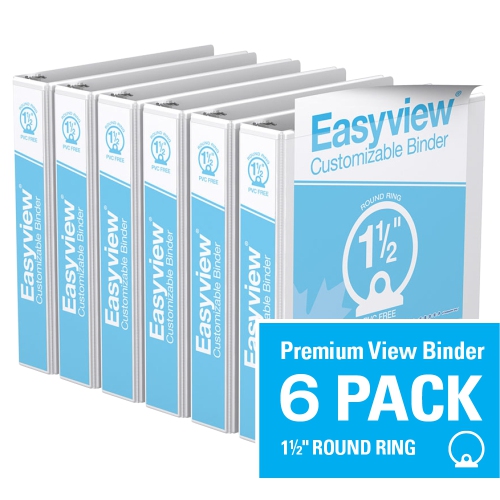
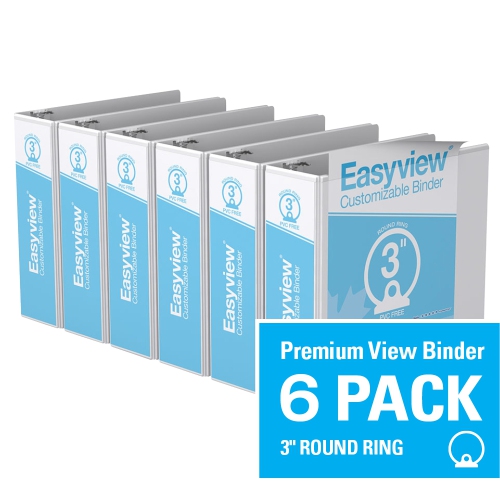
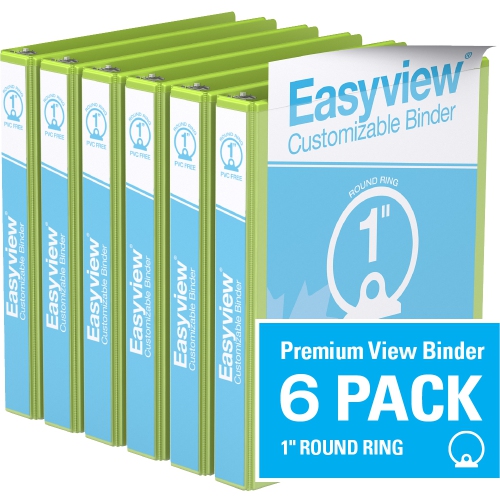
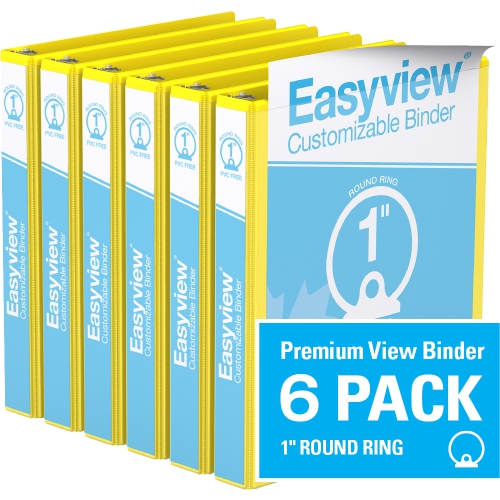
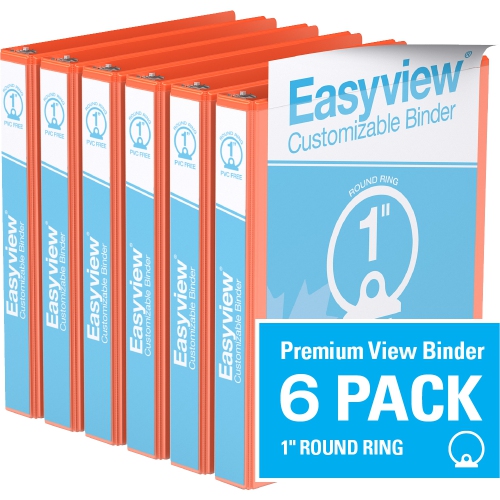
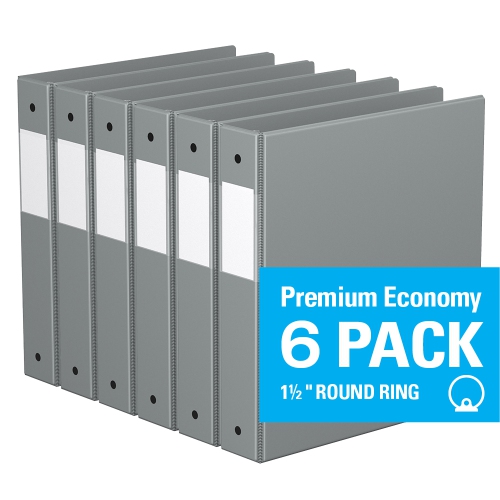
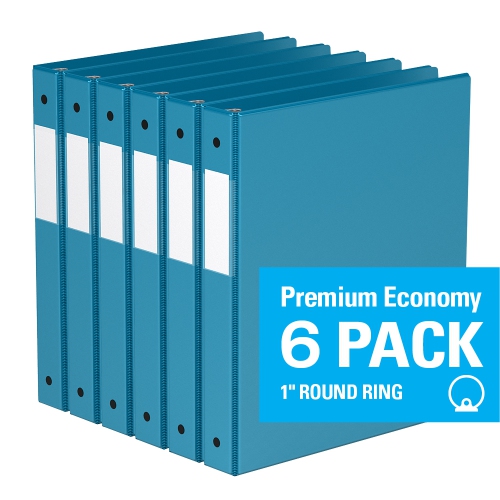
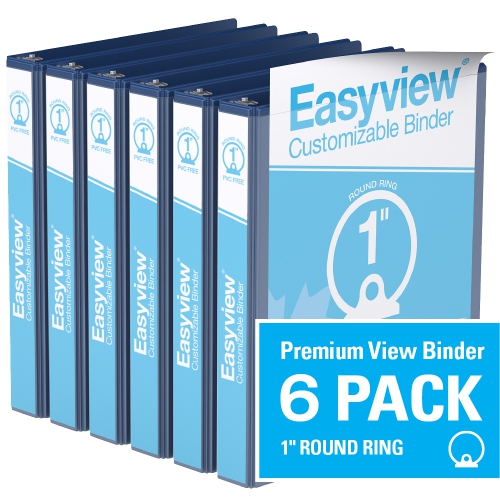
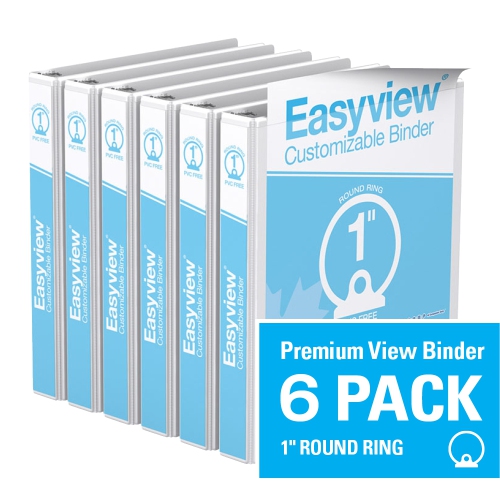
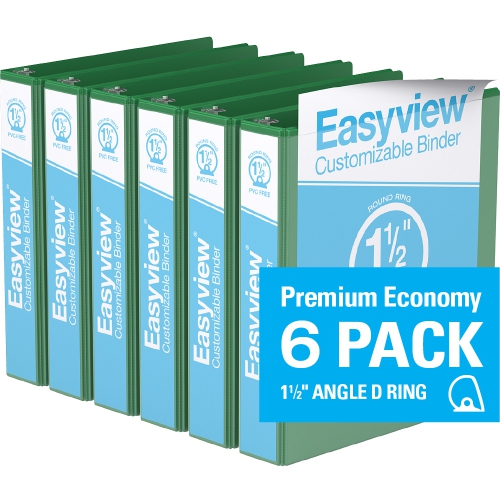
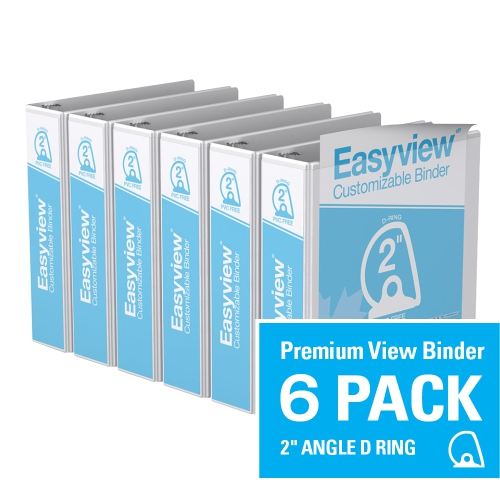
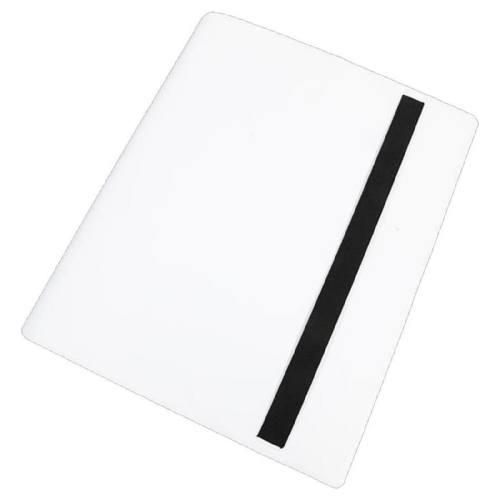
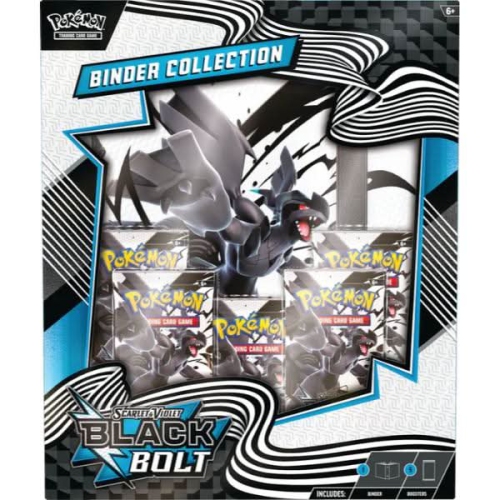
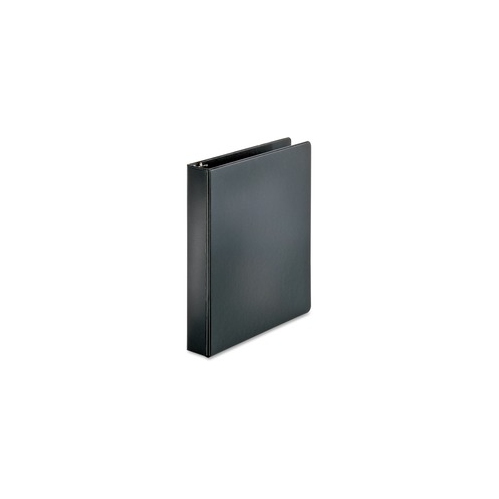
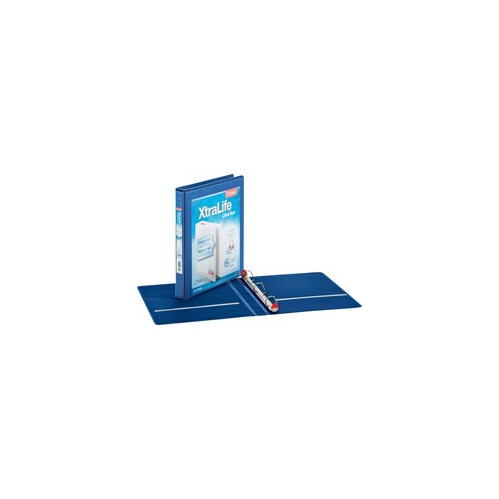
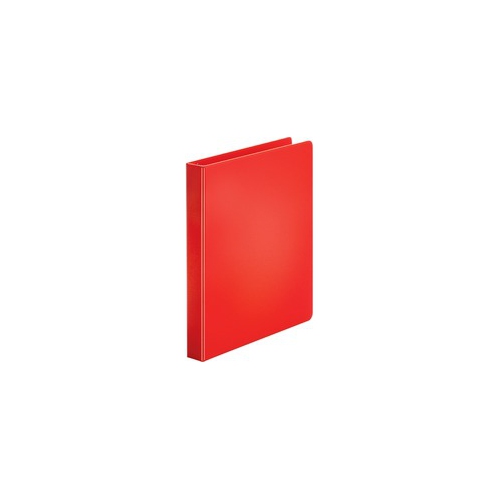
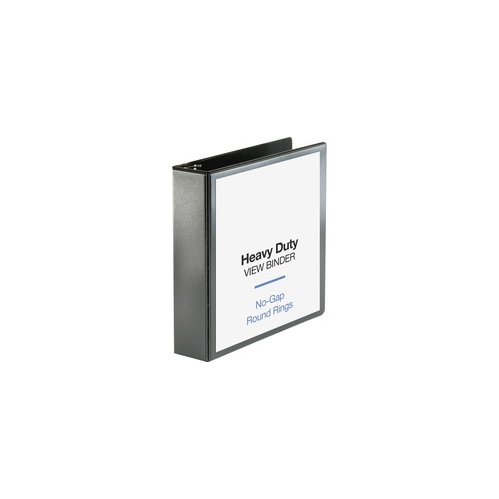
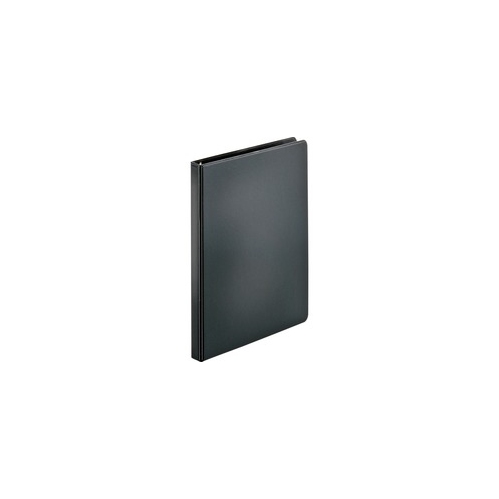
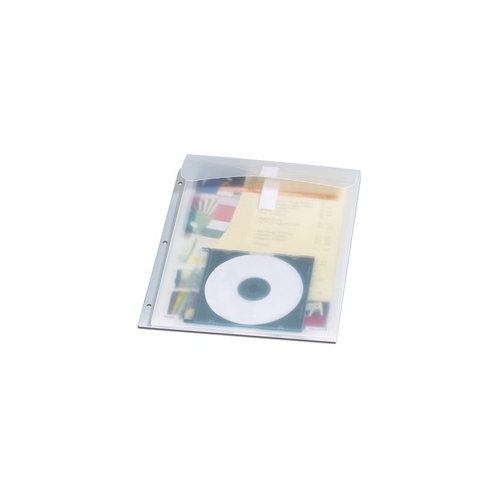
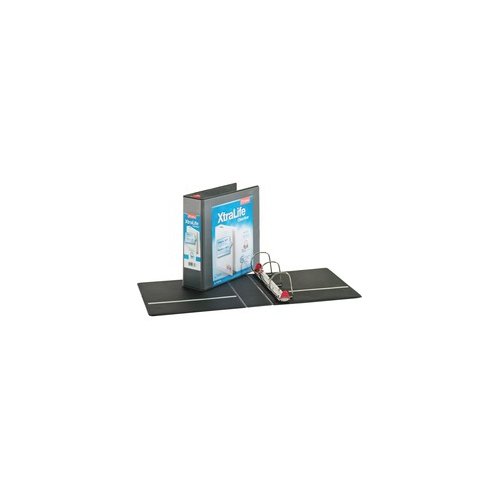
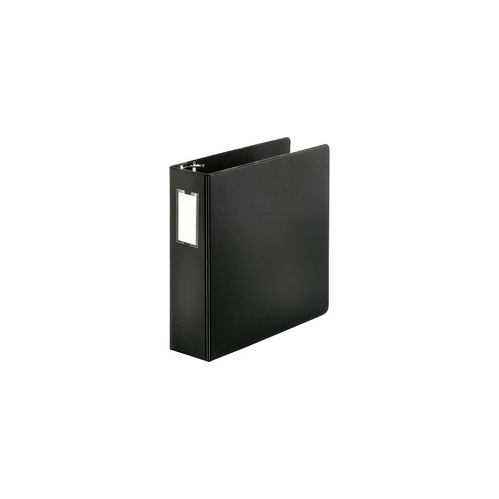
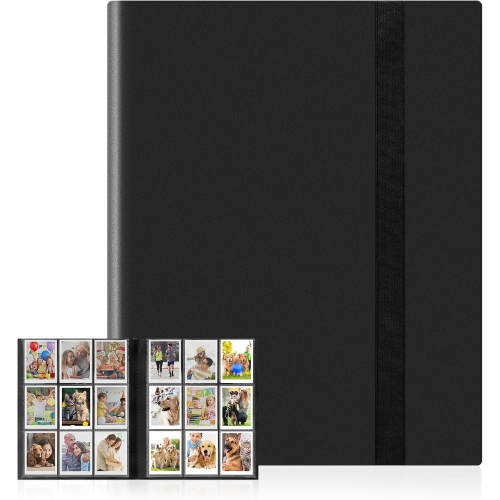
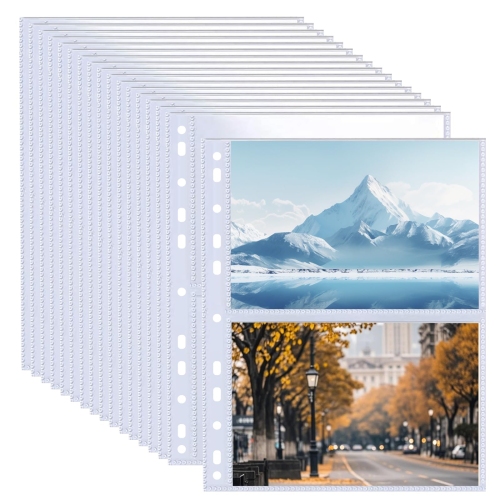
Storage binders keep loose paperwork, collectible cards, recipes, photographs, and other flat materials together in a format that is easy to label, browse, and return to a shelf. Unlike a stack of folders, a binder lets individual pages turn in sequence while keeping related contents grouped under one cover. The most useful style depends on what it holds: document binders typically use opening rings for punched sheets and removable inserts, while collection binders may have fixed pocket pages sized for cards or photographs. Envelope-style pages can hold small pamphlets or loose pieces that should not be punched. For everyday paperwork, a three-ring binder can bring course notes, household records, or project documents into a familiar layout, with dividers separating subjects and interior pockets holding sheets awaiting filing. Size matters beyond the measurement printed on the spine. Letter-size paper measures 8.5 by 11 inches, but sheet protectors and tabbed dividers extend beyond those edges, so the cover needs enough width to shelter them without bending exposed tabs. Legal-size documents and larger artwork require a different fit; folding them to suit a smaller cover can make information harder to read and leave permanent creases. Compact formats, including small binders, suit shorter notes, portable reference pages, and workspaces where a full-size binder would take up too much room. Ring diameter alone does not establish usable capacity, since heavy paper, plastic sleeves, and divider sets occupy more space than ordinary sheets. A binder filled to its limit may be difficult to turn through and can put strain on punched holes or the ring mechanism. Leaving room for pages to move freely makes daily use smoother and allows related documents to be added later. Students, teachers, home office users, and anyone managing shared household paperwork can benefit from a format that keeps the contents visible and accessible rather than buried in a drawer. A clearly labelled spine also makes the right volume easier to spot among books and files.
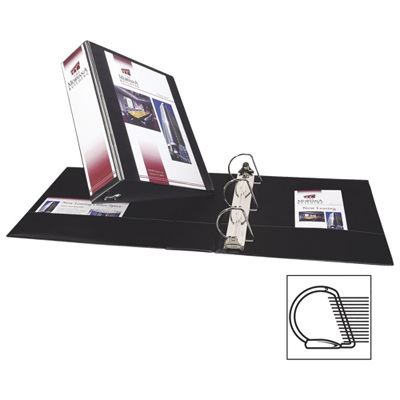
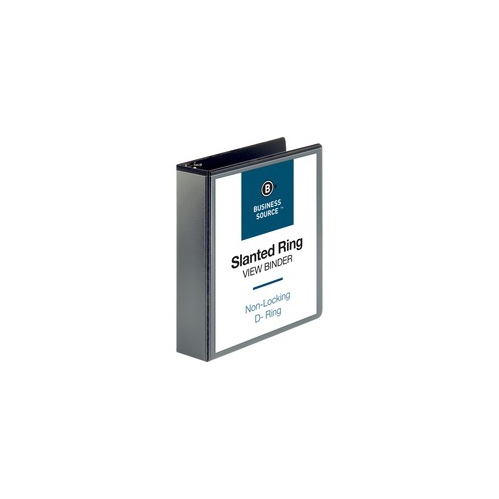
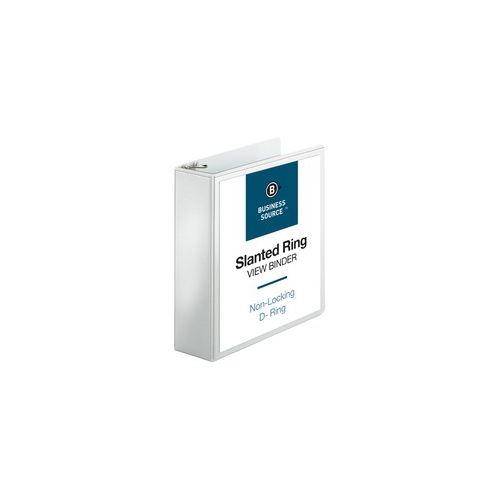
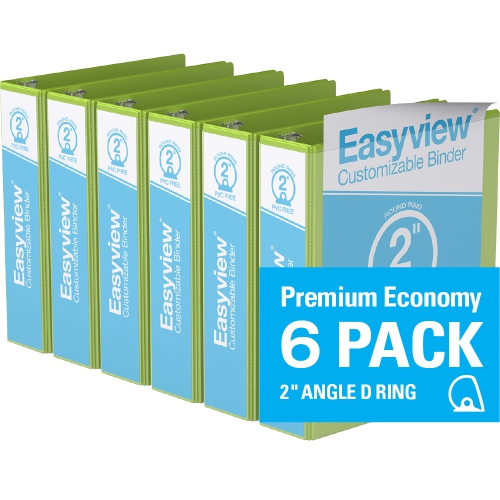
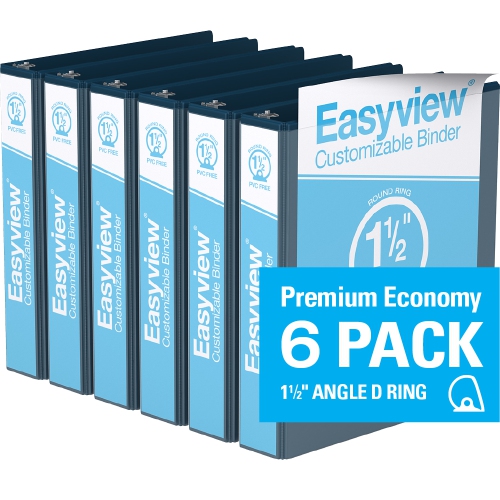
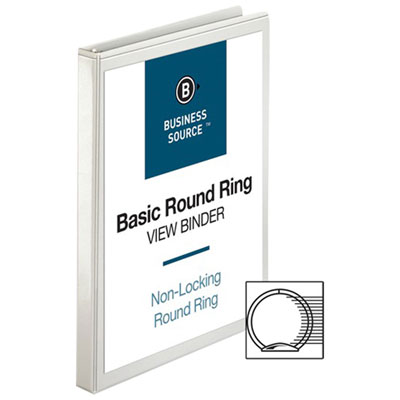
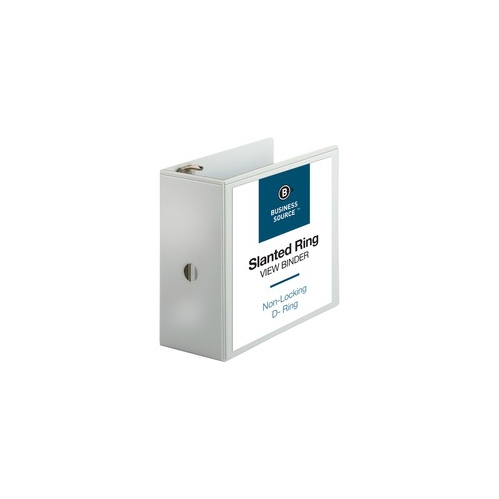
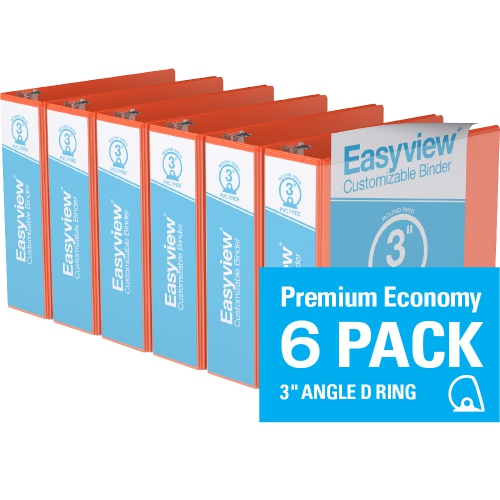
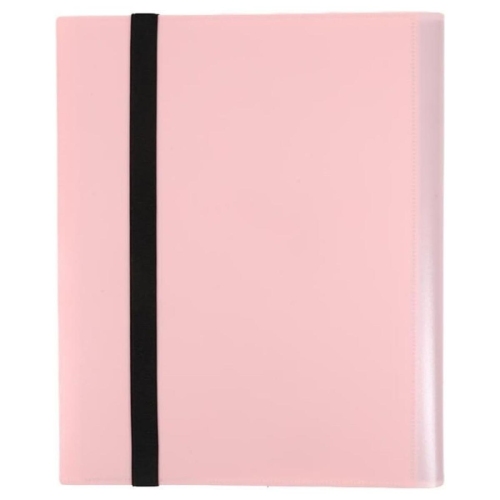
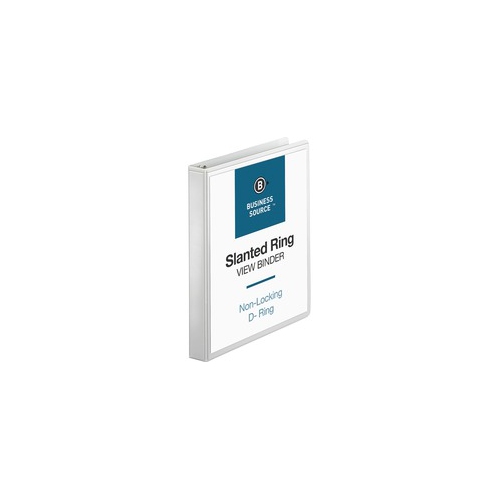
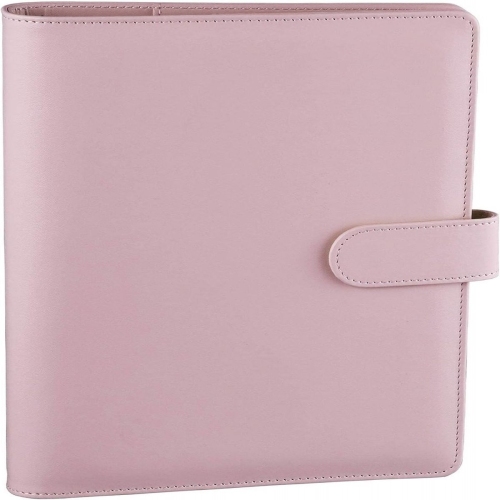
The cover, hinges, closure, and page attachment all influence how a storage binder handles regular use. Flexible polypropylene covers are generally lightweight and can suit a binder carried between a desk and a bag, while rigid board covers provide firmer support for pages stored upright. Fabric-covered and coated covers offer different textures and finishes, although their cleaning needs vary. Corners and spine hinges often show wear first, especially when a binder is repeatedly pulled from a crowded shelf or packed beside heavier belongings. Reinforced edges and securely attached mechanisms can be useful for frequently handled contents. Round rings are common for everyday documents, while D-shaped rings often provide more usable capacity at a comparable nominal size and can help a larger stack sit neatly. Rings should meet evenly when closed; gaps or misaligned tips can catch paper and make turning pages frustrating. Fixed-page binders avoid opening rings altogether, but their capacity and page arrangement are less adjustable. For trading cards, pocket dimensions need to accommodate the card and any protective sleeve without squeezing the corners or allowing excessive movement. Side-loading pockets can help keep cards seated during browsing, and a zippered cover adds a barrier against dust and loose contents slipping out during transport. Neither feature makes a binder waterproof, so it still needs protection from spills and wet surfaces. Photographs, signed documents, and older paper benefit from sleeves specifically identified as suitable for their intended long-term storage use. Acid-free, lignin-free paper components and PVC-free pockets are useful specifications to check, rather than assuming every clear insert offers the same protection. Polypropylene, polyethylene, and polyester are common sleeve materials, but suitability also depends on the complete construction and the contents being stored. Irreplaceable originals may need specialist storage materials rather than an ordinary office binder. For valuable cards or photographs, clean hands, a clear work surface, and careful insertion help prevent bent edges, fingerprints, and scratches before the binder is even closed. Pages should turn without pressing against the closure or pulling at the spine.
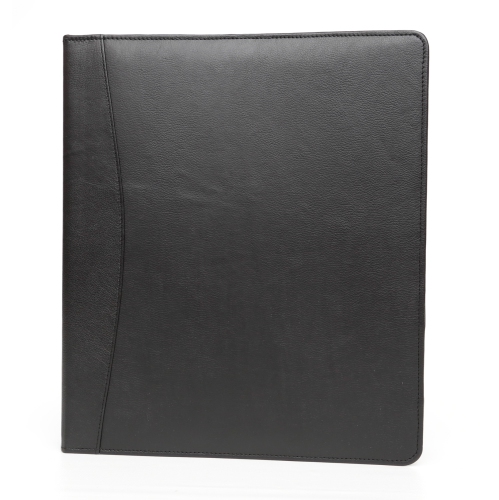
A well-matched storage binder supports the way its contents are actually used, whether that means opening a recipe beside a mixing bowl, reviewing a training reference at a workstation, or sharing a card collection across a table. Recipe pages are easier to handle when transparent sleeves shield the paper from incidental splashes, though the binder should stay clear of direct food preparation and be wiped only as its care instructions allow. Project paperwork benefits from removable pages that can move between sections as a task progresses, while a collection arranged in fixed pockets provides a consistent viewing layout. For household documents, separate sections for appliance manuals, service records, and warranty paperwork can keep related information together without mixing it with frequently used notes. Clear cover pockets and replaceable spine labels make it possible to identify contents without permanently marking the cover. Colour can also distinguish subjects or family members, with written labels providing a second cue when similar binders share a shelf. A binder intended for travel needs to fit the bag as well as the pages, including the extra width of rings, a zipper, or an external closure. At a desk, a cover that opens comfortably and pages that lie reasonably flat can matter more than a compact footprint. Care is usually straightforward: remove loose dust with a soft cloth, use a lightly damp cloth on suitable wipe-clean surfaces, and allow everything to dry before returning paper to the binder. Strong cleaning agents and soaking can damage coatings, adhesives, or board interiors. Storage away from direct sunlight and damp areas helps protect both covers and contents, while upright support keeps larger binders from leaning heavily against their neighbours. Heavy volumes are best lifted by the cover and base rather than tugged by a label holder or closure. As a gift, a storage binder can be a thoughtful match for a student starting a new course, a keen card collector, or someone gathering family recipes, provided the page format suits what they want to keep. The lasting value is in a practical fit: enough protection for the contents, enough flexibility for the task, and an arrangement that remains pleasant to use.
The cover, hinges, closure, and page attachment all influence how a storage binder handles regular use. Flexible polypropylene covers are generally lightweight and can suit a binder carried between a desk and a bag, while rigid board covers provide firmer support for pages stored upright. Fabric-covered and coated covers offer different textures and finishes, although their cleaning needs vary. Corners and spine hinges often show wear first, especially when a binder is repeatedly pulled from a crowded shelf or packed beside heavier belongings. Reinforced edges and securely attached mechanisms can be useful for frequently handled contents. Round rings are common for everyday documents, while D-shaped rings often provide more usable capacity at a comparable nominal size and can help a larger stack sit neatly. Rings should meet evenly when closed; gaps or misaligned tips can catch paper and make turning pages frustrating. Fixed-page binders avoid opening rings altogether, but their capacity and page arrangement are less adjustable. For trading cards, pocket dimensions need to accommodate the card and any protective sleeve without squeezing the corners or allowing excessive movement. Side-loading pockets can help keep cards seated during browsing, and a zippered cover adds a barrier against dust and loose contents slipping out during transport. Neither feature makes a binder waterproof, so it still needs protection from spills and wet surfaces. Photographs, signed documents, and older paper benefit from sleeves specifically identified as suitable for their intended long-term storage use. Acid-free, lignin-free paper components and PVC-free pockets are useful specifications to check, rather than assuming every clear insert offers the same protection. Polypropylene, polyethylene, and polyester are common sleeve materials, but suitability also depends on the complete construction and the contents being stored. Irreplaceable originals may need specialist storage materials rather than an ordinary office binder. For valuable cards or photographs, clean hands, a clear work surface, and careful insertion help prevent bent edges, fingerprints, and scratches before the binder is even closed. Pages should turn without pressing against the closure or pulling at the spine.
A well-matched storage binder supports the way its contents are actually used, whether that means opening a recipe beside a mixing bowl, reviewing a training reference at a workstation, or sharing a card collection across a table. Recipe pages are easier to handle when transparent sleeves shield the paper from incidental splashes, though the binder should stay clear of direct food preparation and be wiped only as its care instructions allow. Project paperwork benefits from removable pages that can move between sections as a task progresses, while a collection arranged in fixed pockets provides a consistent viewing layout. For household documents, separate sections for appliance manuals, service records, and warranty paperwork can keep related information together without mixing it with frequently used notes. Clear cover pockets and replaceable spine labels make it possible to identify contents without permanently marking the cover. Colour can also distinguish subjects or family members, with written labels providing a second cue when similar binders share a shelf. A binder intended for travel needs to fit the bag as well as the pages, including the extra width of rings, a zipper, or an external closure. At a desk, a cover that opens comfortably and pages that lie reasonably flat can matter more than a compact footprint. Care is usually straightforward: remove loose dust with a soft cloth, use a lightly damp cloth on suitable wipe-clean surfaces, and allow everything to dry before returning paper to the binder. Strong cleaning agents and soaking can damage coatings, adhesives, or board interiors. Storage away from direct sunlight and damp areas helps protect both covers and contents, while upright support keeps larger binders from leaning heavily against their neighbours. Heavy volumes are best lifted by the cover and base rather than tugged by a label holder or closure. As a gift, a storage binder can be a thoughtful match for a student starting a new course, a keen card collector, or someone gathering family recipes, provided the page format suits what they want to keep. The lasting value is in a practical fit: enough protection for the contents, enough flexibility for the task, and an arrangement that remains pleasant to use.
Top selling and popular products
-
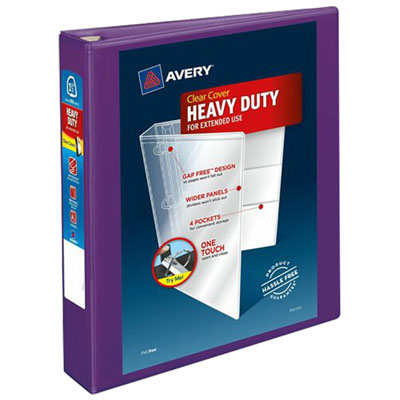 Your price for this item is $11.99
 -
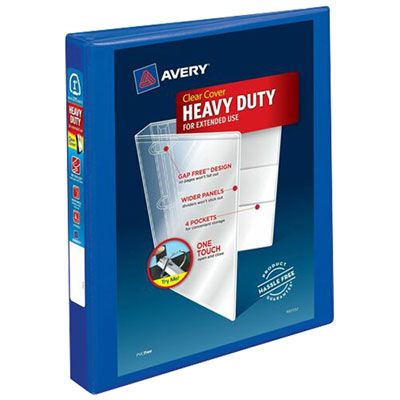 Your price for this item is $17.99
 -
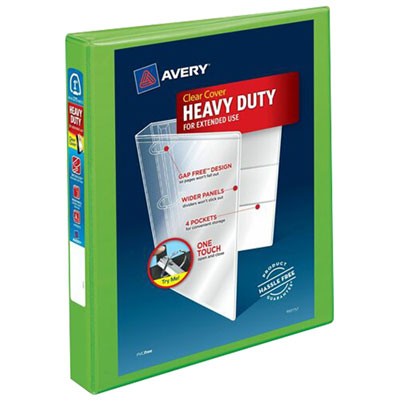 Your price for this item is $9.99
 -
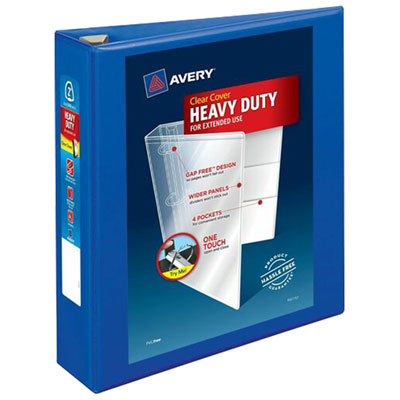 Your price for this item is $13.99
 -
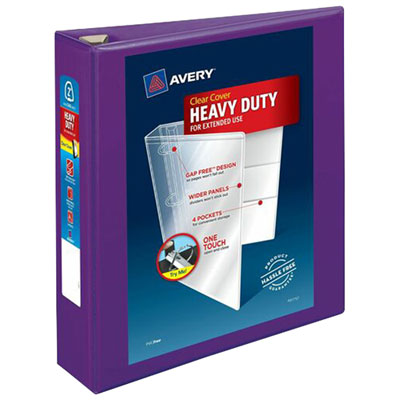 Your price for this item is $14.99
 -
 Your price for this item is $9.99
 -
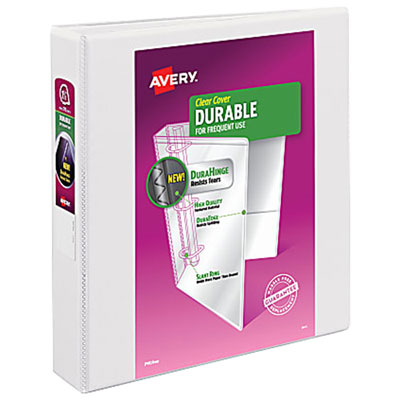 Your price for this item is $12.99
 -
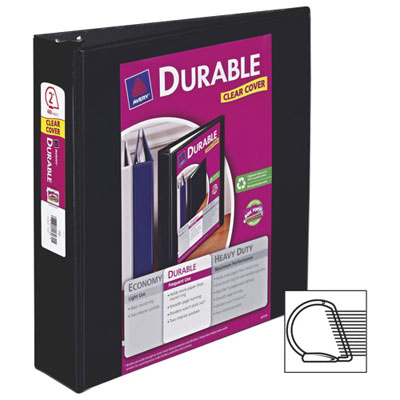 Your price for this item is $10.99
Discover more categories related to Storage Binders
Top Collections:
Pokemon Centers, Kindle Devices, Best Budget Office Chairs, Apple iPhones 16, Best Laptops for Writers, iPhone 15 Apple, Canon G7X Cameras, Refurbished Apple Laptops, Alarm Clock, Motorola Razr Phones
Some products may be subject to Environmental Handling Fees
(EHF) depending on your province.
Learn more about EHFs.