Storage Boxes
Looking to keep your space organized and clutter-free? Look no further than our selection of storage boxes. These compact and versatile storage solutions are perfect for tidying up any room in your home. Whether you need to store accessories, office supplies, or even craft materials, these handy storage boxes are designed to maximize space and keep everything neatly in place. With various sizes, styles, and materials to choose from, you'll find the perfect storage box to suit your needs and complement your decor. Say goodbye to mess and hello to a more organized living space with our collection of storage boxes.
Sort
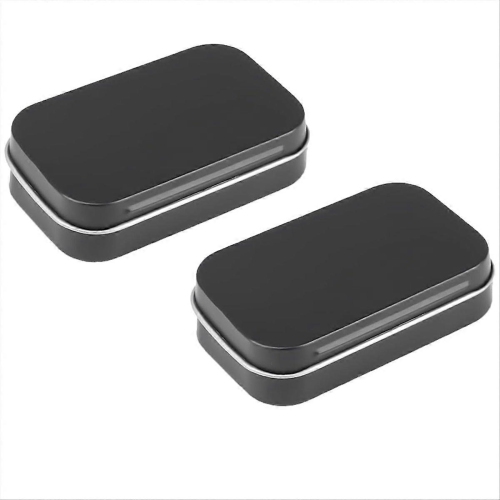
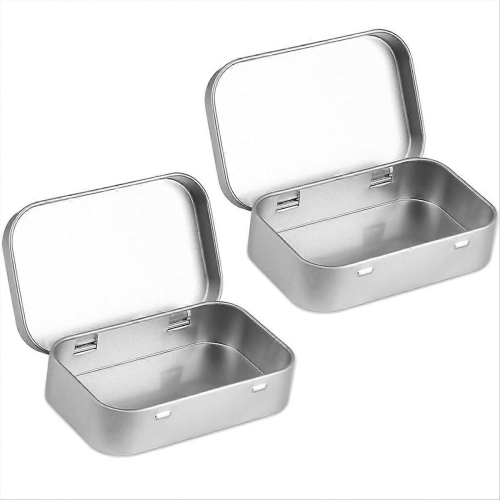
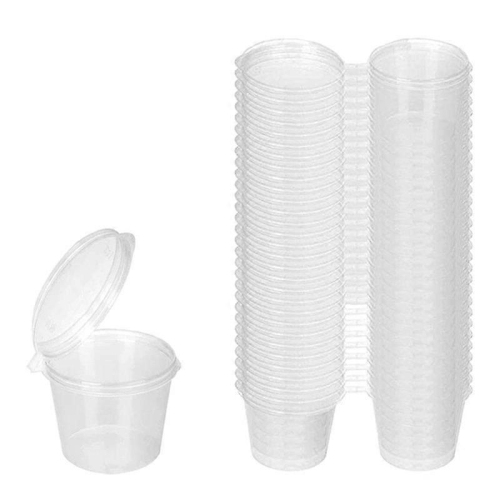
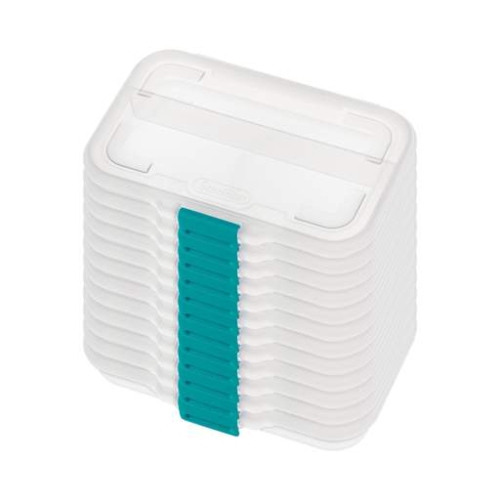


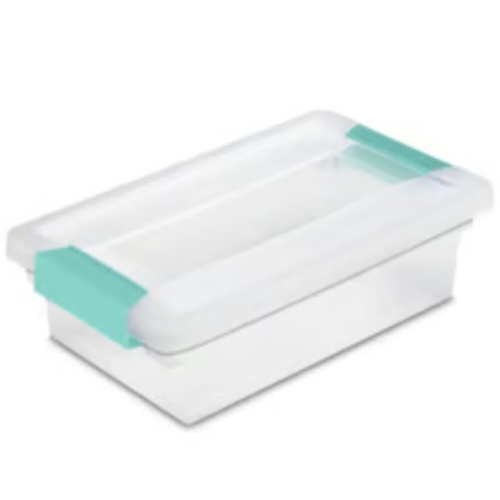
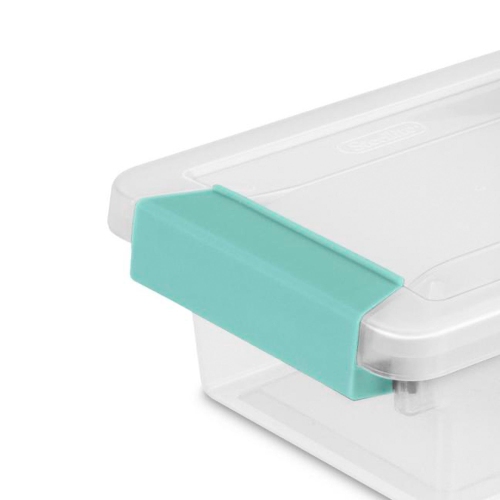

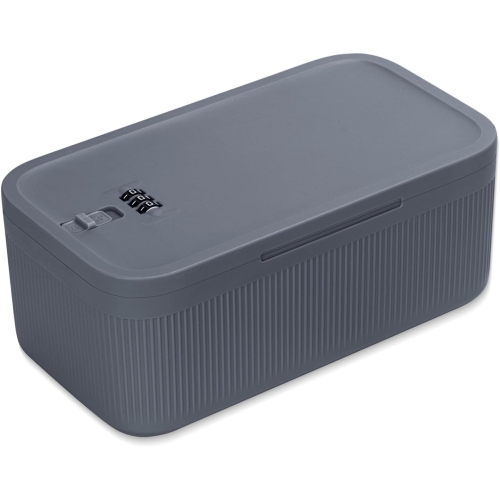
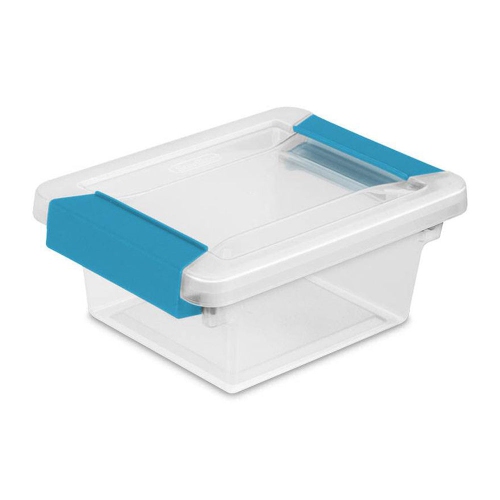





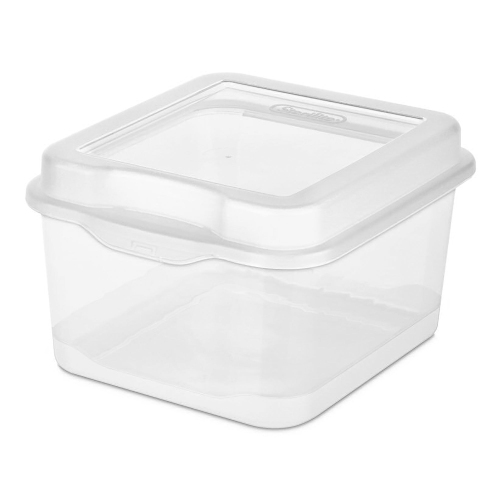
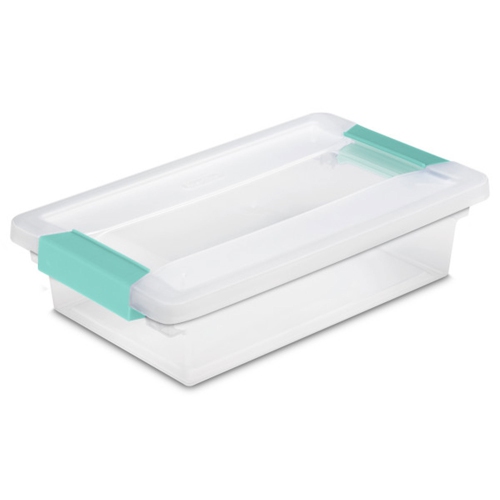
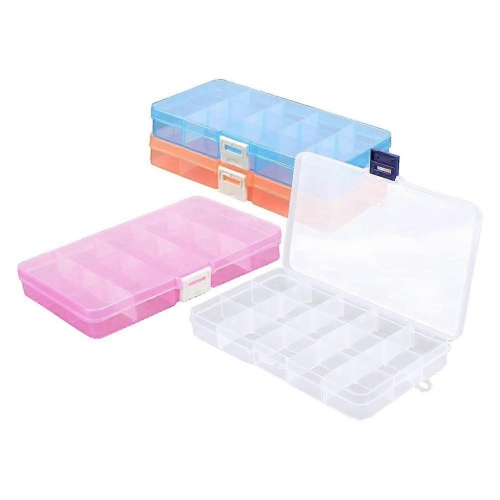
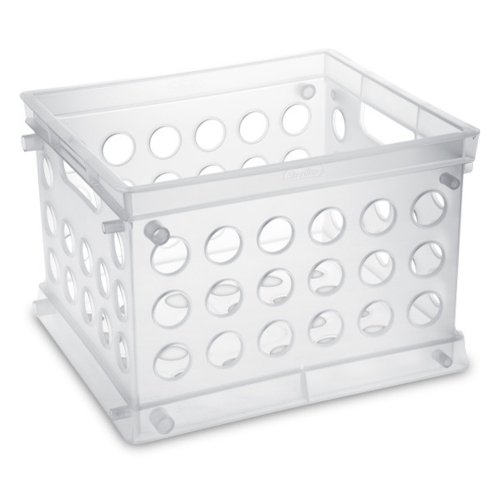




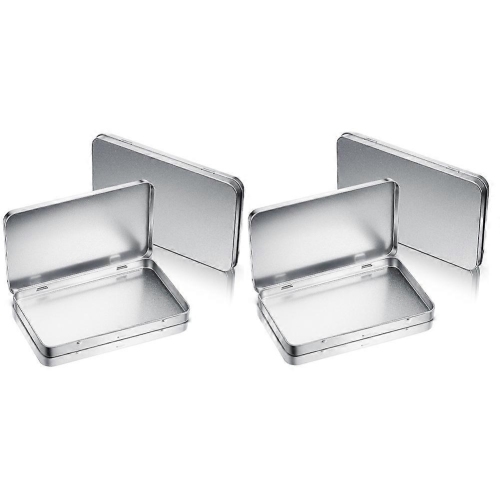
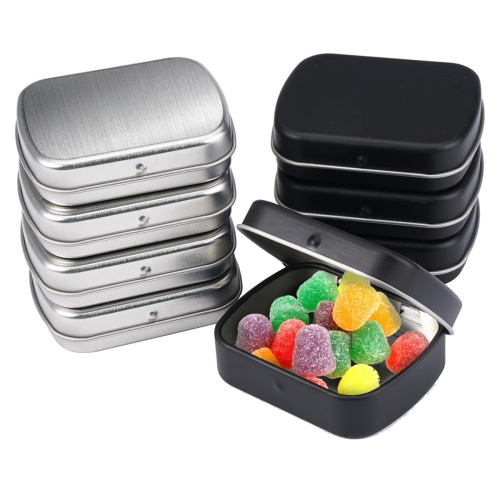
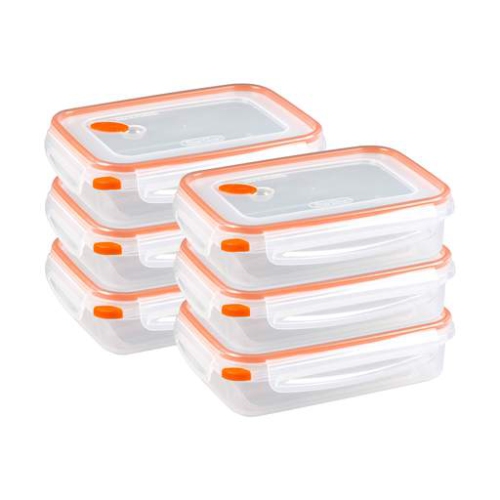
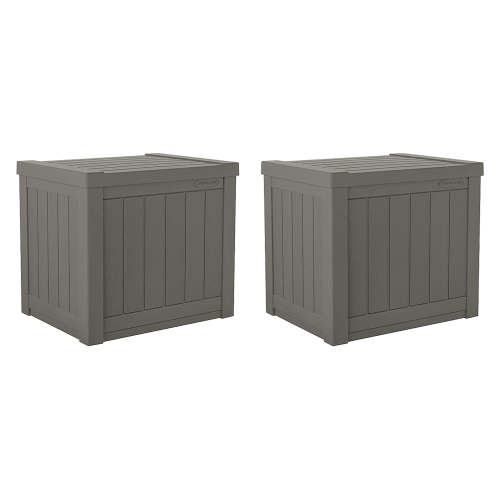




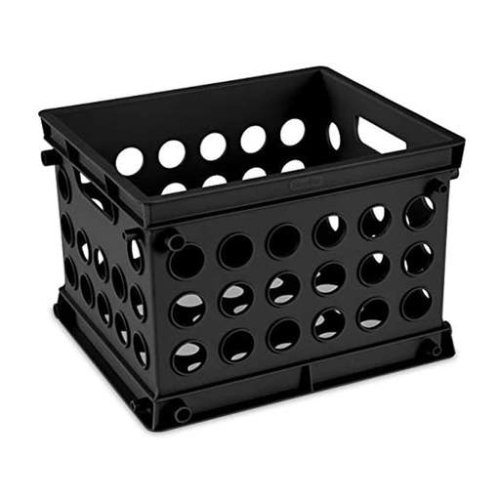
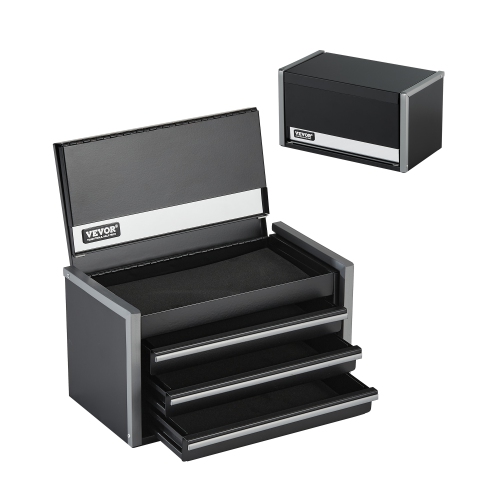
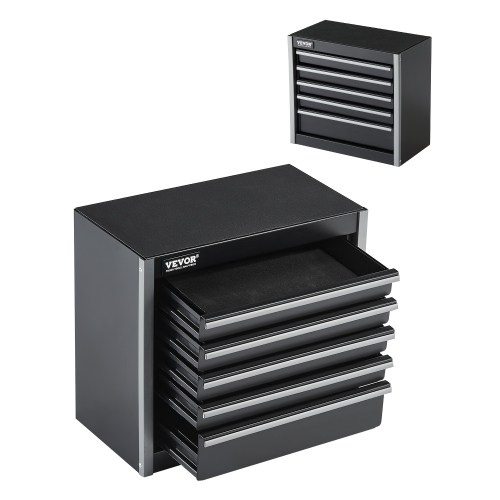
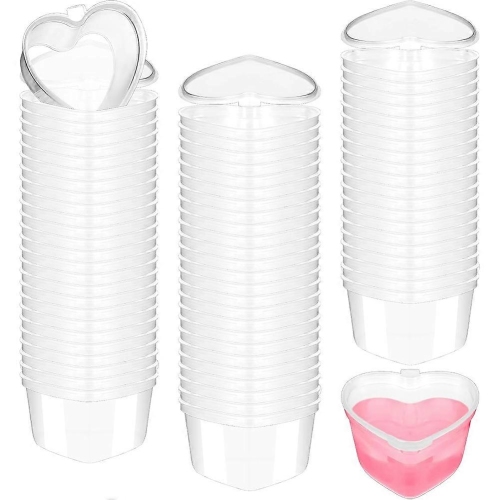
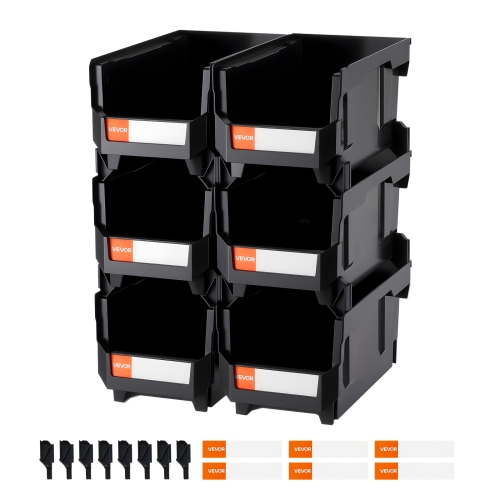

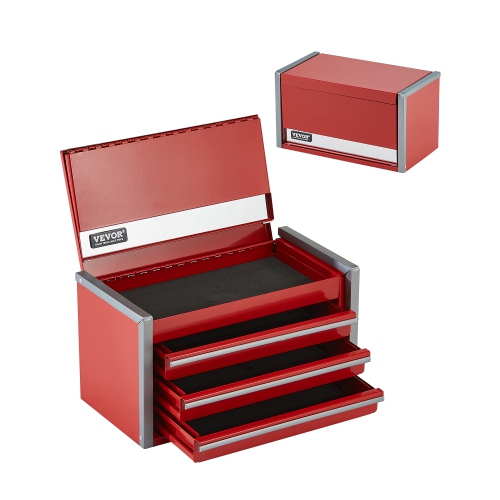
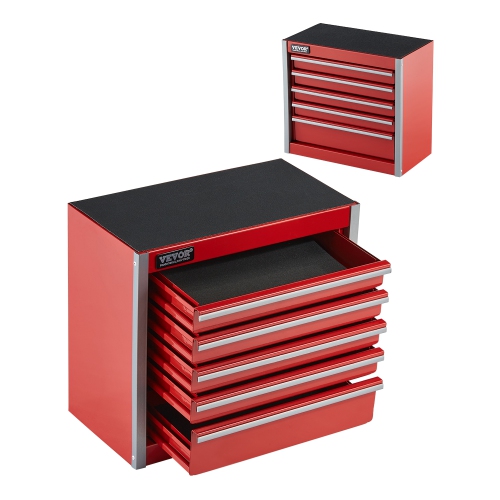
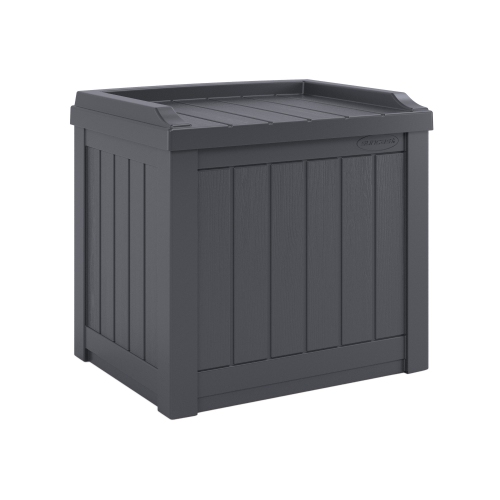

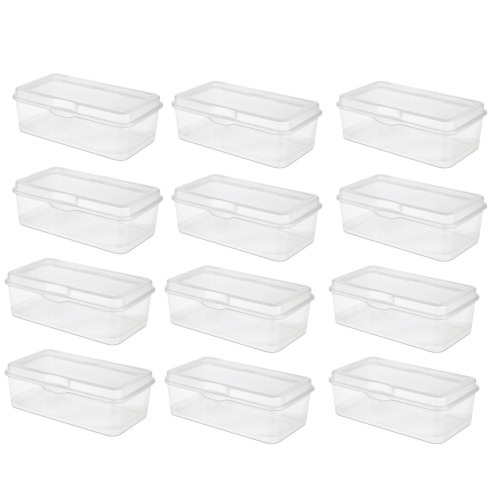
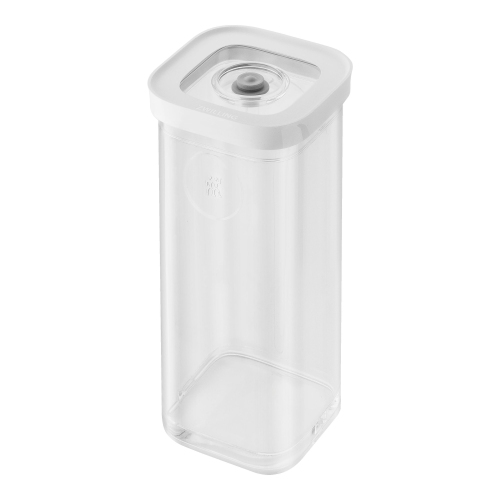

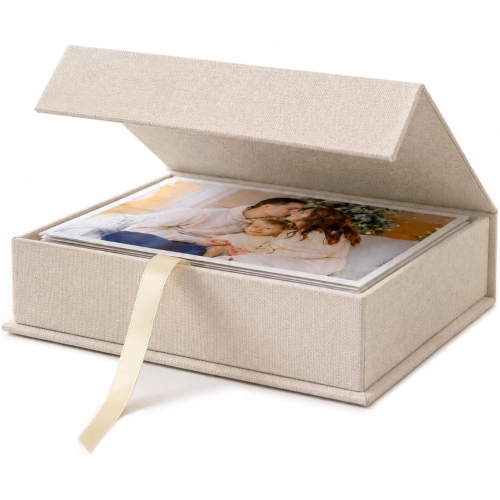

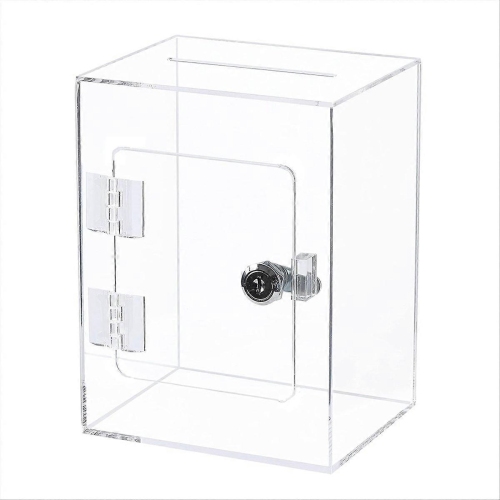









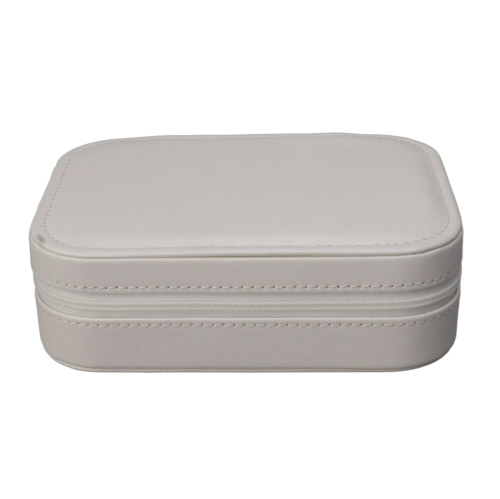


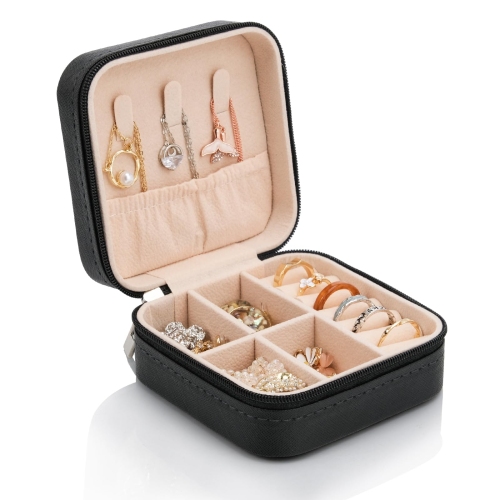
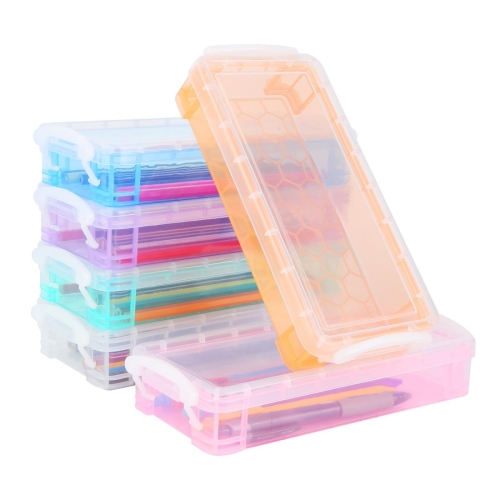


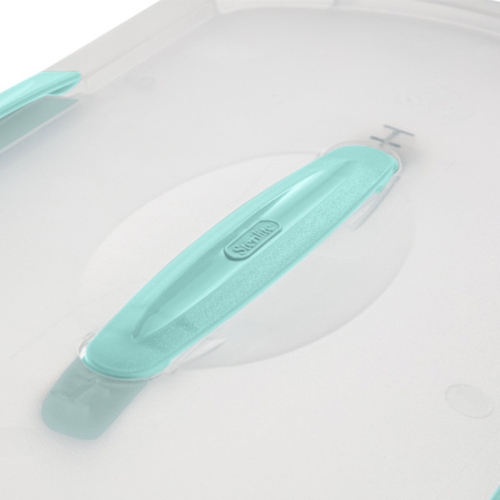
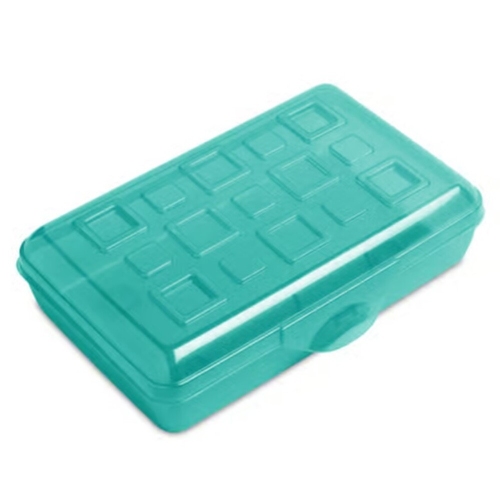
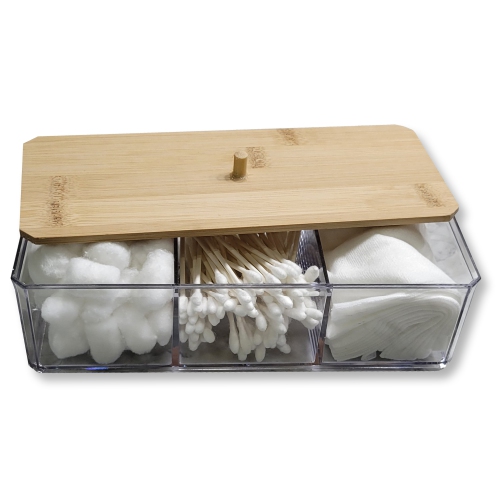
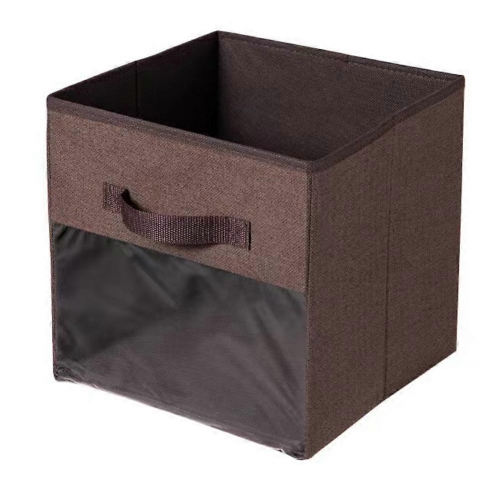
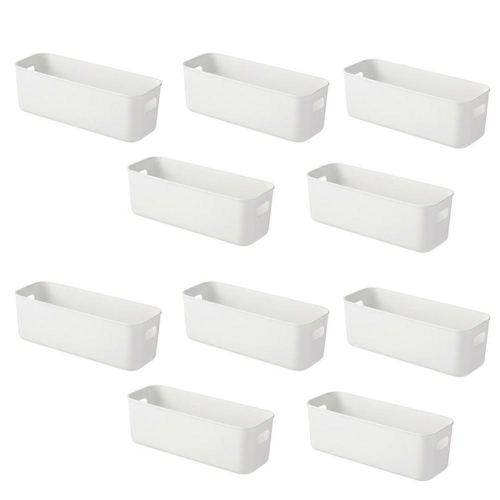


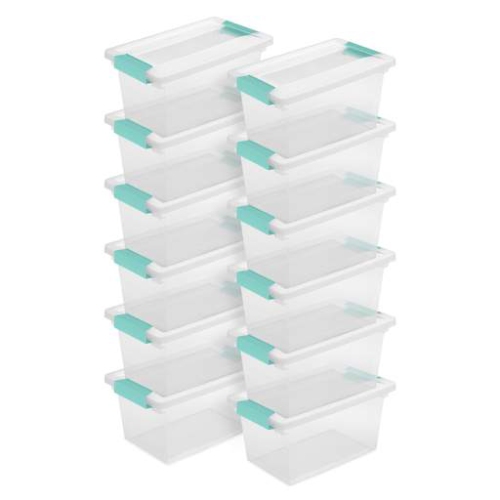


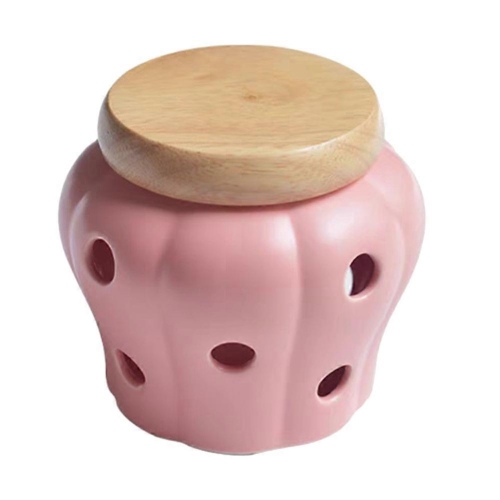

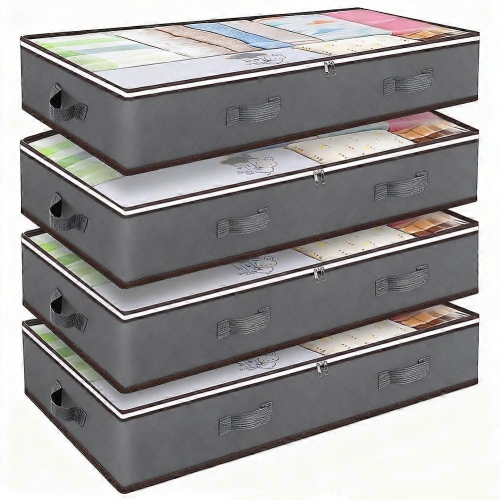
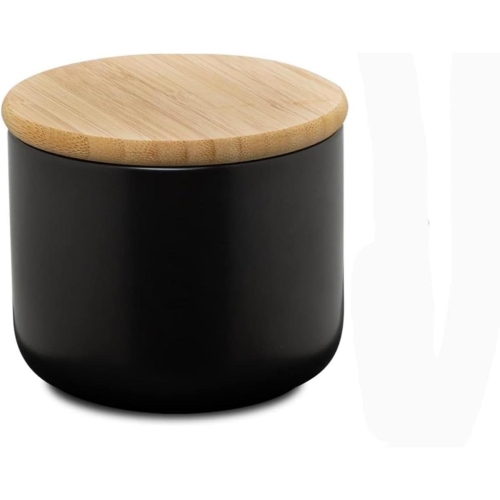
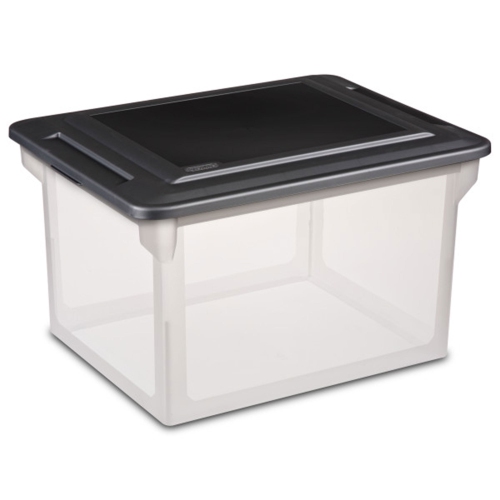
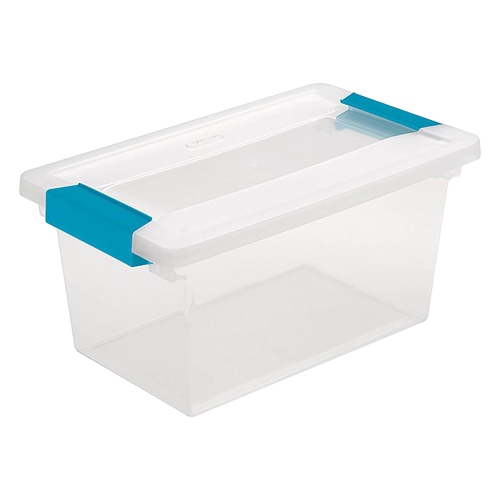

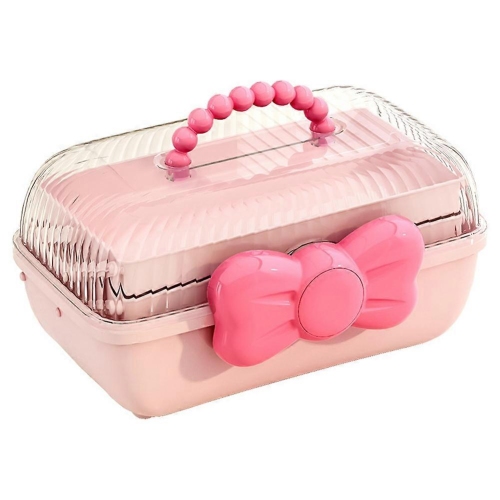
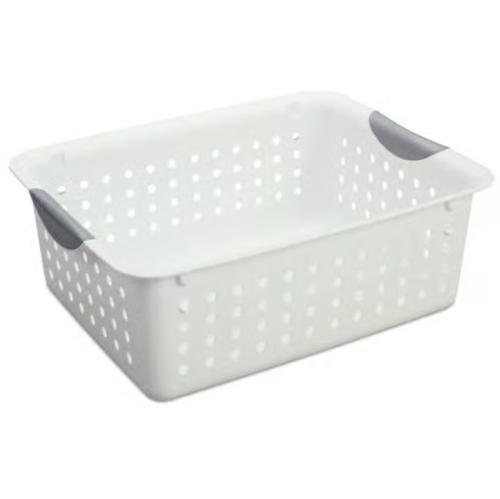











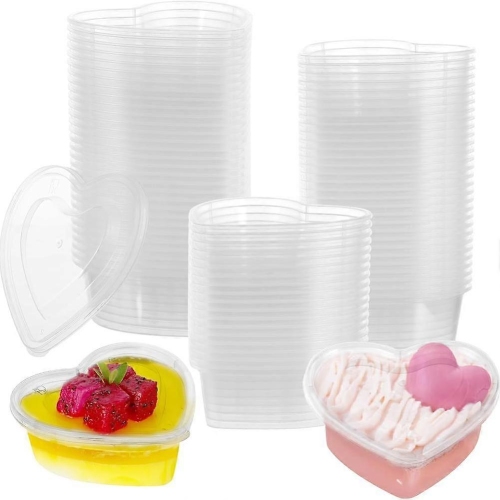
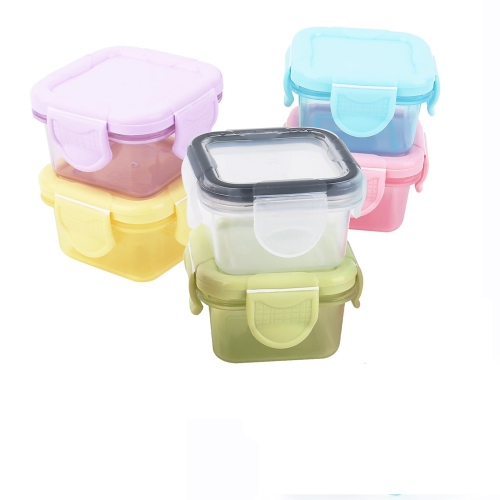


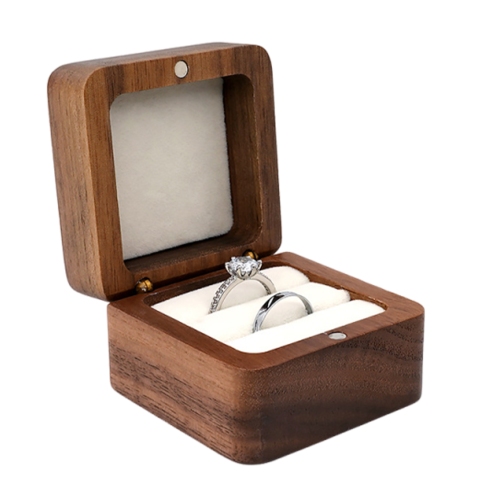
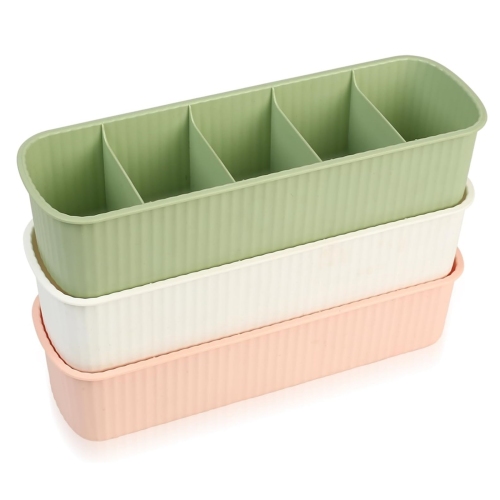
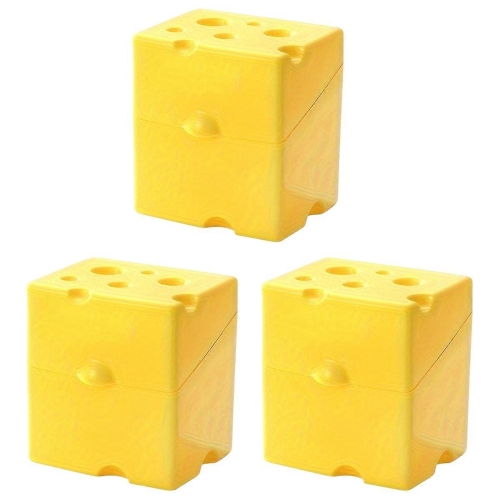
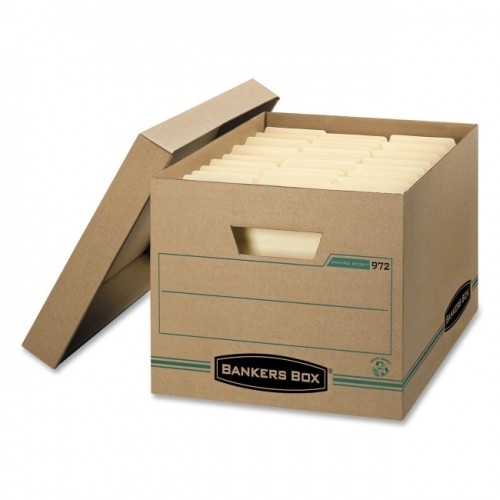
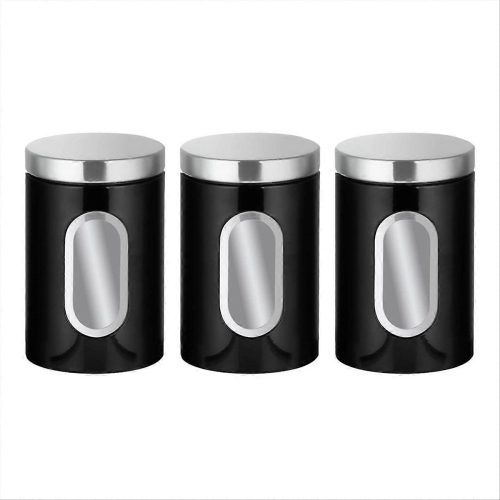

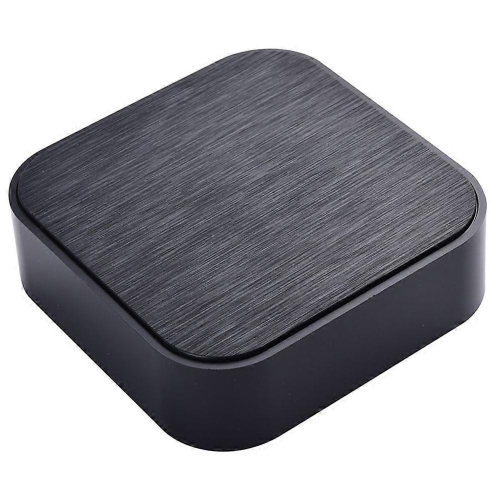



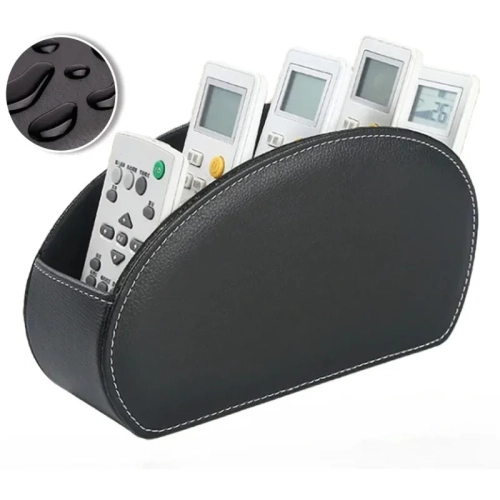
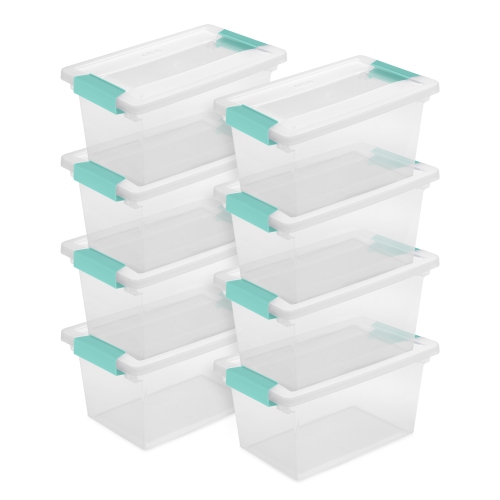

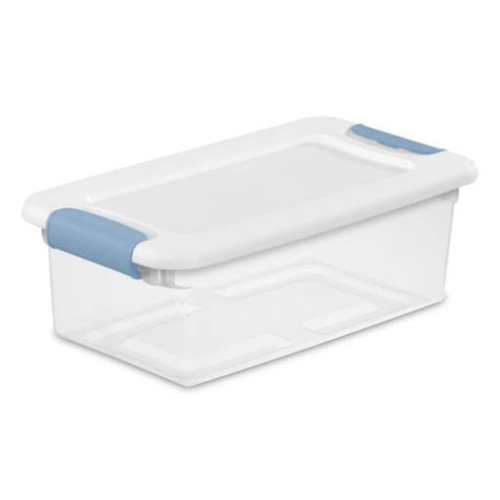
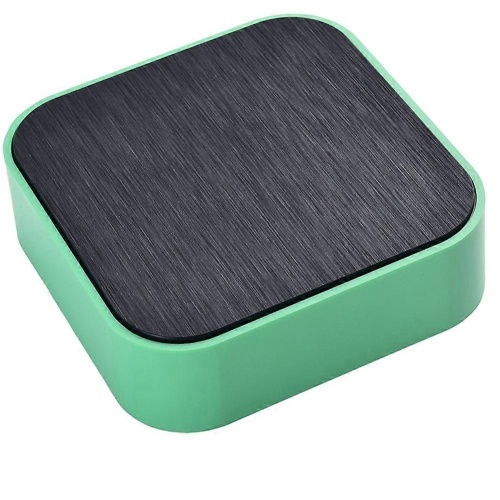



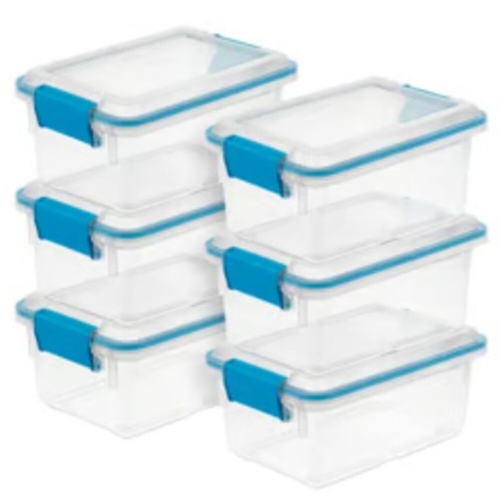


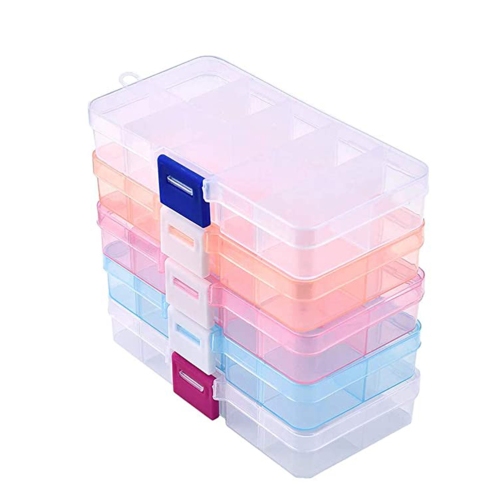


Practical solutions for seasonal belongings and everyday essentials
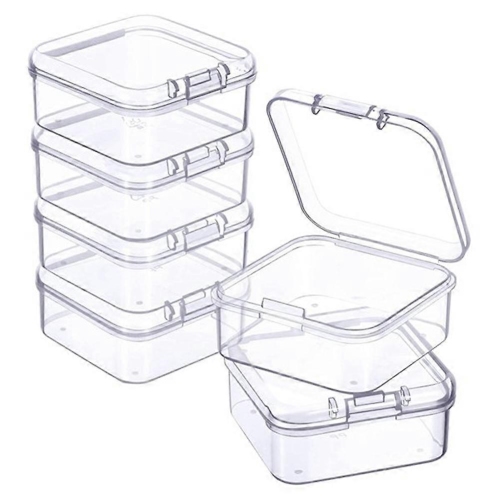
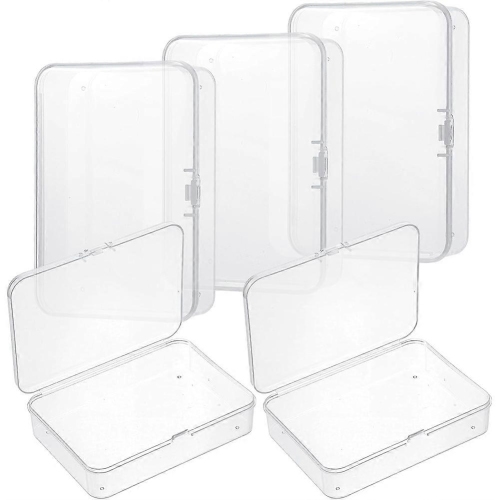
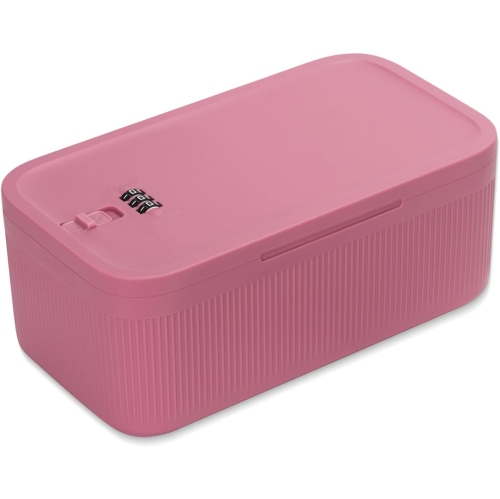
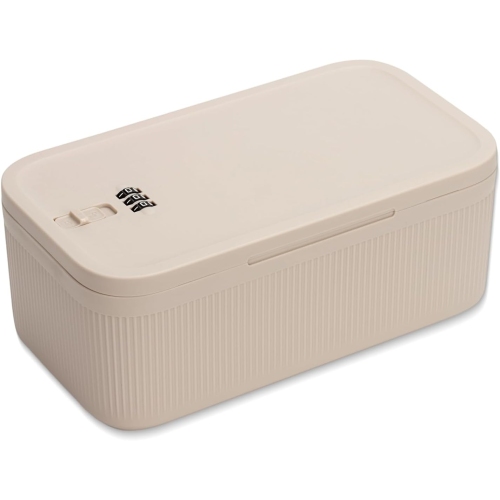
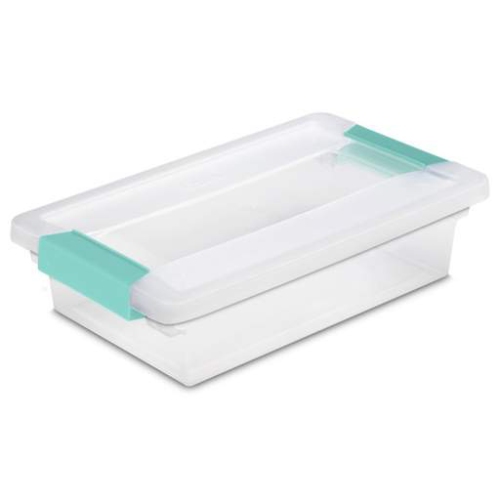
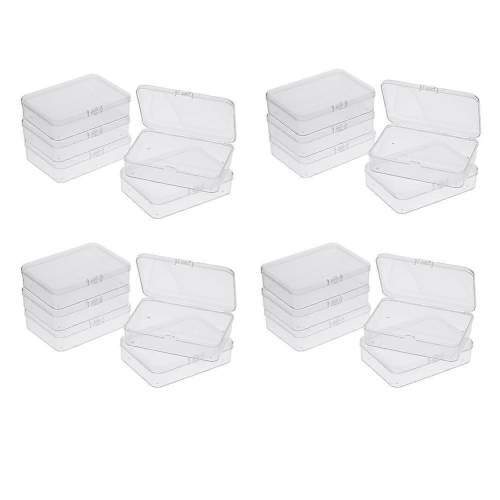
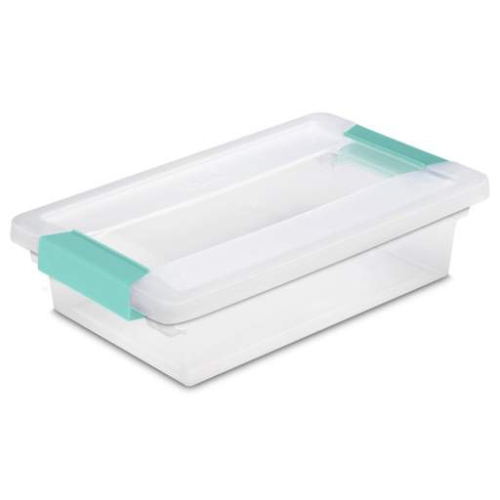
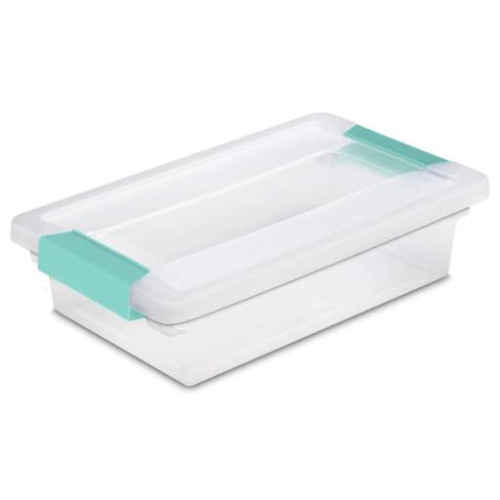
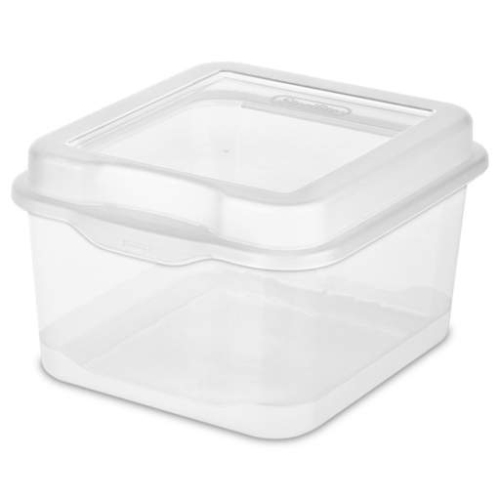
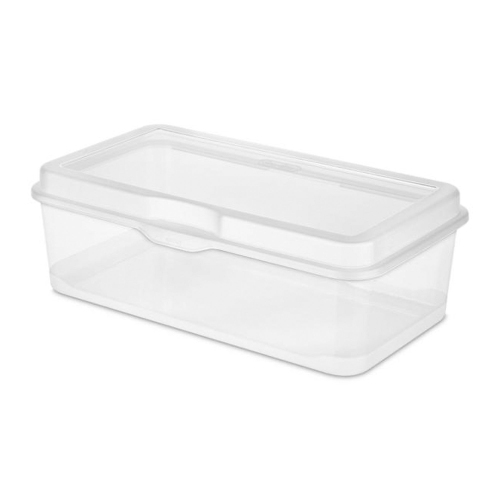
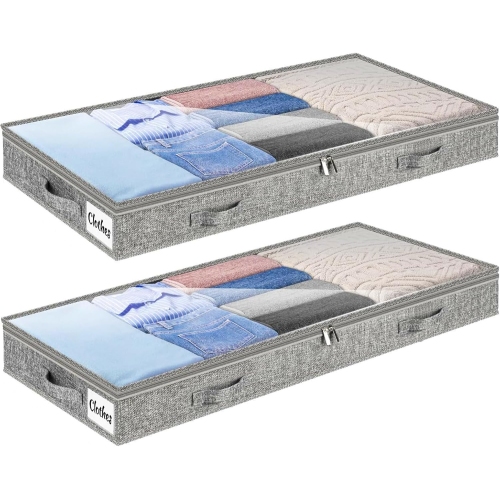
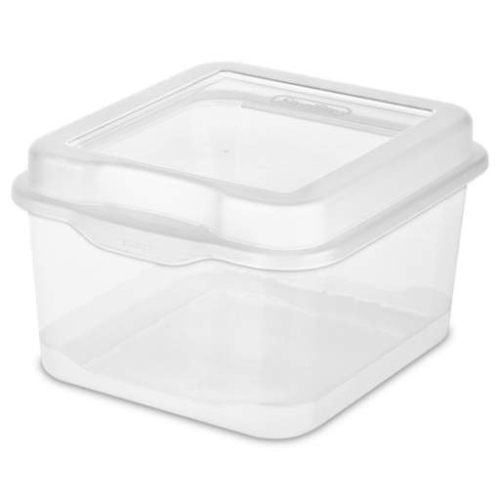
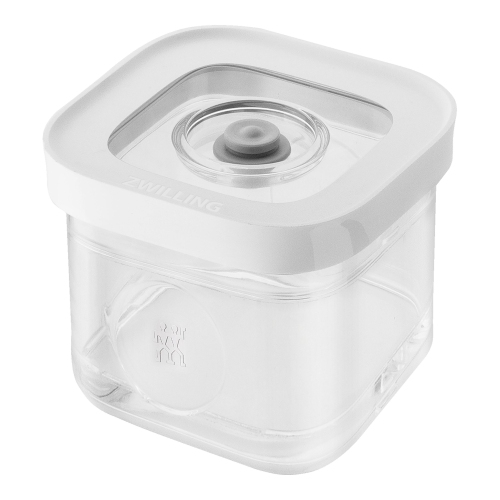
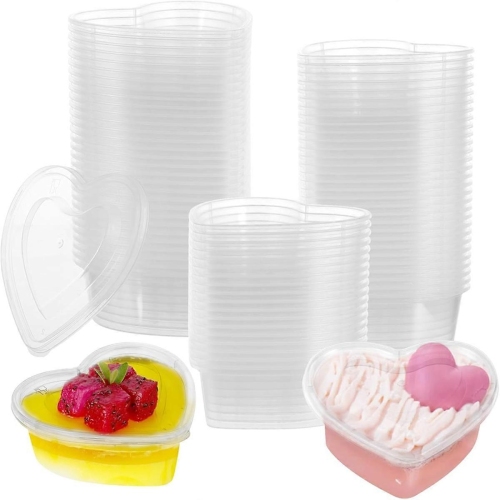
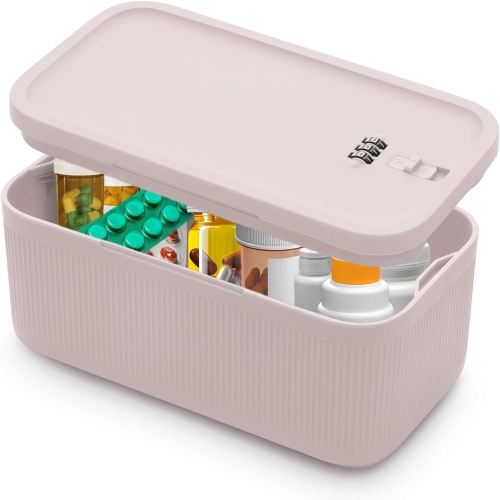
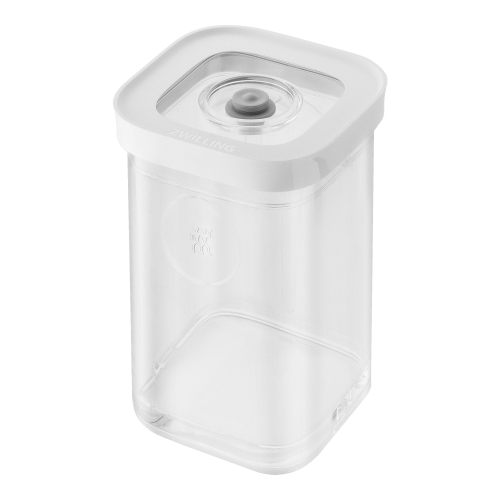
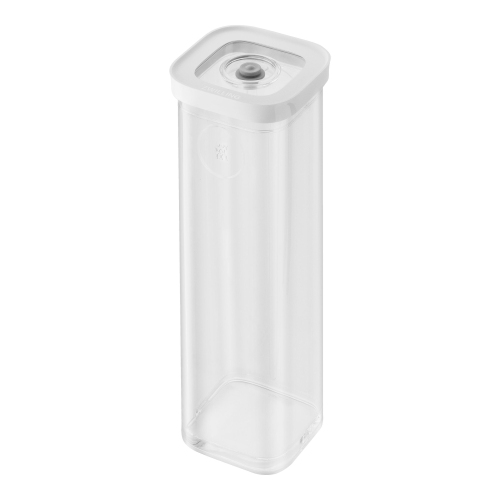
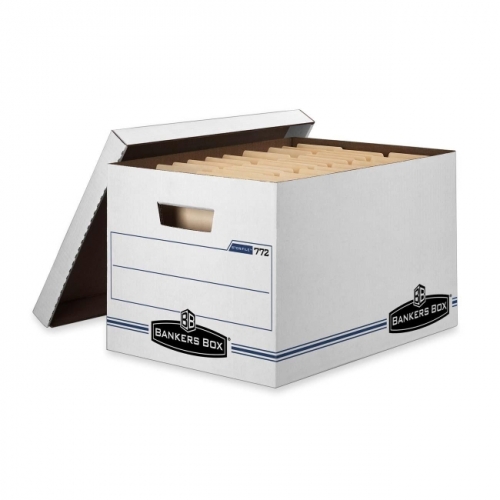
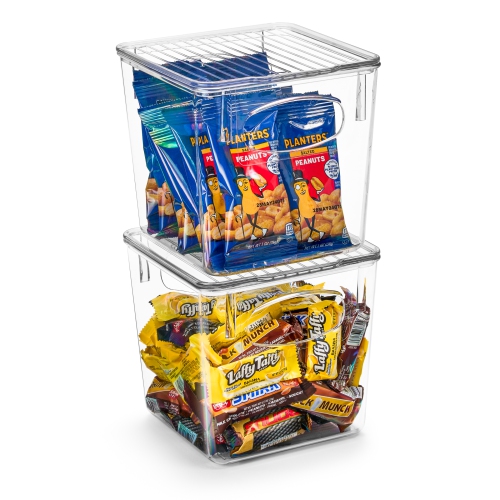
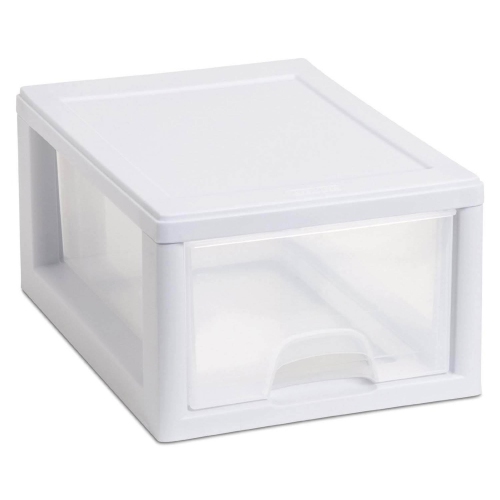
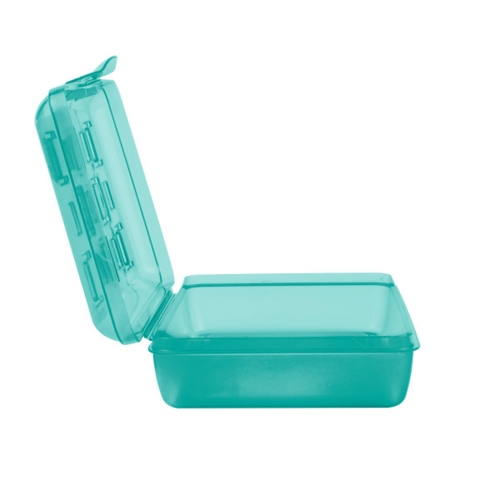
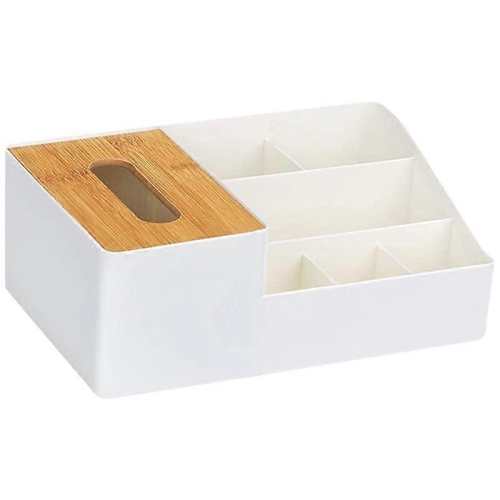
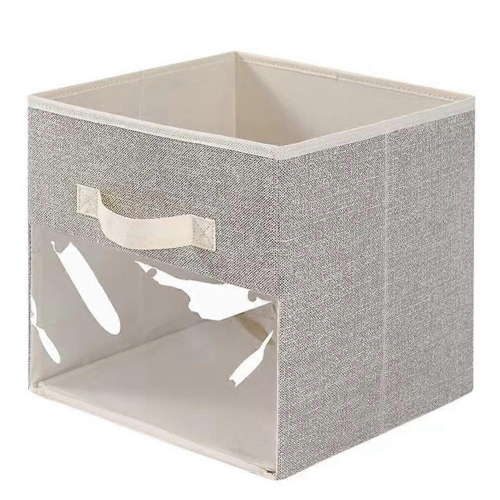
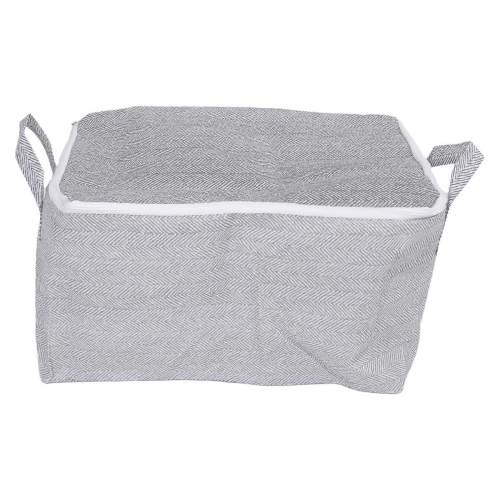
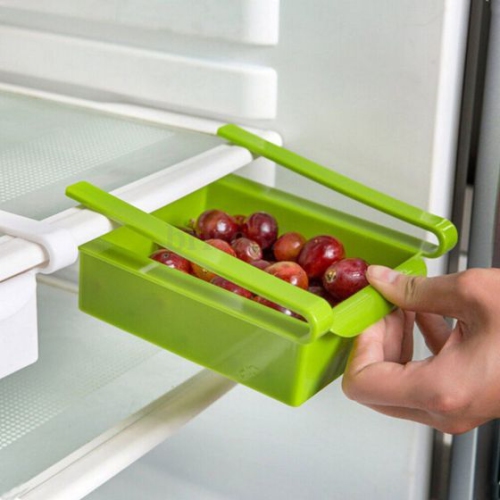
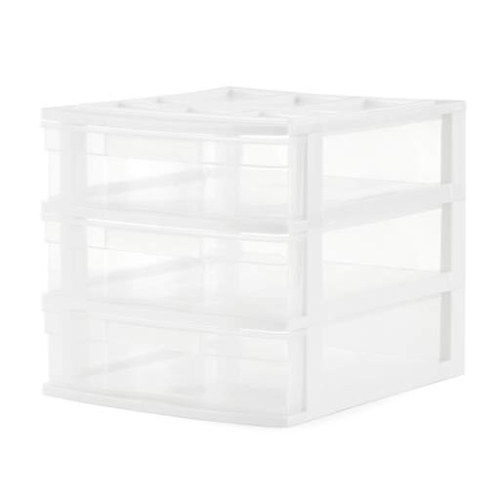
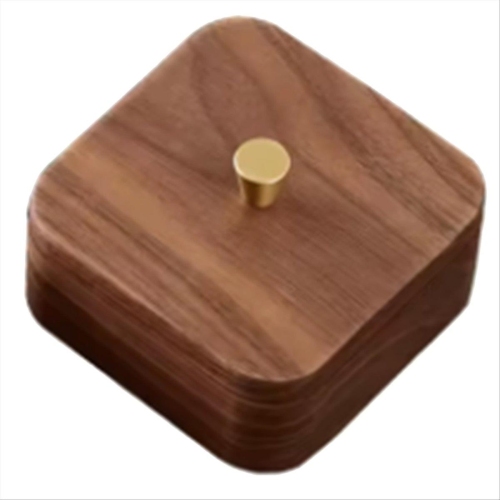
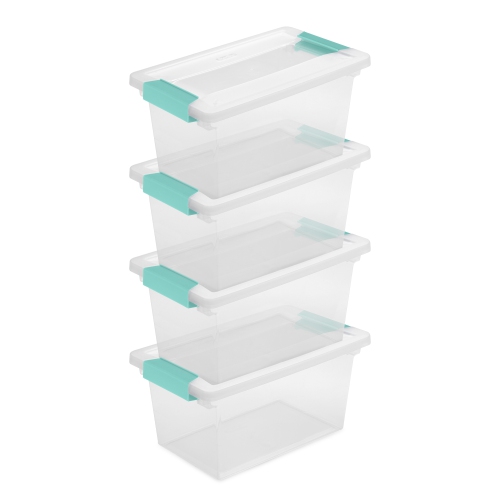
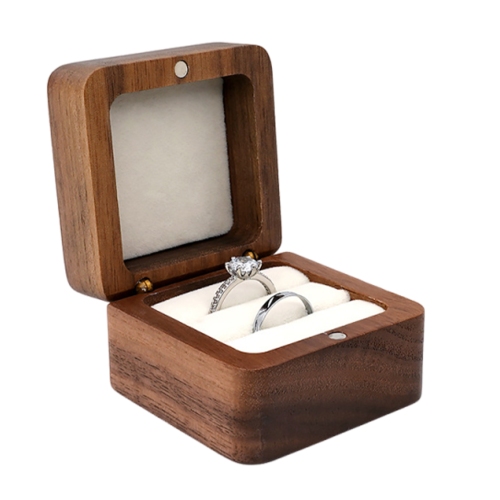
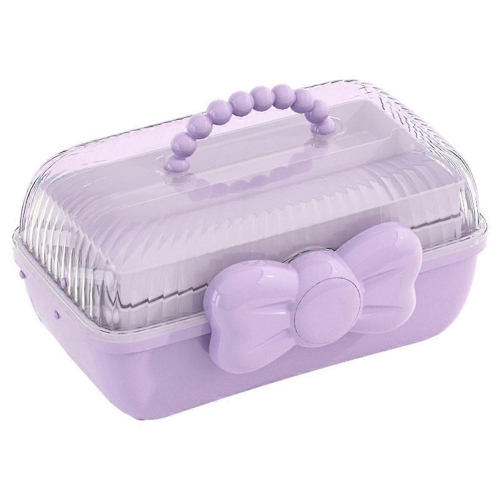
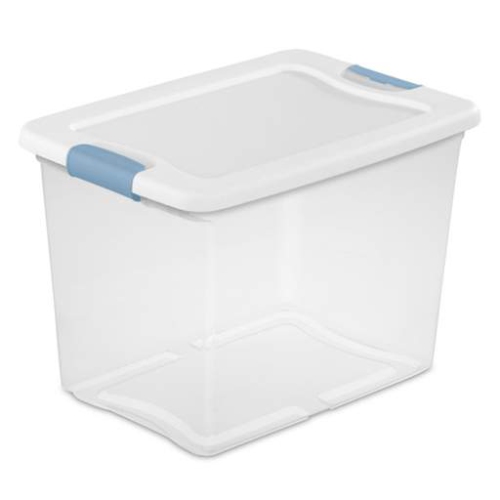
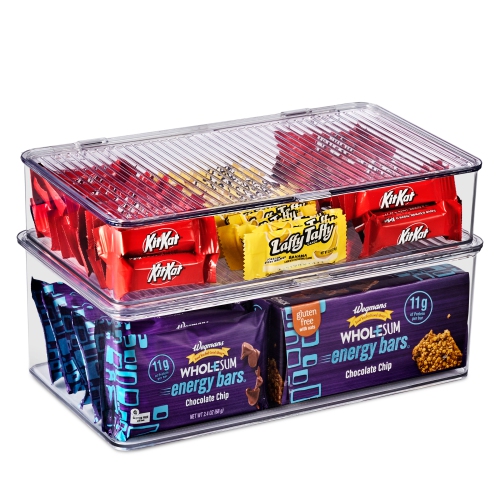
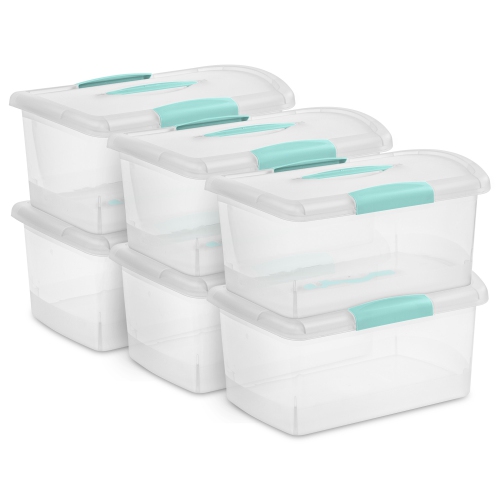
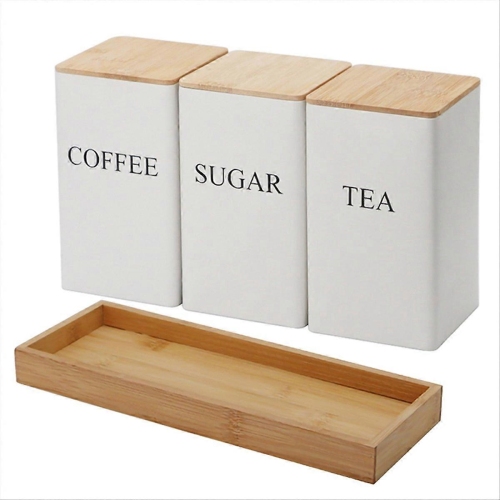
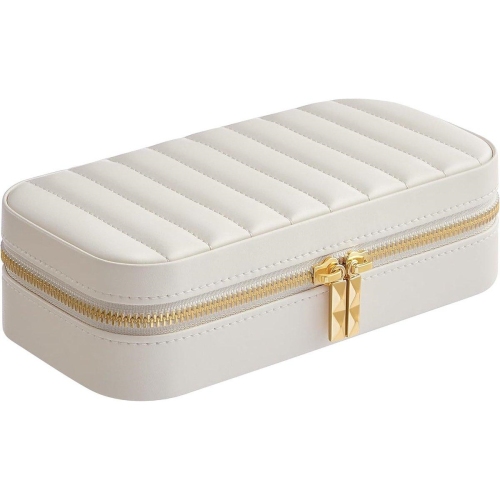
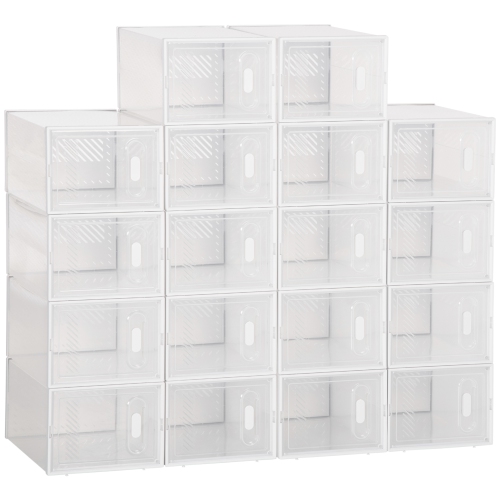
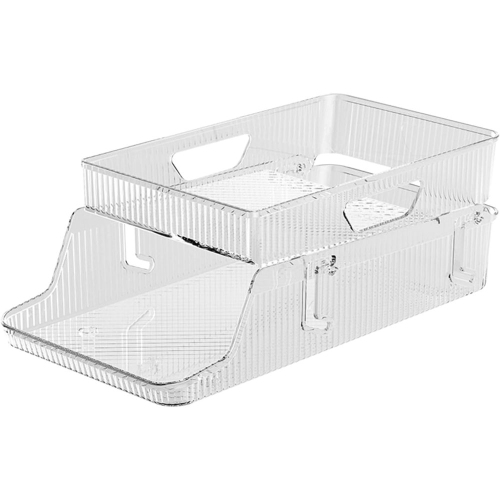
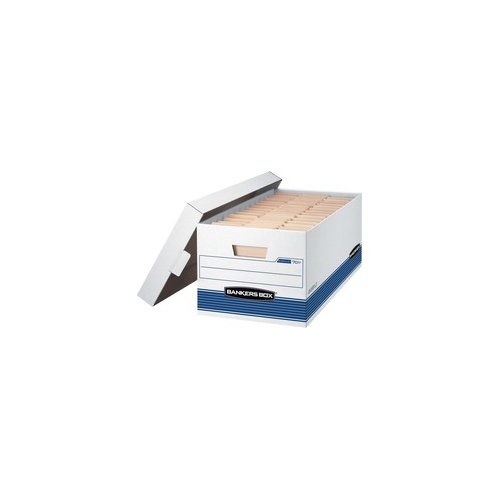
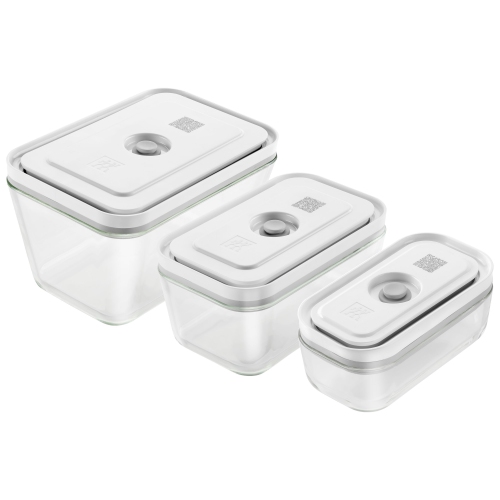
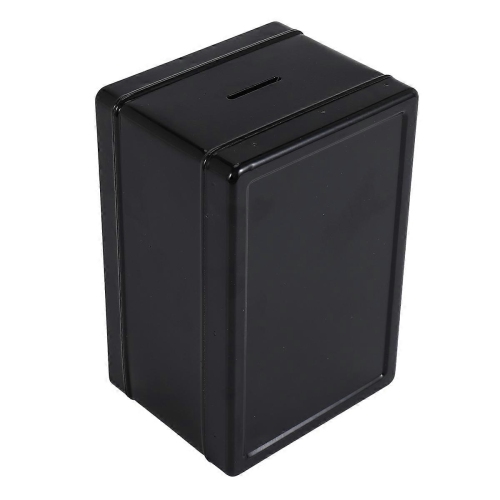
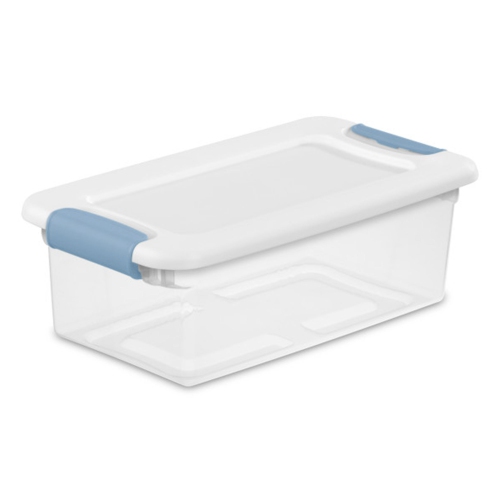
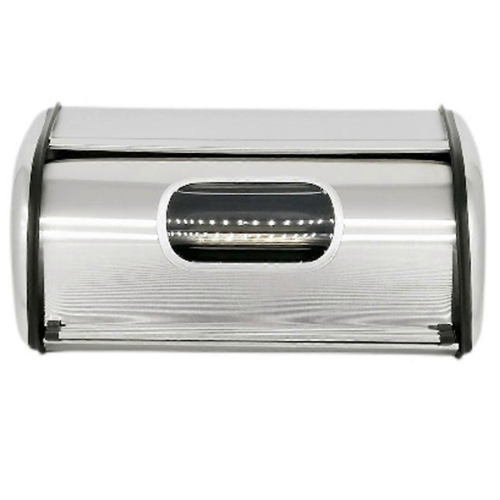
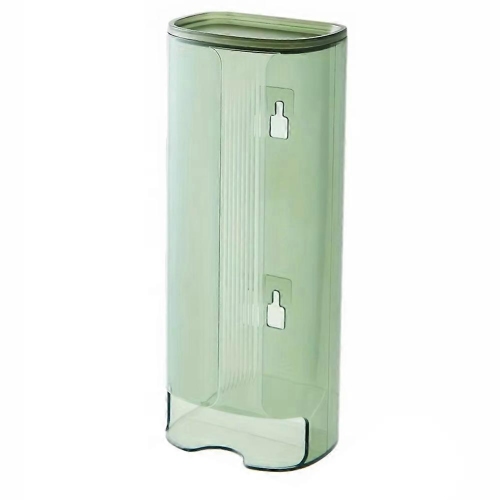
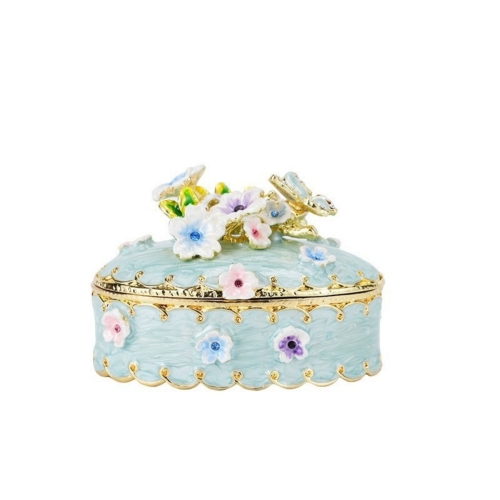
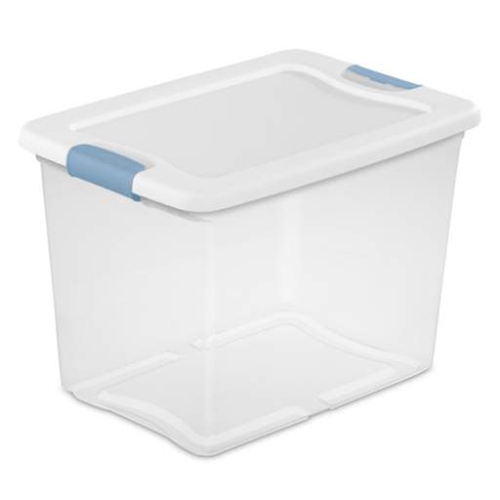
Storage boxes are practical, versatile containers for bringing order to busy homes, workplaces and storage areas. They can hold everything from seasonal clothing and spare linens to children’s toys, craft supplies, paperwork, cables and household accessories, helping make better use of shelves, cupboards, closets and under-bed spaces. The right choice depends on what you plan to store, where the box will sit and how often you expect to access its contents. Plastic bins and totes are a dependable option for garages, basements, utility rooms and other areas where dust, spills or changing humidity may be a concern. Clear plastic makes it easier to see what is inside without opening every lid, while opaque containers can keep contents out of sight for a cleaner-looking room. Cardboard boxes are lightweight and easy to label, making them useful for moving, shipping, temporary storage and filing documents. They are particularly handy when contents need to be packed, transported and unpacked without adding much weight. Fabric, wood and other decorative storage boxes can be a good fit for bedrooms, living rooms, offices and entryways, where containers may remain visible as part of the room. For display-worthy keepsakes, collections and treasured objects, browse Display Boxes for an option that puts selected items on view while helping keep them arranged.
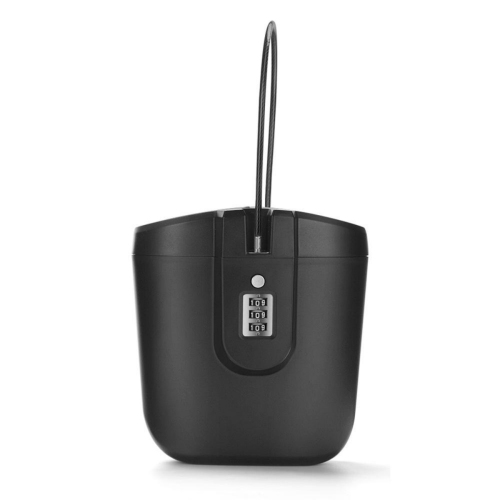
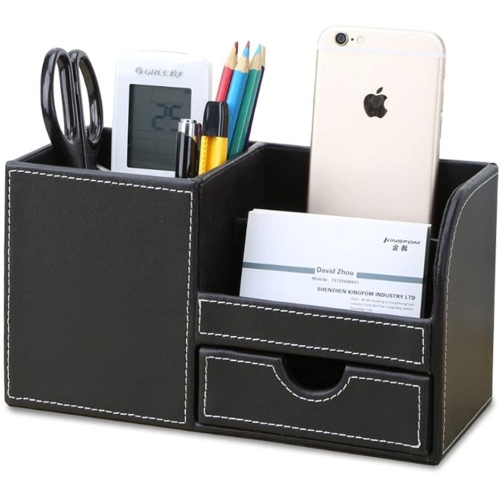
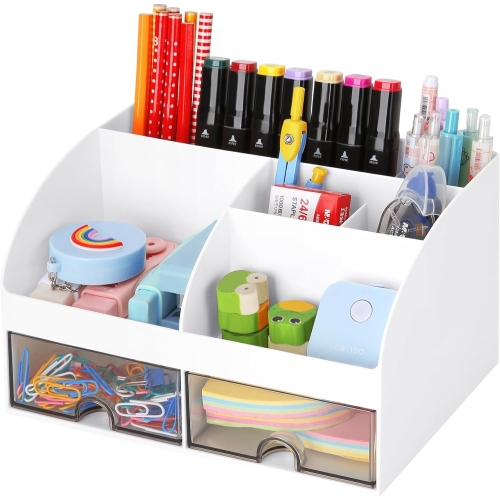
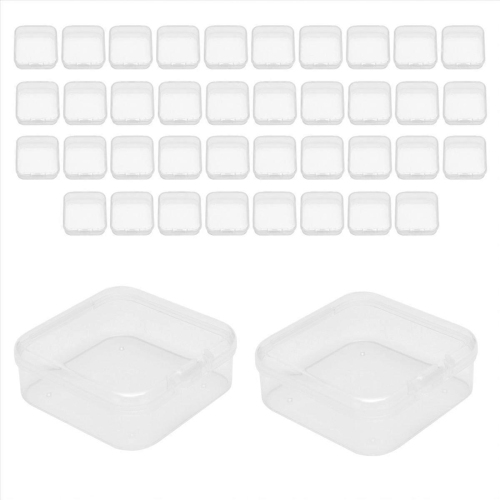
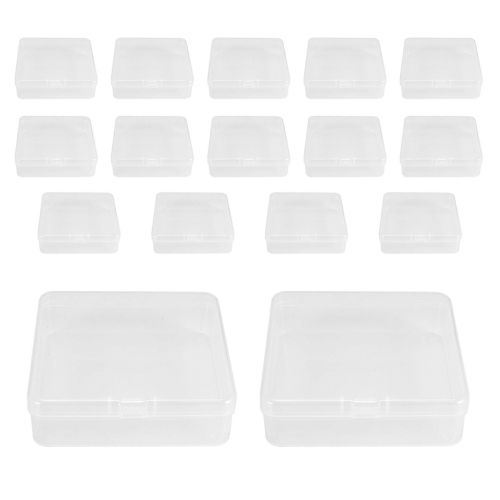
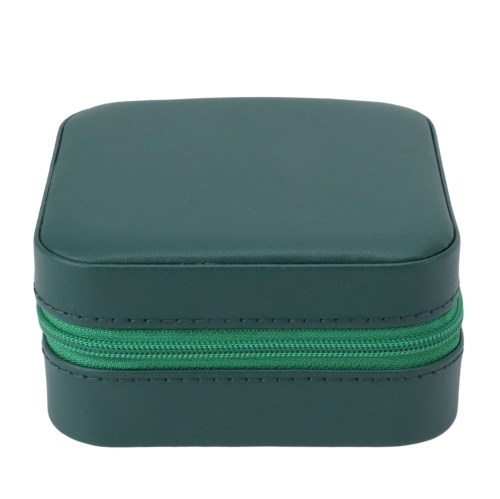
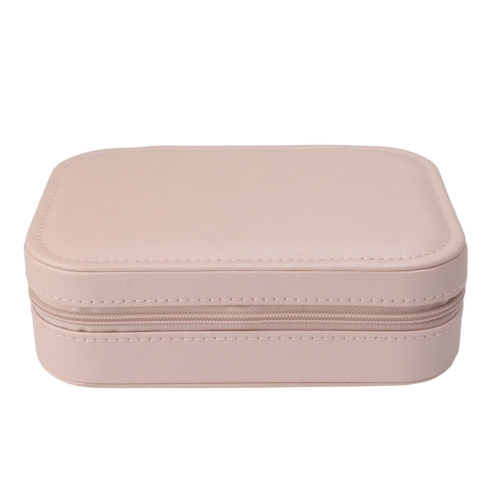
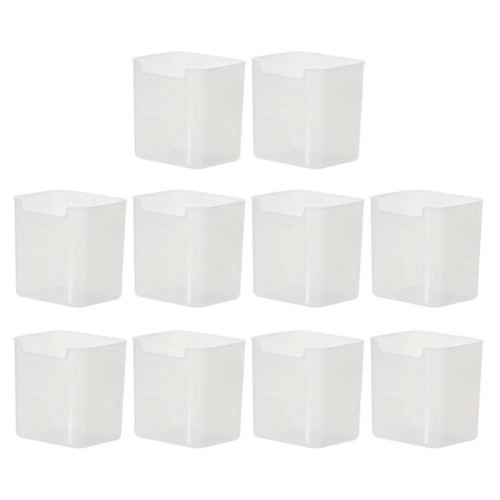
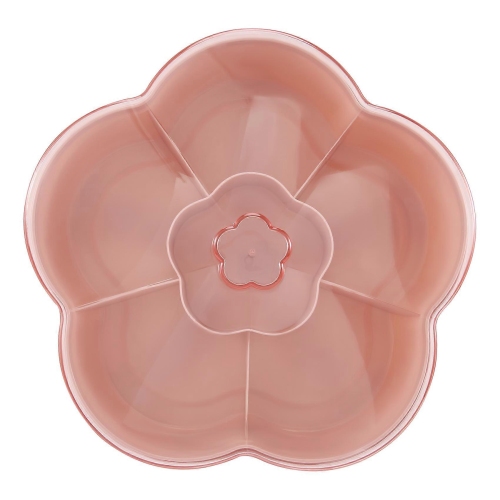
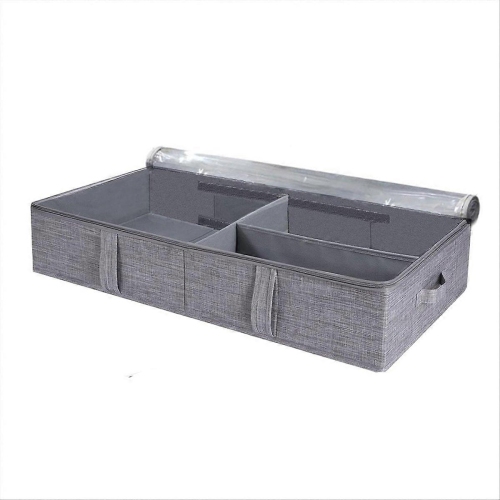
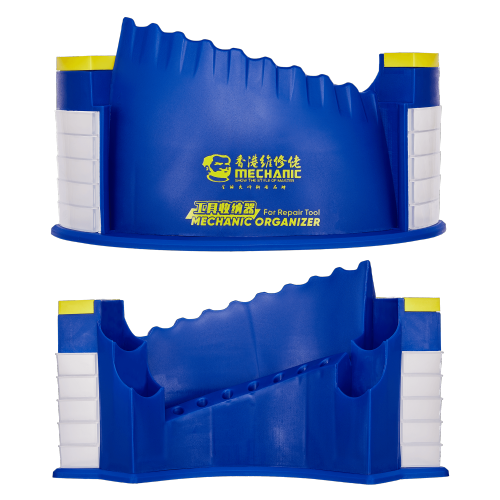
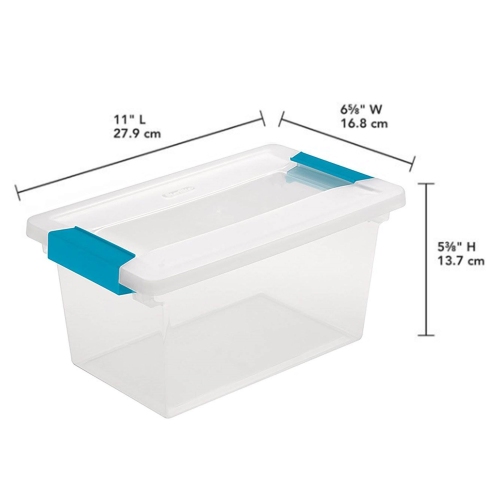
Size and construction are important considerations when choosing storage boxes. Measure the shelf, cabinet, closet opening or space beneath a bed before buying, and leave enough room to lift a container out comfortably. A box that fits its footprint but is too tall to remove can make an otherwise tidy storage area frustrating to use. Smaller boxes work well for cables, stationery, accessories, cosmetics and other loose items, while larger containers can accommodate blankets, sporting equipment, bulky clothing and household supplies. Divided interiors or smaller compartments help prevent little items from becoming tangled or lost at the bottom, whereas open interiors are more useful for soft goods and irregularly shaped belongings. Lids help keep dust away and give boxes a neater appearance, while snap closures or latches can provide extra security during handling and transport. Stackable designs make good use of vertical space, but check that the base and lid are sturdy enough for the intended load and avoid placing heavy containers where they could be difficult or unsafe to lift. Handles are valuable when a box will move between rooms, and wheels can make larger containers easier to reposition on a smooth floor. A useful habit is to label more than just the general category: “winter scarves,” “tax documents” or “spare bedding” is far more helpful than “miscellaneous.” Clear containers may reduce the need for labels, but a label still helps identify contents quickly when boxes are stacked together.
Storage boxes suit a wide range of routines and living arrangements. Someone preparing a home for the cooler months may use them to put away lightweight clothing, outdoor entertaining supplies or warm-weather accessories, while another household may rotate blankets, boots and seasonal decorations into more accessible places as the weather changes. Students can use smaller containers to organize study materials, personal items and dorm-room essentials, and people setting up a home office can separate receipts, stationery, chargers and archived papers so the work surface stays clear. Families often appreciate lidded bins for toys, puzzles and art supplies because a quick tidy-up becomes easier when every category has a designated home. In a garage or workshop, durable boxes can group fasteners, tools, cleaning items or recreation equipment, keeping frequently used pieces easier to find. Cardboard boxes remain useful for moving between homes, sending parcels or sorting donations, while reusable plastic containers can be helpful for belongings that are opened and repacked regularly. These products can also make a thoughtful housewarming, student or new-home gift, especially when chosen in sizes that suit the recipient’s space and paired with labels or a simple organizing plan. Before filling any box, consider weight: books, files and dense objects are usually easier to manage in smaller containers, while larger boxes are better reserved for lighter items such as linens or clothing. Keep frequently used belongings within easy reach, store delicate or important items in appropriate protective packaging, and place heavier boxes lower in a stack. With a mix of practical and decorative styles, storage boxes can turn crowded corners, overflowing shelves and hard-to-manage cupboards into organized spaces that feel easier to live with throughout the changing seasons.
Top selling and popular products
-
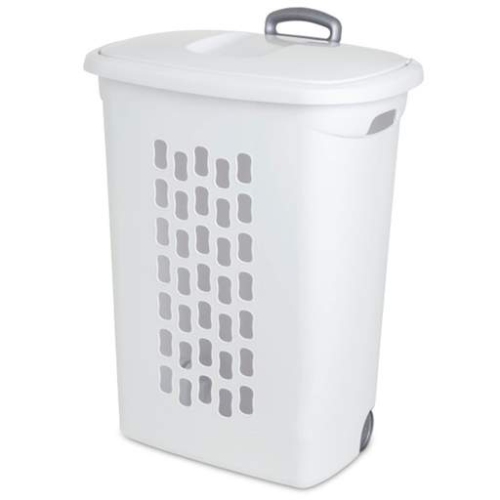 Your price for this item is $517.99
-
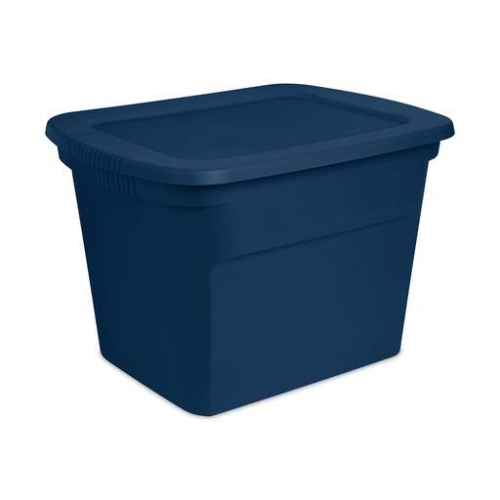 Your price for this item is $881.99
-
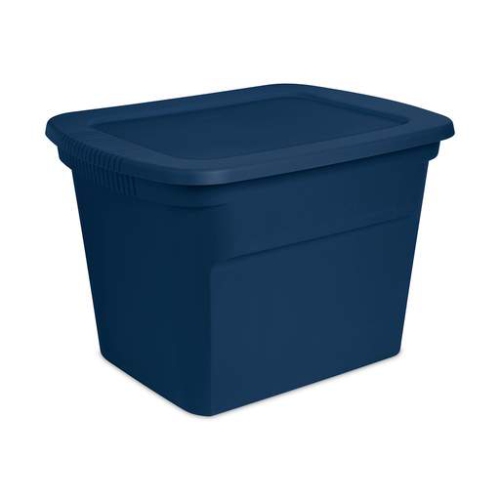 Your price for this item is $661.99
-
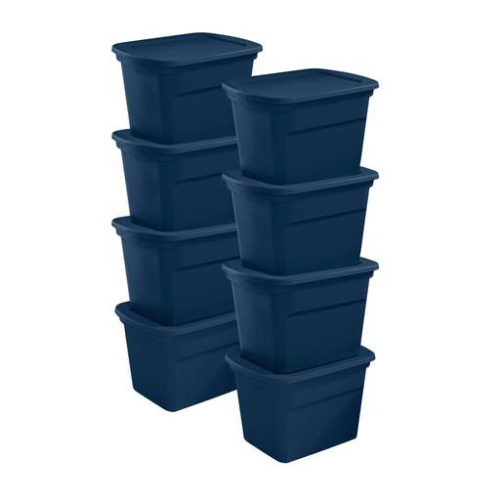 Your price for this item is $227.99
-
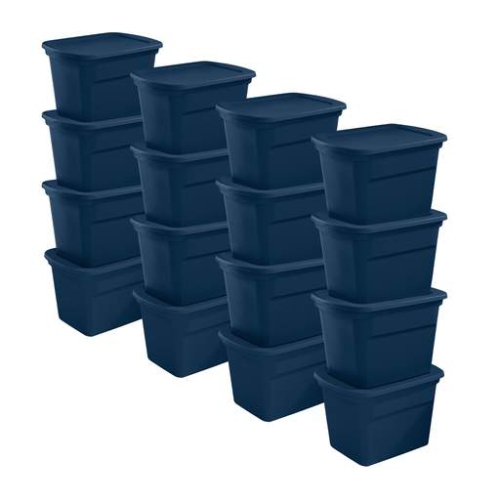 Your price for this item is $440.99
-
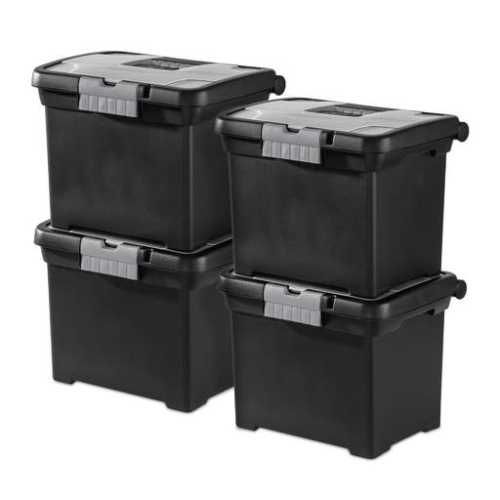 Your price for this item is $132.99
-
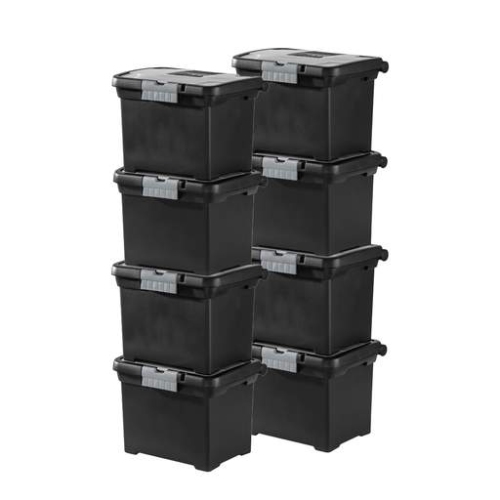 Your price for this item is $260.99
-
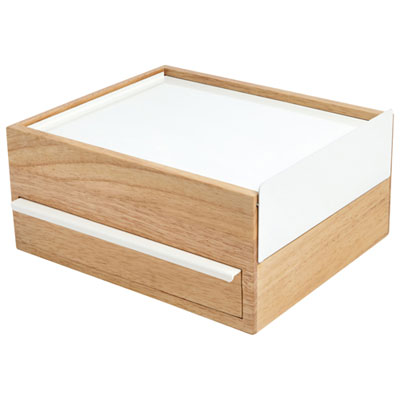 Your price for this item is $64.98
Discover more categories related to Storage Boxes


Top Collections:
Pokemon Centers, Kindle Devices, Best Budget Office Chairs, Canon G7X Cameras, Apple iPhones 16, Samsung Galaxy Phones, Refurbished Apple Laptops, Laptops for Students, iPhone 15 Apple, Budget Smartphones
Some products may be subject to Environmental Handling Fees
(EHF) depending on your province.
Learn more about EHFs.