Wood Boxes
Looking for a stylish and versatile storage solution? Look no further than our collection of wood boxes. These timeless pieces are not only functional but also add a touch of warmth and elegance to any space. Whether you need to organize your belongings, store mementos, or simply want to enhance your home decor, our wood boxes offer the perfect blend of practicality and aesthetics. Crafted from high-quality materials, these boxes are built to last and can withstand daily use. Explore our wide range of wood boxes and discover the perfect one to meet your storage needs while elevating the overall look of your home.
Sort
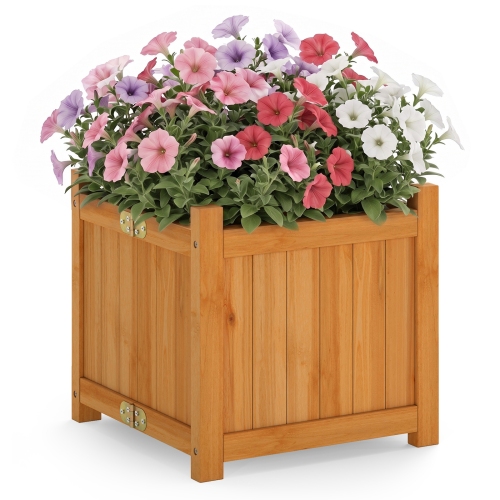
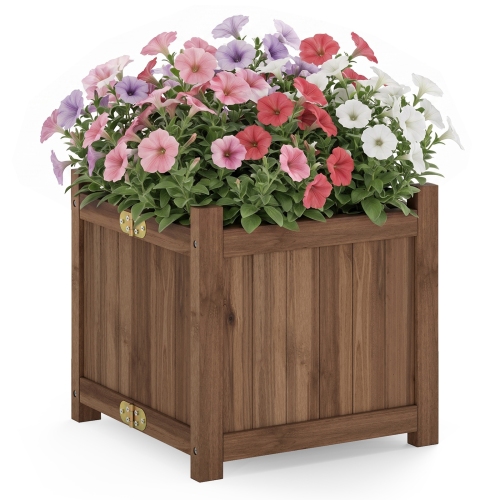
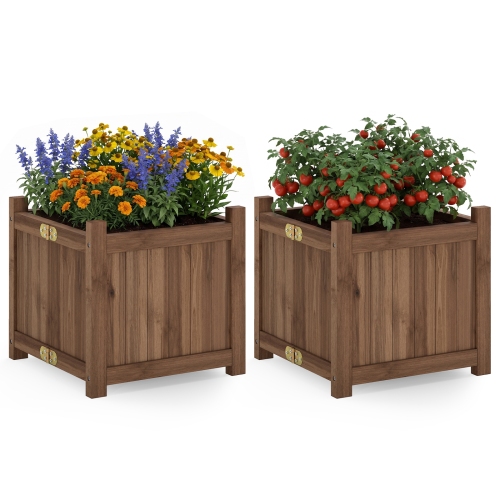
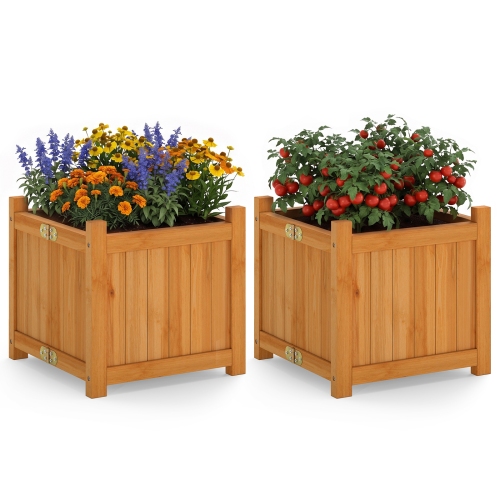
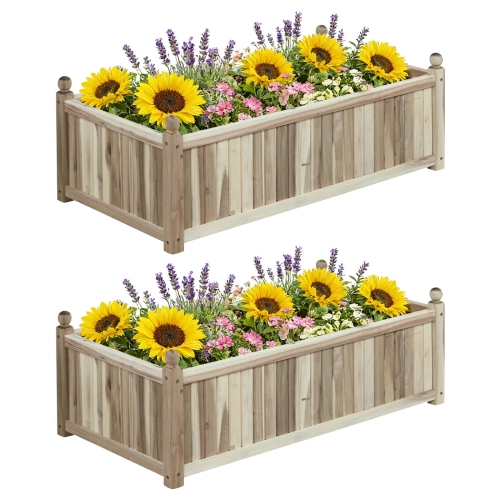
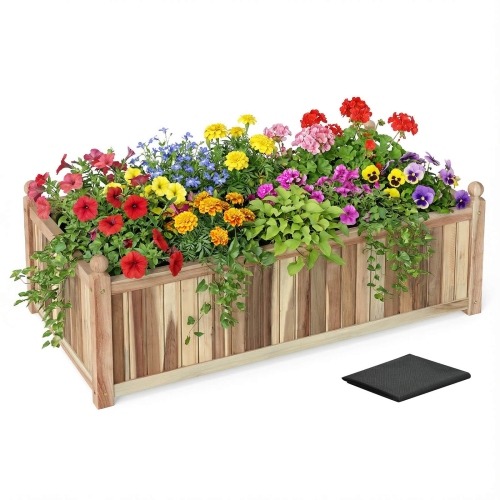
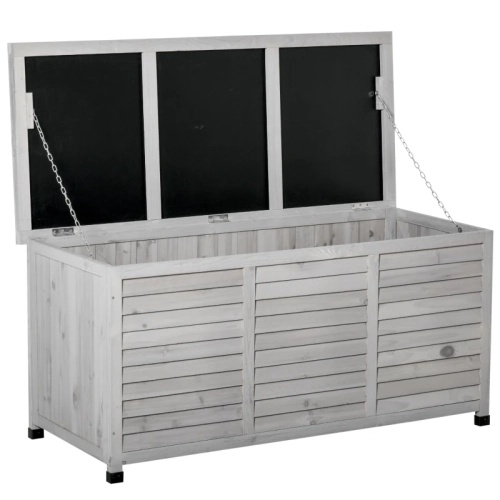

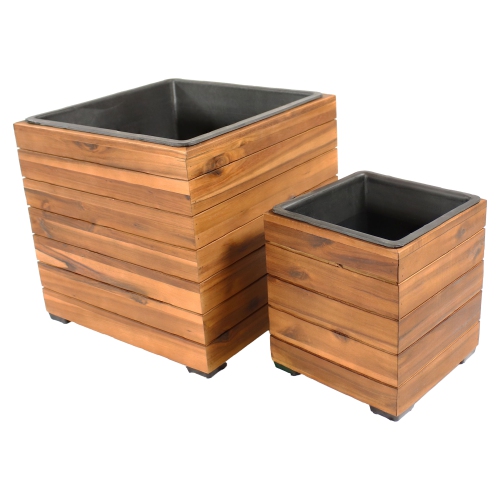
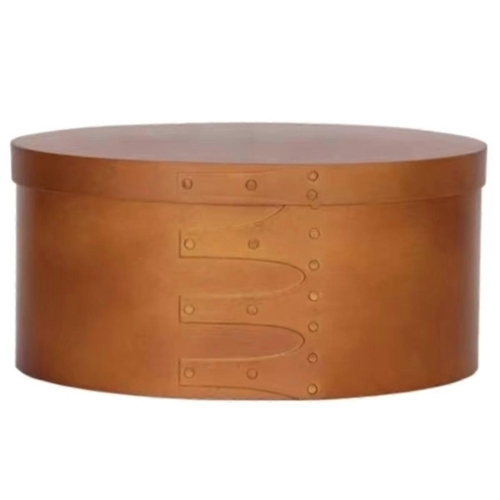

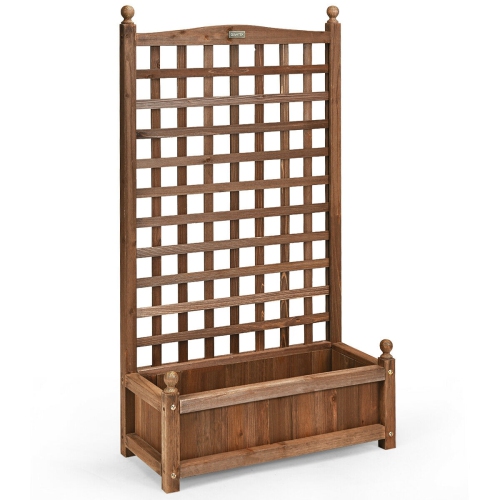

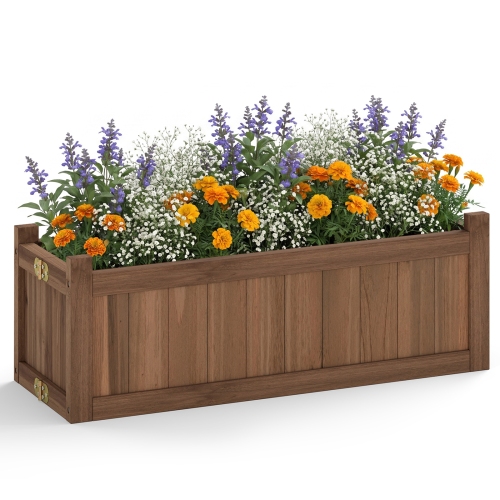
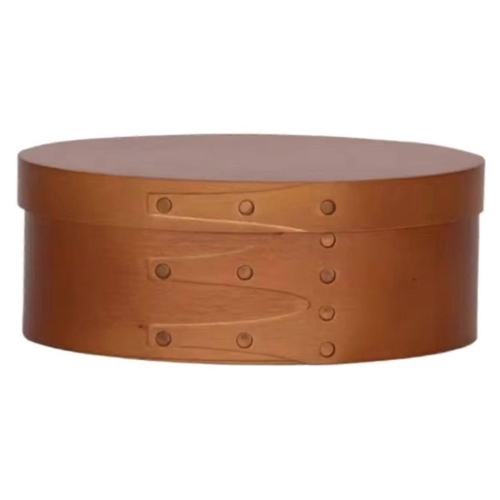
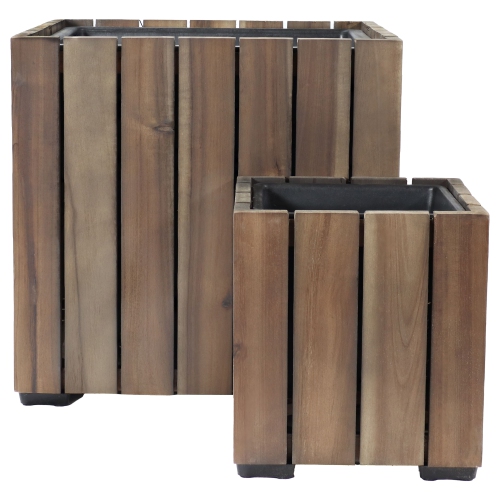
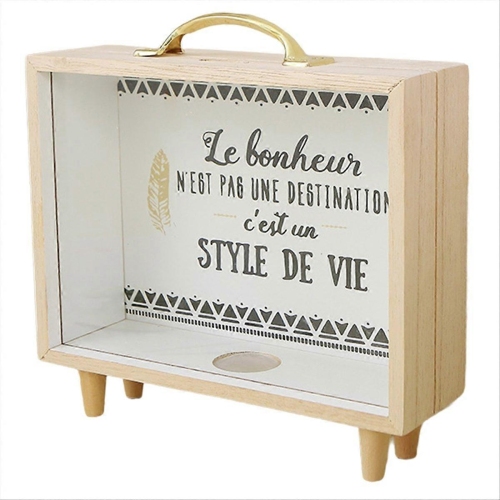
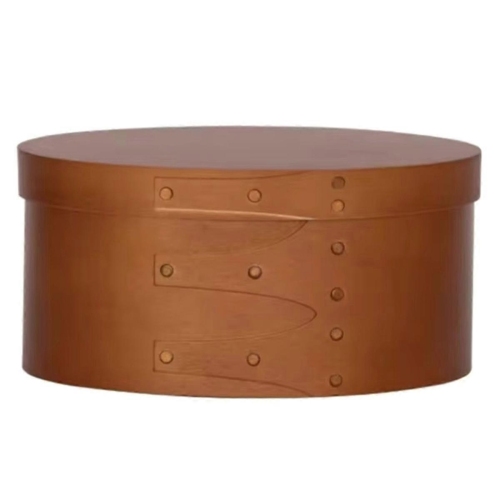
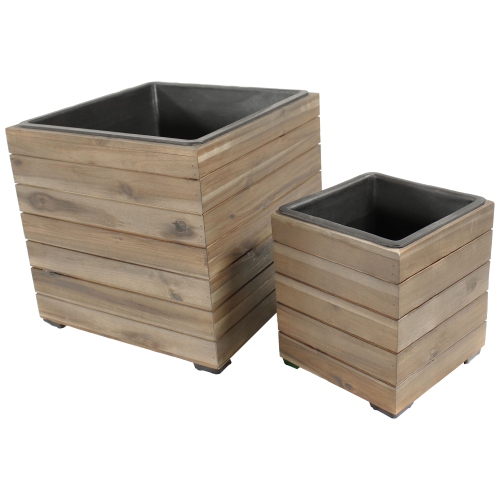

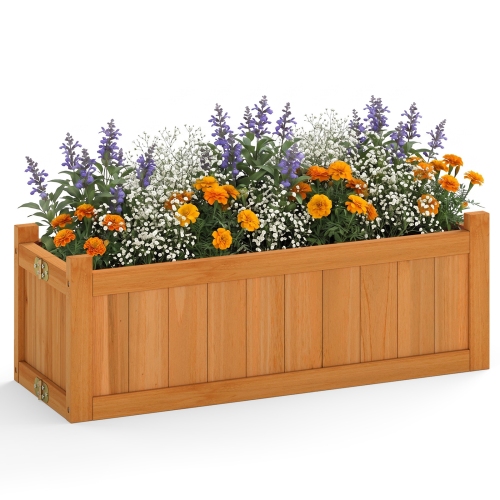

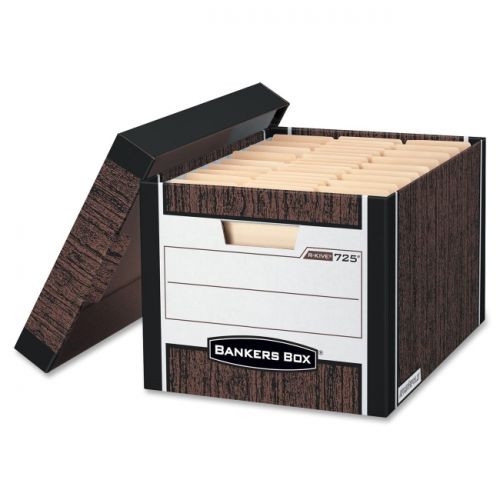
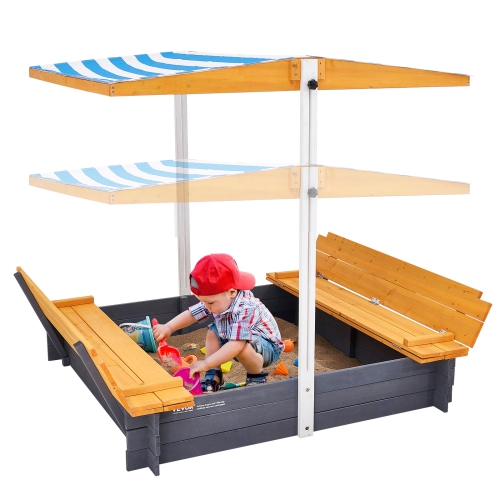
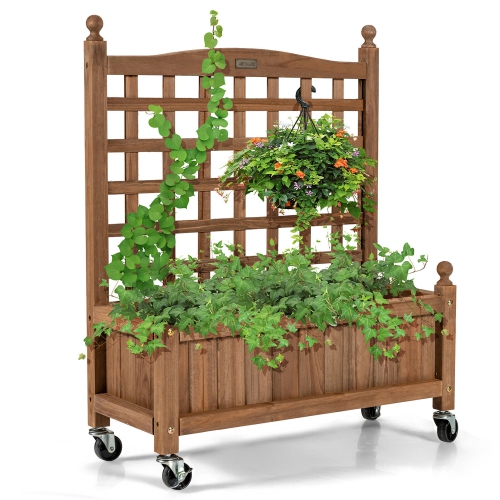
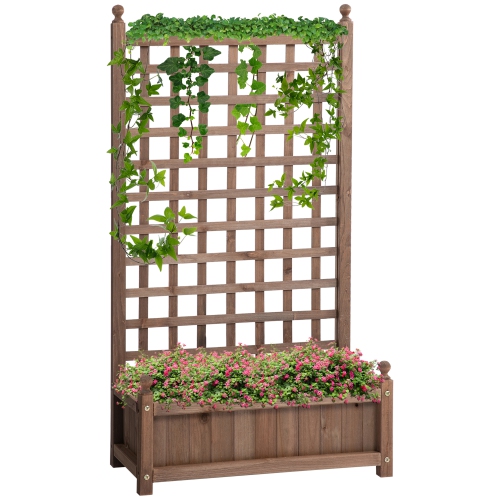
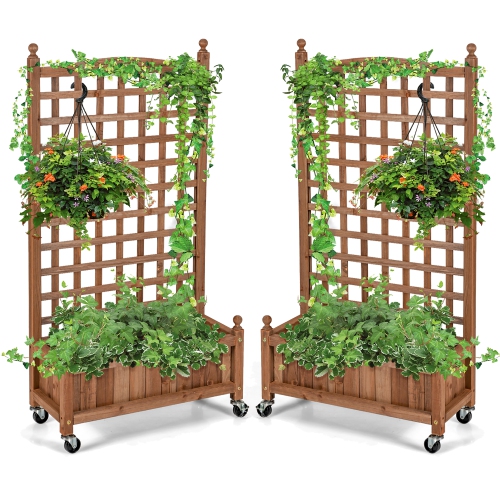
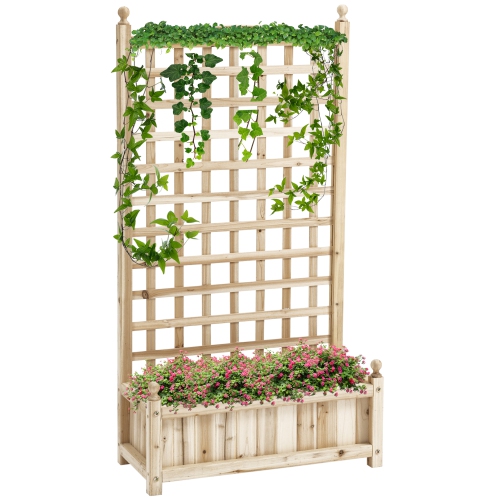
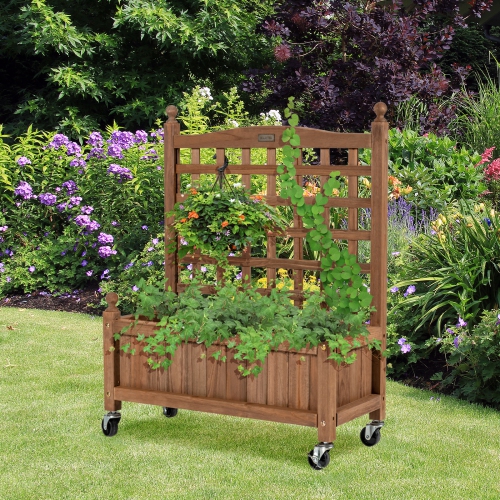
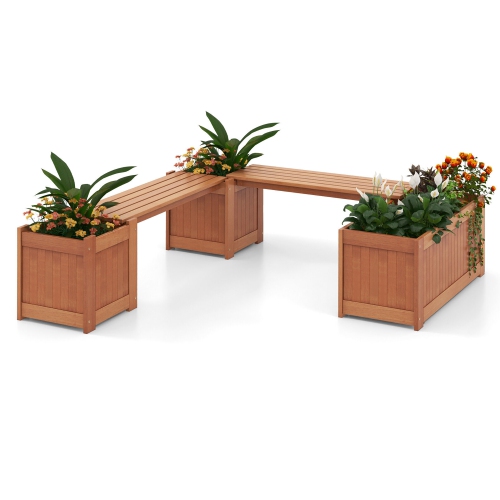
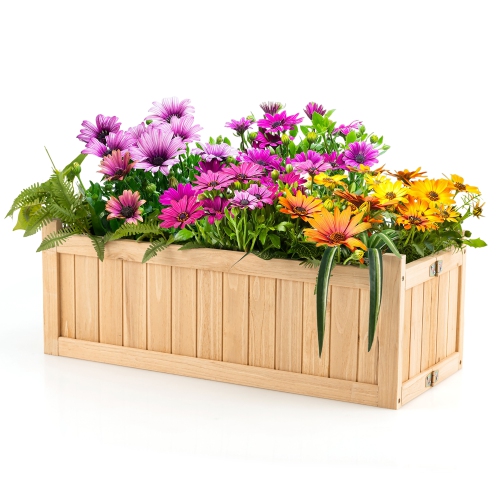
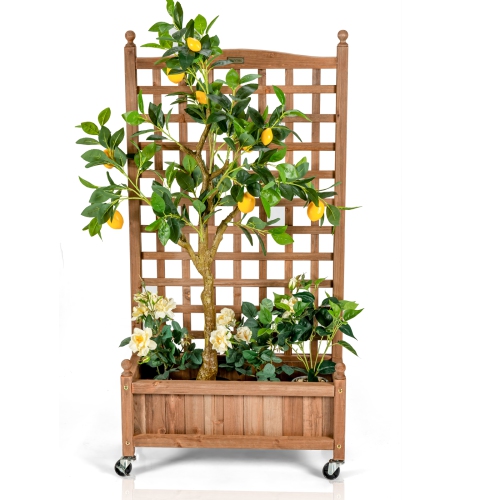
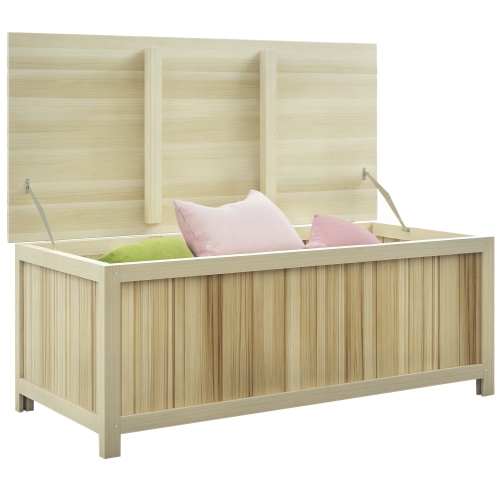
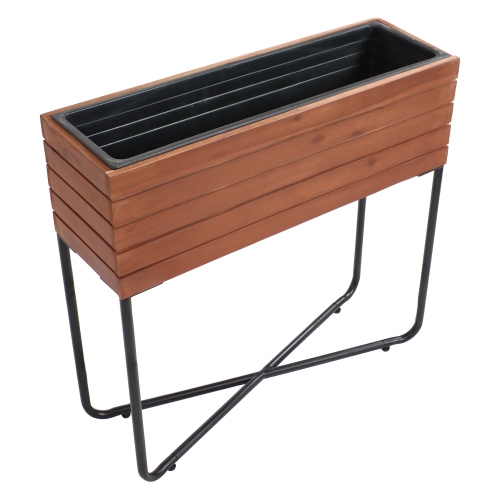
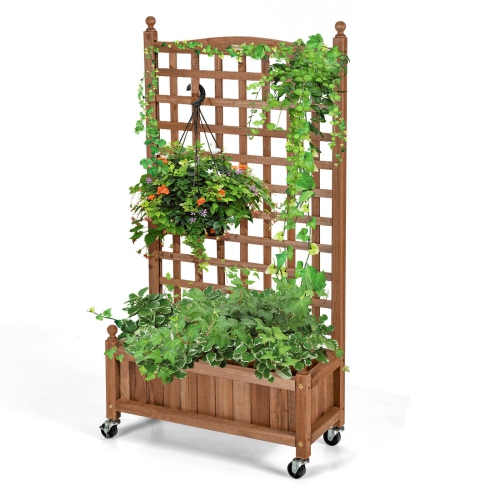
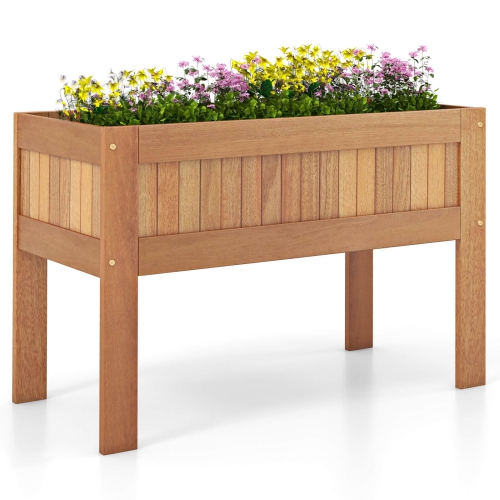
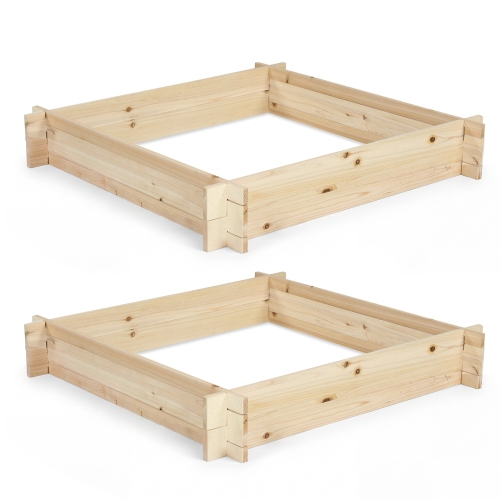
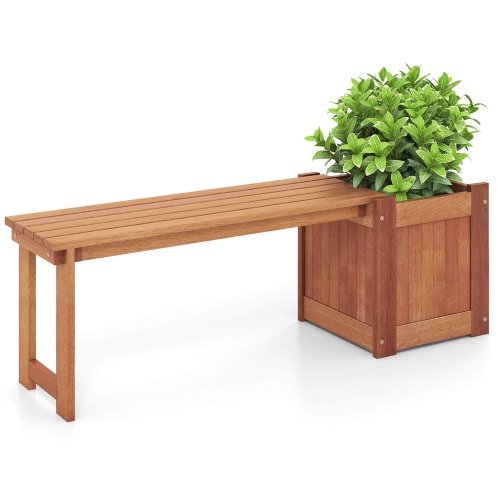
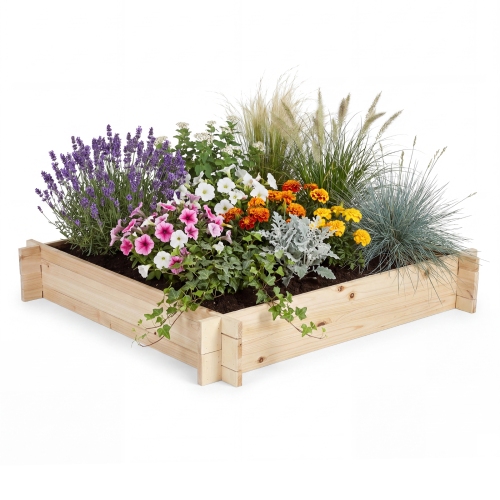
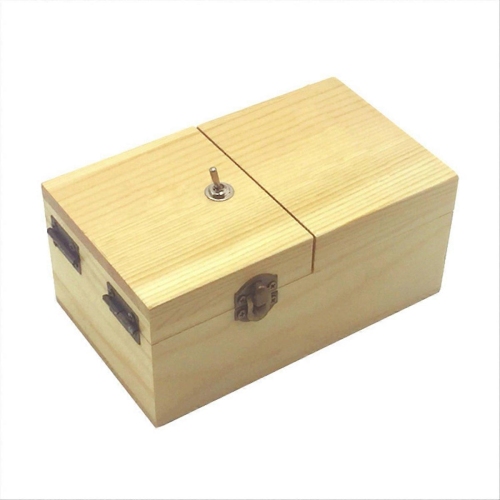
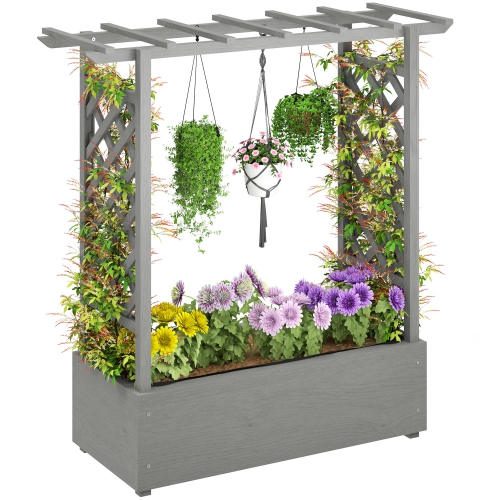
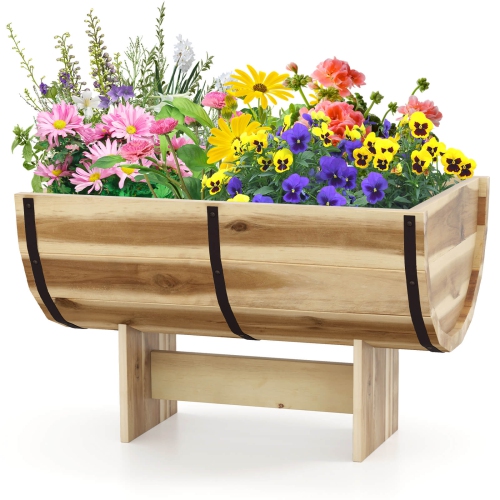
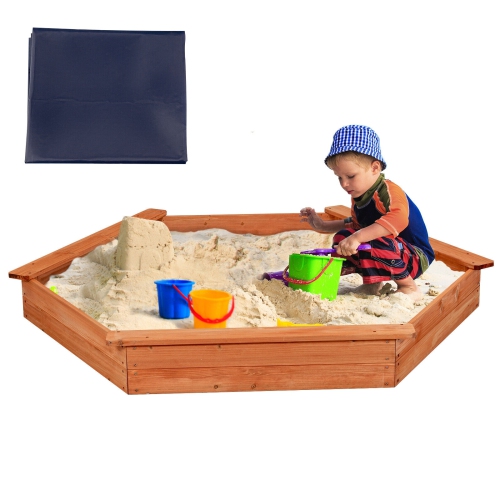
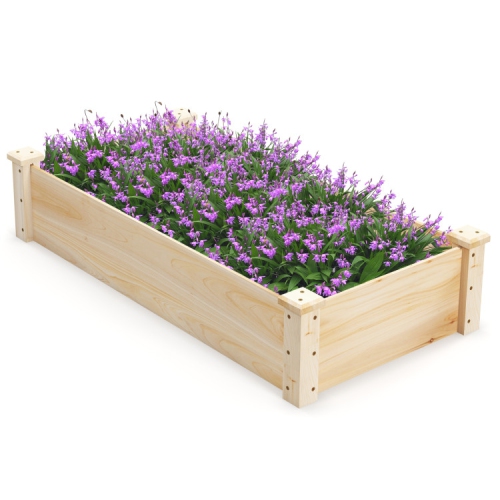
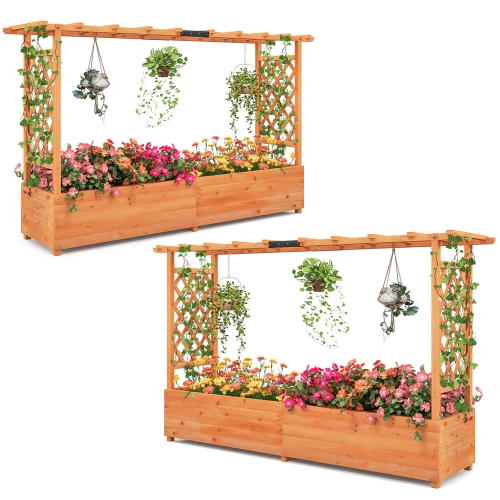
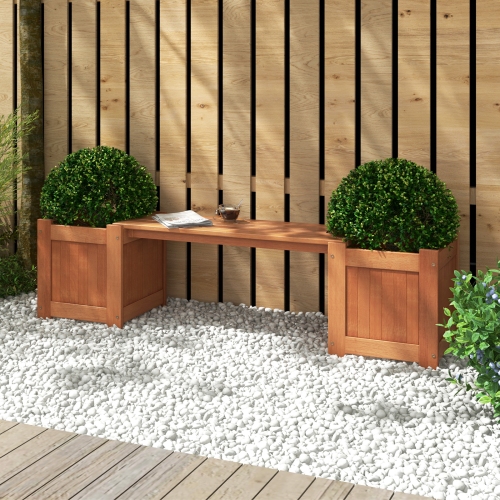


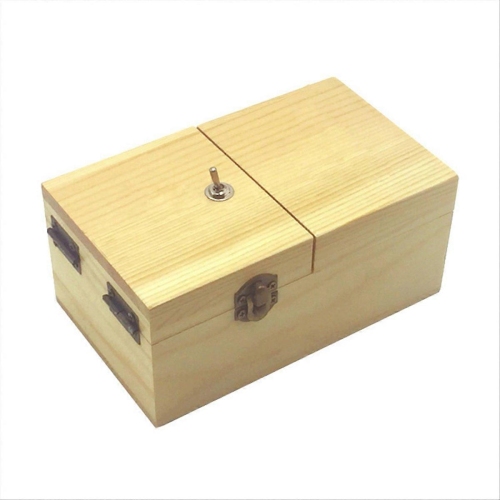
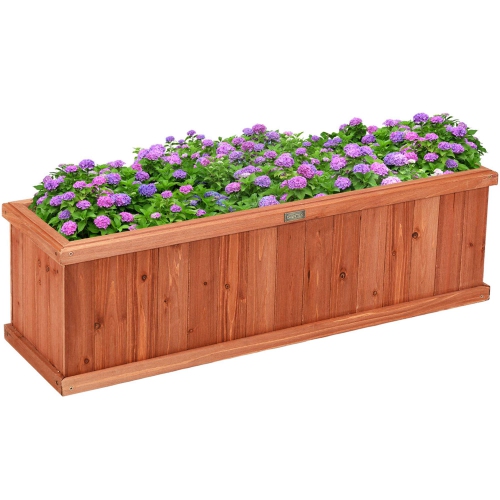

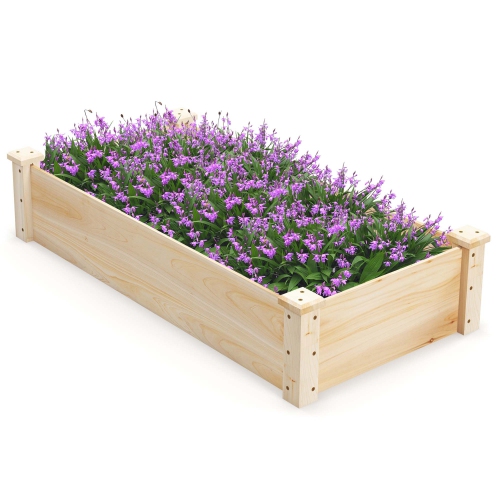
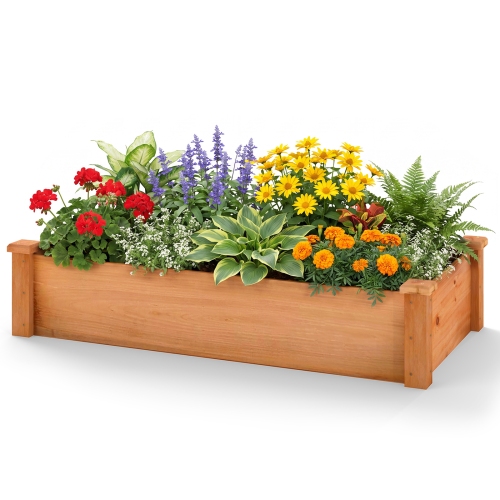
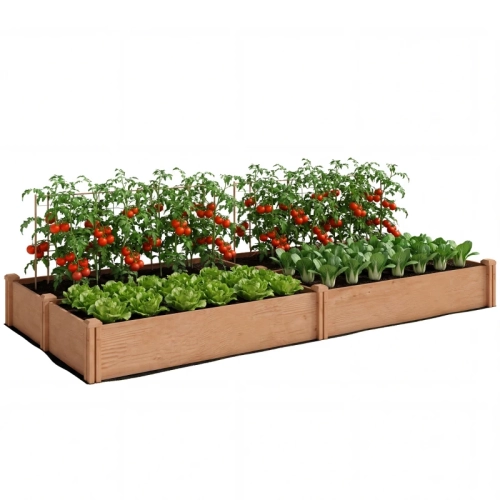
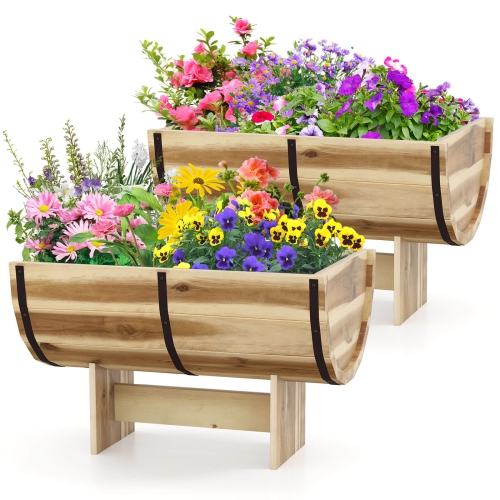
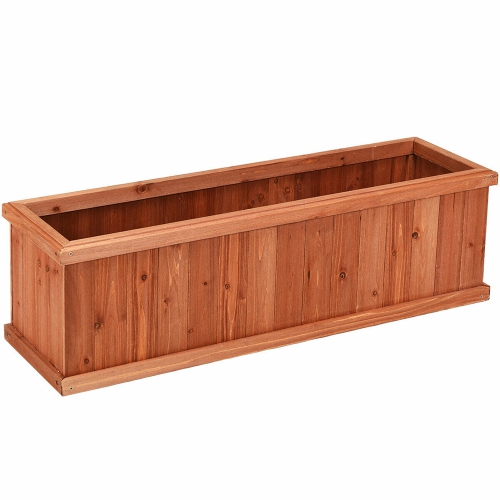
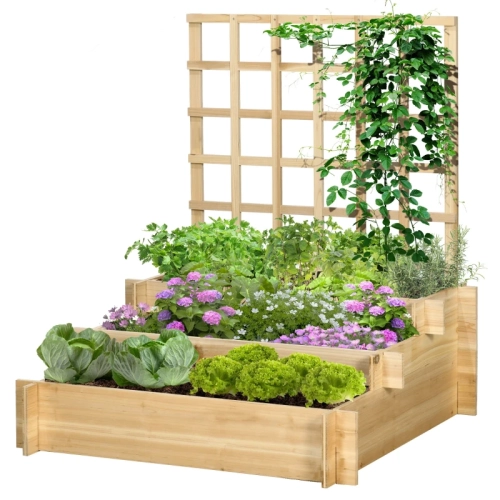

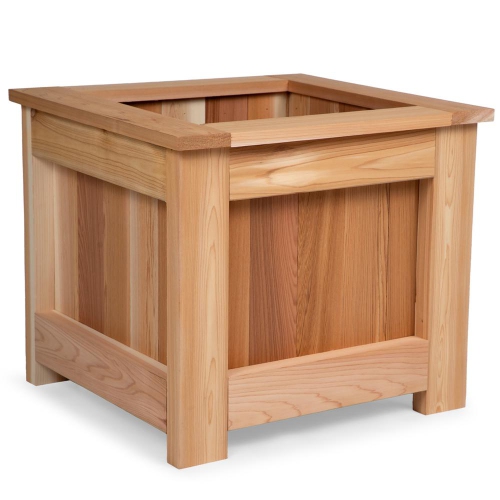
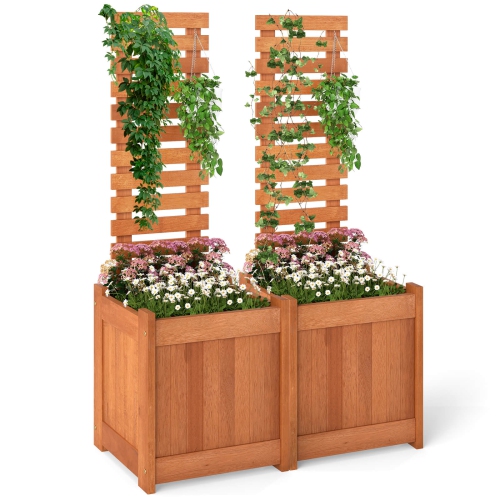
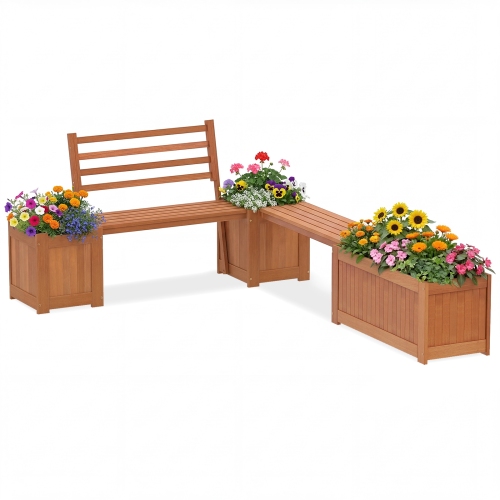

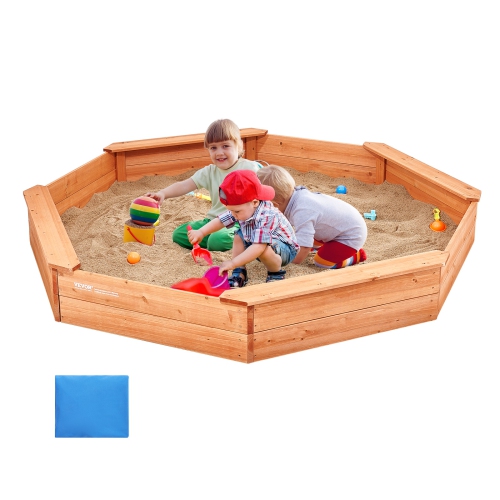
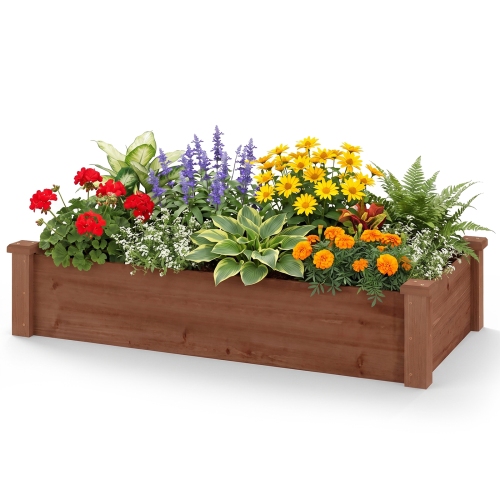
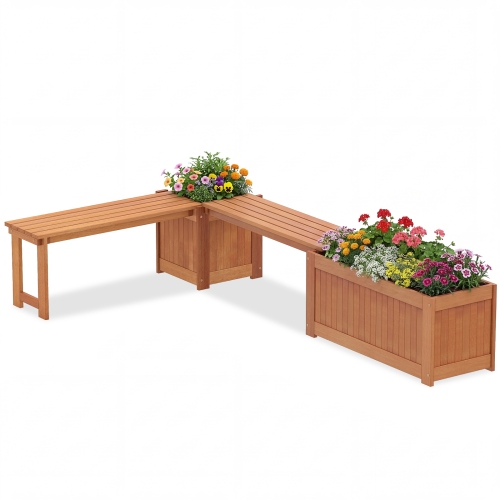
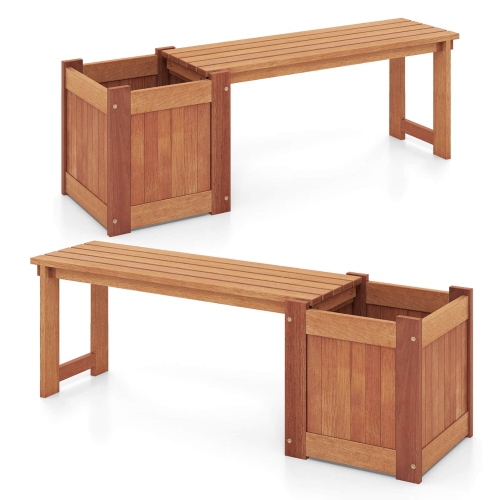

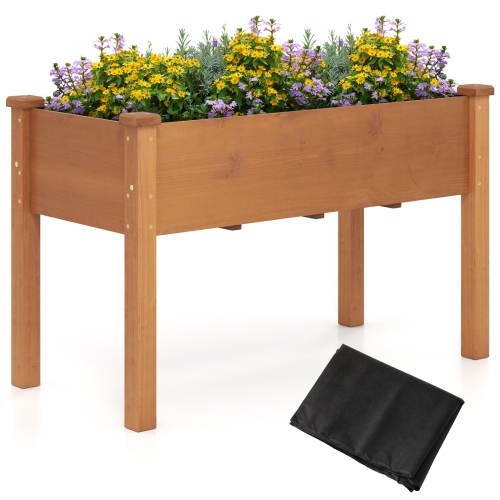
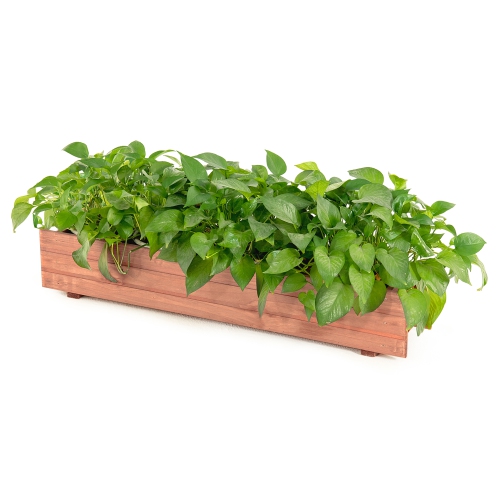
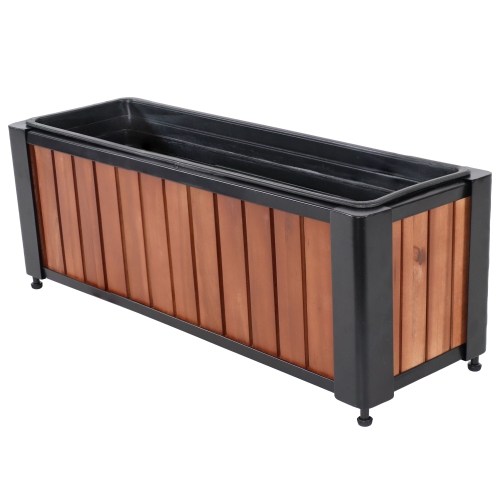
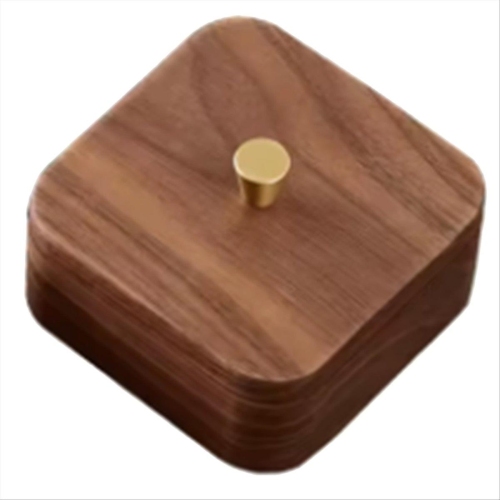
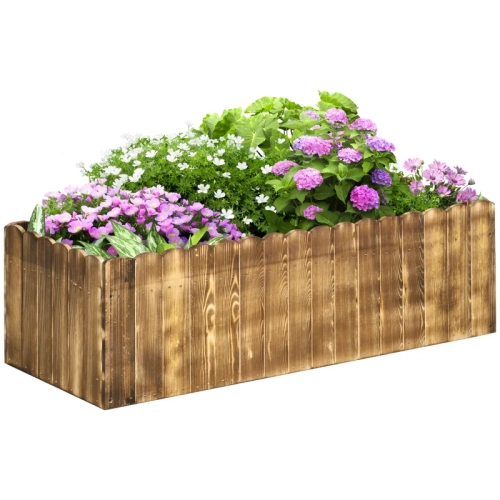
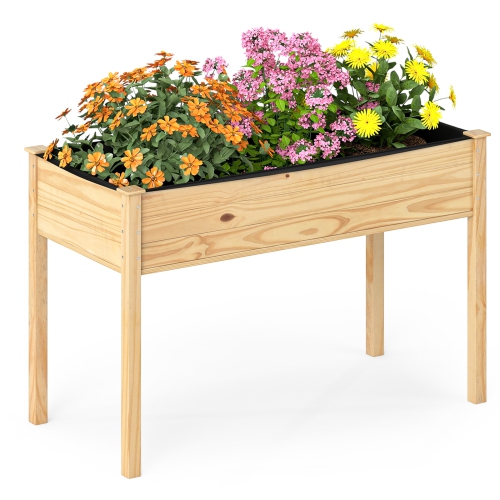

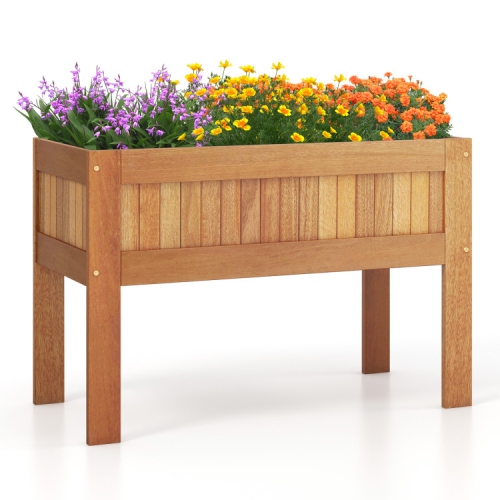

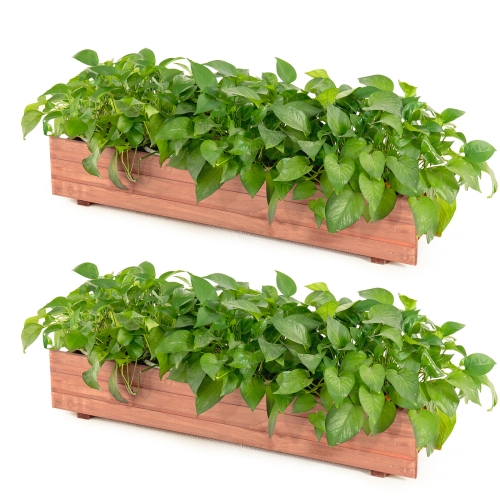
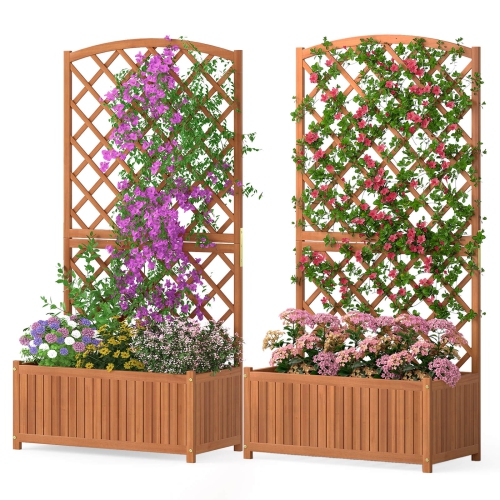

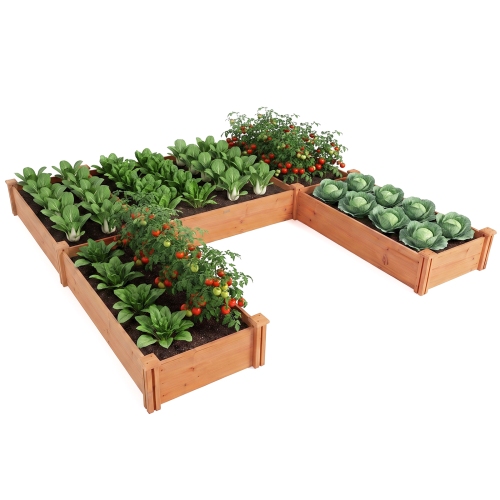
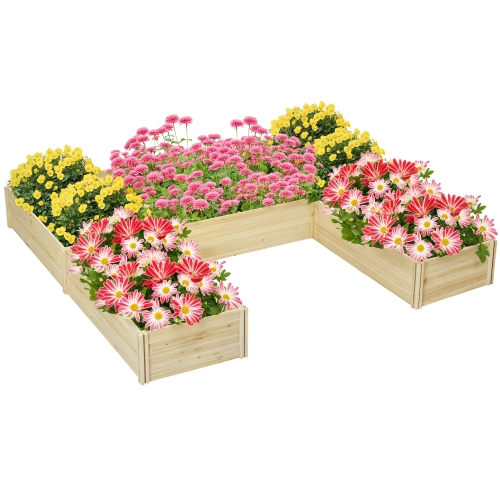
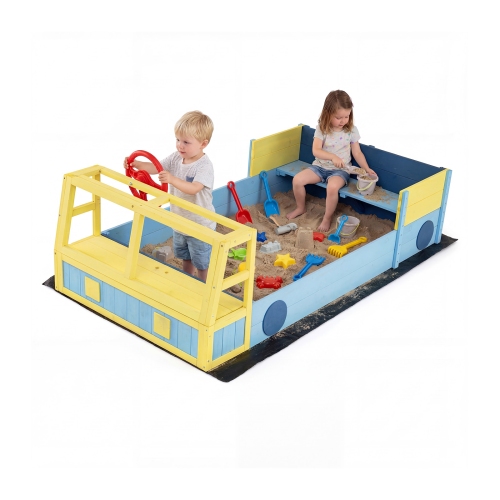


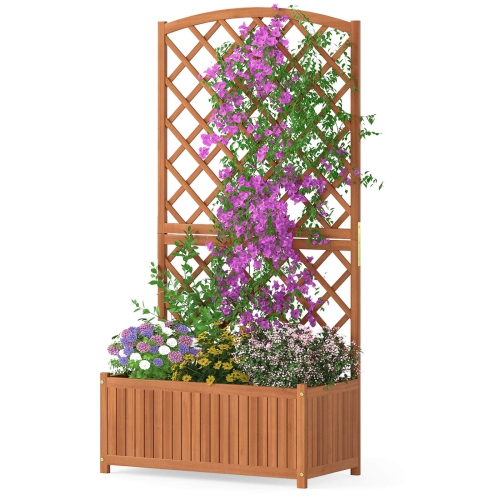

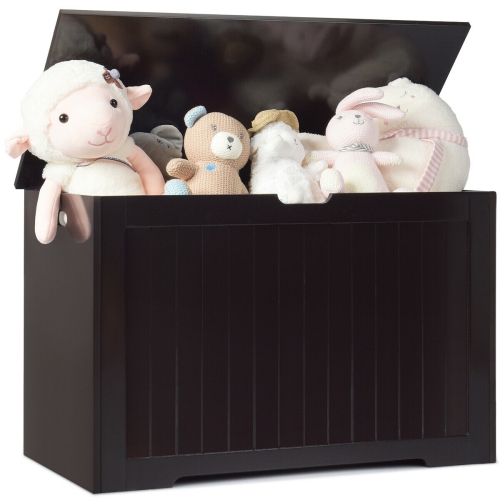
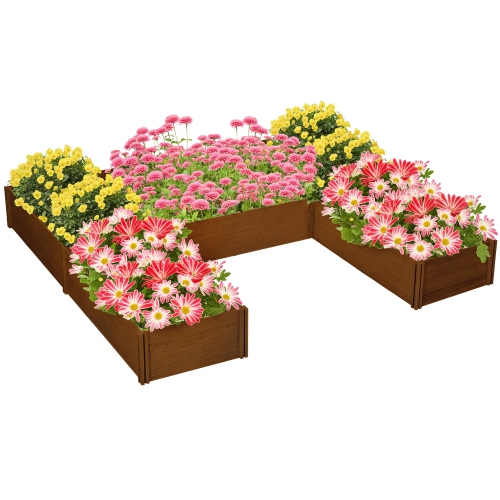
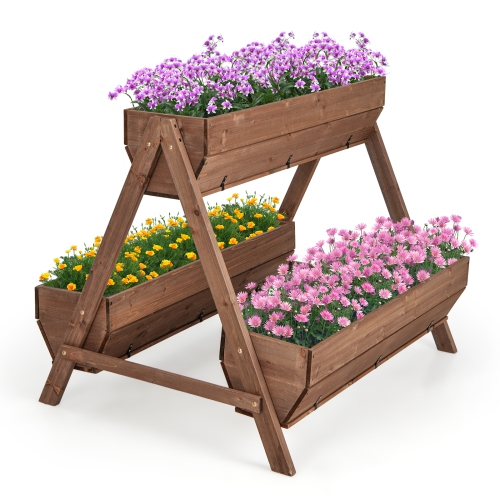

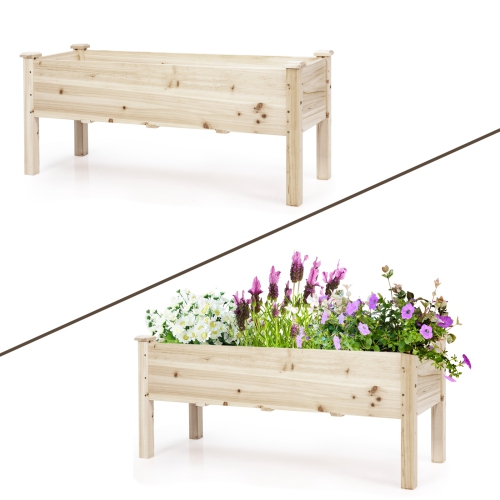
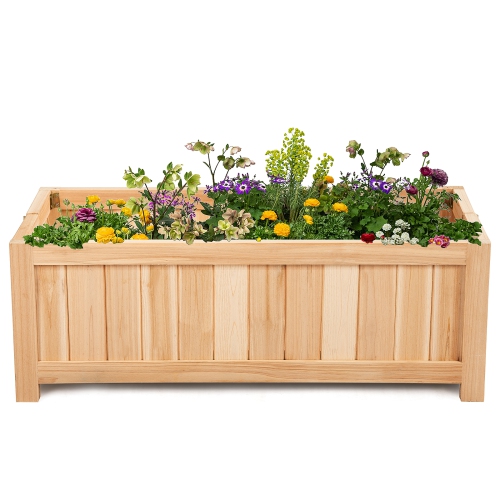

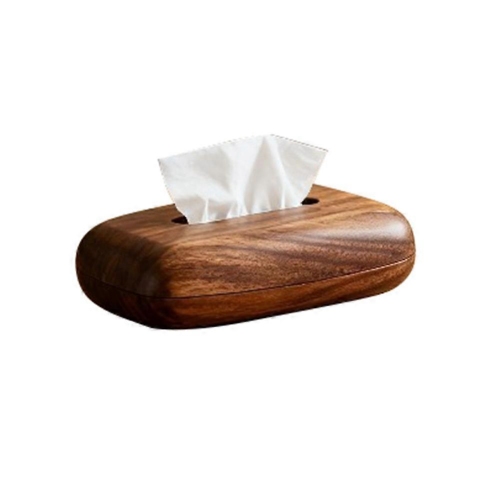
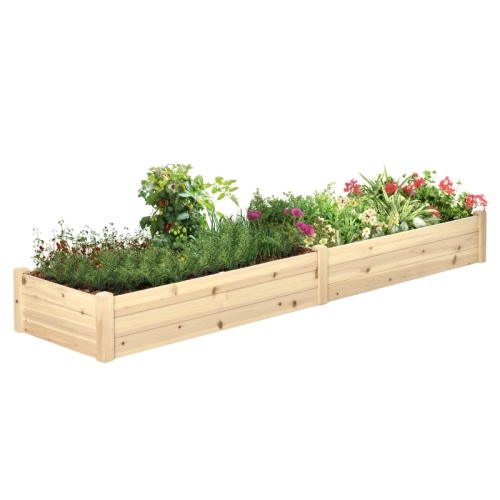
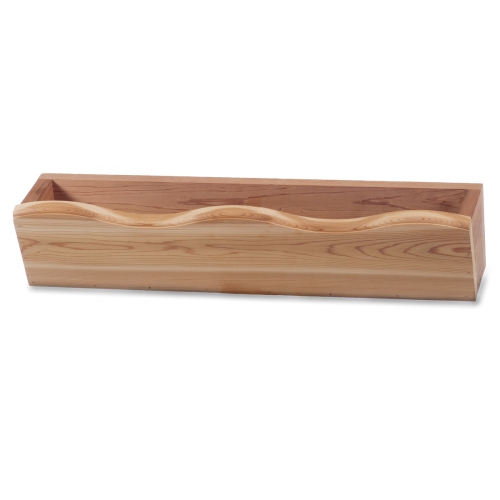

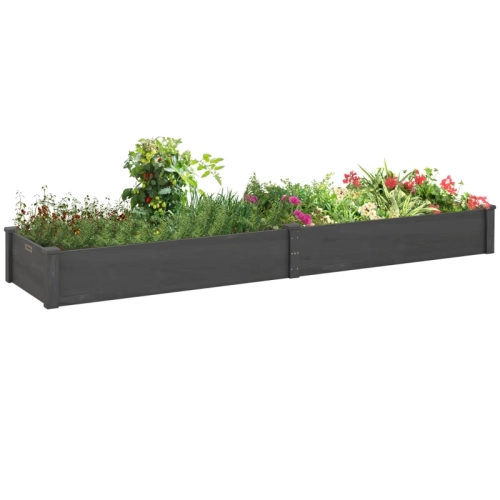
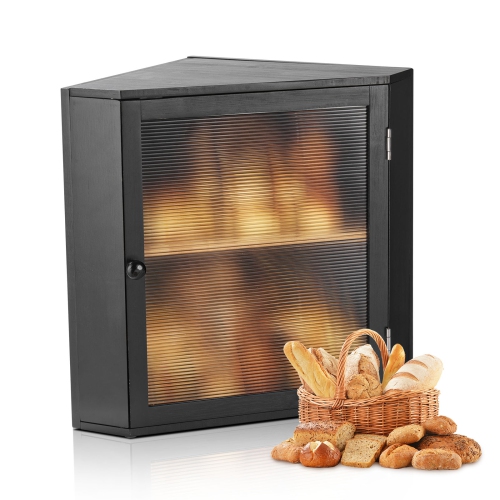
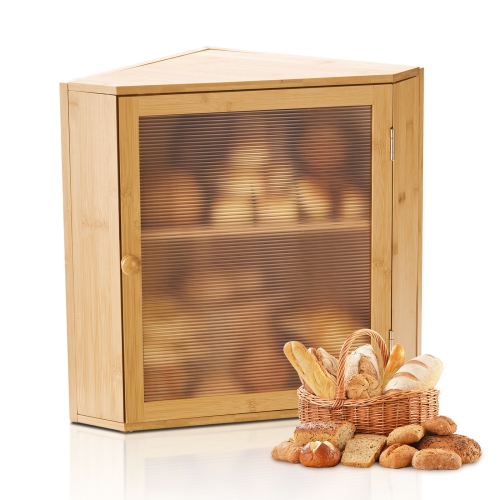
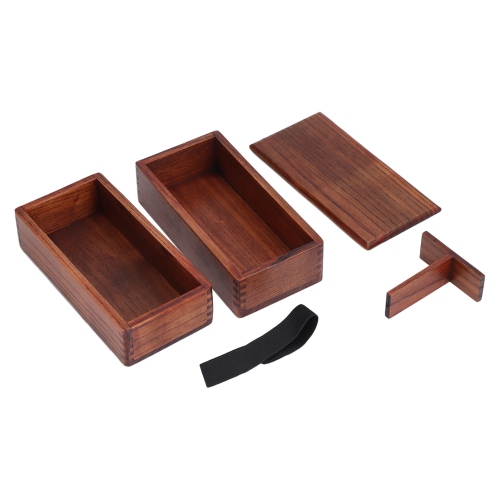
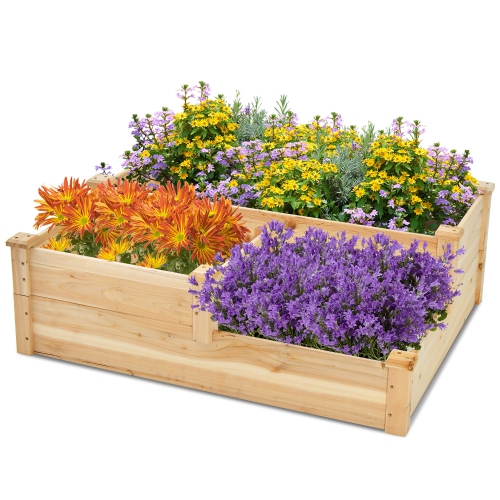
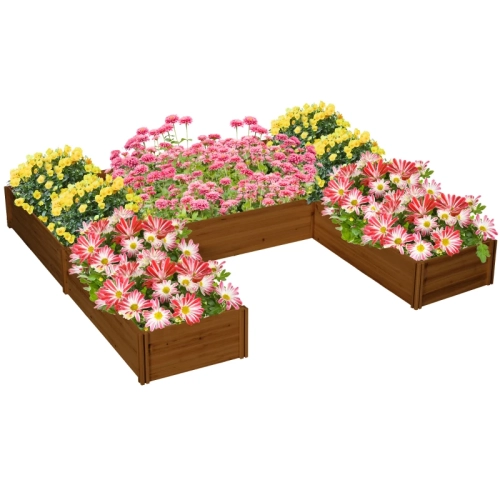

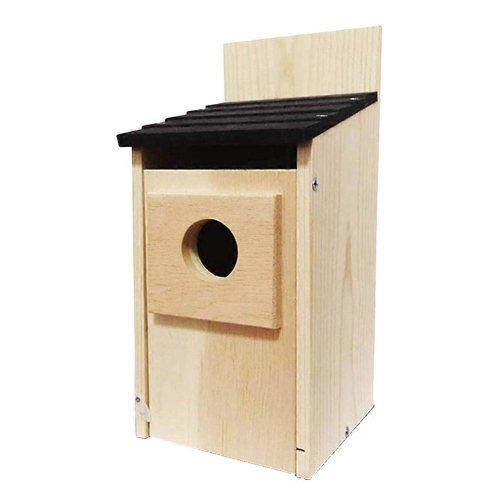






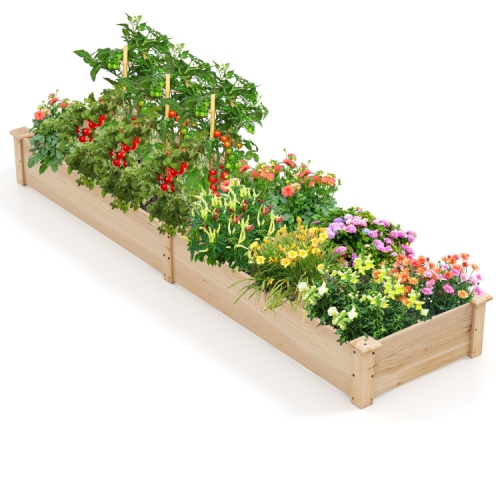
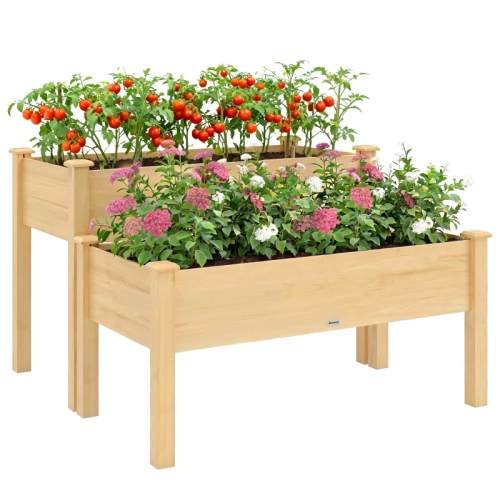
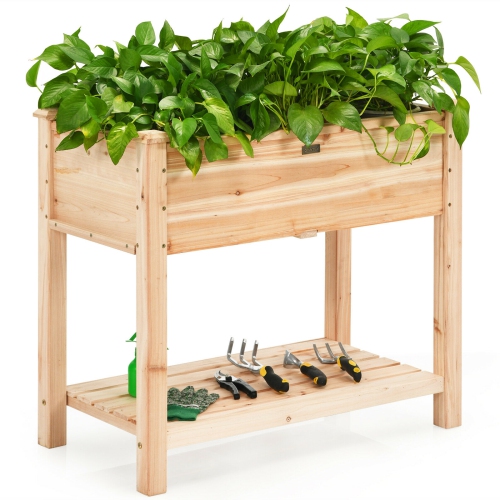
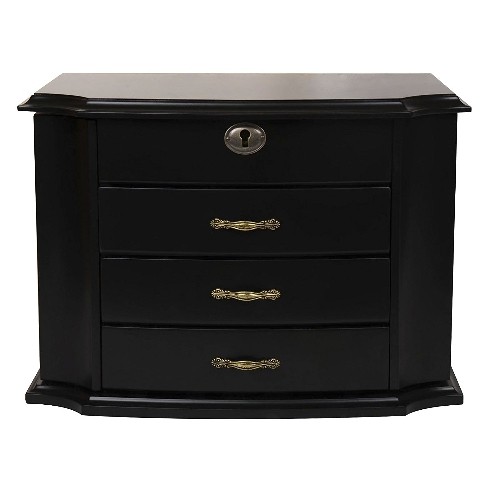
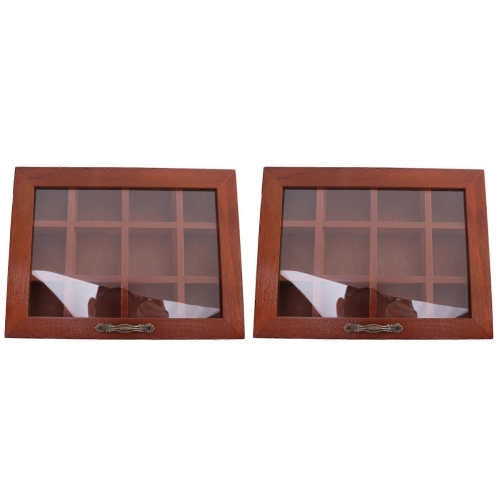


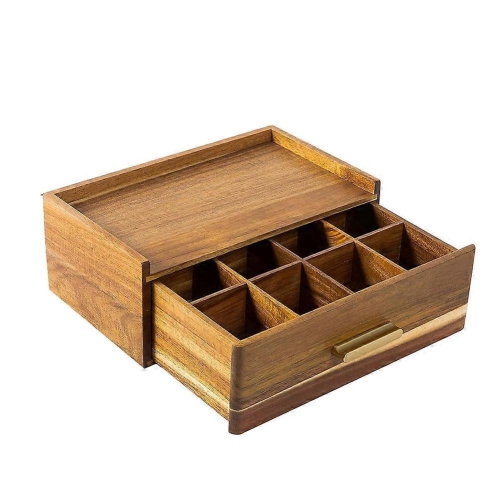
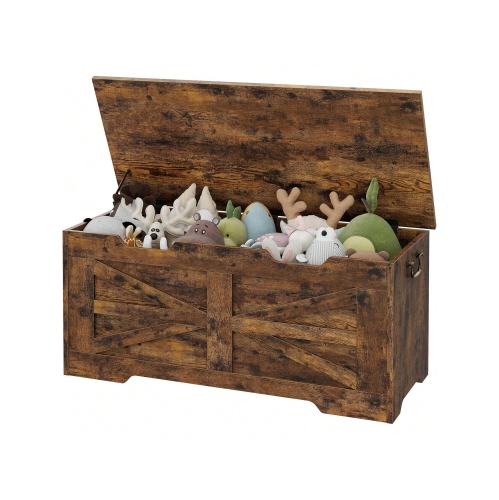

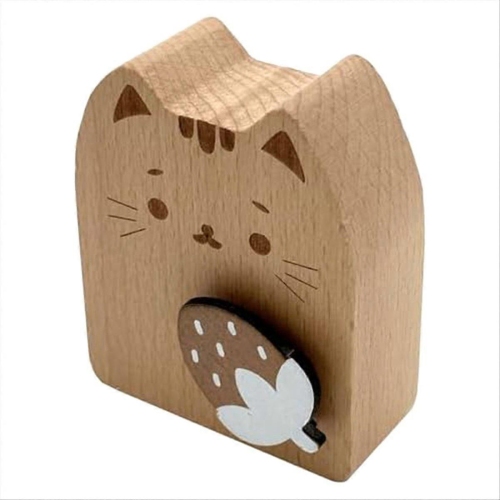
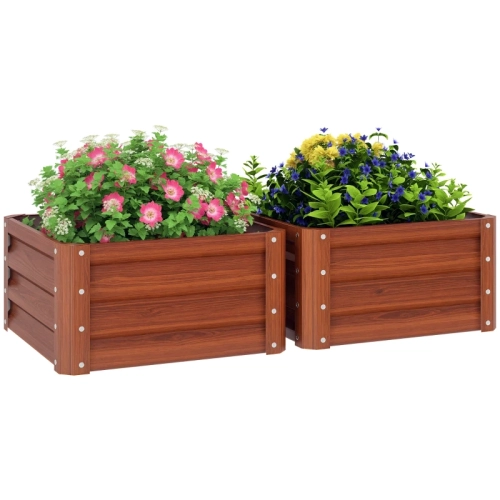
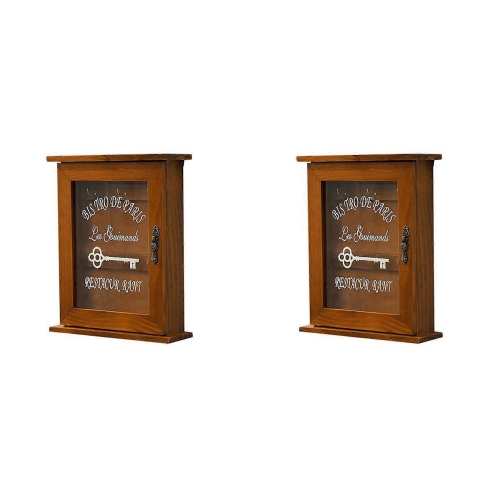

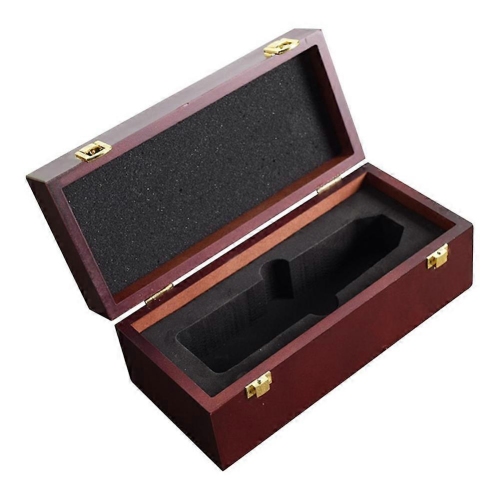
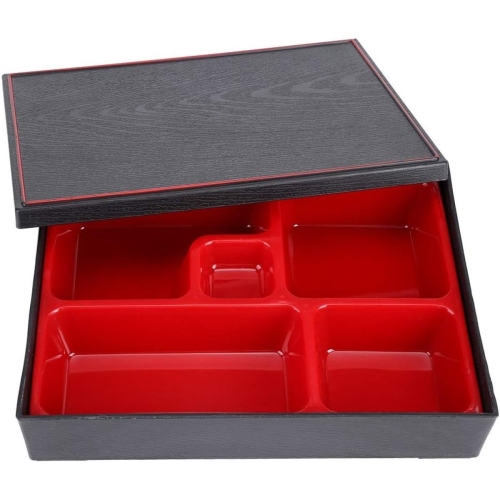
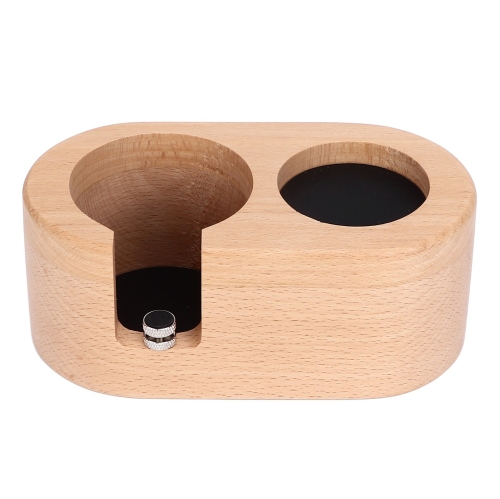

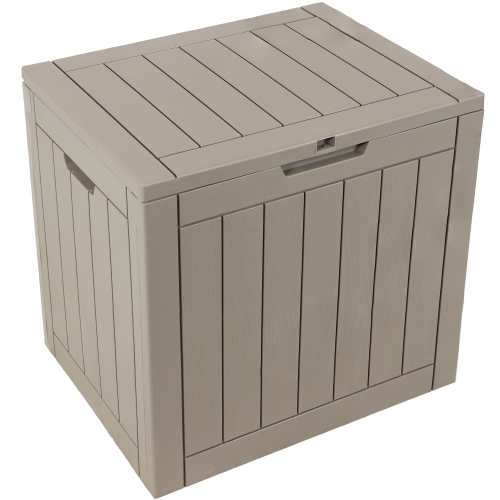

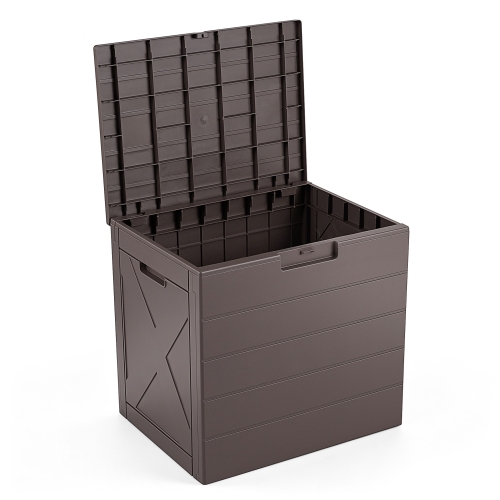
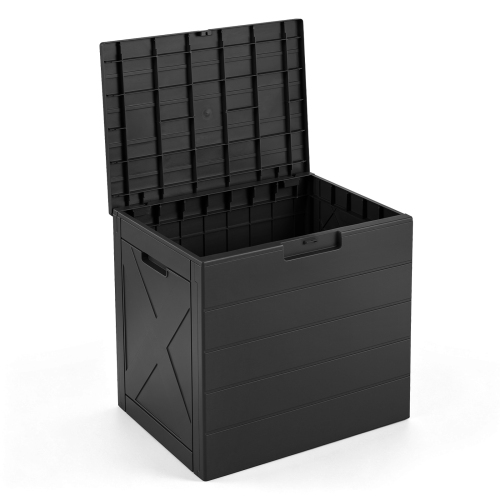
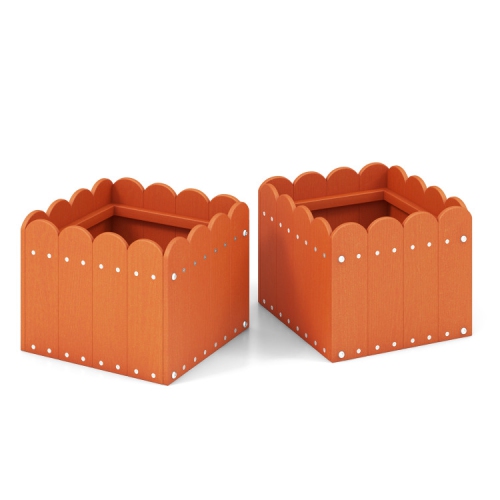
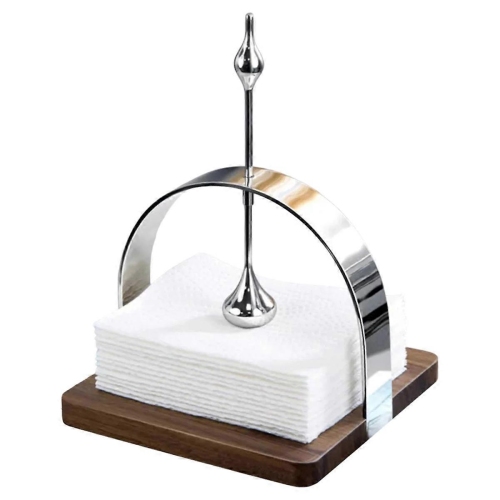
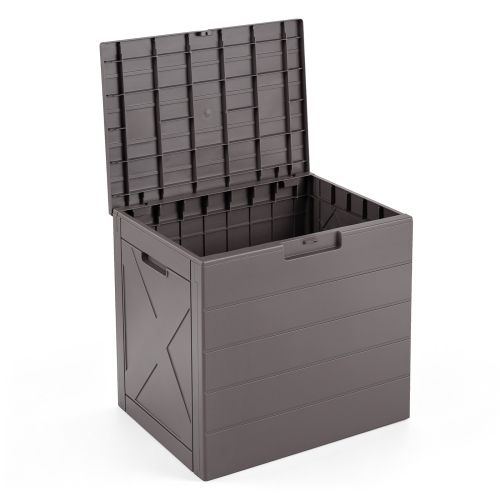
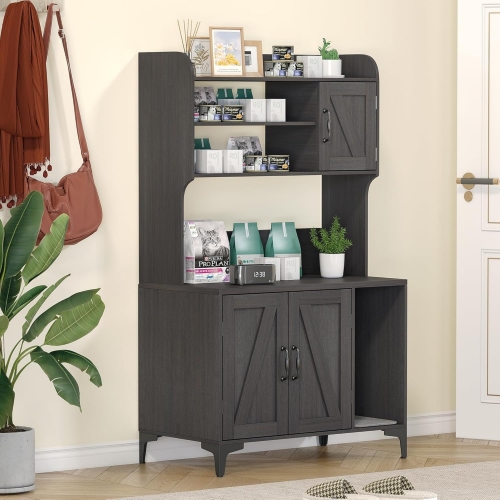
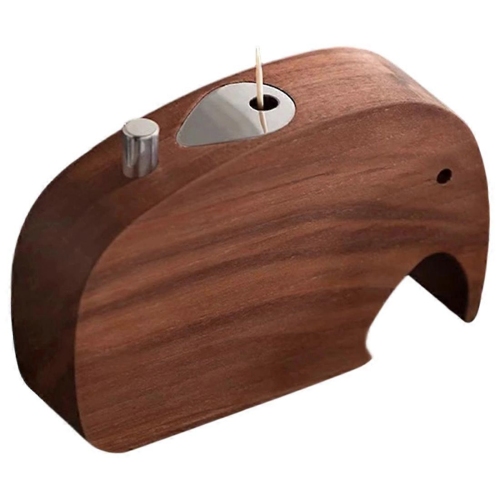
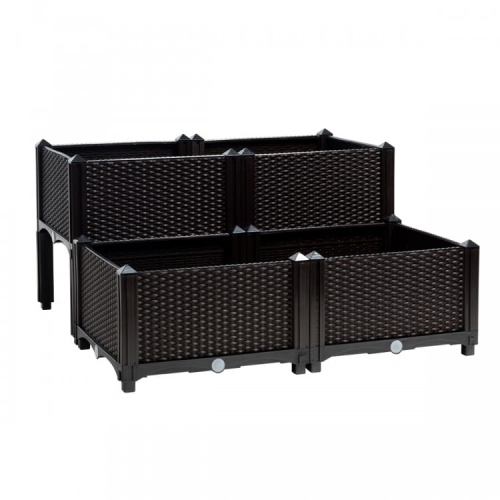

Everyday storage with the character of natural grain
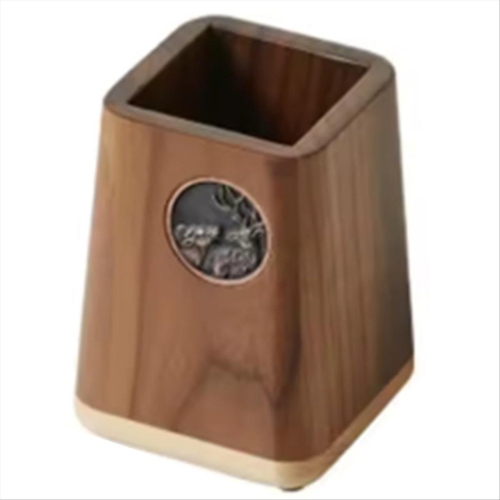
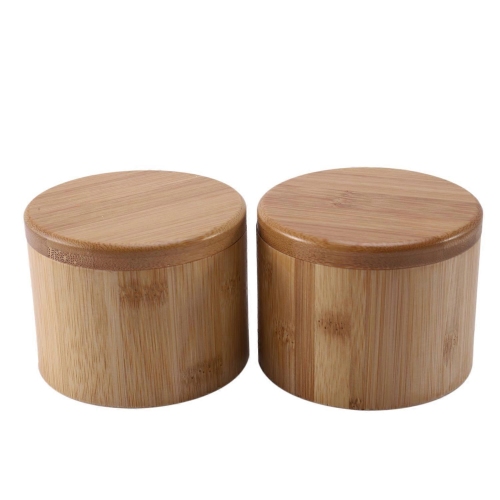
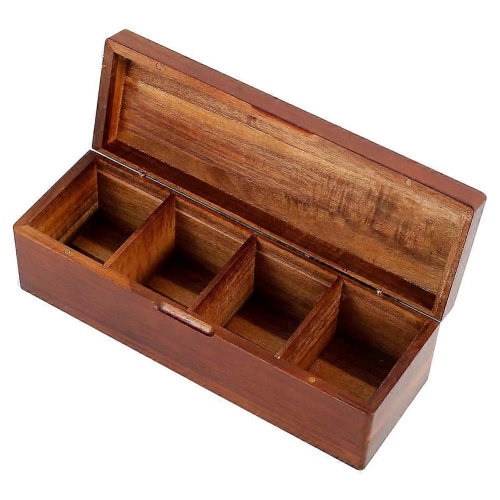
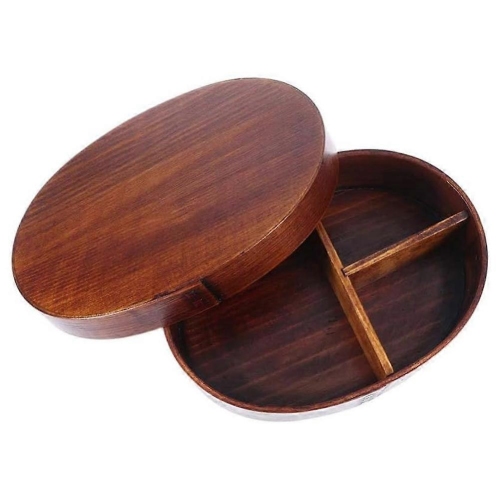
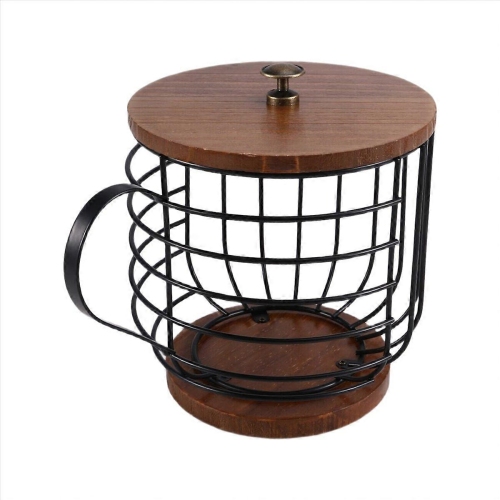
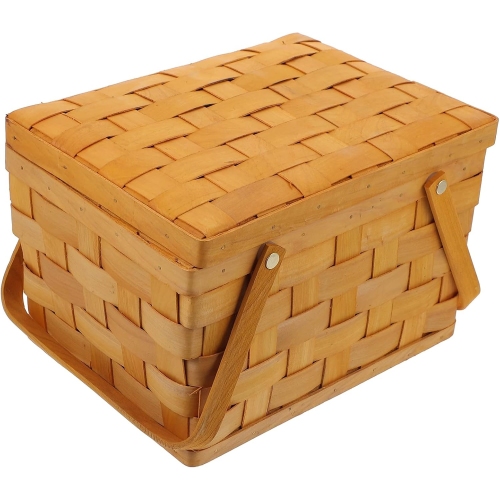
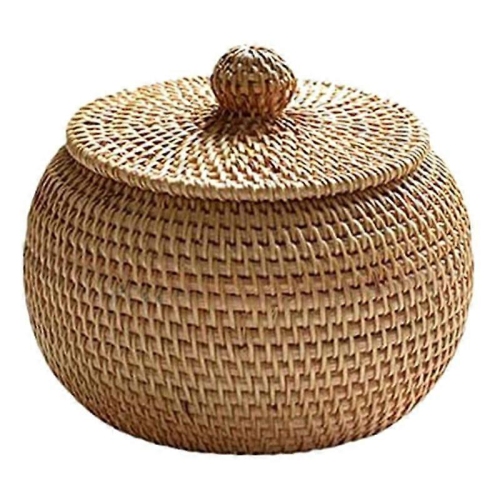
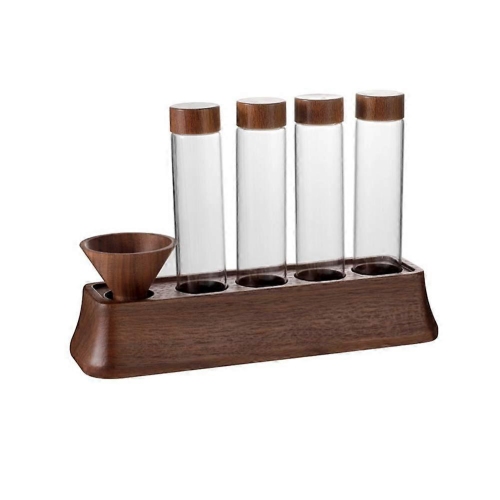
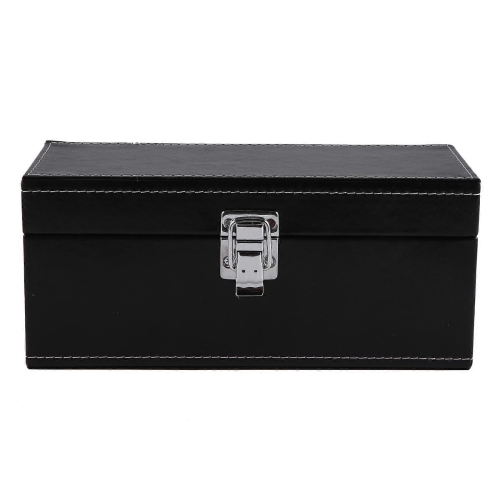
Wood boxes bring useful storage and the character of natural grain to shelves, desks, dressers, and entryway tables. A simple rectangular box can keep everyday belongings together without leaving every small object on display, while a more detailed design can become part of a room’s décor. The appeal often comes from the material itself: visible grain, subtle changes in colour, and the way a smooth lid or rounded edge feels in the hand. Different woods create different impressions. Pine commonly has a lighter appearance with noticeable knots, while oak tends to show a pronounced grain and walnut is known for its deeper brown tones. These characteristics vary from piece to piece, so even boxes made from the same wood may not look identical. Construction matters as much as appearance. Solid wood can offer substantial edges and distinctive grain, while plywood provides a layered structure that can suit lighter, practical designs. A wood veneer creates a real-wood surface over another material, making the underlying construction worth considering alongside the finish. Clear finishes show the grain, stains alter the colour while usually leaving some grain visible, and paint creates a more uniform surface. An unfinished box has a different feel and may suit a craft project, although it can also absorb marks more readily than a sealed surface. For everyday handling, smooth corners, neatly fitted panels, and a lid that sits evenly are useful details. Visible joints can add character, but their fit and assembly are more important than their decorative effect alone. A well-chosen box should feel appropriate to its purpose, whether that means a light container for occasional keepsakes or a sturdier design opened several times a day. Its finish should also suit its surroundings: a pale, simple box can sit quietly beside books, while a darker or carved design may serve as a focal point on a console.
The right size depends on both the space a wood box occupies and what needs to fit inside it. Exterior measurements describe its footprint, but interior measurements determine whether a photograph, folded letter, collection of craft supplies, or bundle of charging cables will lie comfortably without being bent or compressed. Thick walls, interior dividers, and padding can all reduce usable space. On a shallow shelf, the depth of the box matters just as much as its width; beneath a low shelf, a hinged lid may need more clearance than expected. A lift-off lid avoids that opening arc but needs somewhere to rest while the contents are in use. Handles and latches can make handling more convenient, though projecting hardware may catch against neighbouring objects or take up extra room. For a desk, small compartments can separate clips, adapters, and other easily misplaced accessories. In a bedroom, a lined interior may help cushion jewellery and watches, provided the lining is clean and suitable for the materials being stored. A larger box can hold letters, photographs, or family mementoes, but wood alone should not be assumed to provide archival protection; valuable paper keepsakes may benefit from appropriate protective sleeves or enclosures. Open-top designs make frequently used belongings easy to reach, while fitted lids create a tidier appearance and help limit settling dust. Neither style should be assumed to be airtight or waterproof. Weight also becomes important once a box is filled. A design that feels easy to move when empty may become awkward with dense contents, especially if it lacks secure handholds. Where several boxes share a shelf, consistent dimensions can create an orderly arrangement, while different sizes can accommodate a wider range of belongings. A discreet label holder or clearly separated compartments can make shared storage more useful, particularly in a busy household where several people need to find and return the same small essentials.
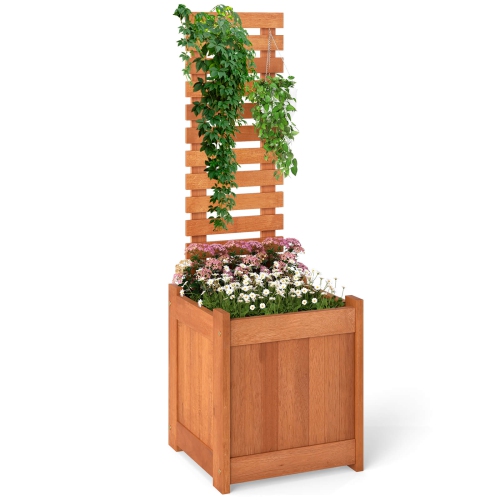
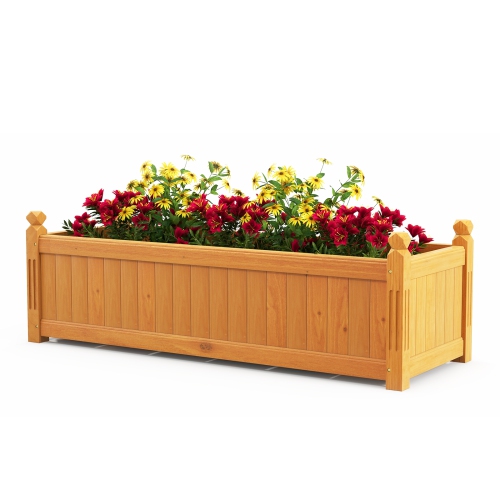
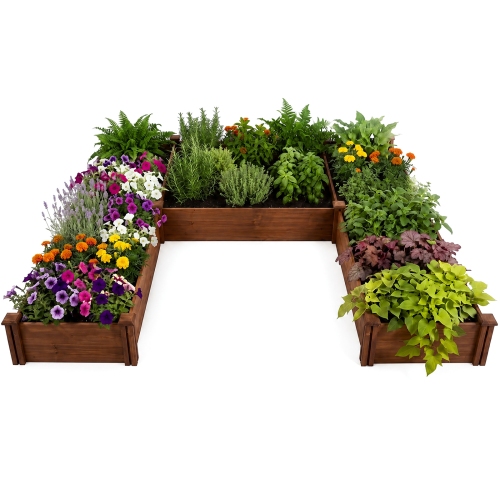
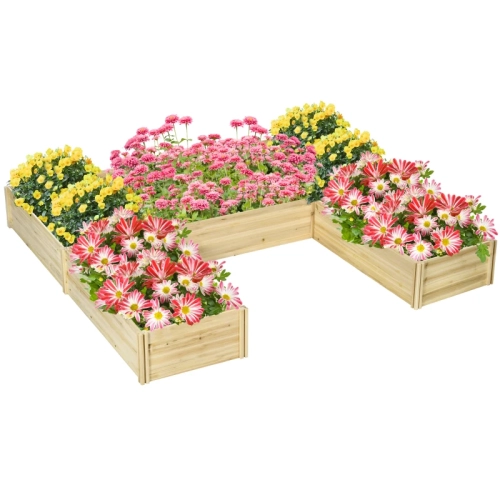
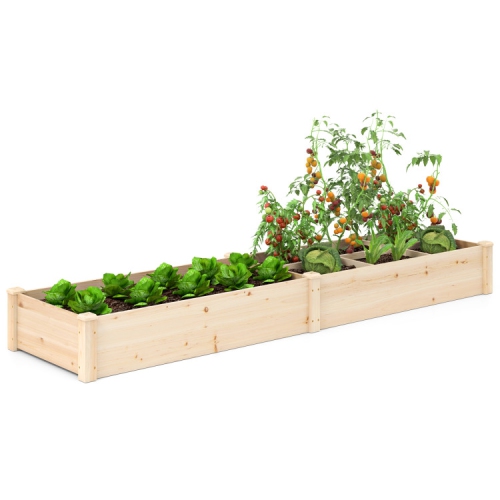
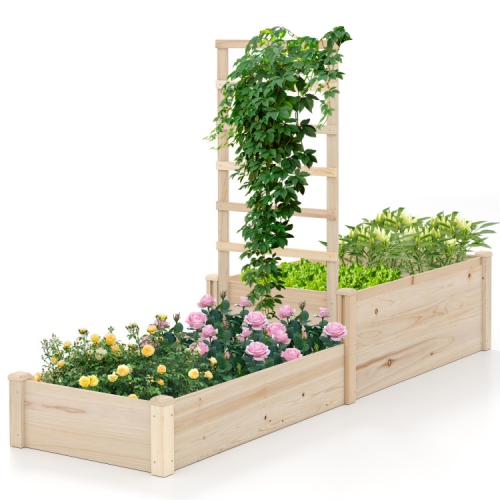
Care and intended use help determine whether a wooden box will remain attractive and practical over time. For many finished surfaces, routine care starts with a soft, dry cloth; any additional cleaning should suit the coating and the maker’s directions. Excess water, abrasive pads, and strong cleaners can damage some finishes, and polishing products are not suitable for every surface. Spills are best removed promptly rather than left to soak into joints or unfinished edges. Felt pads beneath a box can help protect furniture, while a clean lining can reduce rubbing against delicate contents. Hinges, catches, and handles deserve occasional attention, especially on a box used daily. Loose hardware can affect how a lid closes, and a lid should not have to be forced around overfilled contents. For children’s belongings, the box’s weight, lid design, and potential pinch points matter more than decorative details; a general-purpose wooden box should not be treated as a toy chest unless it is designed for that use. Food storage also calls for a design and finish specifically intended for food contact. When flowers or plants are the focus, purpose-made Flower Boxes offer a more relevant direction than an ordinary keepsake container. Any wooden vessel used around watered plants needs suitable protection from moisture, with a liner or separate inner container where appropriate and care taken to protect the surface underneath. As gifts, wood boxes can feel personal without relying on an elaborate design. A compact keepsake box can mark a birthday or graduation, while a larger memory box can hold cards and photographs from a wedding or family milestone. For a housewarming gift, a restrained finish and practical dimensions are often easier to place than a highly specific decorative style. The strongest match comes from knowing how the recipient lives: someone with a carefully arranged desk may appreciate divided storage, while someone who saves handwritten notes may value an uncluttered interior. That balance of useful space, pleasing texture, and thoughtful construction gives wood boxes a lasting role in everyday rooms.
Top selling and popular products
-
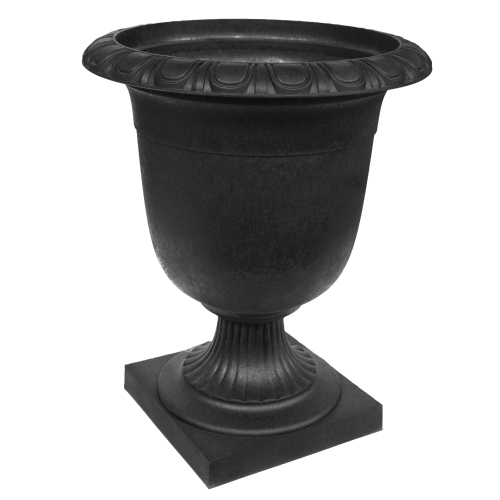 Your price for this item is $57.99
-
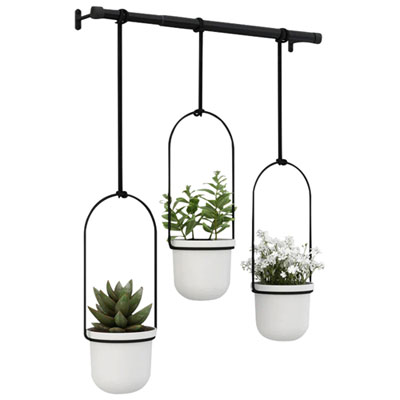 Your price for this item is $54.98
-
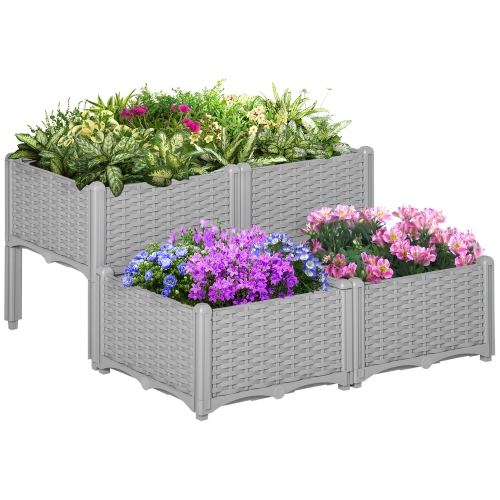 Your price for this item is $94.99
-
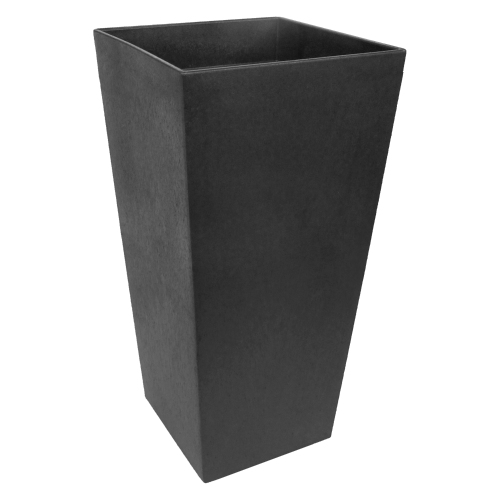 Your price for this item is $79.99
-
 Your price for this item is $105.99
-
 Your price for this item is $141.99
-
 Your price for this item is $117.75
-
 Your price for this item is $117.75
Discover more categories related to Wood Boxes

Top Collections:
Pokemon Centers, Kindle Devices, Best Budget Office Chairs, Canon G7X Cameras, Apple iPhones 16, Samsung Galaxy Phones, Refurbished Apple Laptops, Laptops for Students, iPhone 15 Apple, Budget Smartphones
Some products may be subject to Environmental Handling Fees
(EHF) depending on your province.
Learn more about EHFs.