Student Calculator Deals For Back to School Season
Shop student calculator deals for back-to-school season and find an option that fits your course requirements and budget. Compare calculators for everyday arithmetic, scientific calculations, or graphing, and check your school’s approved model list before choosing one for classes and exams.


FAQ
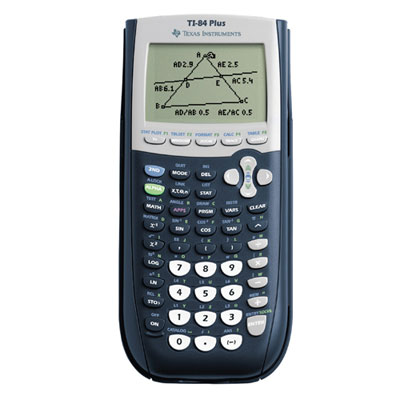
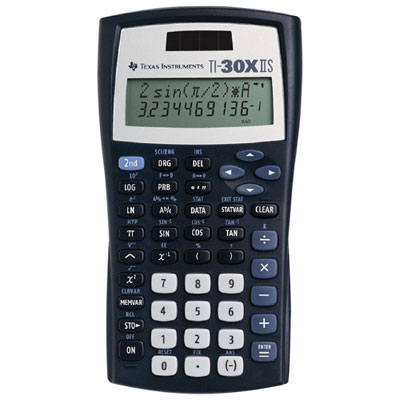
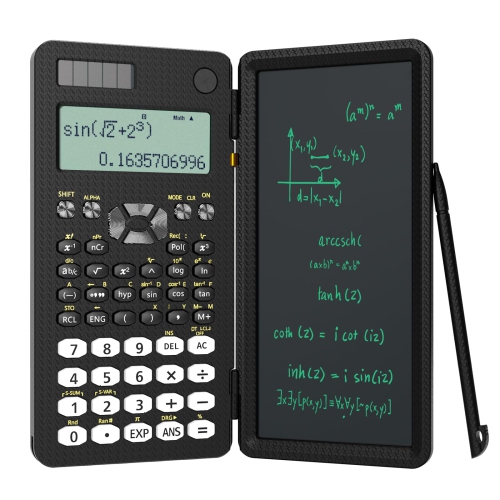
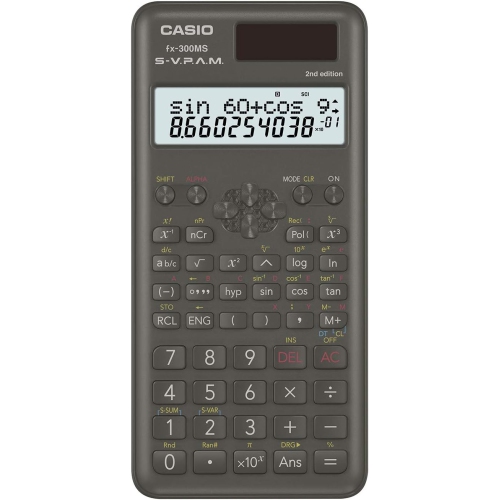
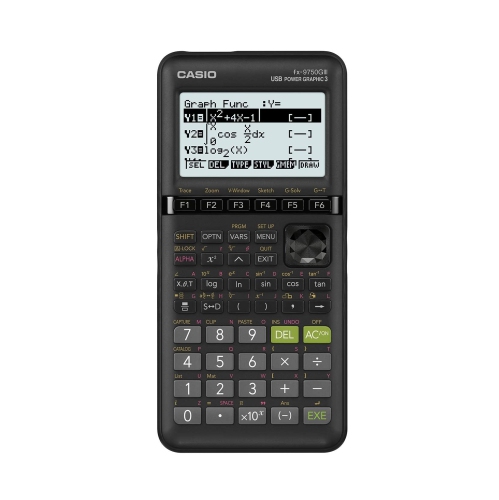
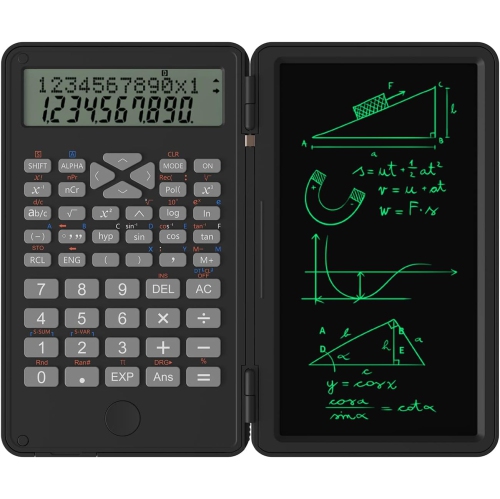
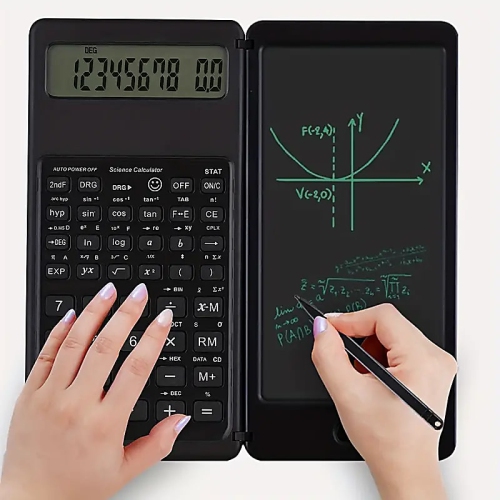
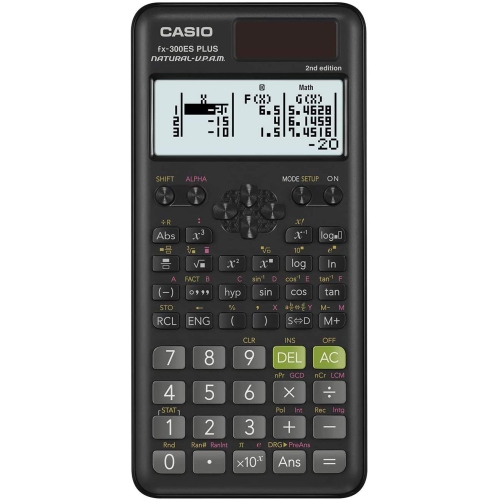
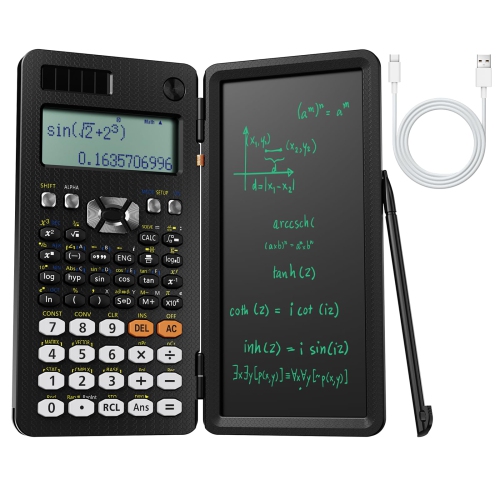
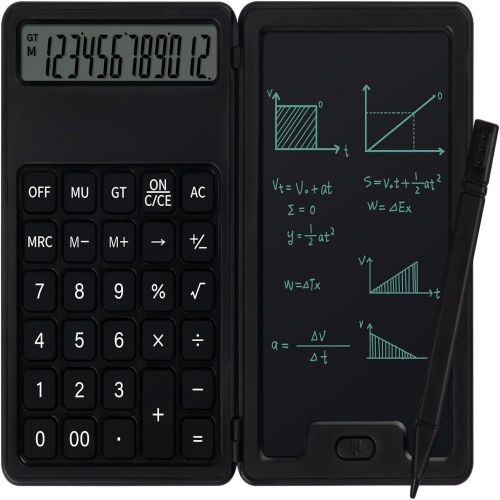
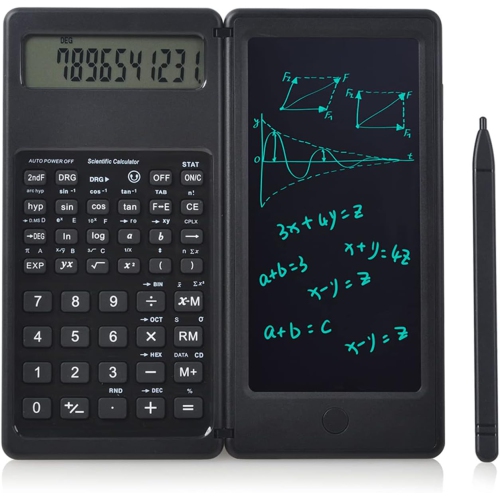
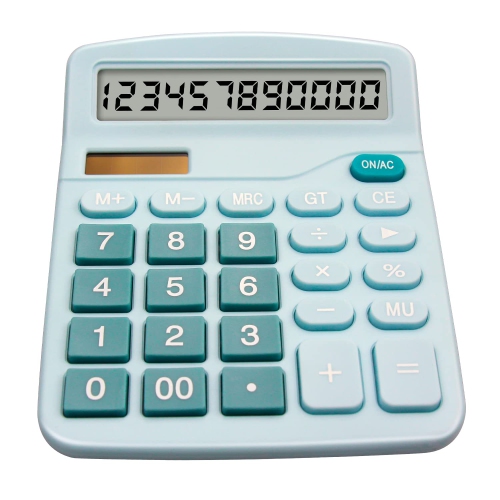
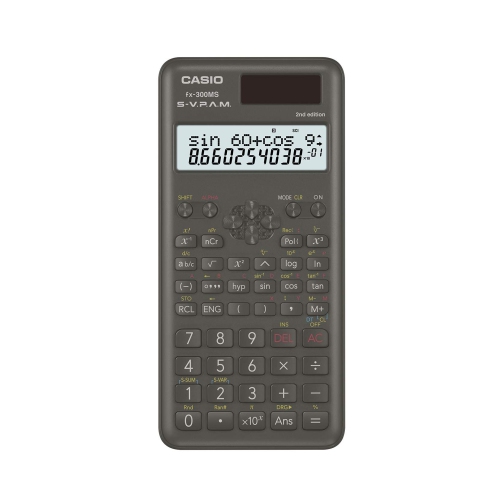
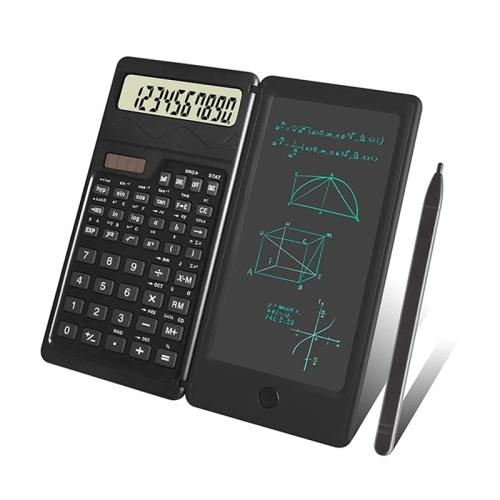
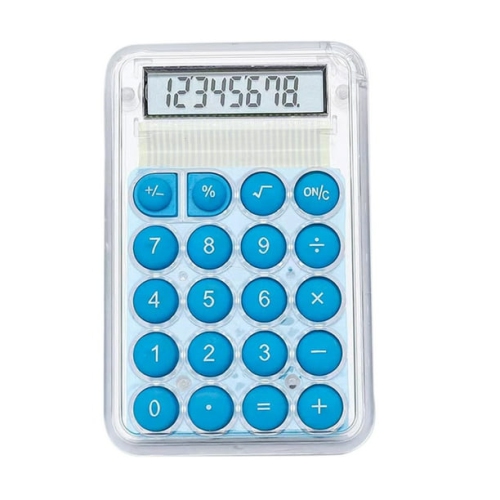
Students commonly use basic, scientific, financial, and graphing calculators. Basic models handle everyday arithmetic, while scientific calculators add functions such as fractions, exponents, and trigonometry. Financial calculators support business coursework, and graphing calculators display functions and plotted data. Your course supply list can help identify the required type.
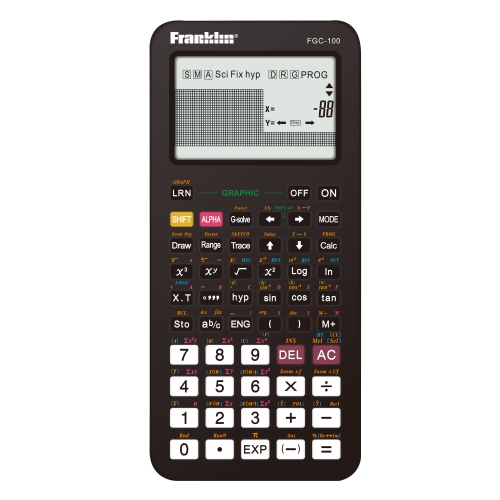
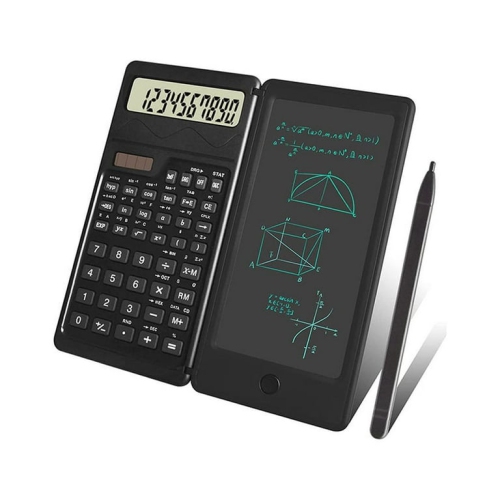
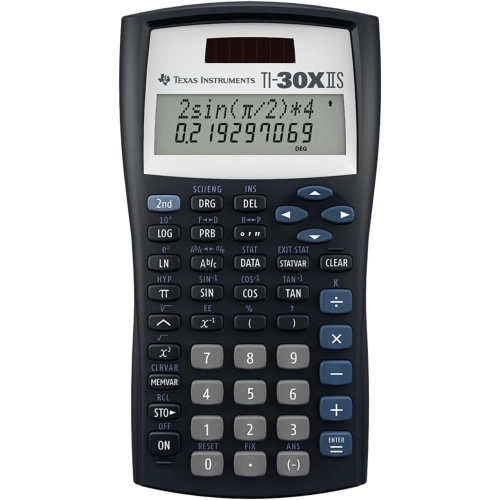
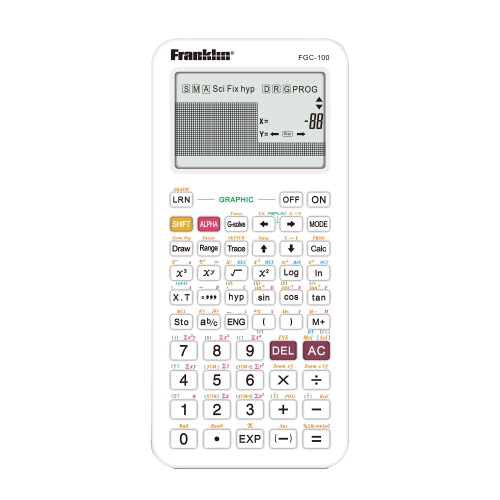
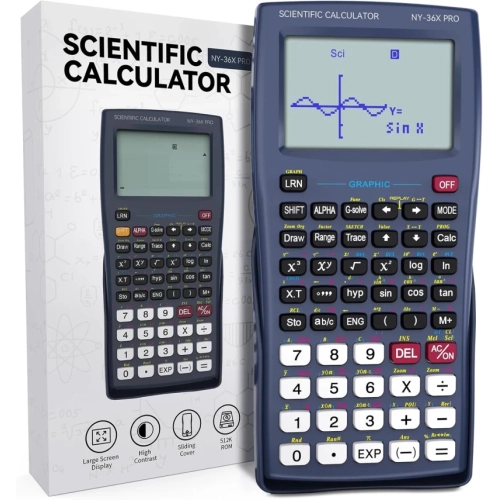
A scientific calculator handles calculations such as logarithms, powers, and trigonometric functions. A graphing calculator typically includes these functions along with tools for plotting equations, viewing tables, and analysing graphs. Requirements vary by course, so check whether graphing functions are needed.
Calculator rules depend on the teacher, school, course, and exam provider. Some assessments allow scientific calculators but restrict graphing models, programmable functions, or computer algebra systems. Check the permitted calculator list before choosing one for exam use.
Statistics coursework may call for functions such as mean, standard deviation, combinations, permutations, and regression. Some calculators also support probability distributions and data tables. Check your course outline to see which statistical functions are required.
A natural textbook display shows expressions such as fractions, roots, and exponents in a layout similar to printed maths notation, rather than placing everything on a single line. Depending on the model, students may also be able to switch between fraction and decimal results.
Top selling and popular products
Discover more categories related to Student Calculator Deals For Back to School Season


Some products may be subject to Environmental Handling Fees (EHF) depending on your province. Learn more about EHFs.