Thermal Transfer Labels
Looking for high-quality thermal transfer labels? Look no further! Our extensive collection of thermal transfer labels is designed to meet all your labeling needs. Whether you're labeling products, packages, or documents, these labels provide excellent print quality and durability. With a wide range of sizes and materials available, you can find the perfect thermal transfer labels to suit your specific requirements. Explore our selection today and discover the convenience and efficiency of thermal transfer labeling.
Sort
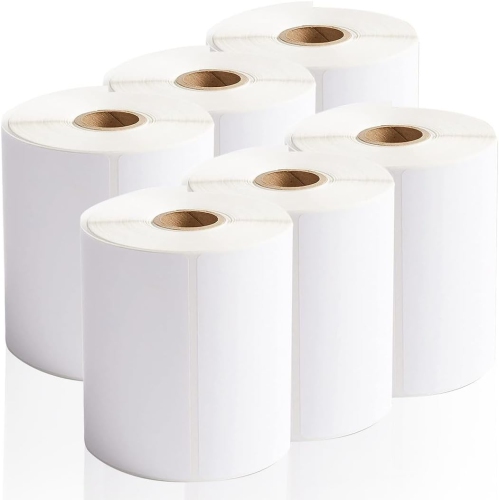
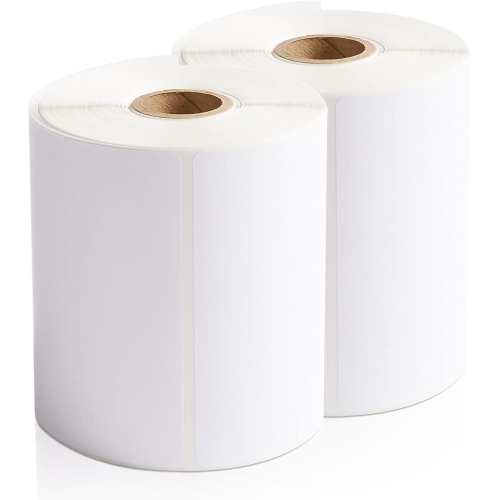
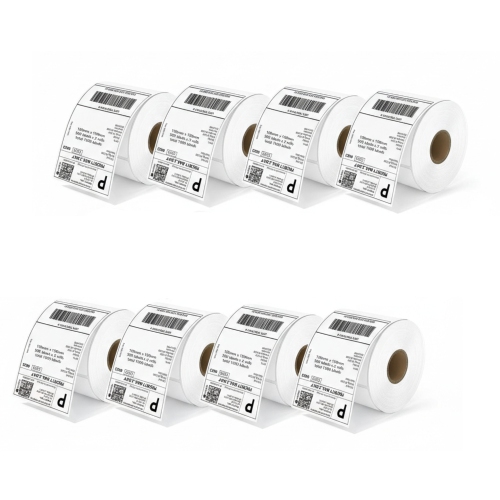
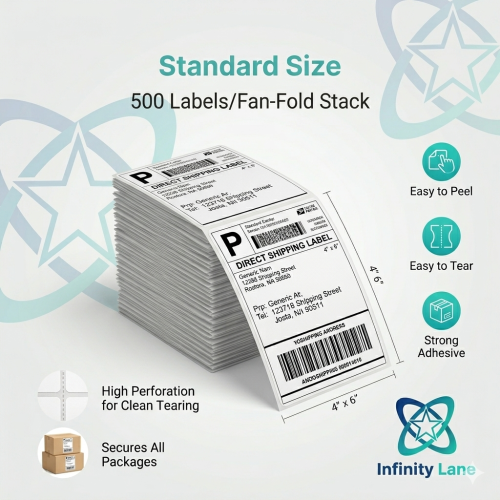
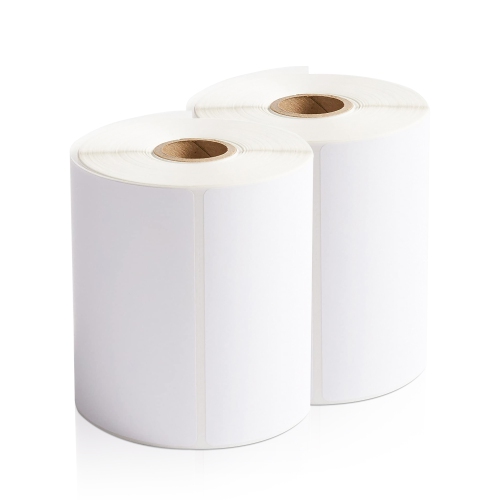
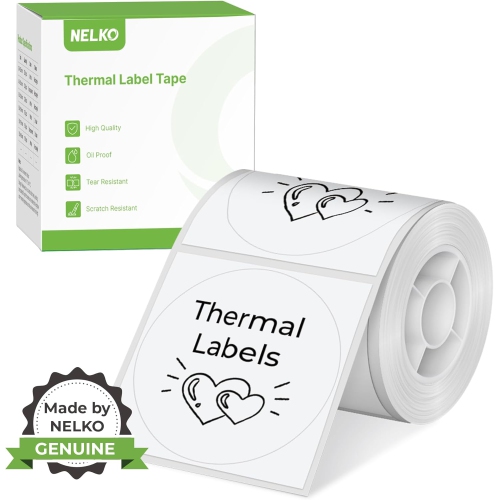
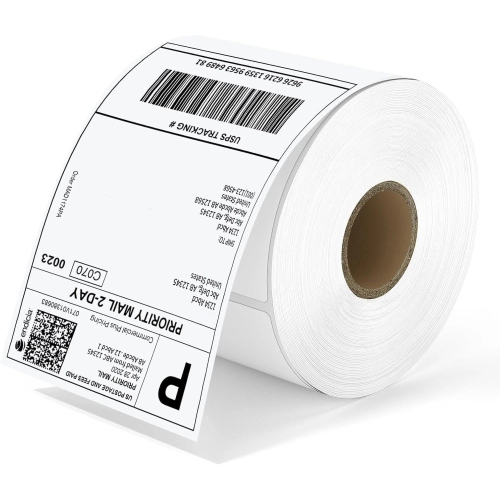
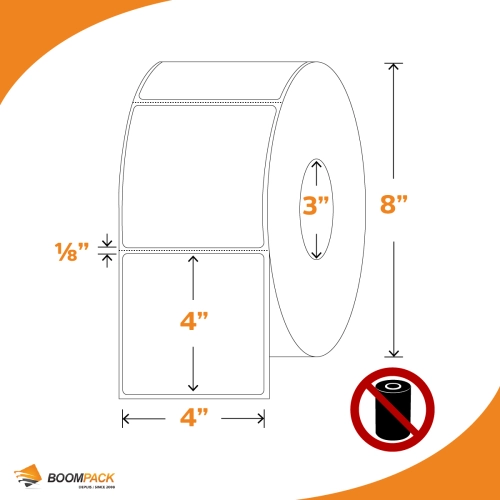
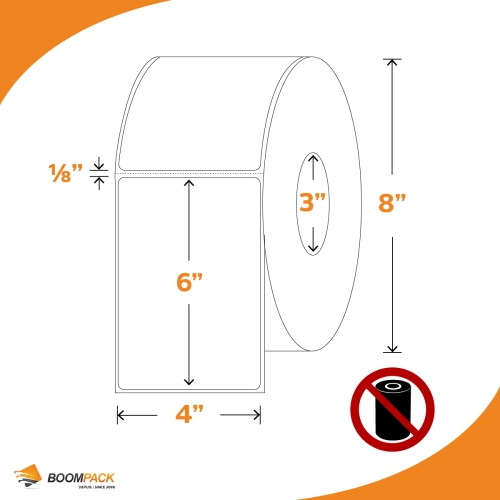
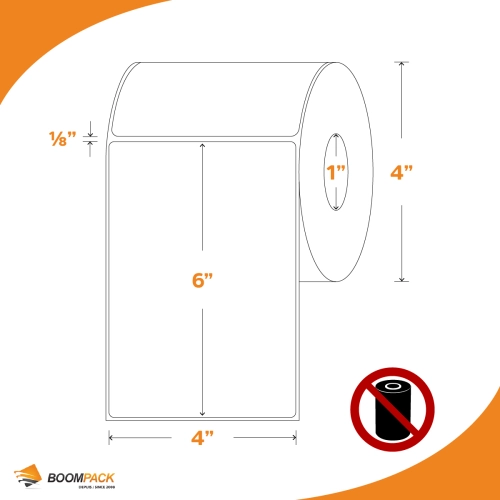
![ALPHA LABEL [4 Rolls, 4000 Labels] - 4" X 6" Thermal Transfer Labels, 3” Core, 8” Od, Ribbon Required,](https://multimedia.bbycastatic.ca/multimedia/products/500x500/191/19160/19160329.png)
![ALPHA LABEL [4 Rolls, 11500 Labels] - 4" X 2" Thermal Transfer Labels, 3” Core, 8” Od, Ribbon Required,](https://multimedia.bbycastatic.ca/multimedia/products/500x500/191/19178/19178308.png)
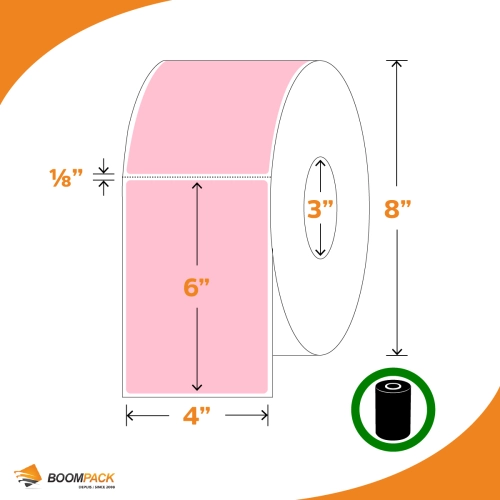
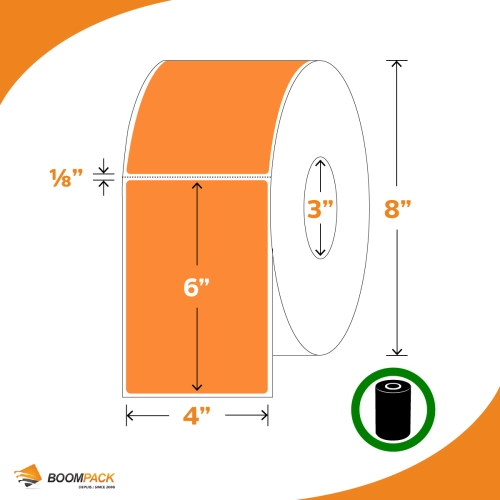

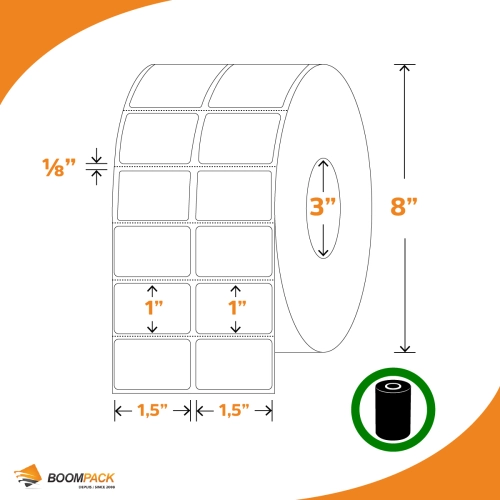
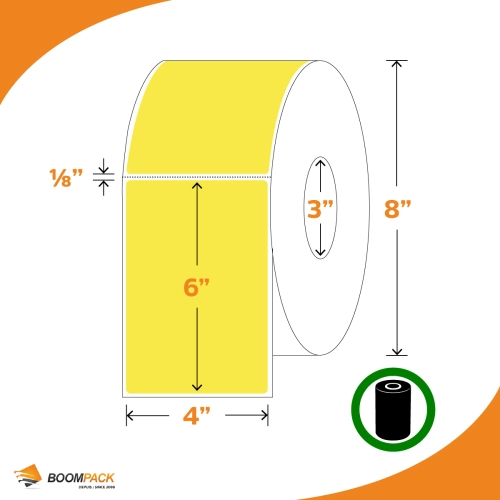
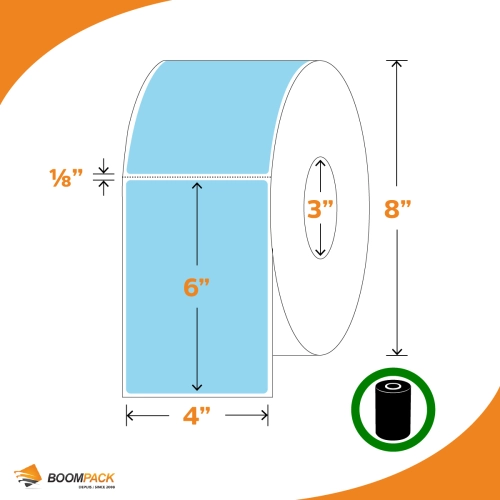
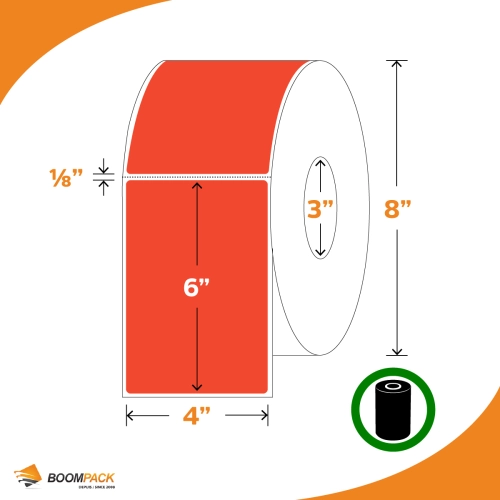
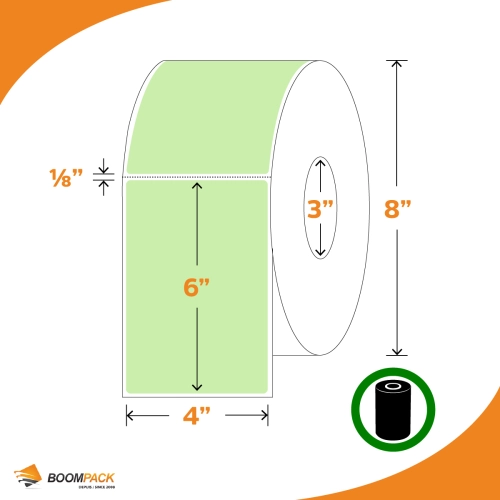
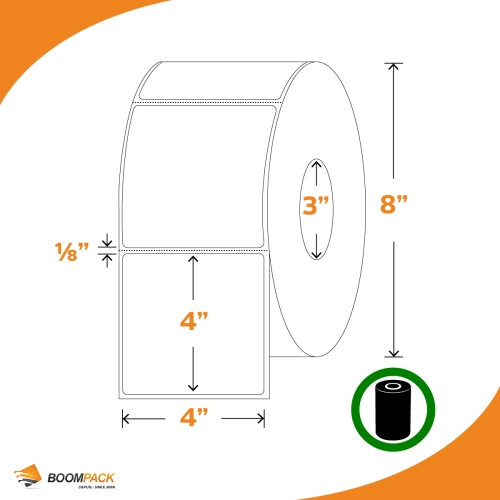

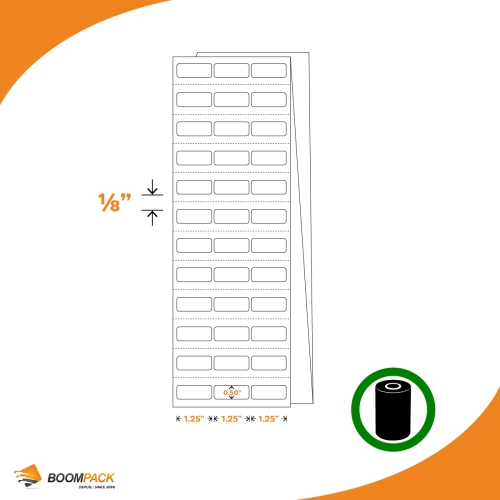

![ALPHA LABEL [8 Rolls, 2000 Labels] - 4" X 6" Direct Thermal Labels, Commercial Grade, 1” Core, No Ribbon Required,](https://multimedia.bbycastatic.ca/multimedia/products/500x500/193/19338/19338101.png)
![ALPHA LABEL [16 Rolls, 4000 Labels] - 4" X 6" Direct Thermal Labels, Industrial Grade, 1” Core, No Ribbon Required,](https://multimedia.bbycastatic.ca/multimedia/products/500x500/191/19178/19178315.png)
![ALPHA LABEL [4 Rolls, 11500 Labels] - 4" X 2" Direct Thermal Labels, 3” Core, No Ribbon Required,](https://multimedia.bbycastatic.ca/multimedia/products/500x500/191/19178/19178316.png)
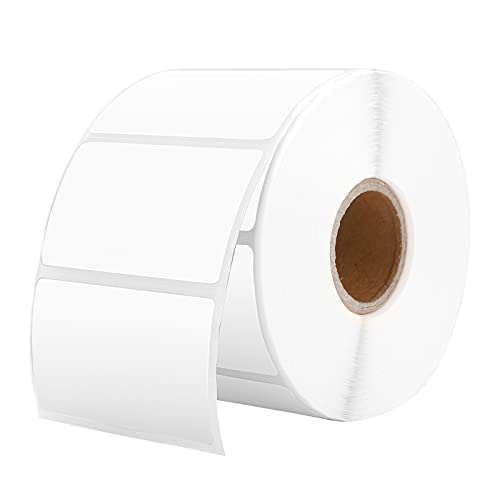
![ALPHA LABEL [4 Rolls, 4000 Labels] - 4" X 6" Direct Thermal Labels, 3” Core, No Ribbon Required,](https://multimedia.bbycastatic.ca/multimedia/products/500x500/191/19160/19160330.png)
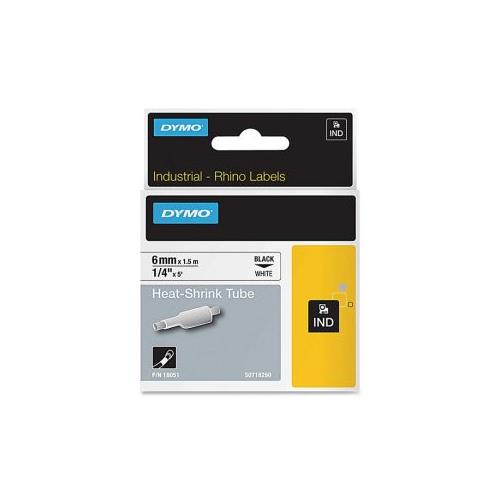
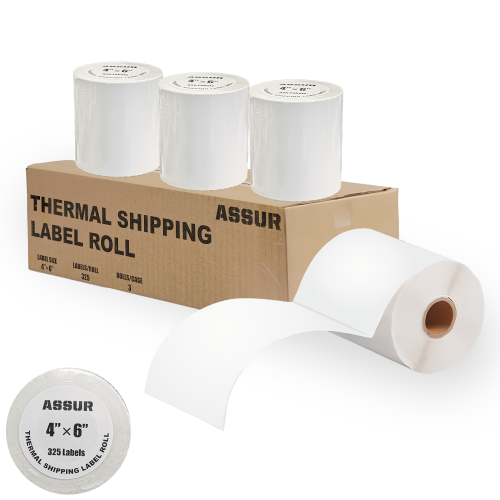
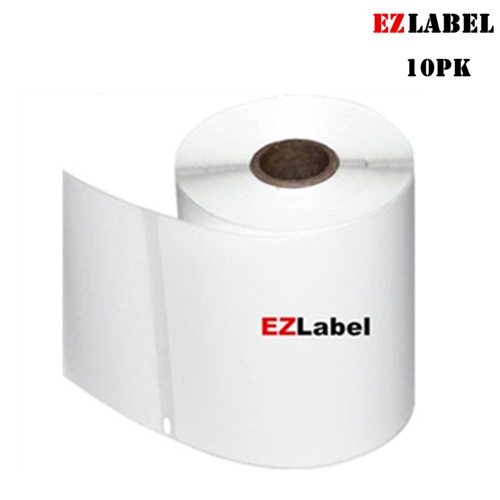
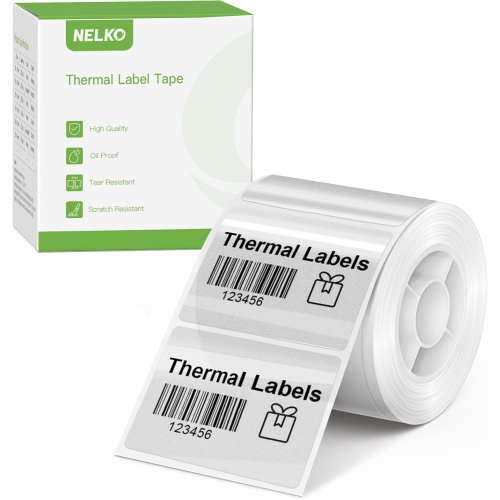
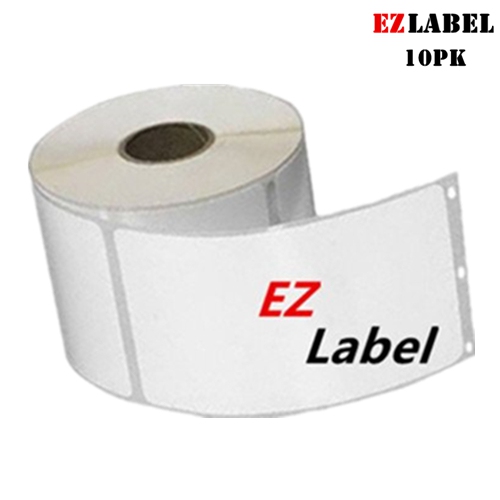
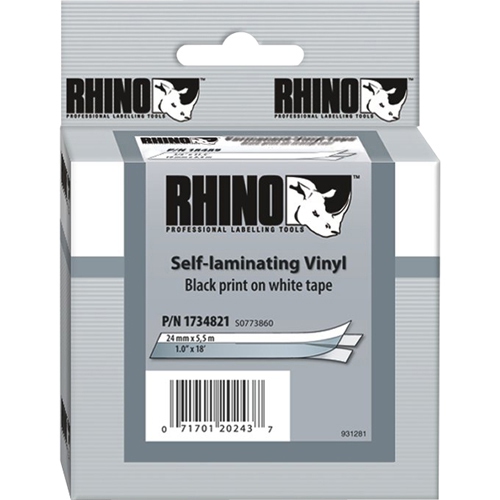
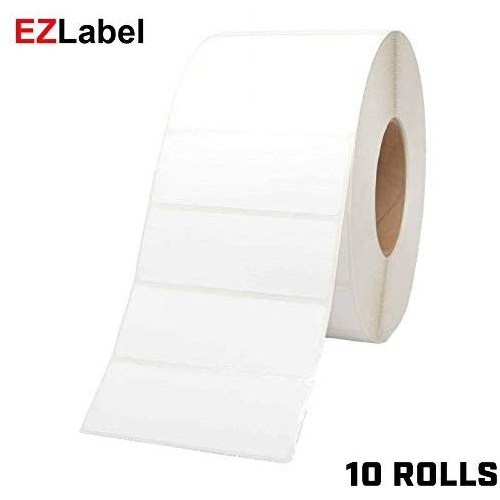
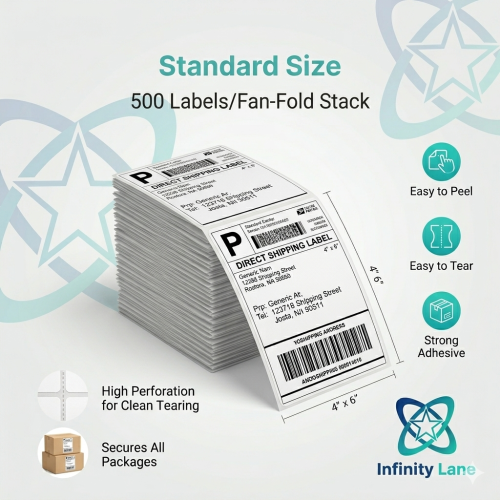
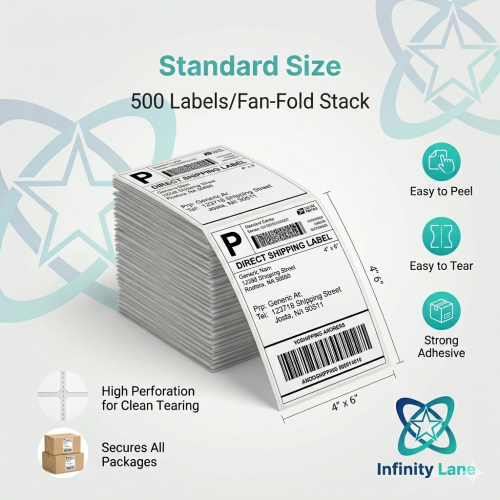
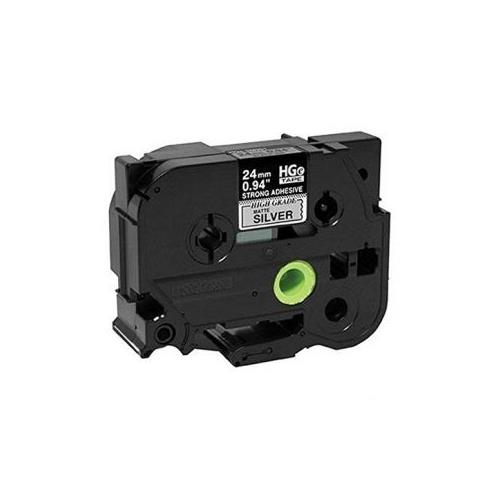
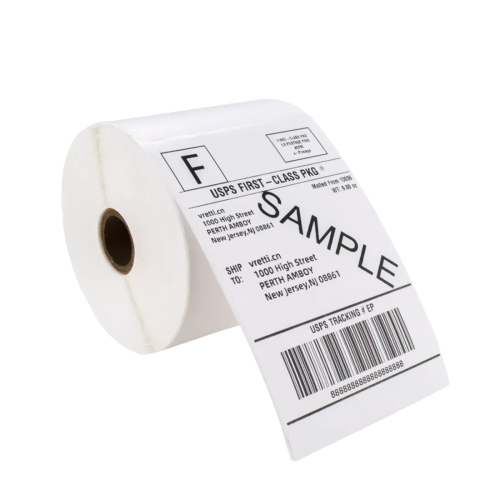
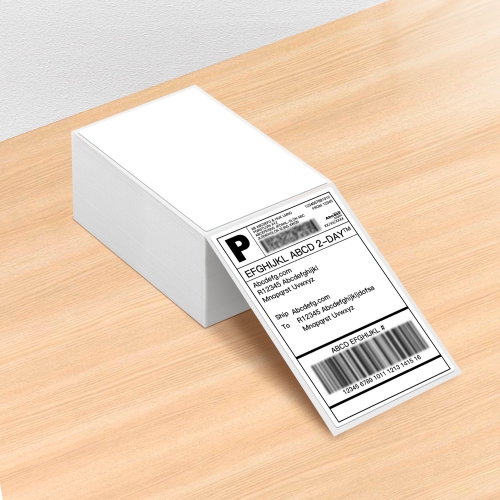
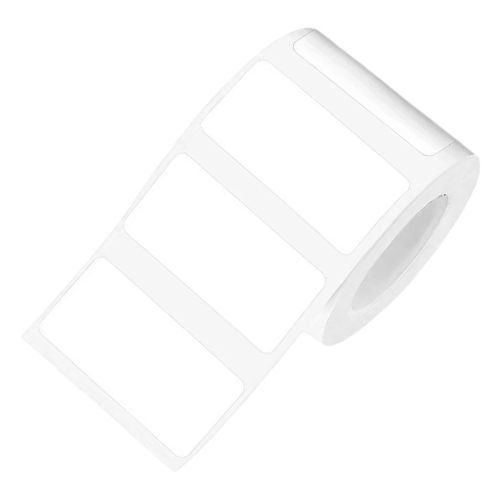
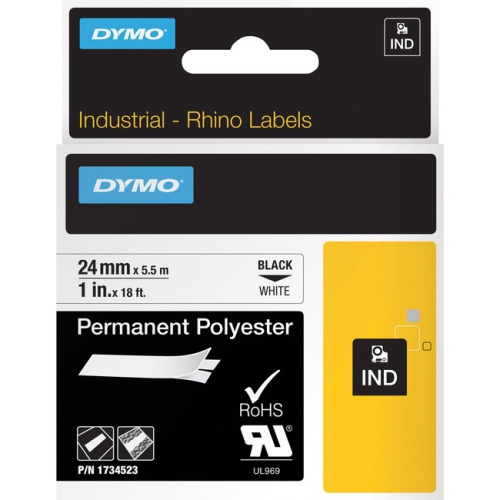


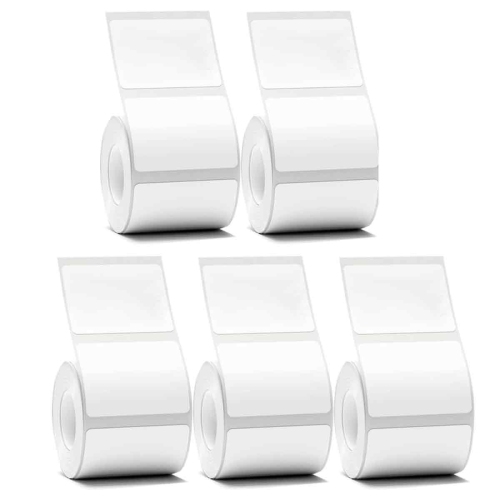
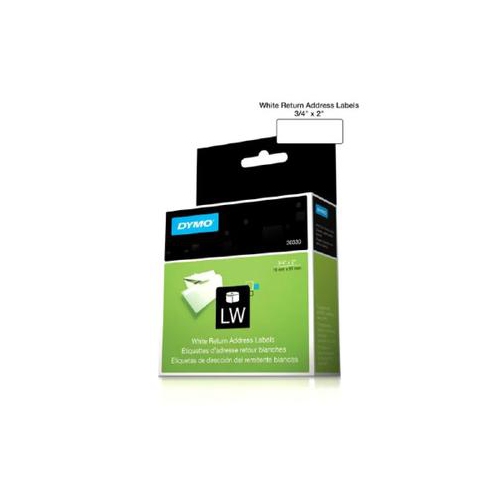
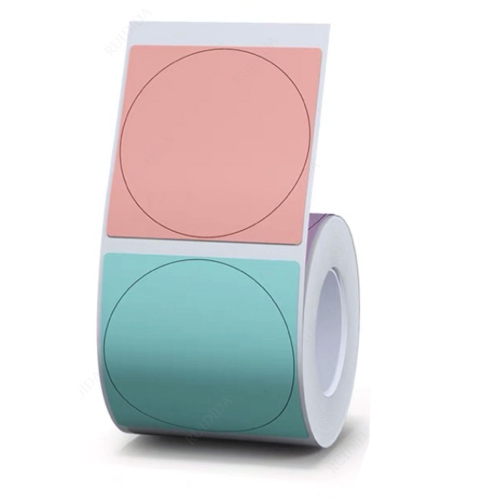
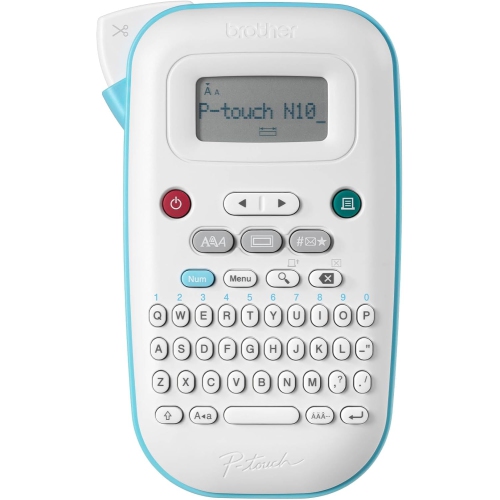
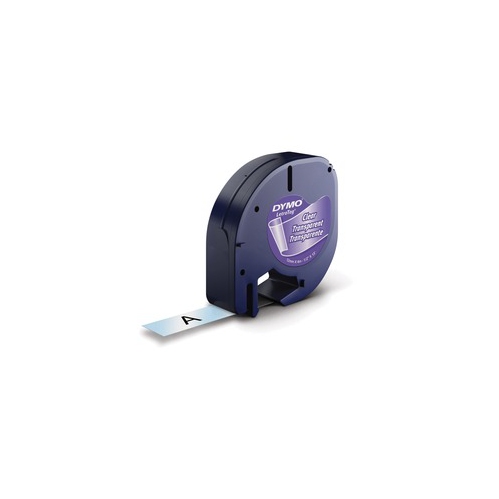
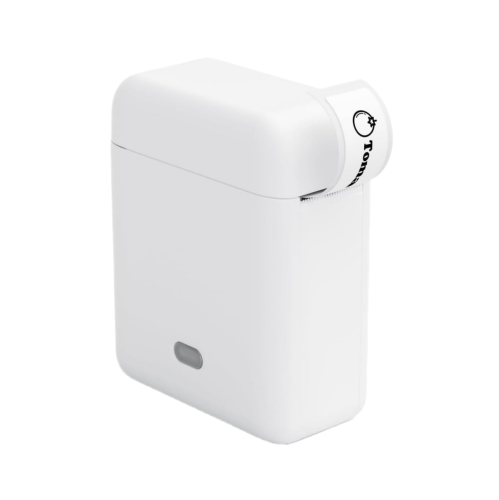
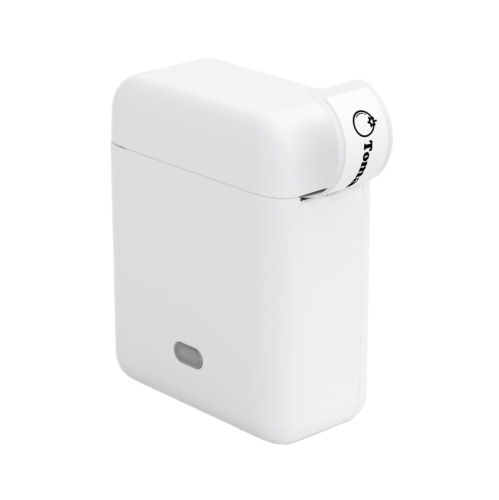


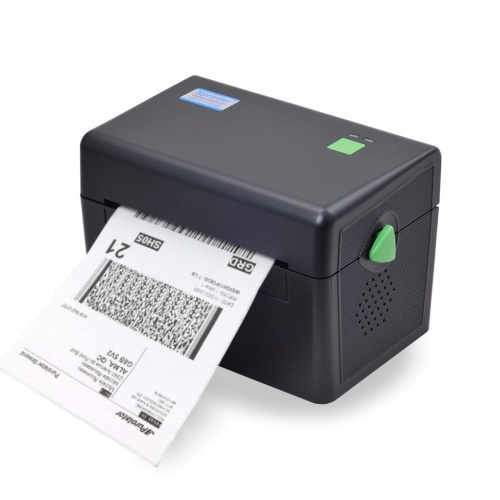
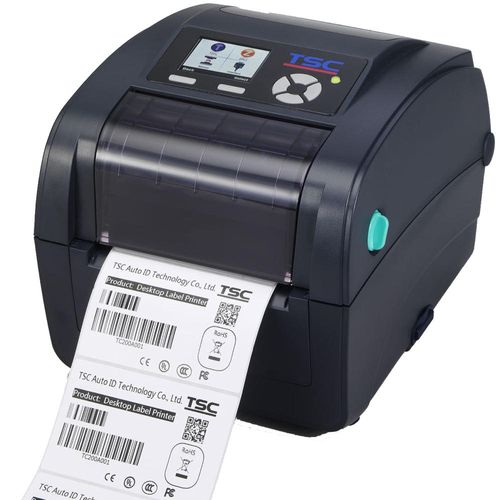
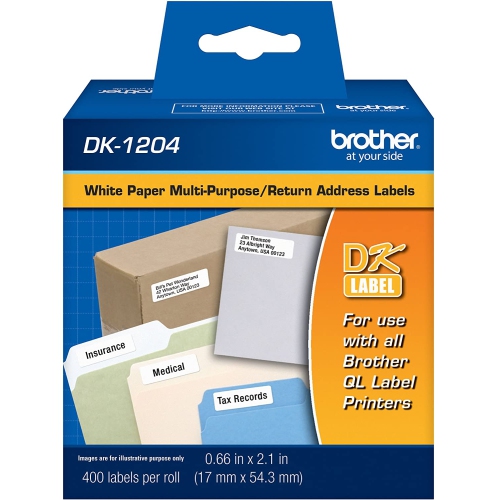
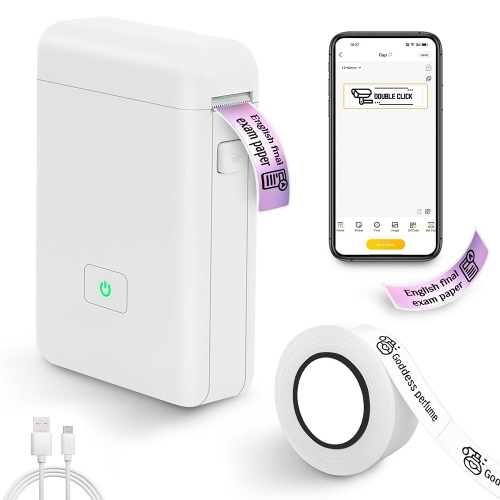
What makes these labels stay readable for years
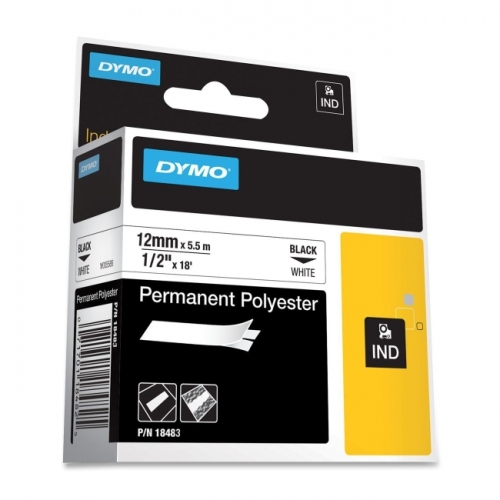
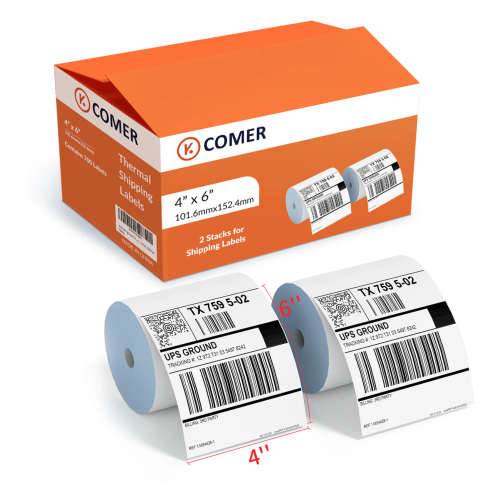
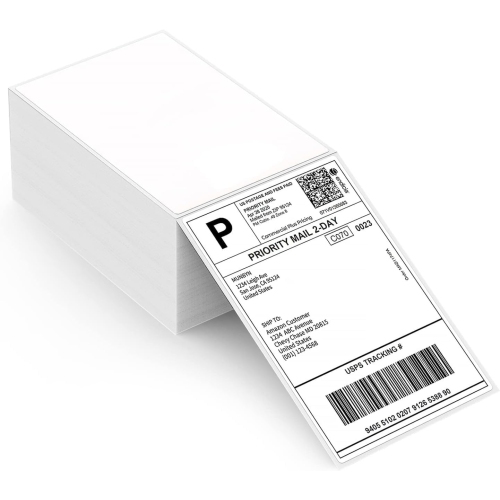
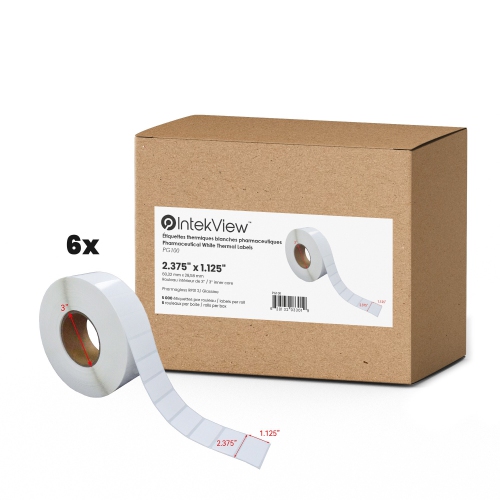
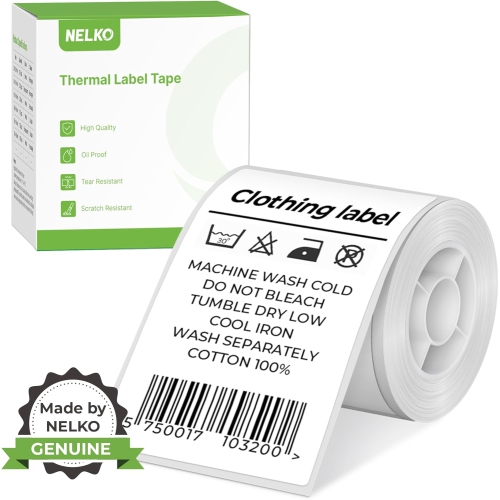
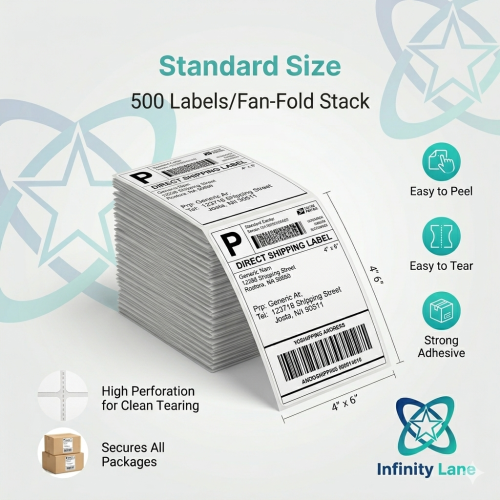
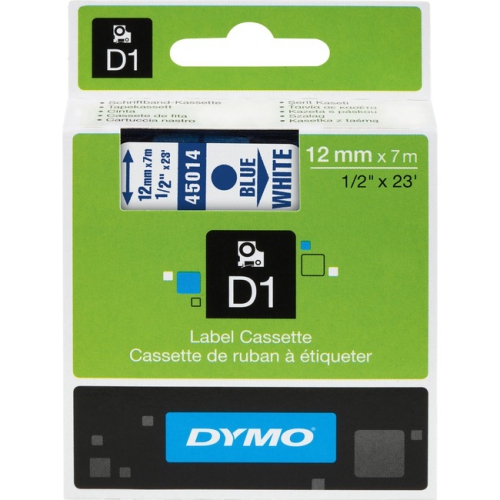
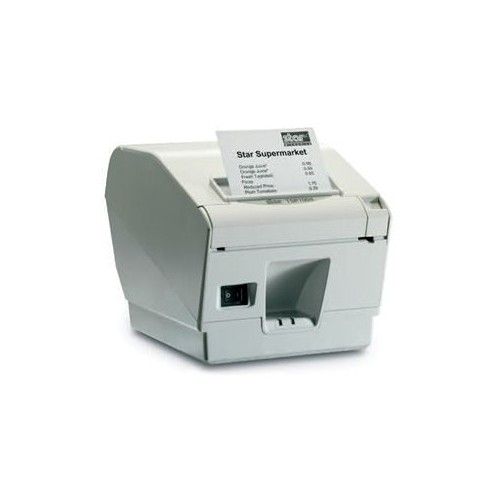
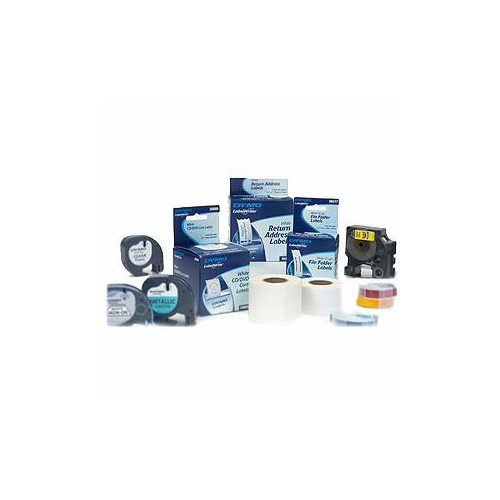
Thermal transfer labels are designed for printing clear, durable text, barcodes, numbers, and graphics that need to remain readable over time. Unlike systems that create an image directly through heat-sensitive paper, thermal transfer printing uses a heated printhead and a separate ribbon. The heat transfers ink from the ribbon onto the label surface, creating a sharp image that is less likely to fade, smudge, or darken when exposed to warmth, light, moisture, or regular handling. This makes thermal transfer labels a practical choice for inventory identification, shipping information, asset tracking, product labelling, and workplace organization. They are especially useful when a label needs to stay attached and legible for months or years rather than only through a short delivery journey. A small business may use them to organize stock bins, identify finished products, or print scannable barcodes, while a warehouse may rely on them for cartons, shelving, pallets, and equipment records. At home, they can help sort seasonal storage containers, label cables and tools, or bring order to a busy workshop. For shipping tasks that do not require long-term exposure to harsh conditions, explore Thermal Shipping Labels as another convenient labelling option. When choosing thermal transfer labels, start by considering the printer they will be used with. The label size, roll or fanfold format, core size, winding direction, and print technology all need to match the printer’s specifications. A label that appears suitable at a glance may not feed correctly if its dimensions or orientation are incompatible, so checking the printer manual and supply requirements can prevent wasted material and uneven printing. It is also important to confirm that the ribbon and label face stock are intended to work together, since the right combination produces cleaner edges, stronger contrast, and more reliable barcode scans.
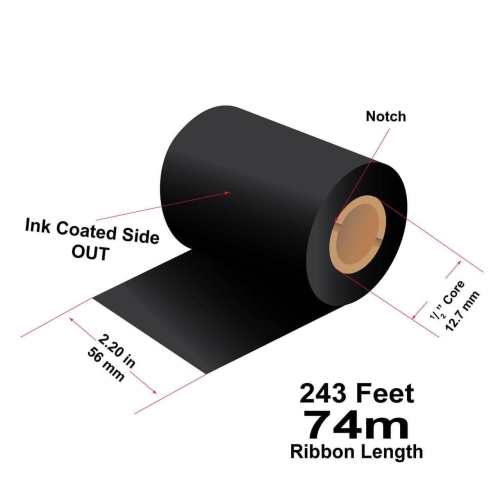
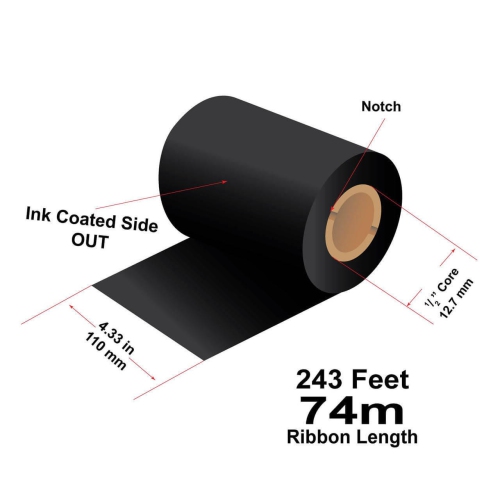
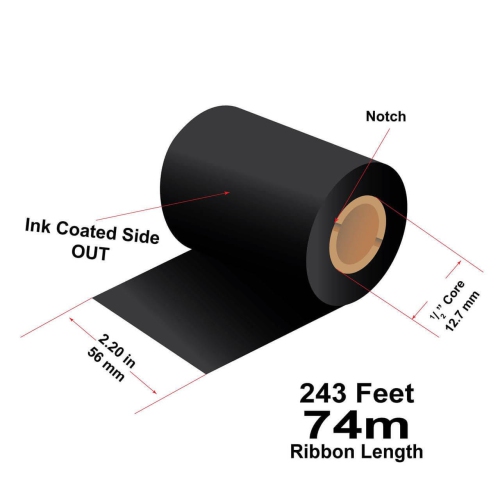
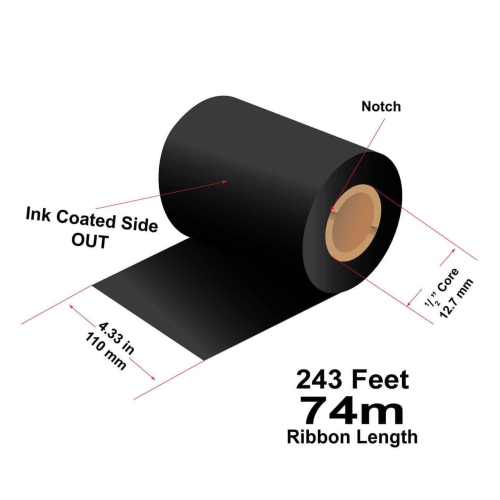
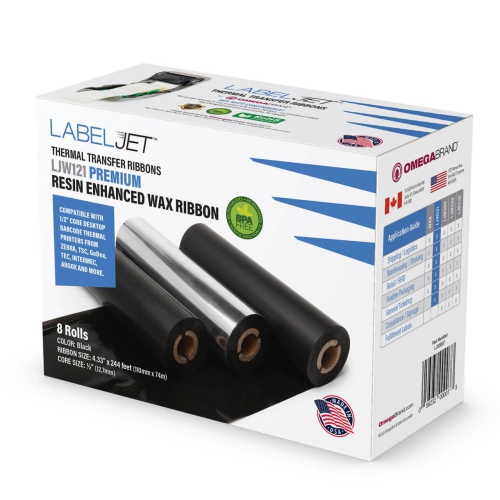
The label material should reflect the environment where it will be used. Paper thermal transfer labels are often suitable for indoor shelves, cartons, office files, retail stock, and general organization, particularly when the label will not encounter much moisture or abrasion. Synthetic materials can be a better fit for demanding conditions, including refrigerated areas, outdoor storage, equipment cases, bins that are handled frequently, or surfaces that may be exposed to splashes and cleaning products. Some applications call for labels with stronger adhesive, while others require a removable adhesive that can be lifted without leaving significant residue. Think about the surface as well as the surroundings: corrugated cardboard, coated packaging, plastic containers, metal equipment, and textured surfaces can each affect how well a label bonds. Curved surfaces may need a flexible label that will not lift at the edges, while dusty or uneven surfaces may need cleaning before application. Temperature matters during both printing and use. A label that performs well in a comfortable office may behave differently in a freezer, loading area, garage, or unheated storage space. For outdoor or industrial identification, look for a suitable combination of face material, adhesive, and ribbon rather than relying on the label material alone. The ribbon is the ink source in a thermal transfer system, and its formulation can influence resistance to scratching, chemicals, heat, moisture, and fading. Wax ribbons are commonly used for everyday paper applications, while wax-resin or resin options may offer greater durability for synthetic labels and more challenging conditions. Matching the ribbon width to the label and printer can also improve print quality and reduce premature wear on the printhead. Clear, consistent printing is particularly important for barcodes, where a faint line or smudged character can slow down stock checks and create avoidable errors.
Thermal transfer labels can support many routines, from a home office that needs neatly marked folders to a growing operation that is building a repeatable fulfilment process. A craft seller may use them to identify product variations and packaging batches, while a service technician may mark tools, replacement parts, and equipment with reference numbers that remain visible during regular handling. In a warehouse, labels can help connect a physical item with a digital inventory record, making it easier to locate stock, scan incoming deliveries, and track assets as they move between rooms or worksites. For shipping, durable labels can be useful when cartons or containers may sit in storage, pass through changing temperatures, or be handled repeatedly before reaching their destination. The best results usually come from preparing the print file carefully: use strong contrast, allow enough blank space around barcodes, choose a readable font, and test a small batch before printing a large quantity. Store unused rolls in a dry indoor location away from excessive heat, humidity, and direct light, and keep them in their original packaging until needed. Before applying a label, make sure the surface is clean, dry, and free of dust or oil, then press it firmly from one edge to the other to reduce air pockets and lifting. With the right printer settings, ribbon, adhesive, and label material, thermal transfer labels provide a dependable way to keep information visible through everyday use and changing conditions. They are a sensible addition to an office, workshop, stockroom, classroom, or small business where clear identification saves time and keeps tasks moving smoothly during the warmer and cooler parts of the year.
The label material should reflect the environment where it will be used. Paper thermal transfer labels are often suitable for indoor shelves, cartons, office files, retail stock, and general organization, particularly when the label will not encounter much moisture or abrasion. Synthetic materials can be a better fit for demanding conditions, including refrigerated areas, outdoor storage, equipment cases, bins that are handled frequently, or surfaces that may be exposed to splashes and cleaning products. Some applications call for labels with stronger adhesive, while others require a removable adhesive that can be lifted without leaving significant residue. Think about the surface as well as the surroundings: corrugated cardboard, coated packaging, plastic containers, metal equipment, and textured surfaces can each affect how well a label bonds. Curved surfaces may need a flexible label that will not lift at the edges, while dusty or uneven surfaces may need cleaning before application. Temperature matters during both printing and use. A label that performs well in a comfortable office may behave differently in a freezer, loading area, garage, or unheated storage space. For outdoor or industrial identification, look for a suitable combination of face material, adhesive, and ribbon rather than relying on the label material alone. The ribbon is the ink source in a thermal transfer system, and its formulation can influence resistance to scratching, chemicals, heat, moisture, and fading. Wax ribbons are commonly used for everyday paper applications, while wax-resin or resin options may offer greater durability for synthetic labels and more challenging conditions. Matching the ribbon width to the label and printer can also improve print quality and reduce premature wear on the printhead. Clear, consistent printing is particularly important for barcodes, where a faint line or smudged character can slow down stock checks and create avoidable errors.
Thermal transfer labels can support many routines, from a home office that needs neatly marked folders to a growing operation that is building a repeatable fulfilment process. A craft seller may use them to identify product variations and packaging batches, while a service technician may mark tools, replacement parts, and equipment with reference numbers that remain visible during regular handling. In a warehouse, labels can help connect a physical item with a digital inventory record, making it easier to locate stock, scan incoming deliveries, and track assets as they move between rooms or worksites. For shipping, durable labels can be useful when cartons or containers may sit in storage, pass through changing temperatures, or be handled repeatedly before reaching their destination. The best results usually come from preparing the print file carefully: use strong contrast, allow enough blank space around barcodes, choose a readable font, and test a small batch before printing a large quantity. Store unused rolls in a dry indoor location away from excessive heat, humidity, and direct light, and keep them in their original packaging until needed. Before applying a label, make sure the surface is clean, dry, and free of dust or oil, then press it firmly from one edge to the other to reduce air pockets and lifting. With the right printer settings, ribbon, adhesive, and label material, thermal transfer labels provide a dependable way to keep information visible through everyday use and changing conditions. They are a sensible addition to an office, workshop, stockroom, classroom, or small business where clear identification saves time and keeps tasks moving smoothly during the warmer and cooler parts of the year.
Top selling and popular products
-
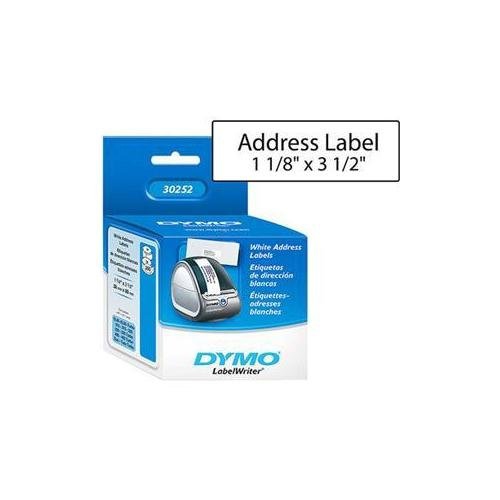 Your price for this item is $47.37
 -
 Your price for this item is $70.99
 -
 Your price for this item is $64.99
 -
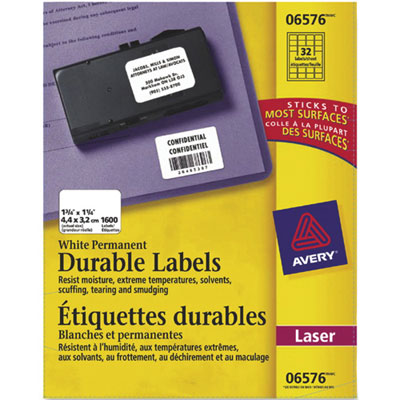 Your price for this item is $70.99
 -
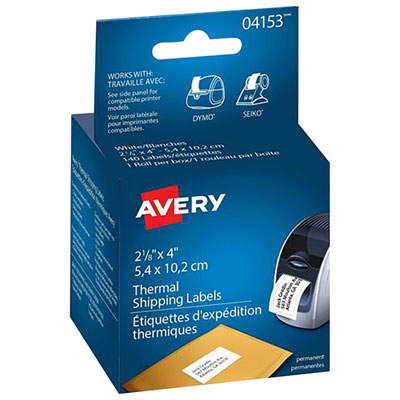 Your price for this item is $30.99
 -
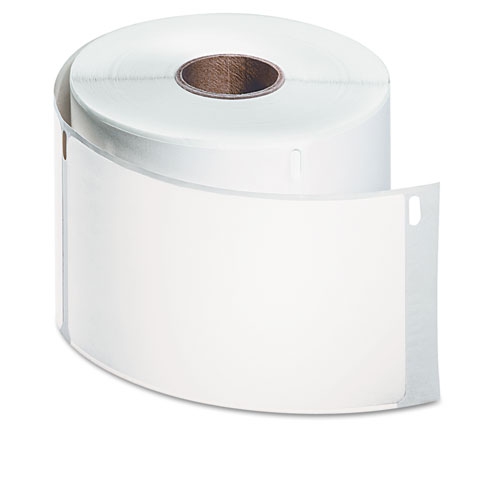 Your price for this item is $26.99
 -
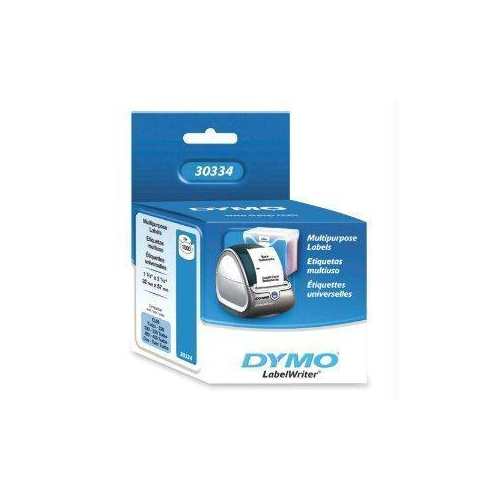 Your price for this item is $86.68
 -
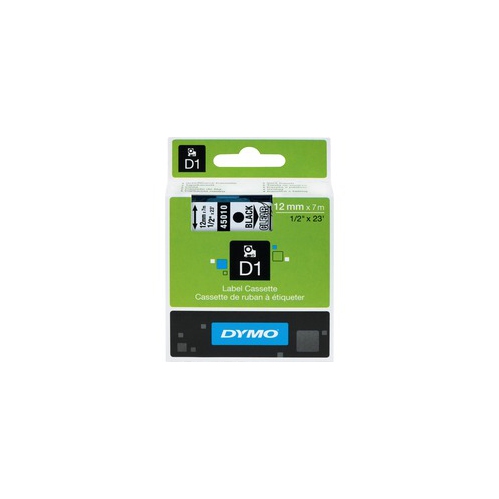 Your price for this item is $22.99
Discover more categories related to Thermal Transfer Labels
Top Collections:
Pokemon Centers, Best Cameras for Sports Photography, Kindle Devices, Samsung Galaxy Phones, Canon G7X Cameras, Pokémon 30th Celebration Cards, Refurbished Apple Laptops, iPhone 15 Apple, Laptops for Students, Budget Smartphones
Some products may be subject to Environmental Handling Fees
(EHF) depending on your province.
Learn more about EHFs.