Vacuum Bags for Clothes
Keep your seasonal wardrobe organized and maximize storage space with our selection of vacuum bags for clothes. These innovative storage solutions are designed to compress your garments, blankets, and linens, making them more compact and easier to store. Whether you're preparing for a change in seasons or looking to declutter your closet, vacuum bags are a practical and efficient way to keep your belongings tidy and protected. Say goodbye to bulky storage bins and hello to a more streamlined and organized home with our range of vacuum bags for clothes.
Sort




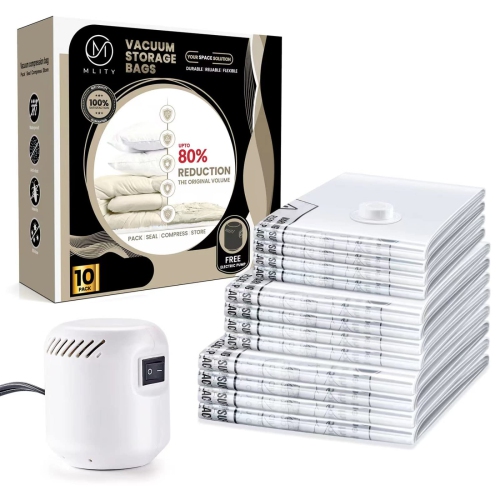
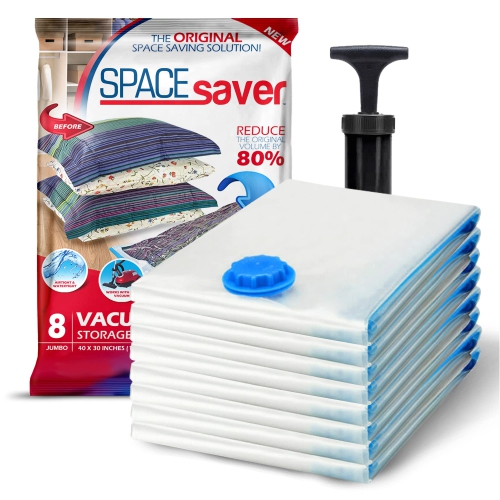
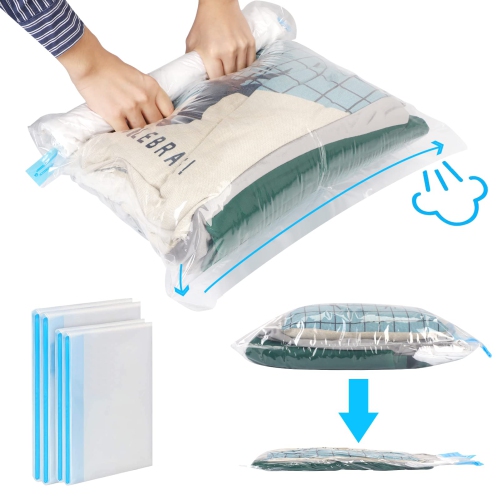

How compression makes room for seasonal clothing
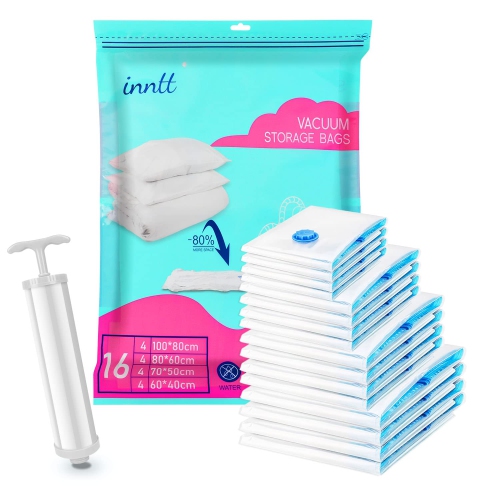
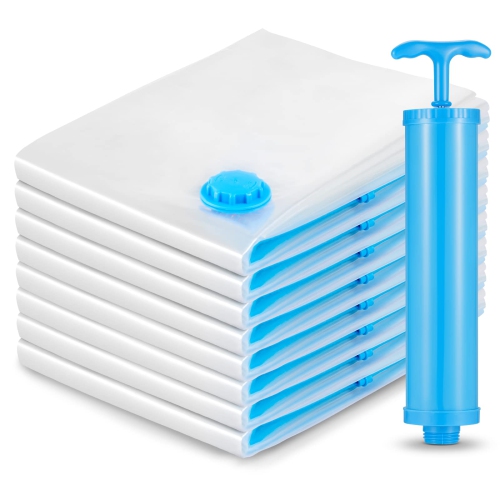
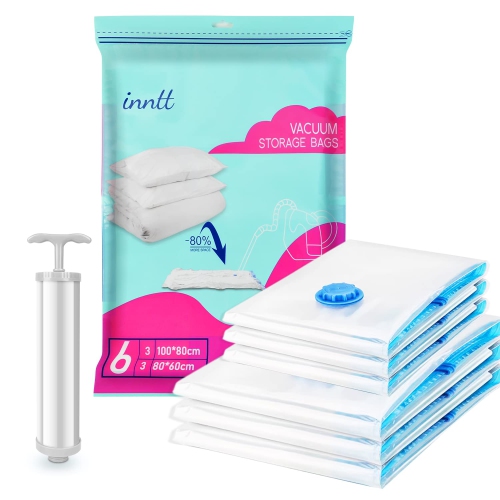
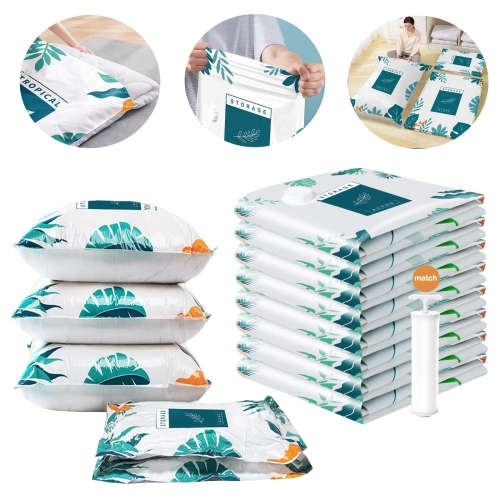
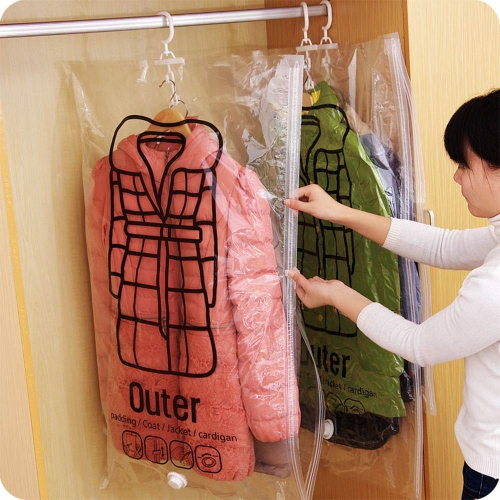
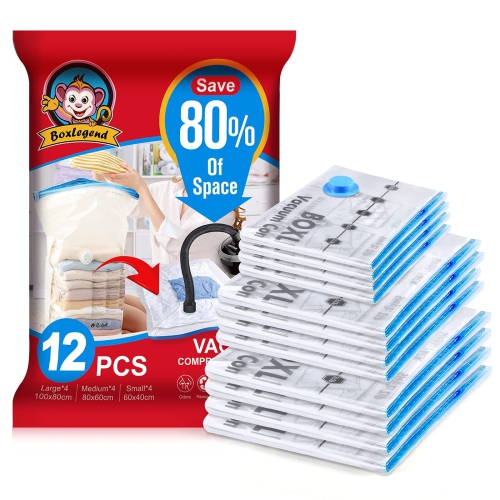
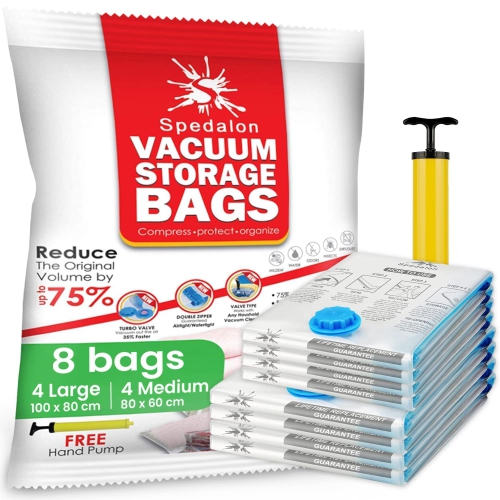
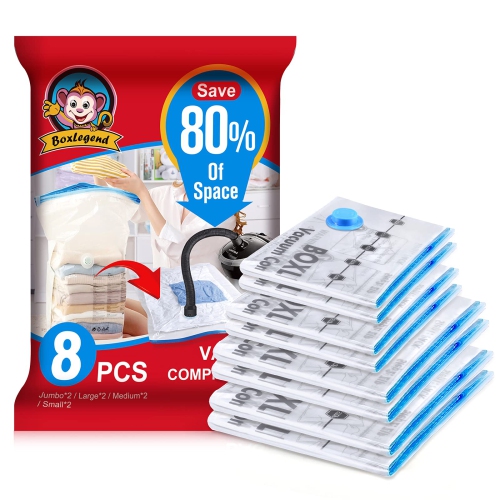
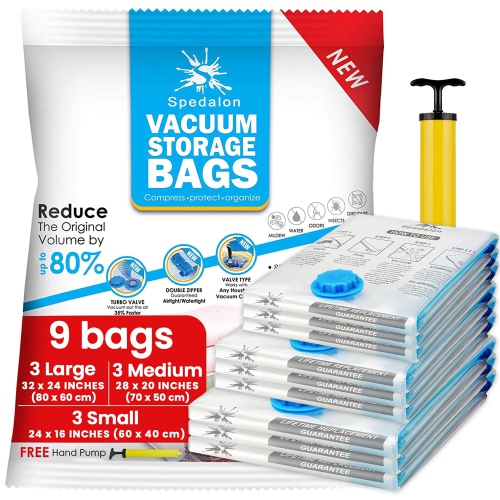
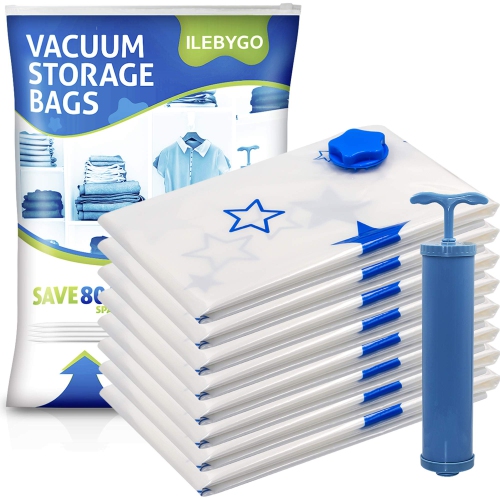
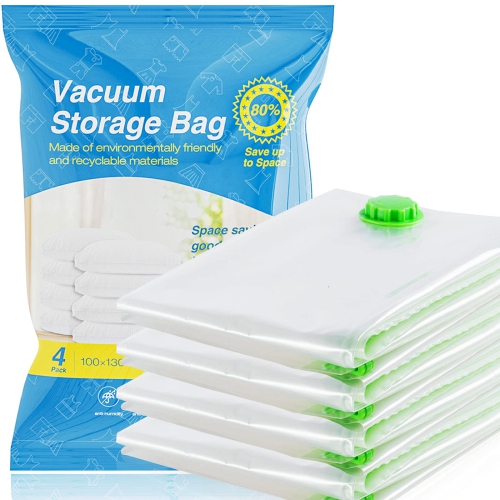
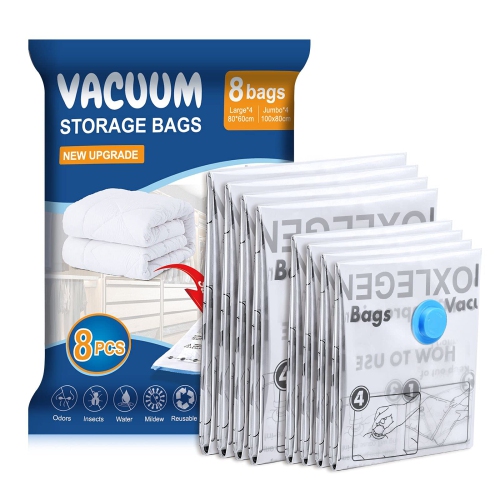
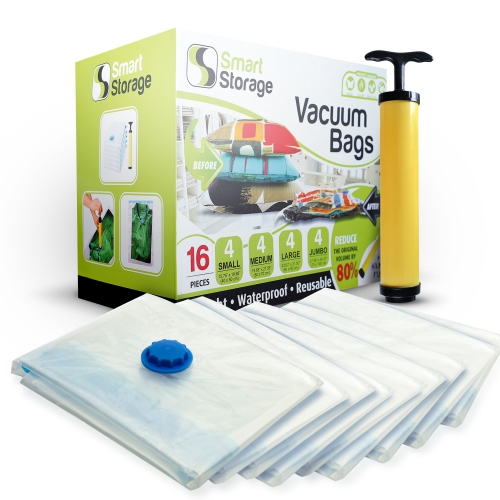
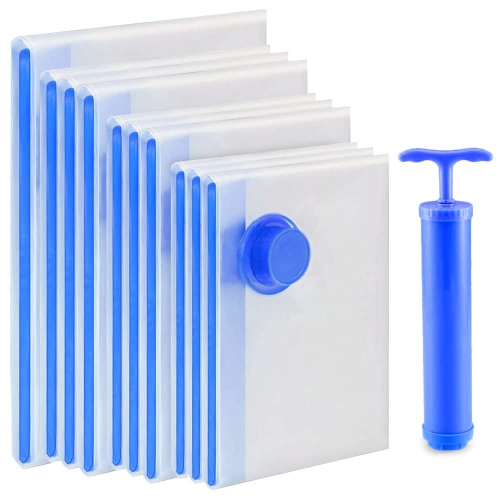
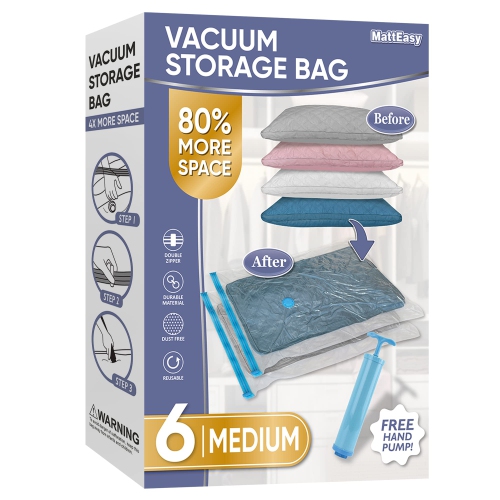
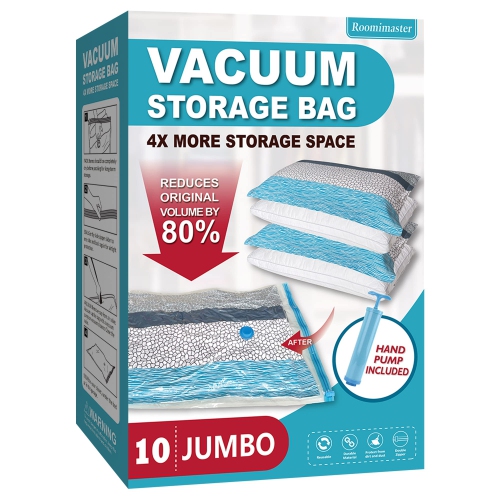
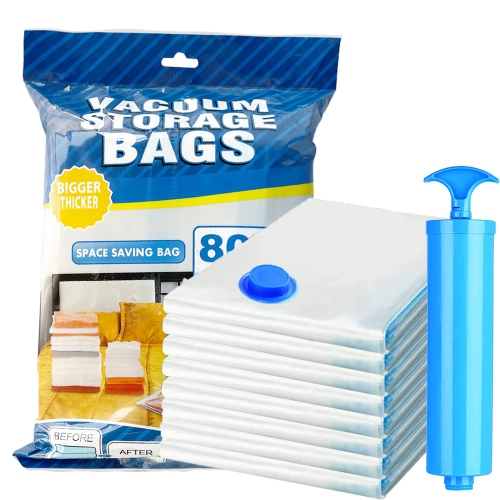
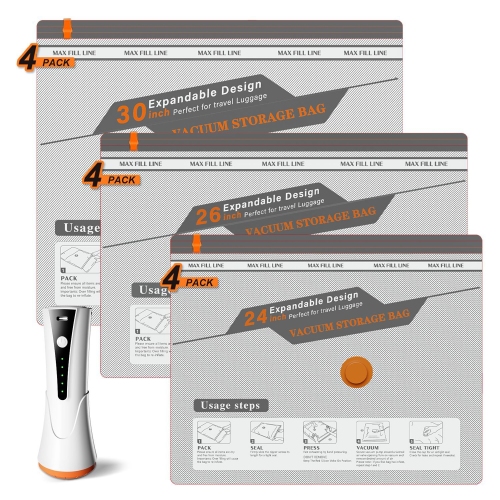
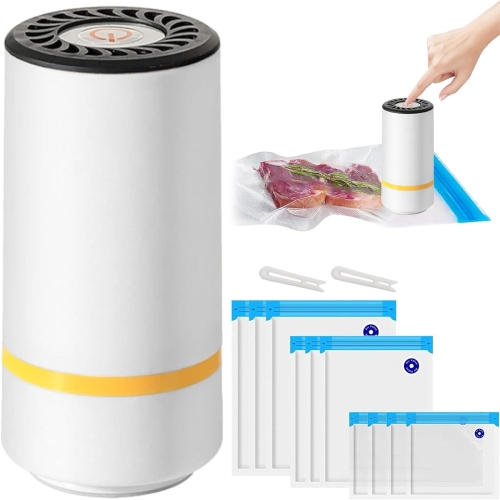
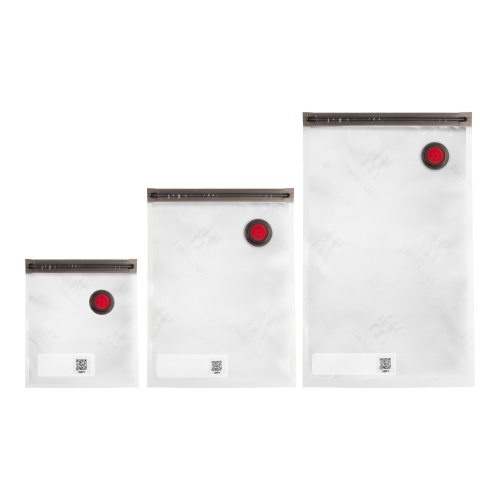
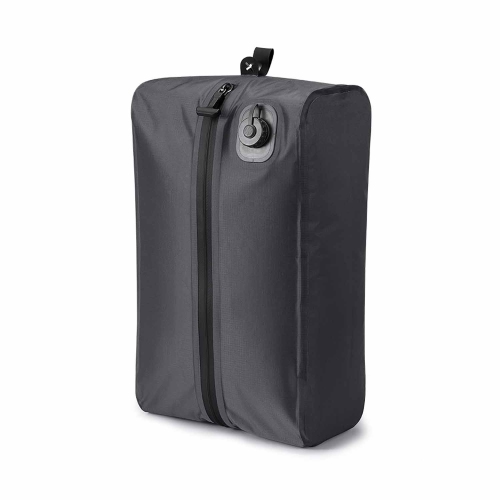
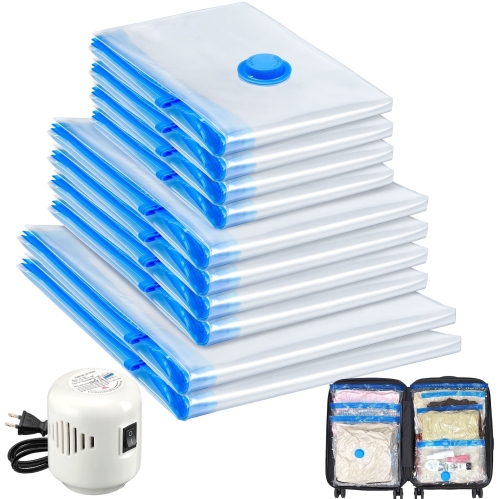
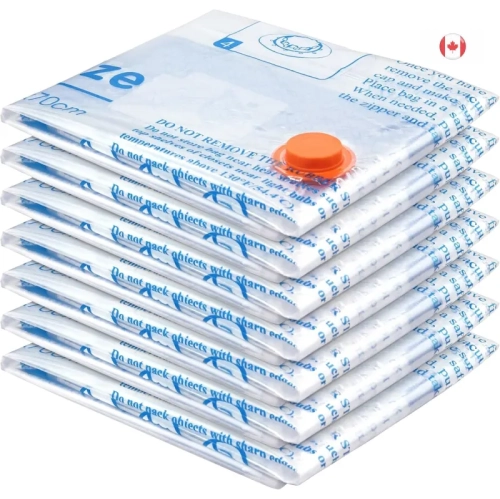
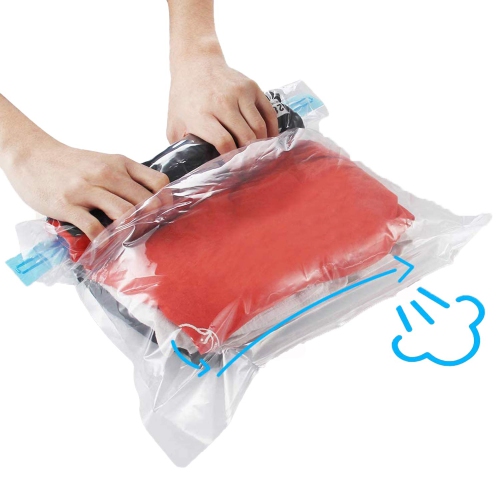
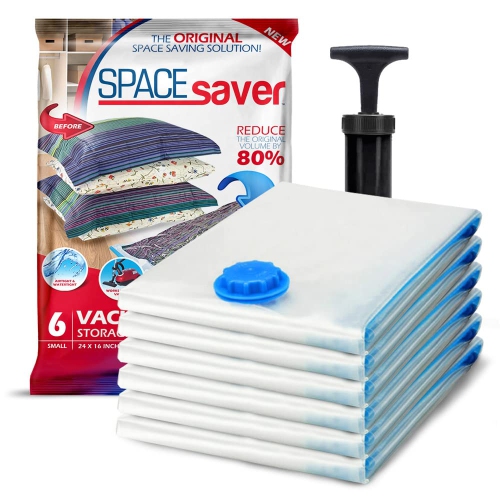
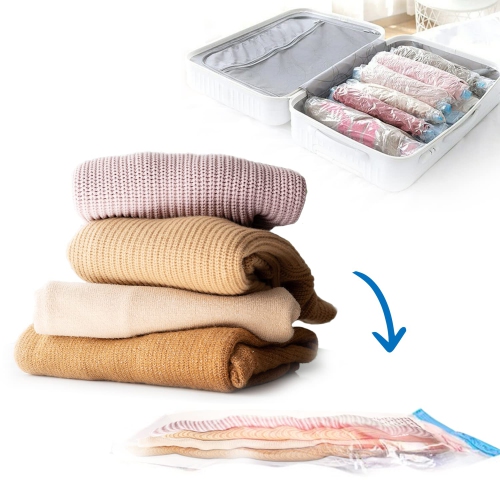
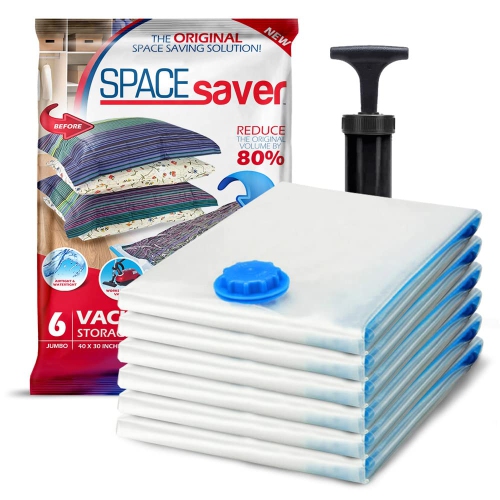
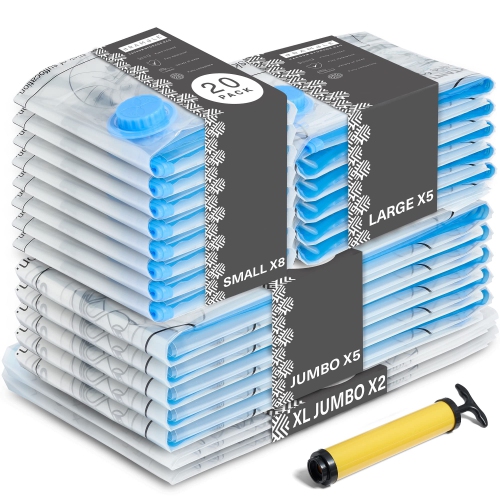
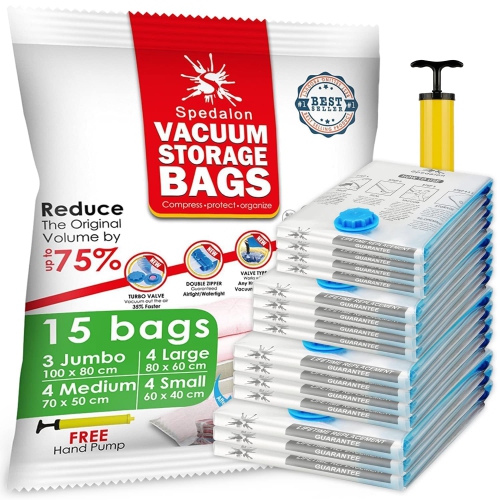
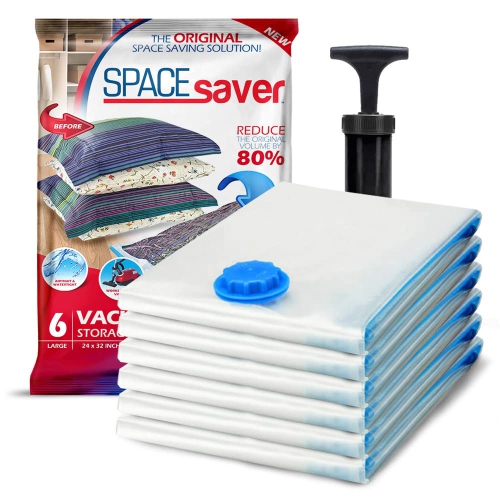
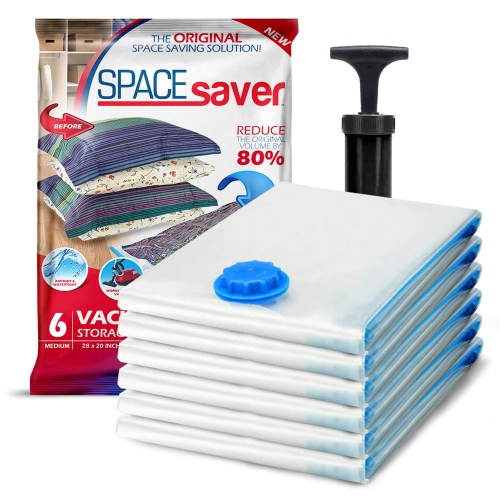
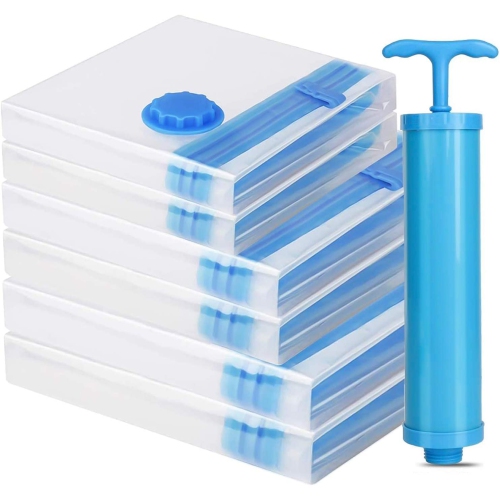
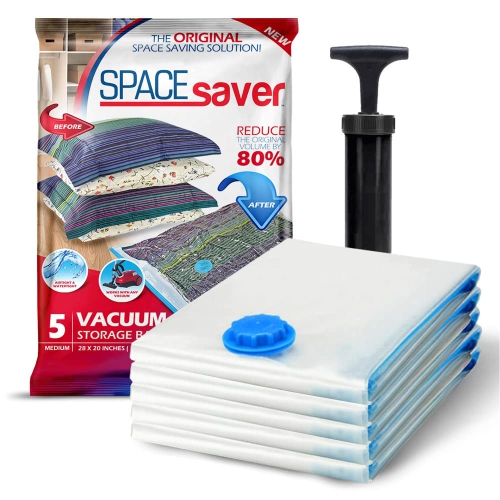
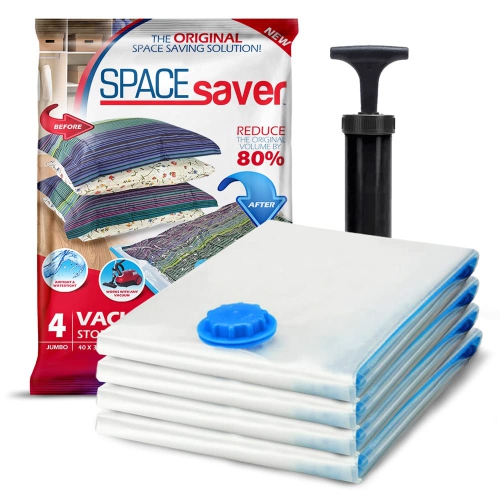
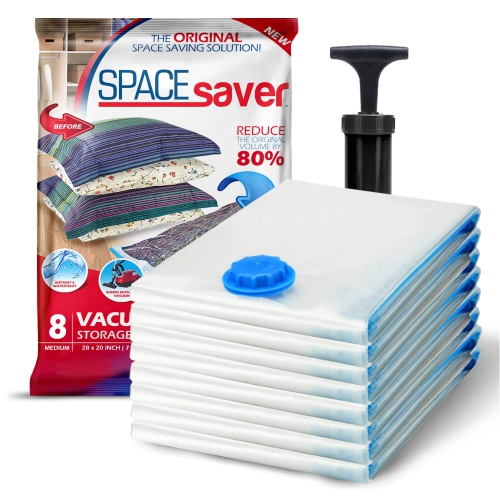
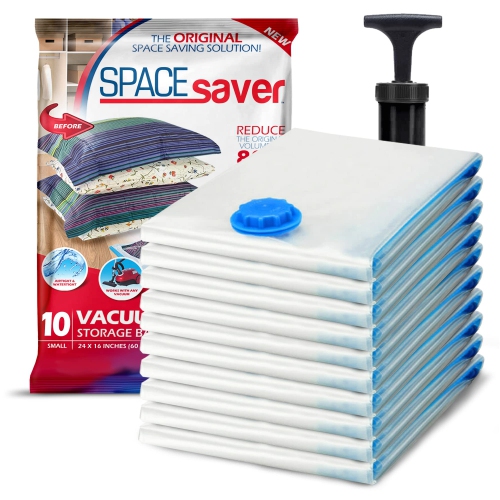
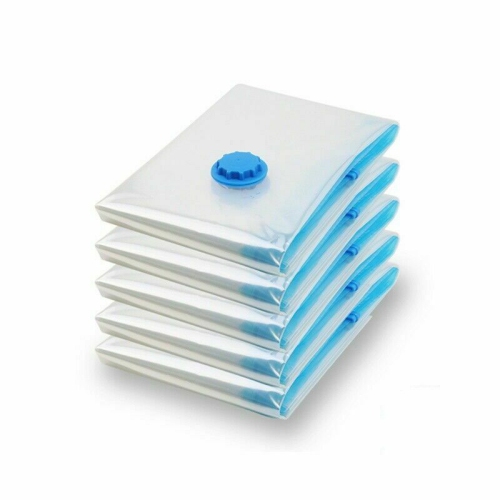
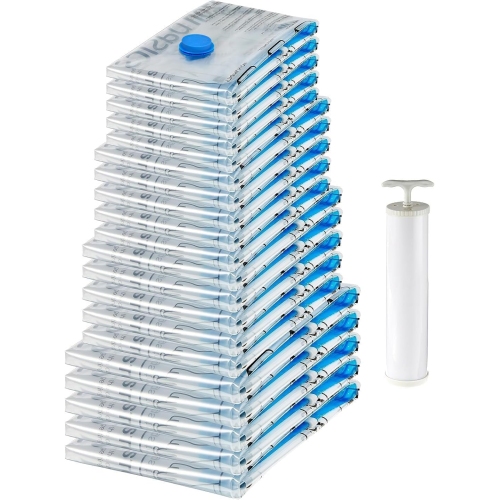
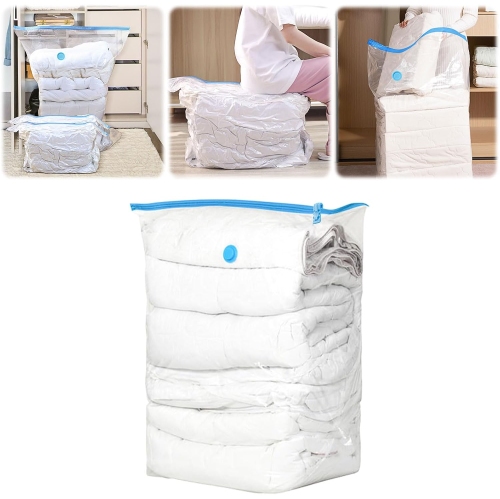
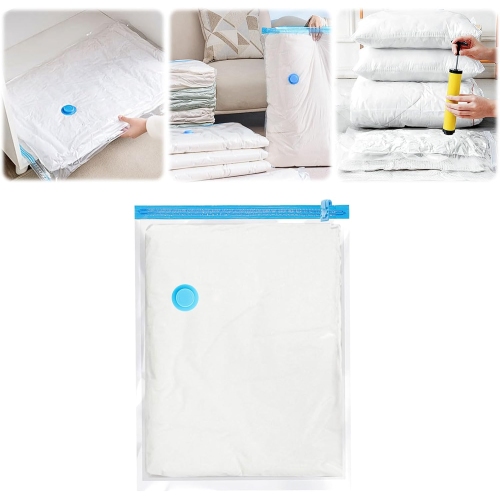
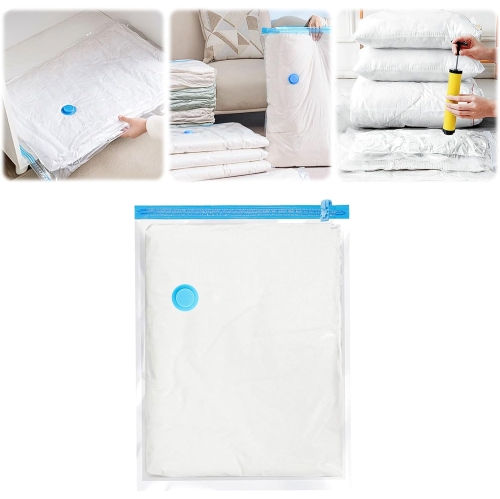
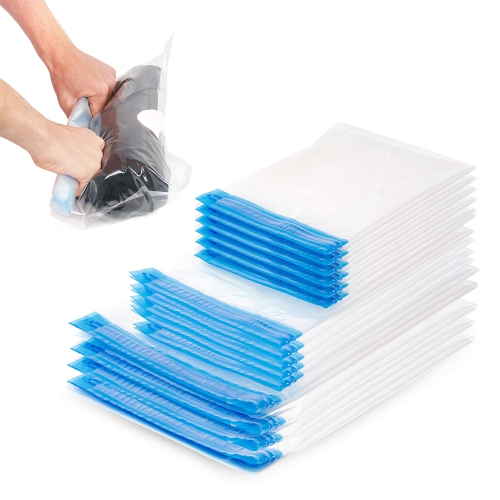
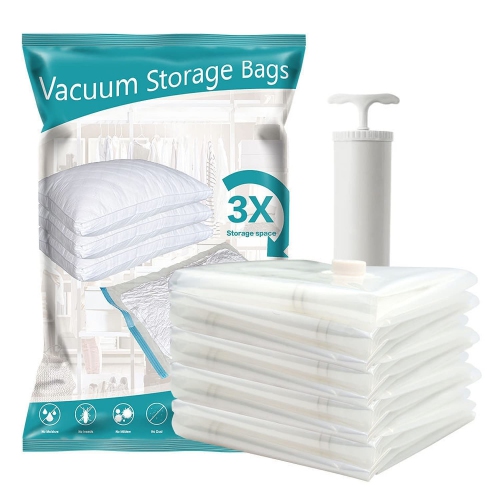
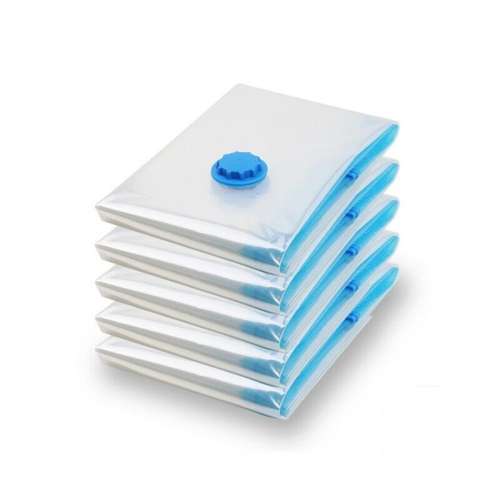
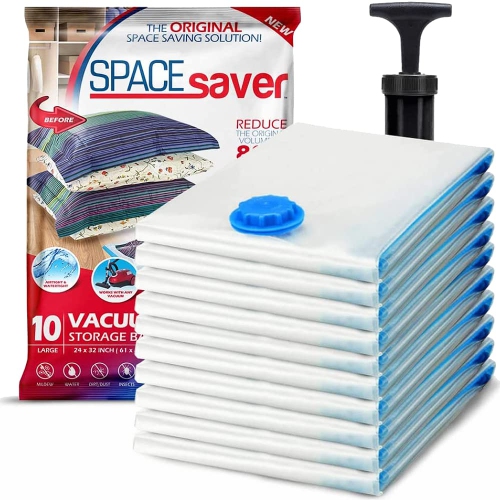
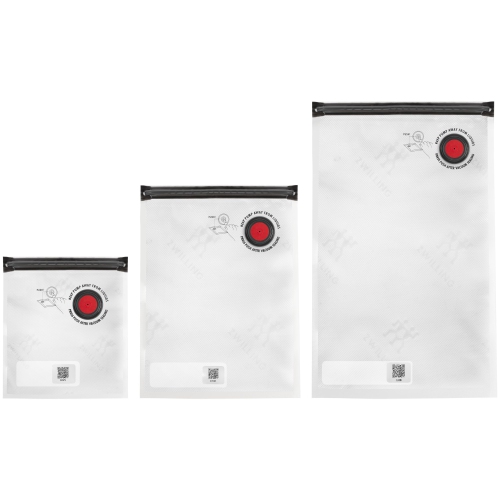
Vacuum bags for clothes offer a practical way to make better use of closets, shelves, drawers, suitcases, and the space beneath a bed. By drawing air out of the bag, they compress bulky textiles such as winter jackets, puffer coats, sweaters, hoodies, comforters, spare bedding, ski clothing, and blankets into a slimmer package that is easier to stack and store. Depending on the fabric and how much air it holds, compression can reduce the volume of soft items by a substantial amount, sometimes by as much as 80 percent. This makes these bags especially useful when wardrobes change with the seasons: lighter clothing can be put away during the cooler months, while heavier layers can be stored when the weather warms. They can also help families manage hand-me-downs, guest bedding, costumes, travel clothing, and clothing that is between sizes. Flat vacuum bags are well suited to shelves, under-bed storage, moving boxes, and large luggage, while hanging versions are designed for coats, dresses, suits, uniforms, and other garments that are better kept upright. A hanging bag can help keep clothing together on a closet rod and reduce the amount of space taken up by a full garment bag. These storage bags can be a thoughtful practical gift for students moving into residence, travellers preparing for a long trip, new homeowners organizing a smaller closet, or anyone who enjoys a tidy, carefully arranged home. For shoppers comparing options, consider the dimensions of the items being stored, the available storage area, the type of valve, the quality of the zipper, and whether a hand pump or compatible vacuum connection is included. Several smaller bags may be easier to arrange than one oversized bag, particularly when storing different types of clothing or lifting bags onto a high shelf. Before comparing general Vacuum Bags, confirm that the style is intended for clothing storage and compression rather than for collecting dust in a vacuum cleaner.
Good preparation makes a noticeable difference to the results. Clothing should be washed according to its care instructions and allowed to dry completely before it goes into a vacuum storage bag. Even a small amount of trapped moisture can create an unpleasant odour or encourage mould and mildew during storage, especially in a warm closet, basement, or other area with limited airflow. Fold garments neatly, smooth out sharp zippers and buckles, and keep pointed accessories away from the plastic film. Delicate fabrics, structured tailoring, leather, fur, and items that require professional cleaning may not be suitable for compression, so check the garment’s care label before packing it away. Avoid filling the bag to the point that the zipper is strained. Leaving approximately 5 to 10 centimetres, or 2 to 4 inches, of empty space near the seal gives the closure room to engage properly and helps prevent overloading. Spread thicker items evenly rather than making one tall mound, and place heavier pieces at the bottom of a flat bag. Once the contents are inside, run the included slider across the double-zipper track two or three times, checking that the track is fully closed from end to end. A partially sealed zipper can allow air to return shortly after compression. Remove the valve cap, connect a standard vacuum hose or the supplied hand pump as directed, and extract air gradually until the clothing is compressed without placing unnecessary stress on the seams. When the desired size is reached, replace or twist the valve cap firmly so the seal stays closed. Some fabrics naturally spring back over time, and a minor leak may also allow the bag to expand, so it is worth checking stored bags occasionally. If a compressed bag will remain on a shelf for an extended period, placing it inside a rigid storage bin can provide extra support, reduce shifting, and help protect the plastic from sharp edges or heavy items placed nearby.
The best choice depends on how the clothing will be stored and how often it will be accessed. A compact flat bag is convenient for rotating seasonal wardrobes, packing spare linens, or creating an orderly stack beneath a bed, whereas a larger bag may suit bulky quilts, multiple sweaters, or family-sized bedding. Hanging bags are useful when the main goal is to keep garments upright and together, but they still need enough clearance in the closet so the fabric is not crushed against a shelf or wall. Look for sturdy, flexible plastic with a multi-layer construction that can resist punctures and tears during handling, along with a wide zipper track and a valve that feels secure when closed. Transparent material makes it easier to identify contents without opening every bag, while a write-on label area or removable tag can be helpful when several bags are stored together. Keep compressed clothing away from direct sunlight, heaters, rough flooring, and damp areas, and avoid placing heavy boxes on top unless the bag and its contents are supported by a suitable container. Vacuum storage bags are also useful for travel: they can create extra room in a suitcase for bulky layers, help separate clean clothing from worn items, and keep spare outfits compact during a move or extended stay. For everyday storage, pack similar garments together and leave items that are frequently needed in an easier-to-reach location. A carefully organized set of bags can turn an overfilled closet into a clear sequence of seasonal layers, with cold-weather clothing ready to retrieve when temperatures drop and lighter garments protected until they are needed again.
Good preparation makes a noticeable difference to the results. Clothing should be washed according to its care instructions and allowed to dry completely before it goes into a vacuum storage bag. Even a small amount of trapped moisture can create an unpleasant odour or encourage mould and mildew during storage, especially in a warm closet, basement, or other area with limited airflow. Fold garments neatly, smooth out sharp zippers and buckles, and keep pointed accessories away from the plastic film. Delicate fabrics, structured tailoring, leather, fur, and items that require professional cleaning may not be suitable for compression, so check the garment’s care label before packing it away. Avoid filling the bag to the point that the zipper is strained. Leaving approximately 5 to 10 centimetres, or 2 to 4 inches, of empty space near the seal gives the closure room to engage properly and helps prevent overloading. Spread thicker items evenly rather than making one tall mound, and place heavier pieces at the bottom of a flat bag. Once the contents are inside, run the included slider across the double-zipper track two or three times, checking that the track is fully closed from end to end. A partially sealed zipper can allow air to return shortly after compression. Remove the valve cap, connect a standard vacuum hose or the supplied hand pump as directed, and extract air gradually until the clothing is compressed without placing unnecessary stress on the seams. When the desired size is reached, replace or twist the valve cap firmly so the seal stays closed. Some fabrics naturally spring back over time, and a minor leak may also allow the bag to expand, so it is worth checking stored bags occasionally. If a compressed bag will remain on a shelf for an extended period, placing it inside a rigid storage bin can provide extra support, reduce shifting, and help protect the plastic from sharp edges or heavy items placed nearby.
The best choice depends on how the clothing will be stored and how often it will be accessed. A compact flat bag is convenient for rotating seasonal wardrobes, packing spare linens, or creating an orderly stack beneath a bed, whereas a larger bag may suit bulky quilts, multiple sweaters, or family-sized bedding. Hanging bags are useful when the main goal is to keep garments upright and together, but they still need enough clearance in the closet so the fabric is not crushed against a shelf or wall. Look for sturdy, flexible plastic with a multi-layer construction that can resist punctures and tears during handling, along with a wide zipper track and a valve that feels secure when closed. Transparent material makes it easier to identify contents without opening every bag, while a write-on label area or removable tag can be helpful when several bags are stored together. Keep compressed clothing away from direct sunlight, heaters, rough flooring, and damp areas, and avoid placing heavy boxes on top unless the bag and its contents are supported by a suitable container. Vacuum storage bags are also useful for travel: they can create extra room in a suitcase for bulky layers, help separate clean clothing from worn items, and keep spare outfits compact during a move or extended stay. For everyday storage, pack similar garments together and leave items that are frequently needed in an easier-to-reach location. A carefully organized set of bags can turn an overfilled closet into a clear sequence of seasonal layers, with cold-weather clothing ready to retrieve when temperatures drop and lighter garments protected until they are needed again.
Top selling and popular products
-
 Your price for this item is $59
 -
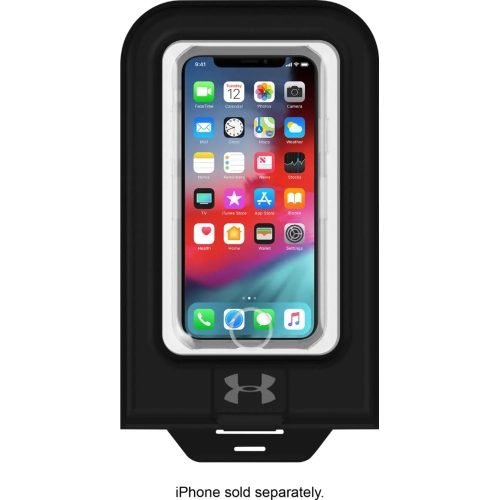 Your price for this item is $35
 -
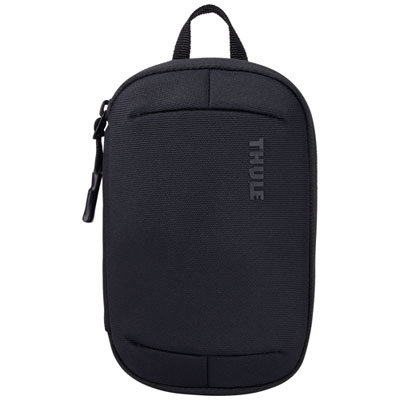 Your price for this item is $29.99
 -
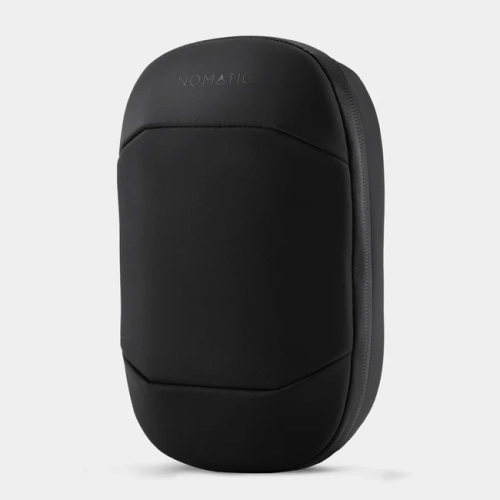 Your price for this item is $89.99
 -
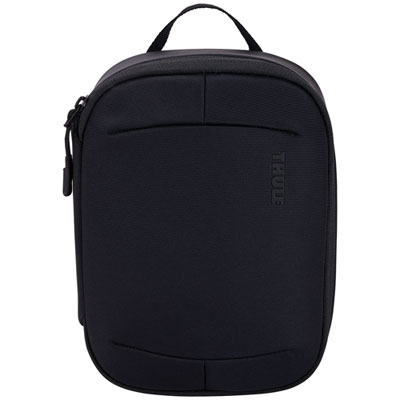 Your price for this item is $39.99
 -
 Your price for this item is $49.99
 -
 Your price for this item is $49.99
 -
 Your price for this item is $59.99
Discover more categories related to Vacuum Bags for Clothes
Top Collections:
Pokemon Centers, Kindle Devices, Apple iPhones 16, Samsung Galaxy Phones, Canon G7X Cameras, iPhone 15 Apple, Flip Phones, Apple Wired Earphones, Best Budget Office Chairs, Refurbished Apple Laptops
Some products may be subject to Environmental Handling Fees
(EHF) depending on your province.
Learn more about EHFs.