Vacuum Bags
Vacuum bags are a great way to store your clothes. They keep your clothes smelling fresh and looking good, and they can be used for both dry and damp clothes. Here are some of the best vacuum bags on the market today.
Sort
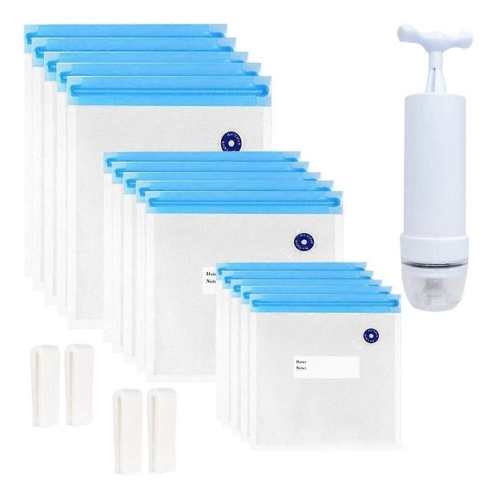
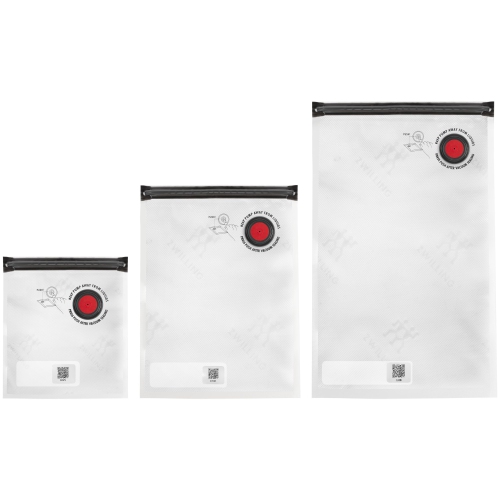
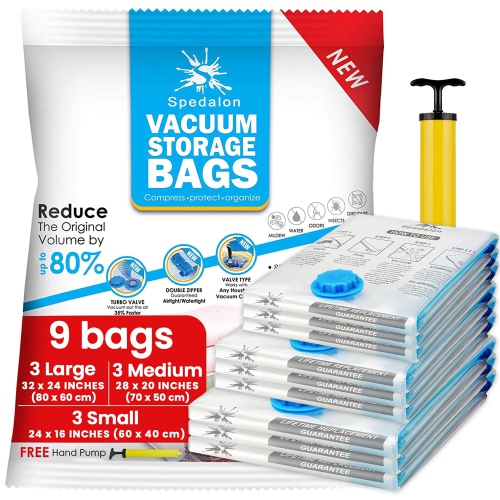
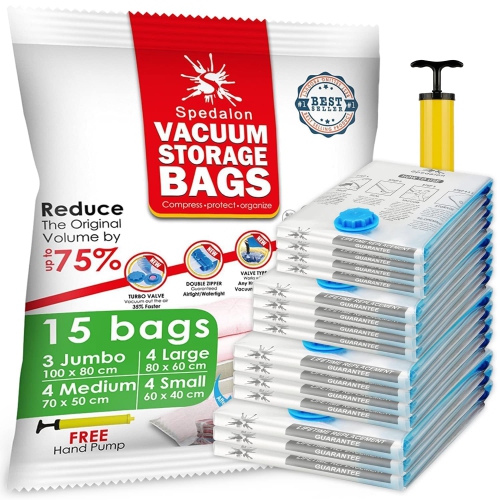
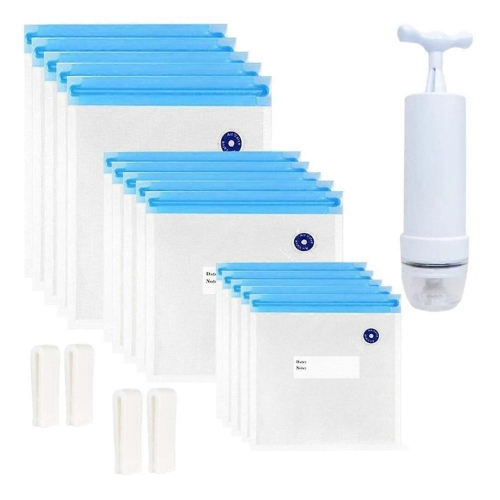
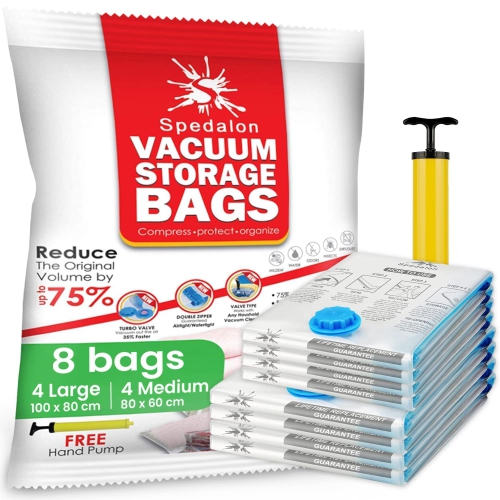
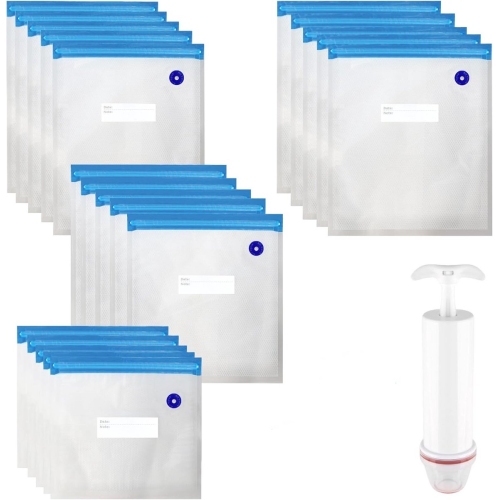
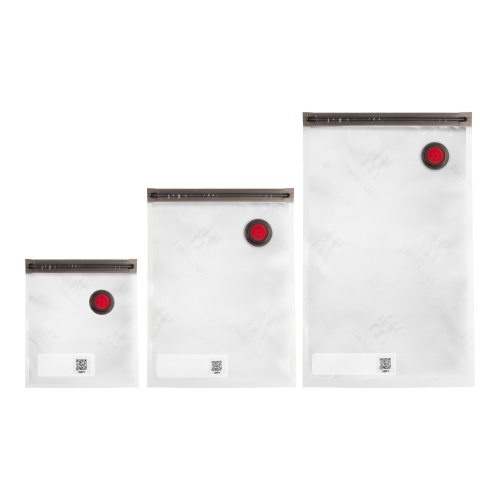
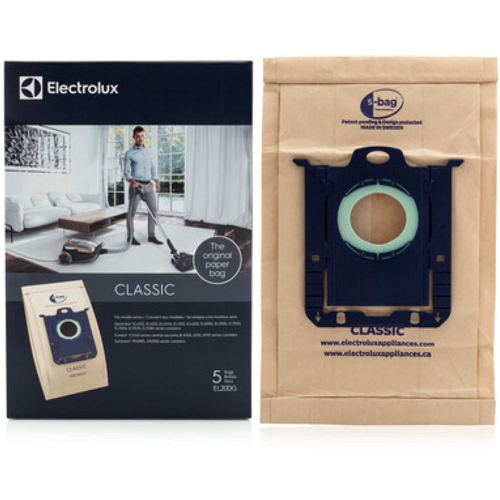
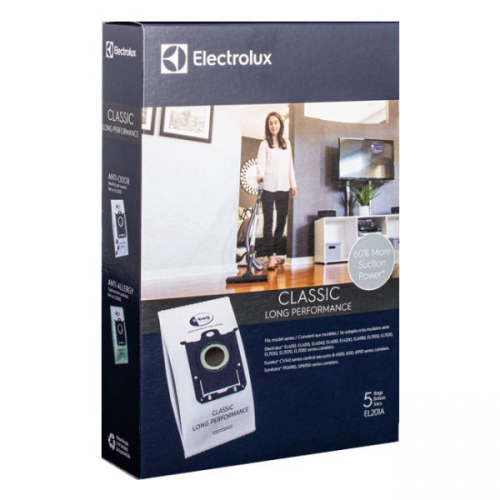

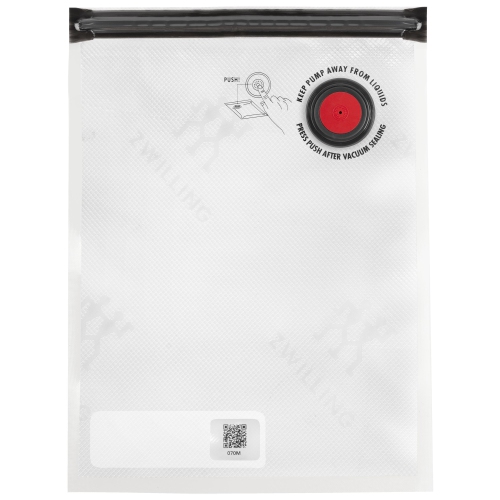
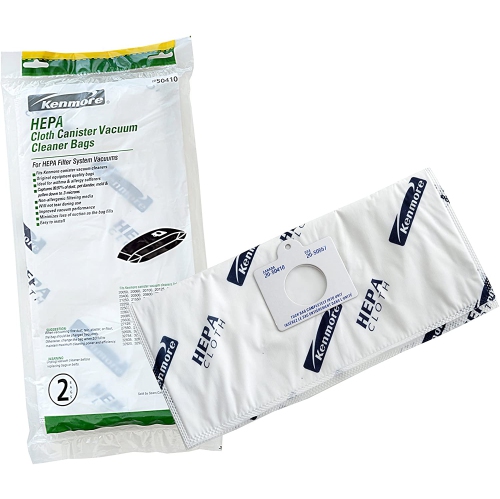
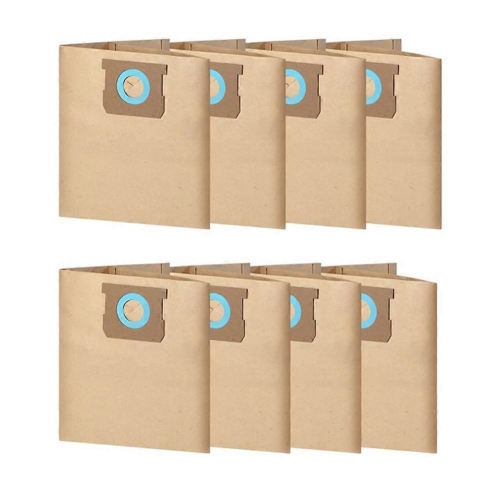
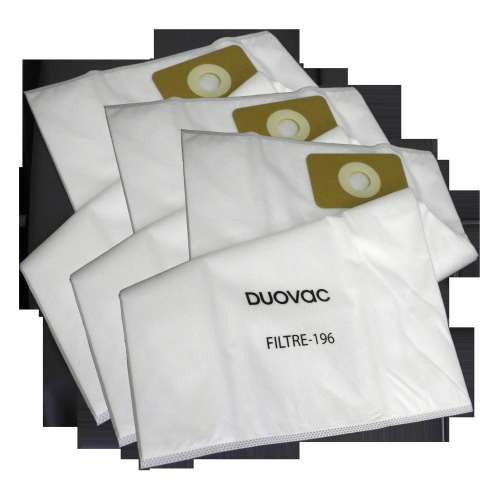
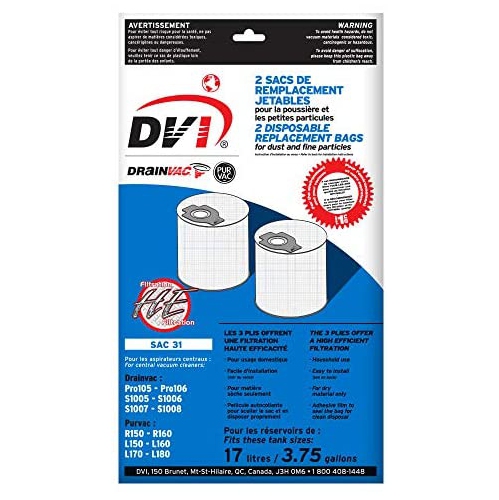
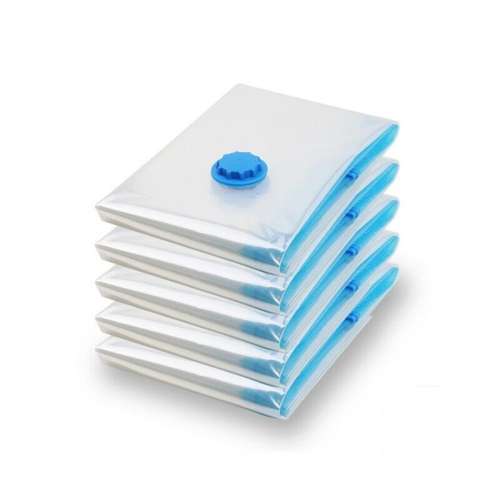
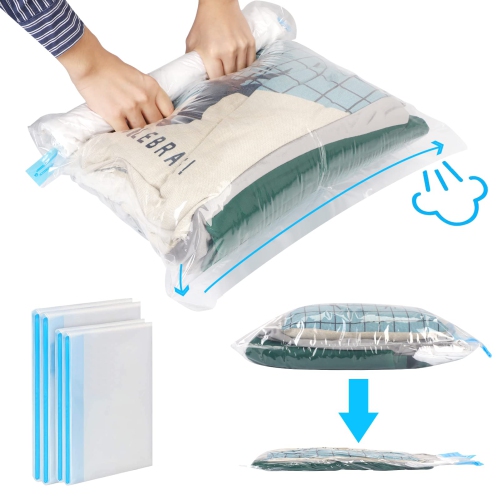
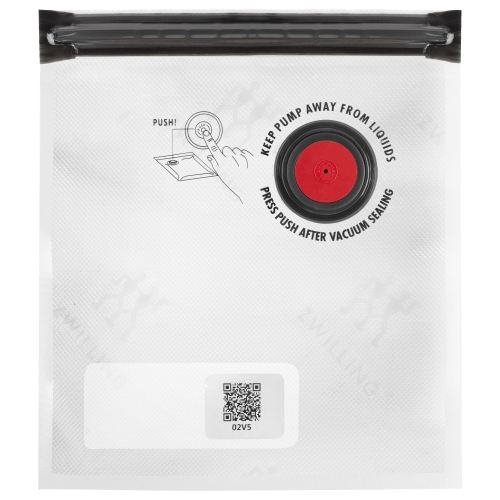
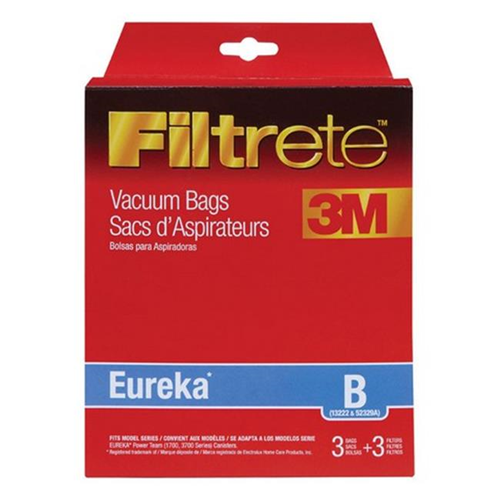
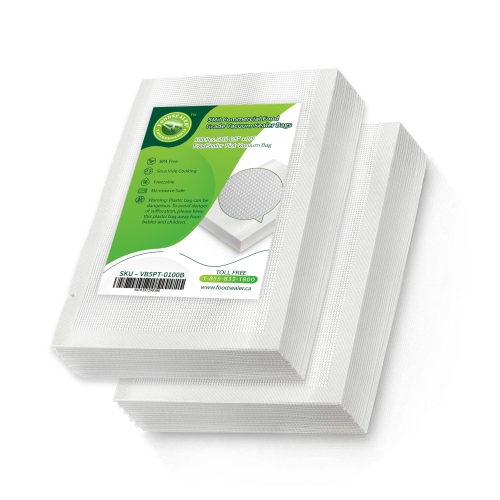
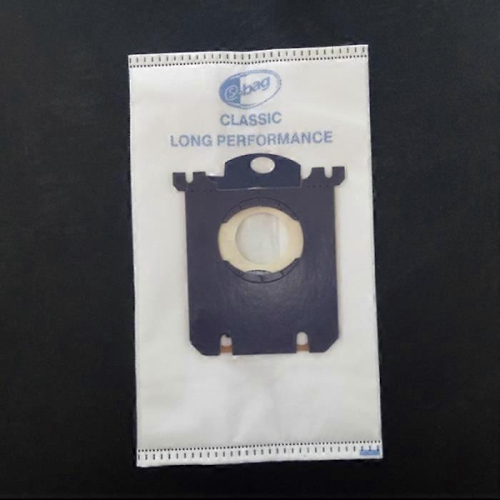
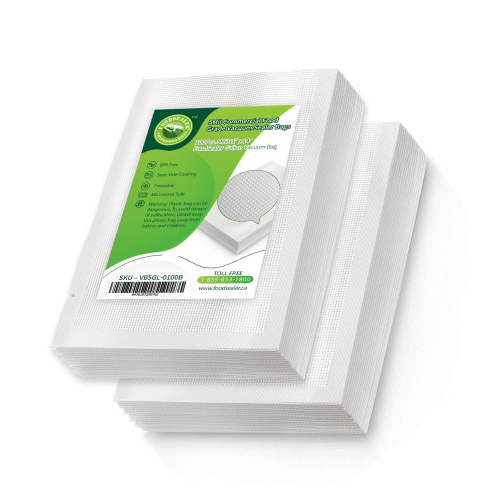
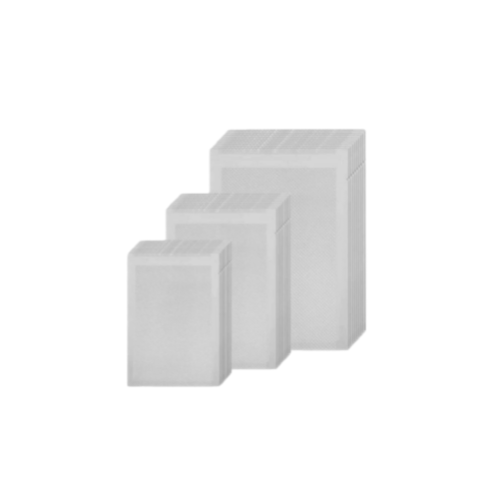
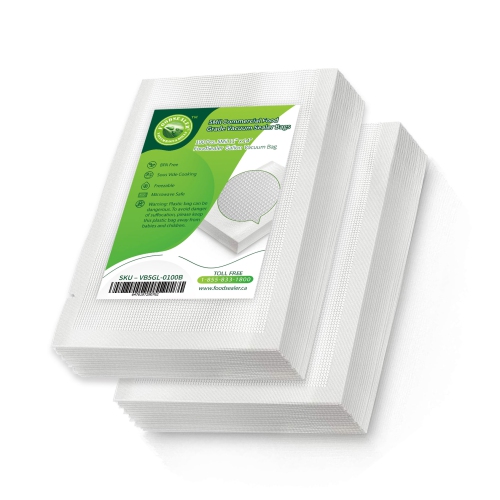
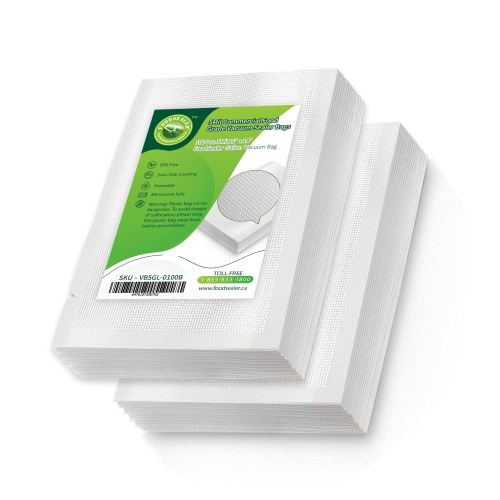
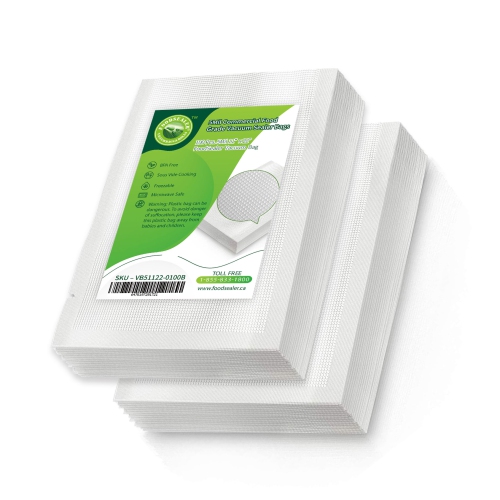
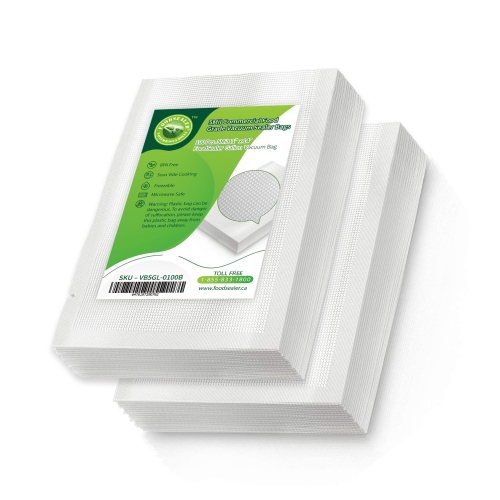
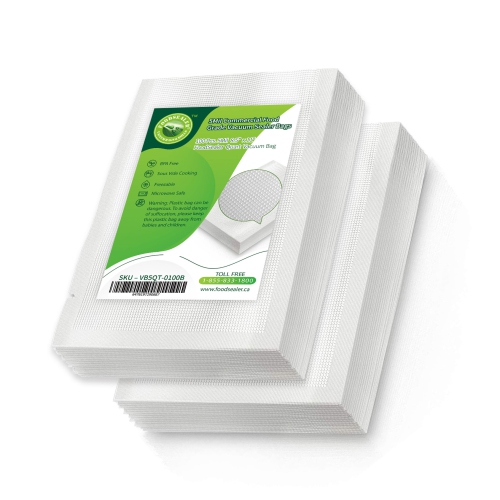
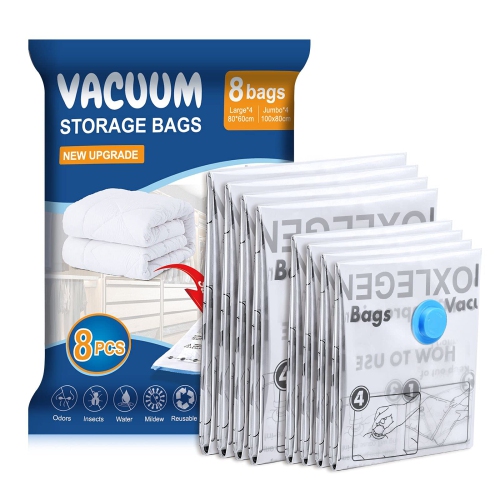
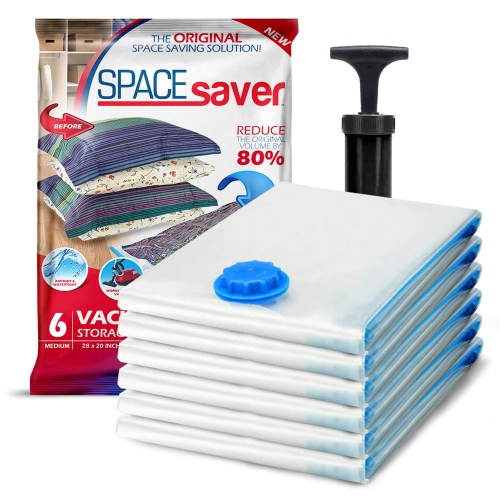
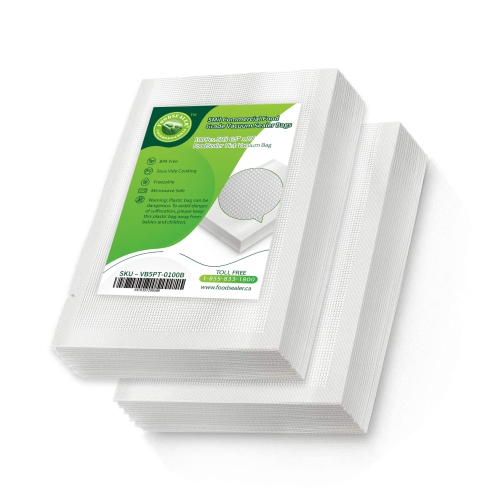
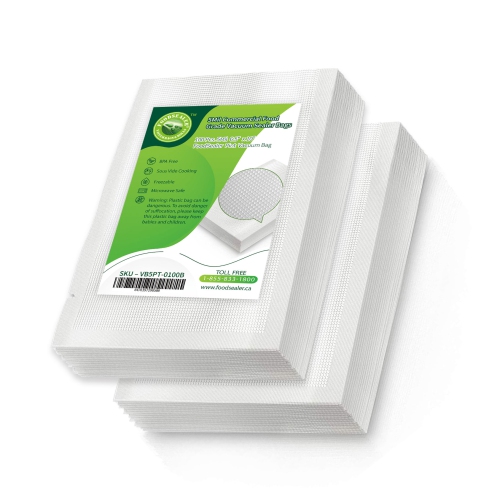
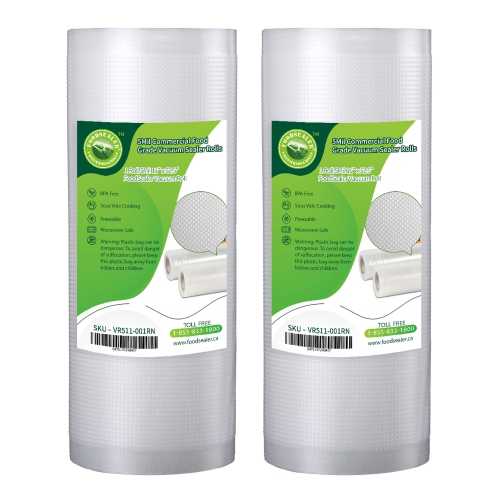
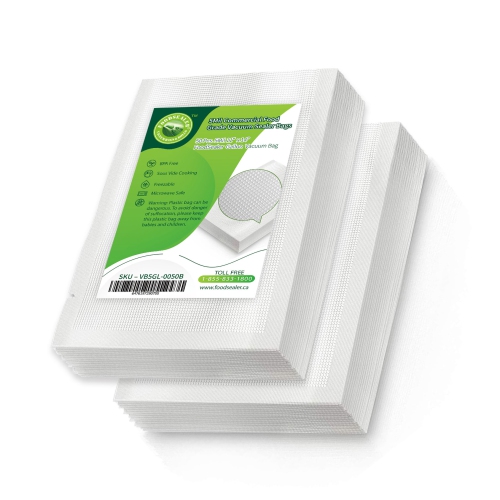
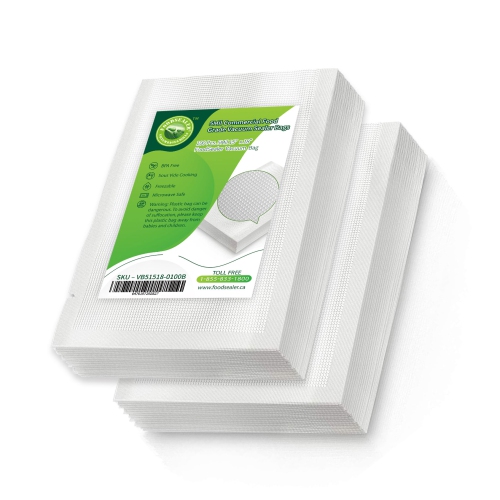
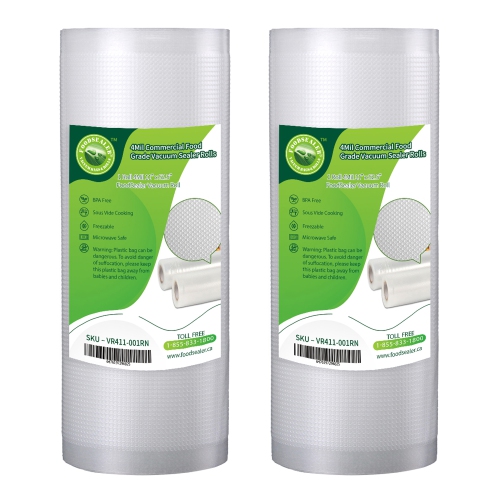
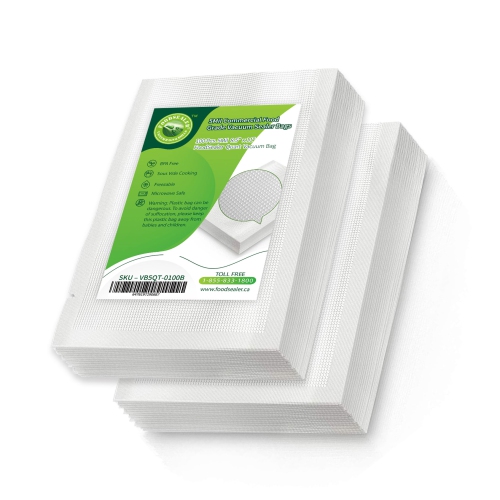
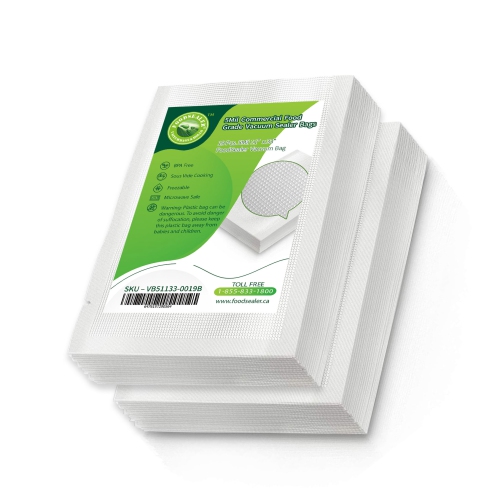
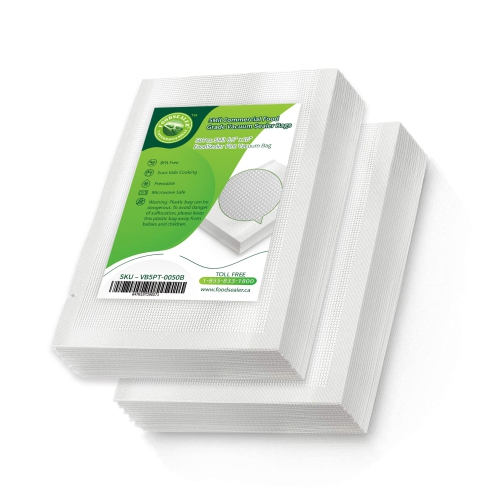
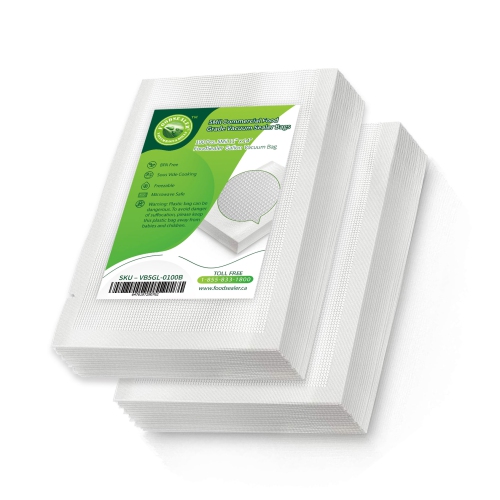
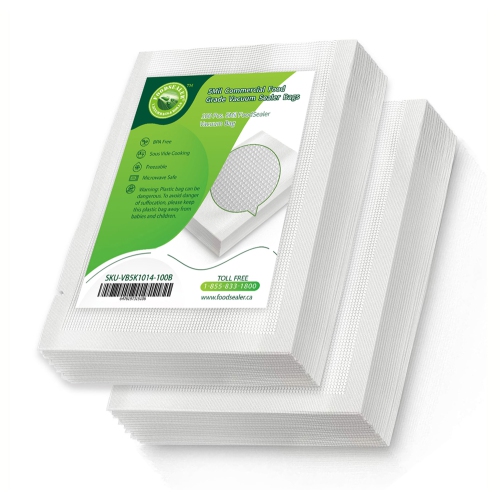
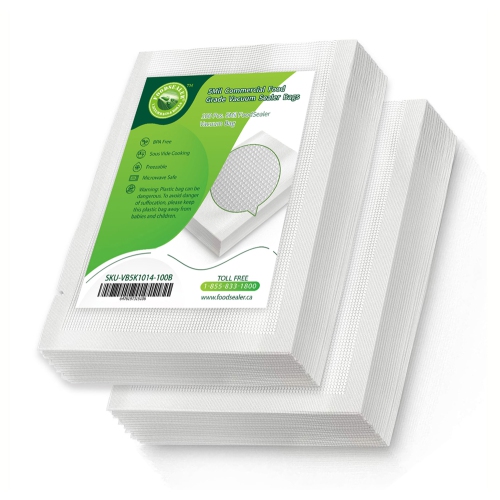
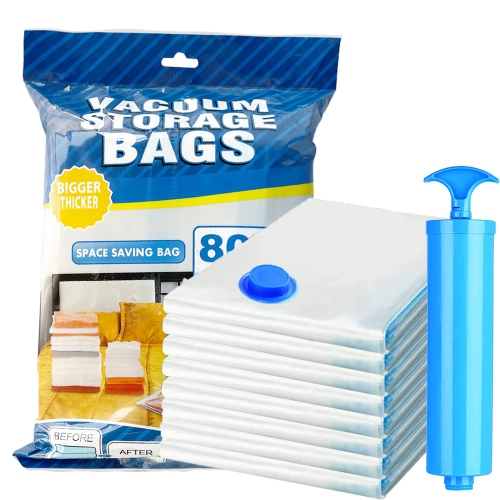
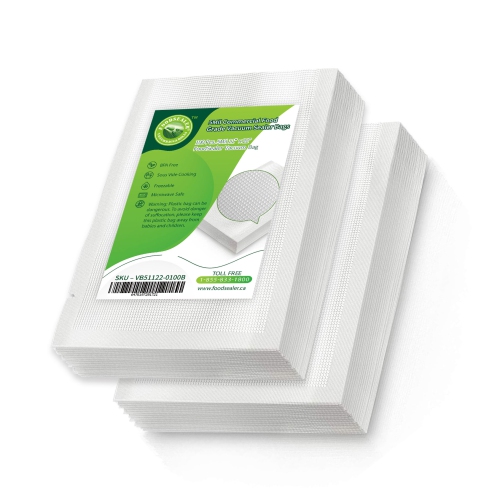

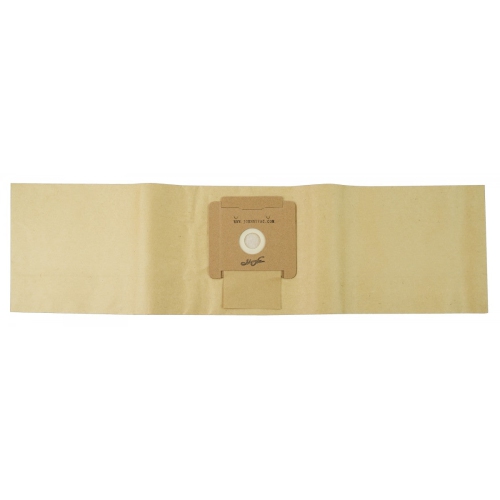
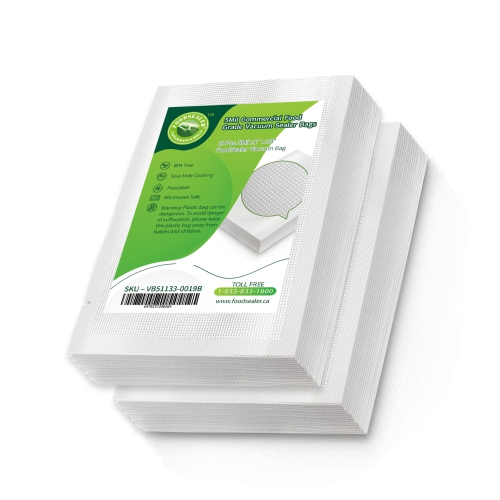
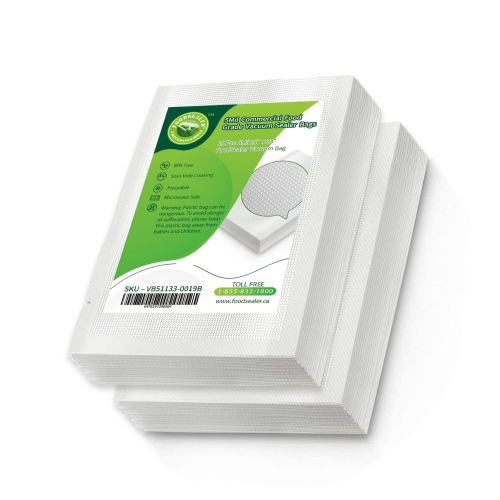
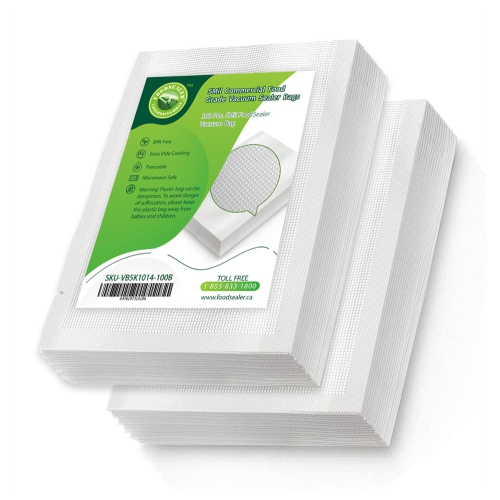
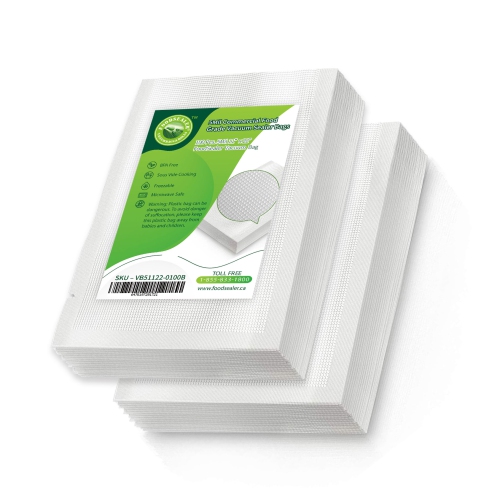
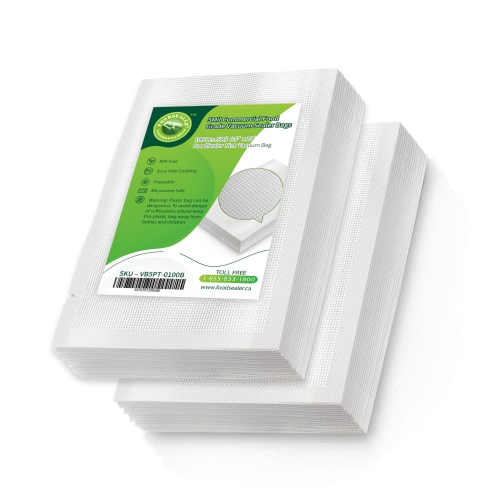
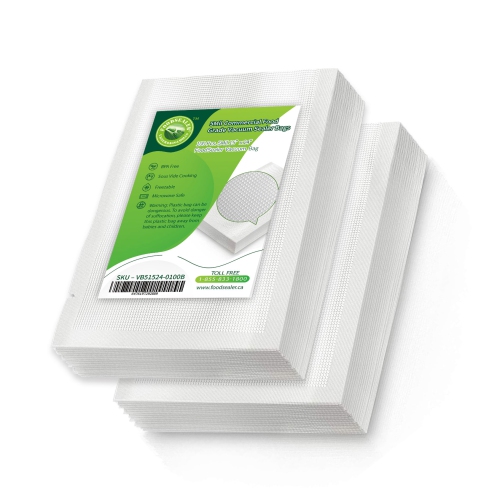
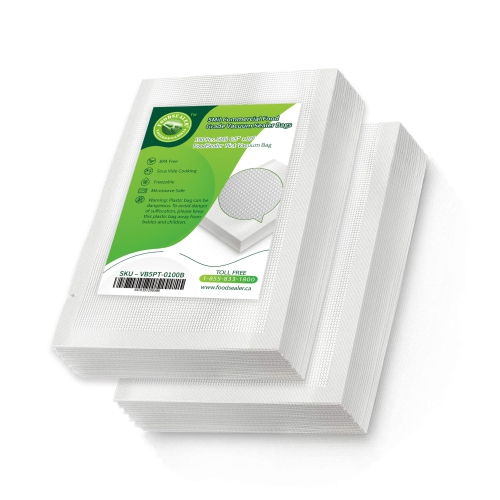
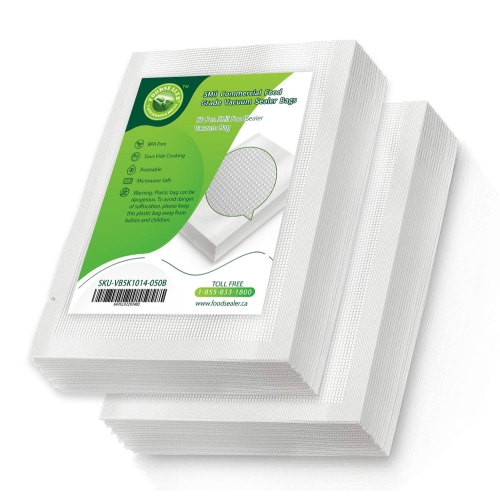
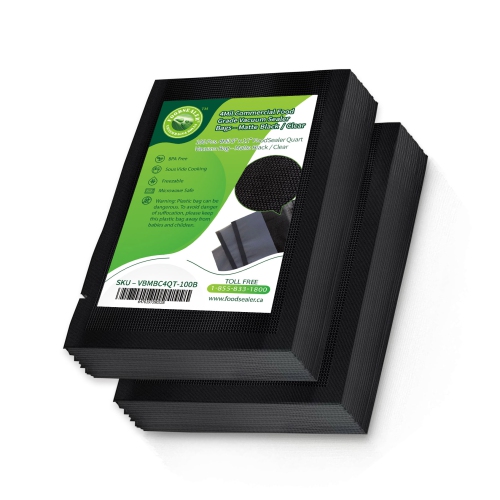
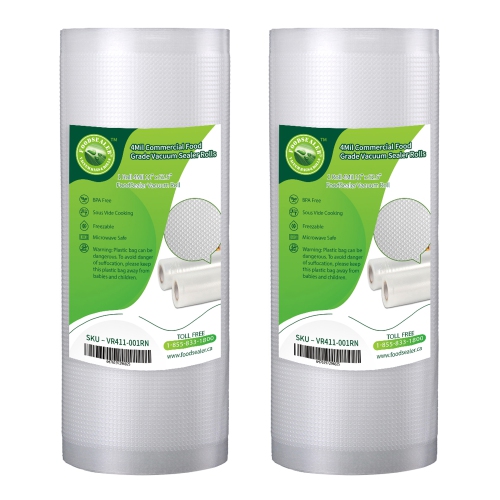
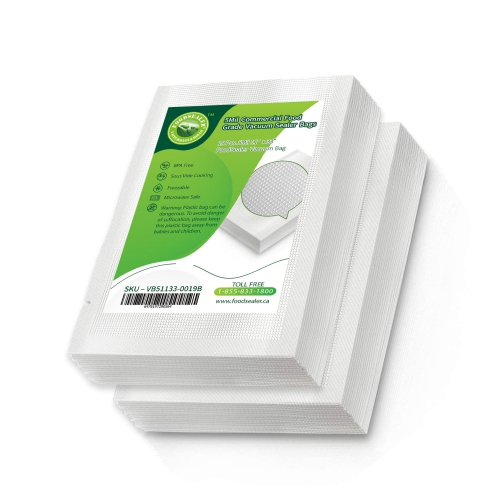
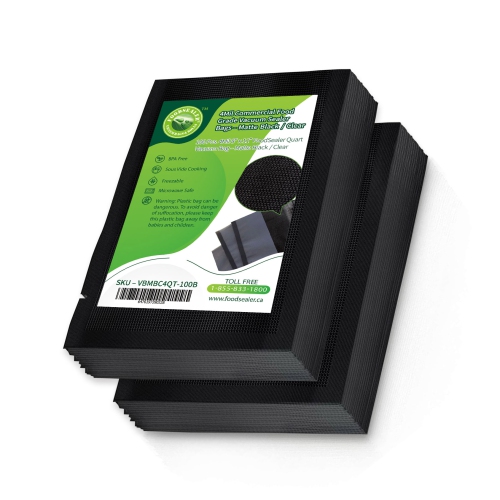
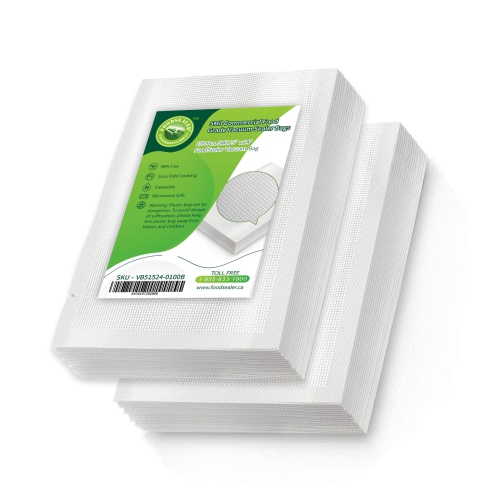
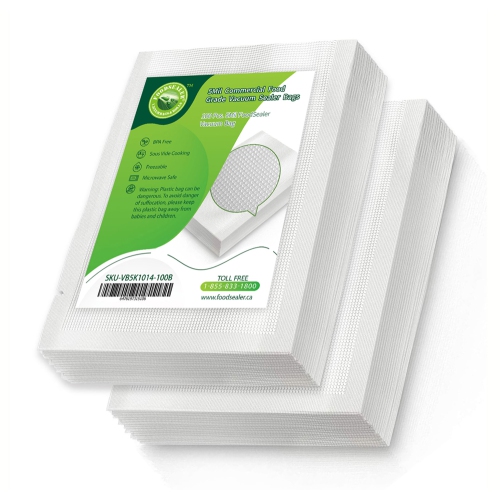
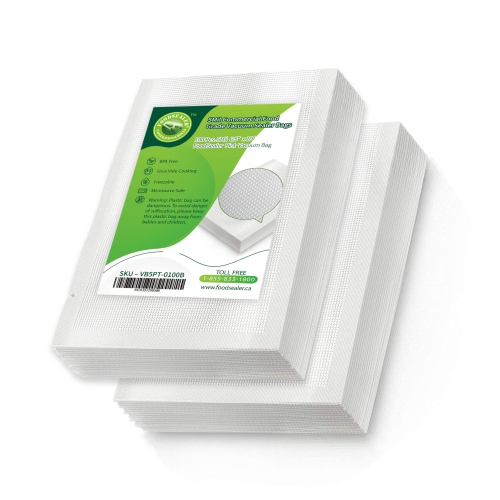
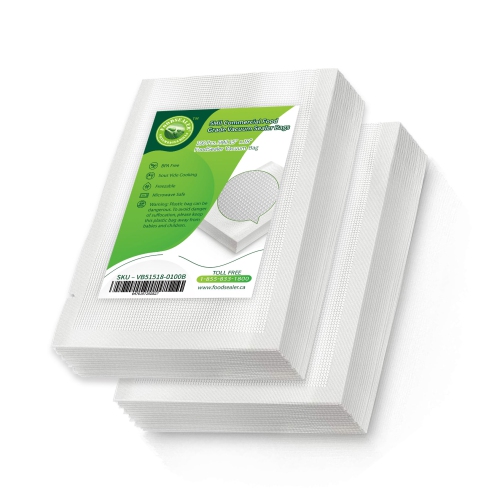
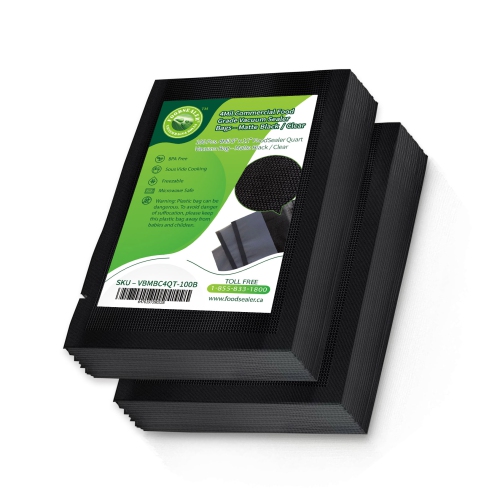

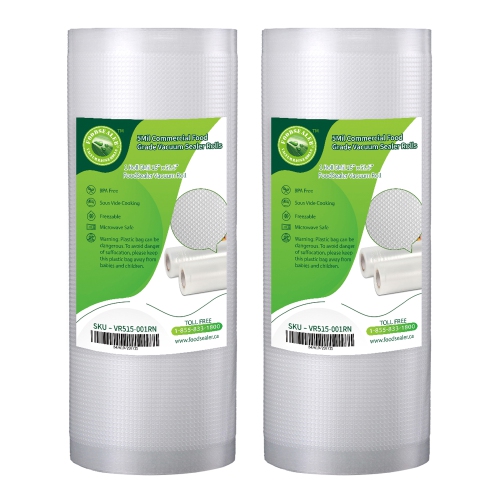
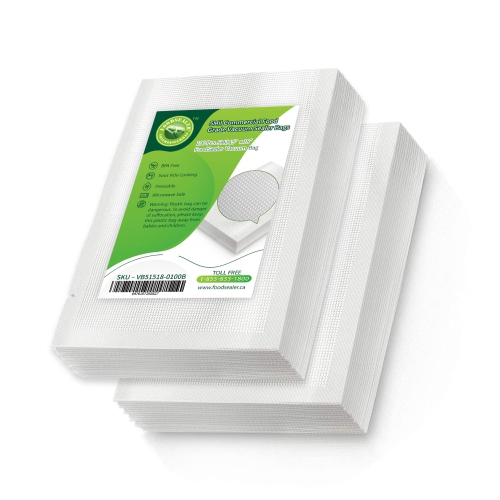
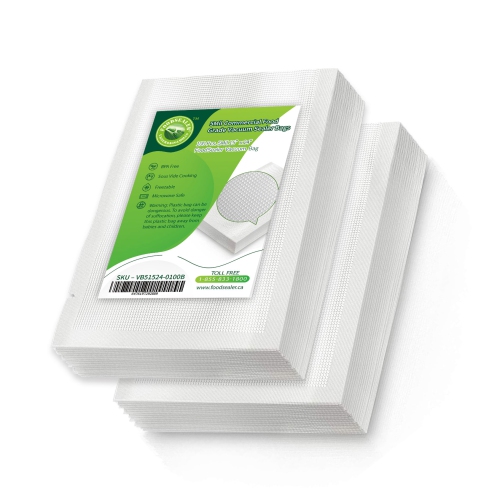
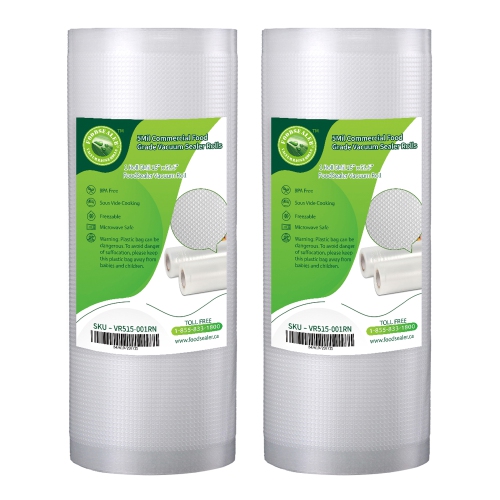
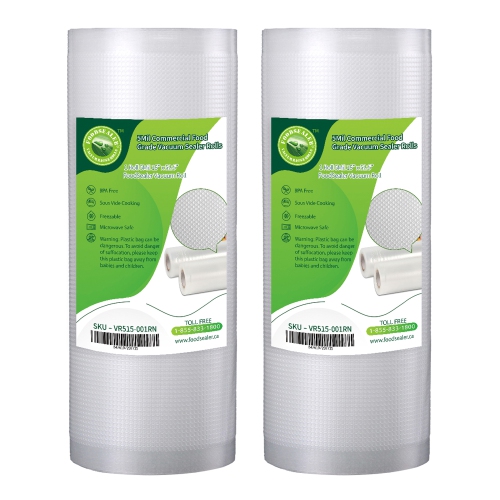
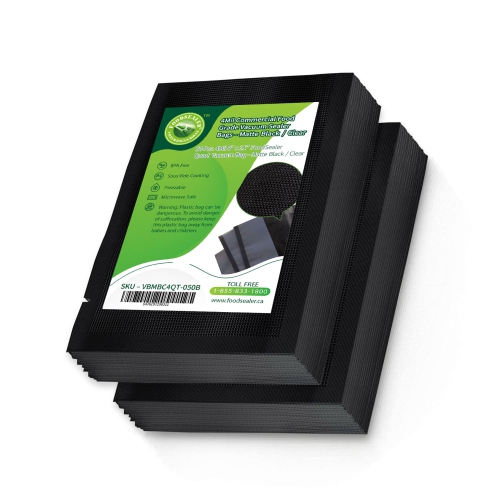
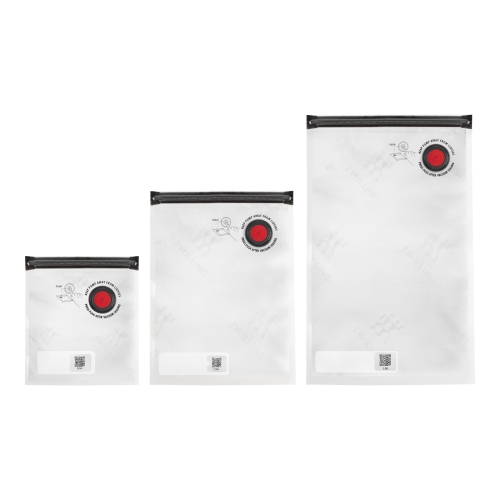
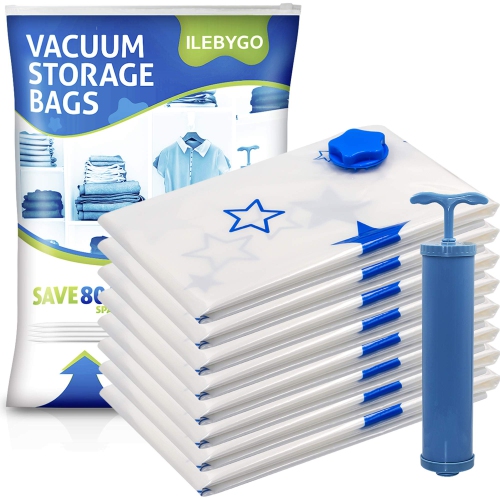
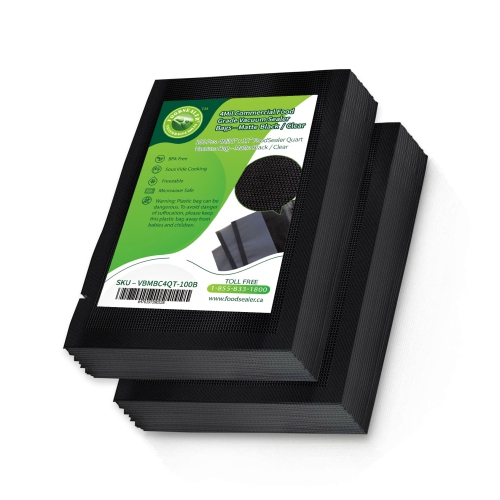
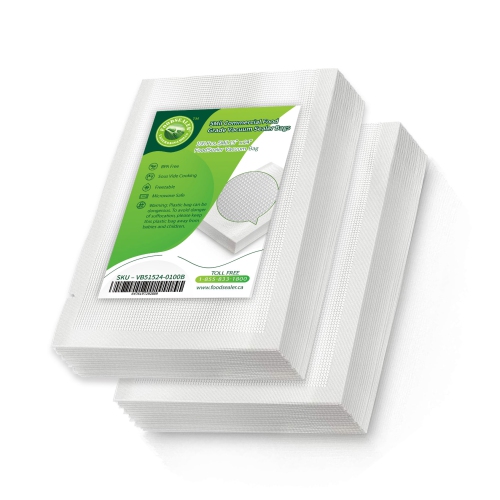
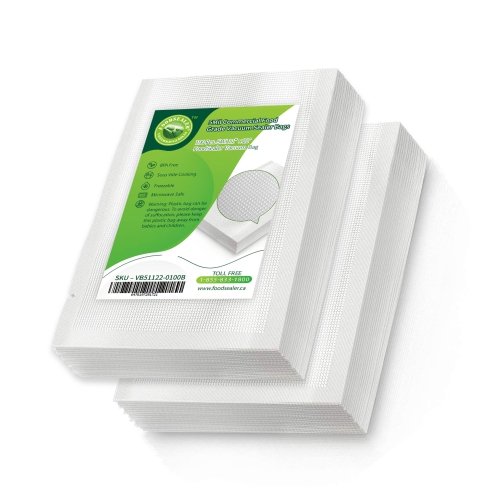
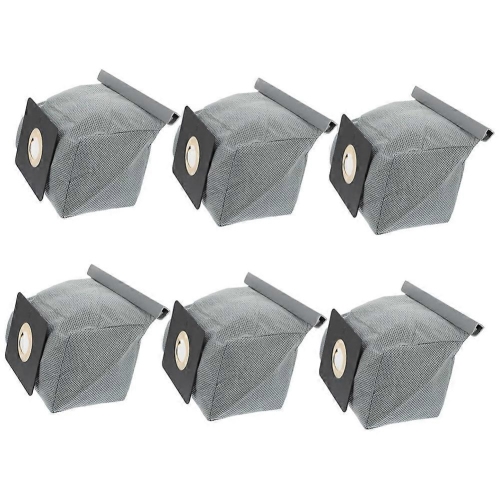
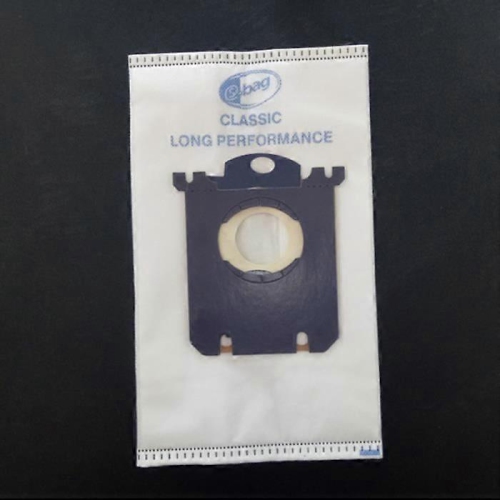
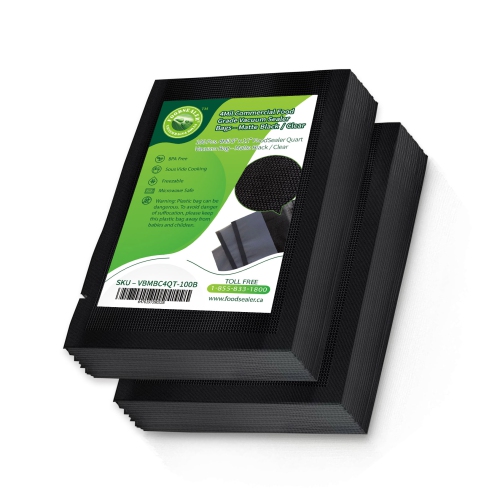
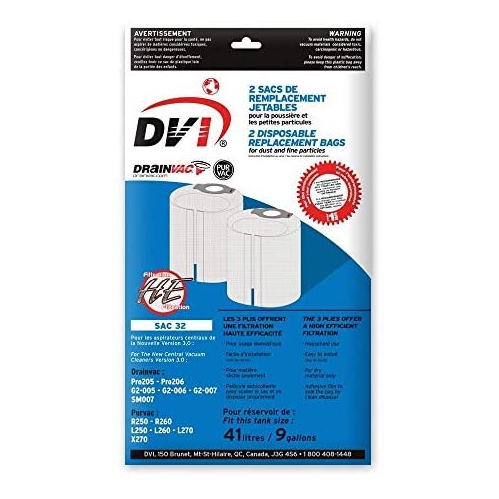
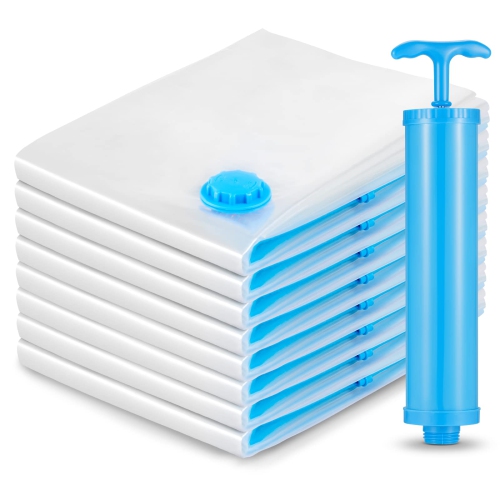
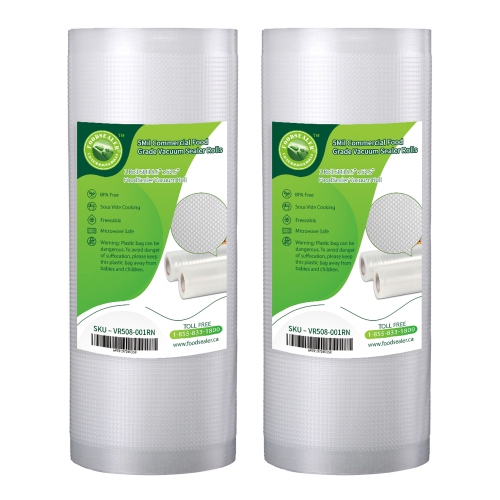
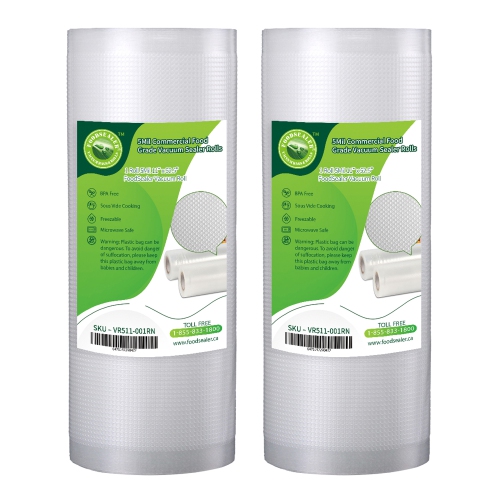
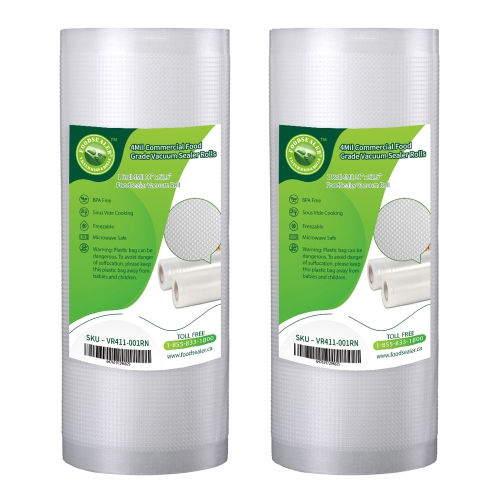
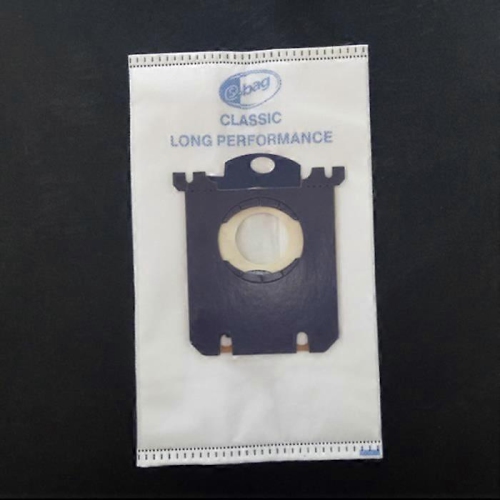
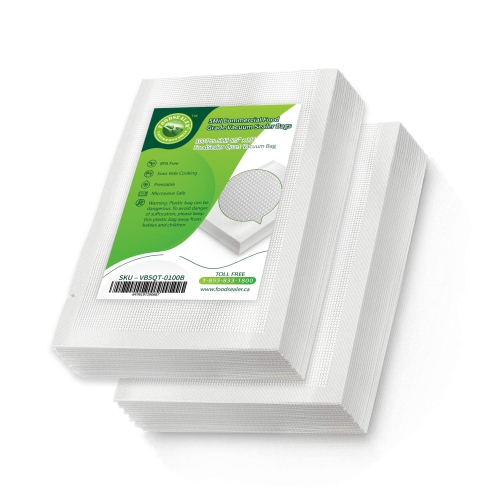
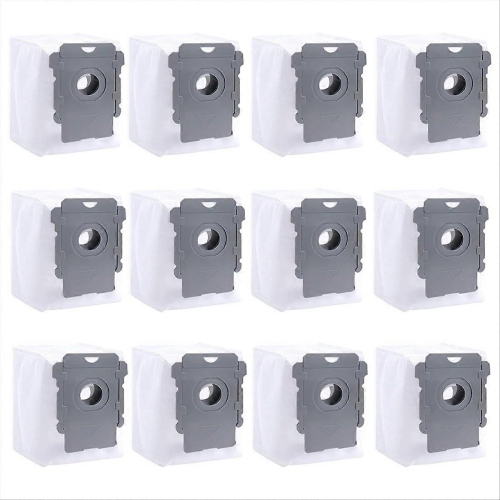
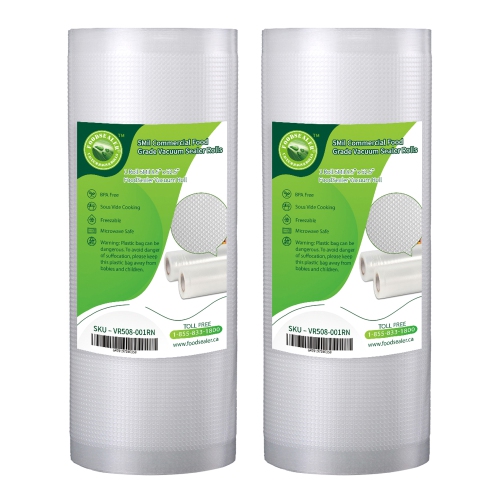
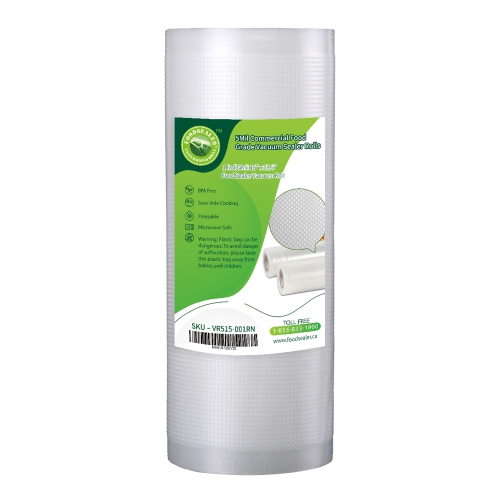
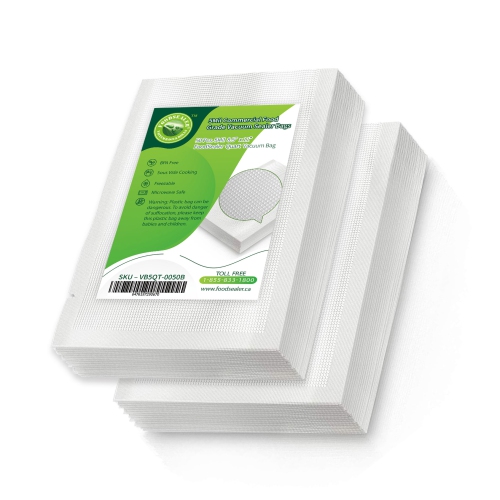
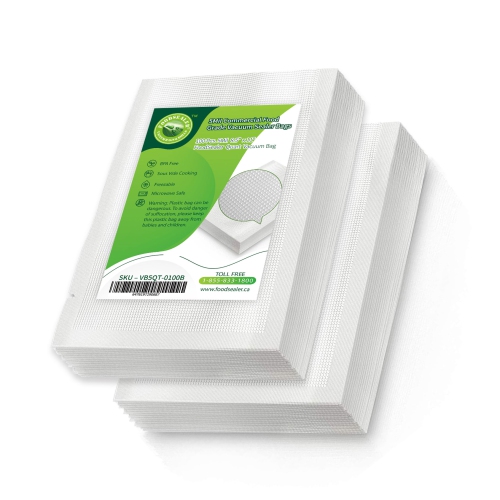
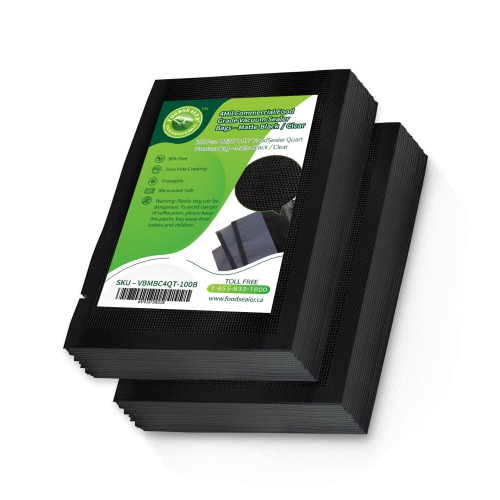
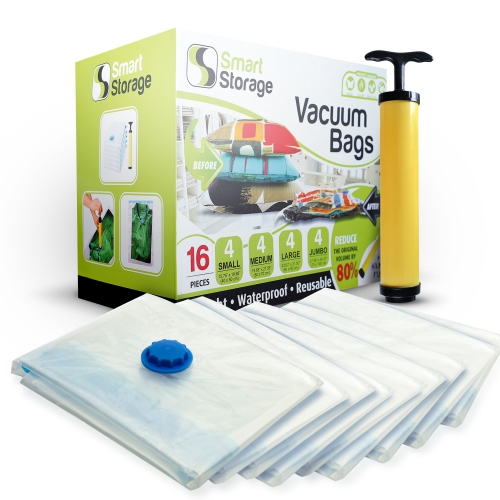
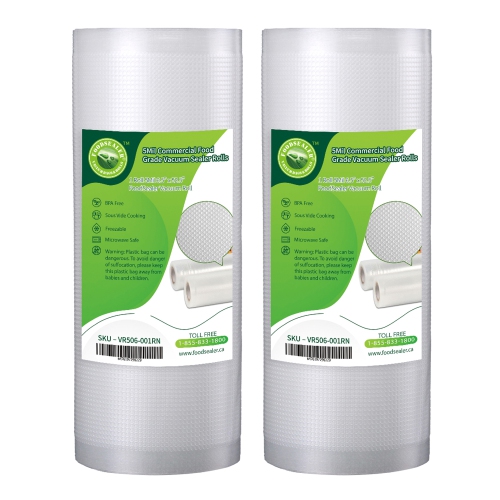
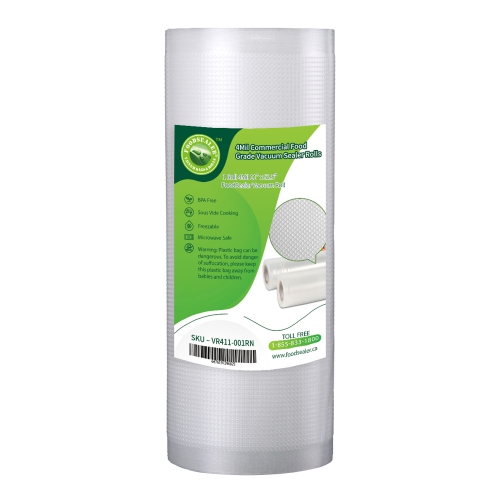
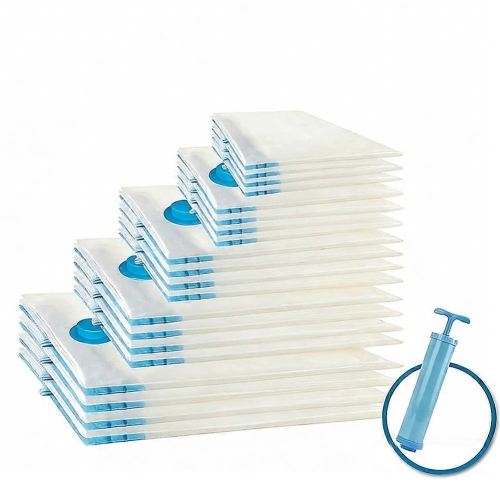
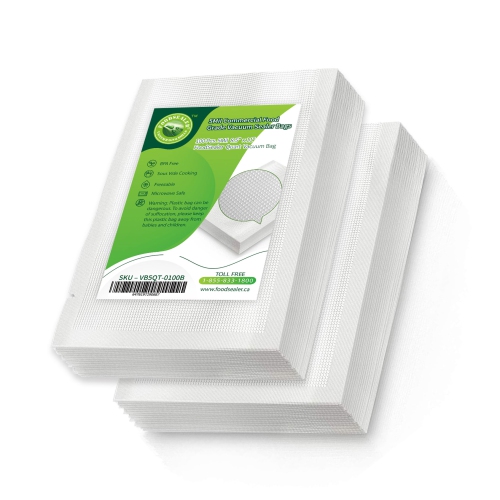
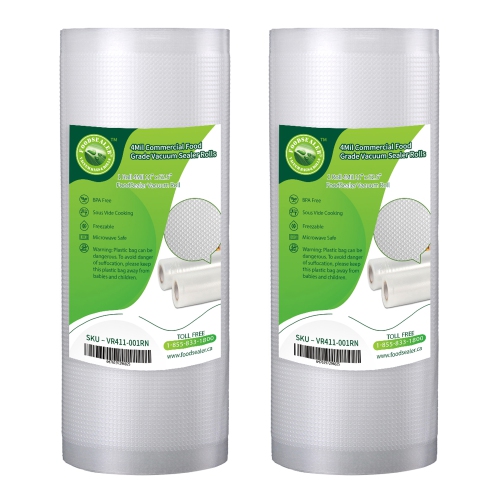
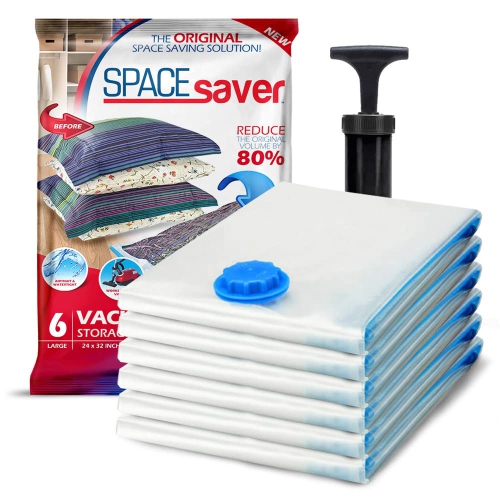
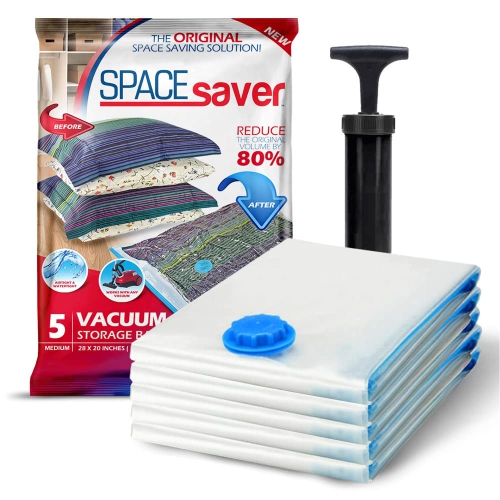
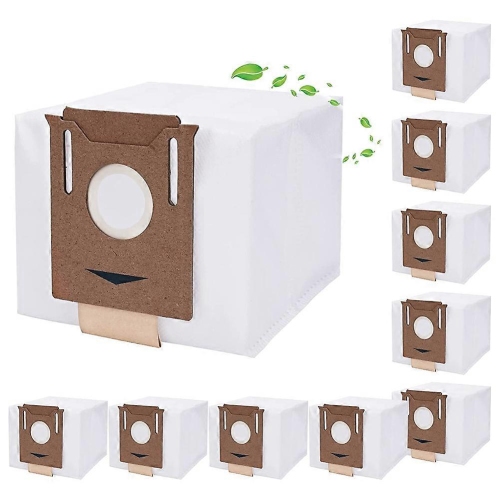

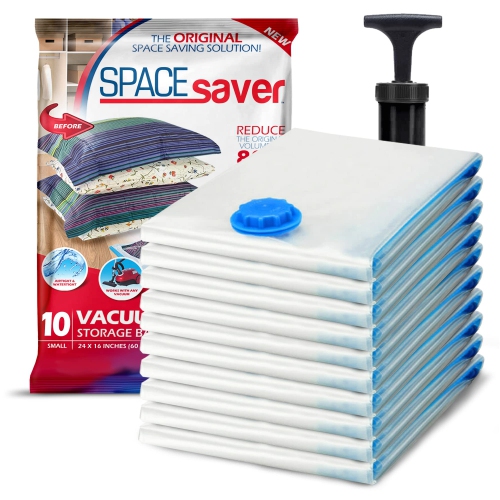
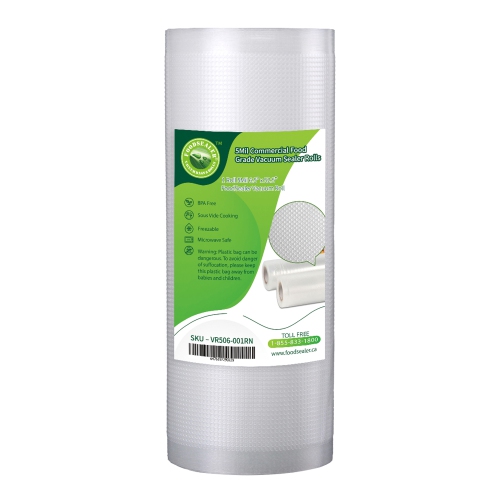
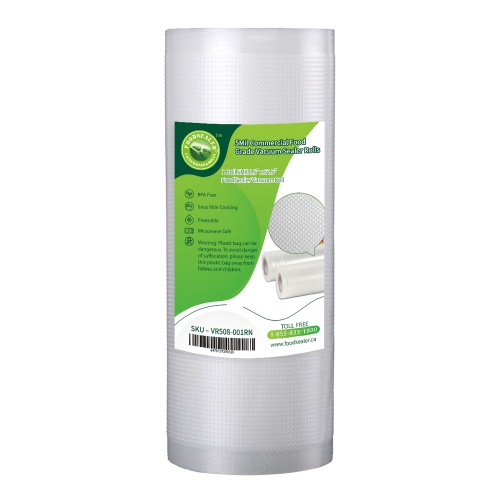
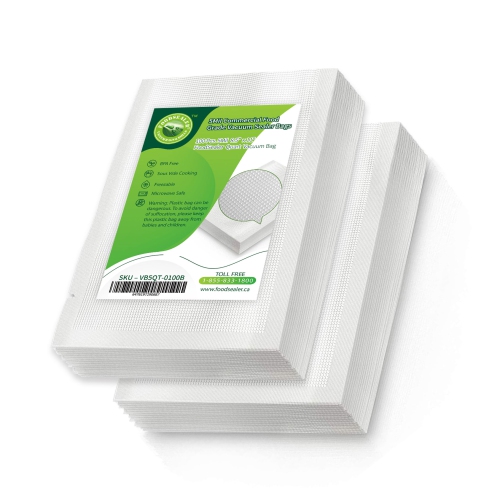
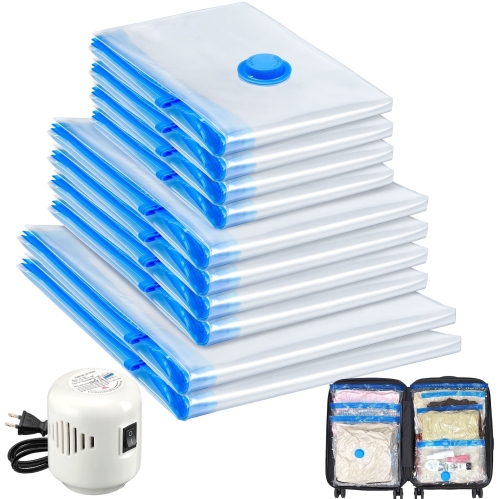
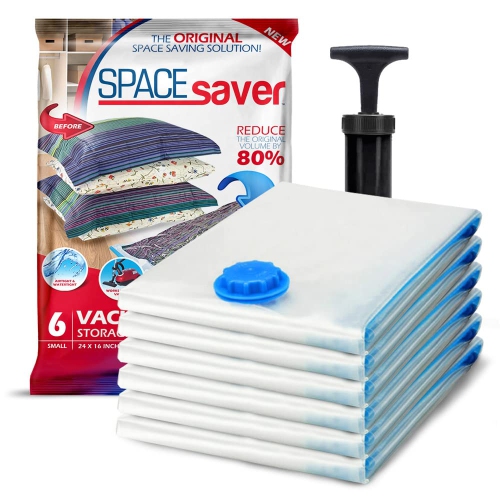
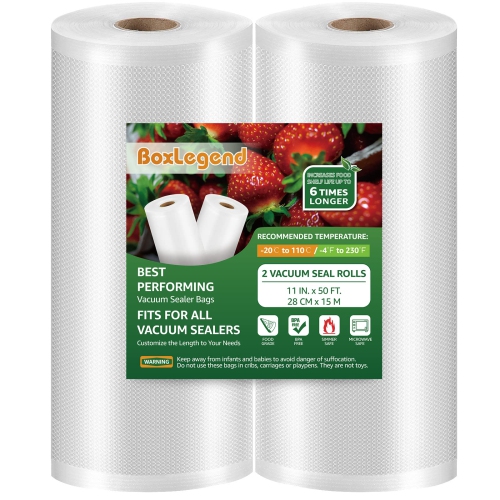
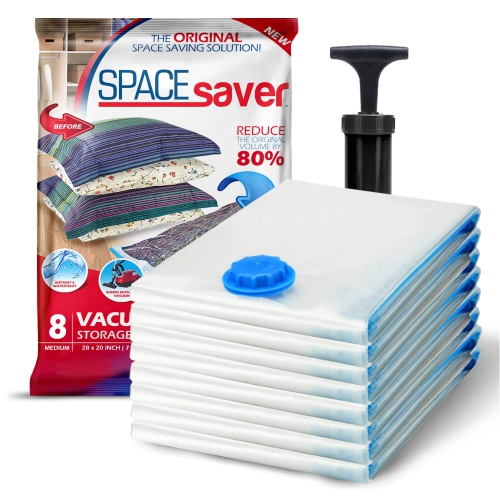
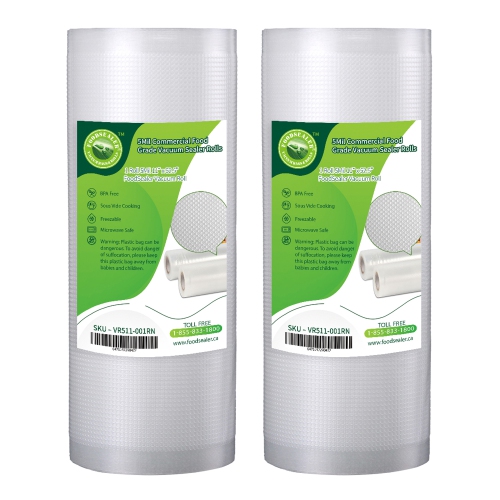
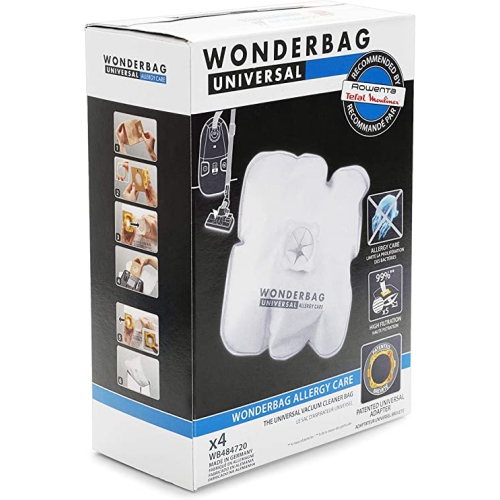
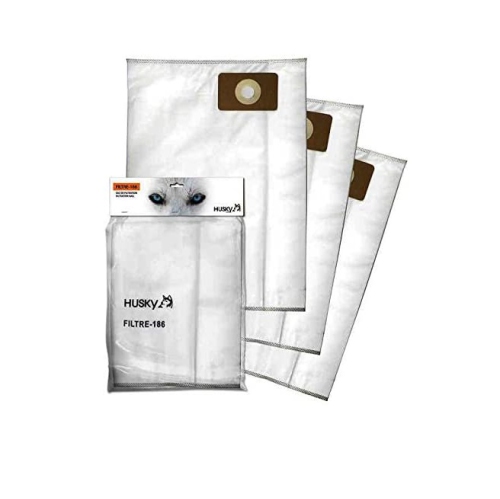
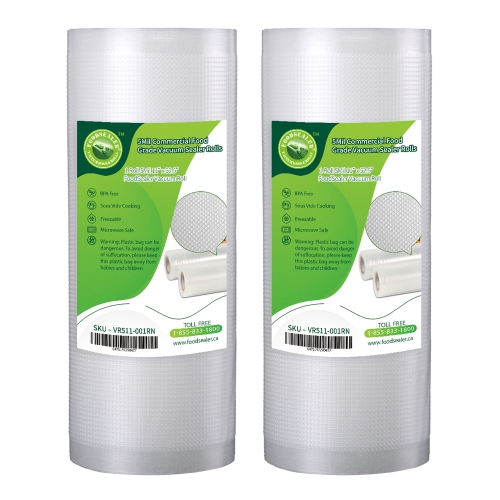
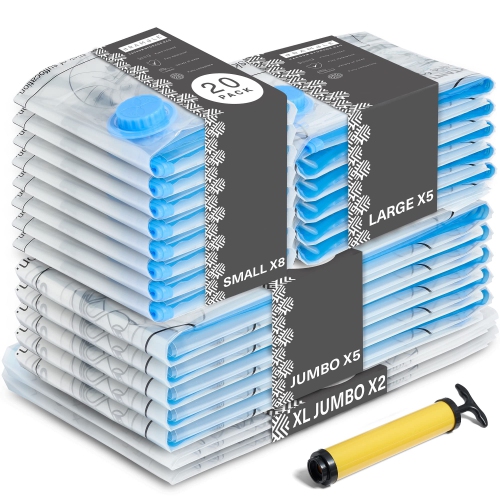
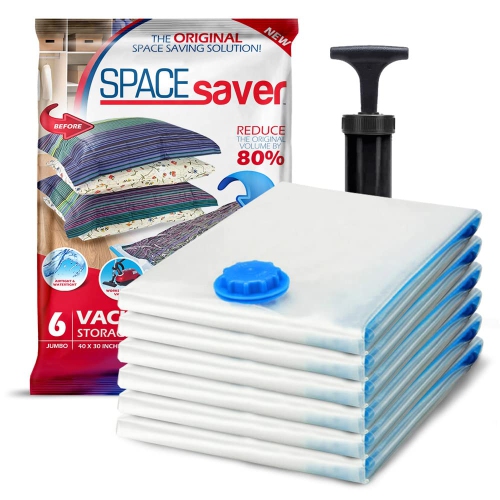
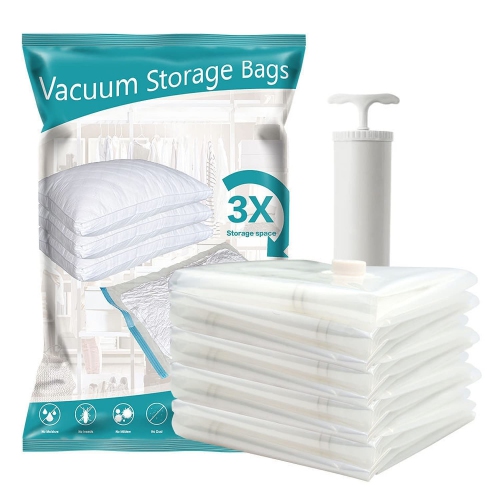
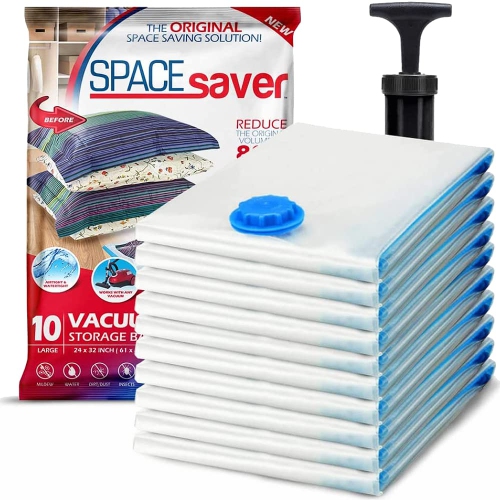
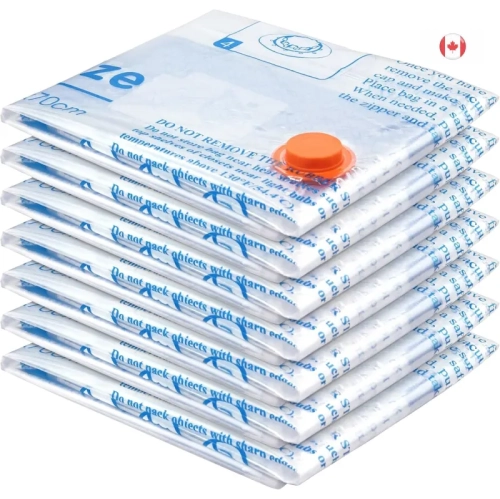
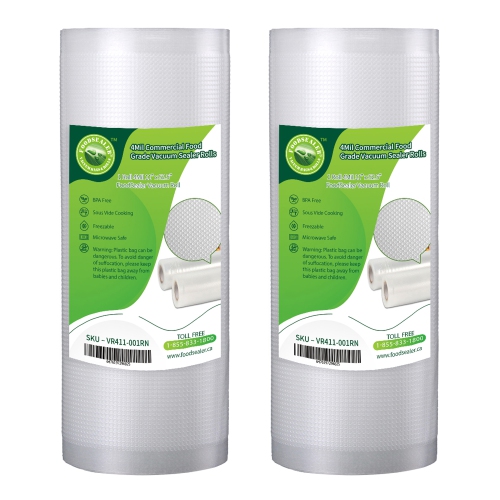
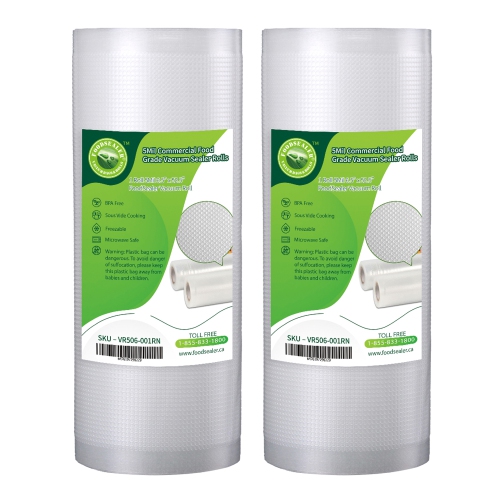
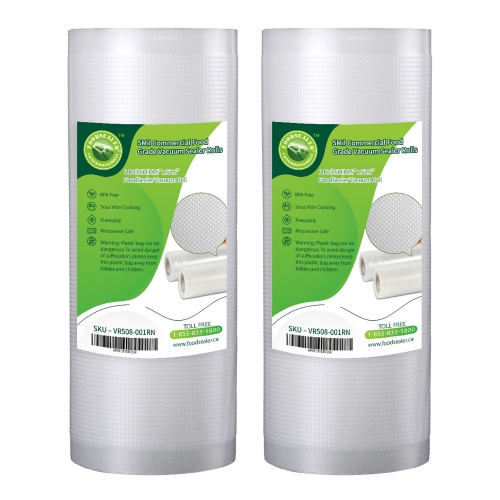
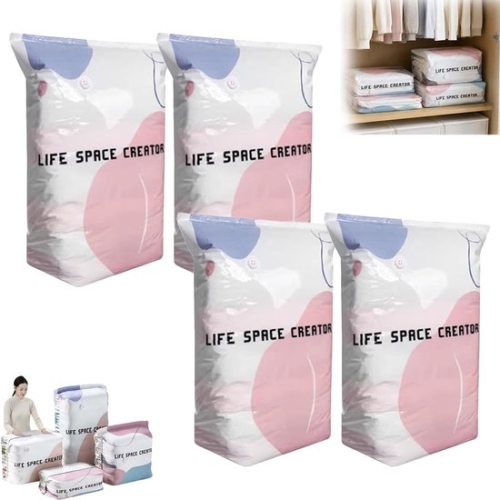
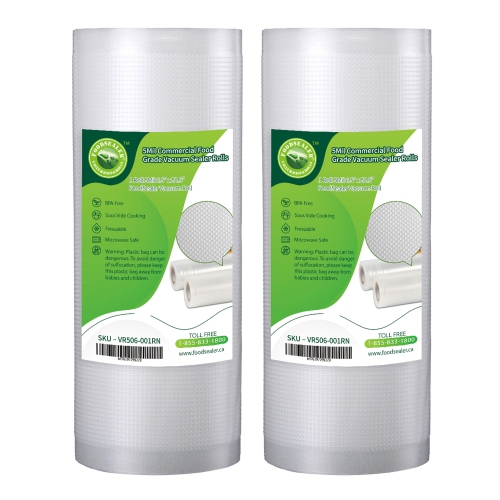
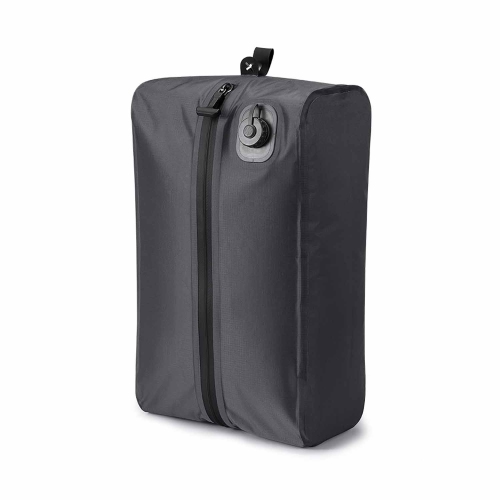
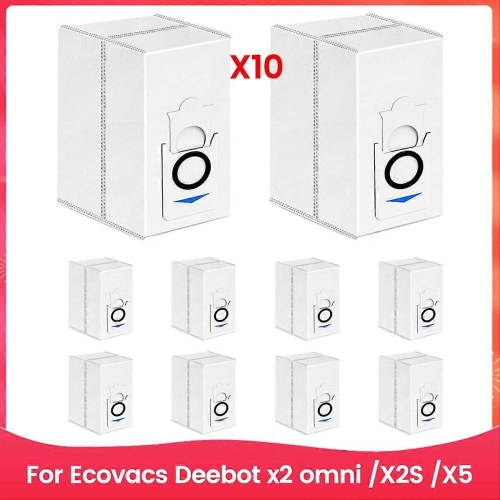
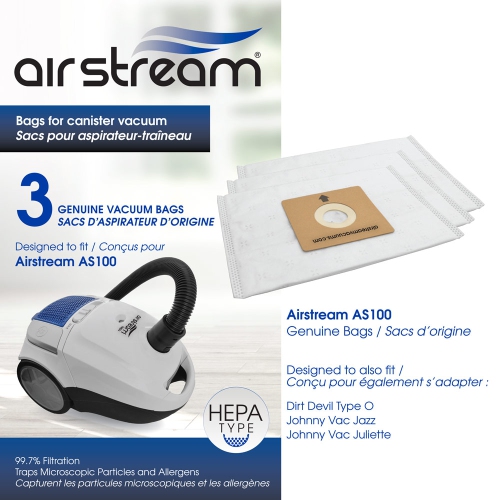
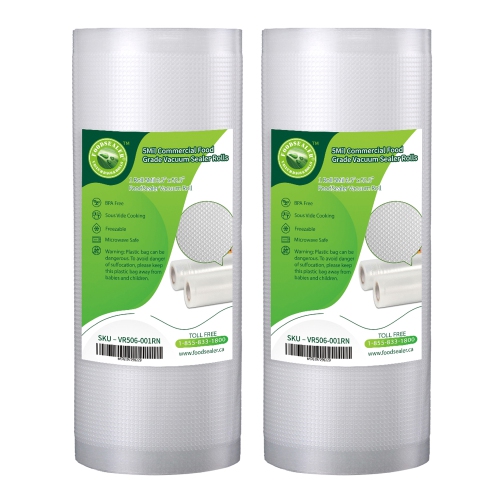
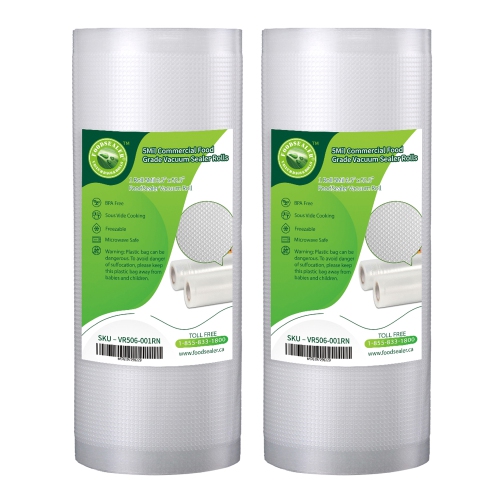


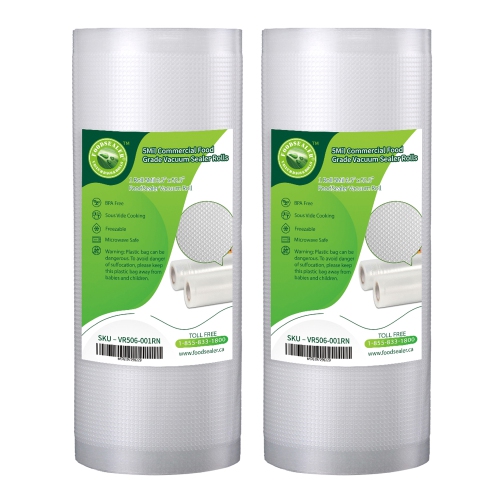

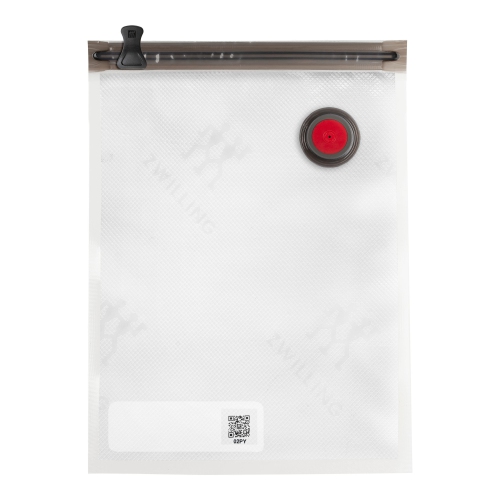
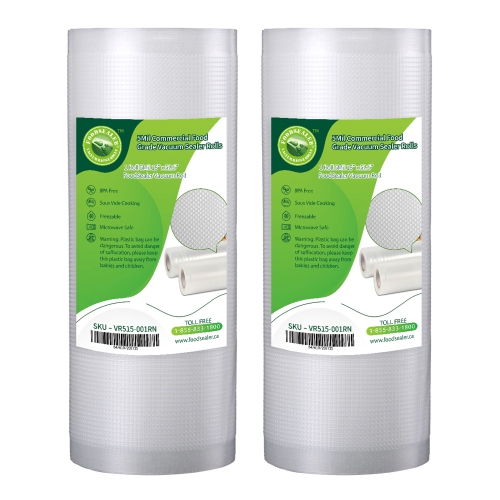
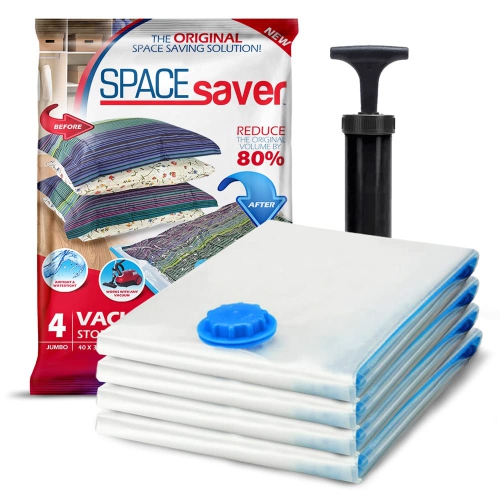
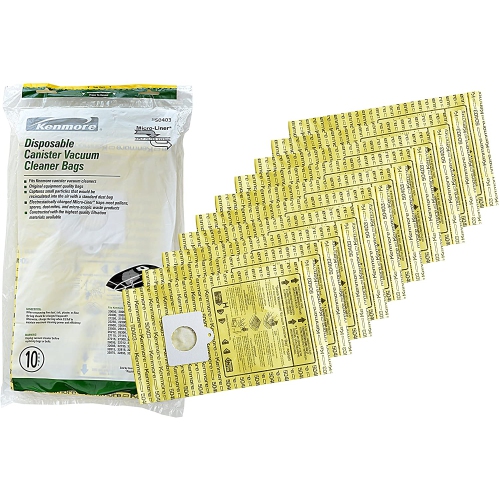
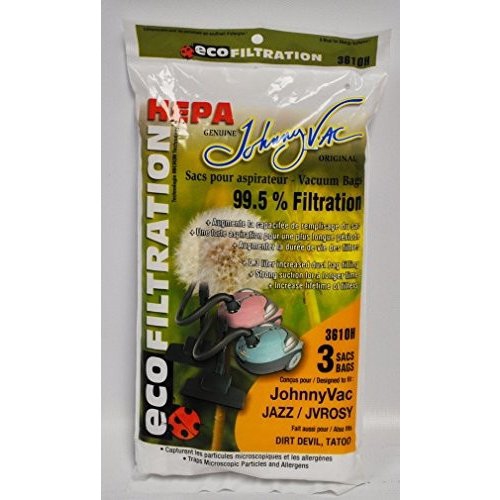
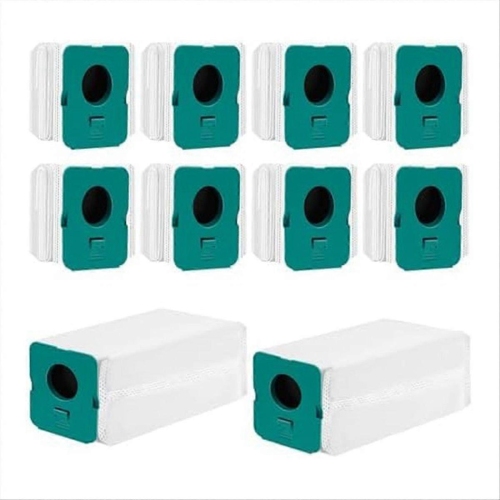

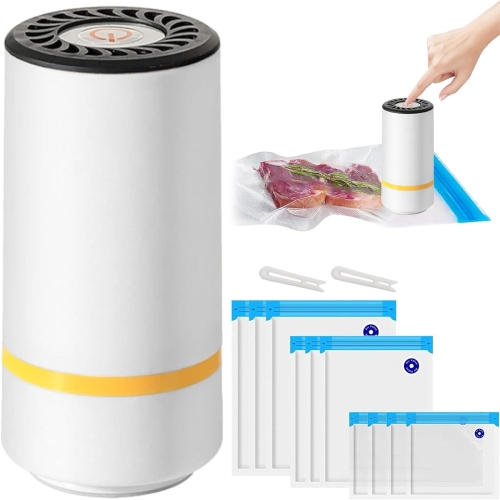
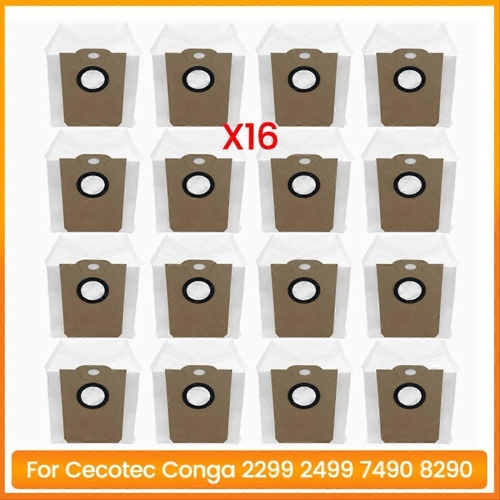
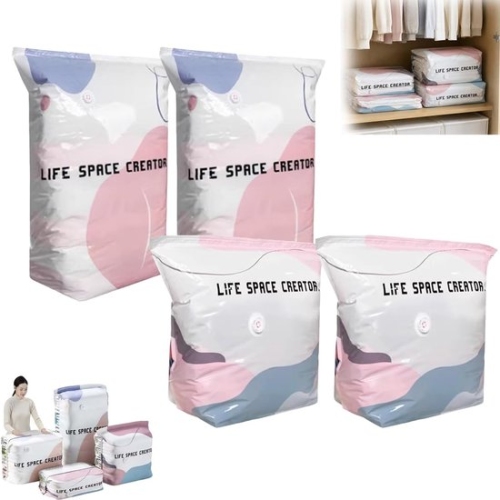

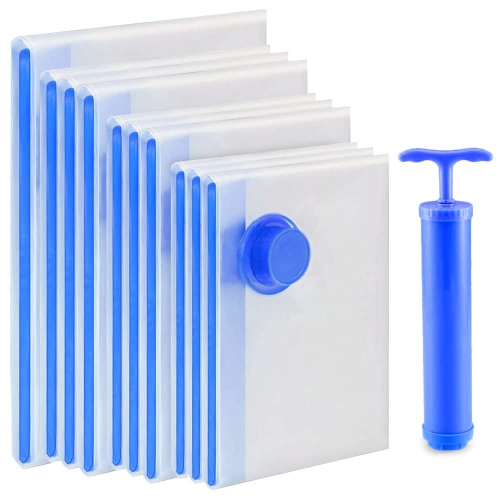
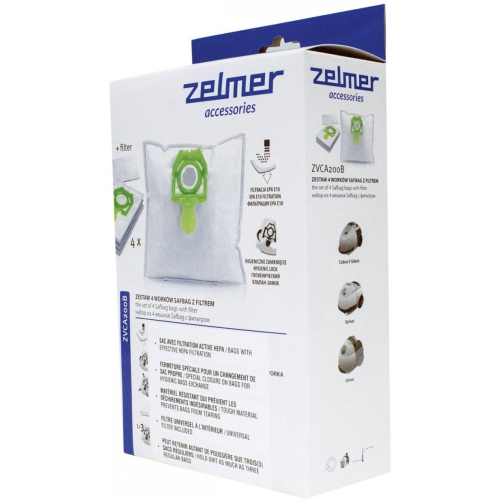
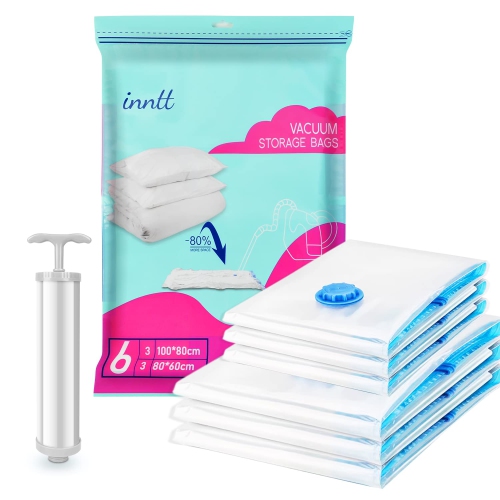
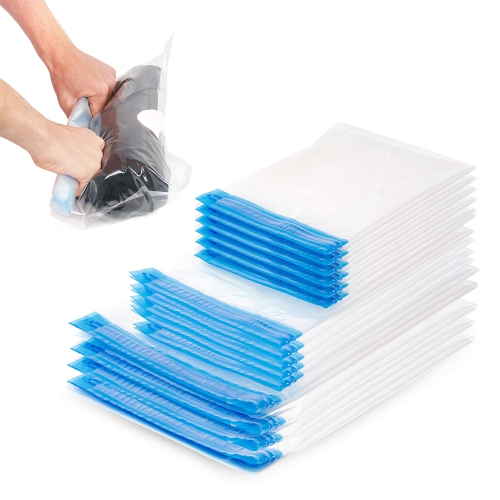
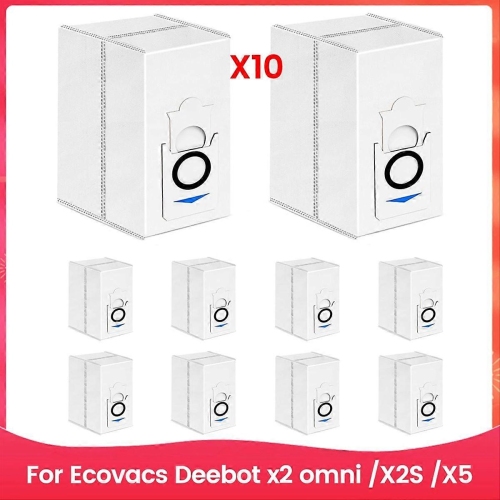
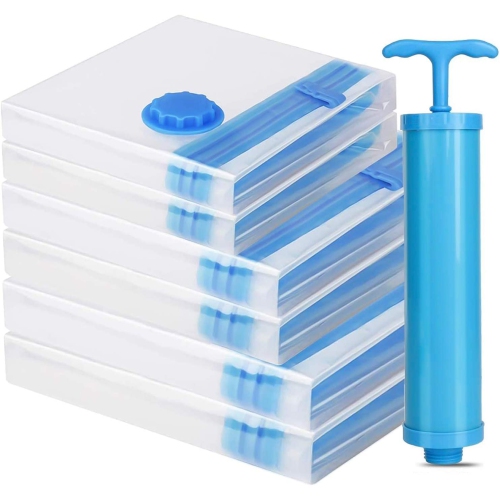
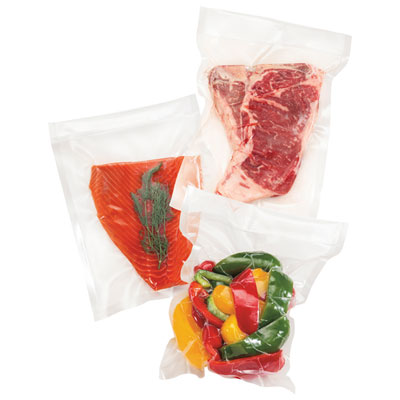
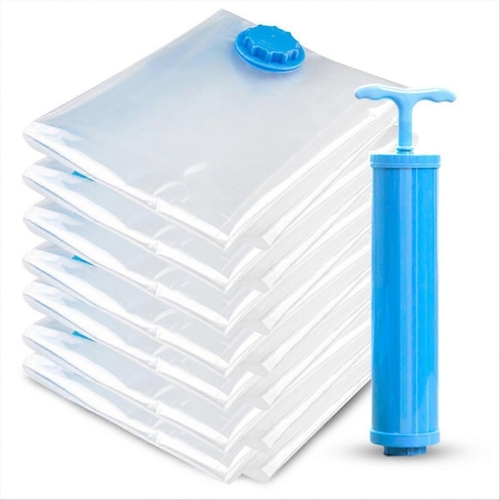
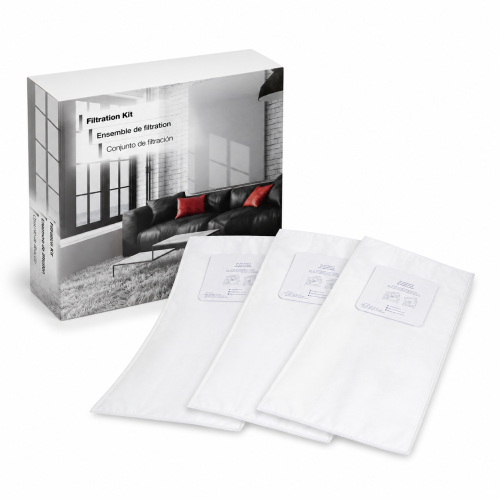
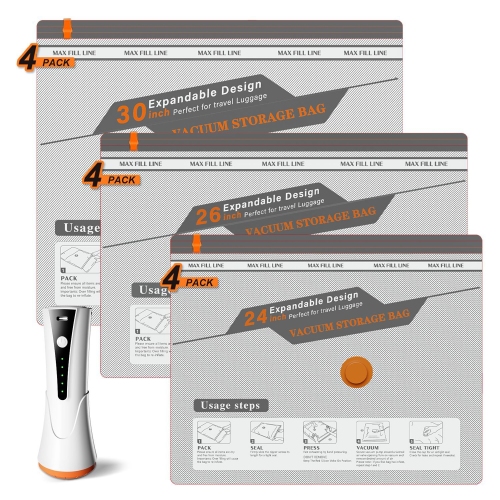
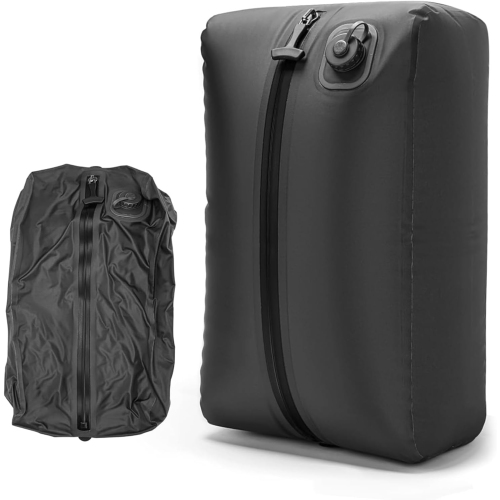
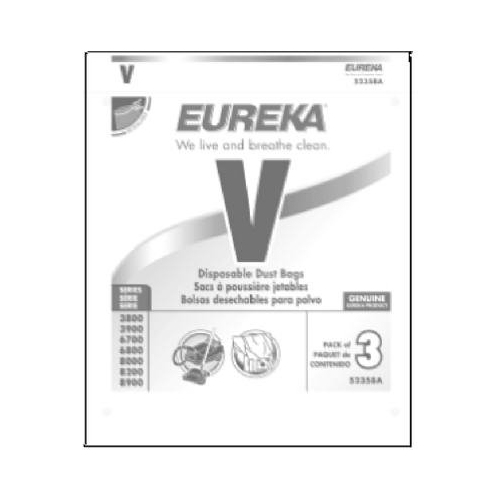
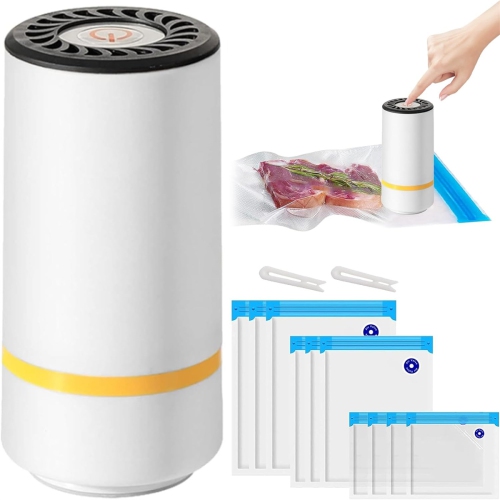
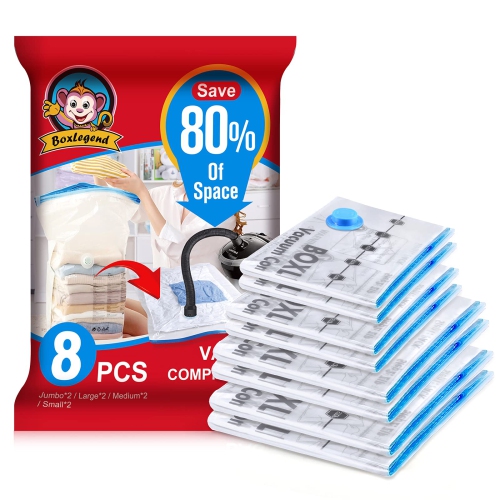
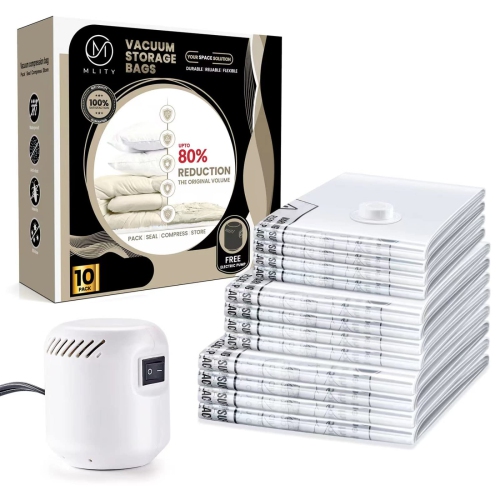
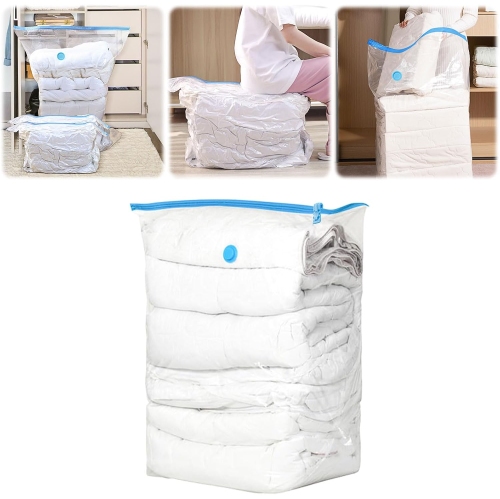
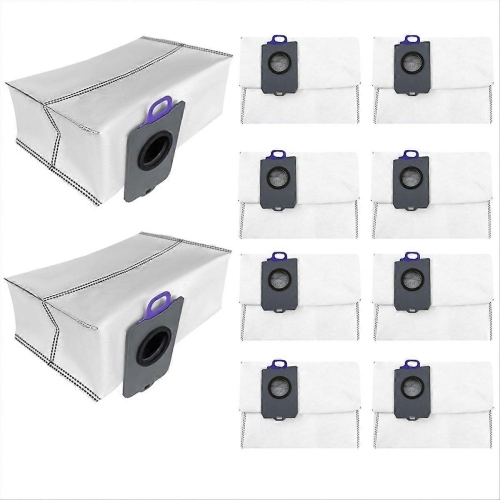
Three practical types for storage, food sealing and cleaning
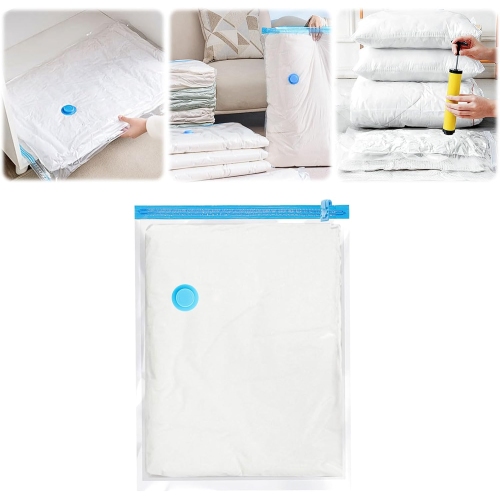
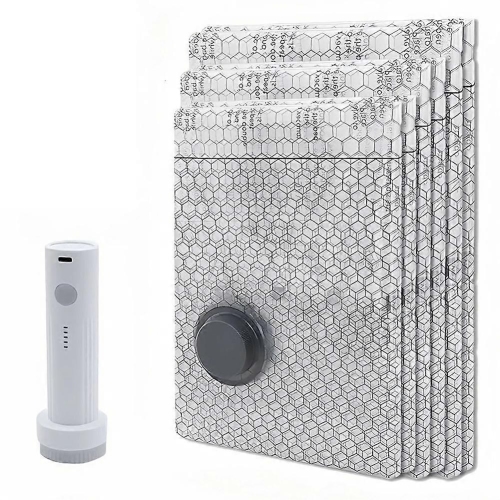
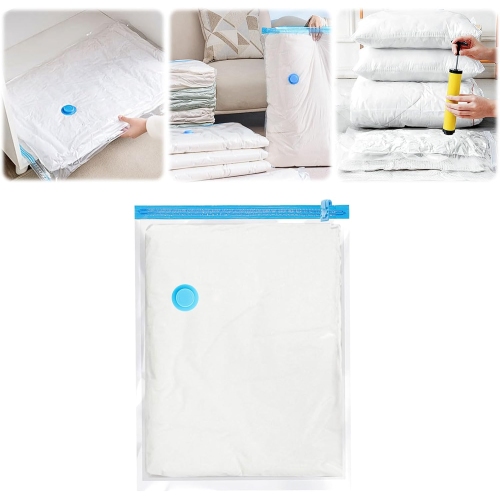
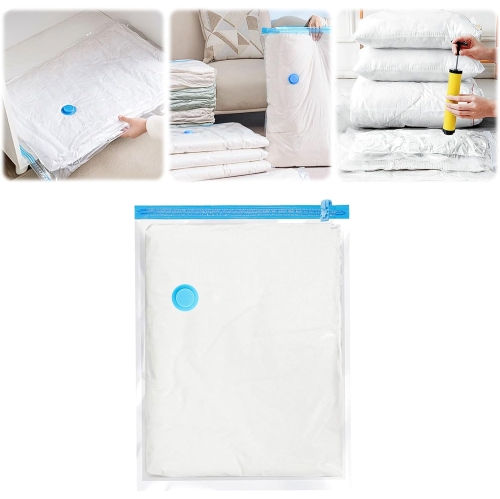
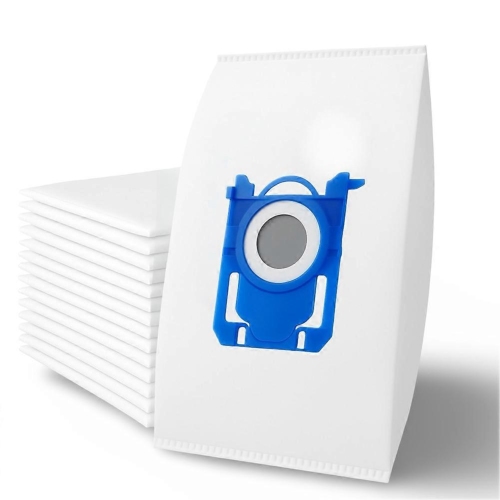
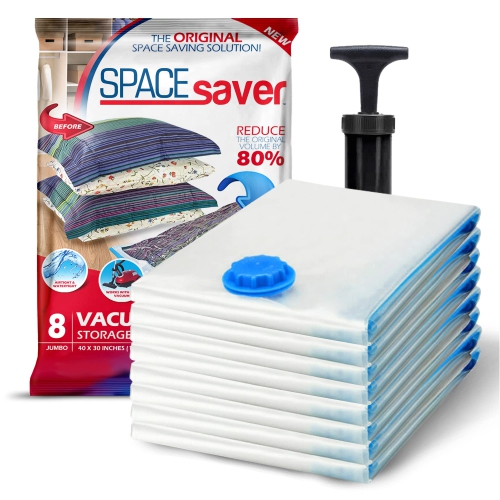
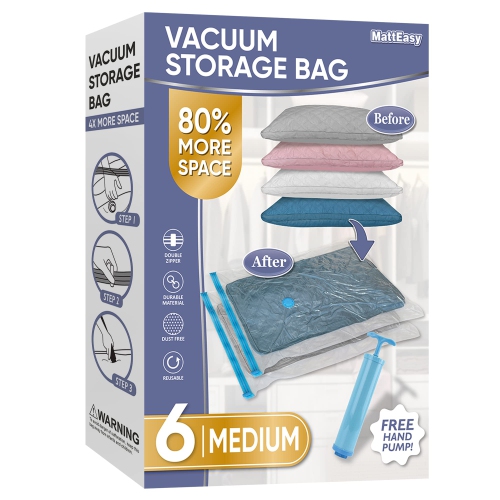
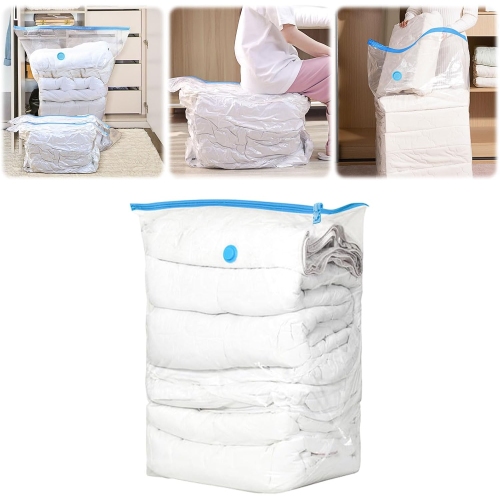
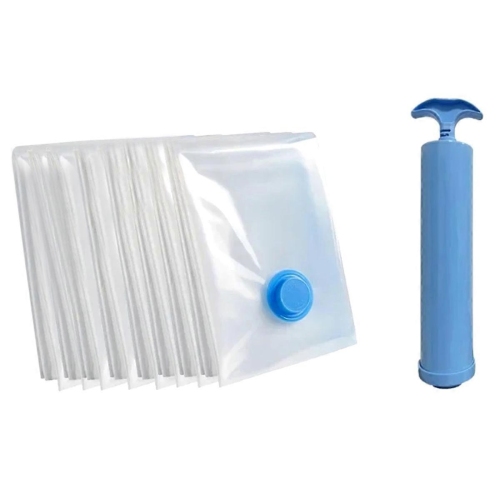
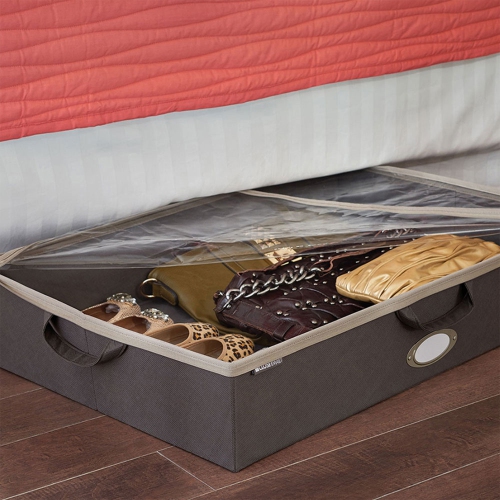
Vacuum bags cover several practical categories, making it helpful to identify how you plan to use them before choosing a pack. Vacuum storage bags are designed for clothing, bedding, towels, seasonal accessories and other soft household items that take up considerable space in closets, drawers or luggage. Removing air from the bag compresses the contents, which can make bulky duvets, spare pillows and winter coats easier to store during warmer weather, while also helping keep dust and everyday household debris away from folded fabrics. Different sizes suit different tasks: smaller bags can hold shirts, children’s clothing or scarves, while large and jumbo bags are better suited to bedding, outerwear and larger soft items. Some sets combine several sizes, which can be useful when organizing a linen cupboard, preparing a guest room or packing a family’s clothing for a move. Look for sturdy plastic construction, a secure zipper-style seal and a valve that works with a standard vacuum cleaner hose or an included hand pump. A reliable seal is especially important when bags will be placed under a bed, in a closet or in a storage bin for an extended period. It is best to leave room around the zipper and avoid filling the bag beyond its recommended capacity, since overstuffing can make it difficult to close properly and may put unnecessary strain on the seams. Vacuum storage bags are also useful for travellers who want to reduce the volume of sweaters, jackets or spare outfits in a suitcase, although compressed contents may remain heavy even when they take up less room. They can be a thoughtful practical gift for someone moving into a smaller home, setting up a nursery, organizing a dorm room or preparing a home for changing seasons.
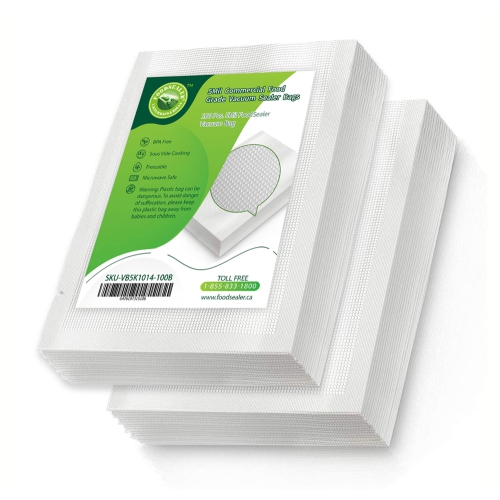
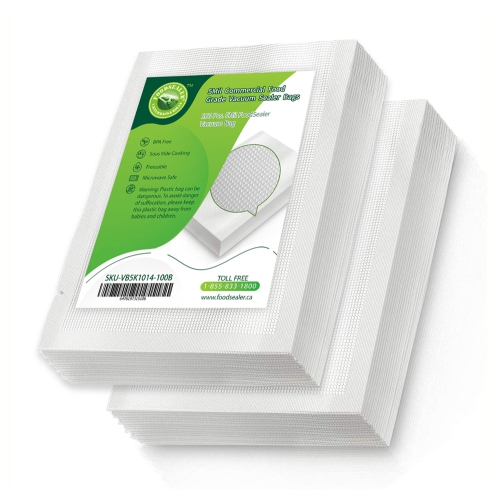
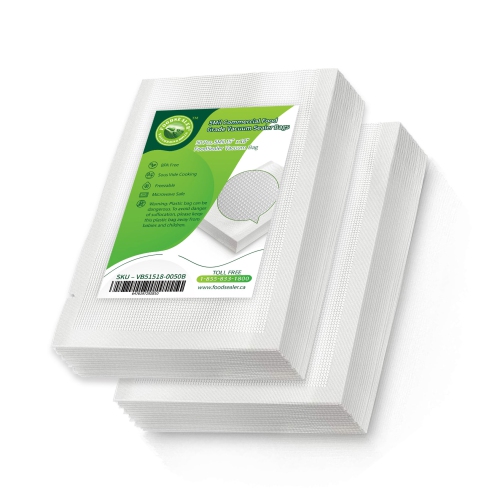
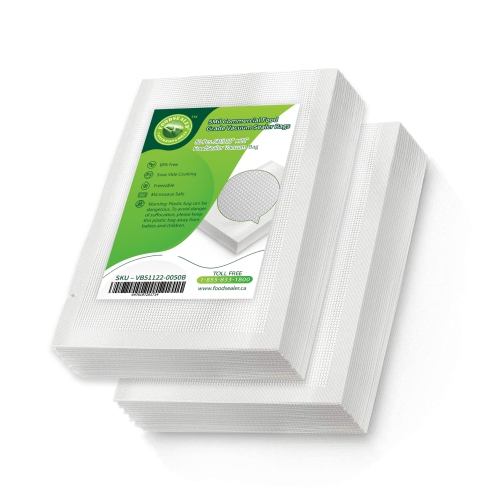
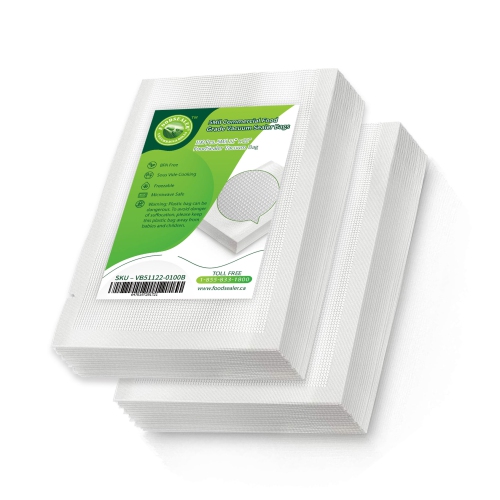
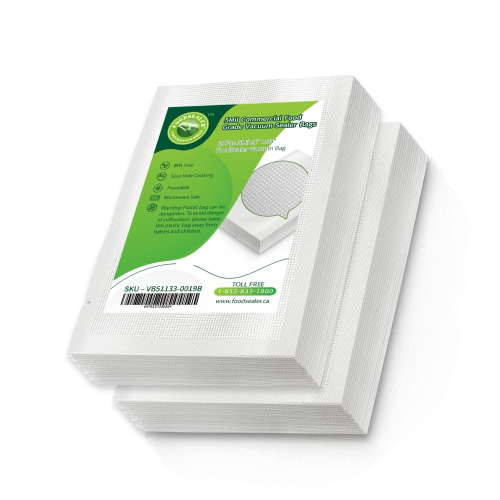
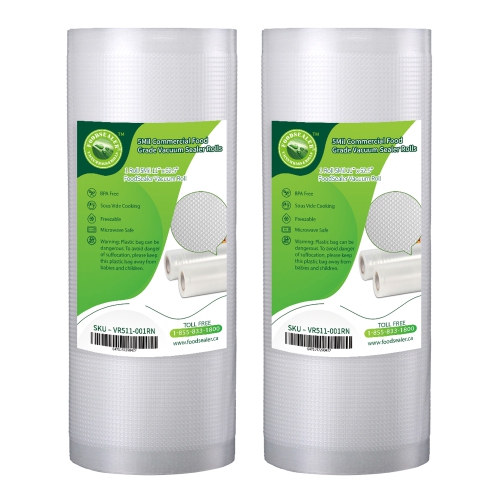
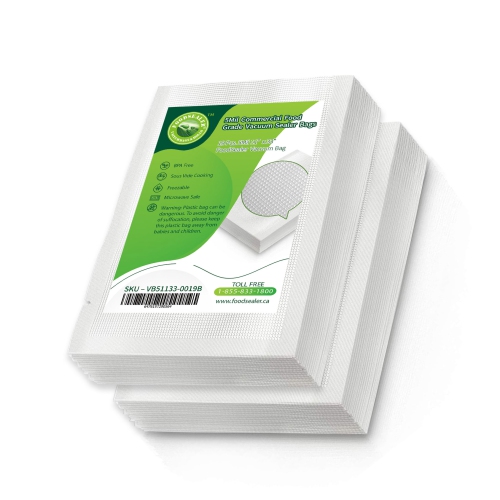
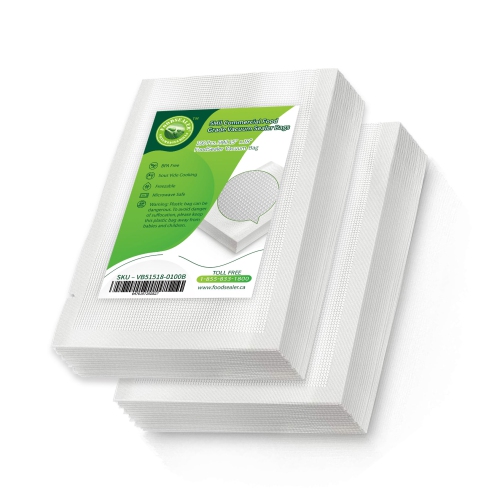
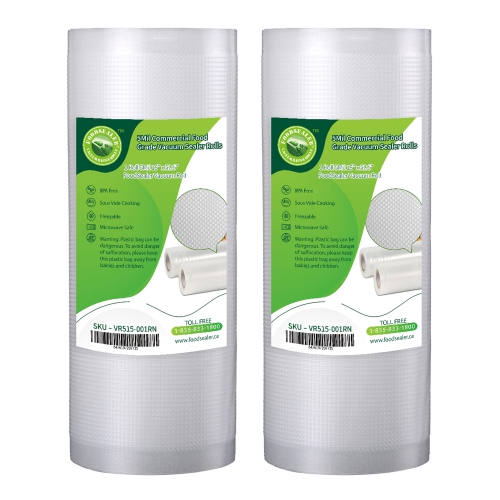
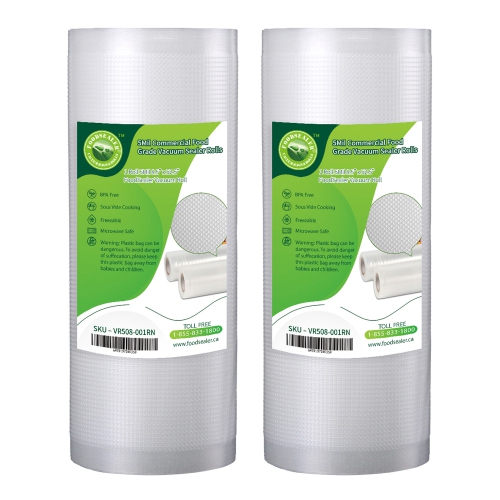
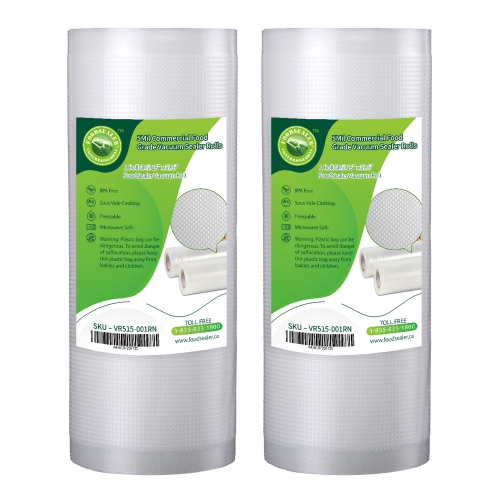
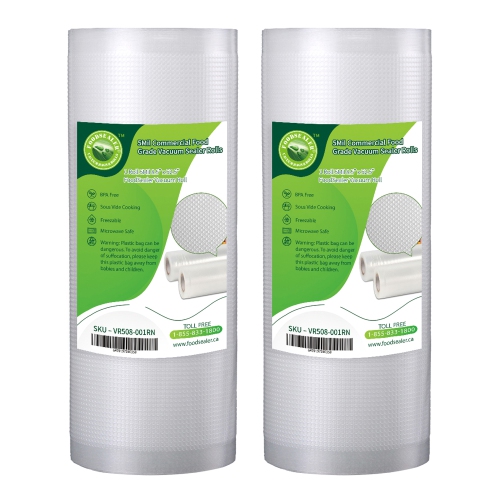
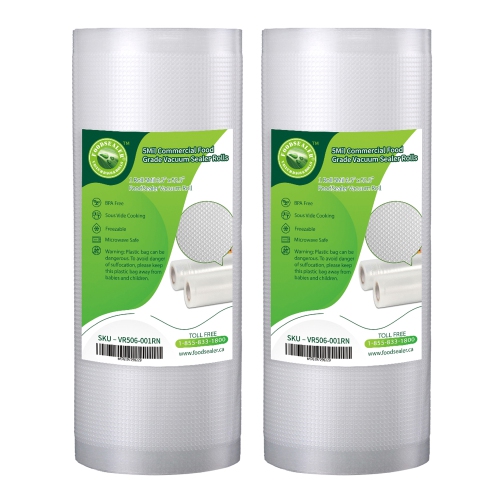
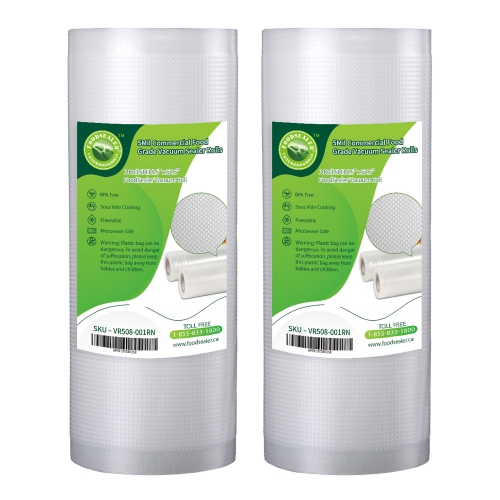
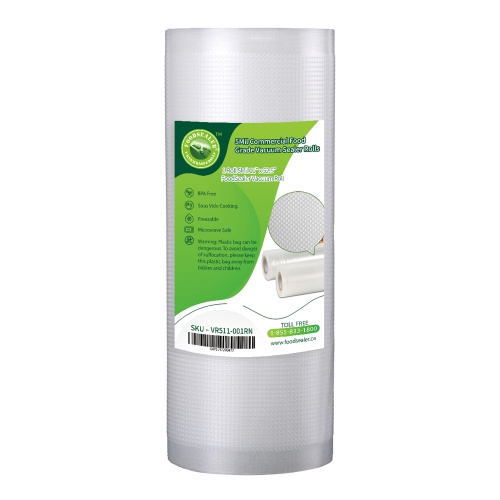
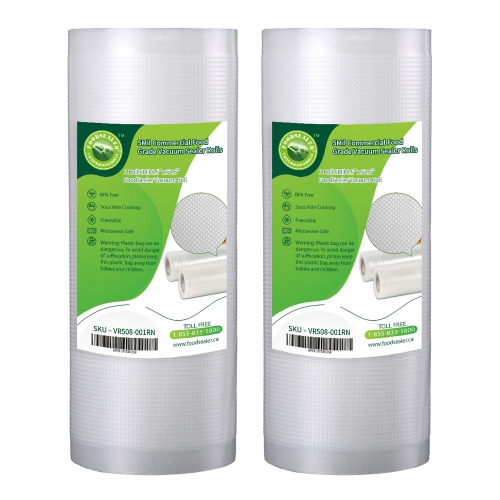
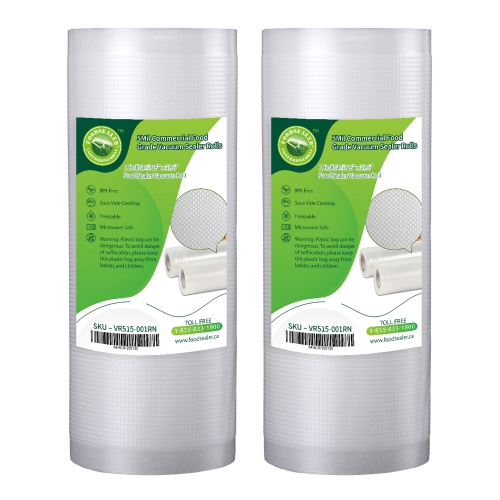
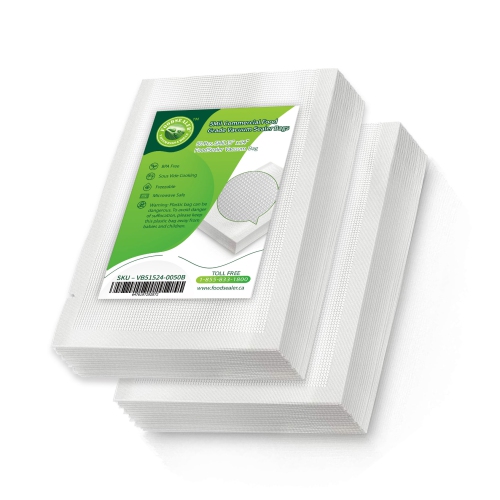
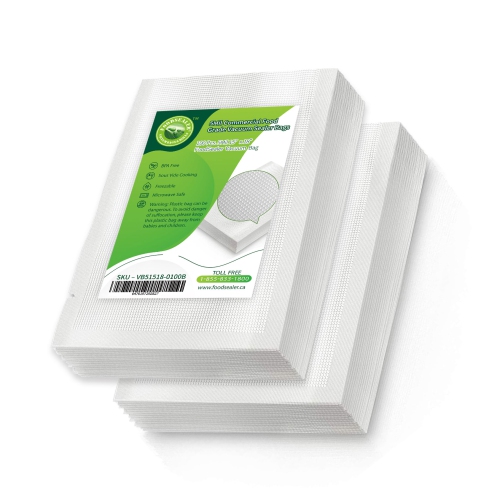
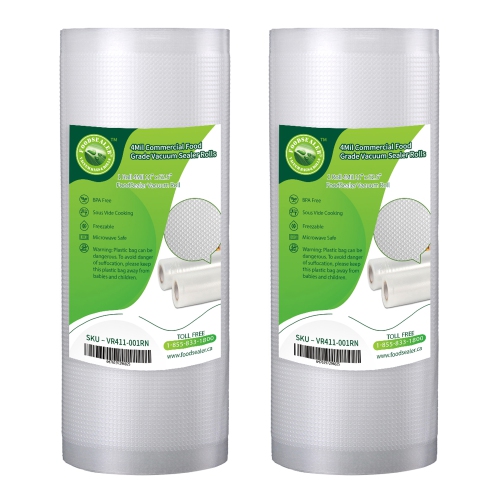
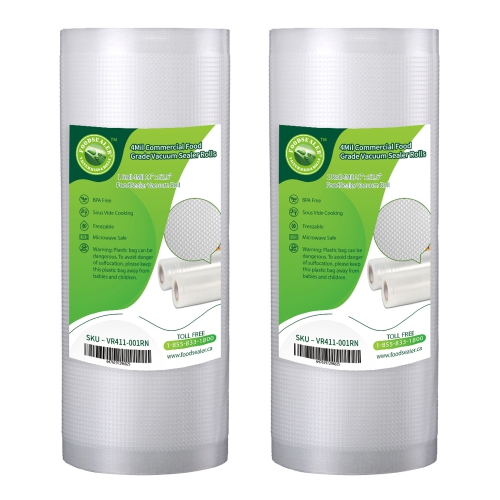
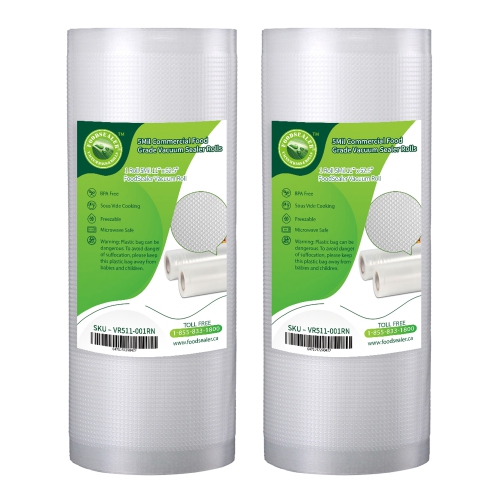
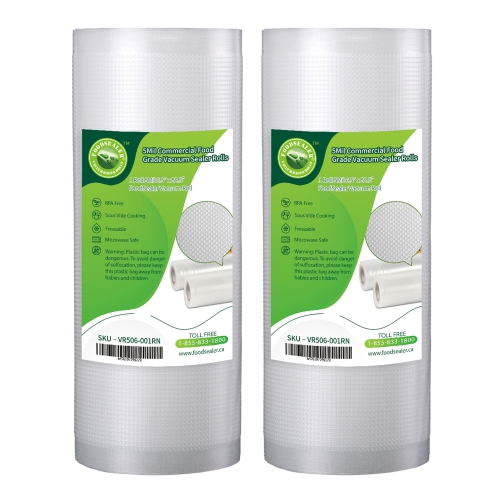
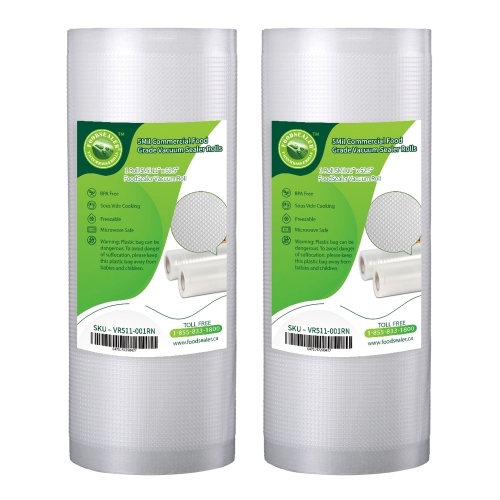
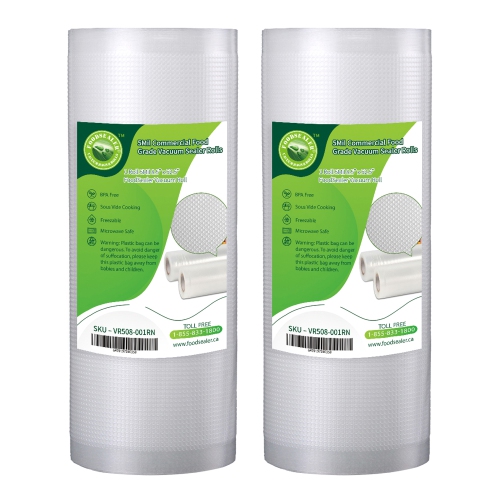
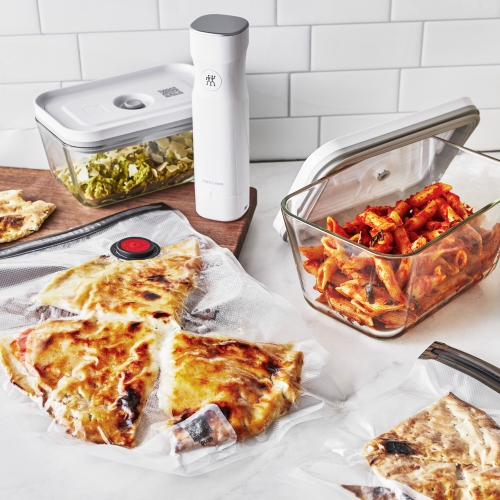
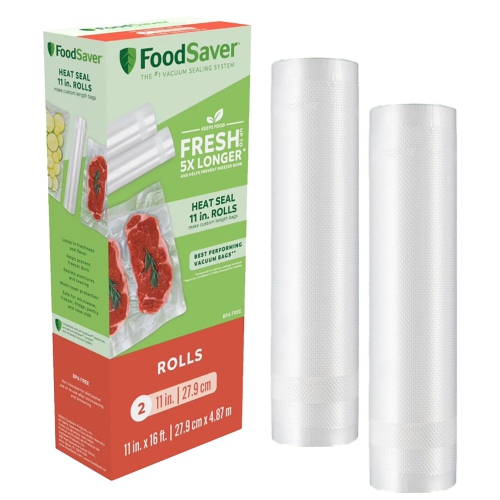
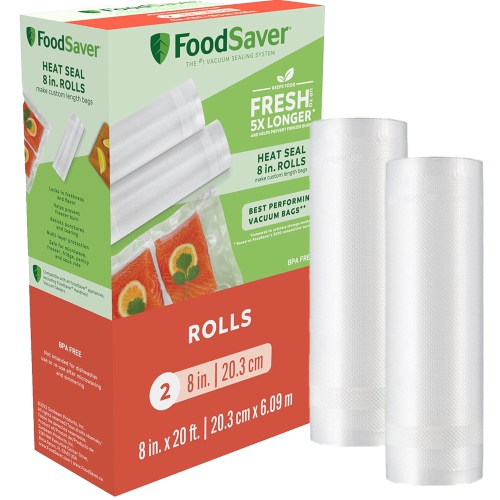
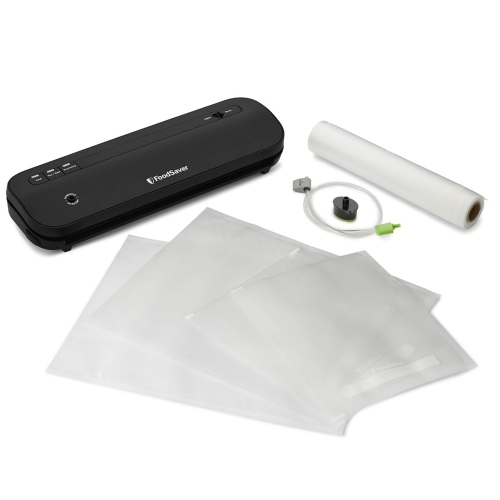
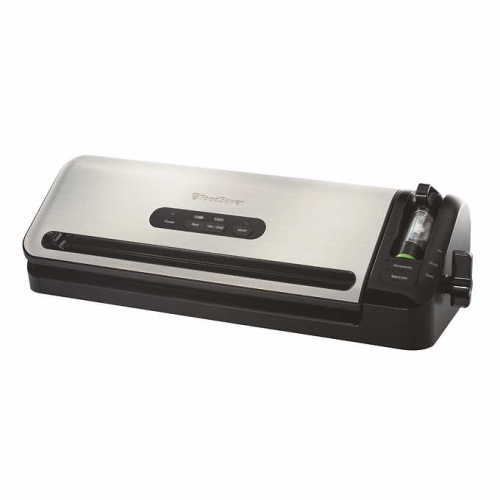
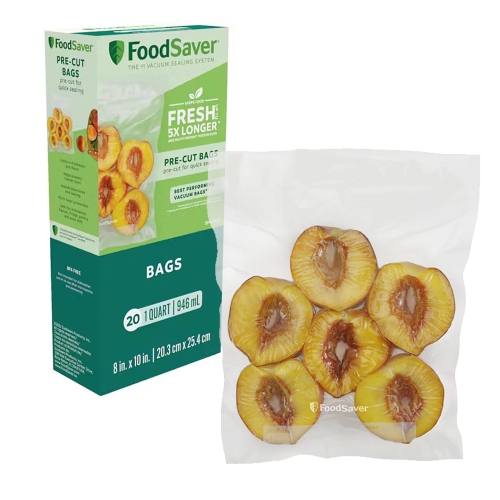
Food storage is another major use for vacuum bags. Food-safe vacuum sealer bags and pouches remove air from around ingredients before sealing, helping reduce exposure to oxygen and keeping food neatly contained in the refrigerator, freezer or pantry. They are commonly used for portions of meat, fish, vegetables, cheese, prepared meals and dry ingredients, as well as for meal preparation when several servings need to be separated in advance. Some options come as pre-cut pouches, while rolls can be cut to a preferred length, making them convenient for unusually shaped foods or larger portions. When selecting food vacuum bags, check that the material is intended for food contact and that it is compatible with the sealing method used by your appliance. Textured channels may help air move towards the sealer during the extraction process, while durable multi-layer construction can provide better resistance to punctures from bones, shells or sharp frozen edges. Bag width matters as well: a pouch must fit within the sealer’s maximum sealing area, with enough open material left at the top to create a clean seal. Bags intended for food storage should be labelled appropriately for the temperatures and uses you have in mind, such as refrigeration, freezing, boiling or sous vide preparation. They are not interchangeable with garment storage bags or replacement dustbags for floor and shop vacuums. For shoppers looking specifically for food-sealing formats, the Vacuum Seal Bags selection can help narrow the search to products made for removing air from food packaging. Families who portion meals, home cooks who buy ingredients in larger quantities and people who prefer organized freezer storage may all find these bags useful, while a multi-pack can make a convenient housewarming or kitchen-focused gift.
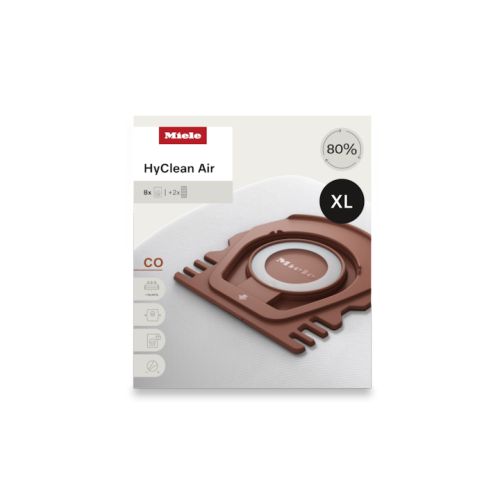
A third category includes replacement dustbags for canister, upright, handheld and shop vacuums. These bags collect dust, hair and fine particles inside the vacuum and are designed to be removed and replaced when full, helping maintain clean handling during routine floor care. Compatibility should be the first consideration: check the vacuum’s model number, bag type and dimensions rather than relying only on a general description such as “universal.” A bag that is the wrong shape may not attach securely, and an imperfect fit can reduce suction or allow dust to bypass the filtration system. Capacity also affects convenience. A smaller bag may be suitable for light cleaning in an apartment, while a larger format can be more practical for homes with pets, children, carpeting or frequent renovation debris. Some replacement bags include multiple layers or filtration features that can help contain fine dust, but they should still be changed according to the vacuum manufacturer’s instructions. Avoid using food-sealing pouches or household compression bags as substitutes for vacuum dustbags, since each type is engineered for a different purpose. Pack size and cost are worth comparing: vacuum bag prices in Canada can range from about $6 to more than $60, depending on the bag category, construction, capacity and number of pieces included. A smaller storage-bag set may be suitable for occasional closet organization, while larger multi-packs, food-sealer rolls or replacement-bag bundles may offer better value for regular use. Consider where the bags will be kept, how often they will be used and whether the intended items require special sizing or material requirements. Choosing the right vacuum bag format can make everyday storage, meal preparation, travel packing and cleaning feel more orderly, especially during the cooler months when heavier clothing, extra bedding and indoor household routines become part of daily life.
Food storage is another major use for vacuum bags. Food-safe vacuum sealer bags and pouches remove air from around ingredients before sealing, helping reduce exposure to oxygen and keeping food neatly contained in the refrigerator, freezer or pantry. They are commonly used for portions of meat, fish, vegetables, cheese, prepared meals and dry ingredients, as well as for meal preparation when several servings need to be separated in advance. Some options come as pre-cut pouches, while rolls can be cut to a preferred length, making them convenient for unusually shaped foods or larger portions. When selecting food vacuum bags, check that the material is intended for food contact and that it is compatible with the sealing method used by your appliance. Textured channels may help air move towards the sealer during the extraction process, while durable multi-layer construction can provide better resistance to punctures from bones, shells or sharp frozen edges. Bag width matters as well: a pouch must fit within the sealer’s maximum sealing area, with enough open material left at the top to create a clean seal. Bags intended for food storage should be labelled appropriately for the temperatures and uses you have in mind, such as refrigeration, freezing, boiling or sous vide preparation. They are not interchangeable with garment storage bags or replacement dustbags for floor and shop vacuums. For shoppers looking specifically for food-sealing formats, the Vacuum Seal Bags selection can help narrow the search to products made for removing air from food packaging. Families who portion meals, home cooks who buy ingredients in larger quantities and people who prefer organized freezer storage may all find these bags useful, while a multi-pack can make a convenient housewarming or kitchen-focused gift.
A third category includes replacement dustbags for canister, upright, handheld and shop vacuums. These bags collect dust, hair and fine particles inside the vacuum and are designed to be removed and replaced when full, helping maintain clean handling during routine floor care. Compatibility should be the first consideration: check the vacuum’s model number, bag type and dimensions rather than relying only on a general description such as “universal.” A bag that is the wrong shape may not attach securely, and an imperfect fit can reduce suction or allow dust to bypass the filtration system. Capacity also affects convenience. A smaller bag may be suitable for light cleaning in an apartment, while a larger format can be more practical for homes with pets, children, carpeting or frequent renovation debris. Some replacement bags include multiple layers or filtration features that can help contain fine dust, but they should still be changed according to the vacuum manufacturer’s instructions. Avoid using food-sealing pouches or household compression bags as substitutes for vacuum dustbags, since each type is engineered for a different purpose. Pack size and cost are worth comparing: vacuum bag prices in Canada can range from about $6 to more than $60, depending on the bag category, construction, capacity and number of pieces included. A smaller storage-bag set may be suitable for occasional closet organization, while larger multi-packs, food-sealer rolls or replacement-bag bundles may offer better value for regular use. Consider where the bags will be kept, how often they will be used and whether the intended items require special sizing or material requirements. Choosing the right vacuum bag format can make everyday storage, meal preparation, travel packing and cleaning feel more orderly, especially during the cooler months when heavier clothing, extra bedding and indoor household routines become part of daily life.
Top selling and popular products
-
 Your price for this item is $159.99
 -
 Your price for this item is $36.97
 -
 Your price for this item is $36.97
 -
 Your price for this item is $159.99
 -
 Your price for this item is $49.99
 -
 Your price for this item is $165.97
 -
 Your price for this item is $129.99
 -
 Your price for this item is $22.97
Discover more categories related to Vacuum Bags
Top Collections:
Pokemon Centers, Best Cameras for Sports Photography, Kindle Devices, Samsung Galaxy Phones, Canon G7X Cameras, Pokémon 30th Celebration Cards, Refurbished Apple Laptops, iPhone 15 Apple, Laptops for Students, Budget Smartphones
Some products may be subject to Environmental Handling Fees
(EHF) depending on your province.
Learn more about EHFs.