Wall Mounted Phones
Wall Mounted Phones offer a practical and space-saving solution for homes, offices, and commercial spaces. Designed to keep communication easily accessible while freeing up valuable surface area, these phones are ideal for kitchens, hallways, garages, and more. With a variety of styles and finishes available, Wall Mounted Phones can complement any décor while providing reliable performance. Explore options that make it simple to stay connected in any room where convenience matters most.
Sort

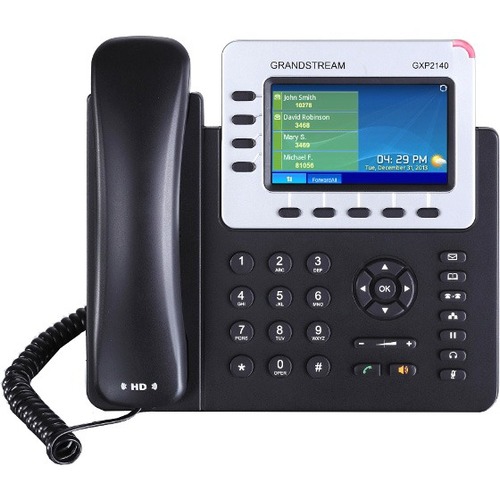


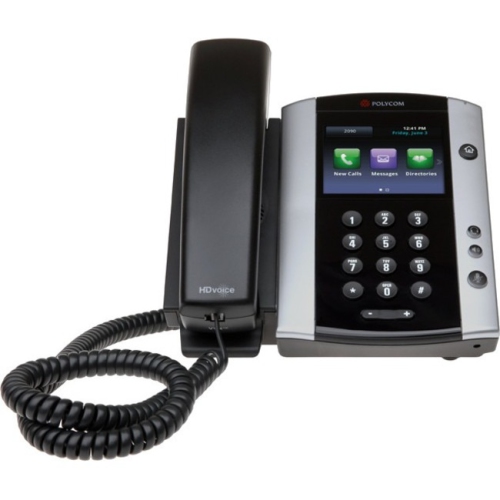
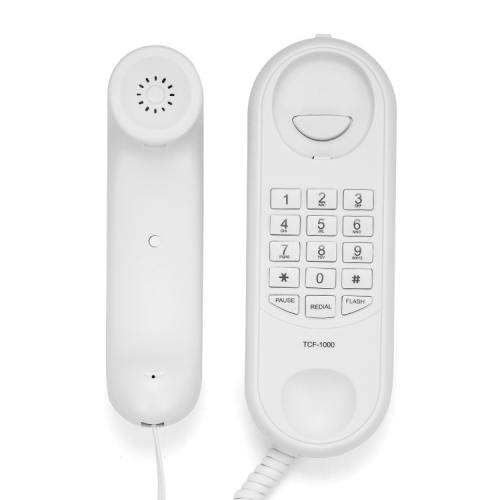
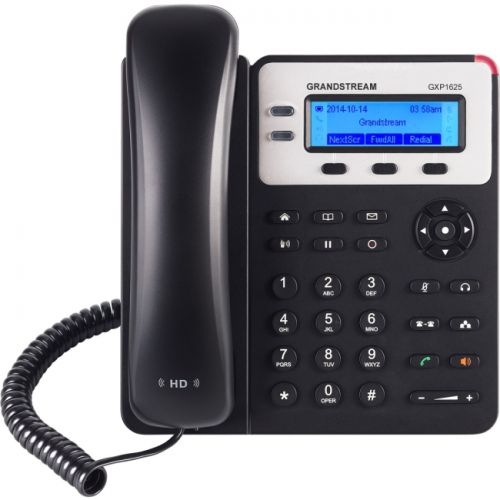

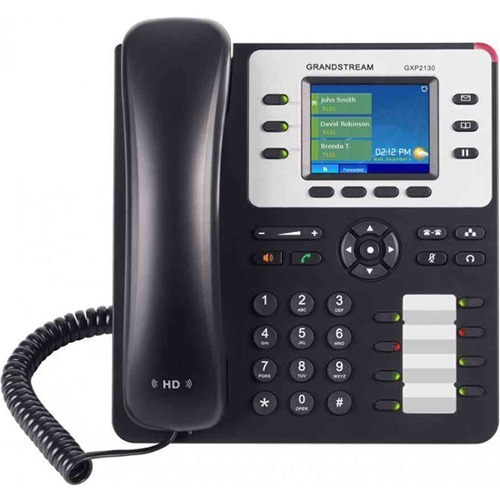
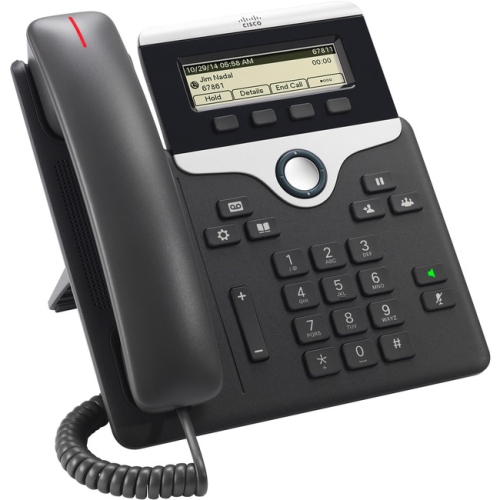
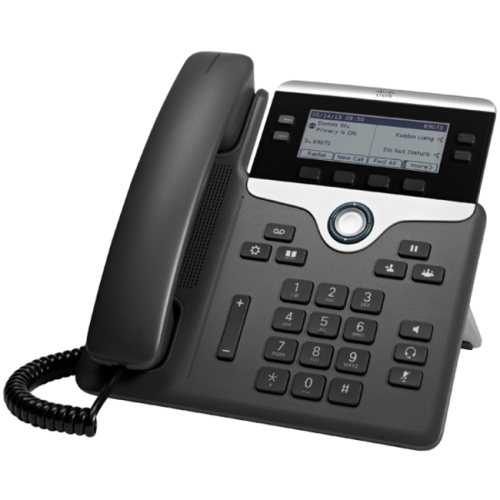
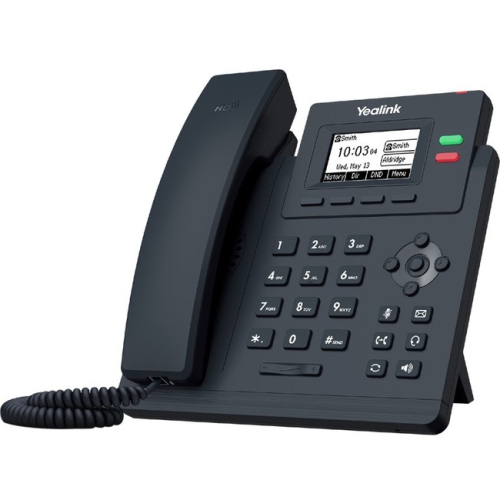

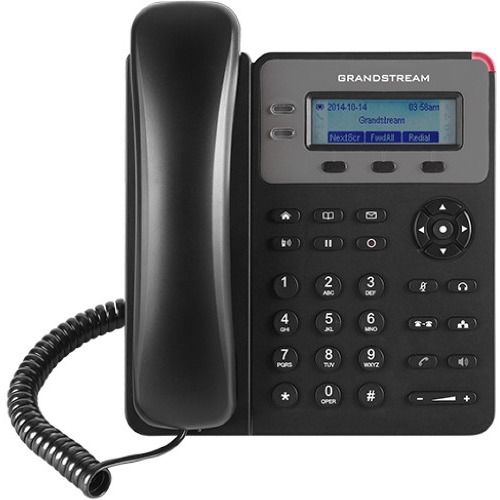
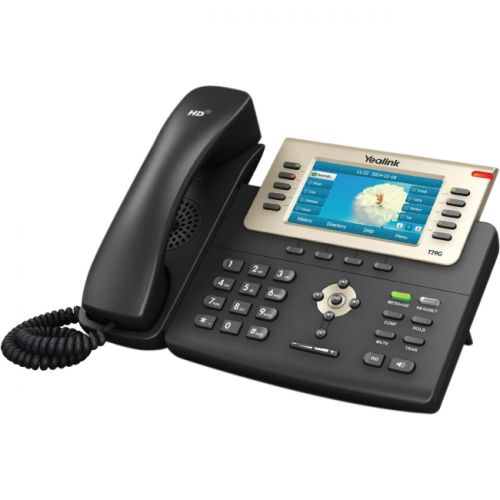
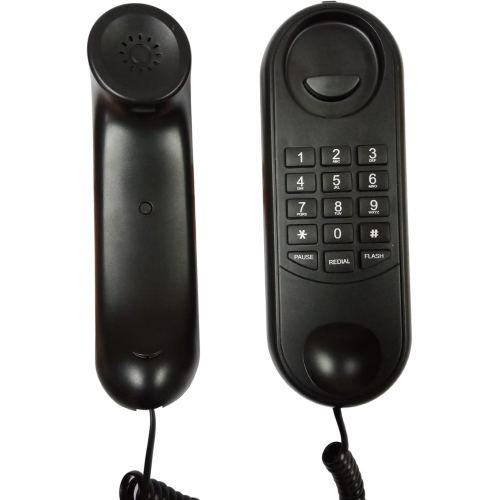
A dedicated calling spot without the countertop clutter
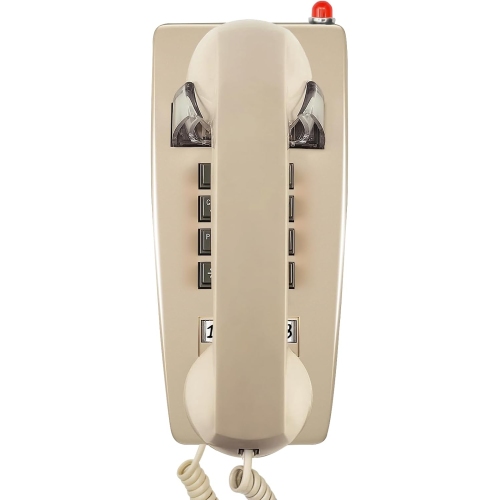
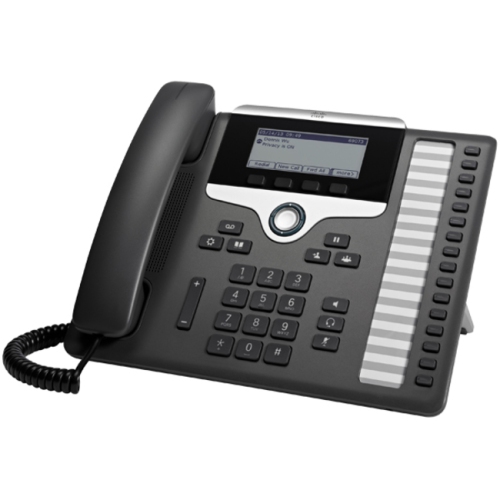
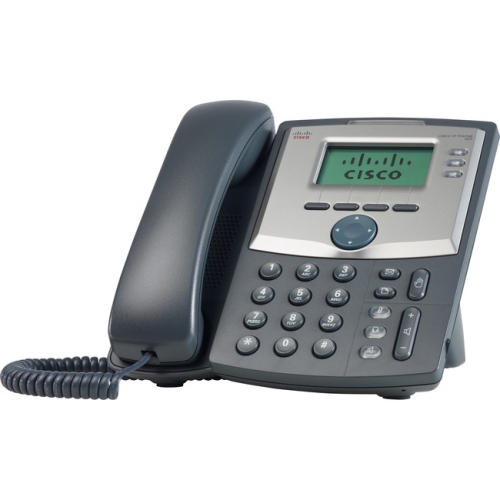
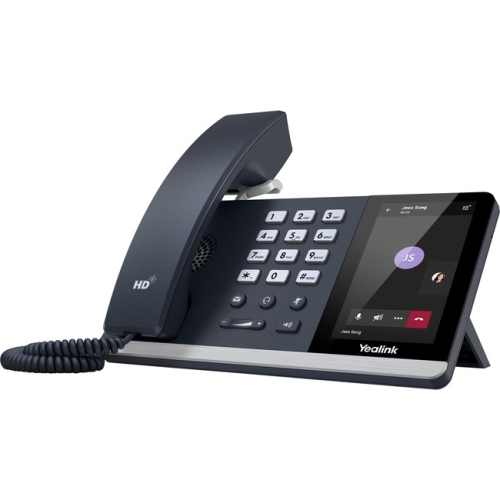
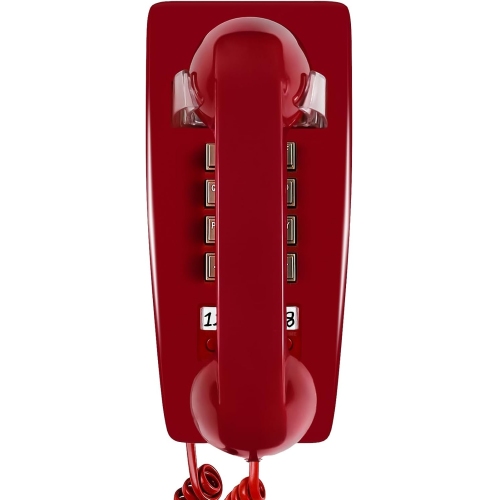
Wall-mounted phones are telephones designed to hang securely on a wall, keeping the handset within reach without taking up space on a countertop, desktop or side table. They are a practical choice for kitchens, hallways, workshops and shared work areas where a dedicated calling spot helps keep daily routines organized. A corded wall phone has a handset connected to its base by a coiled cord, while a wall-mountable cordless phone lets the handset travel away from the mounted base within its supported range. Some telephones are made specifically for vertical installation; others can sit on a desk or attach to a wall using a compatible bracket or mounting plate. That distinction matters because a phone that works well on a flat surface may need additional hardware and a handset retainer before it can hang safely. Wall-mounted landline phones also serve a different purpose from holders that attach a mobile device to a wall. For a place to hold a smartphone beside a charging outlet or work surface, Cell Phone Wall Mounts are the relevant accessory category. A wall telephone, by contrast, connects to a compatible home or business telephone service. Depending on the setup, that connection may run through a traditional telephone line, a cable or fibre voice gateway, or an analogue telephone adaptor used with an internet-based calling service. A familiar-looking wall jack does not, by itself, confirm that telephone service is active. Compatibility with the service and the building’s wiring is more important than the shape of the socket alone. For a household that wants one easy-to-find phone, or a small workplace that needs a shared handset near a service counter, a mounted telephone creates a consistent calling location without adding another device to an already busy surface. A fixed base also gives the handset a clear home, making it less likely to disappear beneath paperwork or between sofa cushions.
The best physical fit depends on the wall space, mounting arrangement and way the phone will be used. A narrow base can suit a small stretch of wall beside a doorway, but there still needs to be room to lift the handset comfortably, read the display and press the buttons without reaching around a cabinet. The handset cord needs enough reach for a natural conversation without stretching across a walkway or catching on drawer handles. On convertible designs, a reversible handset tab or another retaining feature may hold the receiver in place when the base is vertical; the arrangement varies, so mounting suitability should be confirmed in the manufacturer’s documentation. Existing telephone wall plates may have mounting studs that fit certain phone bases, while other installations require a separate bracket and fasteners appropriate for the wall material. A compatible mounting pattern and secure attachment help prevent the base from shifting when someone lifts the handset or pulls gently on the cord. Many telephone housings use rigid moulded plastic, with finishes ranging from smooth and glossy to lightly textured. Smooth surfaces are easy to wipe, while textured areas can make everyday fingerprints less noticeable. The handset’s weight and shape matter just as much as the finish: a comfortable grip and a receiver that settles neatly into its cradle make a noticeable difference during frequent calls. For a kitchen location, separation from the sink, cooking splashes and direct heat helps protect the phone. In a workshop or utility area, keeping it away from heavy dust and accidental knocks is equally useful. Routine care is generally simple, following the manufacturer’s cleaning directions and avoiding liquid sprayed directly into the keypad, microphone or speaker openings. A soft cloth, gentle handling and occasional checks of the cord and mounting hardware help maintain a tidy, dependable calling station. A damaged cord or loose bracket deserves attention rather than repeated tugging or makeshift repairs.
Calling features are most useful when they match the people sharing the phone. Large, clearly separated buttons and high-contrast labelling can make dialling easier for someone with reduced vision or limited hand dexterity. An illuminated display may help in a dim hallway, though its usefulness depends on the screen’s angle and readability once mounted. For someone who has difficulty hearing calls, adjustable receiver volume, a louder ringer, visual call alerts and verified hearing-aid compatibility are worth considering individually rather than assuming every telephone includes them. Speed-dial memories can simplify calls to familiar contacts, while a clearly labelled mute button is useful when a conversation briefly needs privacy. A speakerphone offers hands-free calling, although its sound quality will be affected by room noise and the distance between the caller and the microphone. Caller ID and call waiting can help a shared household manage incoming calls, but these functions depend on both the telephone’s capabilities and the subscribed service. An answering function may provide convenient message access at the phone, whereas provider voicemail works through the telephone service; the two are not interchangeable features. Power requirements also deserve attention. Some basic corded telephones draw operating power from a traditional telephone line and may continue working during a household power outage if the telephone network remains powered. Cordless bases, powered displays, answering functions and internet-based voice equipment can have different requirements, and a line-powered handset cannot keep an unpowered gateway running. For families, a wall phone can provide a consistent place for everyday calls without relying on each person having a charged mobile device nearby. For a home office, reception area or shared workshop, it can keep a handset accessible while leaving the work surface clear. Thoughtful placement, suitable calling features and a comfortable handset make wall-mounted phones useful as everyday communication tools rather than simply a way to move a telephone off a table.
Top selling and popular products
-
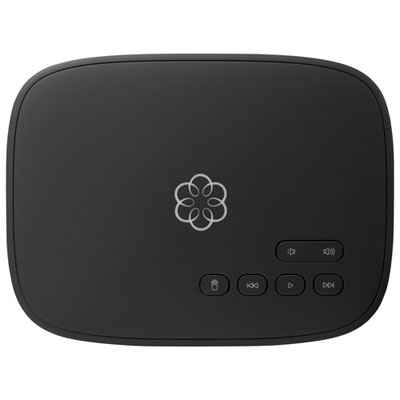 Your price for this item is $129.99
-
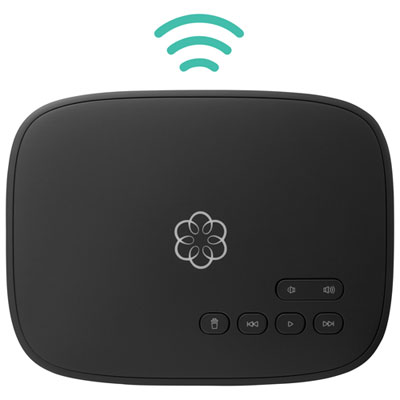 Your price for this item is $149.99
-
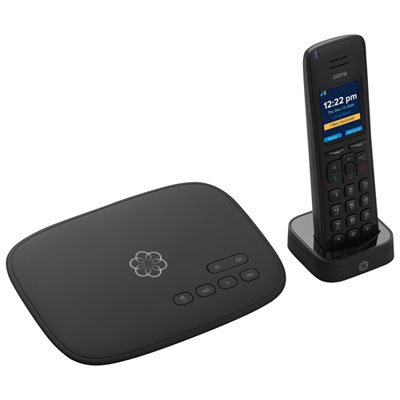 Your price for this item is $139.99
-
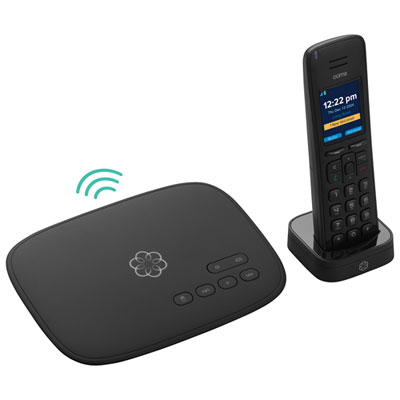 Your price for this item is $99.99
-
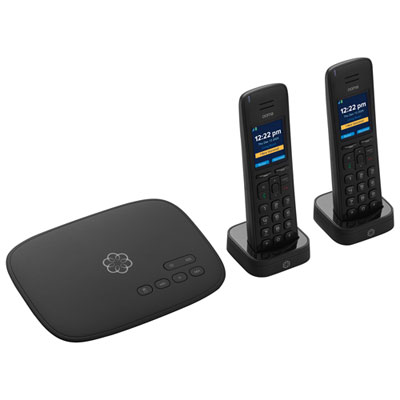 Your price for this item is $119.99
-
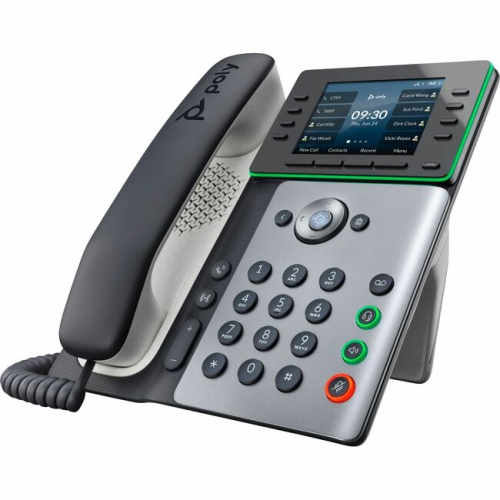 Your price for this item is $318.37
-
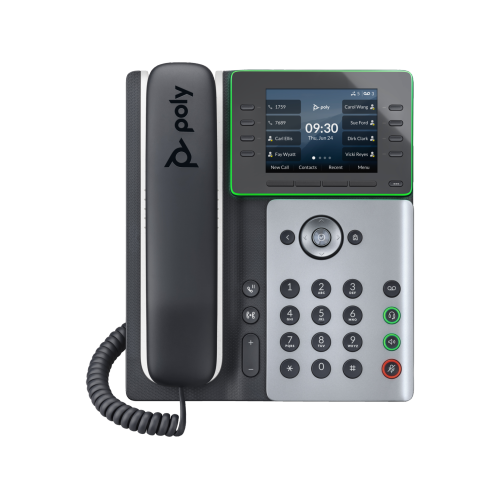 Your price for this item is $238.99
-
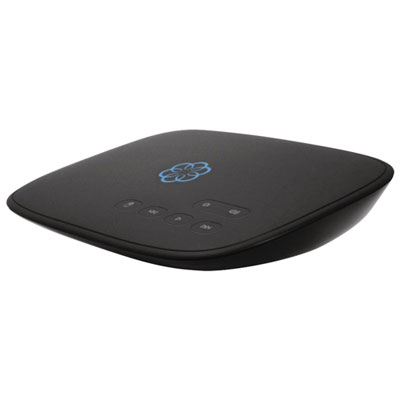 Your price for this item is $79.99
Discover more categories related to Wall Mounted Phones
Top Collections:
Best Black Friday Deals This Year, Best Black Friday Deals On Electronics, Kindle Devices, Pokemon Centers, Best Black Friday Deals On Apple Products, Best Cameras for Sports Photography, Dyson Airwrap, Pokémon 30th Celebration Cards, Apple iPhone 17 Pro, Canon G7X Cameras
Some products may be subject to Environmental Handling Fees
(EHF) depending on your province.
Learn more about EHFs.