Weekly Planners
Stay organized and on top of your schedule with our collection of weekly planners. Whether you prefer a sleek and minimalist design or a vibrant and colorful layout, we have the perfect planner to suit your style and help you plan out your week with ease. From compact sizes ideal for on-the-go to spacious layouts for detailed planning, our selection of weekly planners offers something for everyone. Say goodbye to missed appointments and deadlines - shop now and take control of your week!
Sort
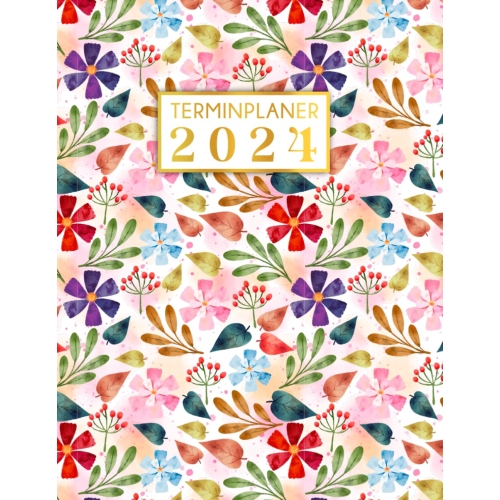
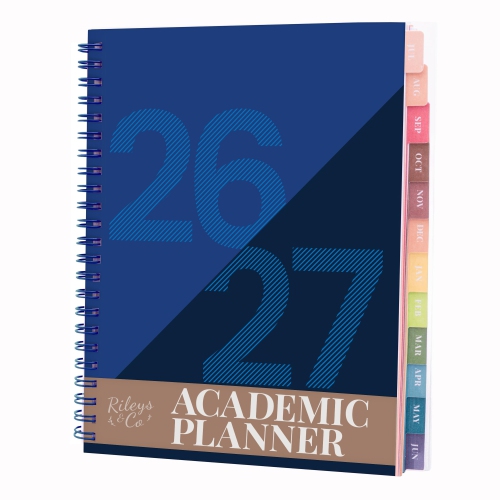
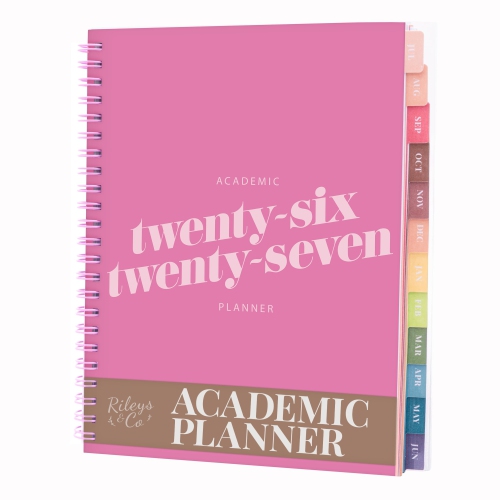
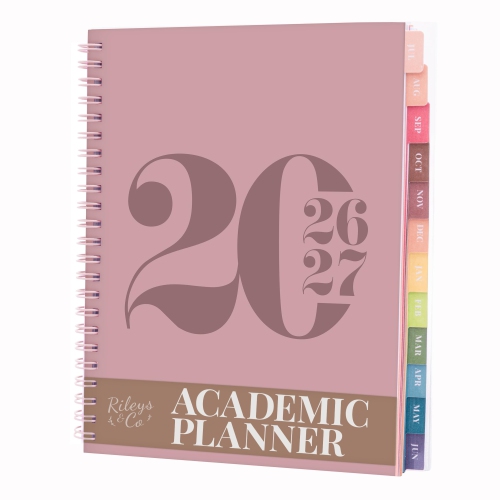
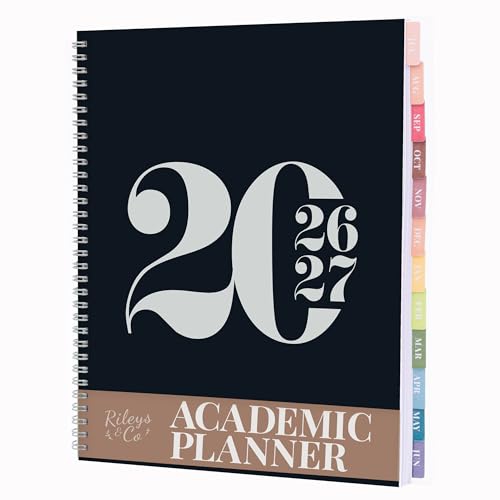
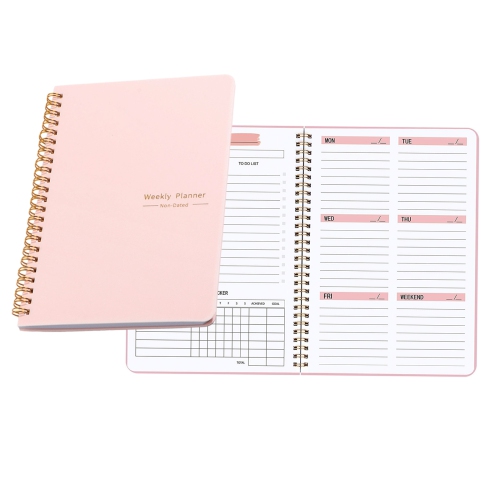
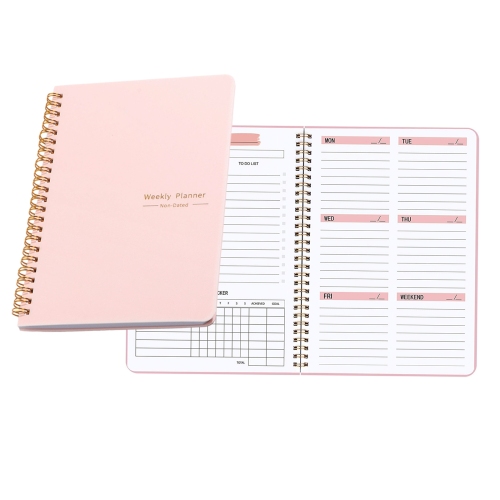
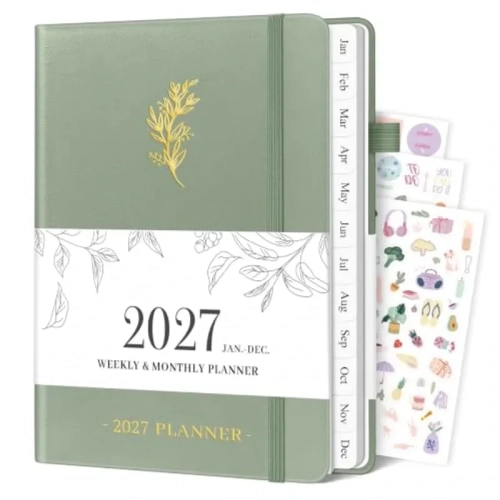
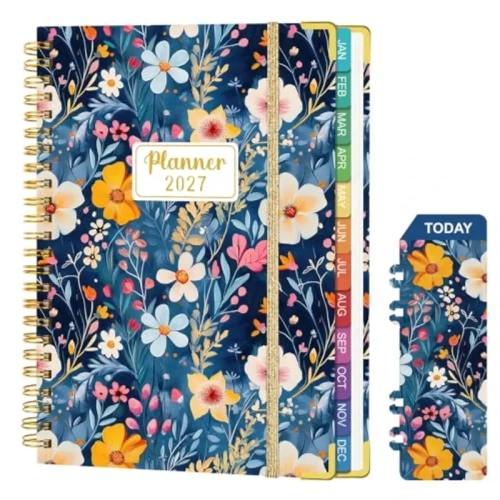
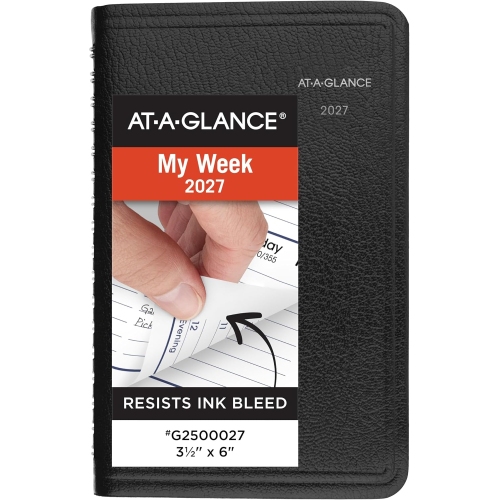
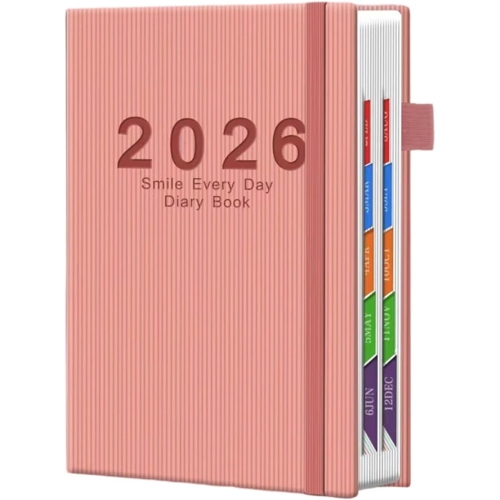

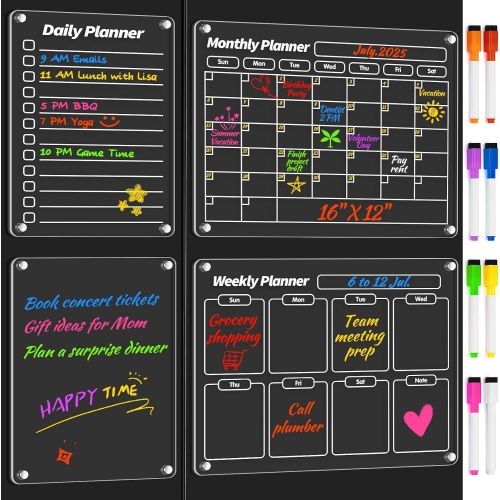
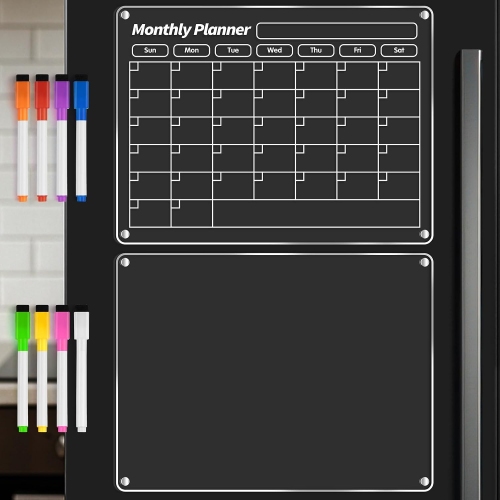
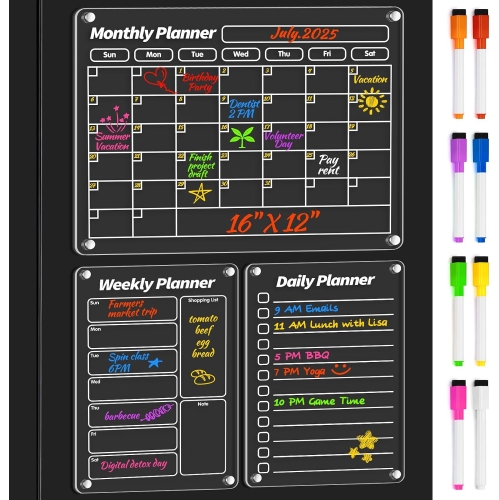
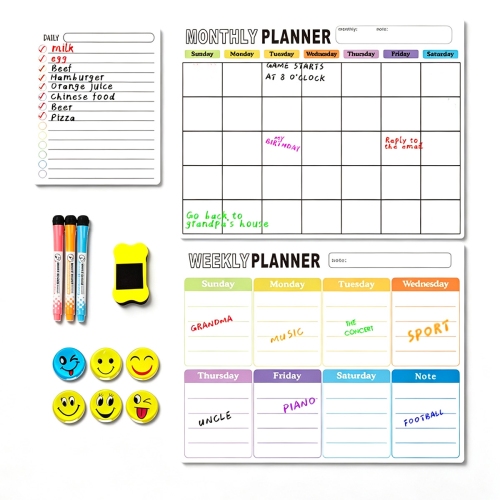
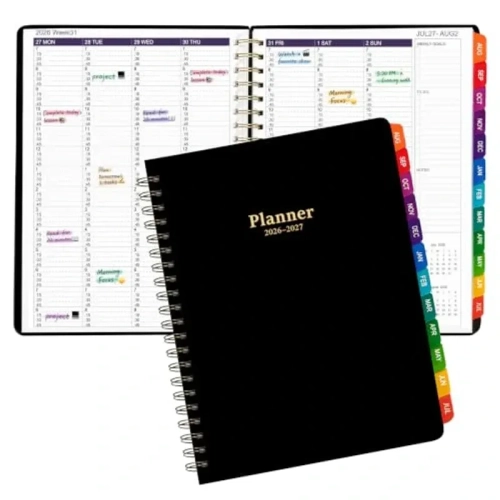
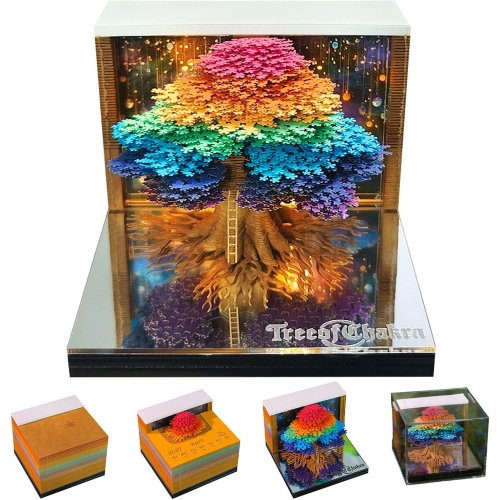
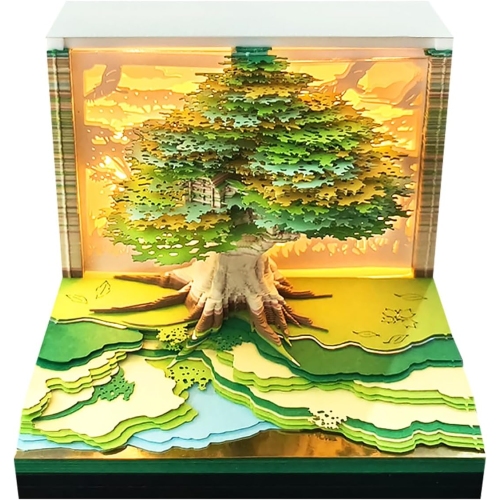
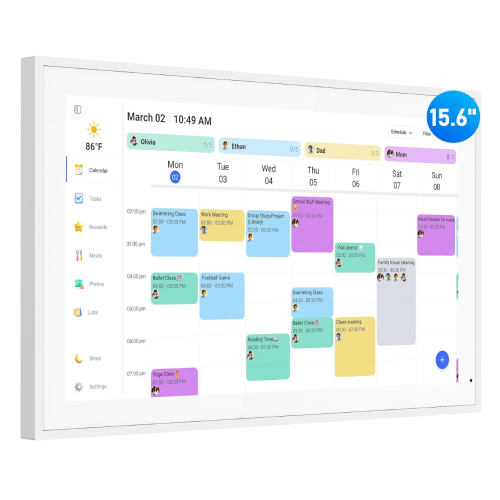

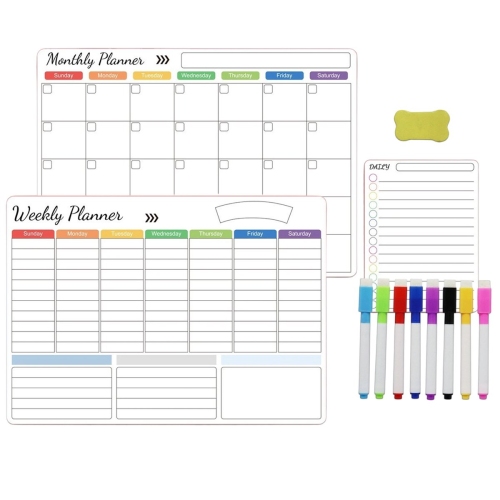
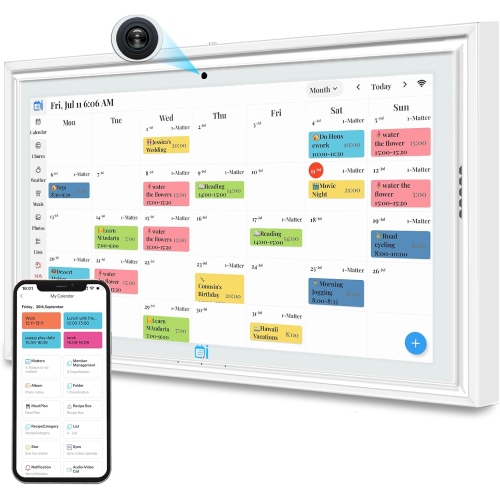
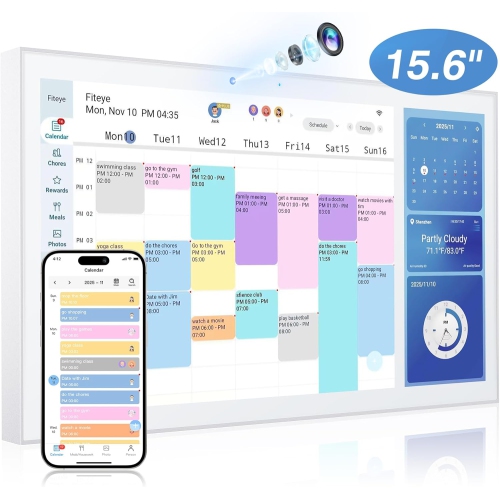



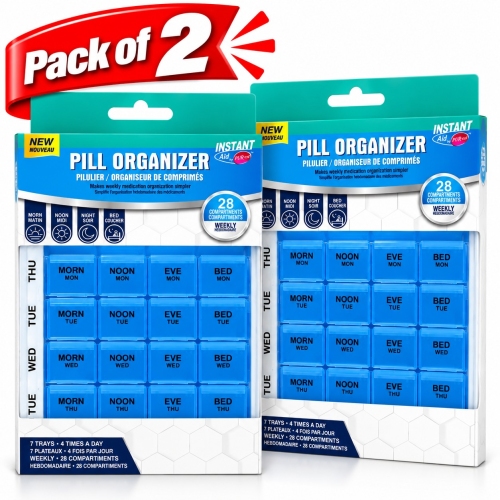
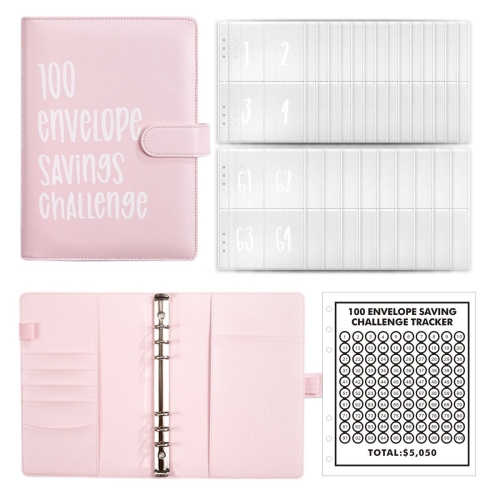
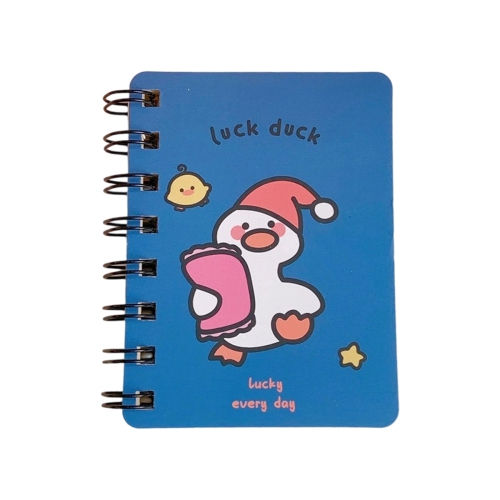
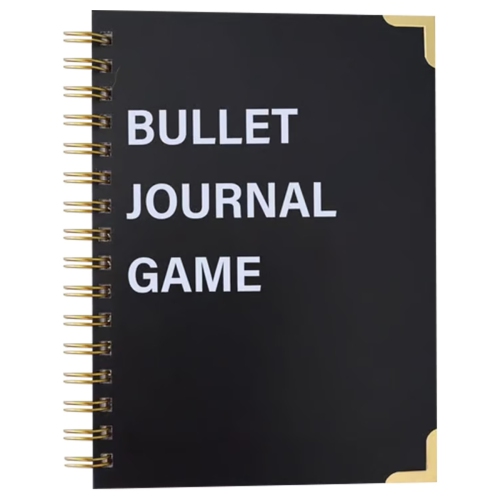

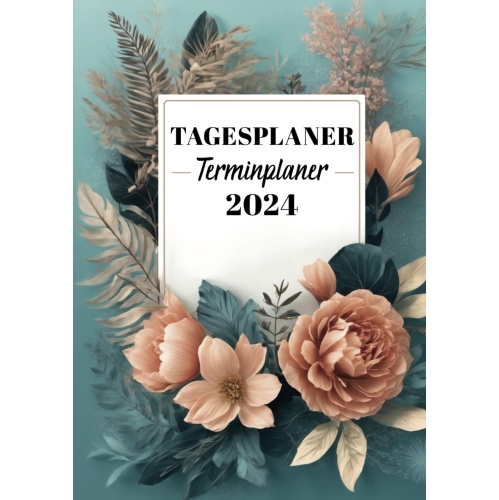
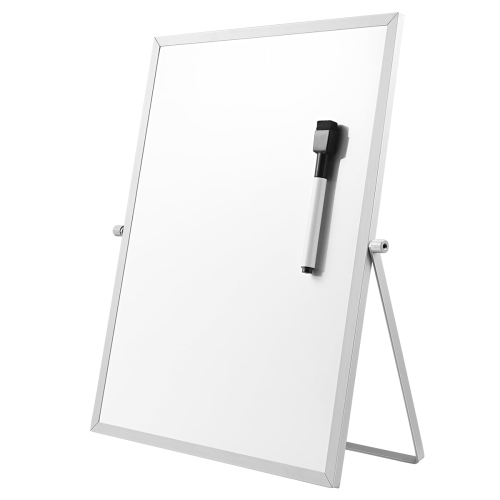
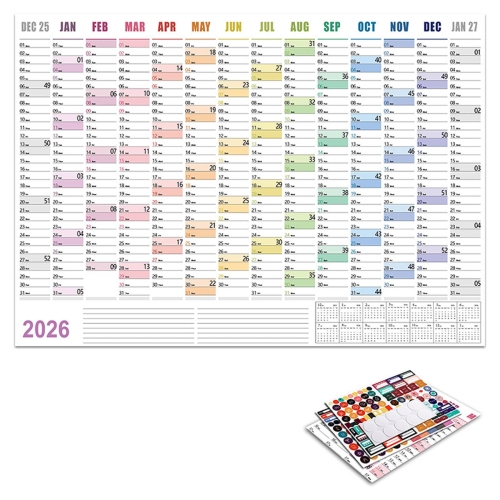

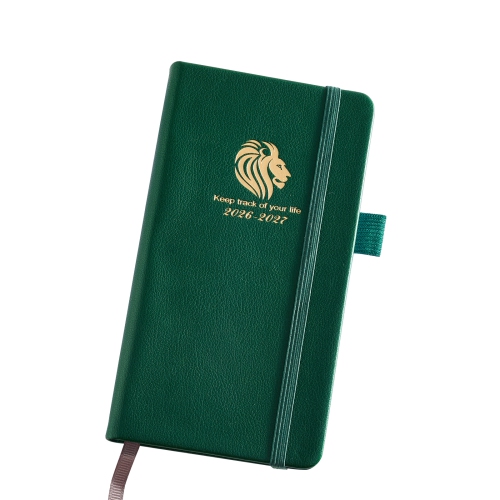
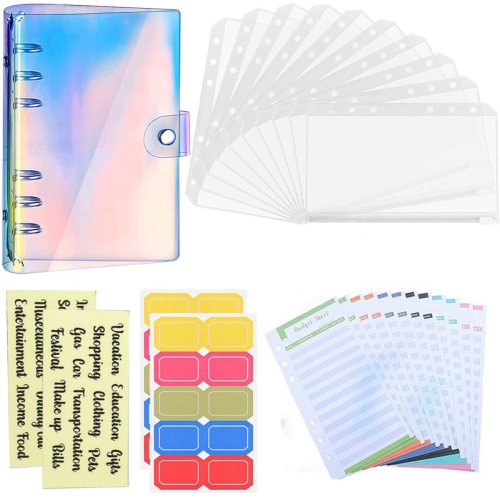
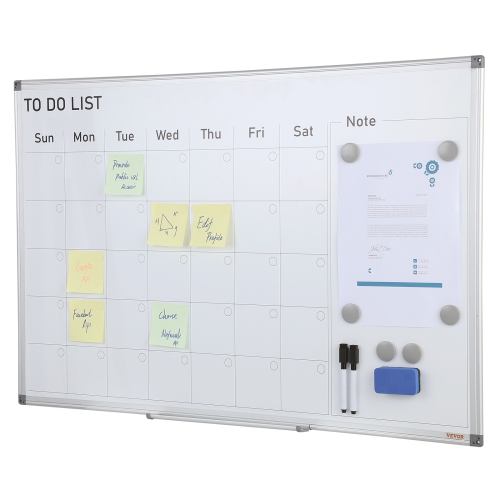
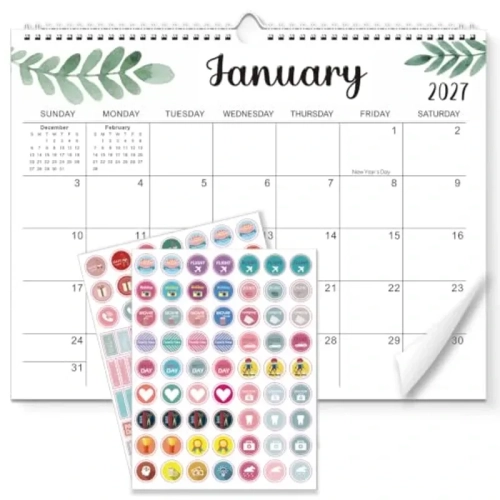
A clearer week starts with the right layout
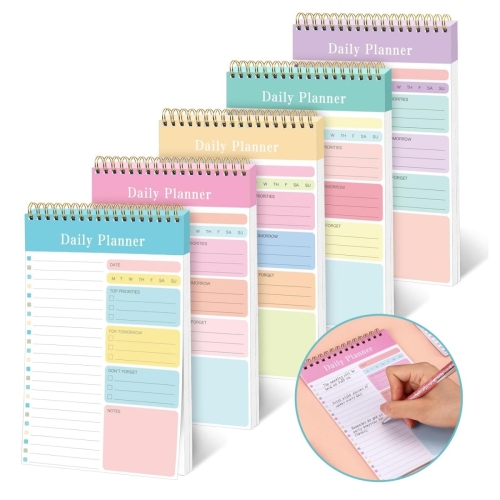
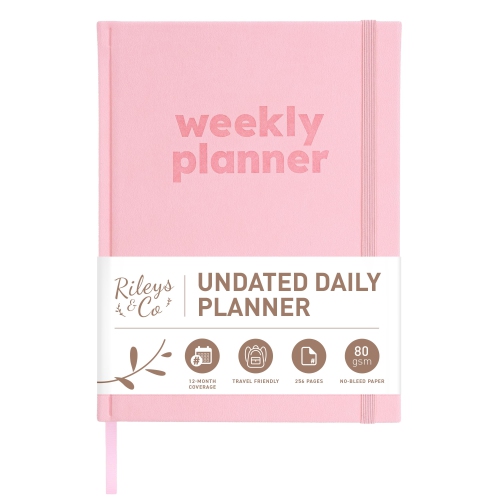
A weekly planner is a paper organizer that brings appointments, deadlines, and tasks together in a seven-day view, usually across one page or a two-page spread. Seeing several days together makes it easier to spot a crowded afternoon, leave room between commitments, and give a larger task a realistic place in the schedule. Weekly planners suit people who want more detail than a monthly calendar provides without using a full page for every day. The layout shapes how that space works. Vertical layouts typically place the days in side-by-side columns, often with hourly divisions that suit time-blocking, appointments, or shifts. Horizontal layouts usually give each day a section running across the page, offering room for short lists, reminders, and brief notes without assigning everything a time. A week-on-one-page layout paired with a facing notes page keeps scheduled commitments separate from tasks that can happen whenever there is an opening. Someone coordinating meetings might prefer clearly marked time slots, while someone managing errands and household responsibilities might find open writing space more useful. Weekend space matters, too: some formats give Saturday and Sunday as much room as weekdays, while others combine them into a smaller section. Dated planners provide a ready-made calendar sequence, helping keep appointments and deadlines attached to the correct dates. Undated planners leave those details blank, allowing the pages to be used for selected periods or started at any point in the year. Monthly overview pages can add context for longer projects, while dedicated notes sections keep details from crowding the weekly spread. Clear date labels, readable printing, and enough room for natural handwriting are more useful than a busy page filled with sections that will go unused. The strongest fit is a layout that reflects an ordinary schedule, whether that means a few appointments and a running task list or a carefully divided day with several separate commitments.
Materials, binding, and dimensions influence how comfortably a weekly planner fits into everyday routines. A compact planner slips more easily into a handbag or work bag, but its smaller writing areas may require shorter notes. A larger format offers space for meeting details, assignment deadlines, and several lines of tasks, making it practical for a desk or shared household planning area. Dimensions alone do not tell the whole story: the usable writing space depends on margins, printed prompts, and the number of sections on each page. Hard covers provide a firm writing surface and help protect pages in a bag, while flexible covers are generally lighter and easier to tuck into a narrow compartment. Cover materials may include coated card, fabric, or leather-like finishes, each with a different feel and cleaning needs. Wirebound and spiral formats often open flat or fold back on themselves, useful when desk space is limited. Sewn bindings can provide a smooth spine and a book-like feel, although how flat they open depends on their construction. Ring-bound formats may allow pages to be moved or replaced, provided the refill size and hole spacing match. Paper quality also affects daily use. Smooth paper supports comfortable writing, and greater opacity reduces how much writing on the reverse side shows through. Thickness alone does not guarantee that ink will stay on the surface; coating, pen type, and ink flow also matter. Anyone who writes with fountain pens or uses several highlighter colours benefits from checking the paper’s stated suitability and trying an unobtrusive spot before filling a spread. Ribbon markers, elastic closures, and internal pockets can make frequently used pages and loose notes easier to manage. For lasting use, avoid overfilling pockets, keep drinks away from open pages, and clean the cover according to its material. A damp cloth may suit some wipeable finishes, while fabric and paper covers generally need gentler treatment.
Weekly planners can serve very different purposes even when their page layouts look similar. For an office worker, the weekly spread might hold meeting times, a report deadline, and space reserved for uninterrupted work. For a student, it can bring classes, assignment due dates, study sessions, and part-time shifts into one view, revealing where several demands overlap. Students who need more room for individual lessons, detailed homework lists, or daily study notes may also find Student's Daily Planners useful alongside a broader weekly overview. At home, a planner can gather school pickups, household appointments, meal ideas, and errands that would otherwise sit on separate scraps of paper. A shared planner works best when there is enough space to identify who each commitment belongs to; different pen colours or simple initials can make that distinction clear. For someone working varied shifts, an undated layout with generous daily sections can be more useful than a page built around standard office hours. Creative projects also benefit from weekly space: a few lines can hold practice sessions, drafting time, or the smaller steps between an idea and a finished piece. Optional habit trackers, priority boxes, and reflection areas provide structure for people who enjoy them, but a straightforward layout may be preferable for those who mainly need a dependable appointment book. Writing down a manageable number of priorities keeps the page readable, and leaving some blank space makes it easier to accommodate a delayed meeting or an unexpected errand. Weekly planners can also make thoughtful gifts for someone starting a course, taking on a new role, or setting up a more organized workspace. A gift is more likely to be used when its size, cover style, and writing layout match the recipient’s habits rather than simply looking attractive. Whether carried between appointments or left open beside a keyboard, a well-suited planner gives schedules and everyday details a consistent place to live.
Top selling and popular products
-
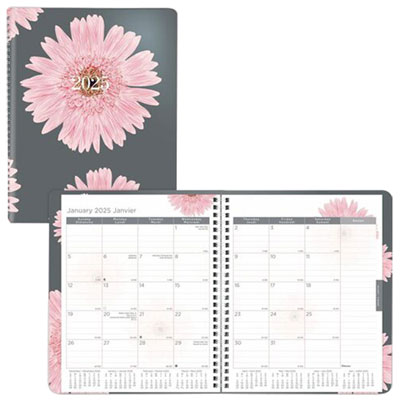 Your price for this item is $29.99
-
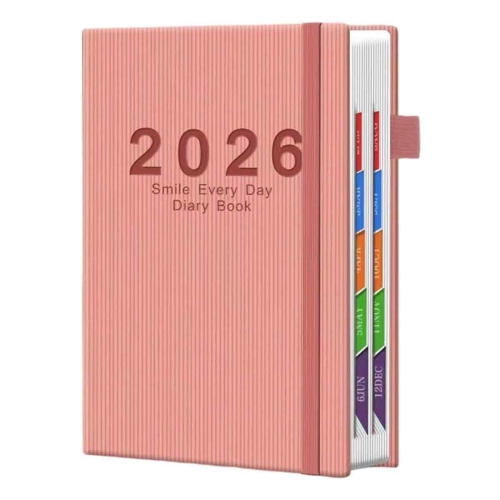 Your price for this item is $23.38
-
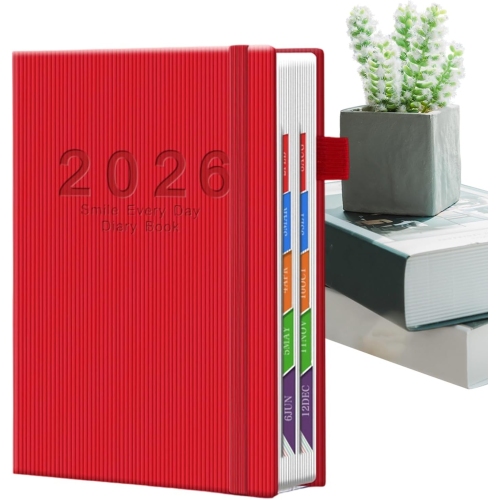 Your price for this item is $25.26
-
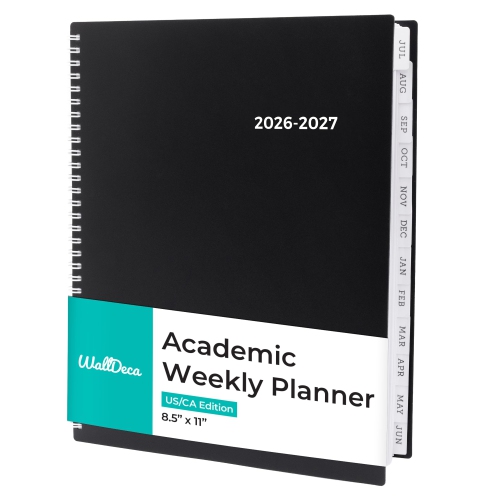 Your price for this item is $153.55
-
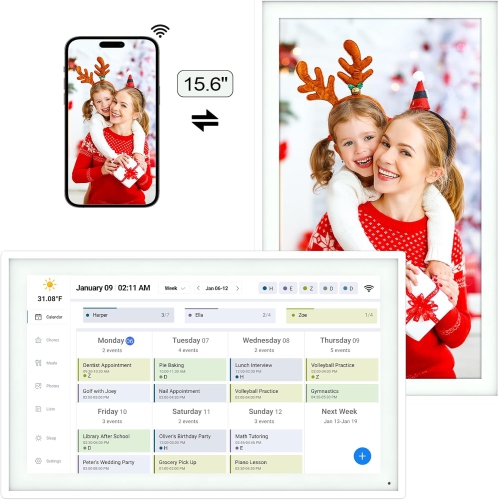 Your price for this item is $289.99
-
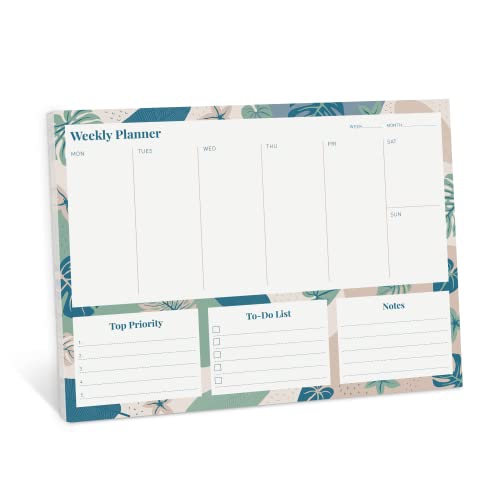 Your price for this item is $19.99
-
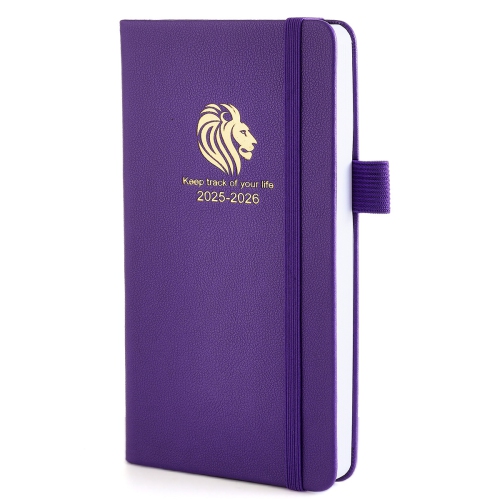 Your price for this item is $27.38
-
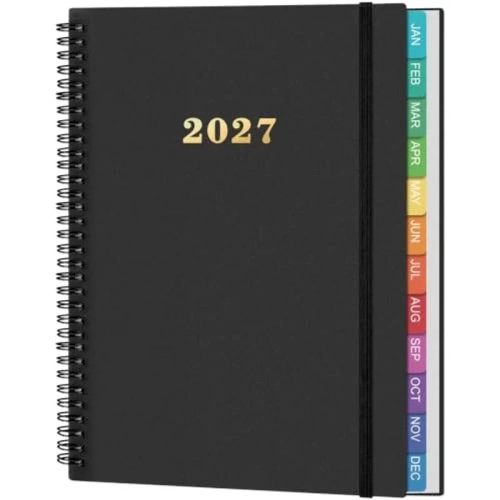 Your price for this item is $30.79
Discover more categories related to Weekly Planners
Top Collections:
Best Black Friday Deals This Year, Best Black Friday Deals On Electronics, Kindle Devices, Best Black Friday Deals On Apple Products, Best Budget Office Chairs, Best Cameras for Sports Photography, Dyson Airwrap, Canon G7X Cameras, Best Laptops for Writers, Samsung Galaxy Phones
Some products may be subject to Environmental Handling Fees
(EHF) depending on your province.
Learn more about EHFs.