Wooden Pencils
Whether you're an artist, a student, or simply someone who loves putting pen to paper, wooden pencils are a timeless writing instrument that never goes out of style. With their classic design and smooth, reliable performance, wooden pencils continue to be a favorite choice for those seeking precision and control in their writing or drawing. From graphite pencils for sketching to colored pencils for adding vibrant hues to your artwork, these pencils have something for everyone.
Sort


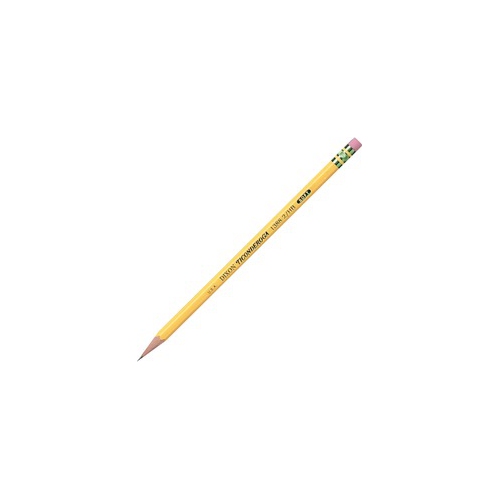


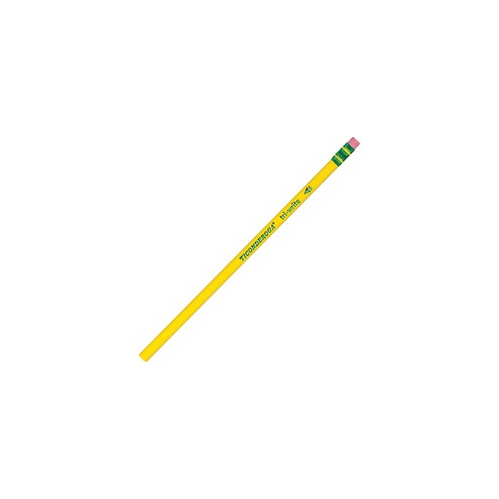


How pencil grades, barrels, and sharpening affect everyday use
Wooden pencils remain a dependable choice for writing, drawing, marking, and everyday note-taking because they offer a familiar feel and straightforward control. A traditional wooden pencil has a graphite-and-clay core enclosed in a wood barrel, with the balance between graphite and clay determining how the pencil behaves on paper. HB and #2 pencils are popular general-purpose options for schoolwork, forms, journalling, crossword puzzles, office notes, and household lists. They create a clear mark without being excessively soft, making them a practical choice for shared pencil cases and busy desks. Harder grades, often identified with an H, produce lighter, finer lines and can be useful for drafting, geometry, technical sketches, and precise outlines. Softer grades, such as B and 2B, lay down darker marks with less pressure and are often preferred for shading, expressive sketching, and loose drawing. Since grading systems can vary slightly between manufacturers, anyone who needs a particular result may want to compare the printed grade, intended use, and user reviews rather than relying on the letter alone. The shape and finish of the barrel also affect comfort. A traditional round barrel rolls easily across a desk but feels natural in the hand, while a hexagonal barrel is less likely to roll away and gives many writers a steady grip. Triangular barrels can be helpful for younger children or anyone developing a comfortable writing hold. Look for a smooth exterior, an even finish, and a size that feels balanced between the fingers. The wood should sharpen cleanly without frequent splitting, while the graphite core should resist excessive breakage during ordinary use. A quality eraser is useful for school assignments, diagrams, and preliminary sketches, though artists may prefer a pencil without an attached eraser so they can choose a separate kneaded, vinyl, or precision eraser. Pencil length, pack size, and sharpening requirements are also worth considering. Larger packs make sense for classrooms, studios, family workspaces, and workplaces where pencils tend to disappear into drawers, backpacks, or coat pockets. Smaller packs may be more convenient for a personal pencil case or a compact desk. Pre-sharpened pencils save time when preparing supplies, while unsharpened pencils can be a better fit for people who prefer to use a particular point style or hand sharpener. For a broader selection of writing tools, browse Pens And Pencils.
Wooden pencils suit a wide range of users, from children learning letter formation to students taking notes, adults organizing a planner, and artists building layers of tone on textured paper. They are especially useful wherever marks may need to be adjusted, corrected, or refined. A student can use an HB pencil for calculations and written work, then switch to a softer grade for a shaded map or art assignment. Someone setting up a home office may keep a few pencils beside a notepad for quick reminders, package measurements, seating plans, or rough ideas that do not need to be typed immediately. In a workshop or craft room, pencils can mark wood, cardboard, fabric patterns, and other materials, provided the surface is suitable and the mark can be removed. They can also make thoughtful, practical gifts when paired with a sketchbook, notebook, pencil case, sharpener, or ruler. A selection of grades is a considerate choice for a beginner artist, while a generous writing set can help a student prepare for a new term or give a teacher useful supplies for a classroom. During the cooler months, pencils are handy for indoor activities such as colouring, drawing, letter writing, board games, and planning projects at the kitchen table. To keep them working well, store pencils in a case or container that protects the points from impact, and sharpen them with a clean, properly aligned sharpener. A dull or damaged blade can catch the barrel and fracture the graphite inside, leading to repeated breakage. Rotate the pencil as it sharpens rather than forcing it, and stop when the point reaches the desired length; a shorter point is often more durable for writing, while a longer point can provide greater range for shading. Keep graphite pencils separate from pens, markers, and loose metal items when possible, since pressure and rubbing can stain surfaces or damage the tips. For drawing, test a few strokes on scrap paper before beginning the final work, especially when moving between grades. For writing, consider the paper texture: smooth paper supports crisp lines, while toothier paper gives softer grades more grip and can create richer shading. Whether they are used for homework, creative practice, work notes, or a simple gift, wooden pencils offer an accessible way to put an idea on paper, make a correction, and begin again with a freshly sharpened point.
Wooden pencils suit a wide range of users, from children learning letter formation to students taking notes, adults organizing a planner, and artists building layers of tone on textured paper. They are especially useful wherever marks may need to be adjusted, corrected, or refined. A student can use an HB pencil for calculations and written work, then switch to a softer grade for a shaded map or art assignment. Someone setting up a home office may keep a few pencils beside a notepad for quick reminders, package measurements, seating plans, or rough ideas that do not need to be typed immediately. In a workshop or craft room, pencils can mark wood, cardboard, fabric patterns, and other materials, provided the surface is suitable and the mark can be removed. They can also make thoughtful, practical gifts when paired with a sketchbook, notebook, pencil case, sharpener, or ruler. A selection of grades is a considerate choice for a beginner artist, while a generous writing set can help a student prepare for a new term or give a teacher useful supplies for a classroom. During the cooler months, pencils are handy for indoor activities such as colouring, drawing, letter writing, board games, and planning projects at the kitchen table. To keep them working well, store pencils in a case or container that protects the points from impact, and sharpen them with a clean, properly aligned sharpener. A dull or damaged blade can catch the barrel and fracture the graphite inside, leading to repeated breakage. Rotate the pencil as it sharpens rather than forcing it, and stop when the point reaches the desired length; a shorter point is often more durable for writing, while a longer point can provide greater range for shading. Keep graphite pencils separate from pens, markers, and loose metal items when possible, since pressure and rubbing can stain surfaces or damage the tips. For drawing, test a few strokes on scrap paper before beginning the final work, especially when moving between grades. For writing, consider the paper texture: smooth paper supports crisp lines, while toothier paper gives softer grades more grip and can create richer shading. Whether they are used for homework, creative practice, work notes, or a simple gift, wooden pencils offer an accessible way to put an idea on paper, make a correction, and begin again with a freshly sharpened point.
Top selling and popular products
-
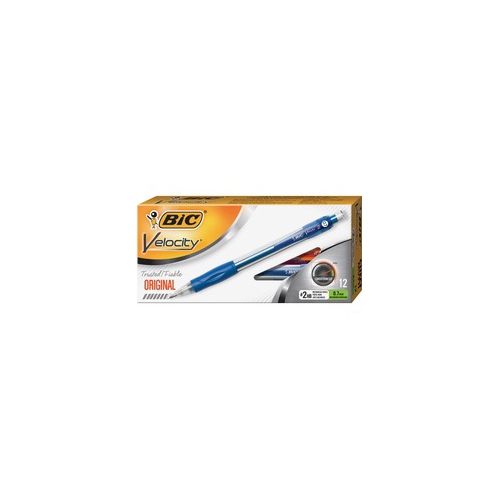 Your price for this item is $20.99
-
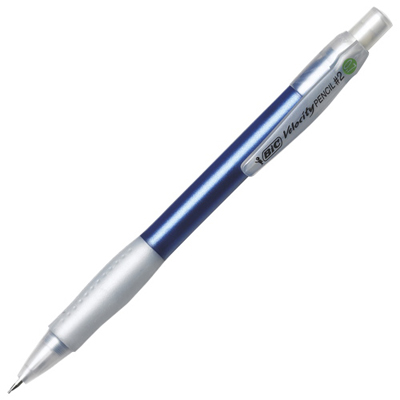 Your price for this item is $21.99
-
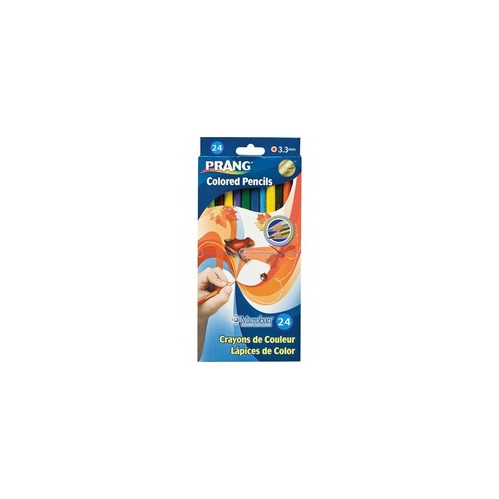 Your price for this item is $8.99
-
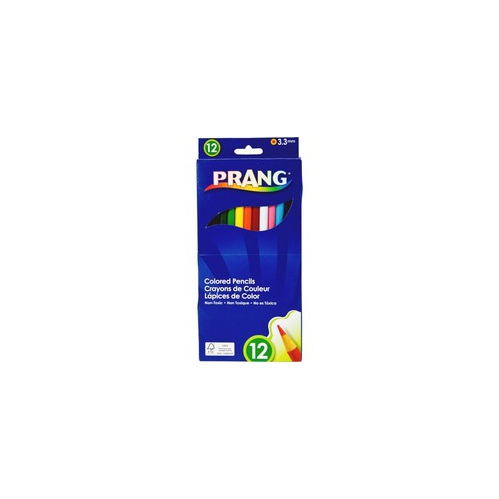 Your price for this item is $3.99
-
 Your price for this item is $5.99
-
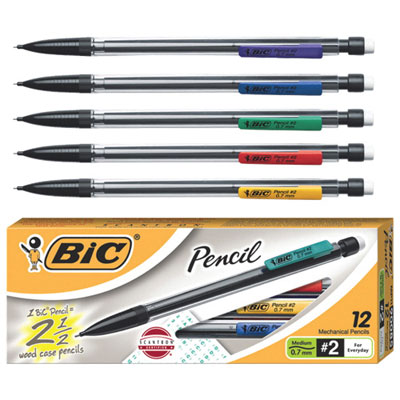 Your price for this item is $9.99
-
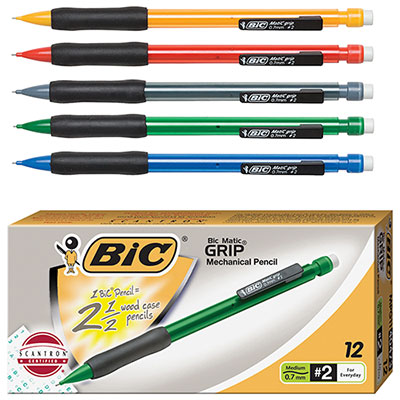 Your price for this item is $13.99
-
 Your price for this item is $8.99
Discover more categories related to Wooden Pencils

Top Collections:
Pokemon Centers, Kindle Devices, Best Cameras for Sports Photography, Pokémon 30th Celebration Cards, Apple iPhones 16, Canon G7X Cameras, iPhone 15 Apple, Flip Phones, Samsung Galaxy Phones, Alarm Clock
Some products may be subject to Environmental Handling Fees
(EHF) depending on your province.
Learn more about EHFs.