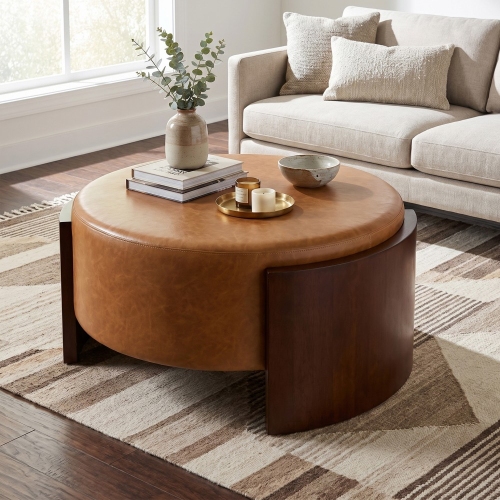
Ottoman Coffee Tables

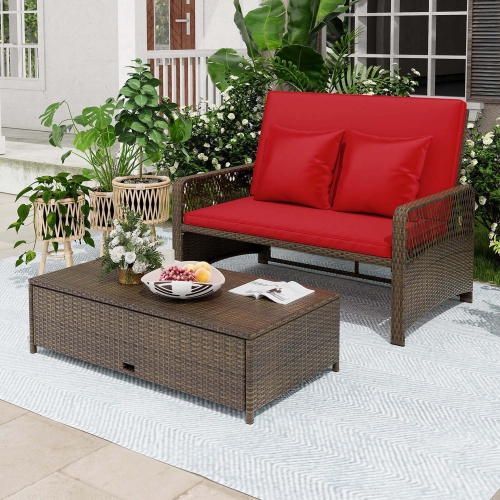
Ottoman coffee tables combine a footrest with a central surface for your living room. Browse options to find a size and shape that work with your sofa and leave room to move around. Consider how you’ll use yours, whether for putting your feet up or holding a tray for drinks and everyday essentials.

Read More

Sort

Feet-up comfort meets coffee table practicality

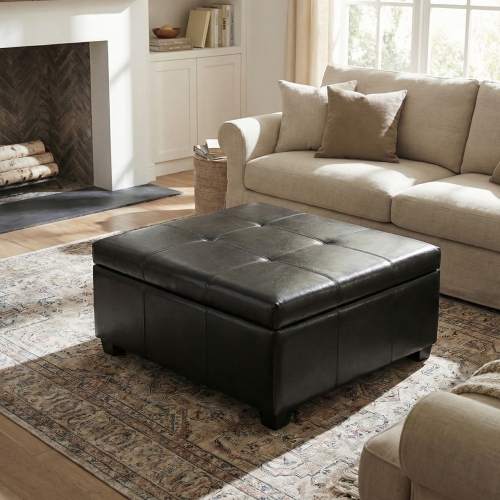
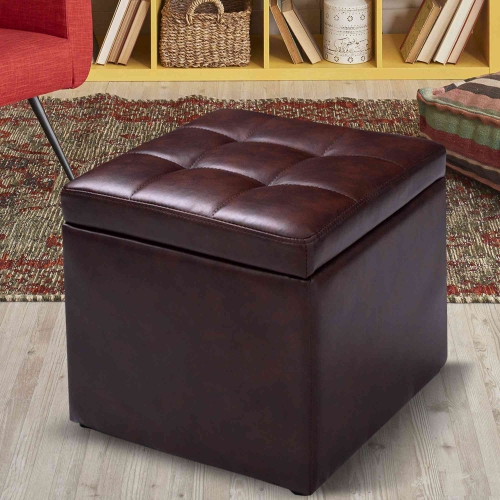
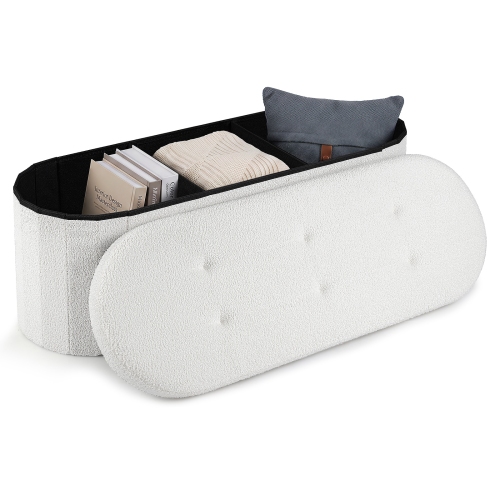
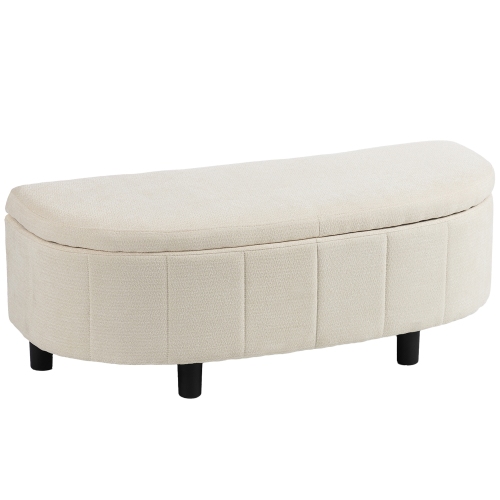
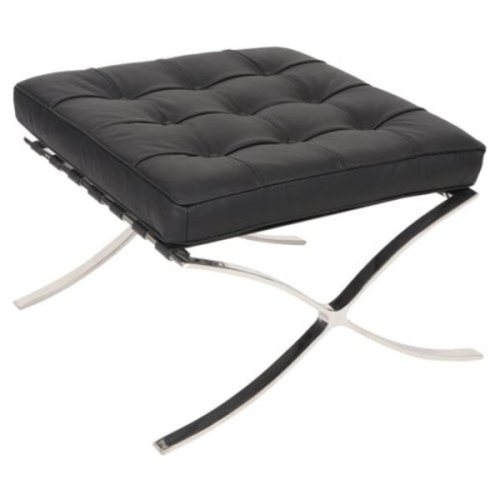
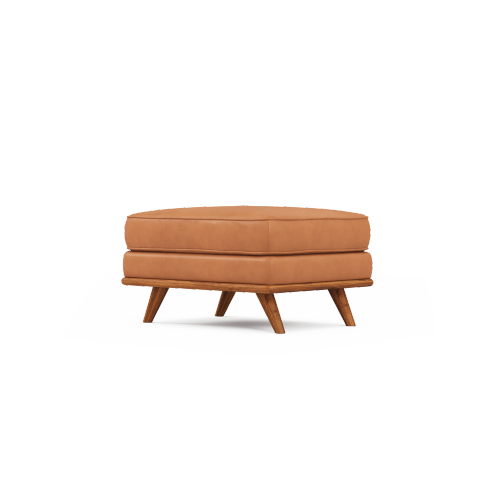
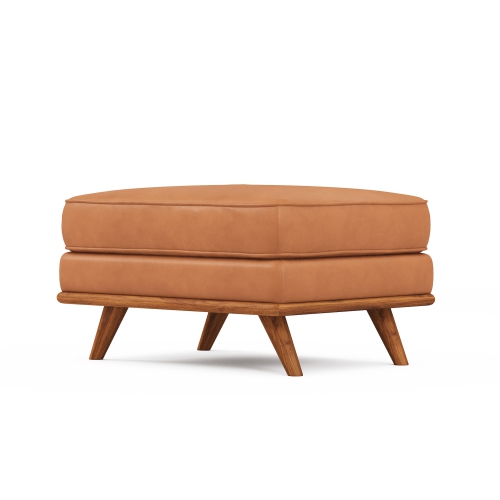
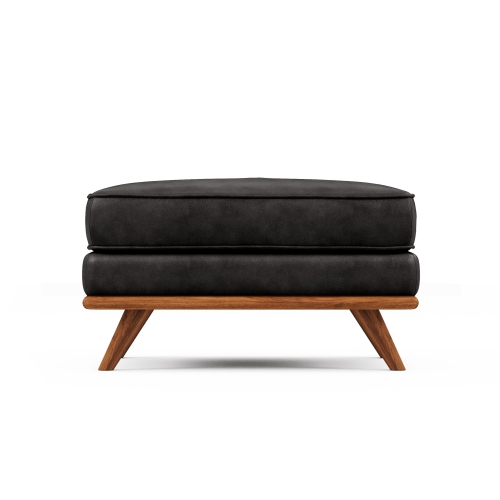
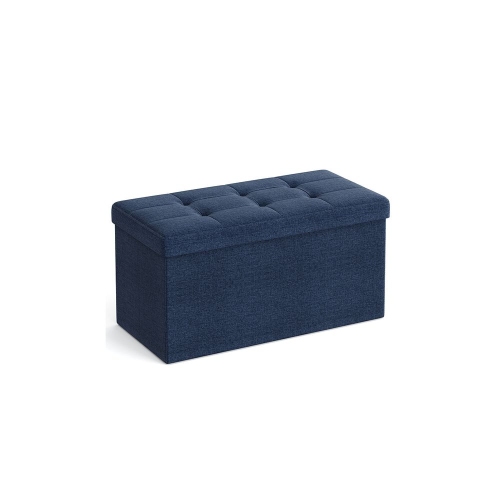
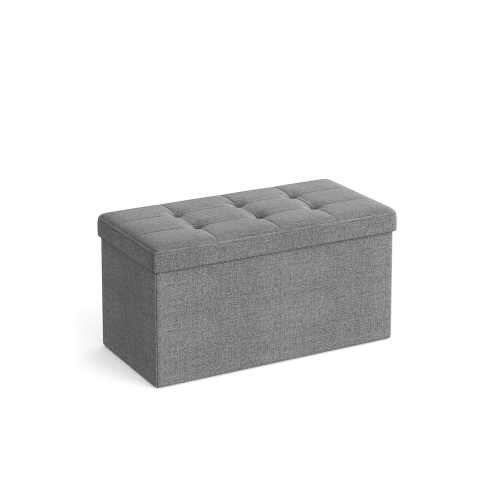
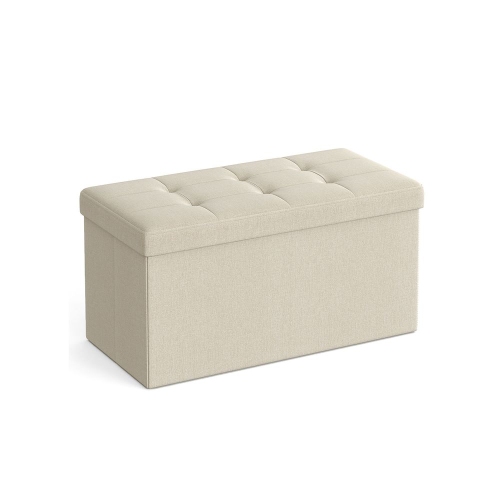
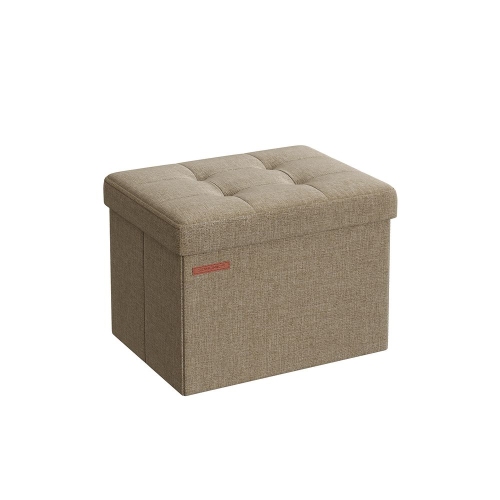
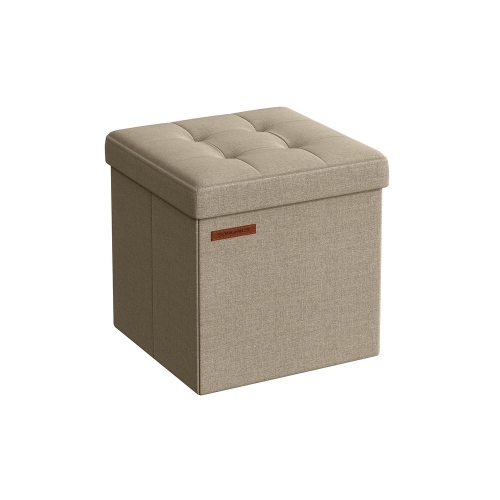
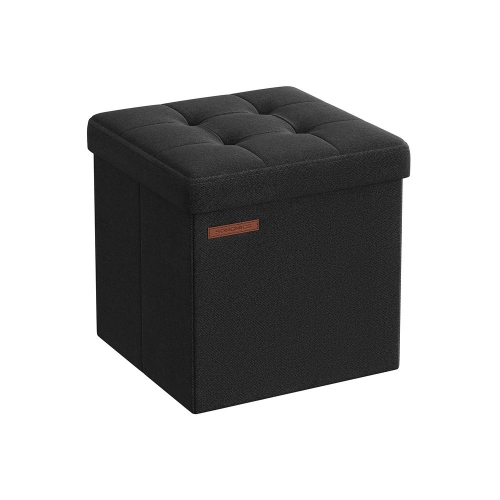
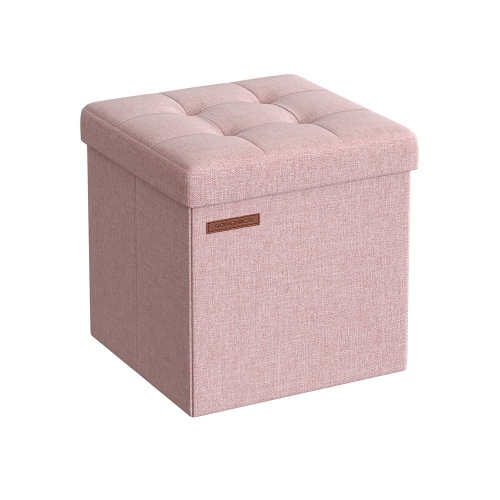
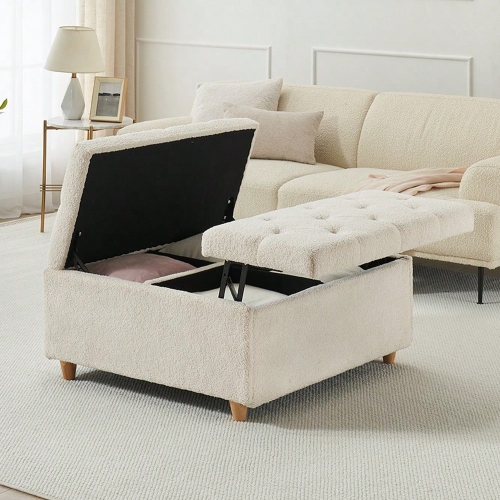
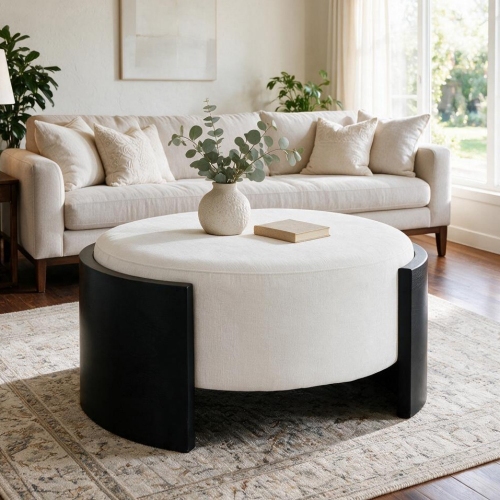
Ottoman coffee tables combine the cushioned surface of a footrest with the central placement and everyday usefulness of a coffee table. Depending on the design, they can also provide concealed storage, a firm tabletop, or occasional seating when the manufacturer specifies that use. Their appeal lies in how easily a living room can change throughout the day: a padded surface supports tired feet during a film, while a sturdy tray creates a level spot for a book, remote controls, or a drink. Unlike a conventional wood or glass coffee table, a fully upholstered ottoman does not provide a rigid surface on its own, so the shape and stability of any serving tray matter. A broad tray with a flat base and raised edges helps keep small essentials together, although drinks still need careful placement and appropriate coasters. Size is just as important as function. An ottoman should sit comfortably within reach of the sofa without filling the route between seating and doorways. A top close to the height of the sofa cushions usually feels comfortable as a footrest, while a noticeably taller design may be better suited to other uses. Rectangular shapes often follow the proportions of a long sofa, and round designs can ease movement through a compact seating area. Square Ottoman Coffee Tables work particularly well within an L-shaped sectional or a balanced arrangement of facing seats, where their equal sides help anchor the layout. In smaller condos and apartments, a modest footprint can leave more usable floor space than an oversized centrepiece. In a larger family room, a generous ottoman can bring separated seats into a more connected arrangement. The best fit depends on the full footprint, including projecting legs, nearby recliners when extended, and enough clearance to open any drawers or lift a storage lid without bumping surrounding furniture.
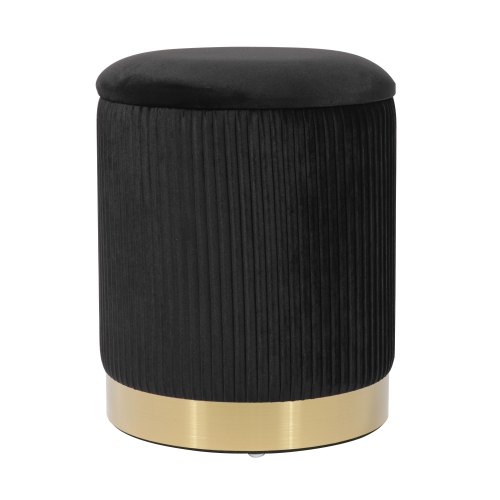
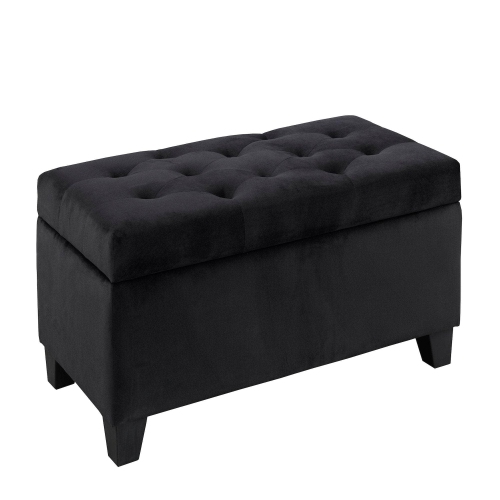
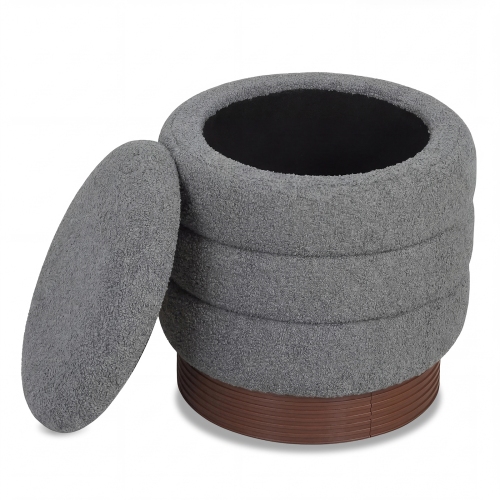
Materials influence both the look of an ottoman coffee table and how it handles daily use. Woven upholstery adds texture and can make a seating area feel relaxed, with choices ranging from smooth, closely woven surfaces to more pronounced loops and nubby finishes. Fabric composition and weave are worth considering together: a textured surface may soften the appearance of light everyday marks, but open loops can catch on pet claws or jewellery. Velvet brings a richer sheen and can show changes in pile direction where hands or feet brush across it. Genuine leather develops character with use, although its finish determines how readily it marks and what cleaning methods are suitable. Faux leather offers a similar visual effect with a different care routine; its resistance to peeling, cracking, and abrasion varies by construction and use. Neither material should be treated as automatically scratch-proof or stain-proof. Beneath the upholstery, frame construction, joints, leg attachment, and cushion support all contribute to durability. Firmer cushioning generally provides a more supportive footrest and a steadier base for a tray, while a deeply padded top prioritizes softness. Tufting and stitched channels add definition, but they also create recesses where crumbs and dust can collect. Smooth tops are typically simpler to brush or vacuum, especially in a room used for snacks, games, and everyday lounging. Care should follow the upholstery label rather than a one-method-fits-all approach. Regular vacuuming with a suitable upholstery attachment helps remove grit, and prompt blotting can limit the spread of a spill without rubbing it deeper into the fabric. Removable covers are not necessarily machine washable, and cleaning solutions should be checked against the manufacturer’s directions. Direct sunlight and nearby heat sources can affect some coverings and finishes over time. For households with children or pets, cleanability and replaceable components may matter more than an intricate finish or a pale colour.

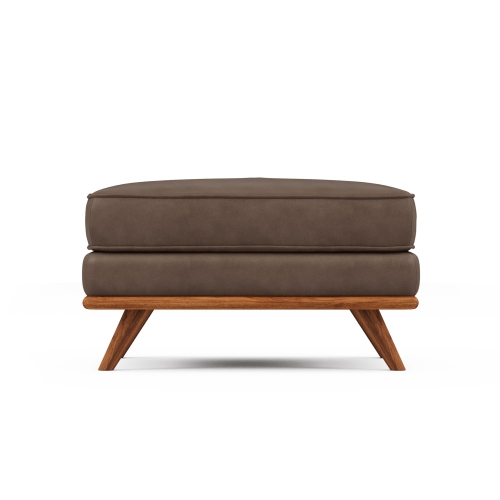
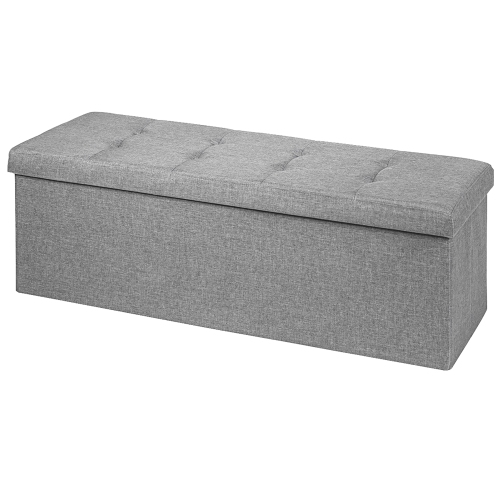
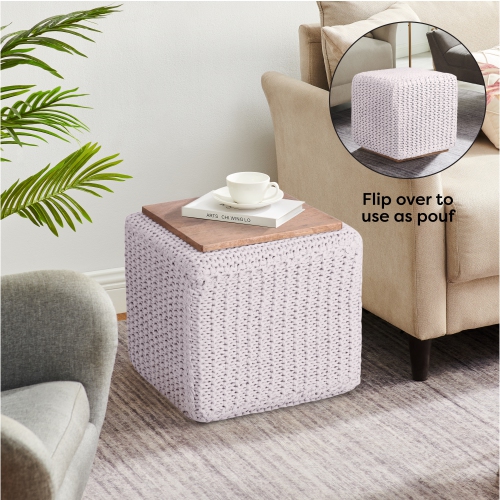
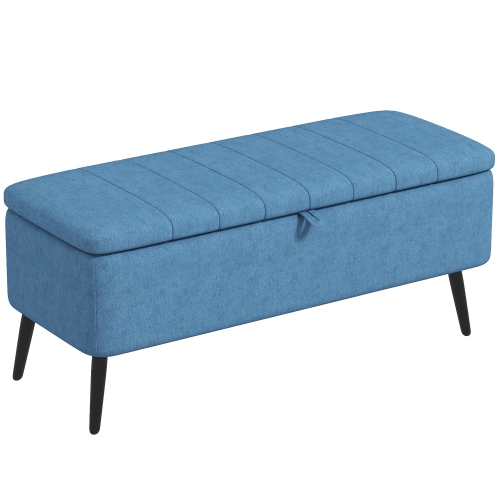
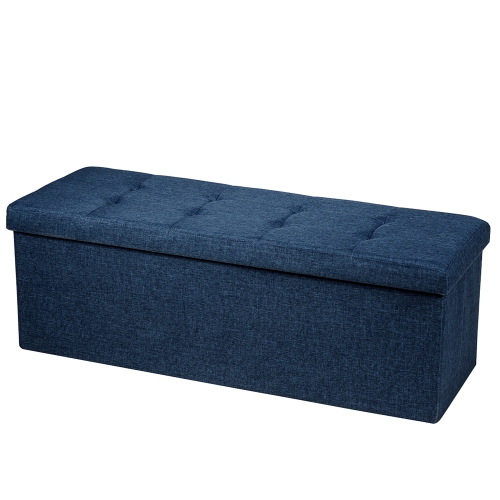
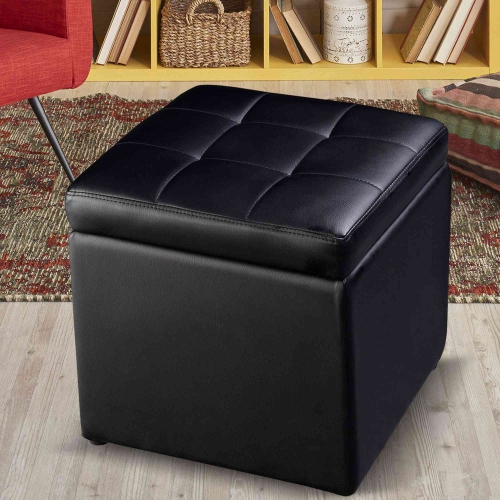
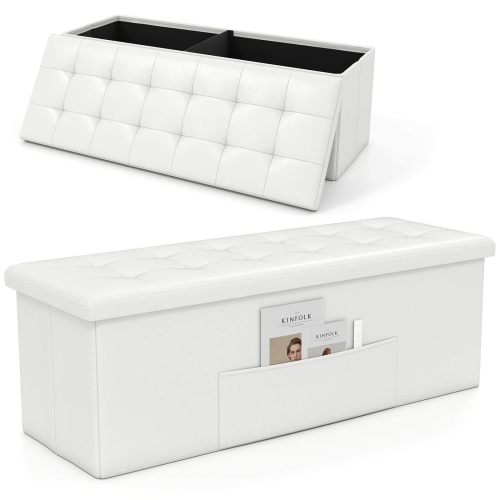
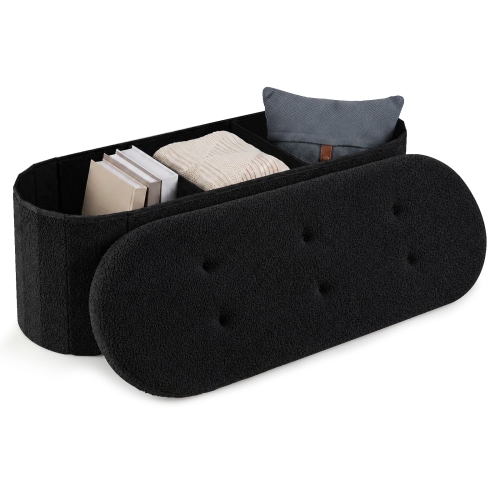
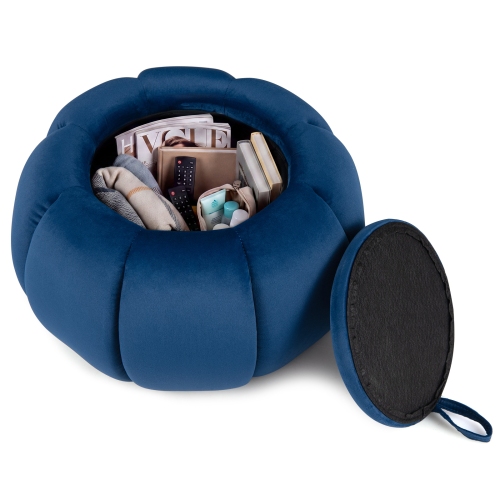
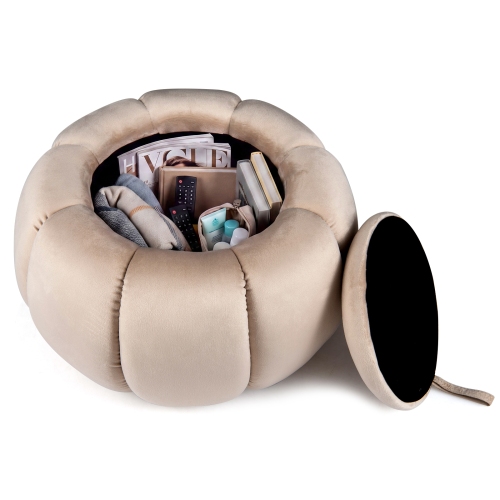
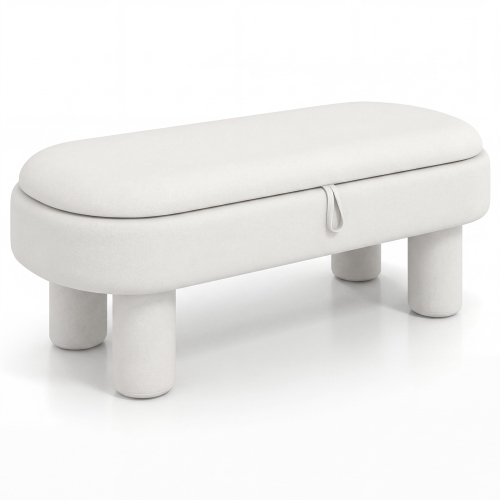
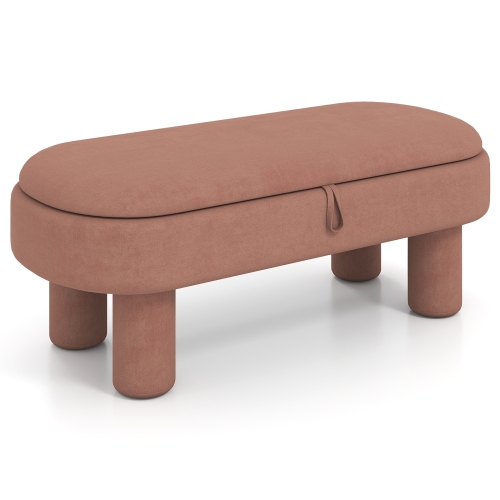
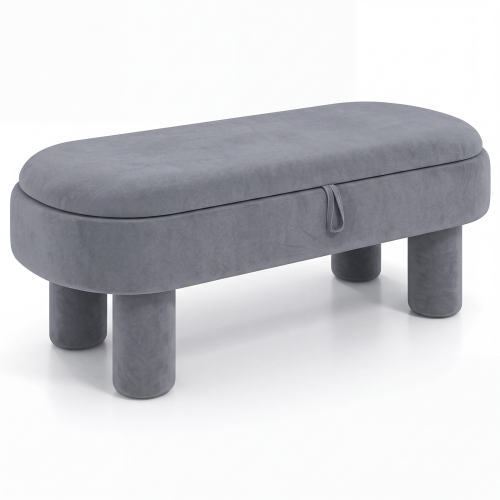
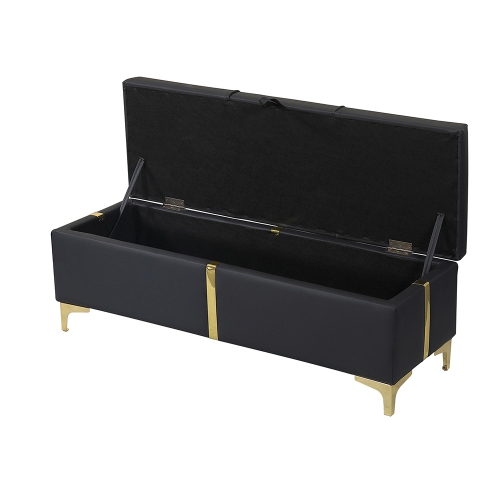
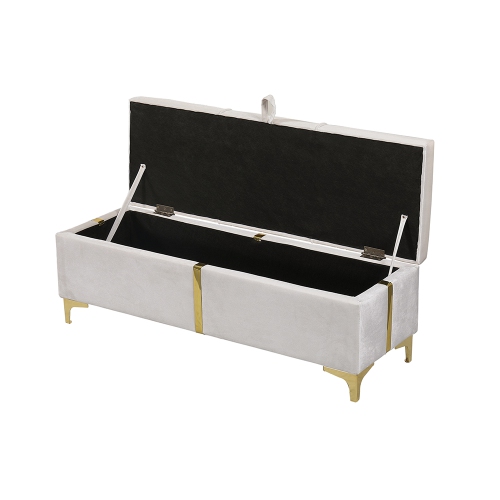
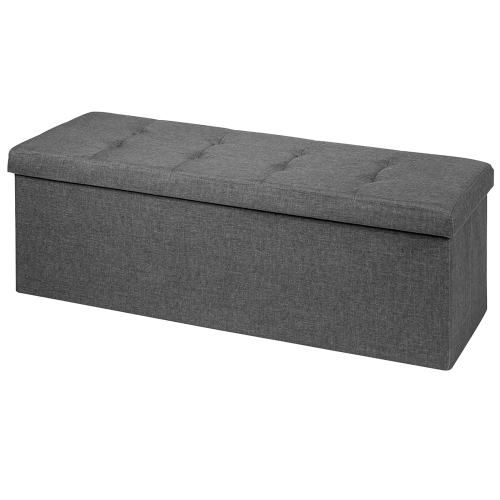
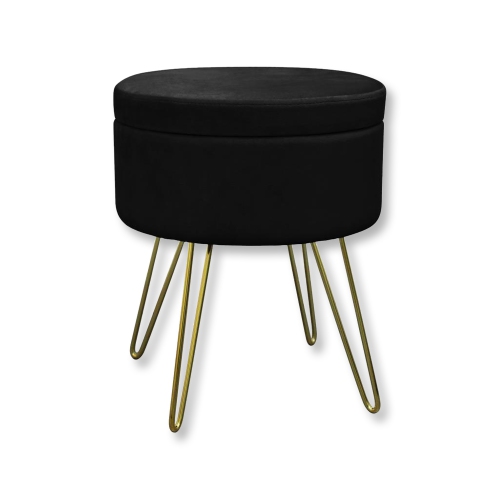
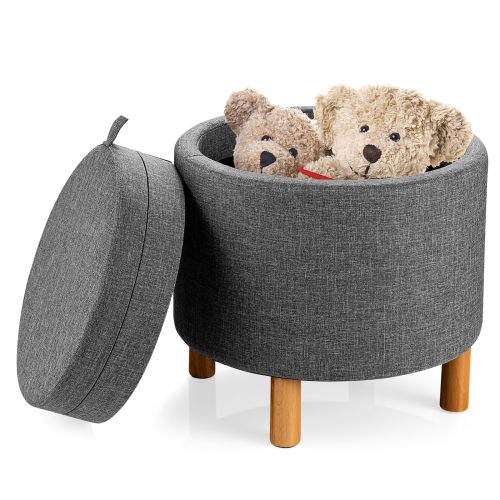
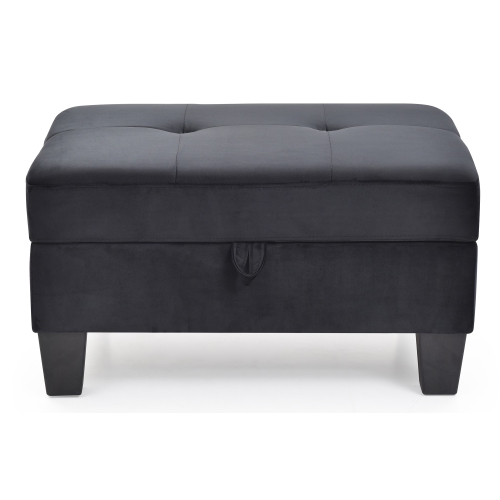
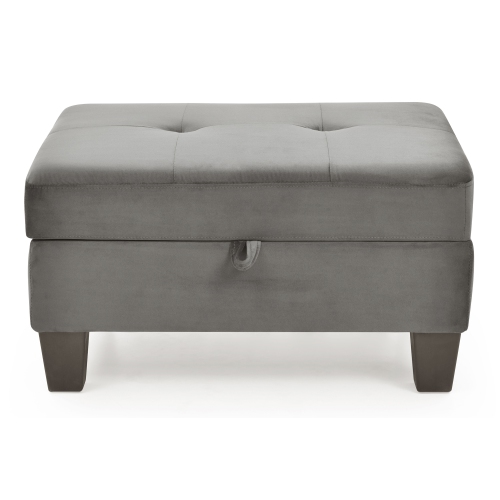
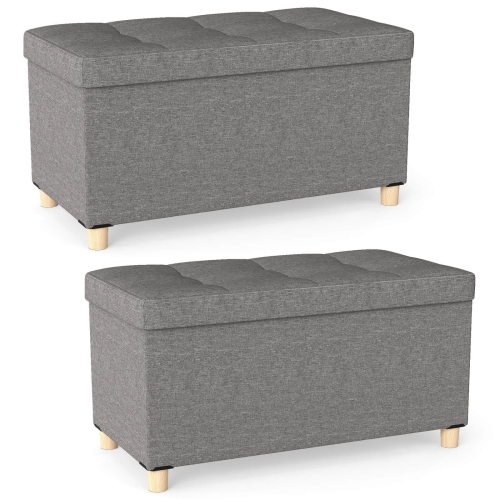
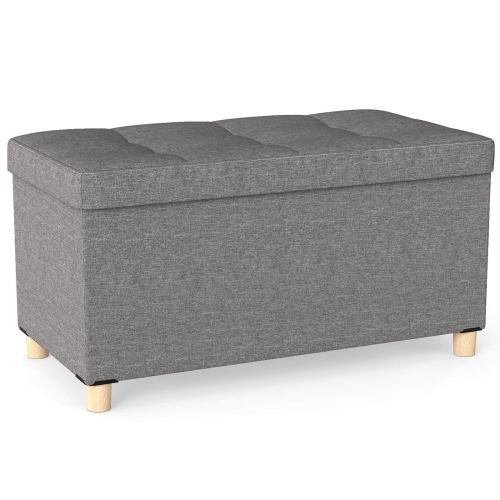
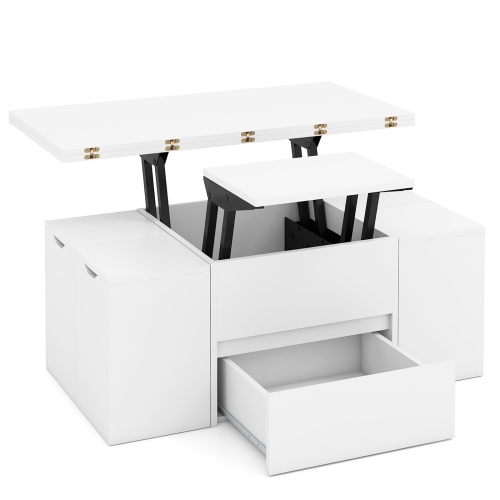
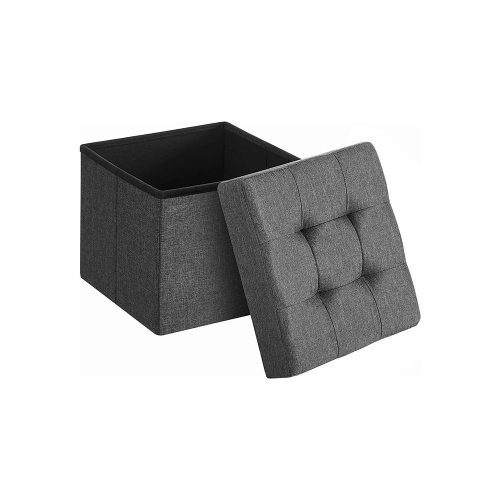
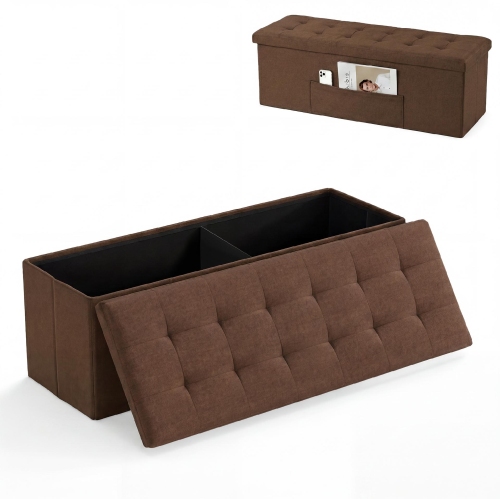
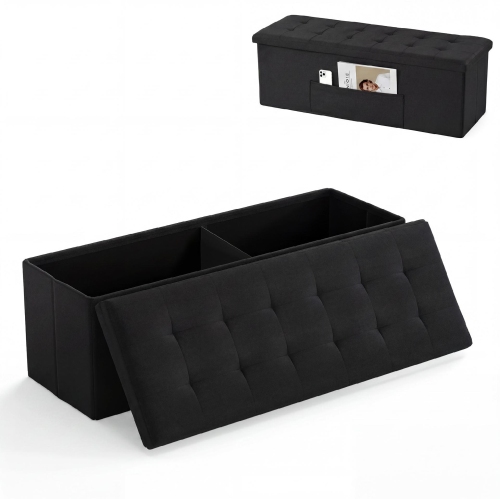
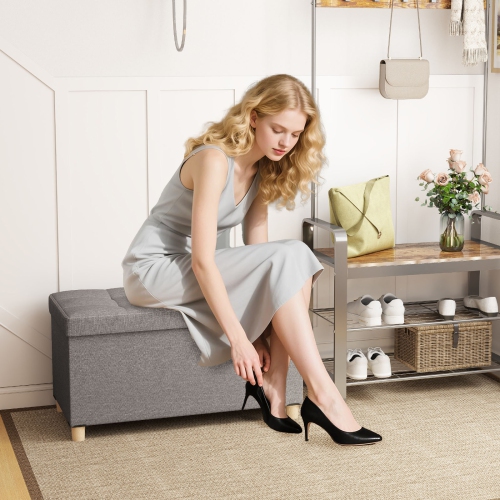
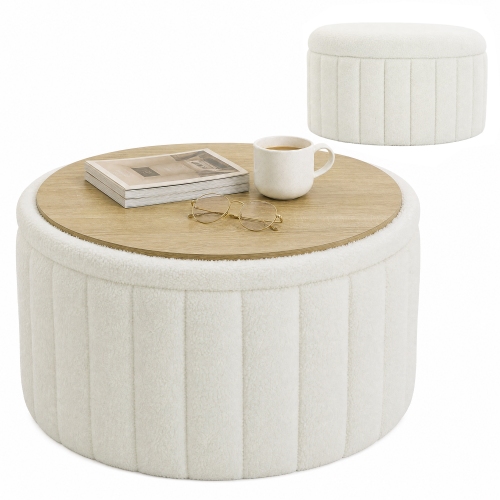
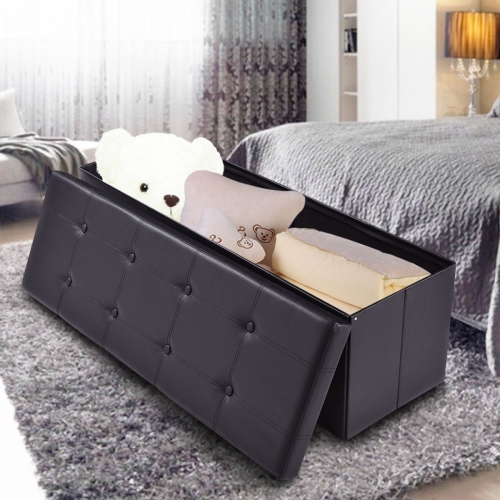
Storage ottoman coffee tables make practical use of space that would otherwise sit beneath a tabletop. A lift-up compartment can hold folded throws, spare cushion covers, or board games, keeping frequently used belongings near the seating area without leaving them on display. The usable interior dimensions matter more than the outside measurements when a particular blanket, game box, or stack of magazines needs to fit. Hinged lids, removable tops, and drawer designs each require different access space, and a full tray may need to be moved before the compartment can open. Lid supports and closing mechanisms deserve attention in a shared family space; fingers need to stay clear of hinges, and storage compartments are not play spaces for children or pets. Designs with reversible tops can offer a firmer serving surface on one side and padding on the other, while styles with an integrated shelf provide open access to books or baskets. These features suit different routines rather than making one design universally better. A household that regularly serves drinks in the living room may value a dedicated hard surface, while someone who mainly stretches out with a novel may prefer uninterrupted cushioning. Occasional seating is another useful possibility, but only when the ottoman is designed for sitting and its stated weight limit is respected. Visually, low legs and a substantial upholstered base create a grounded look, whereas taller exposed legs reveal more flooring and can make the same footprint feel lighter. Colour can connect the ottoman to the sofa without matching it exactly: warm brown leather, soft grey fabric, or a deeper accent shade can each bring a different emphasis to the room. A restrained arrangement leaves room for the furniture to do its everyday work. One stable tray and a little clear surface are often more useful than layers of accessories that must be shifted whenever someone wants to put their feet up.
Read More

FAQ

Some products may be subject to Environmental Handling Fees (EHF) depending on your province. Learn more about EHFs.