Blue Storage Ottomans
Transform your living space with the perfect blend of style and functionality offered by a blue storage ottoman. This versatile piece not only adds a pop of color to any room but also provides a practical solution for keeping your space tidy and organized. Whether you're looking to store blankets, magazines, or other essentials, a blue storage ottoman is an ideal addition to almost any home decor. Its multifunctional design allows it to serve as extra seating, a footrest, or even a coffee table, making it a must-have for those who value both aesthetics and utility. Discover how this chic and convenient furniture piece can enhance your home's ambiance while offering clever storage solutions.
Sort
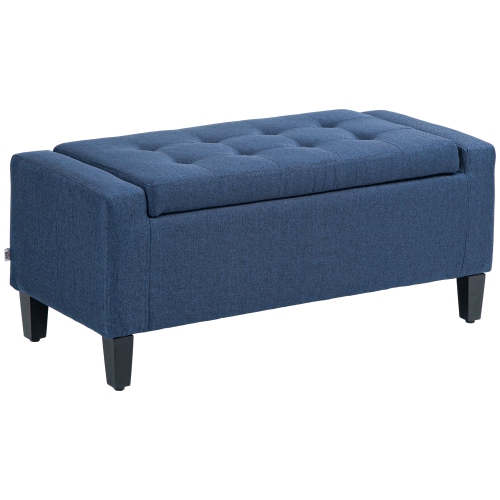
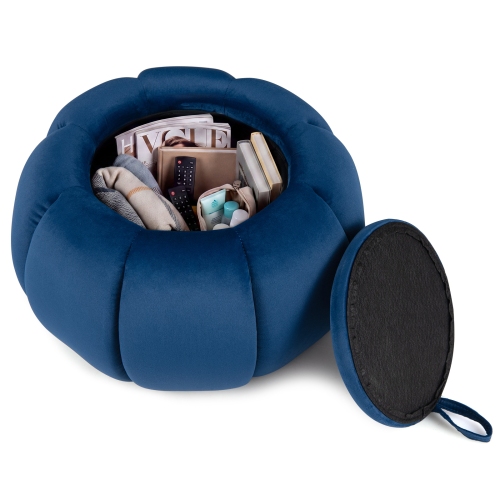
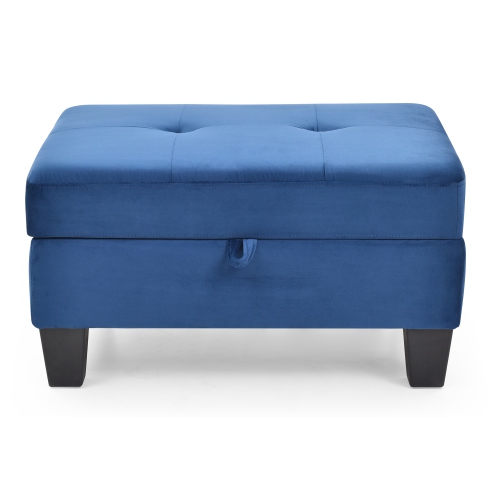

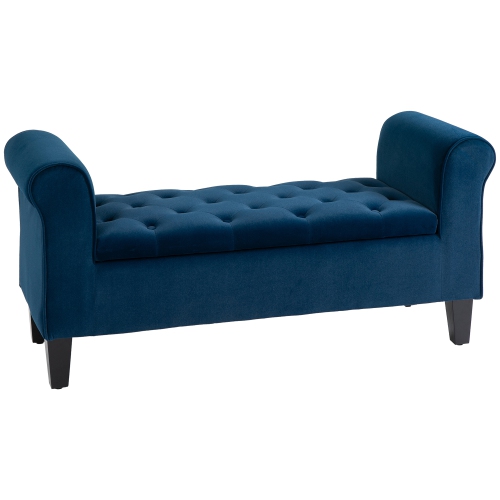
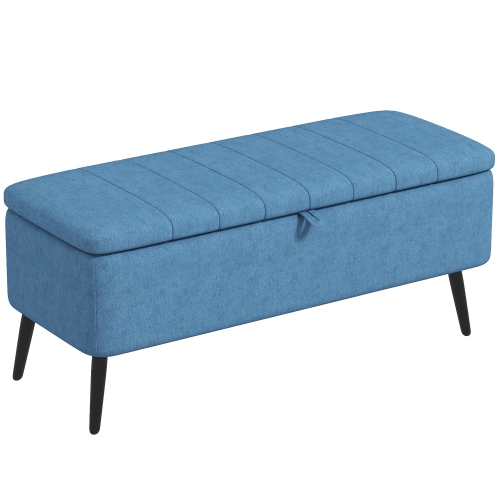
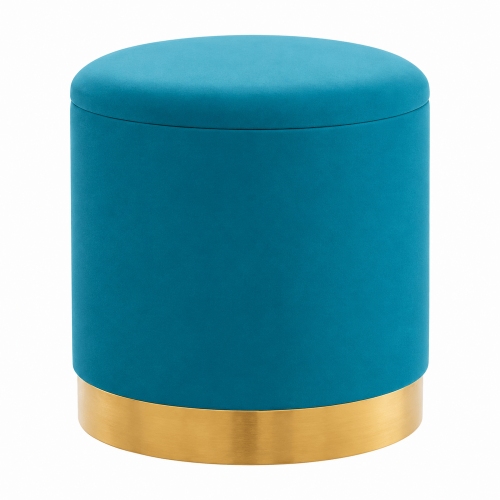

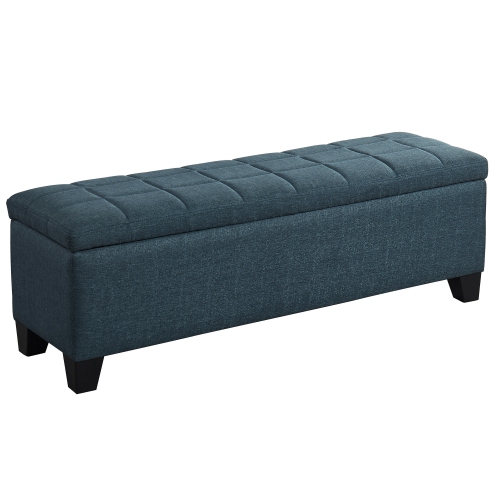
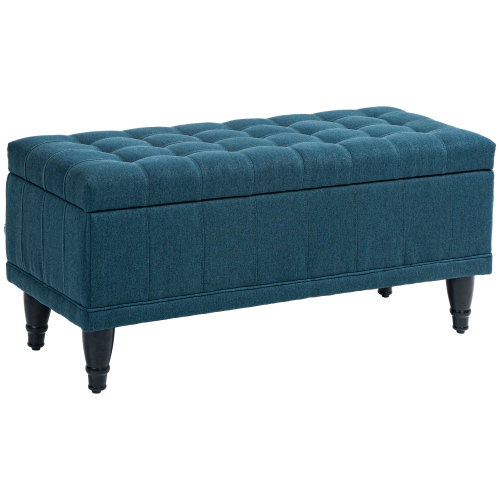
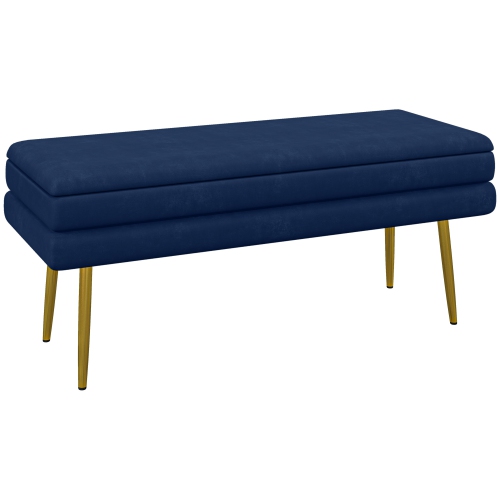
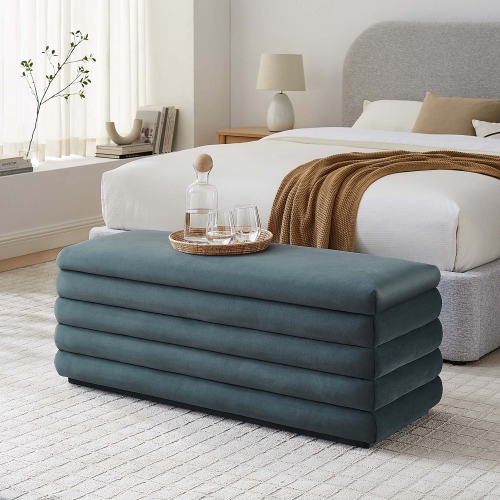
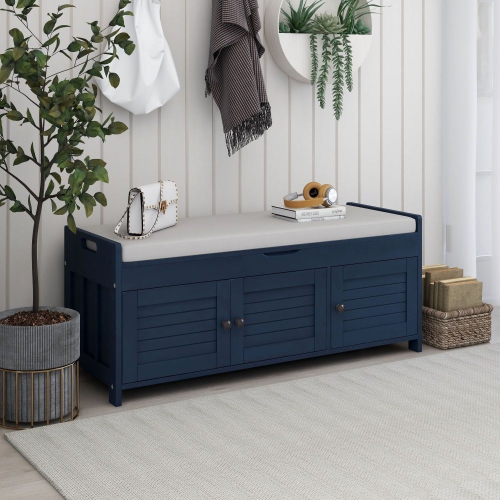

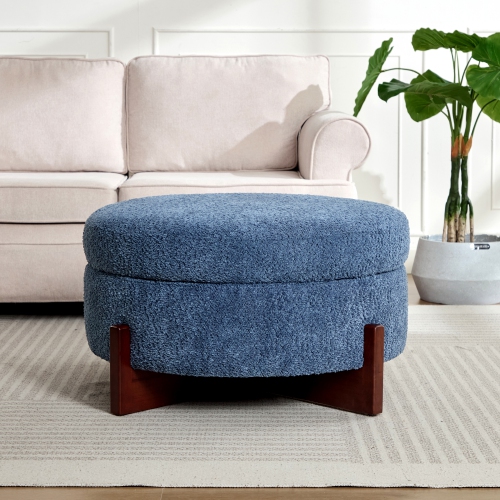
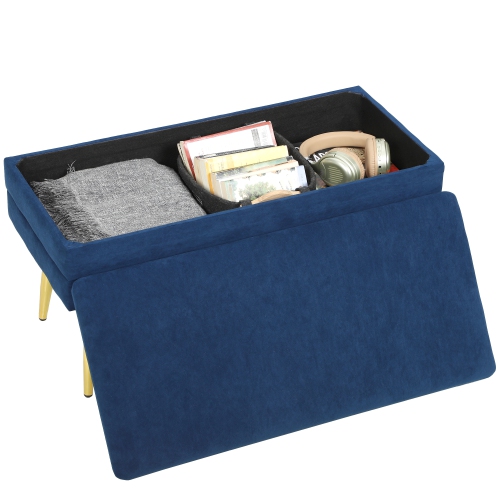
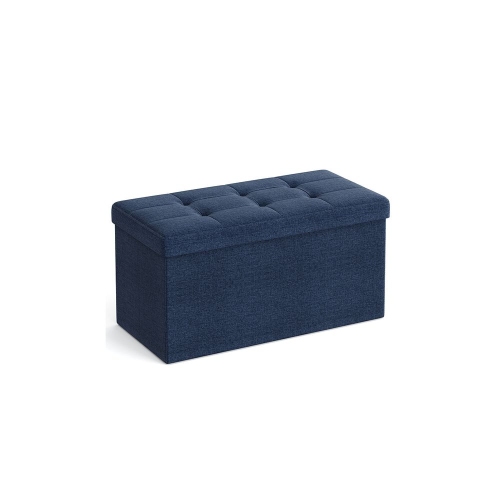
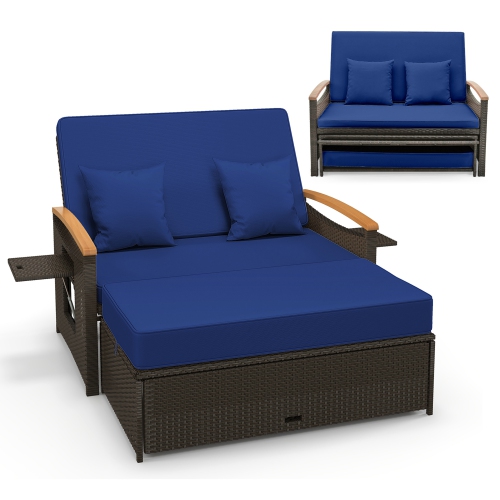
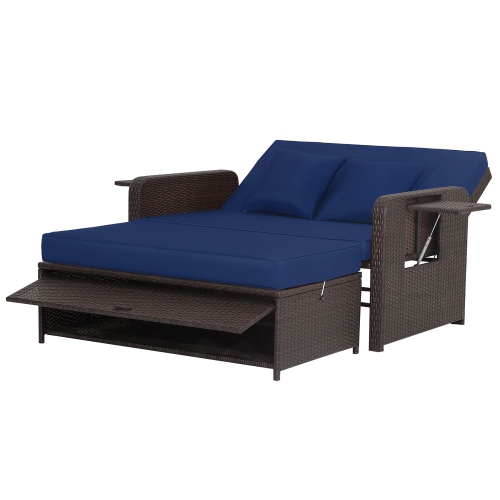
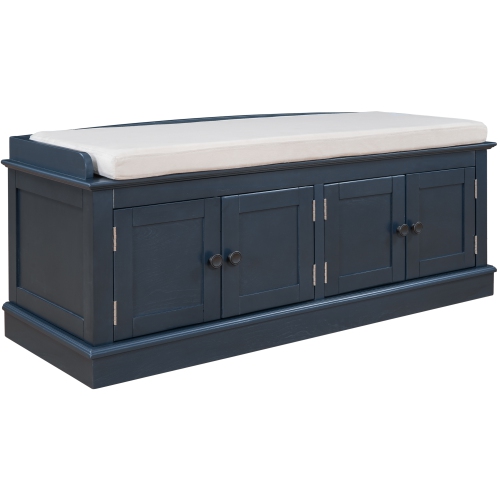
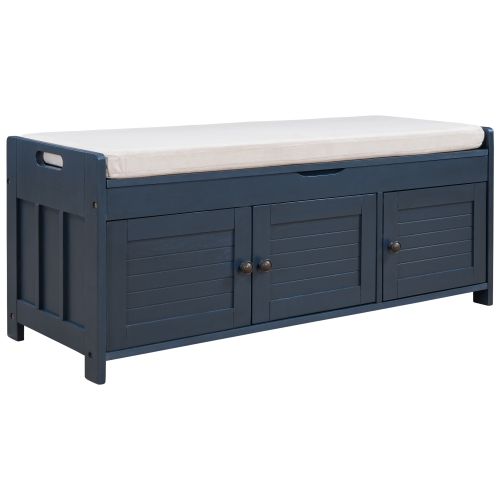
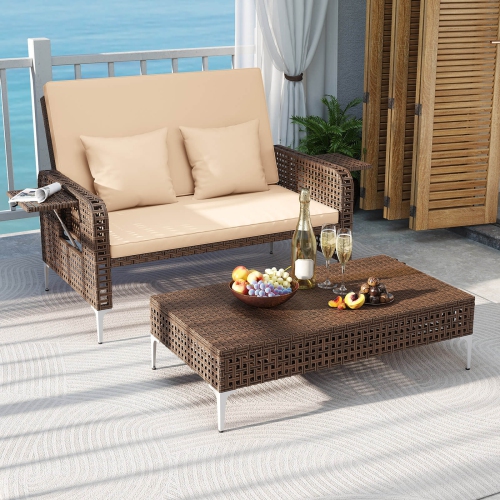
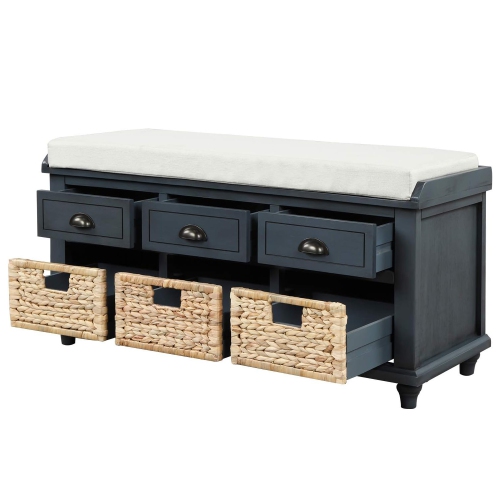
A splash of blue with storage tucked inside
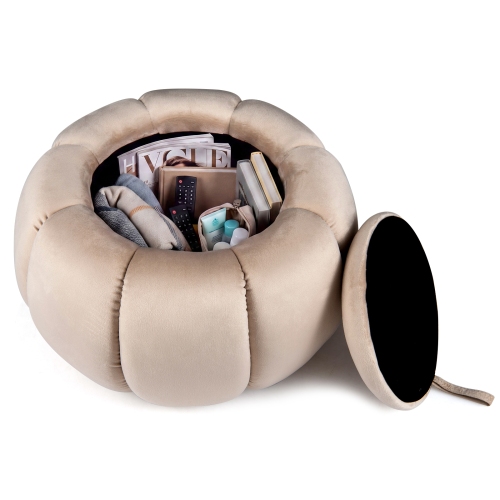
Blue storage ottomans combine a place to rest your feet with a concealed compartment for everyday belongings, bringing colour and practical storage into living rooms, bedrooms, and smaller sitting areas. Depending on their construction and stated weight capacity, they may also provide occasional seating. Their appeal is straightforward: a folded throw, a few magazines, or spare cushion covers can stay close to the sofa without remaining on display. Blue offers plenty of scope for different interiors. Navy creates a strong contrast against cream upholstery and pale wood, while lighter blue feels softer alongside white furniture, woven textures, and natural oak. Teal-leaning shades pair well with warm brown leather, and muted denim blue can sit comfortably among grey fabrics without making the room feel overly coordinated. The fabric finish matters as much as the colour itself. Velvet catches the light and can make the same shade appear lighter or darker across its surface, whereas a textured weave tends to produce a more subdued effect. Shape also changes how an ottoman fits into a room. A rectangular storage bench can follow the length of a sofa or sit at the foot of a bed, while a compact square design is easier to tuck beside an armchair. The curved profiles of Round Blue Ottomans can soften an arrangement of straight-edged furniture and leave fewer projecting corners along a walking route. In an open-plan space, repeating a blue accent from a rug or artwork can help connect the sitting area with the rest of the room. An exact colour match is not essential; differences in shade and texture often create a more relaxed result. For a room that already contains strong patterns, a plain blue ottoman can provide a quieter visual anchor without requiring another large piece of furniture.
Fit involves more than finding an empty patch of floor. The overall width, depth, and height determine how comfortably a blue storage ottoman works beside existing furniture, while the interior measurements determine what it can actually hold. Thick padding, substantial side panels, and lid hardware all reduce the usable space inside, so exterior dimensions alone do not tell the whole story. A broad but shallow compartment may suit folded linens, while a deeper one may be more useful for larger throws. Before choosing a position, mark the footprint on the floor and leave enough clearance for people to pass, nearby drawers to open, and the lid to lift fully. An ottoman used mainly as a footrest generally feels most comfortable when its top sits close to, or slightly below, the sofa seat height. A bench intended for putting on shoes needs a stable structure and an appropriate seating height, not simply a padded lid. Always check whether the design is rated for sitting and follow its stated load limit. Upholstery and construction deserve equal attention. Woven polyester can provide a textured finish, though resistance to wear and ease of cleaning depend on the particular fabric. Velvet brings depth to blue tones but may show pressure marks or changes in the direction of its pile. Faux leather offers a smoother surface, with care requirements that differ from woven upholstery; it should not automatically be treated as waterproof. For frequent use, look closely at seam placement, reinforced corners, frame construction, and how securely the feet attach. A firm top may feel supportive for occasional seating, whereas softer cushioning may be more comfortable beneath tired feet. Tufting adds detail but also creates recesses where crumbs and dust can settle. Raised legs leave room to clean underneath, provided the clearance suits the cleaning tools used in the home. A low, fully upholstered base has a more grounded appearance but may need to be moved for thorough floor cleaning.
The way a storage ottoman opens can make a noticeable difference to daily use. A removable lid provides access to the compartment but needs somewhere to rest while belongings are being taken out. A hinged lid stays attached, although it requires clearance behind or above the ottoman and hardware suited to its size and weight. Lift-assist hinges may make opening easier, but their presence does not remove the need to follow safety directions. In homes with children, check for suitable lid supports and closing mechanisms, keep fingers clear of hinges, and choose furniture intended for the proposed use. Foldable designs can be practical where furniture needs to move between rooms or be packed away, but their assembly requirements and load limits still matter. Inside, lightweight fabric bins can separate charging cables, reading materials, or spare linens so that smaller belongings do not disappear beneath a stack of blankets. Store textiles clean and dry, and avoid overfilling the compartment, which can prevent the lid from closing properly. For someone furnishing a first apartment or creating a reading corner, this combination of a footrest and hidden storage can be especially useful when there is little room for another cabinet. A larger household might use the same type of furniture to keep shared living spaces tidy between visits. Care should always follow the upholstery label: vacuum suitable fabrics with an upholstery attachment, blot spills promptly rather than rubbing them in, and test any permitted cleaner in an inconspicuous area. Removable covers are not necessarily machine washable, and harsh cleaners can affect both colour and finish. Keeping upholstery away from prolonged direct sunlight can help limit fading, particularly with rich blue shades. If an ottoman has a reversible tray lid, check that it is designed for serving and sits securely before placing anything on it; a cushioned top alone is not a stable surface for drinks. Matching these everyday details to how the room is used helps make the ottoman a useful part of the furniture arrangement rather than simply an extra storage box.
Top selling and popular products
-
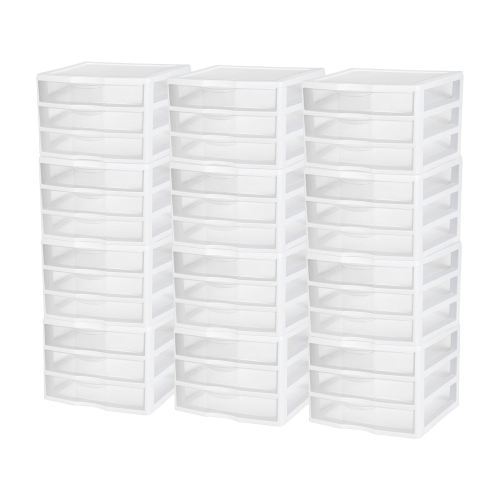 Your price for this item is $517.99
-
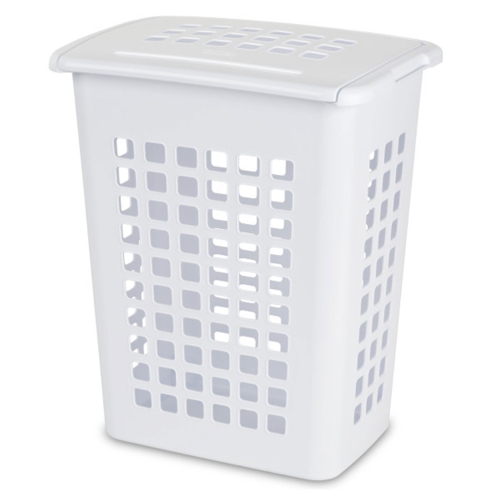 Your price for this item is $786.99
-
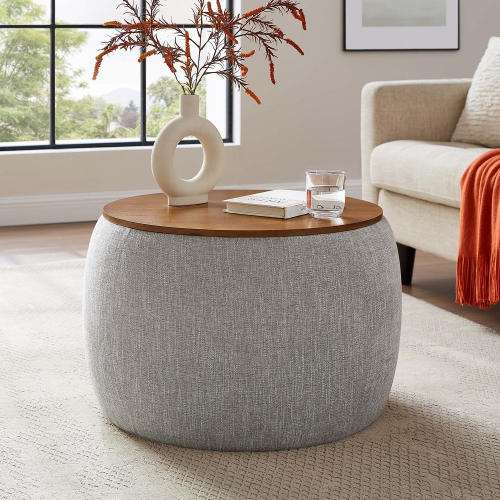 Your price for this item is $286.83
-
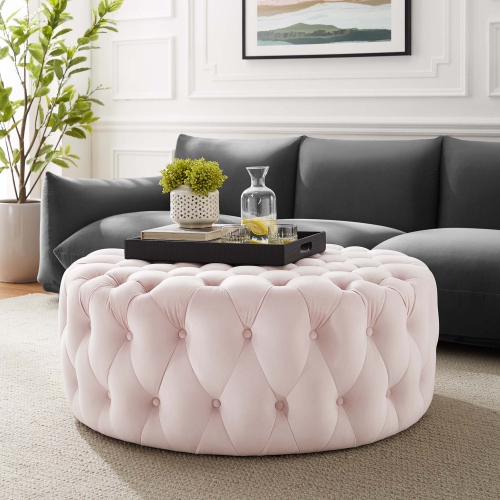 Your price for this item is $765.09
-
 Your price for this item is $124.99
-
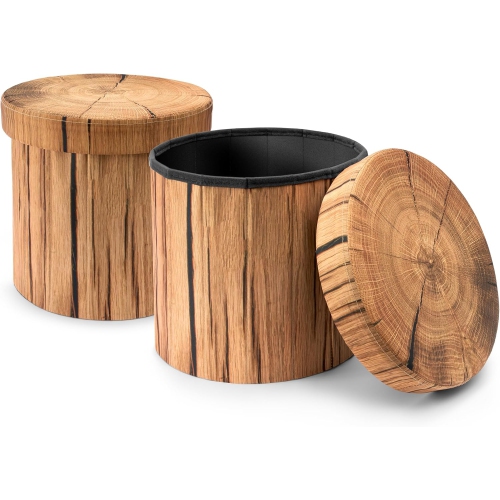 Your price for this item is $113.99
-
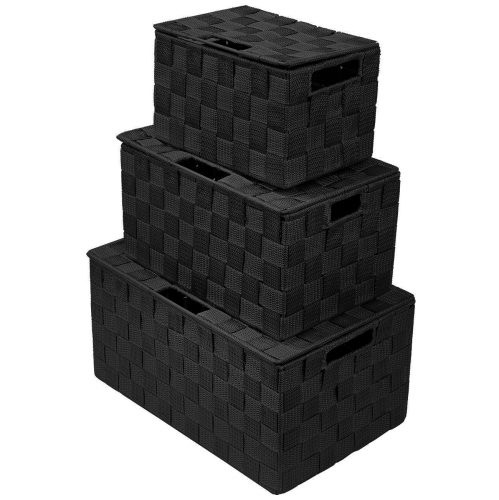 Your price for this item is $75.99
-
 Your price for this item is $129.99
Discover more categories related to Blue Storage Ottomans
Top Collections:
Best Black Friday Deals This Year, Best Black Friday Deals On Electronics, Kindle Devices, Best Black Friday Deals On Apple Products, Best Budget Office Chairs, Best Cameras for Sports Photography, Dyson Airwrap, Canon G7X Cameras, Best Laptops for Writers, Samsung Galaxy Phones
Some products may be subject to Environmental Handling Fees
(EHF) depending on your province.
Learn more about EHFs.