Cream Coloured Ottomans
If you're looking for a new ottoman, but want to keep things neutral, consider a cream-colored one. Cream-colored ottomans are versatile and can be used in almost any room in the house. They also happen to be one of the most popular colors for ottomans, so you'll likely find one that matches your decor. Here are some great options.
Sort









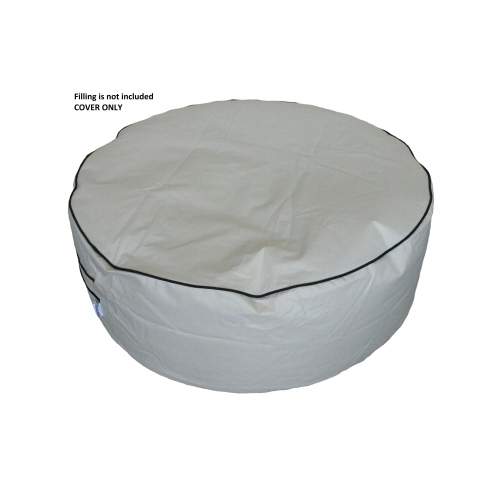
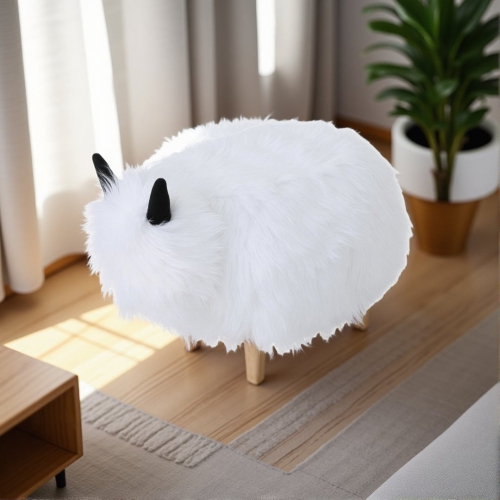
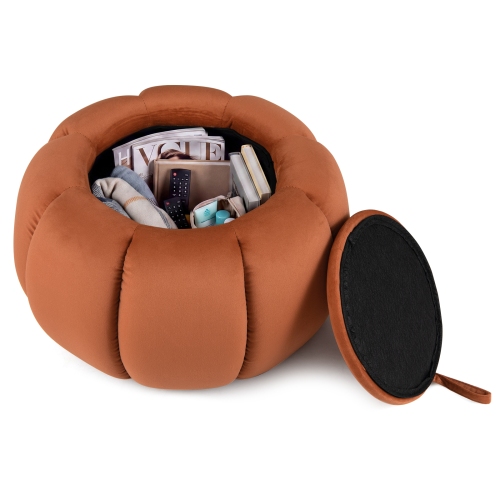
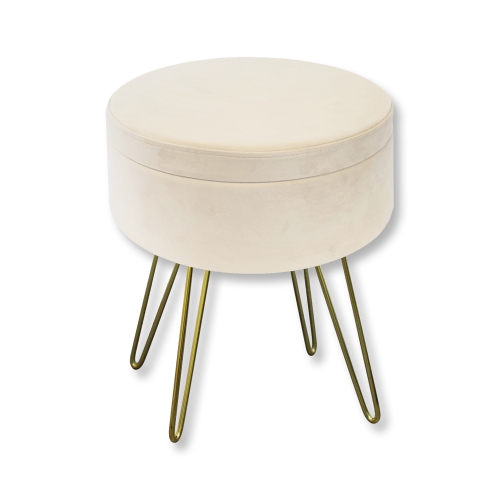


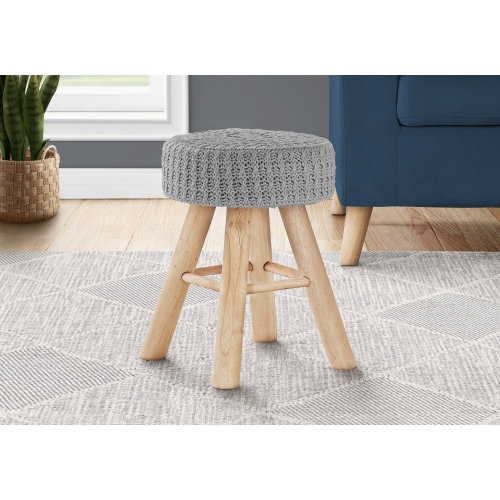
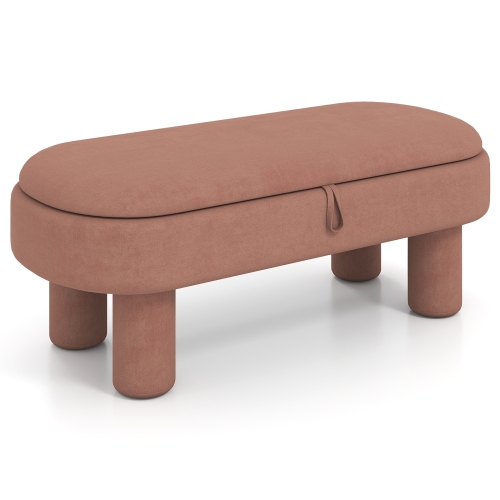
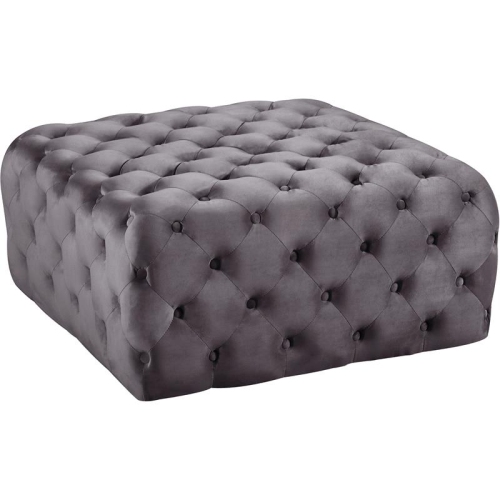
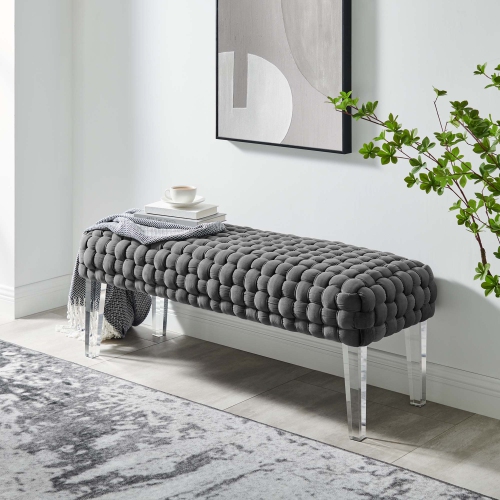



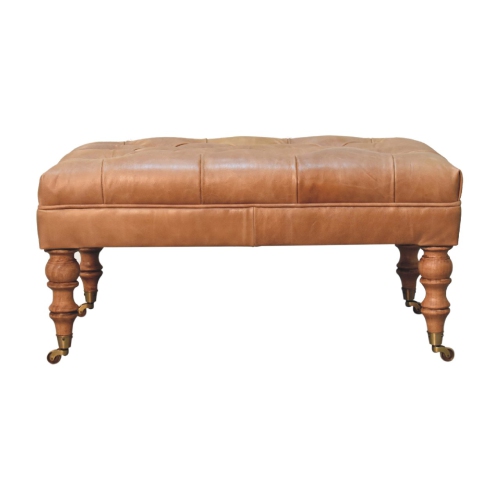
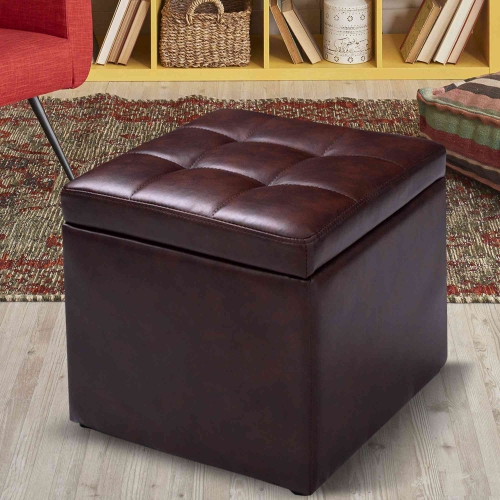
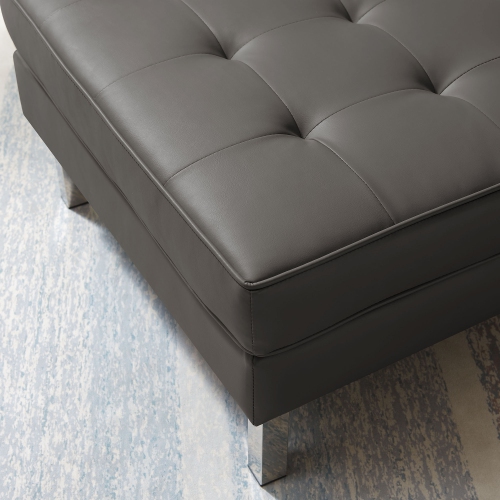
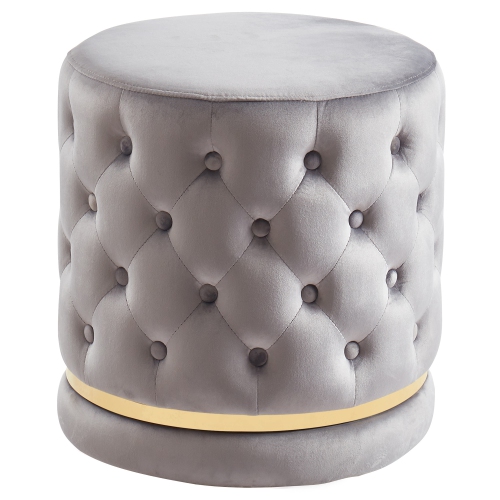

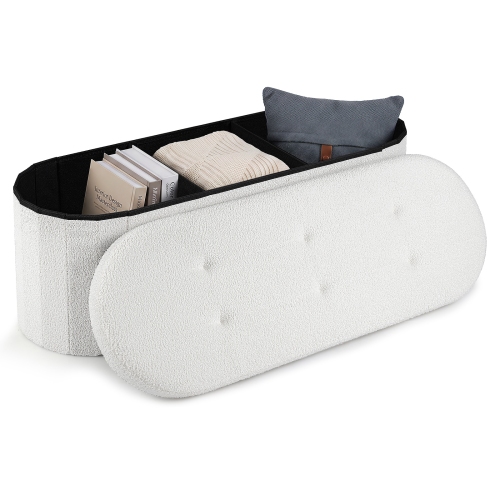
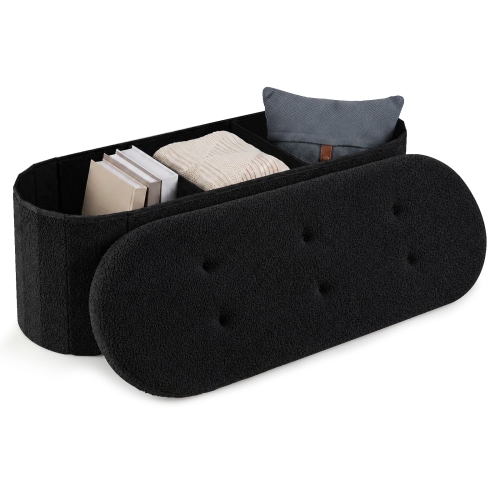
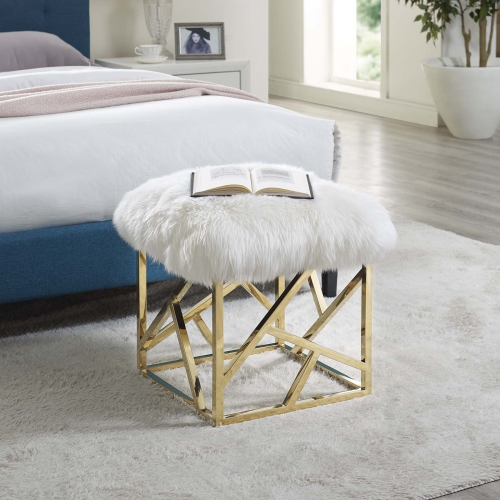
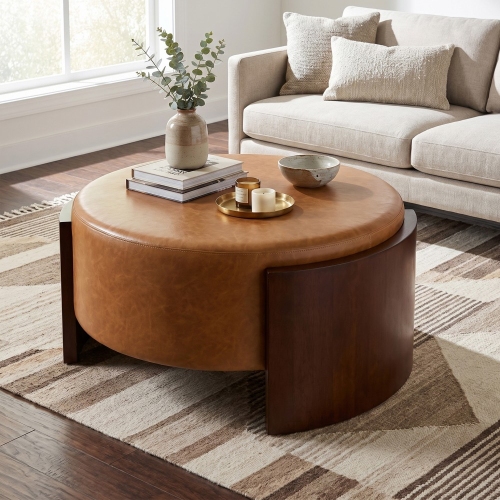
Soft contrast and everyday versatility beyond the footrest
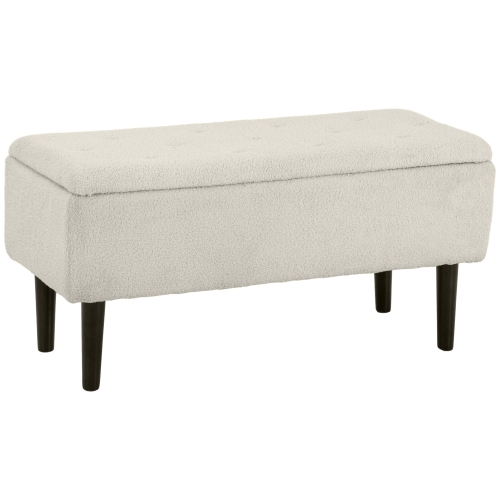
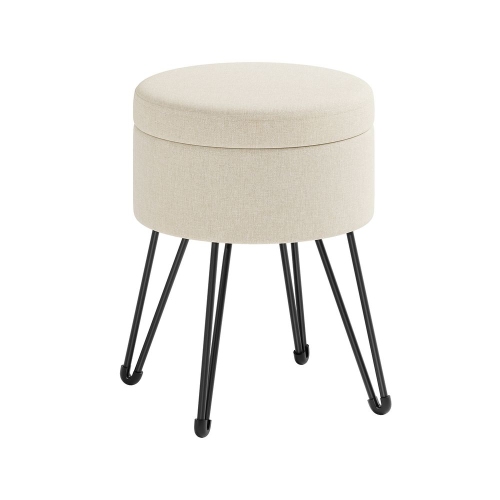
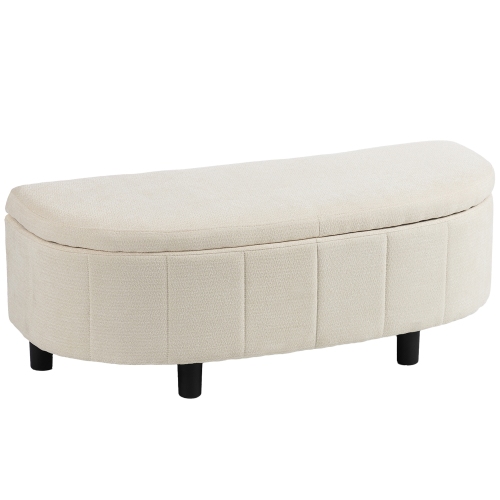
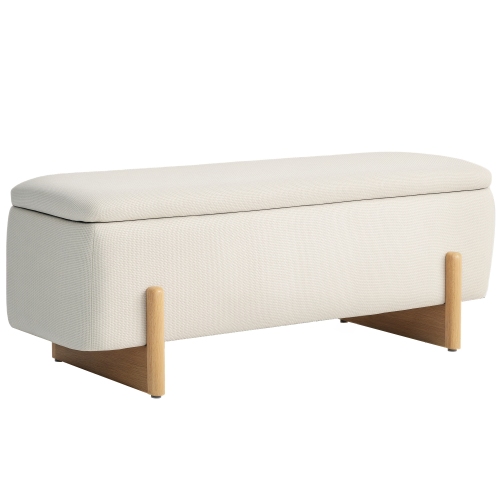
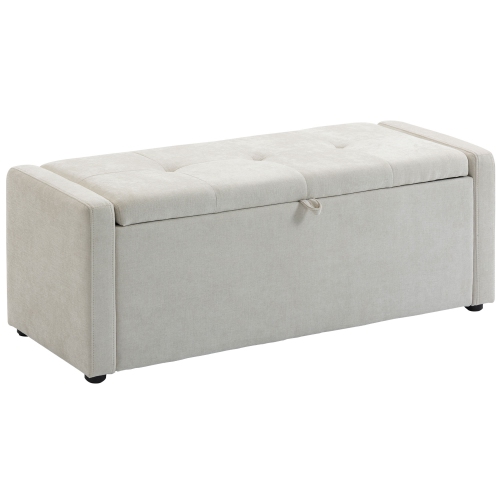
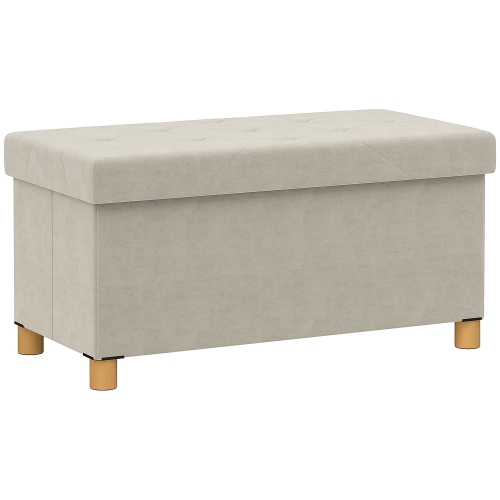
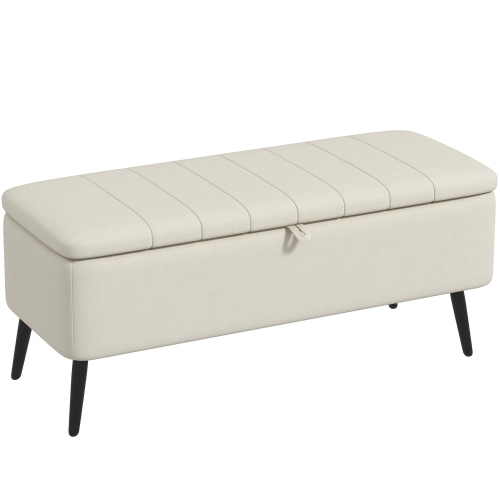
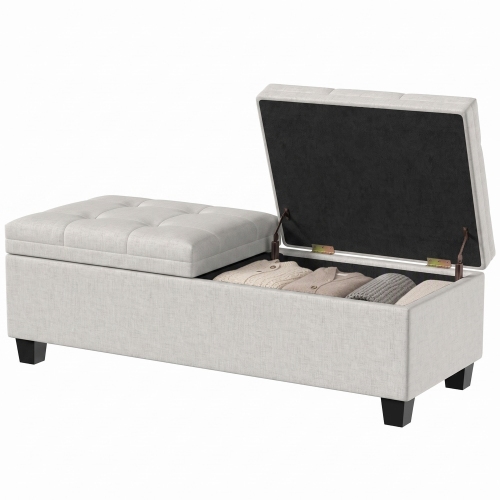
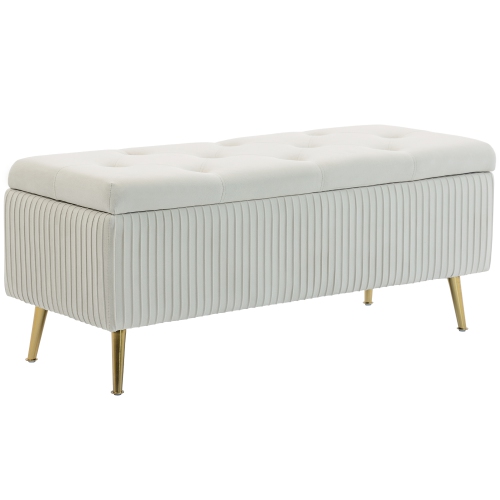
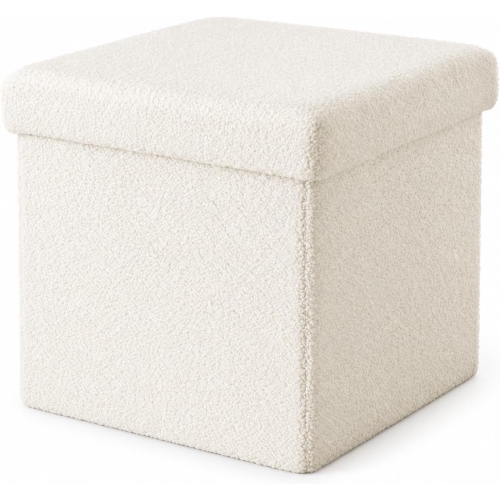
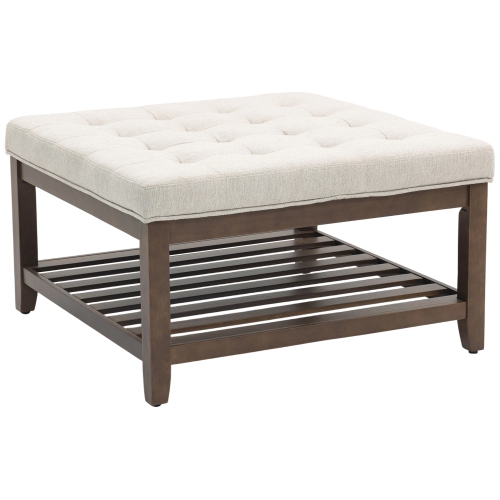
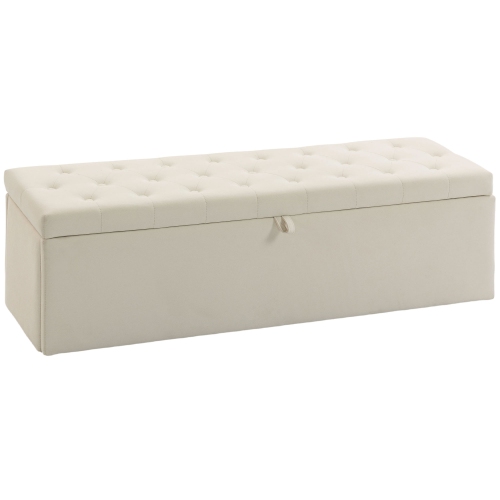
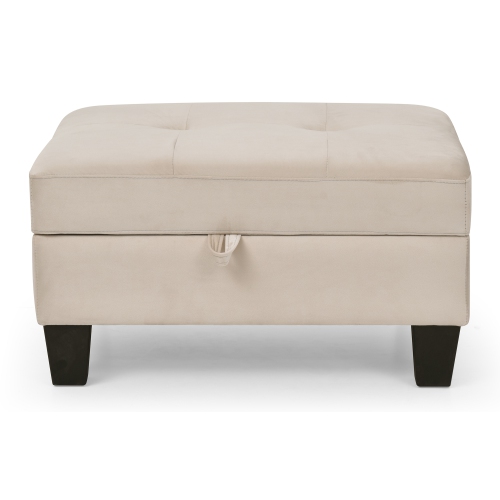
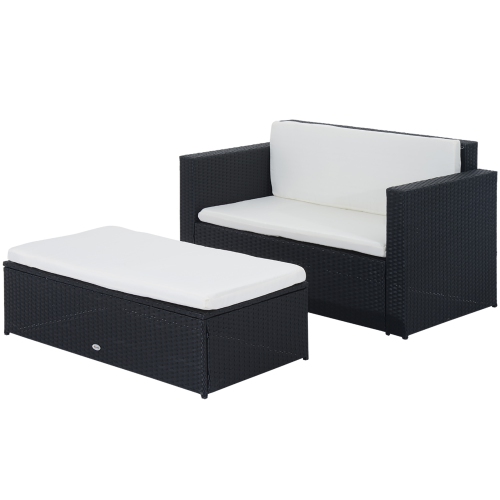
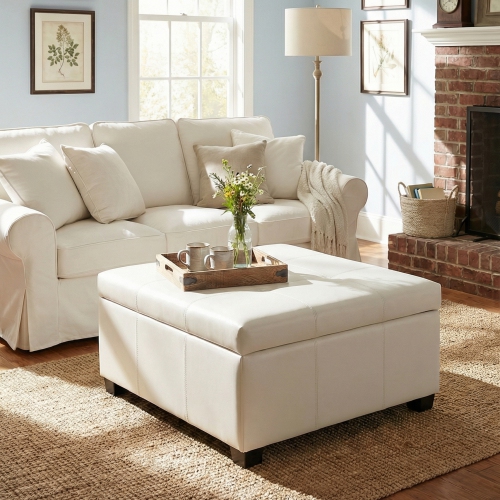
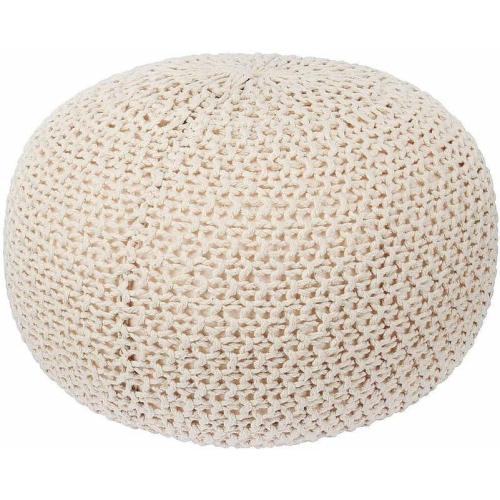
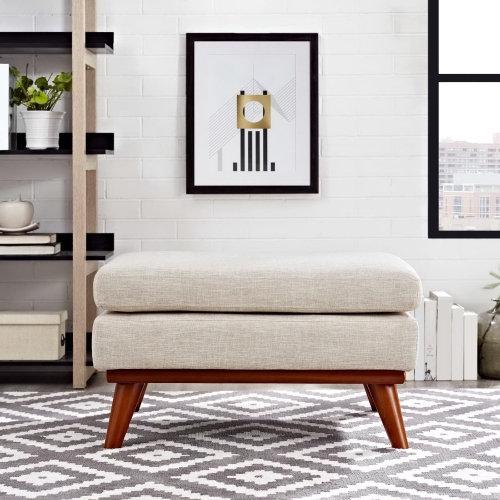
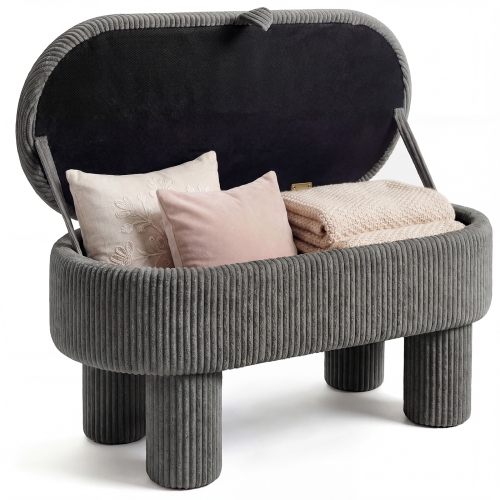
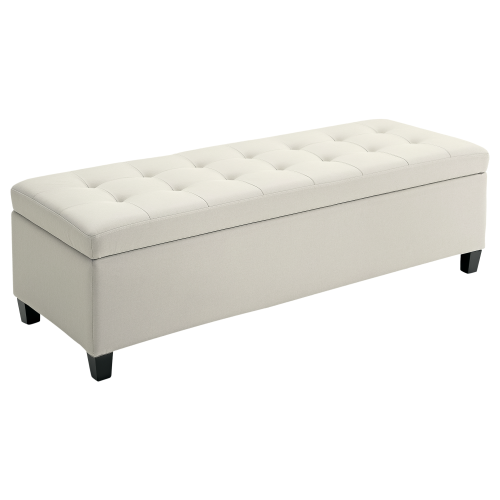
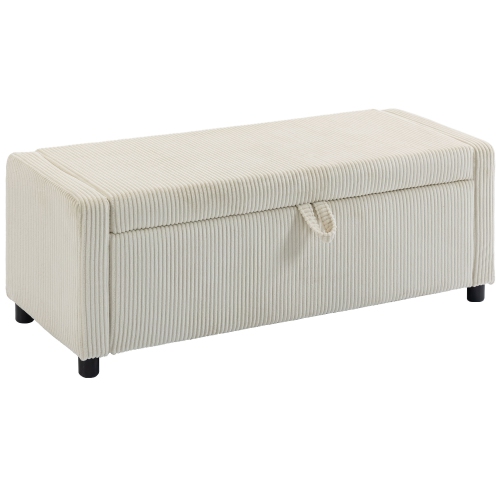
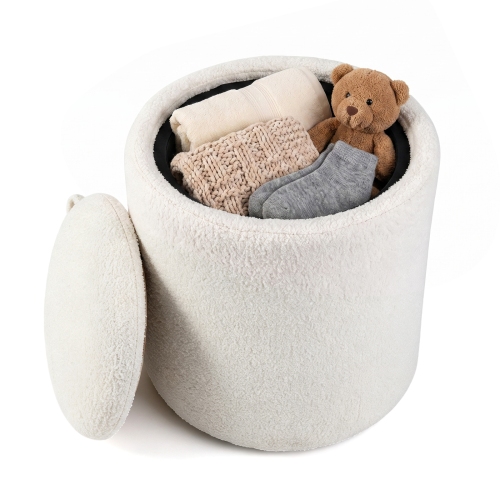
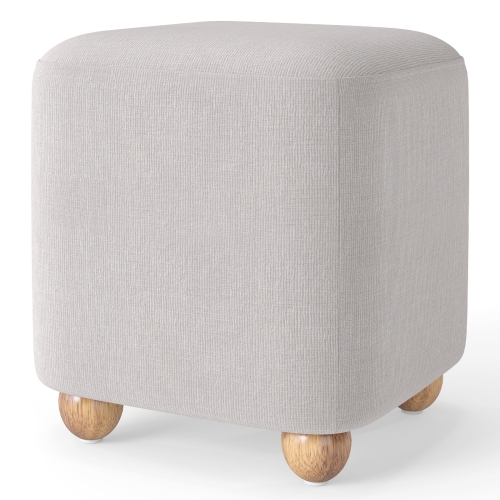
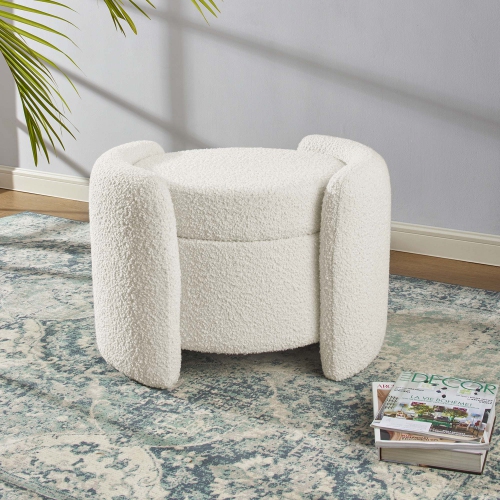
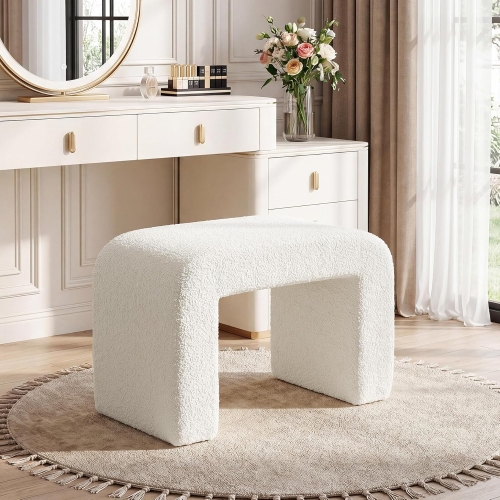
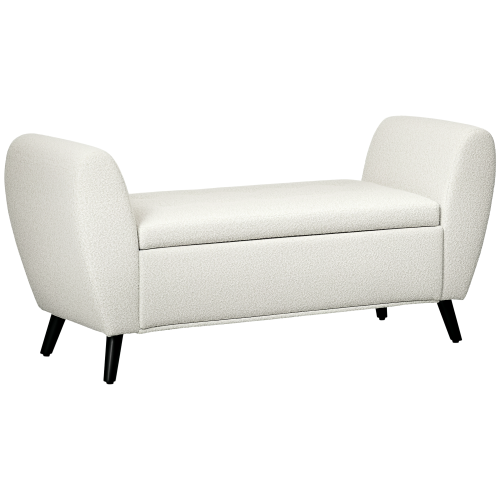
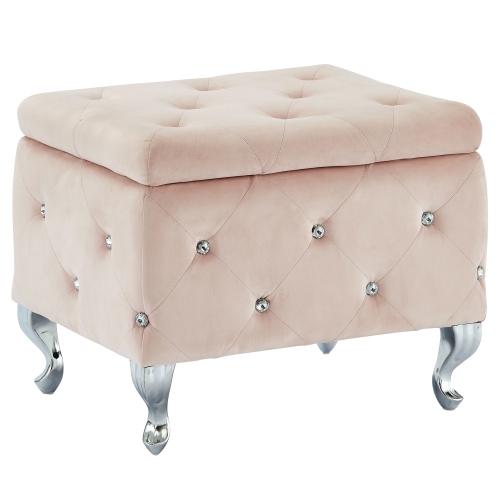
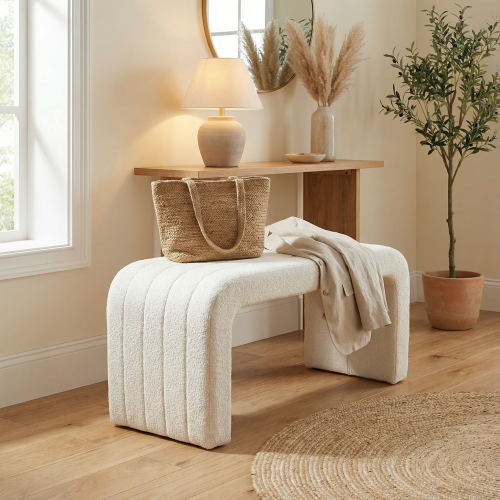
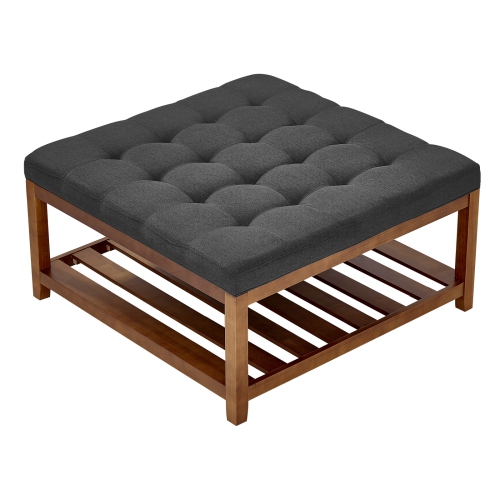
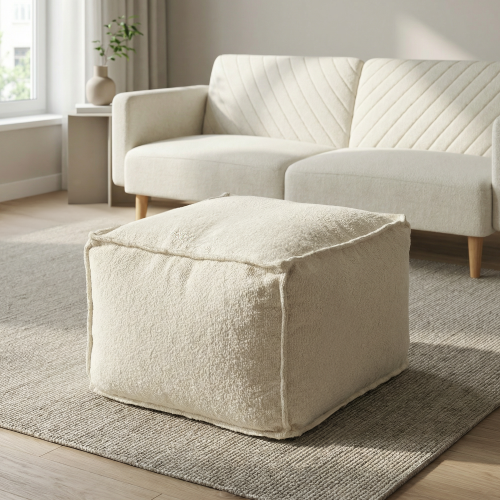
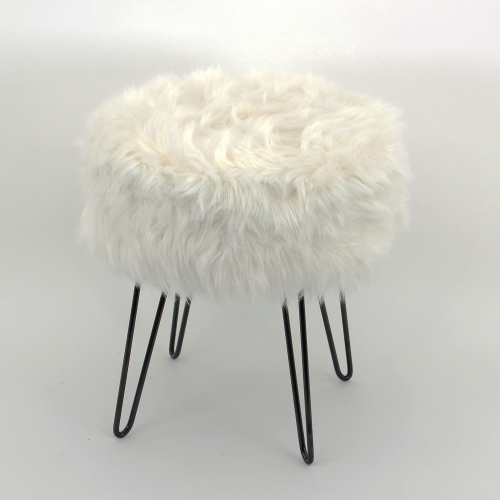
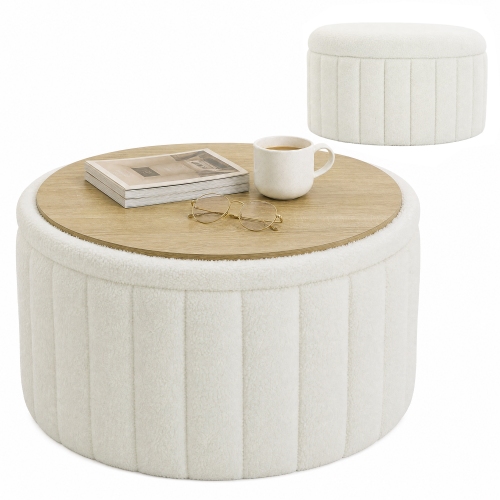
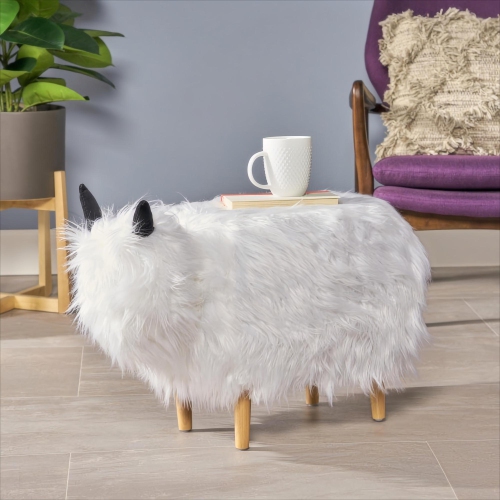
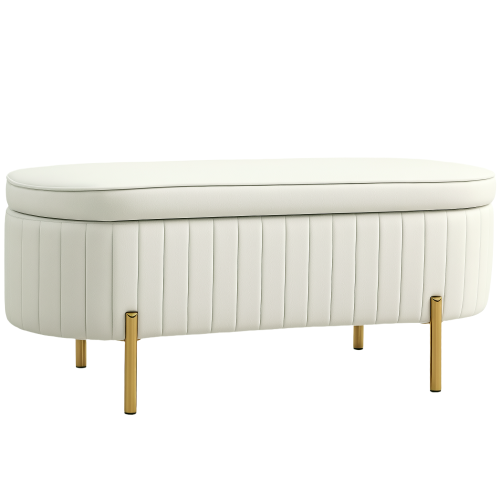
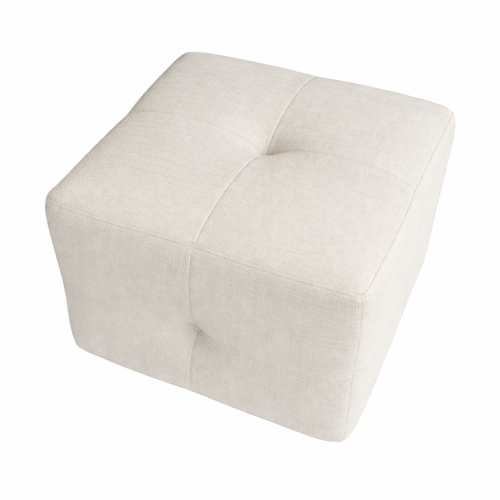
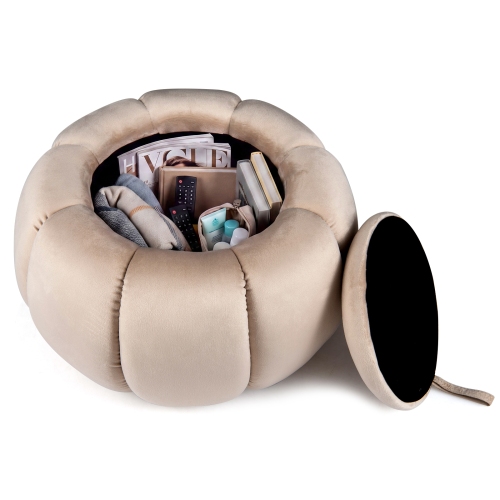
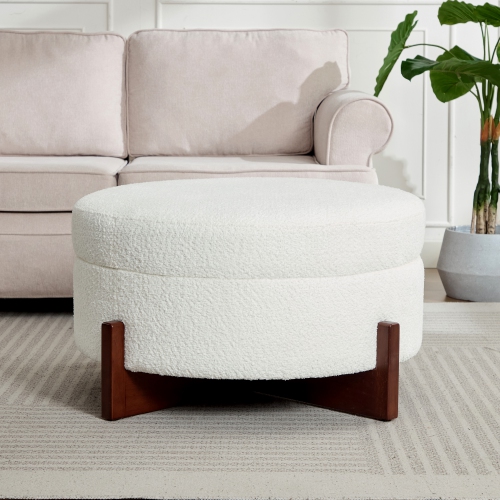
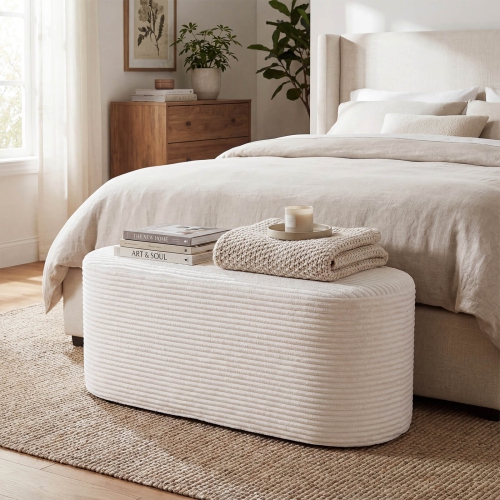
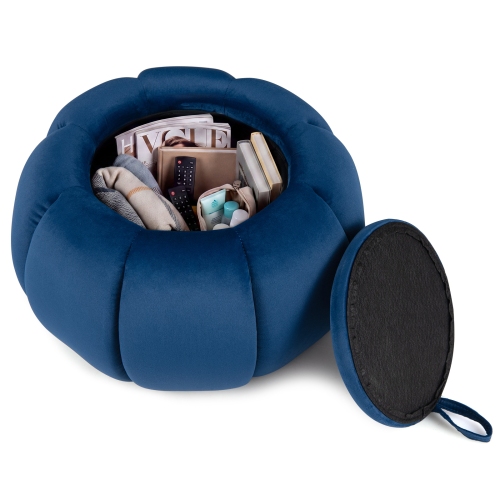
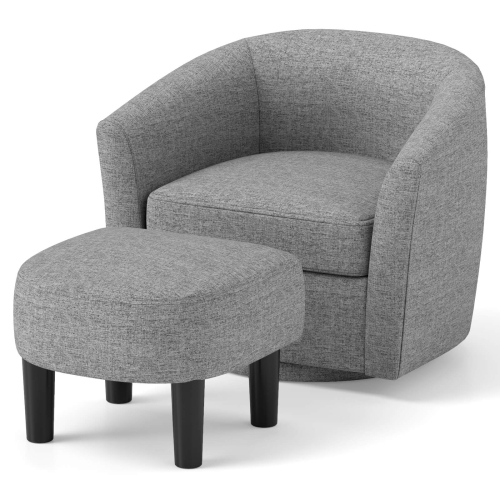
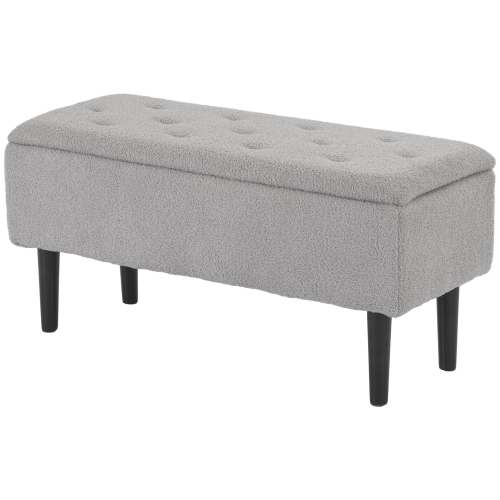
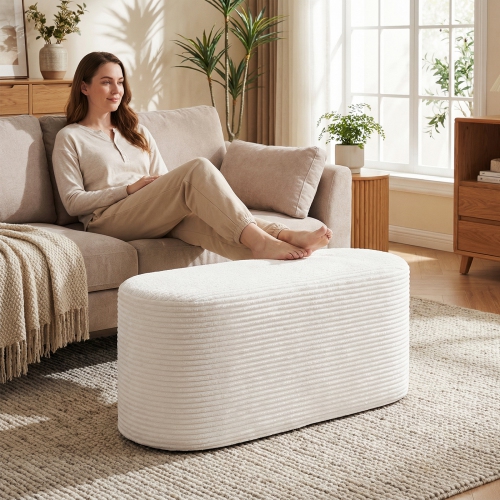
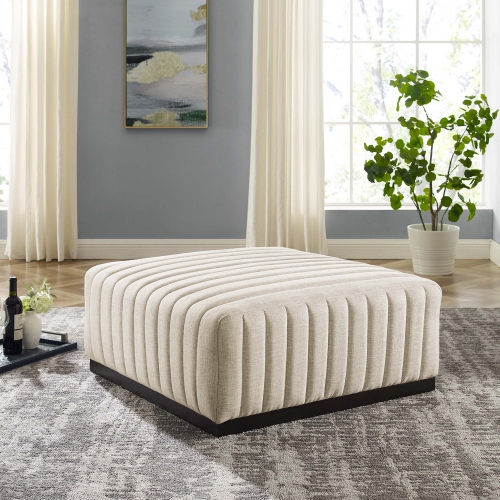
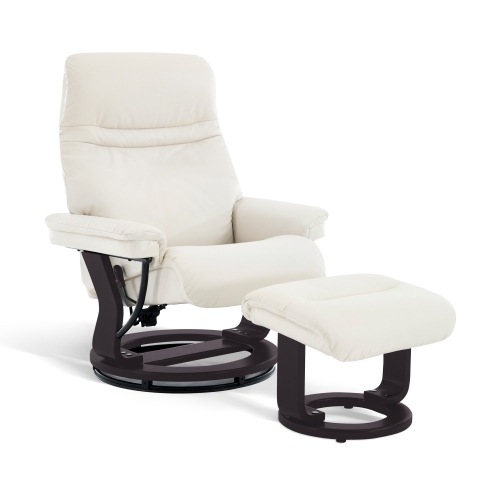
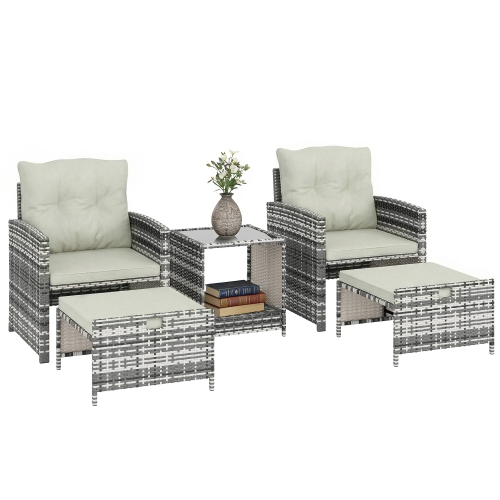
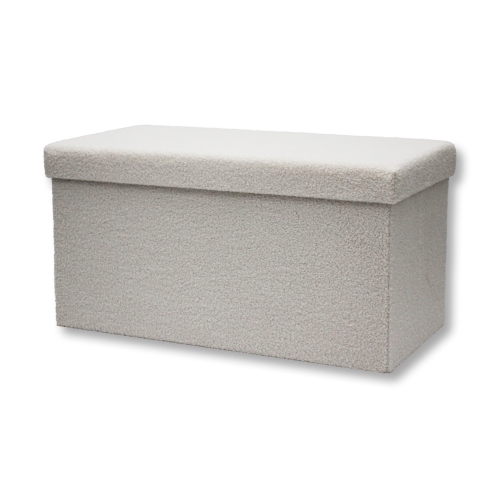
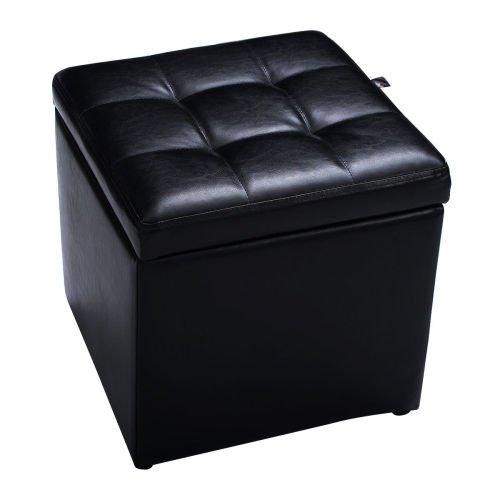
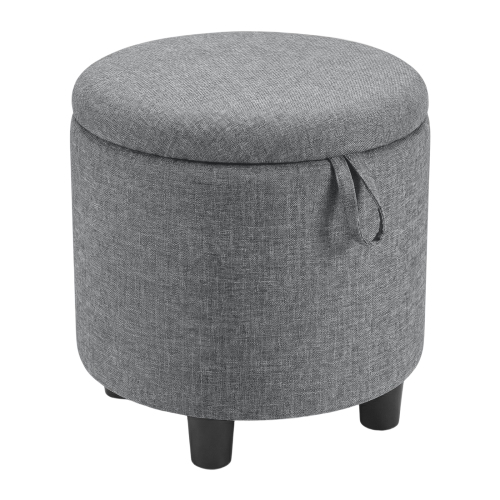
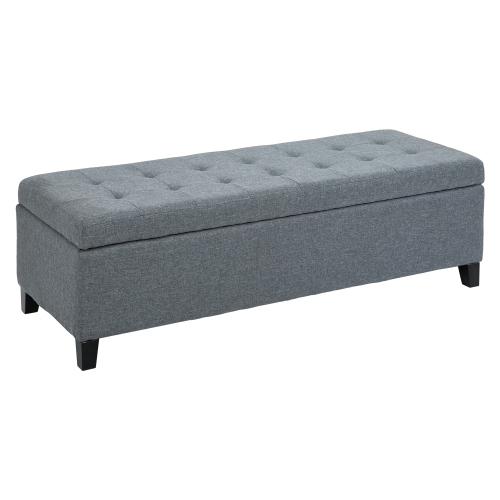
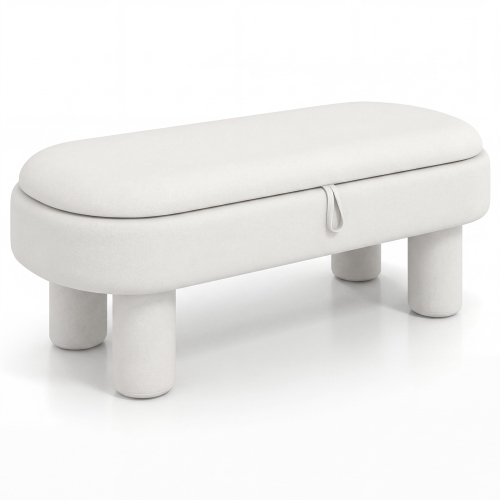
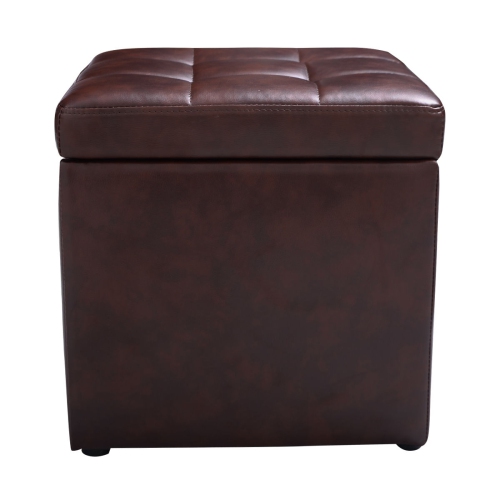
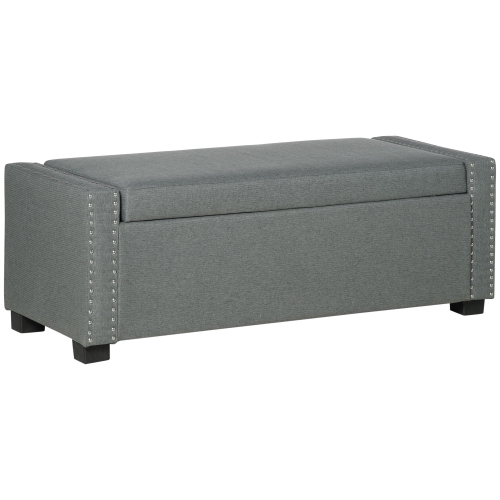
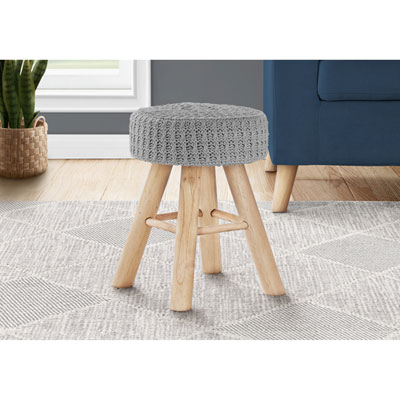
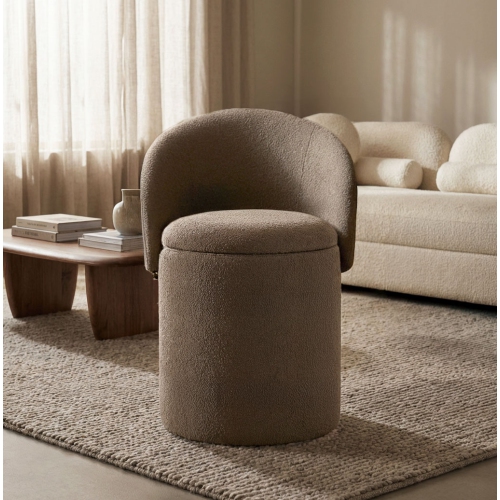
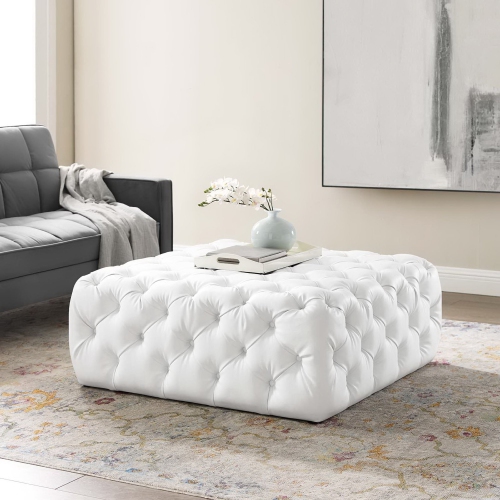
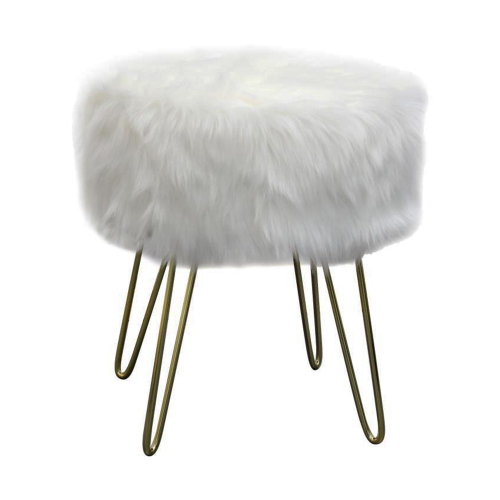
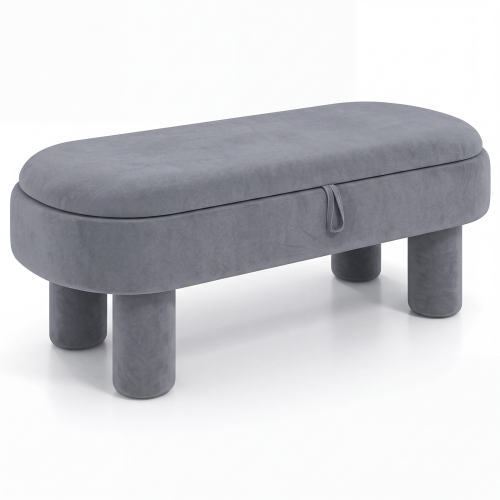
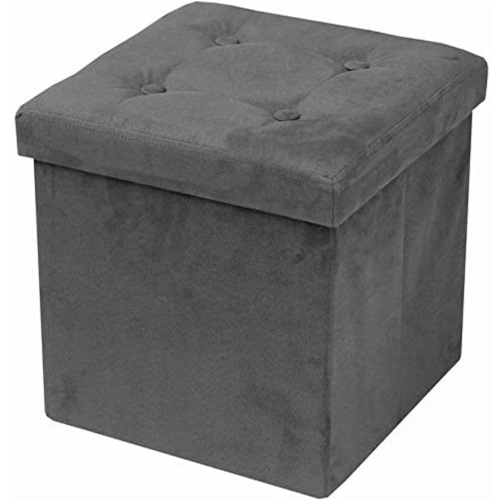
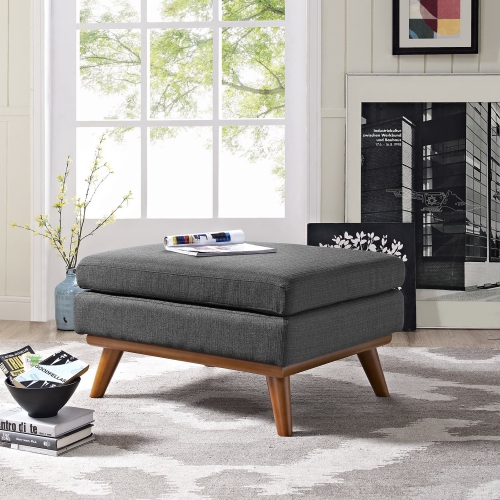
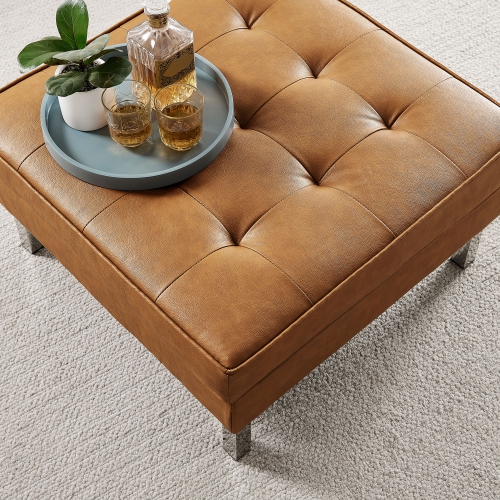
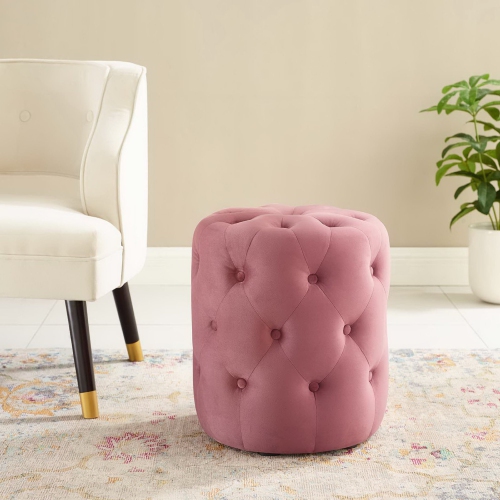
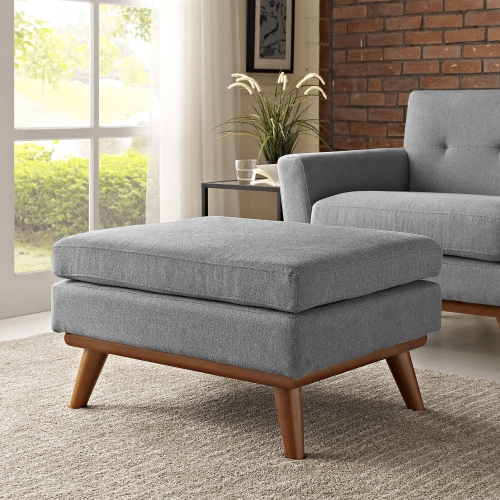
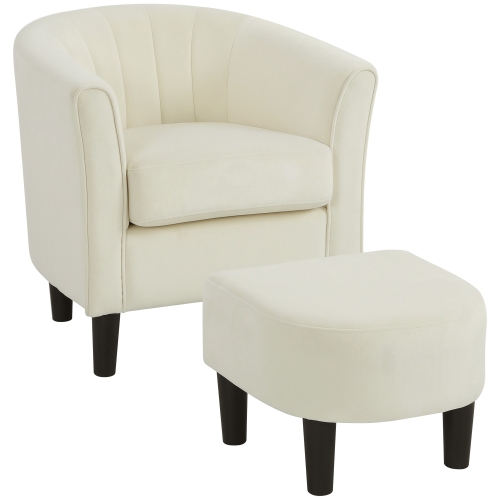
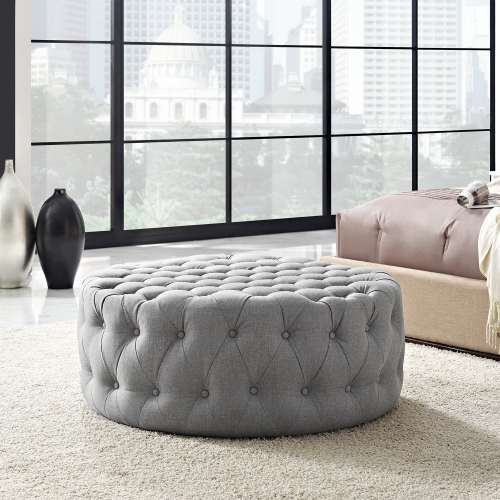
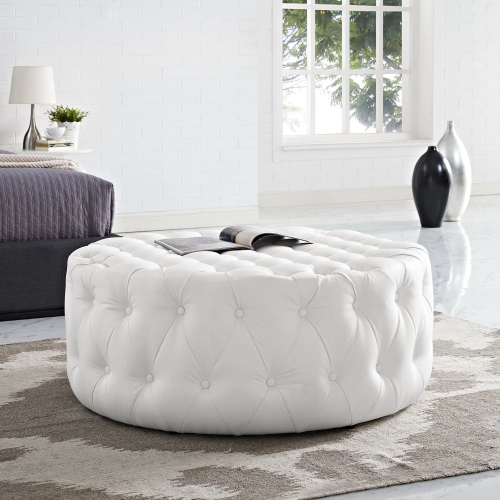
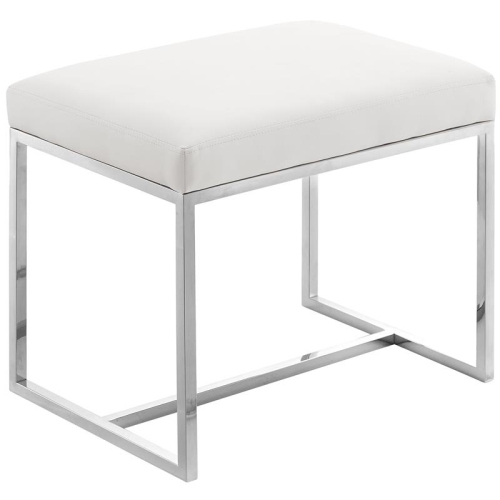
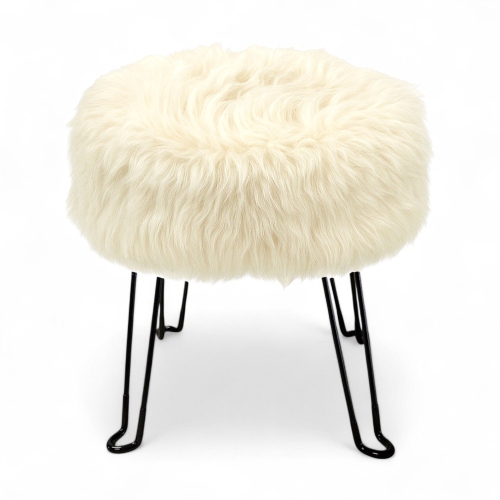
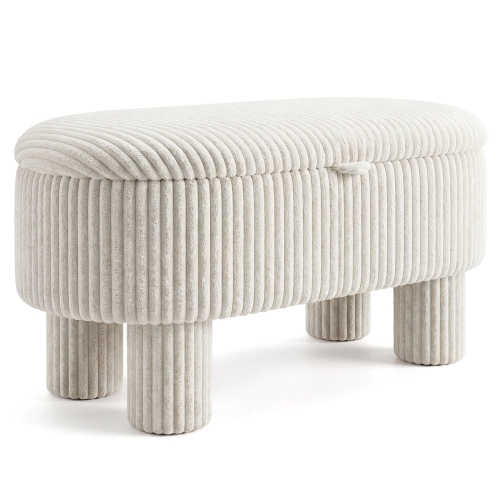
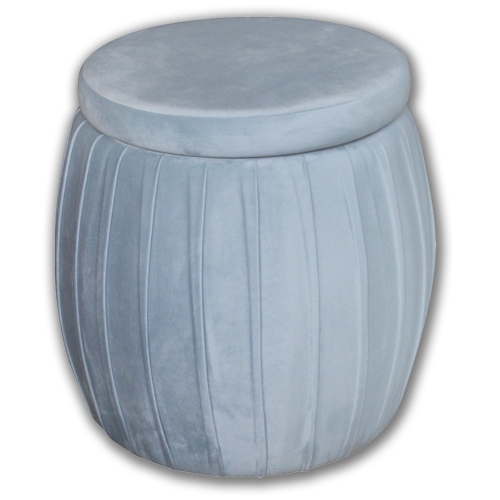
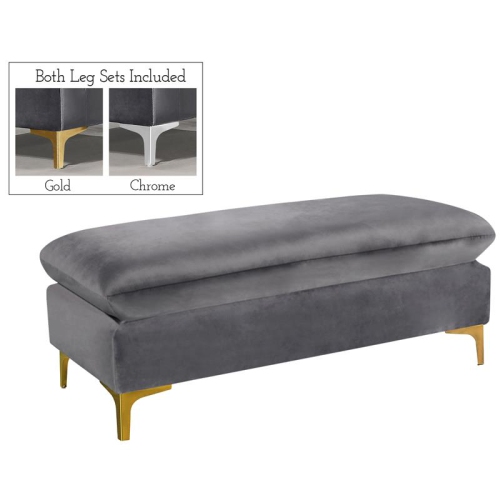
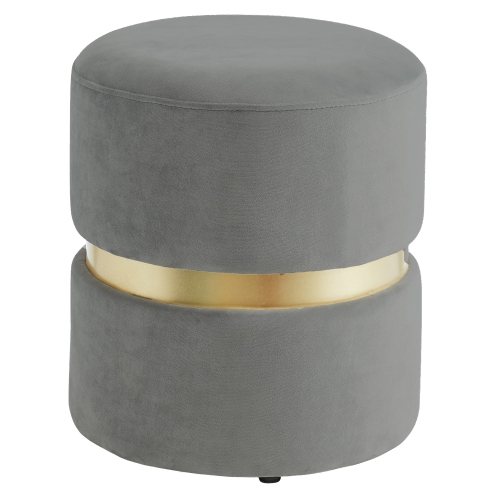
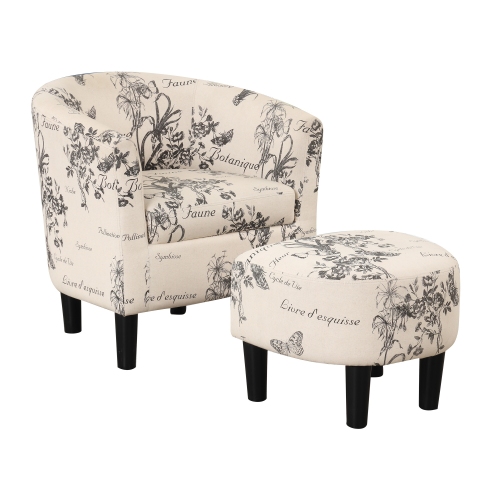
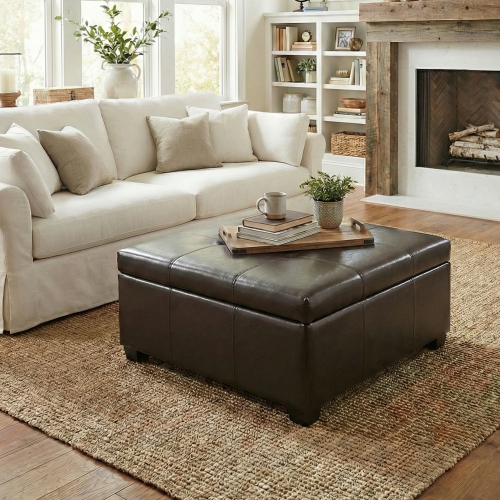
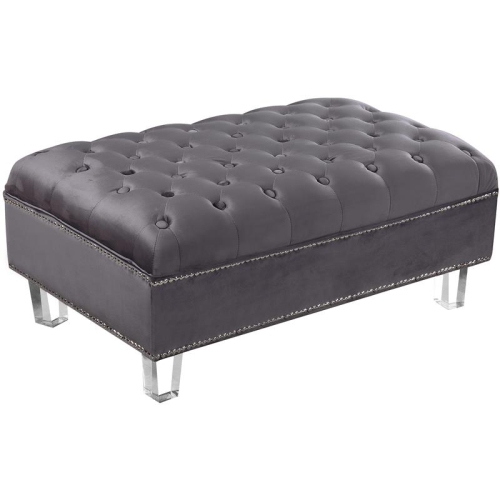
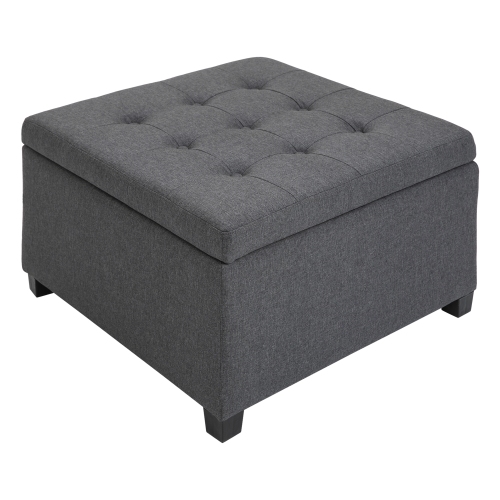
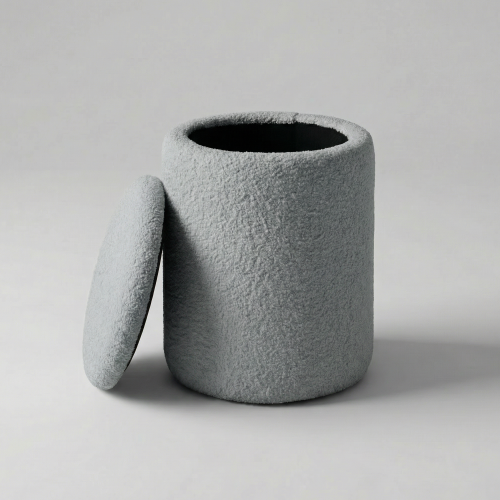
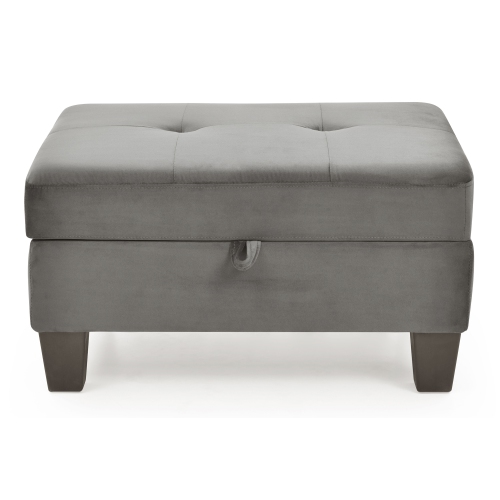
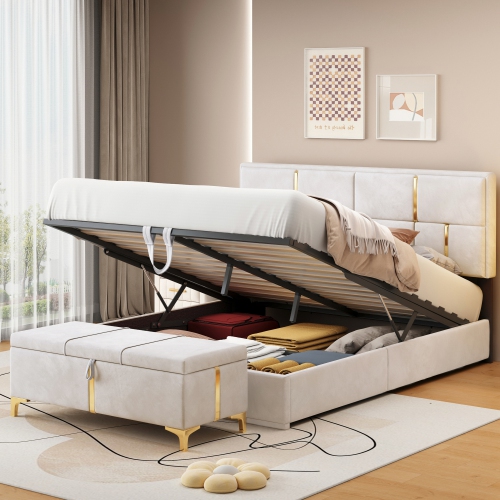
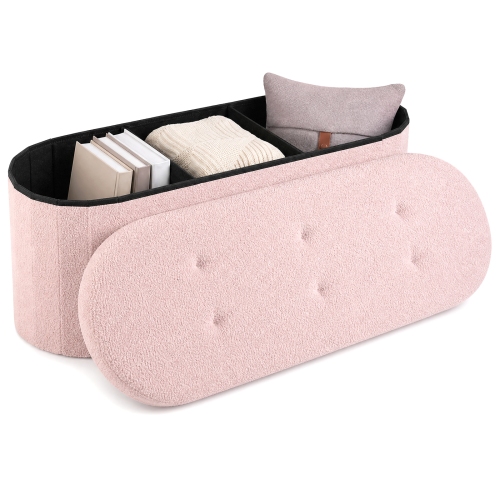
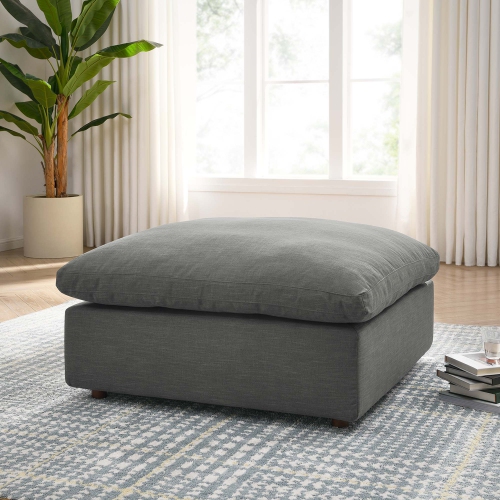
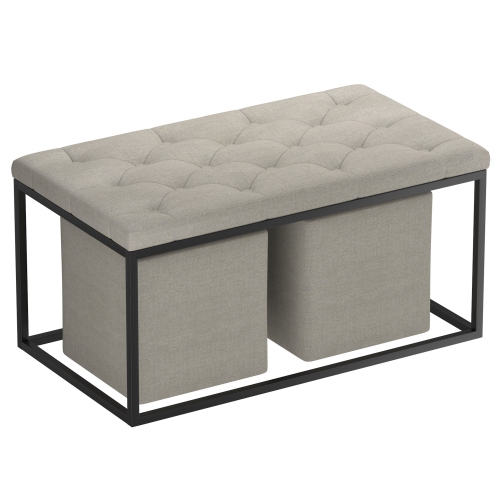
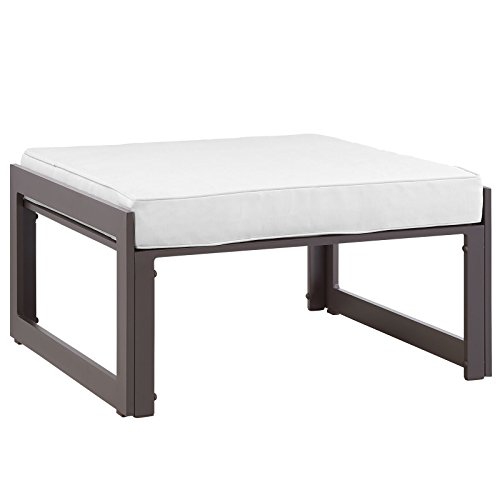
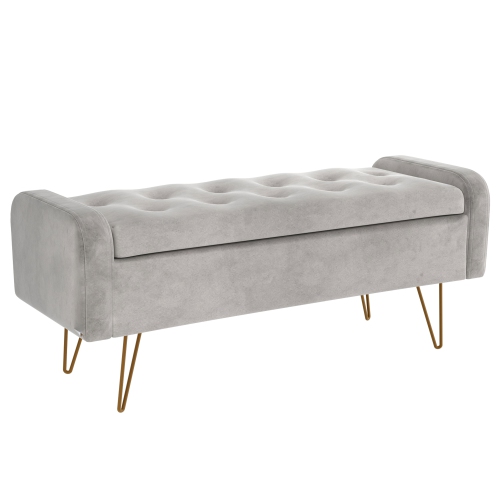
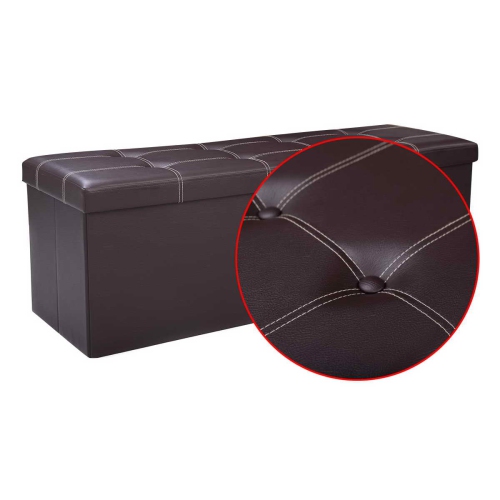
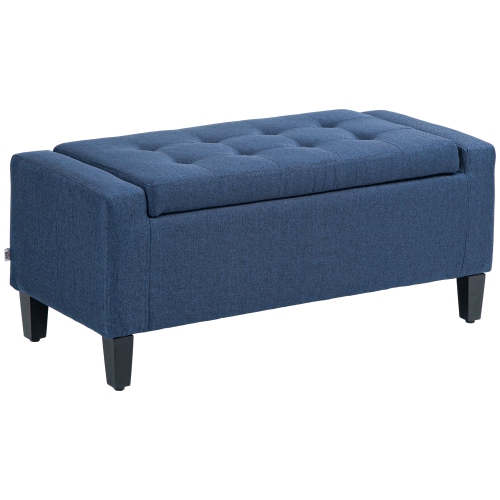
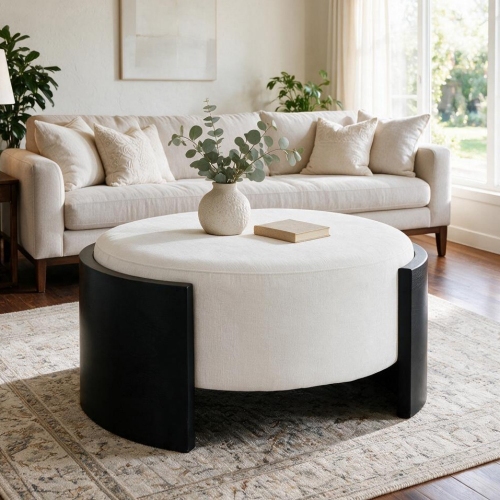
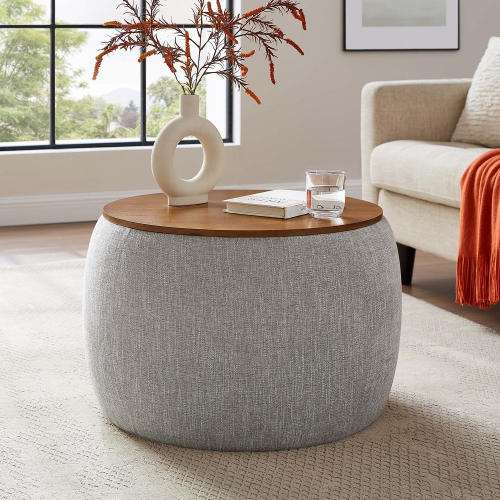
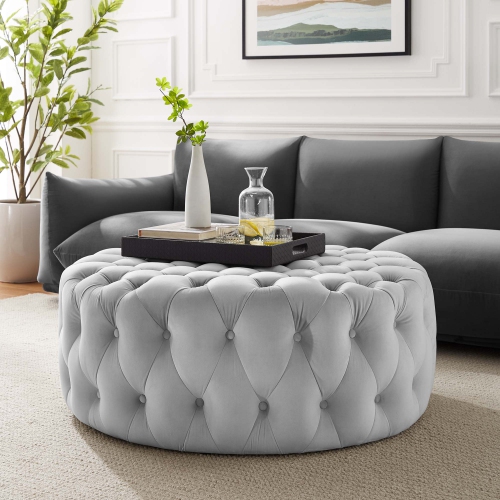
Cream coloured ottomans are upholstered accent pieces that can serve as footrests, occasional seats, storage furniture, or soft alternatives to a coffee table, depending on their construction. Their pale, warm colouring brings a softer contrast than bright white to a living room, bedroom, or reading nook, while working comfortably alongside wood, leather, woven textiles, and metal finishes. The category spans compact cubes, rounded poufs, tailored rectangular ottomans, and longer bench styles, with each shape lending itself to a different setting. A small round ottoman can tuck beside an armchair without creating a sharp corner in a narrow walkway, while a broad rectangular design can anchor the space in front of a sofa. At the foot of a bed, a bench-style ottoman offers a place to lay out clothing or sit while getting dressed, provided it is designed to support seating. Cream is not a single shade: some upholstery has a yellow or vanilla undertone, while other fabrics lean towards ivory, oatmeal, or a pale greyish neutral. Daylight and lamplight can make those differences more noticeable, especially next to white walls or an existing cream sofa. Comparing upholstery samples, when possible, helps establish whether two pale fabrics complement each other rather than almost match. Texture also changes how the colour reads. A nubby bouclé surface creates small shadows and a relaxed appearance, whereas a smooth, tightly woven fabric gives the same general shade a cleaner, more tailored look. Tufting, piping, visible stitching, and exposed legs add definition without requiring a bold colour. Cream upholstery pairs naturally with charcoal seating, walnut furniture, muted green accents, and layered neutral rugs. For a slightly deeper neutral comparison, Beige Ottomans offer another direction, particularly in rooms with sandy textiles or warm brown finishes. The most useful distinction is the undertone and depth of the actual upholstery, since colour names alone do not tell the whole story. A cream ottoman can blend quietly into a pale room or become a light focal point against darker furniture.
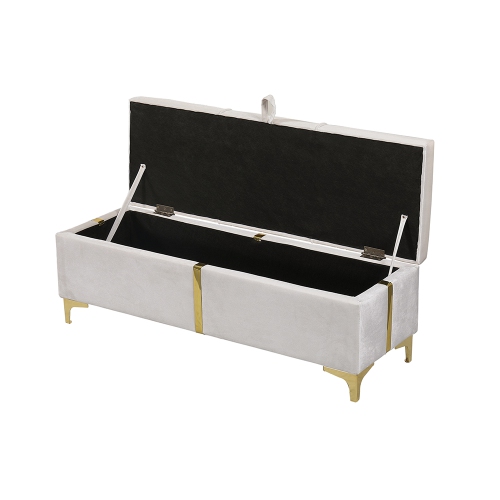
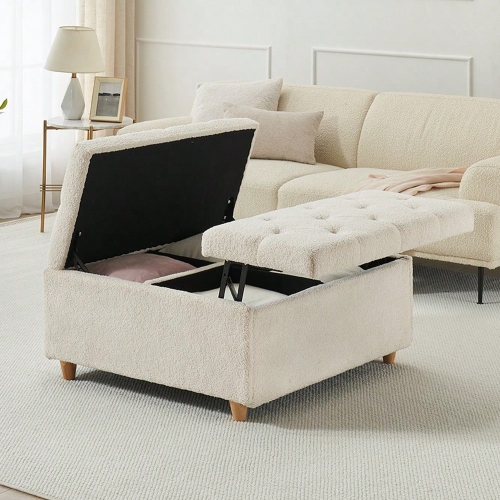
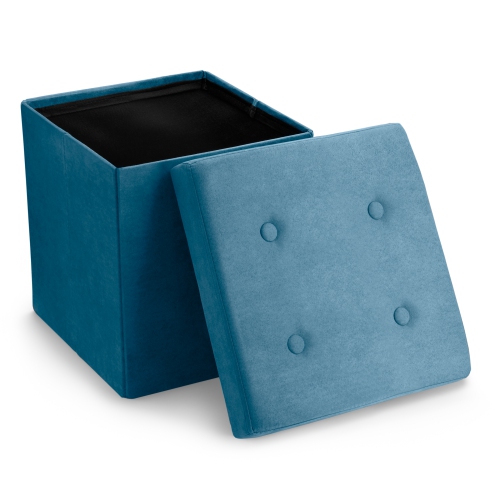
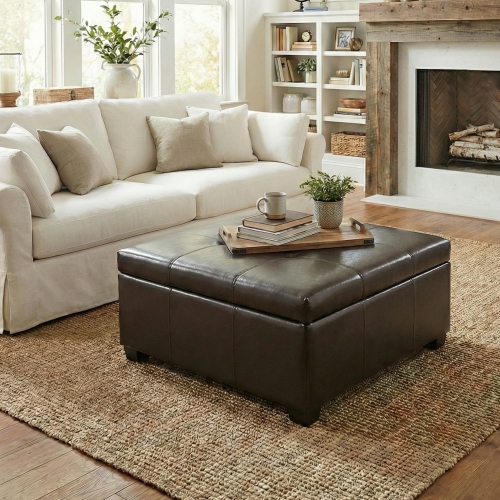
The right size and structure depend on how the ottoman will be used day to day. For resting feet, a top that sits level with or slightly below the adjacent seat cushion is generally a comfortable starting point; a noticeably taller surface may lift the legs into an awkward position. Measure the chair or sofa at the cushion rather than relying only on its listed overall height, and remember that both surfaces may compress under weight. Width and depth matter just as much. A compact cube may suit one person in a reading corner, while a wider ottoman gives two people more room to stretch out in front of a sofa. In a smaller living room, marking the proposed footprint with painter’s tape can reveal whether there is still enough space to reach a balcony door, open a cabinet, or walk around a sectional. Allow clearance for reclining furniture and for any lid or drawer to open fully. Storage ottomans can keep throws, spare cushion covers, or board games close at hand, but the usable interior may be considerably smaller than the outside dimensions suggest. Check the interior measurements against what needs to fit, along with the lid mechanism and any stated safety features. In homes with young children, lid weight, hinge design, and access to the storage compartment deserve particular attention. For occasional seating, look for an ottoman explicitly intended for that purpose and follow its stated weight capacity; a soft footrest or lightly filled pouf should not automatically be treated as a chair. A firm, broad top can also support a tray for a book or remote controls, although a cushioned surface is not as stable as a rigid tabletop. Drinks need extra care, especially around children and pets. Rounded edges can make a central ottoman easier to move around, but stability, placement, and a clear walking route remain important. Lightweight designs are convenient to reposition for conversation, while heavier pieces may be better suited to a fixed spot. Floor protectors appropriate to the flooring can help limit marks when furniture is moved.
Materials and construction influence how a cream ottoman feels, wears, and fits into household routines. Cotton and linen upholstery can offer a softly textured appearance, though their cleaning requirements and resistance to marking depend on the weave, blend, and finish. Polyester and other synthetic blends vary widely too, so a fibre label alone is not a reliable measure of durability. Where provided, abrasion ratings, fabric care information, and details about stain-resistant treatments give a clearer picture of suitability for frequent use. Looped bouclé adds depth and softness but may catch on pet claws, while velvet can show changes in pile direction where feet or hands brush the surface. Smooth leather and coated upholstery each have their own care needs and should be cleaned only with compatible methods. Beneath the cover, a well-supported frame, secure joints, and cushioning that holds its shape contribute to a steadier, more comfortable piece. Higher-density foam generally offers more structure than loose fill, while a filled pouf tends to feel more relaxed and may need reshaping. For a frequently used family room, these practical differences can matter more than decorative details. Pale upholstery makes some spills and transferred dyes more noticeable, so it helps to keep outdoor footwear off the surface and take care with dark denim or damp clothing. Regular gentle vacuuming with a suitable upholstery attachment removes dust and crumbs before they settle into seams. Blot spills promptly rather than rubbing, follow the manufacturer’s cleaning directions, and test any permitted cleaner in an inconspicuous area. Removable covers are not necessarily machine washable; their care labels should determine the method. Placement away from prolonged direct sunlight and heat sources can also help protect the upholstery. During the cooler months, a cream ottoman beside a reading chair creates a comfortable place to put up feet, with a folded throw nearby rather than draped across a walking path. For a first apartment, a shared family space, or a guest bedroom, the strongest choice is one whose proportions, surface, and upkeep suit the people using it, so its light colouring feels welcoming rather than difficult to live with.
Top selling and popular products
-
 Your price for this item is $644.99
-
 Your price for this item is $978.99
-
 Your price for this item is $286.83
-
 Your price for this item is $765.09
-
 Your price for this item is $765.09
-
 Your price for this item is $765.09
-
 Your price for this item is $765.09
-
 Your price for this item is $765.09
Discover more categories related to Cream Coloured Ottomans
Top Collections:
Best Black Friday Deals This Year, Best Black Friday Deals On Electronics, Kindle Devices, Dyson Airwrap, Best Cameras for Sports Photography, Best Budget Office Chairs, Canon G7X Cameras, PS5 Pro Consoles, Best Black Friday Deals On Apple Products, XBOX One S Consoles
Some products may be subject to Environmental Handling Fees
(EHF) depending on your province.
Learn more about EHFs.