Dark Grey Ottomans
If you're looking for a stylish and comfortable seat that will add a touch of style to your living room, then you should consider getting yourself an ottoman in dark grey. This color is versatile enough to fit into almost any living room decor, and it will help you add some much-needed contrast to your space. Here are some great options available.
Sort
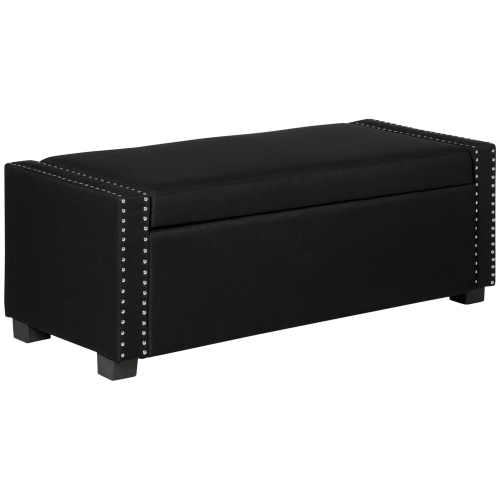
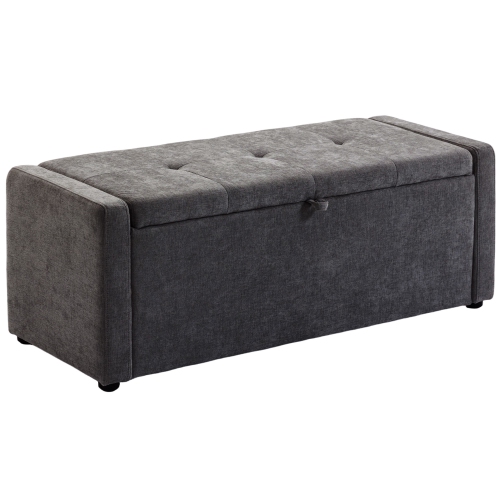
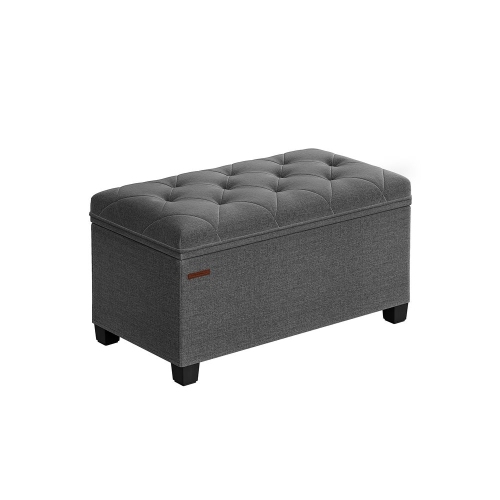
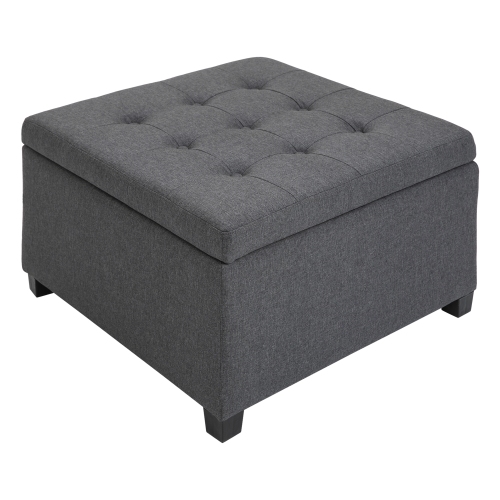
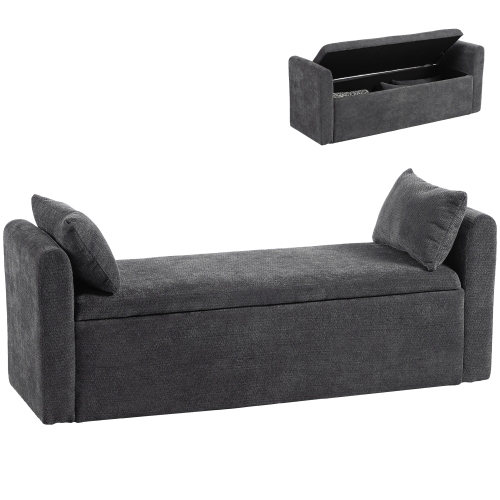
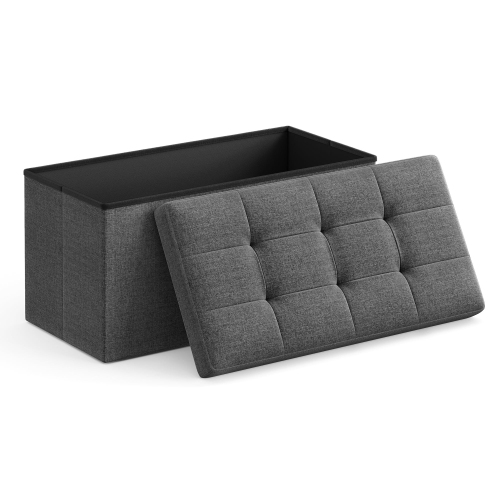
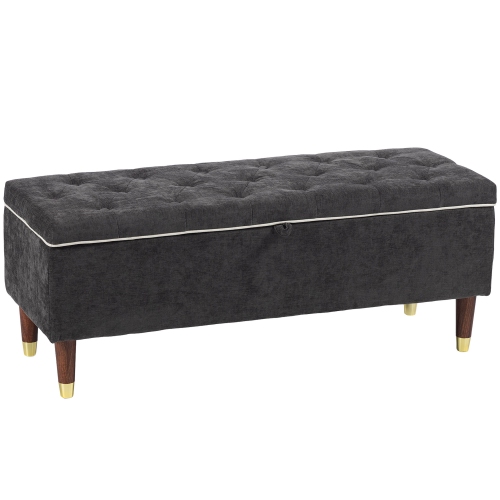
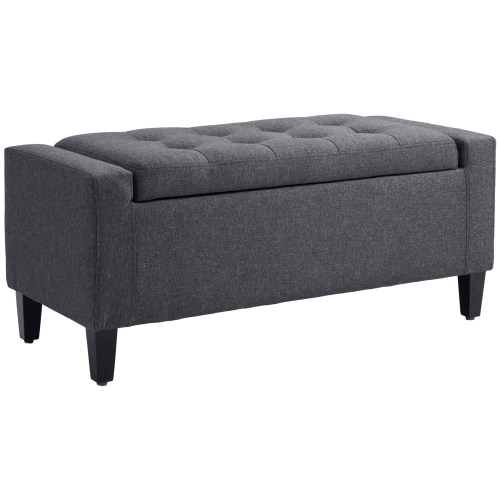
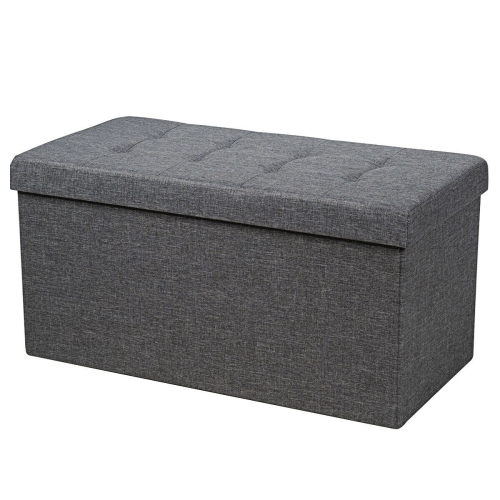
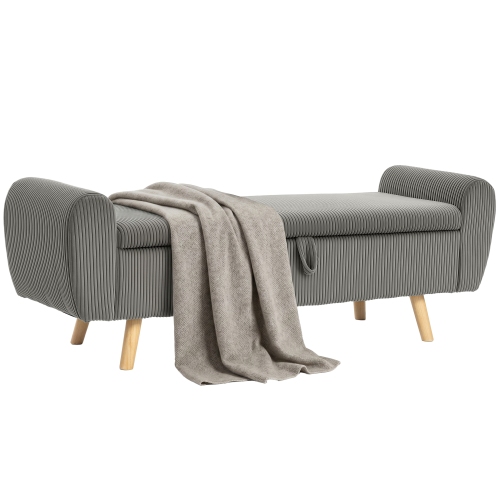
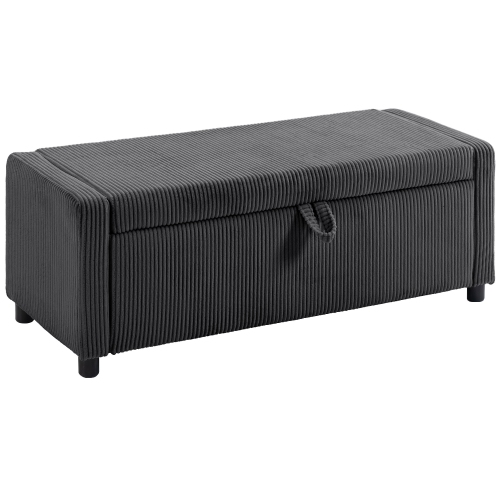
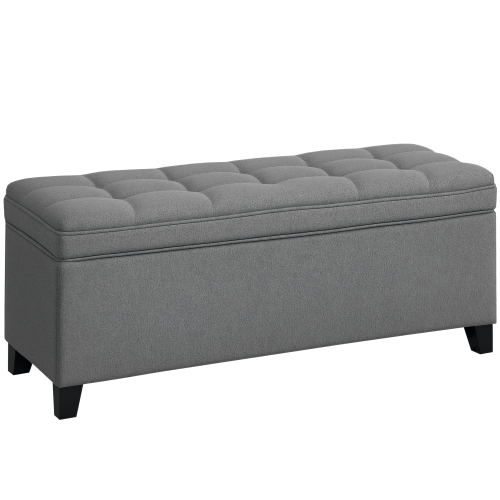
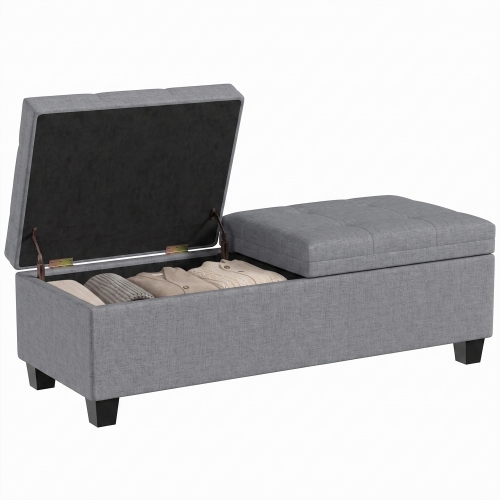
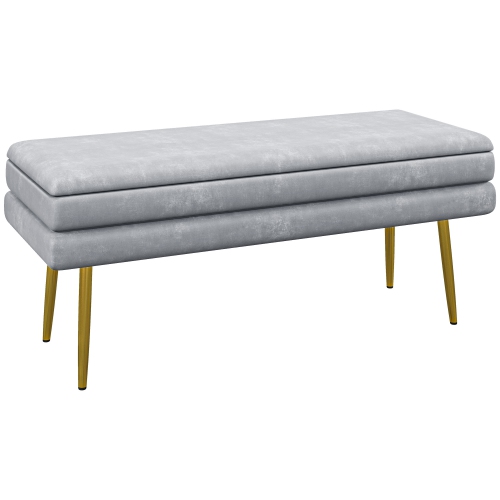
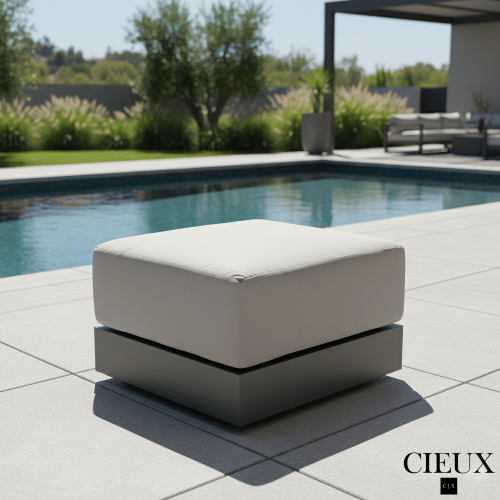
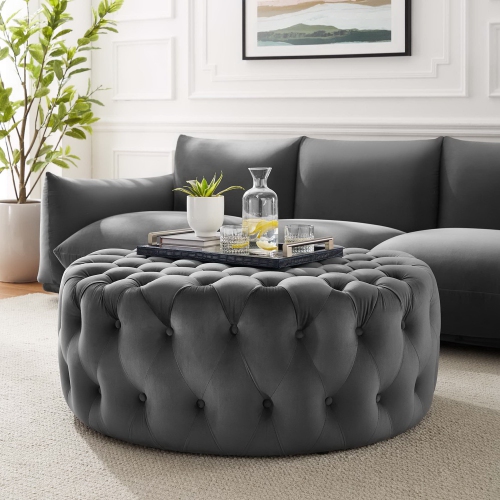
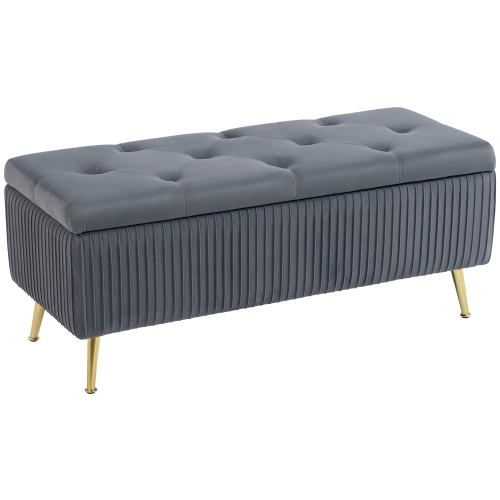
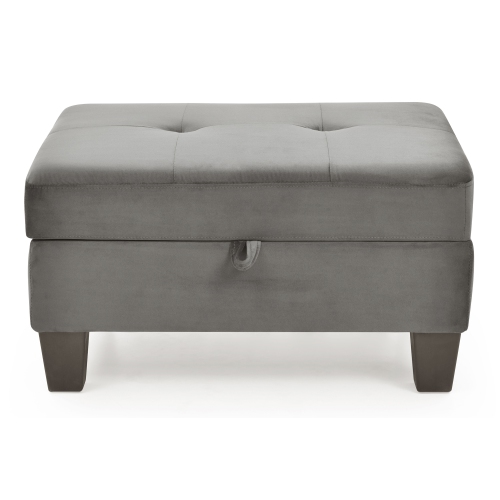
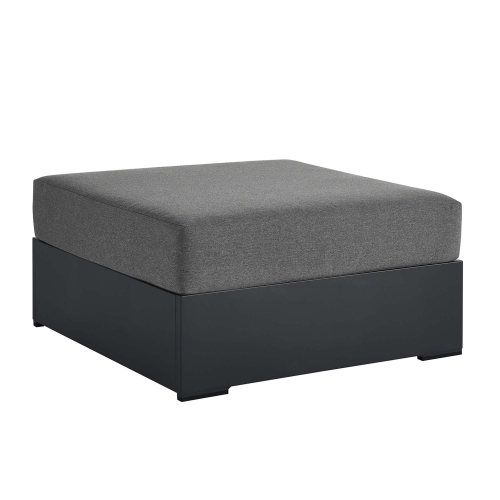
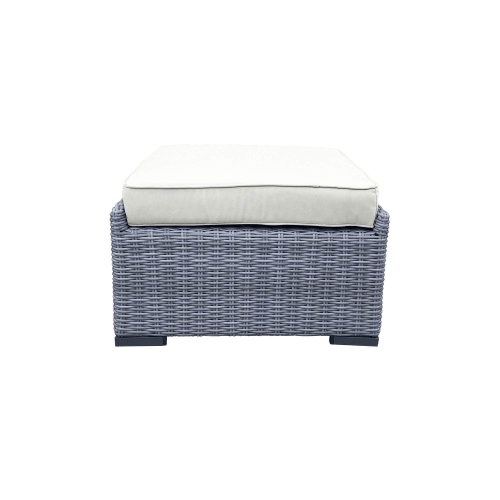
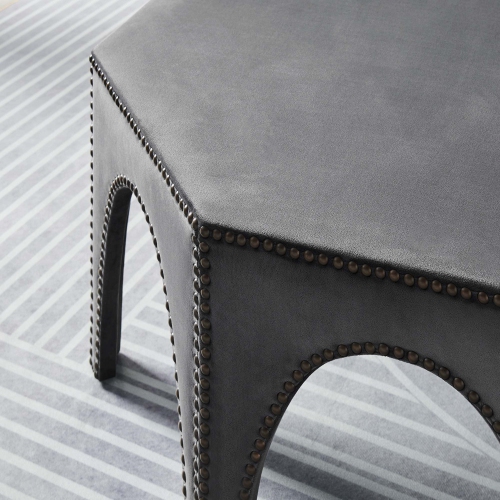
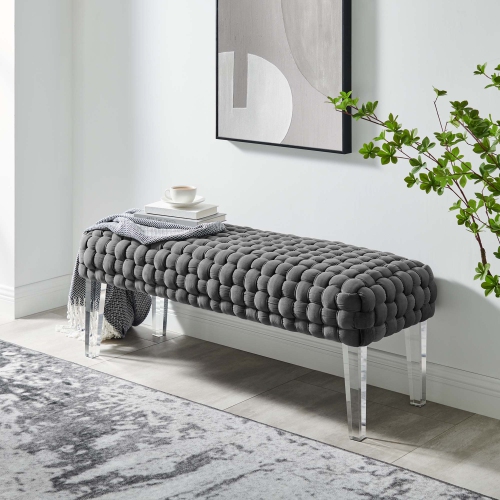
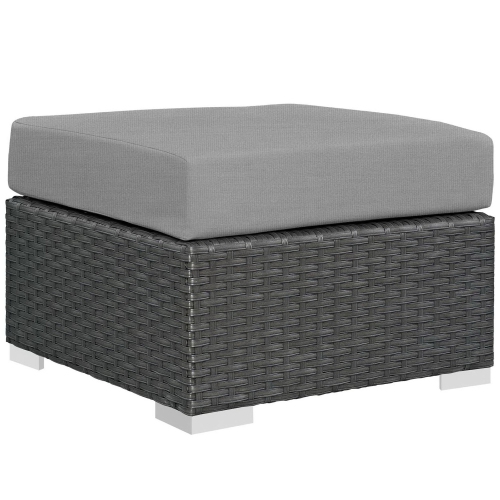
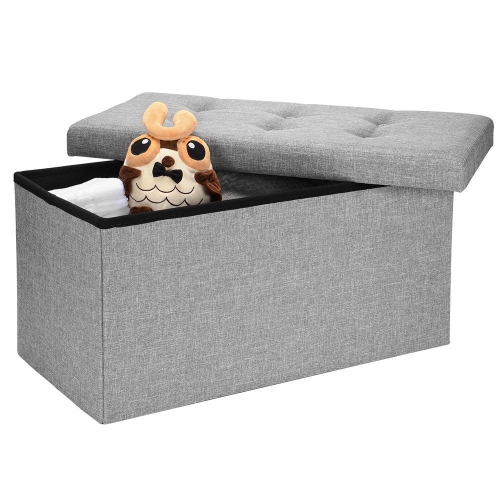
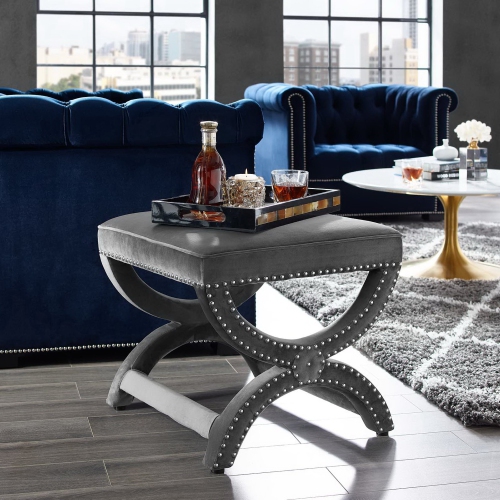
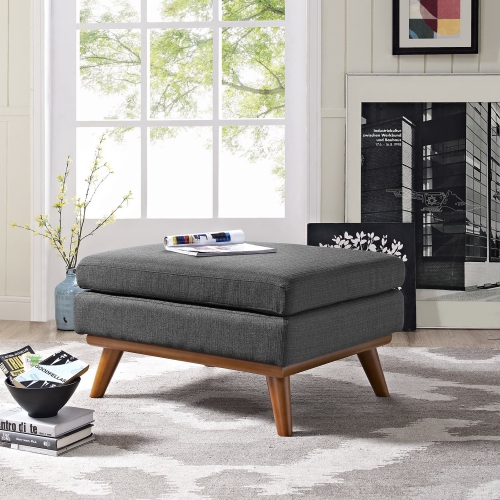
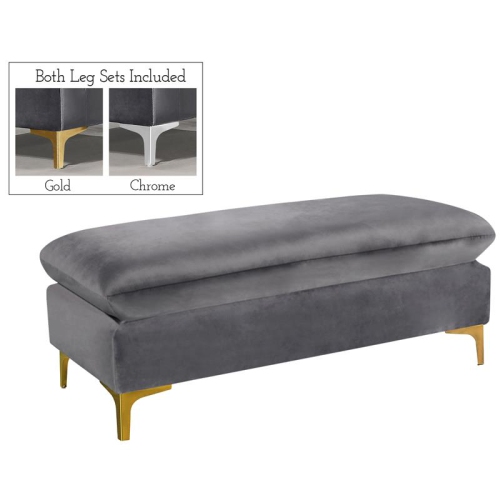
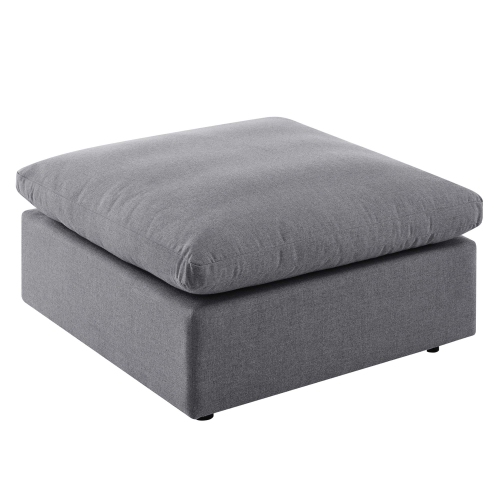
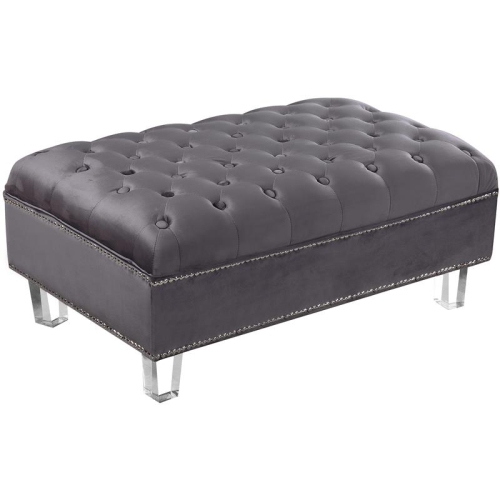
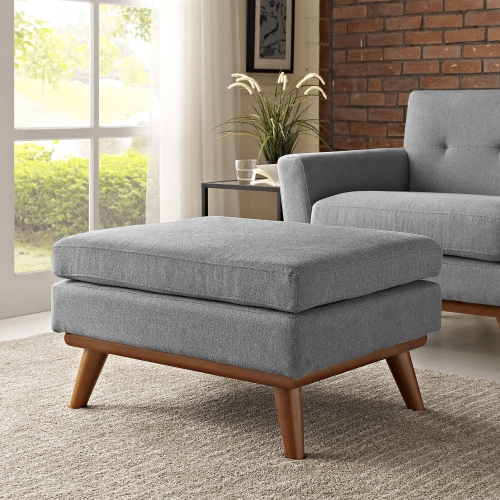
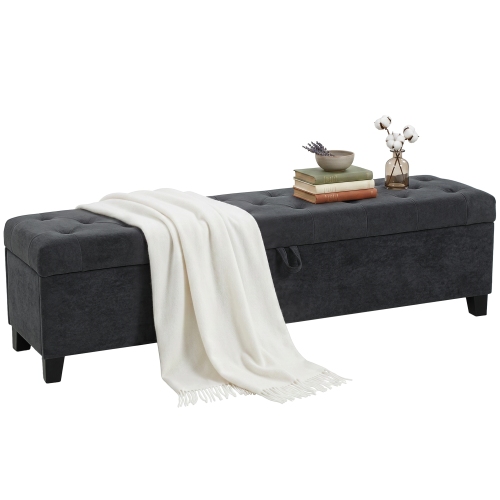
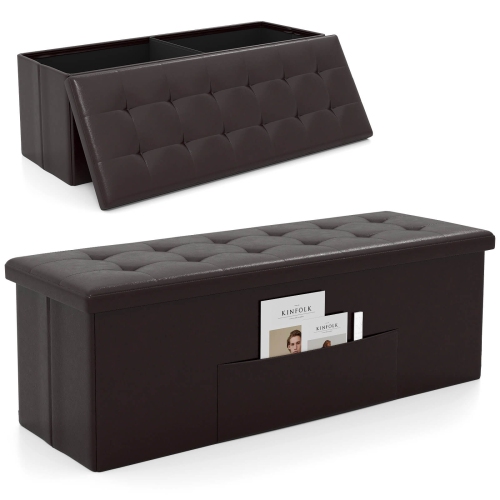
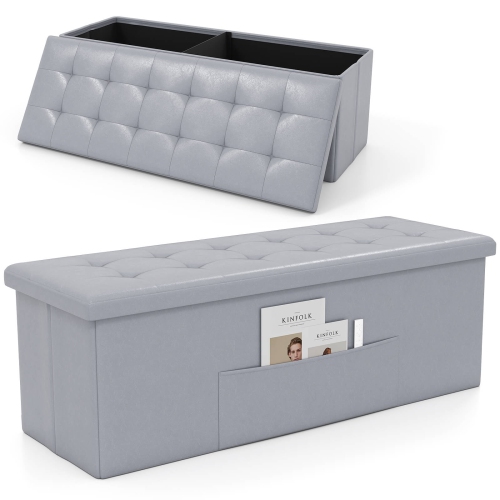
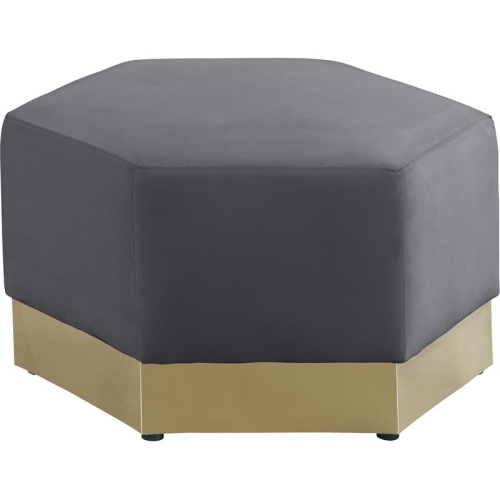

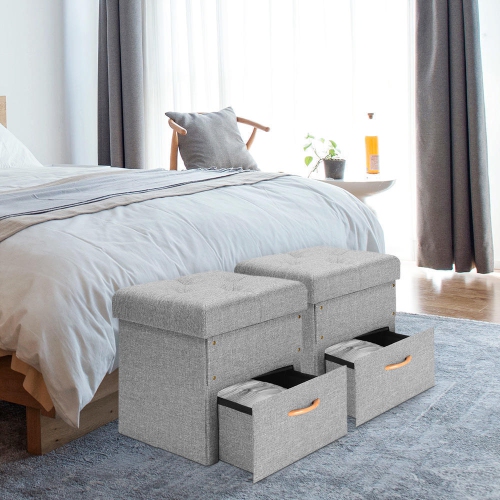
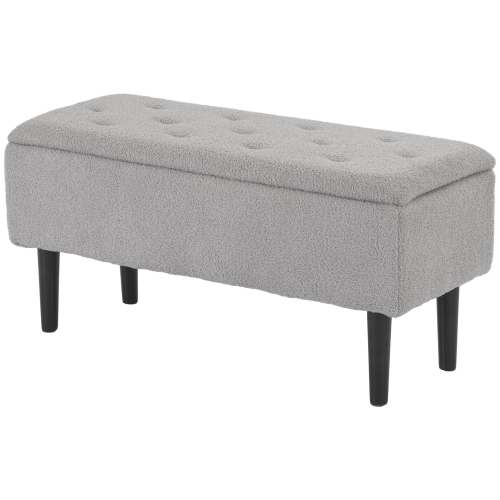

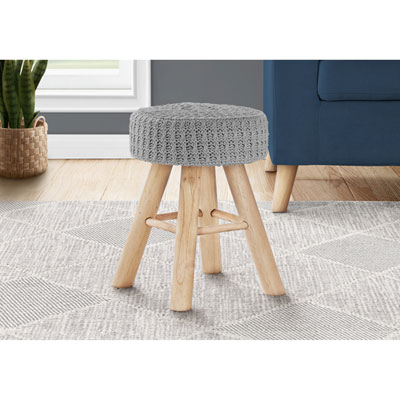
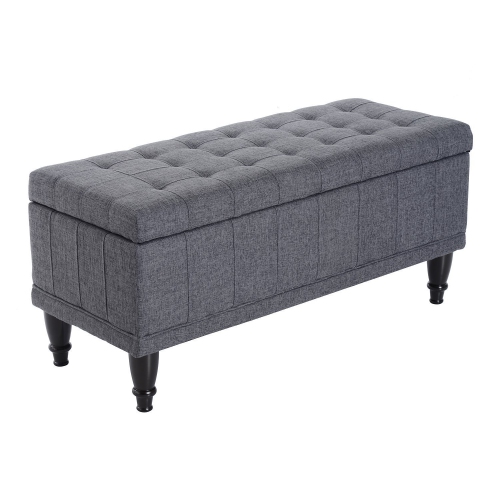
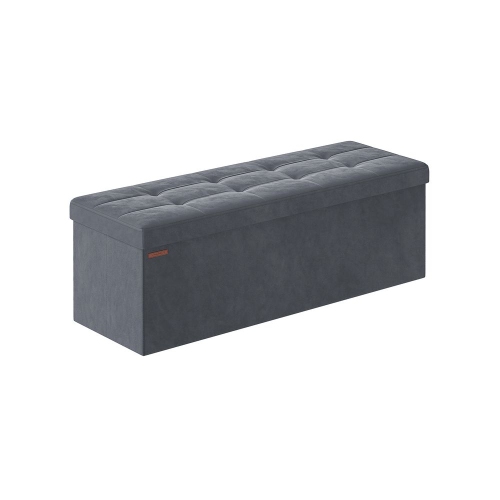
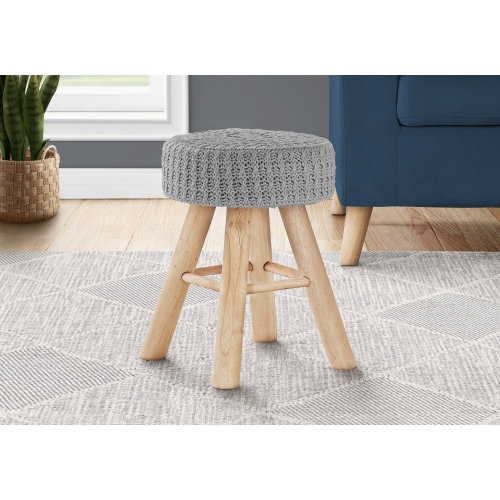

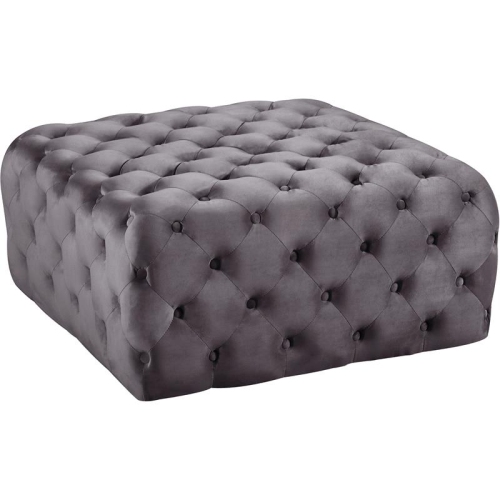
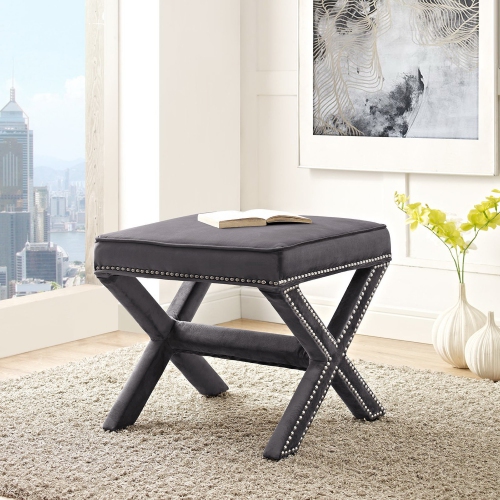
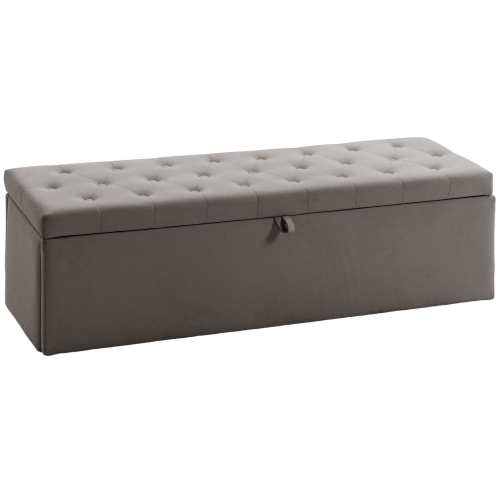
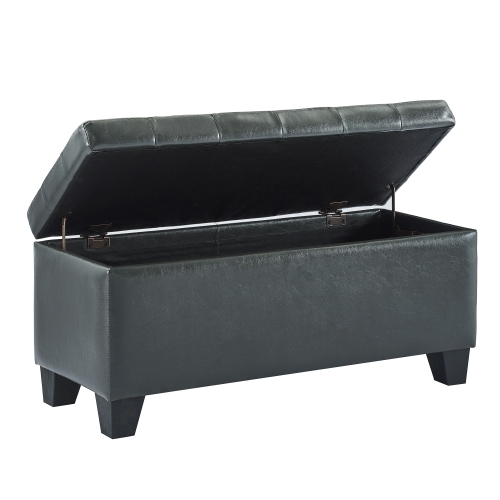

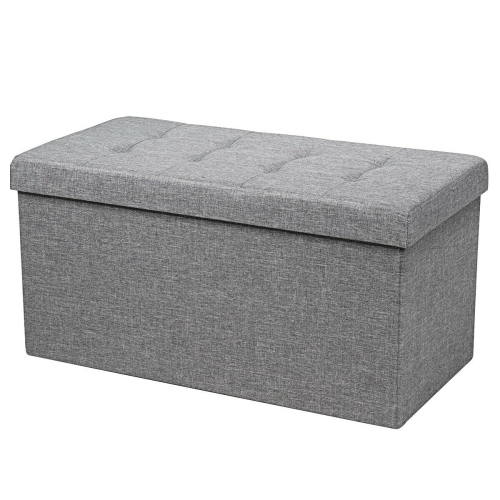
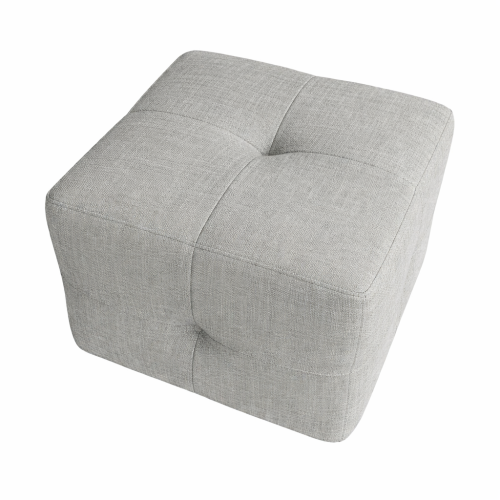

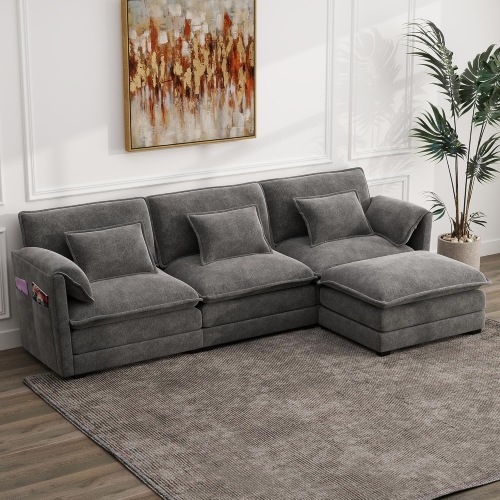
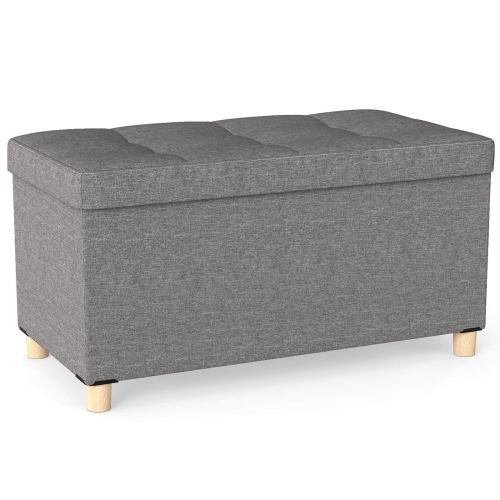
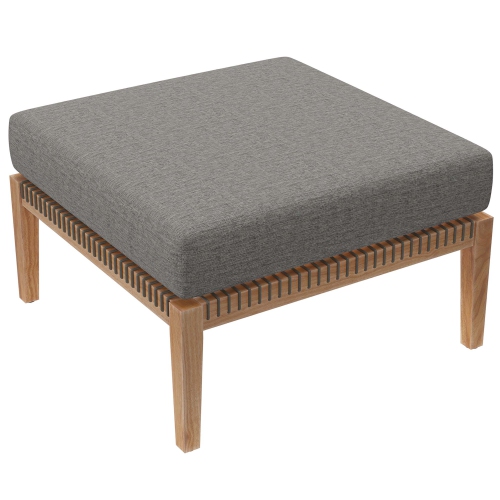
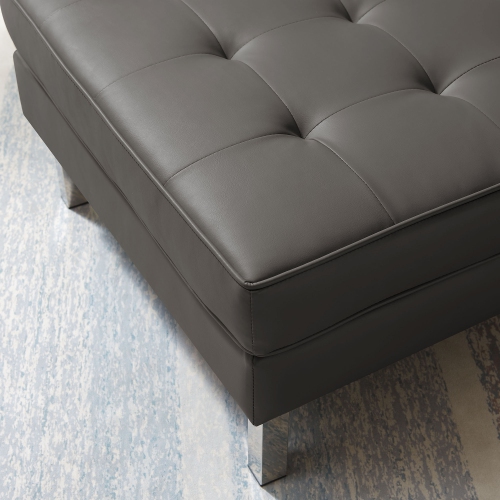
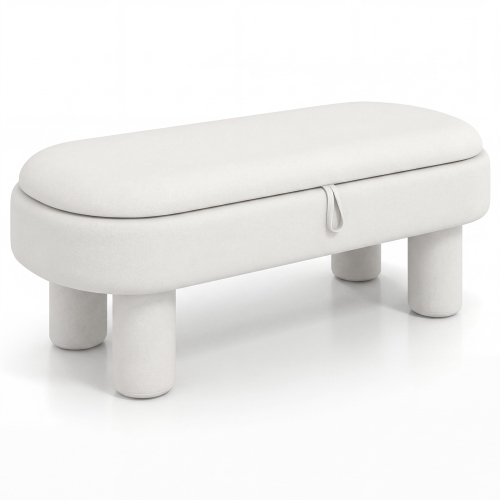
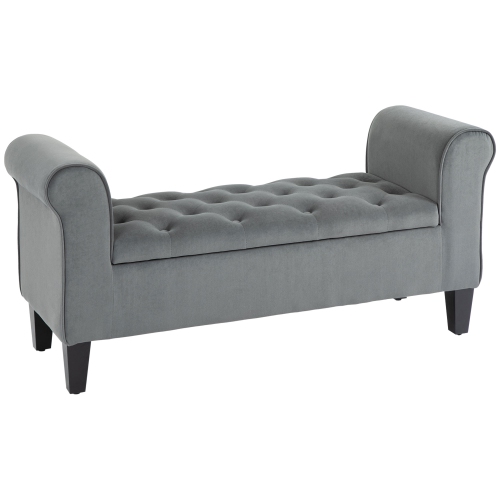
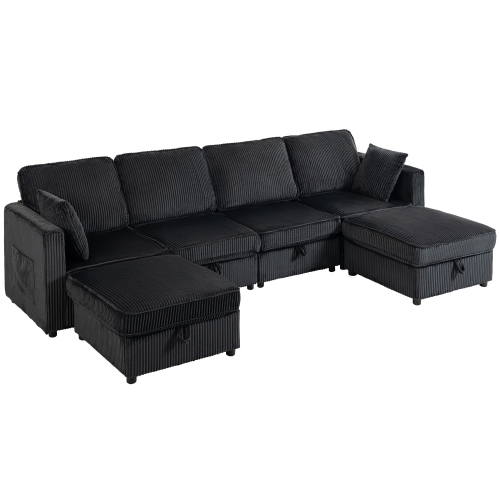
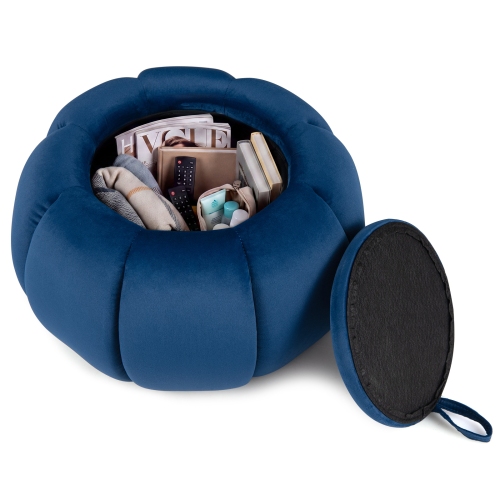
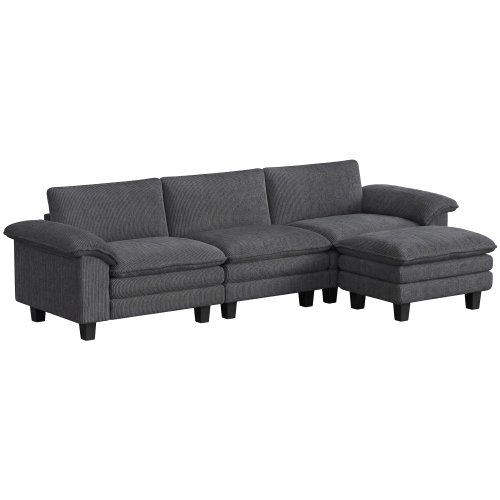
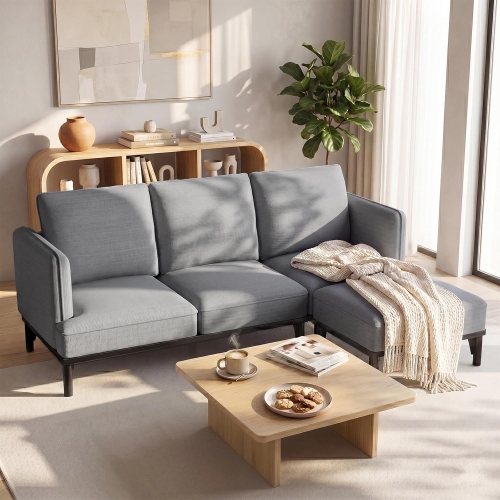
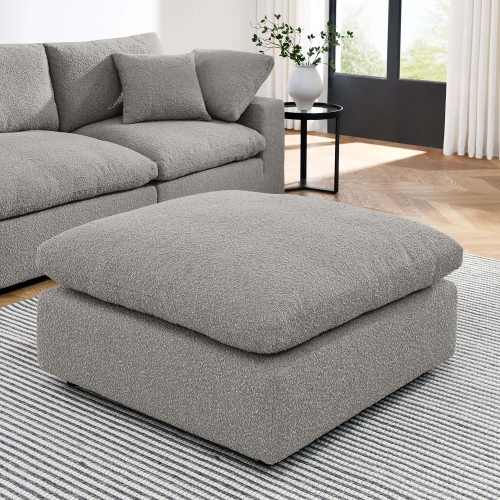
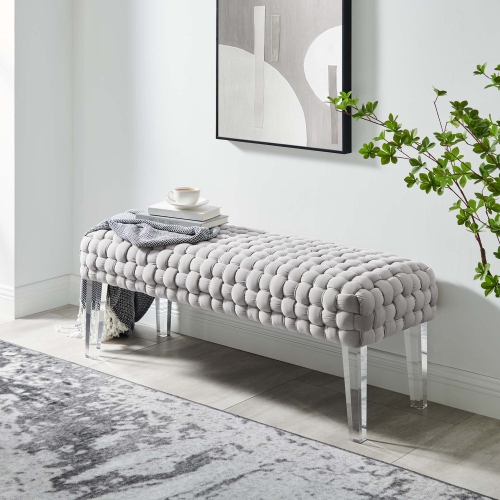
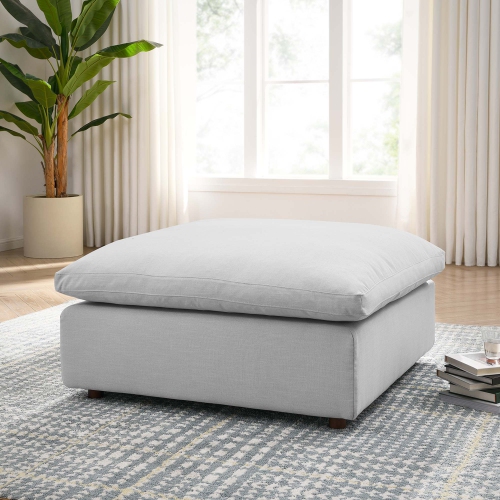
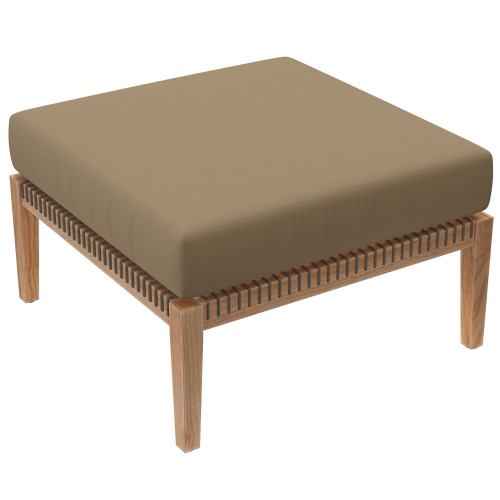

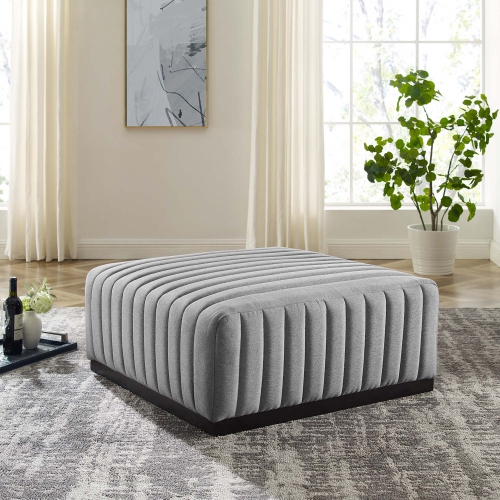
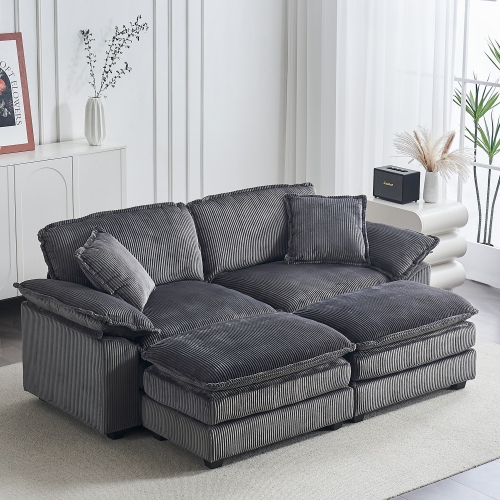
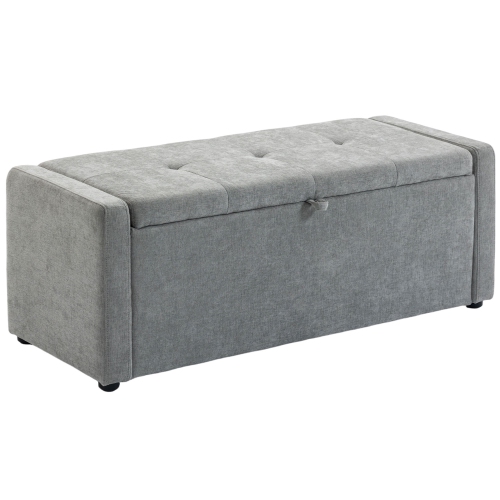
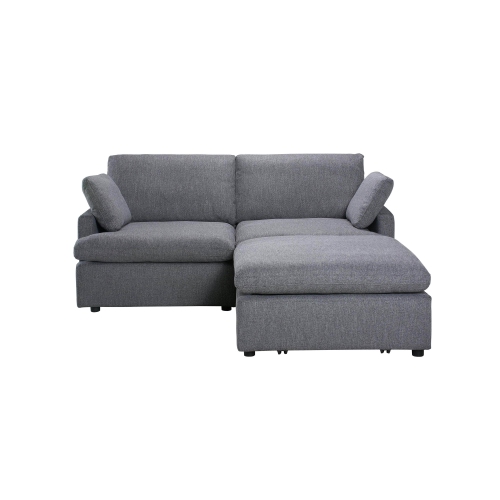


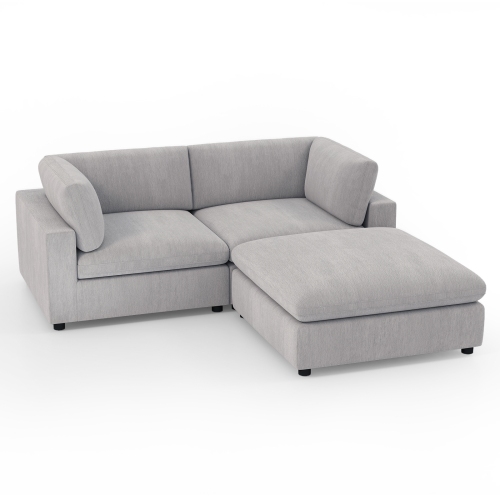
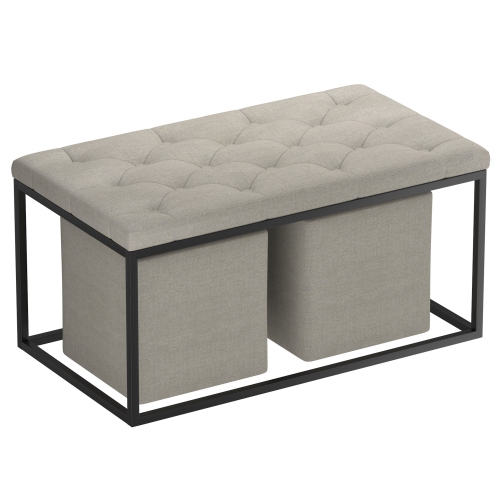
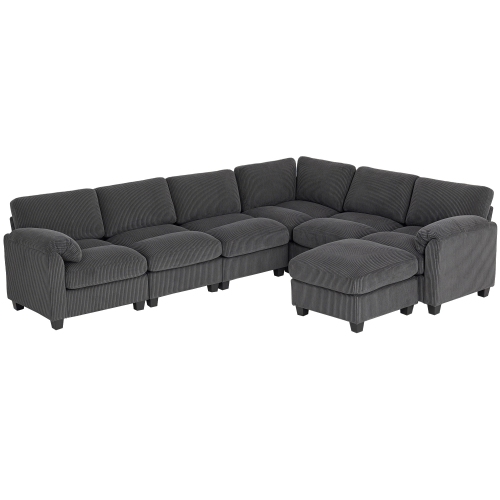
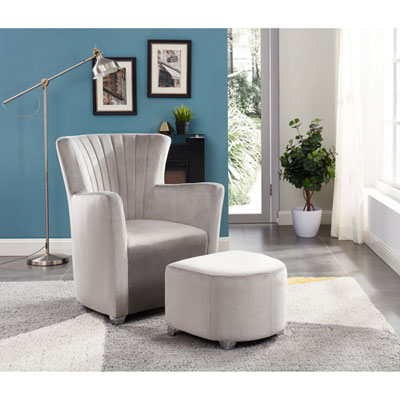
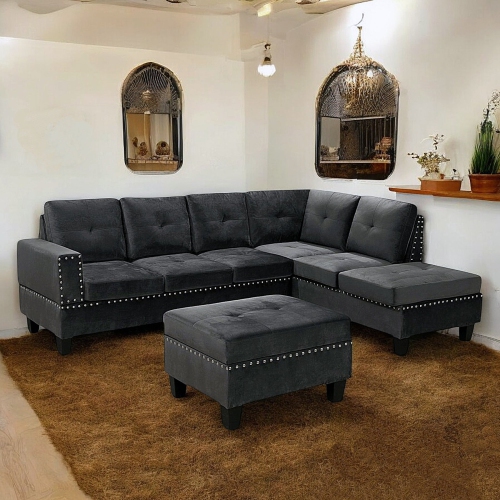
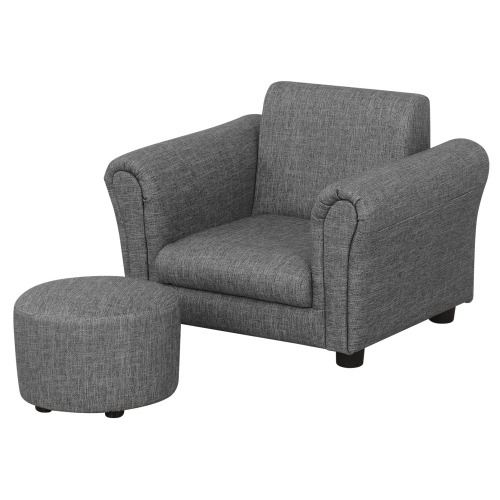
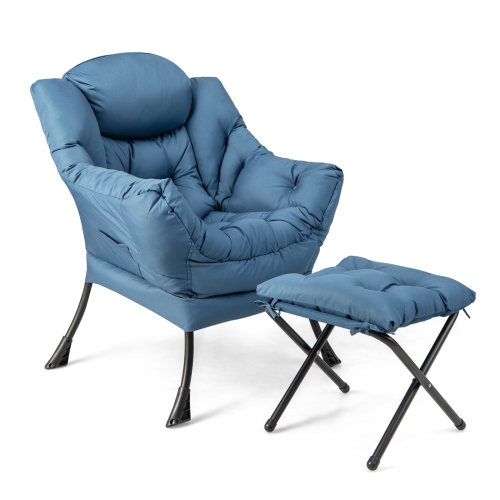
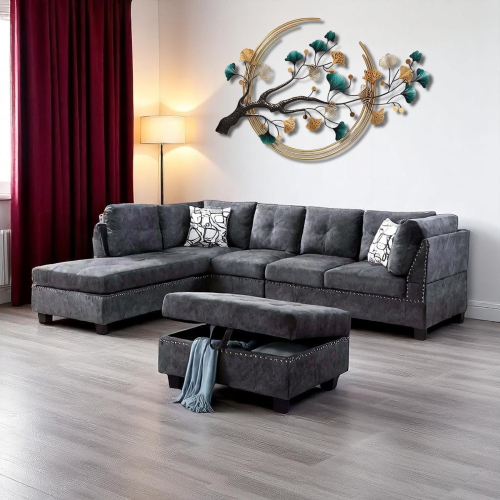


How shape and upholstery influence an ottoman’s fit
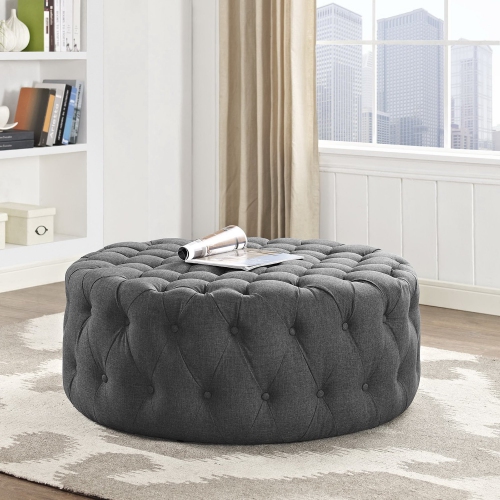
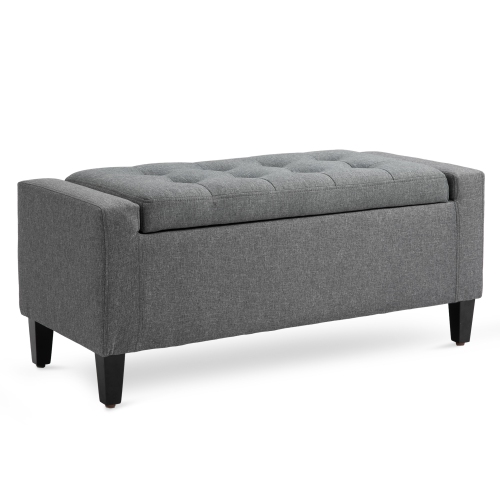
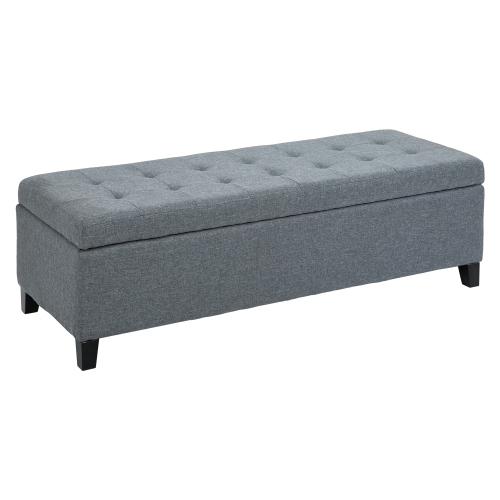
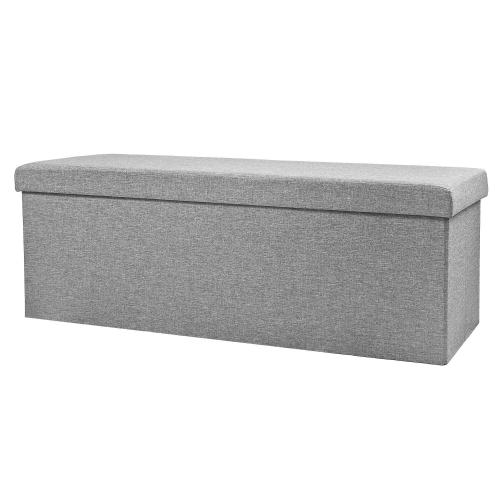
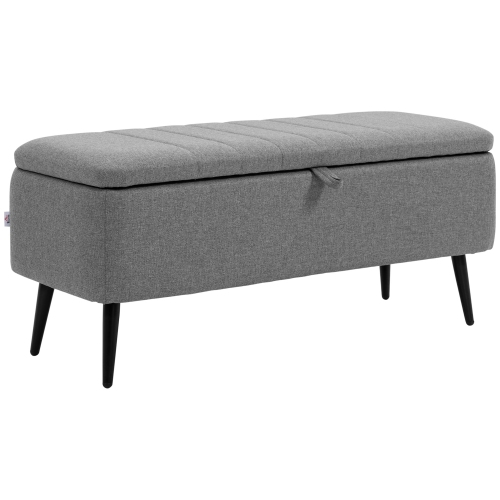
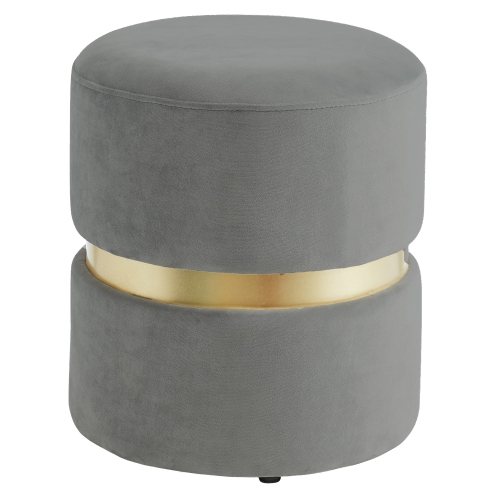
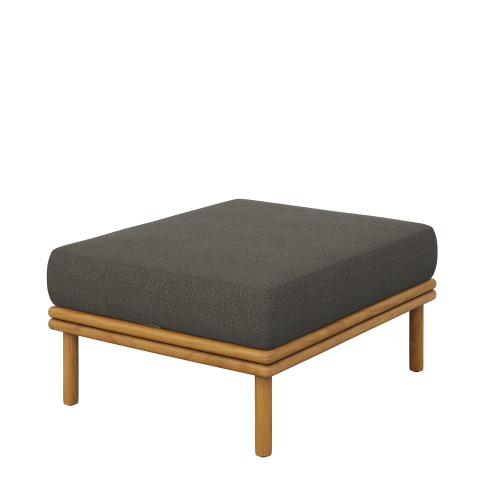
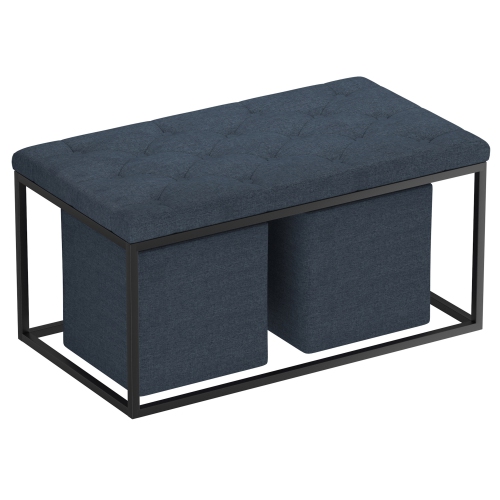
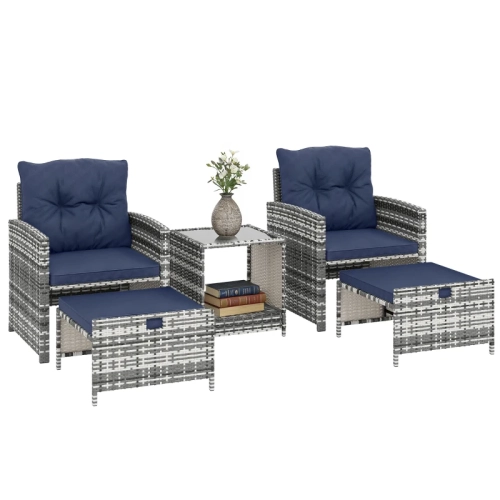
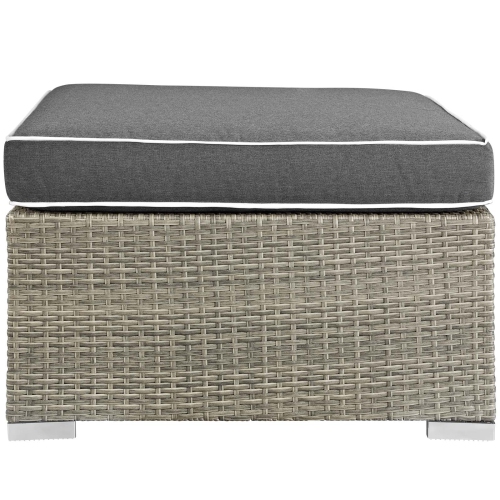
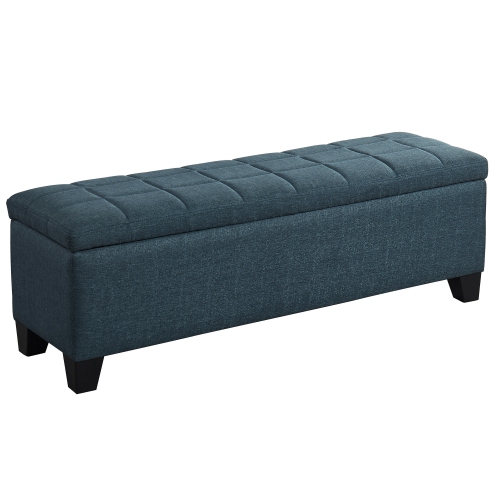
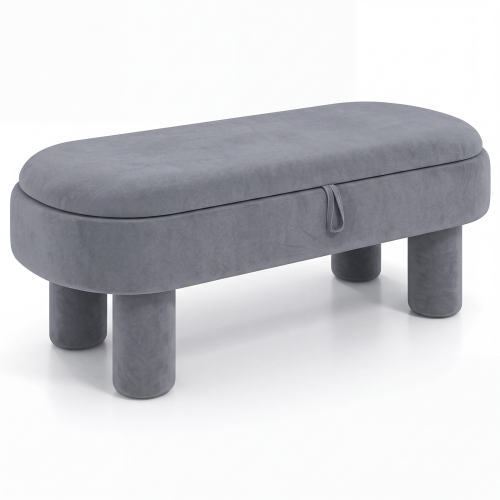
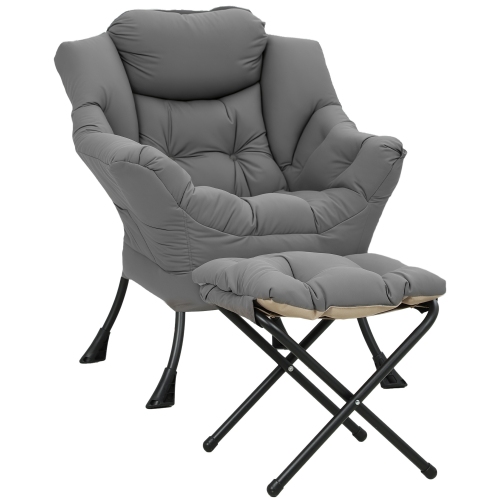
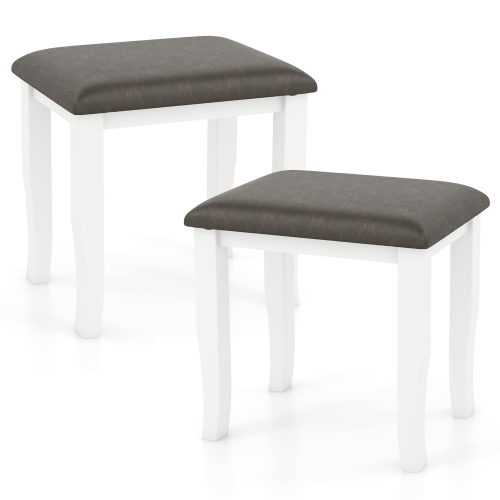
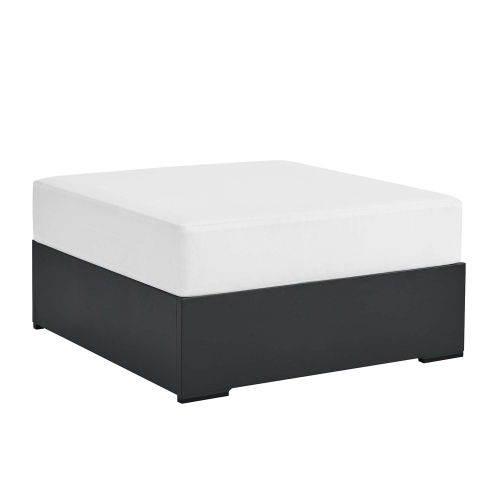
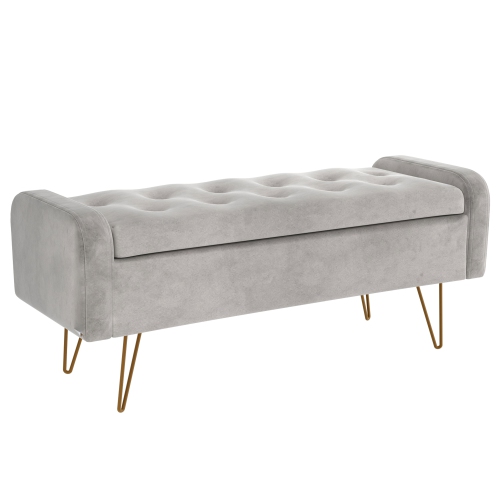
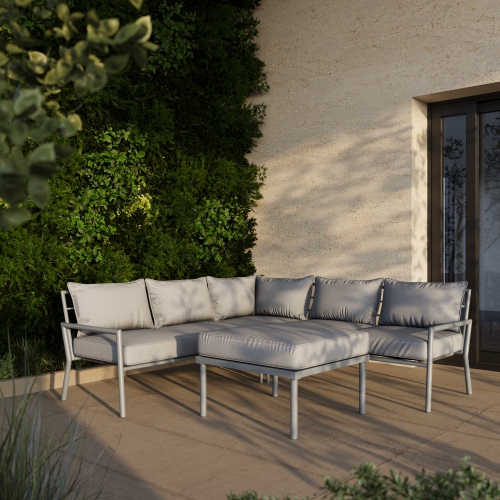
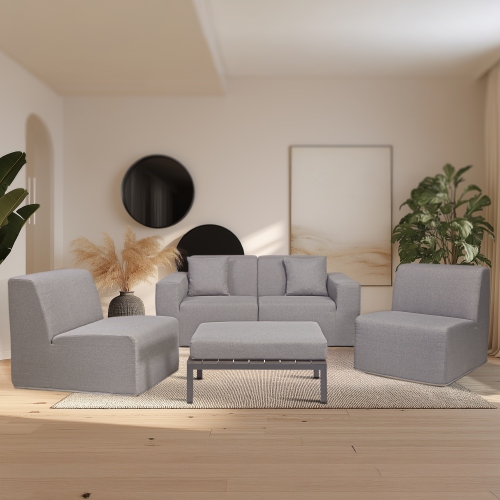
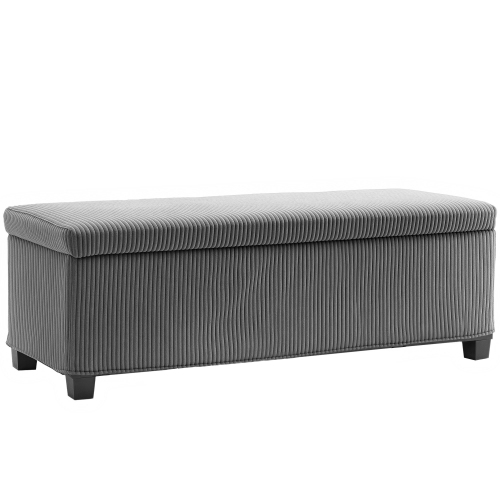
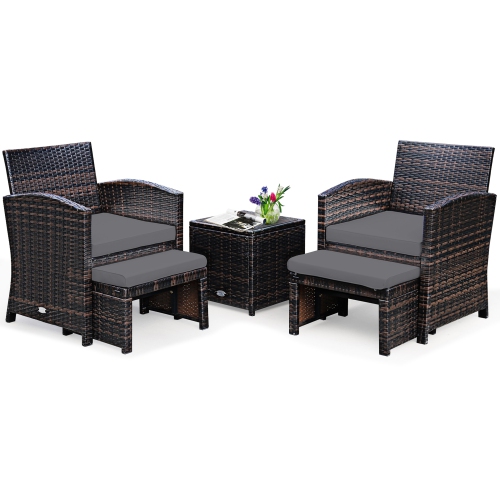
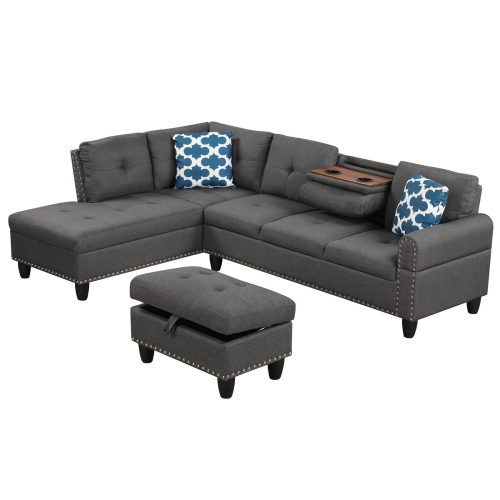
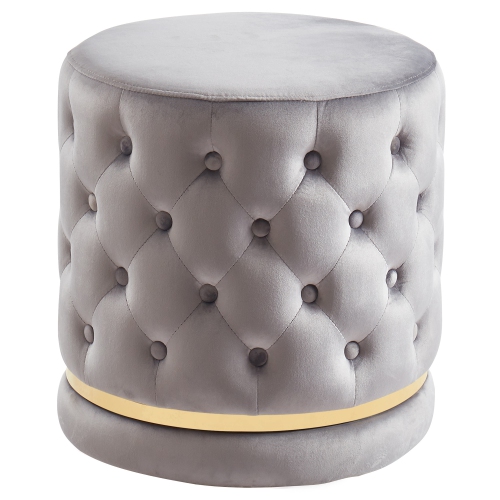
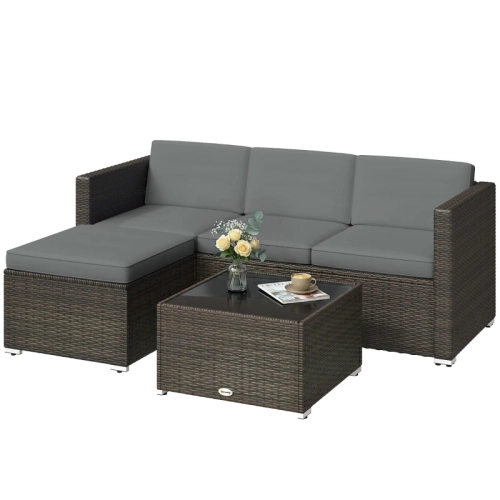
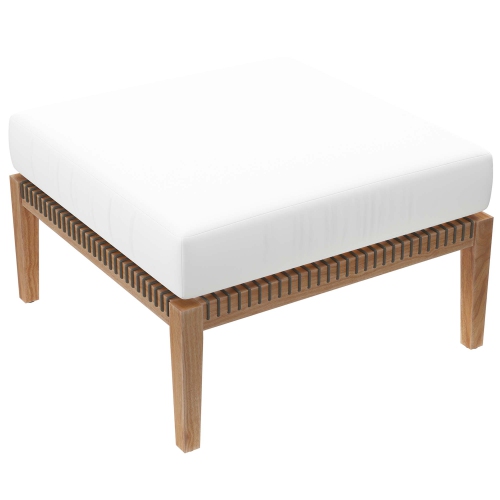
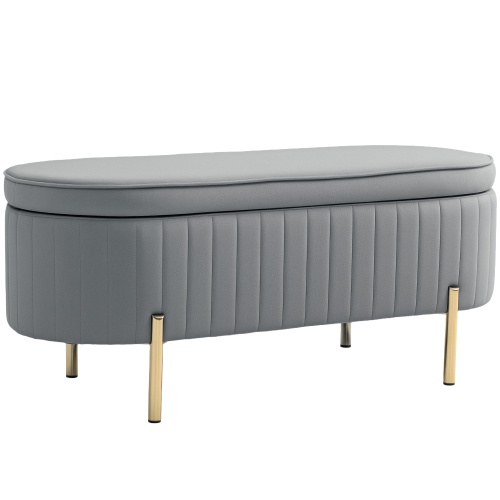
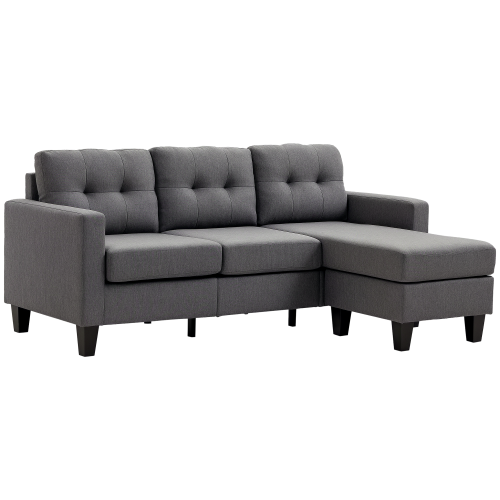
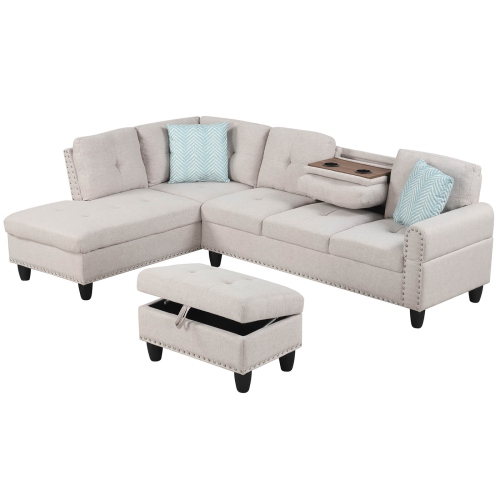
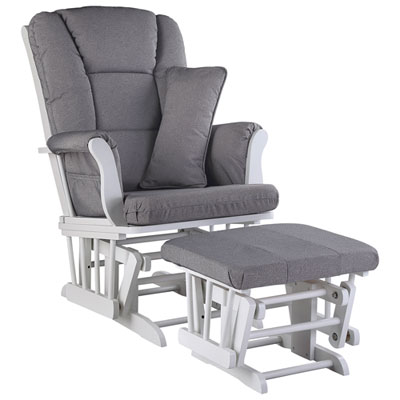
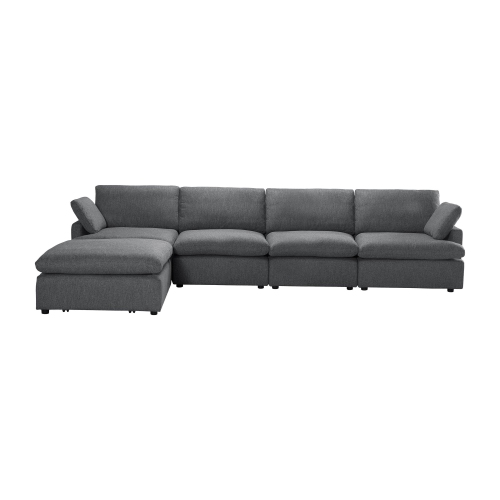
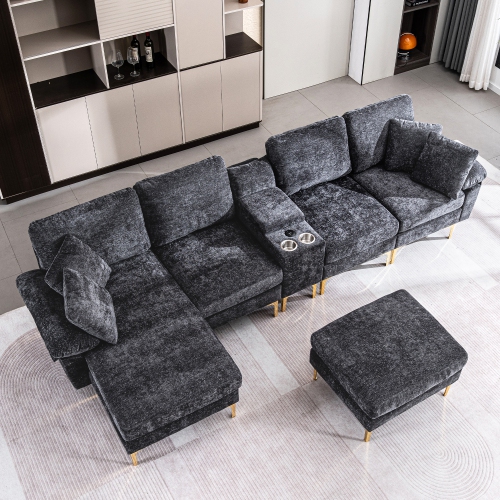
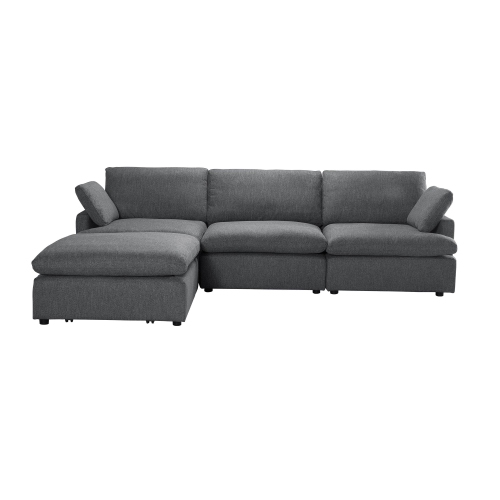
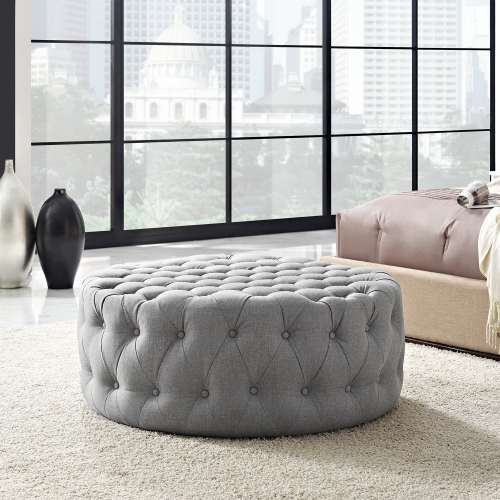
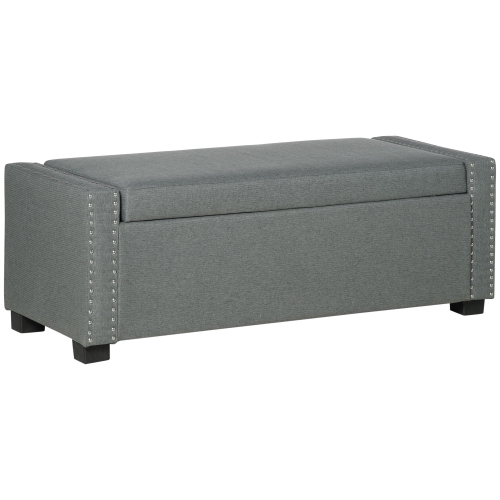
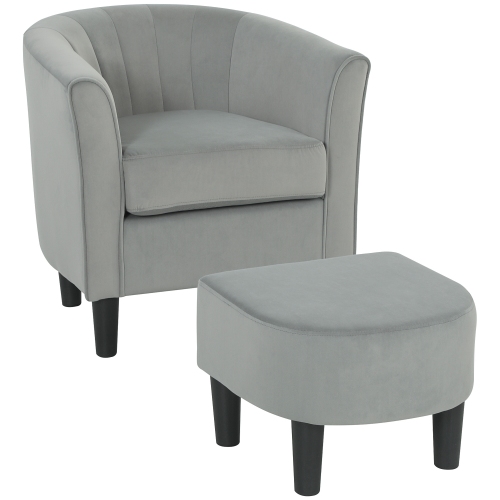
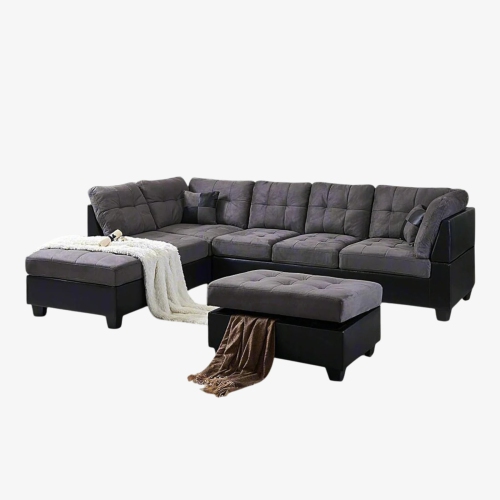
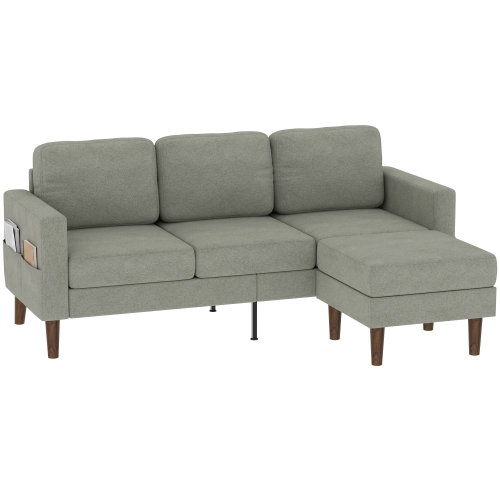
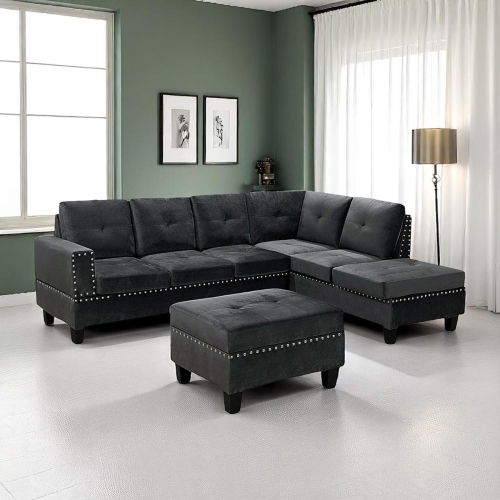
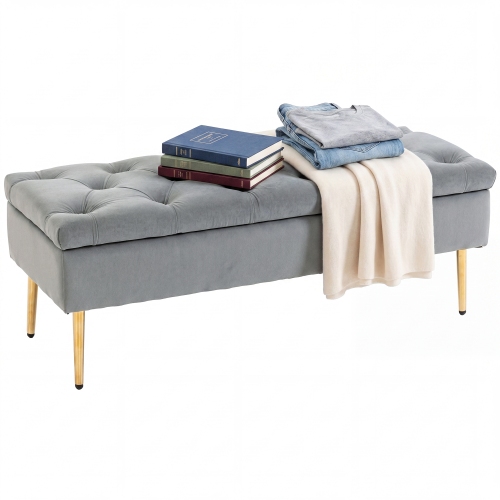
Dark grey ottomans bring a grounded, versatile accent to living rooms, bedrooms, and smaller sitting areas, with shapes that can serve as footrests, occasional seating, or concealed storage. Their deep neutral colour pairs easily with pale upholstery, warm wood, black metal, and richly coloured cushions, making them useful when a room needs contrast without another strong pattern. The shade itself can vary from charcoal to a softer slate, with blue, brown, or green undertones that become more noticeable beside existing furniture. Looking at upholstery photographs alongside the room’s main colours helps distinguish a cool grey from a warmer one, although lighting and screen settings can affect how the fabric appears. Shape makes an equally important difference. A square ottoman can sit neatly in front of an armchair, while a broad rectangular design can complement a sofa or fill the open space inside a sectional. A long bench-style ottoman works well at the foot of a bed, provided there is enough room to walk past it and open nearby drawers. For a curved silhouette, Grey Round Ottomans can soften an arrangement of straight-edged furniture and make a seating area feel less boxy. Rounded edges may also be easier to move around in a compact layout, though the full diameter still needs to fit the floor space. Before settling on a size, mark out the footprint with painter’s tape and check the routes between the sofa, doorway, and other furniture. An ottoman intended mainly for resting feet is often most comfortable close to, or slightly below, the height of the adjacent seat cushion. If occasional seating matters, check that the design is intended to support a seated person and review its stated weight capacity; a padded top alone does not establish that use. In a shared living room, an ottoman that leaves everyone a clear path can be more useful than one that fills every available gap.
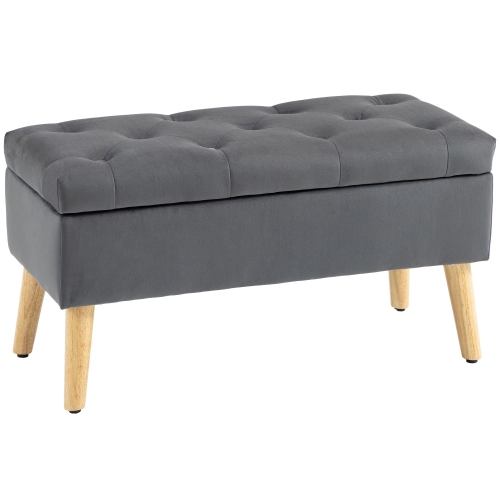
Upholstery determines much of an ottoman’s character, from the way dark grey catches the light to how the surface feels against bare ankles. Tightly woven fabrics generally have a more tailored appearance, while textured weaves introduce depth that can keep a large, dark piece from looking flat. Linen-look upholstery describes an appearance rather than a guaranteed fibre composition, so the material details are worth checking when softness, cleaning requirements, or resistance to wear are priorities. Polyester and blended fabrics vary considerably in texture and performance; the fibre name alone does not reveal how well a particular covering will handle frequent use. Velvet brings a softer sheen and can show lighter or darker patches as its pile changes direction. That variation is part of its visual character, but it may be more noticeable on a broad ottoman placed near a window or lamp. Leather and faux leather offer a different look, often with a smoother surface, although their care requirements and response to scratches are not interchangeable. Households with pets may prefer to consider snag resistance, visible hair, and ease of cleaning rather than assuming that a dark colour will conceal everyday marks. Pale fur, lint, and dust can stand out clearly against charcoal upholstery. Cushioning also deserves attention: a plush top suits relaxed footrest use, while a firmer, flatter surface may feel steadier for occasional seating when the ottoman is designed for it. Button tufting, stitched channels, piping, and nailhead trim create distinct styles, but deeper recesses can collect crumbs and require more detailed cleaning. Beyond the covering, frame construction, secure joints, supportive cushioning, and firmly attached legs all contribute to durability. For an ottoman that will move between a reading chair and a sofa, consider its weight and grip points as well as its appearance. Lift it as directed rather than dragging it, and use floor protection suited to both the feet and the flooring beneath them.
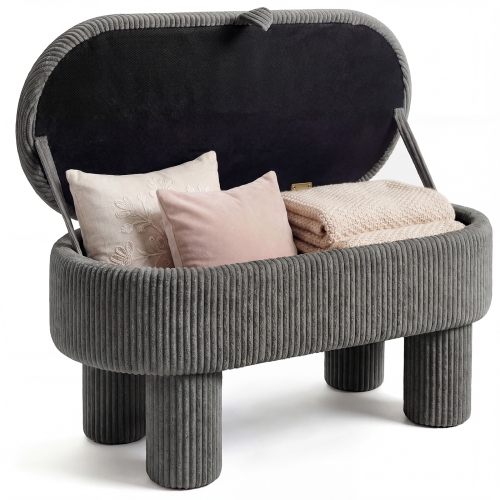
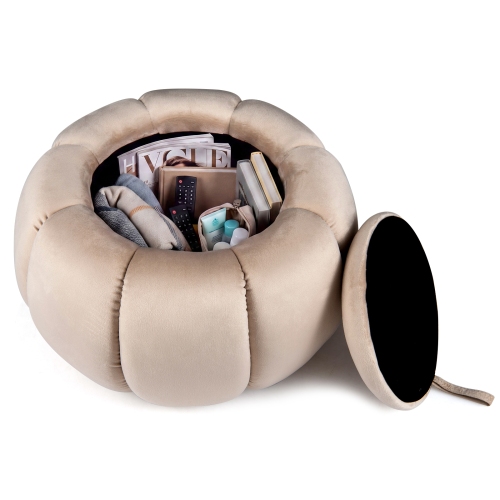
Storage ottomans are especially practical where a room has to accommodate several activities without leaving everything on display. A compact drum can keep small accessories close to an armchair, while a wider storage bench may hold throws, spare cushion covers, or board games. External dimensions do not tell the whole story: thick upholstered walls, hinges, and interior supports can reduce usable capacity, so internal measurements matter when there is something particular to put away. The opening is important, too. A hinged lid needs clearance to lift without striking a wall or bed frame, while a removable lid needs somewhere to rest during access. Where children are present, check the manufacturer’s safety information, including lid supports and any restrictions on use; storage furniture is not a play space or a substitute for a climbing step. Keep contents within the recommended load limits and avoid overfilling a compartment so that its lid cannot close properly. For living rooms where the ottoman also acts as an informal coffee-table surface, a suitable tray can provide a level place for a book or remote, but a soft cushion is not as stable as a rigid tabletop. Hot drinks and spill-prone containers are better kept on a nearby table, particularly where pets or children could knock them over. Routine care helps preserve both the colour and texture of dark grey upholstery. Use the recommended vacuum attachment to remove dust from seams, tufting, and the space around the legs, and blot spills promptly rather than rubbing them deeper into the fabric. Cleaning methods should follow the upholstery care label, with any permitted cleaner tested first in an inconspicuous area. Removable covers are not necessarily machine washable, and leather or faux leather may need a different approach from woven fabric. Avoid prolonged direct sunlight where possible, check accessible fittings periodically, and respect the intended use. These practical details help an ottoman remain a comfortable, useful part of the room rather than simply an accent that looks right on arrival.
Top selling and popular products
-
 Your price for this item is $644.99
-
 Your price for this item is $978.99
-
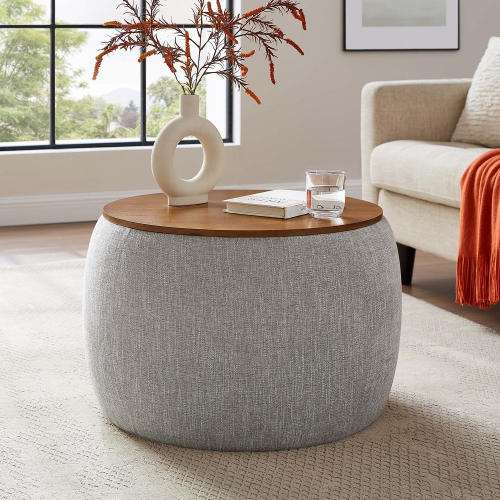 Your price for this item is $286.83
-
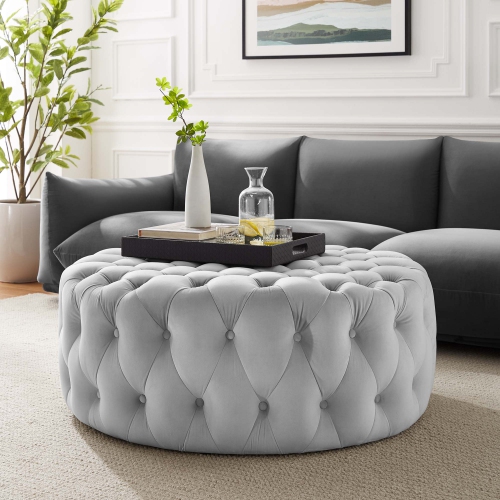 Your price for this item is $765.09
-
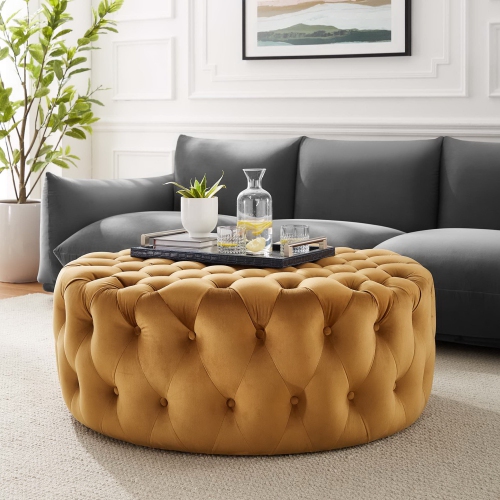 Your price for this item is $765.09
-
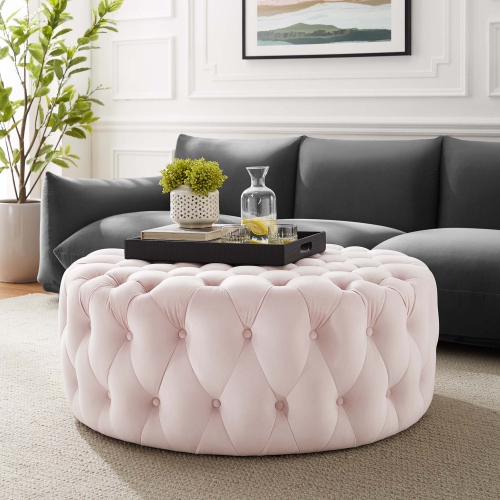 Your price for this item is $765.09
-
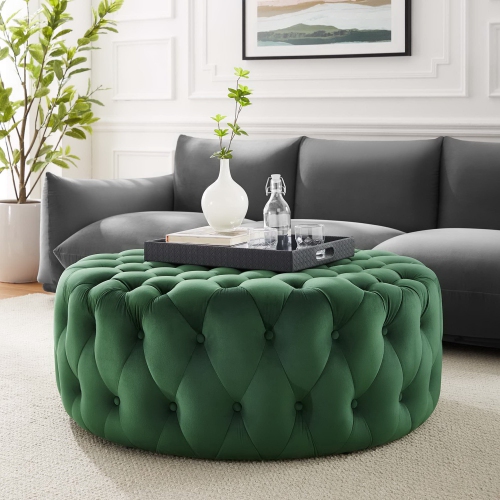 Your price for this item is $765.09
-
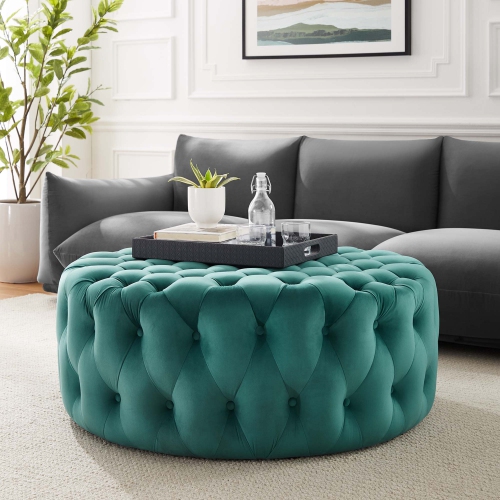 Your price for this item is $765.09
Discover more categories related to Dark Grey Ottomans
Top Collections:
Best Black Friday Deals This Year, Best Black Friday Deals On Electronics, Kindle Devices, Dyson Airwrap, Best Cameras for Sports Photography, Best Budget Office Chairs, Canon G7X Cameras, PS5 Pro Consoles, Best Black Friday Deals On Apple Products, XBOX One S Consoles
Some products may be subject to Environmental Handling Fees
(EHF) depending on your province.
Learn more about EHFs.