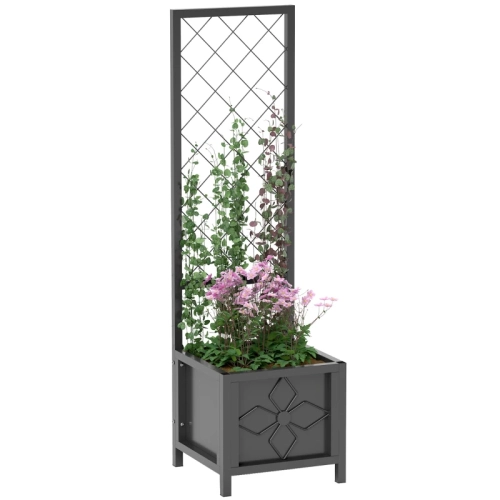
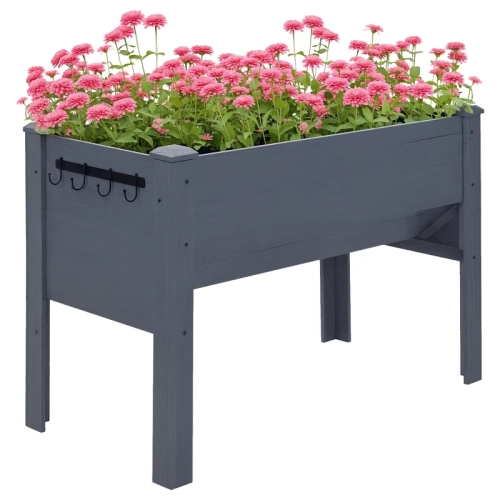
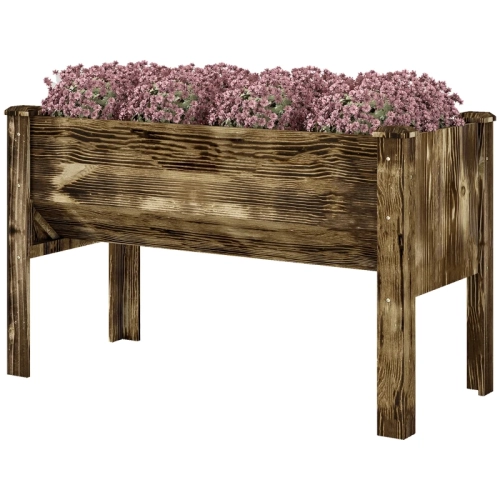
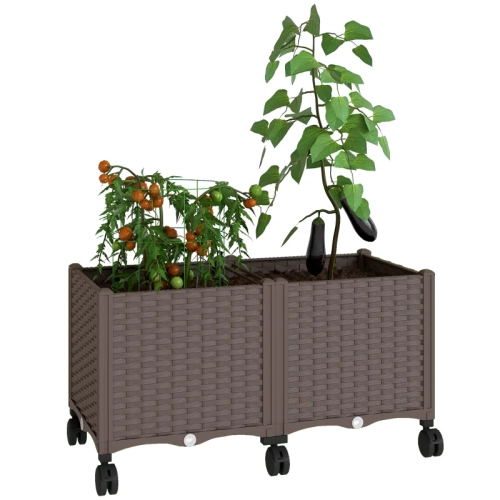
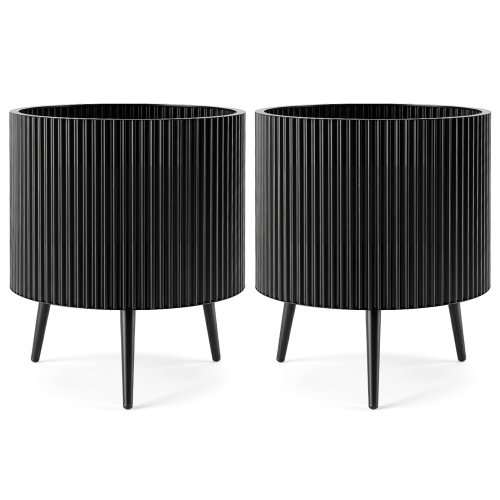
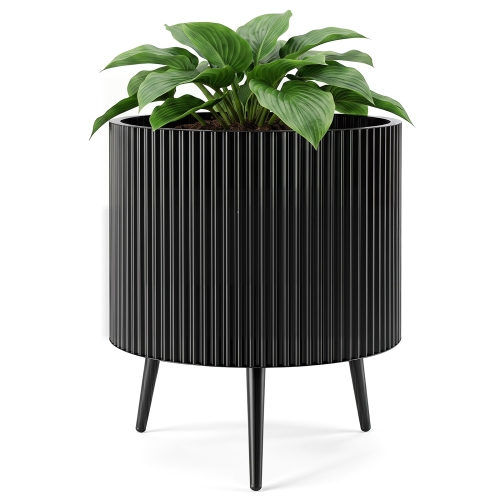
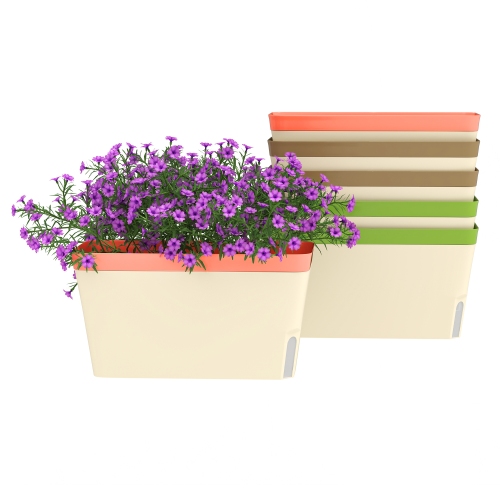
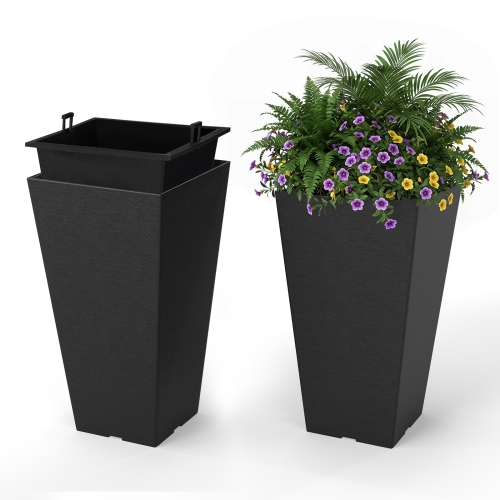
Outdoor Flower Pots with Drainage

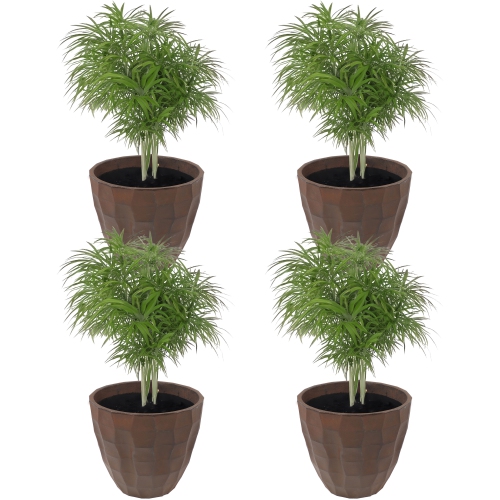
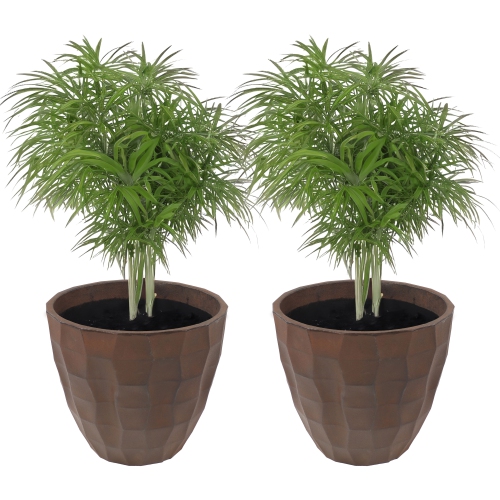
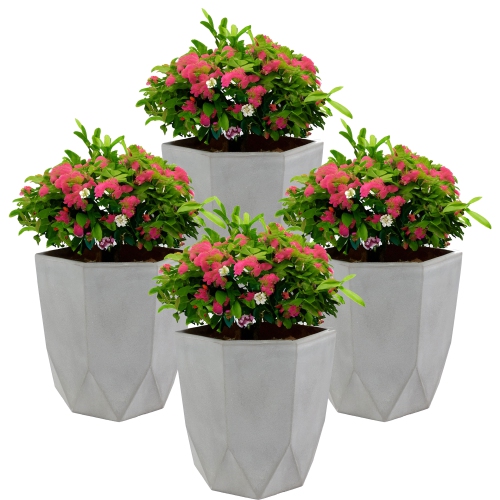
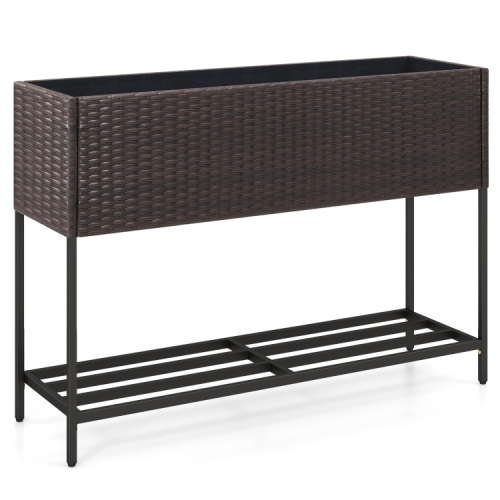
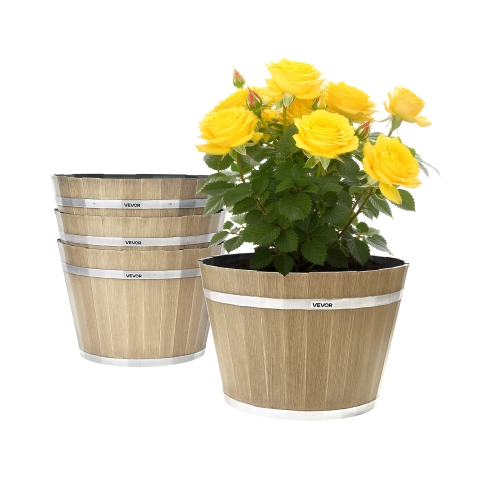
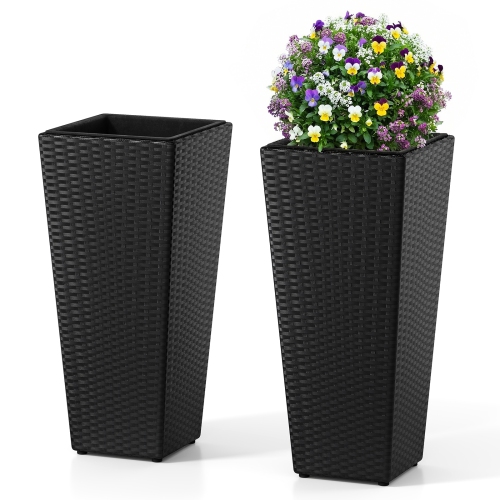
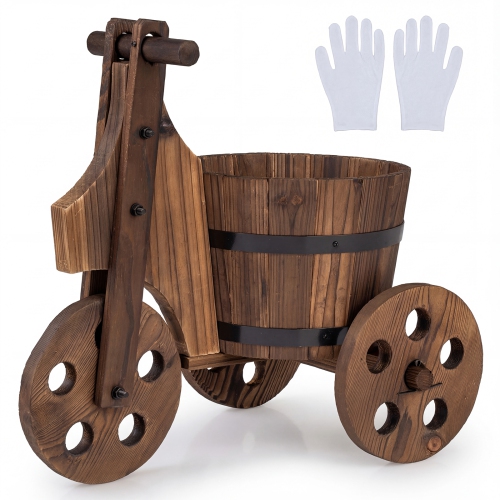
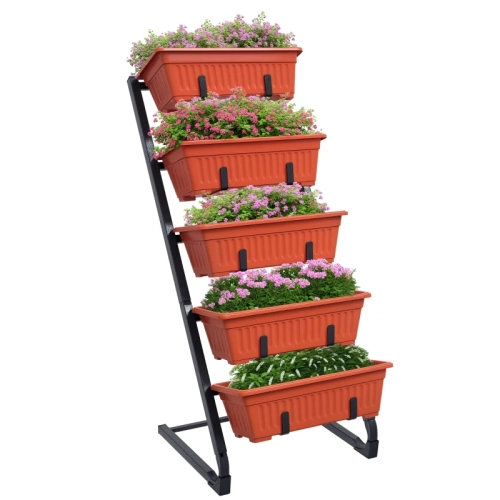
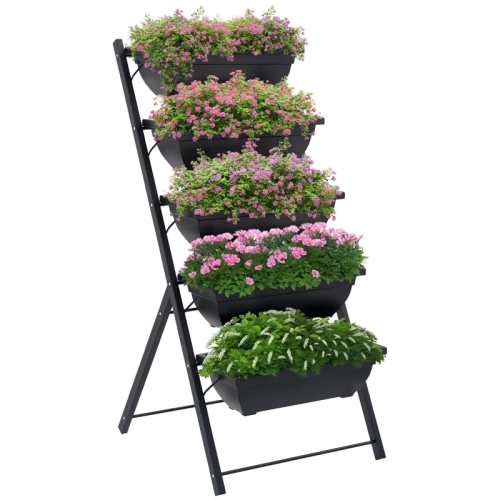
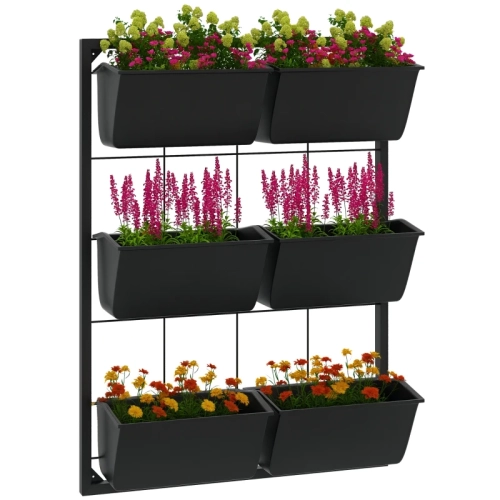
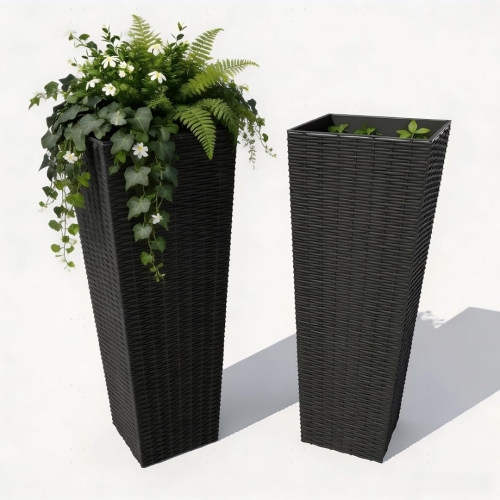
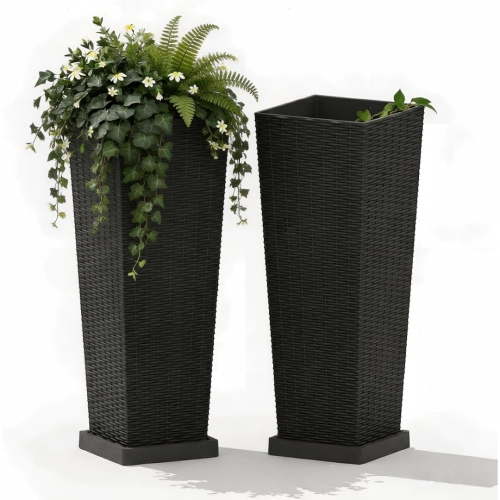
Find outdoor flower pots with drainage to give excess water a way out when watering plants on a patio, balcony, or in the garden. Browse pots and planters with your available space and plants’ root needs in mind, and check drainage hole placement and saucer requirements to choose a practical fit for your outdoor setup.
Read More

Sort

Healthy roots need more than drainage holes

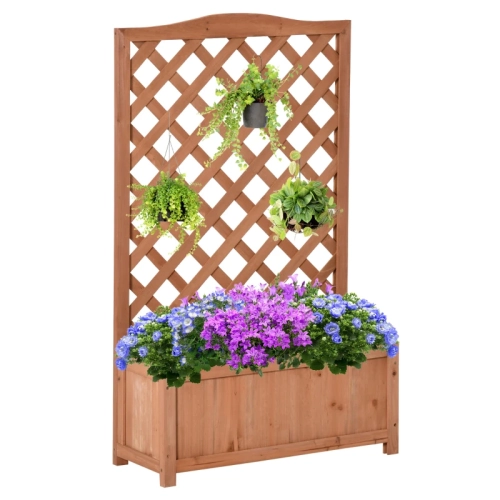
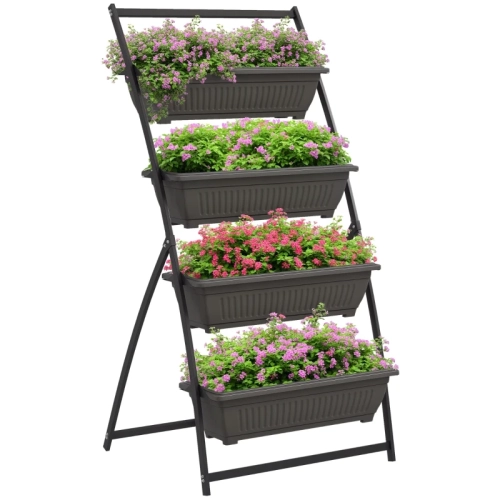
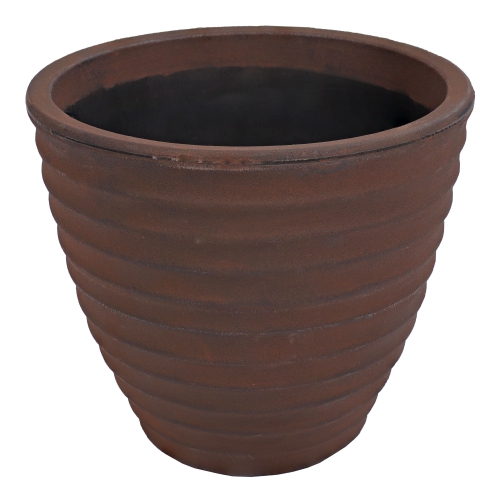
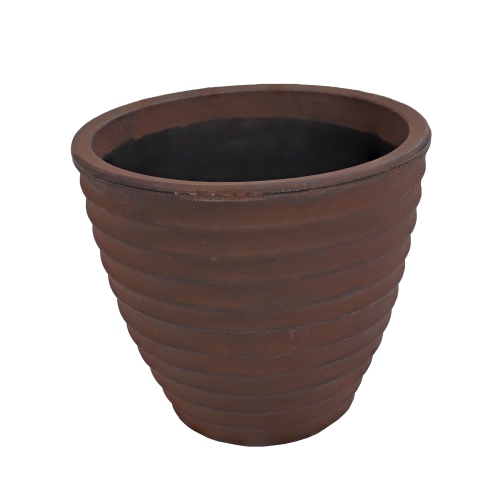
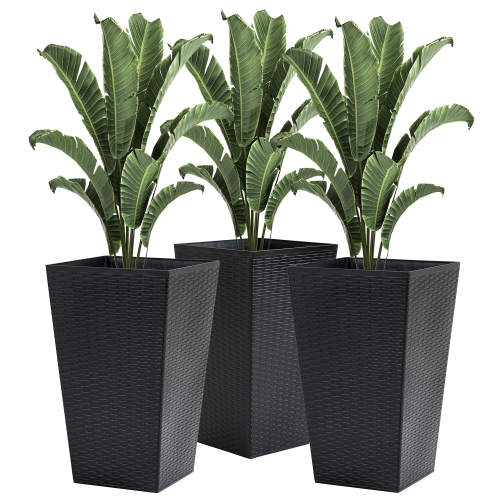
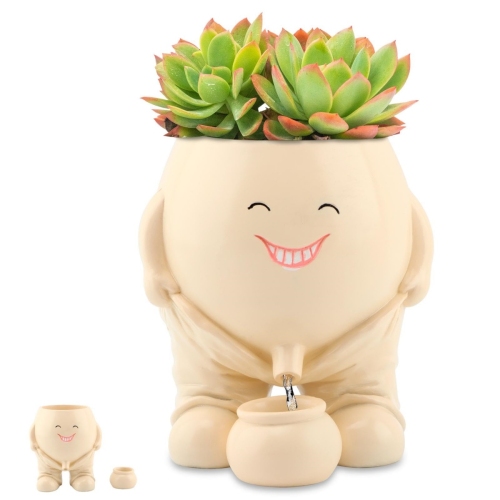
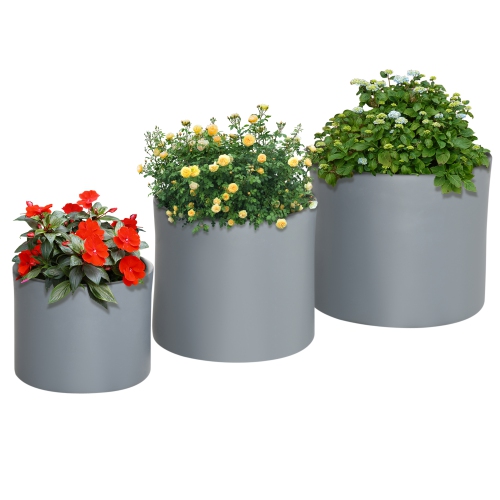
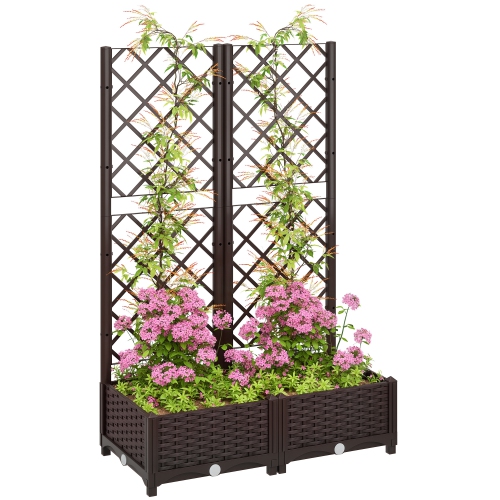
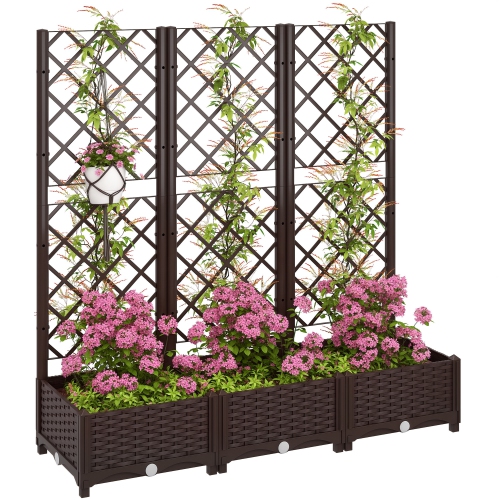
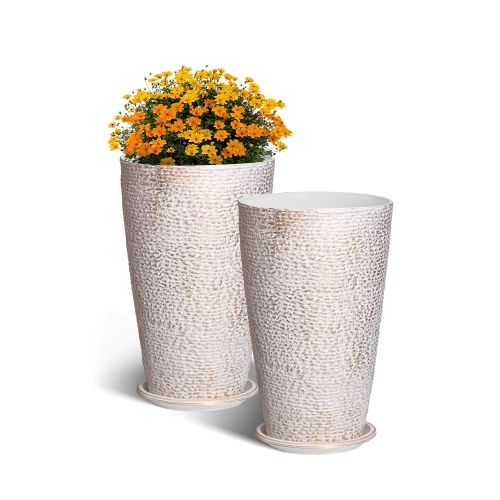
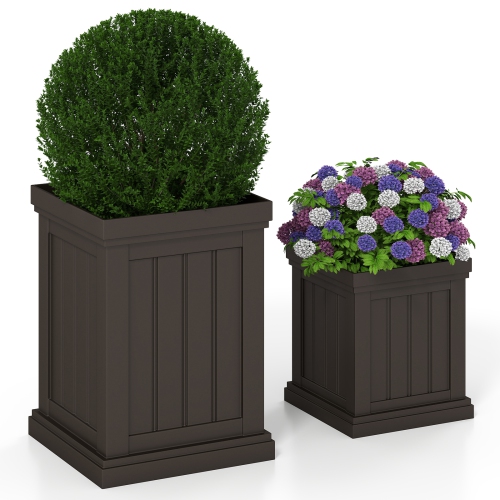
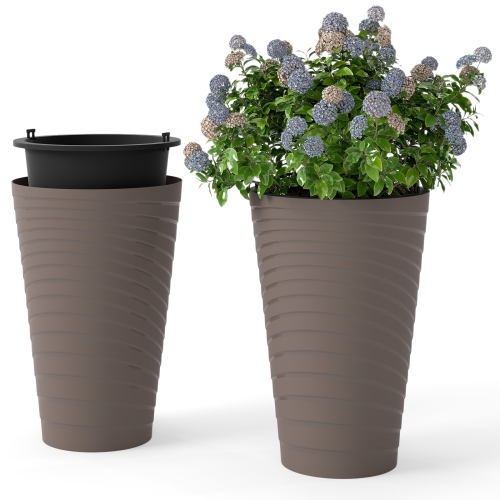
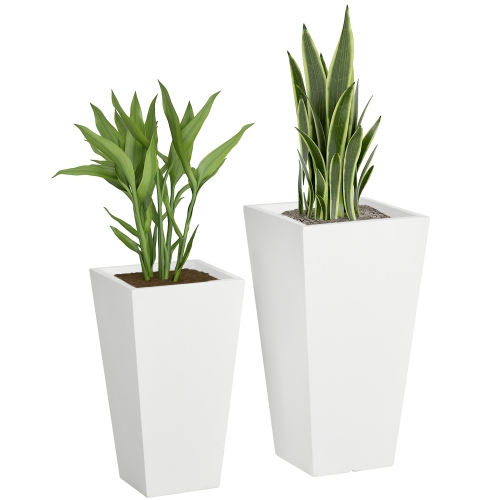
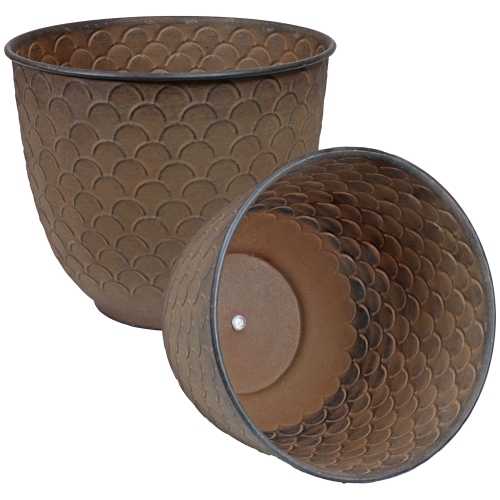
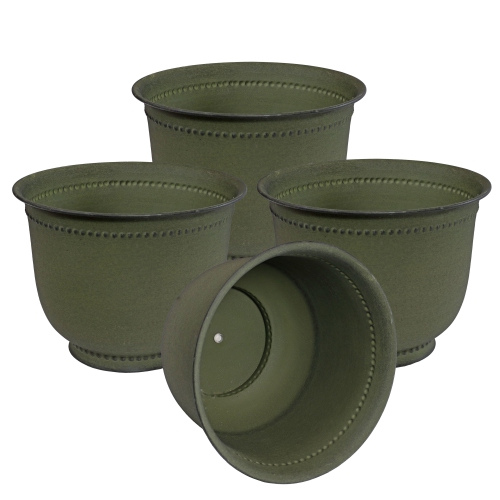
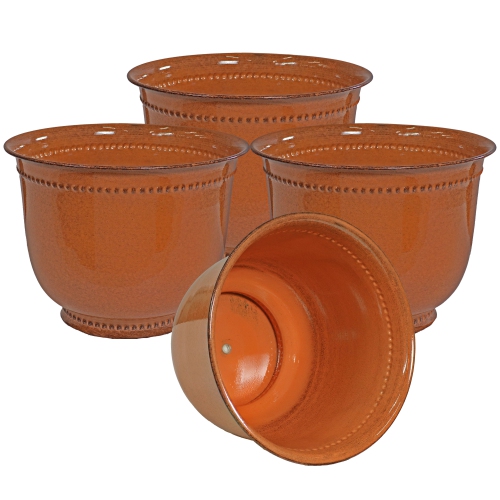
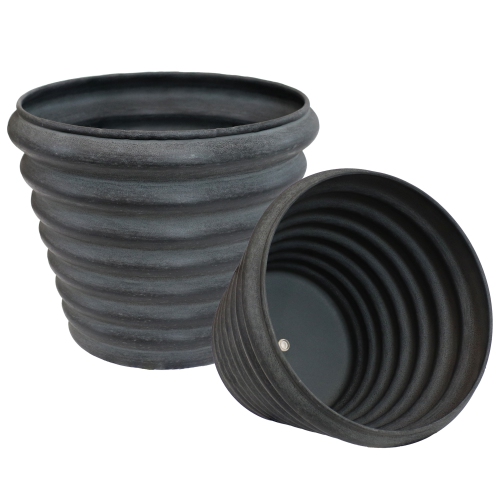
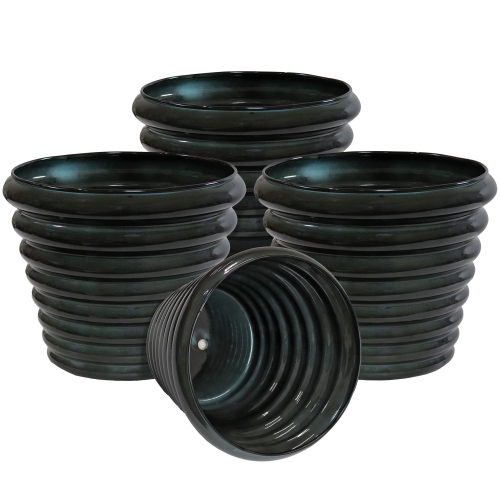
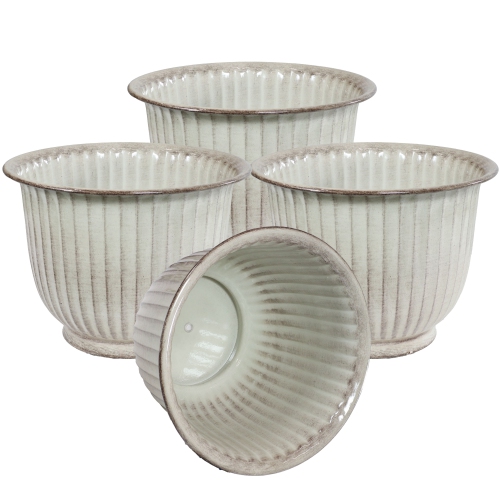
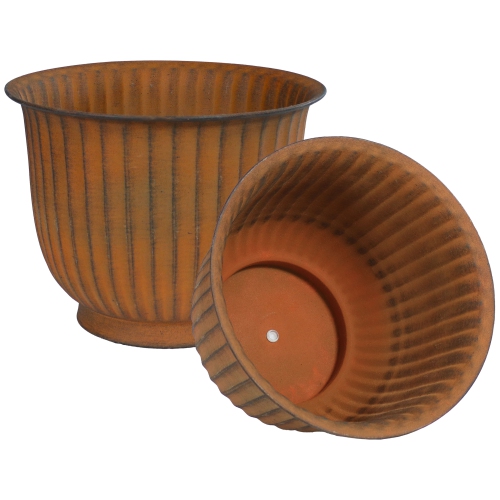
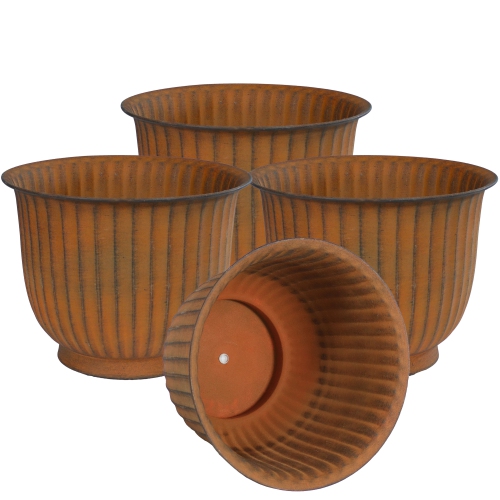
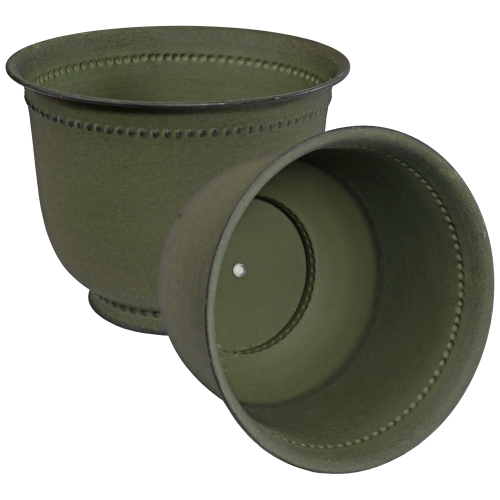
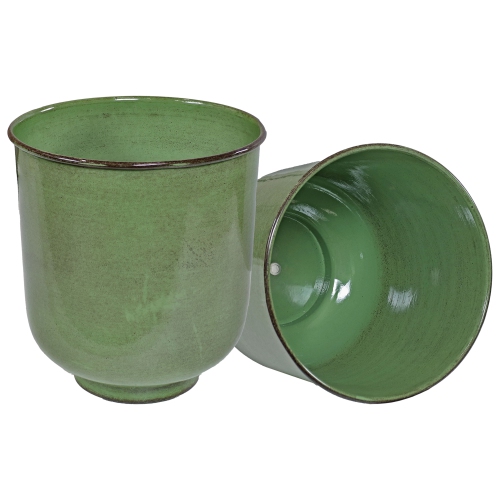
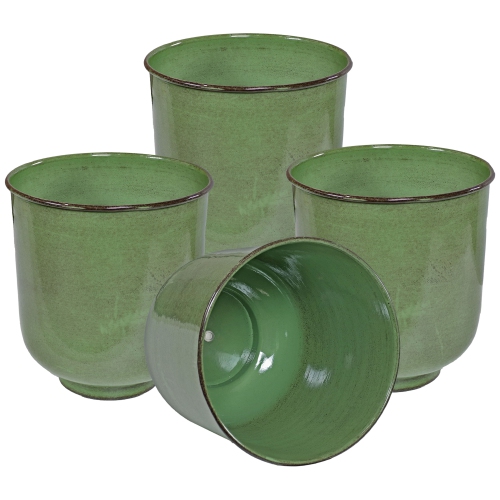
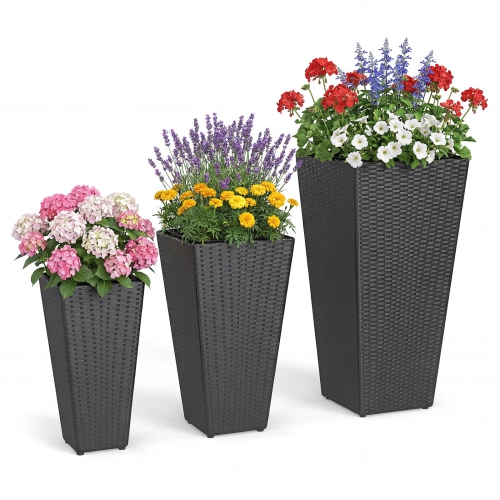
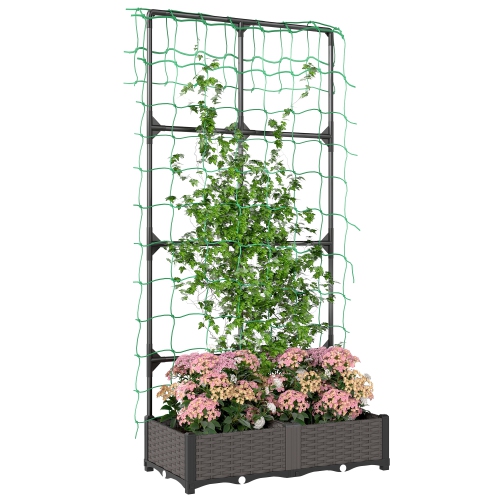
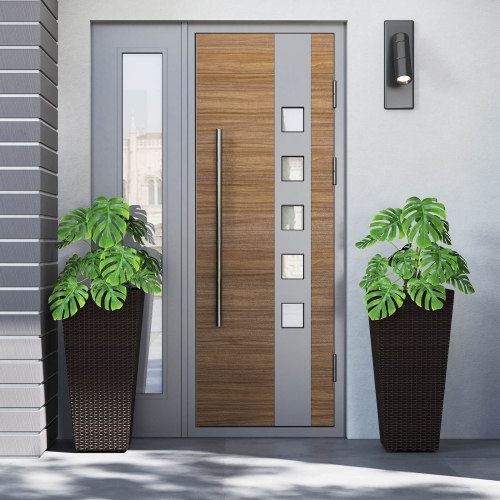
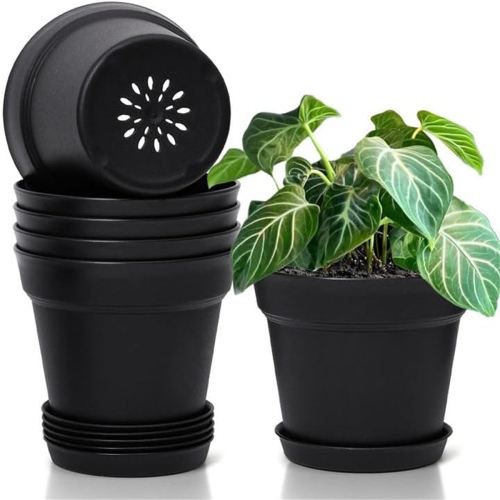
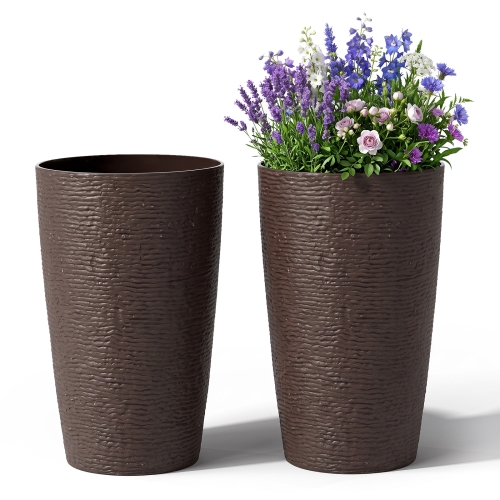
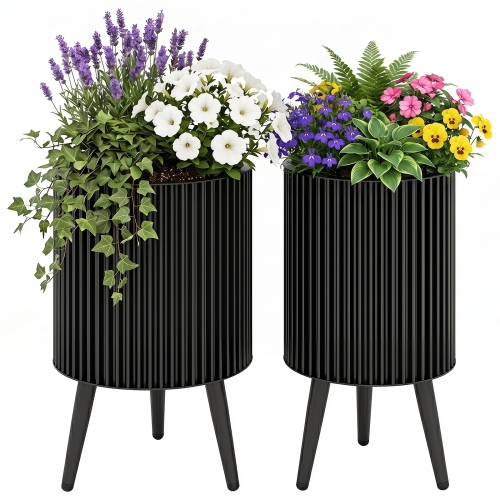
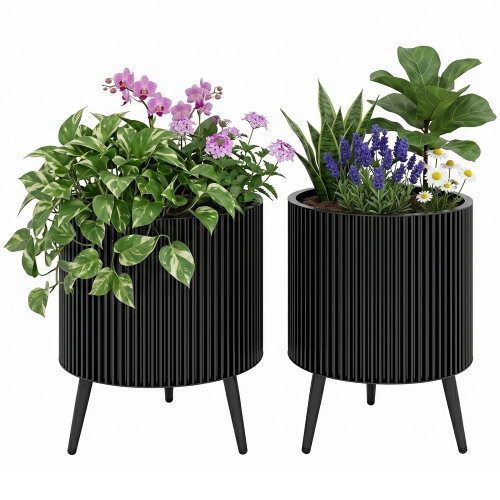
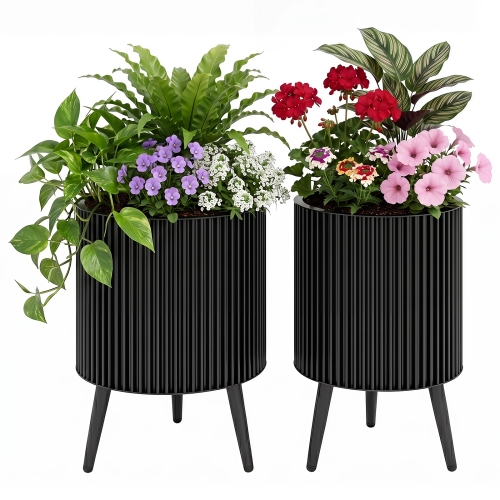
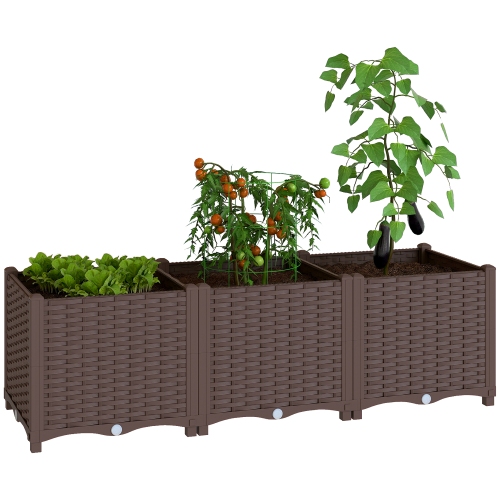
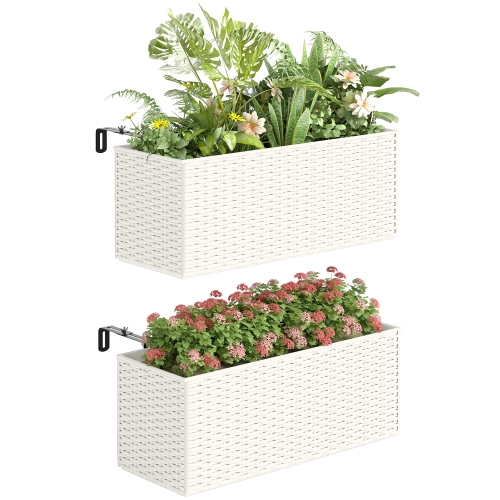
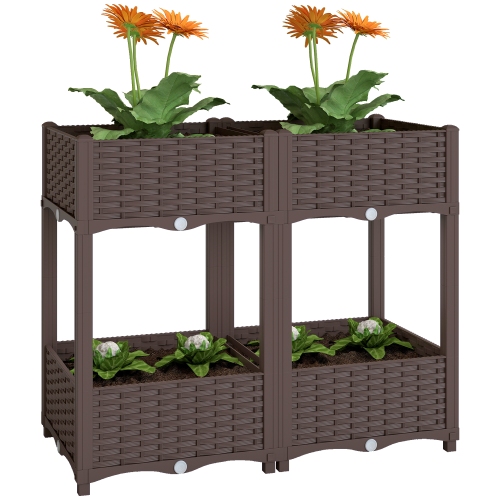
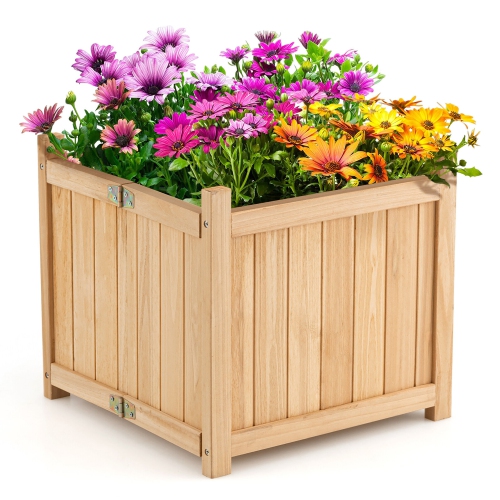
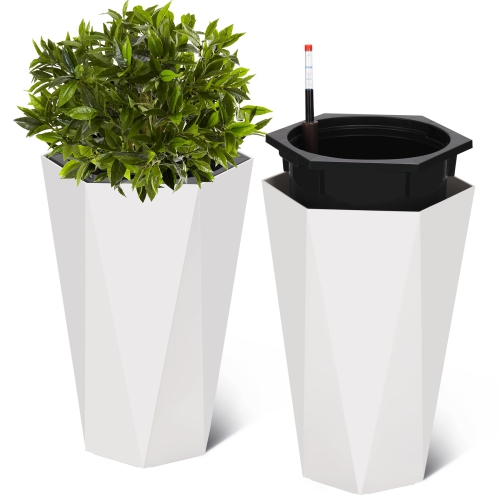
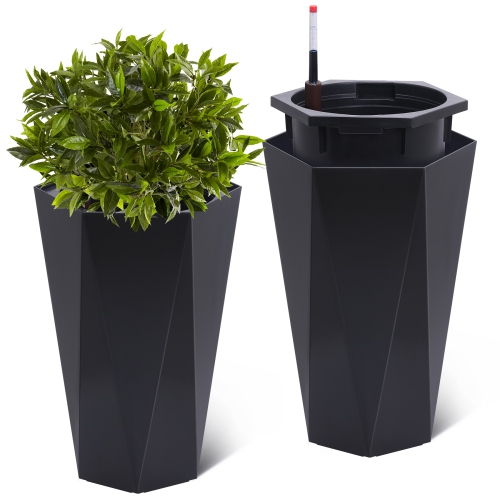
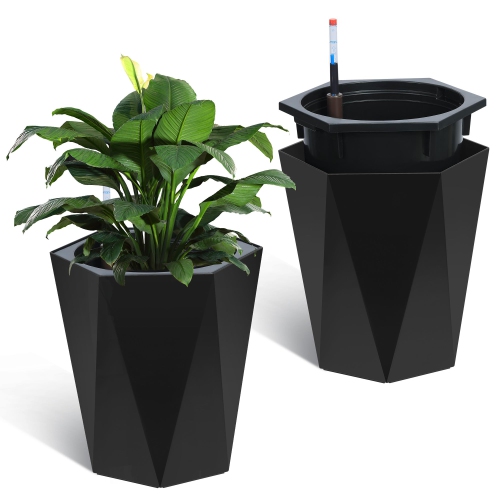
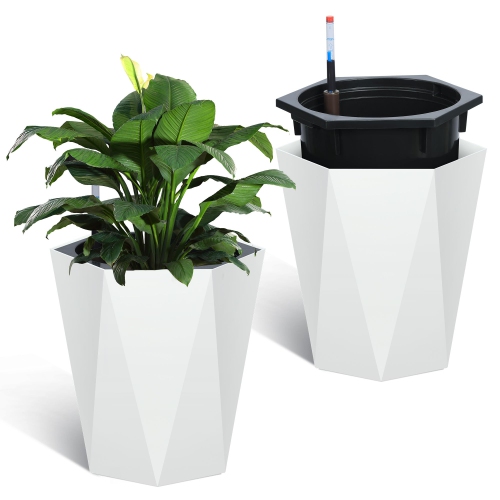
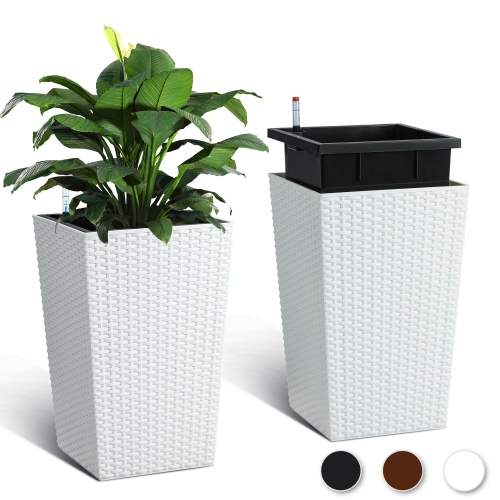
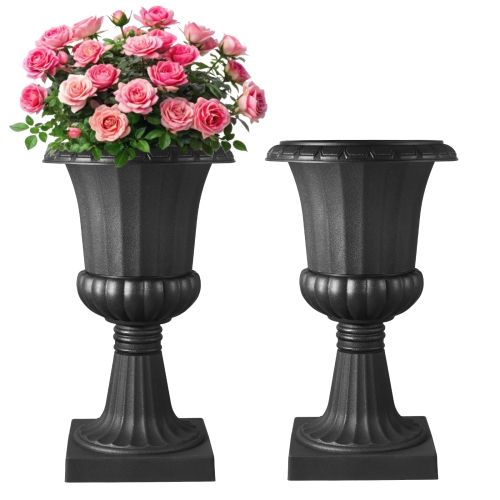
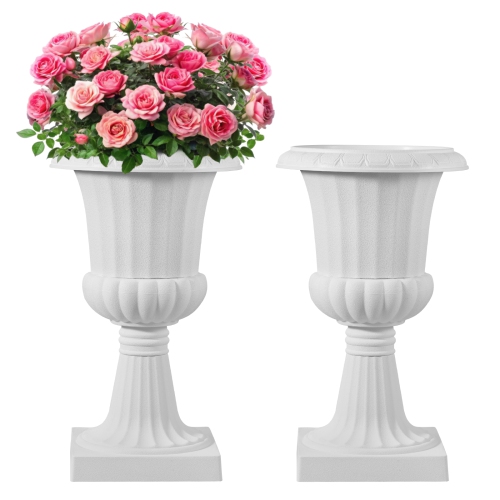
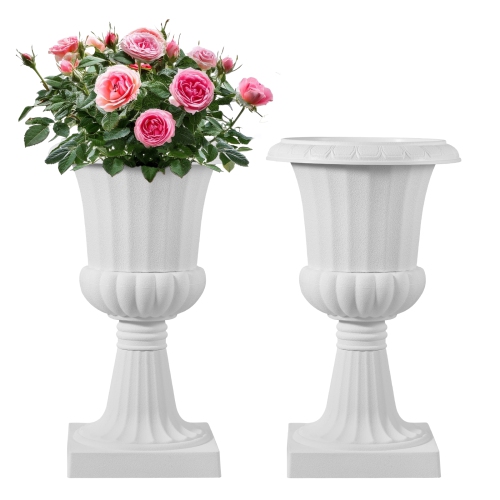
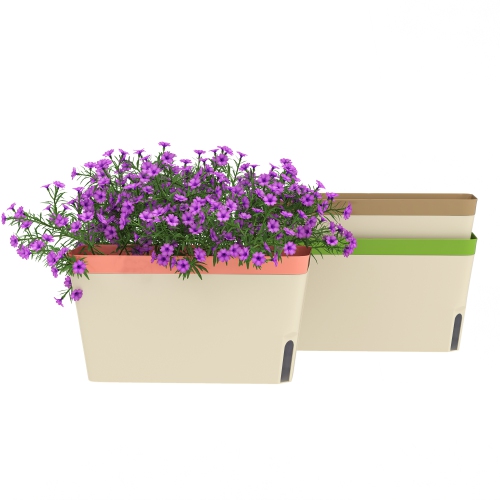
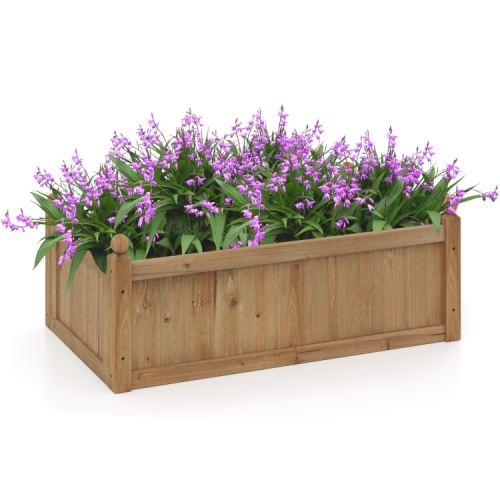
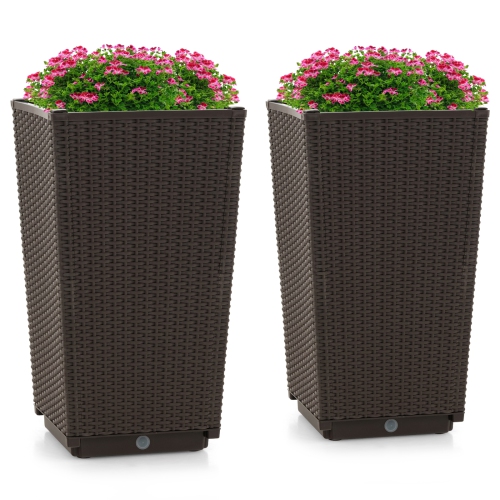
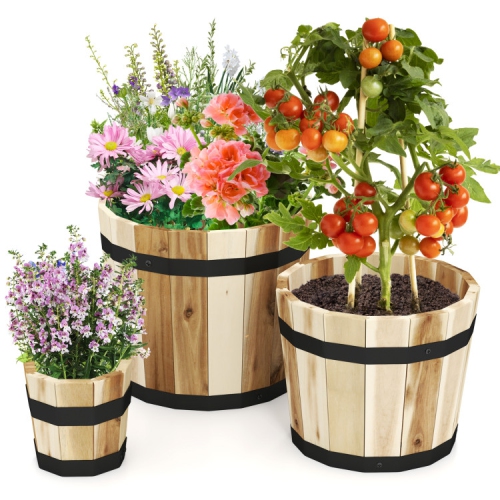
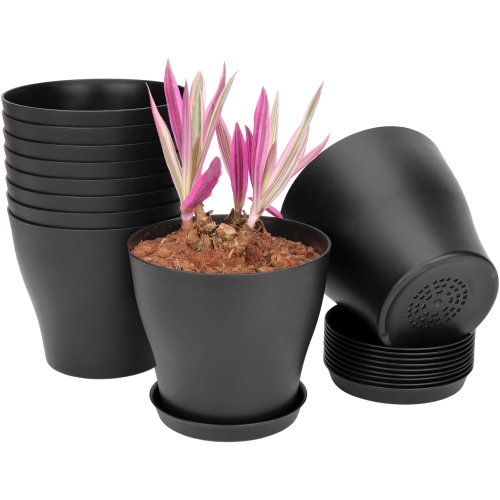
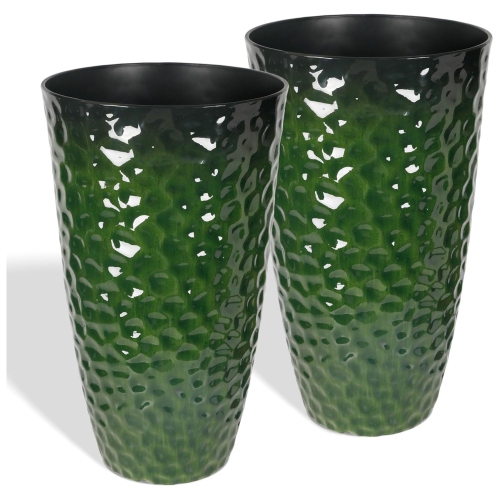
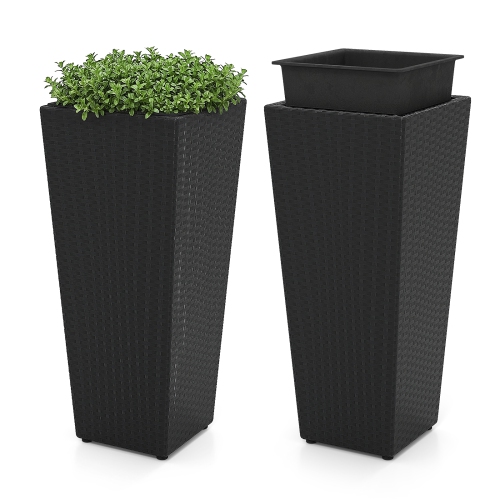
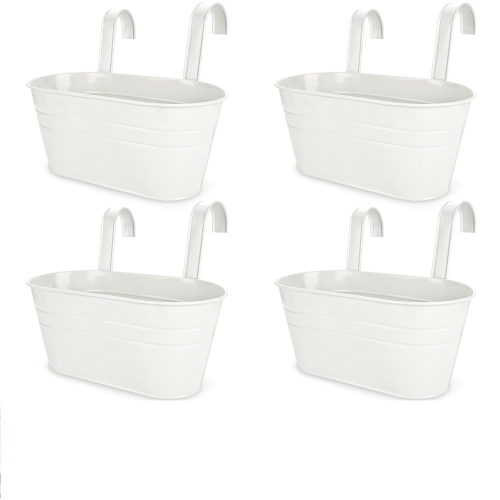
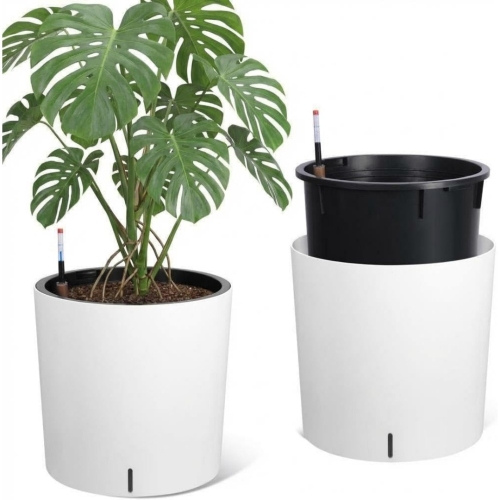
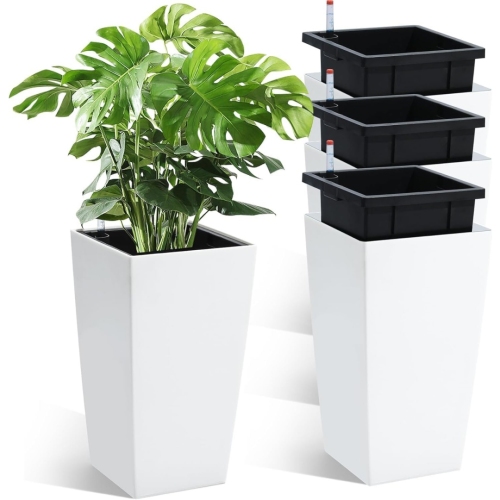
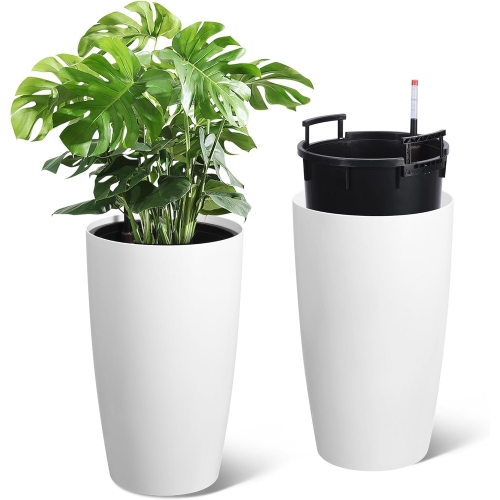
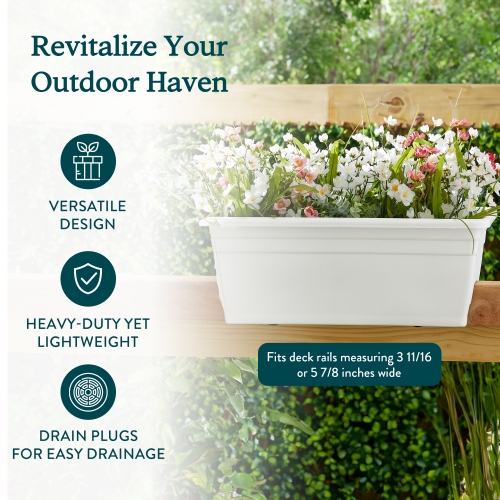
Outdoor flower pots with drainage give flowering plants a defined place to grow while allowing excess water to leave the container. Openings in the base help prevent water from pooling around roots, which need access to both moisture and air. Drainage holes do not control watering on their own: the potting mix, container size, plant type, and placement all affect how long moisture stays in the pot. Together, these details make the difference between a container that simply holds flowers and one that supports healthy root growth. On a balcony, a few compact pots can frame a seating area without taking over the floor. Beside a front door, broader containers can hold upright blooms with trailing flowers spilling over the edges. A cluster on a patio brings colour close to a dining table or reading chair, with individual pots making it easier to give different plants the care they need. Containers with open drainage holes are useful for direct planting, while designs with removable plugs offer flexibility in how water is released. A plug generally needs to be removed when unrestricted drainage is required; leaving it in place turns the base into a water-holding space. Some pots include a saucer to catch runoff, while others need a separate tray sized to their base. A saucer helps manage drips, but standing water should not be left in contact with the pot indefinitely. Reservoir-style containers work differently, holding a measured supply below the growing area and sometimes using wicks to draw moisture upward. An overflow opening is an important distinction in these designs because it lets excess water escape rather than continually raising the water level. For anyone furnishing a small outdoor space, the drainage arrangement deserves as much attention as the pot’s silhouette: water needs a clear route out without spilling onto a neighbour’s balcony, crossing a walkway, or collecting beneath furniture.
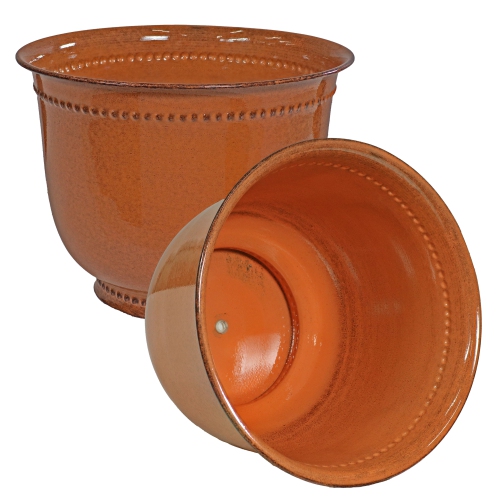
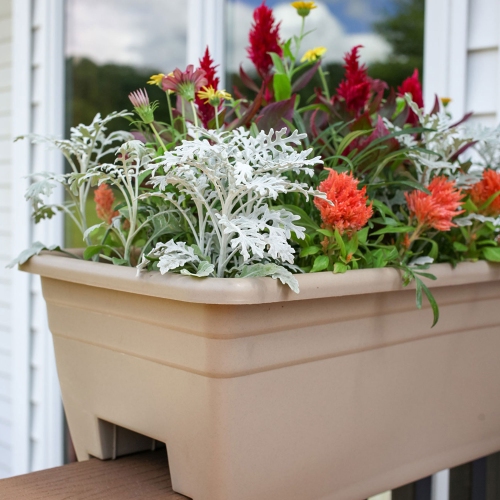
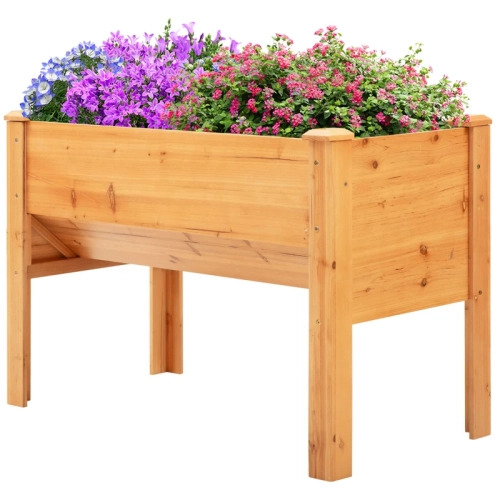
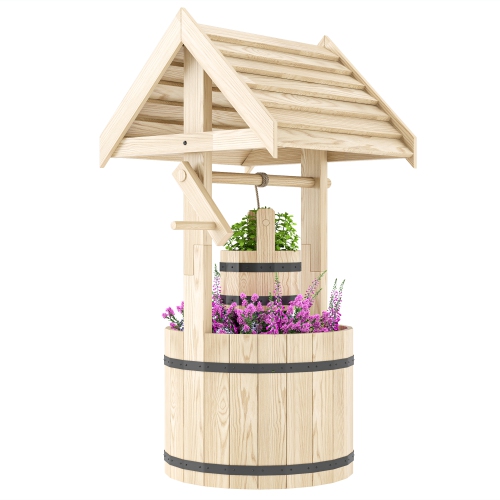
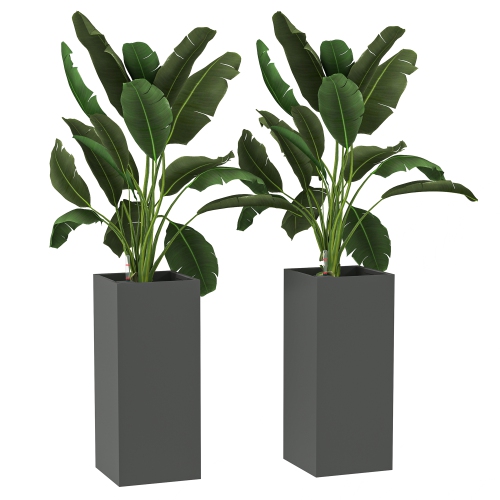
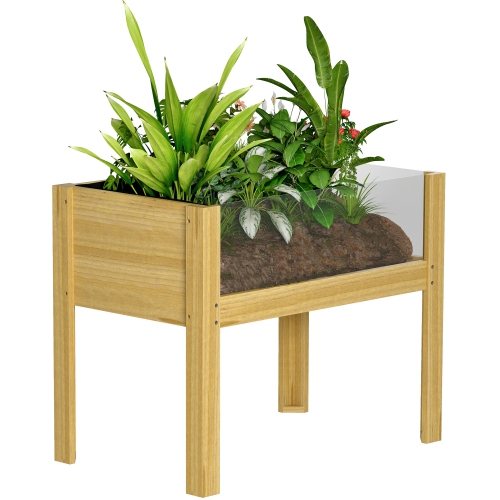
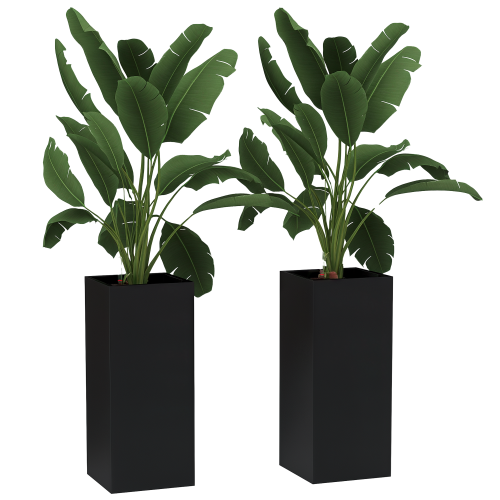
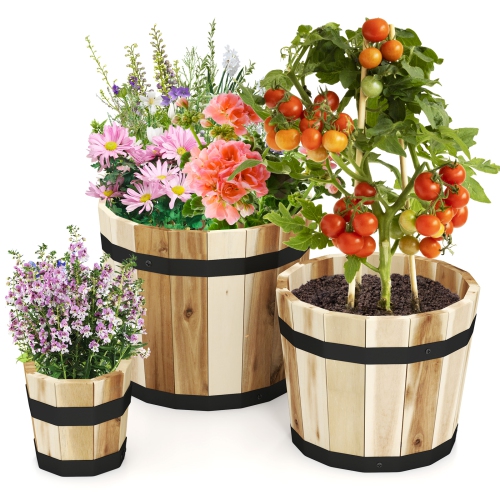
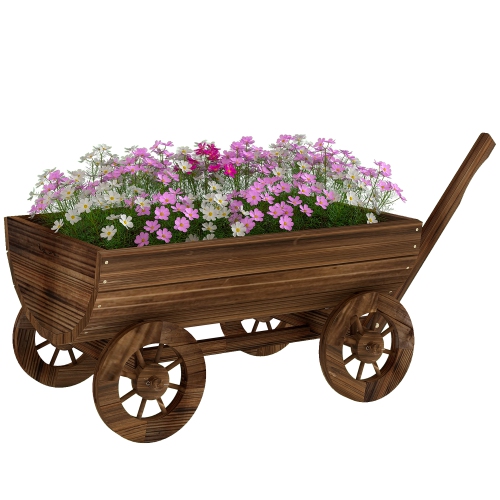
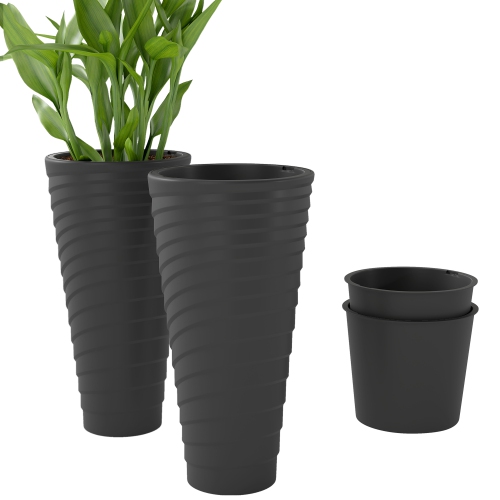
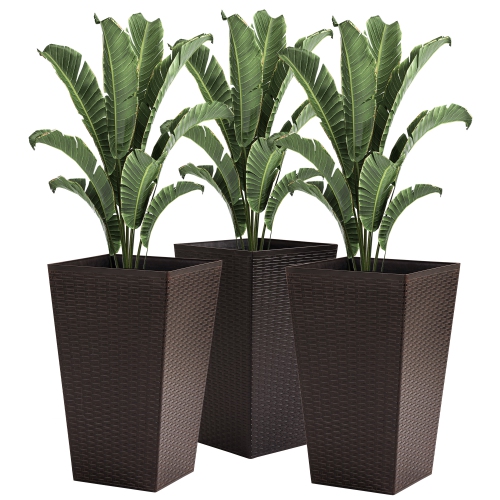
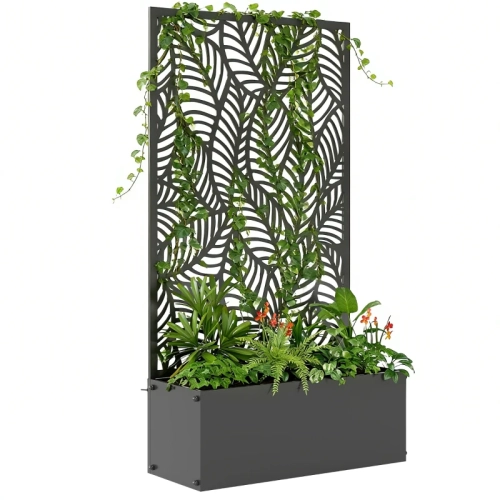
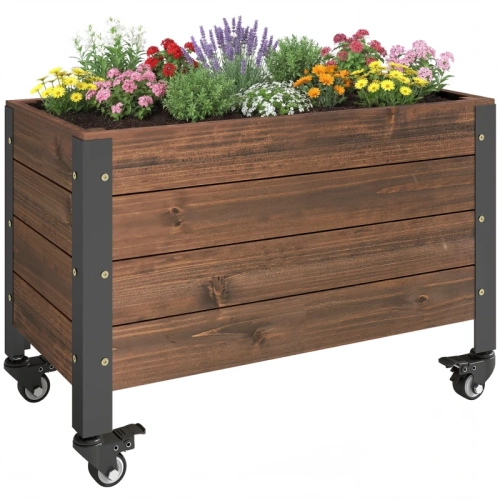
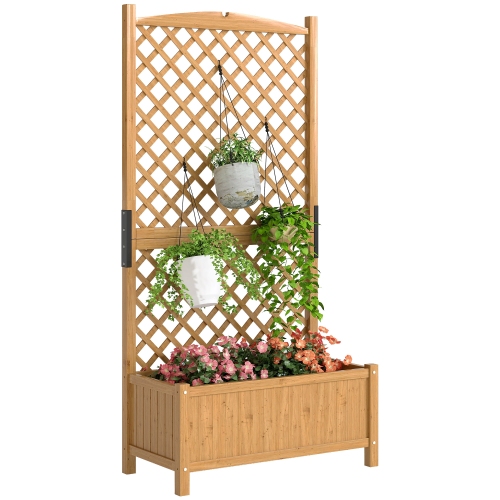
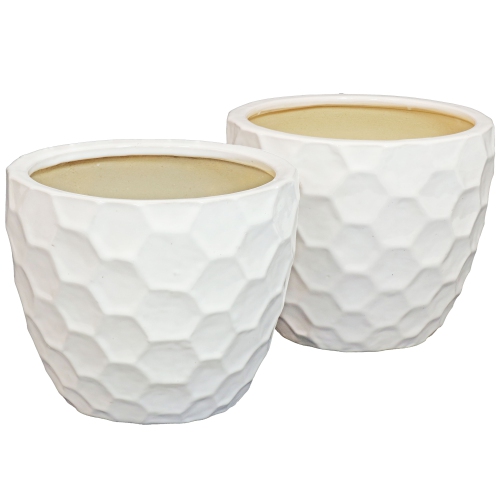
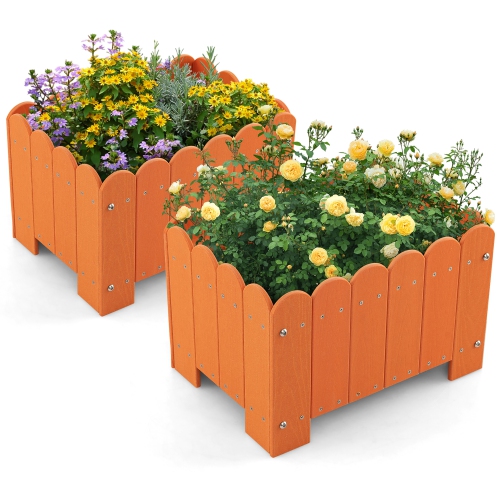
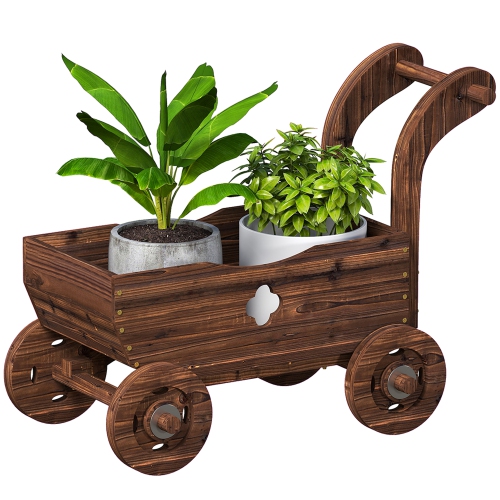
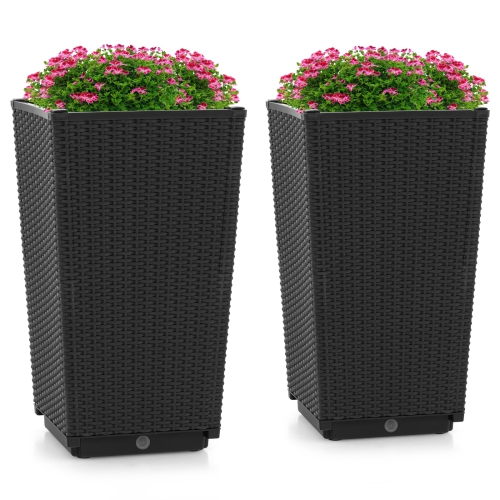
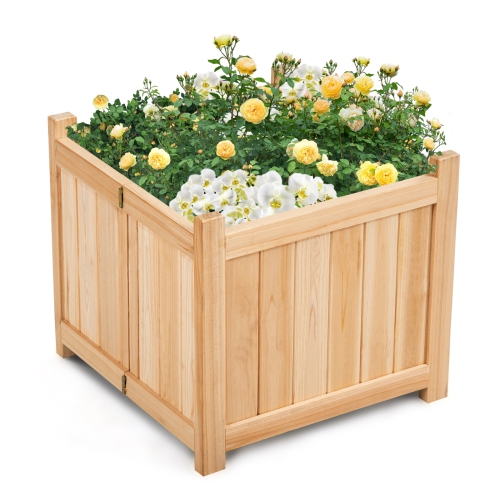
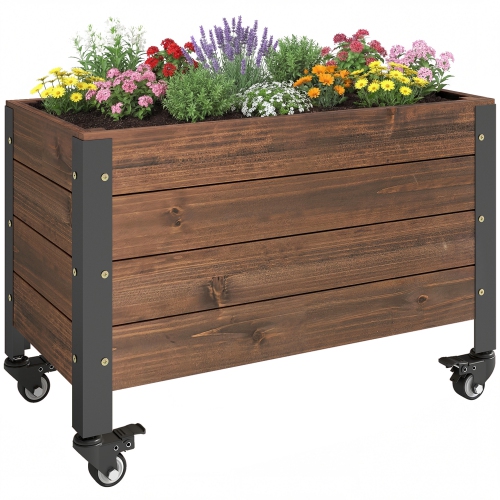
Material shapes the look, weight, and everyday handling of outdoor planters. Unglazed terracotta has a warm, earthy finish and porous walls that allow moisture to leave through the sides as well as the drainage opening. That can suit plants that prefer their potting mix to dry somewhat between waterings, though porous pots may need closer attention than less absorbent containers. Glazed ceramic offers smooth surfaces and rich colour, with a substantial feel that works well as an accent near an entrance or seating area. Its weight becomes more noticeable once soil and plants are added, and the surface can chip if knocked against paving or another pot. Plastic and resin containers are often easier to move, making them practical for renters, balcony gardeners, and anyone who rearranges an outdoor display. Their durability varies with wall thickness, construction, and the material’s resistance to fading and brittleness under sunlight. Fibreglass and composite designs can provide the appearance of heavier materials without the same lifting demands, although their finishes and care requirements differ. Metal containers bring crisp lines and a contrasting texture beside foliage; protective finishes, drainage placement, and any separate inner liner all influence how they perform. Wood provides a softer, textured look, but joints, bases, and liners need particular attention because a liner that blocks the drainage route defeats the purpose of the openings beneath it. Across materials, a stable base and sound construction matter more than appearance alone. A tall, narrow pot can look striking with an upright plant, yet a wider footprint offers better stability where the container might be bumped. Handles and raised edges may make an empty pot easier to position, but they should not be assumed to support its fully planted weight. Outdoor-use ratings and the manufacturer’s care details help distinguish a pot intended for exposed placement from an ornamental cover better suited to a sheltered spot. Coordinating finishes can tie a space together, while a mix of rounded, tapered, and straight-sided forms keeps a group from looking too uniform.

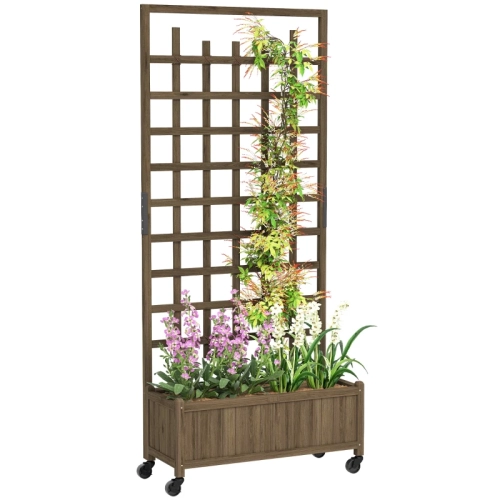
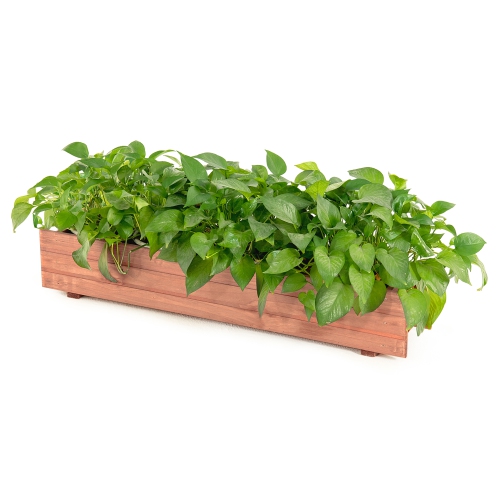
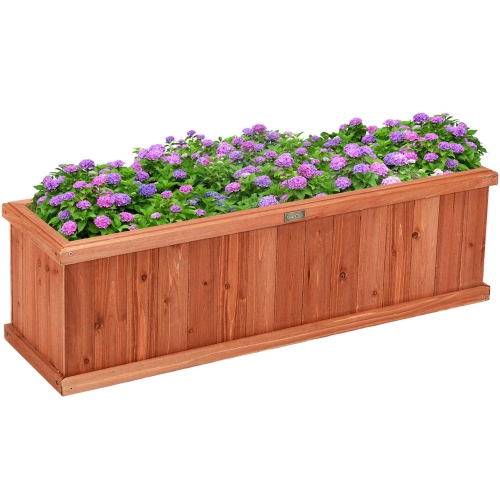
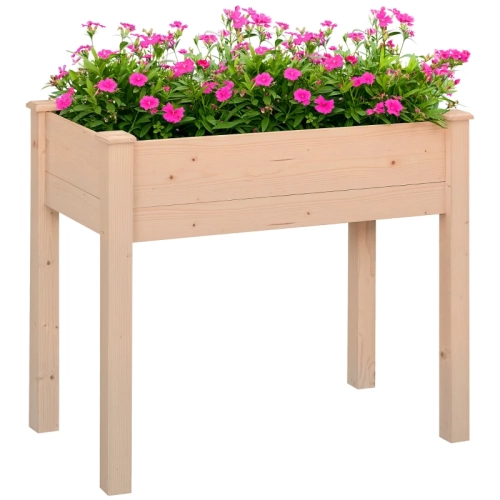
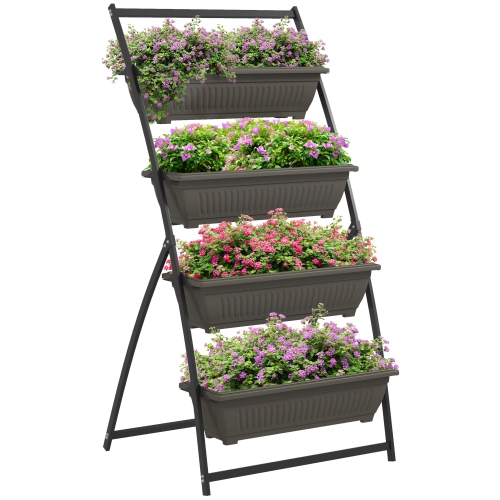
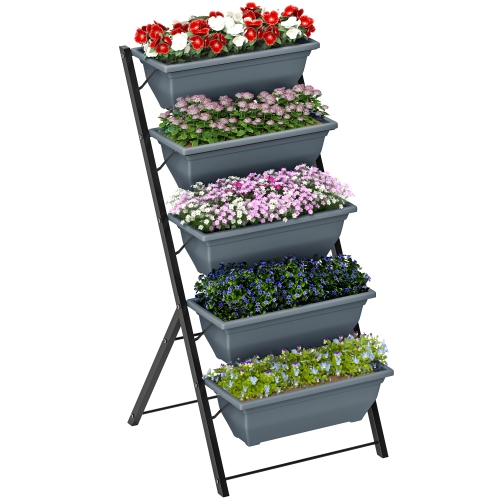
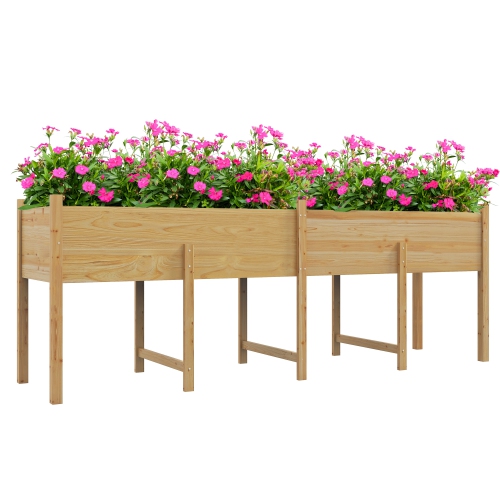
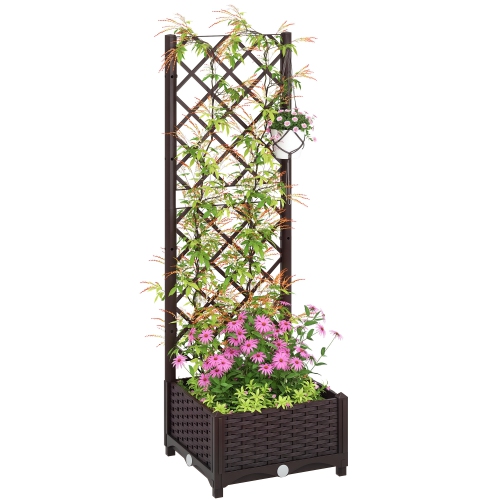
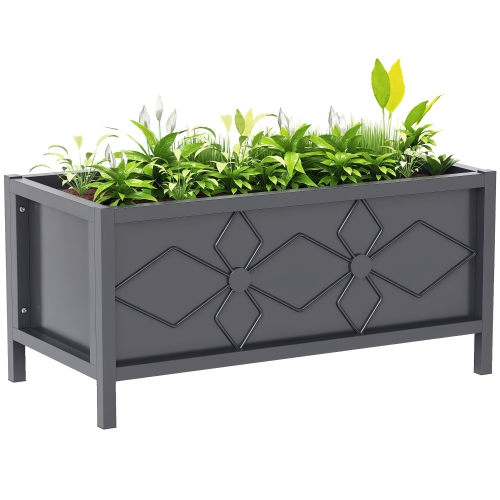
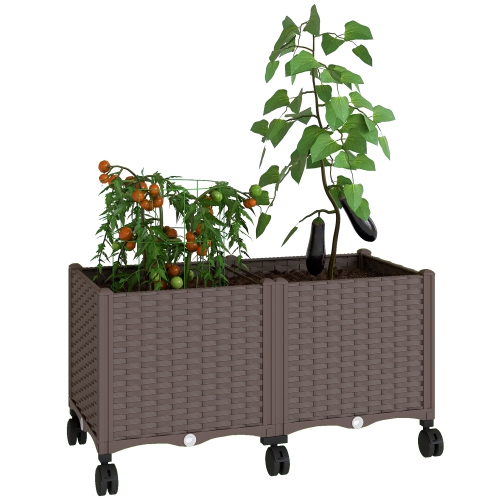
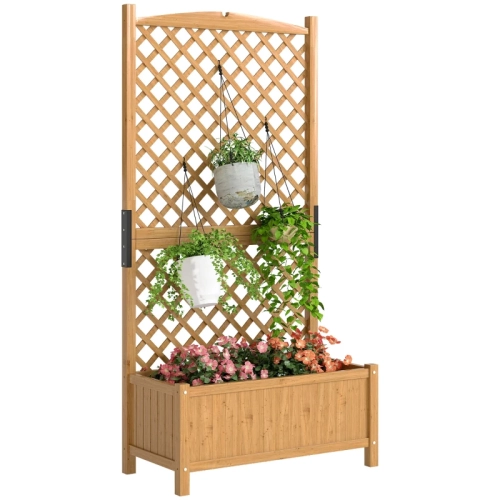
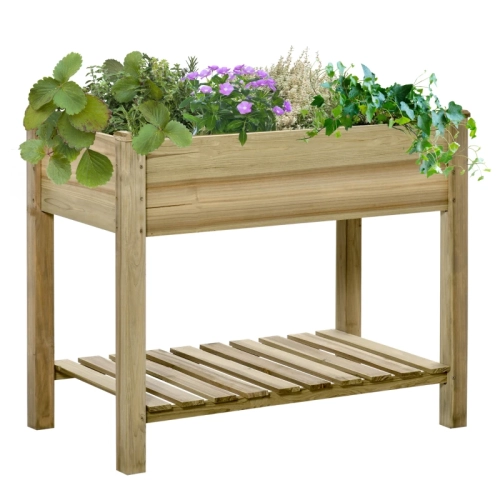
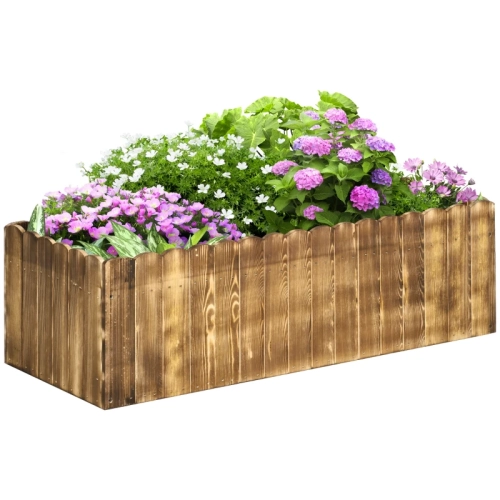
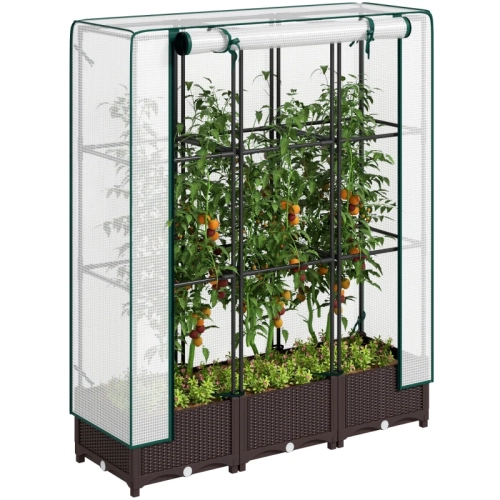
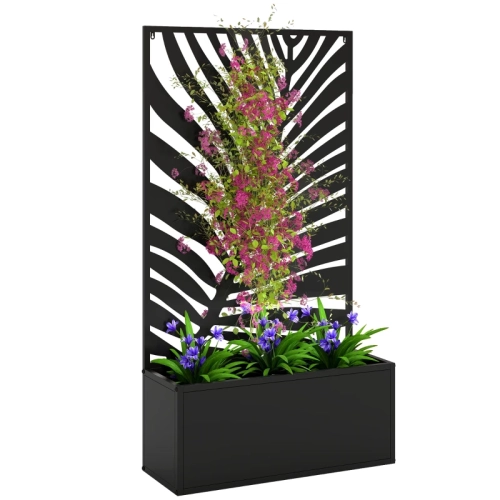
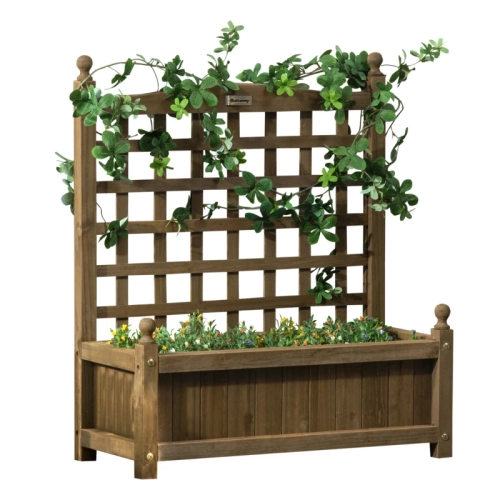
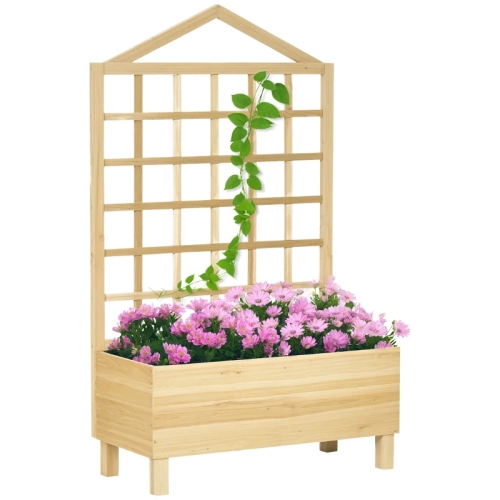
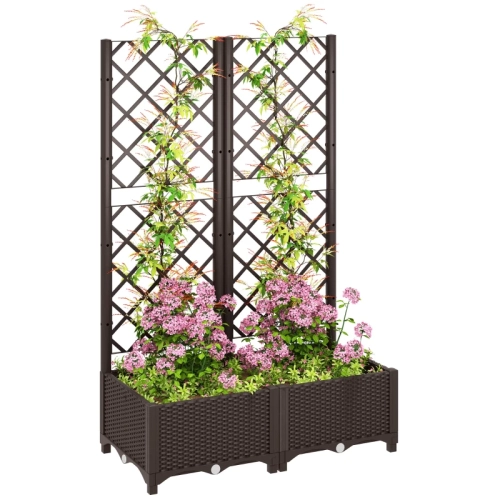
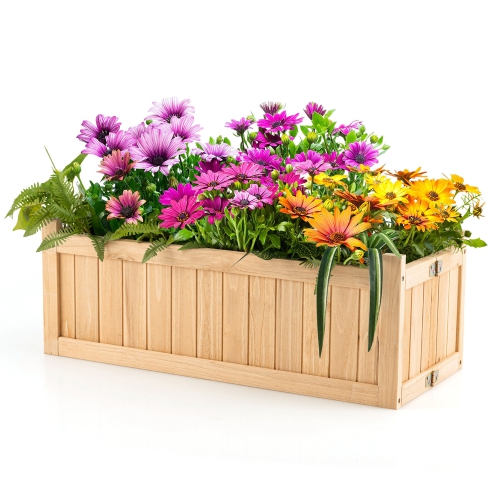
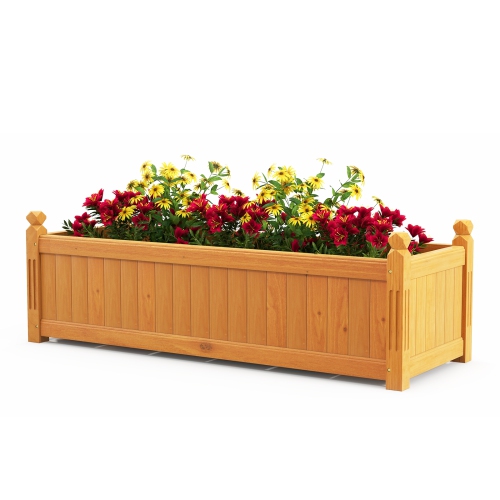
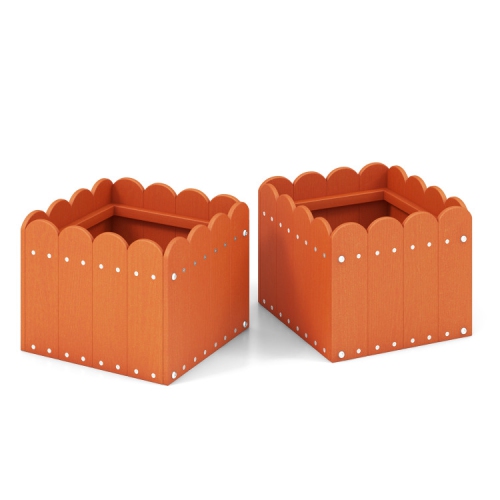
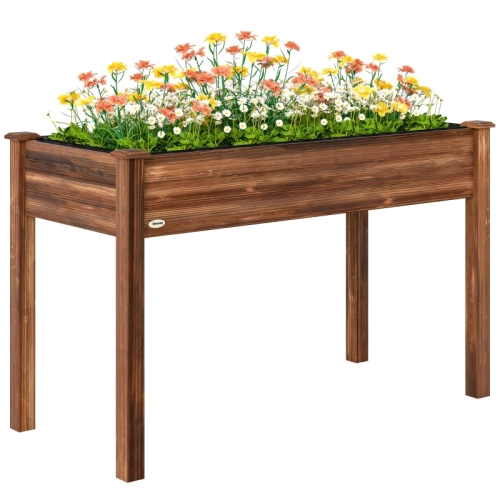
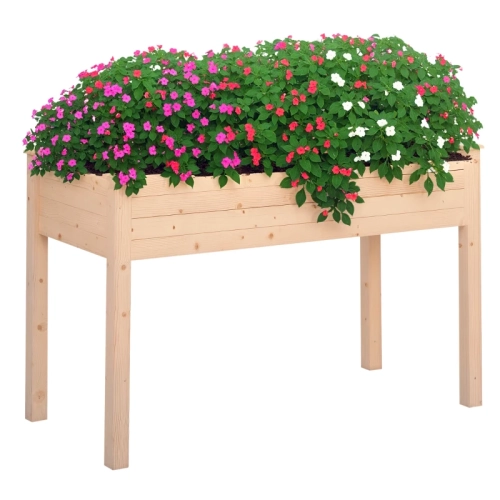
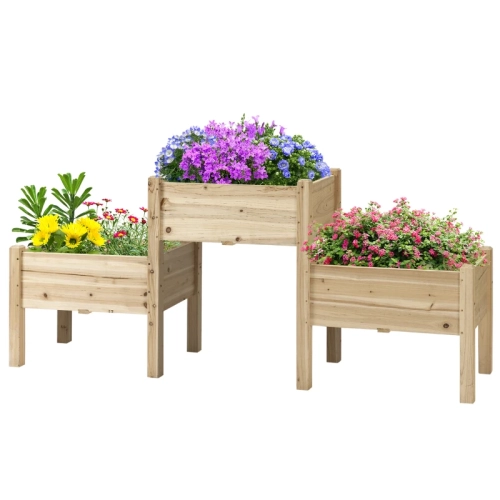
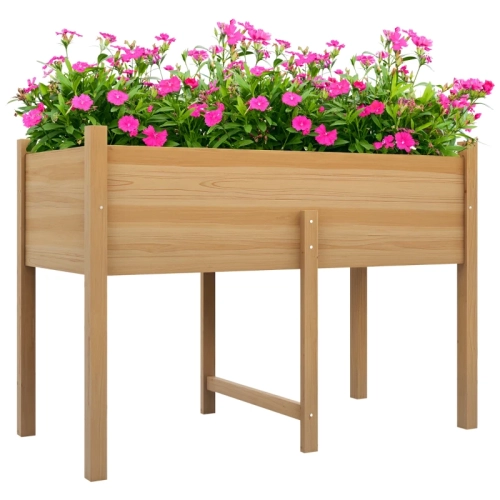
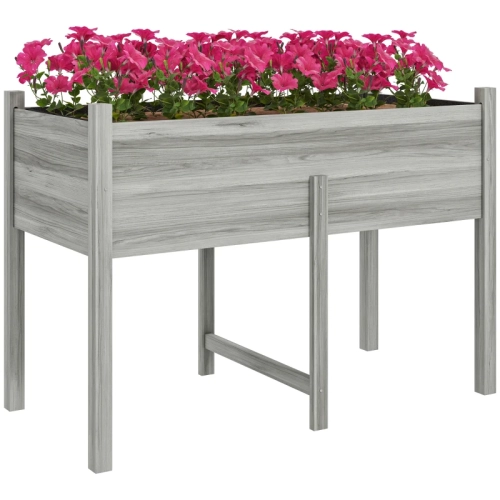
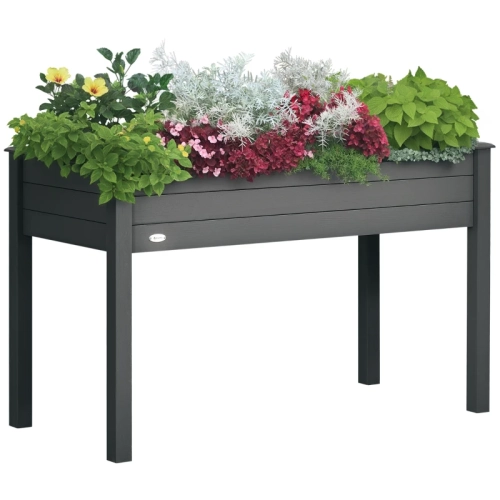
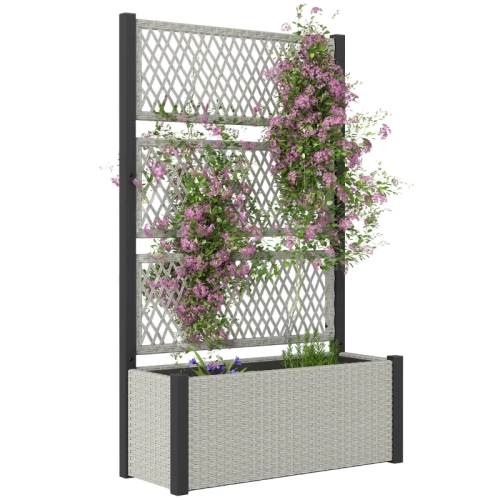
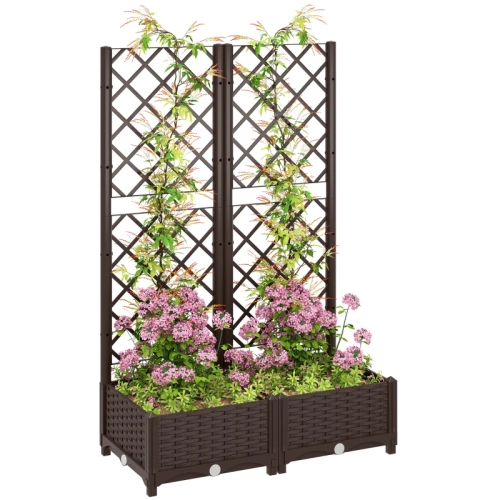
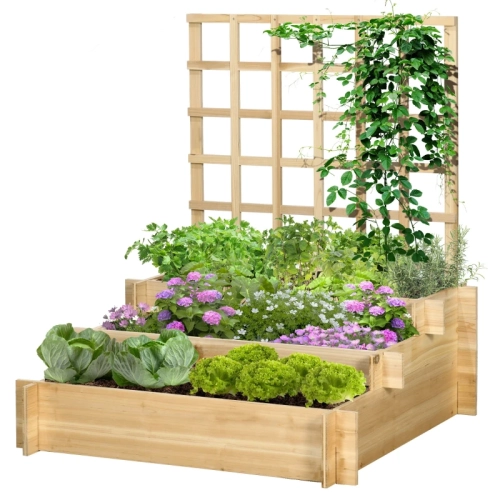
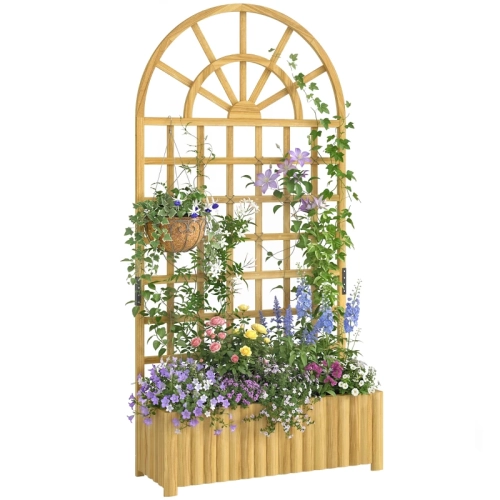
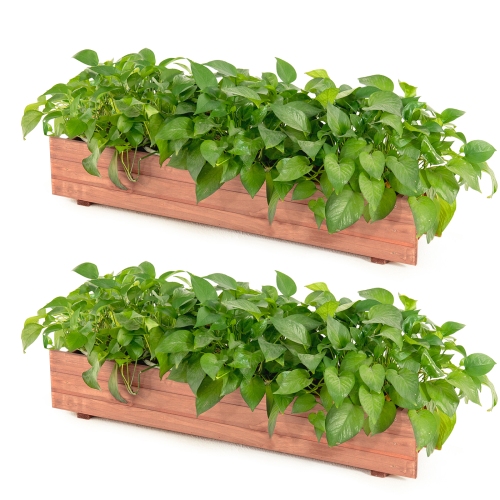
Size and fit involve more than the outside measurements. Internal depth determines how much growing space roots have, and a thick wall, raised base, or built-in reservoir can reduce the usable volume. For a plant being moved from a nursery container, a modest increase in pot size is often more manageable than a much larger jump, since a generous volume of unused potting mix can stay wet longer than expected. A pot intended to hold several flowers needs enough room for their mature spread as well as their roots. Wide bowls suit low, spreading arrangements, while deeper containers accommodate plants that need greater root depth. When a nursery pot sits inside an outer planter, there should be room to lift it out and check that drained water is not collecting underneath. Rectangular layouts offer another option for narrow edges and grouped plantings; Planter Boxes With Drainage Holes can provide a continuous planting area along a patio boundary or beside a bench. Whatever the shape, a potting mix formulated for containers generally maintains a more suitable balance of air and moisture than dense garden soil. A layer of gravel at the bottom does not replace drainage holes or reliably improve drainage, and it takes away root space. Where loose mix escapes through a large opening, a small piece of suitable mesh can retain it without sealing the outlet. Pot feet or a compatible raised base can also keep openings clear when a container rests on a flat surface. Routine care is straightforward: clear blocked outlets, empty collected runoff when needed, and clean containers between plantings with methods suited to the material. Checking for cracks, loose bases, and damaged finishes helps catch problems before a filled pot becomes difficult to handle. For a housewarming gift or a keen flower grower, a manageable size and an easy-to-maintain finish are thoughtful choices. The most useful outdoor flower pots combine enough growing room with accessible drainage and a shape that fits comfortably into daily life, whether that means a single flowering accent by the door or a varied collection around a favourite outdoor seat.
Read More

FAQ

Some products may be subject to Environmental Handling Fees (EHF) depending on your province. Learn more about EHFs.